
Research lipid catalog
Ionizable Lipid Products
Explore 848 lipid and RNA delivery products. Search the full catalog or browse by research category.
Search covers product name, catalog number, synonyms, available CAS numbers and categories. Spaces, hyphens and common punctuation are ignored. Duplicate legacy records are consolidated under one canonical product result.
6177 products · Showing 6041–6060 · 20 per page
DC Chemicals lipid expertise
Built for ionizable-lipid discovery and RNA delivery research
DC Chemicals supports formulation and delivery research with a broad, searchable portfolio of cationic and ionizable lipids. The current directory brings together 848 unique research-use products, with product specifications, pricing, chemical structures and literature-linked formulation data added as each record is verified.
Our experience spans complex lipid synthesis, purification, analytical release and process development. For custom molecules or larger-scale requirements, our team can discuss route development, technical specifications and scale-up options for the intended research workflow.
Learn about cationic and ionizable lipids →Proprietary innovation · Co-development · GMP
From proprietary lipid design to GMP-grade custom synthesis
DC Chemicals has independently developed ionizable-lipid structures supported by company-owned intellectual property, and selected proprietary lipid programs have advanced to GMP-stage development.
We welcome joint development with customers—from molecular design and lipid synthesis through route and process development. We can also support custom synthesis of GMP-grade ionizable lipids to agreed technical specifications and quality requirements.
Discuss a co-development project →Proprietary ionizable-lipid structuresCollaborative molecular designCustom lipid synthesisProcess development and scale-upGMP-grade project support
Product quick links
Explore New ionizable lipids
Explore our five most recently added ionizable lipids, with specifications, pricing and literature-linked product information.
DCL0028HX1Brain RNA delivery researchView product →DCL0024A1I4R13C18-2Spleen-targeted RNA delivery researchView product →DCL0023A1I4R2C18-2Spleen-targeted RNA delivery researchView product →DCL0022FS01Local joint RNA delivery researchView product →DCL0020Lipid-392Lung RNA delivery and gene editing researchView product →
Cat. No.Product NameField of ApplicationChemical Structure
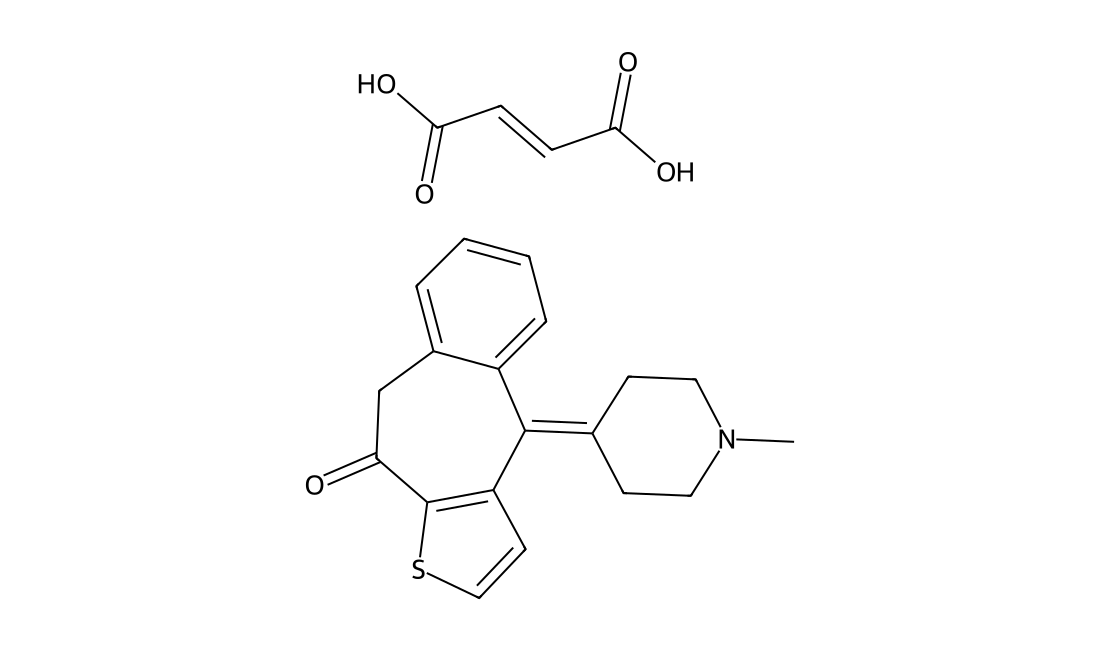
Ketotifen fumarateFeatured
Ketotifen (fumarate) is a second-generation noncompetitive H1-antihistamine and mast cell stabilizer, which is used to prevent asthma attacks.Ketotifen is a second-generation noncompetitive H1-antihistamine and mast cell stabilizer. It is most commonly sold as a salt of fumaric acid,ketotifen fumarate, and is available in two forms. In its ophthalmic form, it is used to treat allergic conjunctivitis, or the itchy red eyes caused by allergies. In its oral form, it is used to prevent asthma attacks. Side effects include drowsiness, weight gain, dry mouth, irritability, and increased nosebleeds. Ketotifen relieves and prevents eye itchiness and/or irritation associated with most seasonal allergies. It starts working within minutes after administering the drops. The drug has not been studied in children under three. The mean elimination half life is 12 hours. Besides its anti-histaminic activity, it is also a functional leukotriene antagonist and a phosphodiesterase inhibitor. The drug may also help relieve the symptoms of Irritable bowel syndrome.
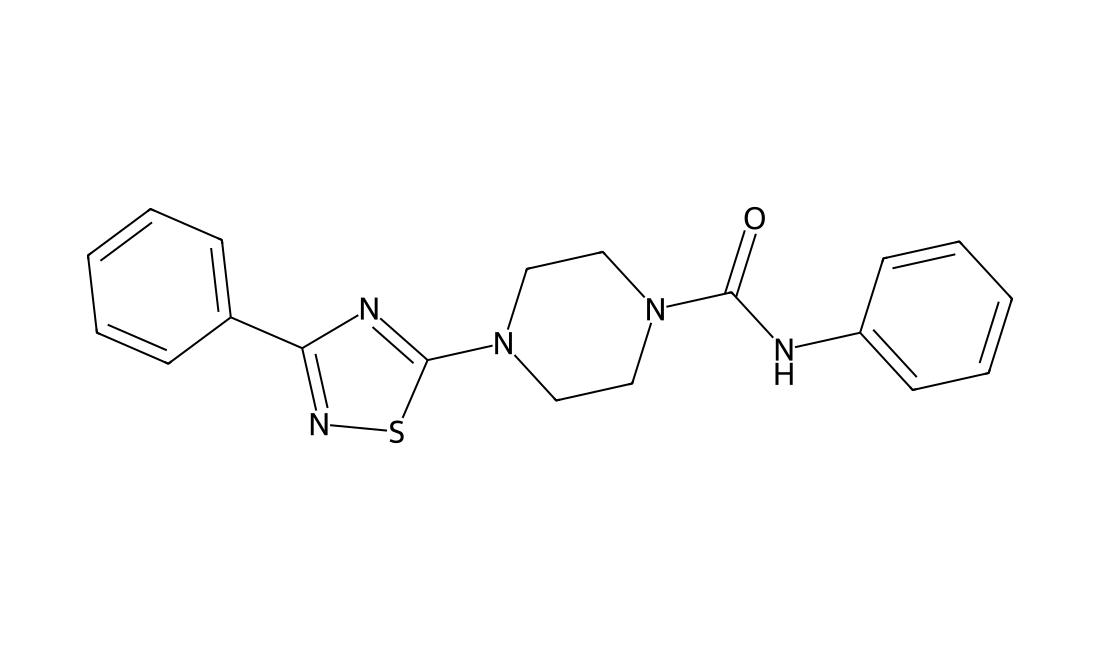
JNJ-1661010Featured
FAAH preincubated with JNJ-1661010 suggests a slow reversibility of the interaction between the JNJ-1661010 and the active site, which is accelerated at higher temperatures. JNJ-1661010 is a covalent, mechanism-based substrate inhibitor as examined by LC-ESI-MS. JNJ-1661010 docks with the phenylthiadiazole in the hydrophobic tunnel and the phenylurea in the hydrophilic pocket of FAAH. JNJ-1661010 (20 mg/kg i.p.) inhibits FAAH by at least 85% For up to 4 h after dosing, resulting accumulation of lipid ethanolamides in rat brain. JNJ-1661010 dose-dependently reverses the tactile allodynia with a maximum efficacy of approximately 90% at 30 min postdose in both Mild Thermal Injury (MTI) mice and rat model. JNJ-1661010 (20 mg/kg) reverses tactile allodynia by 60.8% at 30 min in rat spinal nerve ligation injury model. JNJ-1661010 (50 mg/kg i.p.) shows a significant attenuation of the hyperalgesia at 30 min postdose in rat carrageenan model of inflammatory pain. Rats dosed with JNJ-1661010 (20 mg/kg i.p.) has a plasma Cmax of 26.9 μM at the Tmax of 0.75 h and a Cmax in the brain of 6.04 μM at the Tmax of 2 h. JNJ-1661010 (20 mg/kg i.p.) inhibits brain FAAH and elevates AEA level in brain tissue in rat. For the detailed information of JNJ-1661010, the solubility of JNJ-1661010 in water, the solubility of JNJ-1661010 in DMSO, the solubility of JNJ-1661010 in PBS buffer, the animal experiment (test) of JNJ-1661010, the cell expriment (test) of JNJ-1661010, the in vivo, in vitro and clinical trial test of JNJ-1661010, the EC50, IC50,and Affinity of JNJ-1661010, Please contact DC Chemicals.
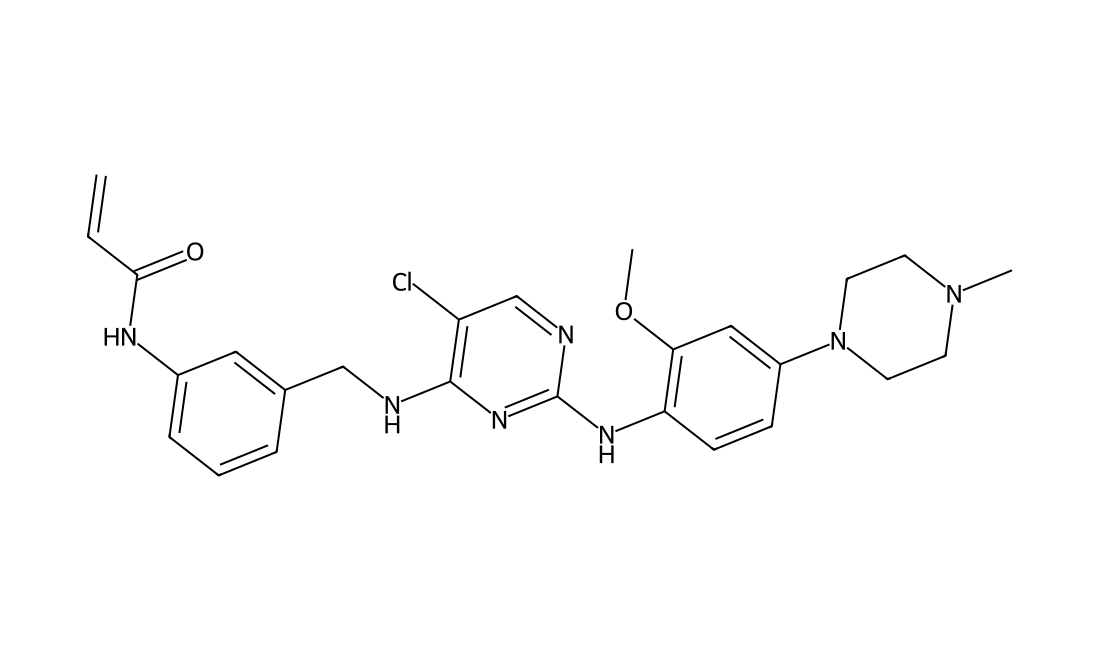
JAK3-IN-1Featured
JAK3-IN-1 is a potent and selective JAK3 inhibitor with IC50 of 4.8 nM; displays >150 fold selectivity versus JAK1 and JAK2; exhibits decent pharmacokinetic properties and is suitable for use in vivo.
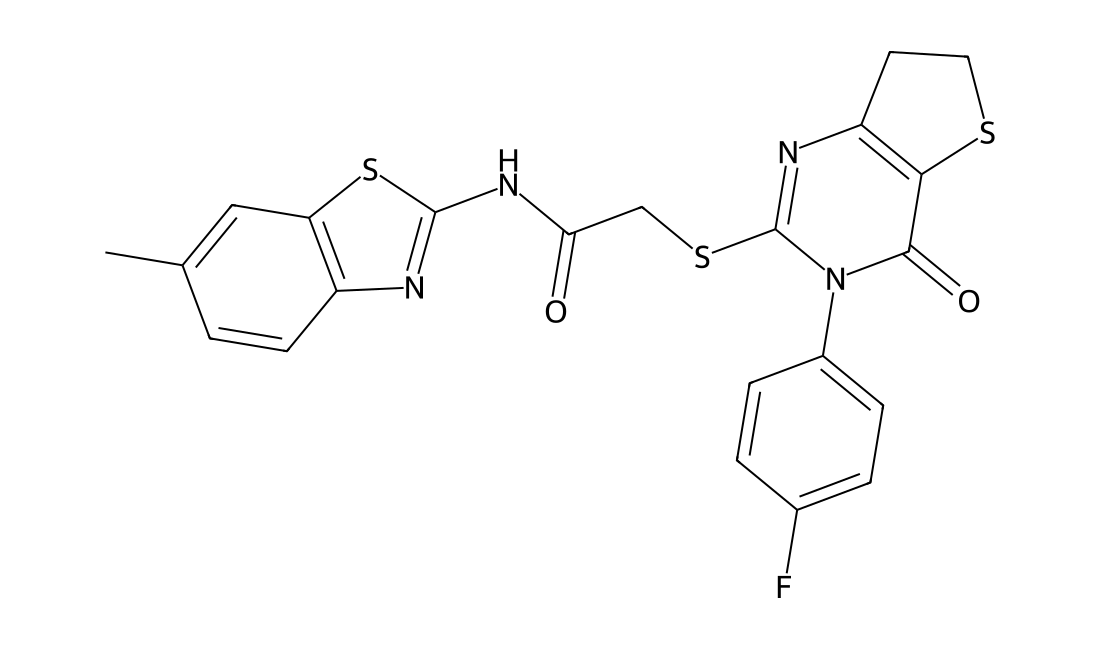
IWP-3Featured
Stemolecule Wnt Inhibitor IWP-3 was identified in a high throughput screen For antagonists of the Wnt/β-catenin pathway. Wnt Inhibitor IWP-3 prevents palmitylation of Wnt proteins by Porcupine (Porcn), a membrane-bound O-acyltransferase, thereby blocking Wnt secretion and activity. It also blocks phosphorylation of the Lrp6 receptor and accumulation of both Dvl2 and β-catenin. The inhibition of the Wnt pathway through the use of IWP-3 has also been shown to promote the Formation of cardiocytes from human embryonic stem cell-derived mesoderm cells.For the detailed information of IWP-3, the solubility of IWP-3 in water, the solubility of IWP-3 in DMSO, the solubility of IWP-3 in PBS buffer, the animal experiment (test) of IWP-3, the cell expriment (test) of IWP-3, the in vivo, in vitro and clinical trial test of IWP-3, the EC50, IC50,and Affinity of IWP-3, Please contact DC Chemicals.
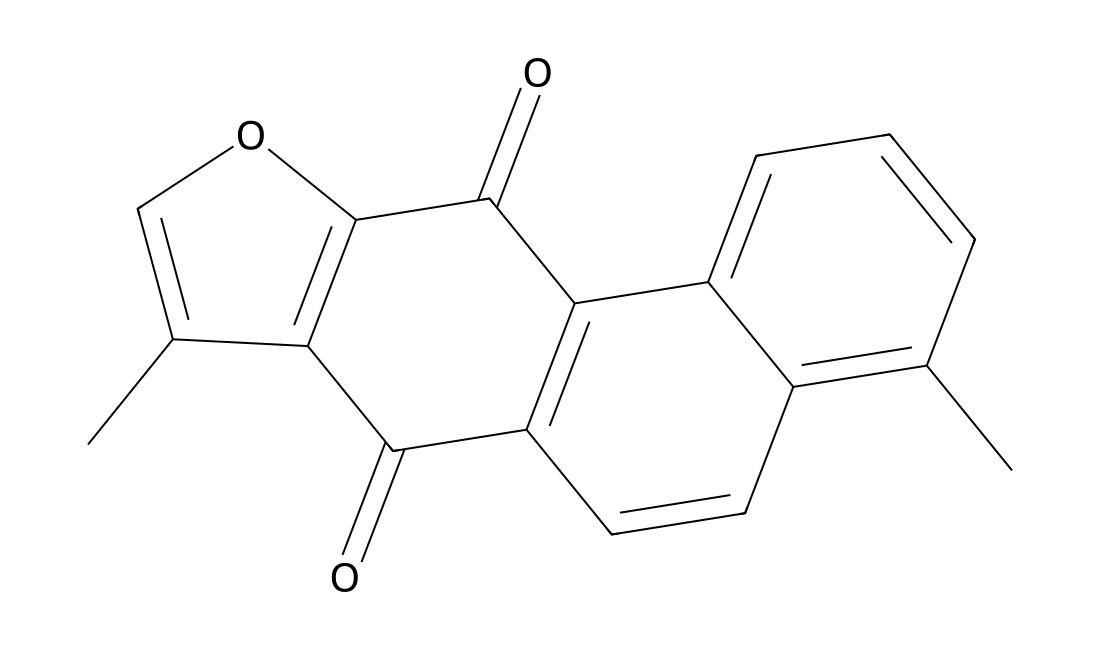
Isotanshinone IIAFeatured
Isotanshinone IIA, an abietane-type diterpene metabolite, could non-competitively inhibit Protein Tyrosine Phosphatase 1B (PTP1B) activity with an IC50 0f 11.4 μM.
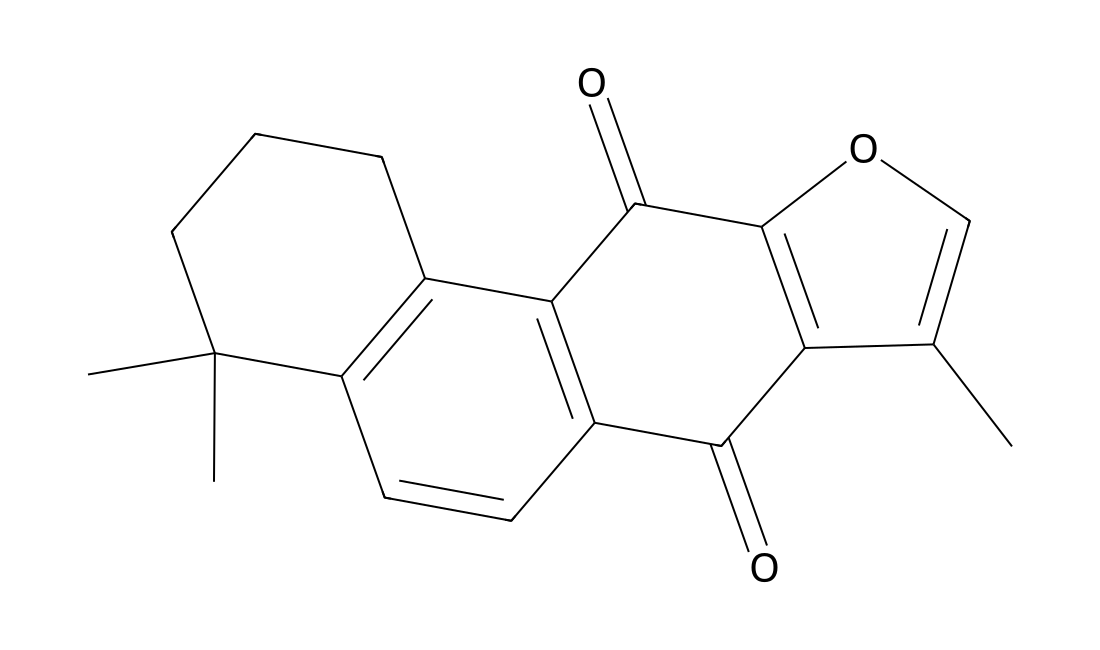
Isotanshinone IFeatured
Isotanshinone I has inhibitory activity against α-glucosidase and formation of AGE, with IC50s of 1.13, 0.432 μM for α-glucosidase and AGE, respectively.
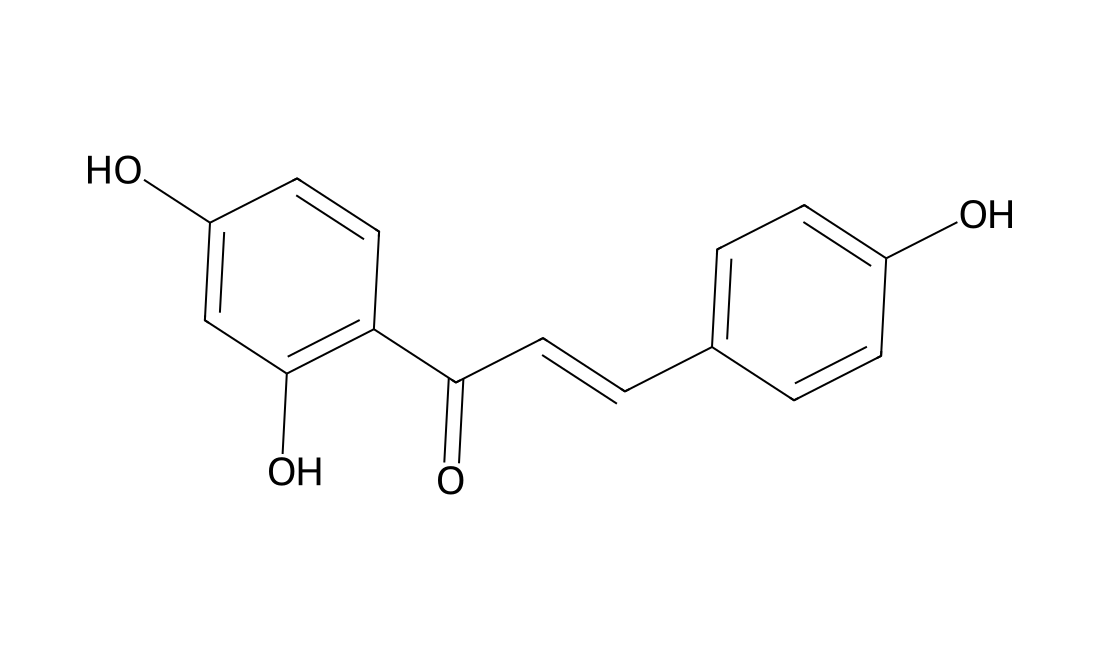
IsoliquiritigeninFeatured
For the detailed information of Isoliquiritigenin, the solubility of Isoliquiritigenin in water, the solubility of Isoliquiritigenin in DMSO, the solubility of Isoliquiritigenin in PBS buffer, the animal experiment(test) (test) of Isoliquiritigenin, the cell expriment (test) of Isoliquiritigenin, the in vivo, in vitro and clinical trial test of Isoliquiritigenin, the EC50, IC50,and Affinity of Isoliquiritigenin,, please contact DC Chemicals.
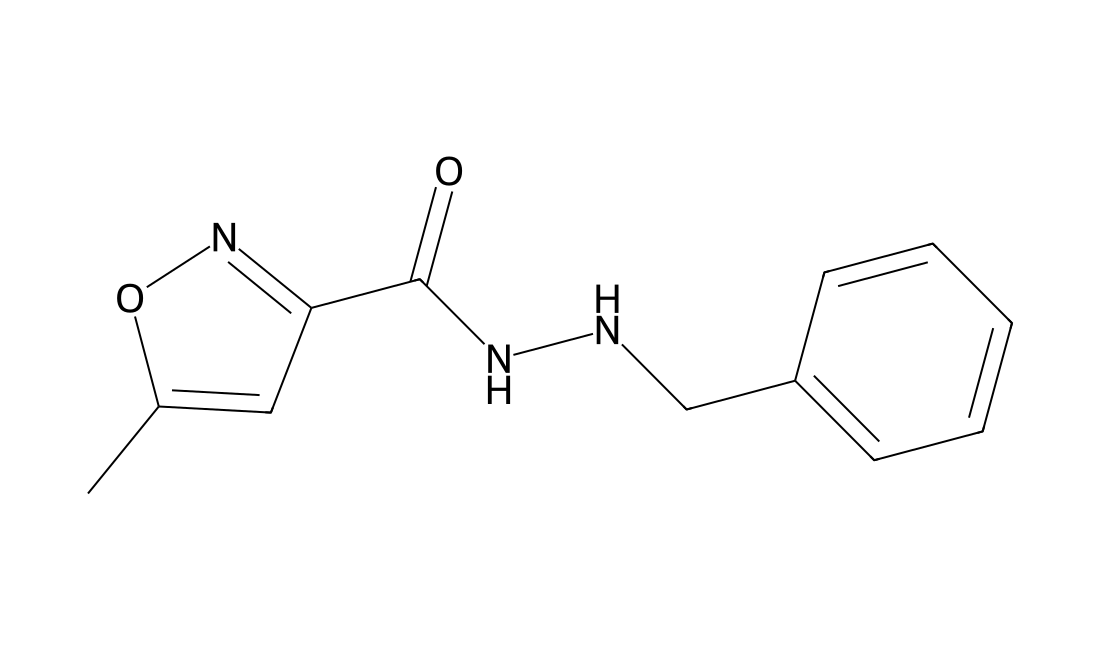
IsocarboxazidFeatured
In Vivo Isocarboxazid (1, 3 mg/kg, i.p., 60 min) pretreatment in mice shows the significant increased number of head twitches at 15 and 30 min after 5-HTP. Isocarboxazid (1, 3 mg/kg, i.p., 60 min) treatment in mice together with 5-HTP administration causes 43% 5-HT concentration increased and 22% of 5-HIAA decreased compared to brain concentrations in mice given 5-HTP alone.
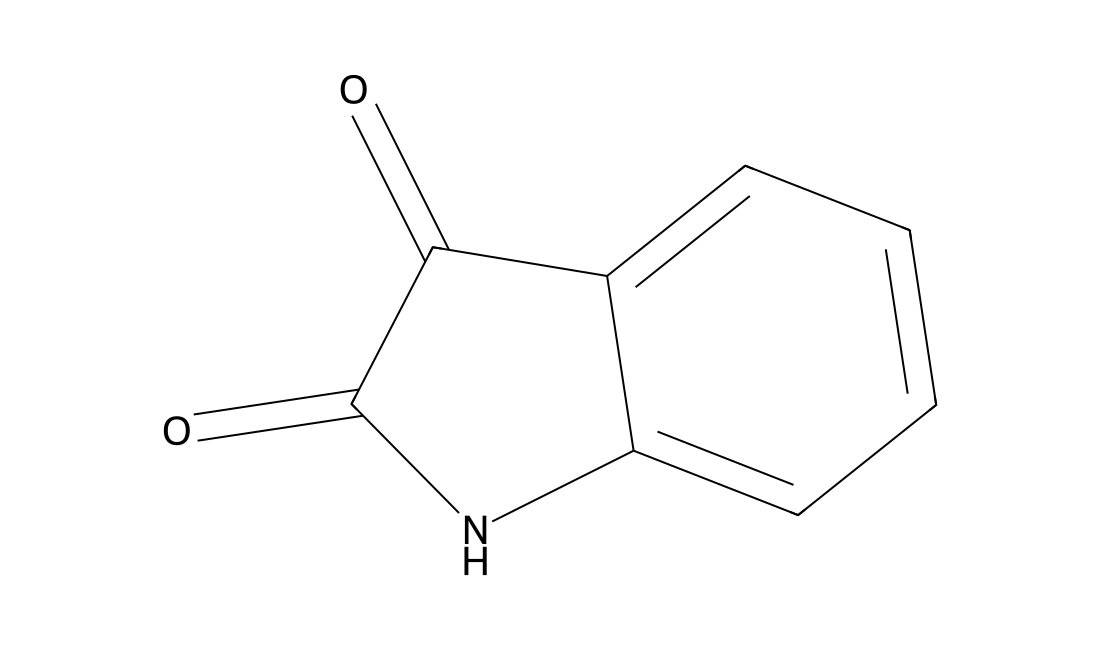
IsatinFeatured
Isatin is an endogenous MAO inhibitor.
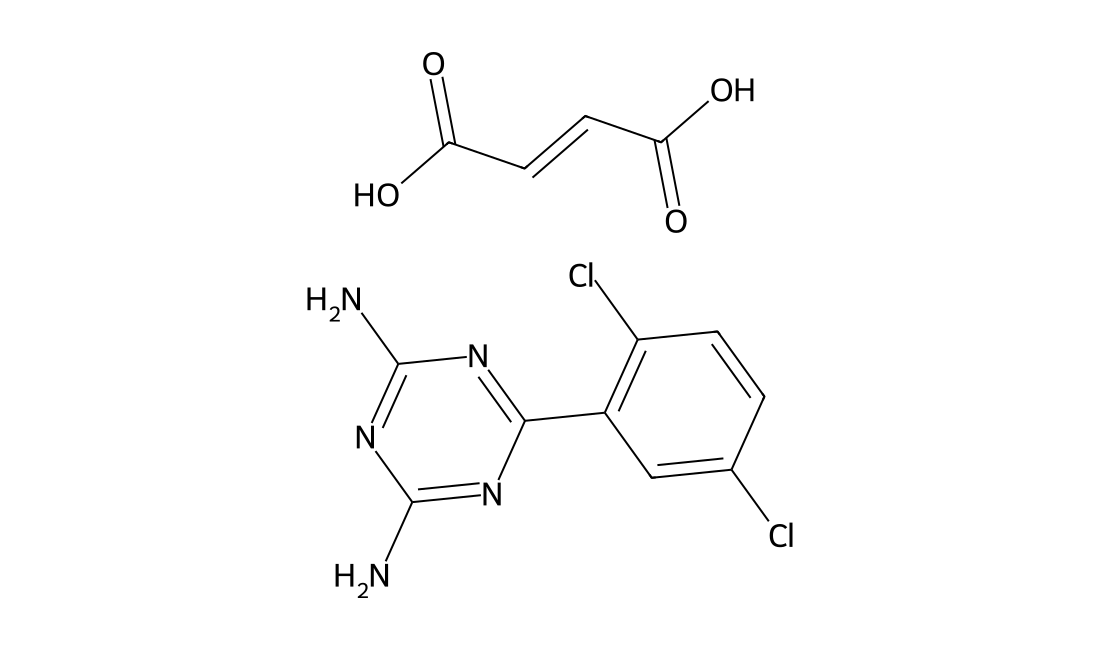
Irsogladine maleateFeatured
For the detailed information of Irsogladine maleate, the solubility of Irsogladine maleate in water, the solubility of Irsogladine maleate in DMSO, the solubility of Irsogladine maleate in PBS buffer, the animal experiment(test) (test) of Irsogladine maleate, the cell expriment (test) of Irsogladine maleate, the in vivo, in vitro and clinical trial test of Irsogladine maleate, the EC50, IC50,and Affinity of Irsogladine maleate,, please contact DC Chemicals.
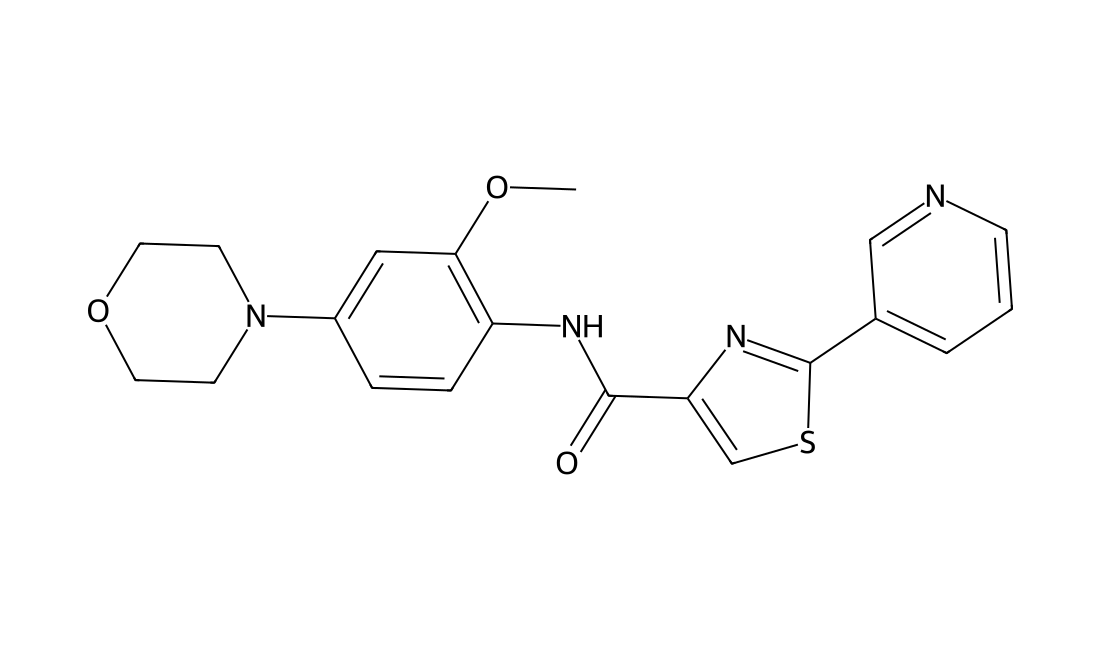
IRAK inhibitor 6Featured
IRAK inhibitor 6 is interleukin-1 receptor associated kinase 4 (IRAK-4) inhibitor .
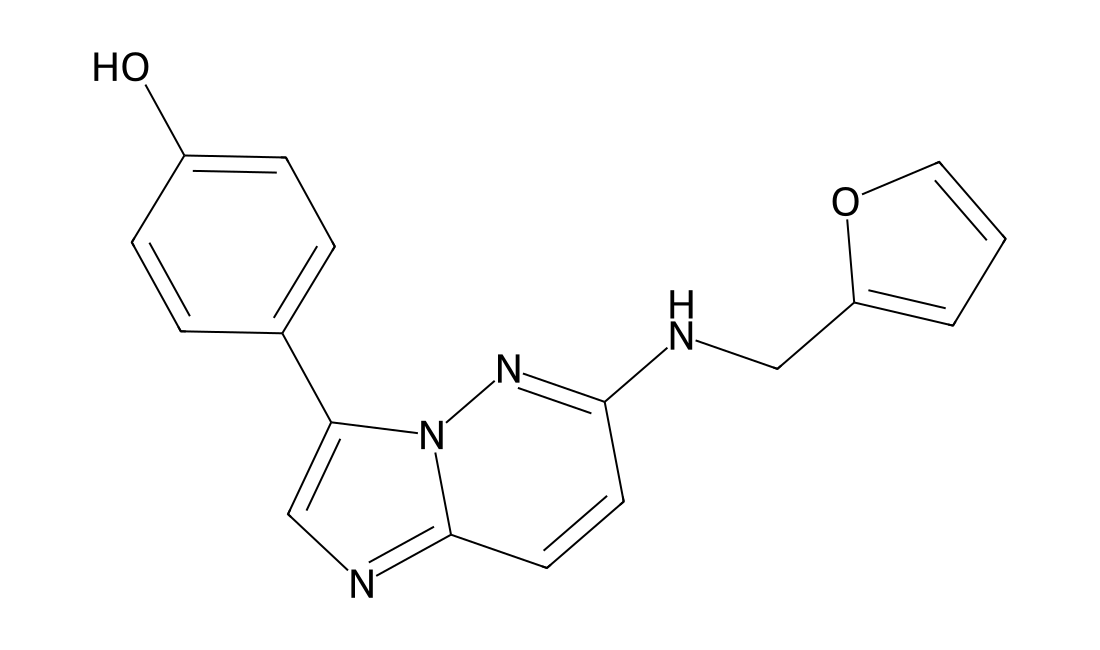
IRAK inhibitor 2Featured
IRAK inhibitor 2 is interleukin-1 receptor associated kinase inhibitor .
IOWH-032Featured
IOWH032 shows inhibitory activity against CFTR in T84-CFTR cell based assays with IC50 of 6.87 μM. In a mouse closed-loop model, IOWH032 causes a statistical significant inhibition against cholera toxin (CTX) induced secretion. IOWH032 (5 mg/kg) reduces the fecal output index by ~70% in a cecetomized rat model.For the detailed information of IOWH-032, the solubility of IOWH-032 in water, the solubility of IOWH-032 in DMSO, the solubility of IOWH-032 in PBS buffer, the animal experiment (test) of IOWH-032, the cell expriment (test) of IOWH-032, the in vivo, in vitro and clinical trial test of IOWH-032, the EC50, IC50,and Affinity of IOWH-032, Please contact DC Chemicals.
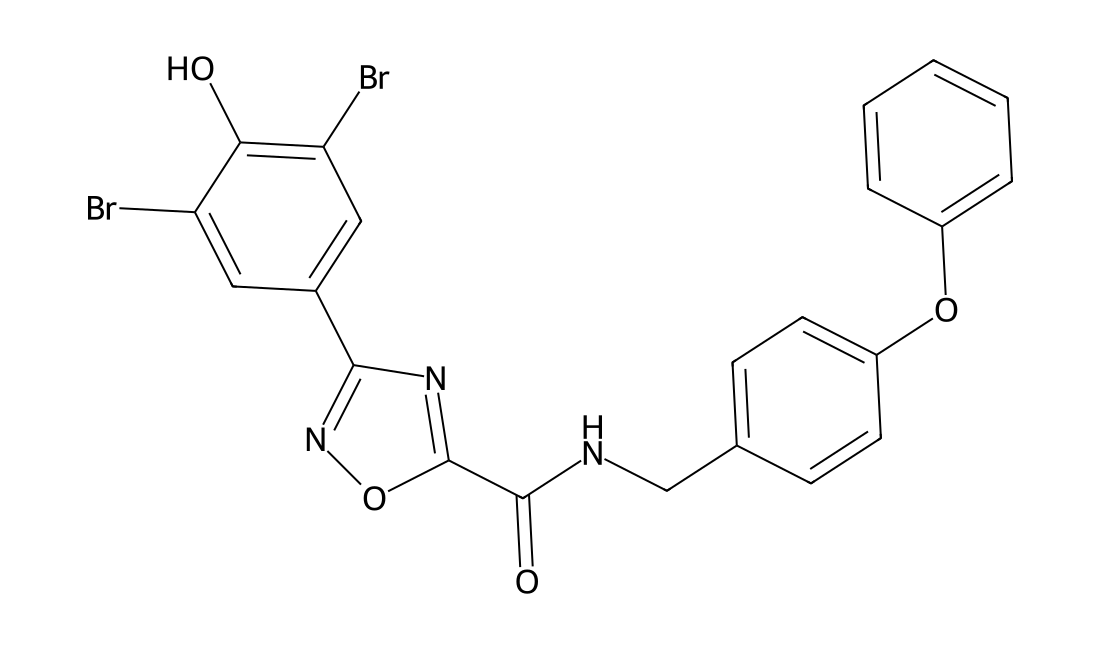
Iodipamide (Adipiodone)Featured
Iodipamide is a tri-iodinated benzoate derivative and ionic dimeric contrast agent used in diagnostic imaging.
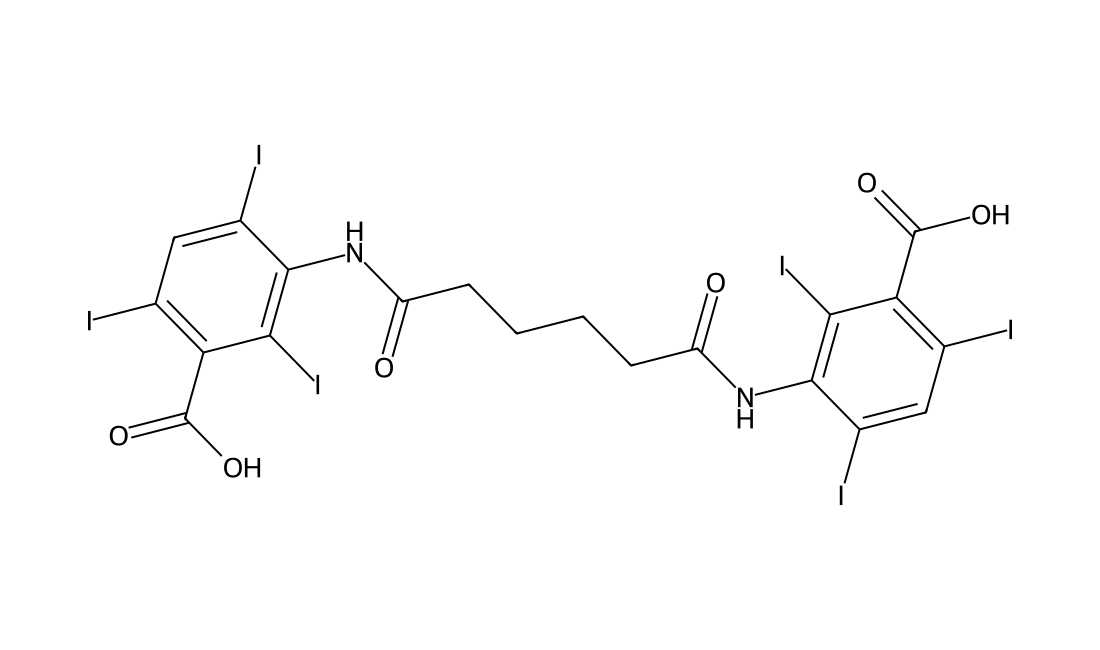
INO-1001Featured
INO-1001 is a potent, selective poly(ADP-ribose) polymerase (PARP) with IC50 of <50 nM in CHO cells; significantly radiosensitizes human and rodent cell lines at 10 uM (enhancement ratios 1.4-1.6), enhances radiation-induced cell killing by interfering with DNA repair mechanisms, resulting in necrotic cell death; attenuates various aspects of the pathophysiological response in a clinically relevant experimental model of burn/smoke inhalation injury.Brain CancerDiscontinued
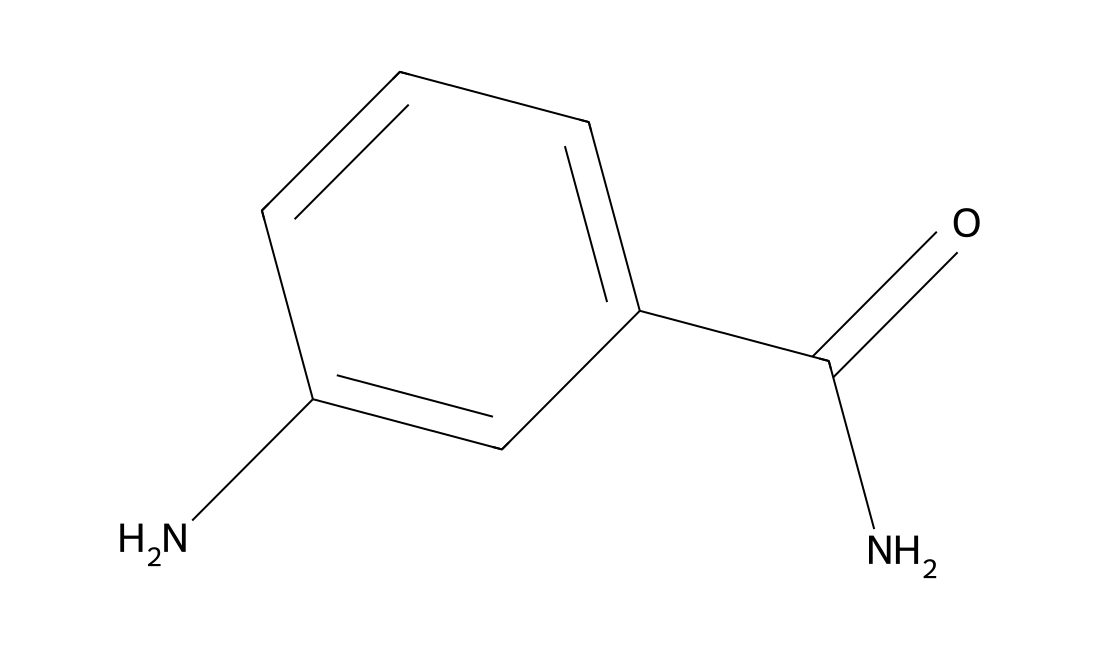
INK-055 (PI3Kγ inhibitor 1)Featured
The dual PI3Kg/d inhibitor INK055 was effective as prophylactic therapy as well as in established arthritis. The modest effect on autoantibody production and benefit observed in established disease suggests that the mechanism is through an effect on innate immunity rather than antibody production. A dual specific PI3Kg/d inhibitor might be effective in rheumatoid arthritis while limiting systemic toxicity of a and b inhibitors. For the detailed information of INK-055, the solubility of INK-055 in water, the solubility of INK-055 in DMSO, the solubility of INK-055 in PBS buffer, the animal experiment (test) of INK-055, the cell expriment (test) of INK-055, the in vivo, in vitro and clinical trial test of INK-055, the EC50, IC50,and affinity,of INK-055, Please contact DC Chemicals.
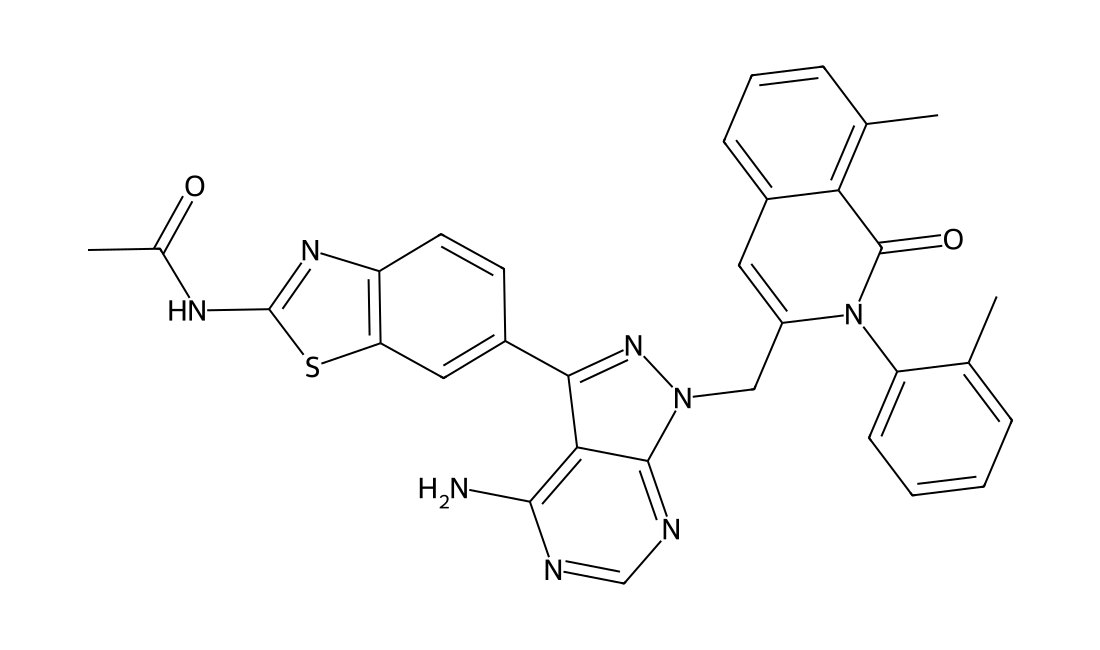
INH154Featured
In Vitro INH154 is highly potent in treating breast tumors with co-elevated expression of Hec1 and Nek2. INH154 is the most potent inhibitor of tumor cell growth. The IC50 values of INH154 in HeLa and MDA-MB-468 cancer cells are 0.20 and 0.12 μM, respectively. INH154 also suppresses the growth of leukemia, osteosarcoma, and glioblastoma cells. In Vivo Tumor growth rates in mice treated with INH154 are evidently slower than those in control animals in a dose-dependent manner. In agreement with the tumor-growth data, the tumor proliferation index, determined by measuring BrdU staining, is clearly reduced in residual tumors treated with INH154 in comparison with vehicle alone. The expression levels of Nek2 and Hec1 S165 phosphorylation are also substantially reduced in INH154-treated tumors than in vehicle-treated tumors. On the other hand, mice body weights are measured during the 6.5 weeks treatment period and show little difference among treated and control groups. In addition, the toxicity of INHs by treating normal BALB/c ByJNarl mice with high dosage of INH154 (20 mg/kg) shows no significant difference of body weights, blood chemistry, and complete blood count (CBC) analysis among these groups of animals.
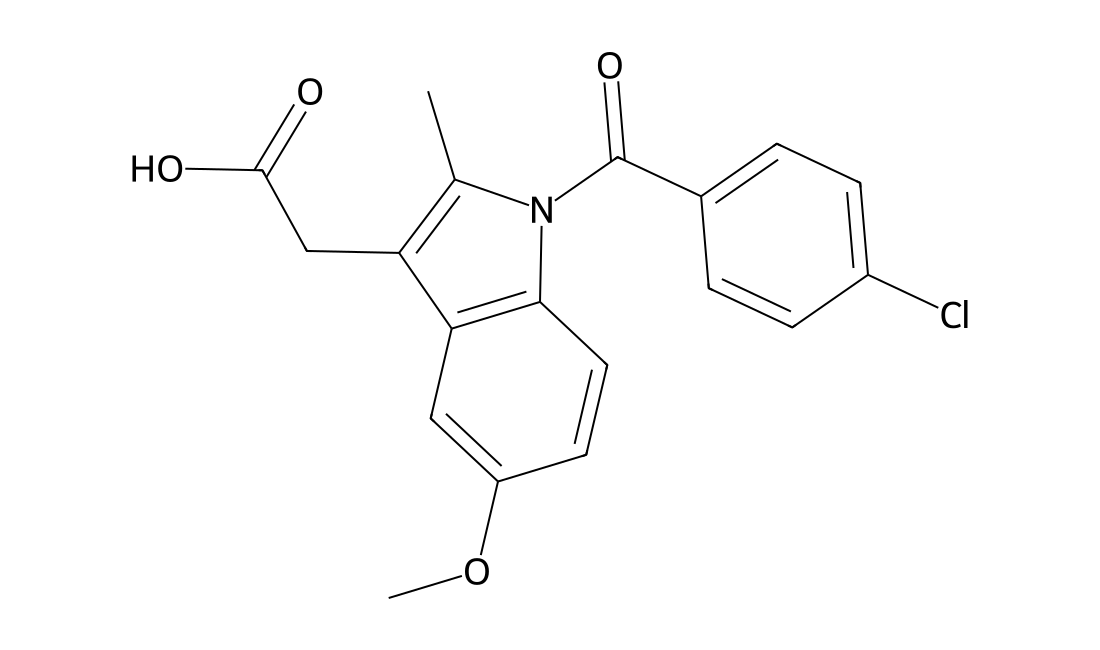
Indomethacin (Indocid, Indocin)Featured
For the detailed information of Indomethacin (Indocid, Indocin), the solubility of Indomethacin (Indocid, Indocin) in water, the solubility of Indomethacin (Indocid, Indocin) in DMSO, the solubility of Indomethacin (Indocid, Indocin) in PBS buffer, the animal experiment(test) (test) of Indomethacin (Indocid, Indocin), the cell expriment (test) of Indomethacin (Indocid, Indocin), the in vivo, in vitro and clinical trial test of Indomethacin (Indocid, Indocin), the EC50, IC50,and Affinity of Indomethacin (Indocid, Indocin),, please contact DC Chemicals.
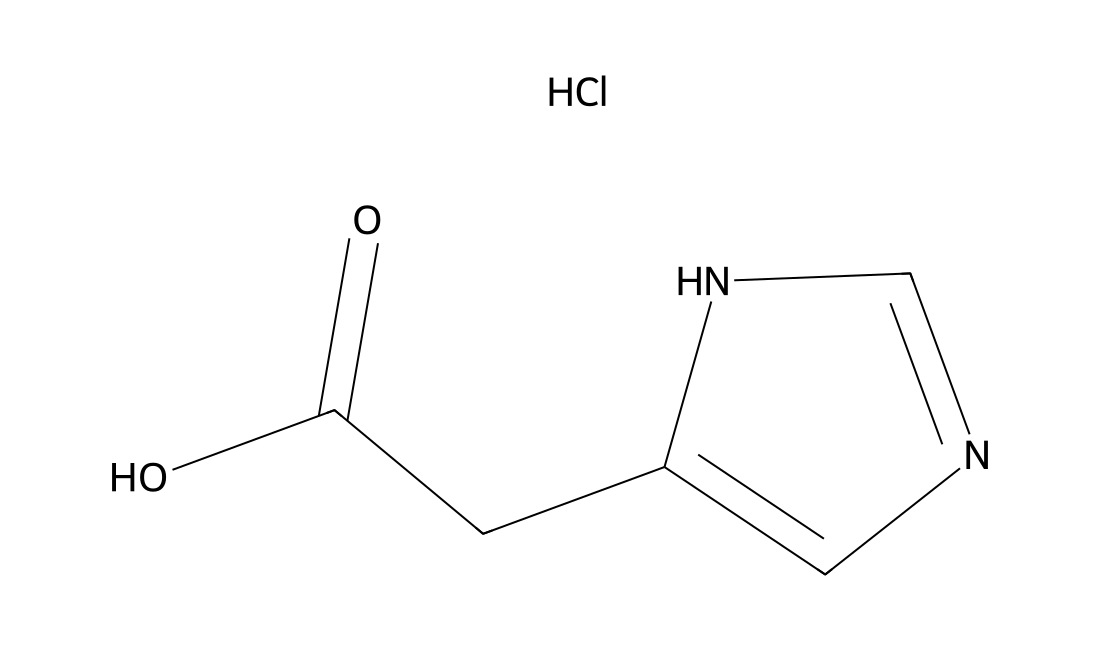
Imidazole-4(5)-acetic Acid Hydrochloride is a competitive antagonist at GABAC receptors.
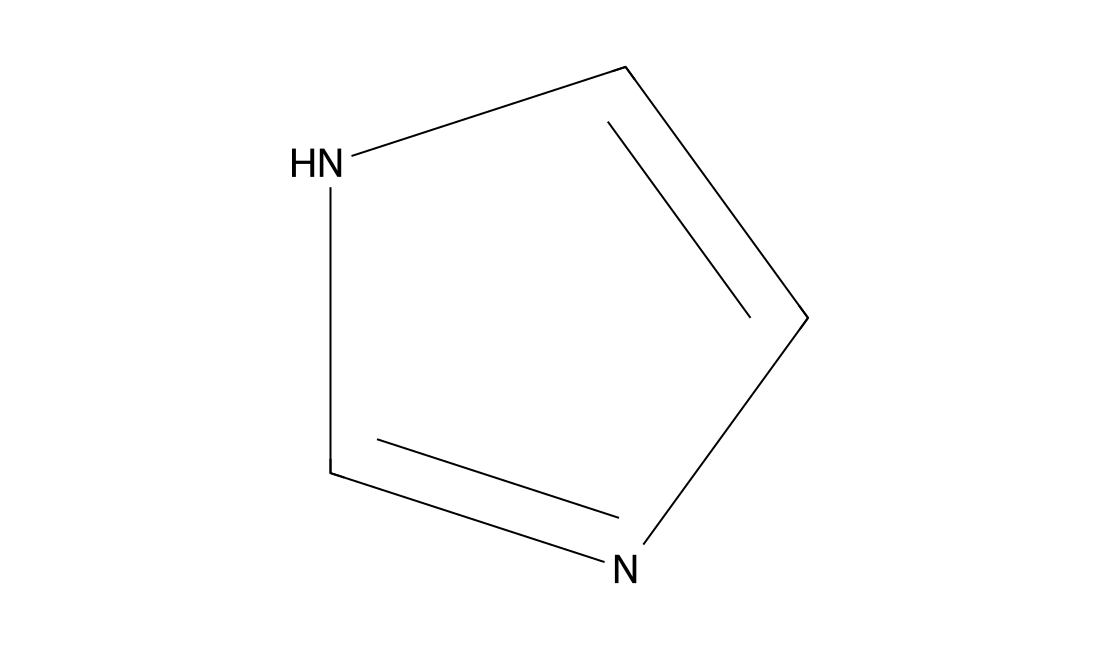
Imidazole is a heterocyclic aromatic organic compound. It can be incorporated into many important biological molecules and acts as a corrosion inhibitor for industrial applications.
No products match this search.
Page 303 of 309 · Browse all 6177 products
Jump to a product page
Featured literature product: HX1 · DCL0028
HX1 is a hydroxyzine-derived ionizable lipid with acetal-containing tails, studied in lipid nanoparticles for brain mRNA delivery and CRISPR–Cas9 delivery. It was the lead in the reported in vivo brain-delivery screen; evidence is preclinical and formulation-dependent.
Read full formulation and performance →