
Research lipid catalog
Ionizable Lipid Products
Explore 848 lipid and RNA delivery products. Search the full catalog or browse by research category.
Search covers product name, catalog number, synonyms, available CAS numbers and categories. Spaces, hyphens and common punctuation are ignored. Duplicate legacy records are consolidated under one canonical product result.
6177 products · Showing 5761–5780 · 20 per page
DC Chemicals lipid expertise
Built for ionizable-lipid discovery and RNA delivery research
DC Chemicals supports formulation and delivery research with a broad, searchable portfolio of cationic and ionizable lipids. The current directory brings together 848 unique research-use products, with product specifications, pricing, chemical structures and literature-linked formulation data added as each record is verified.
Our experience spans complex lipid synthesis, purification, analytical release and process development. For custom molecules or larger-scale requirements, our team can discuss route development, technical specifications and scale-up options for the intended research workflow.
Learn about cationic and ionizable lipids →Proprietary innovation · Co-development · GMP
From proprietary lipid design to GMP-grade custom synthesis
DC Chemicals has independently developed ionizable-lipid structures supported by company-owned intellectual property, and selected proprietary lipid programs have advanced to GMP-stage development.
We welcome joint development with customers—from molecular design and lipid synthesis through route and process development. We can also support custom synthesis of GMP-grade ionizable lipids to agreed technical specifications and quality requirements.
Discuss a co-development project →Proprietary ionizable-lipid structuresCollaborative molecular designCustom lipid synthesisProcess development and scale-upGMP-grade project support
Product quick links
Explore New ionizable lipids
Explore our five most recently added ionizable lipids, with specifications, pricing and literature-linked product information.
DCL0028HX1Brain RNA delivery researchView product →DCL0024A1I4R13C18-2Spleen-targeted RNA delivery researchView product →DCL0023A1I4R2C18-2Spleen-targeted RNA delivery researchView product →DCL0022FS01Local joint RNA delivery researchView product →DCL0020Lipid-392Lung RNA delivery and gene editing researchView product →
Cat. No.Product NameField of ApplicationChemical Structure
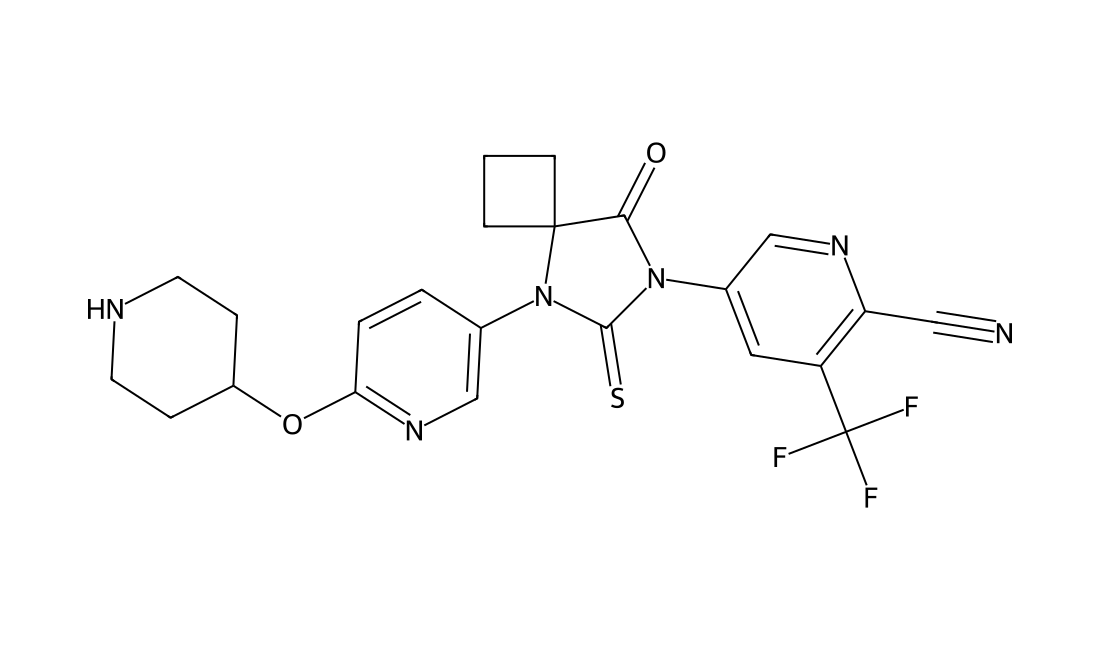
JNJ-63576253 (TRC-253)Featured
JNJ-63576253 (TRC-253) is a potent and selective androgen receptor (AR) Antagonist with IC50 of 6.9 nM. JNJ-63576253 displays robust inhibition in WT and LBD-mutated, enzalutamide-resistant models of prostate cancer.
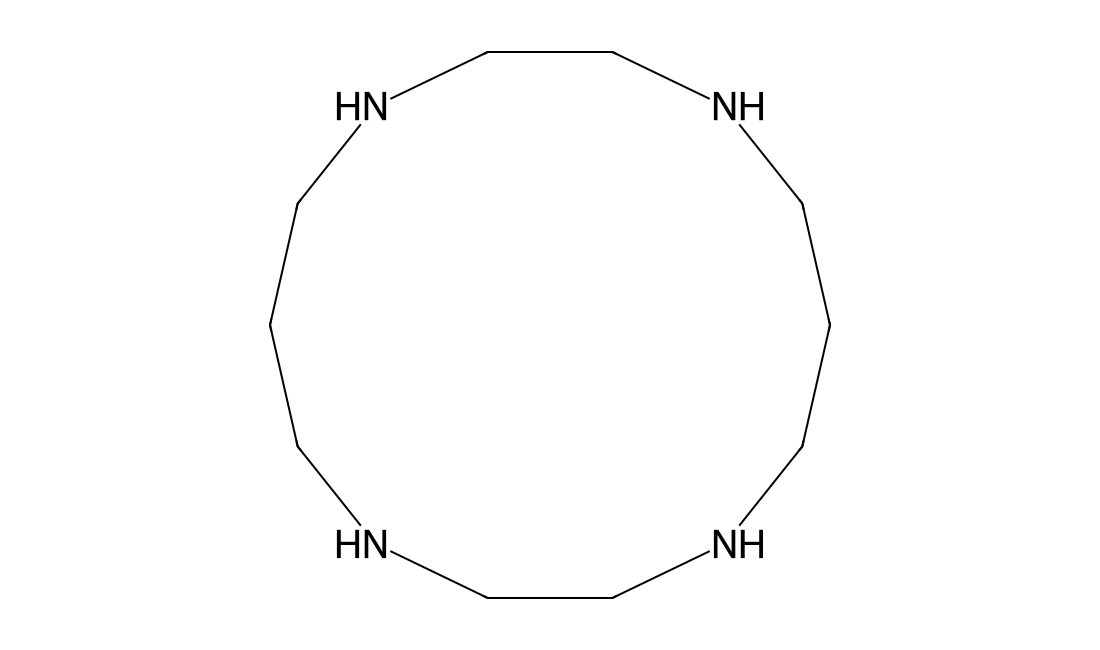
CyclamFeatured
Cyclam (1,4,8,11-tetraazacyclotetradecane) is an organic compound. It is a white solid that is soluble in water. The compound is notable as a macrocyclic ligand, which binds strongly to many transition metal cations. The compound was first prepared by the reaction of 1,3-dibromopropane and ethylenediamine.
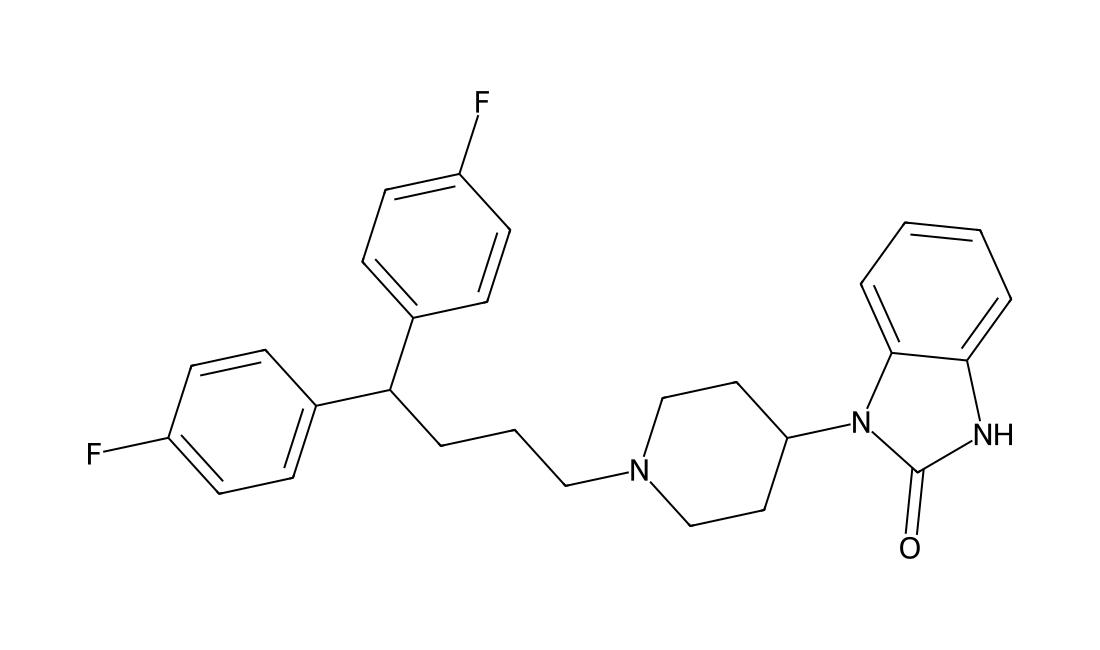
PimozideFeatured
Pimozide is an antipsychotic agent that acts as an antagonist of the D2, D3, and D4 receptors and the 5-HT7 receptor, also is an inhbitor of STAT5; also is a hERG blocker, inhibits USP1/UAF1 noncompetitively with Ki of 0.5 uM; displays selectivity against a number of deubiquitinases, deSUMOylase, and cysteine proteases.
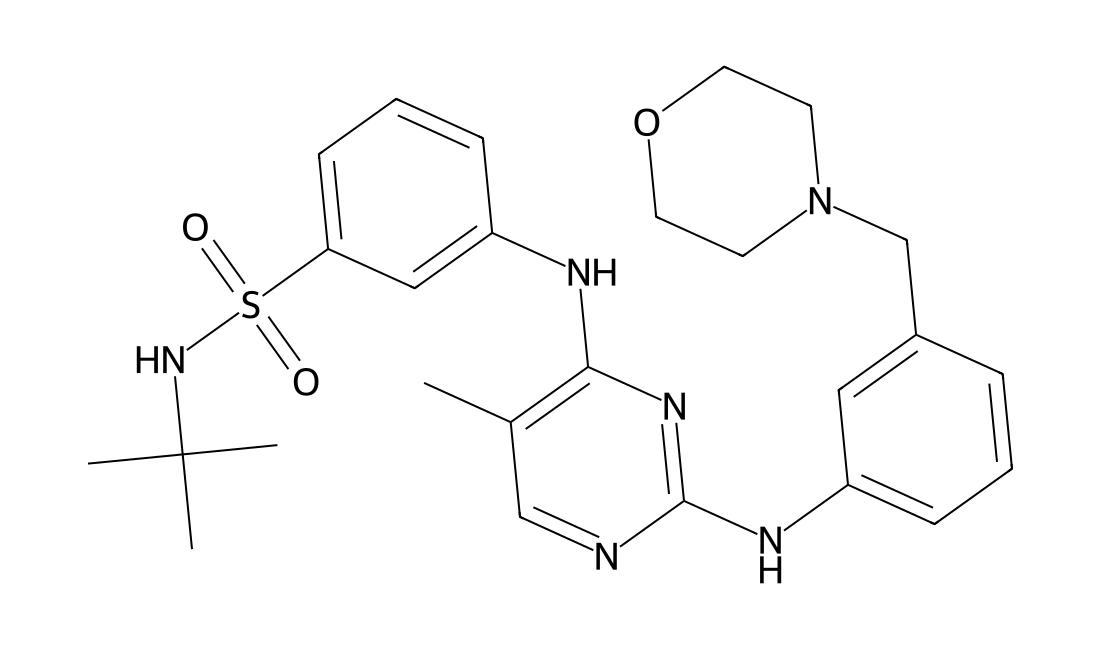
TG-89Featured
TG-89 is a JAK inhibitor. It has IC50 values of 6, 25, 17 and 169 nM against JAK2, FLT3, RET and JAK3 respectively.
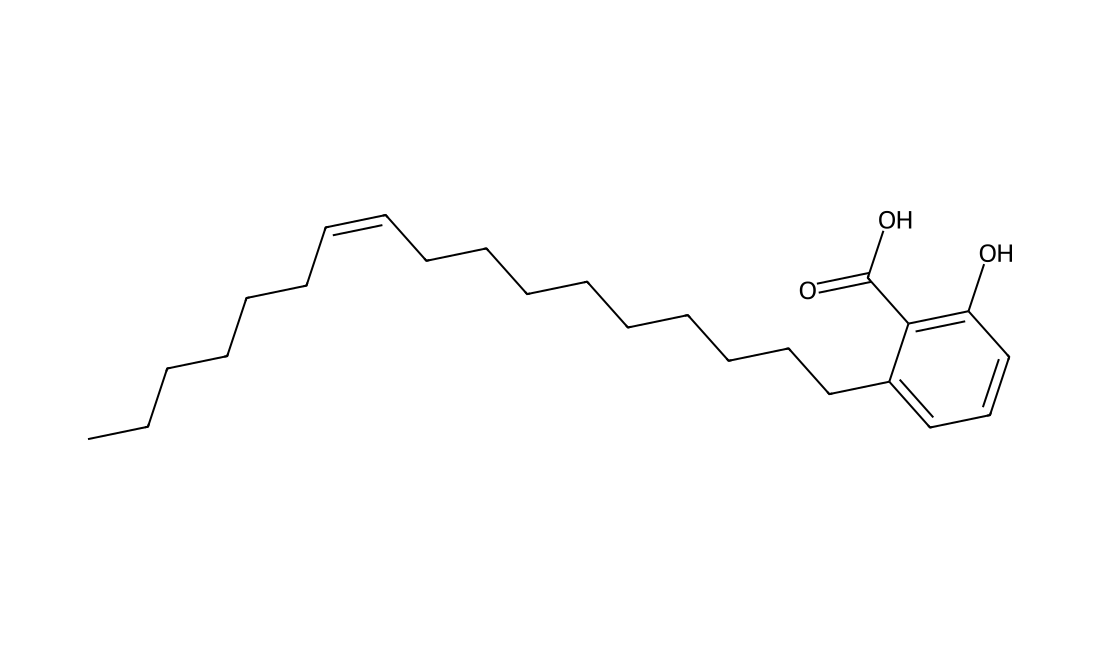
Ginkgolic acid C17:1Featured
Ginkgolic acid C17:1 (GAC 17:1) inhibits constitutive activation of STAT3 by abrogating upstream JAK2 and Src. Ginkgolic acid C17:1 can induce substantial expression of PTEN and SHP-1. Ginkgolic acid C17:1 induces tumor cell apoptosis.
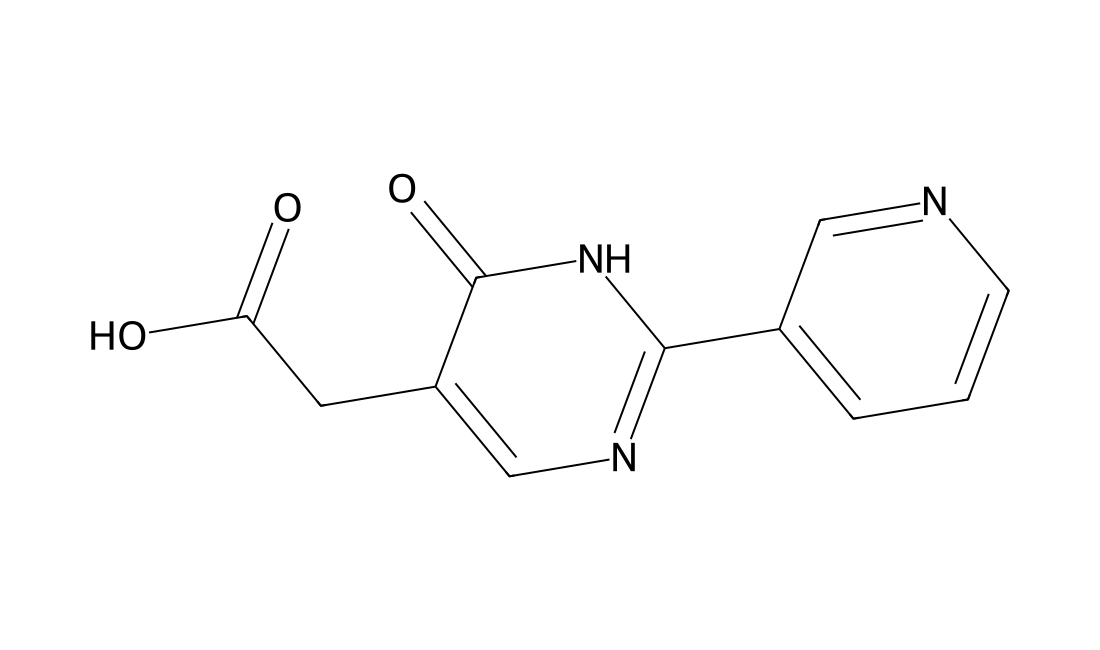
CAY10781Featured
CAY10781 is an inhibitor of the protein-protein interaction between NRP-1 and VEGF-A
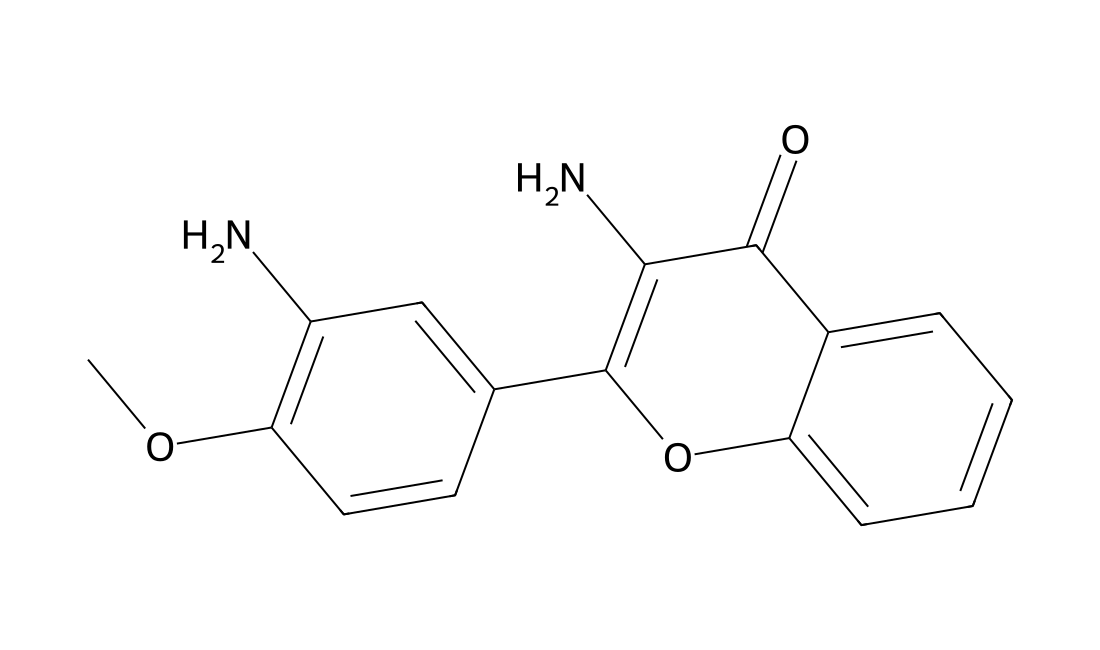
DD1Featured
Novel proteasome inhibitor, inducing human myeloid tumor-selective apoptosis
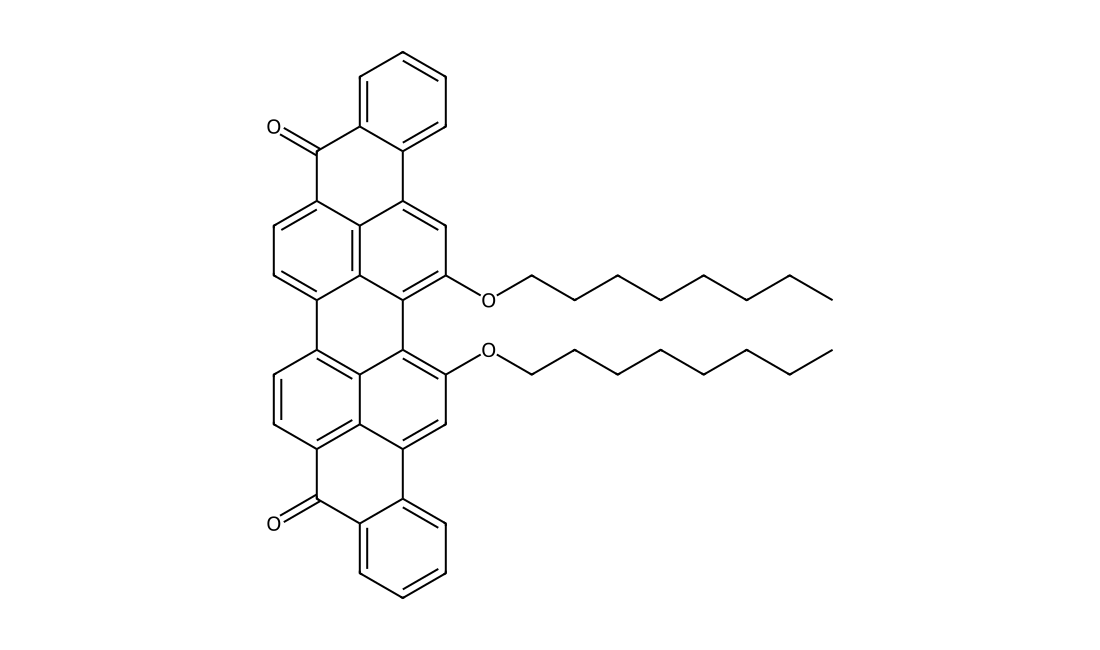
Violanthrone-79Featured
Violanthrone-79 is an n-channel organic semiconductor.
ProthixeneFeatured
Prothixene is a biochemical.
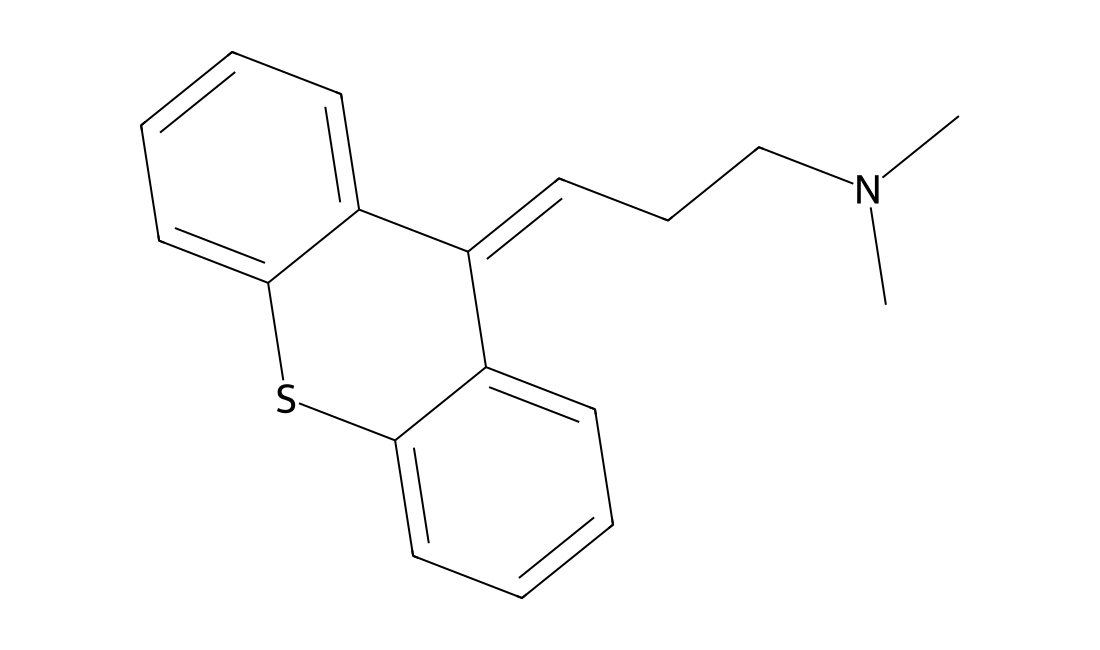
UUN44923Featured
UUN44923 is a FTO inhibitor. UUN44923 may be useful for treating diseases assocd. with FTO targets, obesity, metabolic syndrome (MS), type 2 diabetes (T2D), Alzheimer's diseases, breast cancers, small-cell lung cancers, a human bone marrow striated muscle cancer, a pancreatic cancer, malignant glioblastoma and the like. UUN44923 was reported in WO 2018157843.
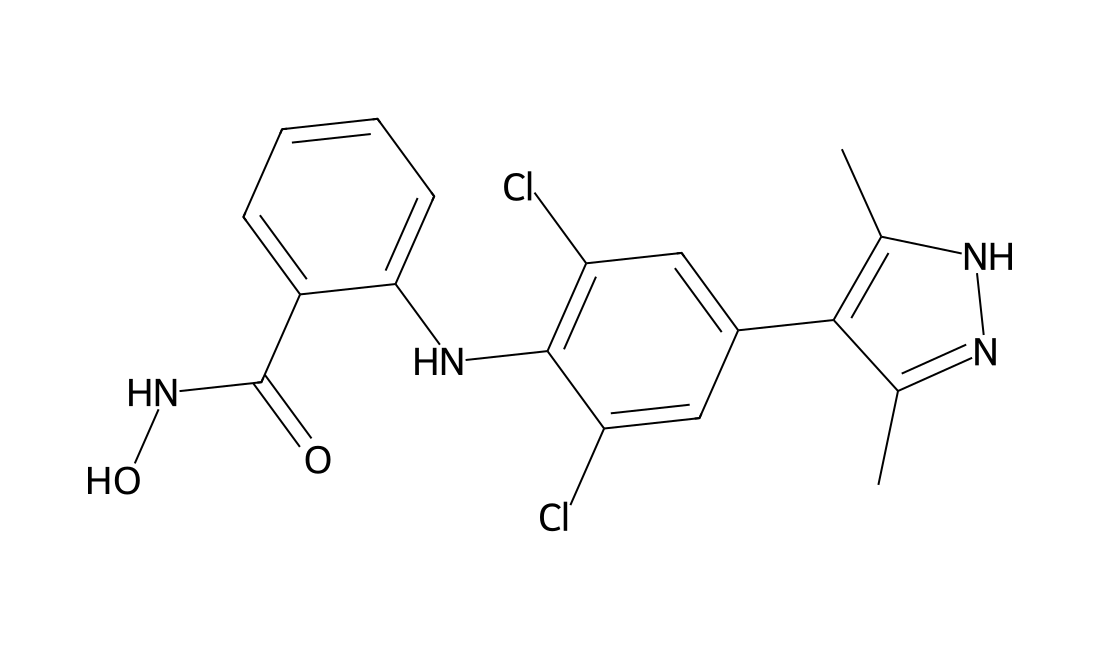
Ceapin-A7Featured
Ceapin-A7 is a selective blocker of ATF6α signaling in response to ER stress, with an IC50 of 0.59 μM. Ceapin-A7 can be used to explore both the mechanism of activation of ATF6α and its role in pathological settings.
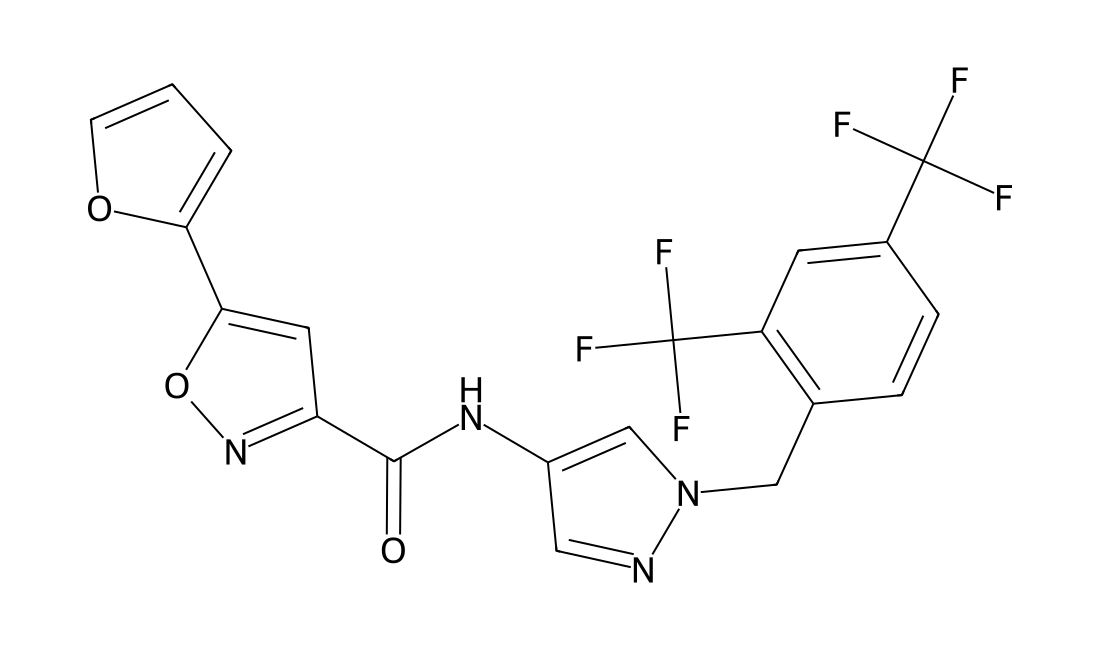
OSI-420Featured
OSI-420 (Desmethyl Erlotinib,CP-473420) is an active metabolite of erlotinib which is an orally active EGFR tyrosin kinase inhibitor with IC50 of 2 and 20 nM for human EGFR and EGFR autophosphorylation in tumor cells.
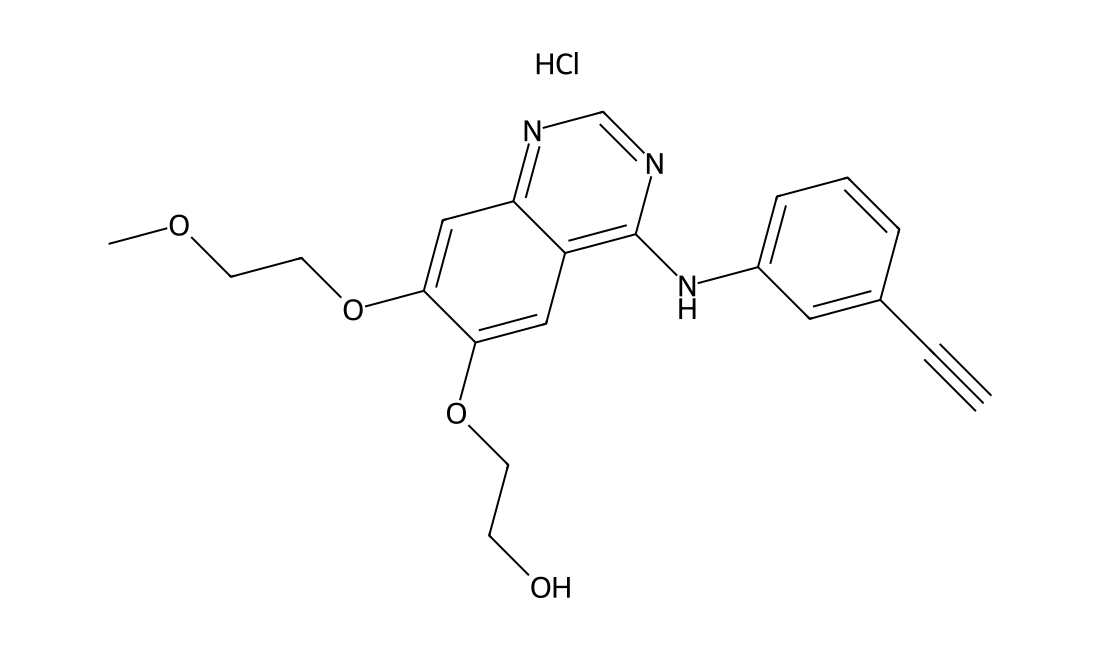
Pitstop 2Featured
A small molecule inhibitor of clathrin terminal domain and inhibits clathrin-mediated endocytosis; inhibits endocytosis of transferrin receptor, a CDE cargo protein, but not affect endocytosis of shiga toxin; traps HeLa cells in metaphase through loss of mitotic spindle integrity and activation of the spindle assembly checkpoint, a useful tool for investigating clathrin spindle dynamics.
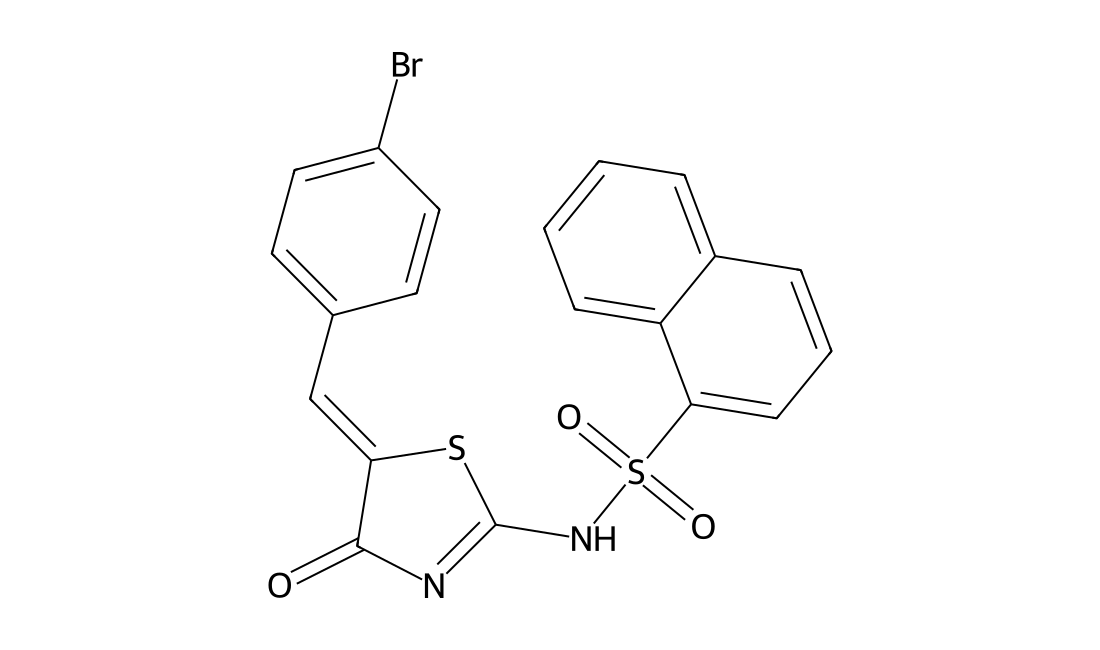
SJ-172550Featured
SJ-172550 is the first MDMX inhibitor with EC50 of 0.84 uM; binds reversibly to MDMX and effectively kills retinoblastoma cells in which the expression of MDMX is amplified. in vitro: Unlike SJ-134433 and SJ-044557, SJ-172550 was stable in solution and did not modify the MDMX protein by covalent binding in our FP assay buffer. MDMX-p53 interaction was at least partially inhibited by SJ-172550, despite its relatively low cell permeability. SJ-172550 acts through a complicated mechanism in which the compound forms a covalent but reversible complex with MDMX and locks MDMX into a conformation that is unable to bind p53.
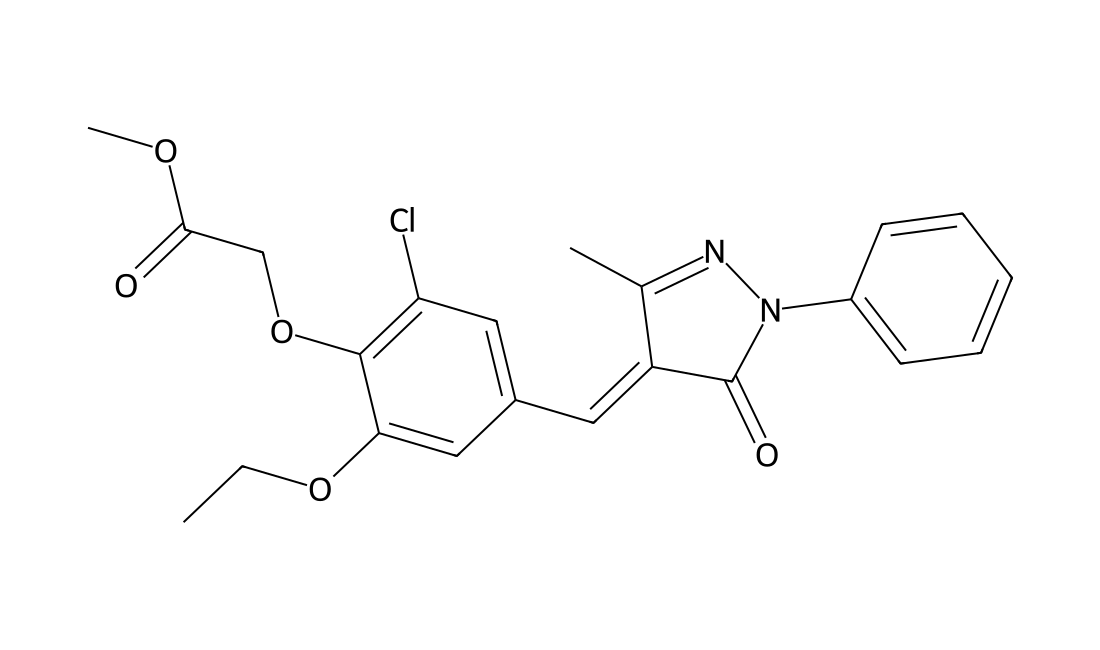
QLT-0267Featured
QLT0267 is an ATP-competitive selective inhibitor of integrin-linked kinase (ILK).
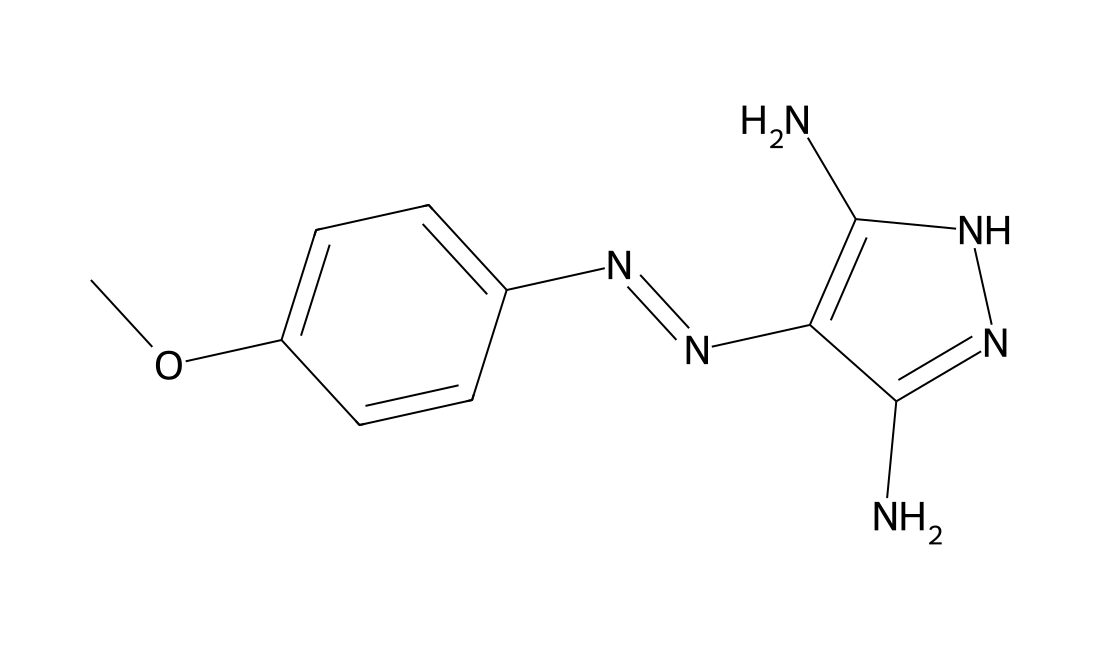
Isobutyl-deoxynyboquinoneFeatured
Isobutyl-deoxynyboquinone (IB-DNQ) is a selective substrate for NAD(P)H:quinone oxidoreductase (NQO1), produces ROS, and induces cytotoxicity in cancer cells in an NQO1-dependent manner; has improved solubility and biocompatibility in comparison with DNQ; a superior drug candidate for evaluating anticancer activities and tolerability in vivo.
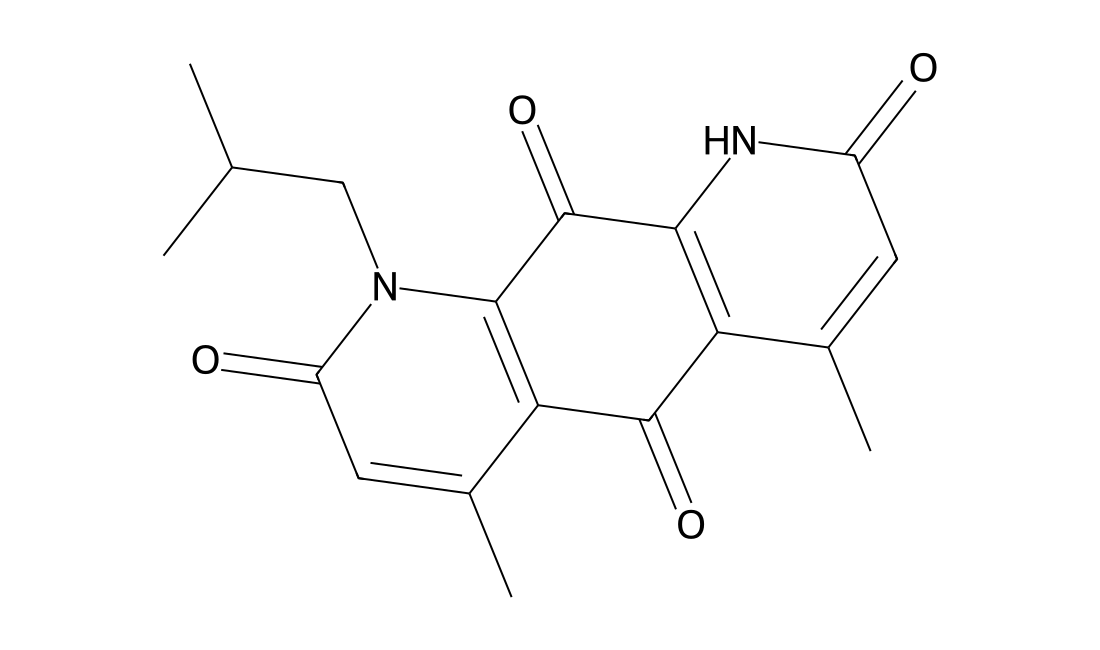
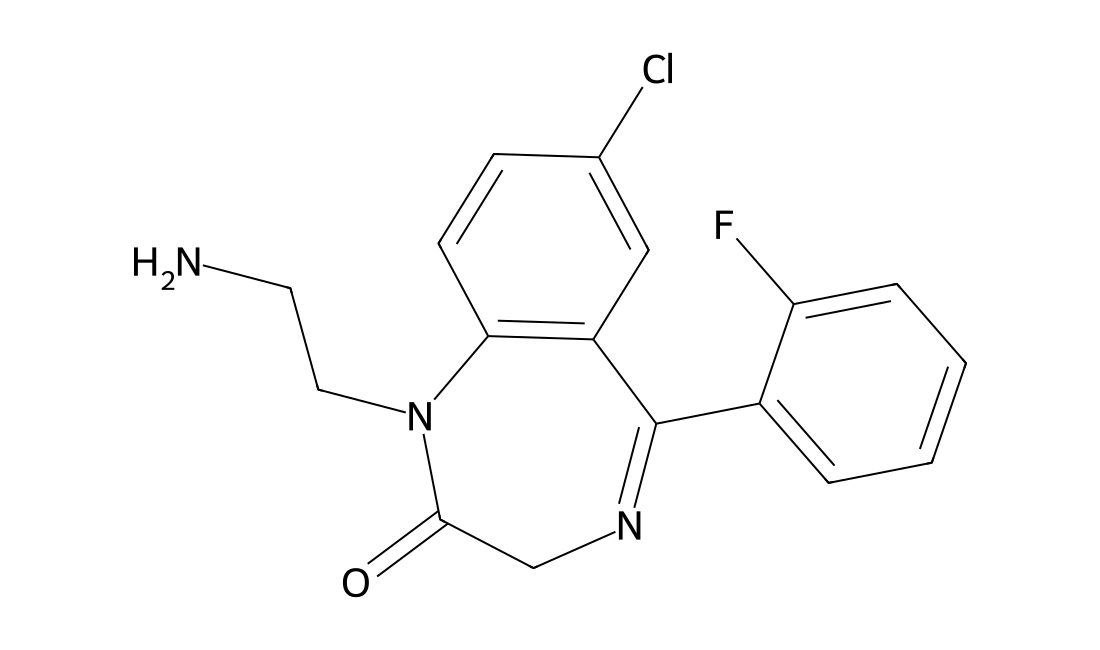
Didesethyl flurazepamFeatured
A metabolite of Flurazepam Controlled substance (depressant).
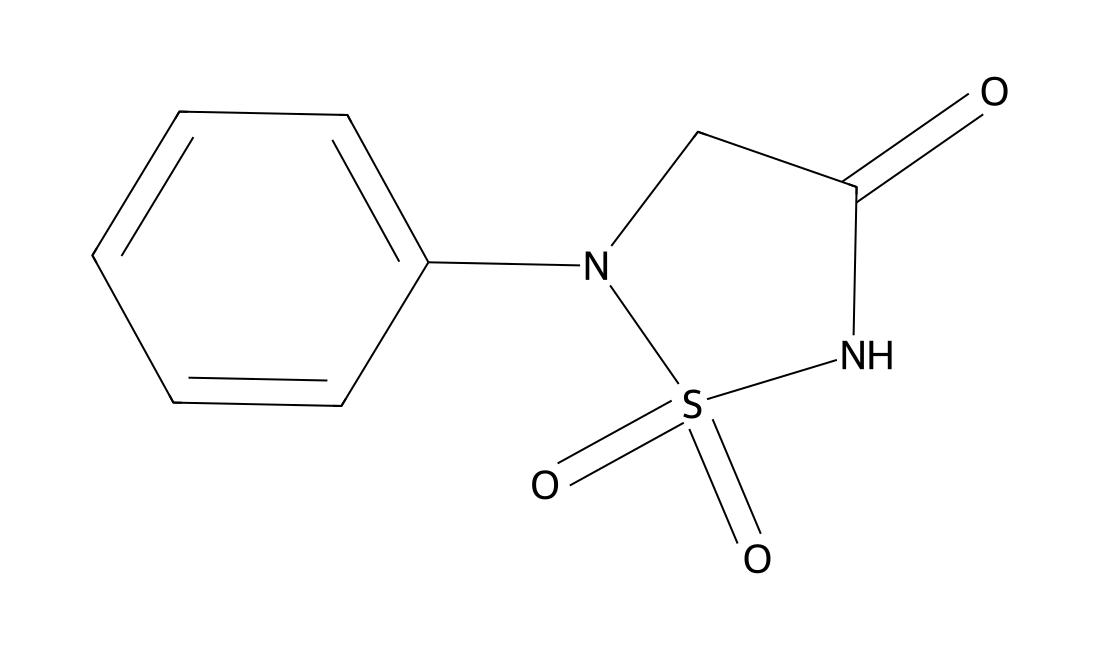
PTP1B-IN-1Featured
A 1,2,5-thiadiazolidin-3-one-1,1-dioxide scaffold for design of protein tyrosine phosphatase-1B (PTP1B) inhibitor.
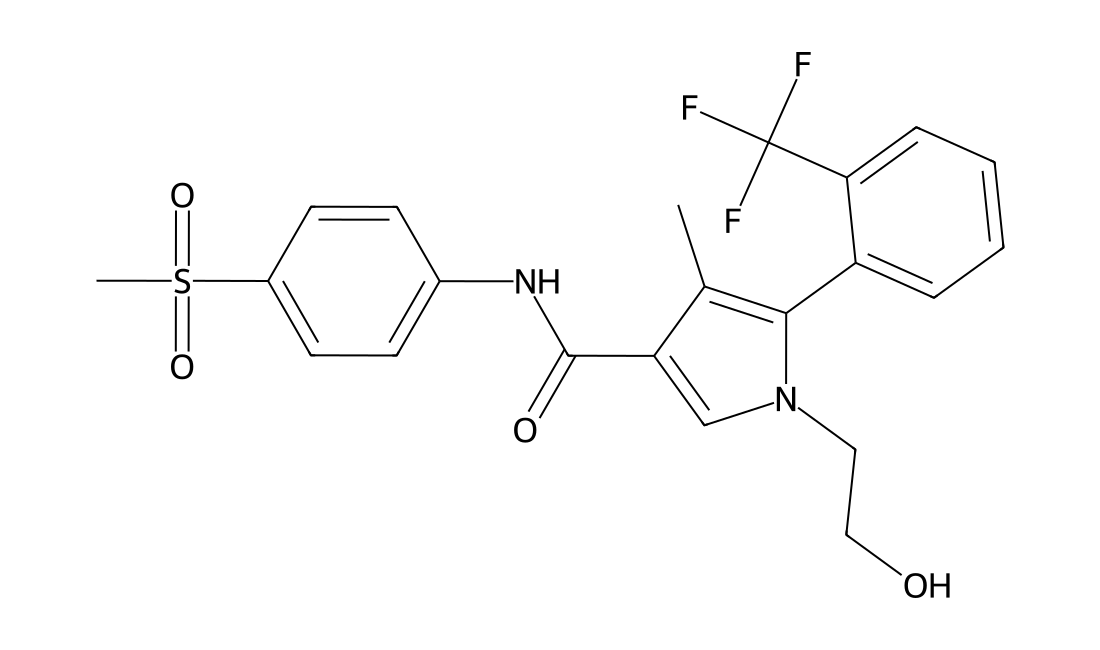
CS-3150 (Esaxerenone;XL-550)Featured
CS-3150 (Esaxerenone, XL-550) is a highly potent, selective and orally active non-steroidal mineralocorticoid receptor antagonist with IC50 of 9.4 nM; displays >1,000-fold selectivity over other steroid hormone receptors, glucocorticoid receptor, androgen receptor and progesterone receptor; inhibits aldosterone-induced transcriptional activation of human mineralocorticoid receptor with IC50 of 3.7 nM, shows superior potency to that of spironolactone and eplerenone; suppresses aldosterone-induced decrease in urinary Na(+)/K(+) ratio, inhibits blood pressure elevation induced by DOCA/salt-loading in rats. Diabetes Phase 3 Clinical
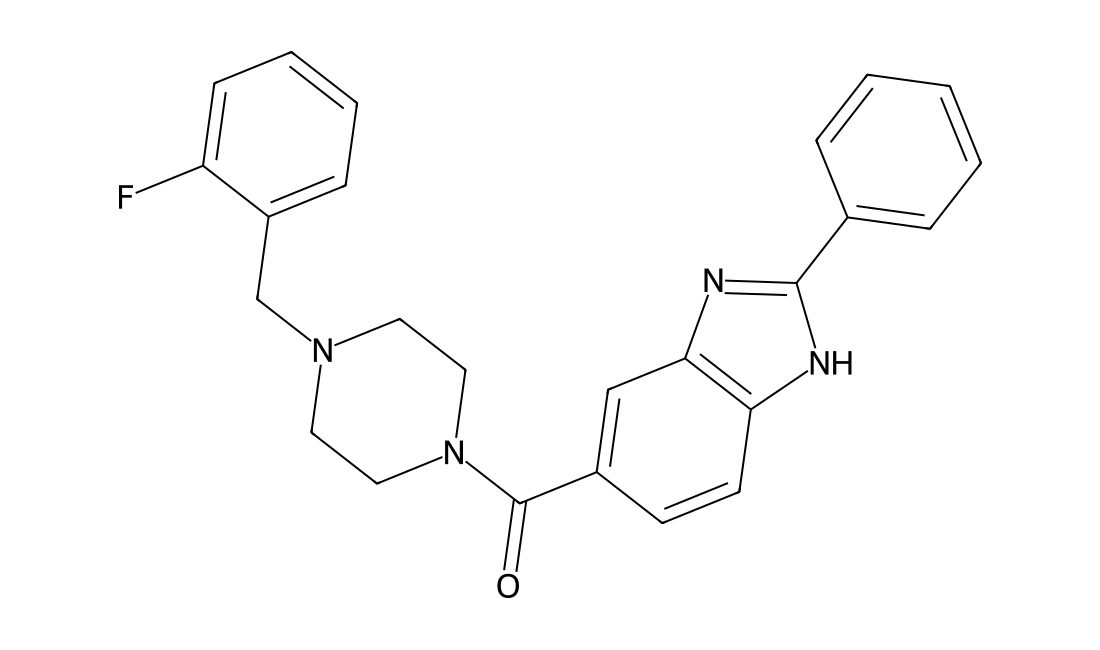
BractoppinFeatured
Bractoppin is a potent, small-molecule chemical inhibitor that specific selectively blocks phosphopeptide recognition by the BRCA1 tBRCT domain with binding IC50 of 74 nM; shows no inhibition for recognition of cognate biotinylated phosphopeptides to the TOPBP1 tBRCT 7/8, or GRB2 SH2 proteins; engages BRCA1 tBRCT residues recognizing pSer in the consensus motif, pSer-Pro-Thr-Phe, plus an abutting hydrophobic pocket; inhibits substrate recognition detected by Förster resonance energy transfer, and diminishes BRCA1 recruitment to DNA breaks, in turn suppressing damage-induced G2 arrest and assembly of the recombinase, RAD51; selectively interrupts BRCA1 tBRCT-dependent signals evoked by DNA damage.
No products match this search.
Page 289 of 309 · Browse all 6177 products
Jump to a product page
Featured literature product: HX1 · DCL0028
HX1 is a hydroxyzine-derived ionizable lipid with acetal-containing tails, studied in lipid nanoparticles for brain mRNA delivery and CRISPR–Cas9 delivery. It was the lead in the reported in vivo brain-delivery screen; evidence is preclinical and formulation-dependent.
Read full formulation and performance →