
Research lipid catalog
Ionizable Lipid Products
Explore 848 lipid and RNA delivery products. Search the full catalog or browse by research category.
Search covers product name, catalog number, synonyms, available CAS numbers and categories. Spaces, hyphens and common punctuation are ignored. Duplicate legacy records are consolidated under one canonical product result.
6177 products · Showing 5861–5880 · 20 per page
DC Chemicals lipid expertise
Built for ionizable-lipid discovery and RNA delivery research
DC Chemicals supports formulation and delivery research with a broad, searchable portfolio of cationic and ionizable lipids. The current directory brings together 848 unique research-use products, with product specifications, pricing, chemical structures and literature-linked formulation data added as each record is verified.
Our experience spans complex lipid synthesis, purification, analytical release and process development. For custom molecules or larger-scale requirements, our team can discuss route development, technical specifications and scale-up options for the intended research workflow.
Learn about cationic and ionizable lipids →Proprietary innovation · Co-development · GMP
From proprietary lipid design to GMP-grade custom synthesis
DC Chemicals has independently developed ionizable-lipid structures supported by company-owned intellectual property, and selected proprietary lipid programs have advanced to GMP-stage development.
We welcome joint development with customers—from molecular design and lipid synthesis through route and process development. We can also support custom synthesis of GMP-grade ionizable lipids to agreed technical specifications and quality requirements.
Discuss a co-development project →Proprietary ionizable-lipid structuresCollaborative molecular designCustom lipid synthesisProcess development and scale-upGMP-grade project support
Product quick links
Explore New ionizable lipids
Explore our five most recently added ionizable lipids, with specifications, pricing and literature-linked product information.
DCL0028HX1Brain RNA delivery researchView product →DCL0024A1I4R13C18-2Spleen-targeted RNA delivery researchView product →DCL0023A1I4R2C18-2Spleen-targeted RNA delivery researchView product →DCL0022FS01Local joint RNA delivery researchView product →DCL0020Lipid-392Lung RNA delivery and gene editing researchView product →
Cat. No.Product NameField of ApplicationChemical Structure
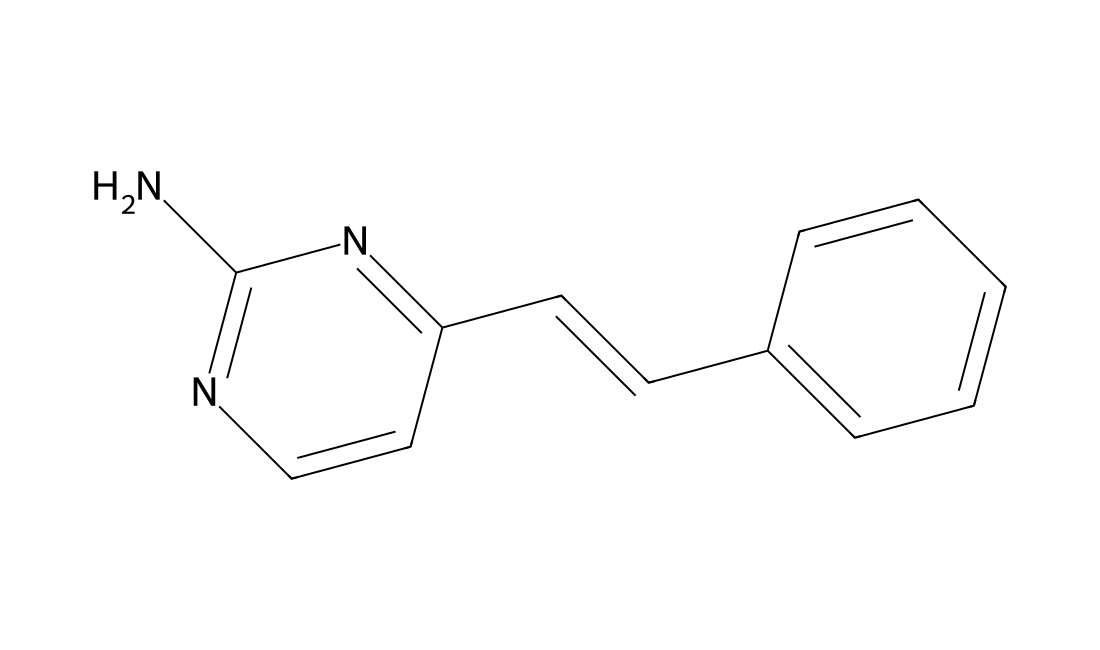
TCN238Featured
In the rat mGlu4 PAM in vitro assay the EC50 of TCN238 is 1 μM which is comparable to the human assay. TCN238 is screened in rat and human mGlu5 assays, the IC50 of 11 is >30 μM on human mGlu5and >10 μM on rat mGlu5. TCN238 is run in a receptor screening panel of 68 targets and no activity is observed at ≥50% at 10 μM for any of the receptors. In CaCo-2 cells, TCN238 is found to have good permeability with no apparent efflux issue.TCN238 is highly CNS penetrant with a concentration of 33.8 μM in the brain. The plasma protein binding in rats is measured as 90% bound. The metabolic stability of TCN238 is assessed in rat and human microsomes and found to be 62% and 83% hepatic blood flow. The limited stability translated into a high in vivo clearance in rats of 75 mL/min/kg and TCN238 has a moderate volume of distribution (2.7 L/kg) with a short mean residence time (0.6 h) when dosed at 2 mg/kg via intravenous injection. TCN238 is orally bioavailable and 30 min following administration of a30 mg/kg dose, the plasma concentration is found to be 11.6 μM. TCN 238 does not affect the performance of the learned task. However, the expression level of GRM4 in the hippocampus is reliable down-regulated five days after treatment with TCN 238. In addition, the expression level of GABRA1, encoding GABAA α-subunit is downregulated five days after the treatment in the frontal cortex.
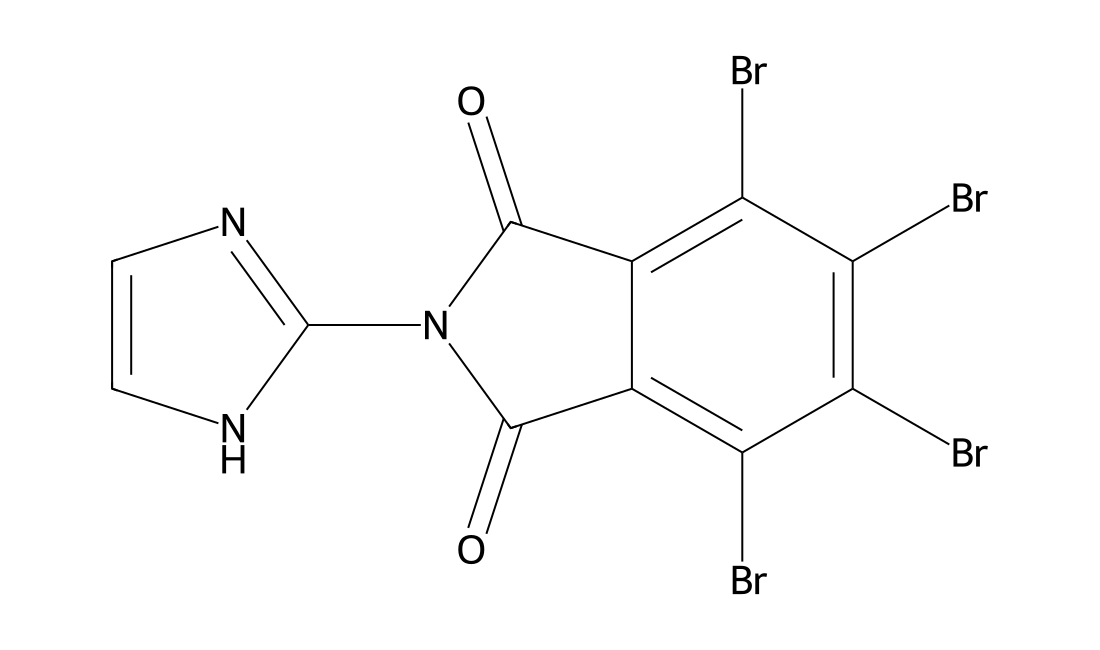
TbidFeatured
Homeodomain-interacting protein kinase 2 (HIPK2) is a Ser/Thr kinase controlling cell proliferation and survival. TBID, displays toward HIPK2 unprecedented efficacy (IC50=0.33 µM) and selectivity (Gini coefficient 0.592 out of a panel of 76 kinases). The two other members of the HIPK family, HIPK1 and HIPK3, are also inhibited by TBID albeit less efficiently than HIPK2. The mode of action of TBID is competitive with respect to ATP, consistent with modelling. TBID interacts with the hinge region through hydrophobic interactions between Val 213, Val 261, Phe 277, Leu 280, Met 331, Ile 345, and the tetrabromine moiety, while the symmetric nitrogen atom at position 3 interacts with the catalytic Lys 228, thus playing a crucial role in the binding architecture.
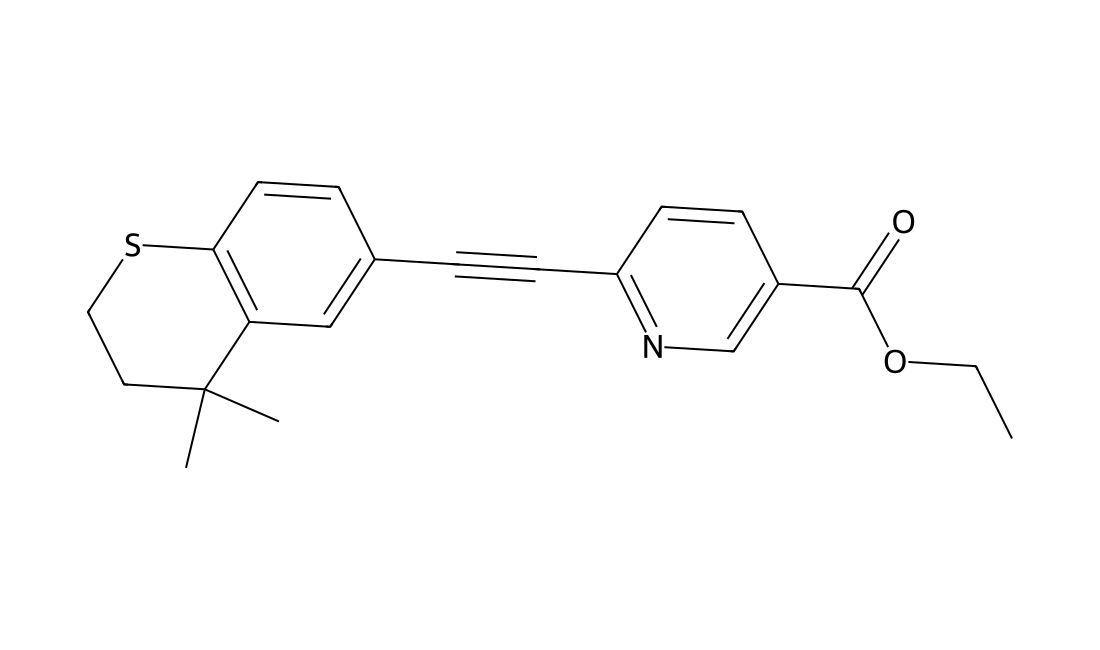
Tazarotene (Avage)Featured
For the detailed information of Tazarotene (Avage), the solubility of Tazarotene (Avage) in water, the solubility of Tazarotene (Avage) in DMSO, the solubility of Tazarotene (Avage) in PBS buffer, the animal experiment(test) (test) of Tazarotene (Avage), the cell expriment (test) of Tazarotene (Avage), the in vivo, in vitro and clinical trial test of Tazarotene (Avage), the EC50, IC50,and Affinity of Tazarotene (Avage),, please contact DC Chemicals.
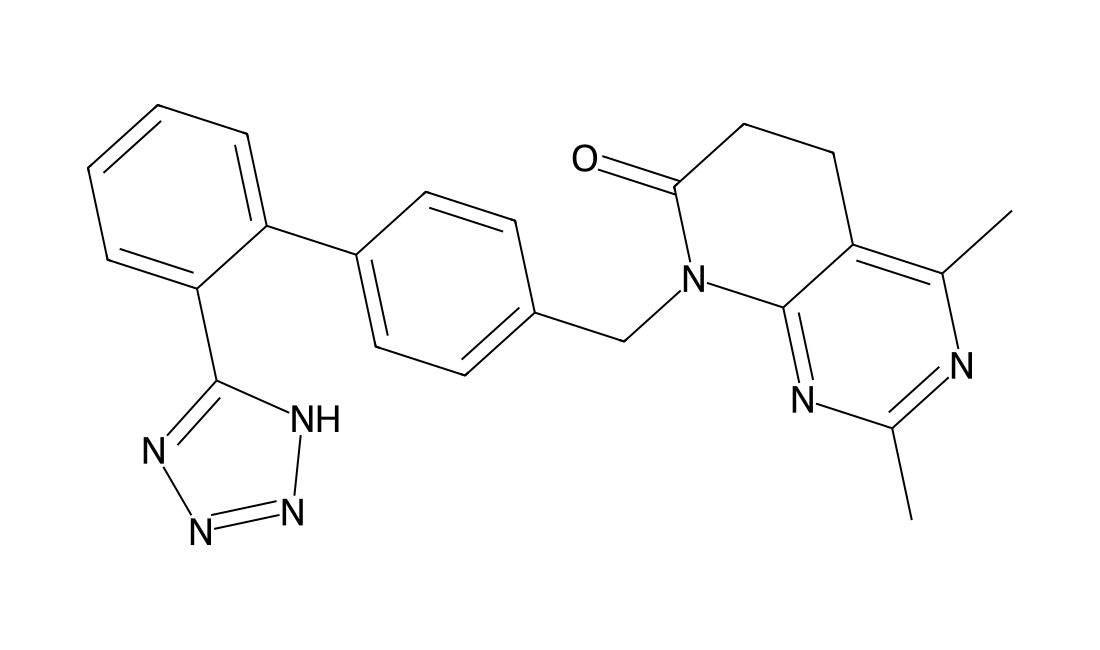
TasosartanFeatured
Tasosartan is a long-acting angiotensin II (AngII) receptor blocker. Its long duration of action has been attributed to its active metabolite enoltasosartan. It is used to treat patients with essential hypertensionFor the detailed information of Tasosartan, the solubility of Tasosartan in water, the solubility of Tasosartan in DMSO, the solubility of Tasosartan in PBS buffer, the animal experiment (test) of Tasosartan, the cell expriment (test) of Tasosartan, the in vivo, in vitro and clinical trial test of Tasosartan, the EC50, IC50,and Affinity of Tasosartan, Please contact DC Chemicals.
TAS-103(BMS247615)Featured
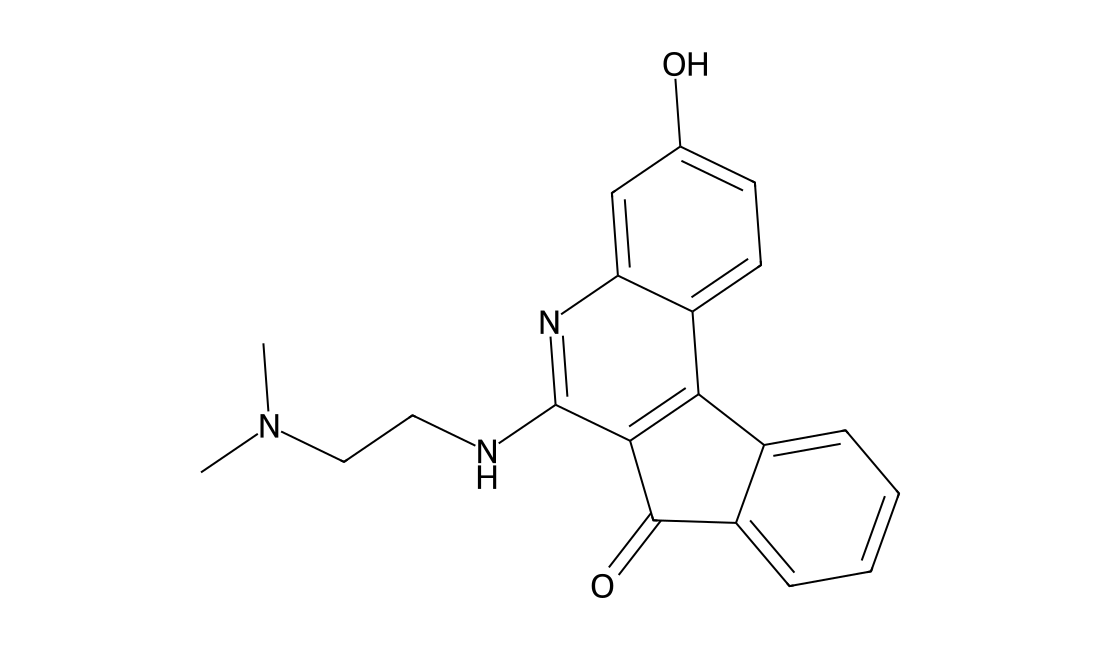
TAS-103(BMS-247615) is a dual inhibitor of topoisomerase-I (topo-I) and topoisomerase-II (topoII). IC50 value: Target: Topoisomerase in vitro: TAS-103 was effective in inhibiting in vitro proliferation of human SCLC (SBC-3 and H69) cells and their drug-resistant variants SBC-3/ADM or SBC-3/CDDP and H-69/VP, respectively. SBC-3/ADM and H-69/VP expressed high P-gp, whereas SBC-3/CDDP did not . TAS-103 disrupts SRP complex formation and reduces the amount of SRP14 and SRP19. TAS-103 treatment and RNAi-mediated knockdown of SRP54 or SRP14 promoted accumulation of the exogenously expressed chimeric protein interleukin-6-FLAG inside cells . In 13 human cancer cell lines, MGMT expression correlated with IC50 for TAS-103, whereas gamma-GCS expression inversely correlated with the IC50 value, suggesting MGMT may work to decrease TAS-103 activity but gamma-GCS may increase it . in vivo: TAS-103 also effectively reduced the tumor growth (more than 50% inhibition) of the parental as well as MDR SCLC cells grown SC in nude mice . Thirty-two patients were treated with escalating doses (50 to 200 mg/m(2)) of TAS-103, administered intravenously over 1 hour each week for 3 weeks. Pharmacokinetic analysis was performed at the 130-, 160-, and 200-mg/m(2) dose levels .For the detailed information of TAS-103 HCL, the solubility of TAS-103 HCL in water, the solubility of TAS-103 HCL in DMSO, the solubility of TAS-103 HCL in PBS buffer, the animal experiment (test) of TAS-103 HCL, the cell expriment (test) of TAS-103 HCL, the in vivo, in vitro and clinical trial test of TAS-103 HCL, the EC50, IC50,and affinity,of TAS-103 HCL, Please contact DC Chemicals.
Tandutinib(MLN518)Featured
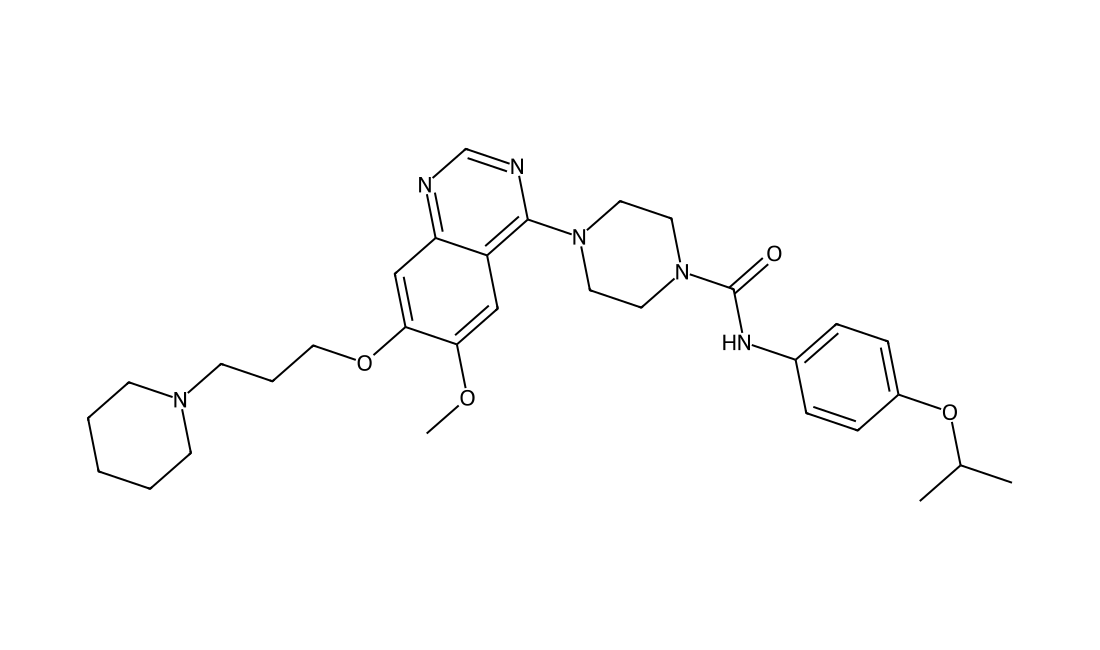
Tandutinib has little activity against EGFR, FGFR, KDR, InsR, Src, Abl, PKC, PKA and MAPKs. Tandutinib inhibits IL-3-independent cell growth and FLT3-ITD autophosphorylation with an IC50 of 10-100 nM. Tandutinib also inhibits the proliferation of human leukemia Ba/F3 cells containing FLT3-ITD mutations with IC50 values of 10-30 nM, and the FLT3-ITD-positive Molm-13 and Molm-14 cells with an IC50 of 10 nM. In FLT3-ITD-positive Molm-14 cells but not the FLT3-ITD-negative THP-1 cells, Tandutinib treatment leads to significant apoptosis by 51% and 78% at 24 and 96 hours, respectively, due to specific FLT3 inhibition. Tandutinib preferentially inhibits the growth of blast colonies from FLT3 ITD-positive compared with ITD-negative patients with AML, without affecting colony formation by normal human progenitor cells. Oral administration of Tandutinib at 60 mg/kg bid significantly increases the survival in mice bearing Ba/F3 cells expressing W51 FLT3-ITD mutant, and gives a significant reduction in mortality in a mouse bone marrow transplantation model. Tandutinib treatment at 180 mg/kg twice daily has mild toxicity toward normal hematopoiesis, however, it is a dose at which Tandutinib is effective in treating FLT3 ITD-positive leukemia in mice. For the detailed information of Tandutinib(MLN518), the solubility of Tandutinib(MLN518) in water, the solubility of Tandutinib(MLN518) in DMSO, the solubility of Tandutinib(MLN518) in PBS buffer, the animal experiment (test) of Tandutinib(MLN518), the cell expriment (test) of Tandutinib(MLN518), the in vivo, in vitro and clinical trial test of Tandutinib(MLN518), the EC50, IC50,and affinity,of Tandutinib(MLN518), Please contact DC Chemicals.
TAK 715Featured
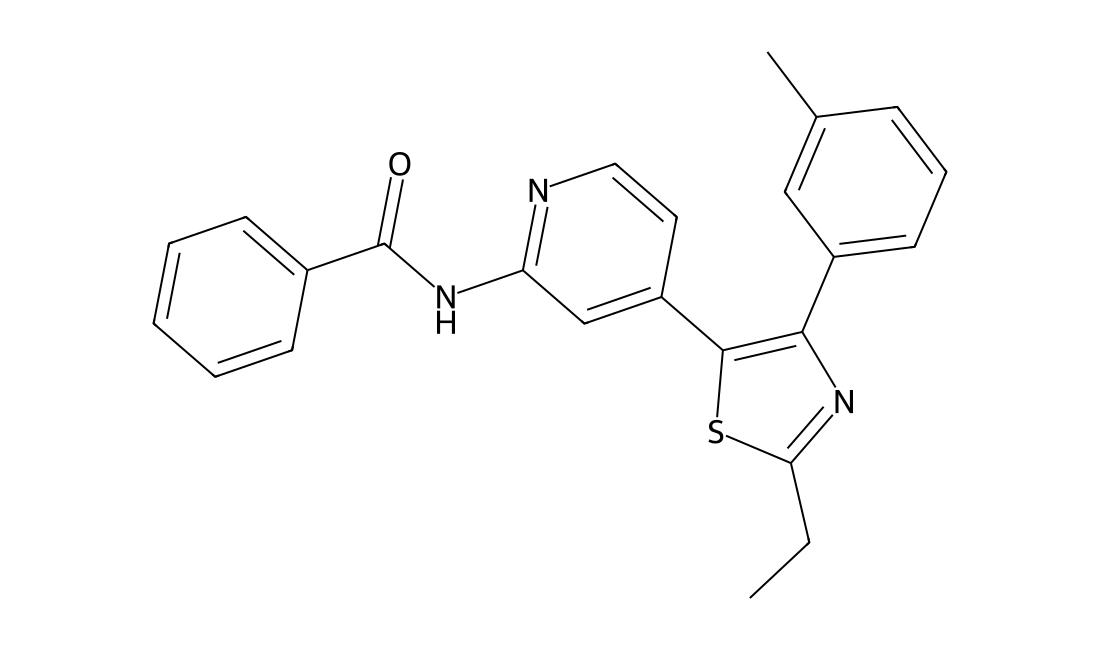
TAK 715 inhibits LPS-stimulated release of TNF-alpha from THP-1 with IC50 of 48 nM. TAK 715 (10 μM) inhibits Wnt-3a-induced hDvl2 phosphorylation and the hDvl2 shift in U2OS-EFC cells. The amide NH of TAK 715 is hydrogen bonded to the main-chain carbonyl of Met109 of p38 alpha. TAK 715 binds relatively high in the ATP pocket, occupying the hydrophobic back pocket, the adenine region and the front pocket of p38 as well as extending to most of the length of the Gly-rich loop. TAK 715 (10 mg/kg, po) inhibits LPS-induced TNF-alpha production in mice with 87.6% inhibition. TAK 715 has a modest mouse bioavailability of 18.4% and a slightly improved rat bioavailability of 21.1%. TAK 715 has a modest mouse bioavailability of 18.4% and a slightly improved rat bioavailability of 21.1%. TAK 715 results in Cmax of 0.19 μg/mL and AUC(0-24 hours) of 1.16 μg·h/mL in rats. TAK 715 (30 mg/kg, po) significantly reduces the secondary paw volume with 25 % inhibition in a rat adjuvant-induced arthritis (AA) model. For the detailed information of TAK 715, the solubility of TAK 715 in water, the solubility of TAK 715 in DMSO, the solubility of TAK 715 in PBS buffer, the animal experiment (test) of TAK 715, the cell expriment (test) of TAK 715, the in vivo, in vitro and clinical trial test of TAK 715, the EC50, IC50,and Affinity of TAK 715, Please contact DC Chemicals.
T-1105Featured
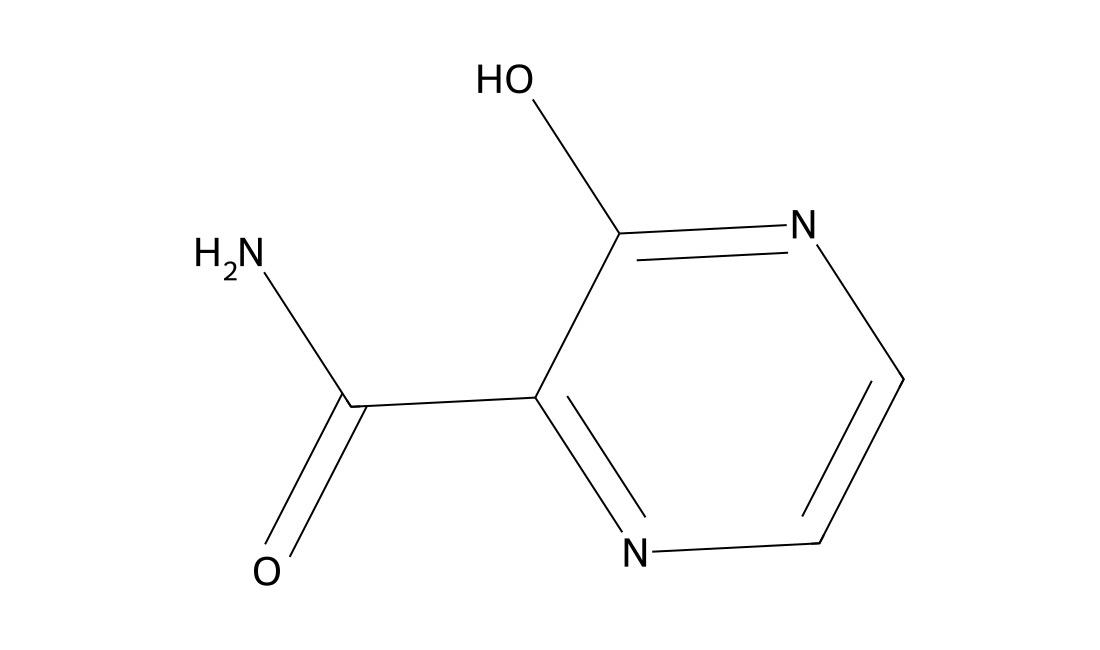
T-1105 is a broad-spectrum antiviral inhibitor that demonstrates good activity for various RNA viruses, including influenza virus, arenaviruses, bunyaviruses, West Nile virus (WNV), yellow fever virus (YFV), FMDV, and ZIKV; inhibits ZIKV replication with EC50 of 35 uM in a virus yield reduction assay.
SunifiramFeatured
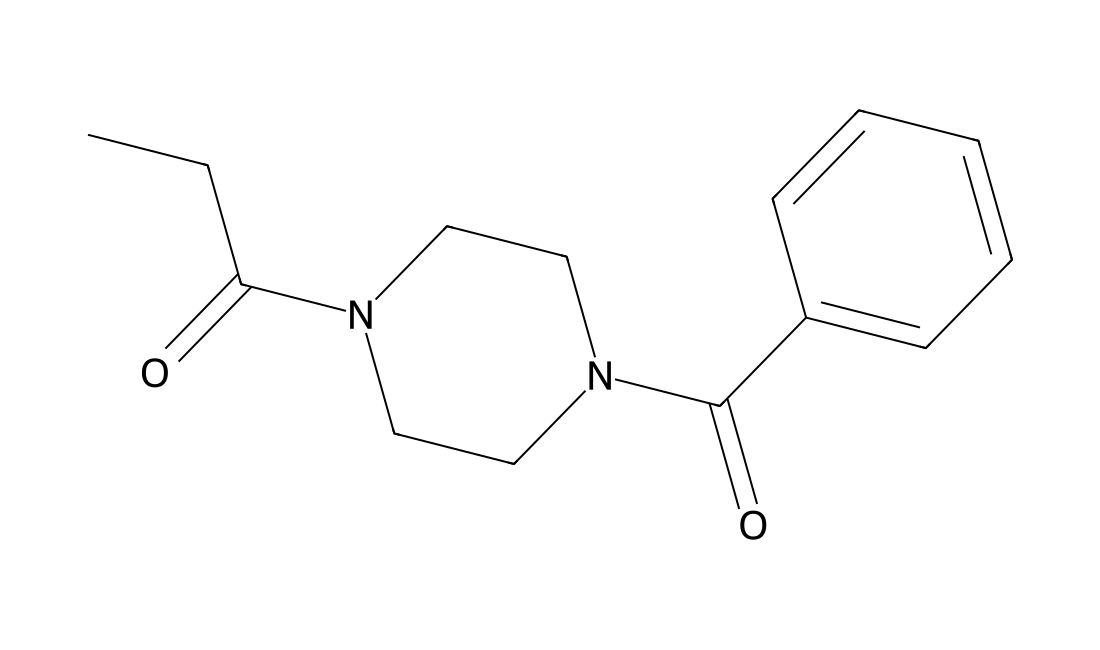
Sunifiram (DM-235) is a piperazine derived ampakine-like drug which has nootropic effects in animal studies with significantly higher potency than piracetam. in vitro: DM 232 and DM 235 are novel antiamnesic compounds structurally related to ampakines. The involvement of AMPA receptors in the mechanism of action of DM 232 and DM 235 was, therefore, investigated in vivo and in vitro. Both compounds (0.1 mg/kg?1 i.p.) were able to reverse the amnesia induced by the AMPA receptor antagonist NBQX (30 mg/kg?1 i.p.) in the mouse passive avoidance test. At the effective doses, the investigated compounds did not impair motor coordination, as revealed by the rota rod test, nor modify spontaneous motility and inspection activity, as revealed by the hole board test. In mouse hippocampal slices, sunifiram at 10-100 nM significantly enhanced LTP in a bell-shaped dose-response relationship which peaked at 10 nM. The enhancement of LTP by sunifiram treatment was inhibited by 7-chloro-kynurenic acid (7-ClKN), an antagonist for glycine-binding site of NMDAR, but not by ifenprodil, an inhibitor for polyamine site of NMDAR. in vivo: OBX mice were administered once a day for 7-12 days with sunifiram (0.01-1.0mg/kg p.o.) from 10 days after operation with or without gavestinel (10mg/kg i.p.), which is glycine-binding site inhibitor of N-methyl-d-aspartate receptor (NMDAR).
SulisobenzoneFeatured
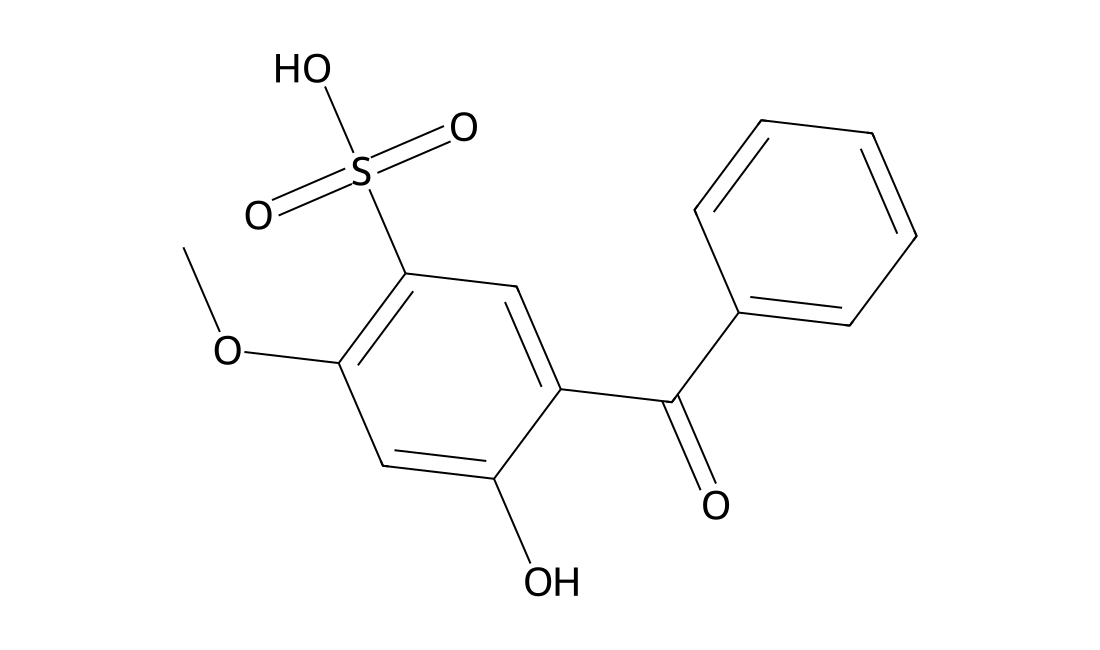
Sulisobenzone is an ingredient in some sunscreens which protects the skin from damage
SulfathiazoleFeatured
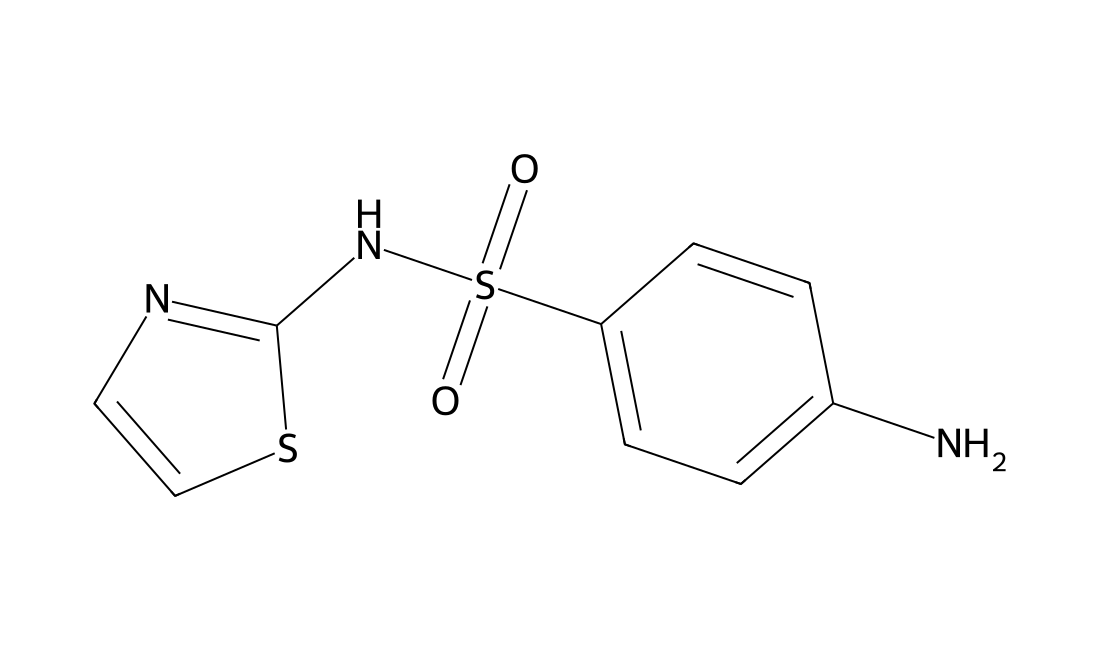
For the detailed information of Sulfathiazole, the solubility of Sulfathiazole in water, the solubility of Sulfathiazole in DMSO, the solubility of Sulfathiazole in PBS buffer, the animal experiment(test) (test) of Sulfathiazole, the cell expriment (test) of Sulfathiazole, the in vivo, in vitro and clinical trial test of Sulfathiazole, the EC50, IC50,and Affinity of Sulfathiazole,, please contact DC Chemicals.
SalicylazosulfapyridineFeatured
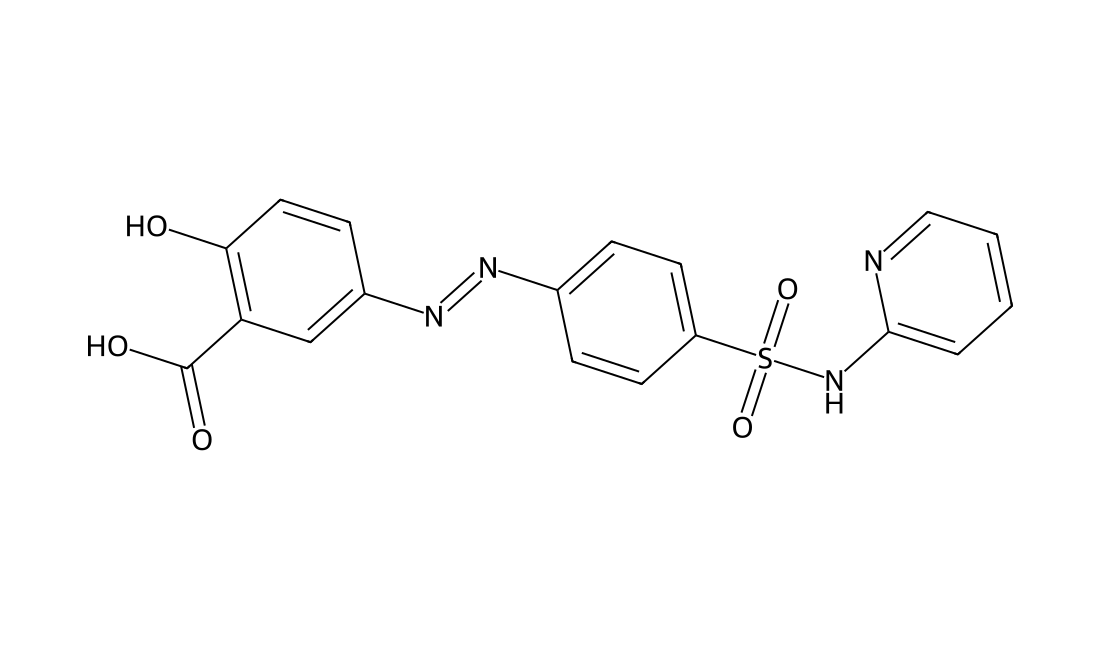
Sulfasalazine, a sulfa agent and a derivative of mesalazine, is used primarily as an anti-inflammatory agent.Sulfasalazine (Azulfidine), used to treat pain and swelling in arthritis, belongs to a class of drugs called sulfa drugs. It is a combination of salicylate (the main ingredient in aspirin) and a sulfa antibiotic. Sulfasalazine is also known as a disease modifying antirheumatic drug (DMARD) because it not only decreases the pain and swelling of arthritis, but also may prevent damage to joints. In addition, it may reduce the risk of long term loss of function. Sulfasalazine is a highly effective treatment for patients with antihistamine resistant CIU. The frequency of adverse events leading to an alteration of sulfasalazine treatment supports the need for close monitoring of these patients.
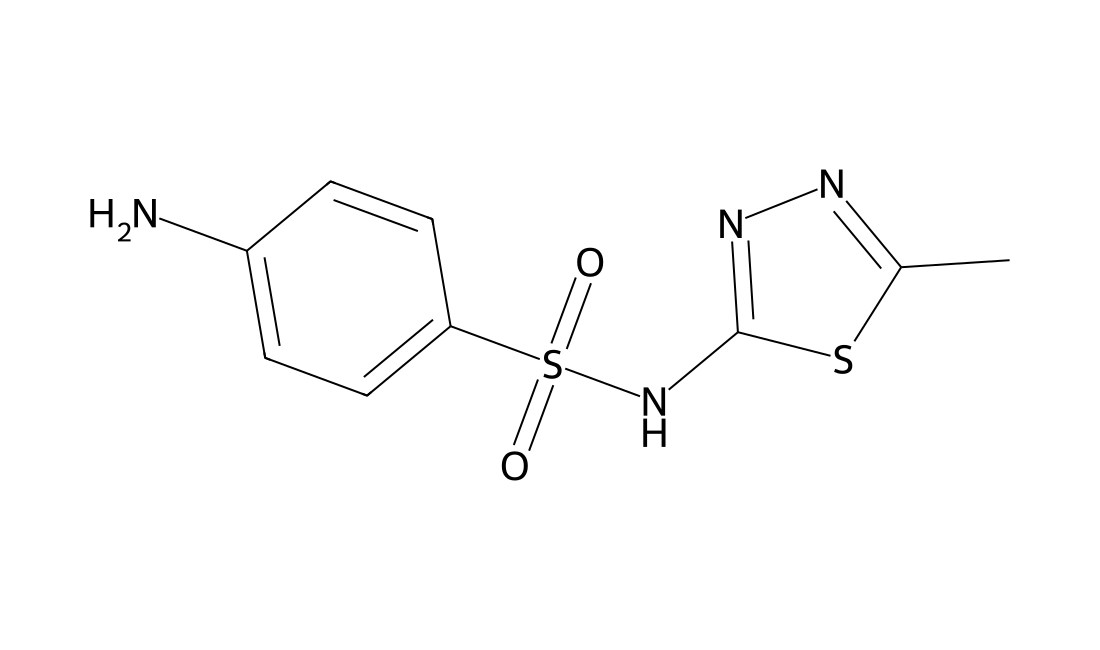
Sulfamethizole (Proklar)Featured
For the detailed information of Sulfamethizole (Proklar), the solubility of Sulfamethizole (Proklar) in water, the solubility of Sulfamethizole (Proklar) in DMSO, the solubility of Sulfamethizole (Proklar) in PBS buffer, the animal experiment(test) (test) of Sulfamethizole (Proklar), the cell expriment (test) of Sulfamethizole (Proklar), the in vivo, in vitro and clinical trial test of Sulfamethizole (Proklar), the EC50, IC50,and Affinity of Sulfamethizole (Proklar),, please contact DC Chemicals.
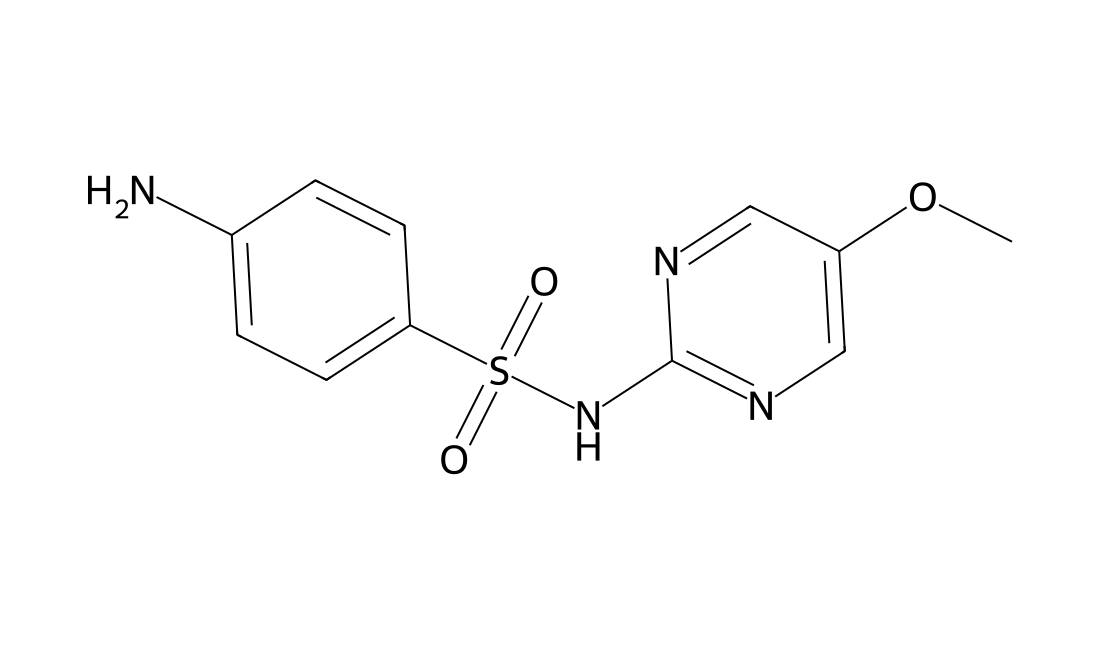
Sulfameter (Bayrena)Featured
For the detailed information of Sulfameter (Bayrena), the solubility of Sulfameter (Bayrena) in water, the solubility of Sulfameter (Bayrena) in DMSO, the solubility of Sulfameter (Bayrena) in PBS buffer, the animal experiment(test) (test) of Sulfameter (Bayrena), the cell expriment (test) of Sulfameter (Bayrena), the in vivo, in vitro and clinical trial test of Sulfameter (Bayrena), the EC50, IC50,and Affinity of Sulfameter (Bayrena),, please contact DC Chemicals.
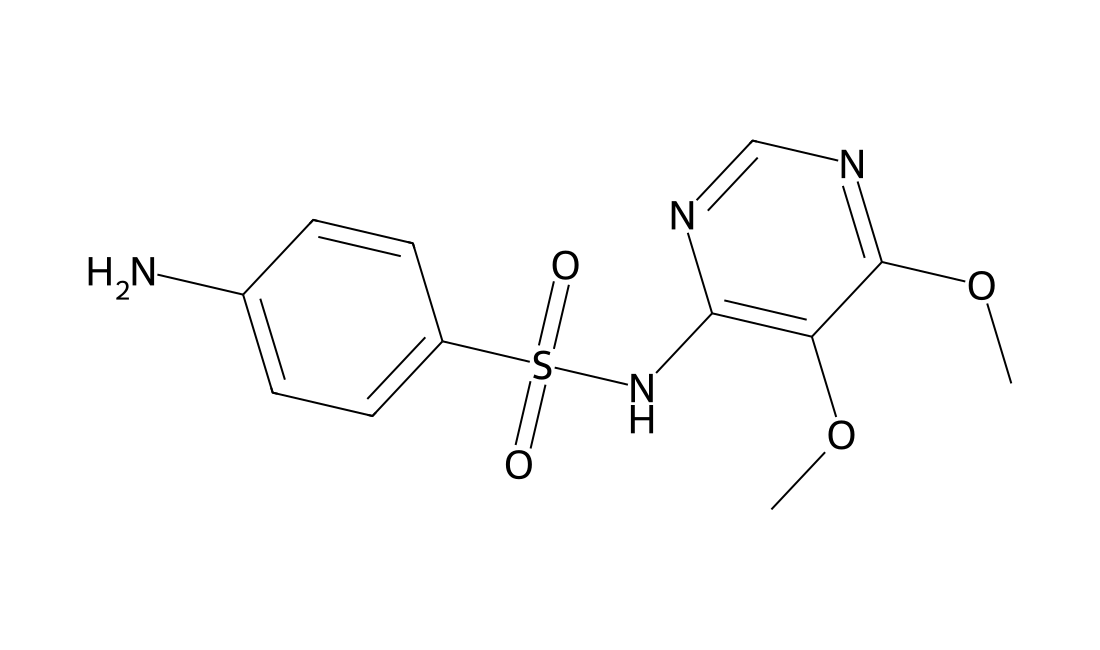
Sulfadoxine (Sulphadoxine)Featured
For the detailed information of Sulfadoxine (Sulphadoxine), the solubility of Sulfadoxine (Sulphadoxine) in water, the solubility of Sulfadoxine (Sulphadoxine) in DMSO, the solubility of Sulfadoxine (Sulphadoxine) in PBS buffer, the animal experiment(test) (test) of Sulfadoxine (Sulphadoxine), the cell expriment (test) of Sulfadoxine (Sulphadoxine), the in vivo, in vitro and clinical trial test of Sulfadoxine (Sulphadoxine), the EC50, IC50,and Affinity of Sulfadoxine (Sulphadoxine),, please contact DC Chemicals.
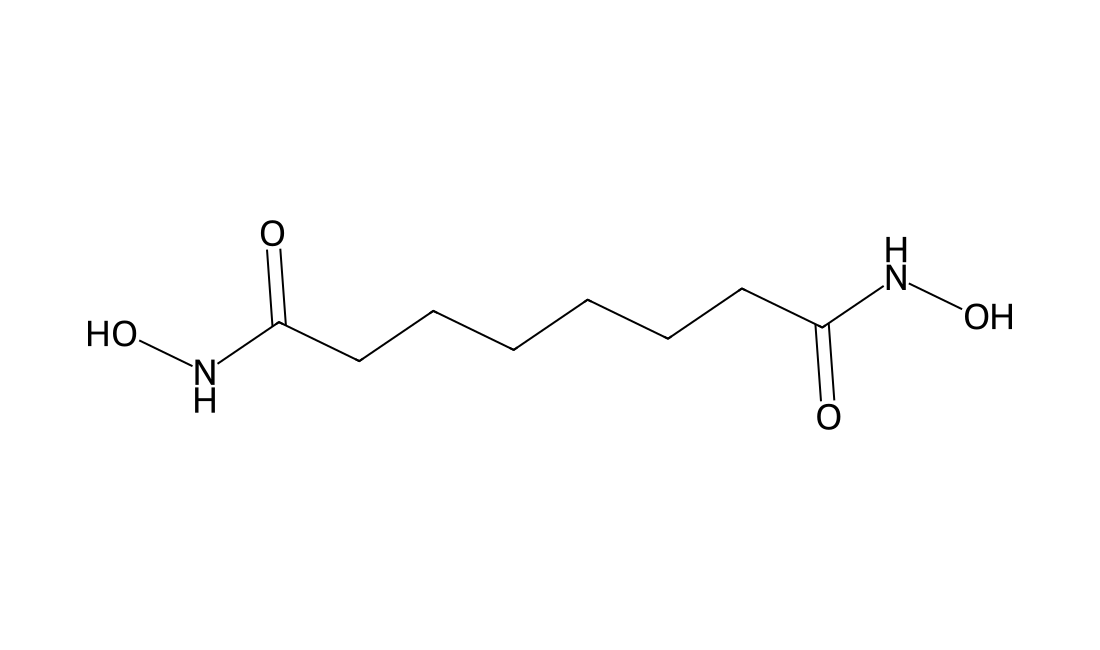
Suberohydroxamic acid is a competitive HDAC inhibitor with IC50 values of 0.25 and 0.3 μM for HDAC1 and HDAC3 respectively.
ST-193 hydrochloridFeatured
ST-193 inhibits LASV pseudotypes with an IC50 of 1.6 nM. ST-193 inhibits pseudotypes generated with other arenavirus envelopes as well, including the remaining four commonly associated with hemorrhagic fever (IC50s for Junín, Machupo, Guanarito, and Sabiá are in the 0.2 to 12 nM range) but exhibits no antiviral activity against pseudotypes incorporating either the GP from the LASV-related arenavirus lymphocytic choriomeningitis virus or the unrelated G protein from vesicular stomatitis virus, at concentrations of up to 10 μM.ST-193 is found to be tolerated well when administered daily as an intraperitoneal injection of either 25 or 100 mg/kg/day for 14 days. ST-193-treated animals exhibit fewer signs of disease and enhance survival when compared to the ribavirin or vehicle groups. Body temperatures in all groups are elevated by day 9, but returned to normal by day 19 postinfection in the majority of ST-193-treated animals. ST-193 treatment mediates a 2- to 3-log reduction in viremia relative to vehicle-treated controls. The overall survival rate for the ST-193-treated guinea pigs is 62.5% (10/16) compared with 0% in the ribavirin (0/8) and vehicle (0/7) groups.
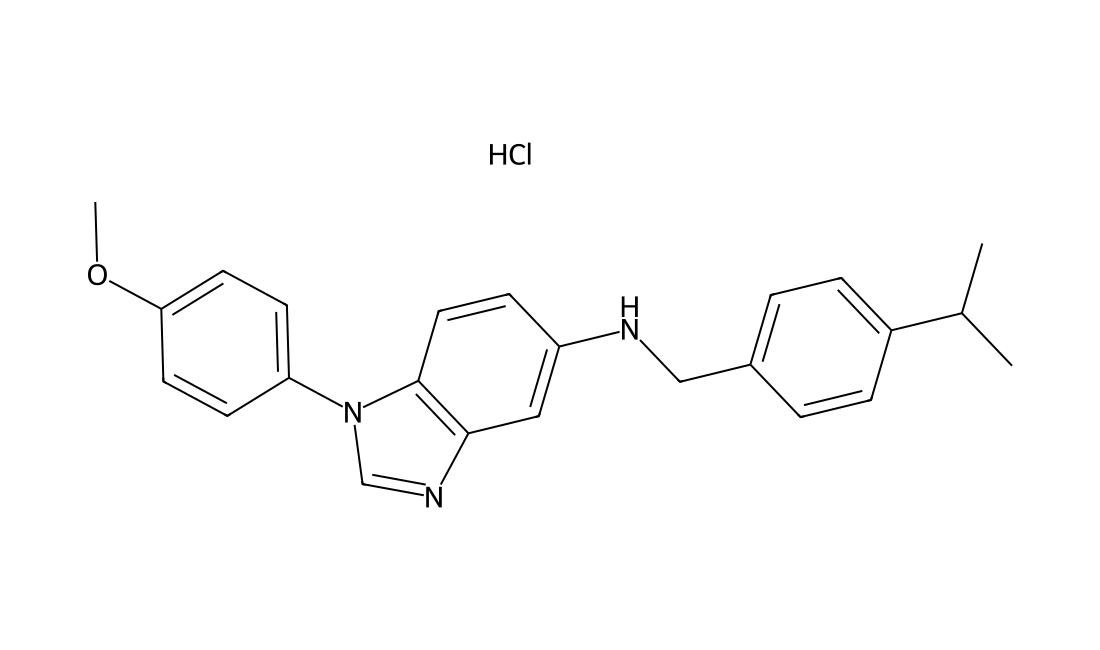
SR-3306Featured
SR-3306 is a highly selective, brain penetrant, potent inhibitor of JNK with IC50 of 67, 283 and 159 nM for JNK1, JNK2 and JNK3, >100-fold selectivity over p38; shows cell-based IC50 of 216 nM, protects dopaminergic neurons against MPTP neurotoxicity in vitro and in vivo, achieves dopaminergic neuronal survival in the 6-OHDA model; also prevents ROS increases and mitochondrial dysfunction.
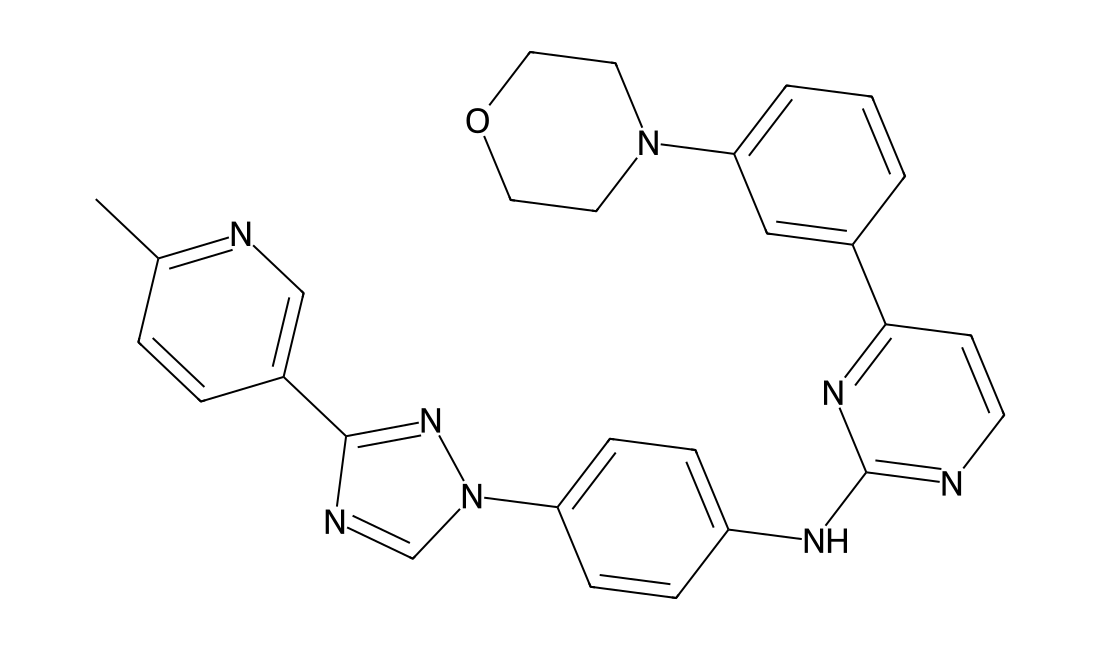
SR1001Featured
SR1001 is a high-affinity synthetic ligand of RORα and RORγ; suppresses TH17 cell differentiation and inhibits autoimmunity. in vitro: SR1001 binds specifically to the ligand-binding domains of RORα and RORγt, inducing a conformational change within the ligand-binding domain that encompasses the repositioning of helix 12 and leads to diminished affinity for co-activators and increased affinity for co-repressors, resulting in suppression of the receptors' transcriptional activity. SR1001 inhibited the development of murine T(H)17 cells, as demonstrated by inhibition of interleukin-17A gene expression and protein production. Furthermore, SR1001 inhibited the expression of cytokines when added to differentiated murine or human T(H)17 cells. SR1001 reduced the interaction of a coactivator TRAP220 NR box 2 peptide with RORγ in a dose dependent manner(IC50=117 nM). in vivo: SR1001 was a RORα inverse agonist eliminated the circadian pattern of expression of CS mRNA in mice. For the detailed information of SR1001, the solubility of SR1001 in water, the solubility of SR1001 in DMSO, the solubility of SR1001 in PBS buffer, the animal experiment (test) of SR1001, the cell expriment (test) of SR1001, the in vivo, in vitro and clinical trial test of SR1001, the EC50, IC50,and affinity,of SR1001, For the detailed information of SR1001, the solubility of SR1001 in water, the solubility of SR1001 in DMSO, the solubility of SR1001 in PBS buffer, the animal experiment (test) of SR1001, the cell expriment (test) of SR1001, the in vivo, in vitro and clinical trial test of SR1001, the EC50, IC50,and affinity,of SR1001, Please contact DC Chemicals.
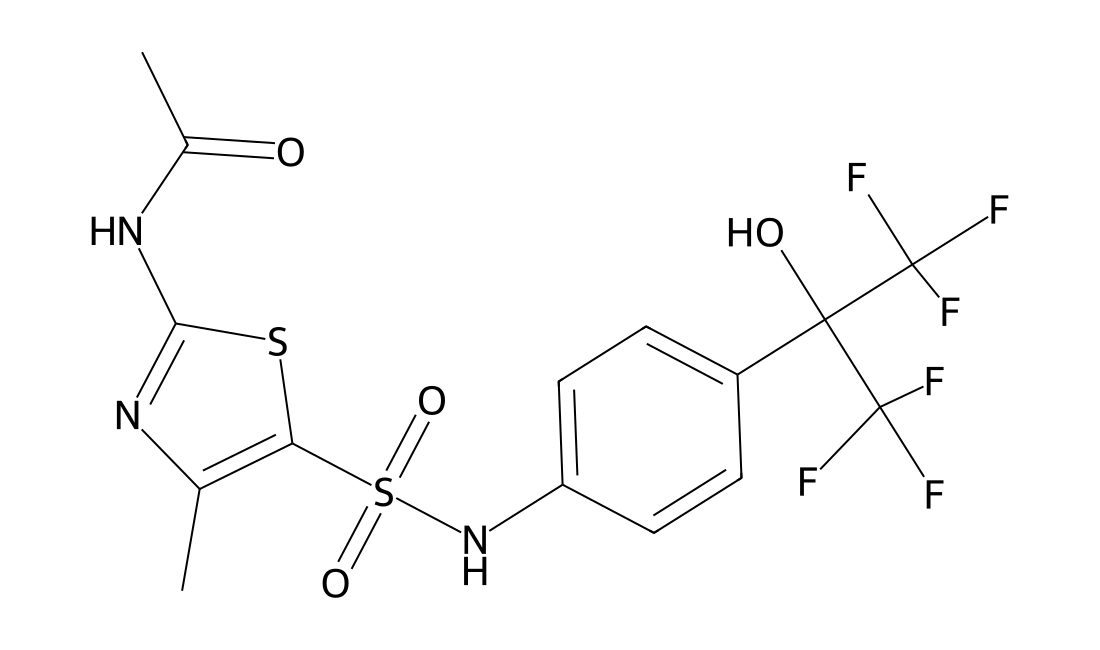
SPR-00305Featured
SPR-00305 is a potent MvfR inhibitor and displays target engagement. SPR-00305, potently inhibited the MvfR pathway with IC50s of 115 nM against 4-hydroxy-2-heptylquinoline (HHQ), 93 nM against pyocyanin (PYO) and 109 nM against 3,4-dihydroxy-2-heptoquinoline (PQS) in PA14. The compound was further tested in the immunocompetent acute thigh infection model. It decreased PQS by 50% and HHQ by 40% in comparison with vehicle. In the neutropenic acute thigh infection model, SPR-00305 oral administration (200 mg) resulted in a slight decrease in HHQ levels.
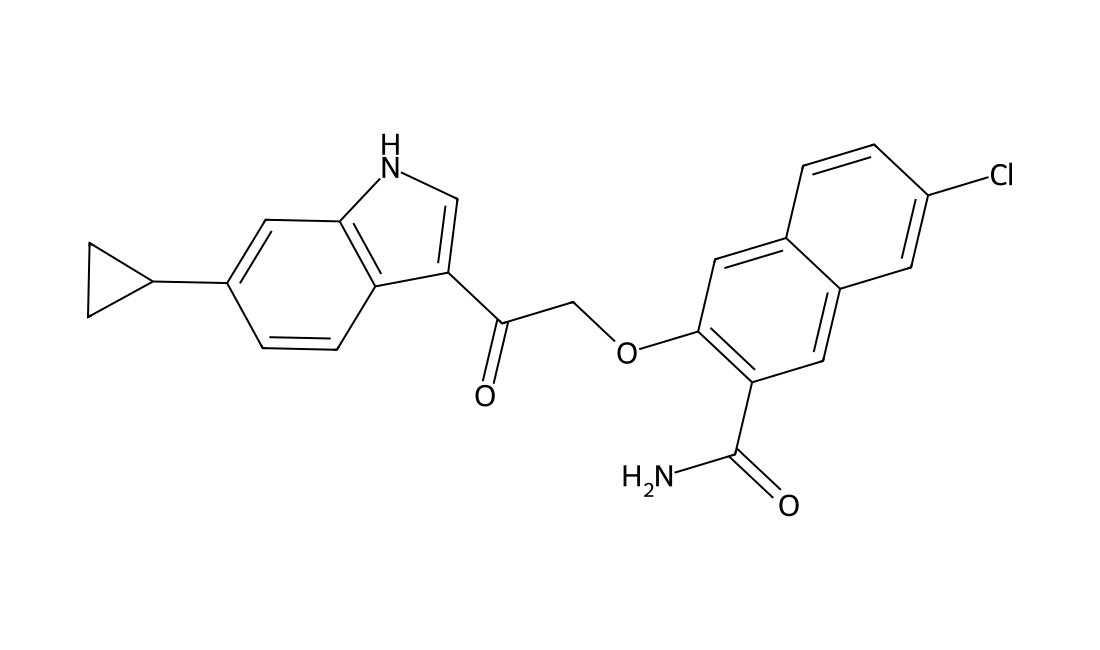
No products match this search.
Page 294 of 309 · Browse all 6177 products
Jump to a product page
Featured literature product: HX1 · DCL0028
HX1 is a hydroxyzine-derived ionizable lipid with acetal-containing tails, studied in lipid nanoparticles for brain mRNA delivery and CRISPR–Cas9 delivery. It was the lead in the reported in vivo brain-delivery screen; evidence is preclinical and formulation-dependent.
Read full formulation and performance →