
Research lipid catalog
Ionizable Lipid Products
Explore 848 lipid and RNA delivery products. Search the full catalog or browse by research category.
Search covers product name, catalog number, synonyms, available CAS numbers and categories. Spaces, hyphens and common punctuation are ignored. Duplicate legacy records are consolidated under one canonical product result.
6177 products · Showing 6121–6140 · 20 per page
DC Chemicals lipid expertise
Built for ionizable-lipid discovery and RNA delivery research
DC Chemicals supports formulation and delivery research with a broad, searchable portfolio of cationic and ionizable lipids. The current directory brings together 848 unique research-use products, with product specifications, pricing, chemical structures and literature-linked formulation data added as each record is verified.
Our experience spans complex lipid synthesis, purification, analytical release and process development. For custom molecules or larger-scale requirements, our team can discuss route development, technical specifications and scale-up options for the intended research workflow.
Learn about cationic and ionizable lipids →Proprietary innovation · Co-development · GMP
From proprietary lipid design to GMP-grade custom synthesis
DC Chemicals has independently developed ionizable-lipid structures supported by company-owned intellectual property, and selected proprietary lipid programs have advanced to GMP-stage development.
We welcome joint development with customers—from molecular design and lipid synthesis through route and process development. We can also support custom synthesis of GMP-grade ionizable lipids to agreed technical specifications and quality requirements.
Discuss a co-development project →Proprietary ionizable-lipid structuresCollaborative molecular designCustom lipid synthesisProcess development and scale-upGMP-grade project support
Product quick links
Explore New ionizable lipids
Explore our five most recently added ionizable lipids, with specifications, pricing and literature-linked product information.
DCL0028HX1Brain RNA delivery researchView product →DCL0024A1I4R13C18-2Spleen-targeted RNA delivery researchView product →DCL0023A1I4R2C18-2Spleen-targeted RNA delivery researchView product →DCL0022FS01Local joint RNA delivery researchView product →DCL0020Lipid-392Lung RNA delivery and gene editing researchView product →
Cat. No.Product NameField of ApplicationChemical Structure
DMU2105Featured
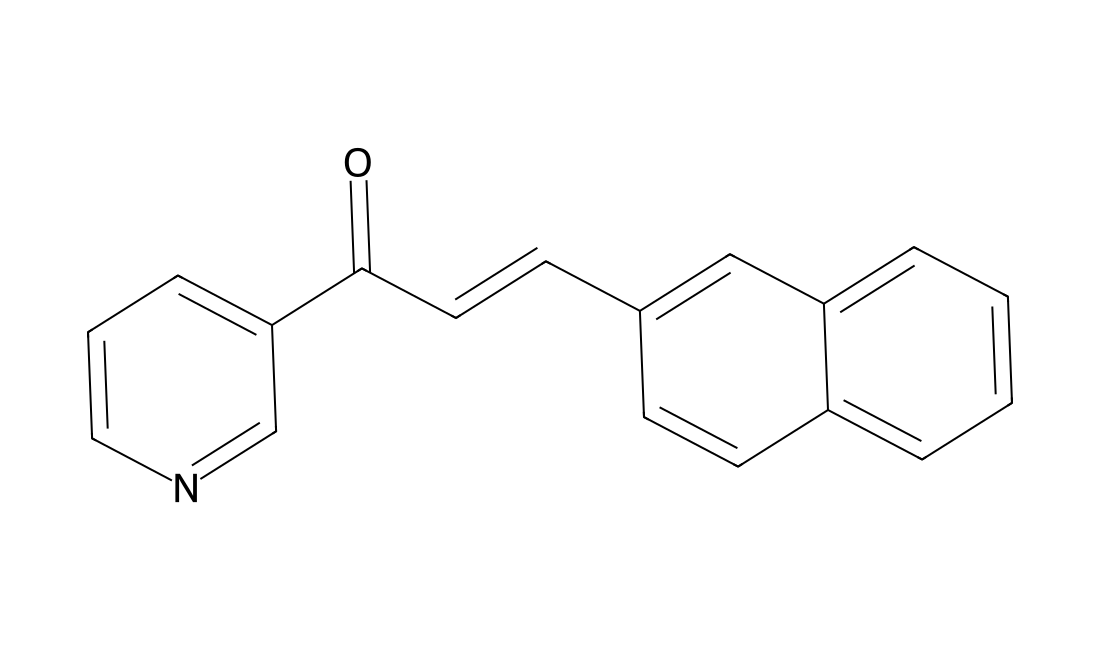
In Vitro DMU2105 (Compound 7k) shows 74 and 120-fold selectivity for CYP1B1 over CYP1A1 and CYP1A2. In the presence of DMU2105 however, the EC50 goes down to 1 μM indicating that the cells had suffered from toxicity which may have been mediated by CYP1B1 inhibition. Un-transfected cells (HEK293: pcDNA3.1), when treated with cisplatin and DMU2105 (10×IC50) do not show any perceptible decrease of cisplatin EC50 (8.5 μM ± 0.9).
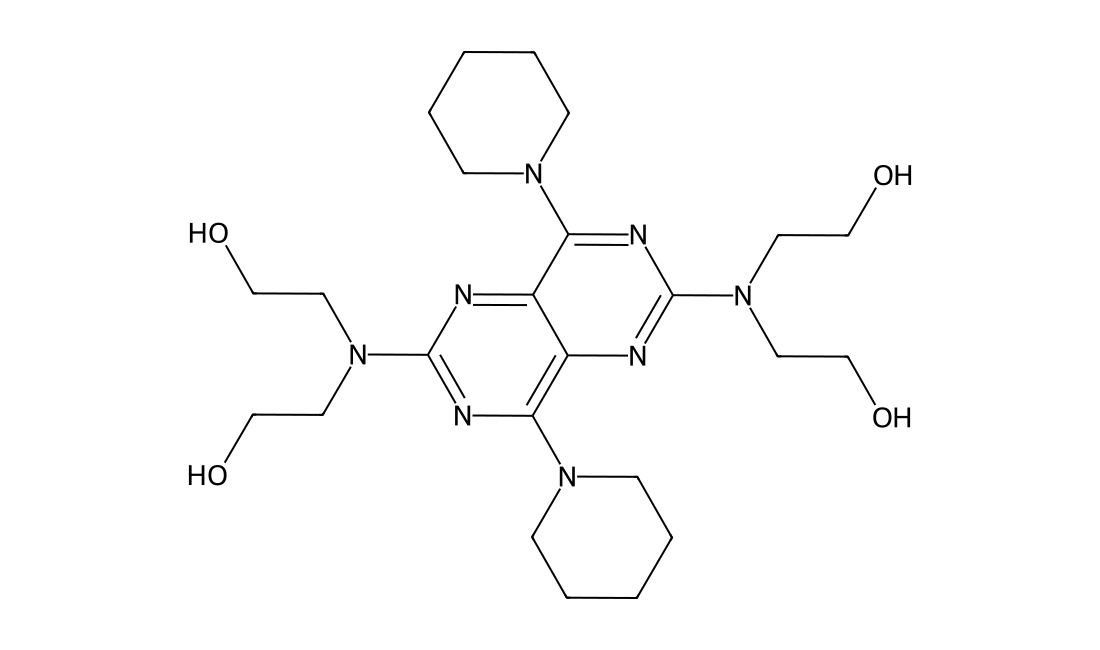
Dipyridamole (Persantine)Featured
For the detailed information of Dipyridamole (Persantine), the solubility of Dipyridamole (Persantine) in water, the solubility of Dipyridamole (Persantine) in DMSO, the solubility of Dipyridamole (Persantine) in PBS buffer, the animal experiment(test) (test) of Dipyridamole (Persantine), the cell expriment (test) of Dipyridamole (Persantine), the in vivo, in vitro and clinical trial test of Dipyridamole (Persantine), the EC50, IC50,and Affinity of Dipyridamole (Persantine),, please contact DC Chemicals.
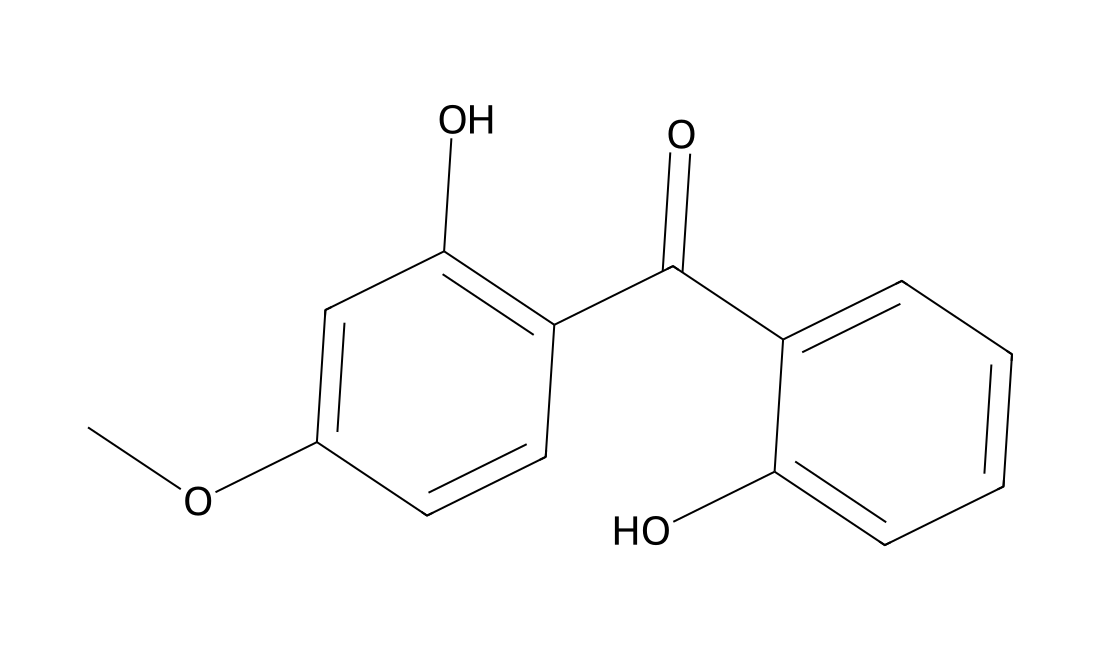
Dioxybenzone (benzophenone-8) is an organic compound used in sunscreen to block UVB and short-wave UVA (ultraviolet) rays
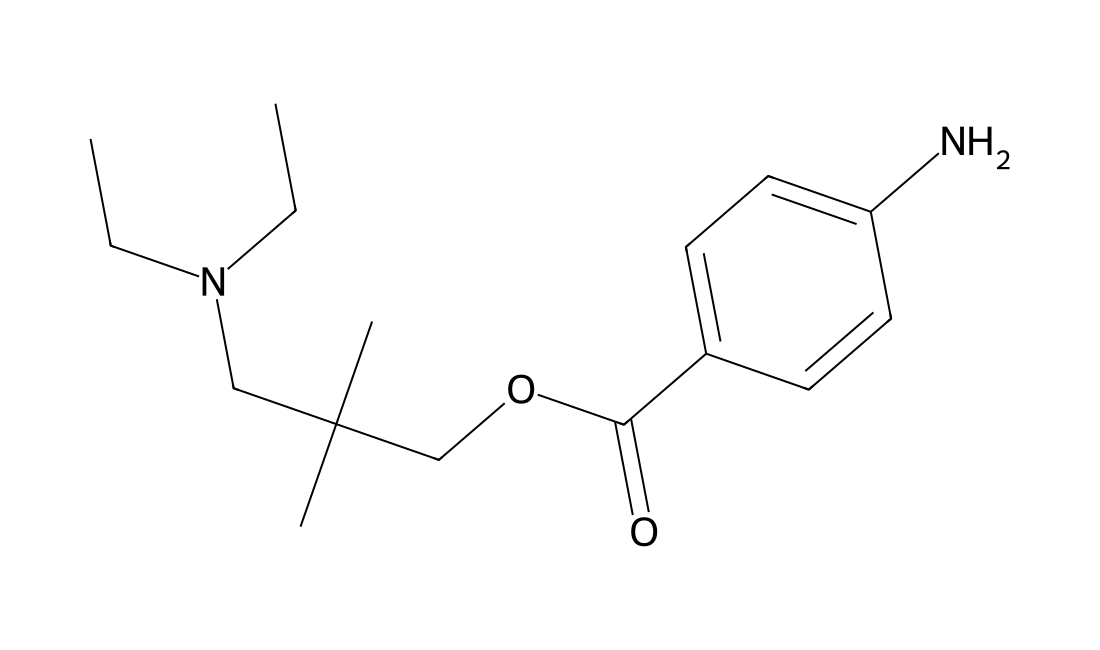
DimethocaineFeatured
Dimethocaine, a synthetic cocaine derivative: studies on its in vitro metabolism catalyzed by P450s and NAT2.For the detailed information of Dimethocaine, the solubility of Dimethocaine in water, the solubility of Dimethocaine in DMSO, the solubility of Dimethocaine in PBS buffer, the animal experiment (test) of Dimethocaine, the cell expriment (test) of Dimethocaine, the in vivo, in vitro and clinical trial test of Dimethocaine, the EC50, IC50,and Affinity of Dimethocaine, Please contact DC Chemicals.
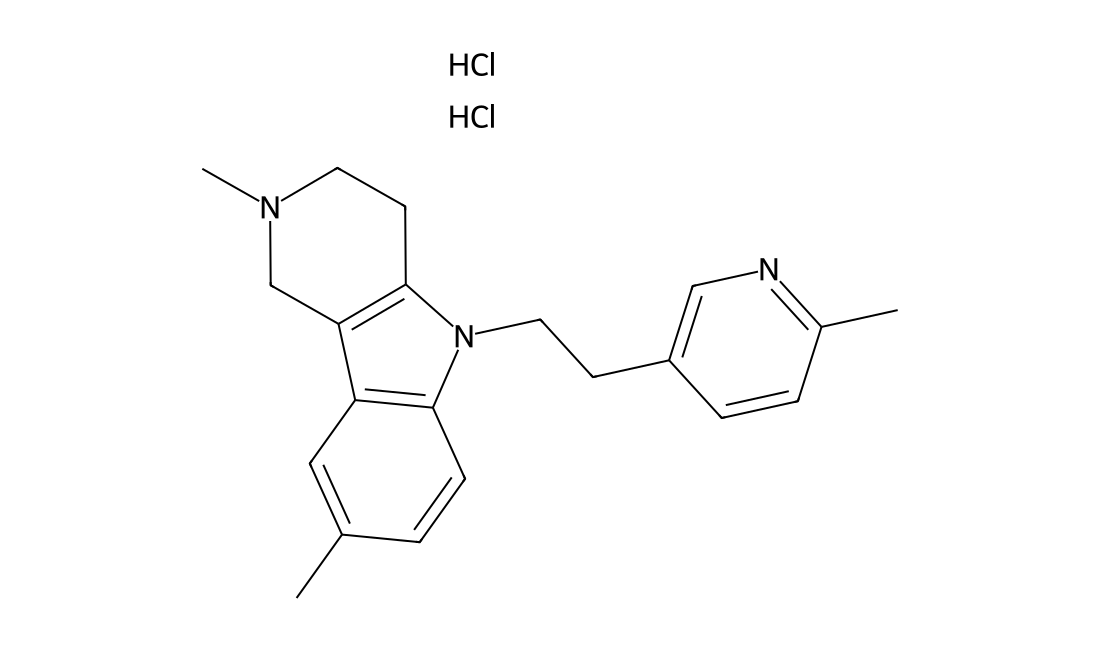
Dimebon dihydrochlorideFeatured
Latrepirdine (INN, also known as dimebolin and sold as Dimebon), is an antihistamine drug which has been used clinically in Russia since 1983. Research is continuing in both Russia and western nations into potential applications as a neuroprotective drug to combat Alzheimer's disease and, possibly, as a nootropic as well. However, a Phase III clinical trial For Alzheimer's disease treatment failed to show any benefit. For the detailed information about the solubility of Dimebon dihydrochloride in water, the solubility of Dimebon dihydrochloride in DMSO, the solubility of Dimebon dihydrochloride in PBS buffer, the animal experiment(test) of Dimebon dihydrochloride,the in vivo,in vitro and clinical trial test of Dimebon dihydrochloride,the cell experiment(test) of Dimebon dihydrochloride,the IC50, EC50 and Affinity of Dimebon dihydrochloride, please contact DC Chemicals.
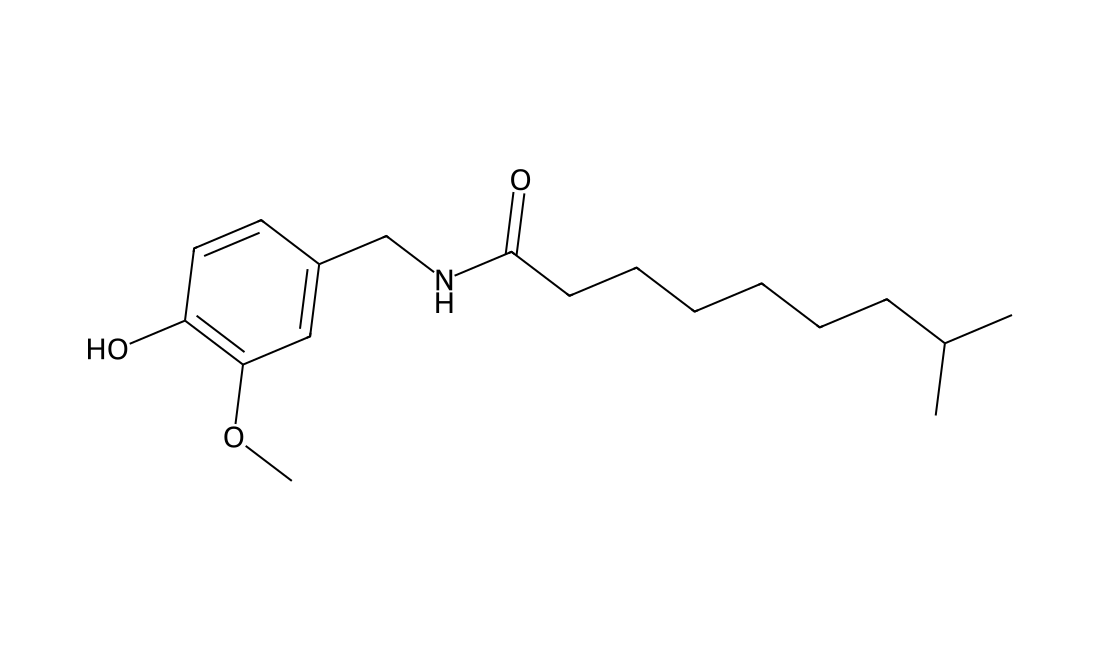
DihydrocapsaicinFeatured
For the detailed information of Dihydrocapsaicin, the solubility of Dihydrocapsaicin in water, the solubility of Dihydrocapsaicin in DMSO, the solubility of Dihydrocapsaicin in PBS buffer, the animal experiment(test) (test) of Dihydrocapsaicin, the cell expriment (test) of Dihydrocapsaicin, the in vivo, in vitro and clinical trial test of Dihydrocapsaicin, the EC50, IC50,and Affinity of Dihydrocapsaicin,, please contact DC Chemicals.
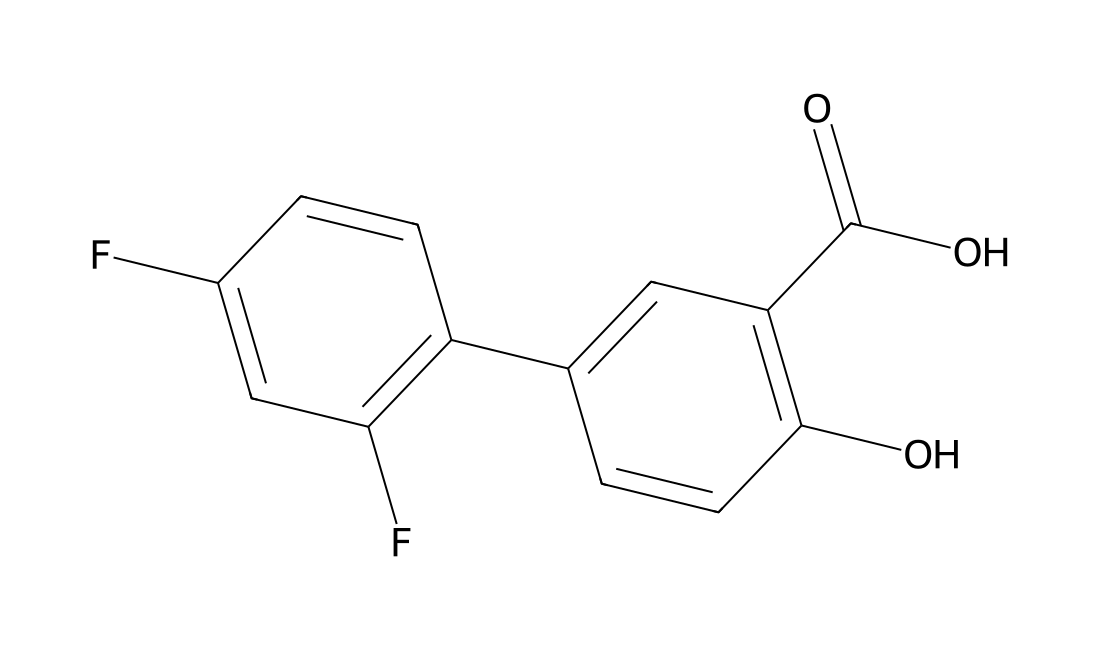
DiflunisalFeatured
Diflunisal is a difluorophenyl derivate of salicylic acid and a nonsteroidal anti-inflammatory drug (NSAID) with antipyretic, analgesic and anti-inflammatory properties. The mechanism of action of diflunisal is as a Cyclooxygenase Inhibitor.
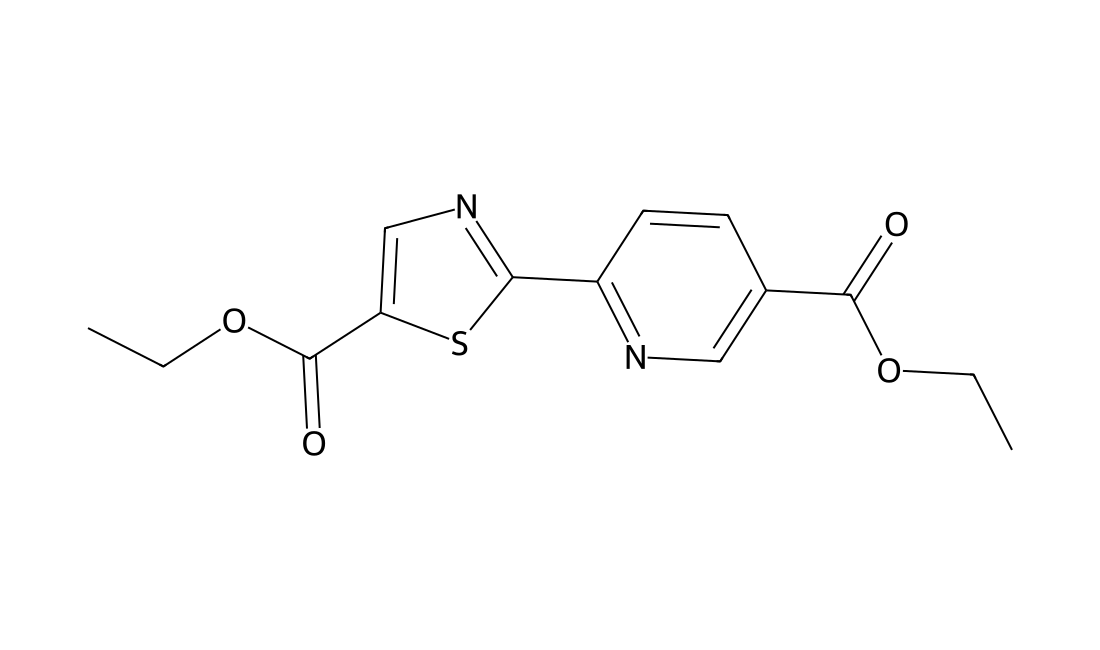
Diethyl-pythiDCFeatured
In Vitro Diethyl-pythiDC inhibits CP4H activity in cultured cells at concentrations that do not cause iron deficiency. MDA-MB-231 cells are treated with biheteroaryl dicarboxylates, and assayed for cytotoxicity and indicators of iron deficiency. None of the esterified biheteroaryl dicarboxylates exhibited cytotoxic activity at high micromolar concentrations. Cells treated with dihydroxybenzoate (EDHB demonstrate a strong iron-deficient phenotype. In contrast, cells treated with Diethyl-pythiDC (Diethyl pythiDC) appear to be normal at concentrations as high as 500 µM. Treatment with Diethyl-pythiDC and low levels of diethyl pyimDC does not affect the level of TfR, HIF-1α, or ferritin.
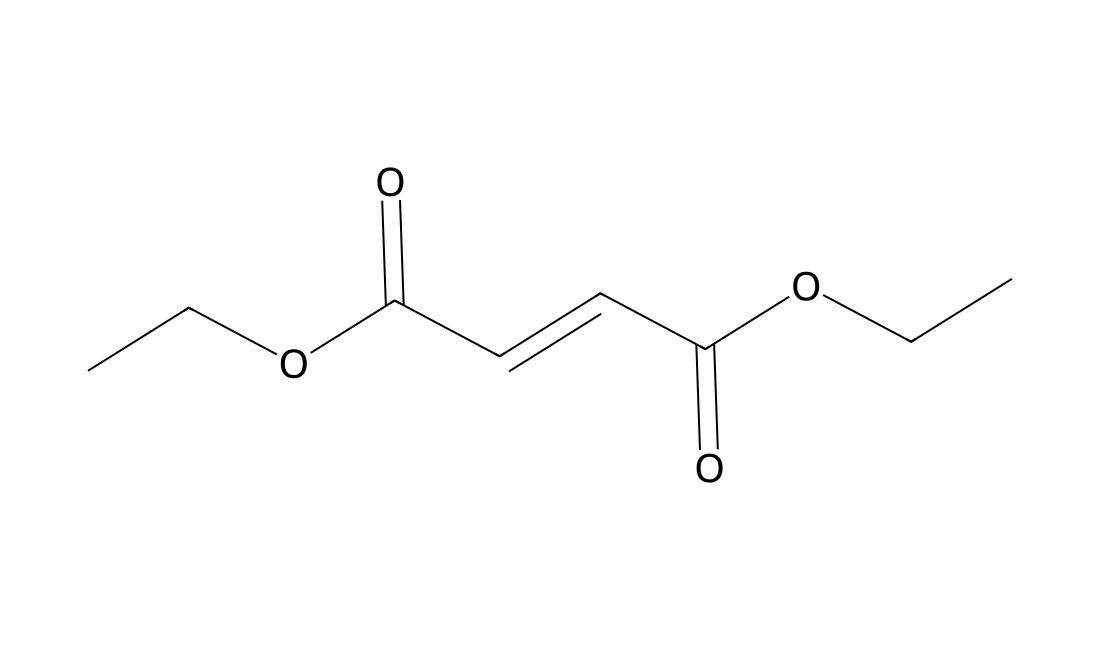
Diethyl maleateFeatured
Diethylmaleate is the diethyl ester of maleic acid and a glutathione-depleting compound that inhibits NFkB.
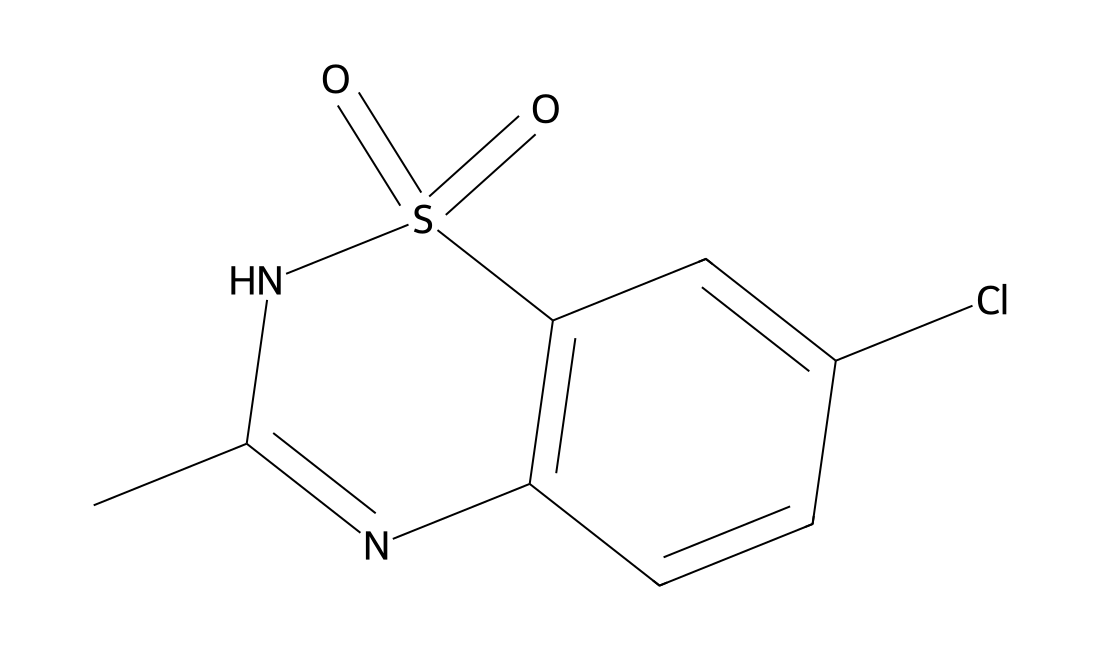
DiazoxideFeatured
Diazoxide is a well-known small molecule that activates KATP channels in the smooth muscle of blood vessels and pancreatic beta-cells by increasing membrane permeability to potassium ions.
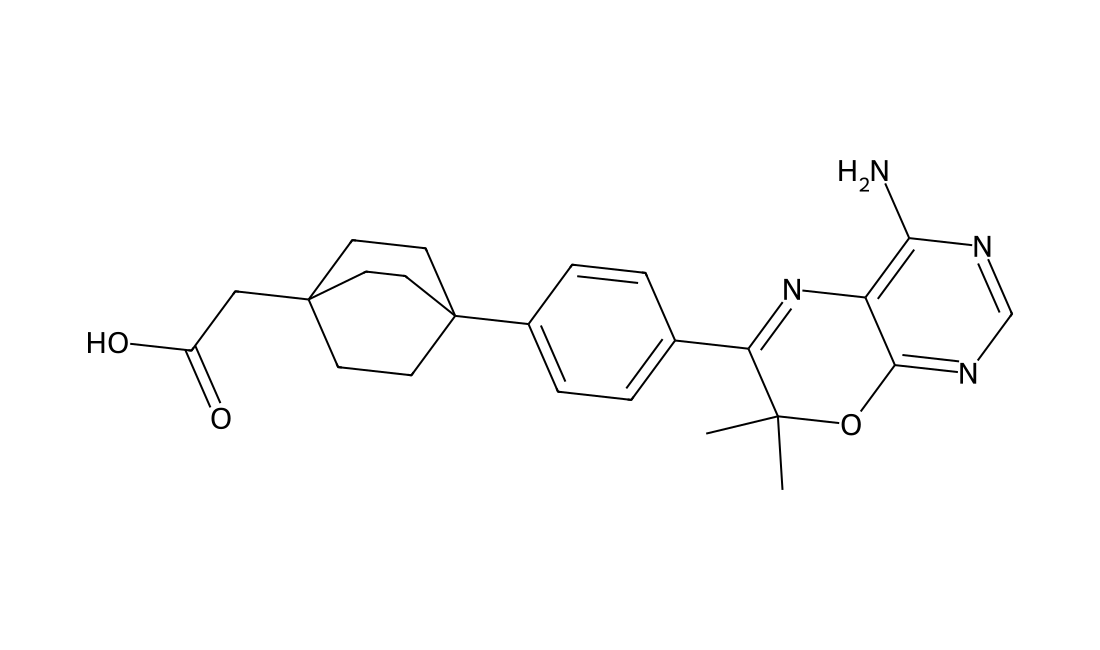
DGAT-1 inhibitor 2Featured
DGAT-1 inhibitor 2 is an effective inhibitor of DGAT-1;antiobesity agents. Acyl-CoA:diacylglycerol acyltransferase 1 (DGAT1) is one of two known DGAT enzymes that catalyze the final step in triglyceride synthesis. Findings from genetically modified mice as well as pharmacological studies suggest that inhibition of DGAT1 is a promising strategy for the treatment of obesity and type 2 diabetes.
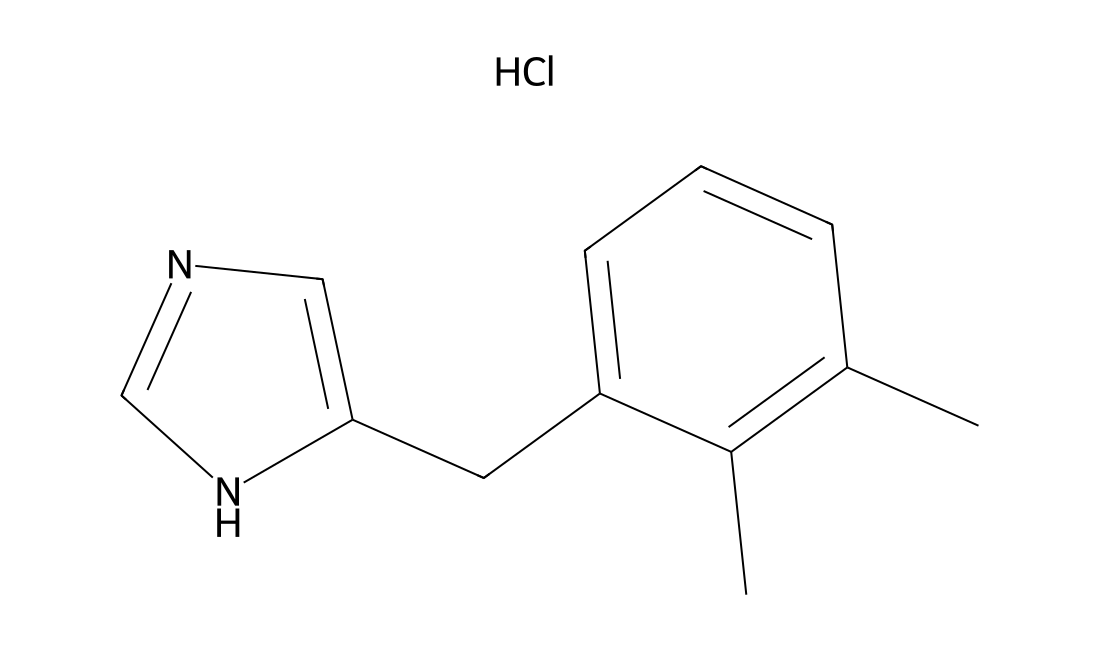
Detomidine hydrochlorideFeatured
Detomidine is an imidazole derivative and α2-adrenergic agonist, used as a large animal sedative, primarily used in horses. It is usually available as the salt detomidine hydrochloride. It is a prescription medication available to veterinarians sold under the trade name Dormosedan. Currently, detomidine is only licenced for use in horses. Detomidine is a sedative with analgesic properties. α2-adrenergic agonists produce dose-dependent sedative and analgesic effects, mediatated by activation of α2 catecholamine receptors, thus inducing a negative feedback response, reducing production of excitatory neurotransmitters. Due to inhibition of the sympathetic nervous system, detomidine also has cardiac and respiratory effects and an antidiuretic action. For the detailed information of Detomidine hydrochloride, the solubility of Detomidine hydrochloride in water, the solubility of Detomidine hydrochloride in DMSO, the solubility of Detomidine hydrochloride in PBS buffer, the animal experiment (test) of Detomidine hydrochloride, the cell expriment (test) of Detomidine hydrochloride, the in vivo, in vitro and clinical trial test of Detomidine hydrochloride, the EC50, IC50,and affinity,of Detomidine hydrochloride, For the detailed information of Detomidine hydrochloride, the solubility of Detomidine hydrochloride in water, the solubility of Detomidine hydrochloride in DMSO, the solubility of Detomidine hydrochloride in PBS buffer, the animal experiment (test) of Detomidine hydrochloride, the cell expriment (test) of Detomidine hydrochloride, the in vivo, in vitro and clinical trial test of Detomidine hydrochloride, the EC50, IC50,and affinity,of Detomidine hydrochloride, Please contact DC Chemicals.
DesloratadineFeatured
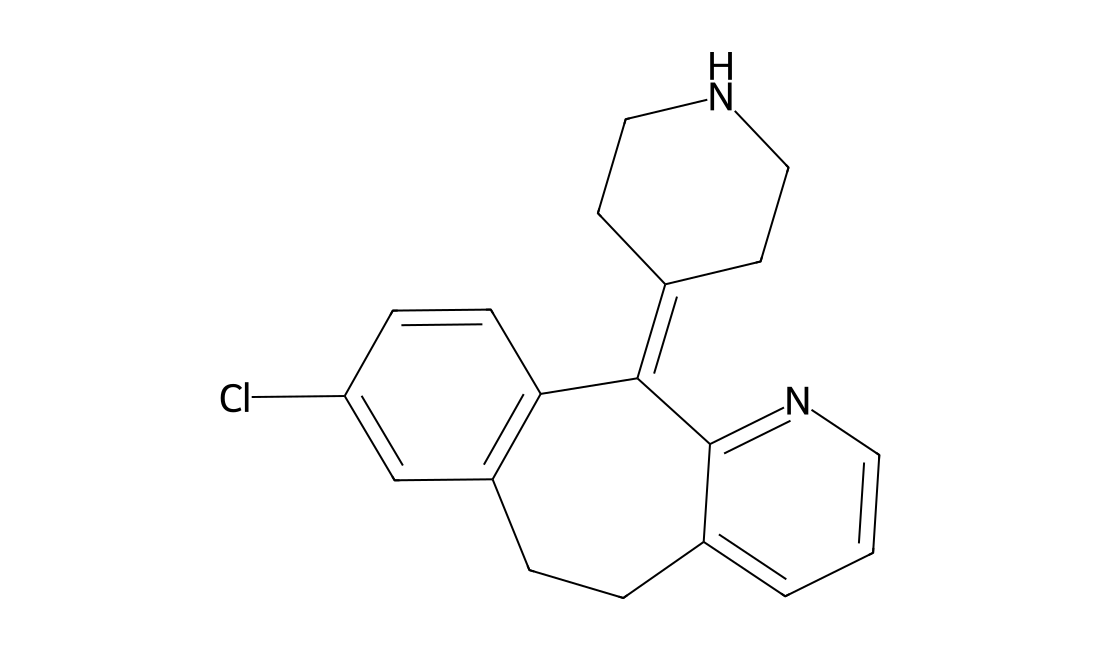
Desloratadine(Sch34117) is a potent antagonist for human histamine H1 receptor used to treat allergies.Desloratadine binds to the human H1 receptor with Ki value of 0.87 nM in displacing tritiated mepyramine. Desloratadine (100 nM to 10 μM) inhibits both IgE-mediated and non-IgE-mediated generation of the cytokines IL-4 and IL-13 by human basophils. Desloratadine (300 nM to 100 μM) inhibits both IgE and non-IgE-mediated histamine release from human peripheral blood basophils. Desloratadine (0.1 μM to 10 μM) is also shown to inhibit platelet-activating factor-induced eosinophil chemotaxis and TNF-α-induced eosinophil adhesion in eosinophils obtained from patients with allergic rhinitis or allergic asthma. Desloratadine (1 μM-10 μM) dose-dependently inhibits the release of histamine and LTC4 from human basophils. Desloratadine (0.1 μM-10 μM) dose-dependently inhibits IL-13 secretion from basophils activated with IL-3 and PMA from human basophils. Desloratadine (10 μM) pretreatment results in a substantial decrease of the induced cytokine message in cultured basophils. Desloratadine (10 μM) pretreatment causes approximately an 80% reduction in the IL-4 message accumulated with anti-IgE activation in cultured basophils. Desloratadine (10 μM) also inhibits the histamine and IL-4 protein secreted into the supernatants of cultured basophils. [3H]Desloratadine binds to the human histamine H1 receptor expressed in CHO cells with Kd of 1.1 nM. Desloratadine is 52, 57, 194, and 153 times more potent than cetirizine, ebastine, fexofenadine, and loratadine, respectively, in competition-binding studies.
DeracoxibFeatured
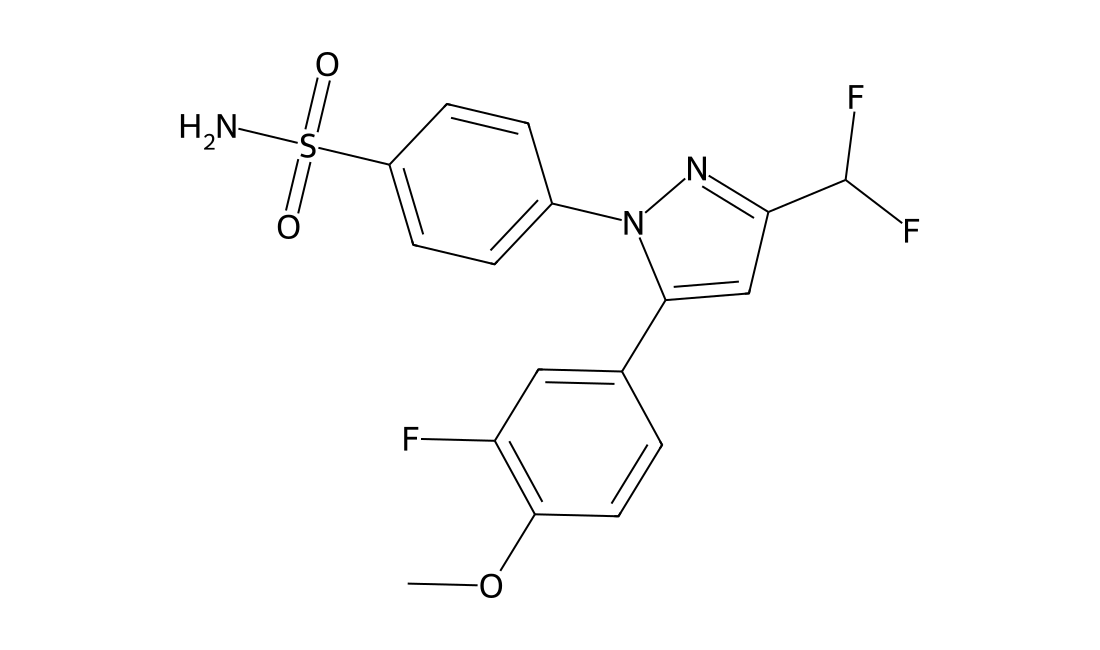
Deracoxib, a selective cyclooxygenase-2 inhibitor, is a non-narcotic, non-steroidal anti-inflammatory drug (NSAID).
DelavirdineFeatured
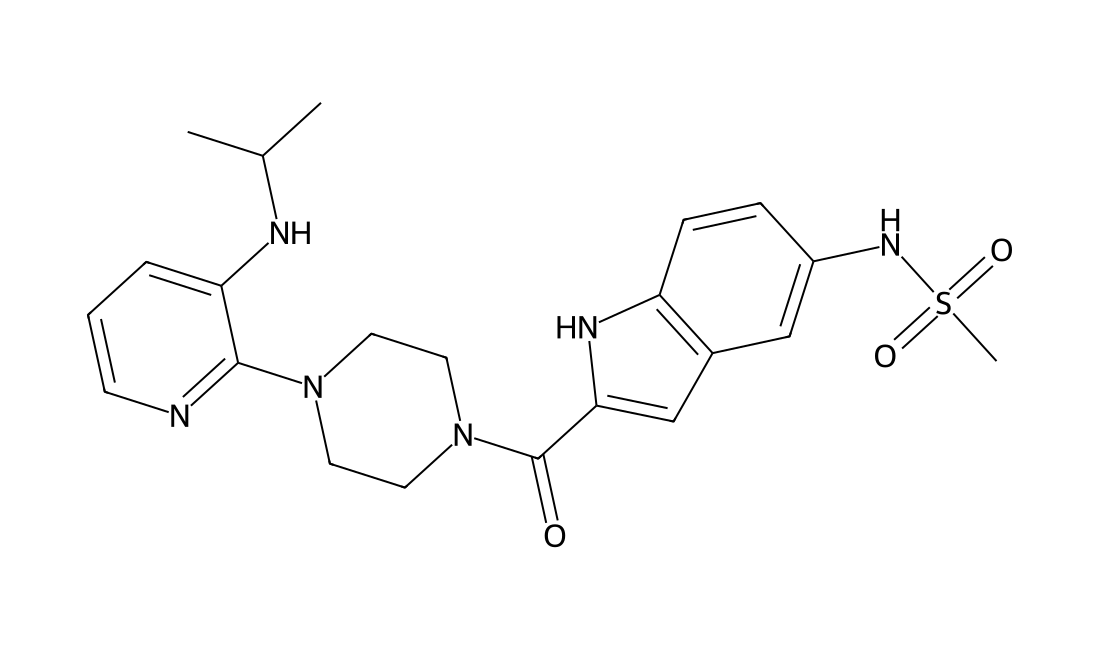
Delavirdine(U 90152) is a potent non-nucleoside reverse transcriptase inhibitor (NNRTI).
DehydronitrosonisoldipineFeatured
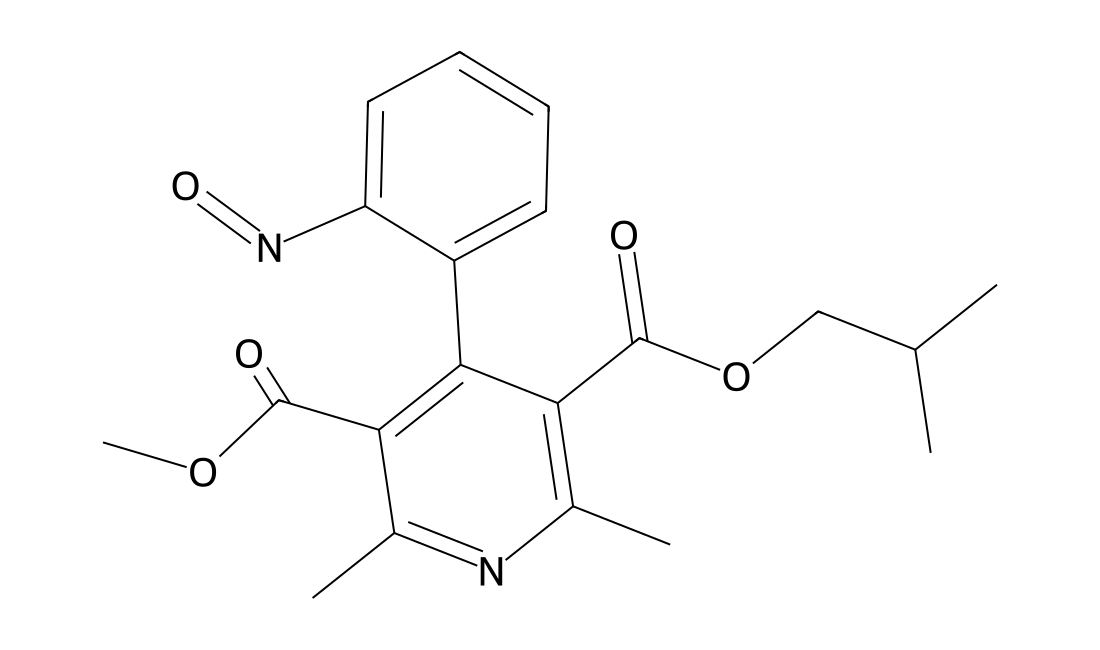
Dehydronitrosonisoldipine is a calcium channel antagonist.
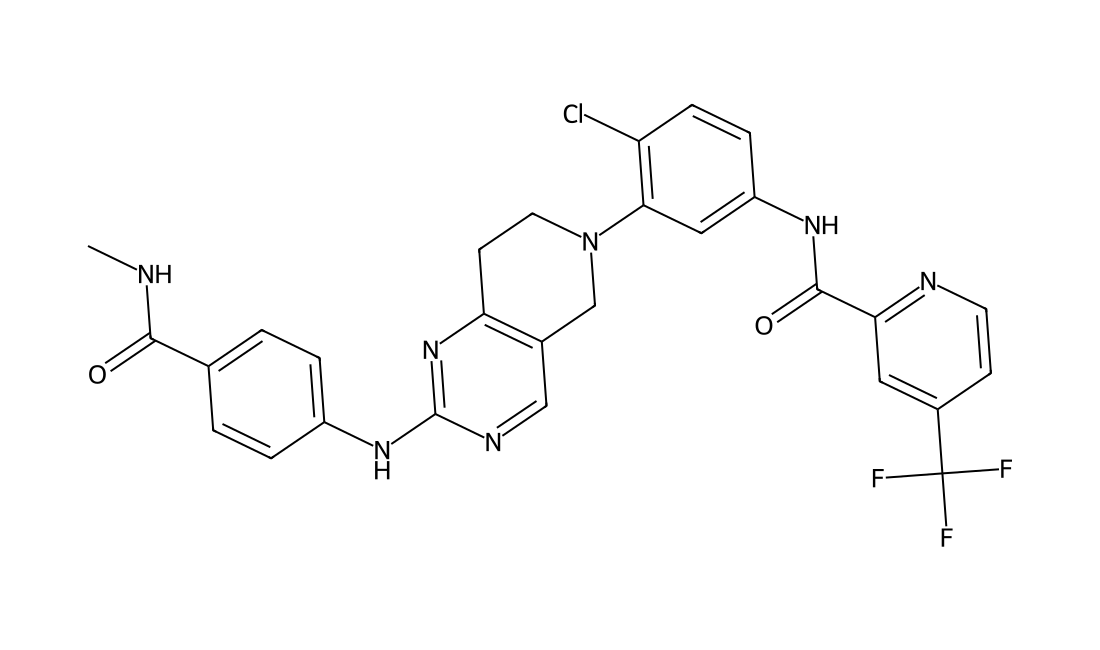
Debio 0617BFeatured
Debio 0617B has been developed as a first-in-class kinase inhibitor with a unique profile targeting phospho-STAT3 (pSTAT3) and/or pSTAT5 in tumors through combined inhibition of JAK, SRC, ABL, and class III/V receptor tyrosine kinases (RTK). Debio 0617B showed dose-dependent inhibition of pSTAT3 in STAT3-activated carcinoma cell lines; Debio 0617B also showed potent antiproliferative activity in a panel of cancer cell lines and in patient-derived tumor xenografts tested in an in vitro clonogenic assay. Debio 0617B showed in vivo efficacy by inhibiting tumor growth in several mouse xenograft models. To increase in vivo efficacy and STAT3 inhibition, Debio 0617B was tested in combination with the EGFR inhibitor erlotinib in a non-small cell lung cancer xenograft model.
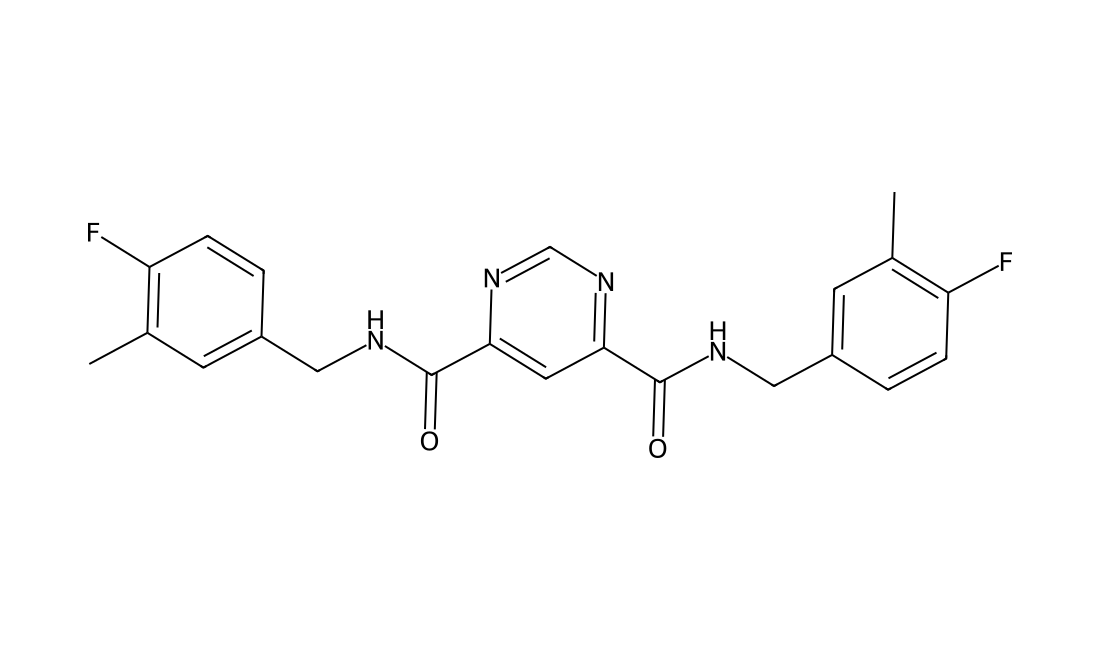
DB04760Featured
DB04760 is a potent, highly selective, non–zinc-chelating MMP-13 inhibitor with IC50 of 8 nM, displays high selectivity over other MMPs; does not interact with the catalytic zinc but bind deeply in the S1' pocket of MMP-13; significantly rescues axon regeneration and axon debris clearance, greatly reduces neurotoxicity associated with paclitaxel treatment in larval and adult zebrafish.
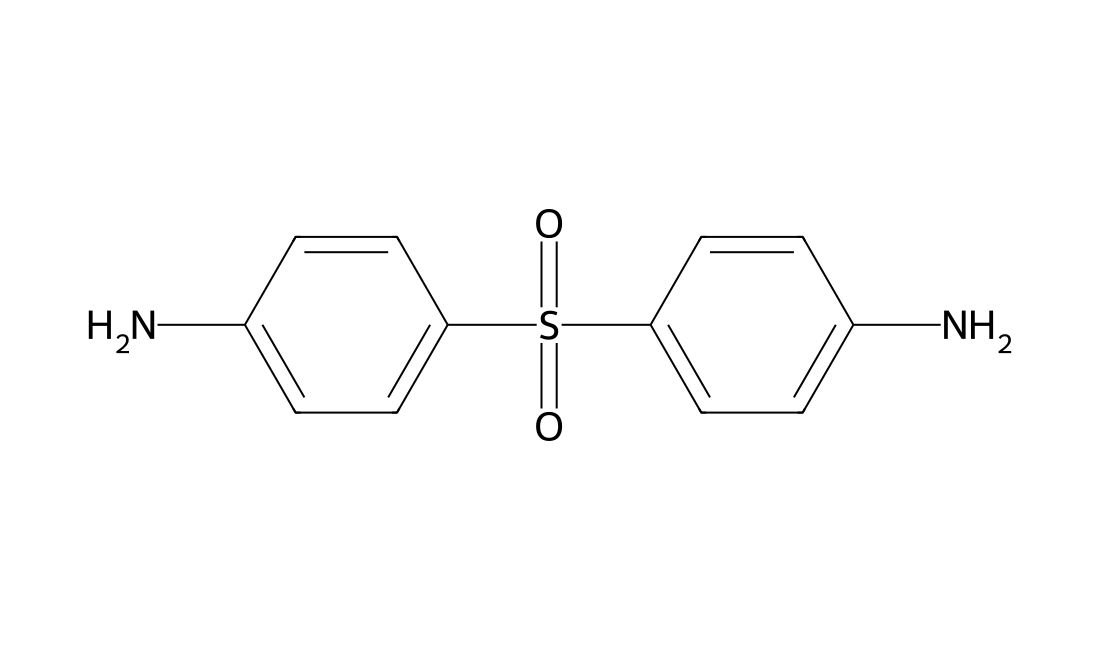
DapsonFeatured
Dapsone, also known as diaminodiphenyl sulfone (DDS), is an antibiotic commonly used in combination with rifampicin and clofazimine for the treatment of leprosy.
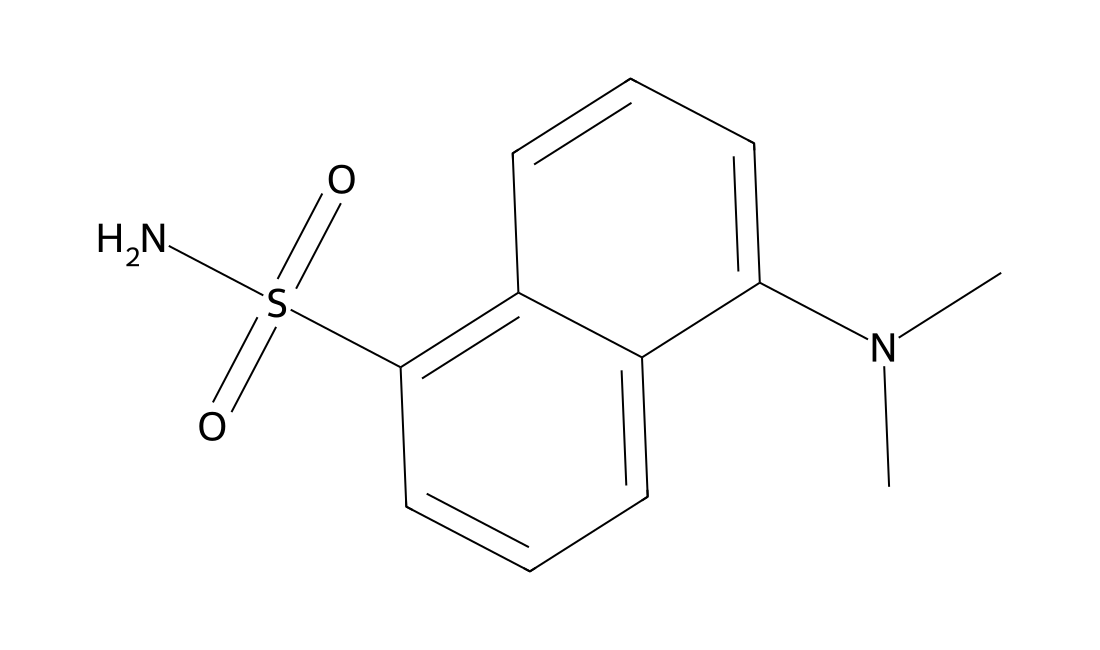
DansylamideFeatured
Dansyl amide is a fluorescent dye that is used in biochemistry and chemistry to label substances with the fluorescent dansyl group.
No products match this search.
Page 307 of 309 · Browse all 6177 products
Jump to a product page
Featured literature product: HX1 · DCL0028
HX1 is a hydroxyzine-derived ionizable lipid with acetal-containing tails, studied in lipid nanoparticles for brain mRNA delivery and CRISPR–Cas9 delivery. It was the lead in the reported in vivo brain-delivery screen; evidence is preclinical and formulation-dependent.
Read full formulation and performance →