
Research lipid catalog
Ionizable Lipid Products
Explore 848 lipid and RNA delivery products. Search the full catalog or browse by research category.
Search covers product name, catalog number, synonyms, available CAS numbers and categories. Spaces, hyphens and common punctuation are ignored. Duplicate legacy records are consolidated under one canonical product result.
6177 products · Showing 5801–5820 · 20 per page
DC Chemicals lipid expertise
Built for ionizable-lipid discovery and RNA delivery research
DC Chemicals supports formulation and delivery research with a broad, searchable portfolio of cationic and ionizable lipids. The current directory brings together 848 unique research-use products, with product specifications, pricing, chemical structures and literature-linked formulation data added as each record is verified.
Our experience spans complex lipid synthesis, purification, analytical release and process development. For custom molecules or larger-scale requirements, our team can discuss route development, technical specifications and scale-up options for the intended research workflow.
Learn about cationic and ionizable lipids →Proprietary innovation · Co-development · GMP
From proprietary lipid design to GMP-grade custom synthesis
DC Chemicals has independently developed ionizable-lipid structures supported by company-owned intellectual property, and selected proprietary lipid programs have advanced to GMP-stage development.
We welcome joint development with customers—from molecular design and lipid synthesis through route and process development. We can also support custom synthesis of GMP-grade ionizable lipids to agreed technical specifications and quality requirements.
Discuss a co-development project →Proprietary ionizable-lipid structuresCollaborative molecular designCustom lipid synthesisProcess development and scale-upGMP-grade project support
Product quick links
Explore New ionizable lipids
Explore our five most recently added ionizable lipids, with specifications, pricing and literature-linked product information.
DCL0028HX1Brain RNA delivery researchView product →DCL0024A1I4R13C18-2Spleen-targeted RNA delivery researchView product →DCL0023A1I4R2C18-2Spleen-targeted RNA delivery researchView product →DCL0022FS01Local joint RNA delivery researchView product →DCL0020Lipid-392Lung RNA delivery and gene editing researchView product →
Cat. No.Product NameField of ApplicationChemical Structure
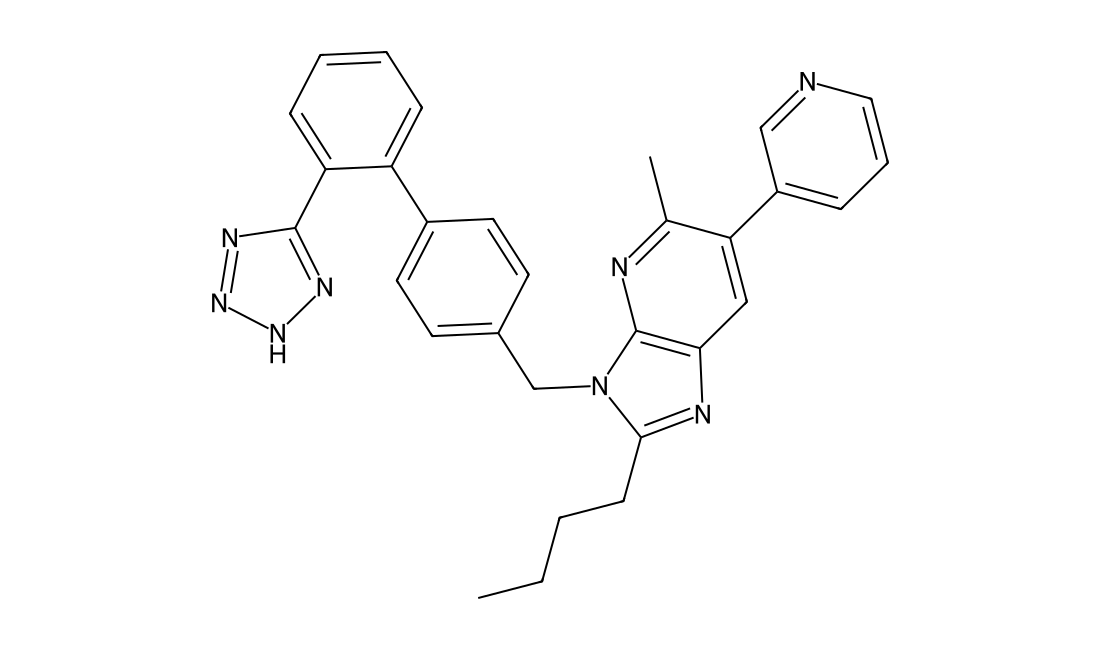
TM-25659Featured
In Vitro TM-25659 (2, 10, 20, 100 μM) enhances nuclear TAZ localization in a dose-dependent manner and attenuates PPARγ-mediated adipocyte differentiation by facilitating PPARγ suppression activity of TAZ. TM-25659 (2, 10, 50 μM) enhances osteogenic gene expression and thereby increases osteoblast differentiation. In Vivo TM-25659 (50 mg/kg, i.p., every other day for 2 weeks) suppresses bone loss in vivo and decreases weight gain in an obesity model. TM-25659 has a favourable pharmacokinetic profile in rats. The plasma concentration of TM-25659 declines with an approximate t1/2 of 7 or 10 h following i.v or p.o. administration respectively. The systemic clearance (CL) is 0.21 L×h-1×kg-1 and the volume of distribution at steady-state (1.91 L×h-1×kg-1) is larger than the volume of total body fluids.
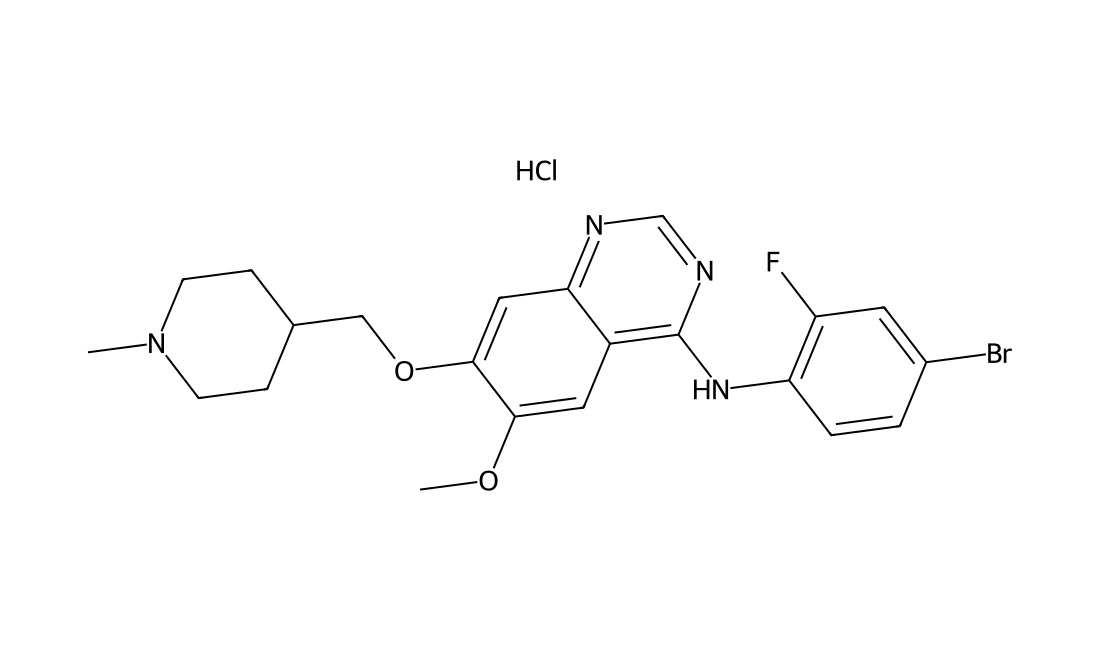
Vandetanib hydrochlorideFeatured
A potent and selective VEGFR2 (KDR) inhibitor with IC50 of 40 nM; shows weak inhibition for VEGFR3 and EGFR (IC50 is 100 nM and 500 nM respectively); displays excellent selectivity over erbB2, MEK, CDK-2, Tie-2, IGFR-1R, PDK, PDGFRβ, and Akt (IC50=1.1-100 uM); has excellent solubility and good oral bioavailability.Thyroid CancerApproved
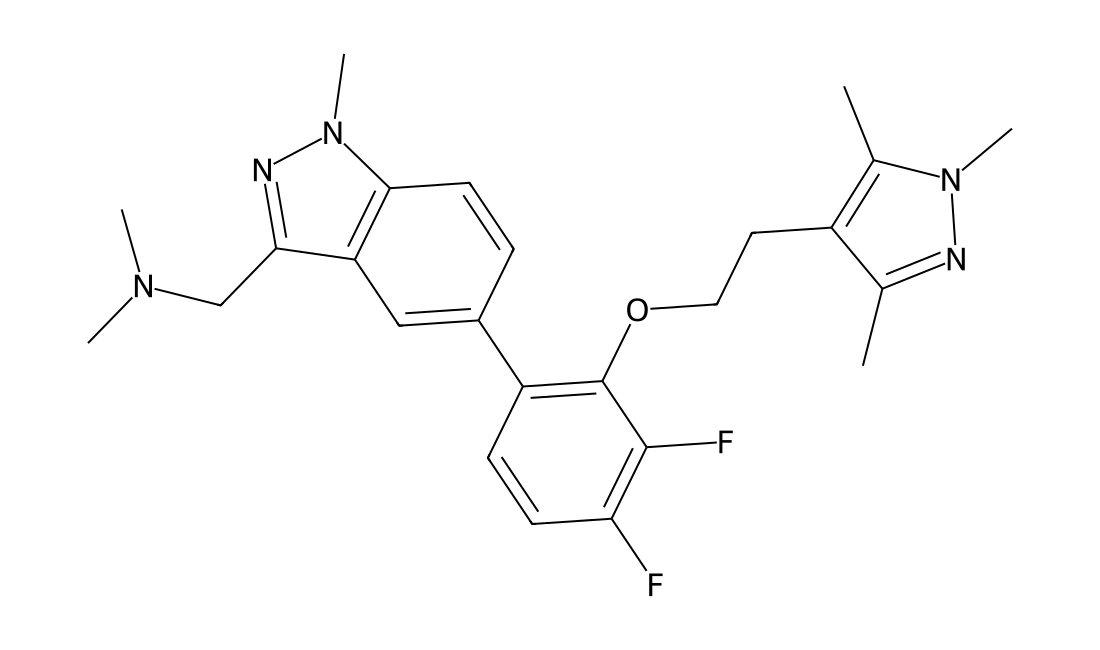
IMP-1088Featured
IMP-1088, a picomolar dual inhibitor of the human N-myristoyltransferases NMT1 and NMT2, and use it to demonstrate that pharmacological inhibition of host-cell N-myristoylation rapidly and completely prevents rhinoviral replication without inducing cytotoxicity. The identification of cooperative binding between weak-binding fragments led to rapid inhibitor optimization through fragment reconstruction, structure-guided fragment linking and conformational control over linker geometry. The inhibition of the co-translational myristoylation of a specific virus-encoded protein (VP0) by IMP-1088 potently blocks a key step in viral capsid assembly, to deliver a low nanomolar antiviral activity against multiple RV strains, poliovirus and foot and-mouth disease virus, and protection of cells against virus-induced killing, highlighting the potential of host myristoylation as a drug target in picornaviral infections.
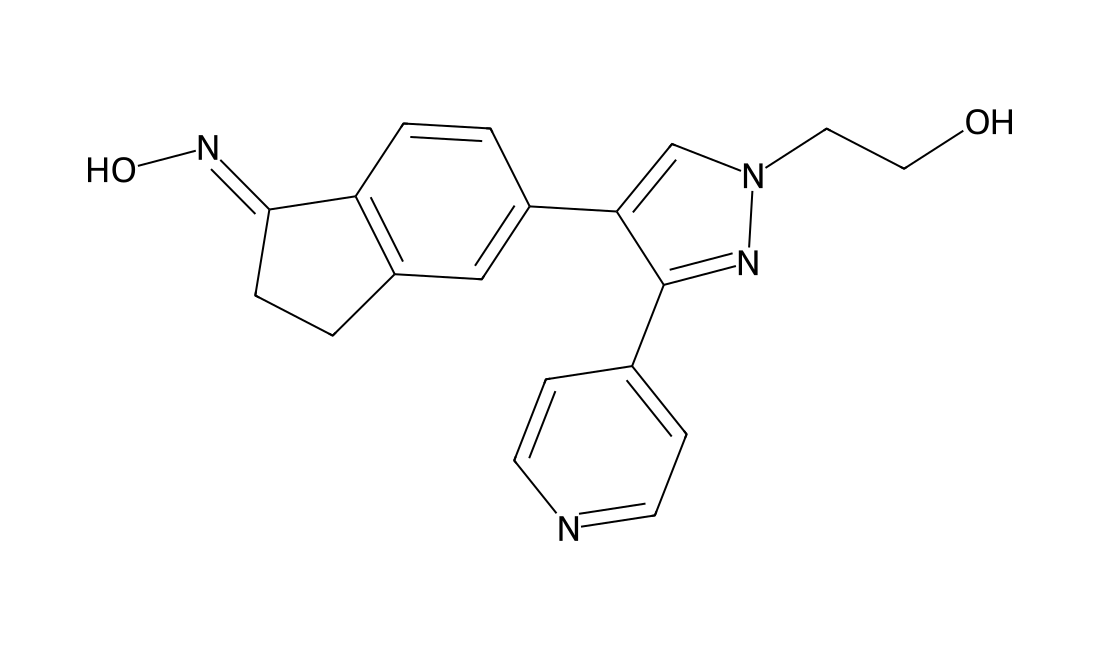
GDC-0879Featured
GDC-0879, a highly selective, potent, and orally bioavailable RAF small-molecule inhibitor. In GDC-0879-treated mice, both cell line- and patient-derived BRAF(V600E) tumors exhibited stronger and more sustained pharmacodynamic inhibition (>90% For 8 hours) and improved survival compared with mutant KRAS-expressing tumors. Despite the involvement of activated RAF signaling in RAS-induced tumorigenesis, decreased time to progression was observed For some KRAS-mutant tumors following GDC-0879 administration. Moreover, striking differences were noted For RAF and MEK inhibition across a panel of 130 tumor cell lines. Whereas GDC-0879-mediated efficacy was associated strictly with BRAF(V600E) status, MEK inhibition also attenuated proliferation and tumor growth of cell lines expressing wild-type BRAF (81% KRAS mutant, 38% KRAS wild type). The responsiveness of BRAF(V600E) melanoma cells to GDC-0879 could be dramatically altered by pharmacologic and genetic modulation of phosphatidylinositol 3-kinase pathway activity. These data suggest that GDC-0879-induced signaling changes are dependent on the point of oncogenic activation within the RAS network. Taken together, these studies increase our understanding of the molecular determinants For antitumor efficacy resulting from RAF pathway inhibition and have implications For therapeutic intervention in the clinic. For the detailed information about the solubility of GDC-0879 in water, the solubility of GDC-0879 in DMSO, the solubility of GDC-0879 in PBS buffer, the animal experiment(test) of GDC-0879,the in vivo,in vitro and clinical trial test of GDC-0879,the cell experiment(test) of GDC-0879,the IC50, EC50 and Affinity of GDC-0879, please contact DC Chemicals.
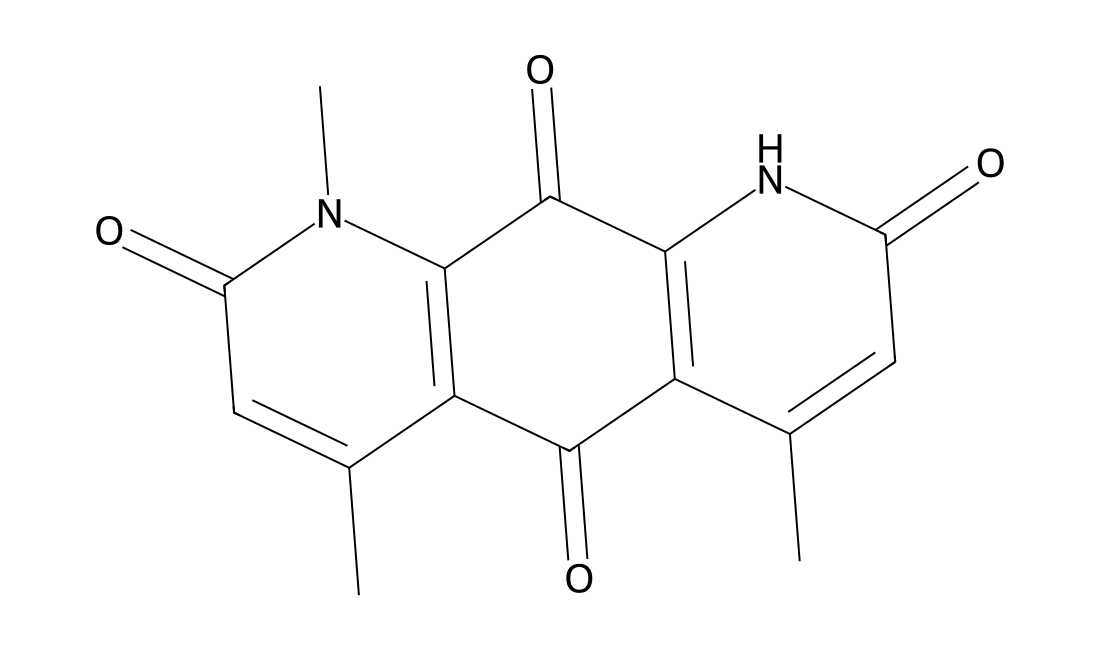
DeoxynyboquinoneFeatured
1 Isobutyl-deoxynyboquinone (IB-DNQ) is a selective substrate for NAD(P)H:quinone oxidoreductase (NQO1), produces ROS, and induces cytotoxicity in cancer cells in an NQO1-dependent manner; has improved solubility and biocompatibility in comparison with DNQ; a superior drug candidate for evaluating anticancer activities and tolerability in vivo. 2 Deoxynyboquinone, also known as DNQ, is a potent inducer of cancer cell death. DNQ potently induces death of cancer cells in culture, with IC(50) values between 16 and 210 nM. In addition, unlike the experimental therapeutic elesclomol, DNQ is still able to induce cancer cell death under hypoxic conditions. This mechanistic understanding of DNQ will allow for a more comprehensive evaluation of the potential of direct ROS generation as an anticancer strategy, and DNQ itself has potential as a novel anticancer agent.
Rimeporide (EMD-87580)Featured
Rimeporide (EMD87580) is a potent, selective sodium hydrogen exchanger NHE1 inhibitor, show promise as potential therapeutic agents for the treatment of heart failure.Heart FailureDiscontinued
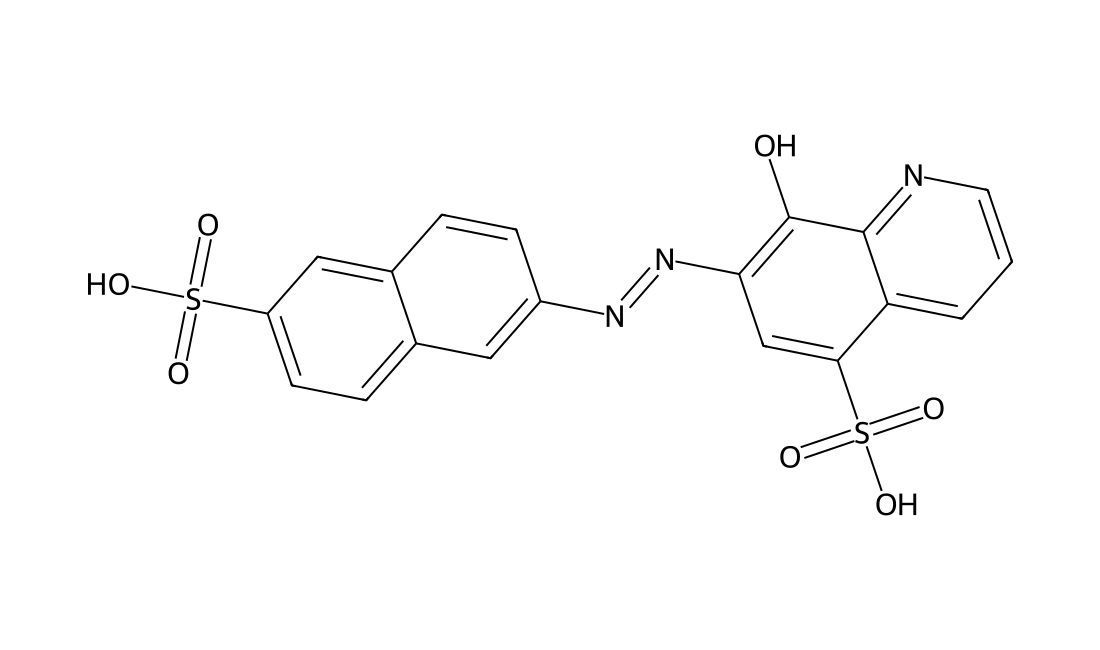
NSC-87877Featured
NSC-87877 is a cell-permeable inhibitor of both SHP-1 and SHP-2 with IC50 values of 355 and 318 nM respectively. It also inhibits EGF-induced Erk1/2 activation in HEK293 cells and significantly reduces MDA-MB-468 cell viability/proliferation.
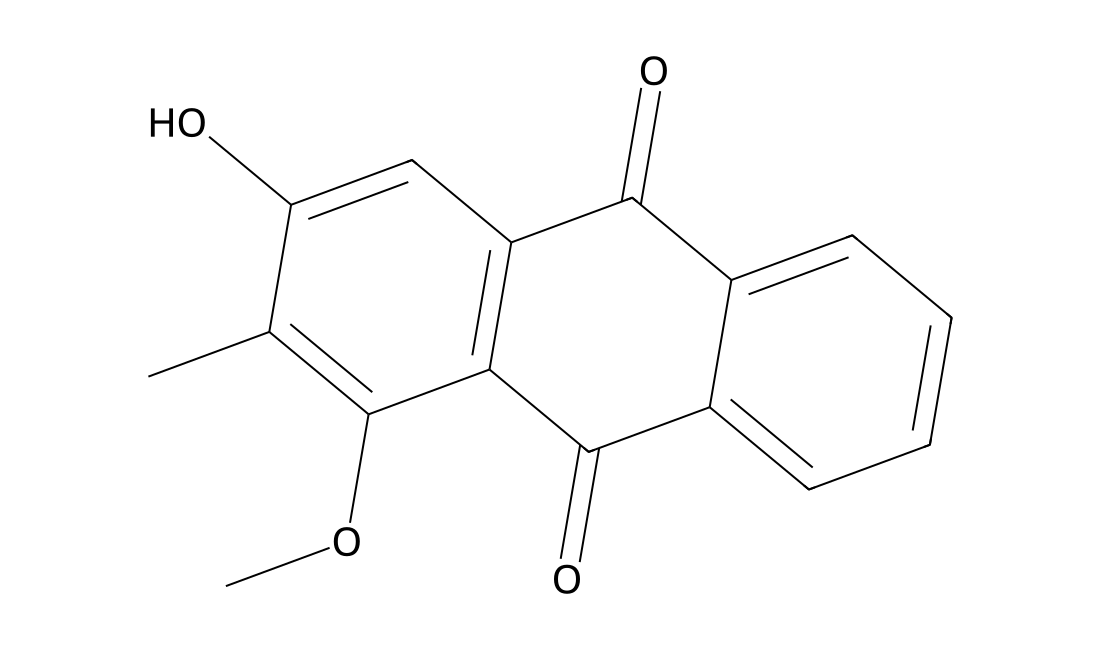
Rubiadin-1-methyl etherFeatured
For the detailed information of Rubiadin-1-methyl ether, the solubility of Rubiadin-1-methyl ether in water, the solubility of Rubiadin-1-methyl ether in DMSO, the solubility of Rubiadin-1-methyl ether in PBS buffer, the animal experiment(test) (test) of Rubiadin-1-methyl ether, the cell expriment (test) of Rubiadin-1-methyl ether, the in vivo, in vitro and clinical trial test of Rubiadin-1-methyl ether, the EC50, IC50,and Affinity of Rubiadin-1-methyl ether,, please contact DC Chemicals.
Mps1-IN-1Featured
For the detailed information of 1Mps1-IN-1, the solubility of 1Mps1-IN-1 in water, the solubility of 1Mps1-IN-1 in DMSO, the solubility of 1Mps1-IN-1 in PBS buffer, the animal experiment (test) of 1Mps1-IN-1, the cell expriment (test) of 1Mps1-IN-1, the in vivo, in vitro and clinical trial test of 1Mps1-IN-1, the EC50, IC50,and Affinity of 1Mps1-IN-1, Please contact DC Chemicals.
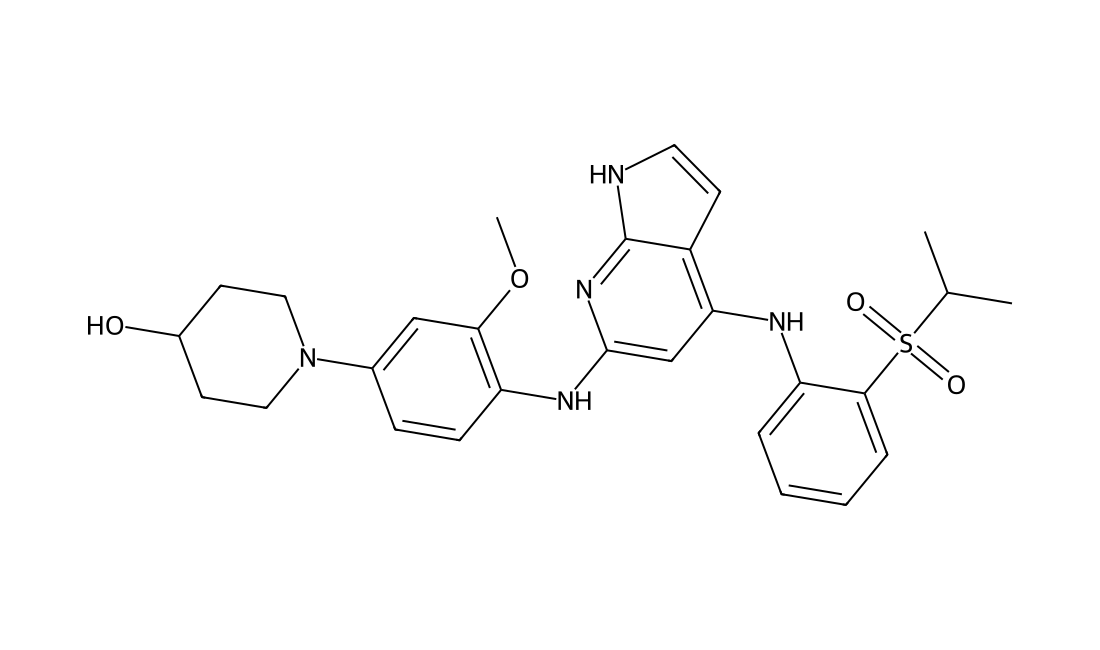
Α5ia (α5IA)Featured
α5IA is a selective inverse agonist For Α5 subtype of GABAA receptor with a higher intrinsic activity at the A5 subtype than other drugs. α5IA enhances cognition in laboratory animals without being proconvulsant or anxiogenic. α5IA acts as an "alcohol antagonist," markedly reducing the amnesic effect of alcohol and partially attenuating sedation, similar to Ro15-4513, but without the anxiogenic effect. α5IA offers promise as a tool to study cognitive disorders, memory function, and treatment of alcohol-related disorders.For the detailed information of Α5ia (α5IA), the solubility of Α5ia (α5IA) in water, the solubility of Α5ia (α5IA) in DMSO, the solubility of Α5ia (α5IA) in PBS buffer, the animal experiment (test) of Α5ia (α5IA), the cell expriment (test) of Α5ia (α5IA), the in vivo, in vitro and clinical trial test of Α5ia (α5IA), the EC50, IC50,and Affinity of Α5ia (α5IA), Please contact DC Chemicals.
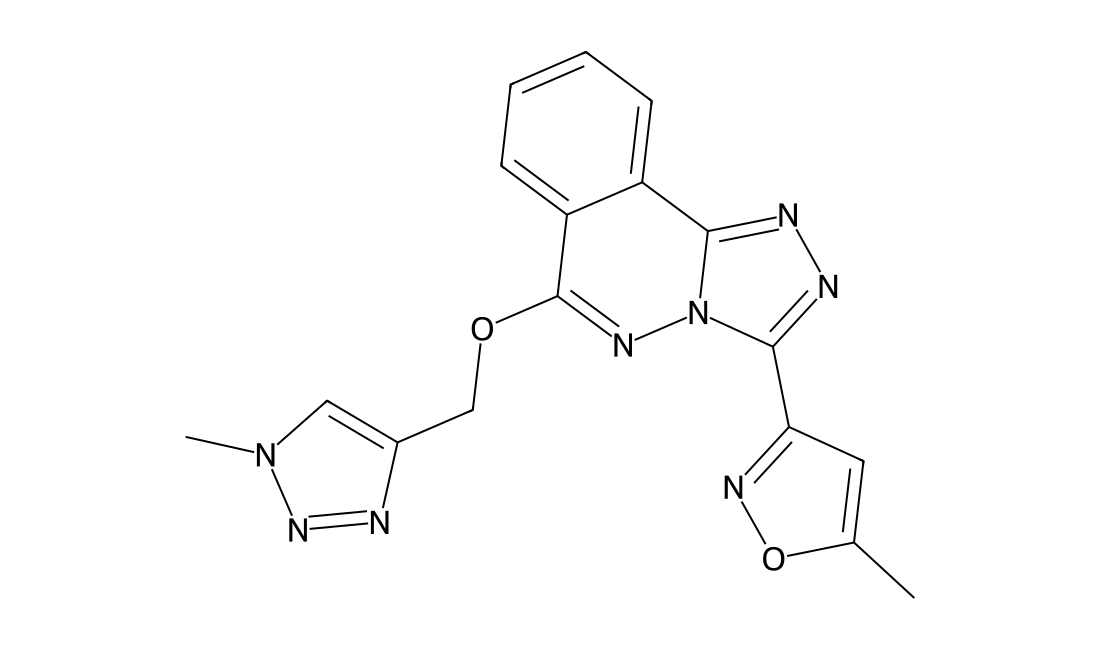
ZotepineFeatured
For the detailed information of Zotepine, the solubility of Zotepine in water, the solubility of Zotepine in DMSO, the solubility of Zotepine in PBS buffer, the animal experiment(test) (test) of Zotepine, the cell expriment (test) of Zotepine, the in vivo, in vitro and clinical trial test of Zotepine, the EC50, IC50,and Affinity of Zotepine,, please contact DC Chemicals.
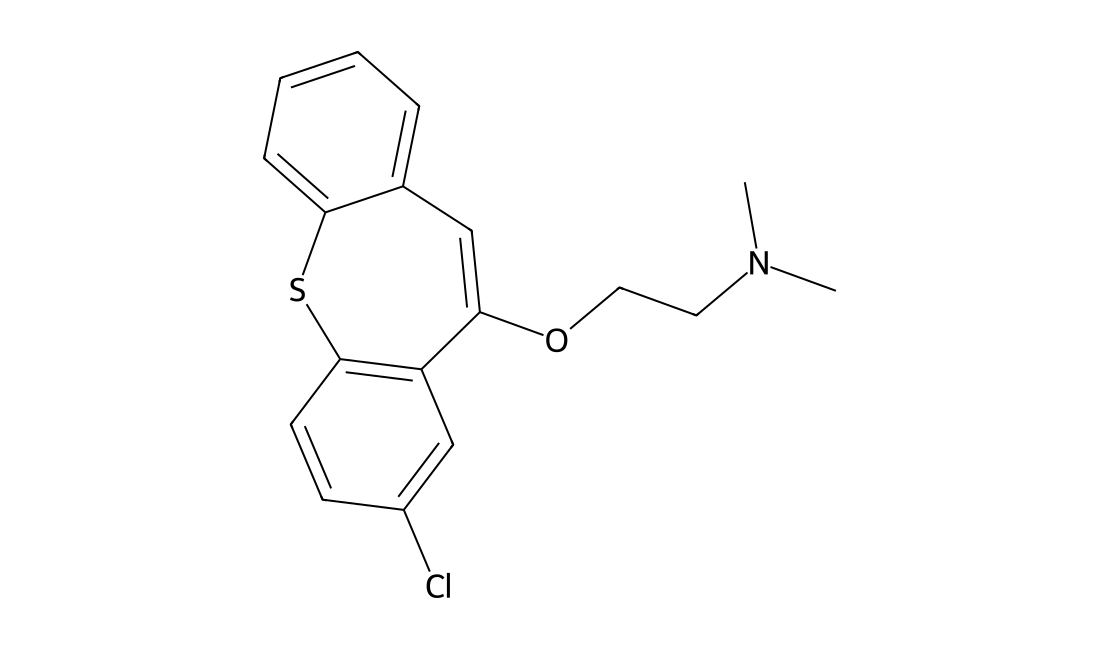
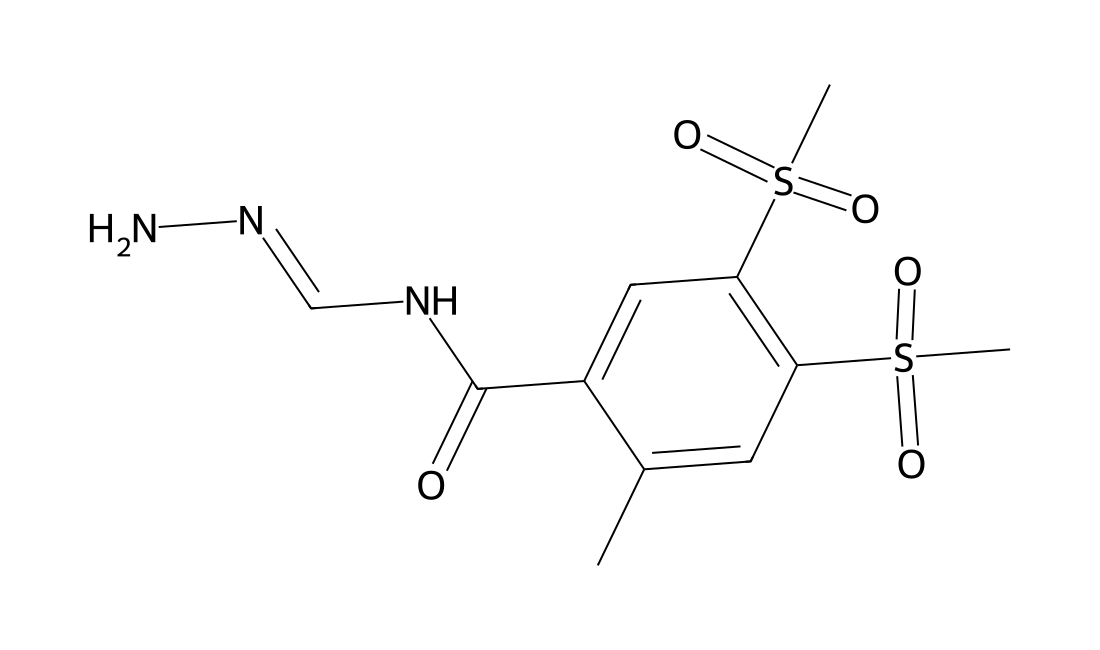
ZonisamideFeatured
For the detailed information of Zonisamide, the solubility of Zonisamide in water, the solubility of Zonisamide in DMSO, the solubility of Zonisamide in PBS buffer, the animal experiment(test) (test) of Zonisamide, the cell expriment (test) of Zonisamide, the in vivo, in vitro and clinical trial test of Zonisamide, the EC50, IC50,and Affinity of Zonisamide,, please contact DC Chemicals.
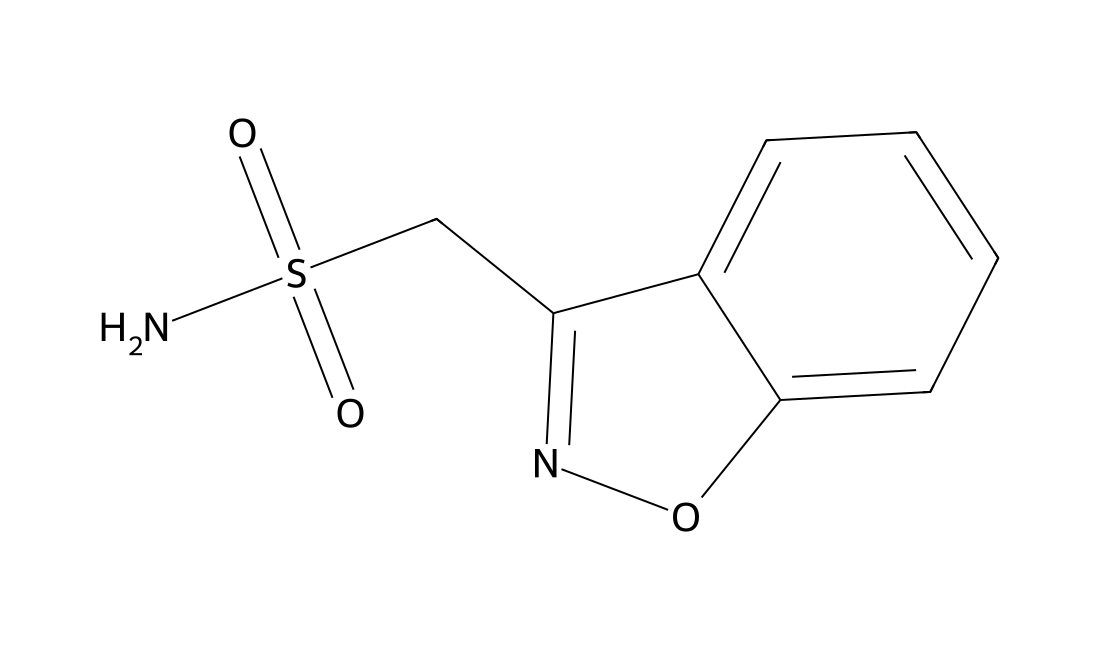
ZLN024 (hydrochloride)Featured
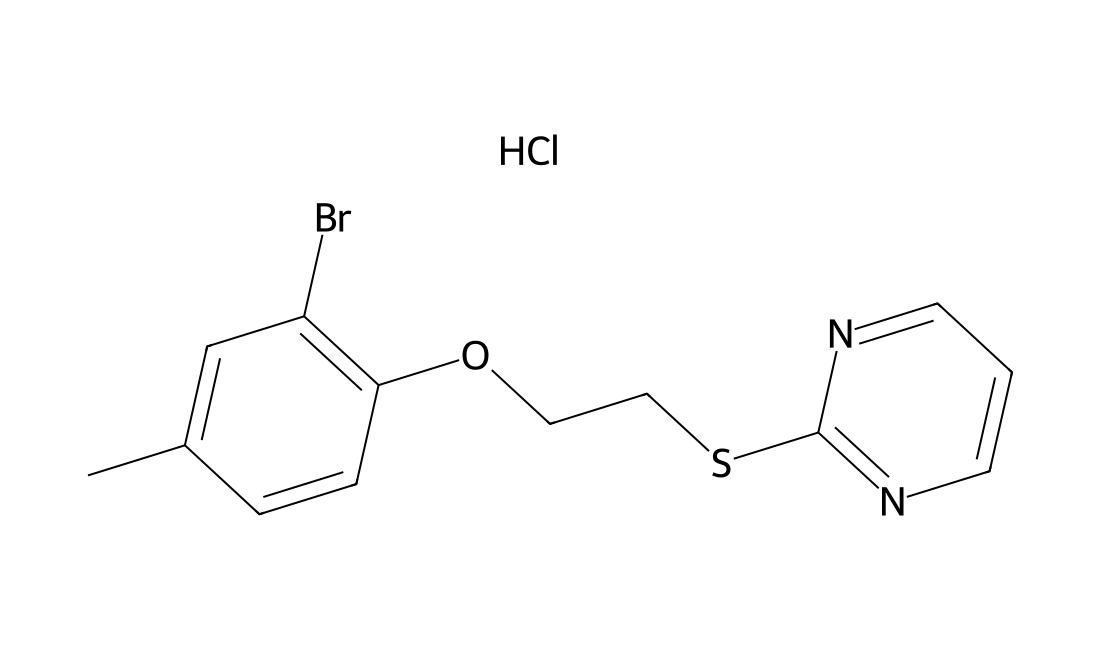
ZLN024 Hcl is a novel AMPK allosteric activator; activated α1β1γ1 and α2β1γ1 by around 2–2.5 fold with an EC50 of about 1–2 uM. ZLN024 activated AMPK in L6 myotubes and stimulated glucose uptake and fatty acid oxidation without increasing the ADP/ATP ratio. ZLN024 also activated AMPK in primary hepatocytes, decreased fatty acid synthesis and glucose output. Treatment of db/db mice with 15 mg/kg/day ZLN024 improved glucose tolerance; liver tissue weight, triacylglycerol and the total cholesterol content were decreased. The hepatic transcriptional level of G6Pase, FAS and mtGPAT were reduced.
ZatebradineFeatured
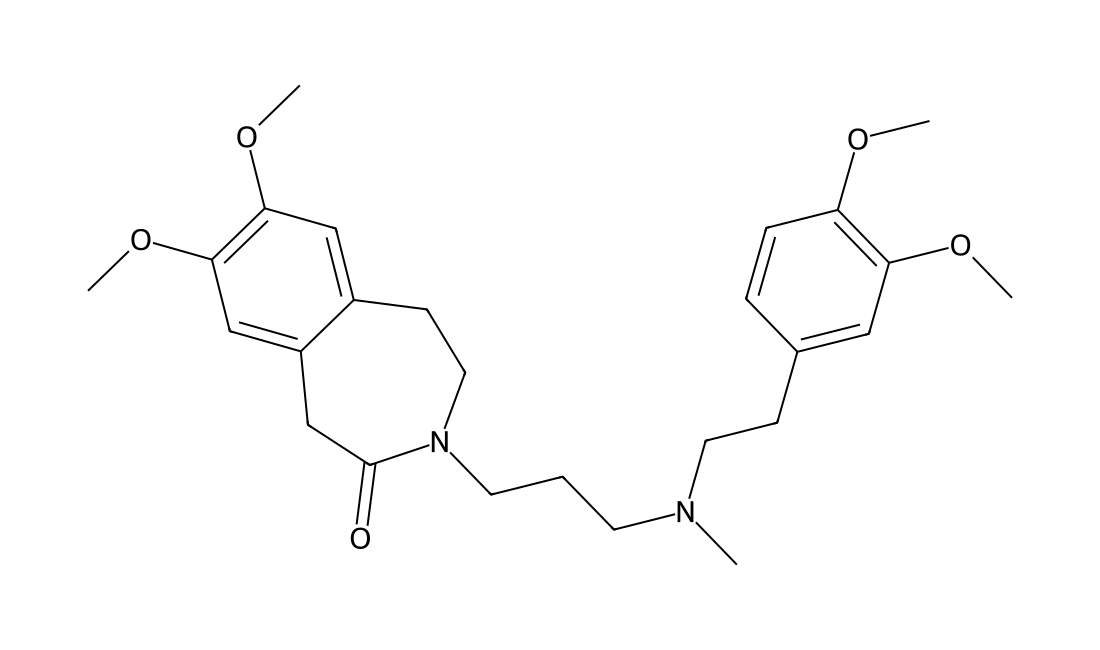
Zatebradine(UL-FS49) is a potent HCN channels antagonist, which decreased the heartbeat in a reversible manner; 92% inhibition of the hHCN1-mediated current at 10 uM. The pharmacological properties of hHCN1-mediated currents resembled those of native hyperpolarization-activated currents (I(h)), that is, blockade by Cs(+) (99% at 5 mm), ZD 7288 (98% at 100 microm) and zatebradine (92% at 10 microm). When voltage-clamp pulse trains were applied, cilobradine induced a use-dependent blockade of If that was stronger and faster than that with zatebradine. Recovery from blockade during prolonged hyperpolarization was significantly faster with zatebradine. The selective HCN blocker zatebradine reduced the activity of oriens-lacunosum moleculare interneurons in wild-type but not HCN2(-/-) mice and decreased the frequency of spontaneous inhibitory currents in postsynaptic CA1 pyramidal cells.
YL-109Featured
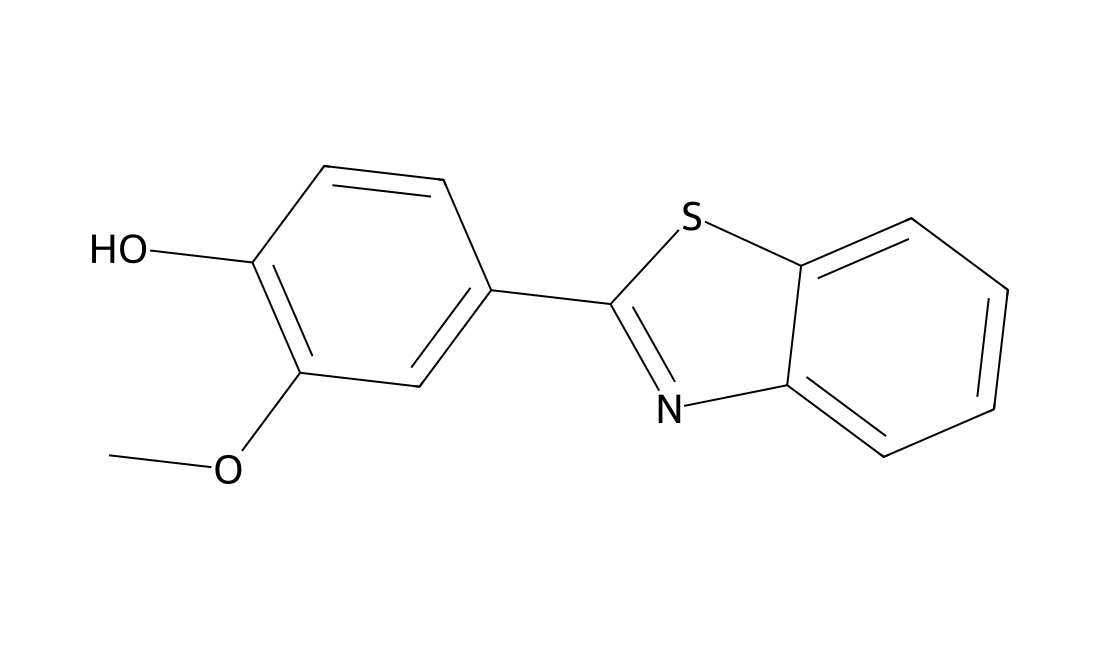
YL-109 is a novel anticancer agent which has ability to inhibit breast cancer cell growth and invasiveness in vitro and in vivo. IC50 value: 85.7 nM(MCF-7 cells proliferation) Target: AhR signaling activcator in vitro: YL-109 strongly inhibited cell proliferation of MCF-7 cells in a dose-dependent manner (IC50= 85.8 nM). Surprisingly, YL-109 had an anti-proliferative effect in a dose-dependent manner (IC50 = 4.02 μM) on MDA-MB-231 cells. YL-109 repressed the sphere-forming ability and the expression of stem cell markers in MDA-MB-231 mammosphere cultures. YL-109 increased the expression of carboxyl terminus of Hsp70-interacting protein (CHIP), which suppresses tumorigenic and metastatic potential of breast cancer cells by inhibiting the oncogenic pathway. YL-109 induced CHIP transcription because of the recruitment of the aryl hydrocarbon receptor (AhR) to upstream of CHIP gene in MDA-MB-231 cells. Consistently, the antitumor effects of YL-109 were depressed by CHIP or AhRknockdown in MDA-MB-231 cells . in vivo: Mice treated with vehicle showed significantly enlarged tumors, whereas mice treated with YL-109 showed attenuated tumor growth using MCF-7 cells. Interestingly, YL-109 also suppressed tumor growth in mice injected with MDA-MB-231 cells. Compared with the vehicle control, YL-109 significantly reduced lung metastasis .For the detailed information of YL-109, the solubility of YL-109 in water, the solubility of YL-109 in DMSO, the solubility of YL-109 in PBS buffer, the animal experiment (test) of YL-109, the cell expriment (test) of YL-109, the in vivo, in vitro and clinical trial test of YL-109, the EC50, IC50,and affinity,of YL-109, Please contact DC Chemicals.
YHO-13351 free baseFeatured
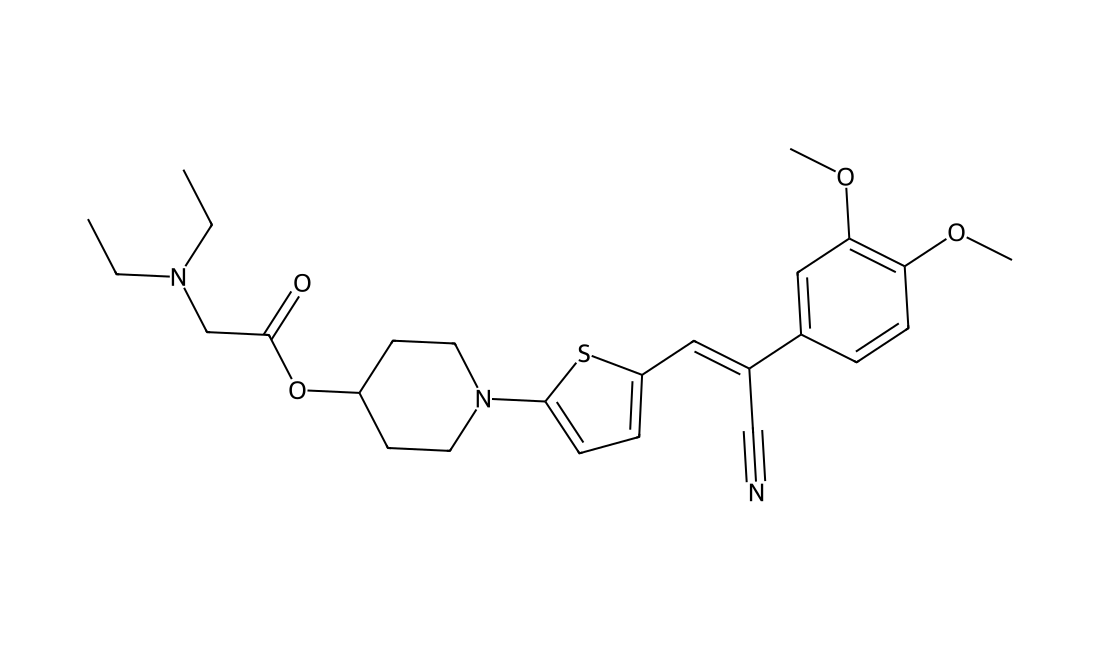
YHO-13351 is an orally available prodrug of YHO-13177, which can specifically reverse BCRP/ABCG2-mediated drug resistance in vitro and in vivo; YHO-13351 is rapidly converted into YHO-13177 after its oral or intravenous administration, significantly increases the survival time of mice inoculated with BCRP-transduced murine leukemia P388 cells and suppressed the tumor growth in an HCT116/BCRP xenograft model coadministration of irinotecan.
YHO-13351Featured
YHO-13351 is an orally available prodrug of YHO-13177, which can specifically reverse BCRP/ABCG2-mediated drug resistance in vitro and in vivo; YHO-13351 is rapidly converted into YHO-13177 after its oral or intravenous administration, significantly increases the survival time of mice inoculated with BCRP-transduced murine leukemia P388 cells and suppressed the tumor growth in an HCT116/BCRP xenograft model coadministration of irinotecan.
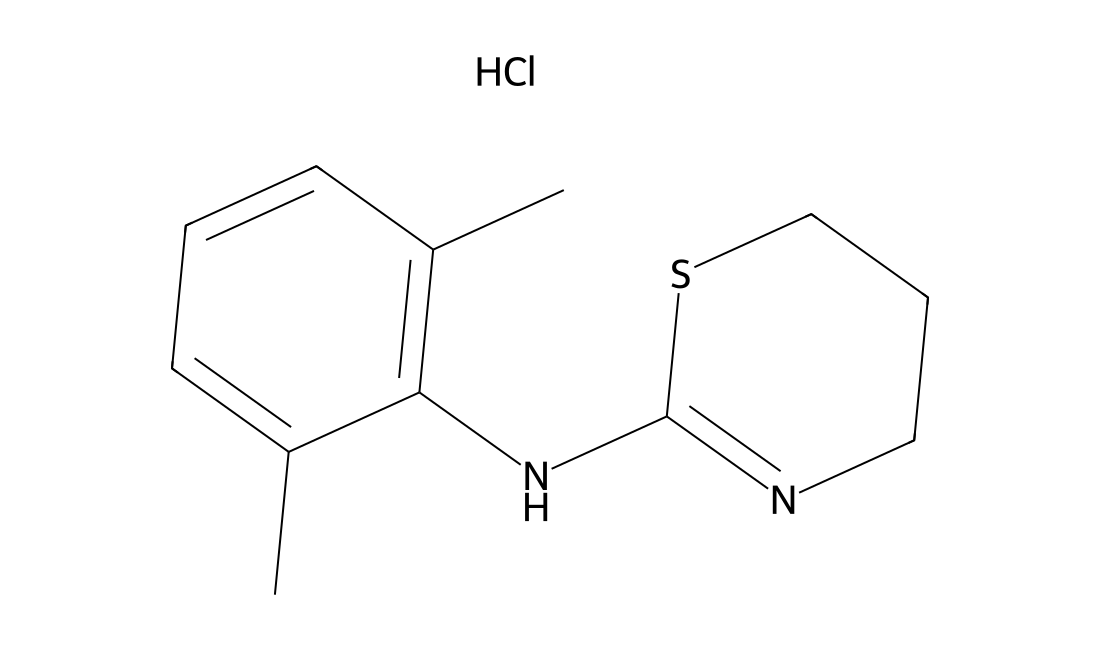
Xylazine hydrochlorideFeatured
Xylazine Hydrochloride is α2 class of adrenergic receptor agonist.Xylazine is a drug that is used for sedation, anesthesia, muscle relaxation, and analgesia in animals such as horses, cattle and other non-human mammals. An analogue of clonidine, it is an agonist at the α2 class of adrenergic receptor. Xylazine has recently emerged as a recreational drug, especially in Puerto Rico. Administration of xylazine (0.17 mg/kg of body weight, diluted to a 10-ml volume, using 0.9% NaCl) induced approximately 2.5 hours of local analgesia without apparent side effects. Higher doses of xylazine caused mild hind limb ataxia. Administration of lidocaine induced a similar duration of analgesia, with severe hind limb ataxia (100% incidence). We concluded that xylazine given by epidural injection results in safe, effective perineal analgesia in horses.
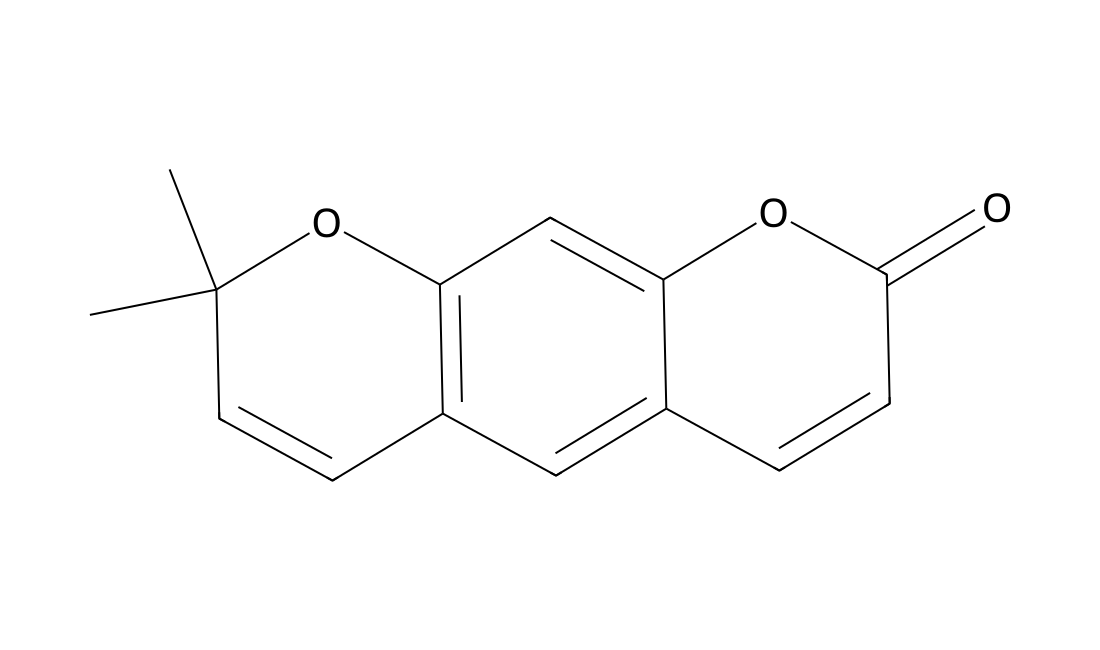
XanthyletinFeatured
In Vitro Xanthyletin inhibits symbiotic fungus cultivated by leaf-cutting ants. Xanthyletin (25, 50, and 100 µg/mL) shows a total inhibition on the fungus.
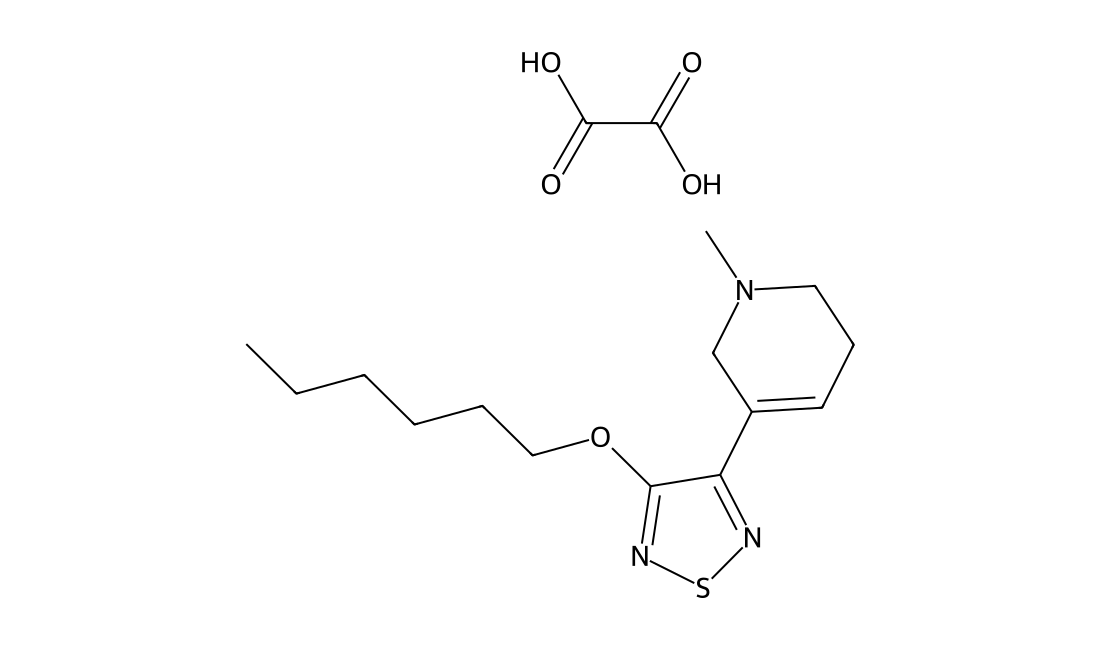
Xanomeline (oxalate)Featured
Xanomeline(LY246708) is a selective M1 muscarinic receptor agonist. in vitro: Xanomeline had high affinity for muscarinic receptors in brain homogenates, but had substantially less or no affinity for a number of other neurotransmitter receptors and uptake sites. In cells stably expressing genetic m1 receptors, xanomeline increased phospholipid hydrolysis in CHO, BHK and A9 L cells to 100, 72 and 55% of the nonselective agonist carbachol. In isolated tissues, xanomeline had high affinity for M1 receptors in the rabbit vas deferens (IC50 = 0.006 nM), low affinity for M2 receptors in guinea pig atria (EC50 = 3 microM), was a weak partial agonist in guinea pig ileum and was neither an agonist nor antagonist in guinea pig bladder. Xanomeline produced small increases in striatal acetylcholine levels and did not antagonize the large increases in acetylcholine produced by the nonselective muscarinic agonist oxotremorine, indicating that xanomeline did not block M2 autoreceptors. in vivo: Xanomeline increased striatal levels of dopamine metabolites, presumably by acting at M1 heteroreceptors on dopamine neurons to increase dopamine release. In contrast, xanomeline had only a relatively small effect on acetylcholine levels in brain, indicating that it is devoid of actions at muscarinic autoreceptors. The effects of xanomeline on ex vivo binding and DOPAC levels lasted for about 3 hr and were evident after oral administration. An analog of xanomeline with similar in vivo effects did not inhibit acetylcholinesterase or choline acetyltransferase and inhibited choline uptake only at concentrations much higher than those required to inhibit binding. These data indicate xanomeline is selective agonist for M1 over M2 and M3 receptors in vivo in rat.
No products match this search.
Page 291 of 309 · Browse all 6177 products
Jump to a product page
Featured literature product: HX1 · DCL0028
HX1 is a hydroxyzine-derived ionizable lipid with acetal-containing tails, studied in lipid nanoparticles for brain mRNA delivery and CRISPR–Cas9 delivery. It was the lead in the reported in vivo brain-delivery screen; evidence is preclinical and formulation-dependent.
Read full formulation and performance →