
Research lipid catalog
Ionizable Lipid Products
Explore 848 lipid and RNA delivery products. Search the full catalog or browse by research category.
Search covers product name, catalog number, synonyms, available CAS numbers and categories. Spaces, hyphens and common punctuation are ignored. Duplicate legacy records are consolidated under one canonical product result.
6677 products · Showing 6181–6200 · 20 per page
DC Chemicals lipid expertise
Built for ionizable-lipid discovery and RNA delivery research
DC Chemicals supports formulation and delivery research with a broad, searchable portfolio of cationic and ionizable lipids. The current directory brings together 848 unique research-use products, with product specifications, pricing, chemical structures and literature-linked formulation data added as each record is verified.
Our experience spans complex lipid synthesis, purification, analytical release and process development. For custom molecules or larger-scale requirements, our team can discuss route development, technical specifications and scale-up options for the intended research workflow.
Learn about cationic and ionizable lipids →Proprietary innovation · Co-development · GMP
From proprietary lipid design to GMP-grade custom synthesis
DC Chemicals has independently developed ionizable-lipid structures supported by company-owned intellectual property, and selected proprietary lipid programs have advanced to GMP-stage development.
We welcome joint development with customers—from molecular design and lipid synthesis through route and process development. We can also support custom synthesis of GMP-grade ionizable lipids to agreed technical specifications and quality requirements.
Discuss a co-development project →Proprietary ionizable-lipid structuresCollaborative molecular designCustom lipid synthesisProcess development and scale-upGMP-grade project support
Product quick links
Explore New ionizable lipids
Explore our five most recently added ionizable lipids, with specifications, pricing and literature-linked product information.
DCL0028HX1Brain RNA delivery researchView product →DCL0024A1I4R13C18-2Spleen-targeted RNA delivery researchView product →DCL0023A1I4R2C18-2Spleen-targeted RNA delivery researchView product →DCL0022FS01Local joint RNA delivery researchView product →DCL0020Lipid-392Lung RNA delivery and gene editing researchView product →
Cat. No.Product NameField of ApplicationChemical Structure
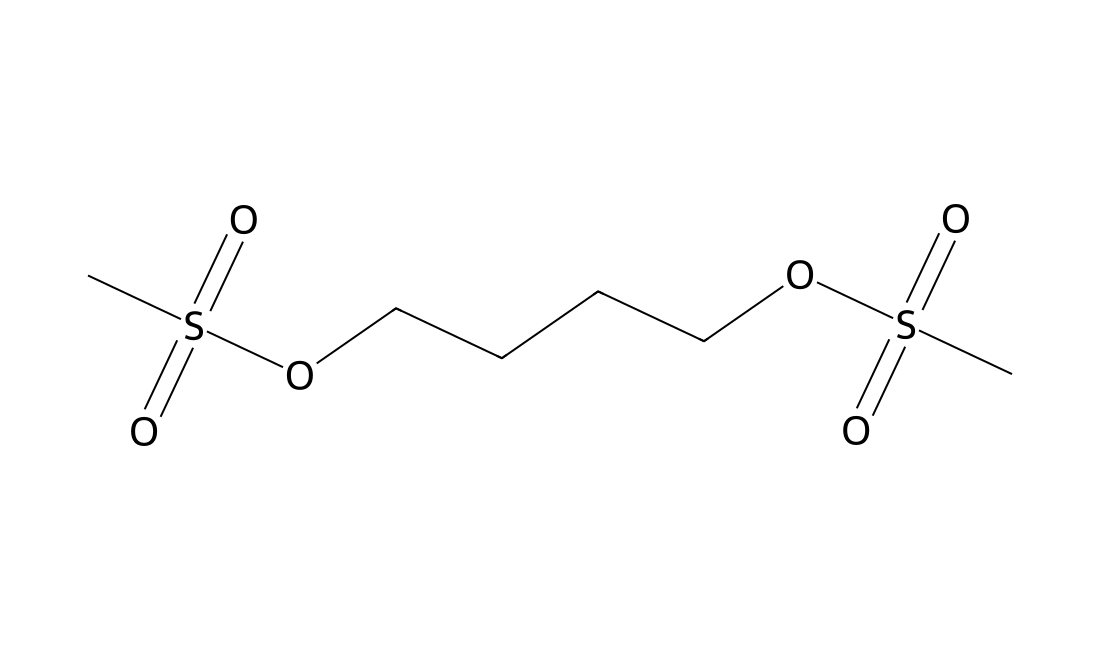
Busulfan/MyleranFeatured
Busulfan is a bifunctional alkylating agent.Busulfan, a cytotoxic alkylating agent used for treatment of chronic myeloid leukemia has effects in mammalian germ cells. Busulfan is bifunctional and thus may effectively induce DNA damage, which may play an important role in the cytotoxicity. Busulfan induced DNA damage dose-dependently. busulfan caused double-base lesions mainly at 5'-GA-3' and, to a lesser extent, at 5'-GG-3' sequences.
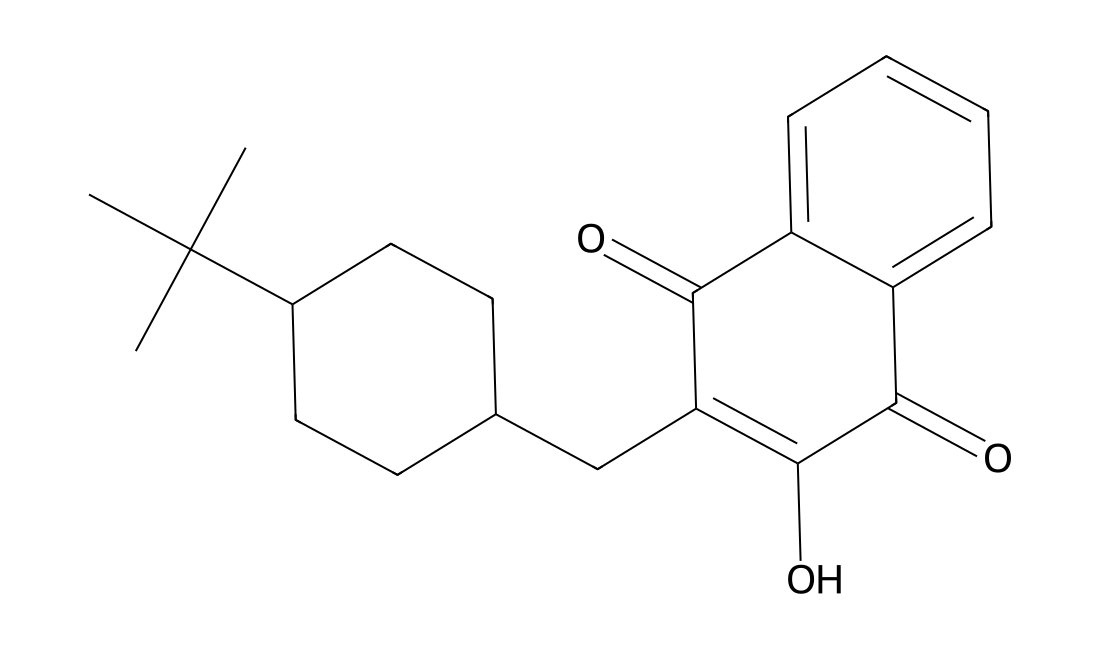
BuparvaquoneFeatured
Buparvaquone(Butalex) is a hydroxynaphthoquinone antiprotozoal drug related to parvaquone and atovaquone; it is a promising compound for the therapy and prophylaxis of all forms of theileriosis.
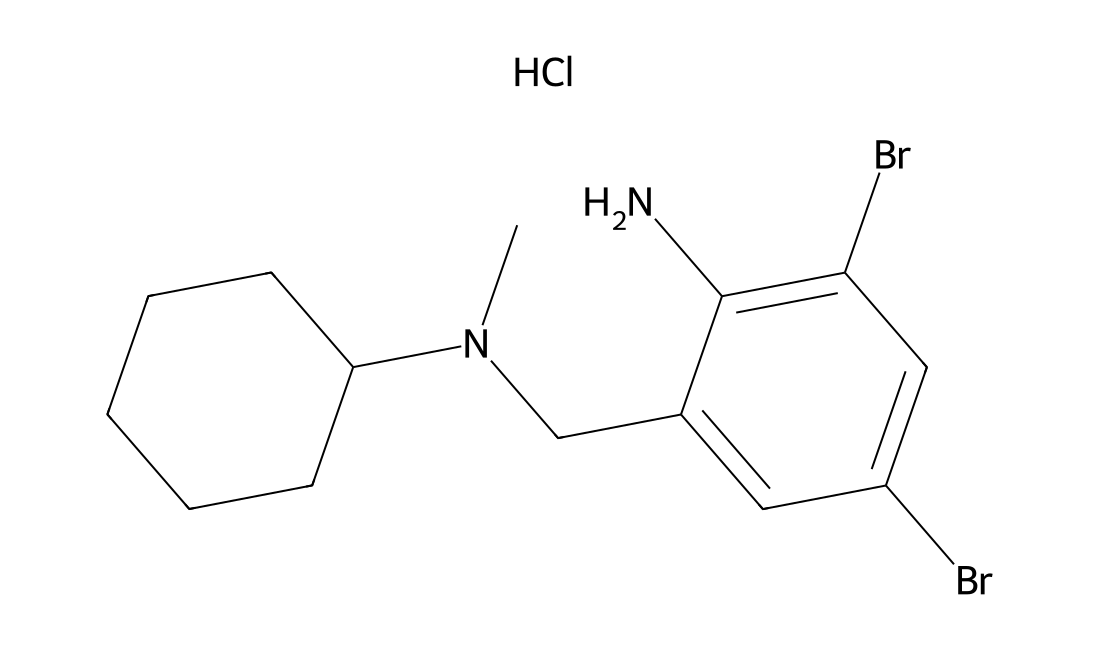
Bromhexine HClFeatured
Bromhexine Hydrochloride is a medication prescribed for coughs which works by dissolving hard phlegm.Bromhexine is a mucolytic agent used in the treatment of respiratory disorders associated with viscid or excessive mucus. In addition, bromhexine has antioxidant properties. Bromhexine is intended to support the body's mechanisms for clearing mucus from the respiratory tract. Bromhexine is a synthetic derivative of the herbal active ingredient vasicine. It has been shown to increase the proportion of serous bronchial secretion, making it more easily expectorated. It is indicated as "secretolytic therapy in bronchopulmonary diseases associated with abnormal mucus secretion and impaired mucus transport". From Wikipedia.
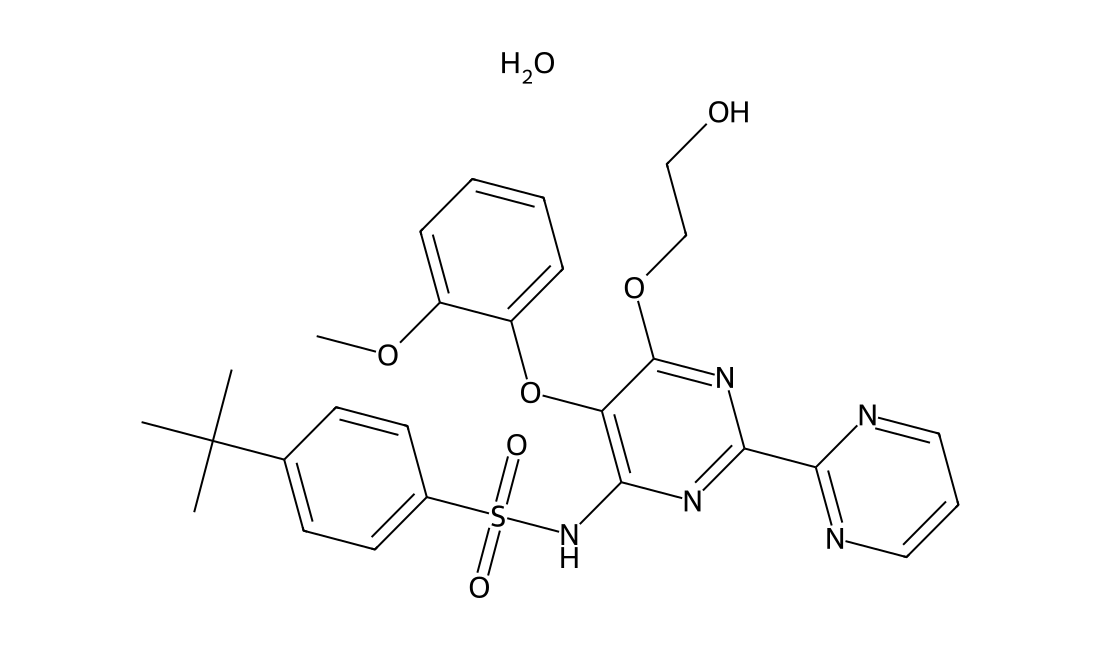
Bosentan HydrateFeatured
For the detailed information of Bosentan Hydrate, the solubility of Bosentan Hydrate in water, the solubility of Bosentan Hydrate in DMSO, the solubility of Bosentan Hydrate in PBS buffer, the animal experiment(test) (test) of Bosentan Hydrate, the cell expriment (test) of Bosentan Hydrate, the in vivo, in vitro and clinical trial test of Bosentan Hydrate, the EC50, IC50,and Affinity of Bosentan Hydrate,, please contact DC Chemicals.
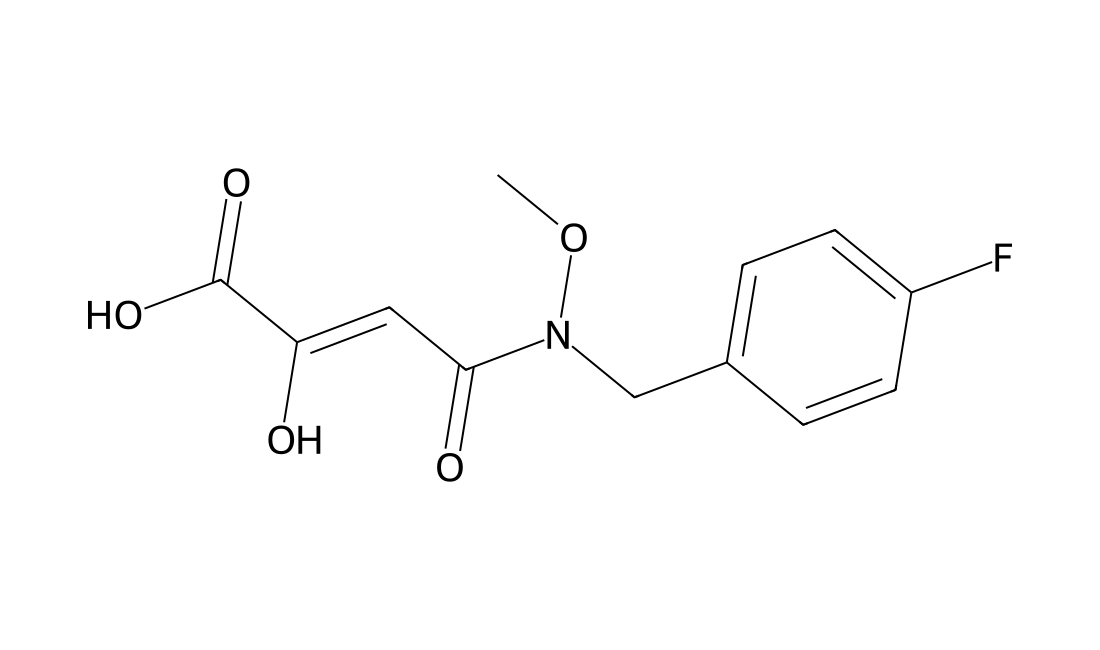
BMS-538203Featured
For the detailed information of BMS-538203, the solubility of BMS-538203 in water, the solubility of BMS-538203 in DMSO, the solubility of BMS-538203 in PBS buffer, the animal experiment (test) of BMS-538203, the cell expriment (test) of BMS-538203, the in vivo, in vitro and clinical trial test of BMS-538203, the EC50, IC50,and Affinity of BMS-538203, Please contact DC Chemicals.
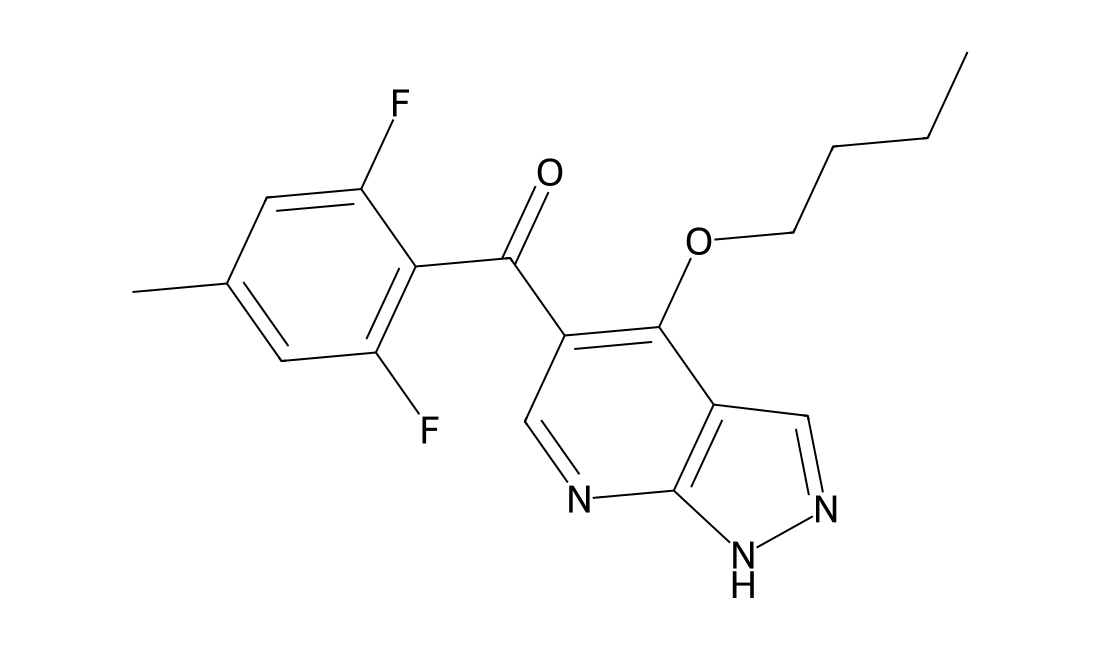
BMS-265246Featured
BMS-265246 is a potent and selective CDK1/2 inhibitor for CDK1/cyclin B and CDK2/cyclin E with IC50 of 6 nM and 9 nM, respectively.in vitro: BMS-265246 inhibits the activity of Cdk4/cycD (IC50 = 0.23 μM) and prevents A2780 Cytox with IC50 of 0.76 μM. BMS-265246 when bound to Cdk2, shows the inhibitor resides within the ATP purine binding site and forms important H-bonds with Leu83 on the protein backbone. BMS-265246 represents the most potent Cdk/Cdk2 selective analogue from this chemotype. A recent study shows that BMS-265246 inhibits cell proliferation with EC50 ranging from 0.293 μM-0.492 μM in HCT-116 cells. After treatment of BMS-265246, the dominant cell populations are G2-arrested cells having 4N DNA content, large round nuclei, and low DNA intensity.
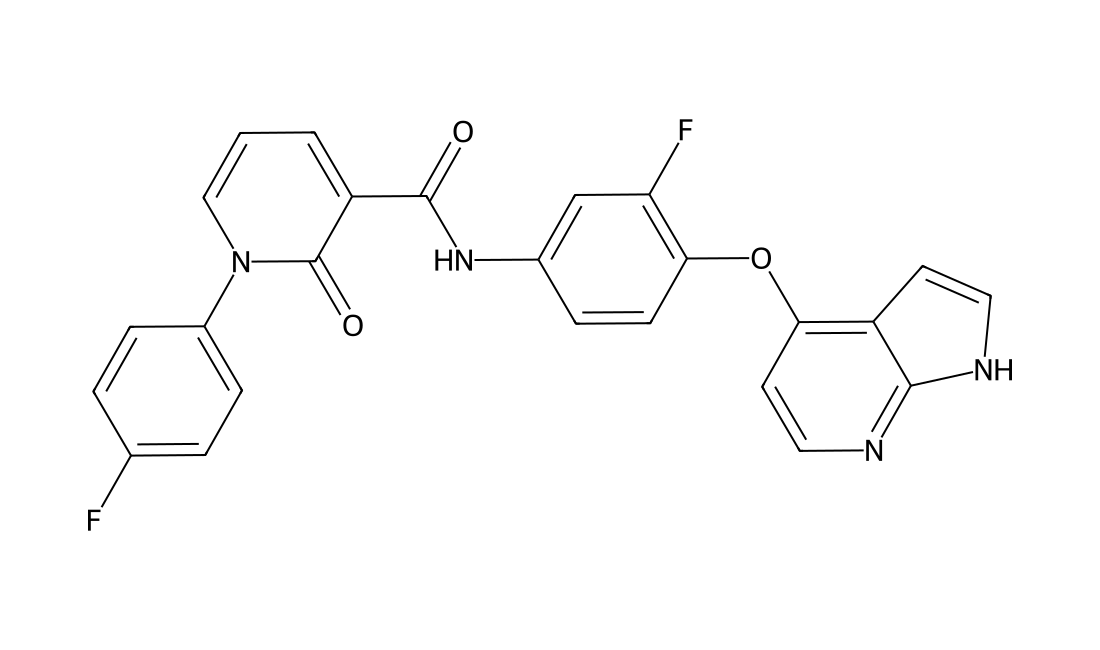
BMS-2Featured
BMS-2 is a potent MET kinase inhibitor with an IC50 value of 1.8nM. It also possesses potent inhibitory activity against Flt-3 and VEGFR-2 kinases, IC50 values of 4nM and 27nM respectively.
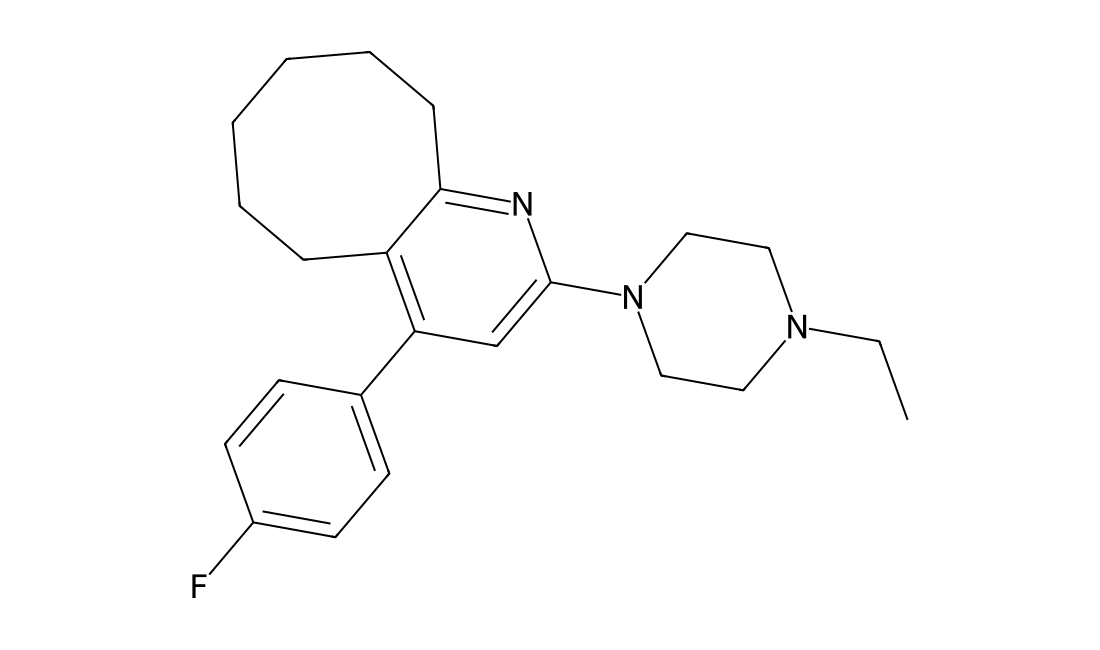
Blonanserin(AD-5423)Featured
Blonanserin is a novel atypical antipsychotic agent with potent dopamine D2 (Ki, 14.8 nM) and serotonin 5-HT2(Ki, 3.98 nM) receptors antagonist properties.For the detailed information of Blonanserin(AD-5423), the solubility of Blonanserin(AD-5423) in water, the solubility of Blonanserin(AD-5423) in DMSO, the solubility of Blonanserin(AD-5423) in PBS buffer, the animal experiment (test) of Blonanserin(AD-5423), the cell expriment (test) of Blonanserin(AD-5423), the in vivo, in vitro and clinical trial test of Blonanserin(AD-5423), the EC50, IC50,and Affinity of Blonanserin(AD-5423), Please contact DC Chemicals.
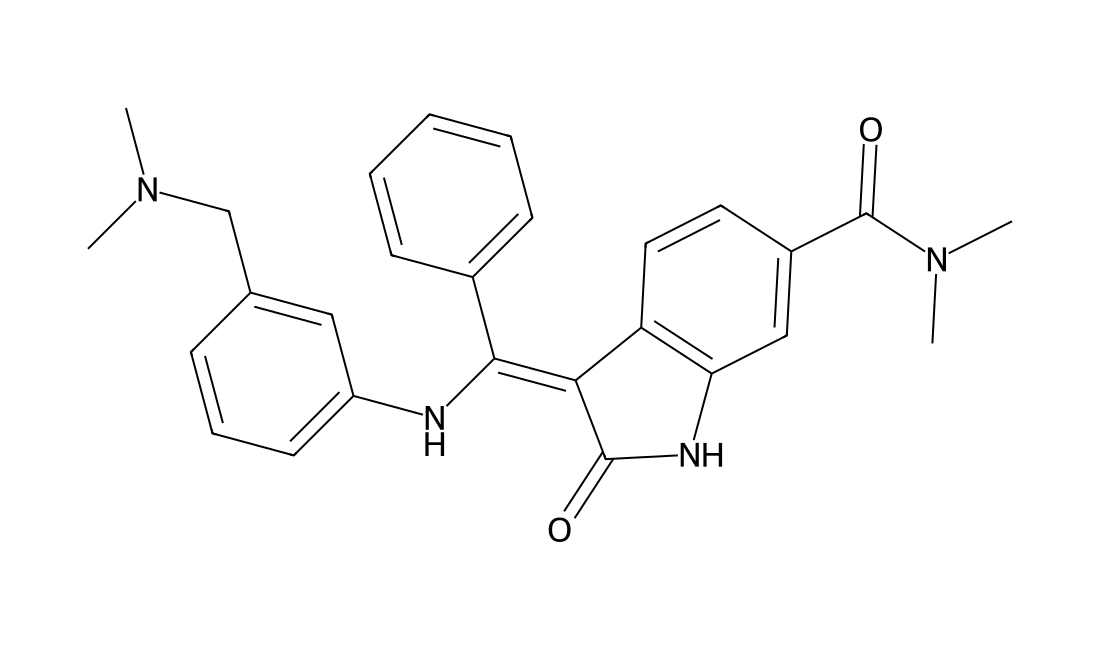
BIX02189 (BIX 02189)Featured
BIX 02189 is a selective MEK5/ERK5 inhibitor with an IC50 of 59 nM. BIX02189 was reported to inhibit catalytic function of purified, MEK5 enzyme.For the detailed information of BIX02189 (BIX 02189), the solubility of BIX02189 (BIX 02189) in water, the solubility of BIX02189 (BIX 02189) in DMSO, the solubility of BIX02189 (BIX 02189) in PBS buffer, the animal experiment (test) of BIX02189 (BIX 02189), the cell expriment (test) of BIX02189 (BIX 02189), the in vivo, in vitro and clinical trial test of BIX02189 (BIX 02189), the EC50, IC50,and Affinity of BIX02189 (BIX 02189), Please contact DC Chemicals.
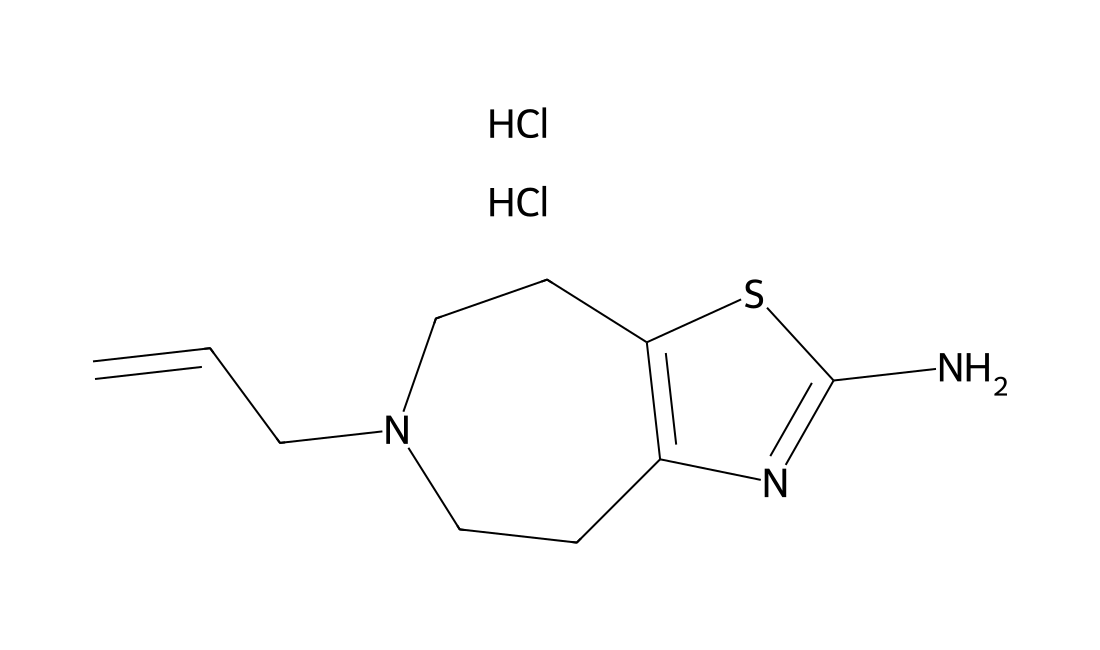
B-HT 920Featured
B-HT 920(Talipexole 2Hcl) is a dopamine D2 receptor agonist, α2-adrenoceptor agonist and 5-HT3 receptor antagonist, which displays antiParkinsonian activity. in vitro: N/A in vivo: Intravenous injection of 30 micrograms/kg of B-HT 920 into cats lead initially to an increase in blood pressure and then to a long-lasting decrease in blood pressure and heart rate. Vagally mediated reflex bradycardia elicited by angiotensin injection in beta-adrenoceptor-blocked dogs was facilitated by intracisternal injection of 10 micrograms/kg B-HT 920.
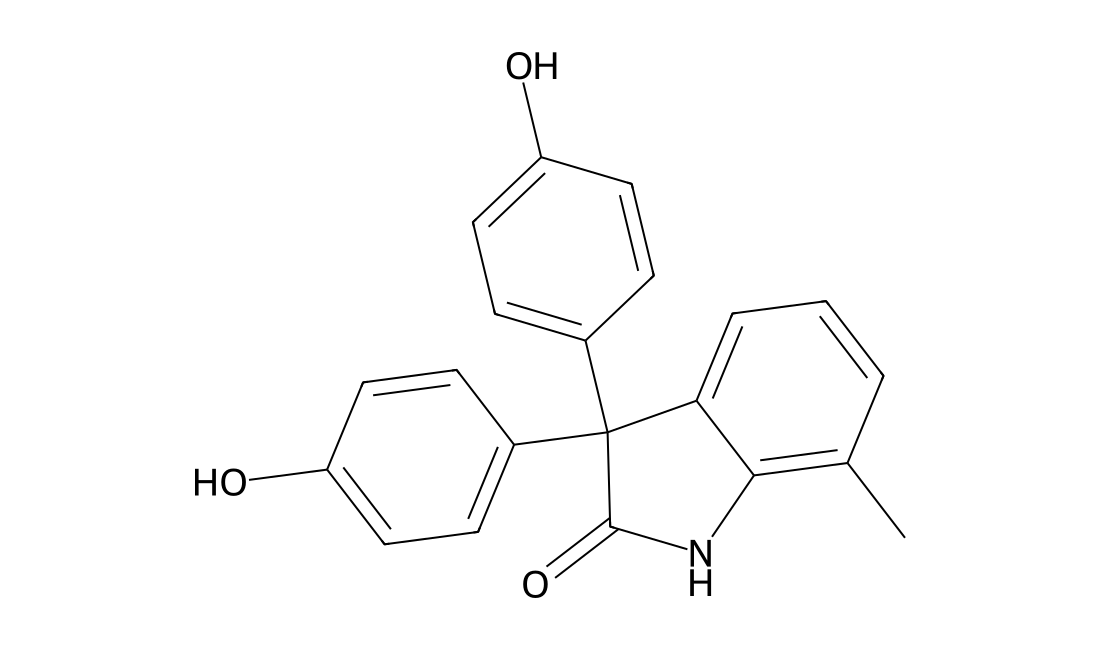
BHPIFeatured
BHPI is a potent, noncompetitive small molecule ERα inhibitor (biomodulator) that selectively blocks proliferation of drug-resistant ERα-positive breast and ovarian cancer cells; distorts this normal action of E2–ERα and induces a massive and sustained ERα-dependent activation of the unfolded protein response (UPR), persistent inhibition of protein synthesis, converting UPR activation from cytoprotective to cytotoxic; completely blocked proliferation of ERα+ cancer cells at 100-1000 nM, induces tumor regression in mouse xenograft of MCF-7 cells.
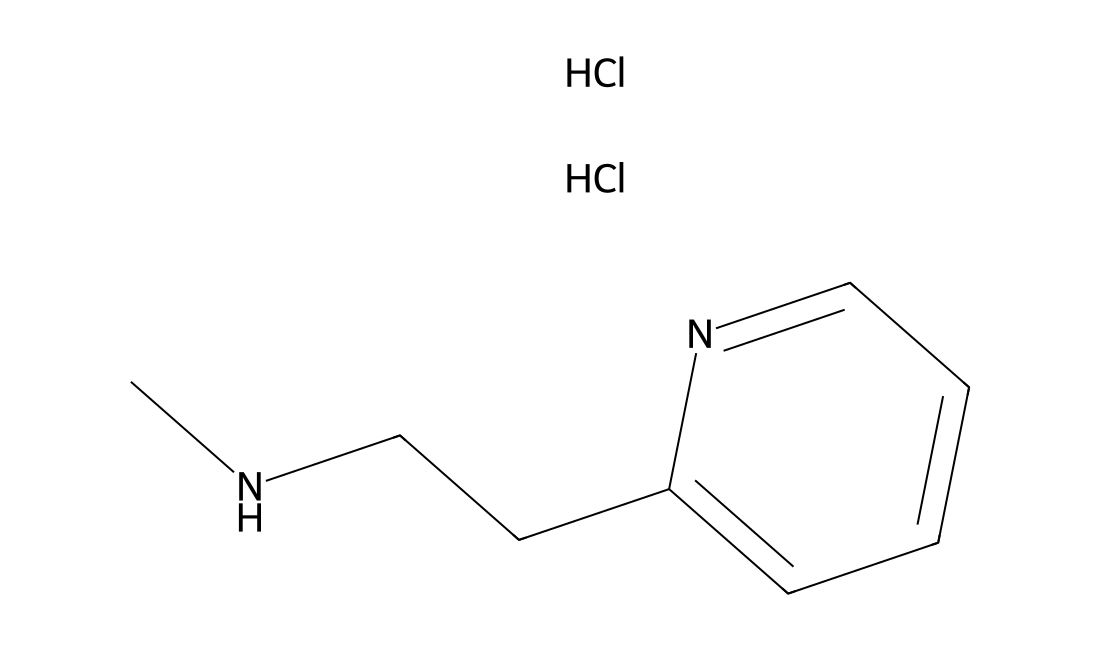
Betahistine DihydrochlorideFeatured
Betahistine Dihydrochloride is a histamine H3 receptors inhibitor used as an antivertigo drug.Betahistine, a structural analogue of histamine with weak histamine H(1) receptor agonist and more potent H(3) receptor antagonist properties. Betahistine acts centrally by enhancing histamine synthesis within tuberomammillary nuclei of the posterior hypothalamus and histamine release within vestibular nuclei through antagonism of H(3) autoreceptors. Therapeutic effects of betahistine in vestibular disorders result from its antagonist properties at histamine H(3) receptors (H(3)Rs). On inhibition of cAMP formation and [(3)H]arachidonic acid release, betahistine behaved as a nanomolar inverse agonist and a micromolar agonist. After acute oral administration, Betahistine increased t-MeHA levels with an ED(50) of 2 mg/kg, a rightward shift probably caused by almost complete first-pass metabolism. Therapeutic effects of betahistine result from an enhancement of histamine neuron activity induced by inverse agonism at H(3) autoreceptors.
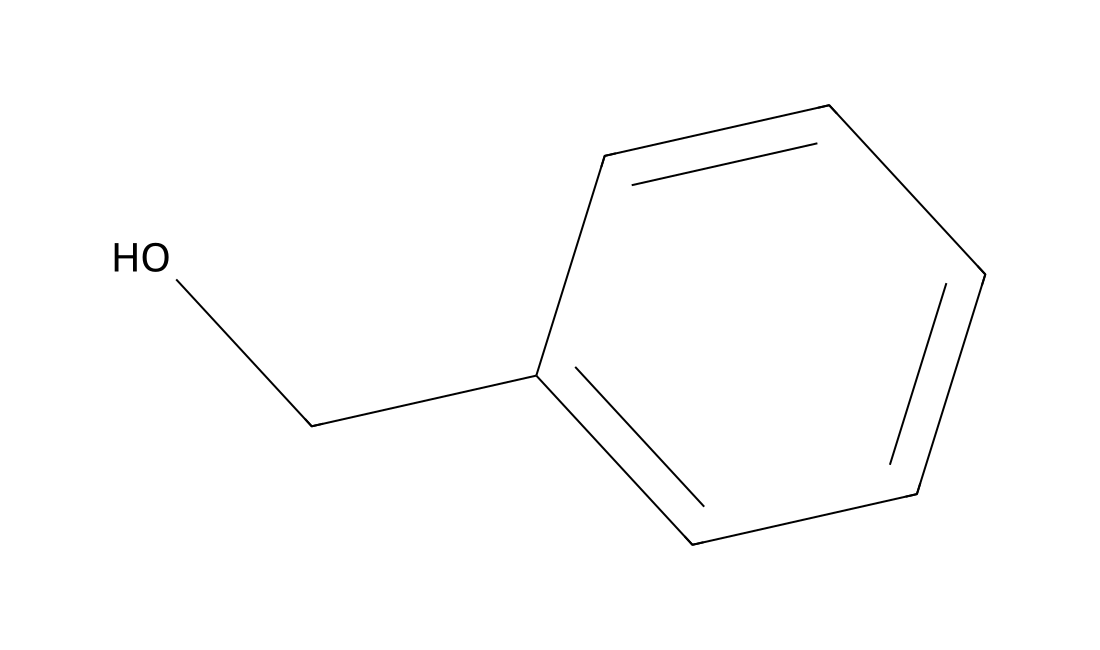
Benzyl alcohol (Benzenemethanol)Featured
Benzyl alcohol is an aromatic alcohol; a colorless liquid with a mild pleasant aromatic odor.
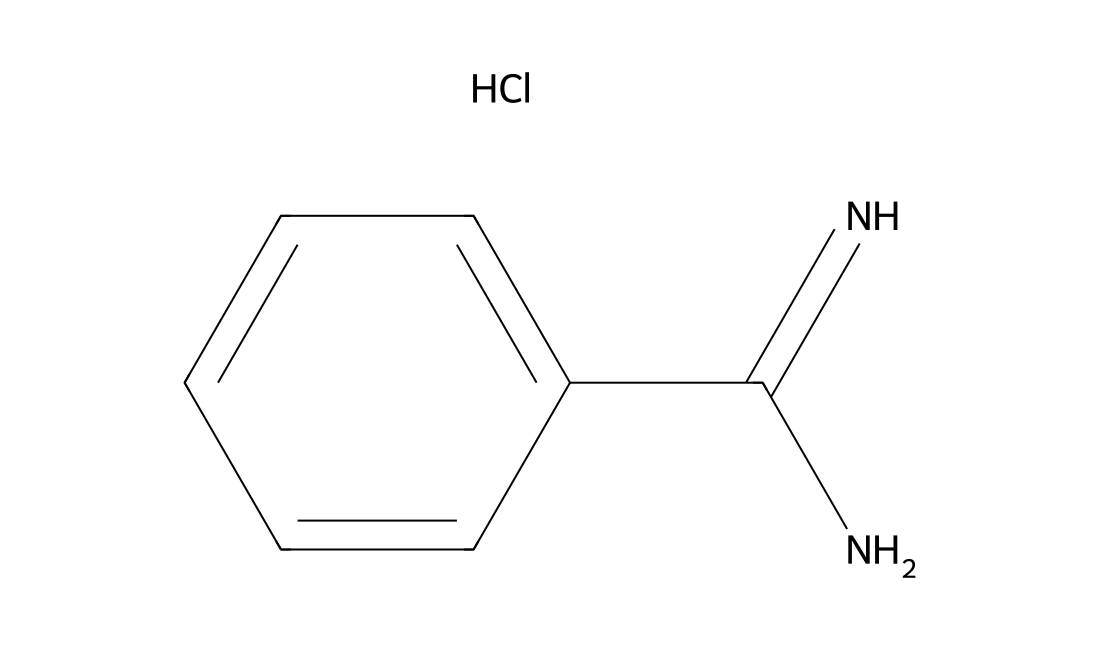
Benzamidine HClFeatured
Benzamidine is an inhibitor of serine proteases with Ki values of 35, 350, and 220 µM for trypsin, plasmin, and thrombin, respectively.
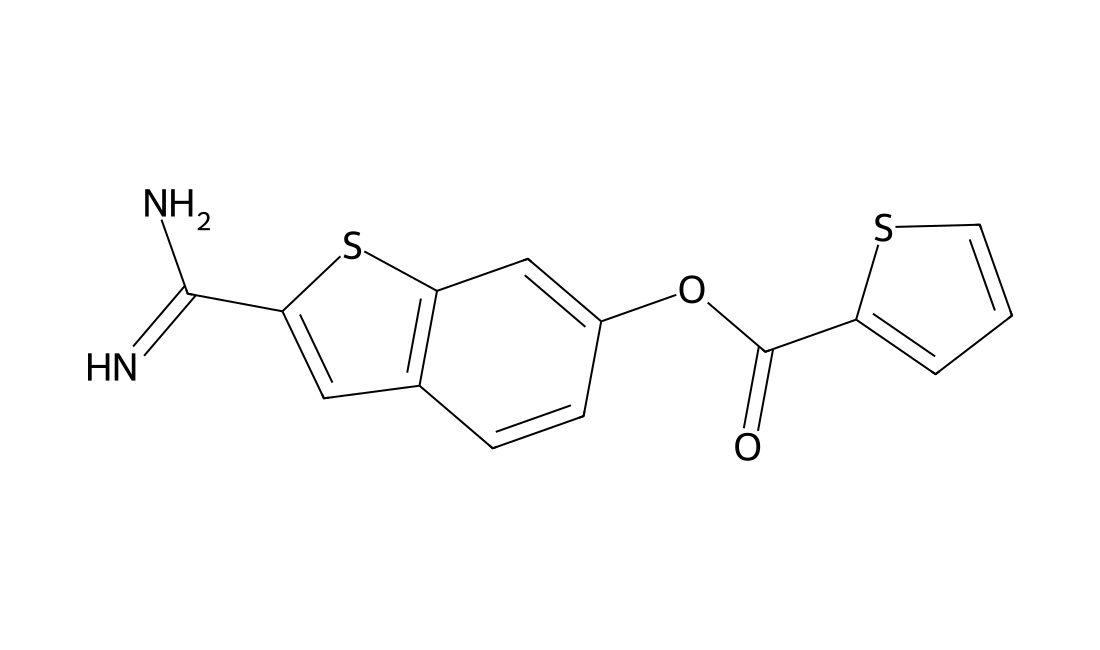
BCX-1470Featured
BCX-1470 (BCX1470) is a serine protease inhibitor that inhibits the esterolytic activity of factor D (IC50=96 nM) and C1s (IC50=1.6 nM); displays 3.4-fold and 200-fold bette than that of trypsin, respectively; inhibits esterolytic activity translates into potent inhibition of the proteolytic activity of C1s, factor D, and consequently of the classical and alternative pathway-mediated hemolysis of target RBC (IC50=46 nM and 330 nM, respectively); blocks the reverse passive Arthus (RPA) reaction in rats. Thrombosis Phase 1 Discontinued
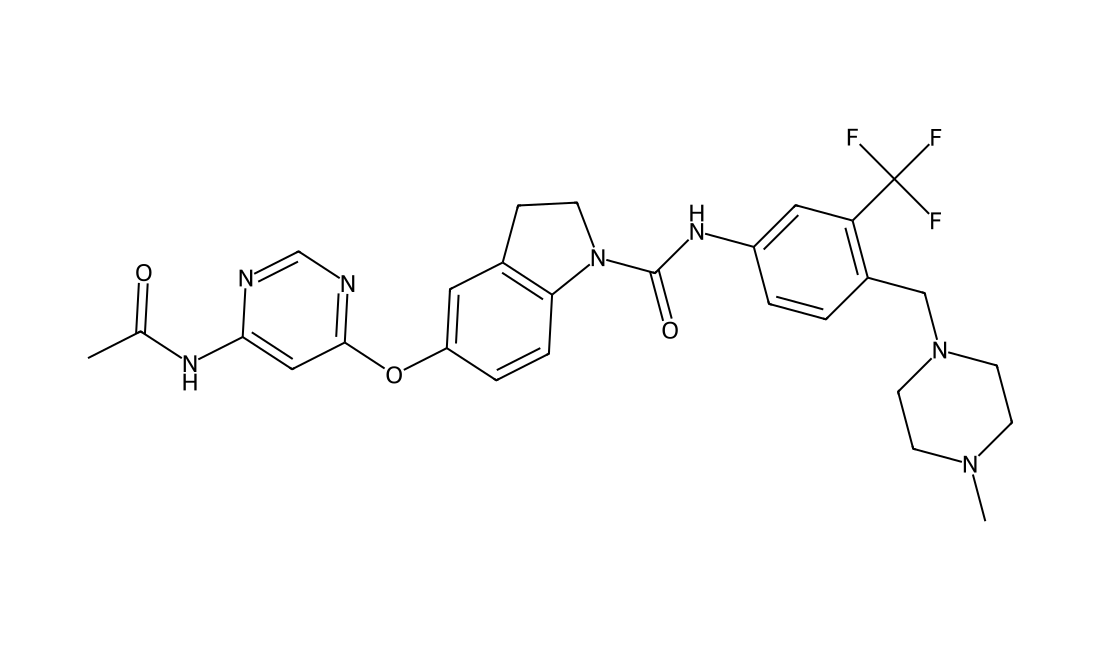
BBT594Featured
BBT594 (NVP-BBT594), is potent and selective inhibitor of RET and JAK2. BBT594 impairs "glial-derived neurotrophic factor" (GDNF)-RET signalling and GDNF-dependent growth of in specific in vitro models. Direct inhibition of GDNF-RET signaling by BBT594 in ER+ breast cancer cells enhances the sensitivity to aromatase inhibitor (AI) treatment and reverts AI resistance. In murine models, the IC50 of BBT594 on JAK2 inhibition varies between 8nM - 29nM, depending on cell model and JAK2 mutation present.
BamaquimastFeatured
Bamaquimast is an inhibitor of proton pump extracted from patent US2005165041, example 138.
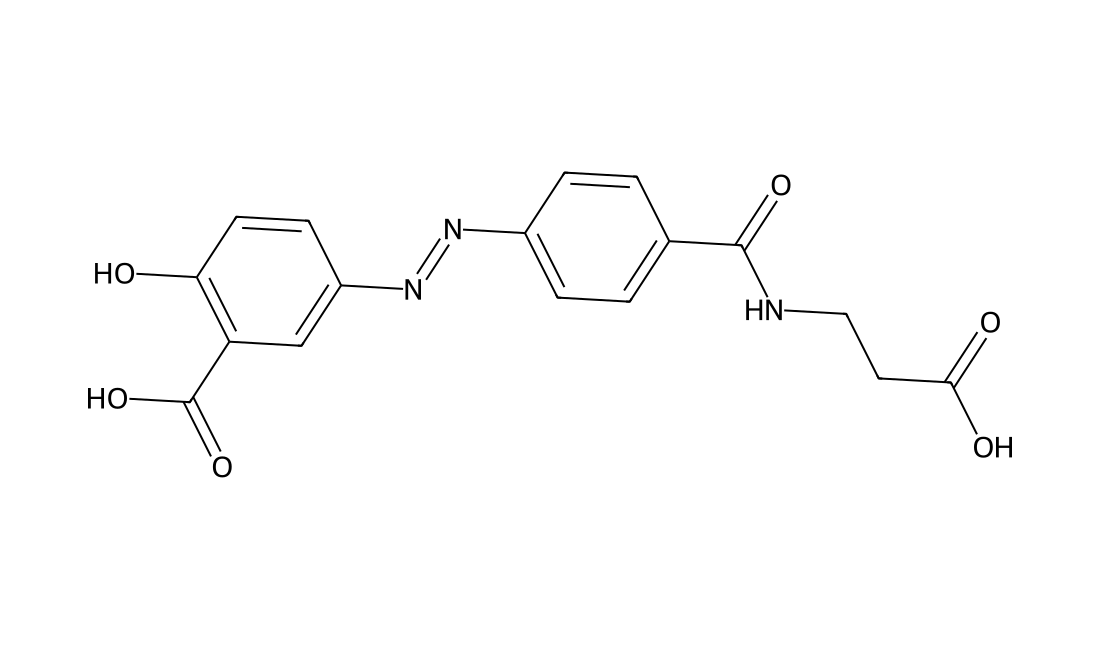
BalsalazideFeatured
Balsalazide is an anti-inflammatory drug used in the treatment of Inflammatory Bowel Disease. Balsalazide is a new 5-aminosalicylic acid (5-ASA) containing prodrug. High dose balsalazide (3.0 g twice daily) was superior in maintaining remission in patients with ulcerative colitis compared with a low dose (1.5 g twice daily) or a standard dose of mesalazine (0.5 g three times daily). All three treatments were safe and well tolerated. Balsalazide is approved for the treatment of mild-to-moderate active UC. It is efficacious for the induction of remission in mild to moderate UC and has a favorable safety profile, with the added advantages of greater efficacy of remission induction and rapidity of onset.
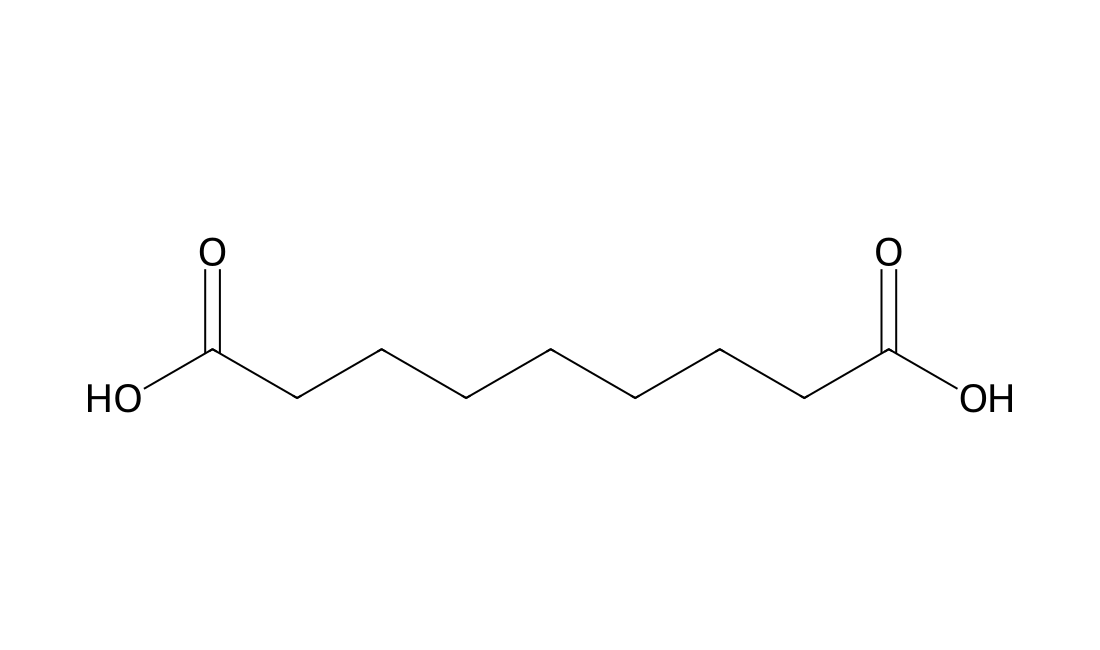
Azelaic acidFeatured
Azelaic acid is an organic compound produced by the ozonolysis of oleic acid and possesses antibacterial, keratolytic, comedolytic, and anti-oxidant activity.
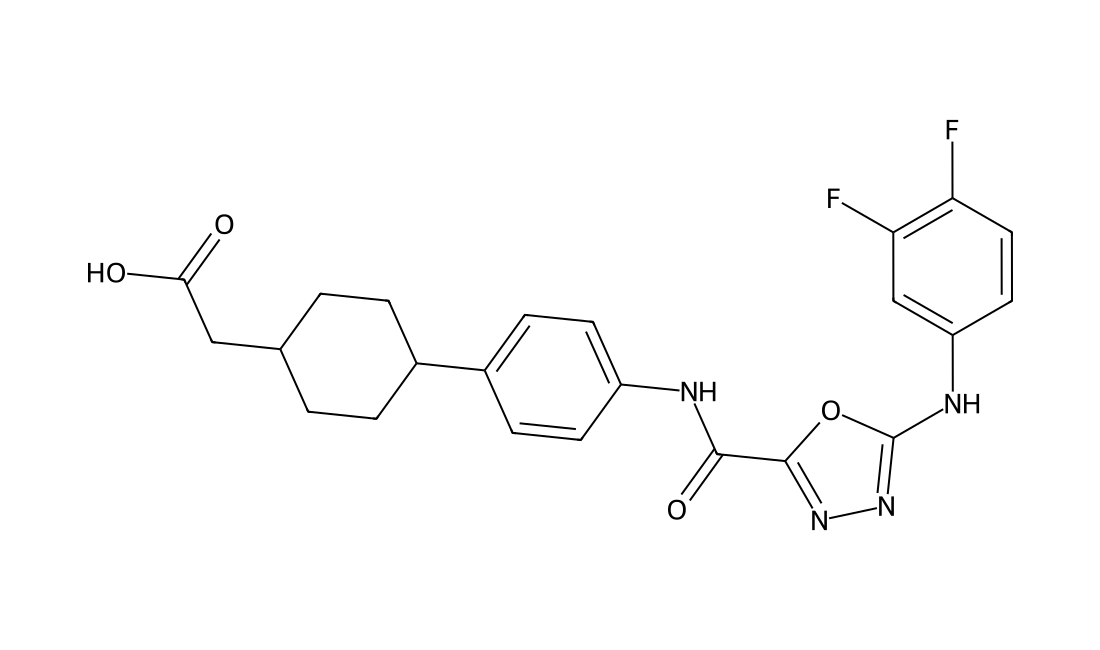
AZD-3988Featured
Potent and selective diacylglycerol acyltransferase (DGAT-1) inhibitor (IC50 = 0.6 nM). Exhibits selectivity for DGAT-1 over DGAT-2, Kv11.1 (hERG) and cytochrome P450 enzymes. Suppresses triacylglyceride (TAG) plasma excursion and adipose tissue TAG synthesis in rats. Reduces body weight of diet-induced obese rats. Cell permeable and orally bioavailable. For the detailed information of AZD-3988, the solubility of AZD-3988 in water, the solubility of AZD-3988 in DMSO, the solubility of AZD-3988 in PBS buffer, the animal experiment (test) of AZD-3988, the cell expriment (test) of AZD-3988, the in vivo, in vitro and clinical trial test of AZD-3988, the EC50, IC50,and affinity,of AZD-3988, For the detailed information of AZD-3988, the solubility of AZD-3988 in water, the solubility of AZD-3988 in DMSO, the solubility of AZD-3988 in PBS buffer, the animal experiment (test) of AZD-3988, the cell expriment (test) of AZD-3988, the in vivo, in vitro and clinical trial test of AZD-3988, the EC50, IC50,and affinity,of AZD-3988, Please contact DC Chemicals.
No products match this search.
Page 310 of 334 · Browse all 6677 products
Jump to a product page
Featured literature product: HX1 · DCL0028
HX1 is a hydroxyzine-derived ionizable lipid with acetal-containing tails, studied in lipid nanoparticles for brain mRNA delivery and CRISPR–Cas9 delivery. It was the lead in the reported in vivo brain-delivery screen; evidence is preclinical and formulation-dependent.
Read full formulation and performance →