
Research lipid catalog
Ionizable Lipid Products
Explore 848 lipid and RNA delivery products. Search the full catalog or browse by research category.
Search covers product name, catalog number, synonyms, available CAS numbers and categories. Spaces, hyphens and common punctuation are ignored. Duplicate legacy records are consolidated under one canonical product result.
6677 products · Showing 6641–6660 · 20 per page
DC Chemicals lipid expertise
Built for ionizable-lipid discovery and RNA delivery research
DC Chemicals supports formulation and delivery research with a broad, searchable portfolio of cationic and ionizable lipids. The current directory brings together 848 unique research-use products, with product specifications, pricing, chemical structures and literature-linked formulation data added as each record is verified.
Our experience spans complex lipid synthesis, purification, analytical release and process development. For custom molecules or larger-scale requirements, our team can discuss route development, technical specifications and scale-up options for the intended research workflow.
Learn about cationic and ionizable lipids →Proprietary innovation · Co-development · GMP
From proprietary lipid design to GMP-grade custom synthesis
DC Chemicals has independently developed ionizable-lipid structures supported by company-owned intellectual property, and selected proprietary lipid programs have advanced to GMP-stage development.
We welcome joint development with customers—from molecular design and lipid synthesis through route and process development. We can also support custom synthesis of GMP-grade ionizable lipids to agreed technical specifications and quality requirements.
Discuss a co-development project →Proprietary ionizable-lipid structuresCollaborative molecular designCustom lipid synthesisProcess development and scale-upGMP-grade project support
Product quick links
Explore New ionizable lipids
Explore our five most recently added ionizable lipids, with specifications, pricing and literature-linked product information.
DCL0028HX1Brain RNA delivery researchView product →DCL0024A1I4R13C18-2Spleen-targeted RNA delivery researchView product →DCL0023A1I4R2C18-2Spleen-targeted RNA delivery researchView product →DCL0022FS01Local joint RNA delivery researchView product →DCL0020Lipid-392Lung RNA delivery and gene editing researchView product →
Cat. No.Product NameField of ApplicationChemical Structure
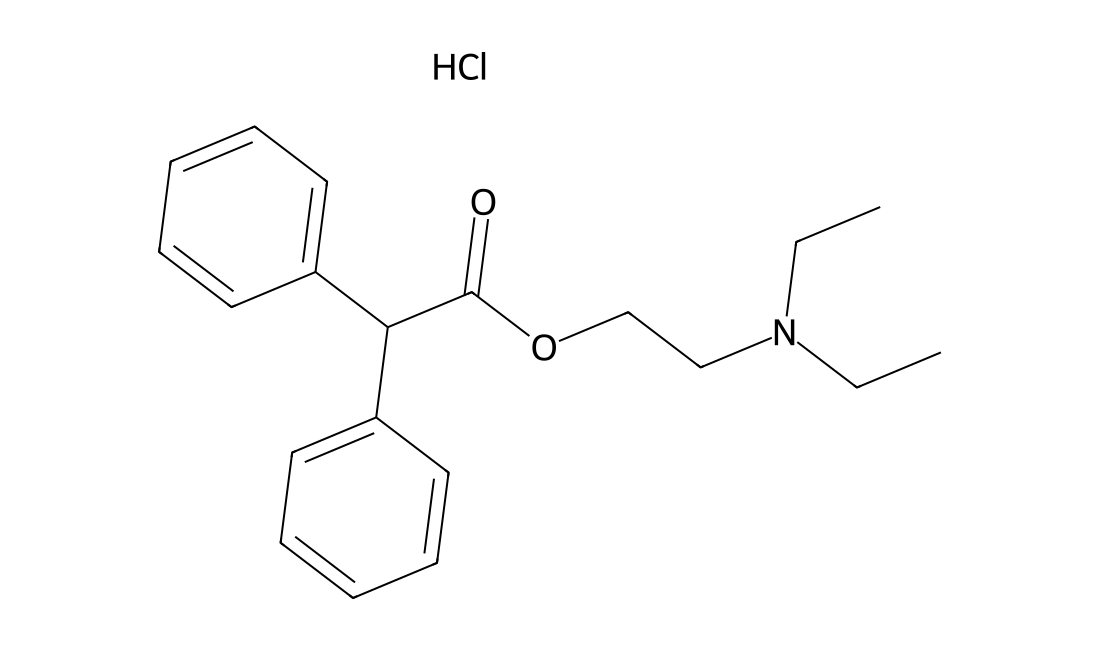
Adiphenine HClFeatured
For the detailed information of Adiphenine HCl, the solubility of Adiphenine HCl in water, the solubility of Adiphenine HCl in DMSO, the solubility of Adiphenine HCl in PBS buffer, the animal experiment(test) (test) of Adiphenine HCl, the cell expriment (test) of Adiphenine HCl, the in vivo, in vitro and clinical trial test of Adiphenine HCl, the EC50, IC50,and Affinity of Adiphenine HCl,, please contact DC Chemicals.
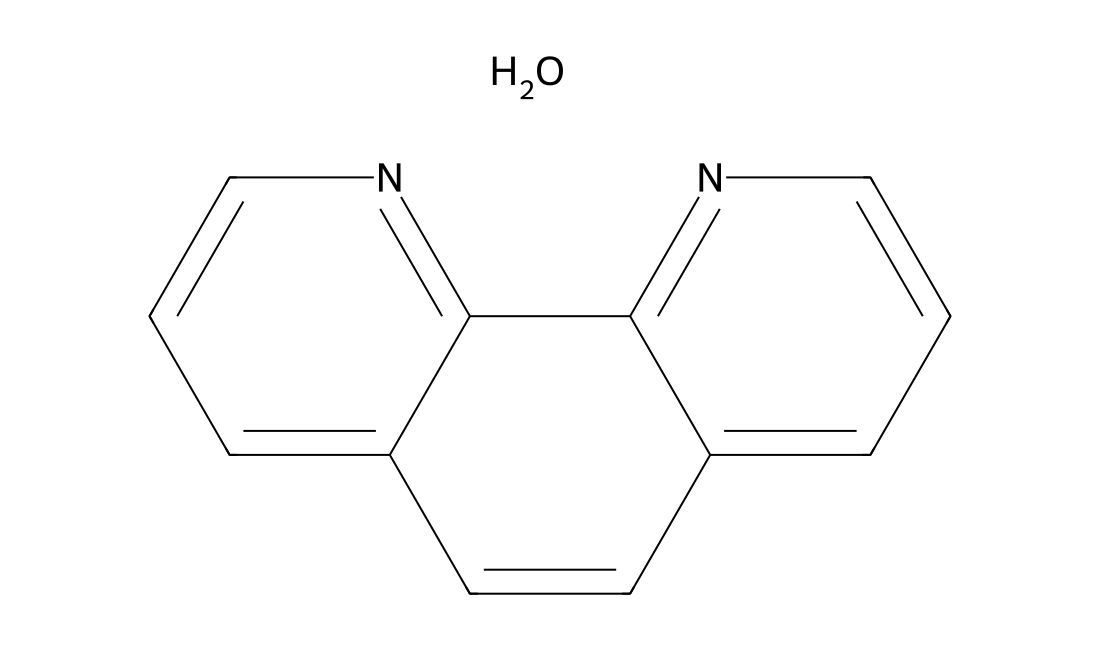
1,10-Phenanthroline is a classic chelating bidentate ligand for transition metal ions that has played an important role in the development of coordination chemistry. It is an inhibitor of metallopeptidases.
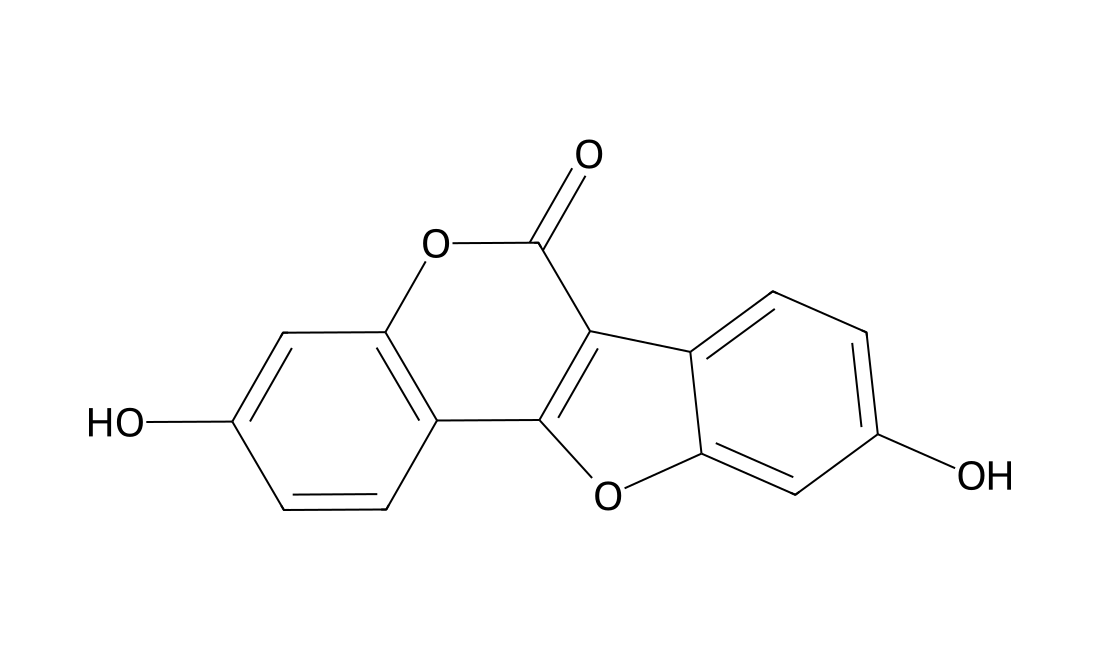
CoumestrolFeatured
Coumestrol, a phytoestrogen present in soybean products, exhibits activities against cancers, neurological disorders, and autoimmune diseases. It suppresses proliferation of ES2 cells with an IC50 of 50 μM.
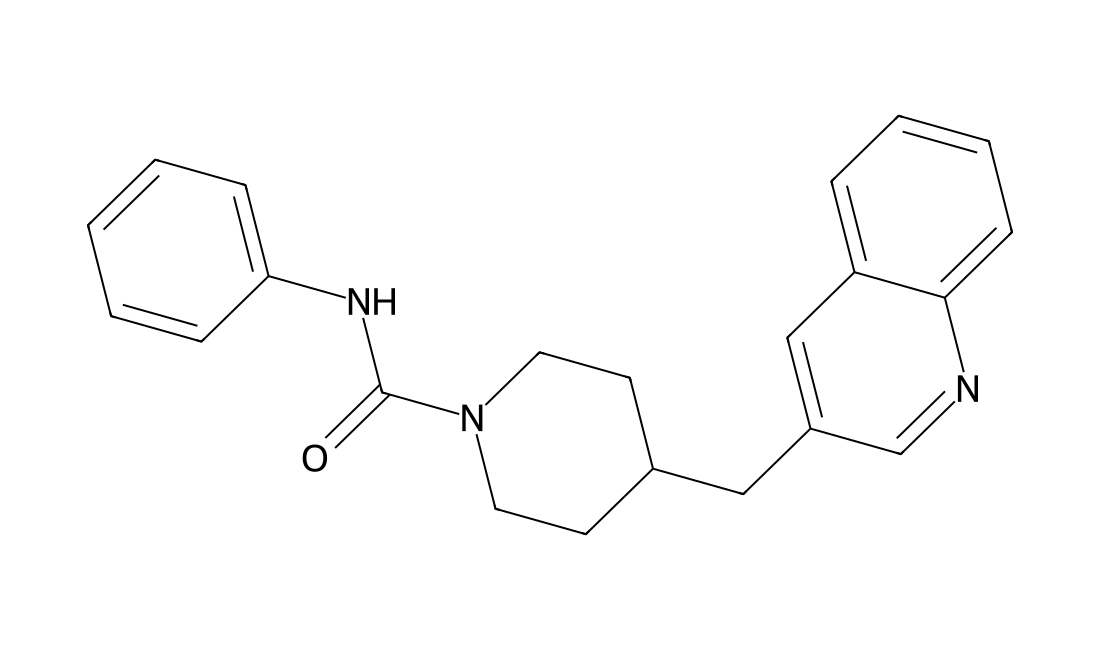
PF 750Featured
PF 750 is a selective and covalent fatty acid amide hydrolase (FAAH) inhibitor, with IC50s varied from 16.2-595 nM in different pre-incubation times. Covalently modifies the enzyme’s active site serine nucleophile[1].
RottlerinFeatured
Rottlerin is a specific PKC inhibitor, with IC50 values for PKCδ of 3-6 μM, PKCα,β,γ of 30-42 μM, PKCε,η,ζ of 80-100 μM.
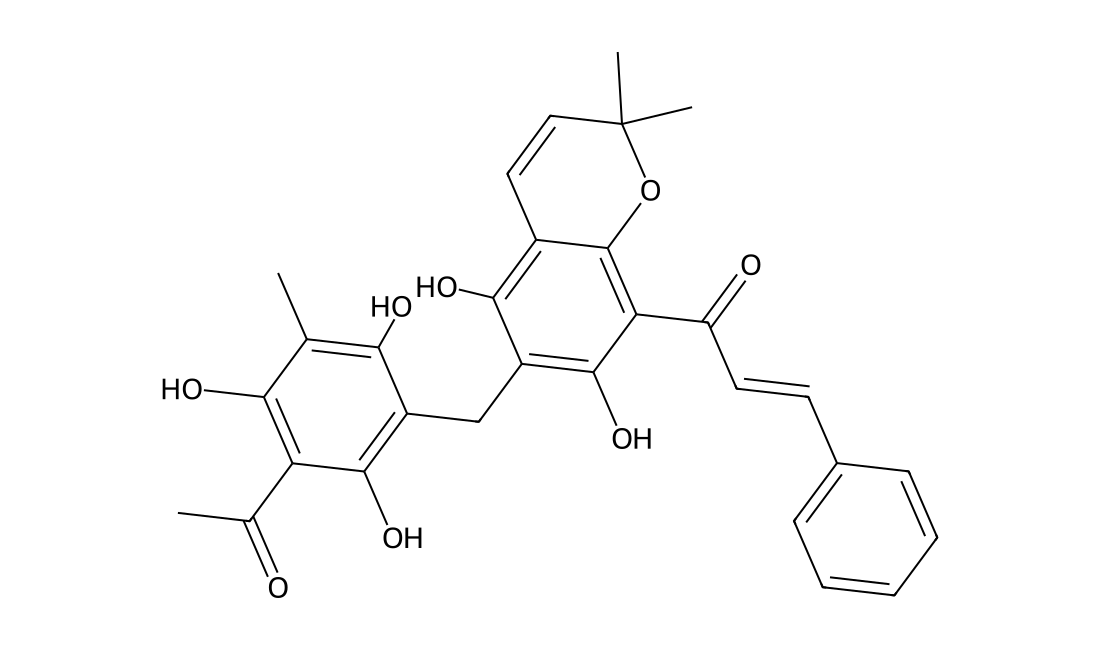
TPCA-1Featured
TPCA-1 is a potent and selective inhibitor of IKK-2 with IC50 of 17.9 nM.
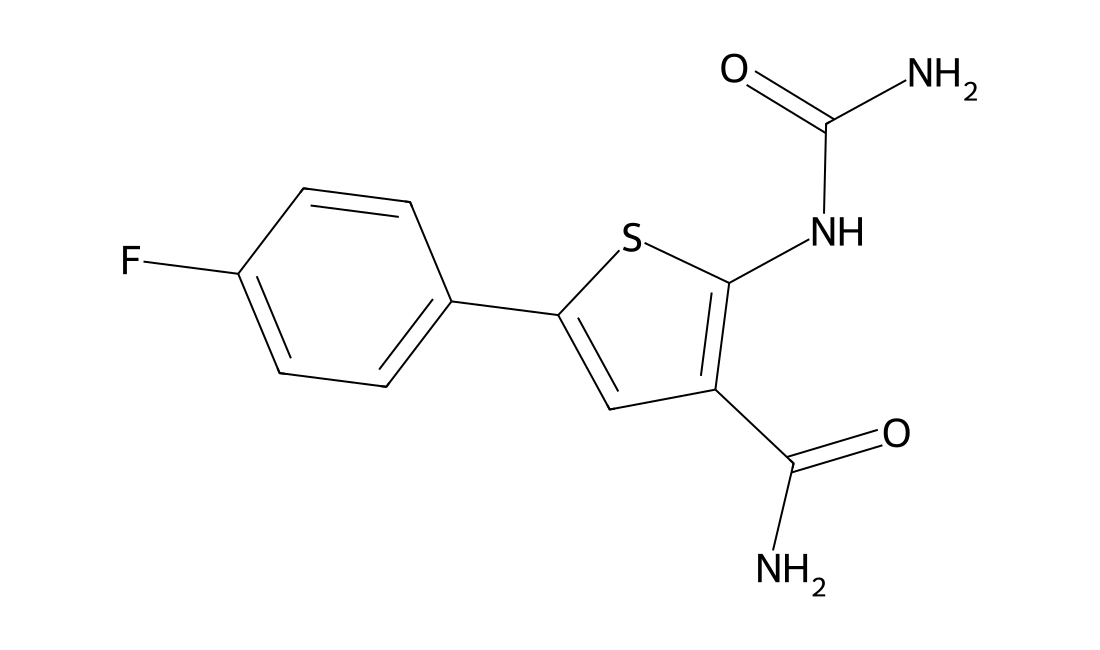
Prucalopride succinateFeatured
Prucalopride succinate is a selective, high affinity 5-HT4 receptor agonist with pKi of 8.6/8.1 for 5-HT4a/4b.in vitro: Prucalopride was a 5-HT(4) receptor agonist in the guinea-pig colon, as it induced contractions (pEC(50)=7.48+/-0.06; insensitive to a 5-HT(2A) or 5-HT(3) receptor antagonist, but inhibited by a 5-HT(4) receptor antagonist) as well as the facilitation of electrical stimulation-induced noncholinergic contractions (blocked by a 5-HT(4) receptor antagonist). Prucalopride did not cause relevant inhibition of 5-HT(2A), 5-HT(2B), or 5-HT(3), motilin or cholecystokinin (CCK(1)) receptor-mediated contractions, nor nicotinic or muscarinic acetylcholine receptor-mediated contractions, up to 10 microM. in vivo: Rat microdialysis studies revealed that prucalopride maximally increased ACh and histamine levels in the prefrontal cortex at 5 and 10 mg/kg, whereas PRX-03140 significantly increased cortical histamine levels at 50 mg/kg, failing to affect ACh release at doses lower than 150 mg/kg. For the detailed information of Prucalopride succinate, the solubility of Prucalopride succinate in water, the solubility of Prucalopride succinate in DMSO, the solubility of Prucalopride succinate in PBS buffer, the animal experiment (test) of Prucalopride succinate, the cell expriment (test) of Prucalopride succinate, the in vivo, in vitro and clinical trial test of Prucalopride succinate, the EC50, IC50,and affinity,of Prucalopride succinate, For the detailed information of Prucalopride succinate, the solubility of Prucalopride succinate in water, the solubility of Prucalopride succinate in DMSO, the solubility of Prucalopride succinate in PBS buffer, the animal experiment (test) of Prucalopride succinate, the cell expriment (test) of Prucalopride succinate, the in vivo, in vitro and clinical trial test of Prucalopride succinate, the EC50, IC50,and affinity,of Prucalopride succinate, Please contact DC Chemicals.
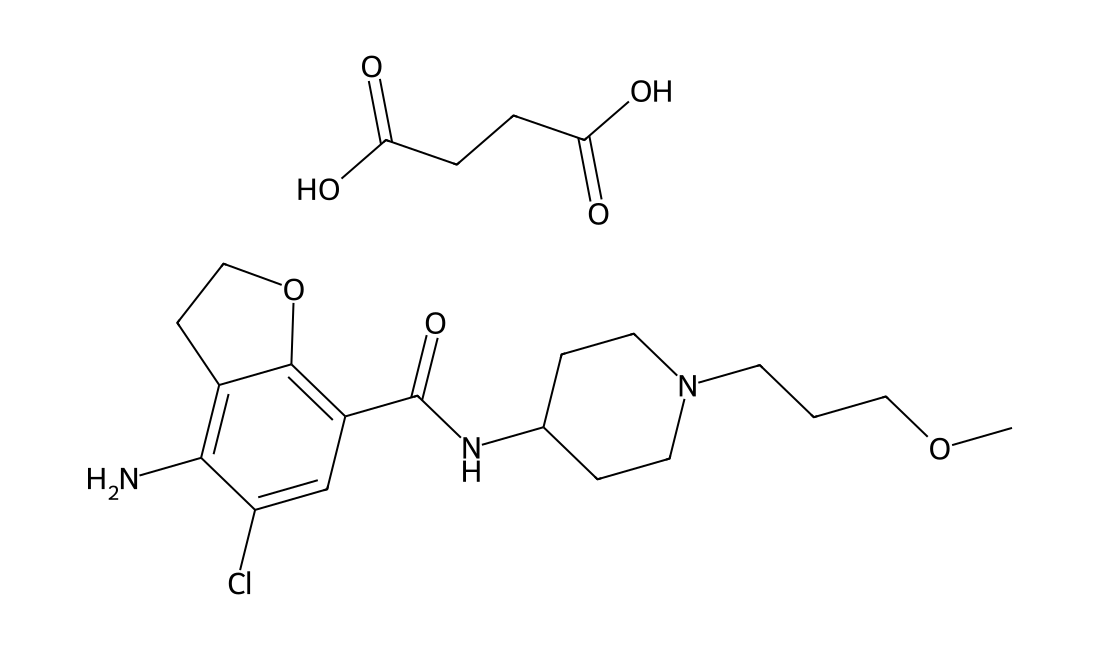
PiroxicamFeatured
Piroxicam (Feldene) is a non-selective COX inhibitor with an IC50 of 6 mM.Piroxicam, is non-steroidal anti-inflammatory and analgesic agent, which is widely used in the treatment of patients with rheumatologic disorders. Piroxicam, a non-steroidal anti-inflammatory drug (NSAID) can protect neurons and improves neuronal firing after ischemia/reperfusion injury in animal model of focal cerebral ischemia. Piroxicam has no effect on surface tension values of all pH phosphate buffers and palm oil esters. Similarly, various concentrations of piroxicam did not affect the interfacial tensions between the oil phase and the buffer phases. Piroxicam has no surface activity. Additionally, there is no surface pressure activity of piroxicam at the interface of plam oil esters and phosphate buffers in the presence of Tweens and Spans.
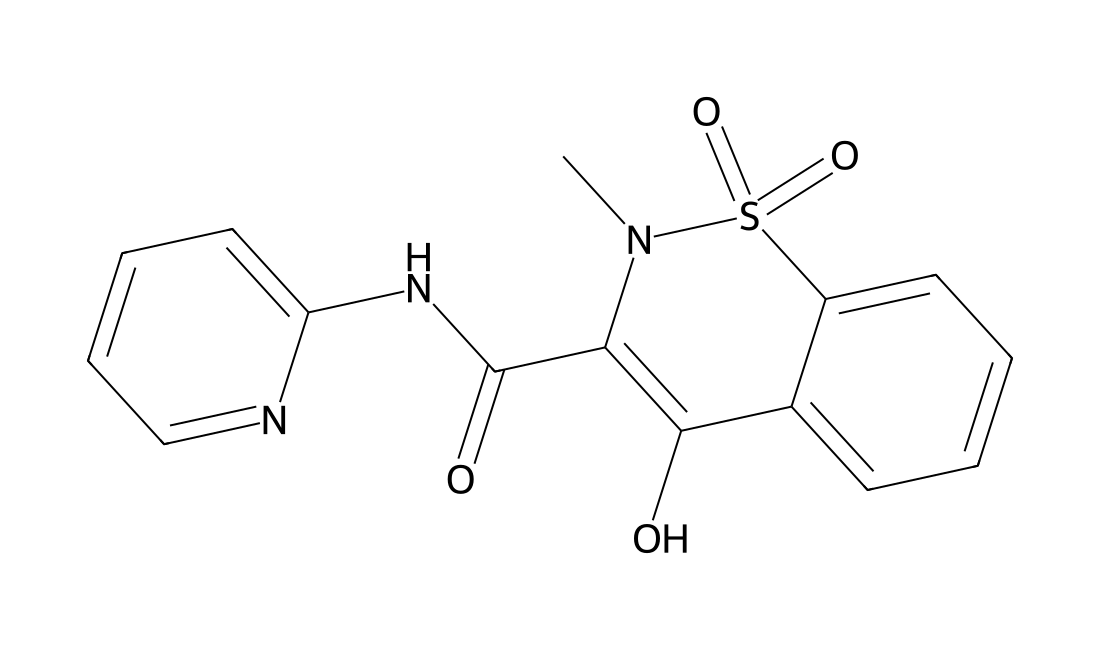
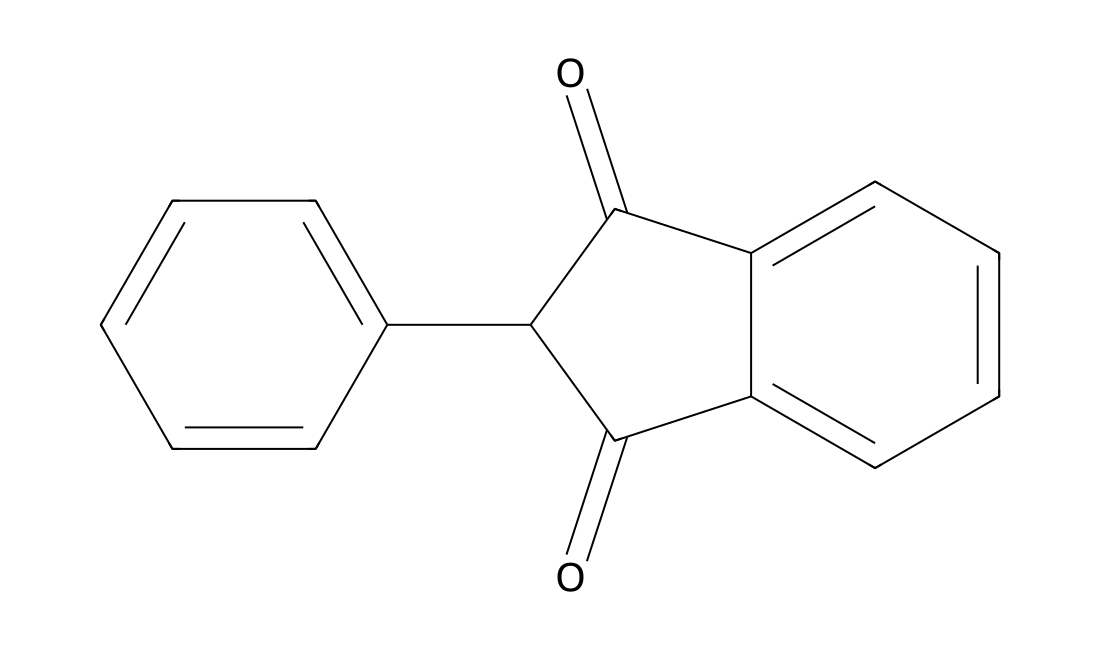
Phenindione(Rectadione)Featured
For the detailed information of Phenindione(Rectadione), the solubility of Phenindione(Rectadione) in water, the solubility of Phenindione(Rectadione) in DMSO, the solubility of Phenindione(Rectadione) in PBS buffer, the animal experiment(test) (test) of Phenindione(Rectadione), the cell expriment (test) of Phenindione(Rectadione), the in vivo, in vitro and clinical trial test of Phenindione(Rectadione), the EC50, IC50,and Affinity of Phenindione(Rectadione),, please contact DC Chemicals.
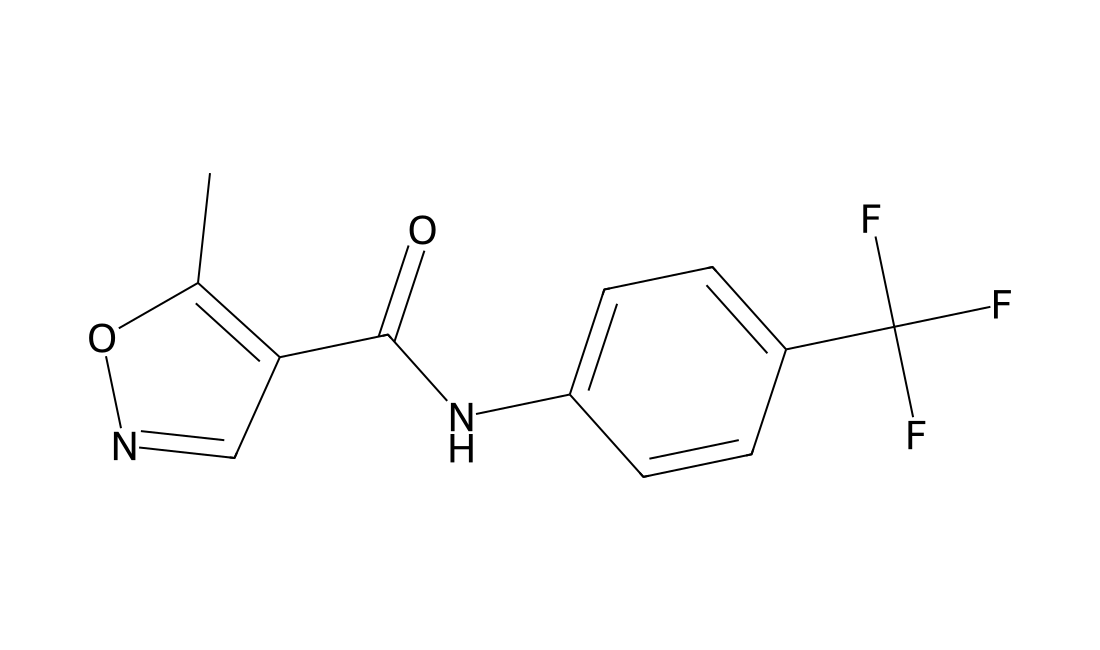
LeflunomideFeatured
For the detailed information of Leflunomide, the solubility of Leflunomide in water, the solubility of Leflunomide in DMSO, the solubility of Leflunomide in PBS buffer, the animal experiment(test) (test) of Leflunomide, the cell expriment (test) of Leflunomide, the in vivo, in vitro and clinical trial test of Leflunomide, the EC50, IC50,and Affinity of Leflunomide,, please contact DC Chemicals.
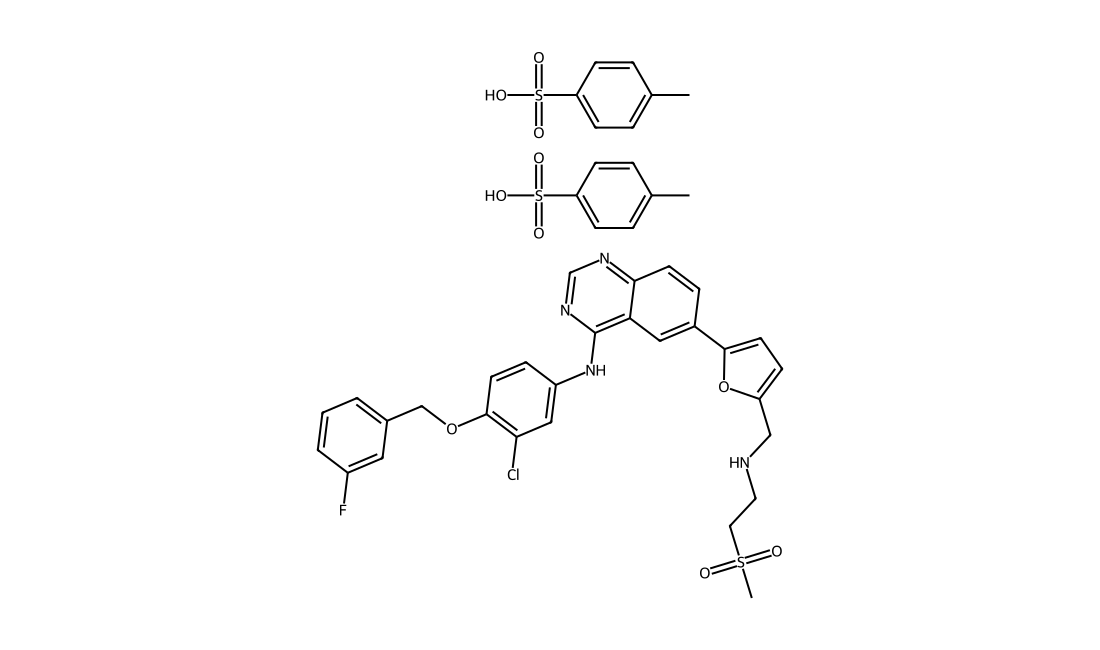
Lapatinib (ditosylate)Featured
Lapatinib ditosylate(GW-572016 ditosylate) is a potent EGFR and ErbB2 inhibitor with IC50 of 10.8 and 9.2 nM, respectively. Lapatinib ditosylate is a selective and effective inhibitor of ErbB-2 and EGFR dual tyrosine kinases. ErbB-2 and EGFR dual tyrosine kinases are growth promoting factors that are over expressed in some breast cancer cell lines. Research studies have reported that Lapatinib Ditosylate can inhibit breast cancer cell proliferation.
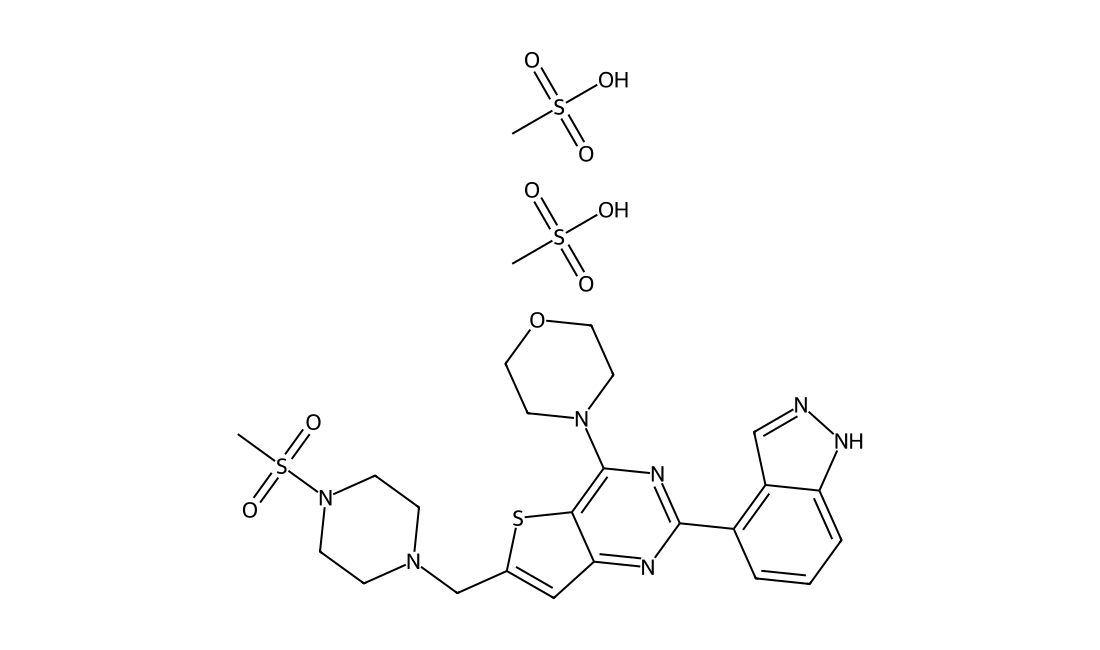
GDC-0941 (dimethanesulfonate)Featured
GDC-0941 2 MeSO3H salt is a potent inhibitor of PI3Kα/δ with IC50 of 3 nM, with modest selectivity against p110β (11-fold) and p110γ (25-fold). GDC-0941 is a potent, selective, orally bioavailable inhibitor of class I PI3 kinase for the treatment of cancer. GDC-0941 against p110a IC50=0.003μM,U87MG IC50=0.95μM, A2780 IC50=0.14 μM, and in vitro metabolic stability in mouse and human is 91.96%. The inhibitions of U87MG , PC3, MDA-MB-361 cancer cell proliferation are (IC50) 0.95, 0.28, 0.72 μM, respectively.
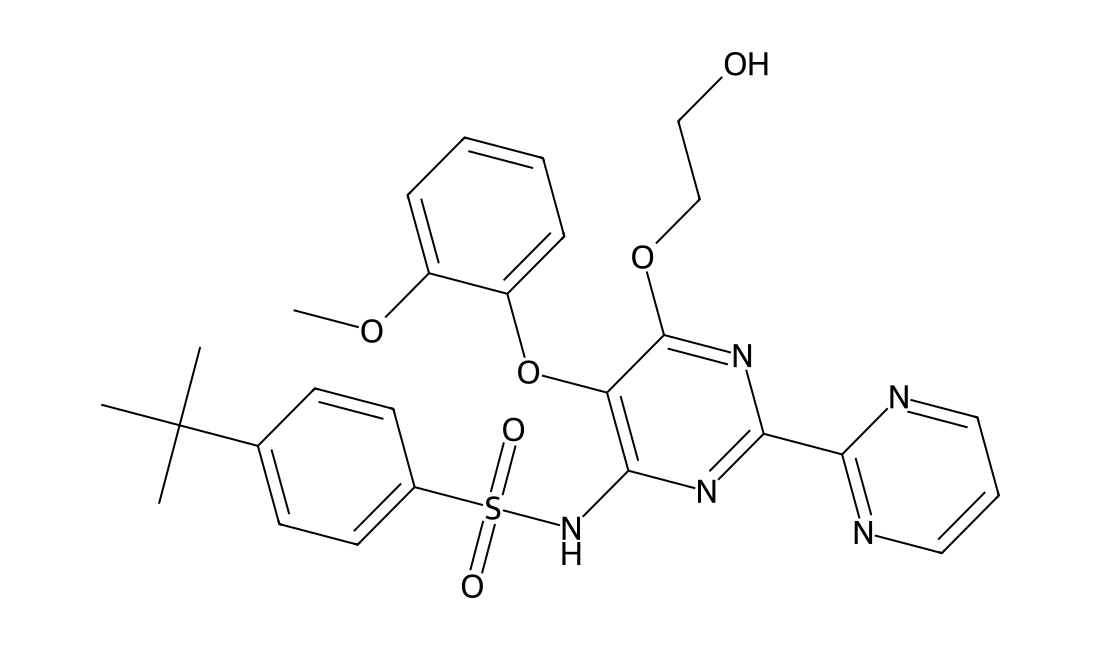
BosentanFeatured
Bosentan is a competitive and dual antagonist of endothelin-1 at the endothelin-A (ET-A) and endothelin-B (ET-B) receptors. Under normal conditions, endothelin-1 binding of ET-A or ET-B receptors causes constriction of the pulmonary blood vessels. By blocking this interaction, bosentan decreases pulmonary vascular resistance. Bosentan has a slightly higher affinity for ET-A than ET-B. Bosentan is indicated mainly for the treatment of pulmonary hypertension. In 2007, Bosentan was also approved in the European Union for reducing the number of new digital ulcers in patients with systemic sclerosis and ongoing digital ulcer disease.
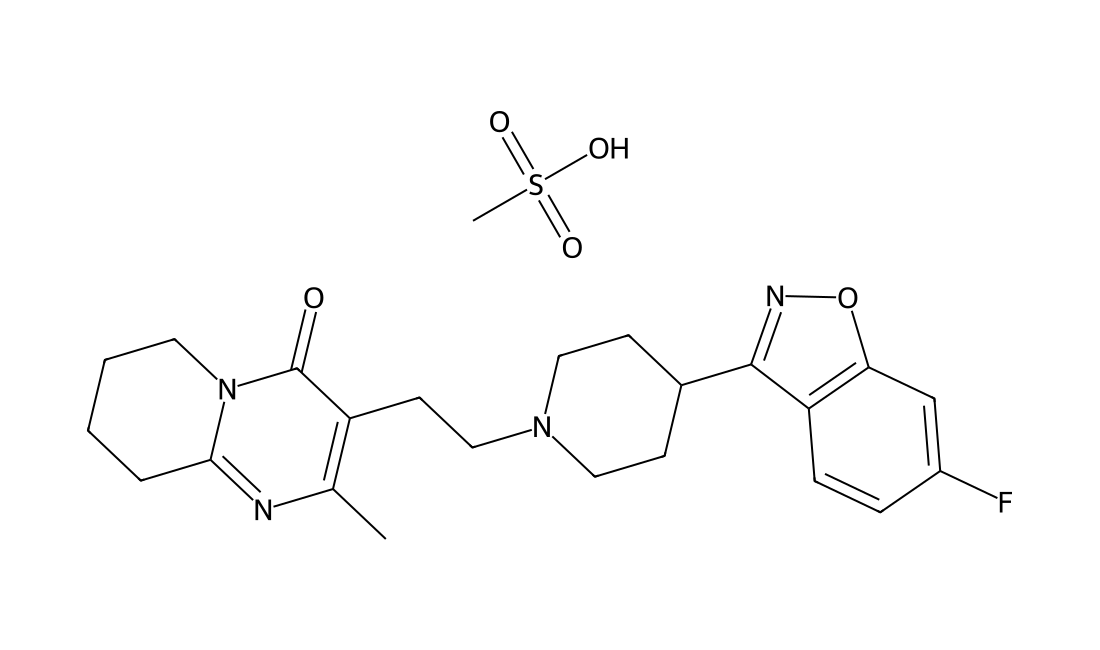
Risperidone mesylateFeatured
An antipsychotic agent with serotonin-S2 and dopamine-D2 antagonistic properties; also has actions at several 5-HT receptor subtypes, adrenergic receptors and histamine H1 receptors.SchizophreniaApproved
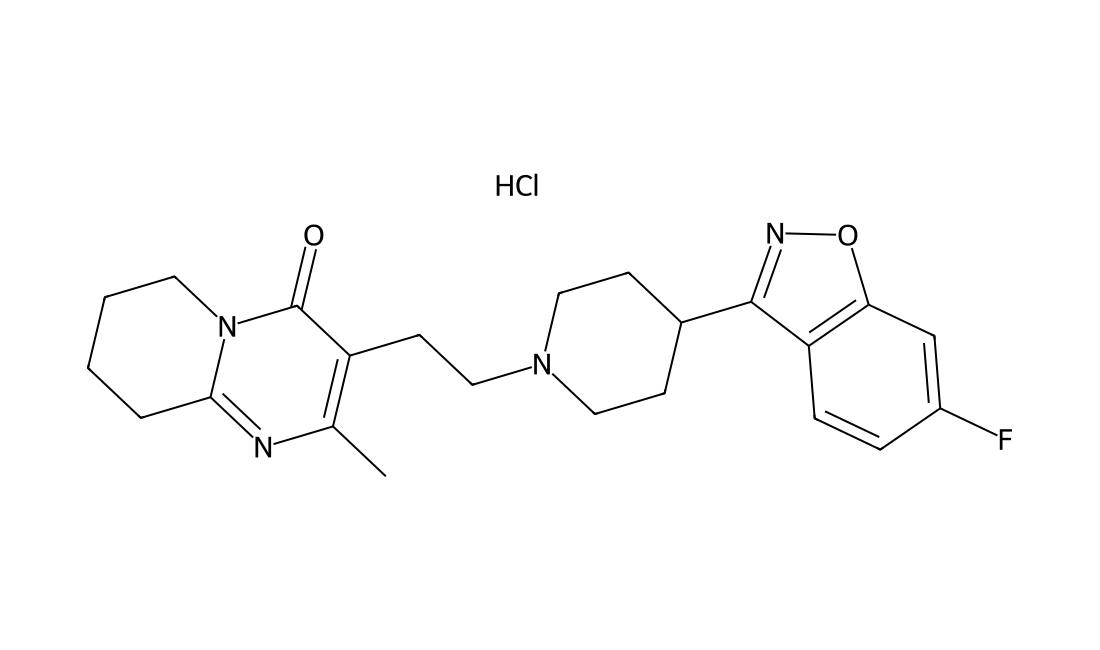
Risperidone hydrochlorideFeatured
An antipsychotic agent with serotonin-S2 and dopamine-D2 antagonistic properties; also has actions at several 5-HT receptor subtypes, adrenergic receptors and histamine H1 receptors.SchizophreniaApproved
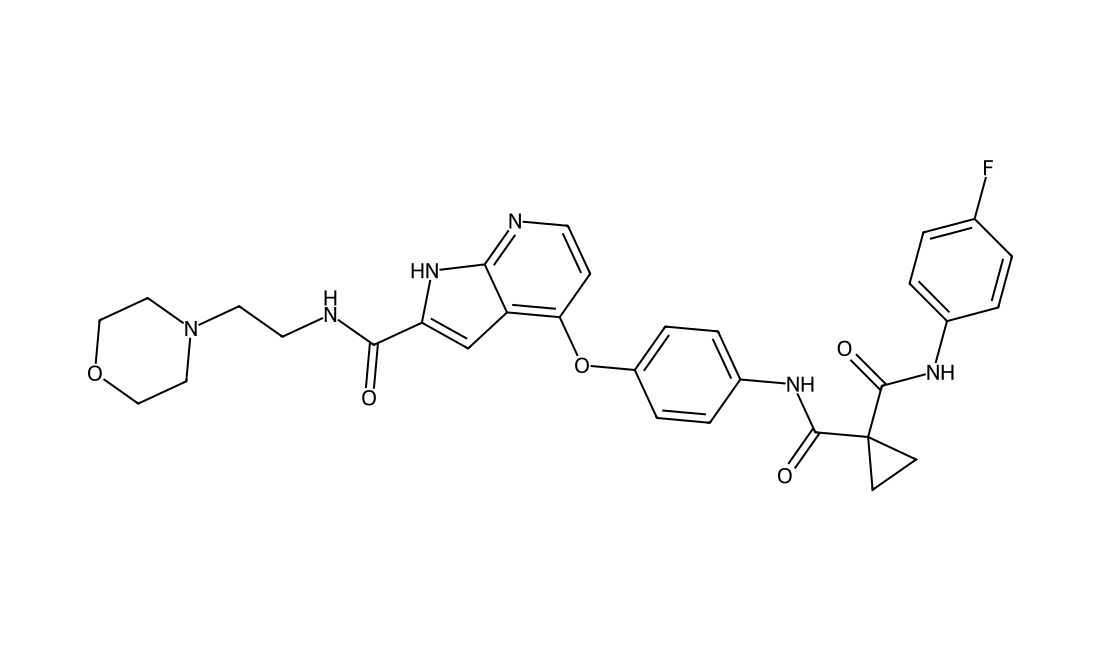
Tyrosine kinase inhibitorFeatured
A Tyrosine kinase inhibitor. For the detailed information of Tyrosine kinase inhibitor , the solubility of Tyrosine kinase inhibitor in water, the solubility of Tyrosine kinase inhibitor in DMSO, the solubility of Tyrosine kinase inhibitor in PBS buffer, the animal experiment (test) of Tyrosine kinase inhibitor , the cell expriment (test) of Tyrosine kinase inhibitor , the in vivo, in vitro and clinical trial test of Tyrosine kinase inhibitor , the EC50, IC50,and affinity,of Tyrosine kinase inhibitor , For the detailed information of Tyrosine kinase inhibitor , the solubility of Tyrosine kinase inhibitor in water, the solubility of Tyrosine kinase inhibitor in DMSO, the solubility of Tyrosine kinase inhibitor in PBS buffer, the animal experiment (test) of Tyrosine kinase inhibitor , the cell expriment (test) of Tyrosine kinase inhibitor , the in vivo, in vitro and clinical trial test of Tyrosine kinase inhibitor , the EC50, IC50,and affinity,of Tyrosine kinase inhibitor , Please contact DC Chemicals.
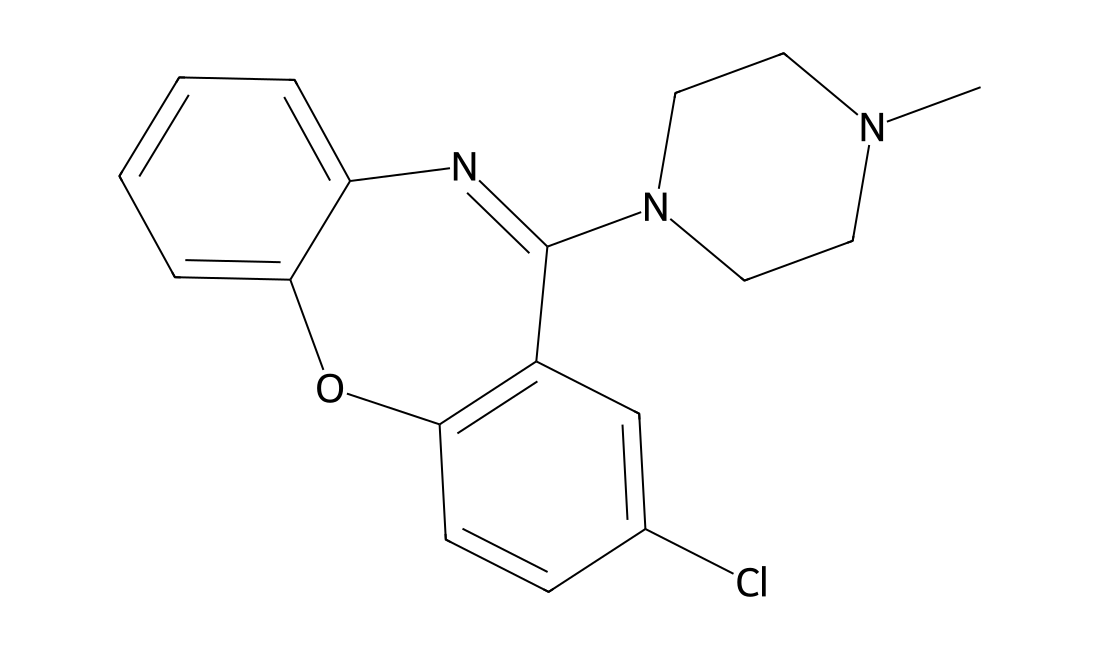
LoxapineFeatured
A typical antipsychotic agent that displays an extremely strong binding affinity for dopamine D4 and serotonin 5-HT2 receptors.SchizophreniaApproved
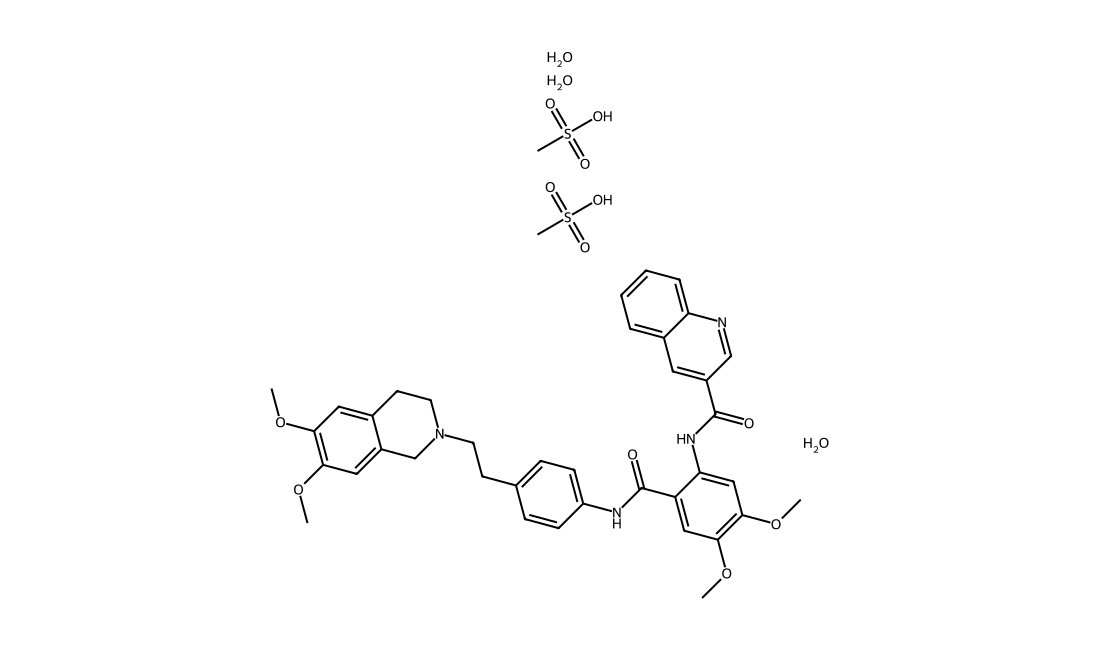
A potent, specific P-gp inhibitor with Kd of 5.1 nM; potentiates the cytotoxicity of several drugs including doxorubicin, paclitaxel, etoposide, and vincristine in a panel of human MDR cell lines at 25-80 nM; exhibits potent i.v. and p.o. activity without apparently enhancing the plasma pharmacokinetics of paclitaxel or the toxicity of coadministered drugs.Breast CancerPhase 2 Discontinued
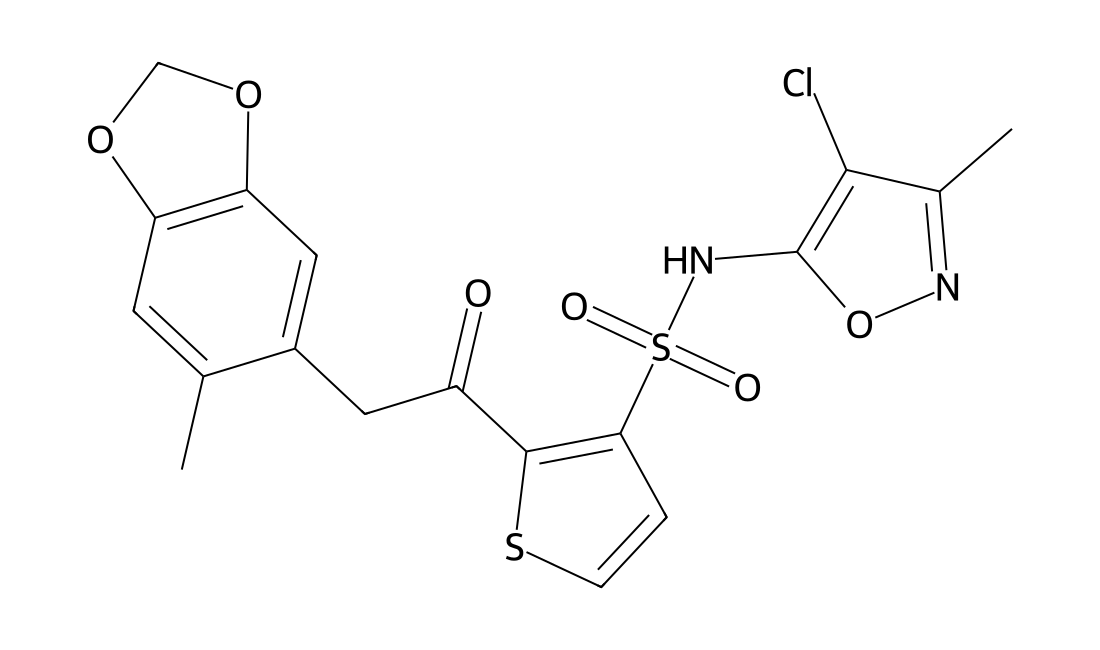
SitaxsentanFeatured
A potent, long acting, orally active, selective ETA receptor antagonist that binds competitively to human ETA receptor with Ki of 0.43 nM, IC50 of 1.4 nM; dispalys >5,000-fold selectivity over ETB receptors; inhibits ET1-induced stimulation of phosphoinositide turnover with Ki of 0.686 nM, and pA2 of 8.0; excellent PK profile and oral bioavailability.HypertensionWithdrawn
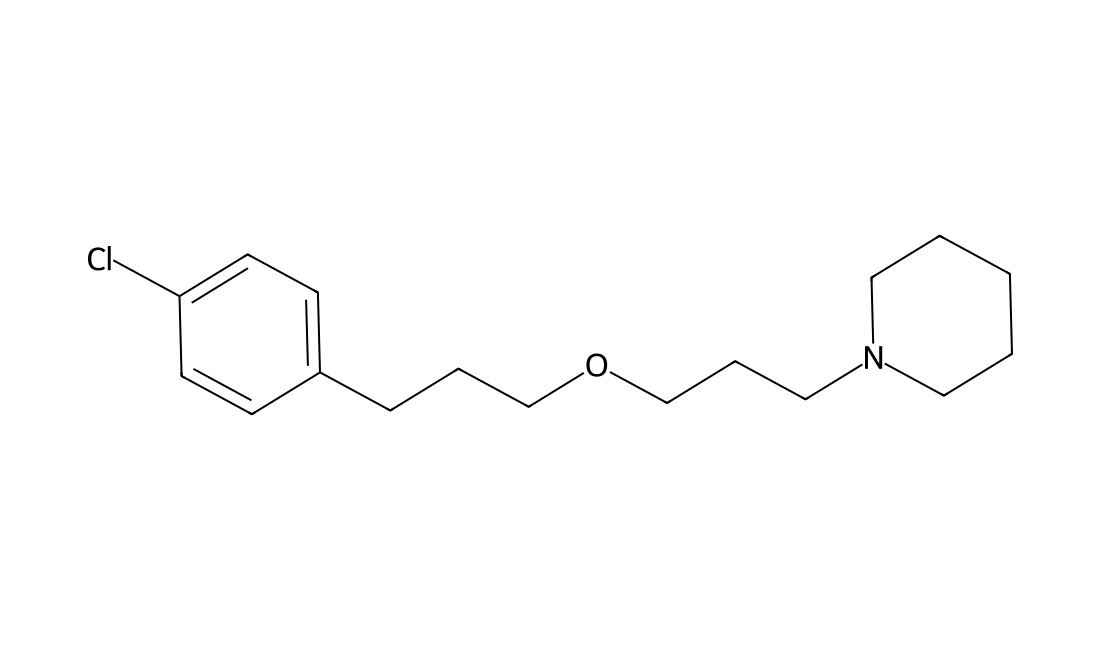
PitolisantFeatured
A potent and selective antagonist of H3 receptor with Ki/EC50 of 0.16/1.5 nM; no effect on H1, H2, H4 receptors (IC50>10 uM); orally bioactive.Sleep DisorderApproved
No products match this search.
Page 333 of 334 · Browse all 6677 products
Jump to a product page
Featured literature product: HX1 · DCL0028
HX1 is a hydroxyzine-derived ionizable lipid with acetal-containing tails, studied in lipid nanoparticles for brain mRNA delivery and CRISPR–Cas9 delivery. It was the lead in the reported in vivo brain-delivery screen; evidence is preclinical and formulation-dependent.
Read full formulation and performance →