
Research lipid catalog
Ionizable Lipid Products
Explore 848 lipid and RNA delivery products. Search the full catalog or browse by research category.
Search covers product name, catalog number, synonyms, available CAS numbers and categories. Spaces, hyphens and common punctuation are ignored. Duplicate legacy records are consolidated under one canonical product result.
6677 products · Showing 6241–6260 · 20 per page
DC Chemicals lipid expertise
Built for ionizable-lipid discovery and RNA delivery research
DC Chemicals supports formulation and delivery research with a broad, searchable portfolio of cationic and ionizable lipids. The current directory brings together 848 unique research-use products, with product specifications, pricing, chemical structures and literature-linked formulation data added as each record is verified.
Our experience spans complex lipid synthesis, purification, analytical release and process development. For custom molecules or larger-scale requirements, our team can discuss route development, technical specifications and scale-up options for the intended research workflow.
Learn about cationic and ionizable lipids →Proprietary innovation · Co-development · GMP
From proprietary lipid design to GMP-grade custom synthesis
DC Chemicals has independently developed ionizable-lipid structures supported by company-owned intellectual property, and selected proprietary lipid programs have advanced to GMP-stage development.
We welcome joint development with customers—from molecular design and lipid synthesis through route and process development. We can also support custom synthesis of GMP-grade ionizable lipids to agreed technical specifications and quality requirements.
Discuss a co-development project →Proprietary ionizable-lipid structuresCollaborative molecular designCustom lipid synthesisProcess development and scale-upGMP-grade project support
Product quick links
Explore New ionizable lipids
Explore our five most recently added ionizable lipids, with specifications, pricing and literature-linked product information.
DCL0028HX1Brain RNA delivery researchView product →DCL0024A1I4R13C18-2Spleen-targeted RNA delivery researchView product →DCL0023A1I4R2C18-2Spleen-targeted RNA delivery researchView product →DCL0022FS01Local joint RNA delivery researchView product →DCL0020Lipid-392Lung RNA delivery and gene editing researchView product →
Cat. No.Product NameField of ApplicationChemical Structure
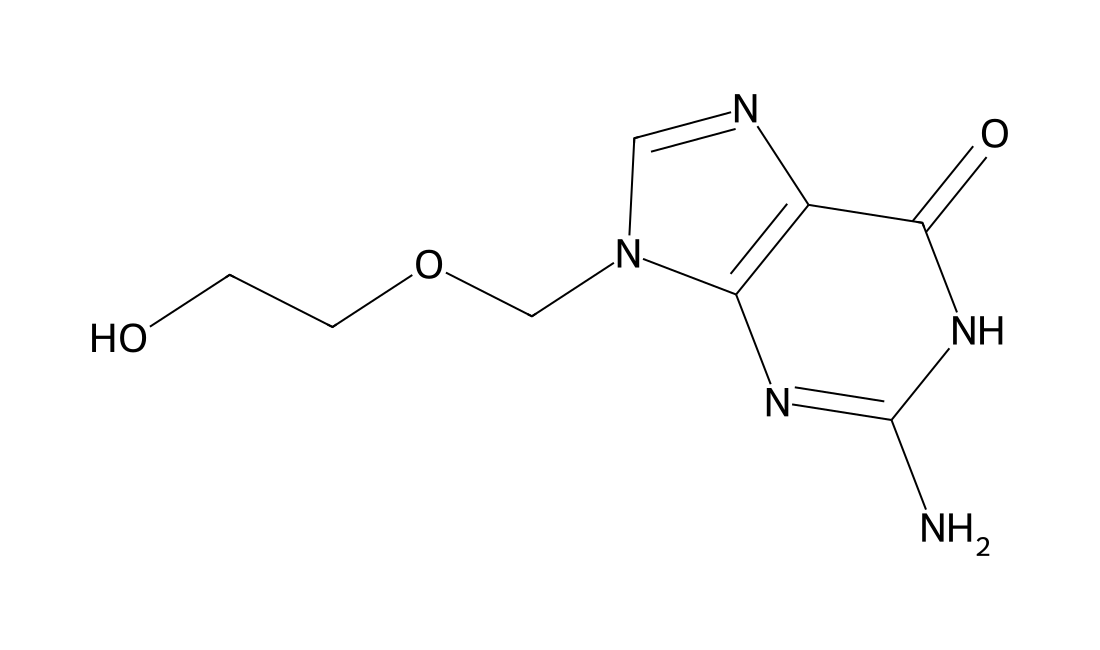
Acyclovir (Aciclovir)Featured
For the detailed information of Acyclovir (Aciclovir), the solubility of Acyclovir (Aciclovir) in water, the solubility of Acyclovir (Aciclovir) in DMSO, the solubility of Acyclovir (Aciclovir) in PBS buffer, the animal experiment(test) (test) of Acyclovir (Aciclovir), the cell expriment (test) of Acyclovir (Aciclovir), the in vivo, in vitro and clinical trial test of Acyclovir (Aciclovir), the EC50, IC50,and Affinity of Acyclovir (Aciclovir),, please contact DC Chemicals.
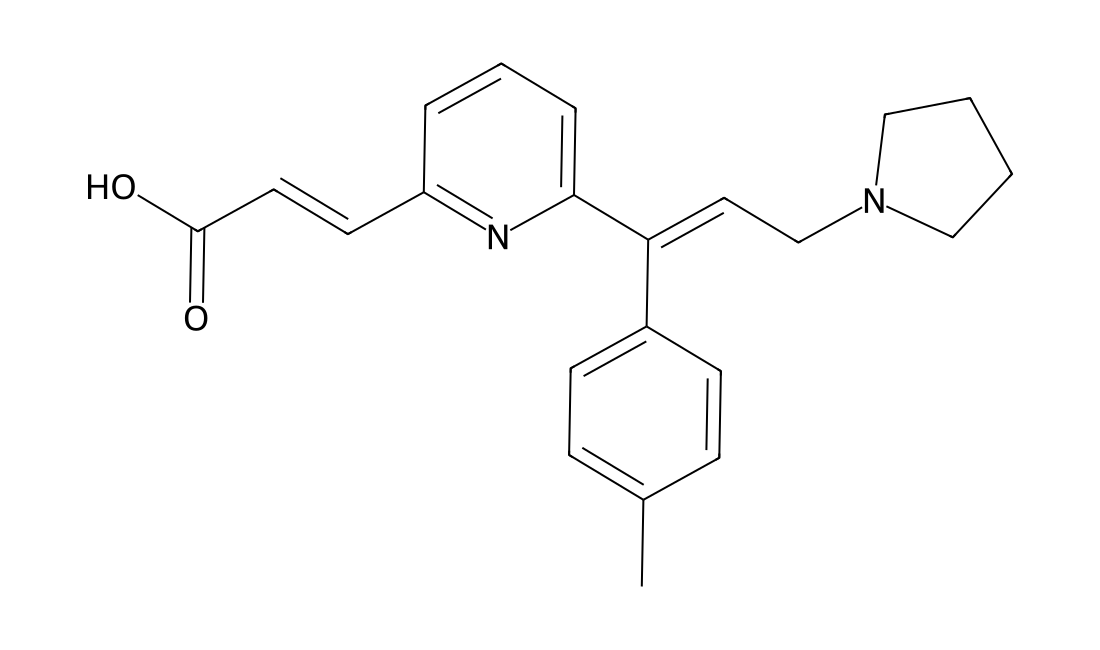
AcrivastineFeatured
Acrivastine (usually 8mg three times daily) is an effective and well tolerated antihistamine in the treatment of chronic urticaria and allergic rhinitis. Acrivastine is more effective than placebo and similar in efficacy to clemastine or terfenadine in the treatment of seasonal allergic rhinitis. In the treatment of dermatoses in which histamine has a pathogenetic role, the efficacy of acrivastine is superior to that of placebo and similar to that of usual dosages of clemastine, hydroxyzine, chlorpheniramine, cyproheptadine or terfenadine. Acrivastine causes less drowsiness than clemastine, the incidence of adverse effects being indistinguishable from that with placebo or terfenadine. Both 4 mg and 8 mg acrivastine alleviate the symptoms of seasonal allergic rhinitis with significant improvements in the symptom scores for sneezing, running nose and the calculated overall score. In addition, 8 mg acrivastine reduces the symptom scores for watery eyes and itchy throat. Acrivastine is both well tolerated and effective in the treatment of seasonal allergic rhinitis.
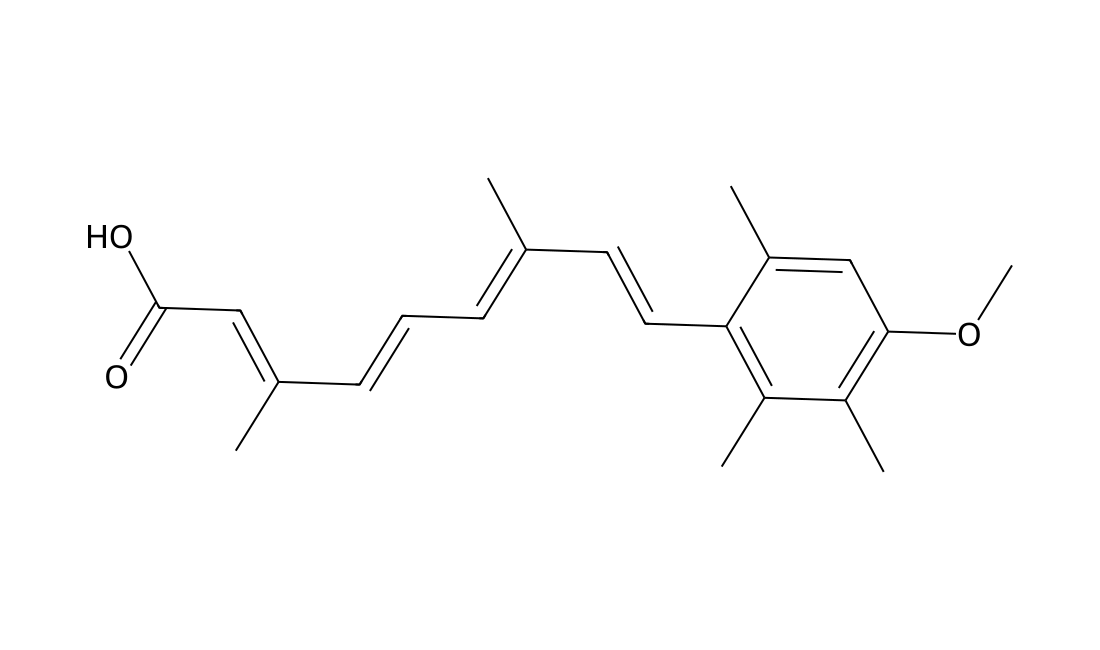
AcitretinFeatured
For the detailed information of Acitretin, the solubility of Acitretin in water, the solubility of Acitretin in DMSO, the solubility of Acitretin in PBS buffer, the animal experiment(test) (test) of Acitretin, the cell expriment (test) of Acitretin, the in vivo, in vitro and clinical trial test of Acitretin, the EC50, IC50,and Affinity of Acitretin,, please contact DC Chemicals.
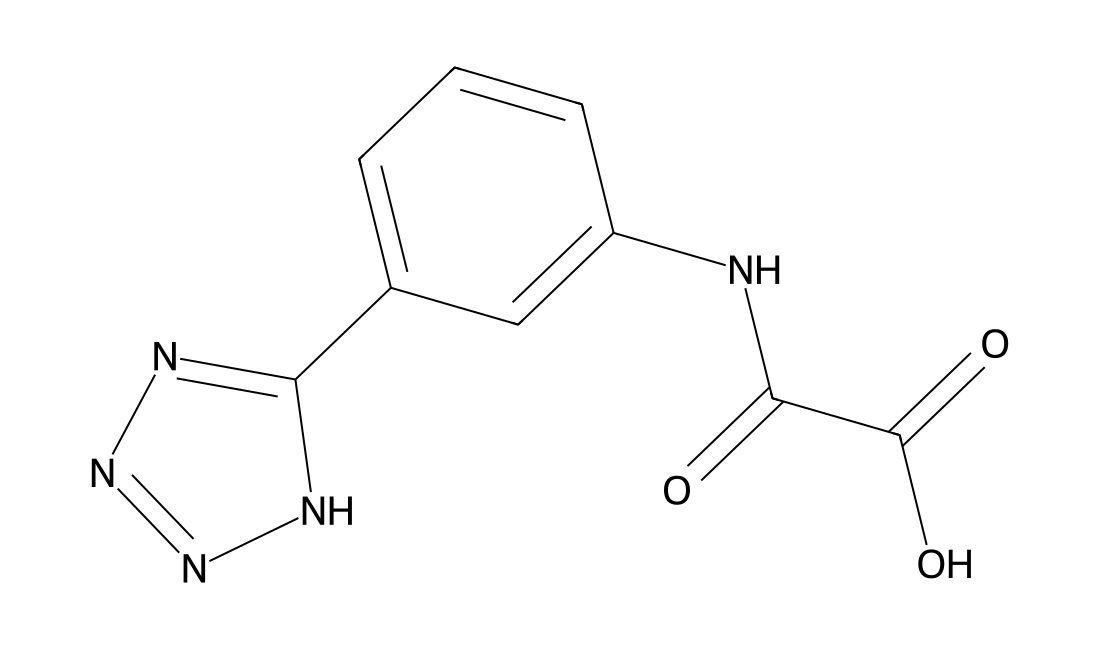
Acitazanolast (WP-871,Zepelin)Featured
Acitazanolast is an active metabolite of tazanolast and anti-allergic drug. In a study, pretreatment with topical instillation of acitazanolast hydrate inhibited the dye leakage significantly. In the histopathological observation, acitazanolast hydrate ophthalmic solution also improved the inflammatory score and reduced the infiltration of inflammatory cells such as neutrophil and eosinophil in conjunctiva markedly. These anti-allergic effects of acitazanolast hydrate ophthalmic solution were equal to those of levocabastine and ketotifen. From these results, it is suggested that acitazanolast hydrate ophthalmic solution is a promising ophthalmic solution For treatment of allergic conjunctivitis. For the detailed information about the solubility of Acitazanolast (WP-871, Zepelin) in water, the solubility of Acitazanolast (WP-871, Zepelin)in DMSO, the solubility of Acitazanolast (WP-871, Zepelin) in PBS buffer, the animal experiment(test) of Acitazanolast (WP-871, Zepelin),the in vivo,in vitro and clinical trial test of Acitazanolast (WP-871, Zepelin),the cell experiment(test) of Acitazanolast (WP-871, Zepelin),the IC50, EC50 and Affinity of Acitazanolast (WP-871, Zepelin), please contact DC Chemicals.
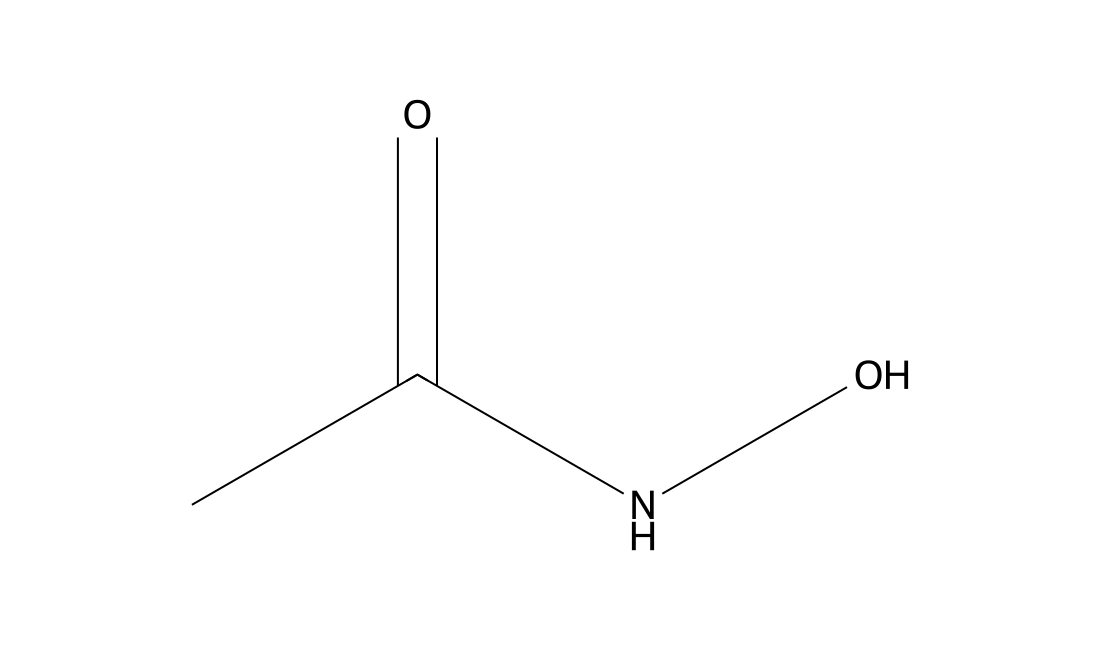
Acetohydroxamic acidFeatured
Acetohydroxamic acid is an Urease Inhibitor. In the urine, it acts as an antagonist of the bacterial enzyme urease.
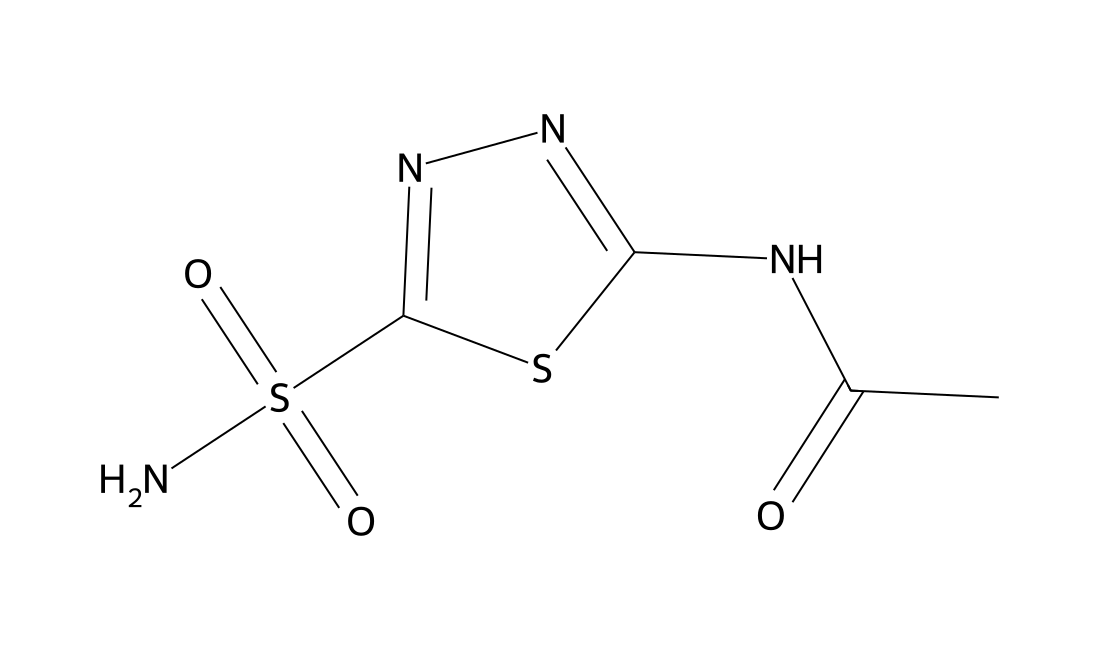
AcetazolamideFeatured
Acetazolamide is a potent carbonic anhydrase (CA) inhibitor; best-studied agent for the amelioration of acute mountain sickness (AMS).
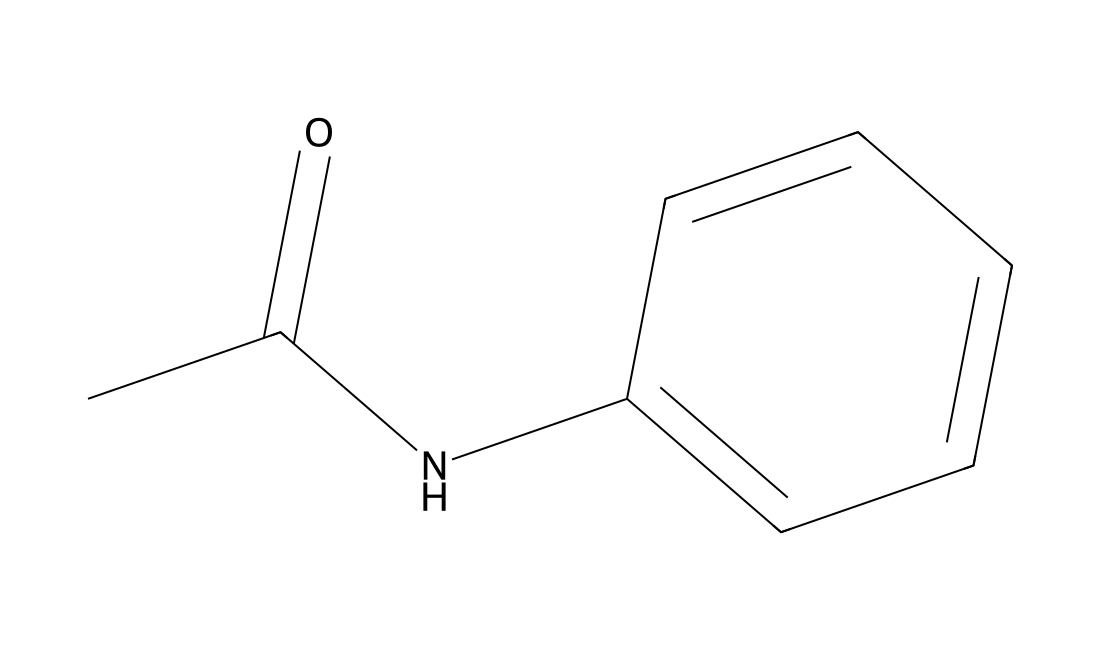
Acetanilide (Antifebrin)Featured
For the detailed information of Acetanilide (Antifebrin), the solubility of Acetanilide (Antifebrin) in water, the solubility of Acetanilide (Antifebrin) in DMSO, the solubility of Acetanilide (Antifebrin) in PBS buffer, the animal experiment(test) (test) of Acetanilide (Antifebrin), the cell expriment (test) of Acetanilide (Antifebrin), the in vivo, in vitro and clinical trial test of Acetanilide (Antifebrin), the EC50, IC50,and Affinity of Acetanilide (Antifebrin),, please contact DC Chemicals.
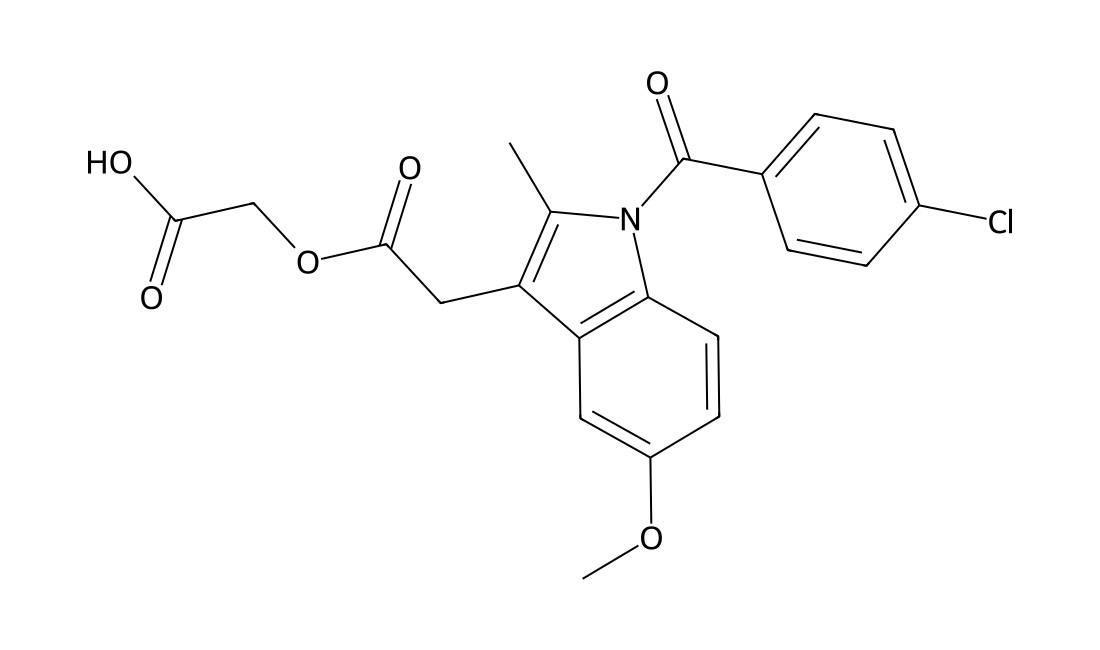
AcemetacinFeatured
Acemetacin is a non-steroidal anti-inflammatory drug and a glycolic acid ester of indometacin that is a cyclooxygenase inhibitor.Acemetacin is a non-steroidal anti-inflammatory drug, used for the treatment of osteoarthritis, rheumatoid arthritis, lower back pain, and relieving post-operative pain. Acemetacin, a glycolic acid ester of indometacin, acts as a prodrug; in the body, it is metabolized to indometacin, which then acts as an inhibitor of cyclooxygenase, producing the anti-inflammatory effects. An advantage of acemetacin is that it reduces gastric damage when compared to indometacin. From Wikipedia.
AC260584Featured
AC260584 is found to be a potent (pEC50=7.6-7.7) and efficacious (90-98% of carbachol) muscarinic M1 receptor agonist. AC260584 shows functional selectivity for the M1 receptor over the M2, M3, M4 and M5 muscarinic receptor subtypes. Its selectivity is found to be similar in native tissues expressing mAChRs to its profile in recombinant systems.In rodents, AC260584 activates extracellular signal regulated kinase 1 and 2 (ERK1/2) phosphorylation in the hippocampus, prefrontal cortex and perirhinal cortex. The ERK1/2 activation is dependent upon muscarinic M1 receptor activation since it is not observed in M1 knockout mice. AC260584 also improves the cognitive performance of mice in the novel object recognition assay and its action is blocked by the muscarinic receptor antagonist pirenzepine. In addition, AC260584 is found to be orally bioavailable in rodents. AC260584 at 3 and 10 mg/kg significantly increases dopamine release in the medial prefrontal cortex and hippocampus. However, only the high dose of AC260584, 10 mg/kg (s.c.), significantly increases acetylcholine release in these regions.
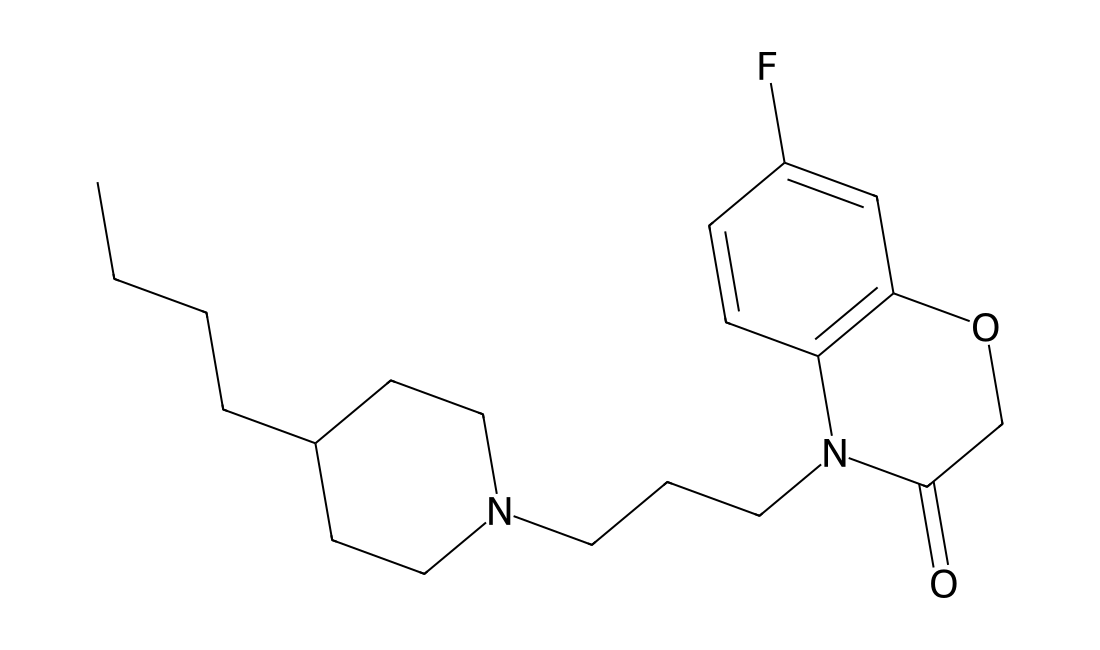
JNJ-16259685Featured
aA highly potent, selective, non-competitive and centrally active mGluR1 antagonist with Ki of 0.34 nM; shows no agonist, antagonist or PAM activity toward rat mGlu2/3/4/6 receptors (IC50>10 uM) and does not bind to AMPA, NMDA receptor and other neurotransmitter receptors; inhibits glutamate-induced Ca2+ mobilization for rat and human mGluR1 with IC50 of 3.24 and 1.21 nM, inhibits glutamate-mediated inositol phosphate production with IC50 of 1.73 nM; attenuates drug context-induced reinstatement of cocaine seeking in rats.
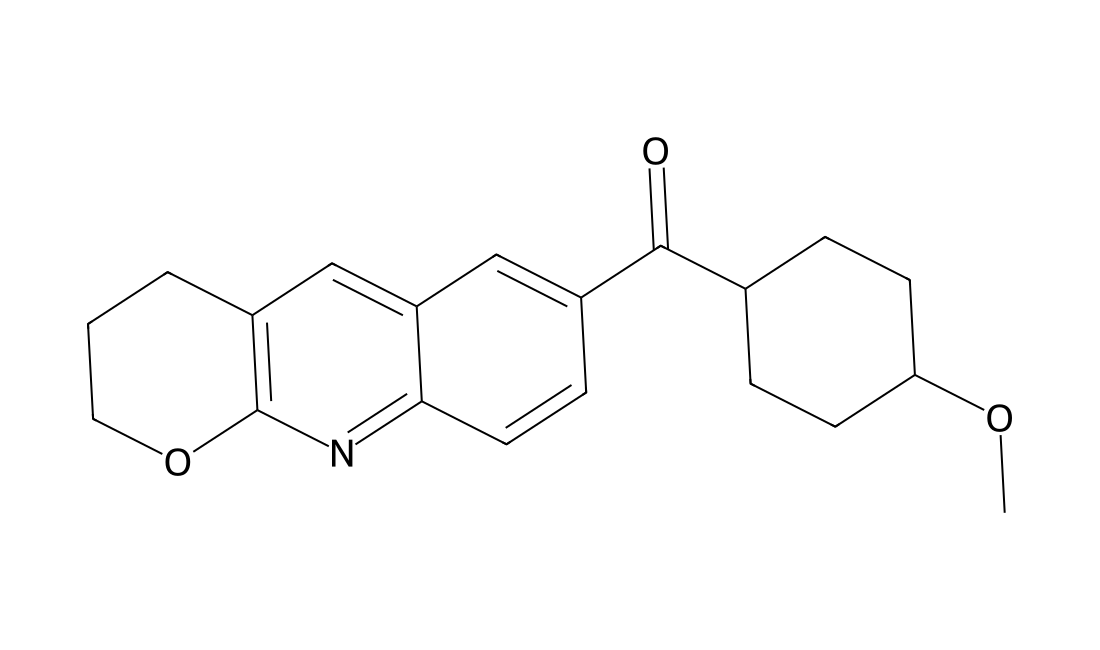
A-836339Featured
A-836339 (A836339) is a potent and selective cannabinoid CB2 receptor agonist with Ki of 0.64 and 0.76 nM for human and rat CB2 receptors, displays 425- and 189-fold selectivity over CB1 receptor, respectively; exhibits full agonist efficacy (Emax=102%) with high potency (EC50=1.6 nM), greater potency than other CB2-selective ligands including JWH-015 and GW-842166X; exhibits a potent CB2 receptor-mediated antihyperalgesic effect in various animal pain models, also demonstrates efficacies in the chronic constrain injury (CCI) model of neuropathic pain.
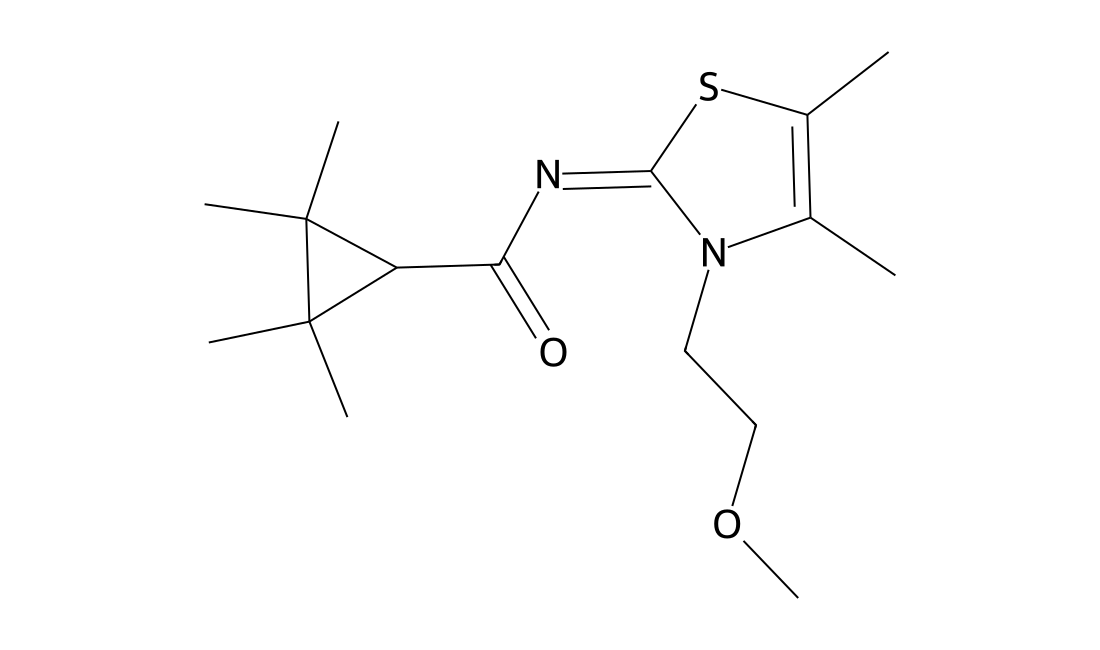
A-484954Featured
In Vitro A-484954 is a highly selective eEF2K inhibitor with an IC50 value of 280 nM against eEF2K in the enzymatic assay and little activity against a wide panel of serine/threonine and tyrosine kinases. In enzymatic assay, the IC50 value of A-484954 is increased as the concentration of ATP increased but unaffected by increasing concentrations of calmodulin. In Vivo A484954 causes relaxation in E (+) and E (-) aorta or mesenteric artery precontracted with NA. Pretreatment with L-NAME but not indomethacin or cimetidine partially inhibits the A484954-induced relaxation in mesenteric artery. Long-term A-484954 treatment inhibits MCT-induced increases PA pressure. It is revealed that A-484954 inhibits MCT-induced PA hypertrophy and fibrosis but not impairment of endothelium-dependent and -independent relaxation. Furthermore, A-484954 inhibits MCT-induced NADPH oxidase-1 expression and ROS generation as well as matrix metalloproteinase-2 activation.
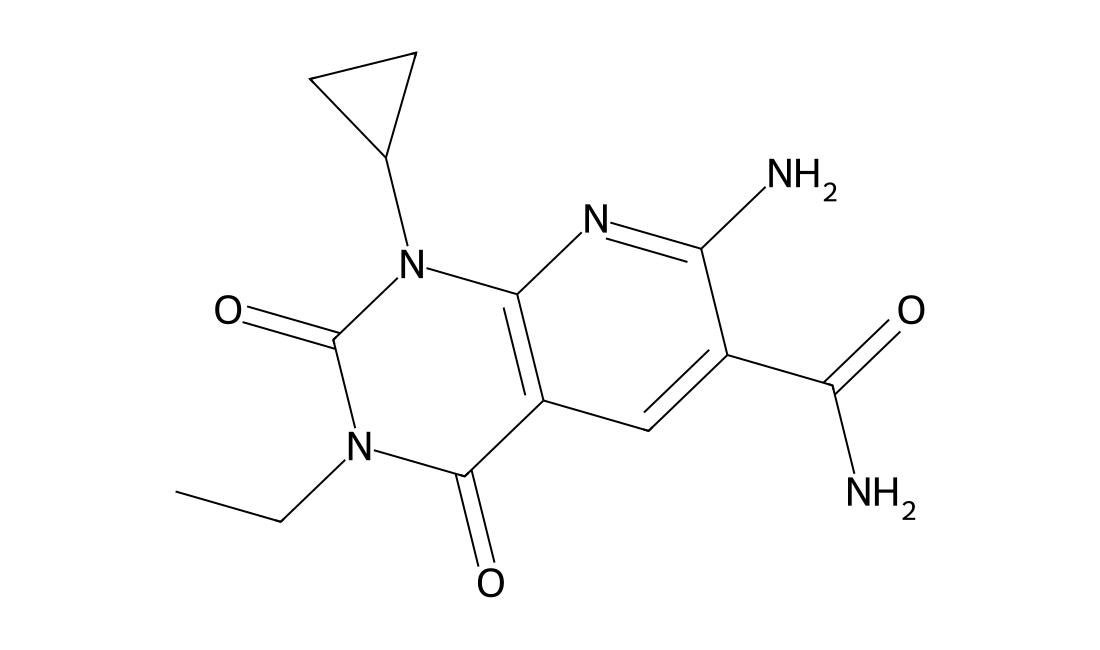
A-205804Featured
A-205804 selectively inhibits the surface expression of the cell adhesion molecules ICAM-1 and E-selectin in human endothelial cells. A-205804 inhibites the IL-1β-induced expression of E-selectin (IC50 = 20 nM) and ICAM-1 (IC50 = 10 nM) with essentially the same level of potency as that For TNFα-induced expression. For reasons which are unclear, the ability of A-205804 to inhibit PMA-induced E-selectin expression is significantly reduced (IC50 > 1000 nM), but A-205804 is a potent inhibitor of ICAM-1 expression (IC50 = 40 nM) using this protein-kinase C-activating agent. For the detailed information of A-205804, the solubility of A-205804 in water, the solubility of A-205804 in DMSO, the solubility of A-205804 in PBS buffer, the animal experiment (test) of A-205804, the cell expriment (test) of A-205804, the in vivo, in vitro and clinical trial test of A-205804, the EC50, IC50,and Affinity of A-205804, Please contact DC Chemicals.
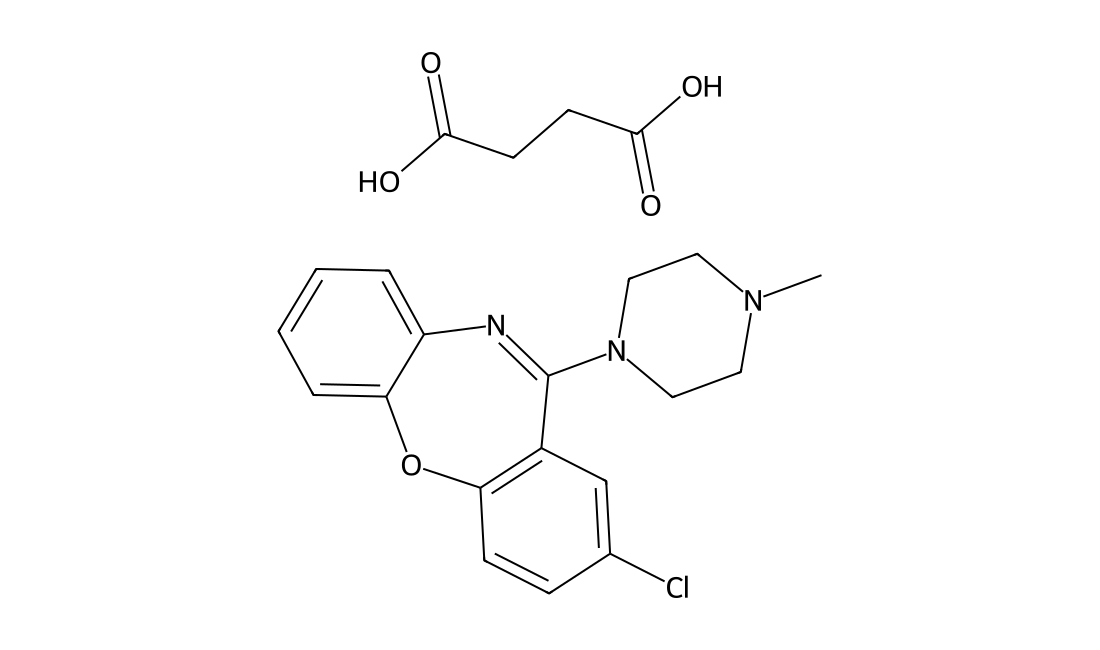
Loxapine succinateFeatured
A typical antipsychotic agent that displays an extremely strong binding affinity for dopamine D4 and serotonin 5-HT2 receptors.SchizophreniaApproved
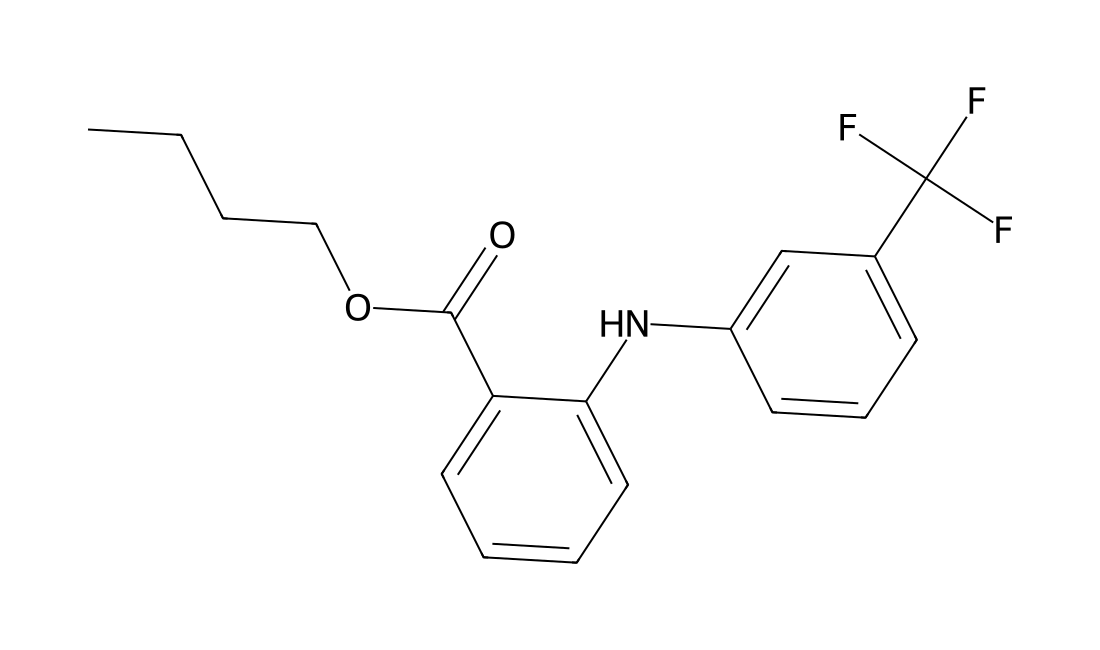
UfenamateFeatured
A topical analgesic that possesses anti-inflammatory effect for treatment of skin diseases, such as acute and chronic eczema, contact dermatitis, diaper dermatitis, miliaria and atopic dermatitis.
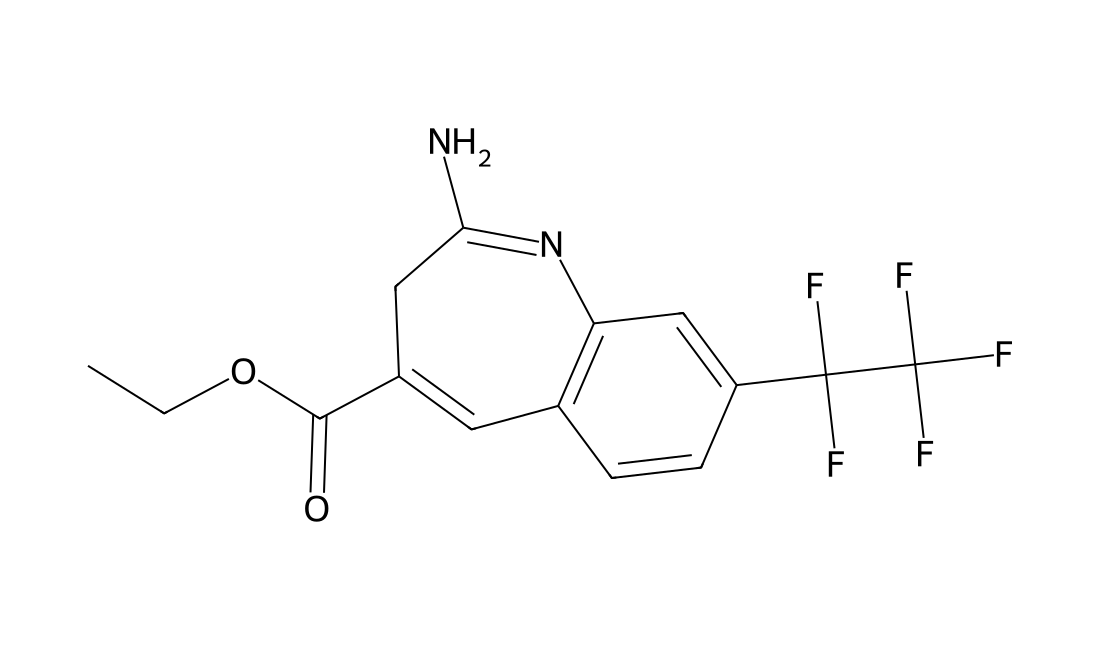
Toll-like receptor modulatorFeatured
A Toll-like receptor modulator.
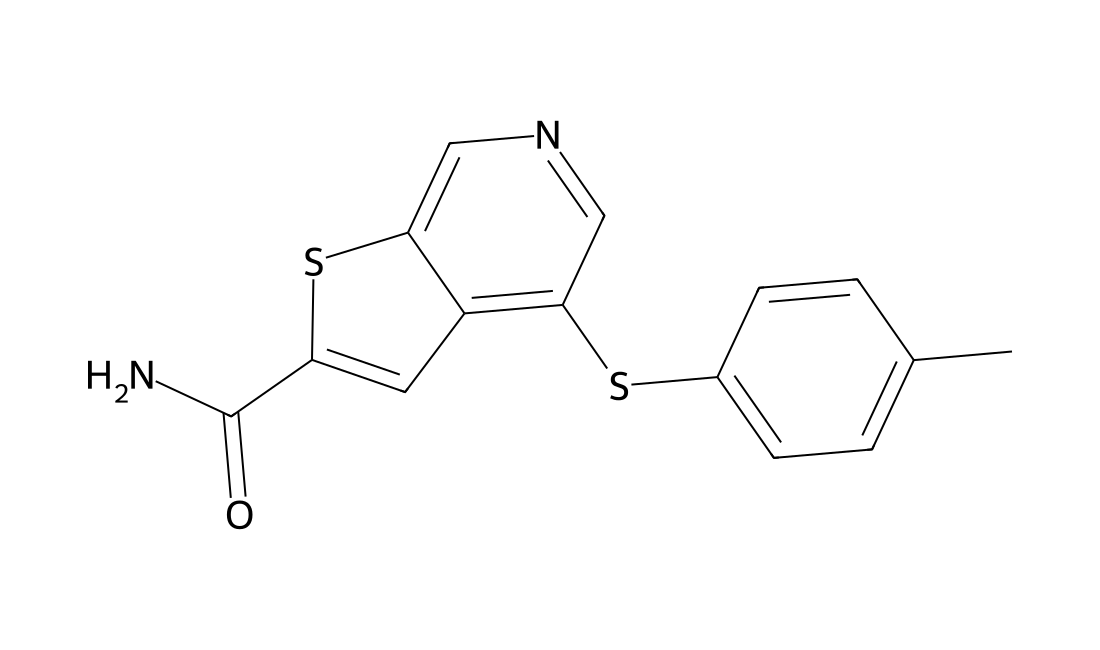
BenfotiamineFeatured
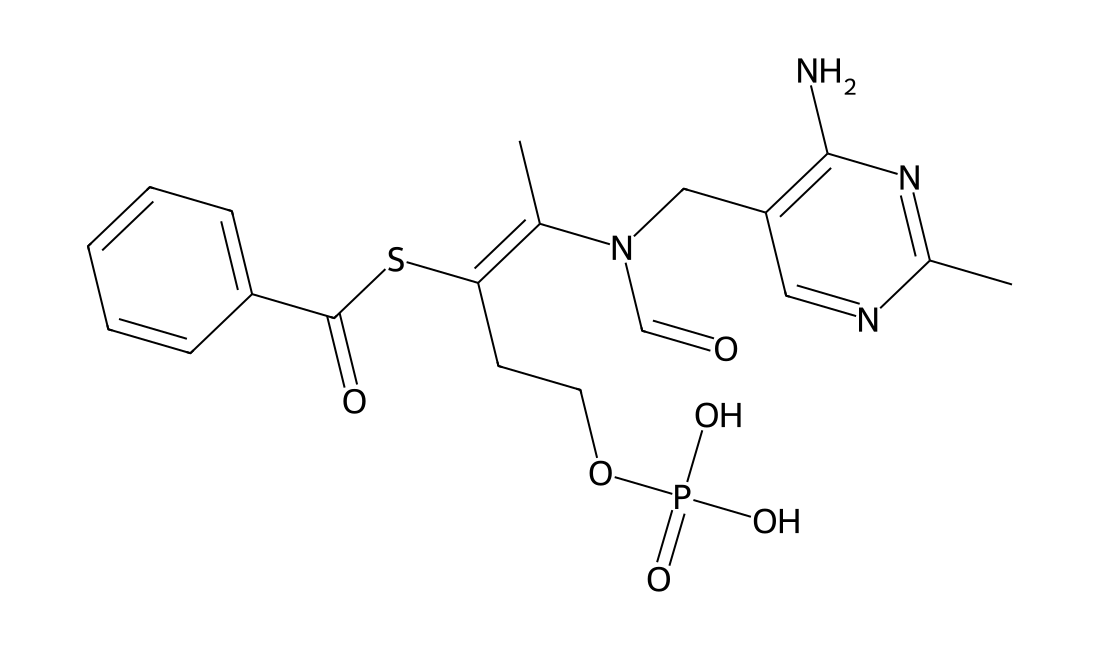
A synthetic S-acyl derivative of thiamine (vitamin B1) that possesses anti-inflammatory effects; upregulates antioxidative system in activated BV-2 microglia cells; significantly improves the cognitive abilities of mild to moderate AD patients independently of brain amyloid accumulation.
liranaftateFeatured
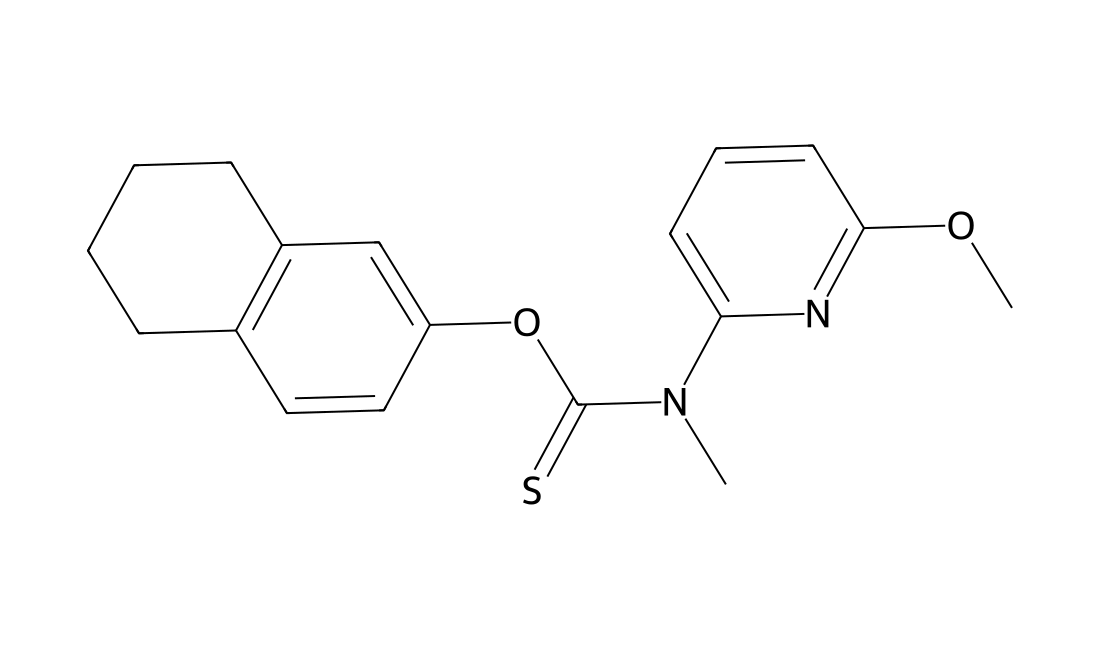
For the detailed information of liranaftate, the solubility of liranaftate in water, the solubility of liranaftate in DMSO, the solubility of liranaftate in PBS buffer, the animal experiment(test) (test) of liranaftate, the cell expriment (test) of liranaftate, the in vivo, in vitro and clinical trial test of liranaftate, the EC50, IC50,and Affinity of liranaftate,, please contact DC Chemicals.
ZSET1446Featured
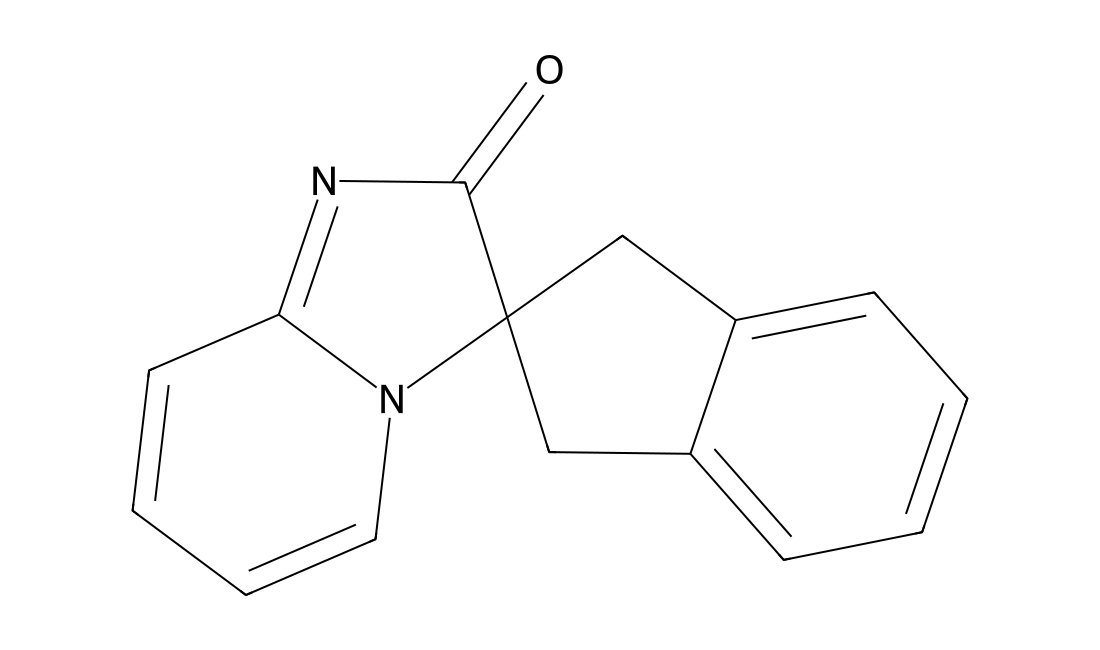
A small molecule cognitive enhancer that potentiates acetylcholine-mediated facilitation of inhibitory synaptic transmission in the hippocampal neurons; increases the extracellular ACh in the cortex and hippocampus and enhances nicotine-stimulated ACh release in the hippocampus in normal rats, without affecting nAChRs.Alzheimer's DiseasePhase 2 Discontinued
SMER-18Featured
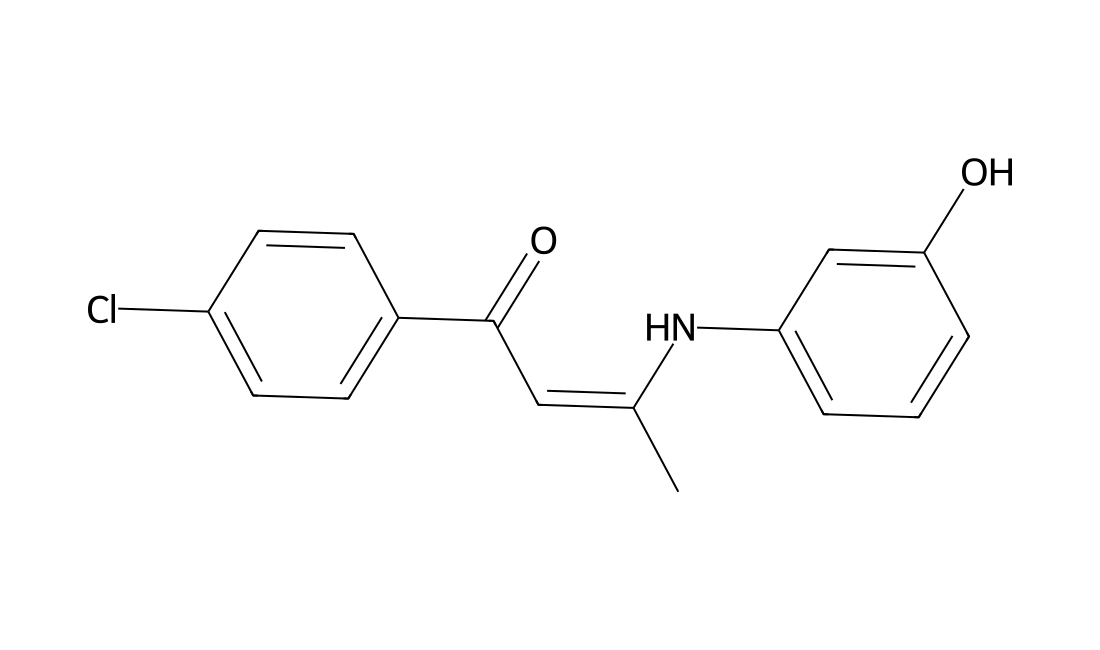
A small molecule autophagy enhancer that induces autophagy independently of rapamycin in mammalian cells and enhances the clearance of autophagy substrates such as mutant huntingtin and A53T alpha-synuclein; reduces toxicity in Huntington's disease models.
No products match this search.
Page 313 of 334 · Browse all 6677 products
Jump to a product page
Featured literature product: HX1 · DCL0028
HX1 is a hydroxyzine-derived ionizable lipid with acetal-containing tails, studied in lipid nanoparticles for brain mRNA delivery and CRISPR–Cas9 delivery. It was the lead in the reported in vivo brain-delivery screen; evidence is preclinical and formulation-dependent.
Read full formulation and performance →