
Research lipid catalog
Ionizable Lipid Products
Explore 848 lipid and RNA delivery products. Search the full catalog or browse by research category.
Search covers product name, catalog number, synonyms, available CAS numbers and categories. Spaces, hyphens and common punctuation are ignored. Duplicate legacy records are consolidated under one canonical product result.
6677 products · Showing 6221–6240 · 20 per page
DC Chemicals lipid expertise
Built for ionizable-lipid discovery and RNA delivery research
DC Chemicals supports formulation and delivery research with a broad, searchable portfolio of cationic and ionizable lipids. The current directory brings together 848 unique research-use products, with product specifications, pricing, chemical structures and literature-linked formulation data added as each record is verified.
Our experience spans complex lipid synthesis, purification, analytical release and process development. For custom molecules or larger-scale requirements, our team can discuss route development, technical specifications and scale-up options for the intended research workflow.
Learn about cationic and ionizable lipids →Proprietary innovation · Co-development · GMP
From proprietary lipid design to GMP-grade custom synthesis
DC Chemicals has independently developed ionizable-lipid structures supported by company-owned intellectual property, and selected proprietary lipid programs have advanced to GMP-stage development.
We welcome joint development with customers—from molecular design and lipid synthesis through route and process development. We can also support custom synthesis of GMP-grade ionizable lipids to agreed technical specifications and quality requirements.
Discuss a co-development project →Proprietary ionizable-lipid structuresCollaborative molecular designCustom lipid synthesisProcess development and scale-upGMP-grade project support
Product quick links
Explore New ionizable lipids
Explore our five most recently added ionizable lipids, with specifications, pricing and literature-linked product information.
DCL0028HX1Brain RNA delivery researchView product →DCL0024A1I4R13C18-2Spleen-targeted RNA delivery researchView product →DCL0023A1I4R2C18-2Spleen-targeted RNA delivery researchView product →DCL0022FS01Local joint RNA delivery researchView product →DCL0020Lipid-392Lung RNA delivery and gene editing researchView product →
Cat. No.Product NameField of ApplicationChemical Structure
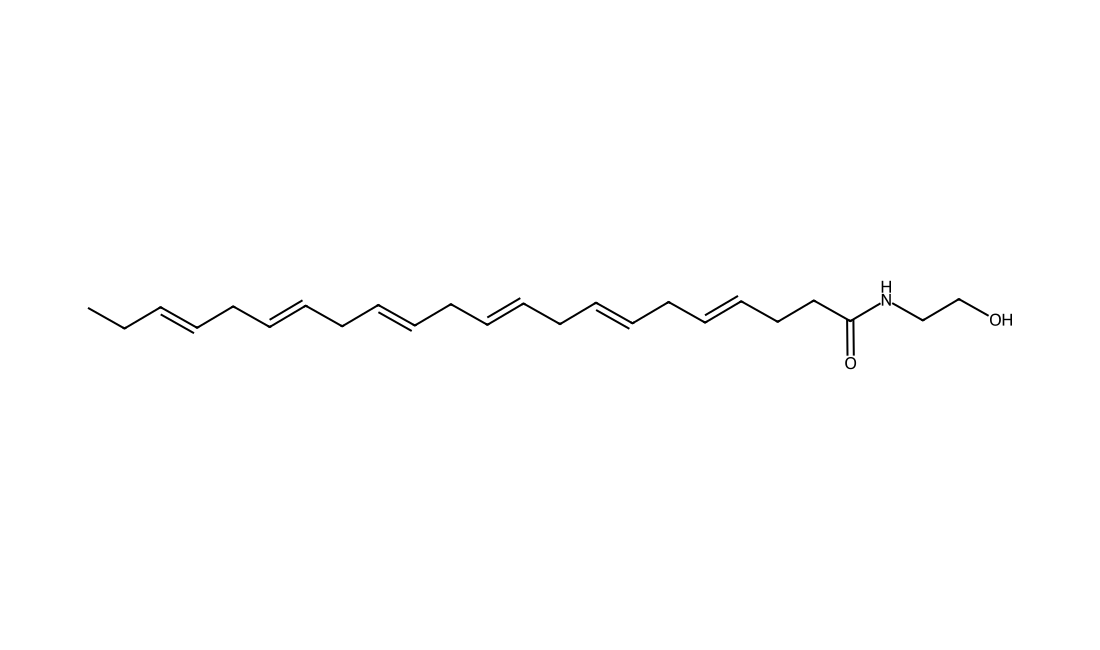
SynaptamideFeatured
An endogenous DHA metabolite that promotes neurite growth, synaptogenesis, and synaptic function both in vitro and in vivo; significantly increased the number of MAP2 and Tuj-1-positive neurons with concomitant induction of PKA/CREB phosphorylation at low nM; induces neuronal differentiation of NSCs.
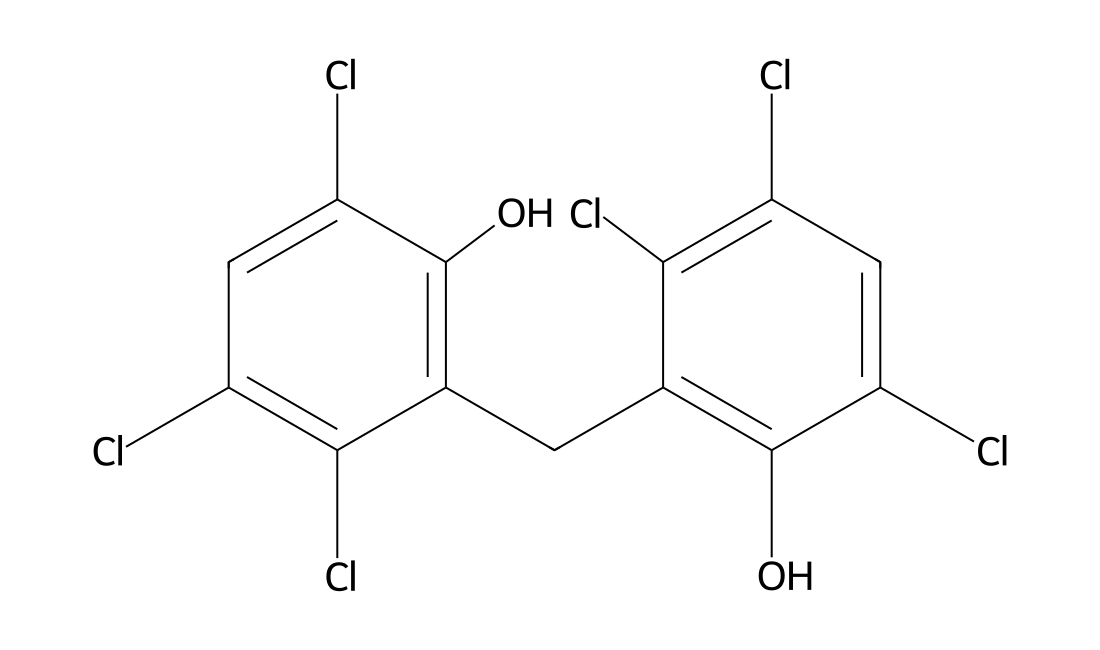
HexachloropheneFeatured
An anti-infective, anti-bacterial agent; also blocks calcium-activated chloride channel (CaCC) TMEM16A with IC50 of 10 uM in HEK293 cells; inhibits Wnt/beta-catenin signaling and represses the expression of cyclin D1.
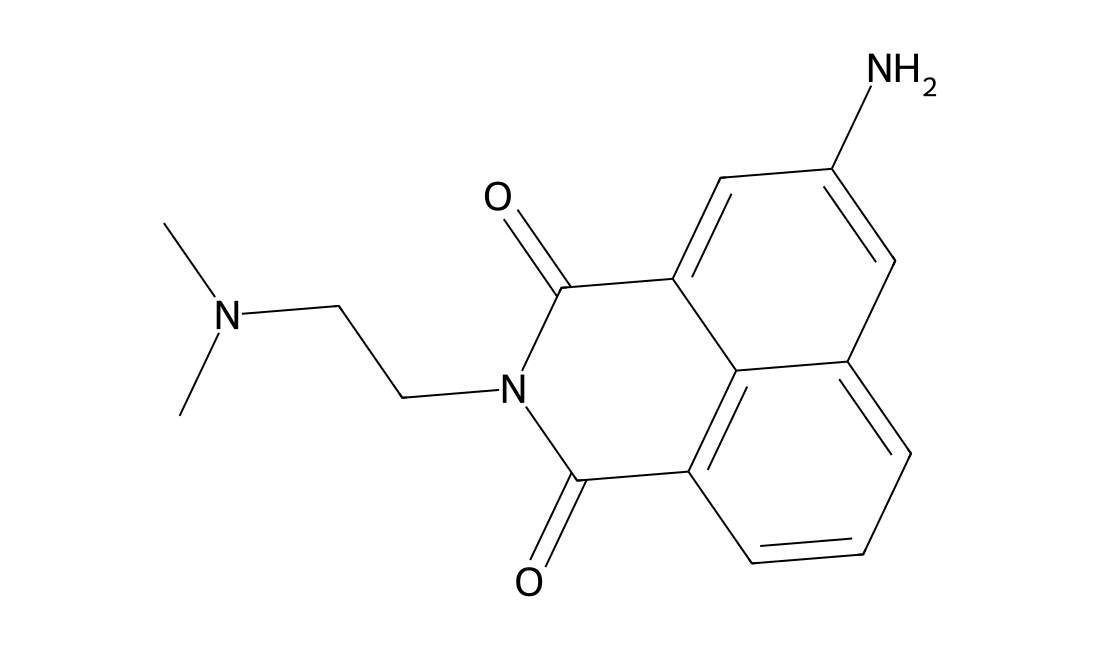
AS-1413(Amonafide)Featured
Amonafide(AS1413) produces protein-associated DNA-strand breaks through a topoisomerase II-mediated reaction, but does not produce topoisomerase I-mediated DNA cleavage.
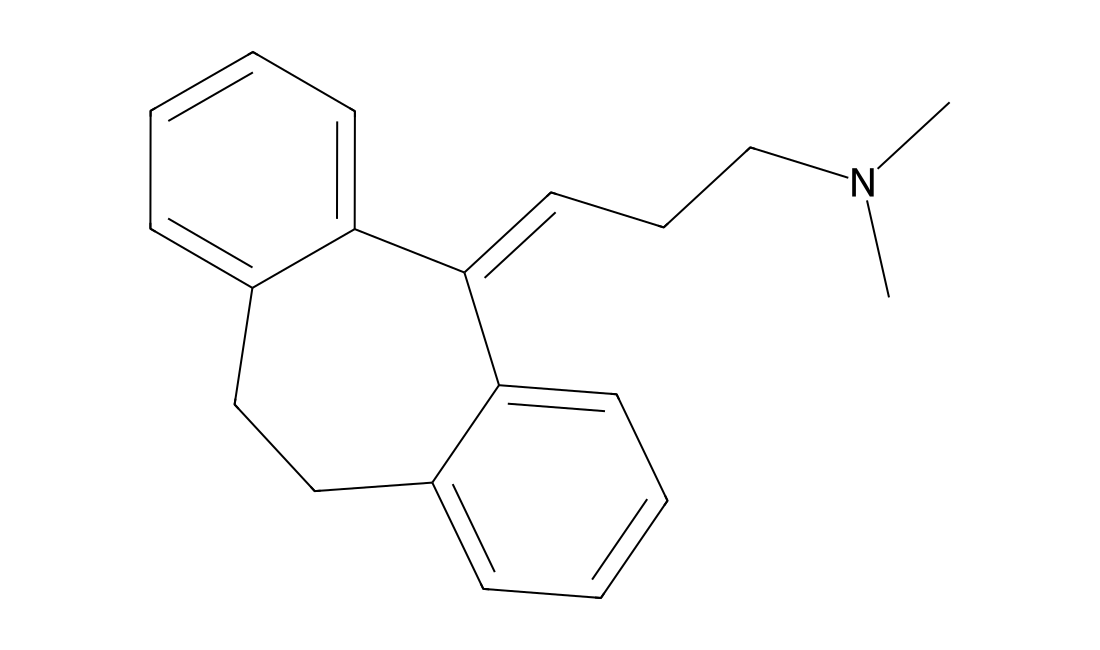
Amitriptyline is a tricyclic antidepressant (TCA) with analgesic properties, widely used to treat depression and neuropathic pain.
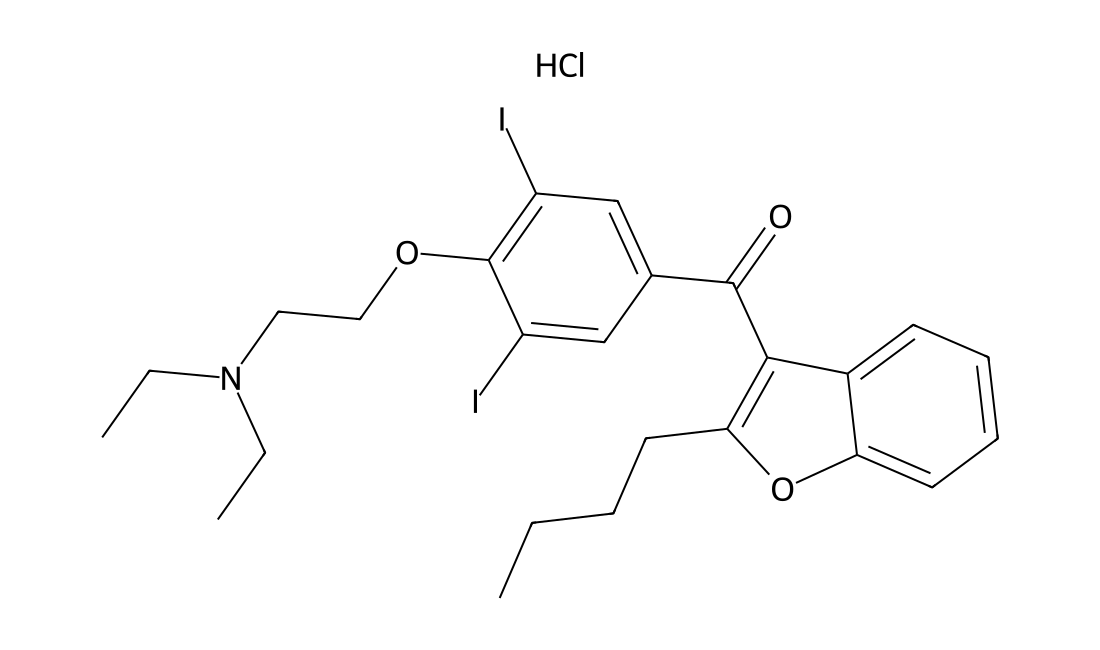
Amiodarone HClFeatured
Amiodarone is an antiarrhythmic drug for inhibition of ATP-sensitive potassium channel with IC50 of 19.1 μM.in vitro: It was found that 10 uM amiodarone induces accumulation of ethidium bromide (5 ug/ml) in Saccharomyces cerevisiae cells. At the same time, in yeast cells with inactivated MDR genes, accumulation of ethidium bromide was 6-fold higher even without amiodarone. Addition of non-lethal concentrations of amiodarone to MDR-deficient cells caused an increase of intracellular ethidium bromide to the level, which was even lower than the level in amiodarone-treated wild-type cells. Cells treated with amiodarone were seen to have detached from the dish, with cell rounding, cytoplasmic blebbing and irregularity in shape. An increase in the sub-G1 phase fraction, from 15.43 to 21.34% and 79.83% and a reduction in the G1 phase fraction, from 48.83 to 41.63% and 11.52%, were observed in cells treated with amiodarone at concentrations of 0.1 and 1 mM, respectively. in vivo: Chronic treatment with oral amiodarone for 4 weeks reduced i.p. when myocytes were dialyzed with patch-pipettes containing either 10 mM Na+ or 80 mM Na+. In myocytes from untreated rabbits, acute exposure to amiodarone in vitro reduced i.p. when patch pipettes contained 10 mM Na+ but had no effect on i.p. at 80 mM Na+. Amiodarone had no effect on the voltage dependence of the pump or the affinity of the pump for extracellular K+ either after chronic treatment or during acute exposure.
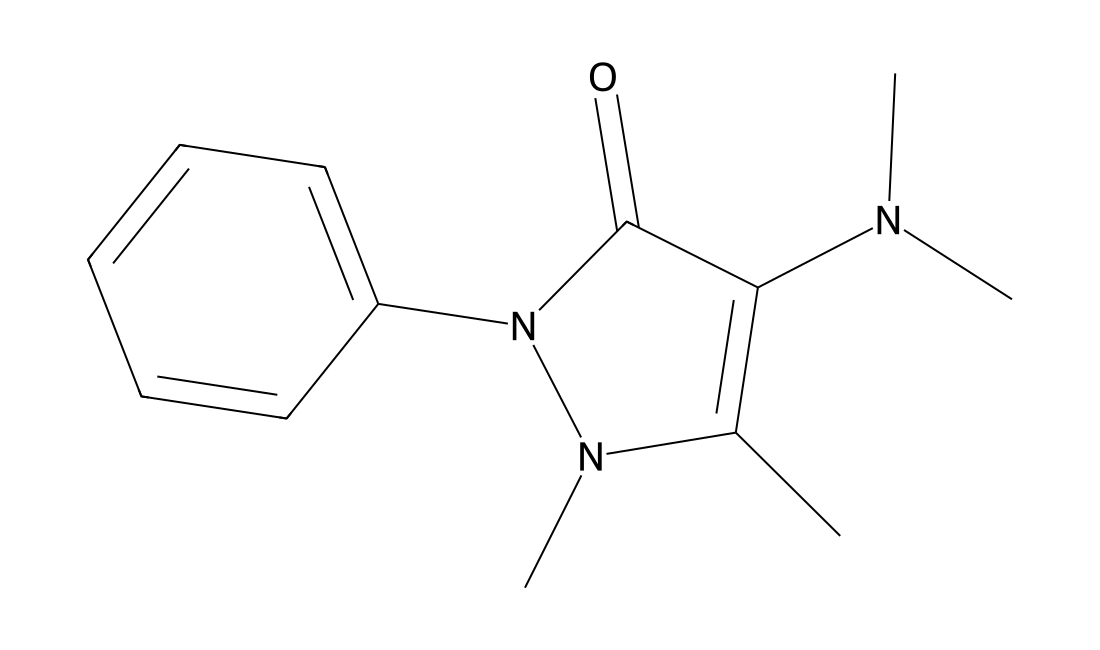
AmidopyrineFeatured
For the detailed information of Amidopyrine, the solubility of Amidopyrine in water, the solubility of Amidopyrine in DMSO, the solubility of Amidopyrine in PBS buffer, the animal experiment(test) (test) of Amidopyrine, the cell expriment (test) of Amidopyrine, the in vivo, in vitro and clinical trial test of Amidopyrine, the EC50, IC50,and Affinity of Amidopyrine,, please contact DC Chemicals.
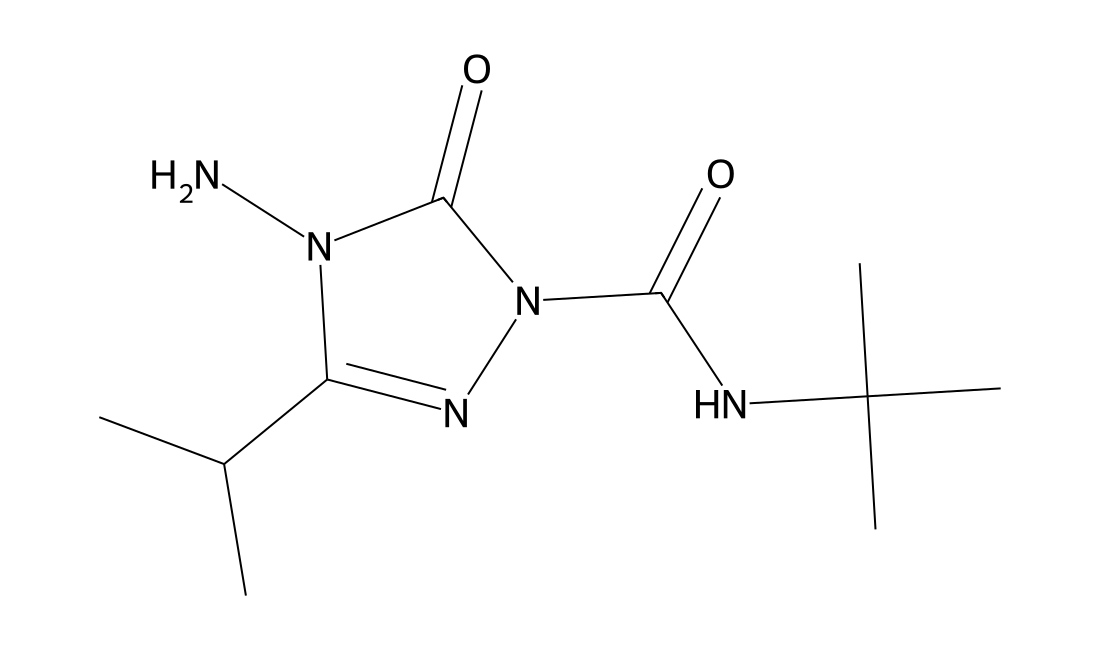
AmicarbazoneFeatured
Amicarbazone(BAY-MKH3586; BAY314666) is a potent inhibitor of photosynthetic electron transport via binding to the Qb domain of photosystem II (PSII); herbicide with a broad spectrum of weed control. The phenotypic responses of sensitive plants exposed to amicarbazone include chlorosis, stunted growth, tissue necrosis, and death. Its efficacy as both a foliar- and root-applied herbicide suggests that absorption and translocation of this compound is very rapid. As a result, its efficacy is susceptible to the most common form of resistance to PSII inhibitors. Nonetheless, amicarbazone has a good selectivity profile and is a more potent herbicide than atrazine, which enables its use at lower rates than those of traditional photosynthetic inhibitors.
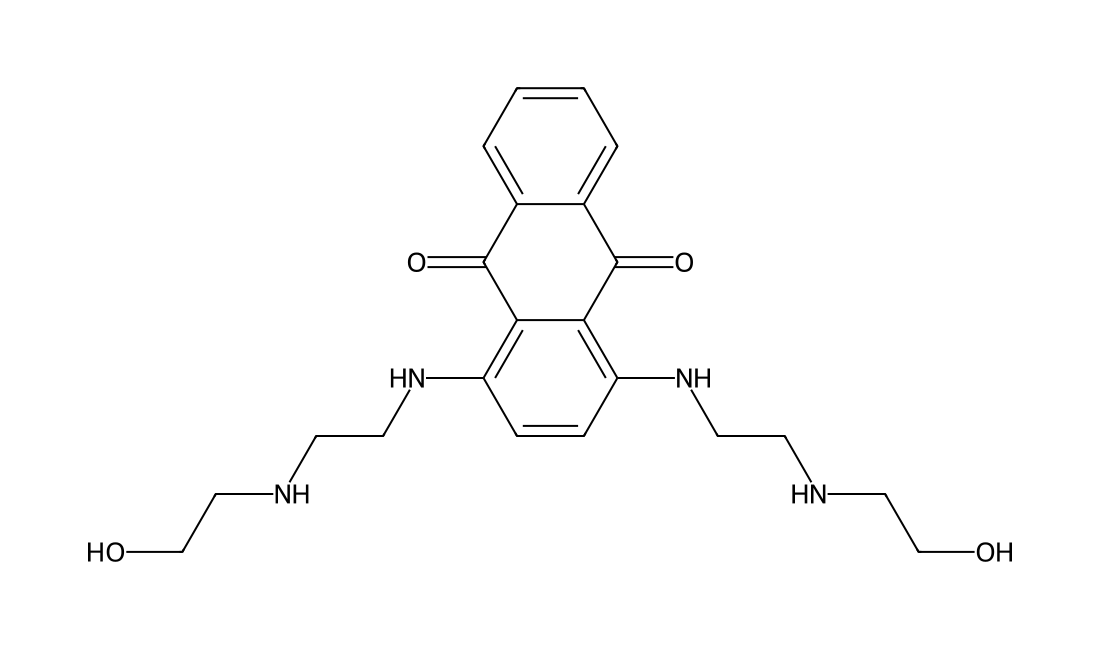
AmetantroneFeatured
Ametantrone (AM) is a synthetic 9,10-anthracenedione bearing two (hydroxyethylamino)ethylamino residues at positions 1 and 4; along with other anthraquinones and anthracyclines, it shares a polycyclic intercalating moiety and charged side chains that stabilize DNA binding. Ametantrone is the second anthracene derivative to enter clinical trials. For the detailed information of Ametantrone, the solubility of Ametantrone in water, the solubility of Ametantrone in DMSO, the solubility of Ametantrone in PBS buffer, the animal experiment (test) of Ametantrone, the cell expriment (test) of Ametantrone, the in vivo, in vitro and clinical trial test of Ametantrone, the EC50, IC50,and Affinity of Ametantrone, Please contact DC Chemicals.
Amantadine HClFeatured
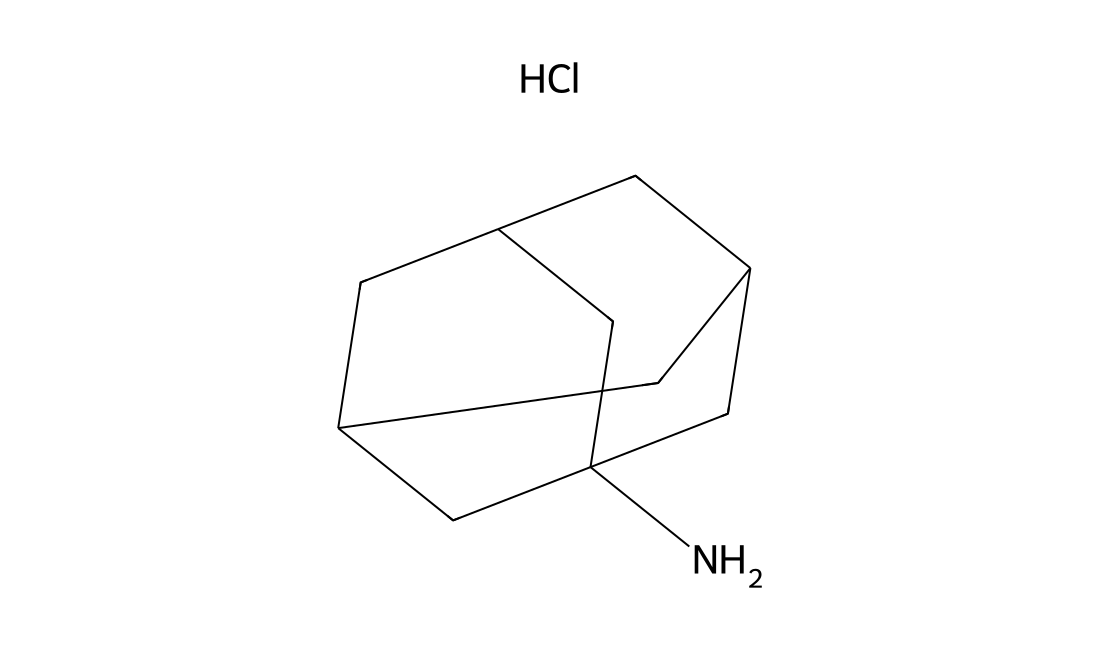
Amantadine Hydrochloride is an antiviral and an antiparkinsonian drug.Amantadine is an antiviral that is used in the prophylactic or symptomatic treatment of influenza A. It is also used as an antiparkinsonian agent, to treat extrapyramidal reactions, and for postherpetic neuralgia. Amantadine binding of M2, based on studies of a peptide representing the M2 transmembrane segment in dodecylphosphocholine micelles. Amantadine competes with protons for binding to the deprotonated tetramer, thereby stabilizing the tetramer in a slightly altered conformation. This model accounts for the observed inhibition of proton flux by amantadine. In contrast to most other described channel-blocking molecules, amantadine causes the channel gate of NMDA receptors to close more quickly. Amantadine binding inhibits current flow through NMDA receptor channels but show that its main inhibitory action at pharmaceutically relevant concentrations results from stabilization of closed states of the channel.
Altretamine (Hexalen)Featured
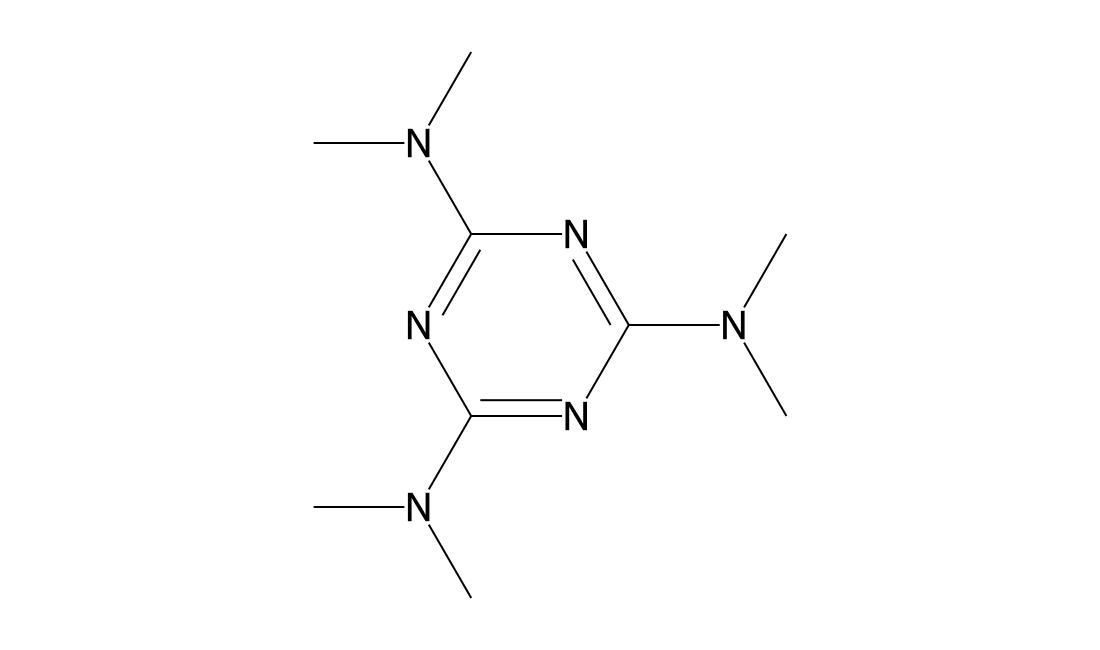
For the detailed information of Altretamine (Hexalen), the solubility of Altretamine (Hexalen) in water, the solubility of Altretamine (Hexalen) in DMSO, the solubility of Altretamine (Hexalen) in PBS buffer, the animal experiment(test) (test) of Altretamine (Hexalen), the cell expriment (test) of Altretamine (Hexalen), the in vivo, in vitro and clinical trial test of Altretamine (Hexalen), the EC50, IC50,and Affinity of Altretamine (Hexalen),, please contact DC Chemicals.
AlmotriptanFeatured
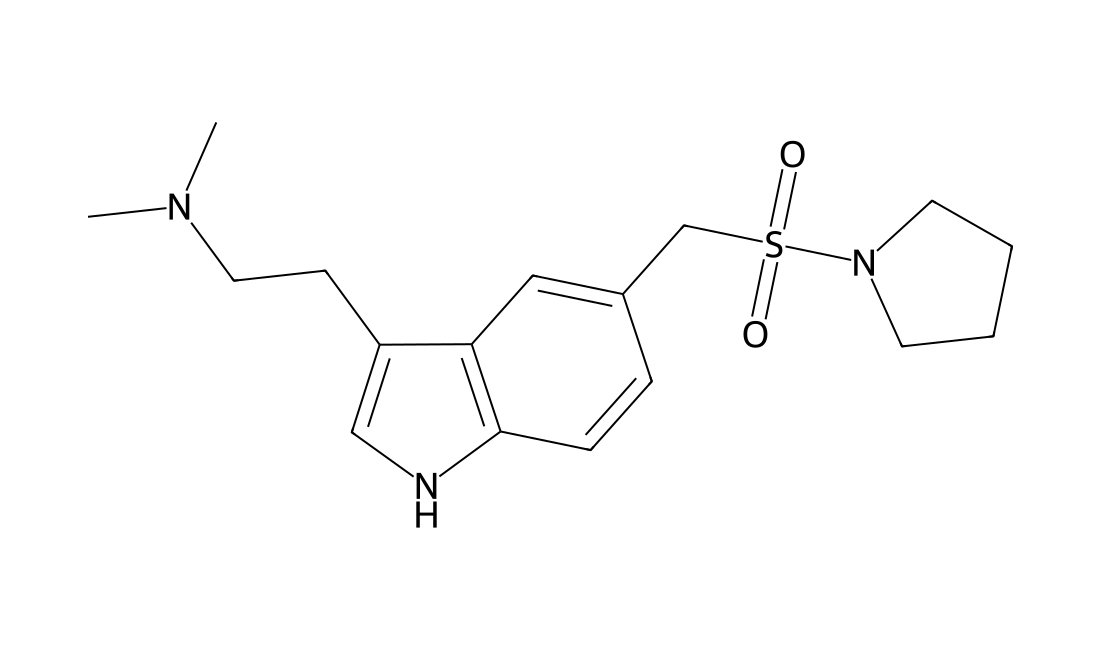
For the detailed information of Almotriptan, the solubility of Almotriptan in water, the solubility of Almotriptan in DMSO, the solubility of Almotriptan in PBS buffer, the animal experiment(test) (test) of Almotriptan, the cell expriment (test) of Almotriptan, the in vivo, in vitro and clinical trial test of Almotriptan, the EC50, IC50,and Affinity of Almotriptan,, please contact DC Chemicals.
Alloxazine;IsoalloxazineFeatured
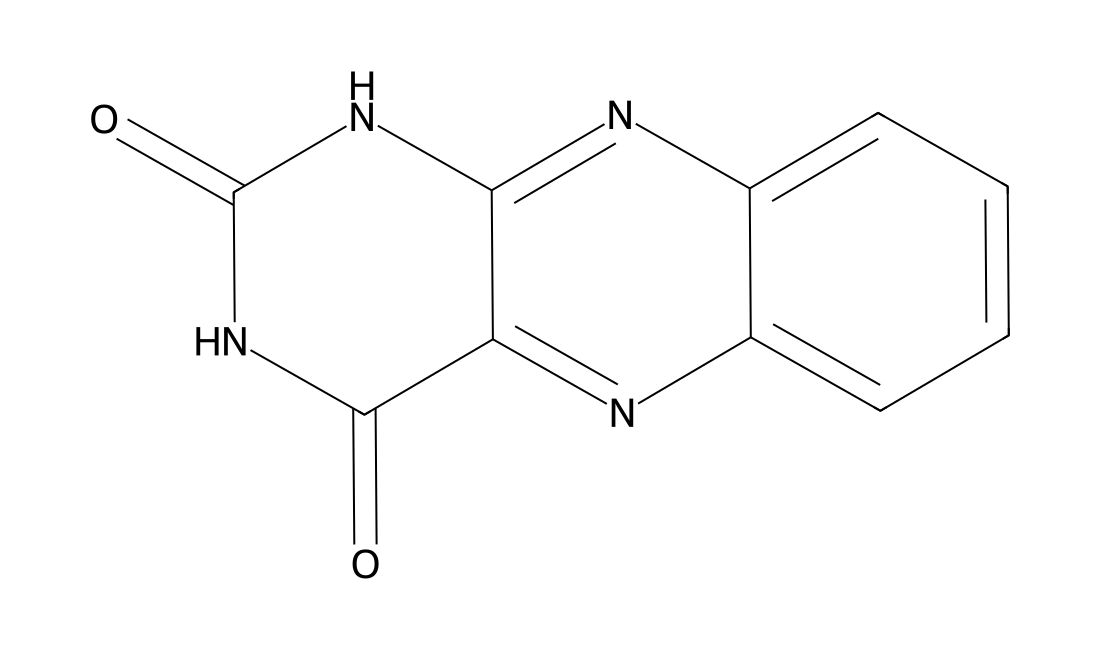
Alloxazine is an A2 receptor antagonist, which is approximately 10-fold more selective for the A2B receptor than for the A2A receptor.
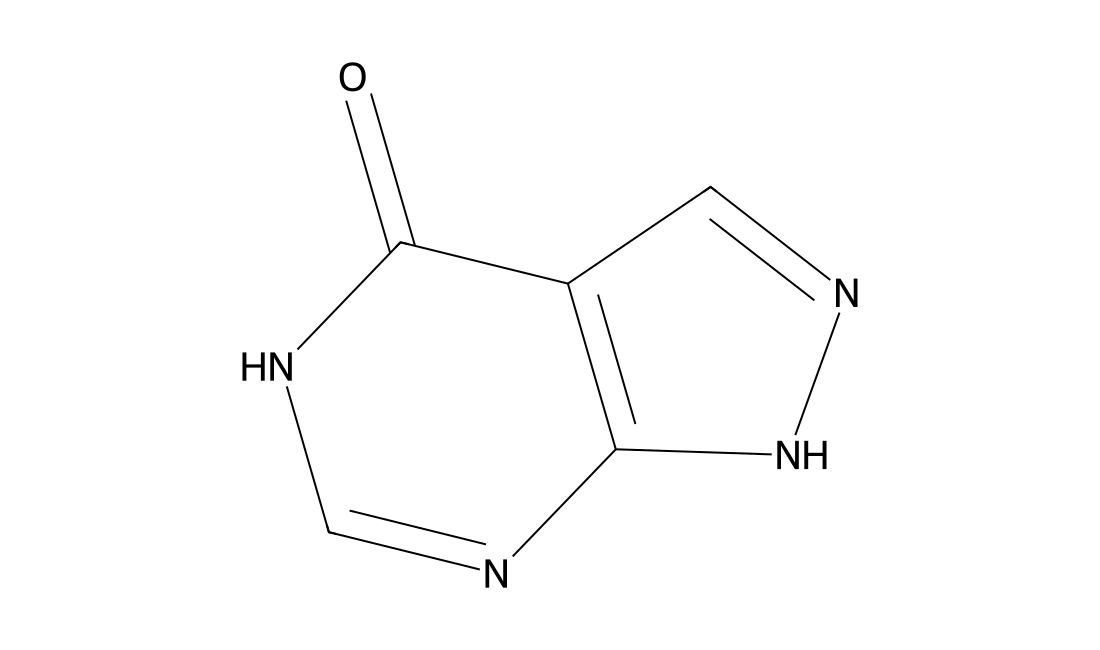
AllopurinolFeatured
Allopurinol (Zyloprim) is a xanthine oxidase inhibitor with an IC50 of 7.82±0.12 μM.Allopurinol (Zyloprim, and generics) is a drug used primarily to treat hyperuricemia (excess uric acid in blood plasma) and its complications, including chronic gout. It is a xanthine oxidase inhibitor which is administered orally. A common misconception is that allopurinol is metabolized by its target, xanthine oxidase, but this action is principally carried out by Aldehyde oxidase. The active metabolite of allopurinol is oxypurinol, which is also an inhibitor of xanthine oxidase. Allopurinol is almost completely metabolized to oxypurinol within two hours of oral administration, whereas oxypurinol is slowly excreted by the kidneys over 18–30 hours. For this reason, oxypurinol is believed responsible for the majority of allopurinol's effect. Allopurinol is a purine analog; it is a structural isomer of hypoxanthine (a naturally occurring purine in the body) and is an inhibitor of the enzyme xanthine oxidase. In addition to blocking uric acid production, inhibition of xanthine oxidase causes an increase in hypoxanthine and xanthine. While xanthine cannot be converted to purine ribotides, hypoxanthine can be salvaged to the purine ribotides adenosine and guanosine monophosphates. Increased levels of these ribotides may cause feedback inhibition of amidophosphoribosyl transferase, the first and rate-limiting enzyme of purine biosynthesis. Allopurinol, therefore, decreases uric acid formation and may also inhibit purine synthesis.
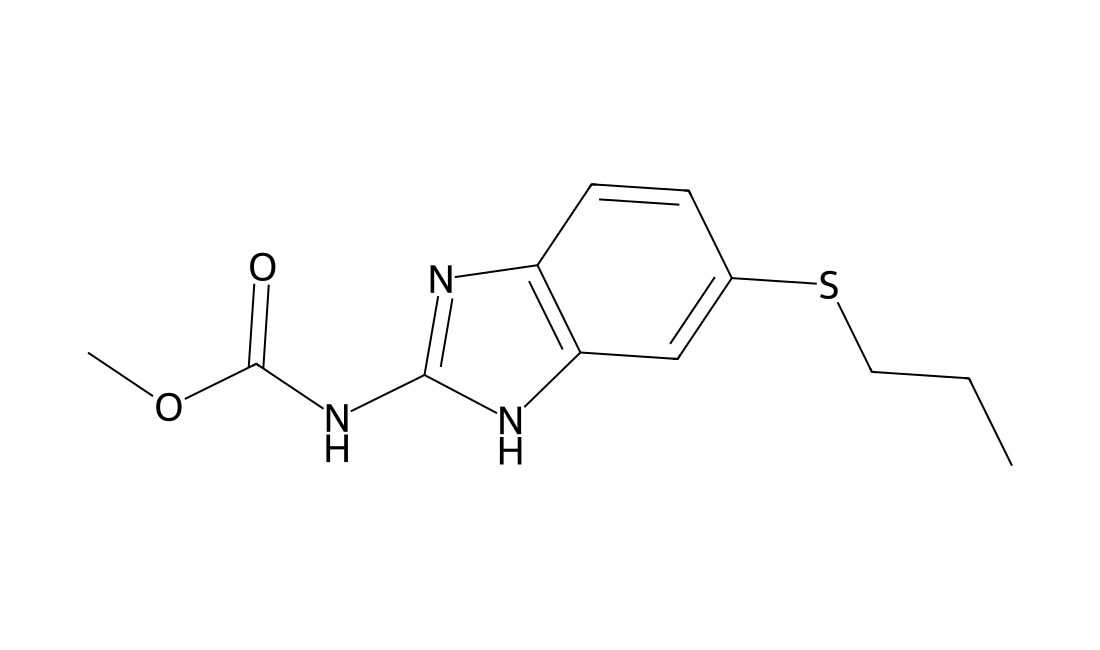
Albendazole(Albenza)Featured
For the detailed information of Albendazole(Albenza), the solubility of Albendazole(Albenza) in water, the solubility of Albendazole(Albenza) in DMSO, the solubility of Albendazole(Albenza) in PBS buffer, the animal experiment(test) (test) of Albendazole(Albenza), the cell expriment (test) of Albendazole(Albenza), the in vivo, in vitro and clinical trial test of Albendazole(Albenza), the EC50, IC50,and Affinity of Albendazole(Albenza),, please contact DC Chemicals.
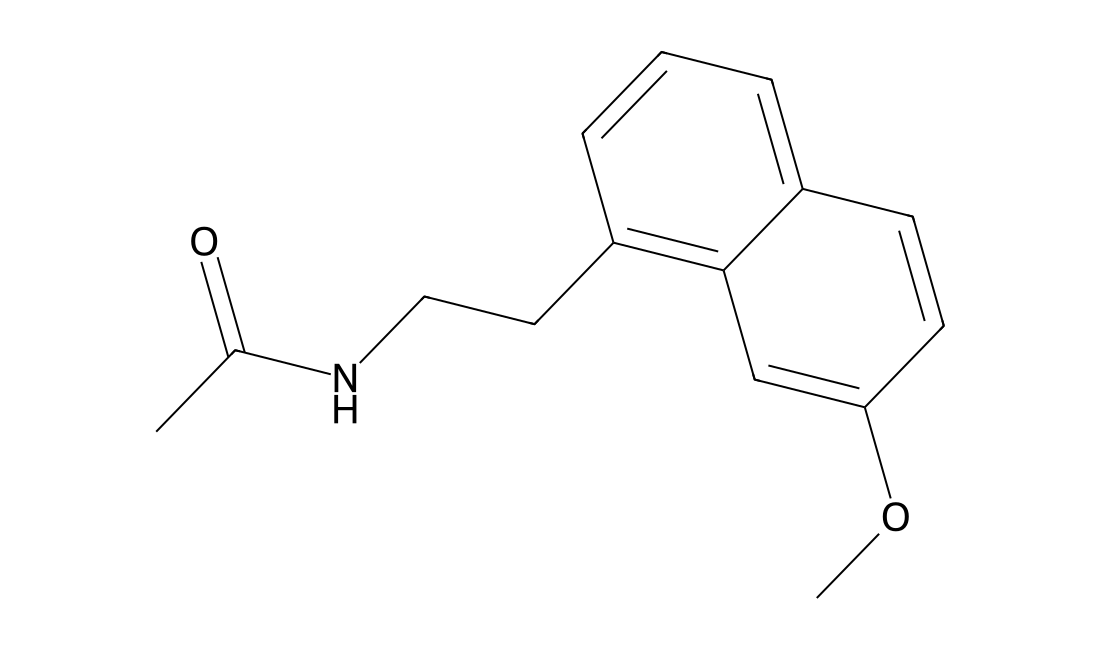
AgomelatineFeatured
Agomelatine (trade names Valdoxan, Melitor, Thymanax) is an antidepressant developed by the pharmaceutical company Servier. It is marketed For the treatment of major depressive disorder and has been reported to have a reduced level of sexual side effects as well as discontinuation effects compared to some other antidepressants. Agomelatine may also have positive effects on sleep. For the detailed information about the solubility of Agomelatine in water, the solubility of Agomelatine in DMSO, the solubility of Agomelatine in PBS buffer, the animal experiment(test) of Agomelatine,the in vivo,in vitro and clinical trial test of Agomelatine,the cell experiment(test) of Agomelatine,the IC50, EC50 and Affinity of Agomelatine, please contact DC Chemicals.
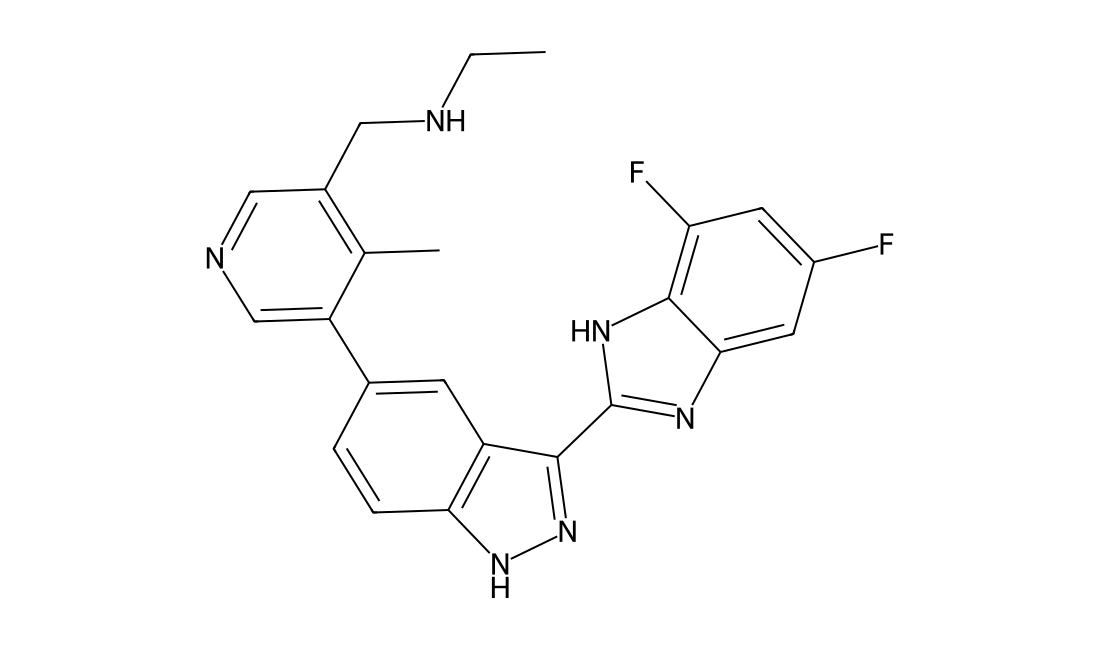
AG-024322Featured
In vitro: Ki = 1–3 nM (CDK1, CDK2 and CDK4)141; displayed CDK selectivity over non-CDKs141; arrested multiple stages of the cell cycle and induced apoptosis in various human tumour cell lines (IC50 = 30–200 nM)141 bulletDisplayed dose-dependent antitumour activity in mice bearing human tumour xenografts142 bulletIntravenous toxicity in cynomolgus monkey included bone marrow hypocellularity, lymphoid depletion and vascular irritation (at doses greater than or equal to 6 mg per kg); the no-adverse-effect dose was 2 mg per kg143For the detailed information of AG-024322, the solubility of AG-024322 in water, the solubility of AG-024322 in DMSO, the solubility of AG-024322 in PBS buffer, the animal experiment (test) of AG-024322, the cell expriment (test) of AG-024322, the in vivo, in vitro and clinical trial test of AG-024322, the EC50, IC50,and Affinity of AG-024322, Please contact DC Chemicals.
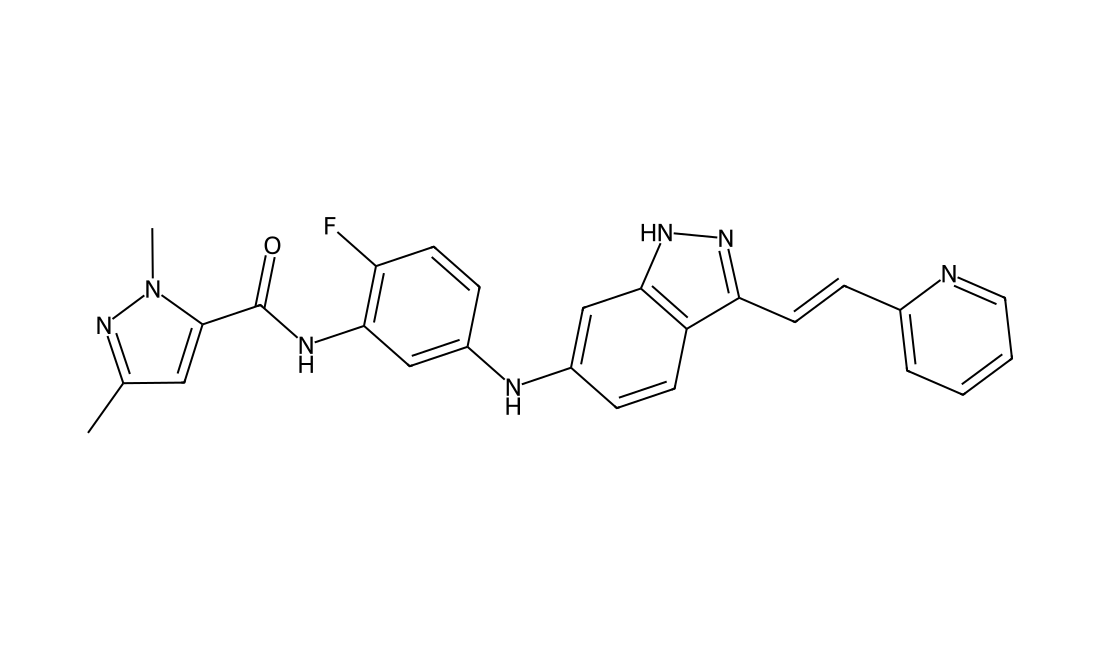
AG13958Featured
AG13958 is a VEGF inhibitor that was clinical development by Pfizer in 2006-07 for treatment of age-related macular degeneration (AMD). The drug displays low water solubility and so far in trials delivery has been difficult needing direct injection to be truly effective and it varied by the species used because of species specific differences in eye circulation and vascularization. As a VEGF inhibitor AG13958 was targeted to FLT/TYK receptor inhibition.
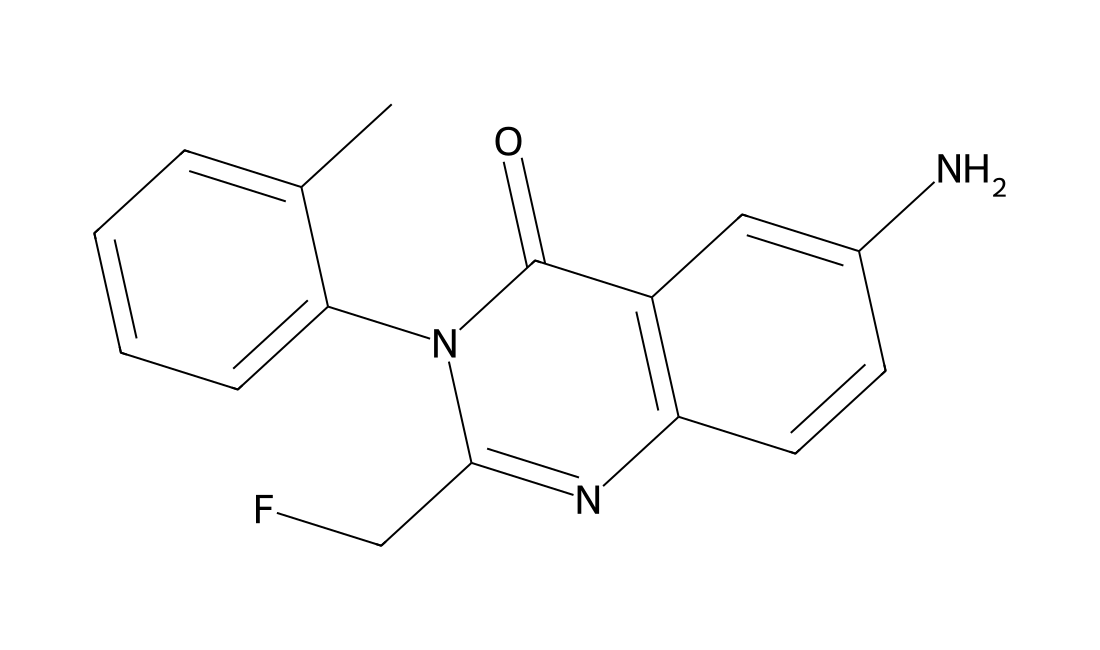
AfloqualoneFeatured
Afloqualone is a agonist of GABA receptor .Afloqualone is an analogue of methaqualone. It has sedative and muscle-relaxant effects, resulting from its agonist activity at the β subtype of the GABAa receptor. in vivo: Afloqualone slightly increased the response during the alarm period in one out of 3 rats at 5, 10, and 20 mg/kg p.o., respectively.
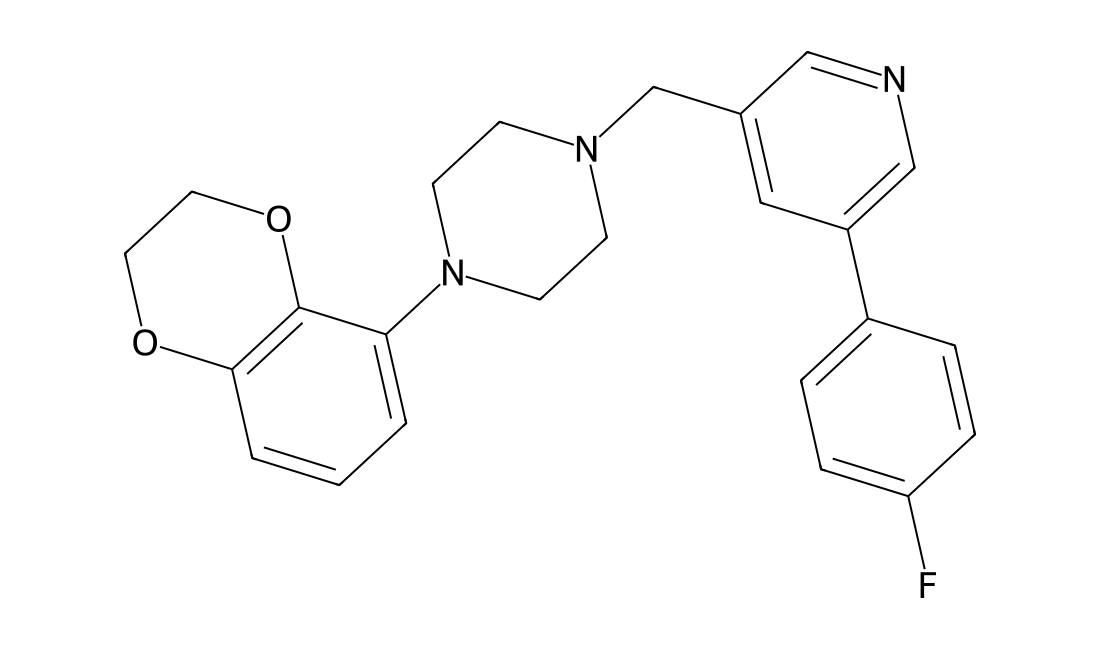
AdoprazineFeatured
Adoprazine, a potential atypical antipsychotic bearing potent D2 receptor antagonist and 5-HT1A receptor agonist properties. Adoprazine is a full 5-HT1A receptor agonist and full D2/3 receptor antagonist possessing characteristics of an atypical antipsychotic, representing a potential novel treatment for schizophrenia.
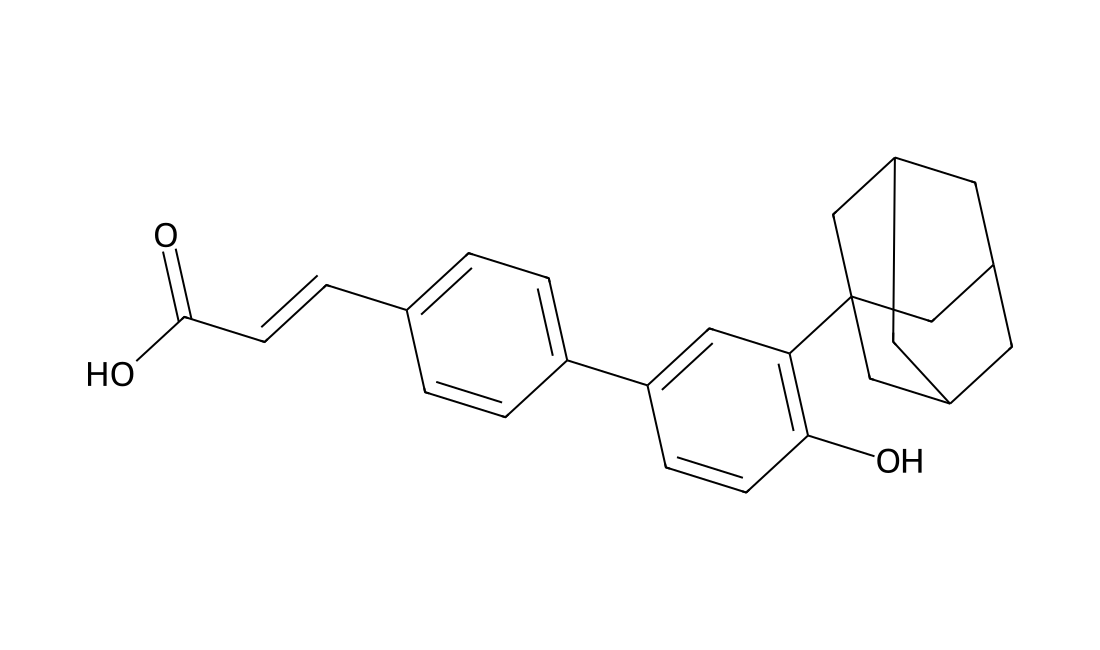
AdaroteneFeatured
Adarotene (ST1926) is an effective apoptosis inducer and surprisingly produced DNA damage.ST1926 exhibites a potent antiproliferative activity on a large panel of human tumor cells. ST1926 is a compound more powerful than CD437 in vitro and orally active in vivo on severe combined immunodeficiency (SCID) mice that received transplants of NB4 cells. ST1926 causes an immediate increase in the cytosolic levels of calcium that are directly related to the apoptotic potential of the RRMs considered.
No products match this search.
Page 312 of 334 · Browse all 6677 products
Jump to a product page
Featured literature product: HX1 · DCL0028
HX1 is a hydroxyzine-derived ionizable lipid with acetal-containing tails, studied in lipid nanoparticles for brain mRNA delivery and CRISPR–Cas9 delivery. It was the lead in the reported in vivo brain-delivery screen; evidence is preclinical and formulation-dependent.
Read full formulation and performance →