
Research lipid catalog
Ionizable Lipid Products
Explore 848 lipid and RNA delivery products. Search the full catalog or browse by research category.
Search covers product name, catalog number, synonyms, available CAS numbers and categories. Spaces, hyphens and common punctuation are ignored. Duplicate legacy records are consolidated under one canonical product result.
7177 products · Showing 7021–7040 · 20 per page
DC Chemicals lipid expertise
Built for ionizable-lipid discovery and RNA delivery research
DC Chemicals supports formulation and delivery research with a broad, searchable portfolio of cationic and ionizable lipids. The current directory brings together 848 unique research-use products, with product specifications, pricing, chemical structures and literature-linked formulation data added as each record is verified.
Our experience spans complex lipid synthesis, purification, analytical release and process development. For custom molecules or larger-scale requirements, our team can discuss route development, technical specifications and scale-up options for the intended research workflow.
Learn about cationic and ionizable lipids →Proprietary innovation · Co-development · GMP
From proprietary lipid design to GMP-grade custom synthesis
DC Chemicals has independently developed ionizable-lipid structures supported by company-owned intellectual property, and selected proprietary lipid programs have advanced to GMP-stage development.
We welcome joint development with customers—from molecular design and lipid synthesis through route and process development. We can also support custom synthesis of GMP-grade ionizable lipids to agreed technical specifications and quality requirements.
Discuss a co-development project →Proprietary ionizable-lipid structuresCollaborative molecular designCustom lipid synthesisProcess development and scale-upGMP-grade project support
Product quick links
Explore New ionizable lipids
Explore our five most recently added ionizable lipids, with specifications, pricing and literature-linked product information.
DCL0028HX1Brain RNA delivery researchView product →DCL0024A1I4R13C18-2Spleen-targeted RNA delivery researchView product →DCL0023A1I4R2C18-2Spleen-targeted RNA delivery researchView product →DCL0022FS01Local joint RNA delivery researchView product →DCL0020Lipid-392Lung RNA delivery and gene editing researchView product →
Cat. No.Product NameField of ApplicationChemical Structure
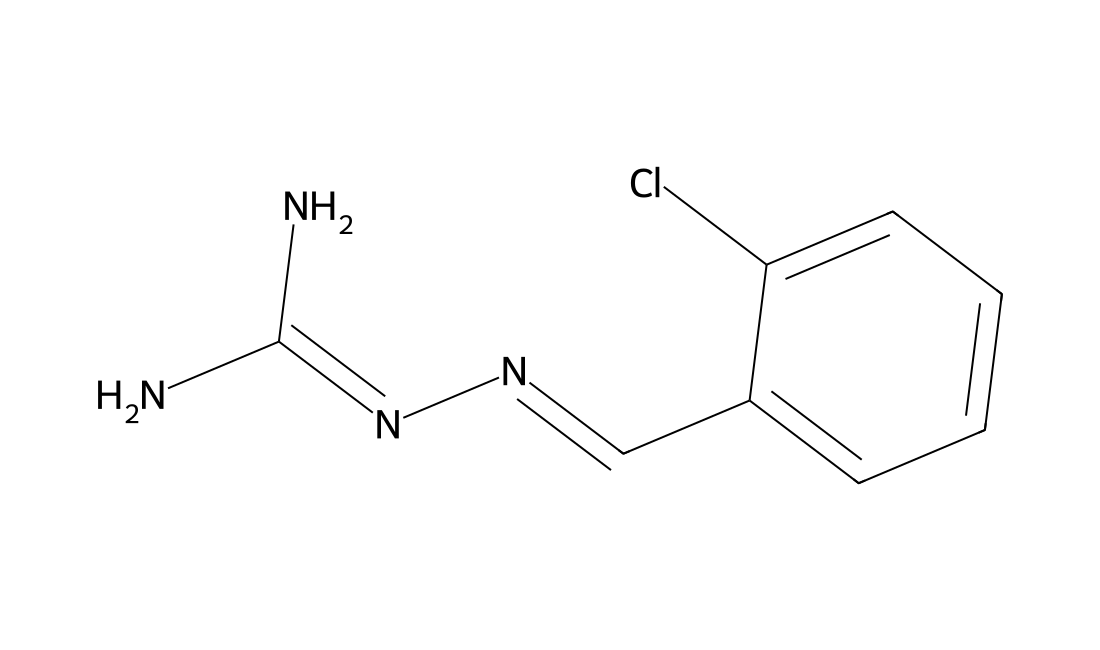
Sephin-1Featured
Sephin1 is a selective inhibitor of stress-induced PPP1R15A and targets disease associated with accumulation of misfolded protein. PPP1R15A is a regulator subunit of protein phosphatase 1 and regulates stress-induced eIF2α (α subunit of eukaryotic translation initiation factor 2). It brings PP1 (serine/threonine-protein phosphatase) to dephosphorylate eIF2α. Phosphorylation of eIF2α reduces protein synthesis and prevents the accumulation of misfolded protein in ER (endoplasmic reticulum). Thus inhibiting PPP1R15A prolongs the phosphorylation of eIF2α, and benefits the treatment for protein misfolding disease. In cells treated with 5μm Sephin1 for 6 hours, Sephin1 specifically disrupted the PPP1R15A-PP1c complex without affecting PPP115B-PP1c complex. As a consequence, Sephin1 prolonged eIF2a phosphorylation in HeLa cells after stress (*2.5 μg/ml tunicamycin treatment) and delayed translational recovery. Sephin1 recused cell from cytotoxic ER stress* in wild-type cell but not the PPP1R15A mutant cell. In mice administrated orally with 1-5mg/kg Sephin1 for given time, Sephin1 exhibited no adverse effects on rotarod performances, total body weight gain or memory. Treating MPZ (Deletion of serine 63 of myelin protein zero) mutant mice with 1mg/kg orally twice a day, prevented the molecular, morphological and motor defects. Oral treatment of 5 mg/kg of Sephin1 once a day, prevented motor deficits, motor neuron loss and the molecular defects in SOD1 (Mutant and misfolding-prone superoxide dismutase 1) mutant mice.
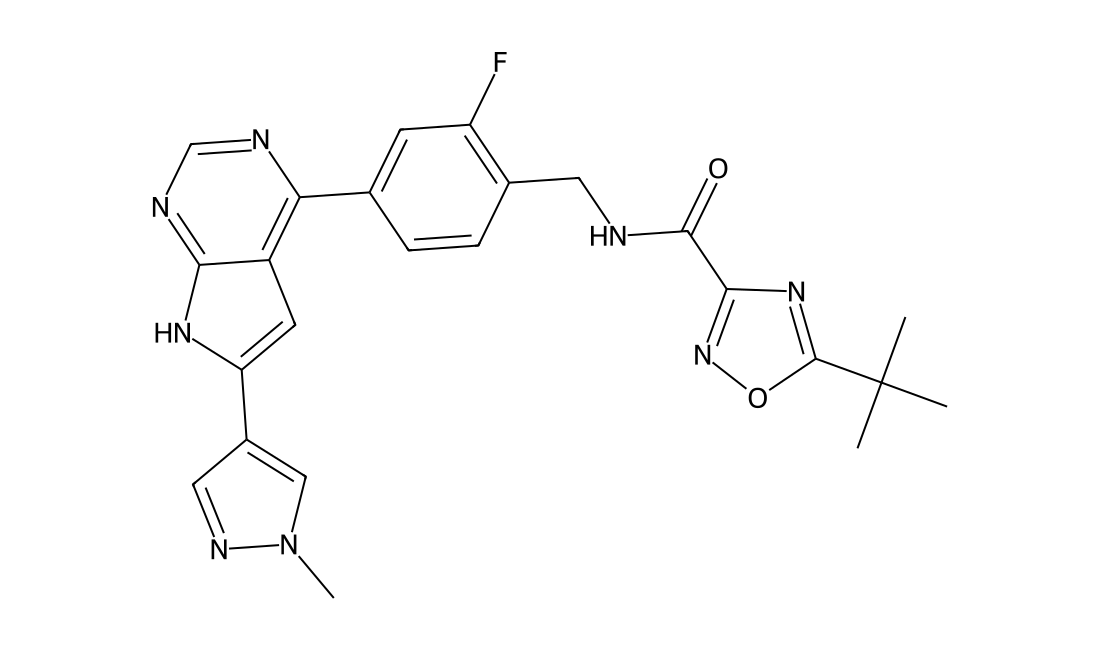
BTK inhibitor 1;Compound 27Featured
BTK inhibitor 1 (Compound 27)
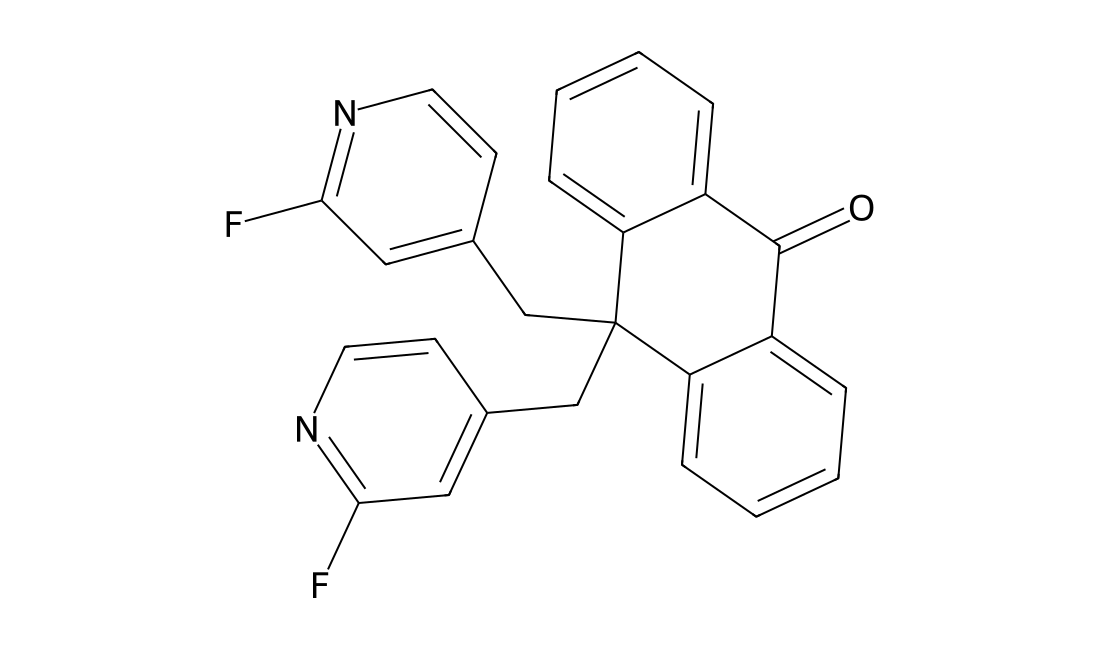
DMP 543Featured
A potent blocker of voltage-gated potassium channels Kv7 (KCNQ) that enhances ACh release from rat hippocampal slices in vitro with EC50 of 0.7 uM; maintains the 5- to 10-fold potency differential over linopirdine in increasing extracellular hippocampal ACh levels in the rat with a minimum effective dose of 1 mg/kg.Alzheimer DiseasePhase 2 Discontinued
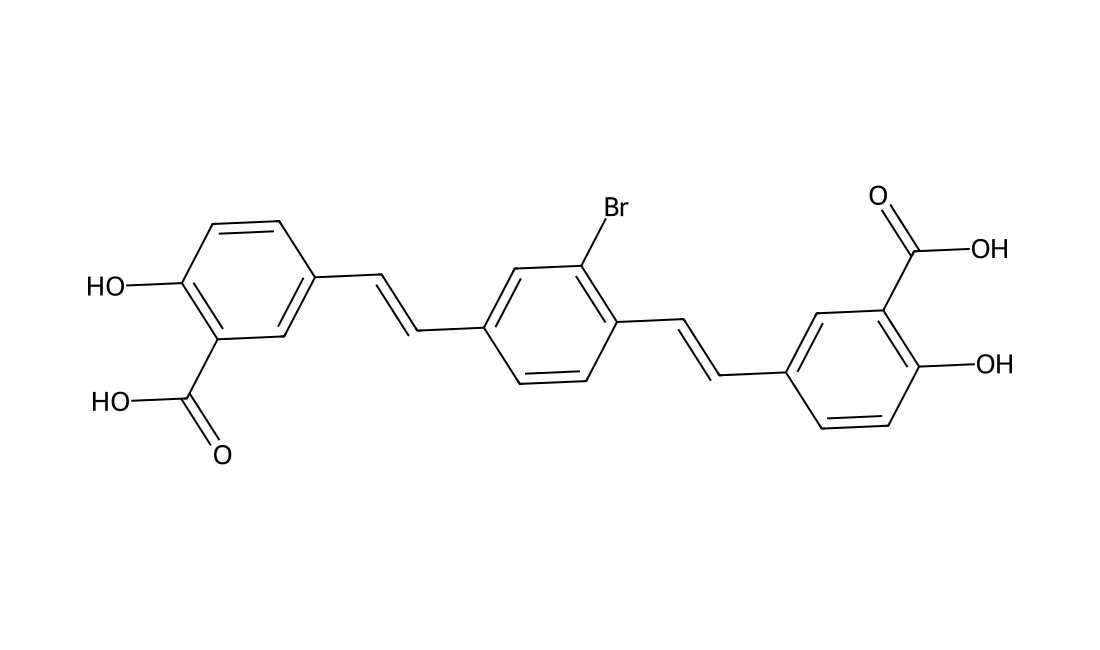
SBS probeFeatured
SBS is a useful probe and tool molecule for detecting amyloid deposits in systemic amyloidosis in vitro and in vivo. SBS can be used for detecting amyloid fibrils in autopsy and biopsy samples from patients with localized amyloidosis, such as familial prion disease, and systemic amyloidosis, such as familial amyloidotic polyneuropathy, amyloid A (AA) amyloidosis, light chain (AL) amyloidosis, and dialysis-related amyloidosis.
NPX-800Featured
NPX-800 is a potent, selective, oral heat shock factor 1 (HSF1) pathway inhibitor.
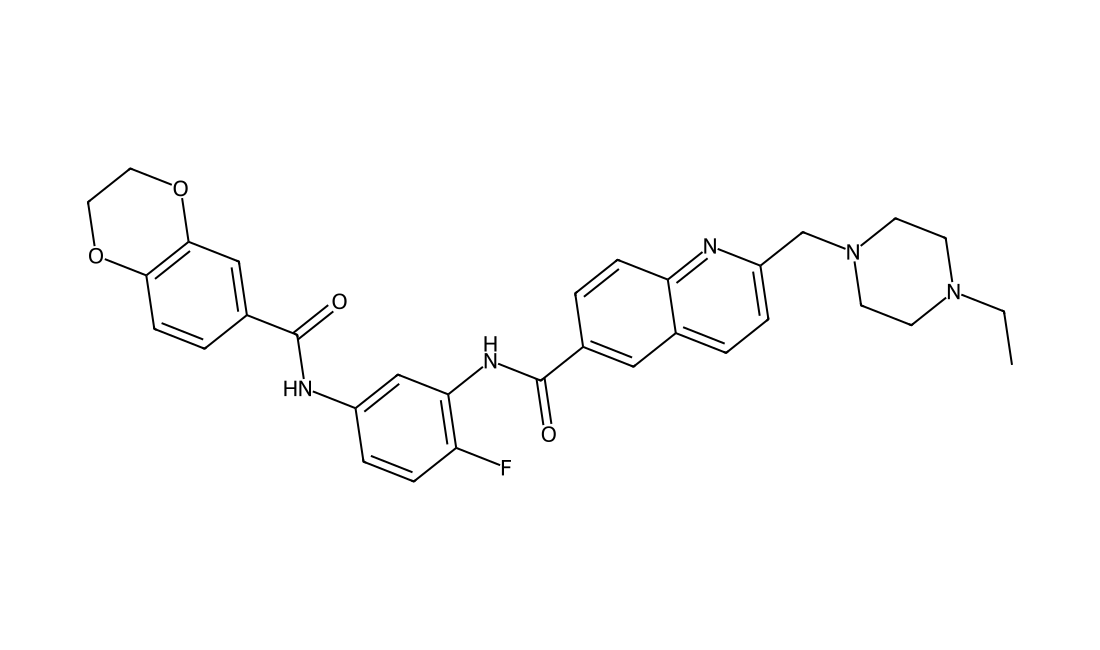
CPPHAFeatured
CPPHA is a selective positive allosteric modulator of mGluR5 receptor. in vitro: The selective mGlu5 receptor positive allosteric modulator, N-{4-chloro-2-[(1,3-dioxo-1,3-dihydro-2H-isoindol-2yl)-methyl]phenyl}-2-hydrobenzamide (CPPHA) potentiated the response to a subthreshold concentration of 3,5-dihydroxy-phenylglycine (DHPG) on extracellular signal-regulated protein kinase (ERK) and cyclic-AMP responsive element-binding protein (CREB) activity, as well as N-methyl d-aspartate (NMDA) receptor subunit NR1 phosphorylation in cortical and hippocampal slices. CPPHA potentiated threshold responses to glutamate in fluorometric Ca(2+) assays 7- to 8-fold with EC(50) values in the 400 to 800 nM range, and at 10 microM shifted mGluR5 agonist concentration-response curves to glutamate, quisqualate, and (R,S)-3,5-dihydroxyphenylglycine (DHPG) 4- to 7-fold to the left. CPPHA (10 microM) potentiated NMDA receptor currents in hippocampal slices induced by threshold levels of DHPG, whereas having no effect on these currents by itself. Similarly, 10 microM CPPHA also potentiated mGluR5-mediated DHPG-induced depolarization of rat subthalamic nucleus neurons. CPPHA induced an increase in basal mGluR5-mediated ERK1/2 phosphorylation and potentiated the effect of low concentrations of agonists. In contrast, CPPHA significantly decreased ERK1/2 phosphorylation induced by high concentrations of agonists.
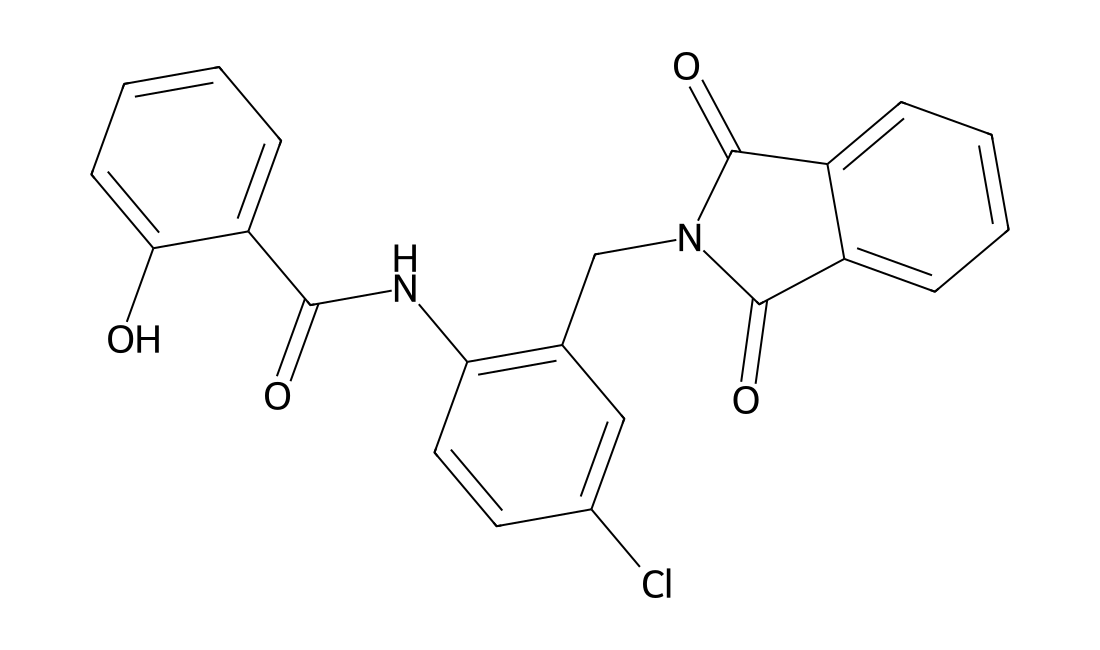
Eltrombopag olamineFeatured
Eltrombopag olamine is a new, orally active thrombopoietin-receptor (c-mpl) agonist that stimulates thrombopoiesis. IC50 Value: 0.27 uM (EC50 in murine BAF3 cells) Potential advantages of eltrombopag may include a sustained platelet response and a good tolerability profile. in vitro: Eltrombopag demonstrated a half maximal effective concentration (EC50) of 0.27 uM in murine BAF3 cells transfected with the luciferase reporter gene under direction of the STAT-activated IRF-1 promoter and human TpoR (BAF3/IRF-1/hTpoR) . Eltrombopag stimulates the growth of TPO-dependent cell lines via JAK2 and STAT signaling pathways and stimulates isolated human CD34+ cells to become megakaryocytes and produce platelets. in vivo: Twelve weeks of antiviral therapy, with concurrent receipt of eltrombopag or placebo, were completed by 36%, 53%, and 65% of patients receiving 30 mg, 50 mg, and 75 mg of eltrombopag, respectively, and by 6% of patients in the placebo group . Eltrombopag was administered as once-daily oral capsules for 10 days at doses of 5, 10, 25, 30, 50, and 75 mg. The pharmacokinetics of eltrombopag was dose dependent and linear, and eltrombopag increased platelet counts in a dose-dependent manner. Toxicity: There were no apparent differences in the incidence or severity of adverse events in subjects receiving active or placebo study medication . Long-term treatment with eltrombopag was generally safe, well tolerated, and effective in maintaining platelet counts in the desired range. Clinical trial: Eltrombopag In Cord Blood Or Haploidentical Bone Marrow Transplantation. For the detailed information of Eltrombopag olamine, the solubility of Eltrombopag olamine in water, the solubility of Eltrombopag olamine in DMSO, the solubility of Eltrombopag olamine in PBS buffer, the animal experiment (test) of Eltrombopag olamine, the cell expriment (test) of Eltrombopag olamine, the in vivo, in vitro and clinical trial test of Eltrombopag olamine, the EC50, IC50,and affinity,of Eltrombopag olamine, For the detailed information of Eltrombopag olamine, the solubility of Eltrombopag olamine in water, the solubility of Eltrombopag olamine in DMSO, the solubility of Eltrombopag olamine in PBS buffer, the animal experiment (test) of Eltrombopag olamine, the cell expriment (test) of Eltrombopag olamine, the in vivo, in vitro and clinical trial test of Eltrombopag olamine, the EC50, IC50,and affinity,of Eltrombopag olamine, Please contact DC Chemicals.
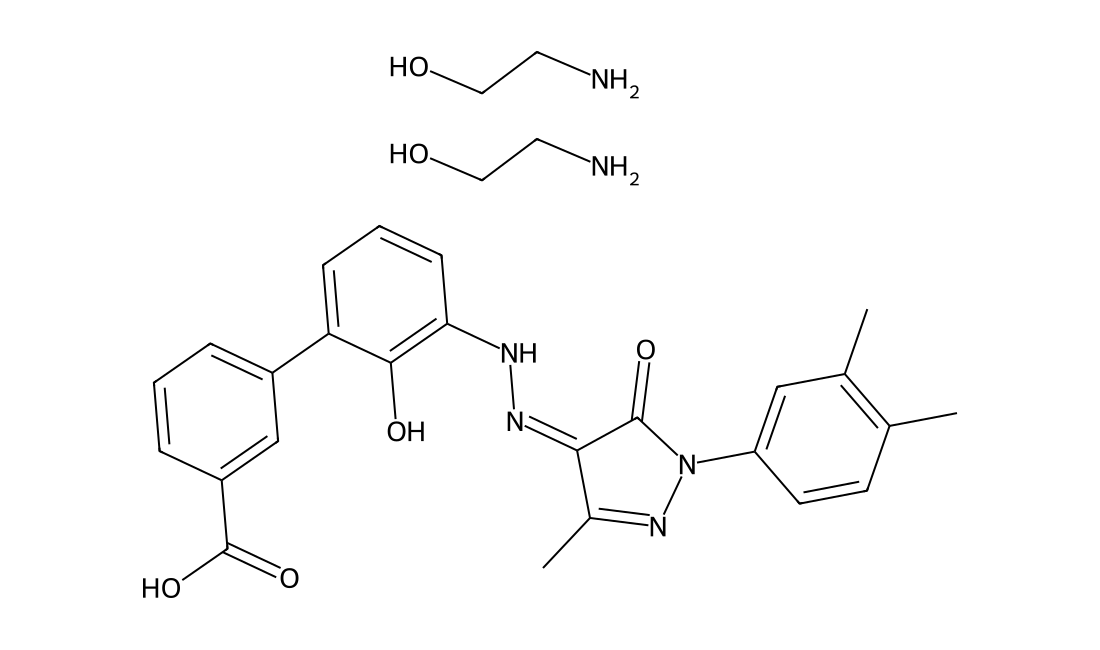
EN106Featured
EN106 is a potent inhibitor of FEMIB. EN106 targets FEM1B, an E3 ligase recently discovered as the critical component of the cellular response to reductive stress. By targeting C186 in FEM1B, EN106 disrupts recognition of the key reductive stress substrate of FEM1B, FNIP1.
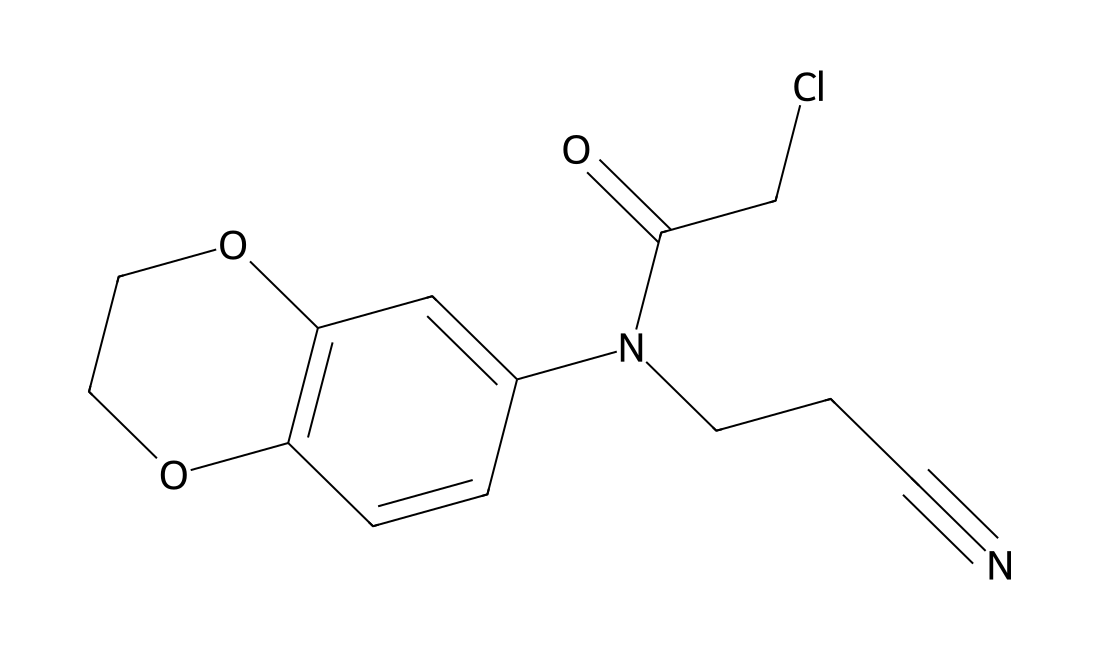
CP-447697Featured
CP-447697 is a lipophilic C5a receptor antagonist with an IC50 value of 31 nM. CP-447697 can be used for the research of inflammation.
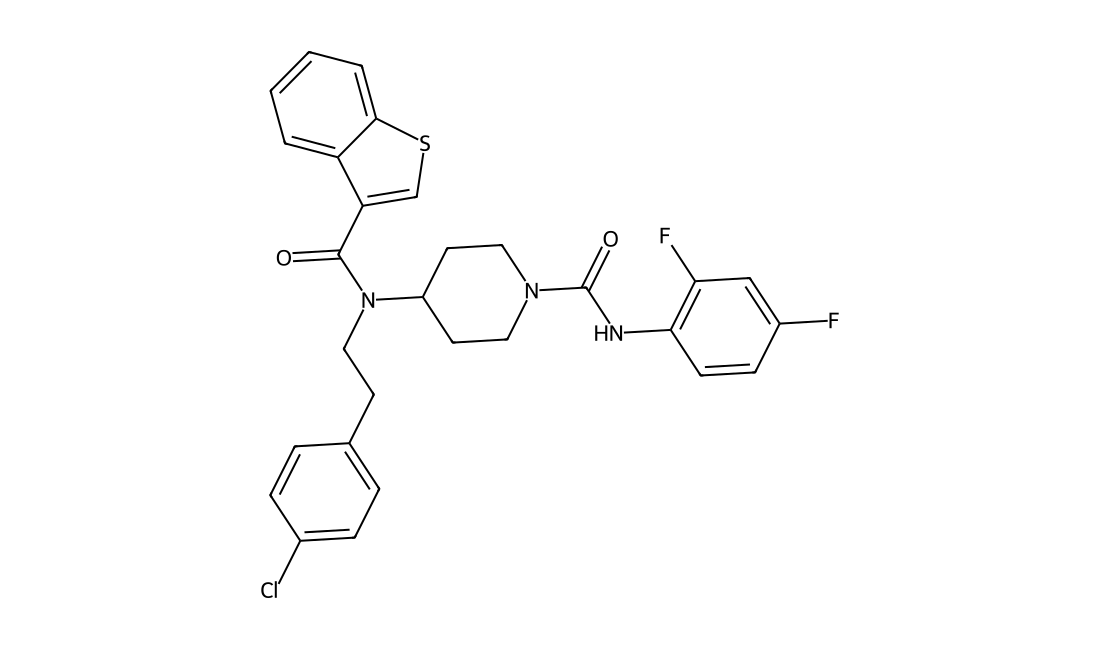
WAY-262611Featured
WAY-262611 is a wingless β-Catenin agonist that increases bone formation rate with an EC50 of 0.63 μM in TCF-Luciferase assay.
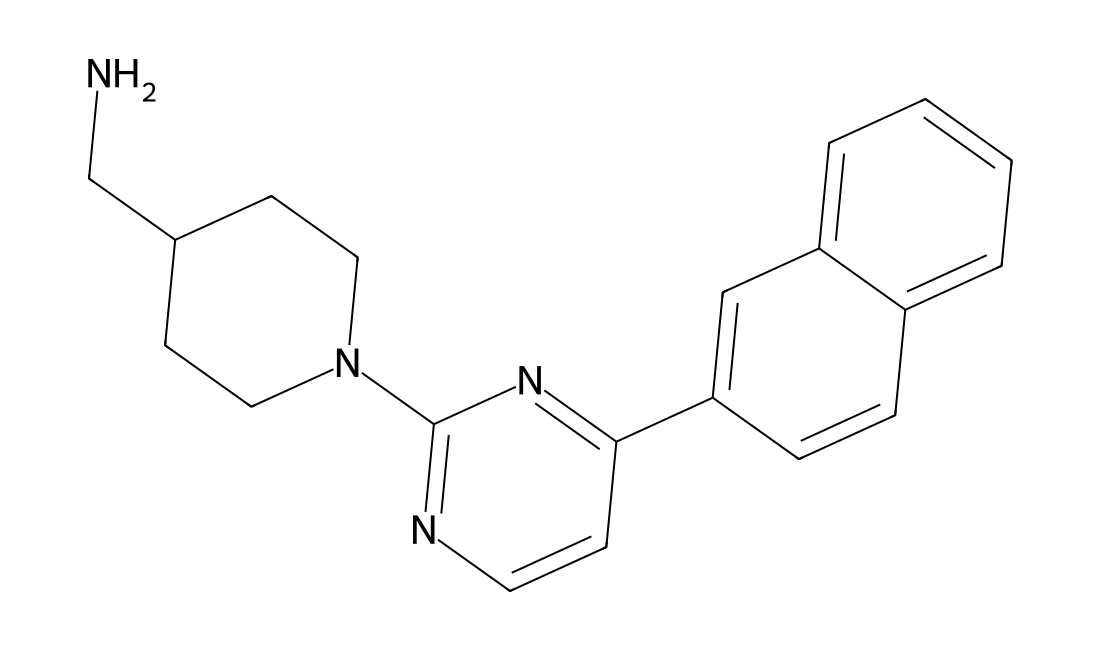
CarbamazepineFeatured
Carbamazepine, a sodium channel blocker, is an anticonvulsant drug.
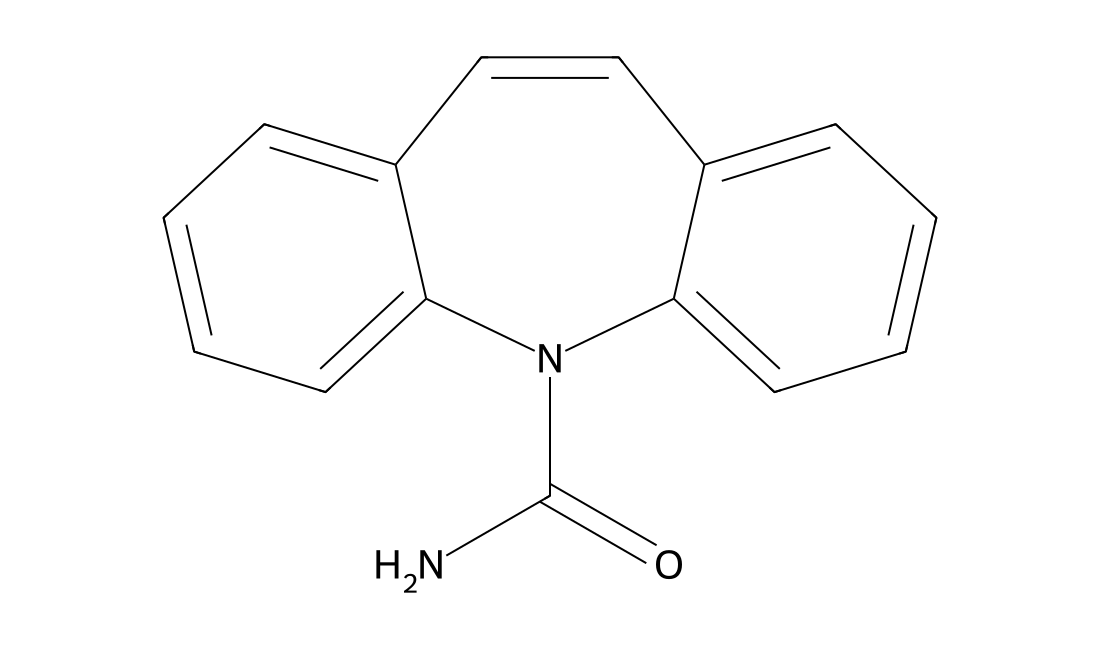
Voxtalisib (XL765, SAR245409)Featured
Voxtalisib (XL-765) is a potent PI3K inhibitor, which has a similar activity toward class I PI3K (IC50s=39, 113, 9 and 43 nM for p110α, p110β, p110γ and p110δ, respectively), also inhibits DNA-PK (IC50=150 nM) and mTOR (IC50=157 nM). Voxtalisib (XL-765) inhibits mTORC1 and mTORC2 with IC50s of 160 and 910 nM, respectively.
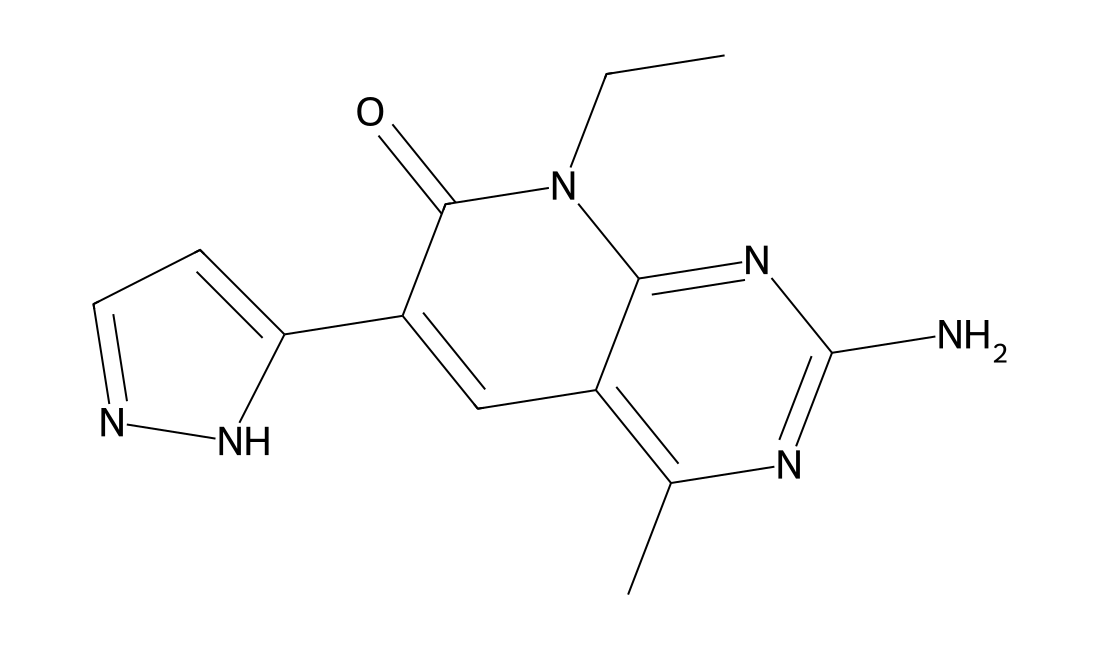
SKLB1002Featured
SKLB1002 is a novel and potent VEGFR-2 inhibitor with an IC50 value of 32 nM.
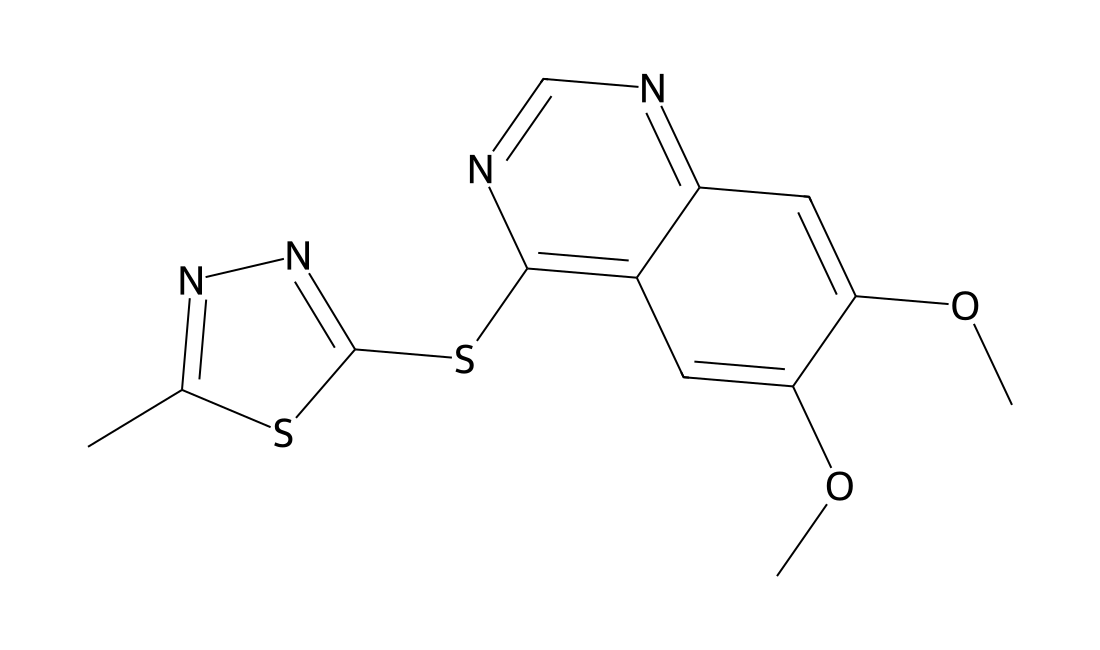
CAY10572(PHA-767491)Featured
PHA-767491 is a dual Cdc7/Cdk9 inhibitor, with IC50s of 10 nM and 34 nM, respectively.
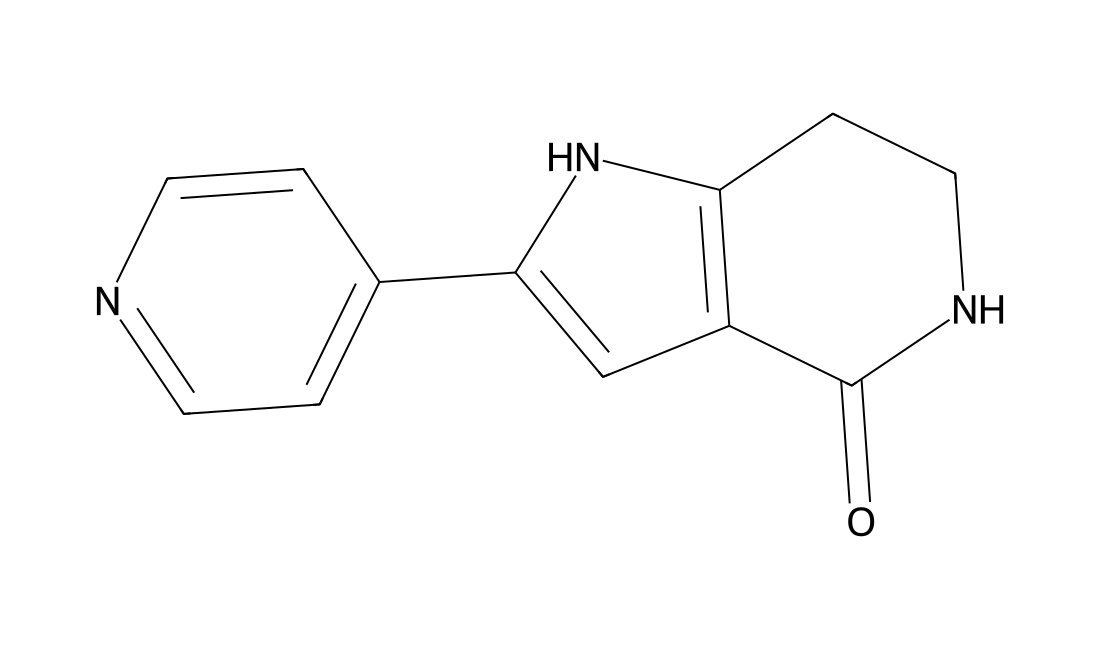
O4I-1Featured
O4I1 is as a potent Oct3/4 inducer.Target: Oct3/4O4I1 enhances Oct3/4 gene expression, increases Oct3/4 protein levels, and promotes Oct3/4 mediated transcriptional activation. O4I1 activates Oct3/4 at the transcriptional and translational levels in diverse human cell lines. O4I1 promotes Oct3/4 expression in untransfected HEK293 cells quantified by qRT-PCR after 72 h of treatment. O4I1 is sufficient to enhance Oct3/4 overexpression 2-fold and 3-fold after 48 and 72 h of treatment, respectively.
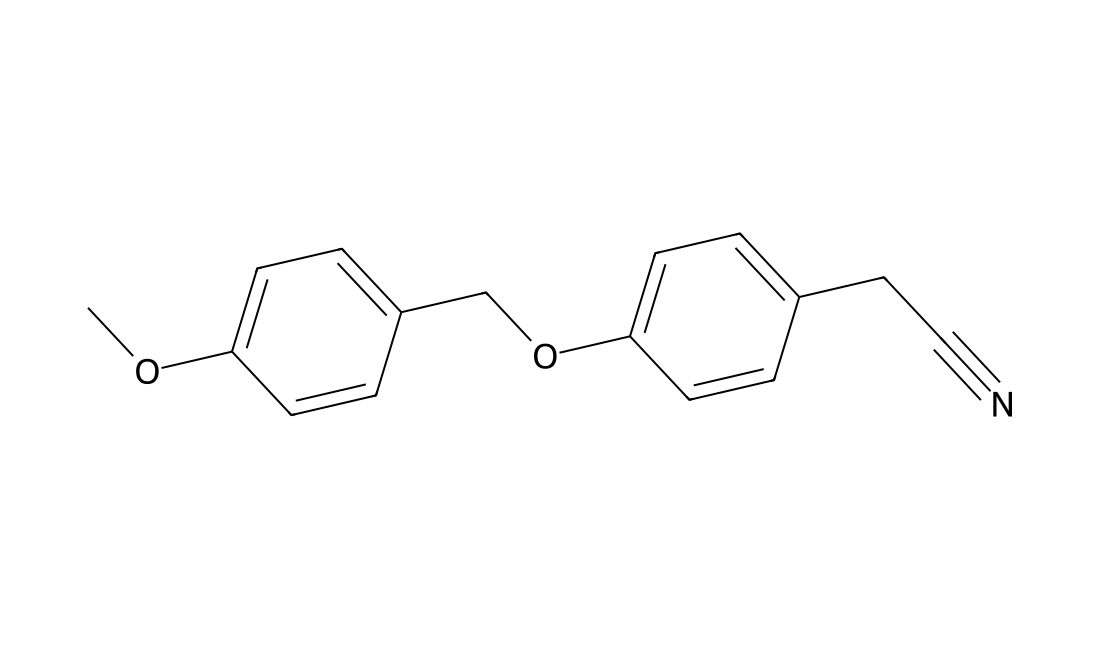
NU-7441 (KU-57788)Featured
KU-57788 is a potent and selective inhibitor of DNA-PK with an IC50 of 13 nM, with selectivity over a range of kinases including mTOR, PI 3-K, ATM and ATR.
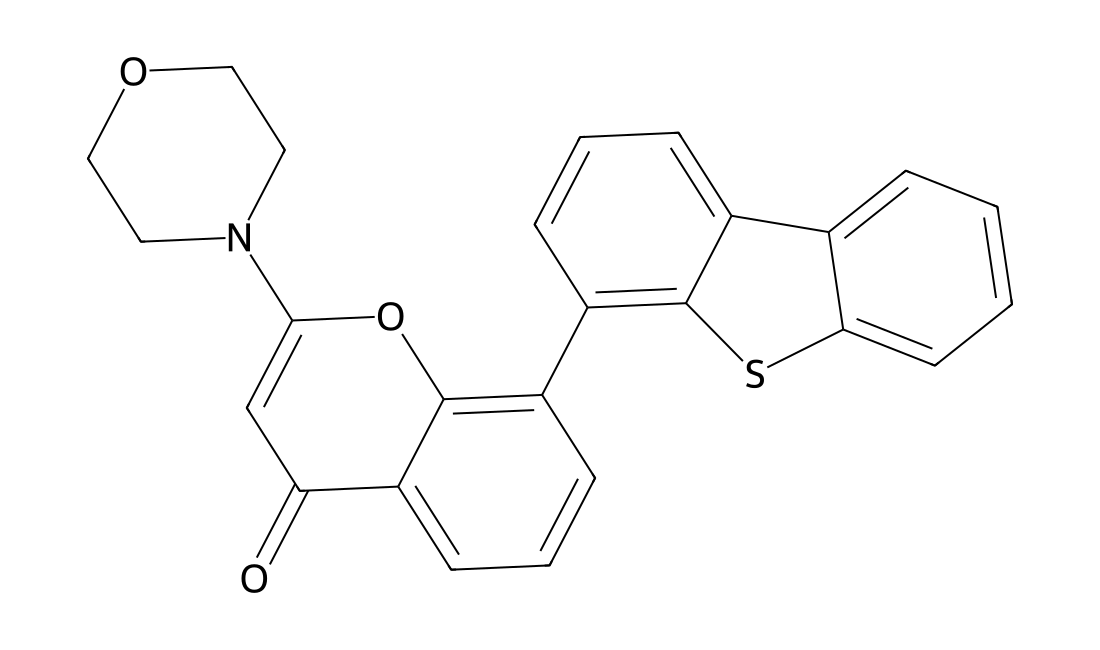
ML-327Featured
ML327 is a blocker of MYC which can also de-repress E-cadherin transcription and reverse Epithelial-to-Mesenchymal Transition (EMT).
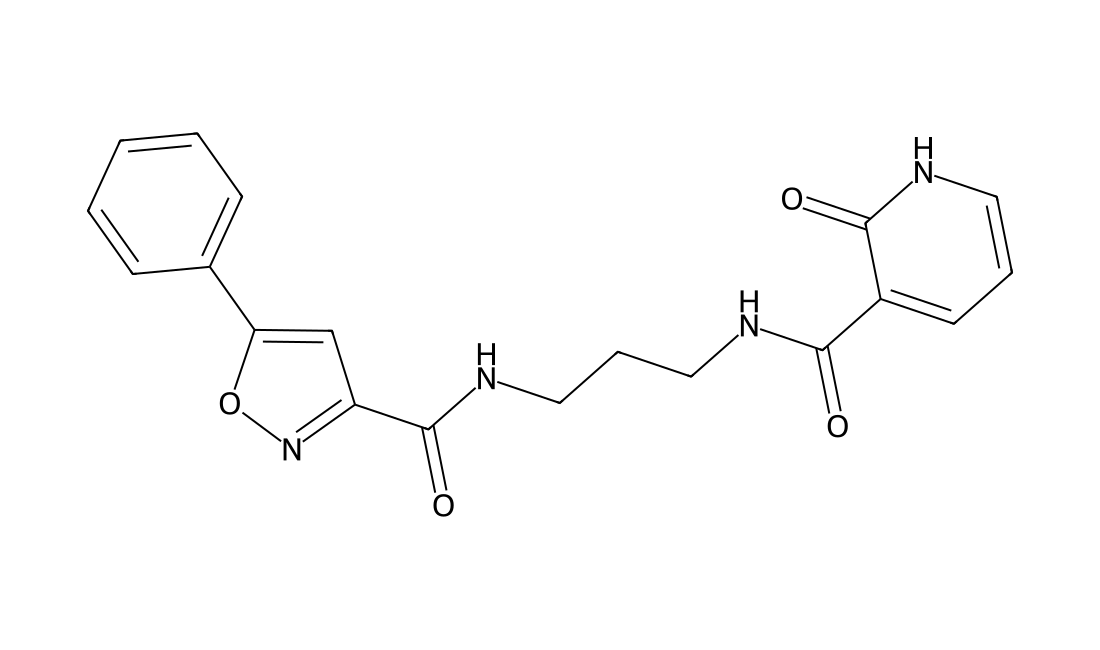
Lasmiditan (COL-144; LY573144)Featured
Lasmiditan (COL-144; LY573144) is a high-affinity, highly selective 5-HT1F receptor agonist(Ki=2.1 nM), compared with Ki of 1043 nM and 1357 nM at the 5-HT(1B) and 5-HT(1D) receptors, respectively.
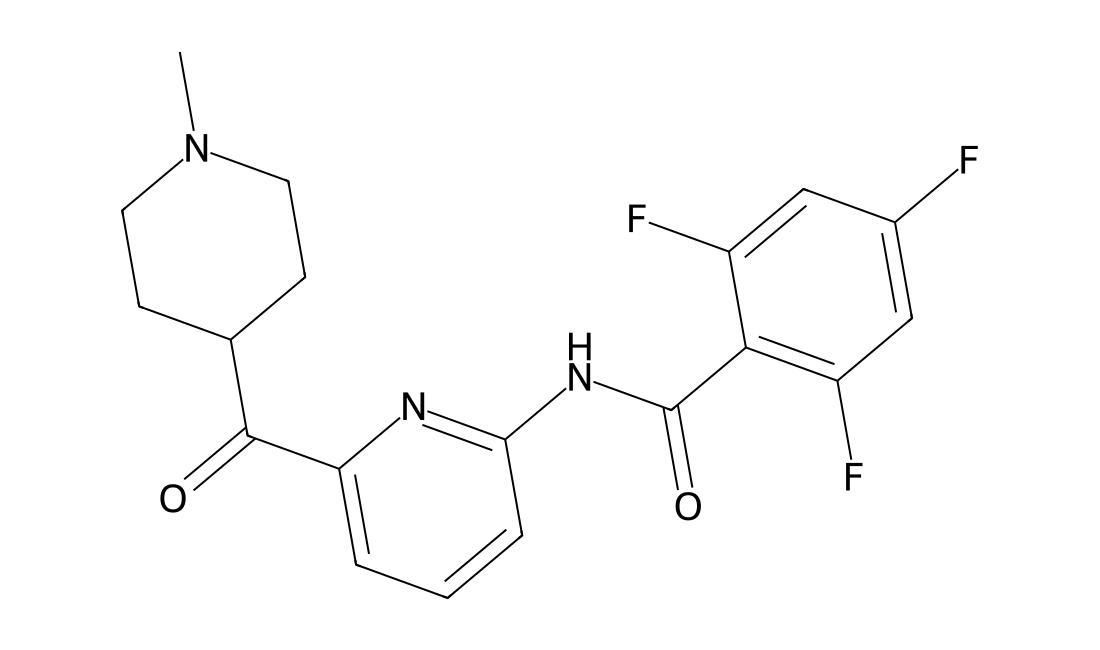
CAY10566Featured
CAY10566 is a stearoyl-CoA desaturase (SCD) inhibitor.
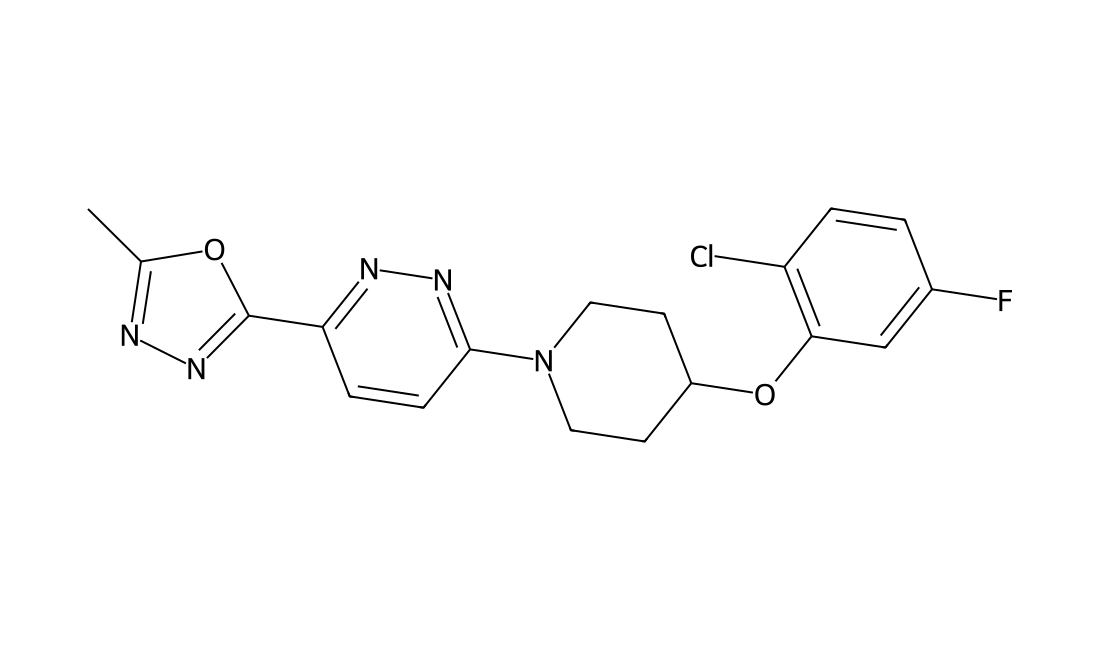
WAY-352753 (GSK3-IN-1)Featured
GSK3-IN-1 (compound 11) is a GSK-3 inhibitor with an IC50 value of 12 μM. GSK3-IN-1 can be used in the research of diabetes[1].
No products match this search.
Page 352 of 359 · Browse all 7177 products
Jump to a product page
Featured literature product: HX1 · DCL0028
HX1 is a hydroxyzine-derived ionizable lipid with acetal-containing tails, studied in lipid nanoparticles for brain mRNA delivery and CRISPR–Cas9 delivery. It was the lead in the reported in vivo brain-delivery screen; evidence is preclinical and formulation-dependent.
Read full formulation and performance →