
Research lipid catalog
Ionizable Lipid Products
Explore 848 lipid and RNA delivery products. Search the full catalog or browse by research category.
Search covers product name, catalog number, synonyms, available CAS numbers and categories. Spaces, hyphens and common punctuation are ignored. Duplicate legacy records are consolidated under one canonical product result.
7177 products · Showing 6721–6740 · 20 per page
DC Chemicals lipid expertise
Built for ionizable-lipid discovery and RNA delivery research
DC Chemicals supports formulation and delivery research with a broad, searchable portfolio of cationic and ionizable lipids. The current directory brings together 848 unique research-use products, with product specifications, pricing, chemical structures and literature-linked formulation data added as each record is verified.
Our experience spans complex lipid synthesis, purification, analytical release and process development. For custom molecules or larger-scale requirements, our team can discuss route development, technical specifications and scale-up options for the intended research workflow.
Learn about cationic and ionizable lipids →Proprietary innovation · Co-development · GMP
From proprietary lipid design to GMP-grade custom synthesis
DC Chemicals has independently developed ionizable-lipid structures supported by company-owned intellectual property, and selected proprietary lipid programs have advanced to GMP-stage development.
We welcome joint development with customers—from molecular design and lipid synthesis through route and process development. We can also support custom synthesis of GMP-grade ionizable lipids to agreed technical specifications and quality requirements.
Discuss a co-development project →Proprietary ionizable-lipid structuresCollaborative molecular designCustom lipid synthesisProcess development and scale-upGMP-grade project support
Product quick links
Explore New ionizable lipids
Explore our five most recently added ionizable lipids, with specifications, pricing and literature-linked product information.
DCL0028HX1Brain RNA delivery researchView product →DCL0024A1I4R13C18-2Spleen-targeted RNA delivery researchView product →DCL0023A1I4R2C18-2Spleen-targeted RNA delivery researchView product →DCL0022FS01Local joint RNA delivery researchView product →DCL0020Lipid-392Lung RNA delivery and gene editing researchView product →
Cat. No.Product NameField of ApplicationChemical Structure
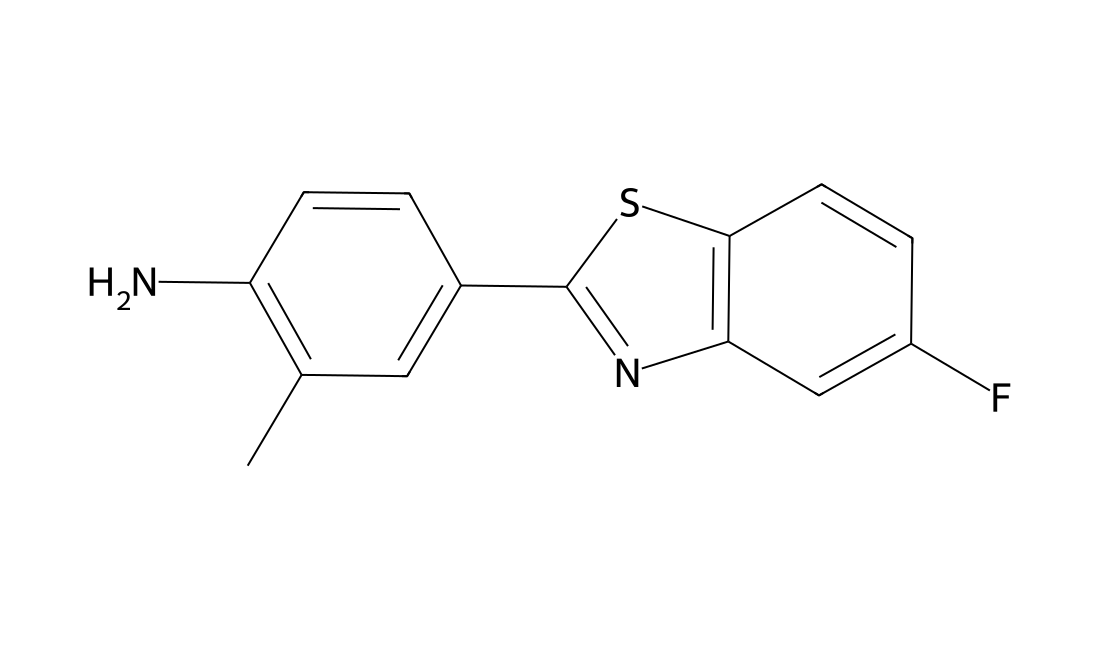
5F 203Featured
A potent, selective antitumour agent through activation the aryl hydrocarbon receptor (AhR) pathway; causes MCF-7 sensitive cells to arrest in G(1) and S phase, and induces DNA adduct formation, in contrast to AhR-deficient AH(R100) variant MCF-7 cells, induces CYP1A1 and CYP1B1 transcription; L-lysylamide prodrug Phortress (NSC 710305) demonstrats antitumor activity in vivo.
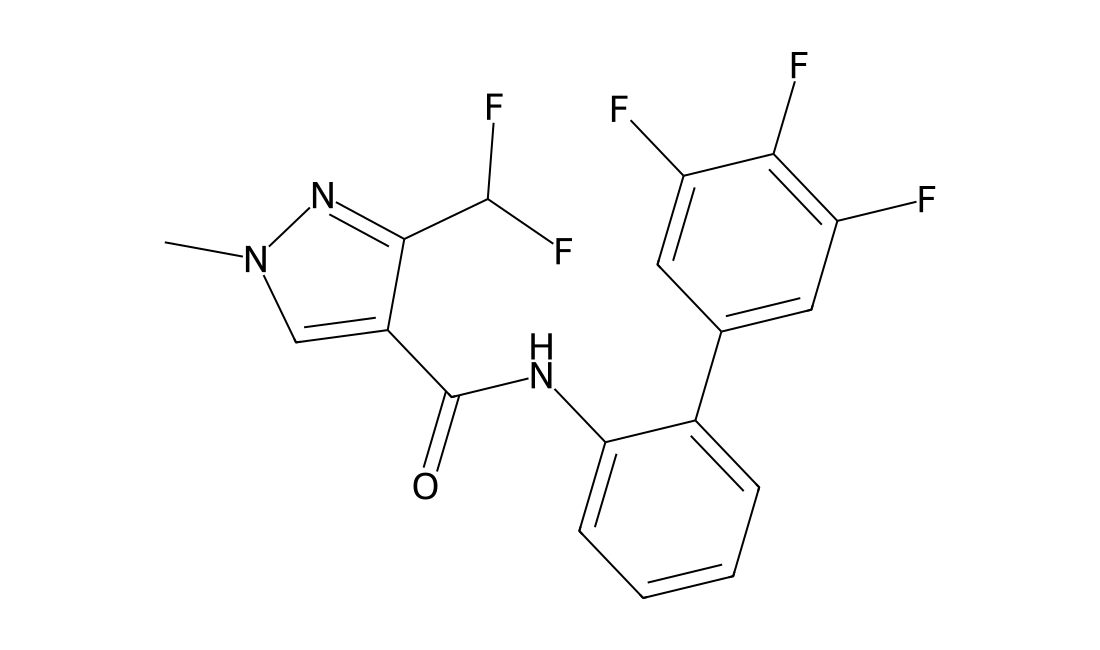
FluxapyroxadFeatured
Fluxapyroxad is a broad-spectrum fungicide which inhibits the succinate dehydrogenase (SQR) enzyme.
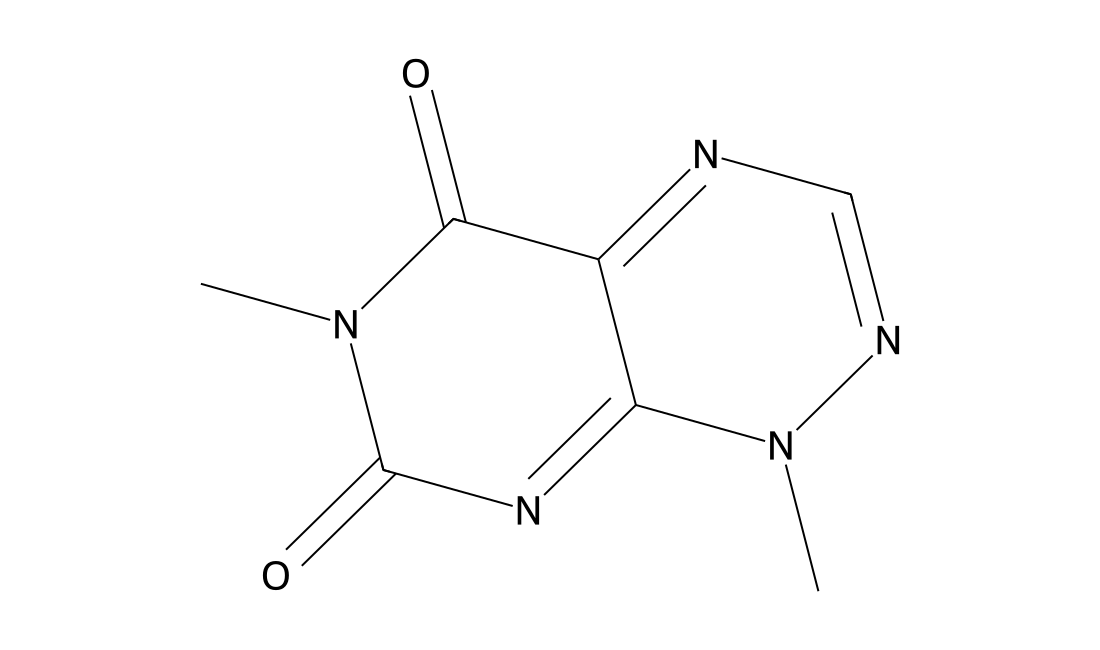
Toxoflavin (PKF118-310)Featured
PKF118-310 is an inhibitor of survivin expression and antagonist of Tcf4/b-catenin signaling. Shown to induce apoptosis in tumor cells.
Dafadine AFeatured
Dafadine-A, an analog of dafadine, is a novel inhibitor of DAF-9 cytochrome P450 in the nematode Caenorhabditis elegans; also inhibits the mammalian ortholog of DAF-9(CYP27A1).The DAF-9 cytochrome P450 is a key regulator of dauer formation, developmental timing and longevity in the nematodeCaenorhabditis elegans. Here we describe the first identified chemical inhibitor of DAF-9 and the first reported small-molecule tool that robustly induces dauer formation in typical culture conditions. This molecule (called dafadine) also inhibits the mammalian ortholog of DAF-9(CYP27A1), suggesting that dafadine can be used to interrogate developmental control and longevity in other animals.
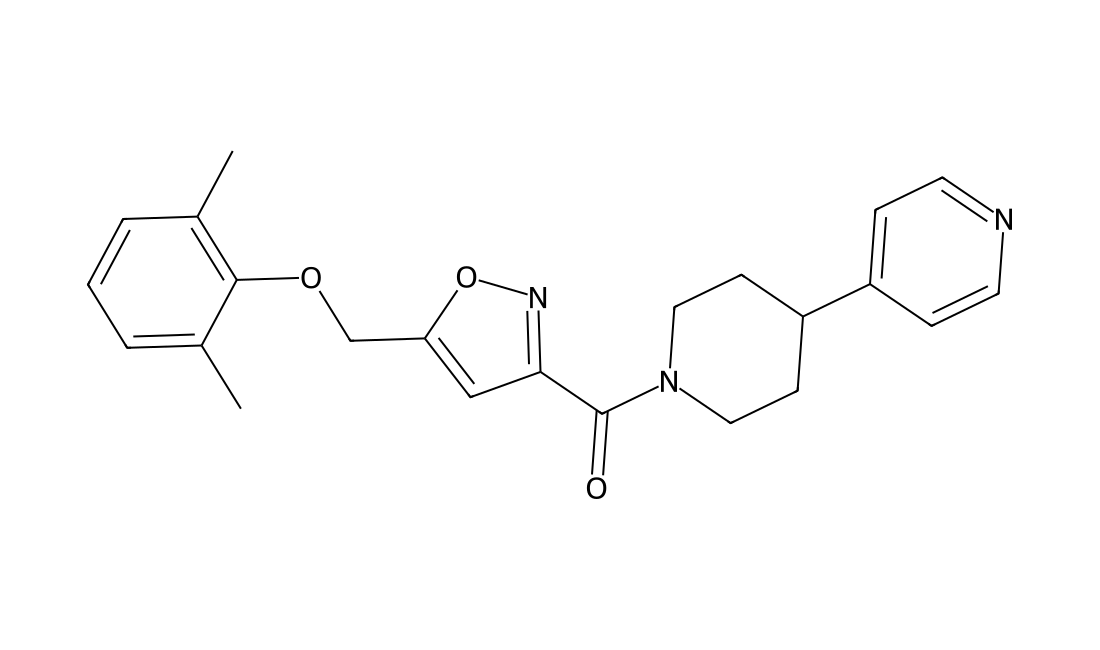
B355252Featured
B355252 is a neuroprotective agent that potentiates nerve growth factor (NGF)-induced neurite outgrowth and protects against cell death caused by glutamate-evoked oxidative stress.
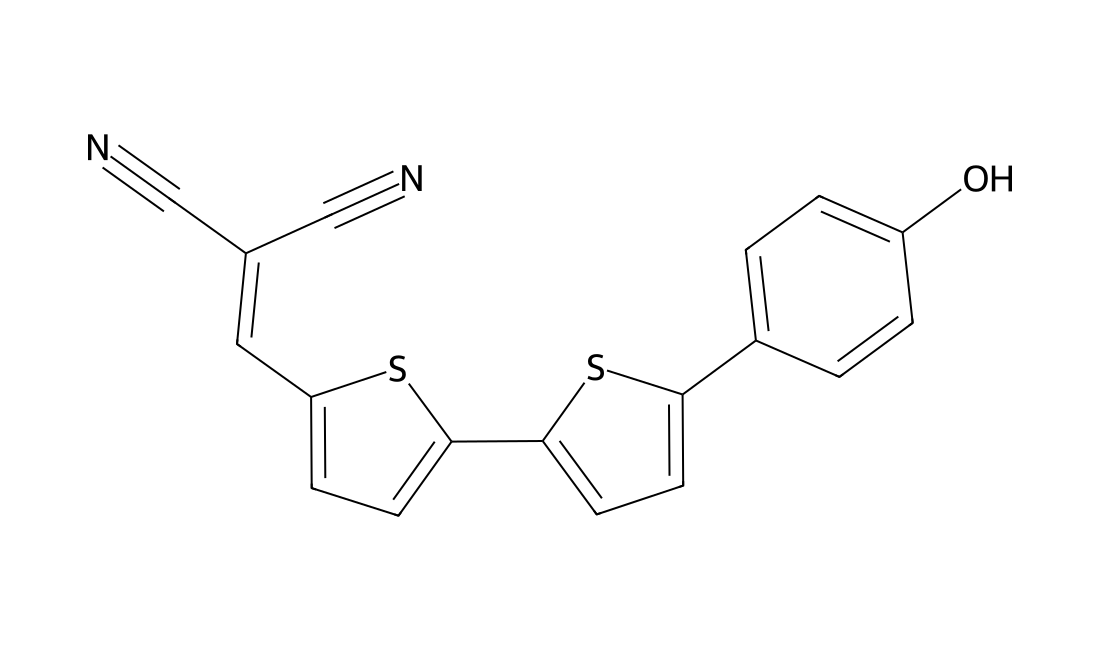
NIAD-4Featured
NIAD-4 is an advanced fluorescent probe specifically engineered for high-contrast imaging of amyloid-β (Aβ) aggregates in Alzheimer's disease research.
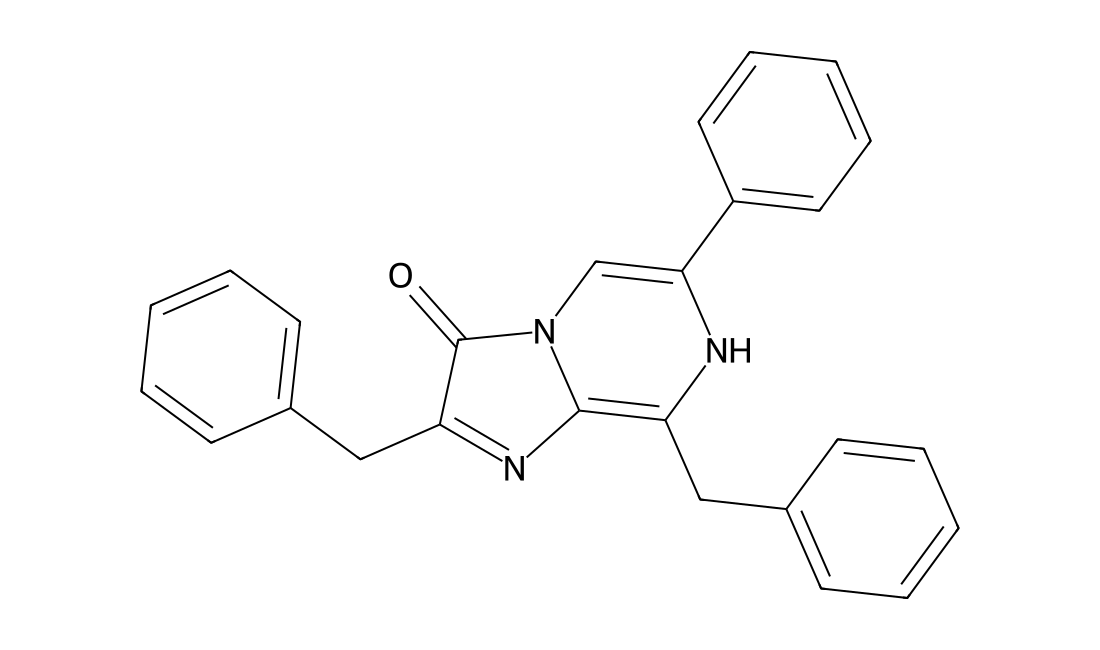
Coelenteramine 400aFeatured
Coelenteramine 400a (Bisdeoxycoelenterazine), a structural analog of Coelenterazine, serves as a substrate for Renilla luciferase (RLuc). When interacting with Coelenteramine 400a, RLuc catalyzes the emission of blue light with a peak wavelength of 395 nm.
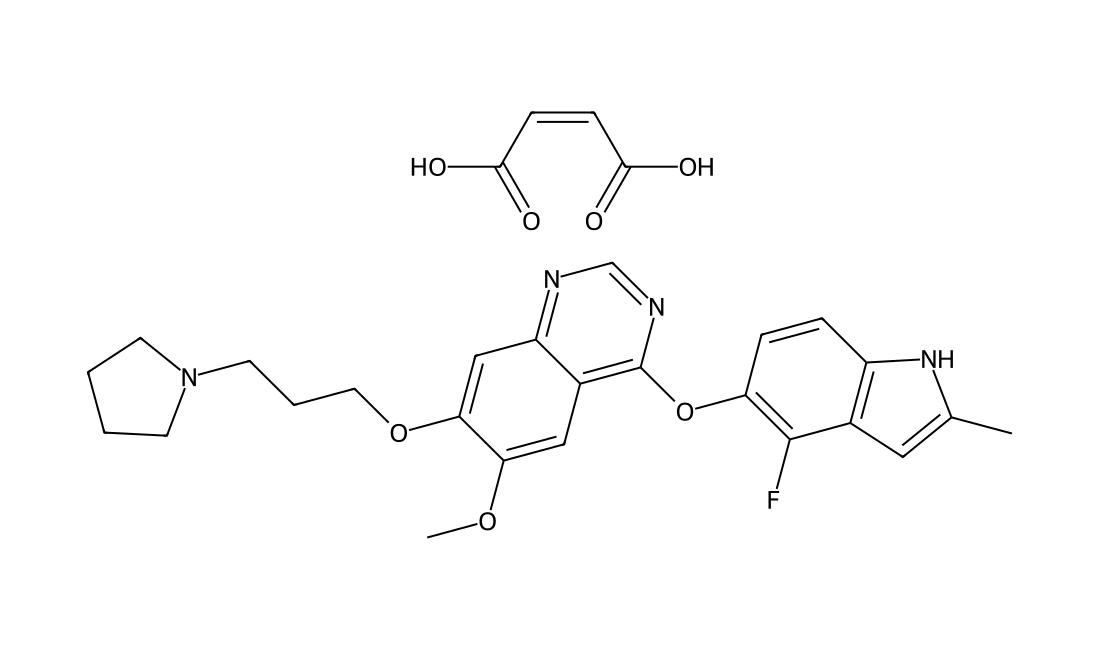
Cediranib maleateFeatured
A highly potent, orally bioavailable, pan-VEGFR inibitor with IC50 of 1, 5, 3 nM for VEGFR1, 2, 3, respectively; also inhibits c-Kit and PDGFRβ with IC50 of 2 and 5 nM, >36-fold selectivity over PDGFR-α, >1000-fold over Flt-3 and EGFR; inhibits VEGF-stimulated proliferation and KDR phosphorylation with IC50 of 0.4 and 0.5 nM in human umbilical vein endothelial cells; inhibits angiogenesis, neovascular survival and tumor growth in vivo. Ovarian CancerPhase 3 Clinical
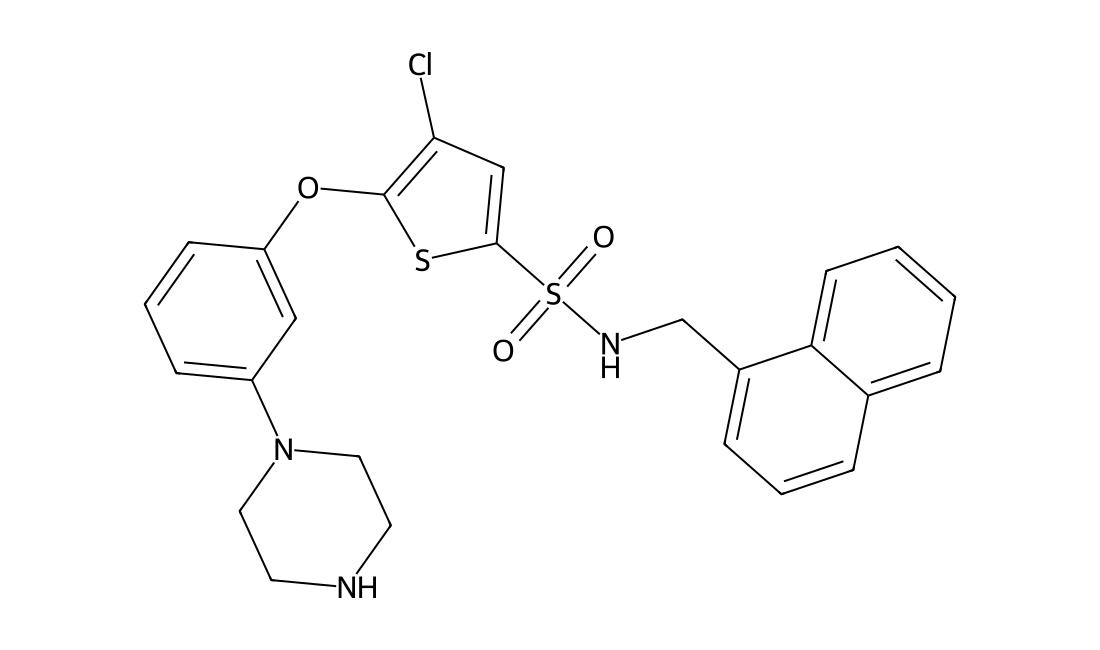
RTI-7470-44Featured
RTI-7470-44 is a highly potent and selective antagonist of the human trace amine-associated receptor 1 (hTAAR1), demonstrating an IC50 of 8.4 nM in an in vitro cAMP functional assay. In radioligand binding studies, it exhibits a Ki value of 0.3 nM, highlighting its strong affinity for hTAAR1. Notably, RTI-7470-44 shows significant species selectivity, with over 90-fold preference for hTAAR1 compared to its rat and mouse counterparts. This compound also possesses favorable pharmacokinetic properties, including good blood-brain barrier penetration, moderate metabolic stability, and a promising off-target safety profile. In electrophysiological studies, RTI-7470-44 enhanced the spontaneous firing rate of dopaminergic neurons in the mouse ventral tegmental area (VTA) and effectively counteracted the effects of the TAAR1 agonist RO5166017.
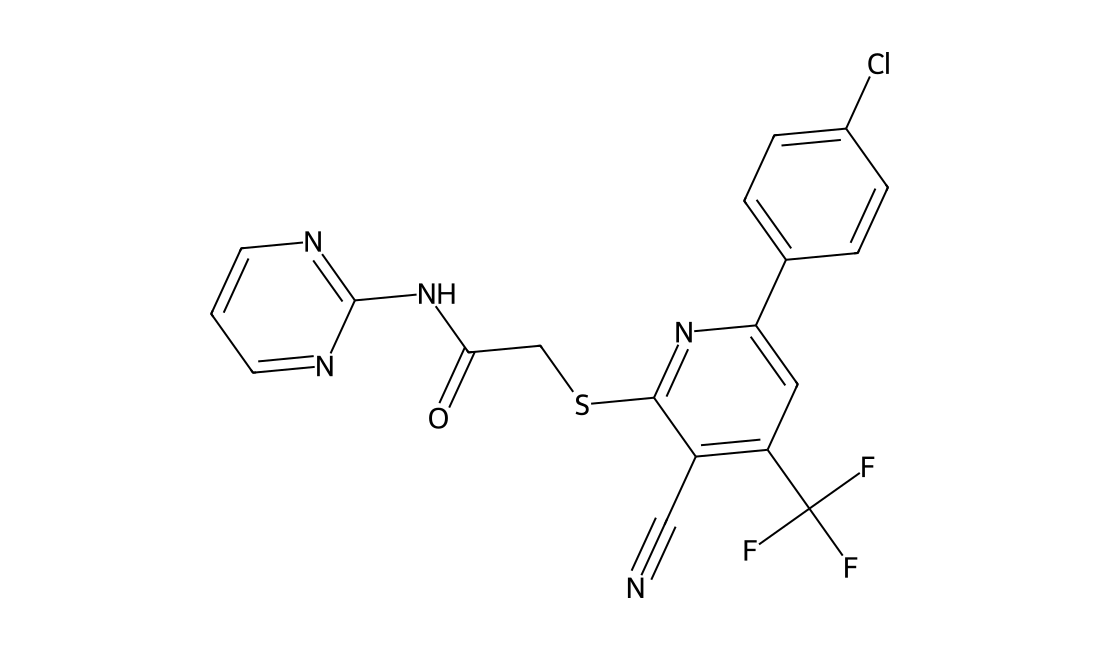
PF-04965842 (Abrocitinib)Featured
Abrocitinib (PF-04965842) is a potent, oral active and selective JAK1 inhibitor, with IC50s of 29 and 803 nM for JAK1 and JAK2, respectively. Abrocitinib (PF-04965842) exhibits less active effect on TYK2 (IC50, 1.253 μM), and inhibits phosphorylation of STAT1,STAT3 and STAT5 after stimulation. Effective in autoimmune disease[1].
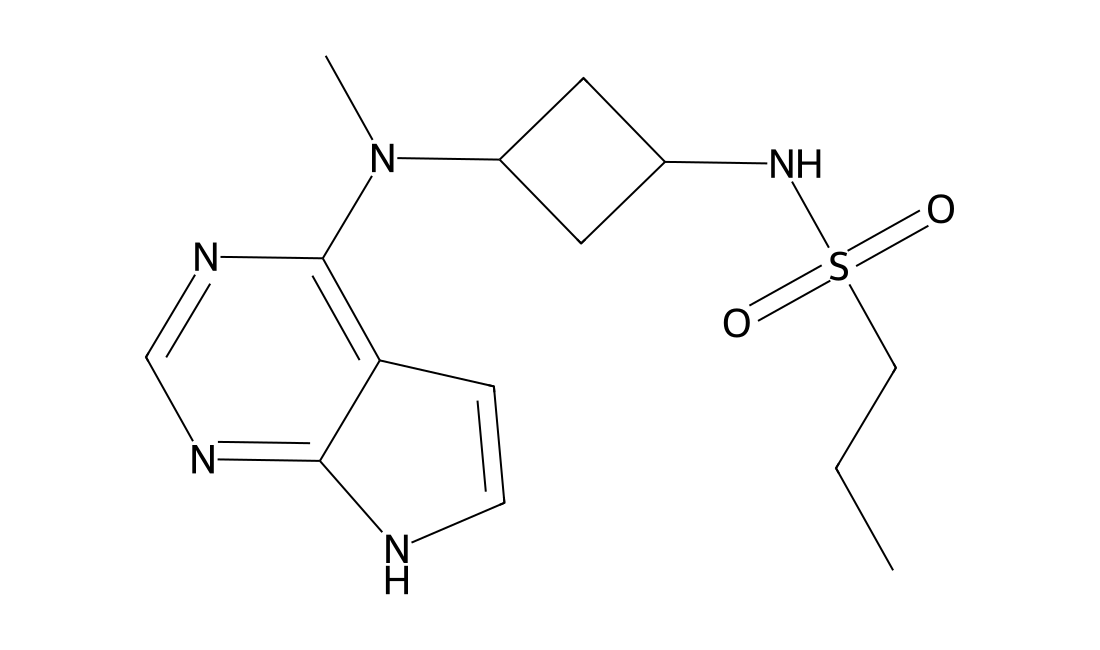
Ethacizine hydrochlorideFeatured
Ethacizine hydrochloride (Ethacizin; NIK-244) is a Class Ic antiarrhythmic agent, which means it is part of a group of drugs that primarily act by blocking sodium channels in the heart. This class of antiarrhythmic agents is known for their potent effects on slowing conduction in the heart, particularly in the atria, ventricles, and the His-Purkinje system.
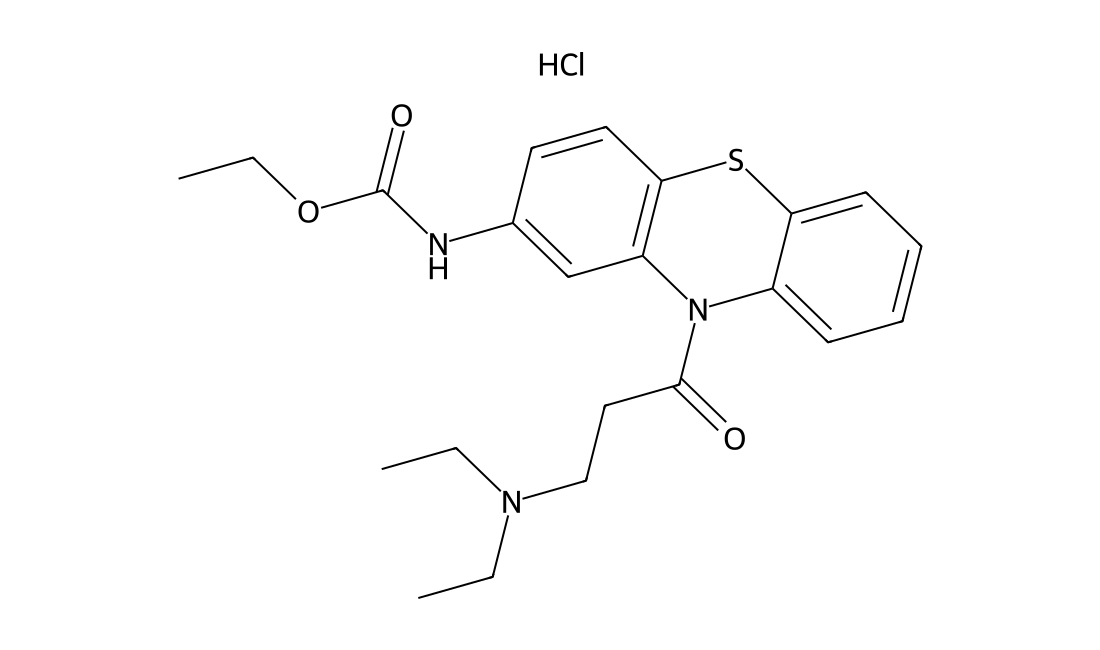
VU 0364739 hydrochlorideFeatured
VU0364739 is a selective PLD2 inhibitor (IC50: 22 nM). VU0364739 decreases cancer cell proliferation.
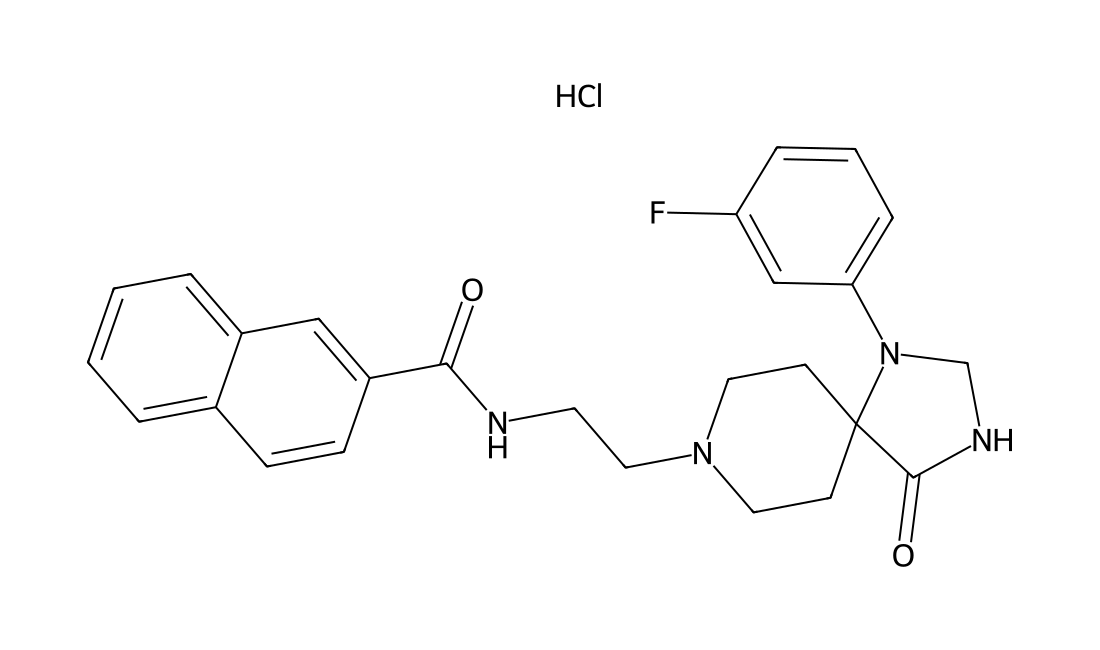
LY2780301Featured
A potent, highly selective, ATP-competitive dual inhibitor of p70S6K and Akt under development for the treatment of solid tumours and non-Hodgkin's lymphoma; drastically decreases proliferation of hMECs with ErbB2-induced p70S6K activation via Cyclin B1 inhibition and cell cycle blockade at G0-G1 phase; exhibited antiproliferative activity in a broad range of cell lines using monolayer and colony formation assays, reduces proliferation of hMECs in vitro and ADH/MIN lesions in vivo.Breast CancerPhase 2 Clinical
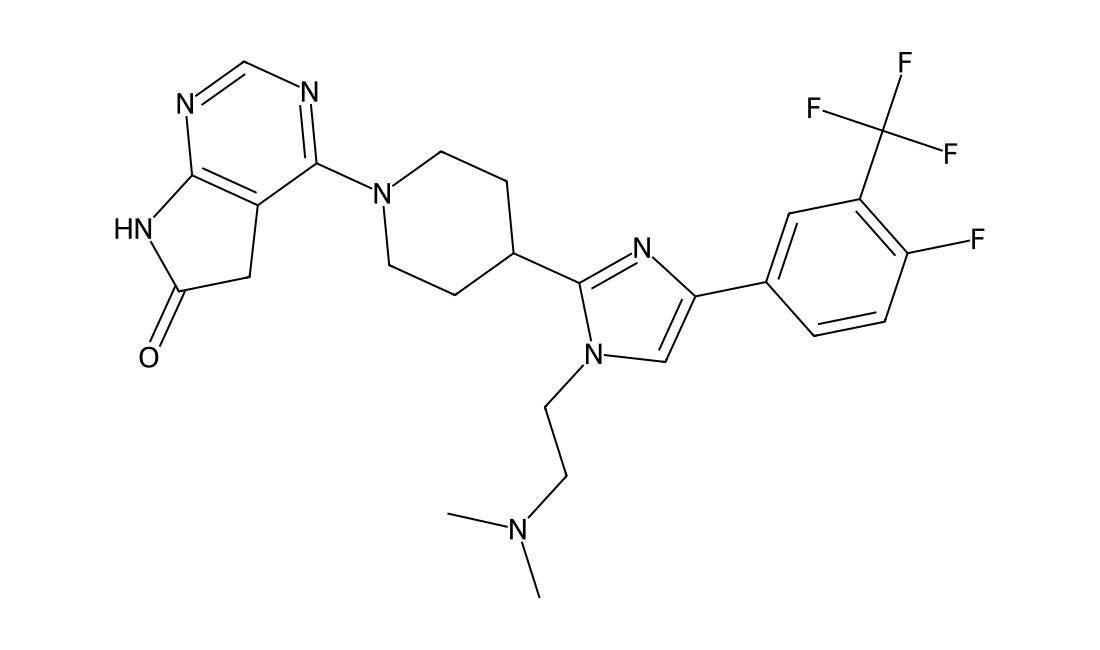
FP802Featured
FP802 is a novel small molecule with significant neuroprotective properties, specifically designed to target and disrupt the TwinF interface within the NMDAR/TRPM4 death signaling complex. This unique mechanism allows FP802 to selectively eliminate extrasynaptic NMDAR (eNMDAR)-mediated toxicity, which is implicated in various neurodegenerative diseases, while preserving the essential physiological functions of synaptic NMDARs. This selectivity makes FP802 a promising therapeutic candidate for conditions involving excitotoxicity and neuronal cell death.
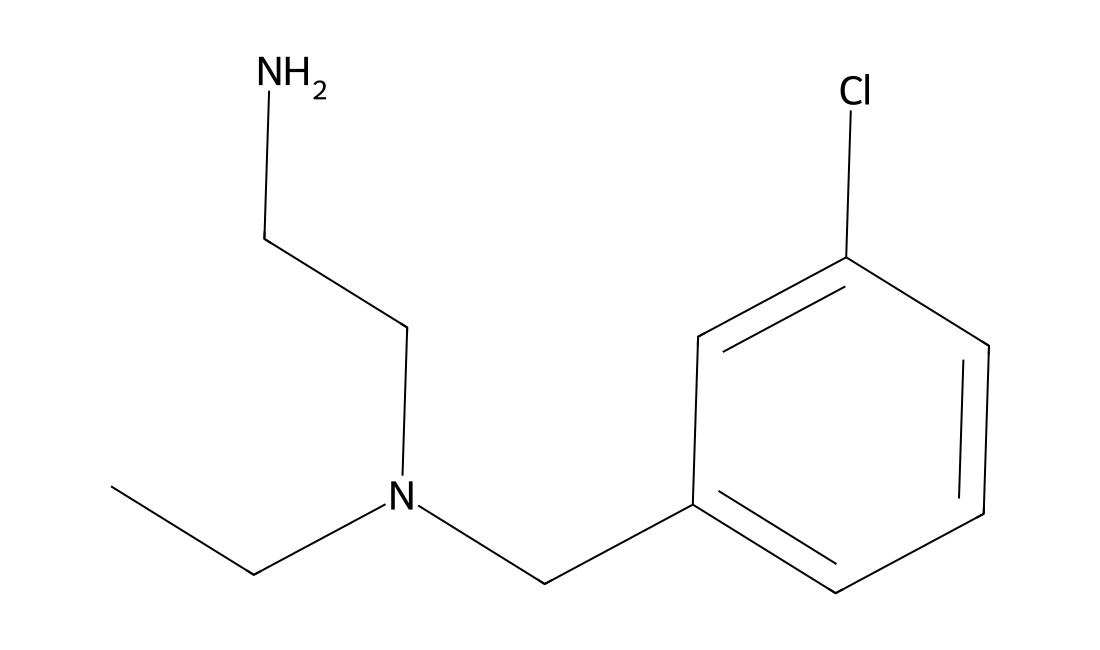
AS408Featured
AS408 is a negative allosteric modulator of the β2-adrenergic receptor (β2AR) for both G-protein activation and arrestin recruitment (pKB=6.8, [35S]GTPγS binding assays), binds to a pocket formed by the membrane-facing surface of TM3 and TM5.
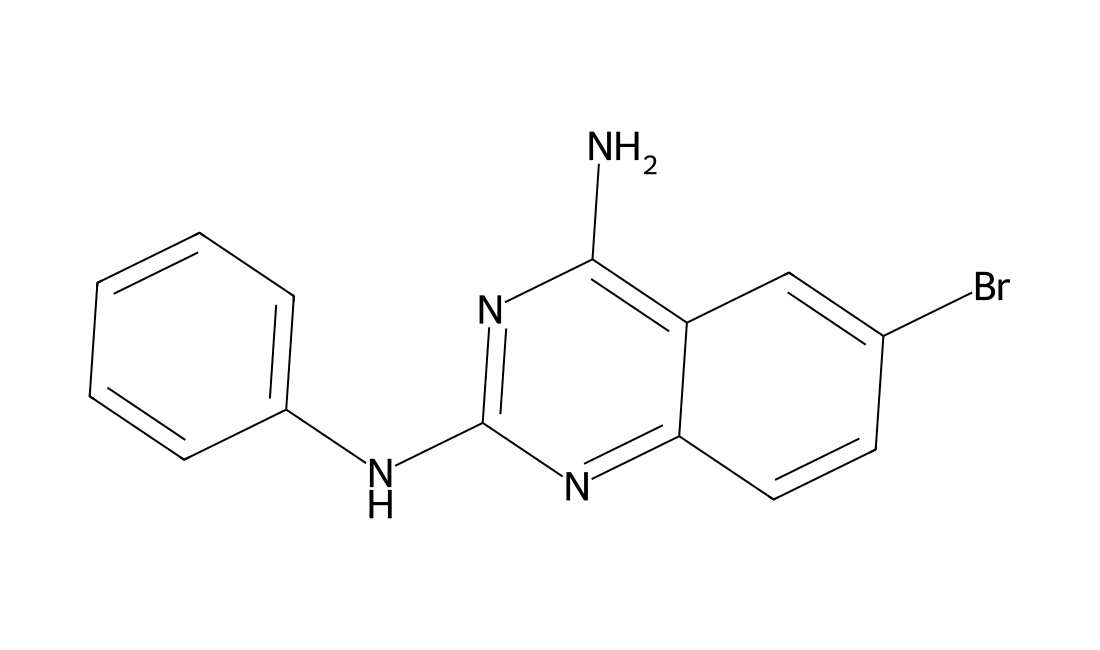
ATH686Featured
ATH686 (ATH-686) is a potent and selective, second-generation inhibitor of mutant FLT3 protein kinase; selectively kills leukemic cells harboring mutant FLT3 with no apparent effect on cells harboring wild-type FLT3, via inhibition of FLT3 kinase activity; potently inhibits cell proliferation of FLT3-ITD-Ba/F3 cells and D835Y-Ba/F3 cells (IC50<1 nM), via induction of apoptosis.
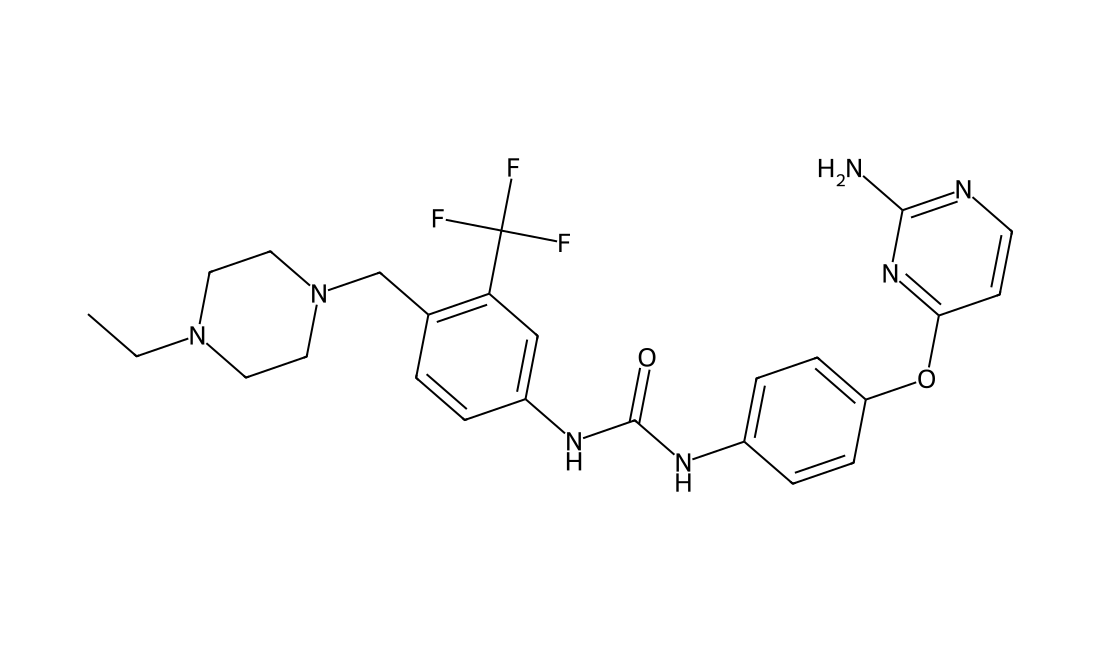
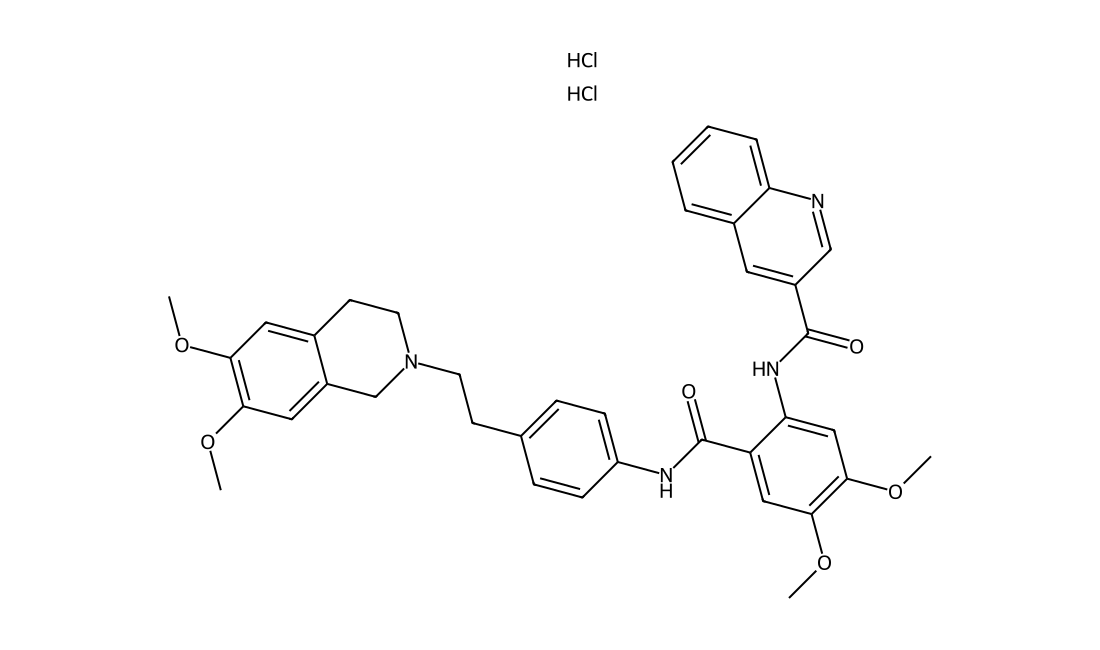
Tariquidar dihydrochlorideFeatured
Tariquidar dihydrochloride (XR9576 dihydrochloride) is a potent and specific inhibitor of P-glycoprotein (P-gp) with the high affinity (Kd=5.1 nM).
ZX-29Featured
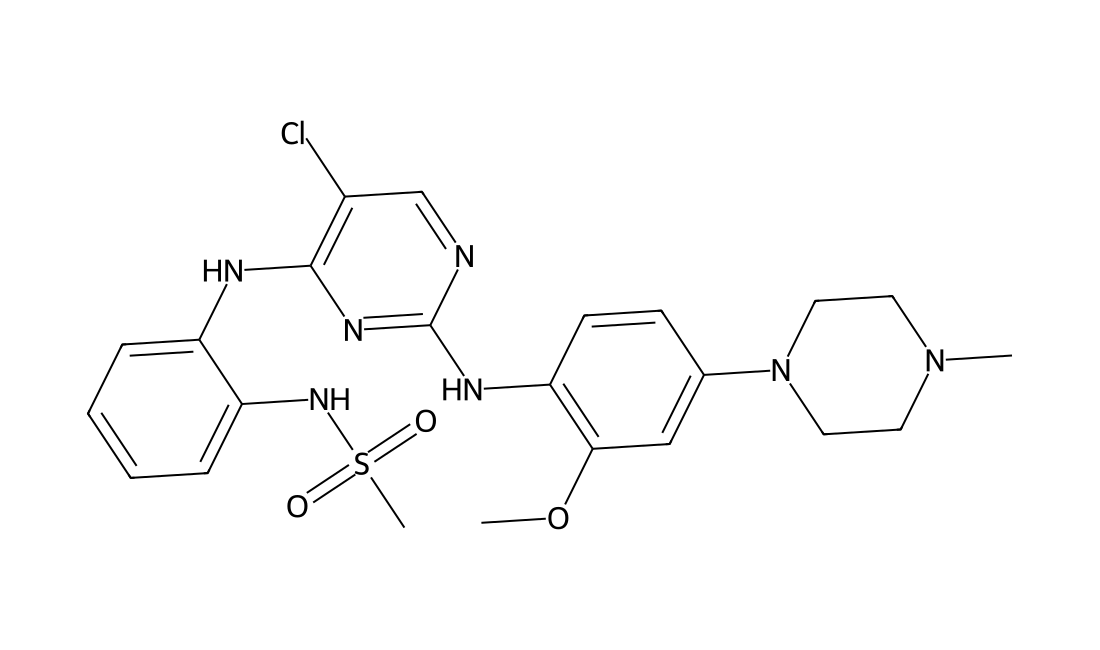
ZX-29 is a potent and selective ALK inhibitor with an IC50 of 2.1 nM, 1.3 nM and 3.9 nM for ALK, ALK L1196M and ALK G1202R mutations, respectively. ZX-29 is inactive against EGFR. ZX-29 induces apoptosis by inducing endoplasmic reticulum (ER) stress and overcomes cell resistance caused by an ALK mutation. ZX-29 also induces protective autophagy and has antitumor effect.
ATC0175Featured
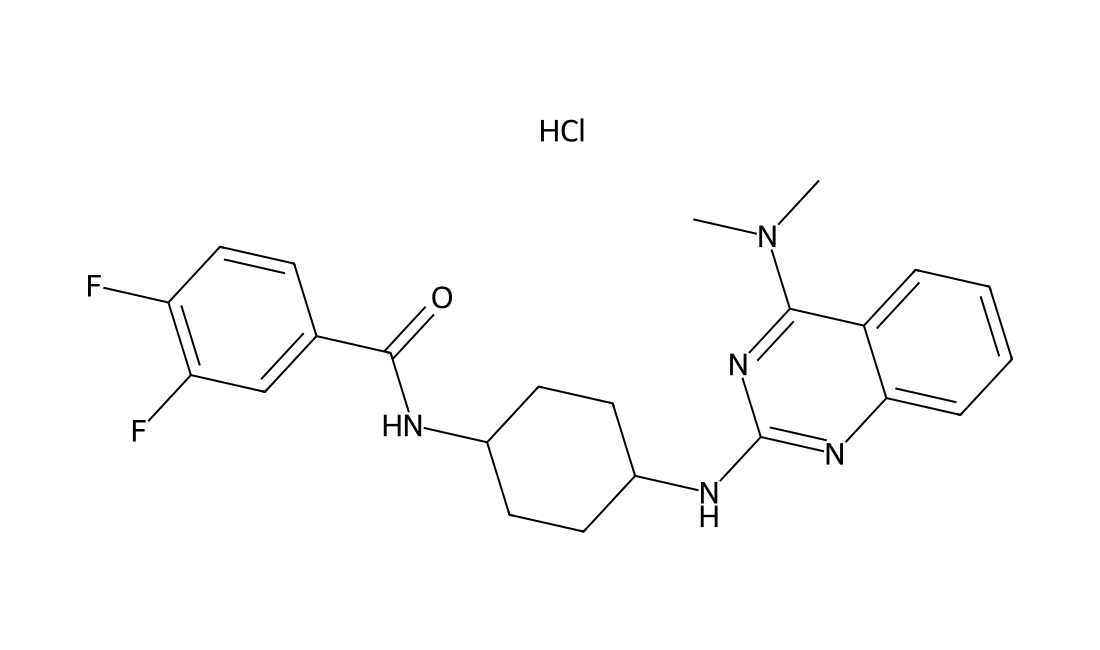
ATC0175 is a novel nonpeptidic and orally active melanin-concentrating hormone receptor 1 (MCHR1) antagonist.
TAU-IN-1Featured
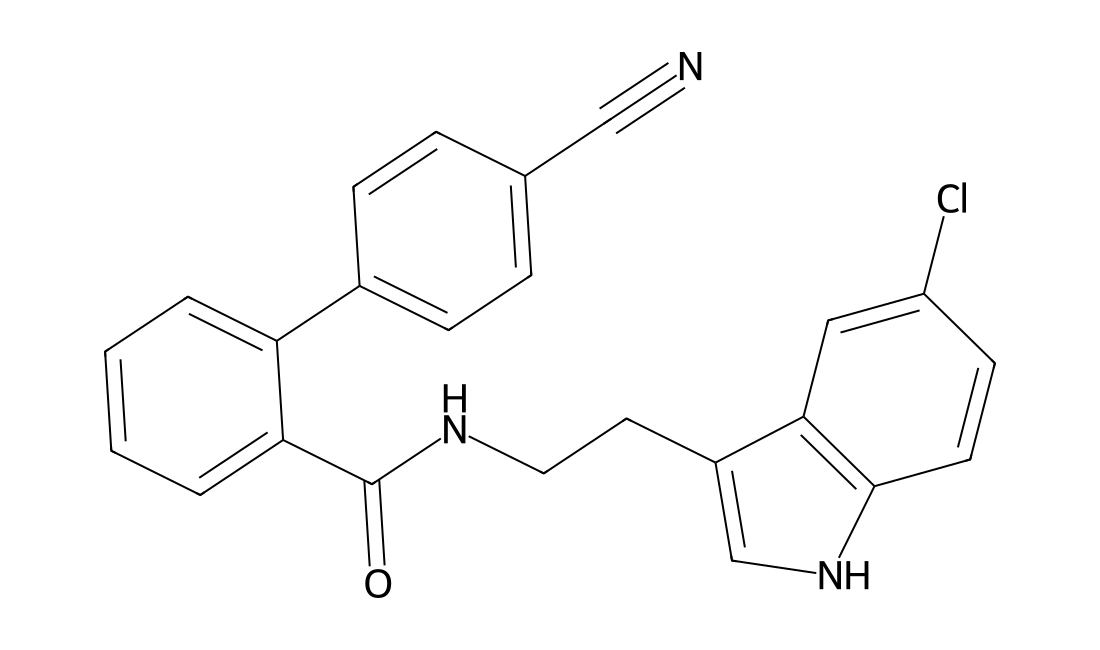
TAU-IN-1 (compound 051) is a TAU protein inhibitor with an EC50 value of 325 nM. TAU-IN-1 can be used in the study of neurodegenerative diseases.
No products match this search.
Page 337 of 359 · Browse all 7177 products
Jump to a product page
Featured literature product: HX1 · DCL0028
HX1 is a hydroxyzine-derived ionizable lipid with acetal-containing tails, studied in lipid nanoparticles for brain mRNA delivery and CRISPR–Cas9 delivery. It was the lead in the reported in vivo brain-delivery screen; evidence is preclinical and formulation-dependent.
Read full formulation and performance →