
Research lipid catalog
Ionizable Lipid Products
Explore 848 lipid and RNA delivery products. Search the full catalog or browse by research category.
Search covers product name, catalog number, synonyms, available CAS numbers and categories. Spaces, hyphens and common punctuation are ignored. Duplicate legacy records are consolidated under one canonical product result.
7177 products · Showing 6901–6920 · 20 per page
DC Chemicals lipid expertise
Built for ionizable-lipid discovery and RNA delivery research
DC Chemicals supports formulation and delivery research with a broad, searchable portfolio of cationic and ionizable lipids. The current directory brings together 848 unique research-use products, with product specifications, pricing, chemical structures and literature-linked formulation data added as each record is verified.
Our experience spans complex lipid synthesis, purification, analytical release and process development. For custom molecules or larger-scale requirements, our team can discuss route development, technical specifications and scale-up options for the intended research workflow.
Learn about cationic and ionizable lipids →Proprietary innovation · Co-development · GMP
From proprietary lipid design to GMP-grade custom synthesis
DC Chemicals has independently developed ionizable-lipid structures supported by company-owned intellectual property, and selected proprietary lipid programs have advanced to GMP-stage development.
We welcome joint development with customers—from molecular design and lipid synthesis through route and process development. We can also support custom synthesis of GMP-grade ionizable lipids to agreed technical specifications and quality requirements.
Discuss a co-development project →Proprietary ionizable-lipid structuresCollaborative molecular designCustom lipid synthesisProcess development and scale-upGMP-grade project support
Product quick links
Explore New ionizable lipids
Explore our five most recently added ionizable lipids, with specifications, pricing and literature-linked product information.
DCL0028HX1Brain RNA delivery researchView product →DCL0024A1I4R13C18-2Spleen-targeted RNA delivery researchView product →DCL0023A1I4R2C18-2Spleen-targeted RNA delivery researchView product →DCL0022FS01Local joint RNA delivery researchView product →DCL0020Lipid-392Lung RNA delivery and gene editing researchView product →
Cat. No.Product NameField of ApplicationChemical Structure
Transketolase-IN-4Featured
Transketolase-IN-4 is a potent transketolase inhibitor (IC50=3.9 μM). Transketolase-IN-4 inhibits tumor cell proliferation of SW620, LS174T, and MIA PaCa-2. Transketolase-IN-4 is a possible Mycobacterium tuberculosis DXS inhibitor, with an IC50 value of 114.1 μM.
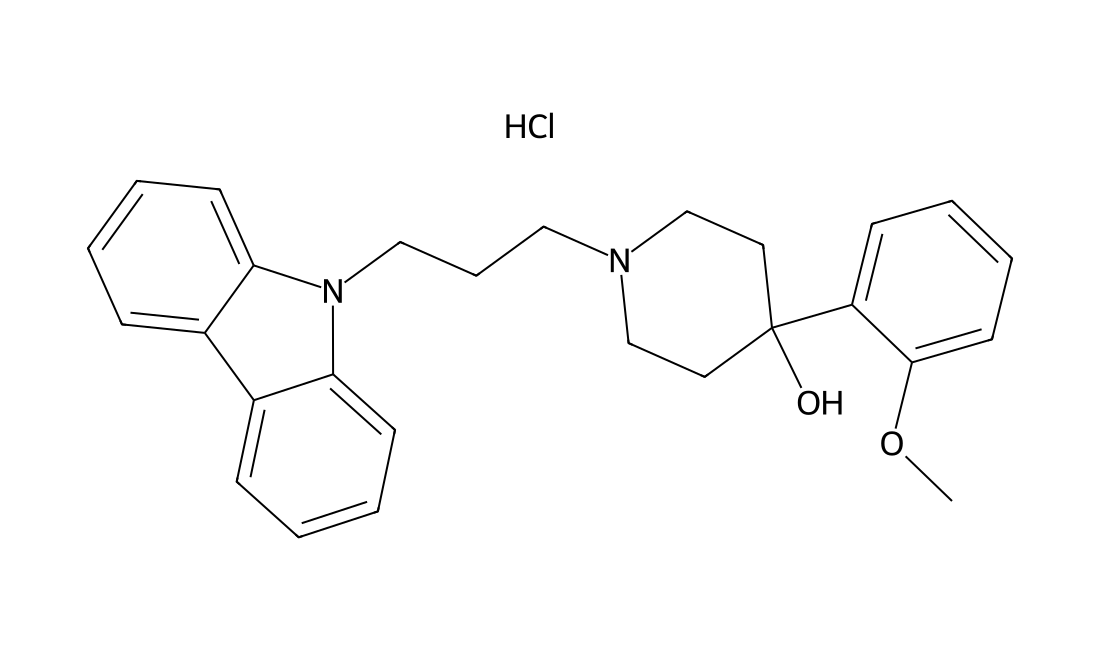
NNC 05-2090 hydrochlorideFeatured
NNC 05-2090 is a potent selective GABA transporter inhibitor of mGAT2 with Ki of 1.4 uM; displays >10 fold selectivity over mGAT1, mGAT3 and mGAT4, also has alpha 1- and D2-receptor affinity of 266 and 1632 nM, respectively; inhibits 3HGABA uptake into synaptosomes from cerebral cortex with IC50 of 4.4 uM; significantly reduces generalized seizure severity and afterdischarge duration in rats.
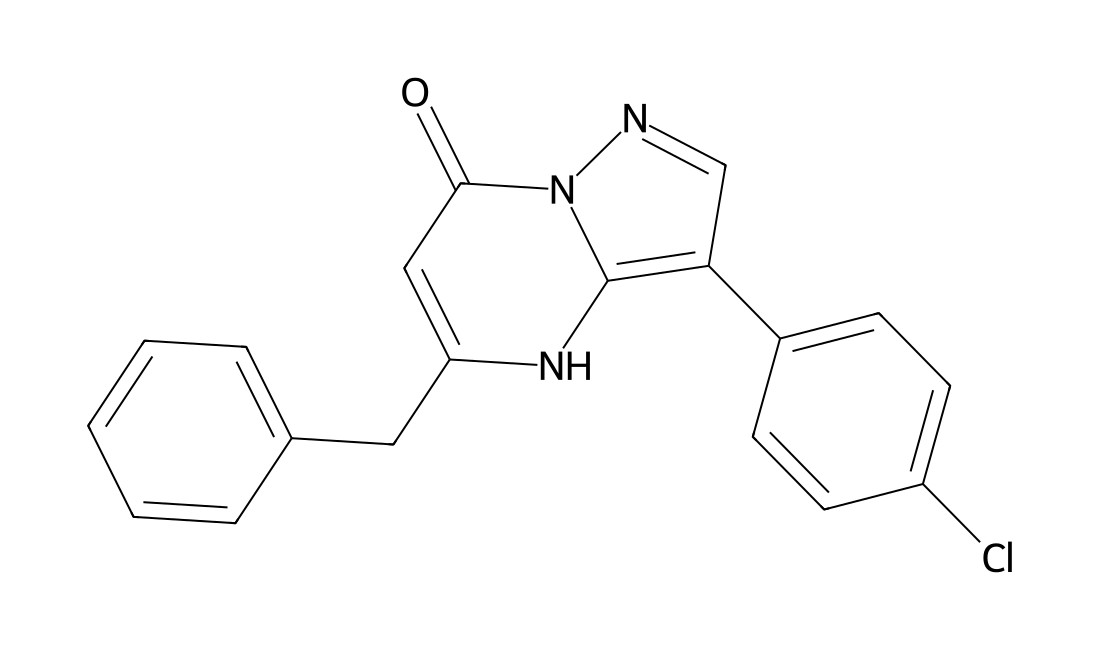
WAY-656935Featured
ROCK Inhibitor; inhibitor of ROCK, ERK, GSK, and AGC protein kinases;
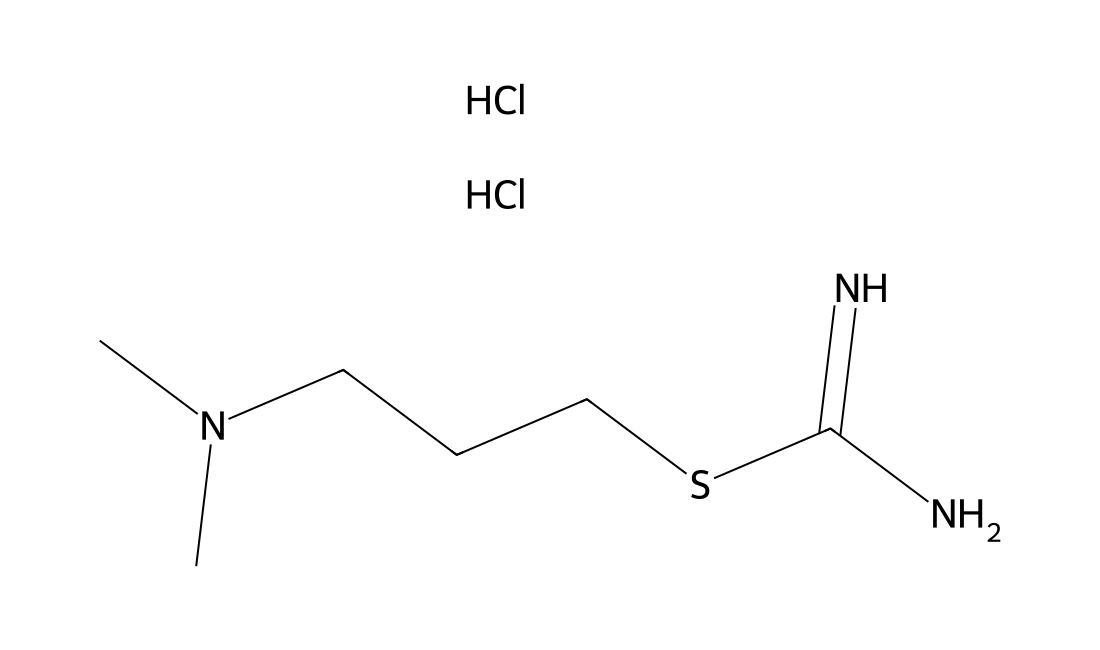
Dimaprit dihydrochlorideFeatured
Dimaprit dihydrochloride is a selective histamine H2 receptor agonist, it also inhibits nNOS with an IC50 of 49 μM. Dimaprit dihydrochloride can stimulate gastric acid secretion.
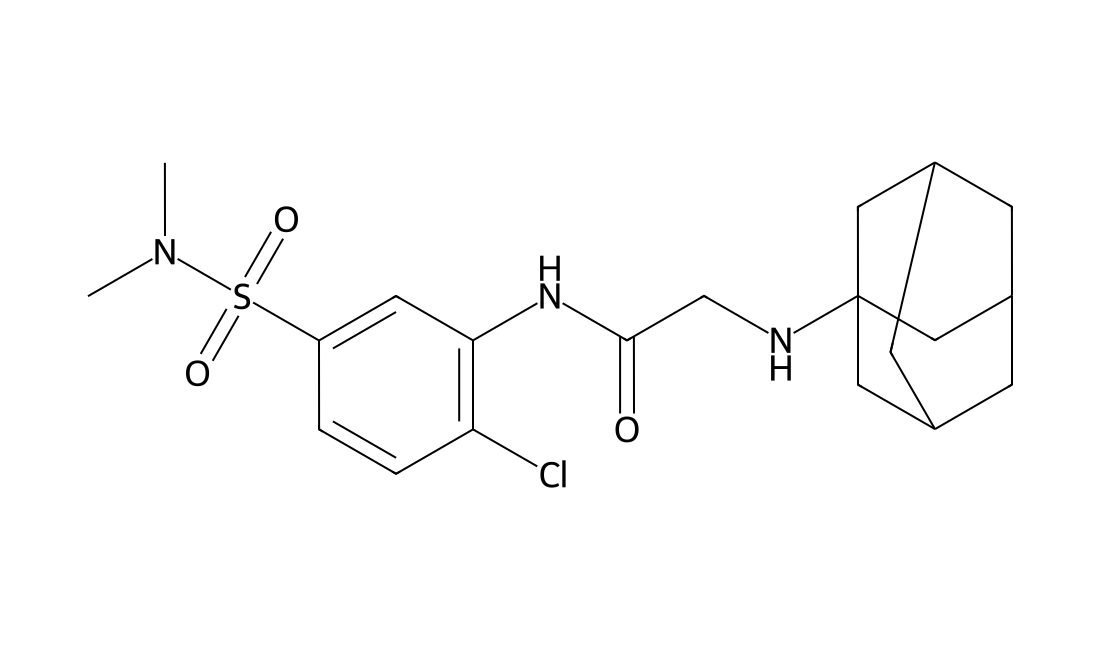
TC HSD 21Featured
TC HSD 21 is a potent 17β-hydroxysteroid dehydrogenase type 3 (17β-HSD3) inhibitor with an IC50 of 14 nM. TC HSD 21 shows excellent selectivity over 17β-HSD isoenzymes and nuclear receptors.
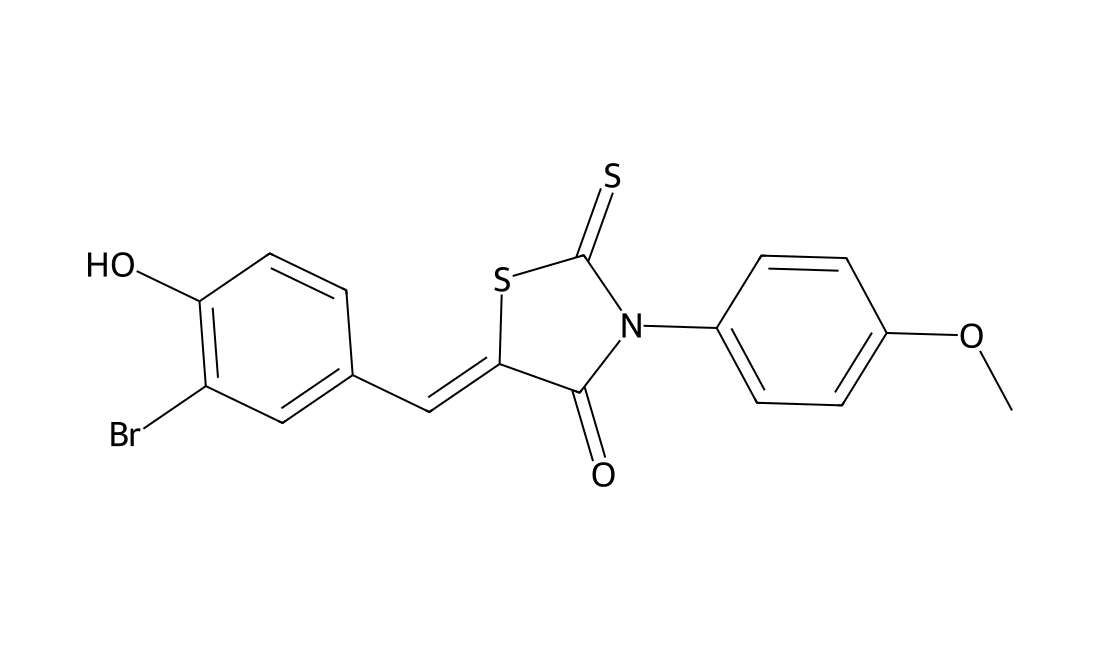
FGIN 1-43Featured
FGIN 1-43 is an effective and specific ligand for the mitochondrial diazepam binding inhibitor (DBI) receptor (related to the production of neurosteroids). FGIN 1-43 enhances the transmission of GABA by inducing the production of neurosteroids, which can be used for research on anti-anxiety.
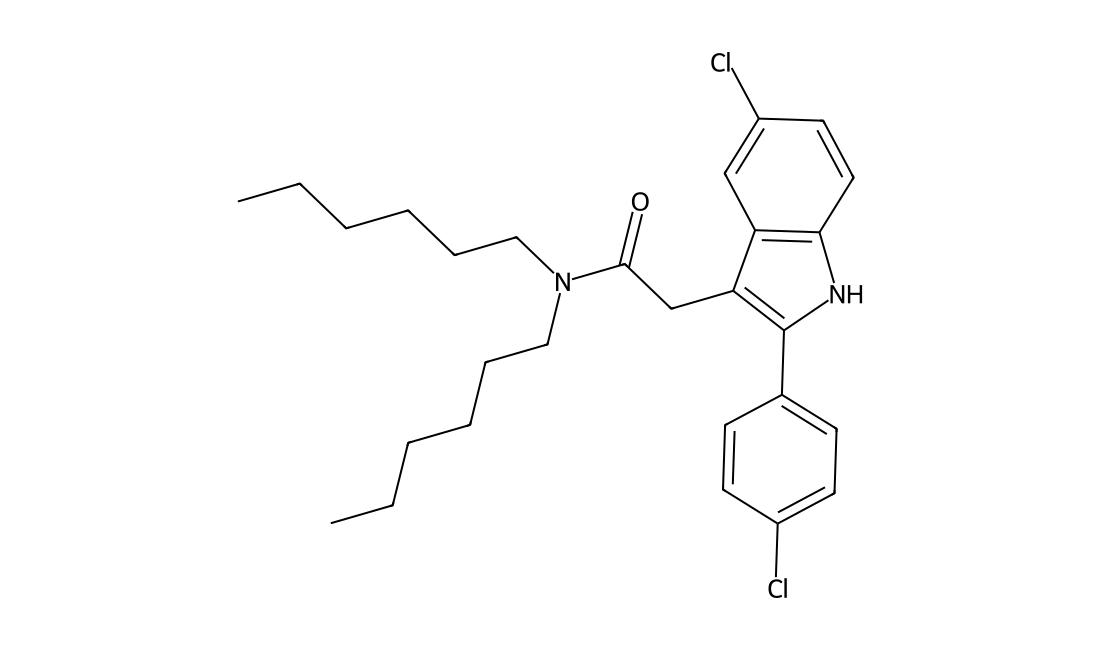
WAY-328162Featured
modulating CFTR activity; restore E-cadherin expression in the SW620 colon adenocarcinoma cell line; altering the lifespan of a eukaryotic organism;
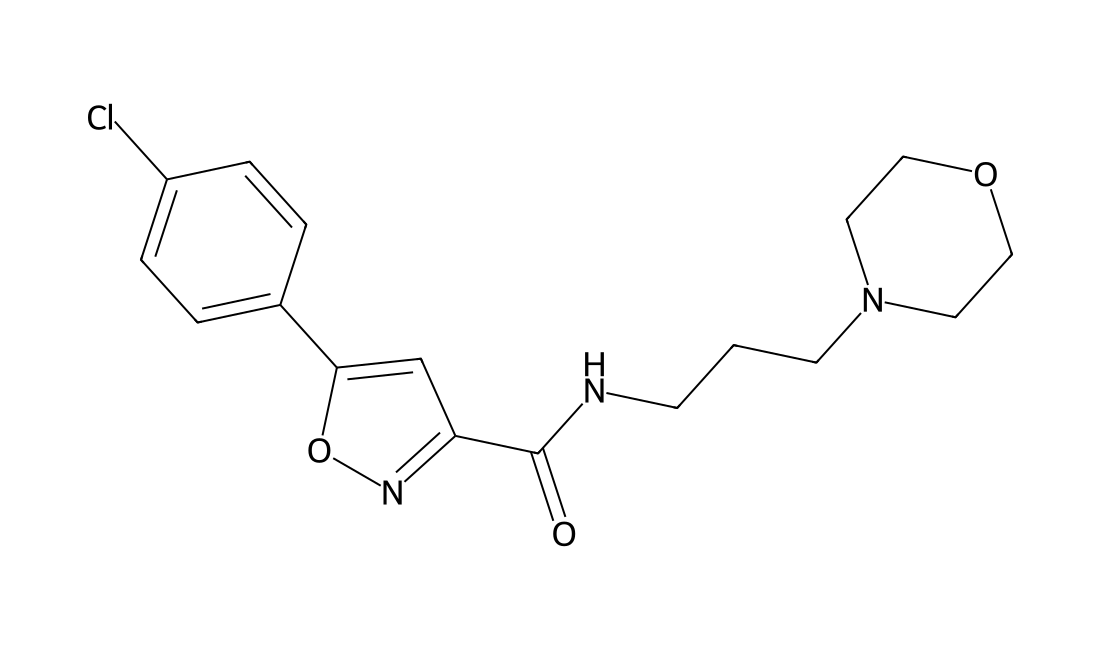
WAY-230563Featured
serine/threonine kinase inhibitors
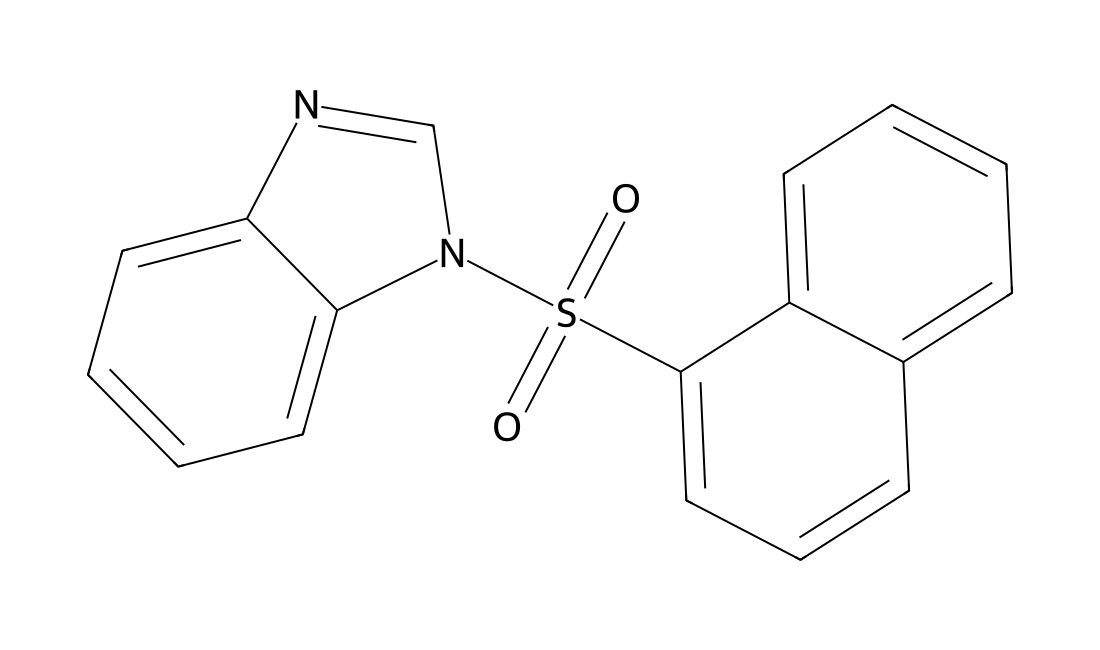
WAY-313170Featured
inhibition of hedgehog signaling and phosphodiesterase; inhibition of hedgehog signaling and phosphodiesterase.
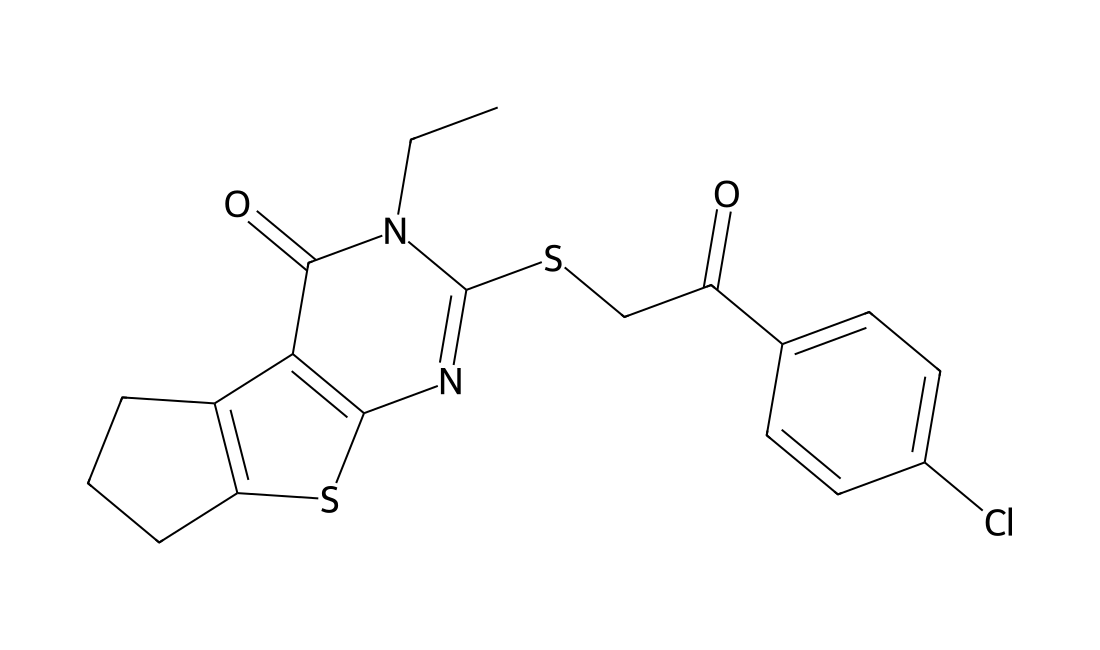
PARP1-IN-8Featured
PARP1-IN-8 (compound 11c) is a potent and BBB-penetrated PARP1 inhibitor, with an IC50 of 97 nM. PARP1-IN-8 shows significantly potent anti-proliferative activity against Human lung adenocarcinoma epithelial cell line A549.
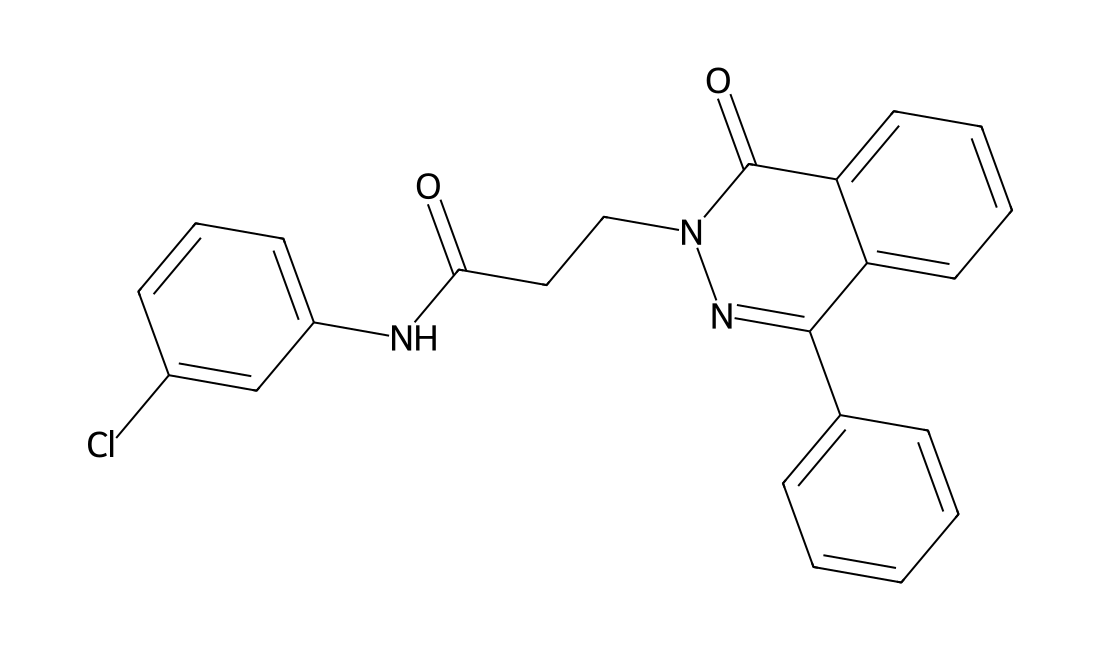
NSC 102533Featured
NSC 102533 (Compound N3) is a potent inhibitor of mitochondrial electron transport. Antimalarial agent 14 can serve as an anti-malarial agent.
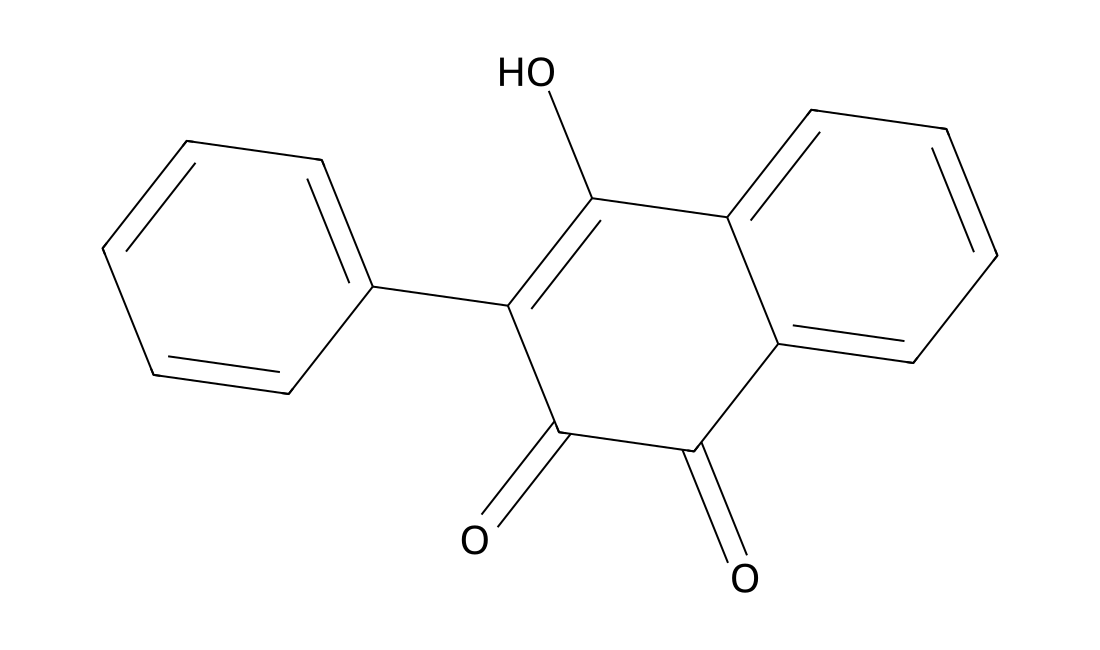
Adipamidoxime(NSC 70868)Featured
Adipamidoxime(NSC 70868) is a new bioactive compoud.
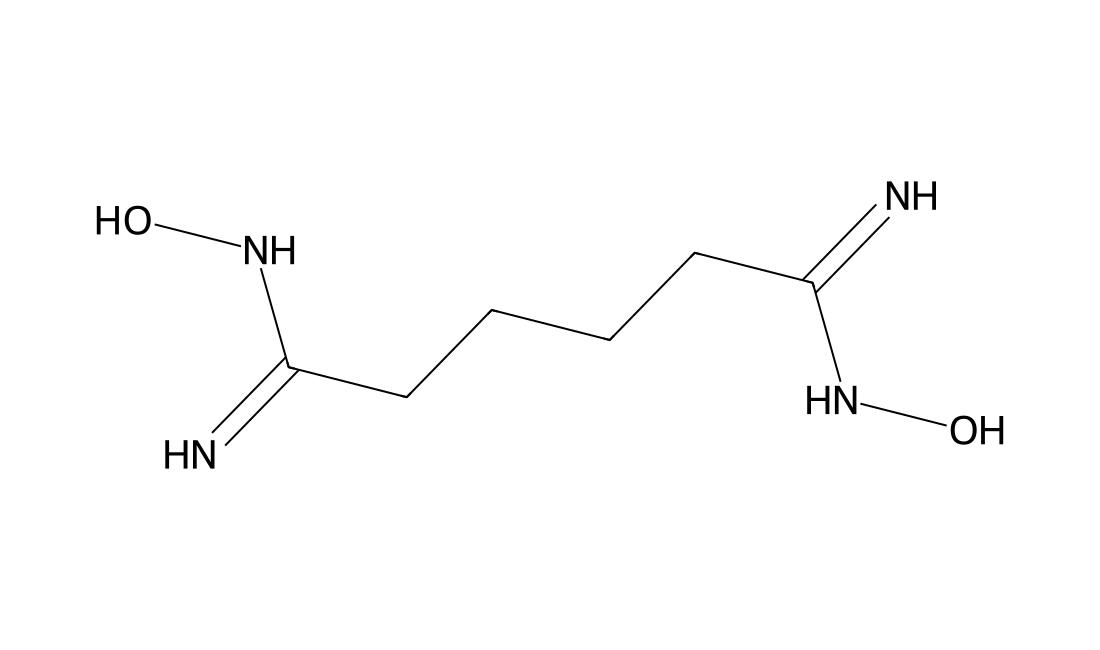
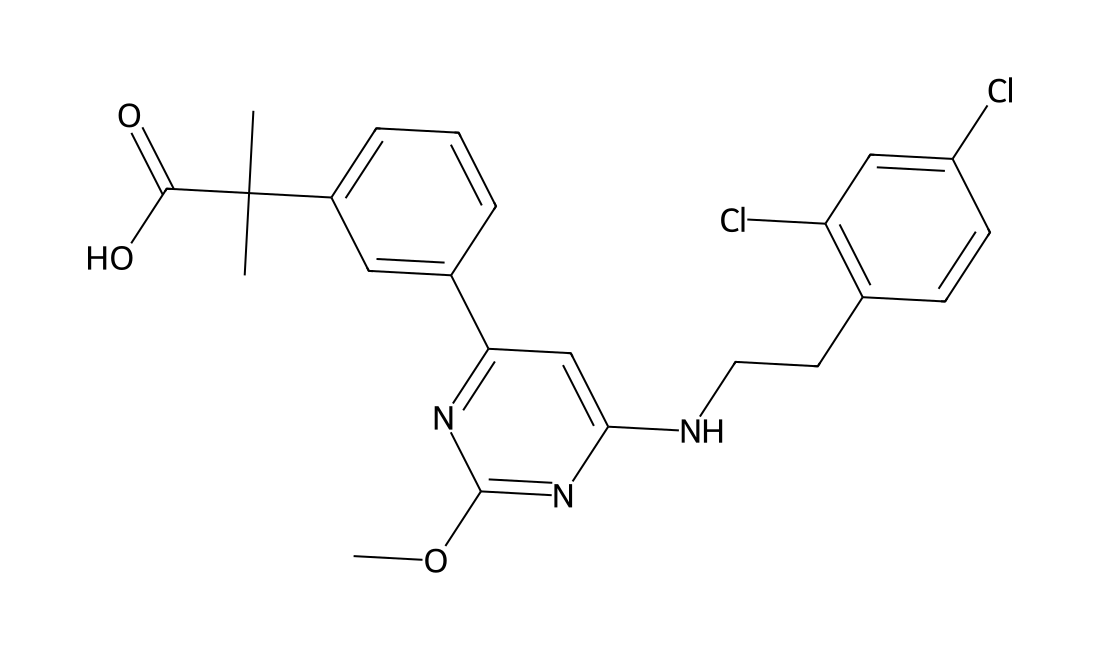
prostaglandin D2(PGD2) inhibitorFeatured
A small molecule compound of prostaglandin D2(PGD2) inhibitor.
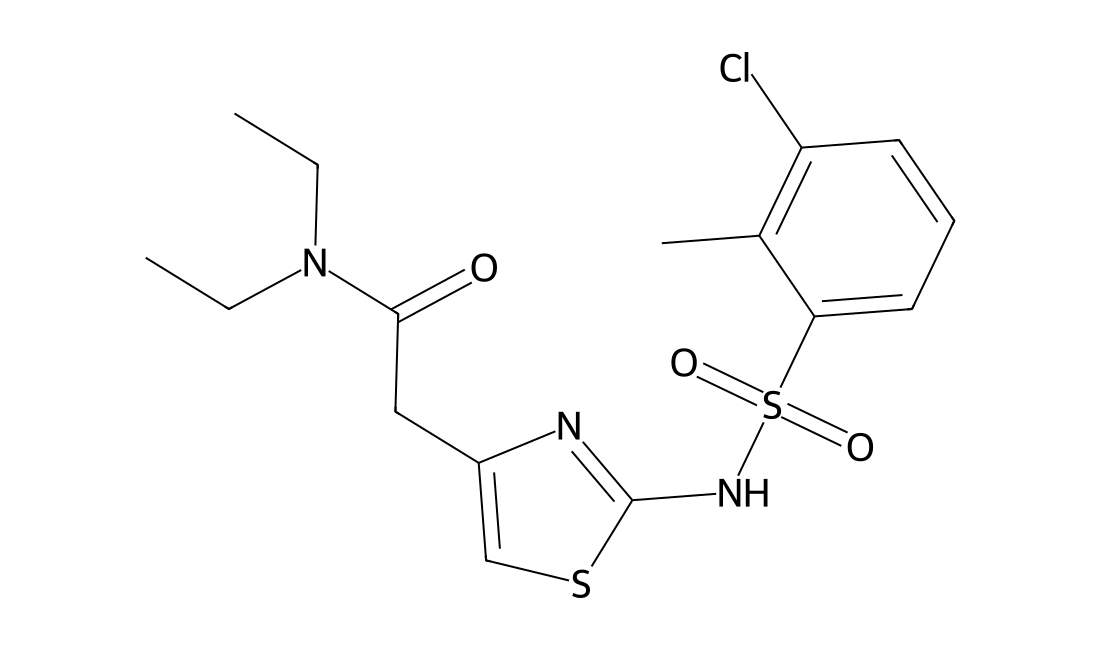
BVT-14225Featured
BVT 14225 is a new selective 11b-HSD1 inhibitor, it belongs to a class of arylsulfonamidothiazoles with in vitro and in vivo antidiabetic effects For the detailed information of BVT-14225, the solubility of BVT-14225 in water, the solubility of BVT-14225 in DMSO, the solubility of BVT-14225 in PBS buffer, the animal experiment (test) of BVT-14225, the cell expriment (test) of BVT-14225, the in vivo, in vitro and clinical trial test of BVT-14225, the EC50, IC50,and affinity,of BVT-14225, For the detailed information of BVT-14225, the solubility of BVT-14225 in water, the solubility of BVT-14225 in DMSO, the solubility of BVT-14225 in PBS buffer, the animal experiment (test) of BVT-14225, the cell expriment (test) of BVT-14225, the in vivo, in vitro and clinical trial test of BVT-14225, the EC50, IC50,and affinity,of BVT-14225, Please contact DC Chemicals.
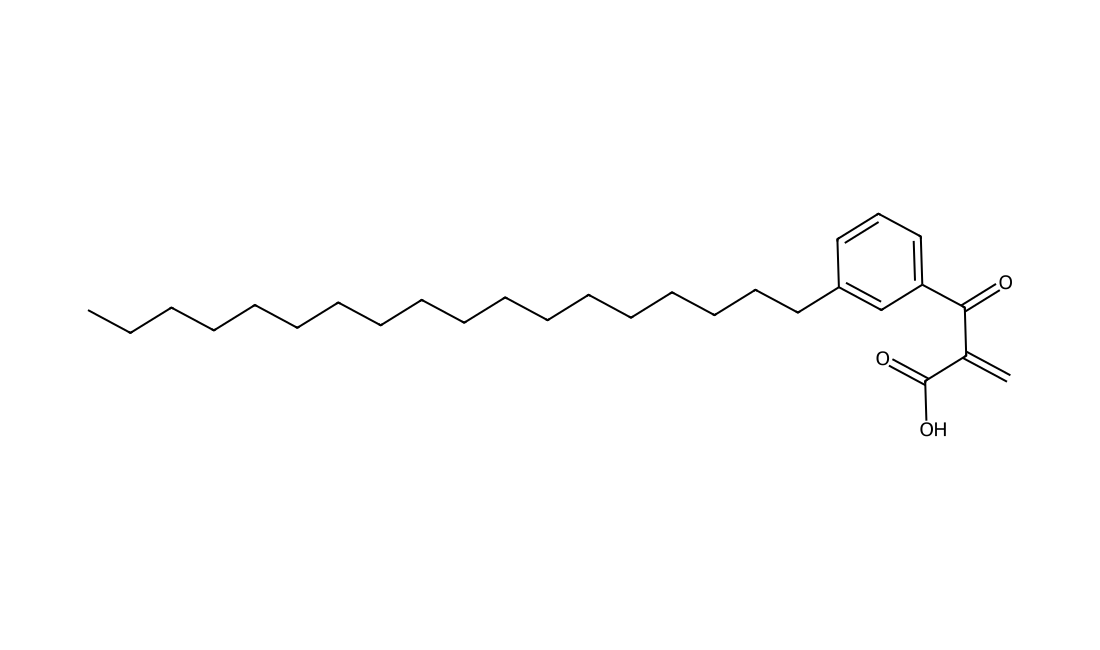
(2E)-OBAAFeatured
(2E)-OBAA is a potent phospholipase A2 (PLA2) inhibitor, with an IC50 of 70 nM. (2E)-OBAA induces apoptosis of HUVEC cells. (2E)-OBAA blocks Melittin-induced Ca2+ influx in Trypanosoma brucei, with an IC50 of 0.4 μM.
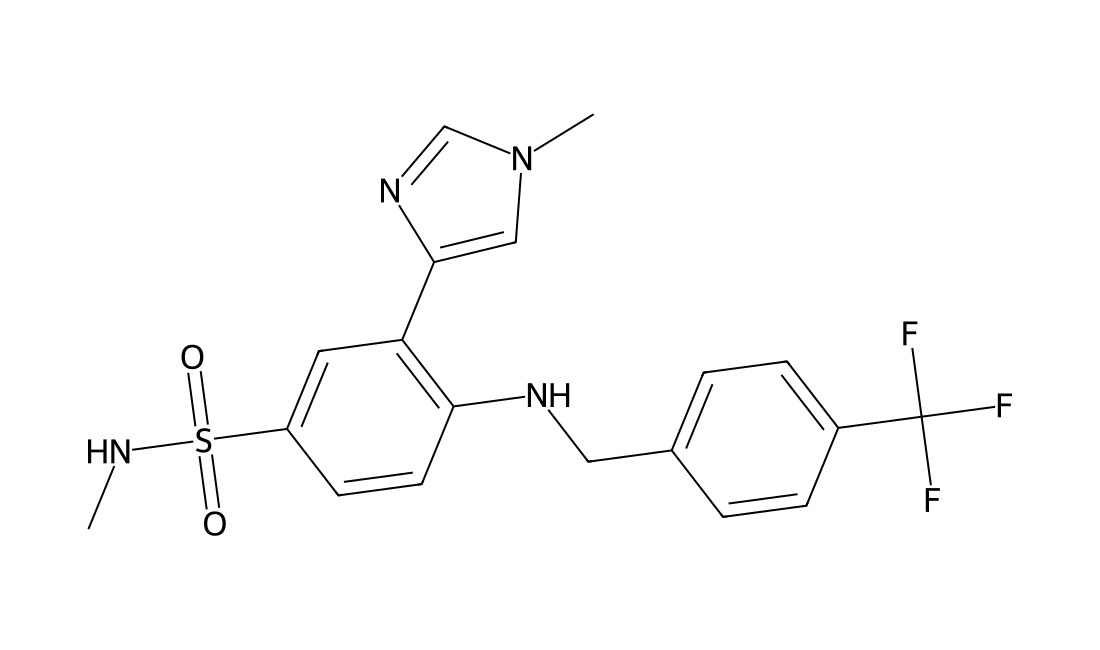
IK-930Featured
IK930 (compound I-32) is a potent and orally active TEAD inhibitor with an EC50 value of <0.1 µM.
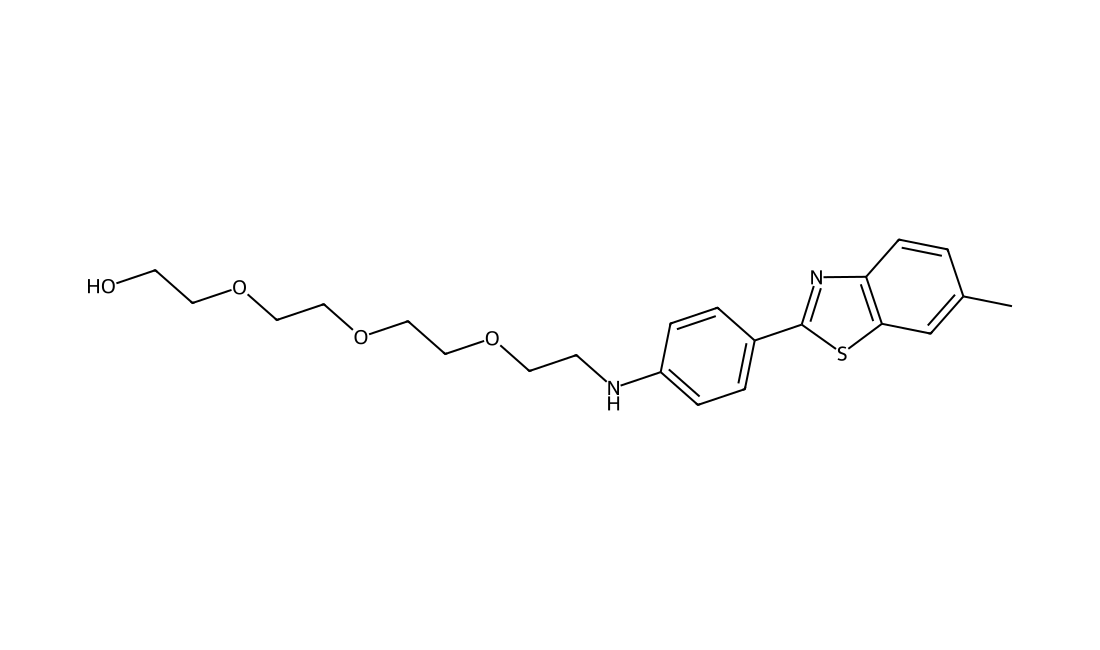
BTA-EG4 hydrateFeatured
BTA-EG4, acts as an amyloid-binding small molecule that promotes dendritic spine density and cognitive function in wild-type mice.
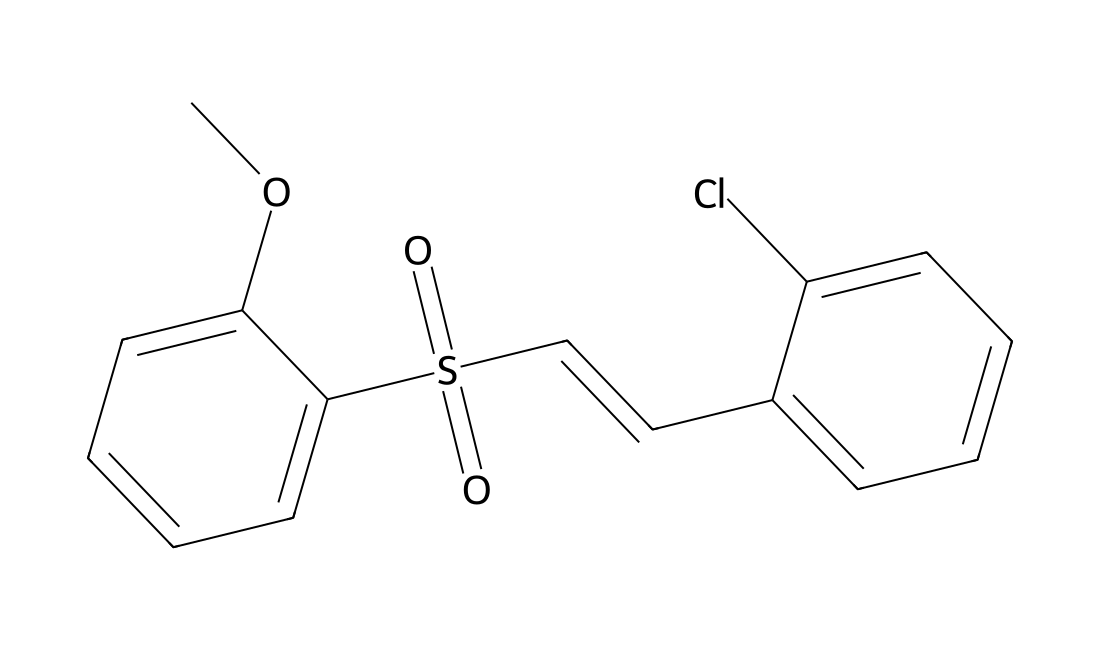
Nrf2-activatorFeatured
Nrf2-Activator is a potent Nrf-2 activator.
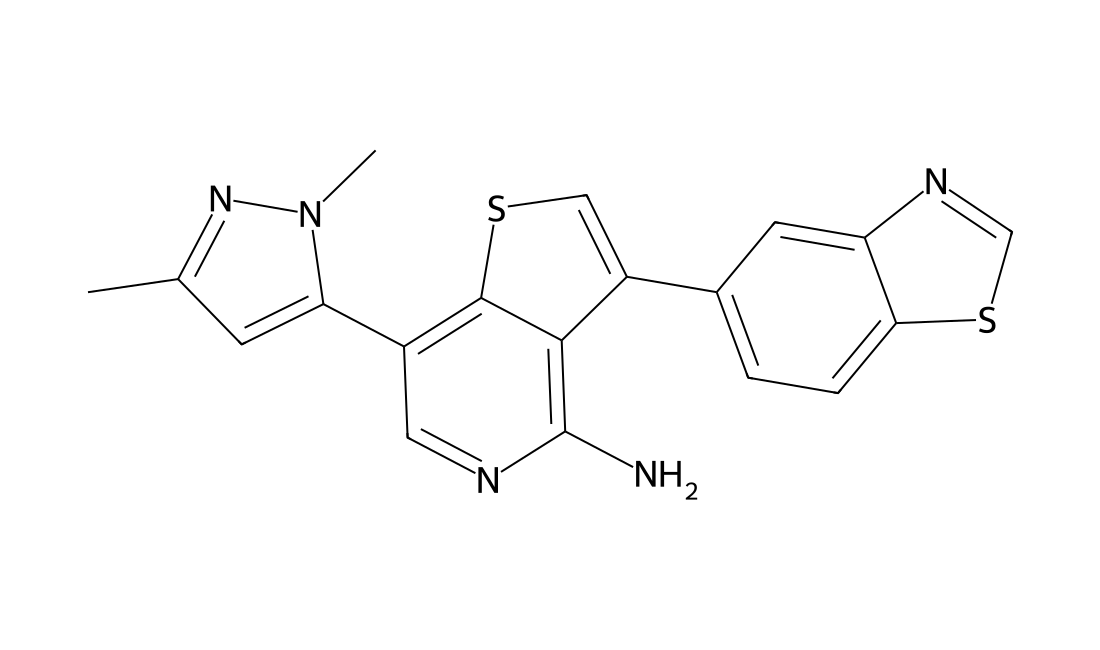
GSK'843Featured
GSK-843 is a receptor-interacting protein kinase 3 (RIP3 or RIPK3) inhibitor, which binds RIP3 kinase domain with an IC50 of 8.6 nM, and inhibits kinase activity with an IC50 of 6.5 nM[1].
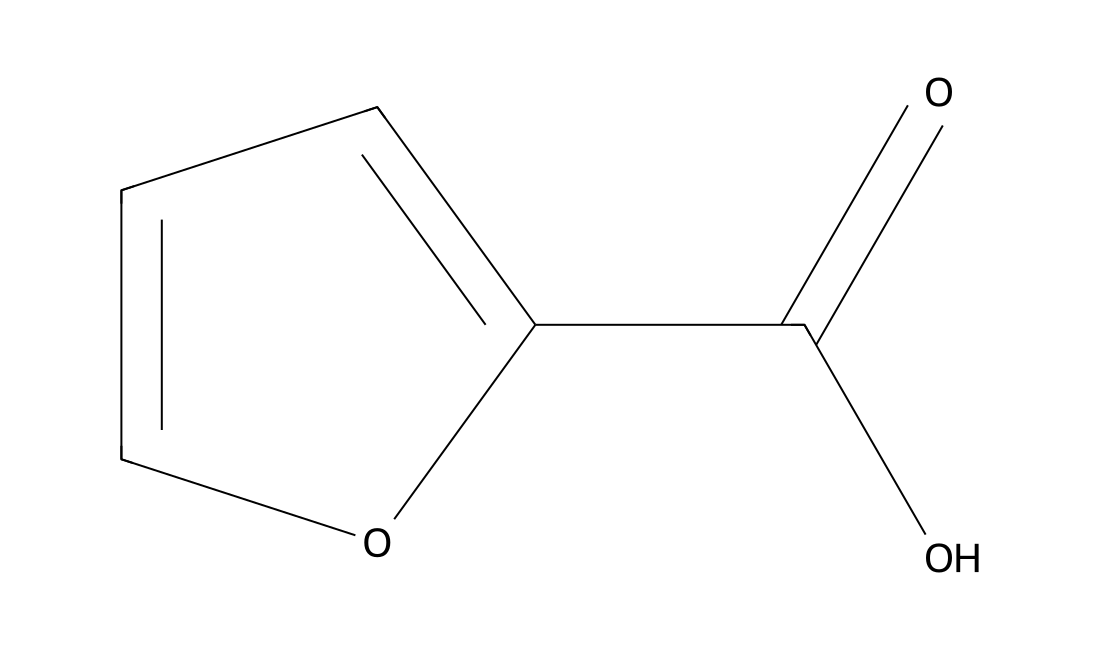
2-Furoic acidFeatured
In Vivo 2-Furoic acid significantly reduces serum cholesterol and serum triglyceride levels. 2-Furoic acid also lowers the liver and small intestine ATP dependent citrate lyase, acetyl CoA synthetase, acyl CoA cholesterol acyl transferase, sn-glycerol 3-phosphate acyl transferase, phosphatidylate phosphohydrolase and heparin induced lipoprotein lipase activities. 2-Furoic acid shows the LD50 of 250 mg/kg i.p. in the acute toxicity studies in mice.
No products match this search.
Page 346 of 359 · Browse all 7177 products
Jump to a product page
Featured literature product: HX1 · DCL0028
HX1 is a hydroxyzine-derived ionizable lipid with acetal-containing tails, studied in lipid nanoparticles for brain mRNA delivery and CRISPR–Cas9 delivery. It was the lead in the reported in vivo brain-delivery screen; evidence is preclinical and formulation-dependent.
Read full formulation and performance →