
Research lipid catalog
Ionizable Lipid Products
Explore 848 lipid and RNA delivery products. Search the full catalog or browse by research category.
Search covers product name, catalog number, synonyms, available CAS numbers and categories. Spaces, hyphens and common punctuation are ignored. Duplicate legacy records are consolidated under one canonical product result.
7177 products · Showing 6701–6720 · 20 per page
DC Chemicals lipid expertise
Built for ionizable-lipid discovery and RNA delivery research
DC Chemicals supports formulation and delivery research with a broad, searchable portfolio of cationic and ionizable lipids. The current directory brings together 848 unique research-use products, with product specifications, pricing, chemical structures and literature-linked formulation data added as each record is verified.
Our experience spans complex lipid synthesis, purification, analytical release and process development. For custom molecules or larger-scale requirements, our team can discuss route development, technical specifications and scale-up options for the intended research workflow.
Learn about cationic and ionizable lipids →Proprietary innovation · Co-development · GMP
From proprietary lipid design to GMP-grade custom synthesis
DC Chemicals has independently developed ionizable-lipid structures supported by company-owned intellectual property, and selected proprietary lipid programs have advanced to GMP-stage development.
We welcome joint development with customers—from molecular design and lipid synthesis through route and process development. We can also support custom synthesis of GMP-grade ionizable lipids to agreed technical specifications and quality requirements.
Discuss a co-development project →Proprietary ionizable-lipid structuresCollaborative molecular designCustom lipid synthesisProcess development and scale-upGMP-grade project support
Product quick links
Explore New ionizable lipids
Explore our five most recently added ionizable lipids, with specifications, pricing and literature-linked product information.
DCL0028HX1Brain RNA delivery researchView product →DCL0024A1I4R13C18-2Spleen-targeted RNA delivery researchView product →DCL0023A1I4R2C18-2Spleen-targeted RNA delivery researchView product →DCL0022FS01Local joint RNA delivery researchView product →DCL0020Lipid-392Lung RNA delivery and gene editing researchView product →
Cat. No.Product NameField of ApplicationChemical Structure
AZ3976Featured
AZ3976 is a selective PAI-1 inhibitor that exhibits potent profibrinolytic effects, with IC50 values of 26 μM (chromogenic assay) and 16 μM (plasma clot lysis assay). Unlike conventional inhibitors, it does not target active PAI-1 but instead binds reversibly to the latent form, accelerating the transition of active PAI-1 to its inactive state.
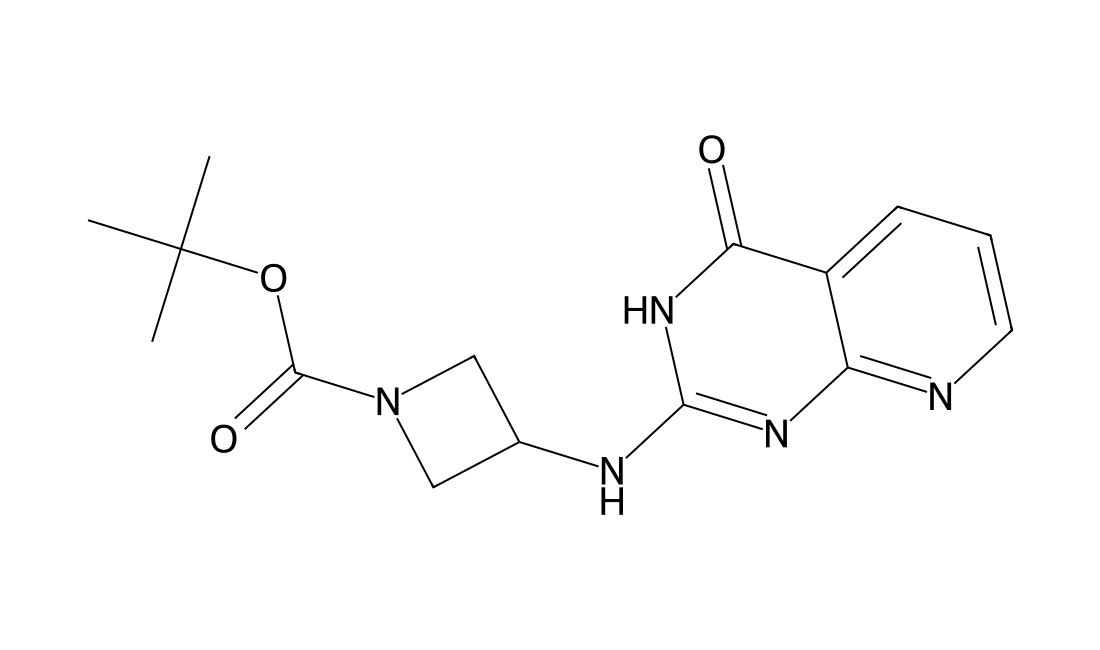
NPD8733Featured
NPD8733 (NPD-8733) is a small-molecule ligand of valosin-containing protein (VCP)/p97, binds to the D1 domain of VCP/p97; suppresses the enhanced migration of NIH3T3 cells co-cultured with MCF7 cells using a wound healing co-culture assay.
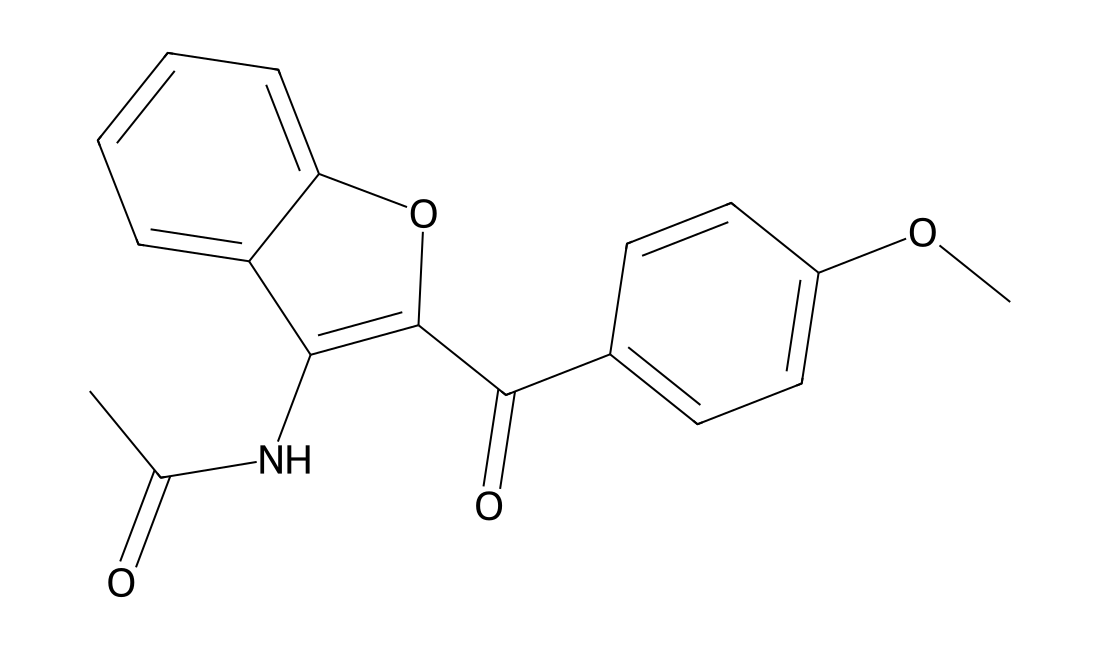
MT 63-78Featured
MT 63-78 is a specific and potent direct AMPK activator with an EC50 of 25 μM. MT 63–78 also induces cell mitotic arrest and apoptosis. MT 63-78 blocks prostate cancer growth by inhibiting the lipogenesis and mTORC1 pathways. MT 63-78 has antitumor effects[1].
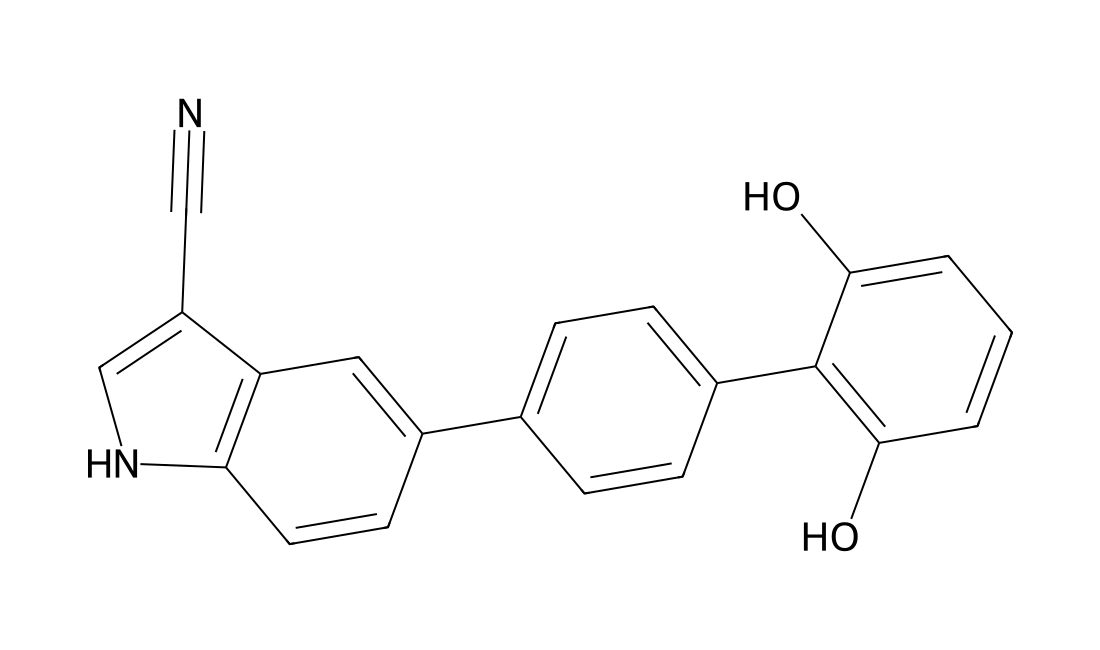
SC 57461Featured
A potent and selective inhibitor of LTA4 hydrolase (LTA4H) with IC50/Ki of 5 nM/23 nM; inhibits calcium ionophore-induced LTB(4) production in human whole blood (IC50=49 nM), no effect on production of the cyclooxygenase metabolite thromboxane B(2); orally active in vivo.Irritable Bowel SyndromeDiscontinued
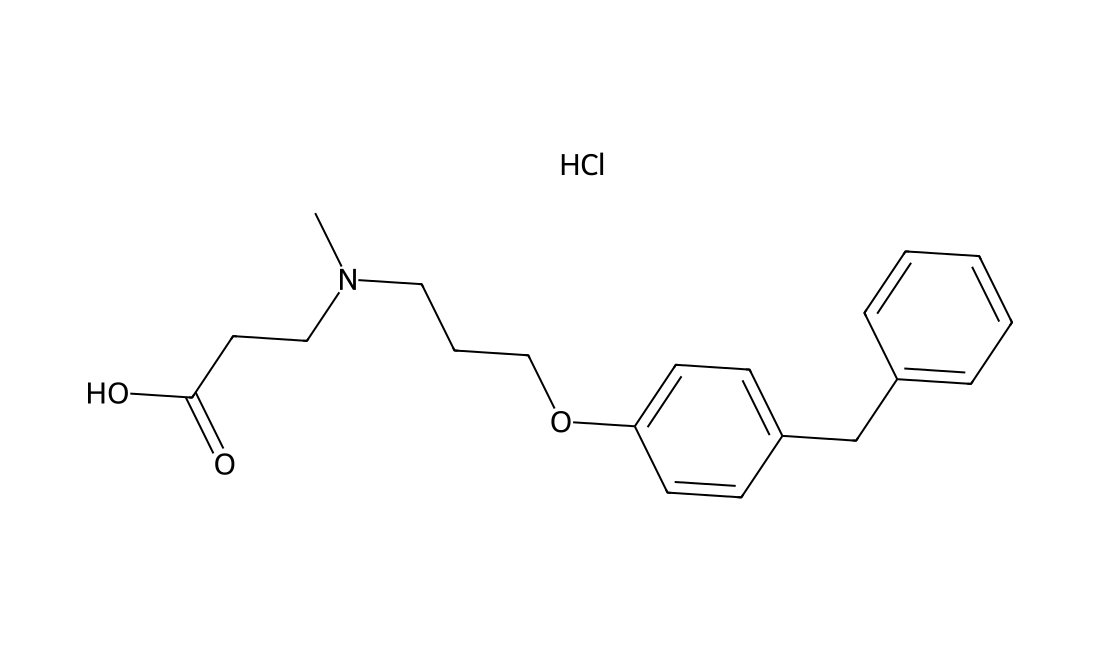
CVT-11127Featured
CVT-11127 functions as a potent inhibitor of stearoyl-CoA desaturase (SCD), demonstrating significant biological activity. This compound triggers apoptotic pathways and effectively halts cell cycle progression at the G1/S transition phase. Due to these mechanisms of action, CVT-11127 shows promise as a candidate for lung cancer research.
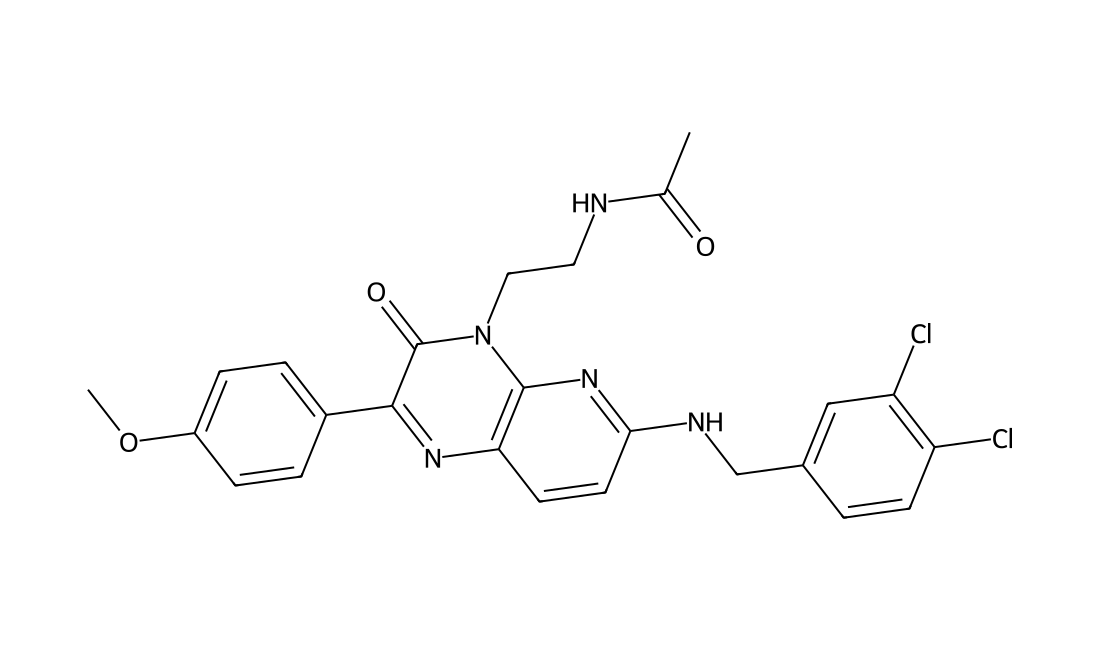
NS13001Featured
NS13001 is a potent, selective, orally active allosteric positive modulator of SK channels (small conductance calcium-activated potassium channels). The EC50s are 1.8 and 0.14 μM for SK2 and SK3, respectively. NS13001 holds promise as a potential therapeutic agent for treatment of spinocerebellar ataxia type 2 (SCA2) and possibly other cerebellar ataxias[1].
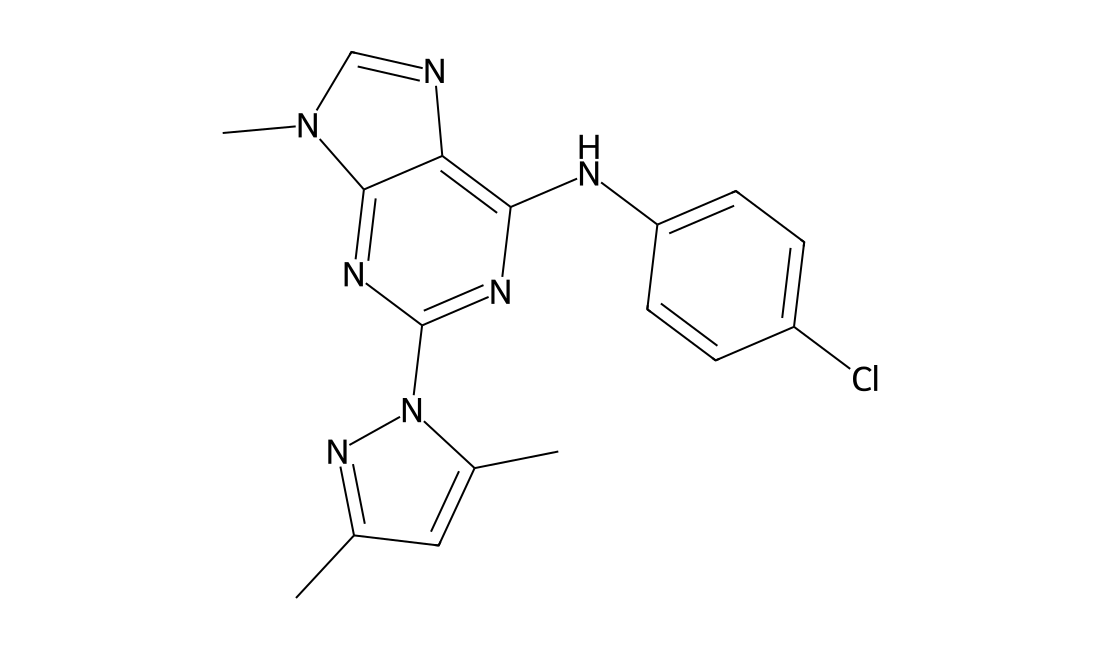
SoporidineFeatured
Soporidine is an antagonist of germination of the parasitic plant Striga hermonthica. Soporidine specifically inhibits a S. hermonthica strigolactone receptor and inhibits the parasite's germination[1].
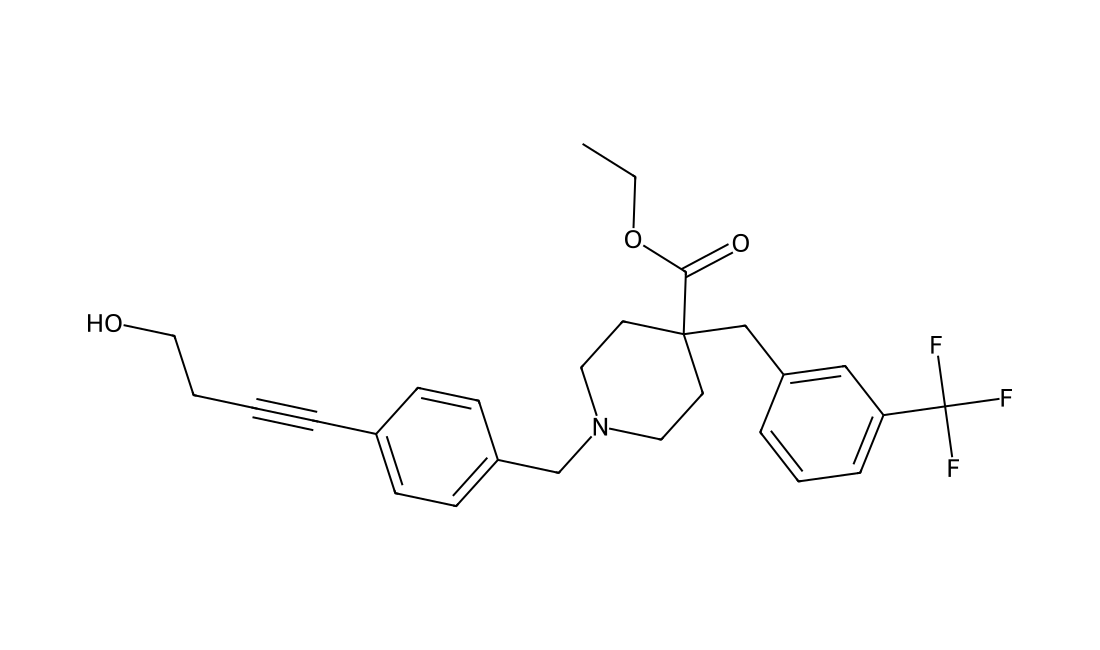
AA 41612Featured
AA 41612 is a potent, synthetic melanopsin antagonist with IC50 of 15.8 nM, attenuates melanopsin photocurrent in a dose-dependent manner; specifically and reversibly modifies melanopsin-dependent light responses including the pupillary light reflex and light aversion in vivo.
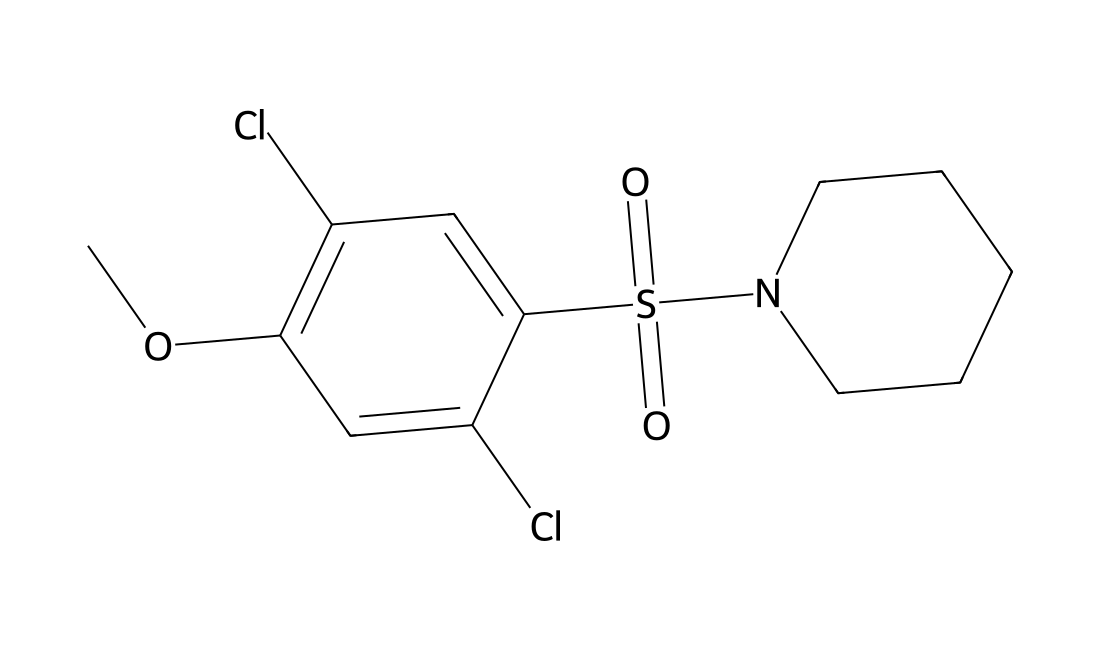
KLH45Featured
KLH45 is a selective inhibitor of DDHD2 (DDHD domain containing 2).
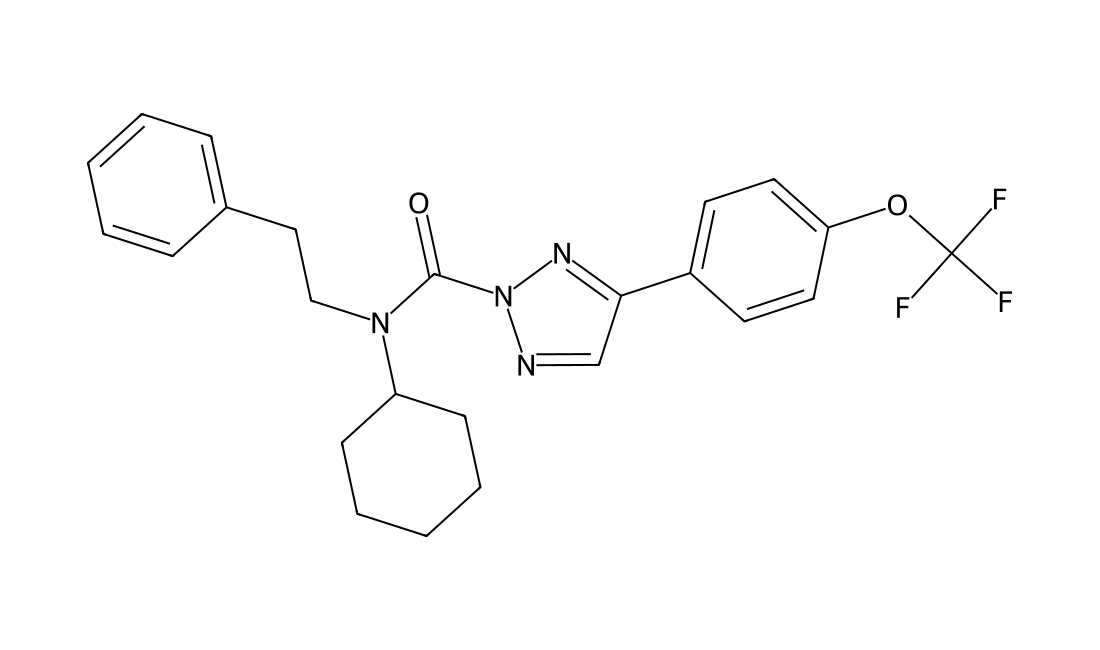
TC-S 7001(Azaindole 1)Featured
TC-S 7001(Azaindole 1) is a highly potent inhibitor of human ROCK-1 and ROCK-2, with IC50s of 0.6 and 1.1 nM, respectively, and also inhibits murine ROCK-2 or rat ROCK-2 with IC50s of 2.4 and 0.8 nM, respectively.
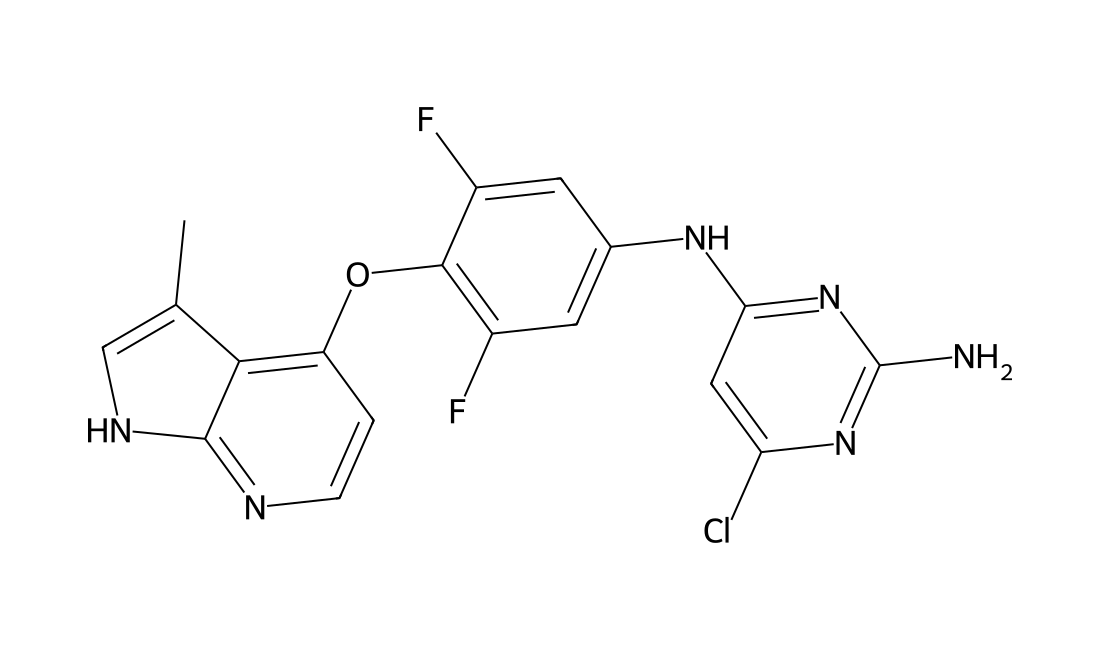
BMS-986188Featured
BMS-986188 functions as a selective positive allosteric modulator for the δ-opioid receptor, demonstrating potent activity with an EC50 of 50 nM.
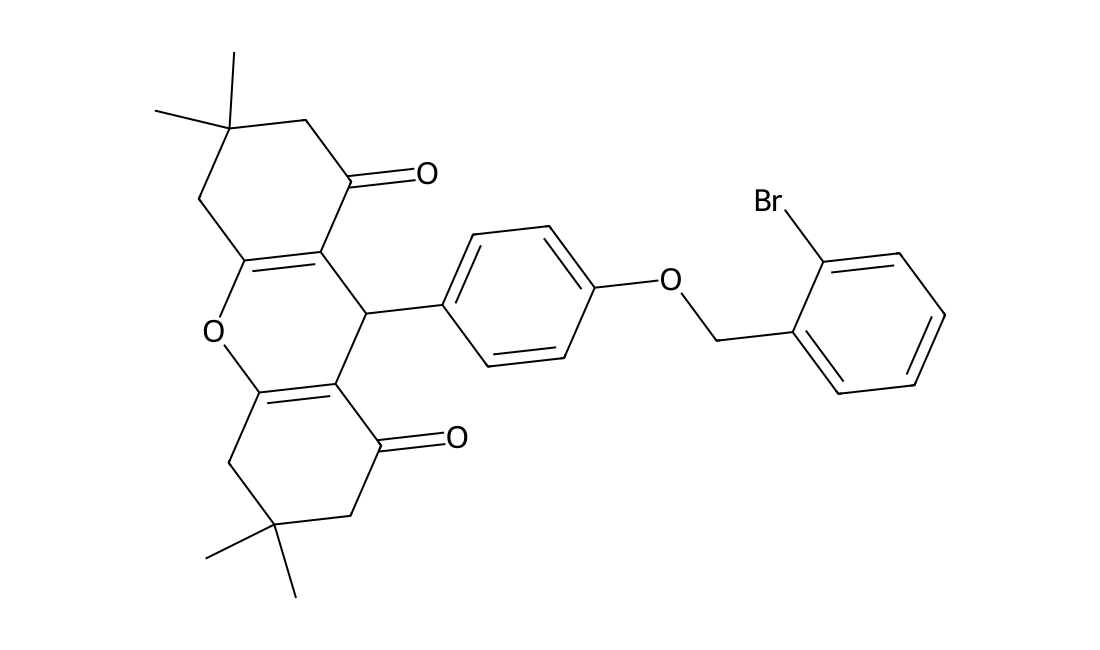
NCGC607Featured
NCGC607 is a a small-molecule noninhibitory chaperone of glucocerebrosidase.
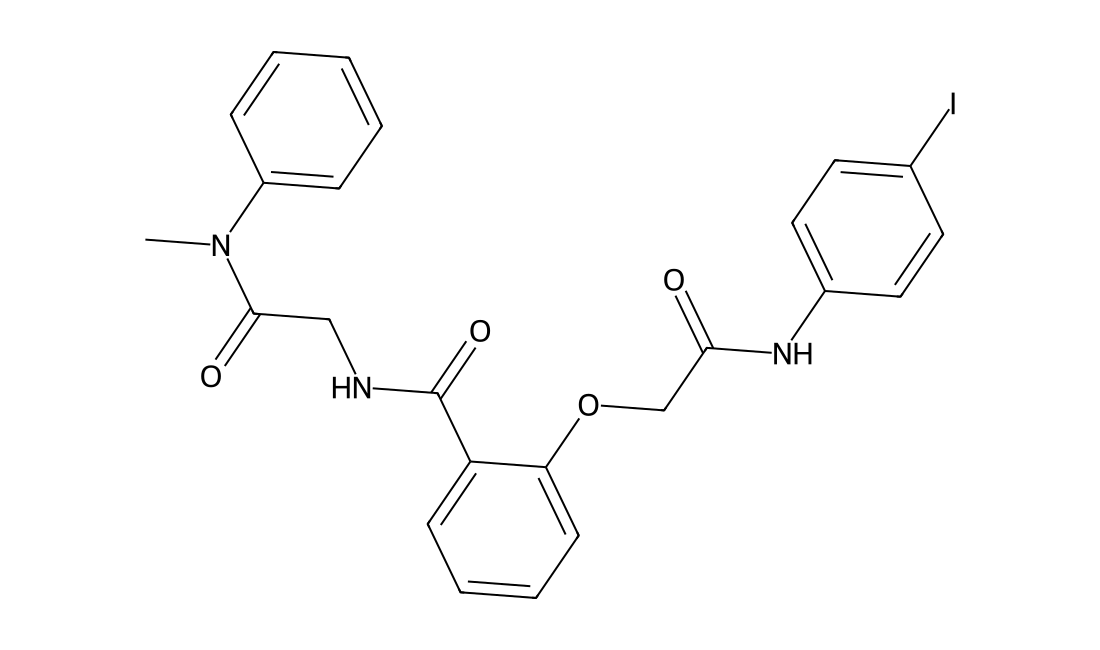
TSPCFeatured
TSPC is an inhibitor for GA perception by in vitro and in planta evaluations.
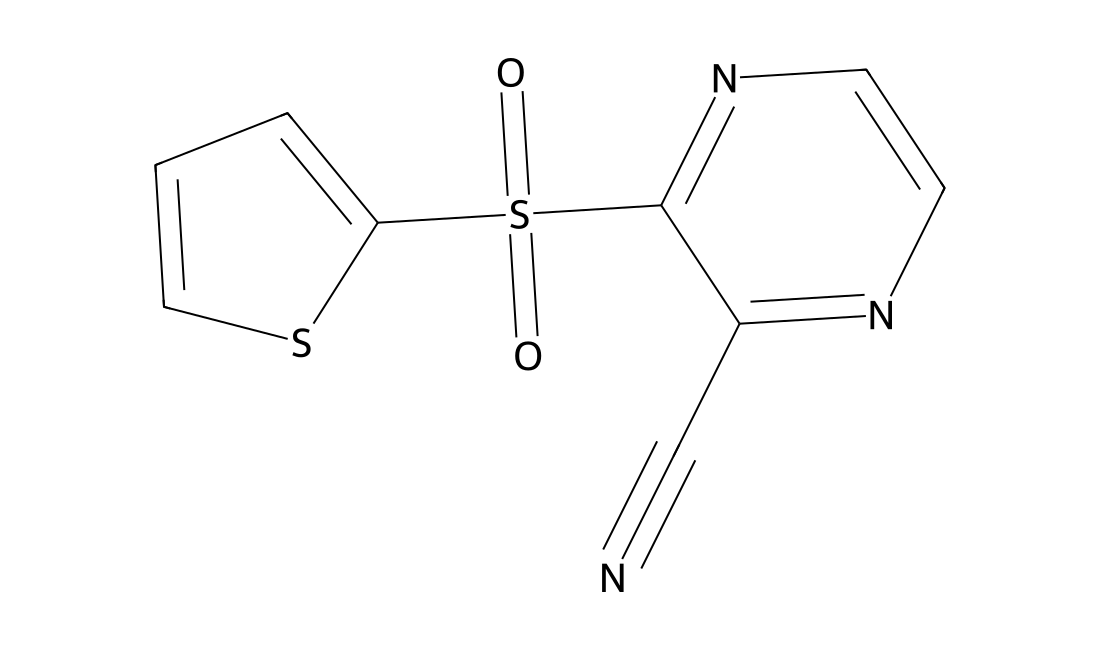
MSBNFeatured
MSBN is a highly selective fluorogenic probe for thiols, selectively imaging thiols in live cells and specifically label protein thiols with a turn-on signal to determine diverse reversible protein thiol modifications.
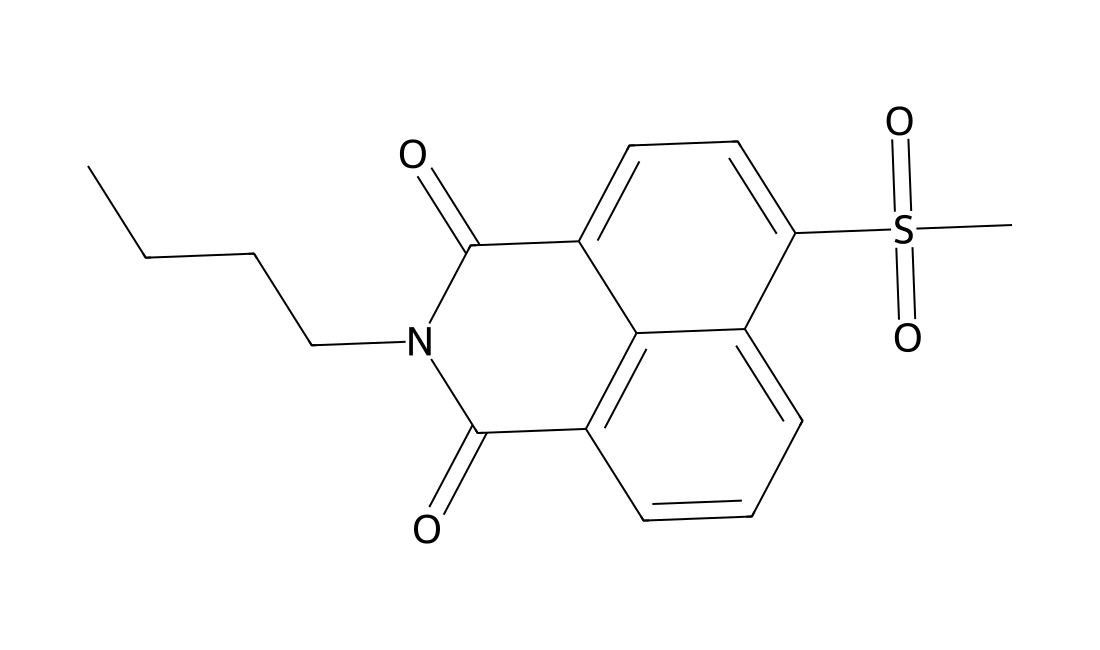
BRD6688Featured
BRD6688 is a selective HDAC2 inhibitor. It acts by enhancing the learning and memory processes.
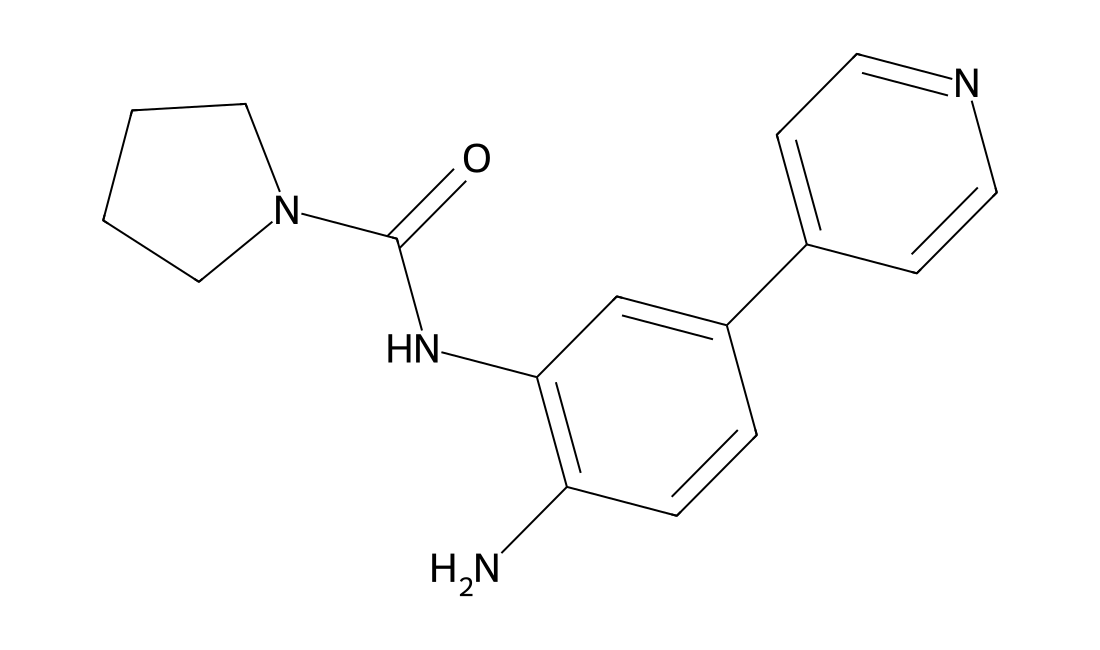
WAY-169916Featured
WAY-169916 functions as a selective estrogen receptor modulator that uniquely suppresses NF-κB-mediated transcription, resulting in significant anti-inflammatory activity.
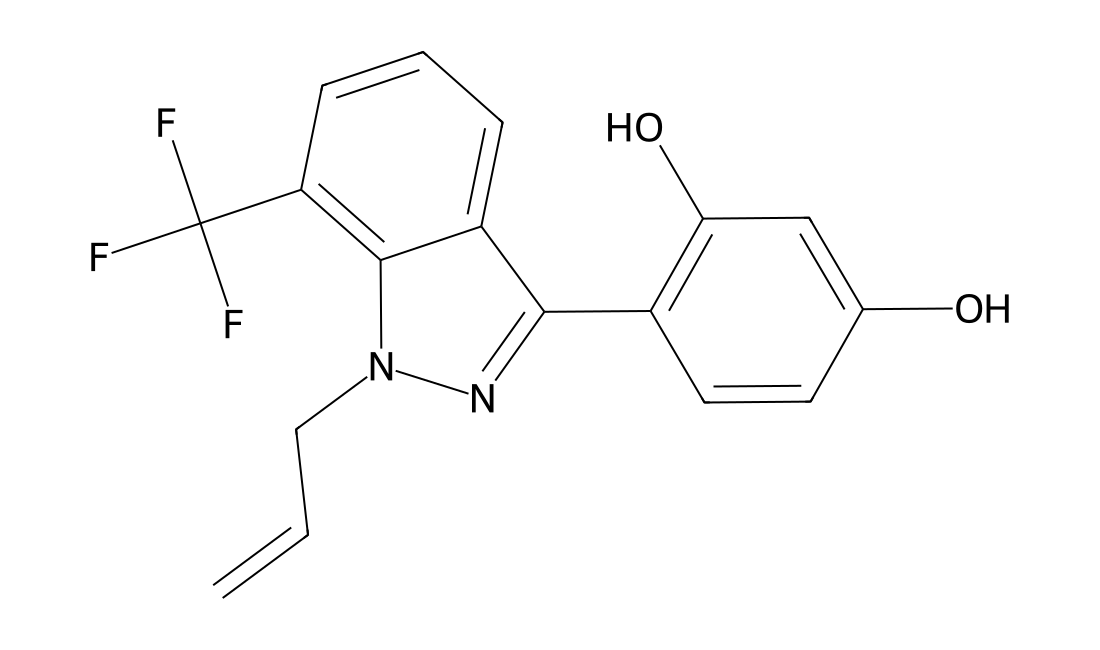
SGA360Featured
SGA360 modulates inflammatory SAA1 signaling via an aryl hydrocarbon receptor (AHR)-dependent pathway, functioning as a partial antagonist through a non-canonical mechanism independent of AHR-DNA binding.
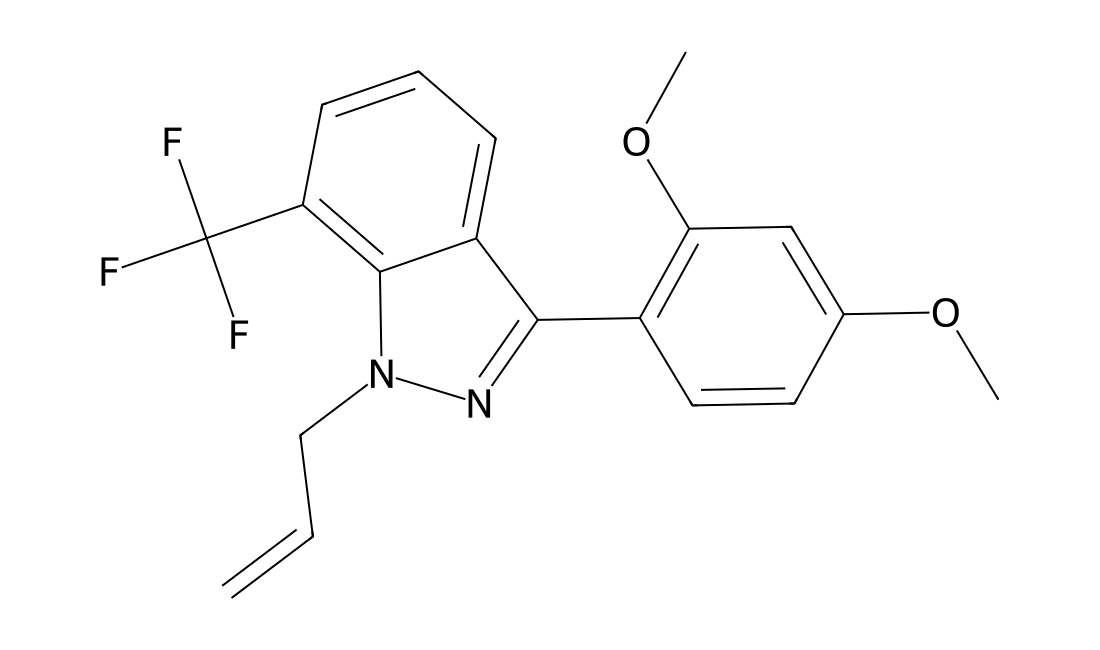
AEM1Featured
NRF2 inhibitor AEM1 is a specific small molecule inhibitor of Nrf2 transcriptional activity in cancer cells, shows no activity against a panel of >100 kinases (including isoforms of PI3K, AKT, and PKC); broadly decreases the expression of Nrf2 controlled genes (HMOX1, GPX2), sensitizes A549 cells to various chemotherapeutic agents, and inhibits the growth of A549 cells in vitro and in vivo.
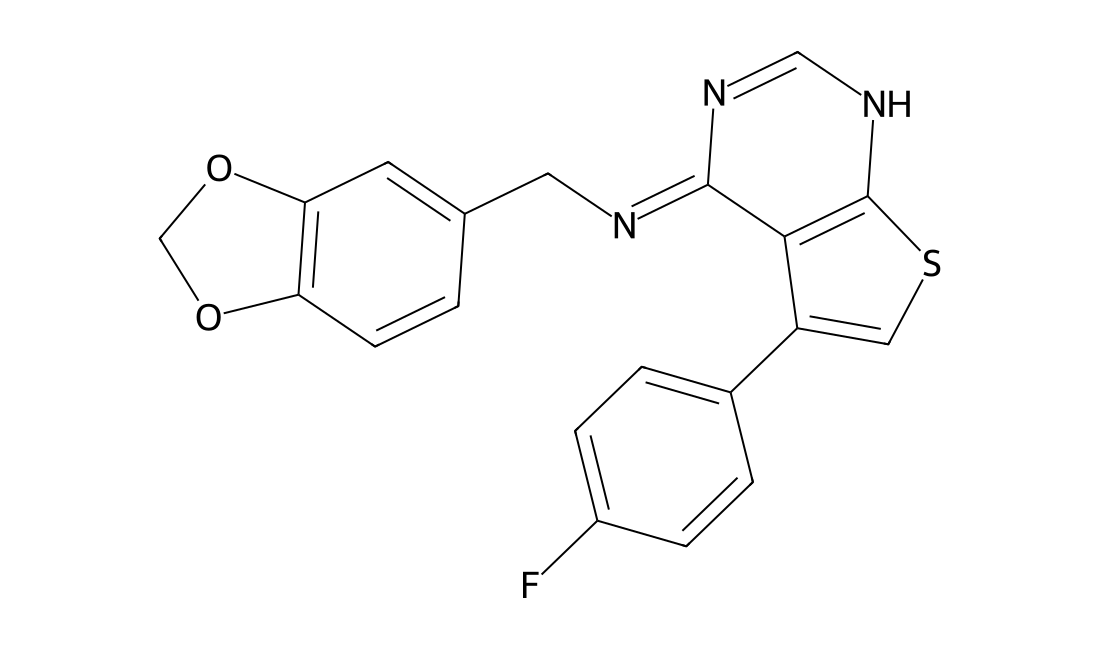
ML-240Featured
ML240 is a potent p97 inhibitor, inhibiting p97 ATPase with IC50 value of 100 nM.
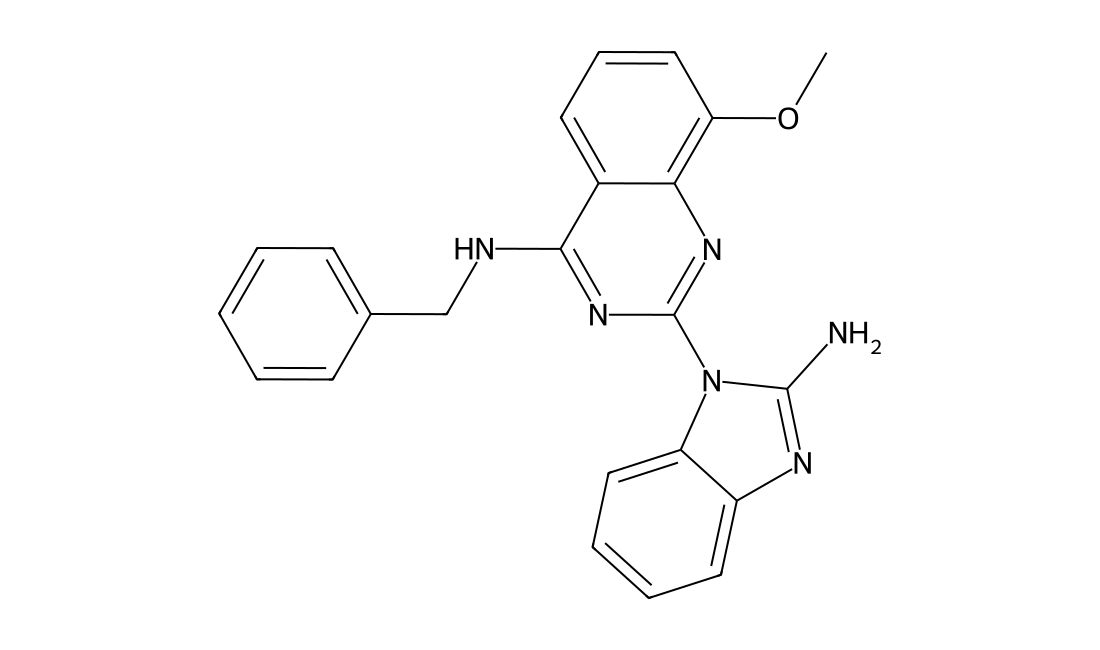
ML298Featured
ML298 is a potent, selective phospholipase PLD2 inhibitor with IC50 of 355 nM, displays >53-fold selectivity over PLD1 (IC50>20 uM); decreases invasive migration in U87-MG glioblastoma cells; has an attractive DMPK profile, making it an attractive tool compound to further dissect PLD2 function in multiple cellular and in vivo environments.
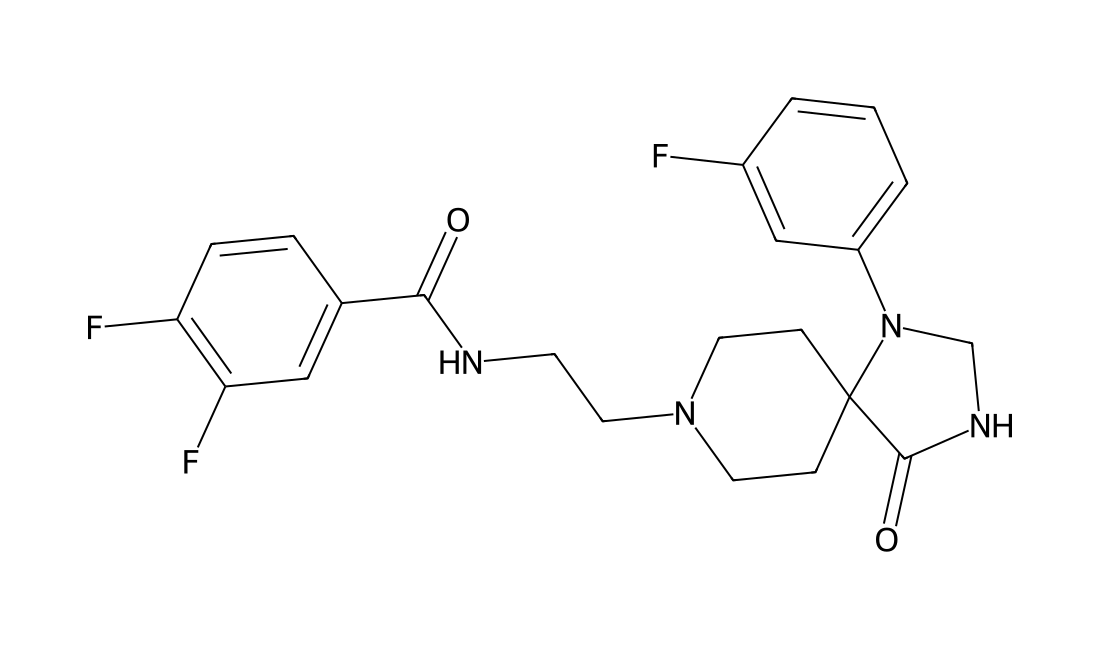
No products match this search.
Page 336 of 359 · Browse all 7177 products
Jump to a product page
Featured literature product: HX1 · DCL0028
HX1 is a hydroxyzine-derived ionizable lipid with acetal-containing tails, studied in lipid nanoparticles for brain mRNA delivery and CRISPR–Cas9 delivery. It was the lead in the reported in vivo brain-delivery screen; evidence is preclinical and formulation-dependent.
Read full formulation and performance →