
Research lipid catalog
Ionizable Lipid Products
Explore 848 lipid and RNA delivery products. Search the full catalog or browse by research category.
Search covers product name, catalog number, synonyms, available CAS numbers and categories. Spaces, hyphens and common punctuation are ignored. Duplicate legacy records are consolidated under one canonical product result.
7177 products · Showing 6881–6900 · 20 per page
DC Chemicals lipid expertise
Built for ionizable-lipid discovery and RNA delivery research
DC Chemicals supports formulation and delivery research with a broad, searchable portfolio of cationic and ionizable lipids. The current directory brings together 848 unique research-use products, with product specifications, pricing, chemical structures and literature-linked formulation data added as each record is verified.
Our experience spans complex lipid synthesis, purification, analytical release and process development. For custom molecules or larger-scale requirements, our team can discuss route development, technical specifications and scale-up options for the intended research workflow.
Learn about cationic and ionizable lipids →Proprietary innovation · Co-development · GMP
From proprietary lipid design to GMP-grade custom synthesis
DC Chemicals has independently developed ionizable-lipid structures supported by company-owned intellectual property, and selected proprietary lipid programs have advanced to GMP-stage development.
We welcome joint development with customers—from molecular design and lipid synthesis through route and process development. We can also support custom synthesis of GMP-grade ionizable lipids to agreed technical specifications and quality requirements.
Discuss a co-development project →Proprietary ionizable-lipid structuresCollaborative molecular designCustom lipid synthesisProcess development and scale-upGMP-grade project support
Product quick links
Explore New ionizable lipids
Explore our five most recently added ionizable lipids, with specifications, pricing and literature-linked product information.
DCL0028HX1Brain RNA delivery researchView product →DCL0024A1I4R13C18-2Spleen-targeted RNA delivery researchView product →DCL0023A1I4R2C18-2Spleen-targeted RNA delivery researchView product →DCL0022FS01Local joint RNA delivery researchView product →DCL0020Lipid-392Lung RNA delivery and gene editing researchView product →
Cat. No.Product NameField of ApplicationChemical Structure
MBCQFeatured
MBCQ is a potent and selective the type V phosphodiesterase (PDE V; PDE5) inhibitor with an IC50 of 19 nM. MBCQ has IC50s >100 µM for PDE1, PDE2, PDE3, and PDE4, respectively. MBCQ dilates coronary arteries via potent and specific inhibition of cGMP-PDE.
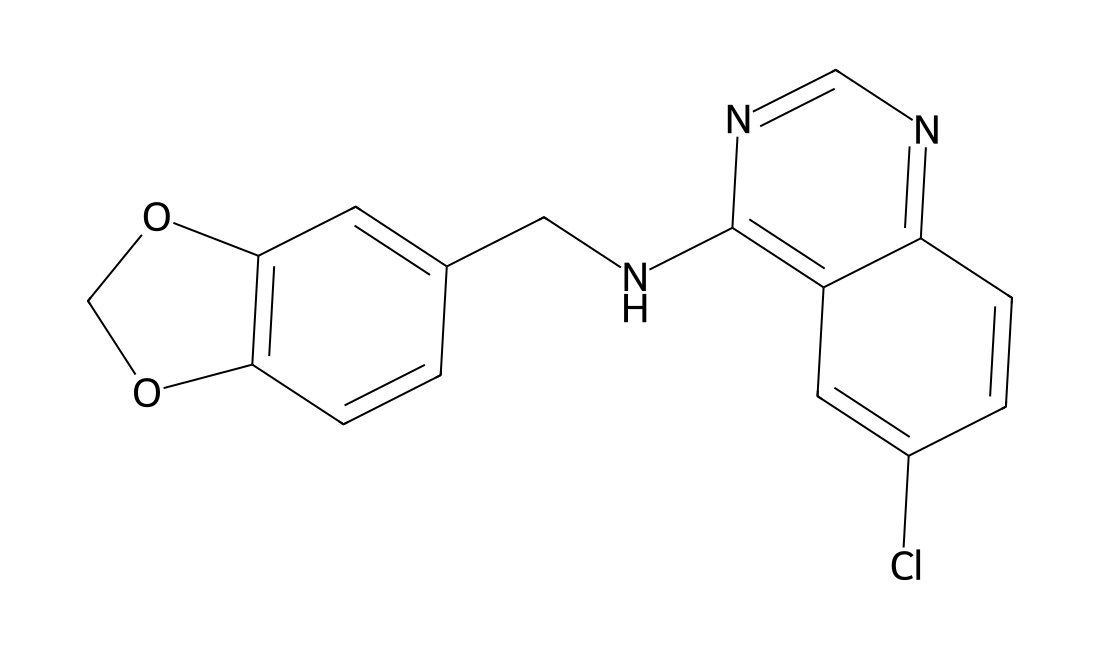
XE-991Featured
XE-991 is a potent, selective and orally active blocker of voltage-gated potassium channels Kv7 (KCNQ) that blocks KCNQ1, KCNQ2 and KCNQ2+KCNQ3 with Kd of 0.78, 0.7 and 0.6 uM, respectively; displays 14-fold less potency for KCNQ1+minK current with Kd of 11 uM, enhances hippocampal ACh release from rat brain slices (EC50=490 nM) and is a cognitive enhancer in vivo.Alzheimer DiseaseDiscontinued
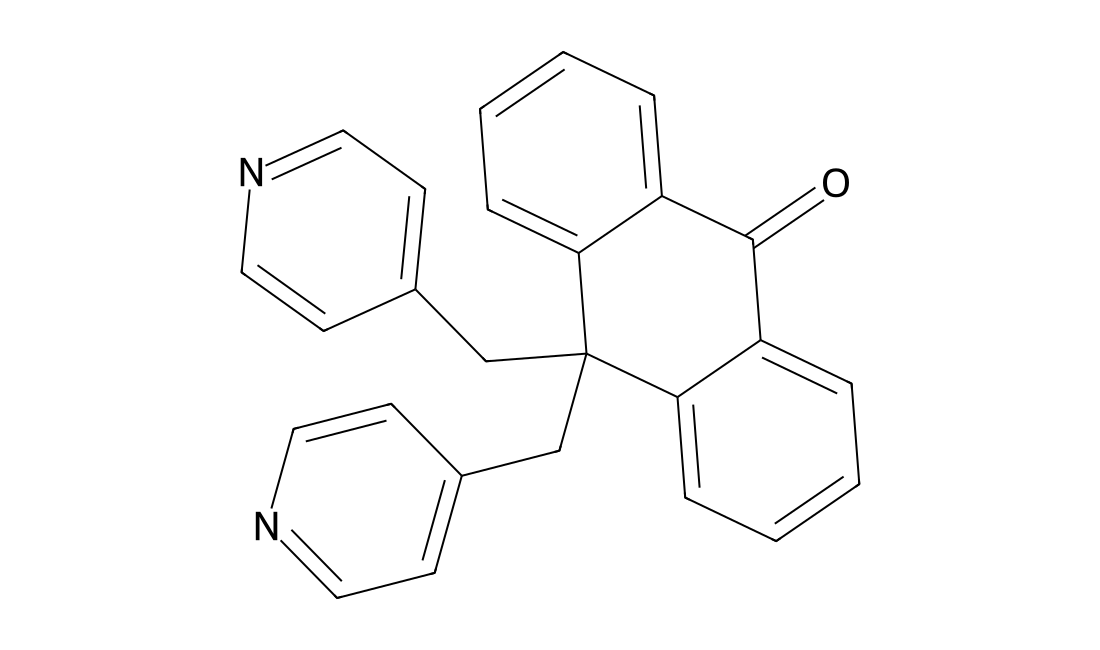
WAY-340935Featured
WAY-340935 (VEGFR2-IN-2) can inhibit the function of VEGFR2 and the anti-proliferative activity against the H460 cell line is produced partly by interaction of VEGFR protein.
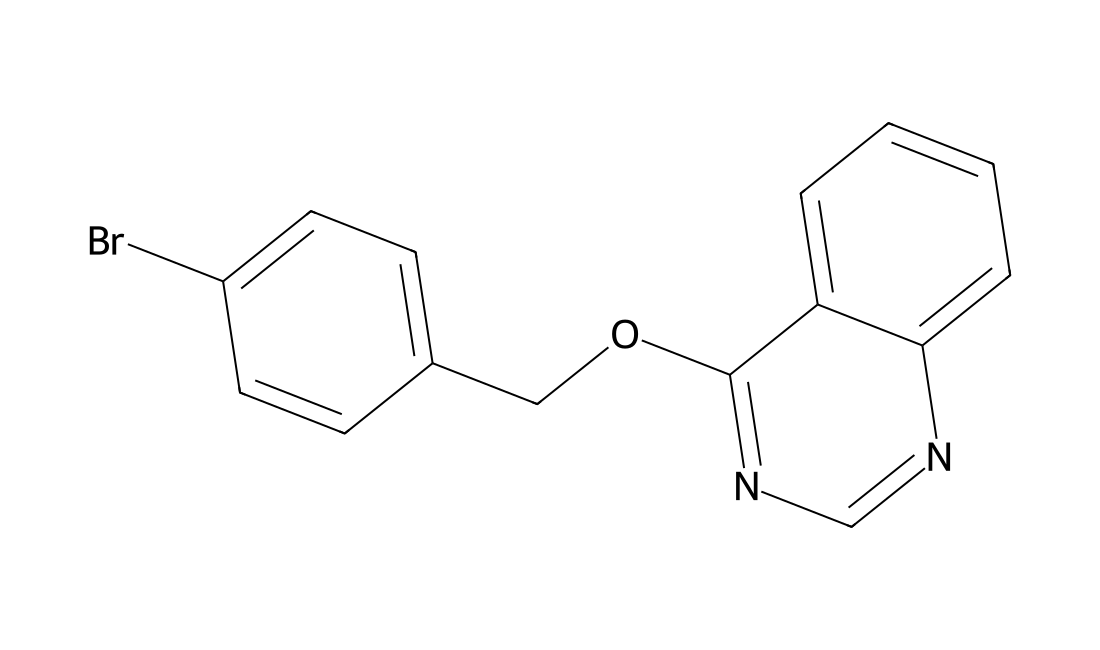
Muscimol HydrobromideFeatured
Muscimol Hydrobromide is a GABAA receptor agonist.
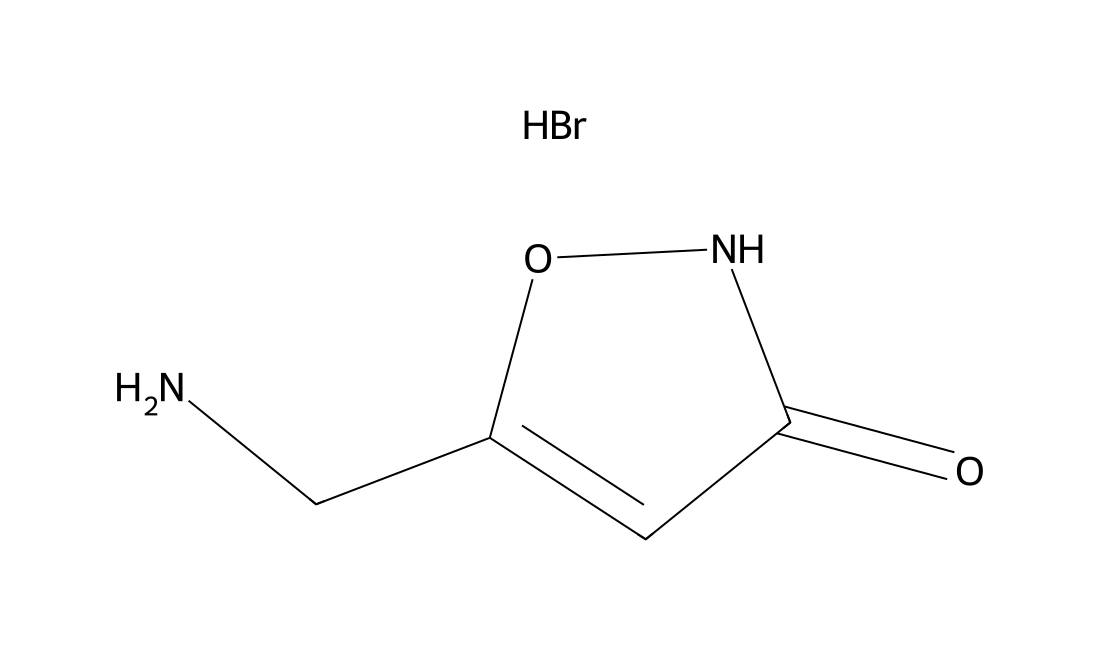
5-ht3 Antagonist-4iFeatured
5-HT3 antagonist 4 is a 5-HT3 receptor (5HT3R) antagonist. 5-HT3 antagonist 4 prevents diabetes-induced depressive phenotypes in mice.
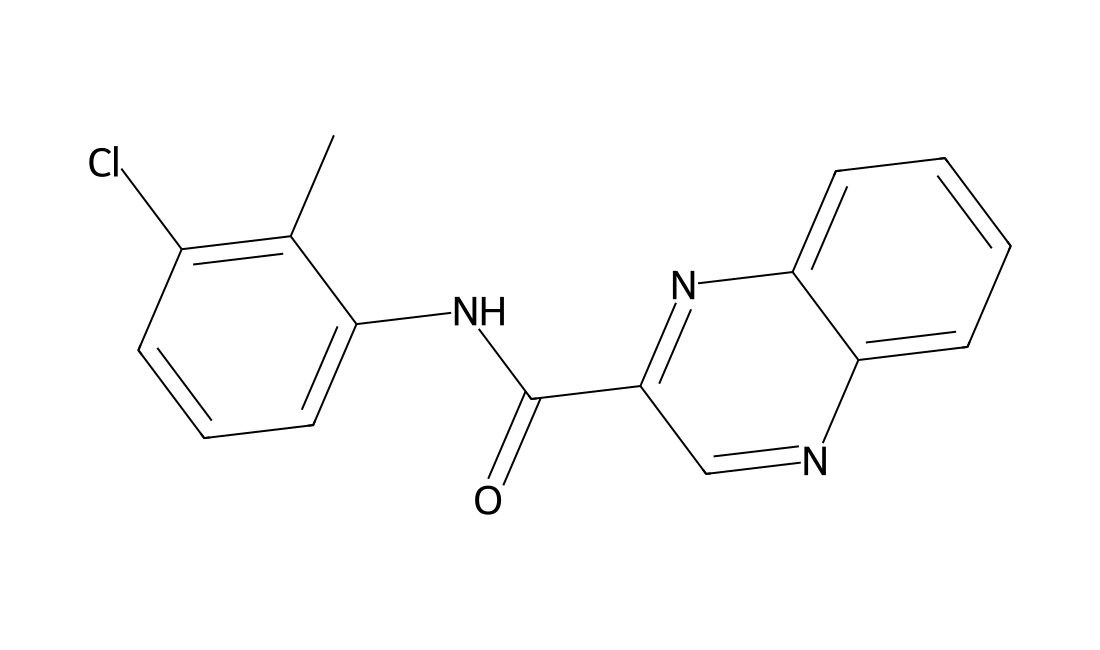
DVR-01Featured
DVR-01 is a HBV inhibitor with EC50 values of 1.7 and 1.6 μM in AML12HBV10 and HepDES19 cells, respectively. DVR-01 shows antiviral activity against drug-resistant HBV mutants with EC50s of 2.403-3.273 μM. DVR-01 can be used for the research of HBV infection and related diseases.
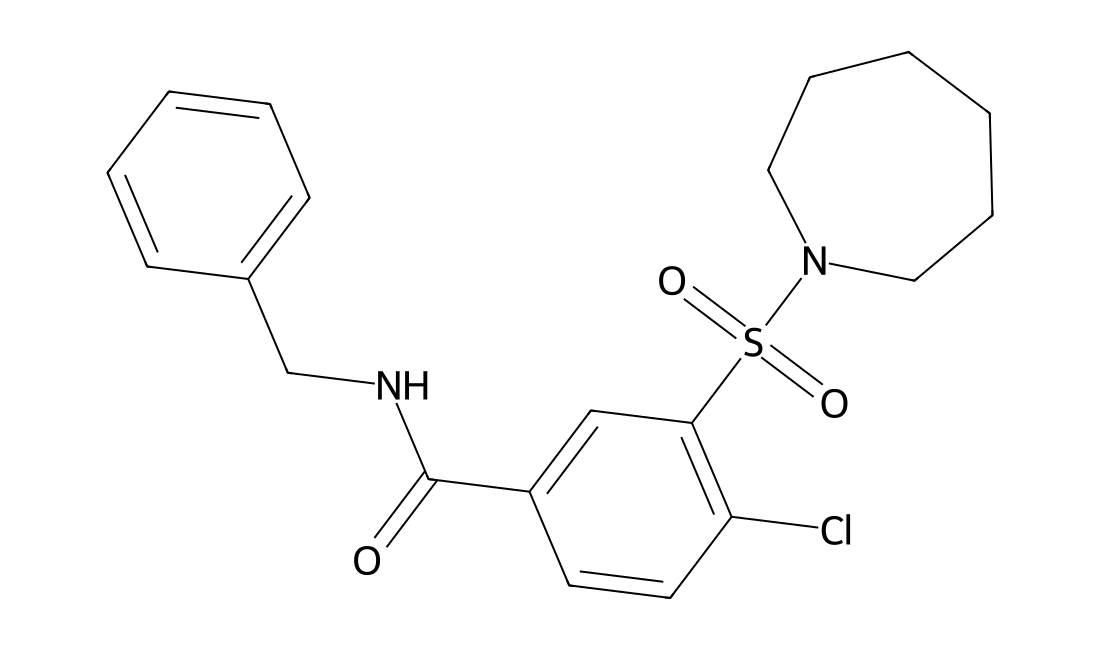
JNJ10191584Featured
JNJ10191584 (VUF6002) is an orally active and selective histamine H4 receptor antagonist with a Ki value of 26 nM. JNJ10191584 shows 540-fold selectivity to H4 receptor over H3 receptor with a Ki value of 14.1 μM. JNJ10191584 inhibits chemotaxis of eosinophils and mast cells with IC50 values of 530 nM and 138 nM, respectively.
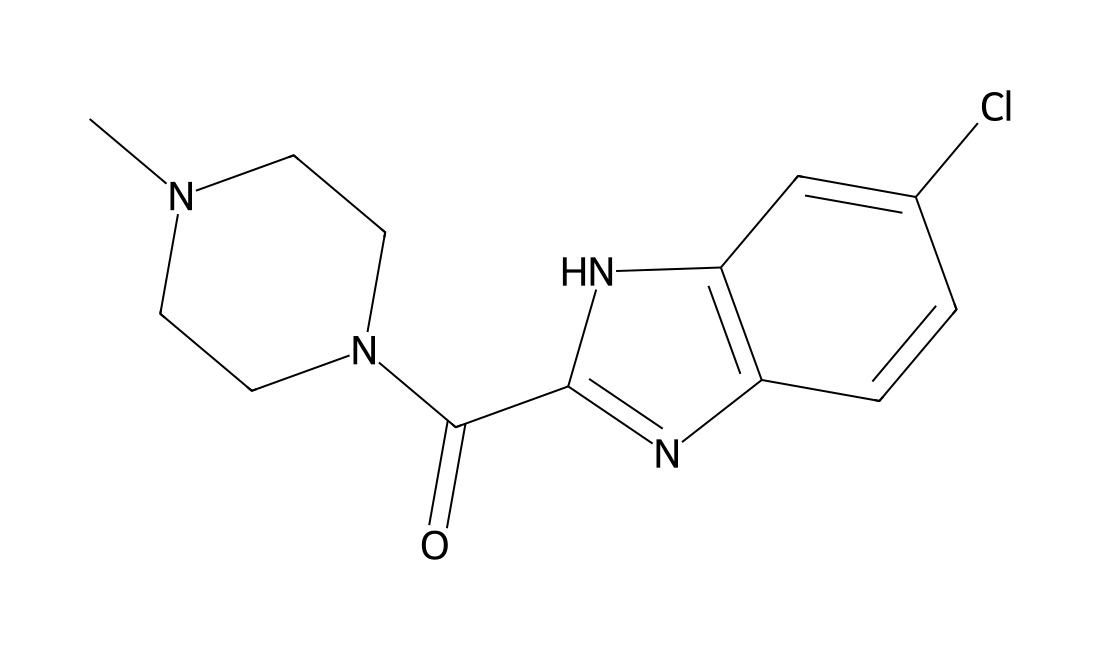
HRO761Featured
HRO761 is a potent, selective, allosteric WRN inhibitor with IC50 of 100 nM (ATPase assay) and GI50 of 40 nM (SW48 cells), respectively. HRO761 binds at the interface of the D1 and D2 helicase domains, locking WRN in an inactive conformation.
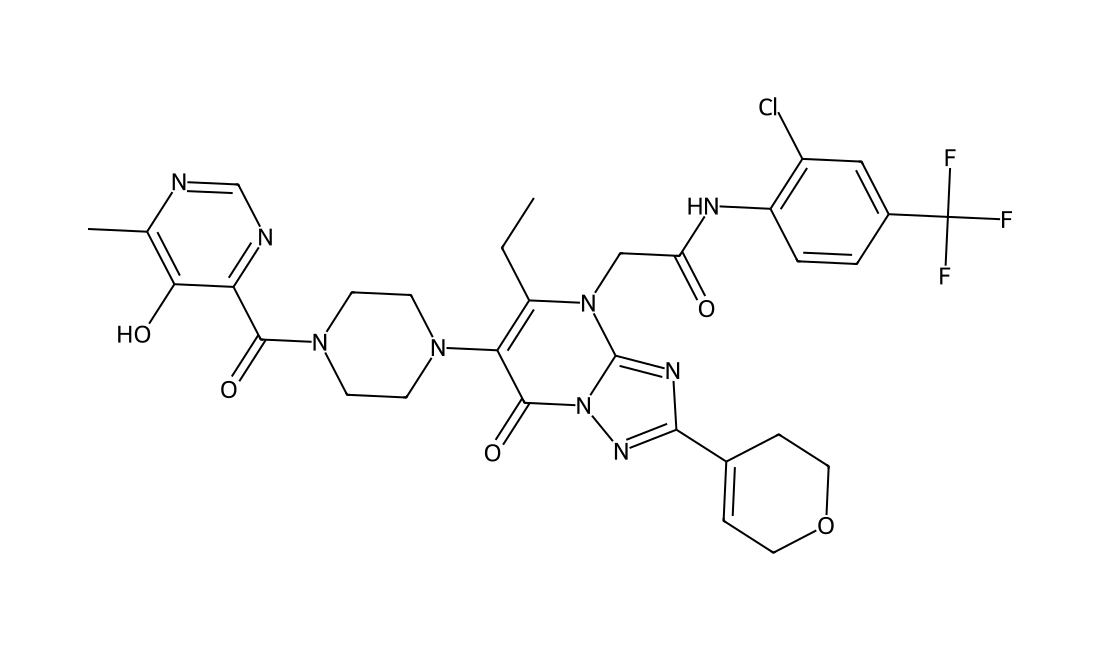
CT1812Featured
Elayta (CT1812) is a novel allosteric antagonist of the sigma-2 receptor complex that prevents and displaces binding of Aβ oligomers to neurons. By stopping a key initiating event in Alzheimer's disease, this first-in–class drug candidate mitigates downstream synaptotoxicity and restores cognitive function in aged transgenic mouse models of Alzheimer's disease. CT1812 was well tolerated with single dose administration up to 1120 mg and with multiple dose administration up to 840 mg and 560 mg in healthy young and healthy elderly subjects, respectively. CT1812 is currently being studied in early phase 2 trials in patients with Alzheimer's disease.
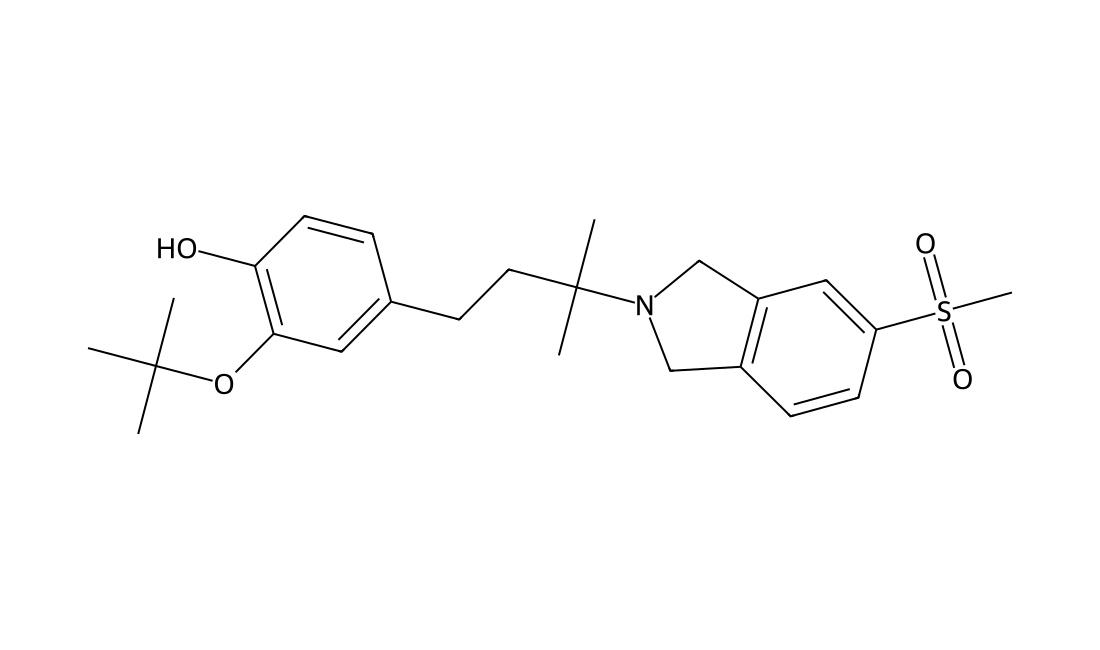
PF06260933Featured
PF 06260933 is a potent and selective MAP4K4 inhibitor (IC50 value 3.7 nM for MAP4K4 a.k.a. HGK or ZC1) with suitable PK properties in mouse to be used as a tool in an in vivo model of diabetes, vascular inflammation and atherosclerosis. Robustly prevented TNF-α-mediated endothelial permeability in vitro, similar to MAP4K4 knockdown, and without alteration of plasma lipid content.
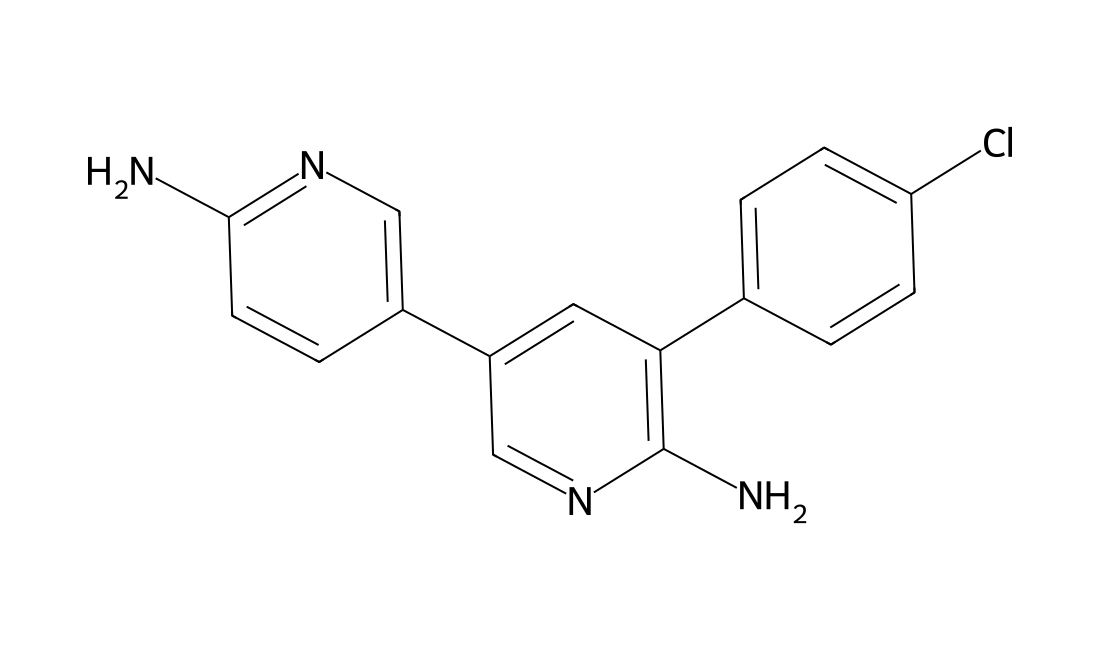
Ninerafaxstat 3HClFeatured
Ninerafaxstat 3HCl (CV-8972) is a small molecule compound that promotes glucose oxidation, decreases fatty acid oxidation and improve overall mitochondrial respiration, inhibits the growth and proliferation of cancer cells.
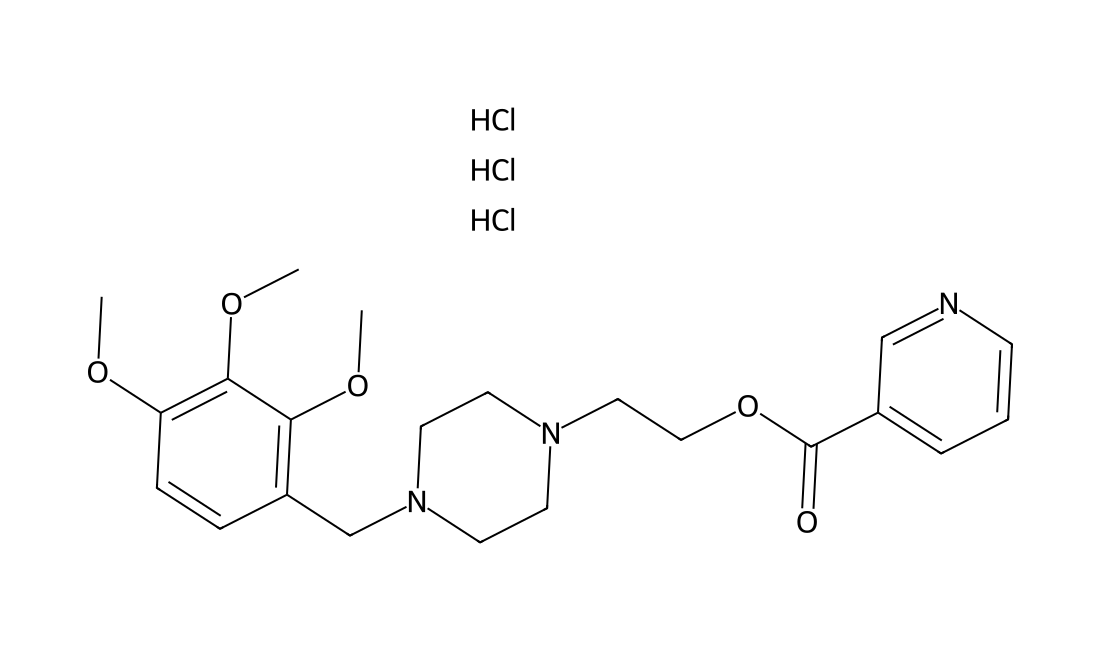
YM-53601Featured
YM-53601, a squalene synthase inhibitor, reduces plasma cholesterol and triglyceride levels in vivo[1]. YM-53601 inhibits squalene synthase derived from human hepatoma cells with an IC50 of 79 nM. Lipid-lowering agent[2]. YM-53601 also is an inhibitor of farnesyl-diphosphate farnesyltransferase 1 (FDFT1) enzyme activity and abrogates HCV propagation[3].
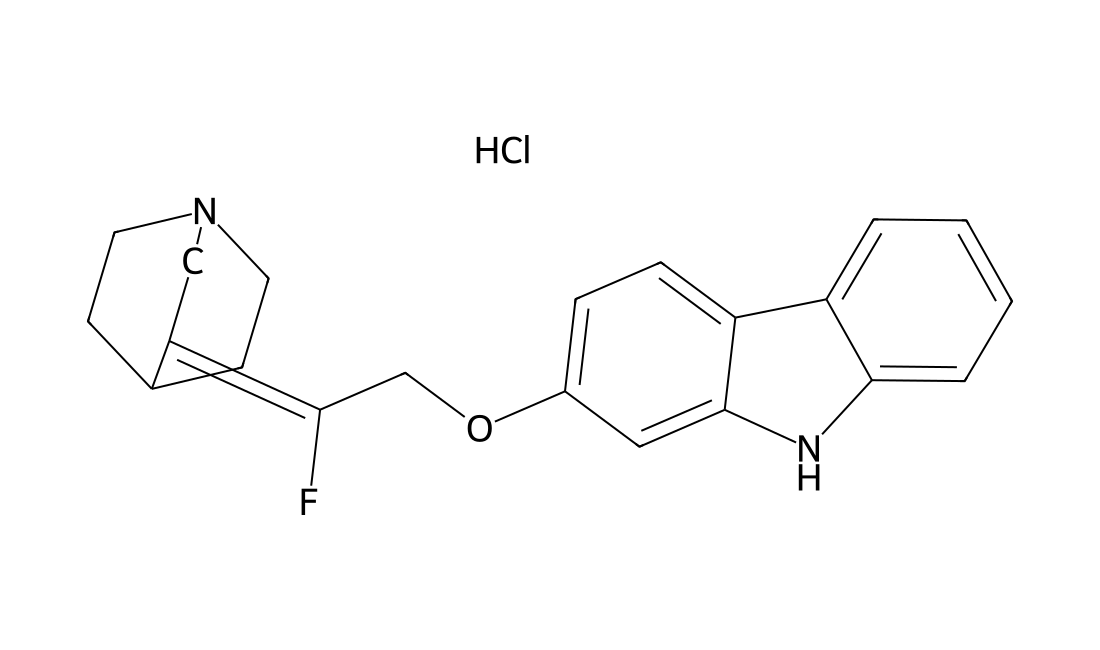
PXS-5120AFeatured
PXS-5120A is a potent, irreversible fluoroallylamine inhibitor of Lysyl Oxidase-like 2/3 (LOXL2/3) with anti-fibrotic activity. PXS-5120A is >300-fold selective for LOXL2 (Ki of 83 nM; pIC50 of 8.4) over LOXL (pIC50 of 5.8)[1].
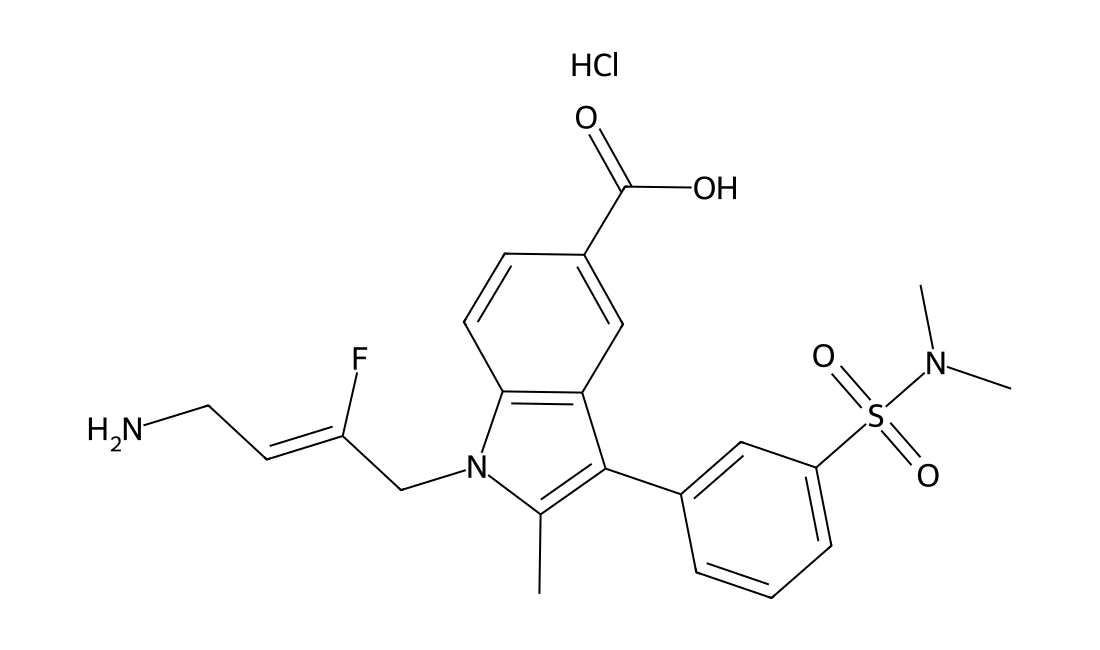
Sultosilic acid, piperazine saltFeatured
Sultosilic acid, piperazine salt is a lipid lowering drug. It causes significant shortening of the euglobulin lysis time and a significant diminution of platelet adhesiveness, as well as statistically significant decrease of total cholesterol, triglycerides, beta- and pre-beta-cholesterol and an increase of alpha-cholesterol.
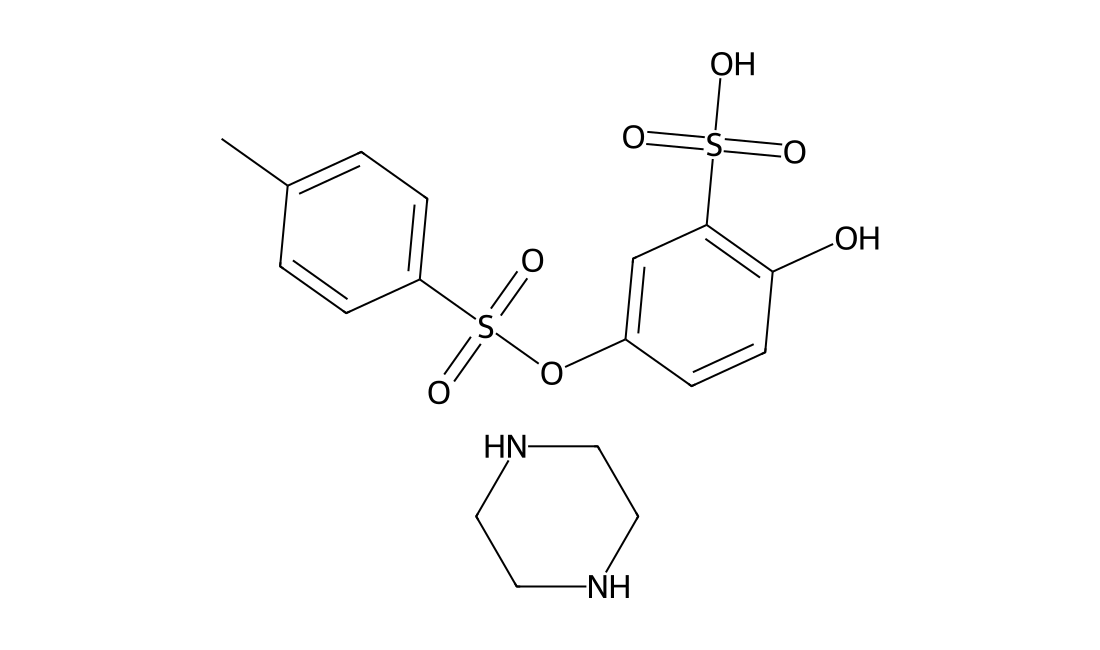
AAN06119Featured
Tris(2,4-di-tert-butylphenyl)phosphate is an active compound from the leaves of Vitex negundo L. shows anti-inflammatory activity with evidence of inhibition for secretory Phospholipase A2 (sPLA2) through molecular docking[1].
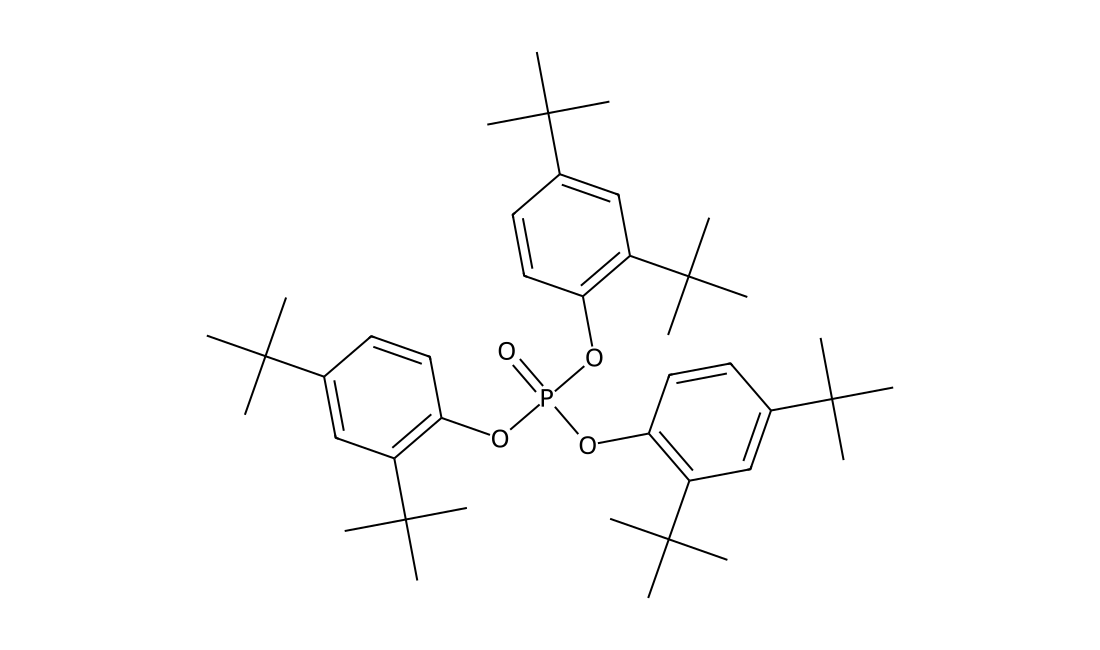
BenzamilFeatured
Benzamil (Benzylamiloride), an Amiloride analogue, is a Na+/Ca2+ exchanger (NCX) inhibitor (IC50~100 nM). Benzamil also is a non-selective Deg/epithelial sodium channels (ENaC) blocker, and can potentiate myogenic vasoconstriction. Benzamil inhibits TRPP3-mediated Ca2+-activated currents, with an IC50 of 1.1 μM.
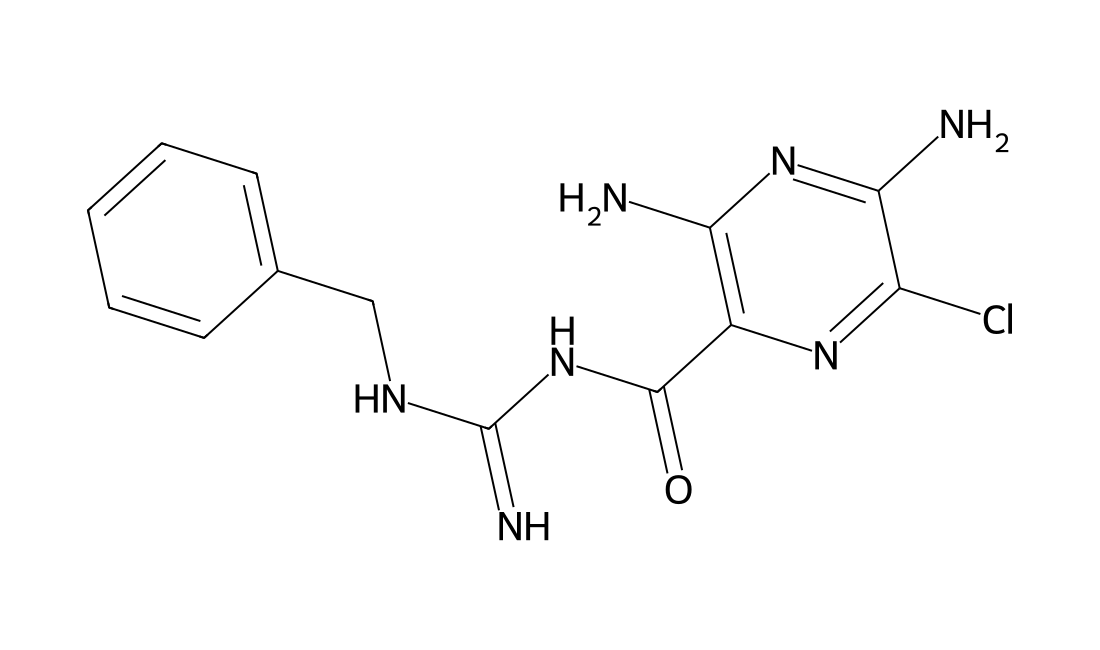
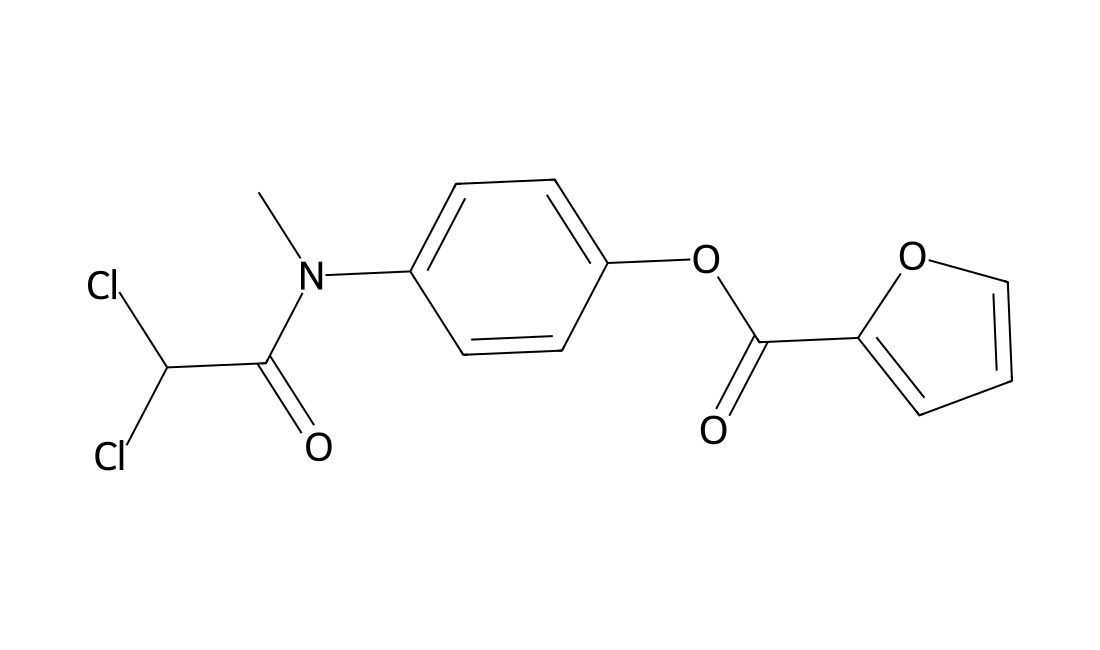
Diloxanide furoateFeatured
Diloxanide furoate is an ambecide, an anti-protozoal drug used in the treatment of amoebozoa infections
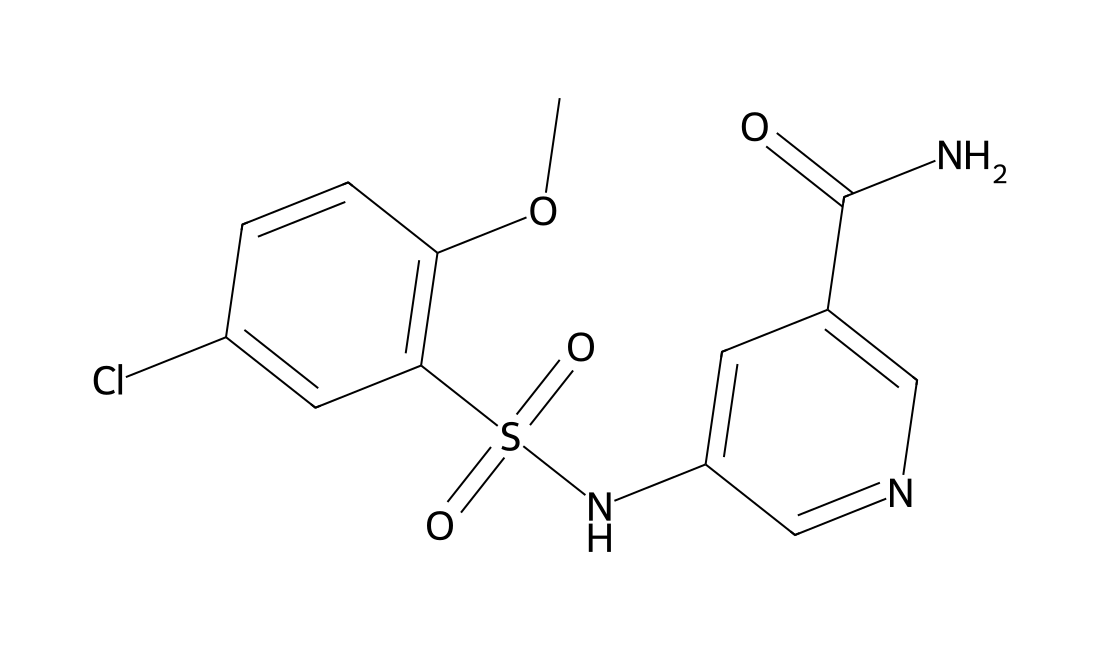
SBI-425Featured
SBI-425 (SBI425) is a potent, selective, orally bioavailable tissue-nonspecific alkaline phosphatase (TNAP) inhibitor with IC50 of 16 nM, shows high selectivity over other alkaline phosphatases including IAP and PLAP; demonstrates activity in blocking calcification in patient derived fibroblasts as well as in rodent models of GACI and PXE, reduces coronary calcium and lipids, improves body weight and ejection fraction in WHC-eTNAP mice.
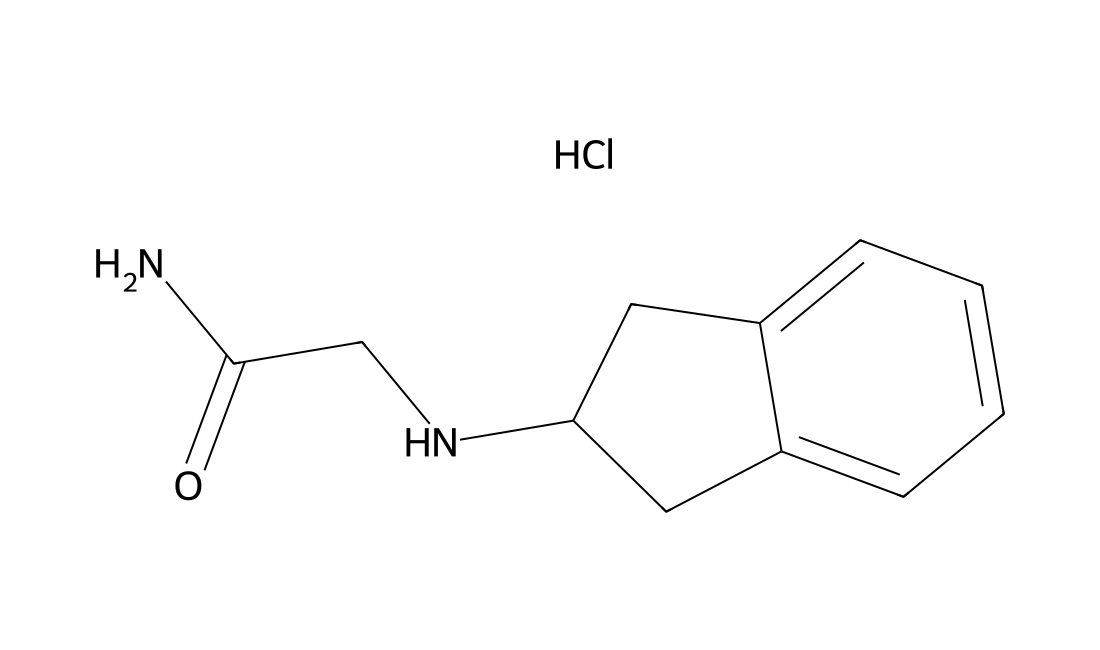
IndantadolFeatured
Indantadol is a novel NMDA antagonist and nonselective MAO inhibitor for the potential treatment of neuropathic pain.
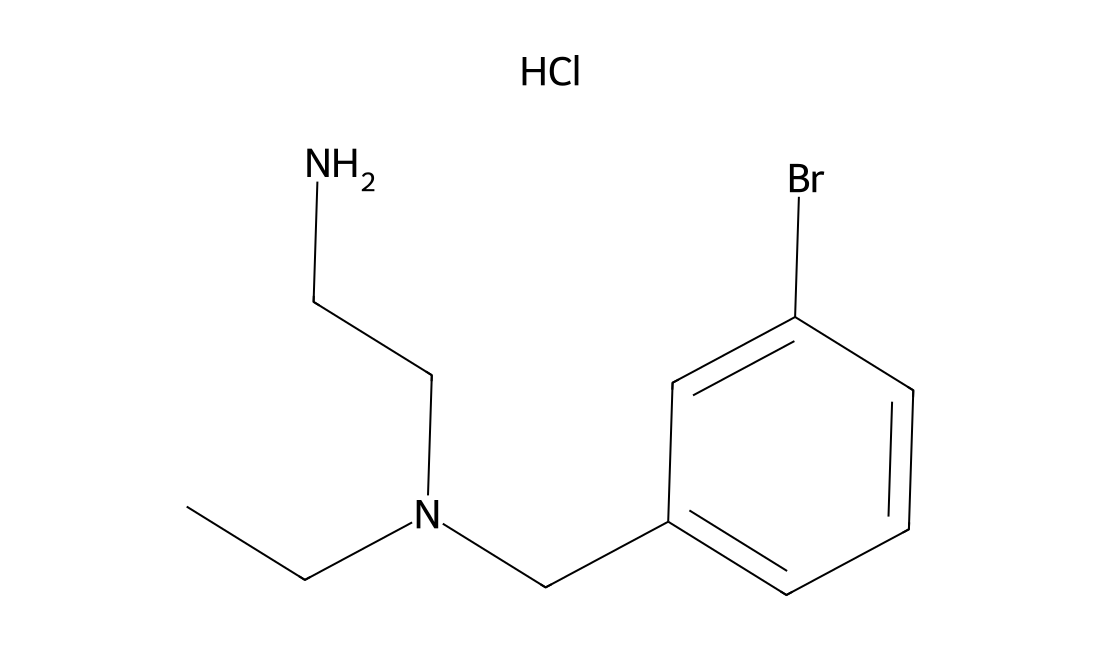
NMDAR/TRPM4-IN-2Featured
NMDAR/TRPM4-IN-2 (compound 8) is a potent NMDAR/TRPM4 interaction interface inhibitor. NMDAR/TRPM4-IN-2 shows neuroprotective activity. NMDAR/TRPM4-IN-2 prevents NMDA-induced cell death and mitochondrial dysfunction in hippocampal neurons, with an IC50 of 2.1 μM. NMDAR/TRPM4-IN-2 protects mice from MCAO-induced brain damage and NMDA-induced retinal ganglion cell loss.
No products match this search.
Page 345 of 359 · Browse all 7177 products
Jump to a product page
Featured literature product: HX1 · DCL0028
HX1 is a hydroxyzine-derived ionizable lipid with acetal-containing tails, studied in lipid nanoparticles for brain mRNA delivery and CRISPR–Cas9 delivery. It was the lead in the reported in vivo brain-delivery screen; evidence is preclinical and formulation-dependent.
Read full formulation and performance →