
Research lipid catalog
Ionizable Lipid Products
Explore 848 lipid and RNA delivery products. Search the full catalog or browse by research category.
Search covers product name, catalog number, synonyms, available CAS numbers and categories. Spaces, hyphens and common punctuation are ignored. Duplicate legacy records are consolidated under one canonical product result.
7177 products · Showing 6741–6760 · 20 per page
DC Chemicals lipid expertise
Built for ionizable-lipid discovery and RNA delivery research
DC Chemicals supports formulation and delivery research with a broad, searchable portfolio of cationic and ionizable lipids. The current directory brings together 848 unique research-use products, with product specifications, pricing, chemical structures and literature-linked formulation data added as each record is verified.
Our experience spans complex lipid synthesis, purification, analytical release and process development. For custom molecules or larger-scale requirements, our team can discuss route development, technical specifications and scale-up options for the intended research workflow.
Learn about cationic and ionizable lipids →Proprietary innovation · Co-development · GMP
From proprietary lipid design to GMP-grade custom synthesis
DC Chemicals has independently developed ionizable-lipid structures supported by company-owned intellectual property, and selected proprietary lipid programs have advanced to GMP-stage development.
We welcome joint development with customers—from molecular design and lipid synthesis through route and process development. We can also support custom synthesis of GMP-grade ionizable lipids to agreed technical specifications and quality requirements.
Discuss a co-development project →Proprietary ionizable-lipid structuresCollaborative molecular designCustom lipid synthesisProcess development and scale-upGMP-grade project support
Product quick links
Explore New ionizable lipids
Explore our five most recently added ionizable lipids, with specifications, pricing and literature-linked product information.
DCL0028HX1Brain RNA delivery researchView product →DCL0024A1I4R13C18-2Spleen-targeted RNA delivery researchView product →DCL0023A1I4R2C18-2Spleen-targeted RNA delivery researchView product →DCL0022FS01Local joint RNA delivery researchView product →DCL0020Lipid-392Lung RNA delivery and gene editing researchView product →
Cat. No.Product NameField of ApplicationChemical Structure
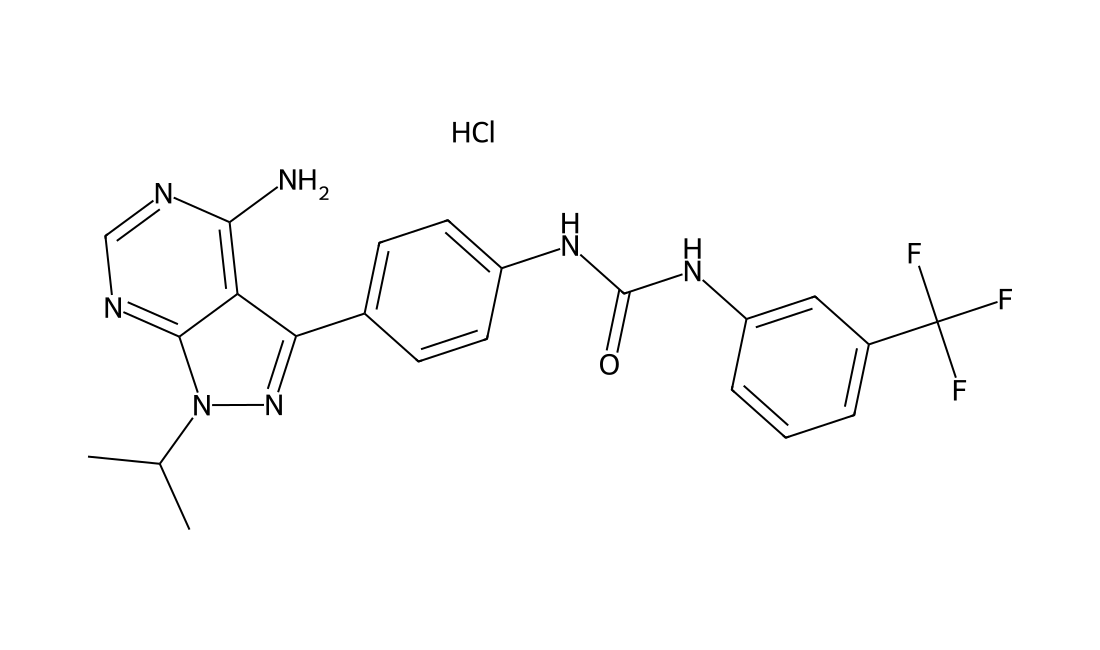
AD57 hydrochlorideFeatured
AD57 hydrochloride is an orally active multikinase inhibitor, inhibits RET, BRAF, S6K and Src.
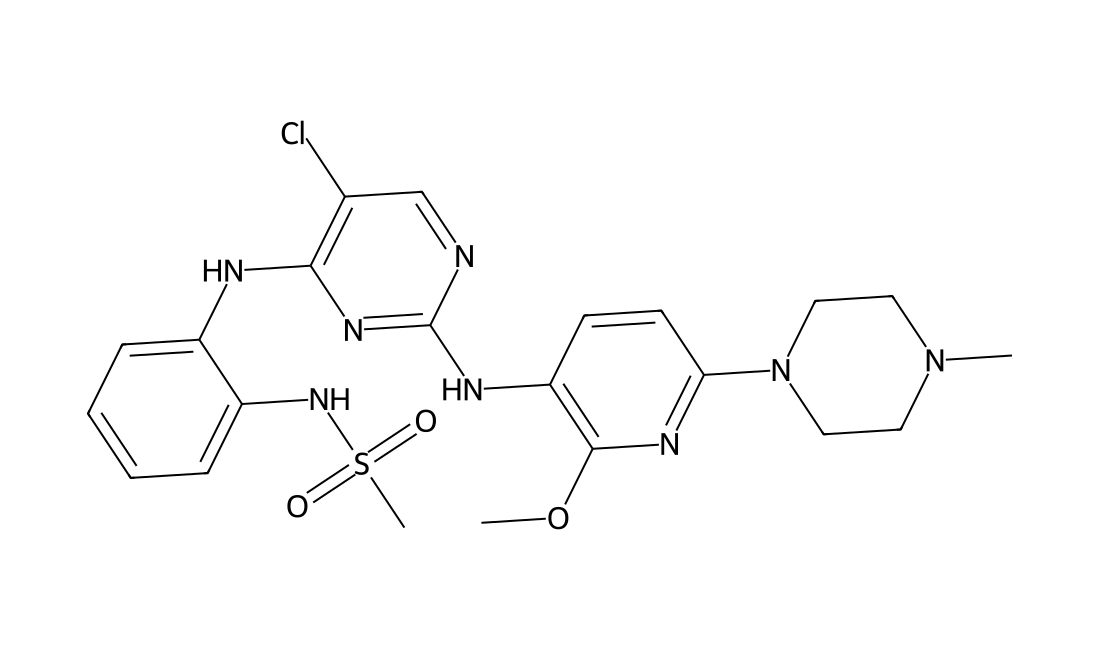
F-1Featured
F-1 is a potent ALK and ROS1 dual inhibitor, suppresses phospho-ALK and its relative downstream signaling pathways, with IC50s of 2.1 nM, 2.3 nM, 1.3 nM and 3.9 nM for ALKWT, ROS1WT, ALKL1196M and ALKG1202R, respectively.
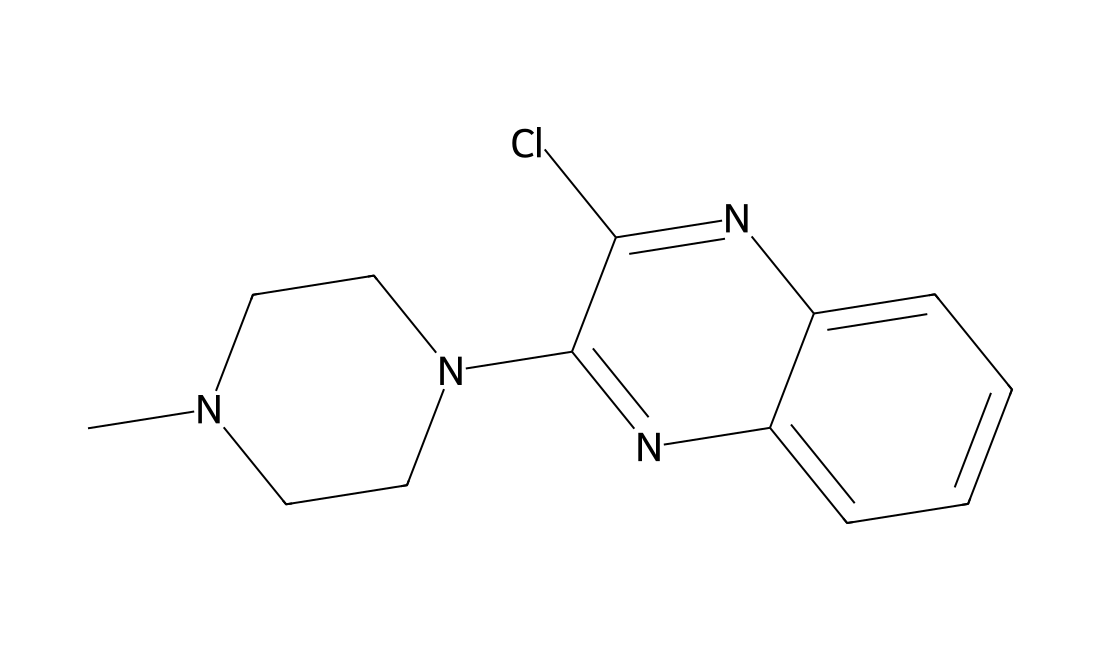
VUF10166Featured
VUF10166 is a potent and high-affinity 5-HT3 receptor antagonist, with Ki values of 0.04 nM (5-HT3A) and 22 nM (5-HT3AB). VUF10166 inhibits 5-HT-induced responses at 5-HT3A and 5-HT3AB receptors at nanomolar concentrations. At 5-HT3 receptor, VUF10166 at higher concentrations also acts as a partial agonist, with an EC50 of 5.2 μM.
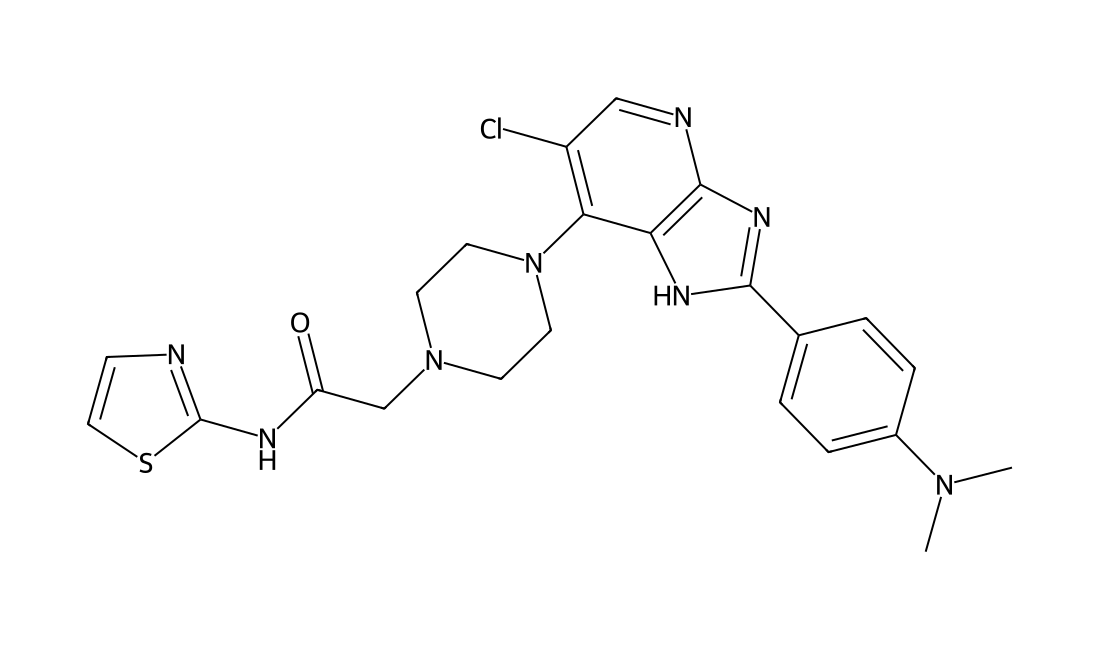
CCT129202Featured
CCT129202 is a potent, selective, ATP-competitive pan-Aurora kinase inhibitor with IC50 of 42, 198 and 227 nM for Aurora A, Aurora B and Aurora C, respectively; displays high selectivity for the Aurora kinases over a broad range of 13 other kinases; inhibits proliferation in multiple cultured human tumor cell lines (GI50=0.08-1.7 uM), induces aberrant mitosis that leads to apoptosis; reduces phosphorylation of histone H3, stabilizes p53, and inhibits growth of HCT116 human colon cancer xenografts in athymic mice.
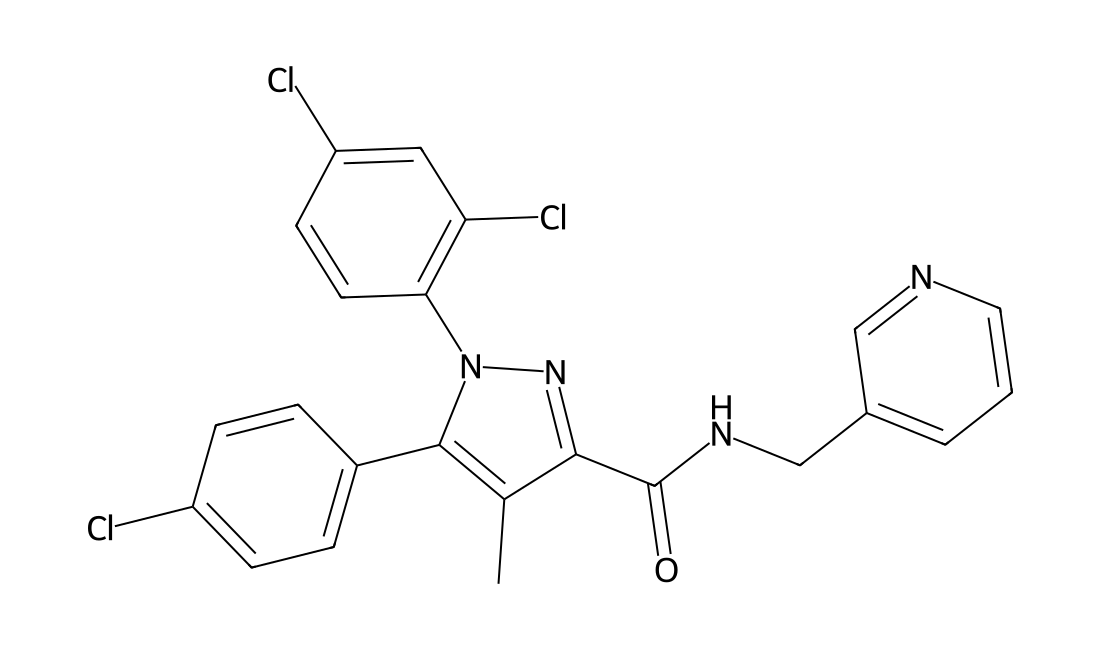
MJ15Featured
MJ-15 is a potent and selective antagonist of cannabinoid CB1 receptor.
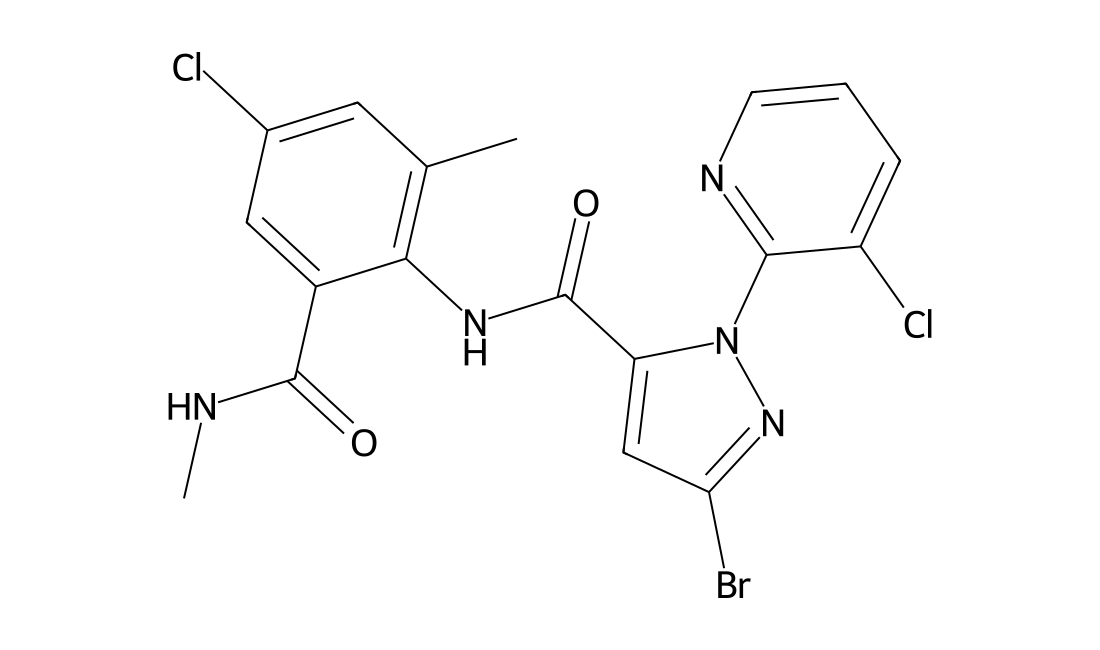
ChlorantraniliproleFeatured
In Vitro Chlorantraniliprole is an insecticide that potently and selectively activates insect ryanodine receptor. Chlorantraniliprole actions by release of intracellular Ca2+ stores mediated by the ryanodine receptor. Chlorantraniliprole is ∼300-fold less potent against ryanodine receptor (RyRs) in the mouse myoblast cell line, C2C12 (EC50, 14 μM), than in insect RyRs from Drosophila melanogaster and H. virescens (EC50, 40 nM, 50 nM), and shows little selectivity at the rat cell line RyR2 (EC50, >100 μM). In Vivo Chlorantraniliprole has low acute mammalian toxicity with an acute oral LD50 of >5000 mg/kg in rats, and little to no toxicity in 90-day studies, at dosing as high as 1500 mg/kg/day.
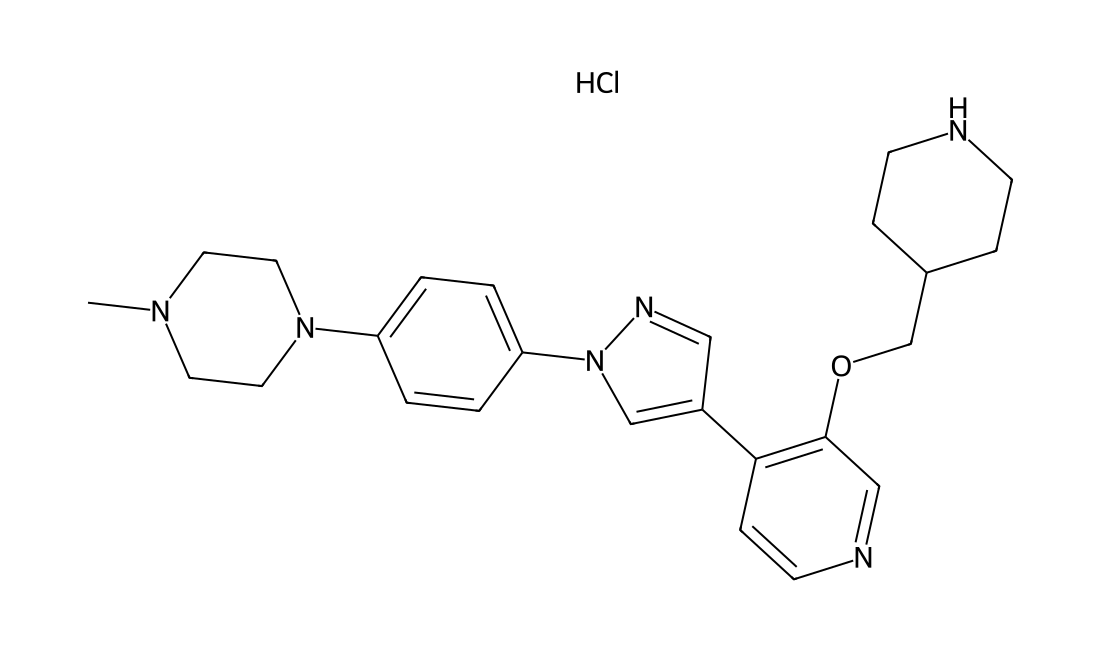
NVP-MELK8a hydrochlorideFeatured
NVP-MELK8a hydrochloride (MELK8a hydrochloride) is a novel potent, and selective MELK inhibitor with IC50 of 2 nM; exhibits high selectivity with only 7 off-target kinases inhibited >85% against 456 kinases at 1 uM, Flt3 (IC50=0.18 uM), Haspin (IC50=0.19 uM), PDGFRα (IC50=0.42 uM); exhibits growth inhibition of MDA-MD-468 cells with IC50 of 0.11 uM, and increases cells harboring 4N DNA content.
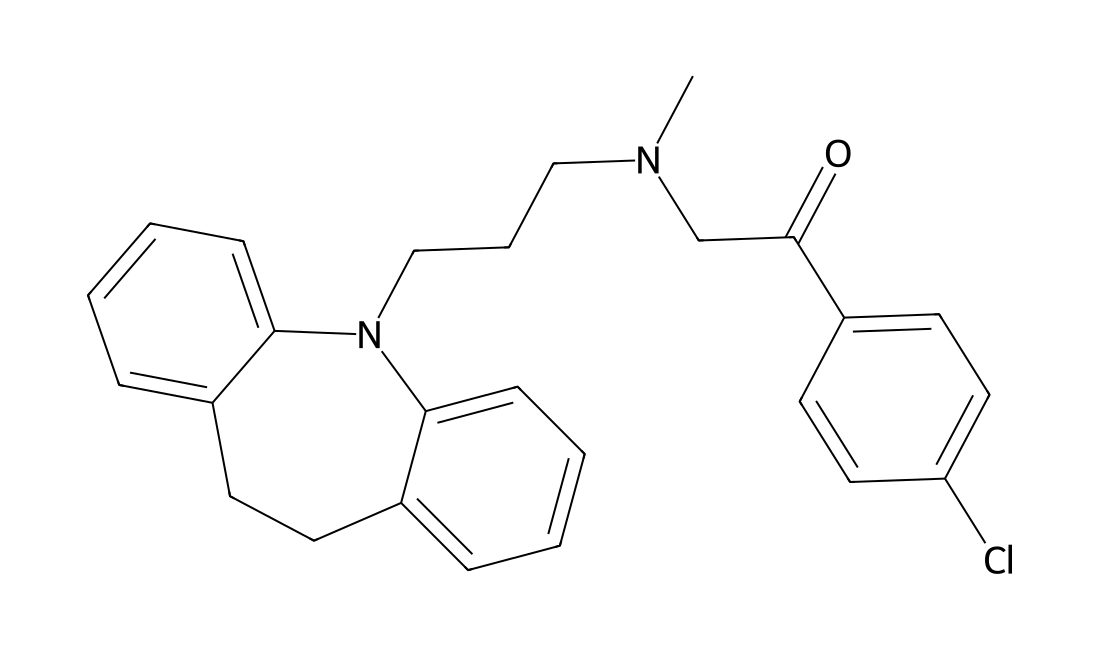
LofepramineFeatured
Lofepramine (Lopramine) is a potent tricyclic antidepressant and is extensively metabolised to Desipramine. The antidepressant activity of Lofepramine stems from the facilitation of noradrenergic neurotransmission by uptake inhibition. Lofepramine may also potentiate serotoninergic neurotransmission by inhibition of the neuronal uptake of serotonin and the enzyme tryptophan pyrrolase. Lofepramine has significant anxiolytic efficacy in addition to its antidepressant properties.
OglemilastFeatured
Oglemilast(GRC3886) is a potent PDE4 inhibitor, under clinical studies in the treatment of allergen-induced asthma.
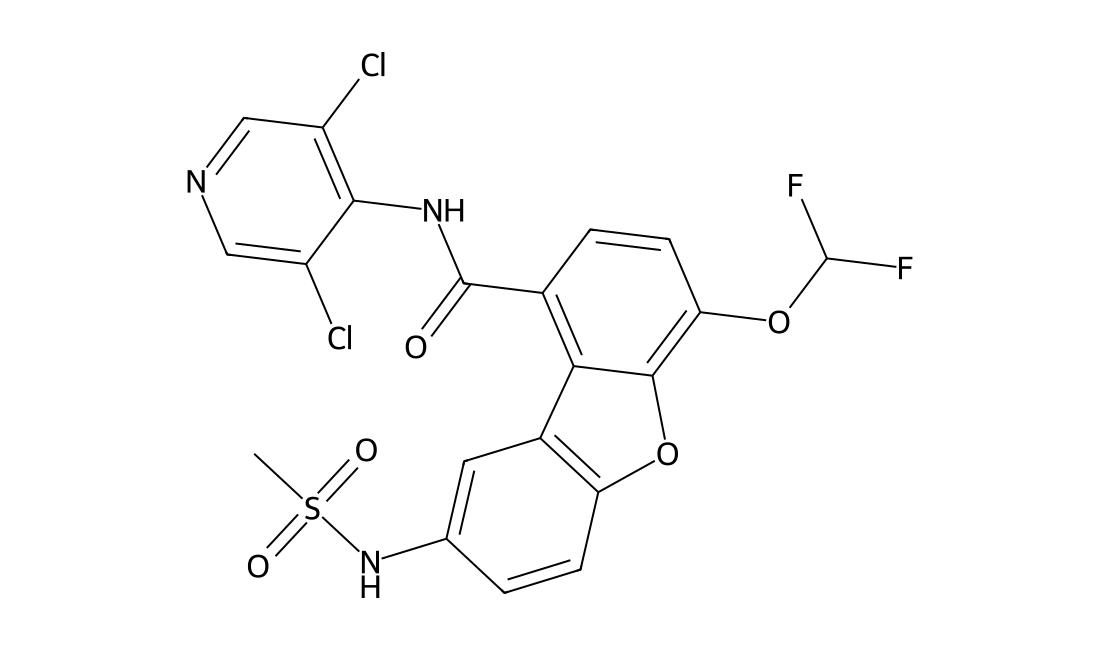
JC124Featured
JC124 is a specific NLRP3 inflammasome inhibitor. JC124 has anti-inflammatory and neuroprotective effects.
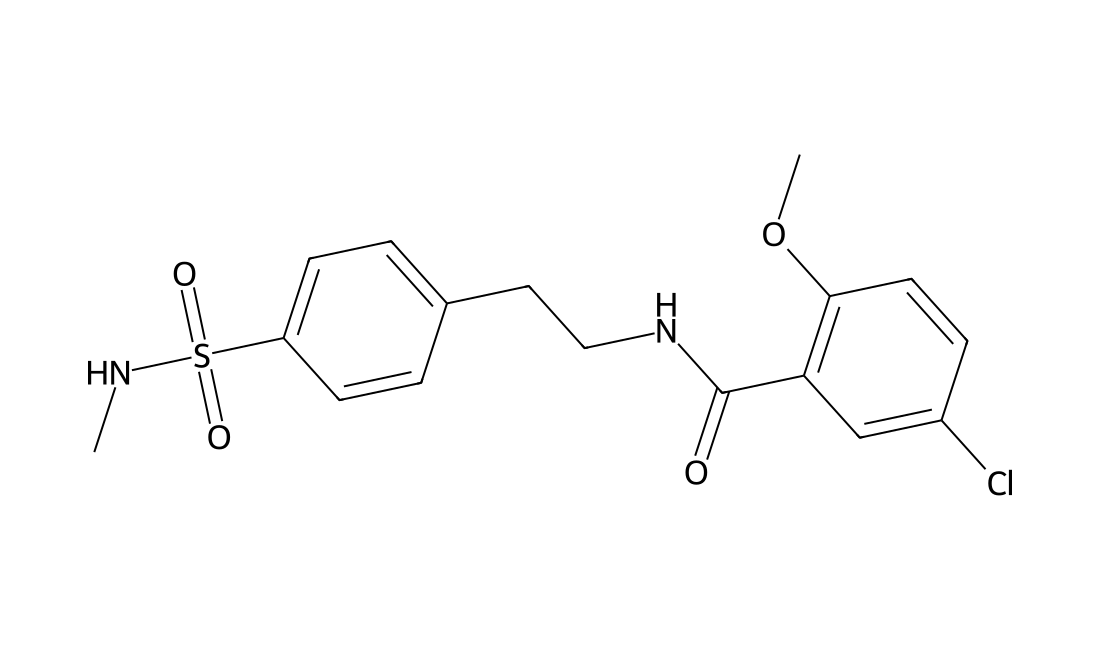
SR15006Featured
SR15006 is a inhibitor of Krüppel-like factor 5 (KLF5) with an IC50 of 41.6 nM in DLD-1/pGL4.18hKLF5p cells).
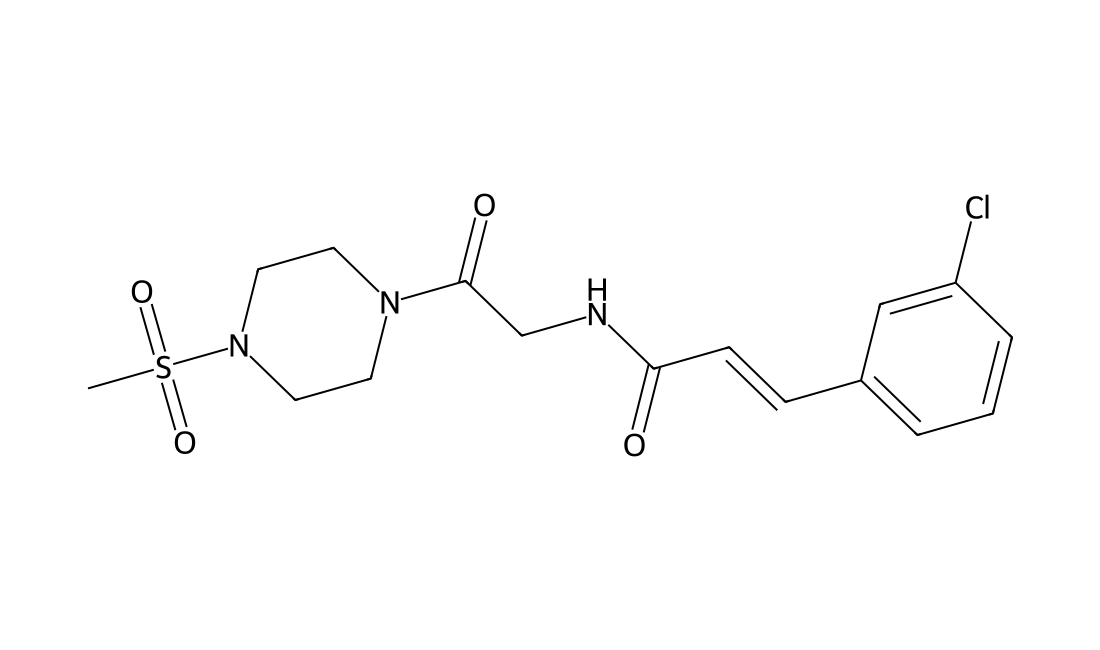
GSK854Featured
GSK854 is a potent Inhibitor of Troponin I-Interacting Kinase (TNNI3K). GSK854 is a suitable lead for identifying new cardiac medicines and have been employed as in vivo tools in investigational studies aimed at defining the role of TNNI3K within heart failure.
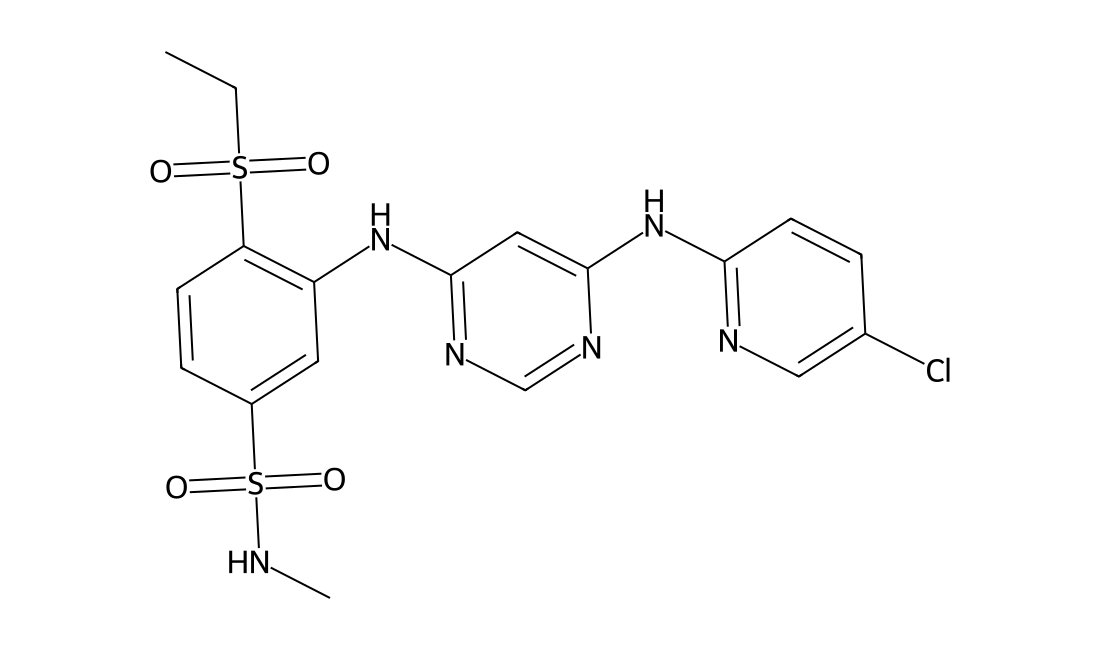
CHD1Li 6.11Featured
CHD1Li 6.11 is a potent oncogenic CHD1L inhibitor (IC50=3.3 µM for cat-CHD1L recombinant protein). CHD1Li 6.11 is an orally bioavailable antitumor agent, significantly reducing the tumor volume of CRC xenografts generated from isolated quasi mesenchymal cells (M-phenotype), which possess enhanced tumorigenic properties.
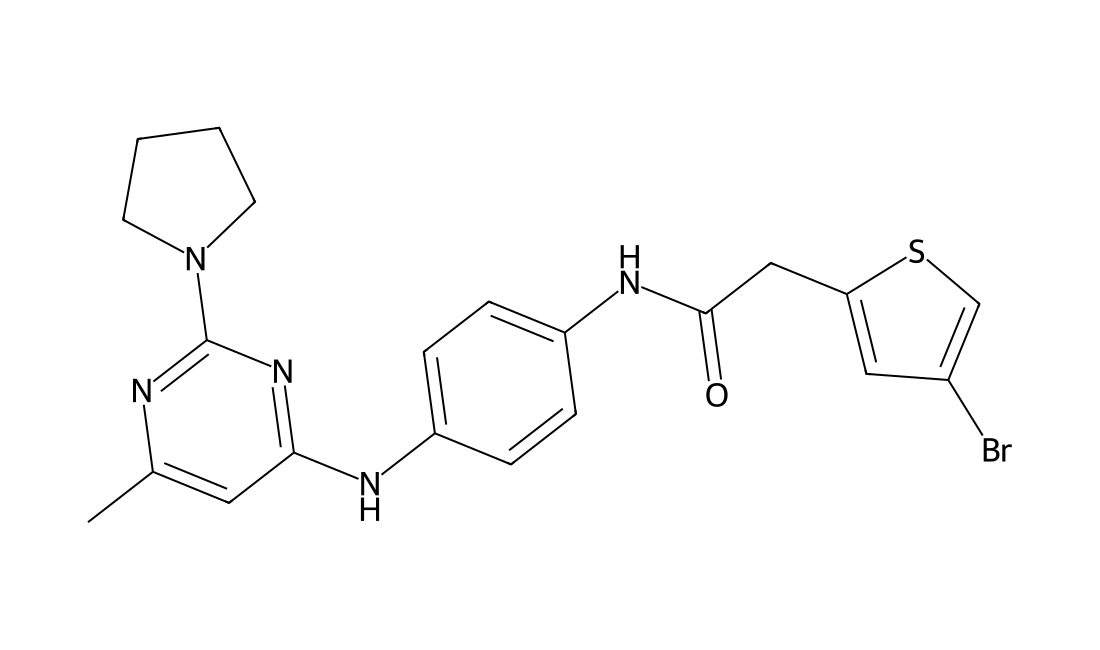
Thioquinapiperifil dihydrochloride (KF31327), a potent, selective and non-competitive phosphodiesterase-5 (PDE-5, IC50 of 0.074 nM) inhibitor, is used for sexual enhancement study.
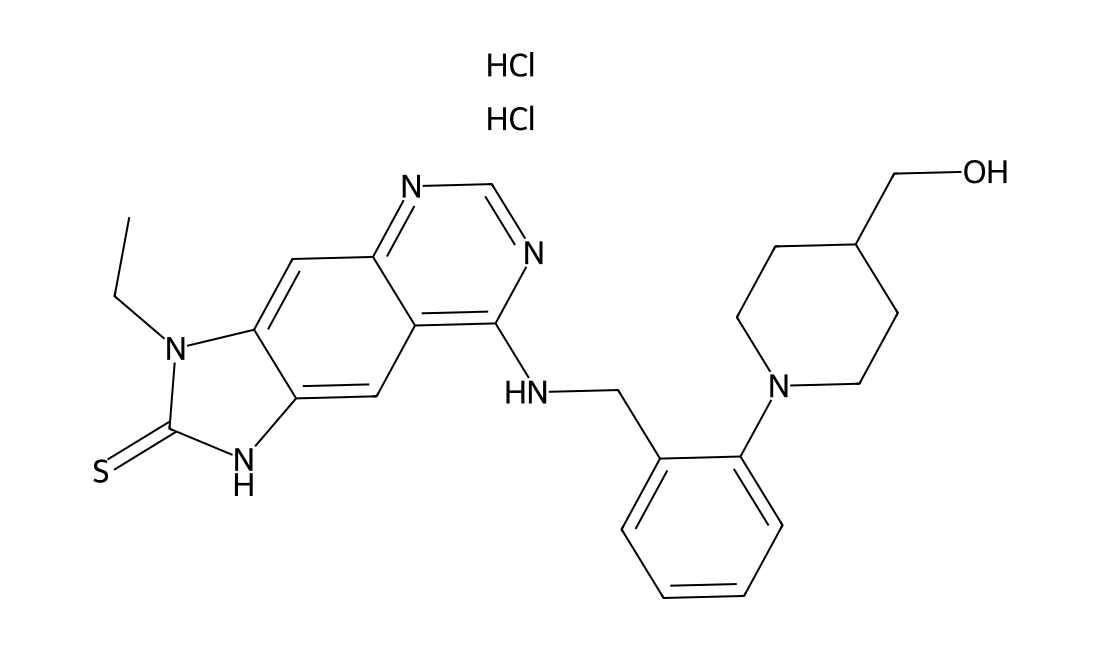
Adamts-5 InhibitorFeatured
Selective inhibitor of ADAMTS-5 (A disintegrin and metalloproteinase with thrombospondin motifs 5 or aggrecanase-2)
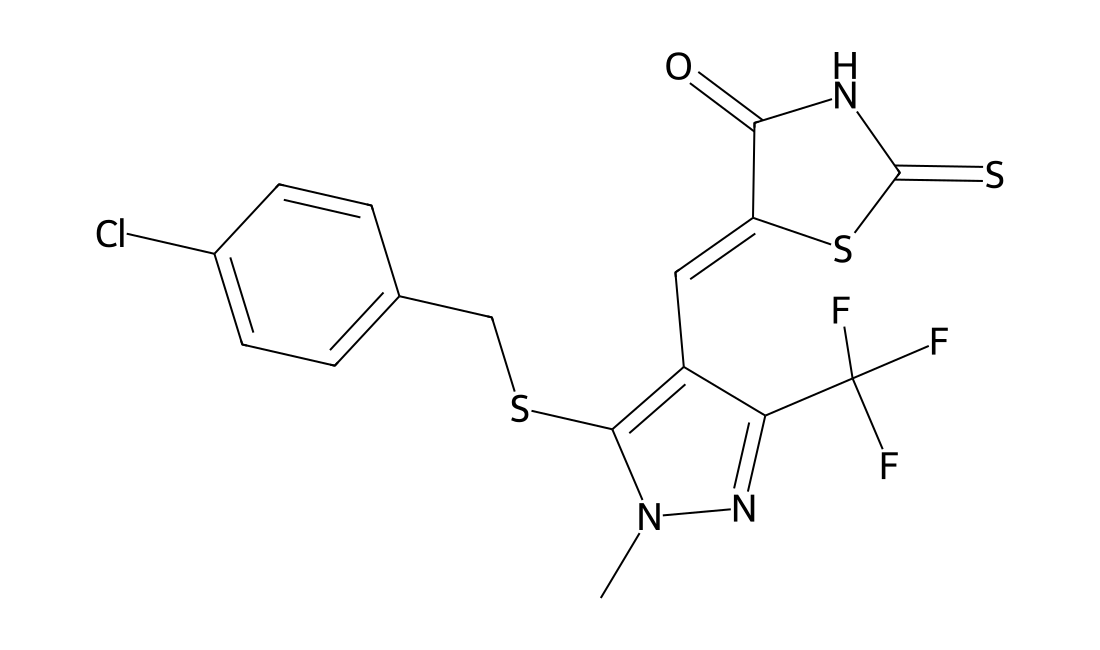
PyribencarbFeatured
Pyribencarb is a benzylcarbamate-type fungicide, which is active against a wide range of plant pathogenic fungi. Pyribencarb is a potent Qo inhibitor of cytochrome b. Pyribencarb is especially active against Botrytis cinerea and Sclerotinia sclerotirum.
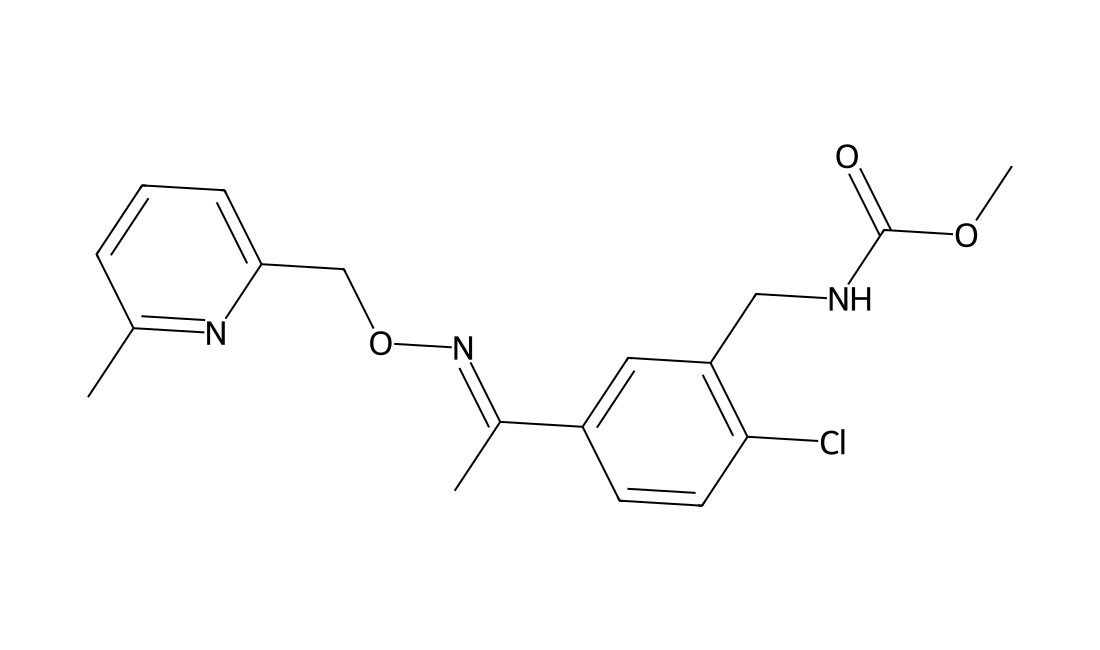
AllitinibFeatured
Allitinib (AST-1306, ALS1306)) is a novel potent, selective irreversible EGFR and HER2 inhibitor with IC50 of 0.5 and 3 nM in cell-free assays; also inhibits ErbB4 (IC50=0.8 nM), displays >3,000-fold selectivity over other kinase families; exhibits strong antiproliferative effects on a panel of cancer cell lines, and potently suppresses tumor growth in vivo; orally available.
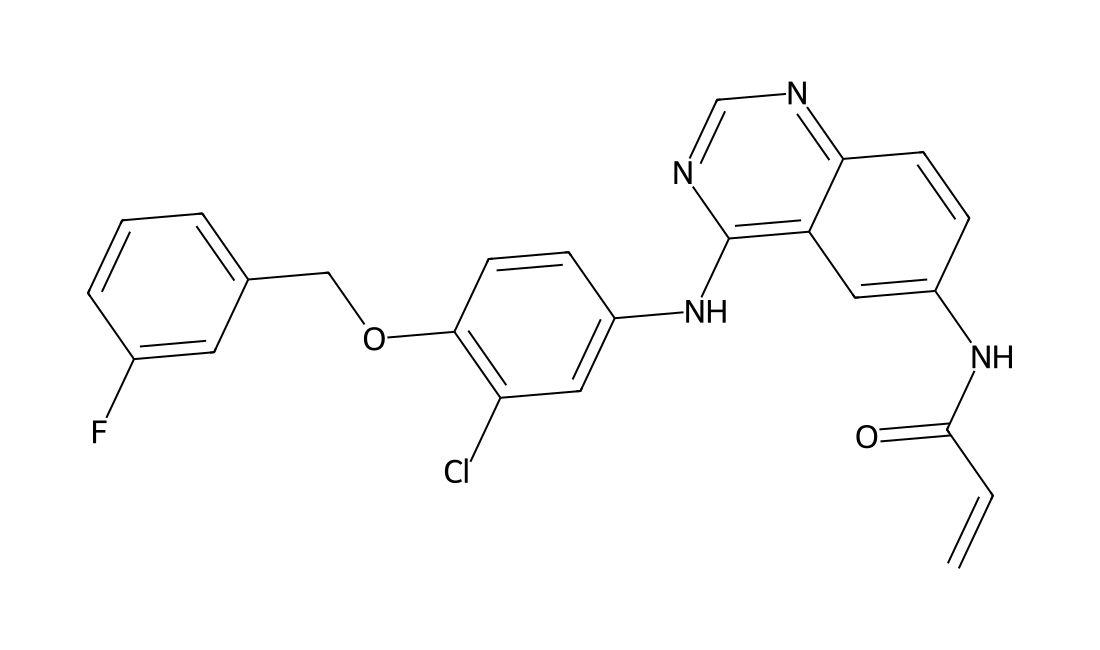
TAK-285Featured
Among the 34 kinases tested, TAK-285 only significantly inhibits HER4 with IC50 of 260 nM, slightly inhibits MEK1, MEK5, c-Met, Aurora B, Lck, CSK, and Lyn B with IC50 of 1.1 μM, 5.7 μM, 4.2 μM, 1.7 μM, 2.4 μM, 4.7 μM, and 5.2 μM, respectively, and displays no activity against other kinases with IC50 of >10 μM. TAK-285 shows significant growth inhibitory activity against BT-474 cells (HER2-overexpressing human breast cancer cell line) with GI50 of 17 nM. Compared with SYR127063 a potent inhibitor of HER2, TAK-285 displays similar in vitro potency against HER2 and EGFR. Compared with the full cytoplasmic domains of the wild-type proteins, the mutations and shortened boundaries used For structure determination of HER2-KD and EGFR-KD do not significantly change the inhibitory activity (IC50) of TAK-285. TAK-285 binds to the inactive con Formation of EGFR, and shows a similar binding mode with lapatinib in the active site. The oral bioavailability of TAK-285 is 97.7% in rats and 72.2% in mice at a dose of 50 mg/kg. Oral administration of TAK-285 at 100 mg/kg twice daily For 14 days displays significant antitumor efficacy in the HER2-overexpressing BT-474 tumor xenograft mouse model with tumor/control (T/C) ratio of 29%, without affecting body weight. Similar to the BT-474 model, TAK-285 exhibits dose-dependent tumor growth inhibition of 4-1ST (HER2-overexpressing human gastric cancer tumor) xenografts in mice, with T/C of 44% and 11% at doses of 50 mg/kg and 100 mg/kg, twice daily, respectively, without significant body weight loss in mice. Furthermore, TAK-285 treatment induces dose-dependent growth inhibition of 4-1ST tumors in rats with T/C of 38% and 14% at doses of 6.25 mg/kg and 12.5 mg/kg, and, particularly noteworthy, tumor regression with T/C of -12% and -16% at doses of 25 mg/kg and 50 mg/kg, respectively. After oral administration of TAK-285, a significant amount of TAK-285 is present in the brain of rats in pharmacologically active, unbound Form (approximately 20% of its free plasma level), indicating that TAK-285 has a potential in the therapy of CNS malignancies/metastases. For the detailed information of TAK-285, the solubility of TAK-285 in water, the solubility of TAK-285 in DMSO, the solubility of TAK-285 in PBS buffer, the animal experiment (test) of TAK-285, the cell expriment (test) of TAK-285, the in vivo, in vitro and clinical trial test of TAK-285, the EC50, IC50,and Affinity of TAK-285, Please contact DC Chemicals.
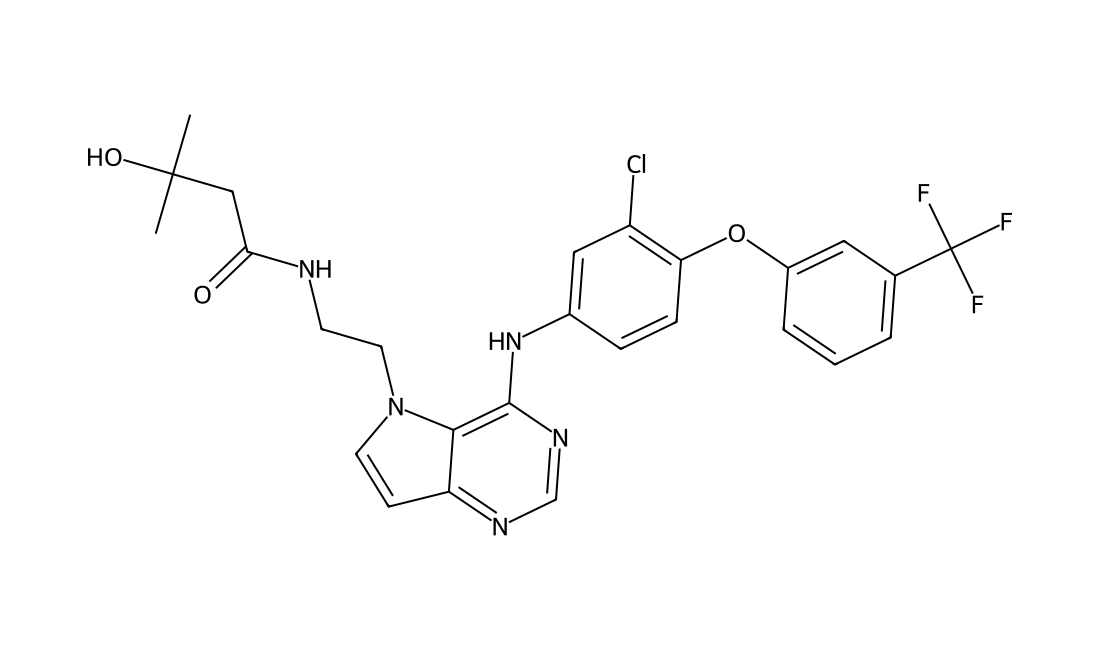
Prx-08066 MaleateFeatured
Novel potent and selective 5-HT2B receptor antagonist
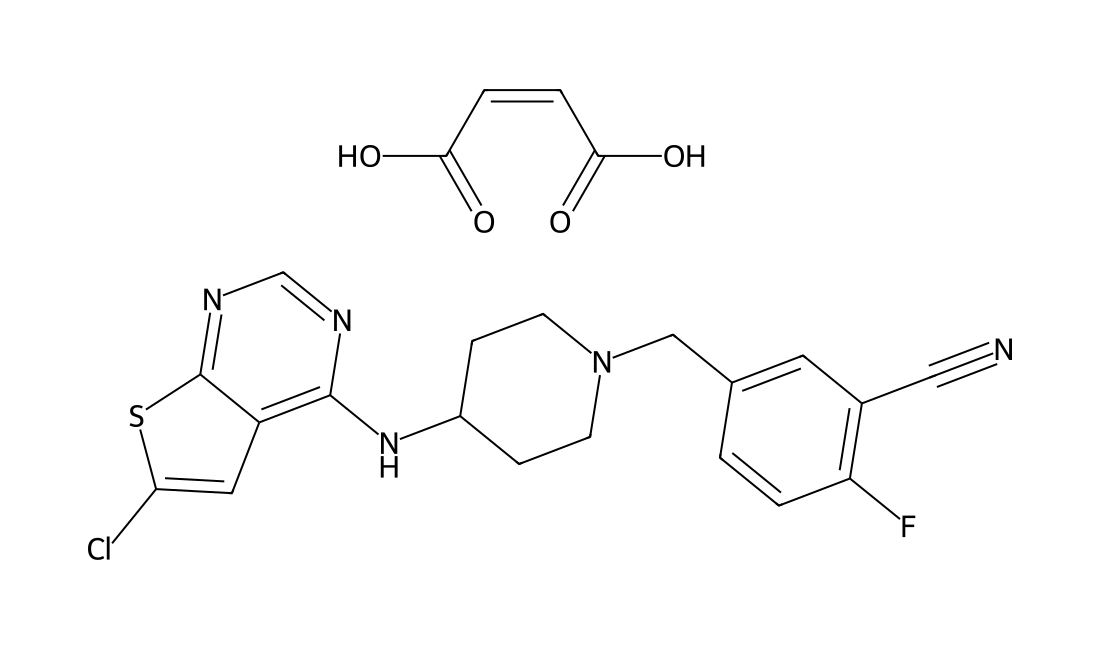
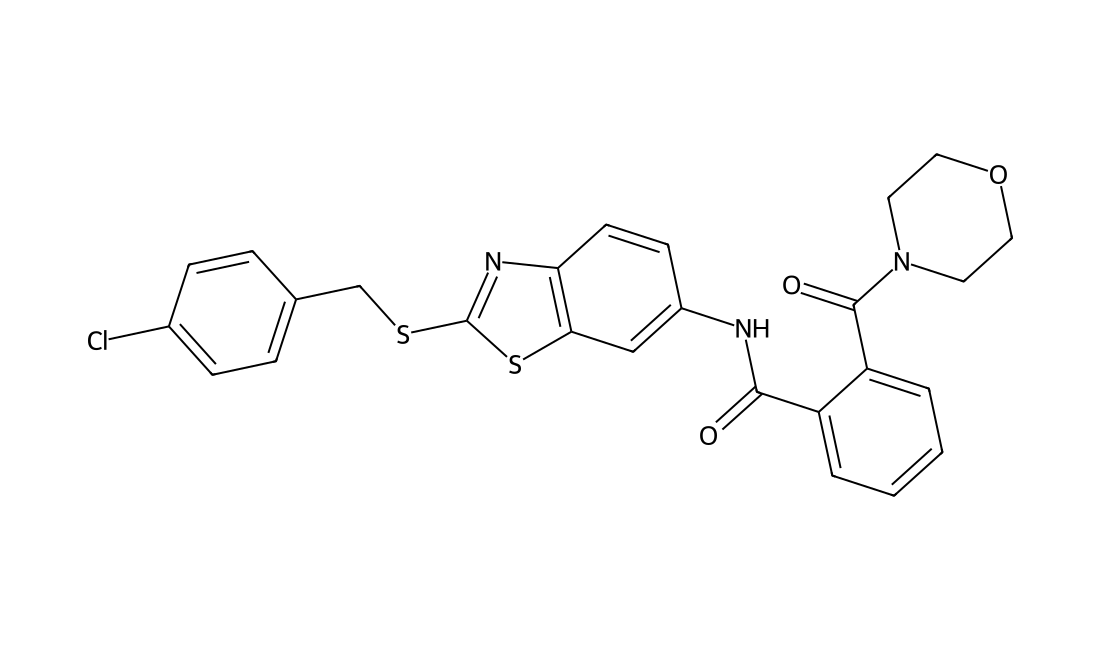
CID1231538Featured
CID1231538, a benzothiazole analogue, is a potent GPR35 antagonist (IC50=0.55 μM). GPR35 is a G protein-coupled receptor (GPCR).
No products match this search.
Page 338 of 359 · Browse all 7177 products
Jump to a product page
Featured literature product: HX1 · DCL0028
HX1 is a hydroxyzine-derived ionizable lipid with acetal-containing tails, studied in lipid nanoparticles for brain mRNA delivery and CRISPR–Cas9 delivery. It was the lead in the reported in vivo brain-delivery screen; evidence is preclinical and formulation-dependent.
Read full formulation and performance →