
Research lipid catalog
Ionizable Lipid Products
Explore 848 lipid and RNA delivery products. Search the full catalog or browse by research category.
Search covers product name, catalog number, synonyms, available CAS numbers and categories. Spaces, hyphens and common punctuation are ignored. Duplicate legacy records are consolidated under one canonical product result.
7177 products · Showing 6801–6820 · 20 per page
DC Chemicals lipid expertise
Built for ionizable-lipid discovery and RNA delivery research
DC Chemicals supports formulation and delivery research with a broad, searchable portfolio of cationic and ionizable lipids. The current directory brings together 848 unique research-use products, with product specifications, pricing, chemical structures and literature-linked formulation data added as each record is verified.
Our experience spans complex lipid synthesis, purification, analytical release and process development. For custom molecules or larger-scale requirements, our team can discuss route development, technical specifications and scale-up options for the intended research workflow.
Learn about cationic and ionizable lipids →Proprietary innovation · Co-development · GMP
From proprietary lipid design to GMP-grade custom synthesis
DC Chemicals has independently developed ionizable-lipid structures supported by company-owned intellectual property, and selected proprietary lipid programs have advanced to GMP-stage development.
We welcome joint development with customers—from molecular design and lipid synthesis through route and process development. We can also support custom synthesis of GMP-grade ionizable lipids to agreed technical specifications and quality requirements.
Discuss a co-development project →Proprietary ionizable-lipid structuresCollaborative molecular designCustom lipid synthesisProcess development and scale-upGMP-grade project support
Product quick links
Explore New ionizable lipids
Explore our five most recently added ionizable lipids, with specifications, pricing and literature-linked product information.
DCL0028HX1Brain RNA delivery researchView product →DCL0024A1I4R13C18-2Spleen-targeted RNA delivery researchView product →DCL0023A1I4R2C18-2Spleen-targeted RNA delivery researchView product →DCL0022FS01Local joint RNA delivery researchView product →DCL0020Lipid-392Lung RNA delivery and gene editing researchView product →
Cat. No.Product NameField of ApplicationChemical Structure
TMinh-23Featured
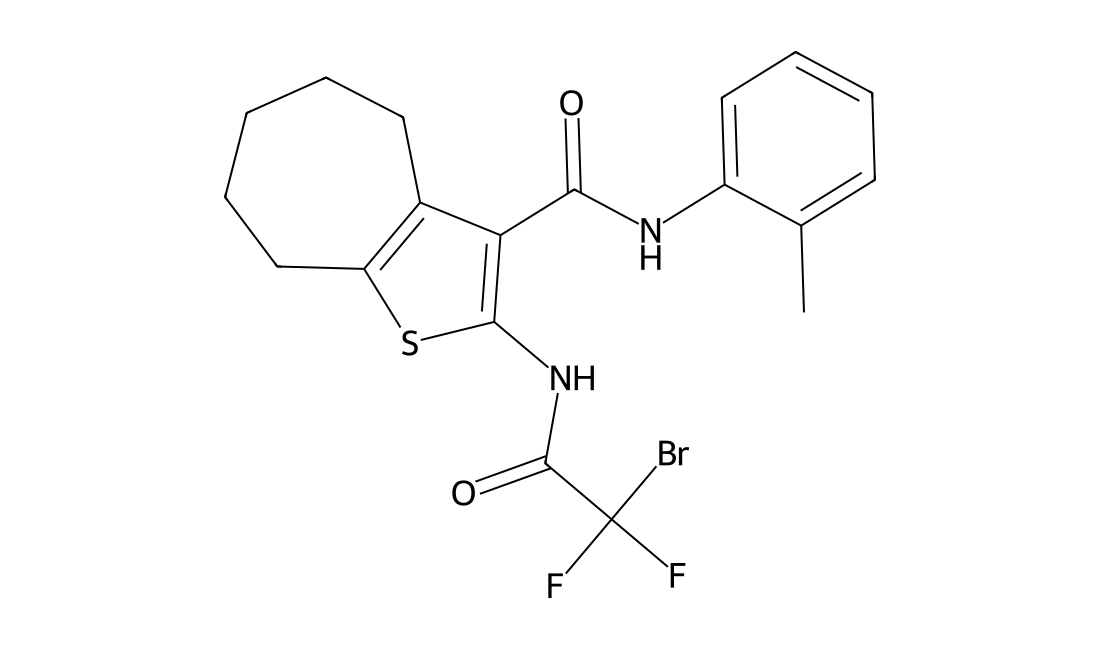
TMinh-23 is (Compound 10bm) is a potent, selective inhibitor of transmembrane protein 16A (TMEM16A or ANO1, DOG1, ORAOV2, TAOS-2) with IC50 of 30 nM in short-circuit current assays, weakly inhibits TMEM16B (IC50=400 nM, 13 -fold selectivity).
LY-2562175Featured
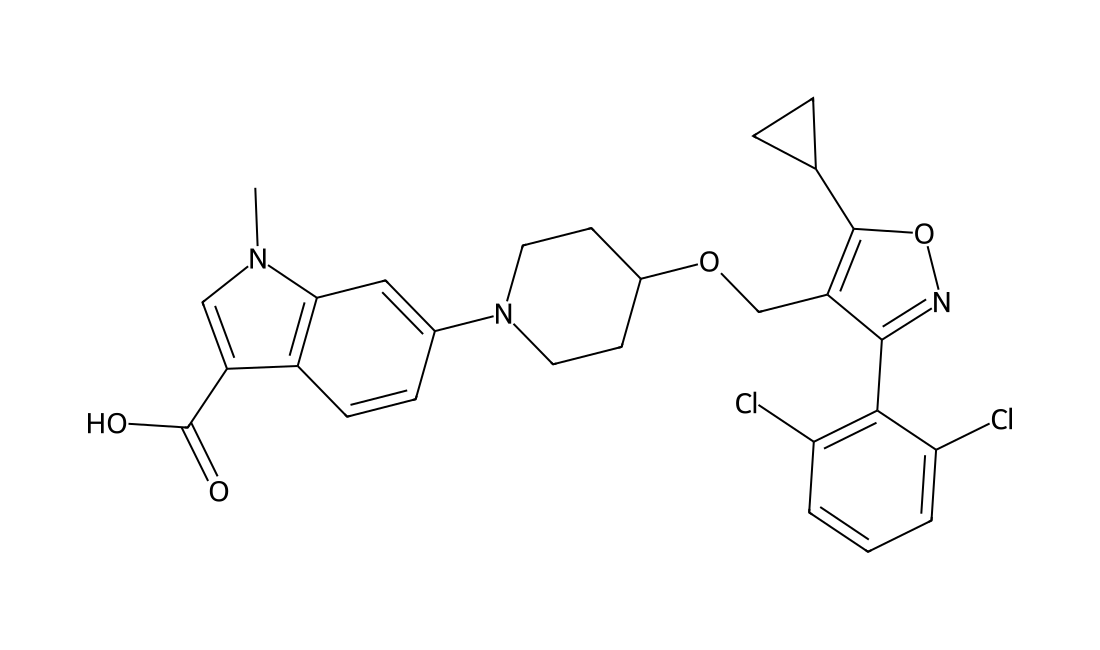
LY2562175 is a potent and selective FXR agonist with an EC50 of 193 nM.
STING agonist-12Featured
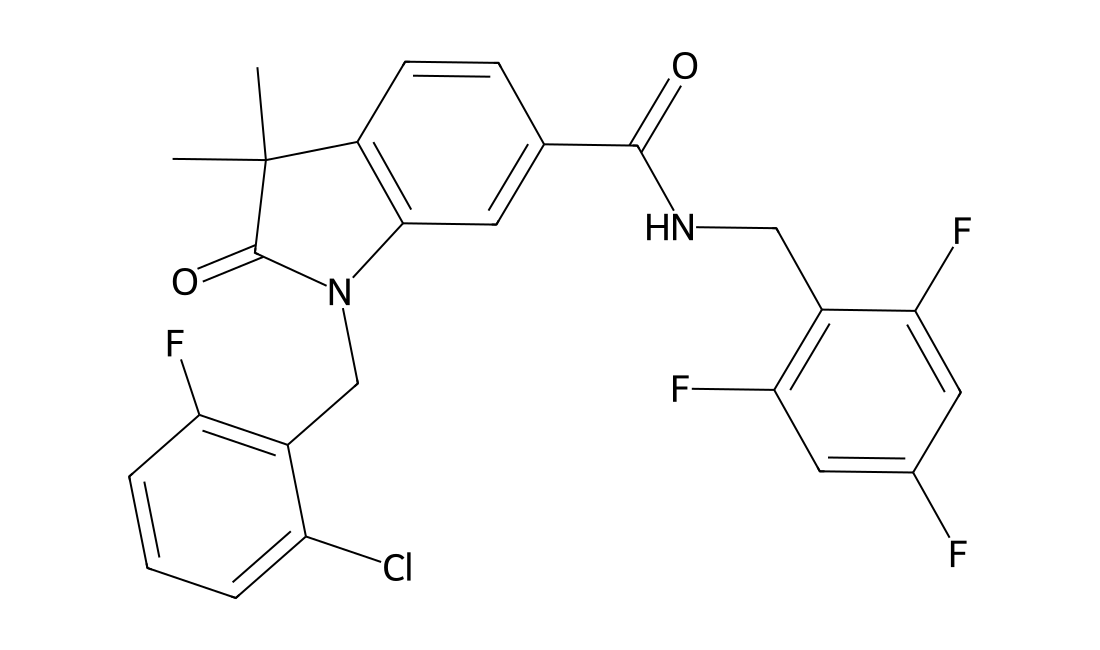
STING agonist-12 (Compound 53) is a potent, orally active human STING activator with an EC50 of 185 nM.
Golvatinib (E7050)Featured
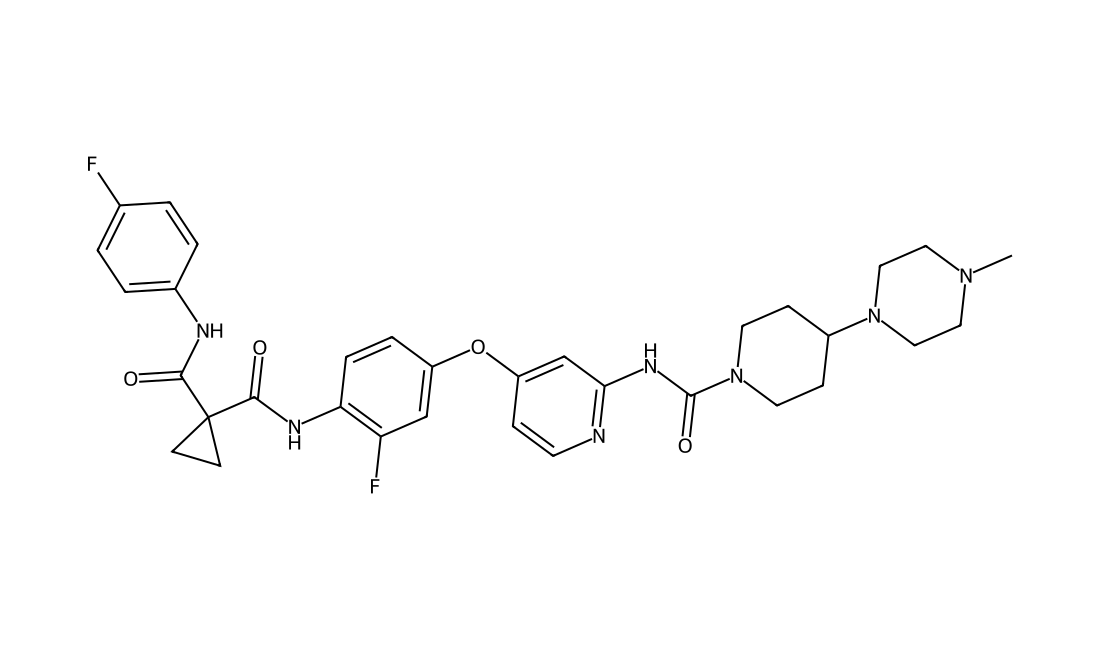
E-7050 is a potent dual inhibitor of both c-Met and VEGFR2 kinases with IC50s of 14 and 16 nM, respectively.
TH5487Featured
TH5487 is a potent 8-oxoguanine DNA glycosylase 1 (OGG1) inhibitor with an IC50 of 342 nM. TH5487 stops OGG1 from recognizing its DNA substrate, inhibits DNA repair and modifies OGG1 chromatin dynamics, which results in the inhibition of proinflammatory pathway genes[1].
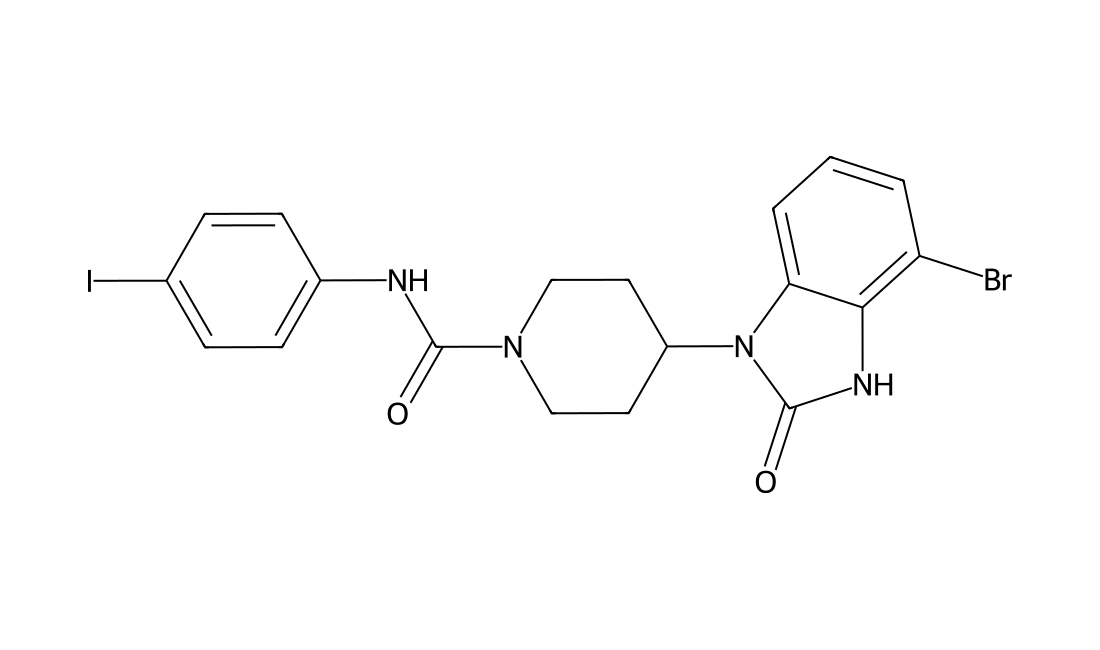
BCX-1470 methanesulfonateFeatured
A serine protease inhibitor that inhibits the esterolytic activity of factor D (IC50=96 nM) and C1s (IC50=1.6 nM); displays 3.4-fold and 200-fold bette than that of trypsin, respectively; inhibits esterolytic activity translates into potent inhibition of the proteolytic activity of C1s, factor D, and consequently of the classical and alternative pathway-mediated hemolysis of target RBC (IC50=46 nM and 330 nM, respectively); blocks the reverse passive Arthus (RPA) reaction in rats.ThrombosisPhase 1 Discontinued
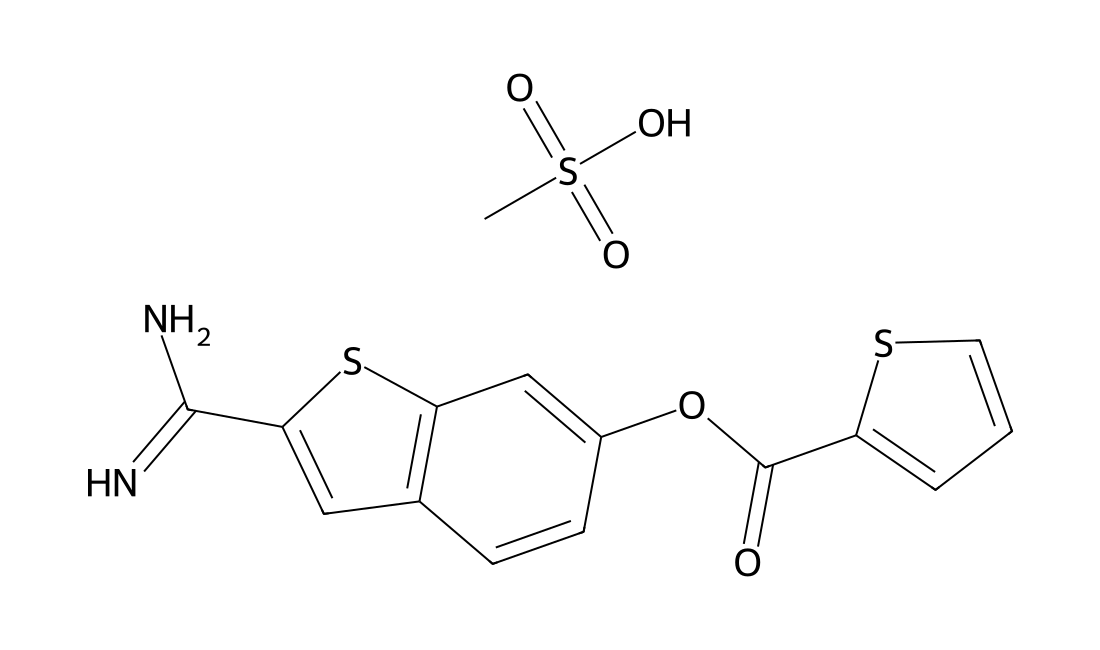
AdipoRon hydrochlorideFeatured
In Vitro AdipoRon hydrochloride is an orally active and specific AdipoR agonist, binds to AdipoR1 and AdipoR2, with Kds of 1.8 and 3.1 μM. AdipoRon (50 nM-50 μM) increases AMPK phosphorylation via AdipoR1. AdipoRon (50 μM) dose-dependently attenuates the expression of TNF-α and TGF-β1 in the L02 cells. AdipoRon exhibits significant and dosage-dependent growth suppression on macrophages. AdipoRon treatment significantly improves cardiac functional recovery after reperfusion, and inhibits post-MI apoptosis. AdipoRon exerts vasodilation by mechanisms distinct to adiponectin and induces vasorelaxation without a marked decrease in VSMC [Ca2+]i. In Vivo AdipoRon (50 mg/kg, i.v.) cuases significant phosphorylation of AMPK in skeletal muscle and liver of wild-type mice but not Adipor1−/− Adipor2−/− double-knockout mice. AdipoRon (0.02, 0.1, and 0.5 mg/kg, i.g.) alleviates D-GalN induced hepatotoxicity in mice, and prevents hepatic architecture distortion against D-GalN challenge. The hepatoprotective potential of AdipoRon is particularly evident in higher dosages (0.1 and 0.5 mg/kg). Enhanced cardiomyocyte apoptosis in APN-deficient mice is rescued by AdipoRon (50 mg/kg, p.o.) administration. Antiapoptotic effect of AdipoRon is attenuated but not lost in AMPK-DN mice.
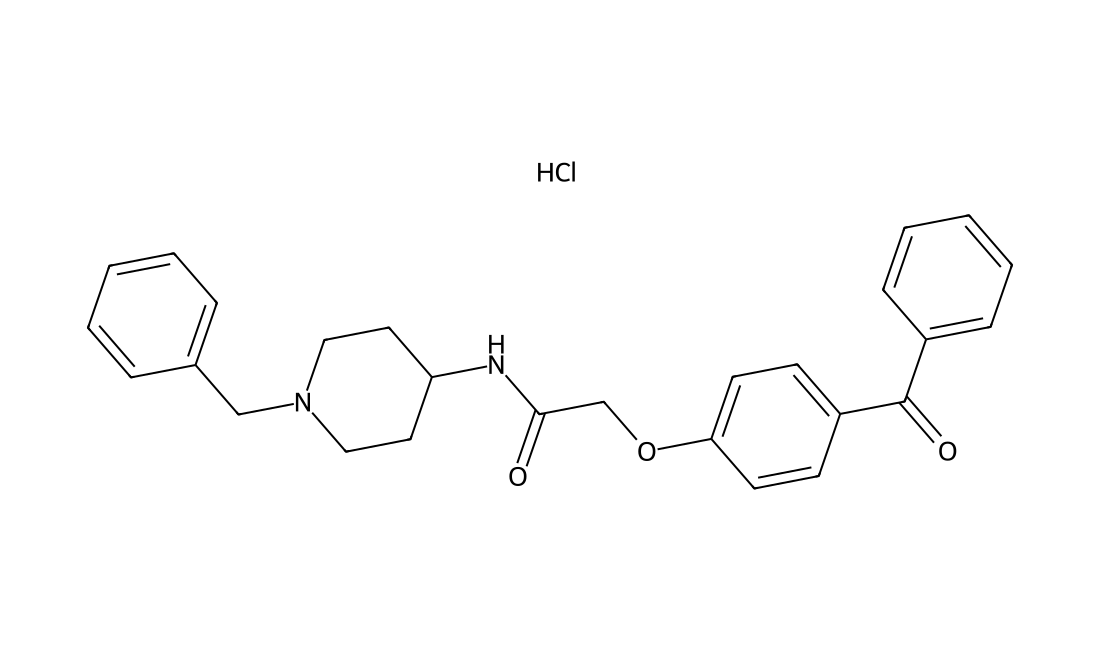
PDE4B-IN-2Featured
PDE4B-IN-2 is an orally active and selective PDE4B inhibitor with an IC50 of 15 nM. PDE4B-IN-2 inhibits PDE4D (IC50=1.7 µM). PDE4B-IN-2 exhibits potent anti-inflammatory effects.
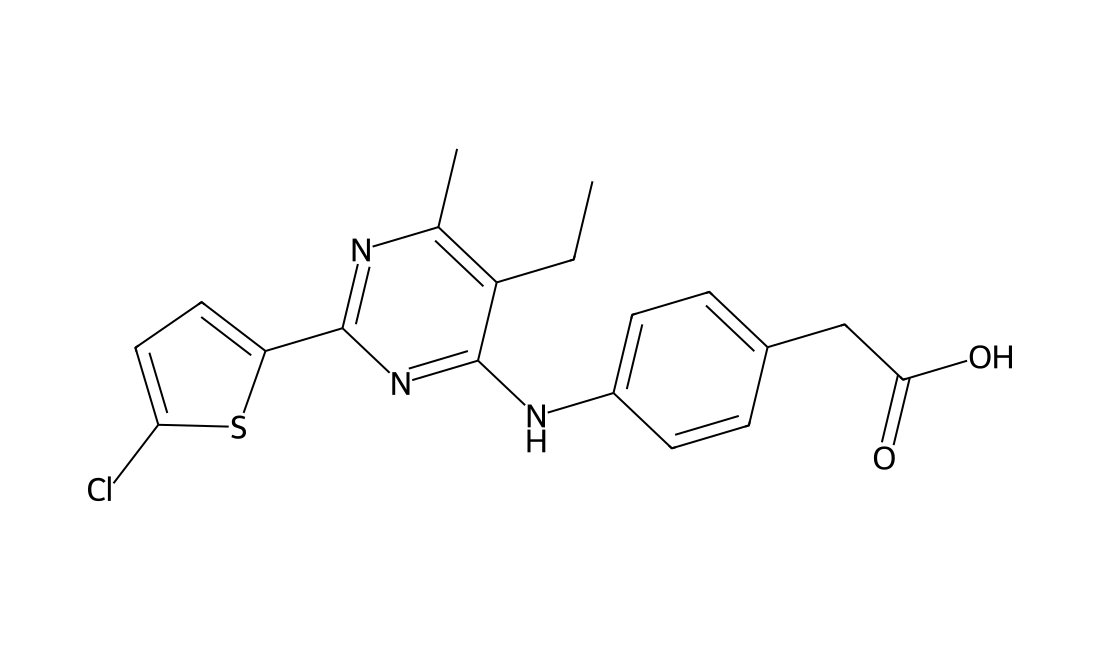
OBX02-011Featured
OBX02-011 is a potent, reversible, fourth-generation EGFR tyrosine kinase inhibitor (TKI) that overcomes the EGFR C797S mutation, inhibits triple mutants Del19/T790M/C797S and L858R/T790M/C797S with IC50 of 0.134 and 2.09 nM, respectively.
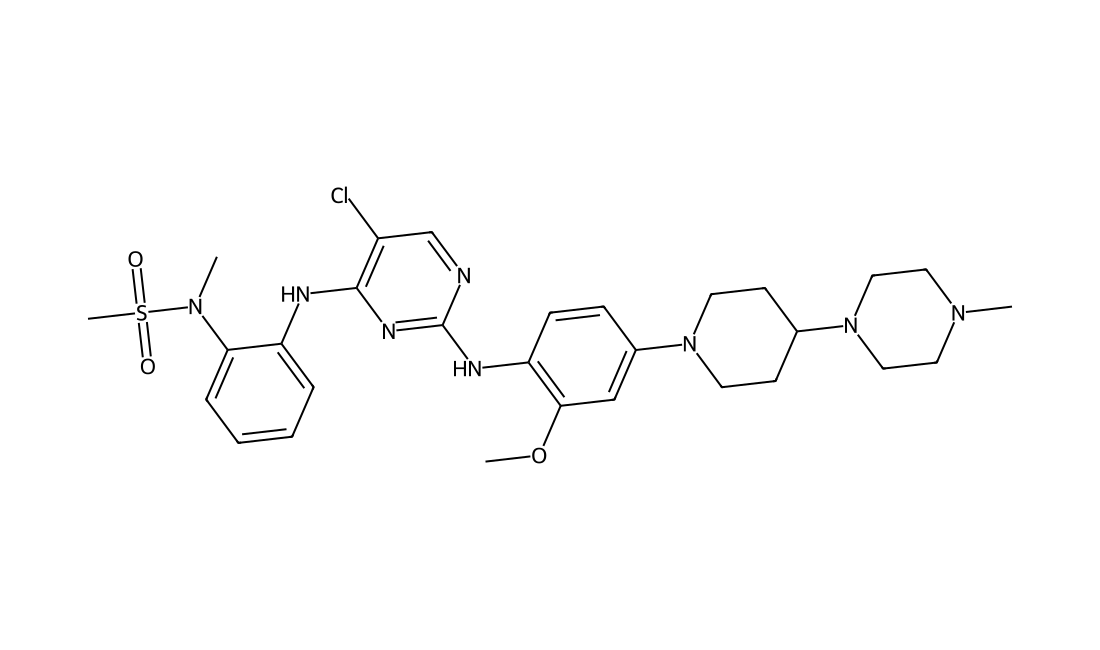
MNI137Featured
MNI137 is a potent and selective negative allosteric modulator for group II mGluRs. MNI137 has IC50s values of 8.3 and 12.6 nM for human and rat mGlu2 inhibition of glutamate-induced calcium mobilization.
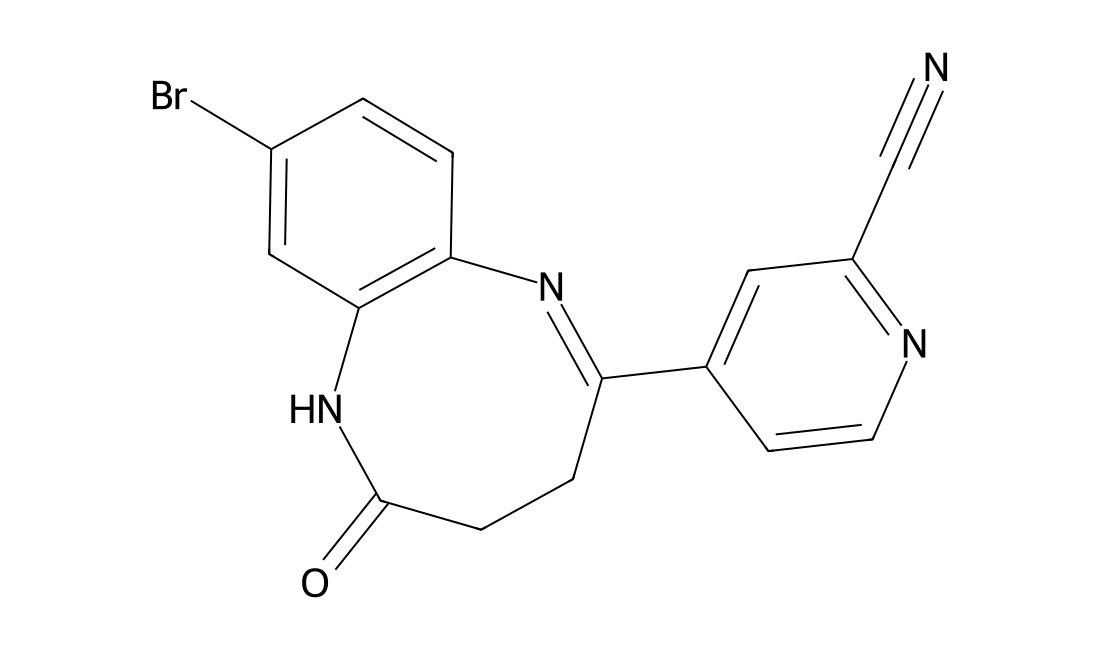
MRS1220Featured
MRS1220 is a potent and highly selective antagonist at the human A3 adenosine receptor (Ki values are 0.65, 305, and 52 nM at hA3, rA1 and rA2A respectively. MRS1220 displays an IC50 value > 1 μM for inhibition of binding to rat A3 receptors.
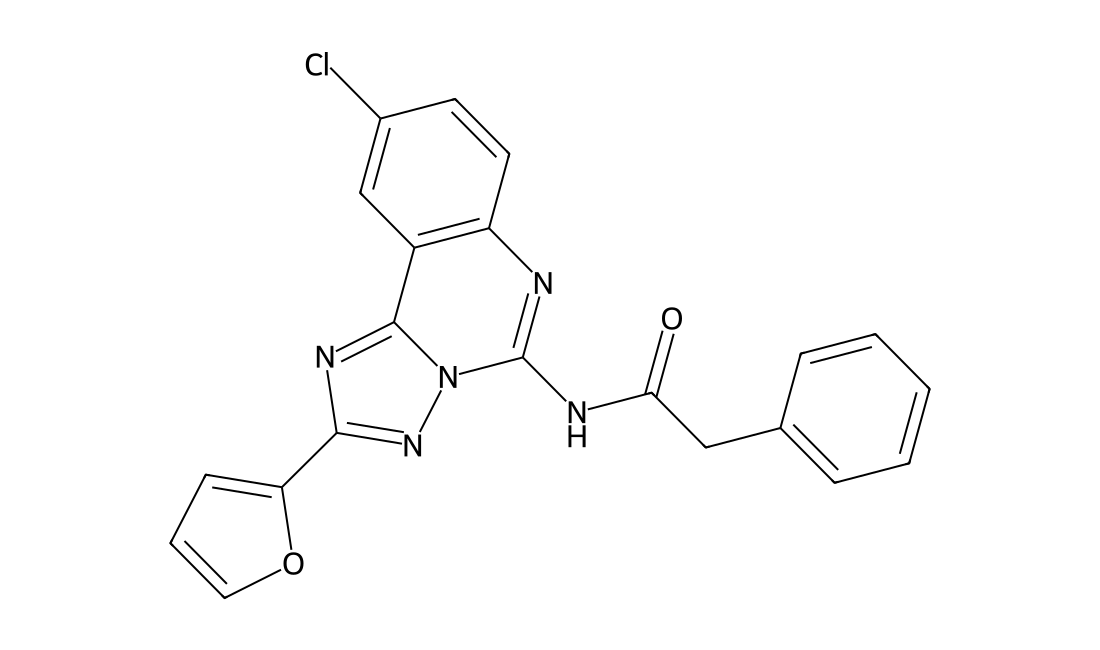
CedirogantFeatured
Cedirogant (ABBV-157) is an orally active RORγt inverse agonist. Cedirogant can be used for psoriasis research.
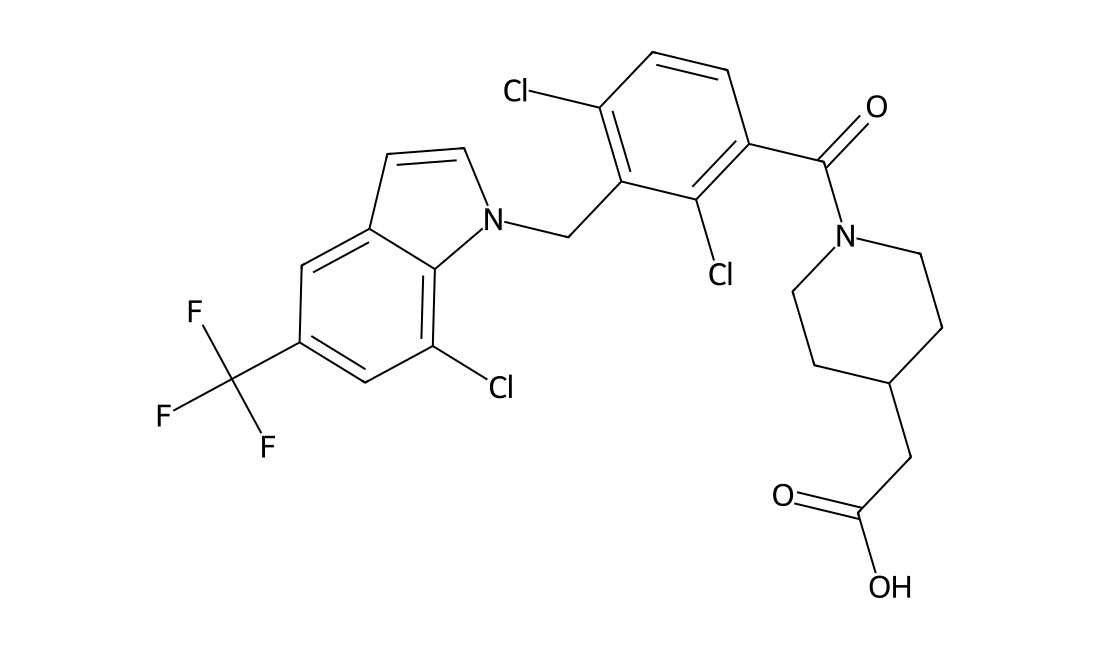
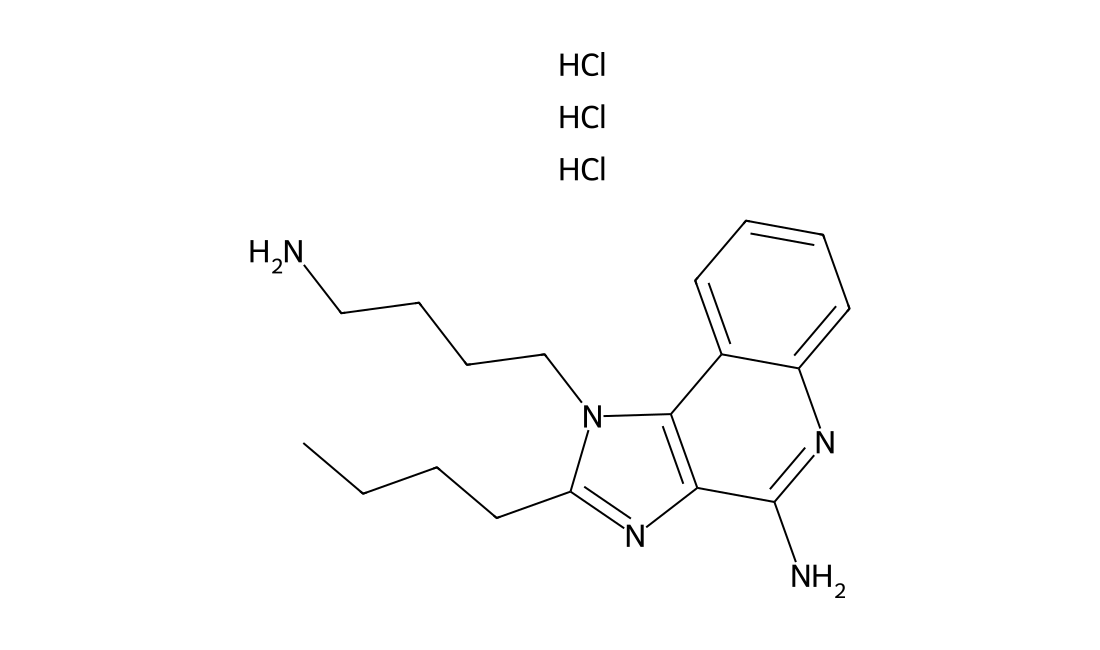
AXC-715 trihydrochlorideFeatured
AXC-715 trihydrochloride is a TLR7/TLR8 dual agonist, extracted from patent WO2020168017 A1. AXC-715 trihydrochloride, compound D from WO2020190734A1, can be used for synthesis of antibody-adjuvant immunoconjugates, comprising an antibody construct that binds programmed death-ligand 1 (PD-L1) linked to one or more adjuvants.
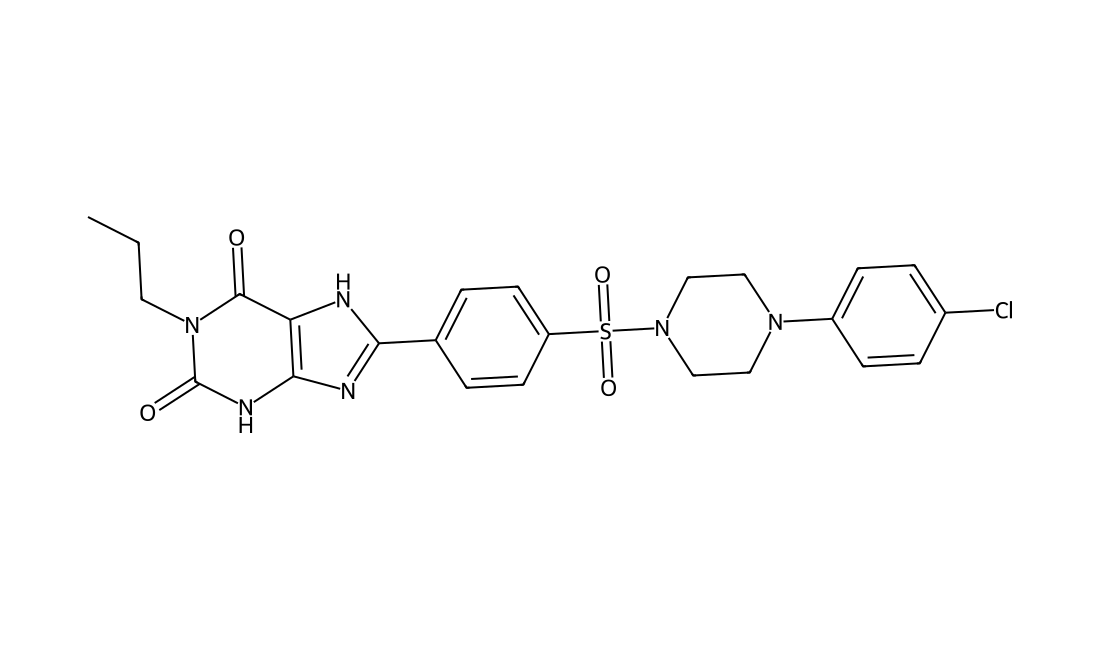
PSB603Featured
PSB603 is a adenosine A(2B) receptor antagonist which suppresses tumor growth and metastasis by inhibiting induction of regulatory T cells.
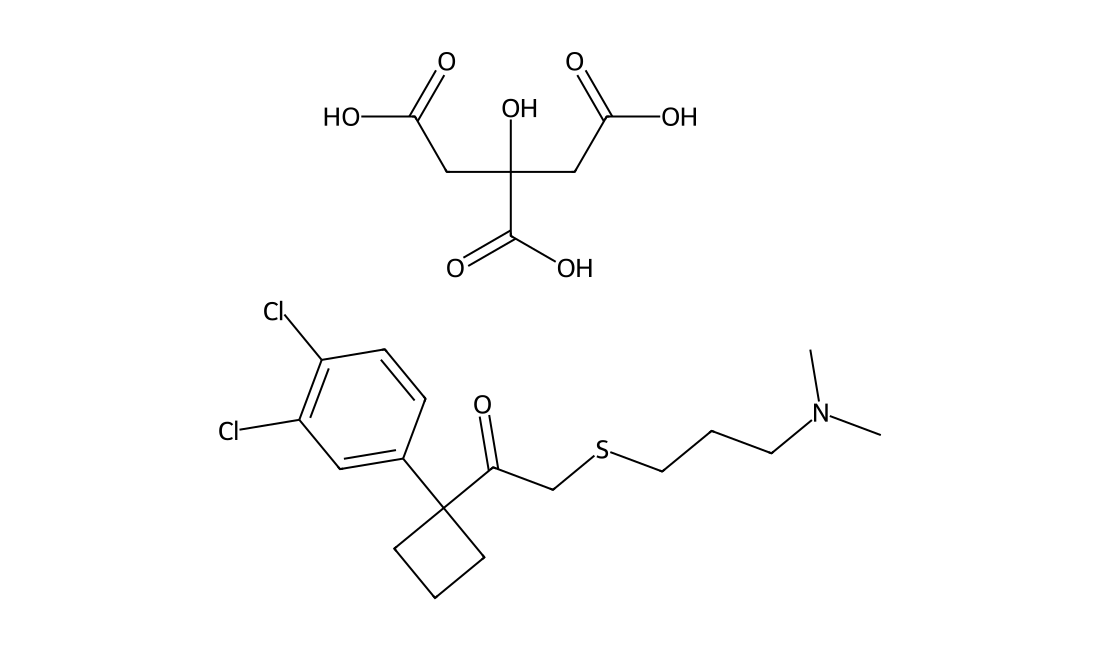
SPD-473 (citrate)Featured
SPD-473 citrate is a serotonin/dopamine/norepinephrine reuptake inhibitior.
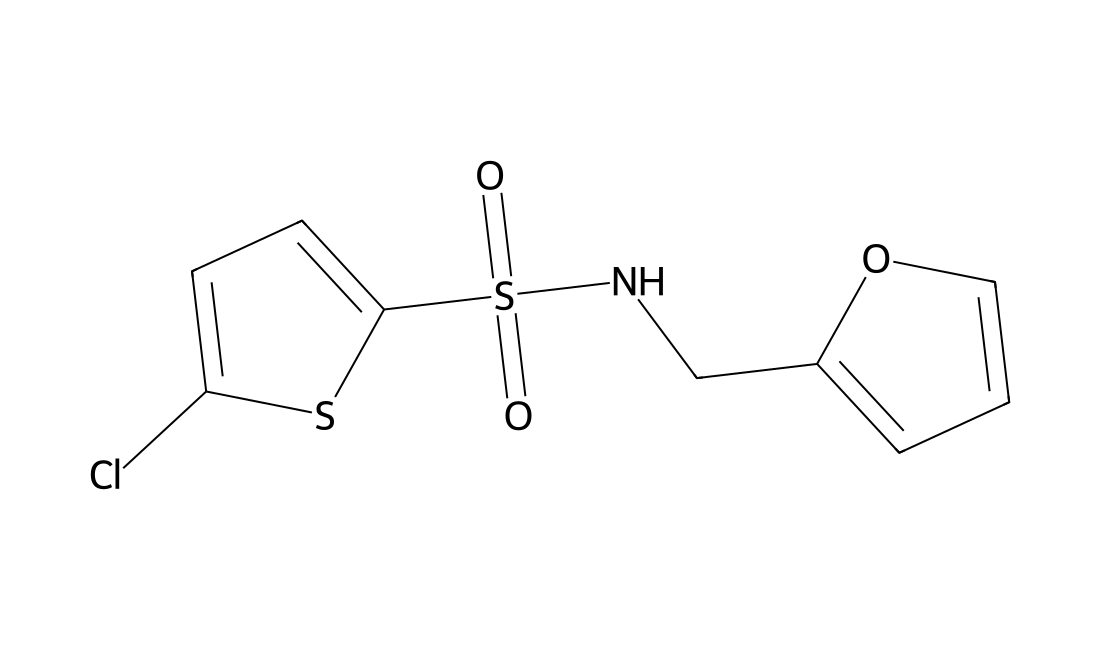
Antimicrobial agent-14Featured
Antimicrobial agent-14, a benzyl thiophene sulfonamide derivative is an antimicrobial agent, with a MIC of 200 μM against Campylobacter coli ATCC33559. Antimicrobial agent-14 can be used for the research of bacterial foodborne gastroenteritis.
Antimalarial agent 17Featured
Antimalarial agent 17 is an antimalarial agent, also acts as a herbicide. Antimalarial agent 17 is photosystem II inhibitor, shows post-emergence herbicidal activity equal to commercial herbicides.
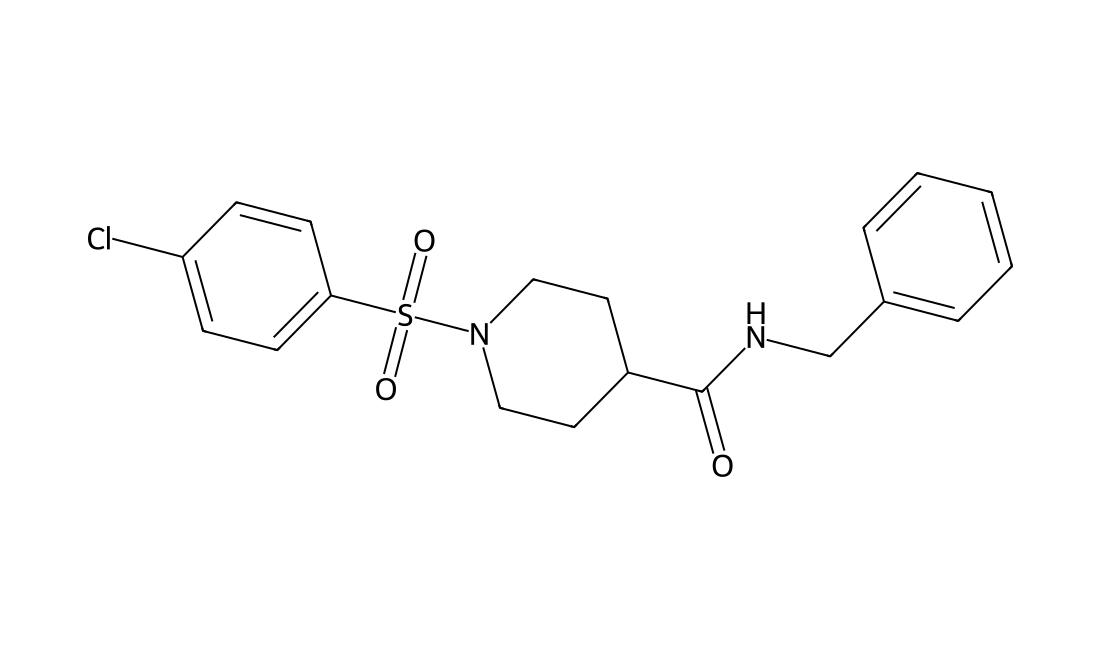
FK-866 HydrochlorideFeatured
Daporinad, also known as APO-866 and FK866, is a small molecule with potential antineoplastic and antiangiogenic activities. NMPRTase inhibitor APO866 binds to and inhibits nicotinamide phosphoribosyltransferase (NMPRTase), inhibiting the biosynthesis of nicotinamide adenine dinucleotide (NAD+) from niacinamide (vitamin B3), which may deplete energy reserves in metabolically active tumor cells and induce tumor cell apoptosis. In addition, this agent may inhibit tumor cell prioduction of vascular endothelial growth factor (VEGF), resulting in the inhibition of tumor angiogenesis.
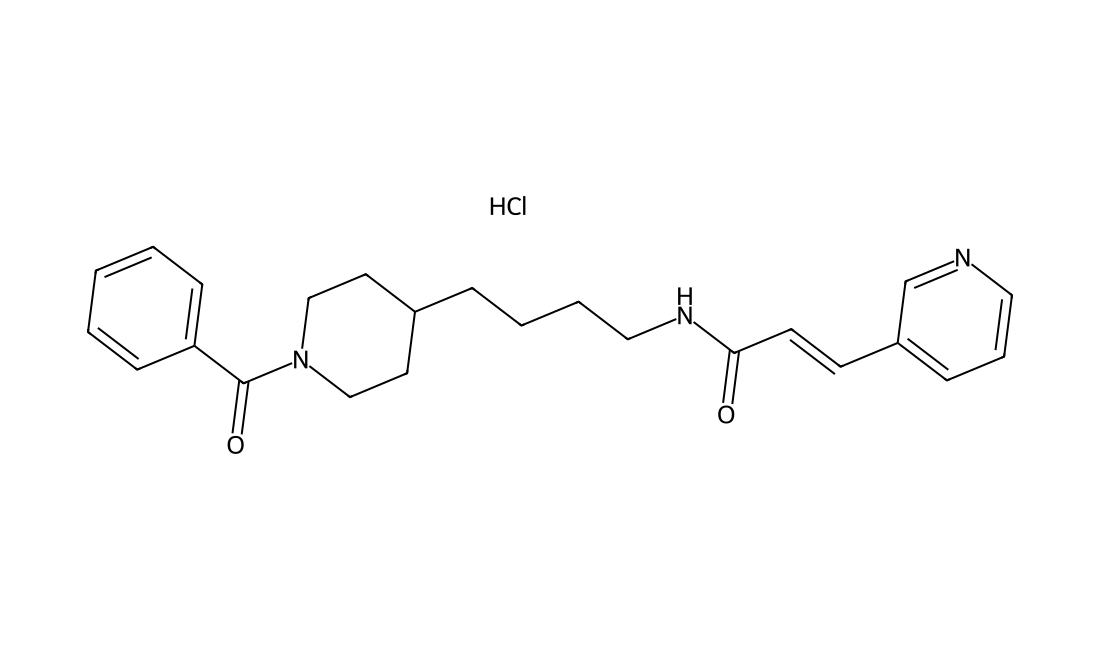
CYP1B1-IN-7Featured
CYP1B1-IN-7 (compound 2a) is a selective inhibitor of CYP1B1 (IC50: 75 nM). CYP1B1-IN-7 also reverses resistance (IC50: 29 μM) and exhibits cytotoxicity in the CYP1B1-overexpressing MCF-7 cell line that is resistant to Docetaxel (HY-B0011).
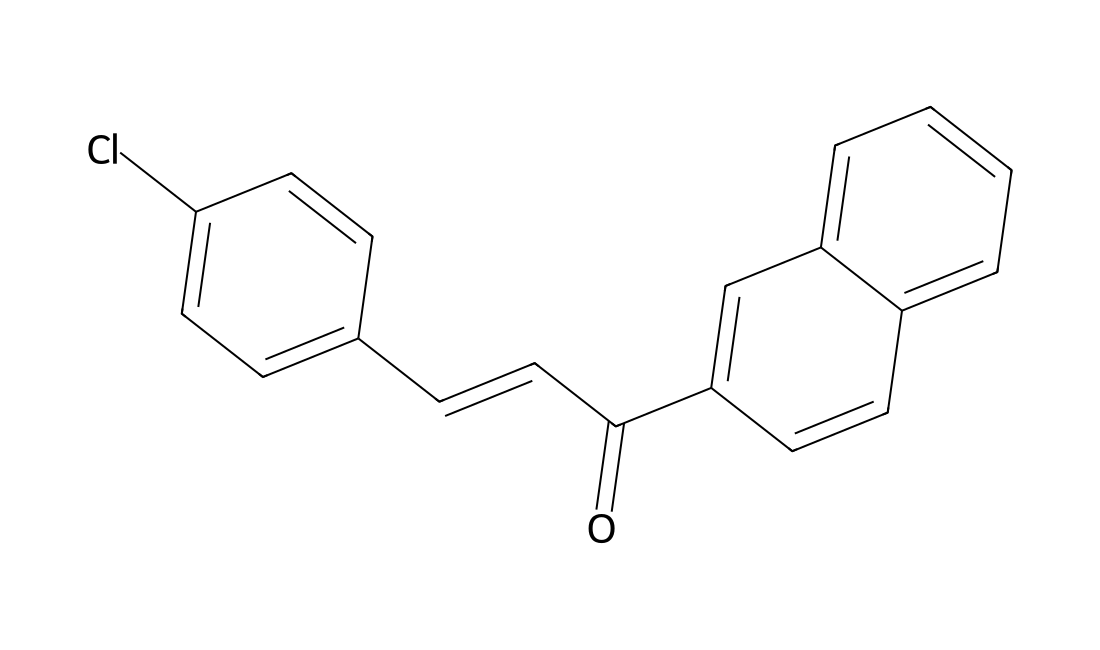
N6F11Featured
N6F11 is a ferroptosis inducer, and can trigger the degradation of glutathione peroxidase 4 (GPX4) specifically in cancer cells. N6F11 can be used for ferroptosis study.
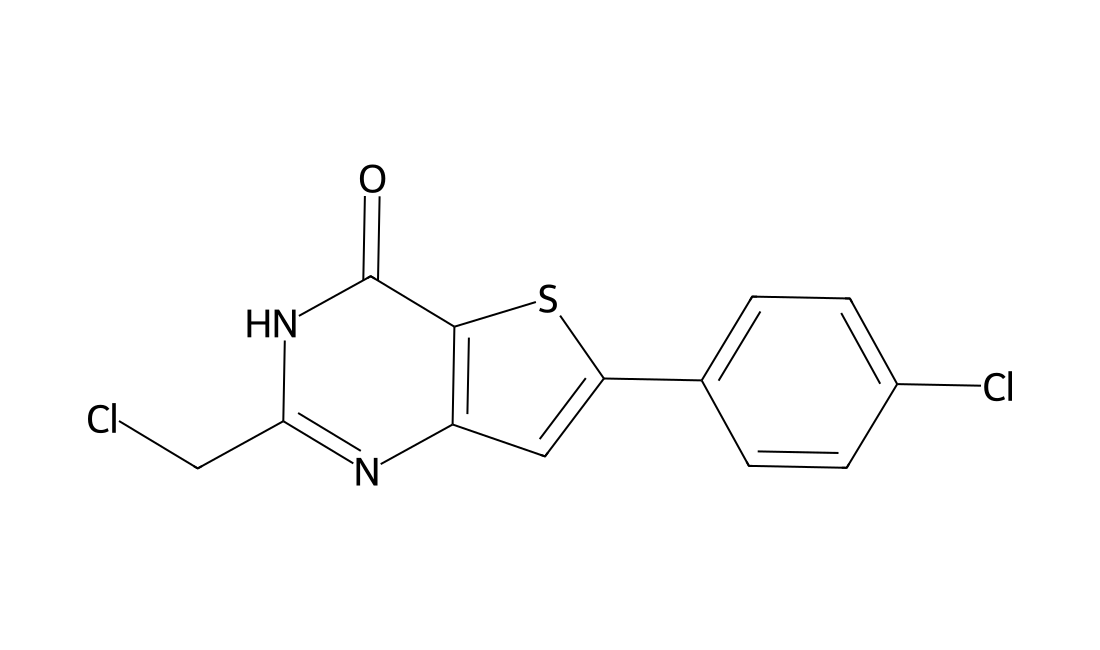
No products match this search.
Page 341 of 359 · Browse all 7177 products
Jump to a product page
Featured literature product: HX1 · DCL0028
HX1 is a hydroxyzine-derived ionizable lipid with acetal-containing tails, studied in lipid nanoparticles for brain mRNA delivery and CRISPR–Cas9 delivery. It was the lead in the reported in vivo brain-delivery screen; evidence is preclinical and formulation-dependent.
Read full formulation and performance →