
Research lipid catalog
Ionizable Lipid Products
Explore 848 lipid and RNA delivery products. Search the full catalog or browse by research category.
Search covers product name, catalog number, synonyms, available CAS numbers and categories. Spaces, hyphens and common punctuation are ignored. Duplicate legacy records are consolidated under one canonical product result.
7177 products · Showing 7001–7020 · 20 per page
DC Chemicals lipid expertise
Built for ionizable-lipid discovery and RNA delivery research
DC Chemicals supports formulation and delivery research with a broad, searchable portfolio of cationic and ionizable lipids. The current directory brings together 848 unique research-use products, with product specifications, pricing, chemical structures and literature-linked formulation data added as each record is verified.
Our experience spans complex lipid synthesis, purification, analytical release and process development. For custom molecules or larger-scale requirements, our team can discuss route development, technical specifications and scale-up options for the intended research workflow.
Learn about cationic and ionizable lipids →Proprietary innovation · Co-development · GMP
From proprietary lipid design to GMP-grade custom synthesis
DC Chemicals has independently developed ionizable-lipid structures supported by company-owned intellectual property, and selected proprietary lipid programs have advanced to GMP-stage development.
We welcome joint development with customers—from molecular design and lipid synthesis through route and process development. We can also support custom synthesis of GMP-grade ionizable lipids to agreed technical specifications and quality requirements.
Discuss a co-development project →Proprietary ionizable-lipid structuresCollaborative molecular designCustom lipid synthesisProcess development and scale-upGMP-grade project support
Product quick links
Explore New ionizable lipids
Explore our five most recently added ionizable lipids, with specifications, pricing and literature-linked product information.
DCL0028HX1Brain RNA delivery researchView product →DCL0024A1I4R13C18-2Spleen-targeted RNA delivery researchView product →DCL0023A1I4R2C18-2Spleen-targeted RNA delivery researchView product →DCL0022FS01Local joint RNA delivery researchView product →DCL0020Lipid-392Lung RNA delivery and gene editing researchView product →
Cat. No.Product NameField of ApplicationChemical Structure
YC-001Featured
YC-001 is a novel pharmacological chaperone of rod photoreceptor opsin, rescues the transport of multiple rod opsin mutants in mammalian cells; demonstrates micromolar potency and efficacy greater than 9-cis-retinal with lower cytotoxicity; binds to bovine rod opsin with an EC50 (8.7 uM) similar to 9-cis-retinal, improves the glycosylation of the P23H-opsin mutant; YC-001 is an inverse agonist and antagonist of rod opsin that non-competitively antagonizes rod opsin signaling, delays isorhodopsin pigment regeneration; protects Abca4 -/- Rdh8 -/- mice from bright light-induced retinal degeneration.
TZ3OFeatured
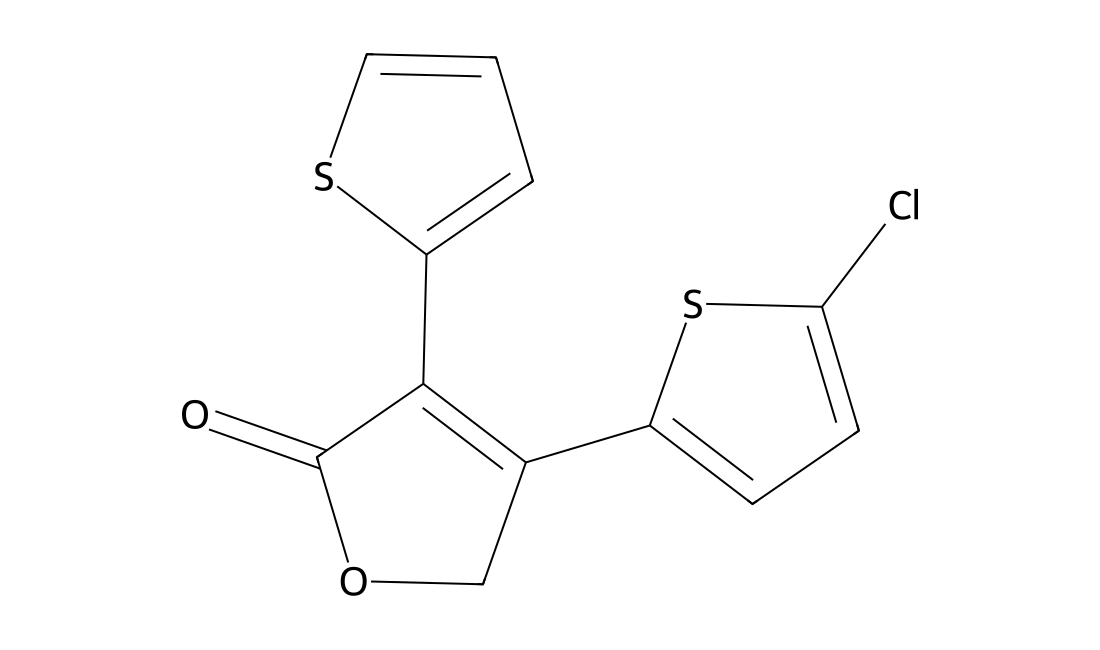
TZ3O (compound TZ30) is an anticholinergic agent with neuroprotective effects.
CP-547632Featured
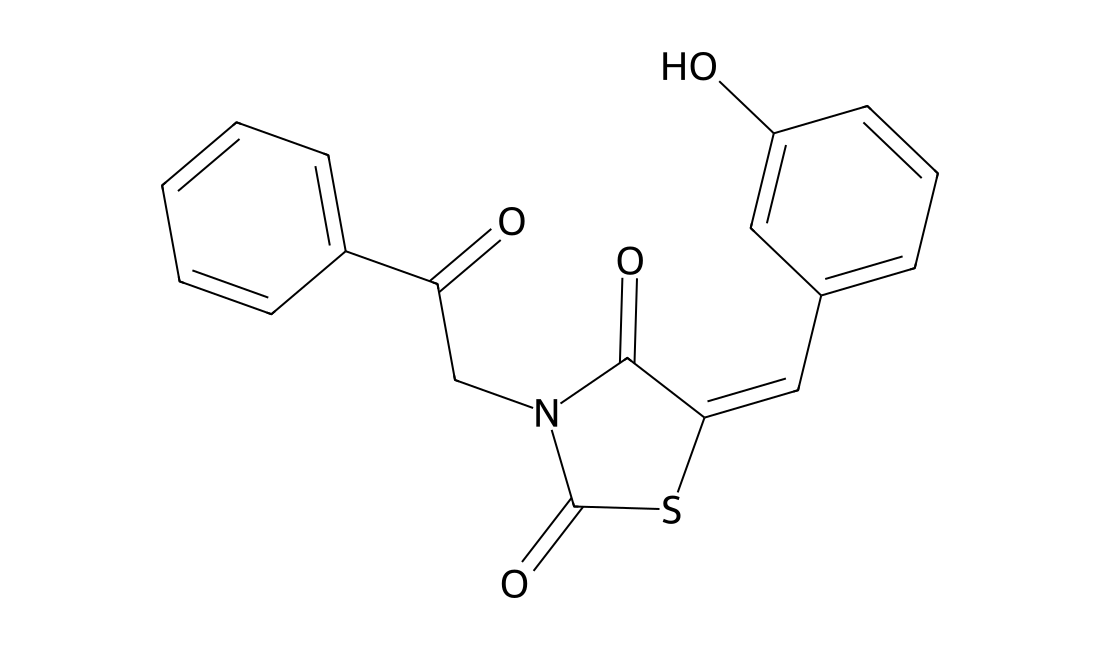
Description of CP-547632: CP-547632 is as a potent inhibitor of the VEGFR-2 and basic fibroblast growth factor (FGF) kinases (IC50 11 and 9 nM, respectively). It is selective relative to epidermal growth factor receptor, platelet-derived growth factor, and other related TKs. It also inhibits VEGF-stimulated autophosphorylation of VEGFR-2 in a whole cell assay with an IC50 value of 6 nM. After oral administration of CP-547,632 to mice bearing NIH3T3/H-ras tumors, VEGFR-2 phosphorylation in tumors was inhibited in a dose-dependent fashion (EC50 590 ng/ml). CP-547,632 is a well-tolerated, orally-bioavailable inhibitor presently under clinical investigation For the treatment of human malignancies. For the detailed information about the solubility of CP-547632 in water, the solubility of CP-547632 in DMSO, the solubility of CP-547632 in PBS buffer, the animal experiment(test) of CP-547632,the in vivo,in vitro and clinical trial test of CP-547632,the cell experiment(test) of CP-547632,the IC50, EC50 and Affinity of CP-547632, please contact DC Chemicals.
Idalopirdine(Lu-AE-58054)Featured
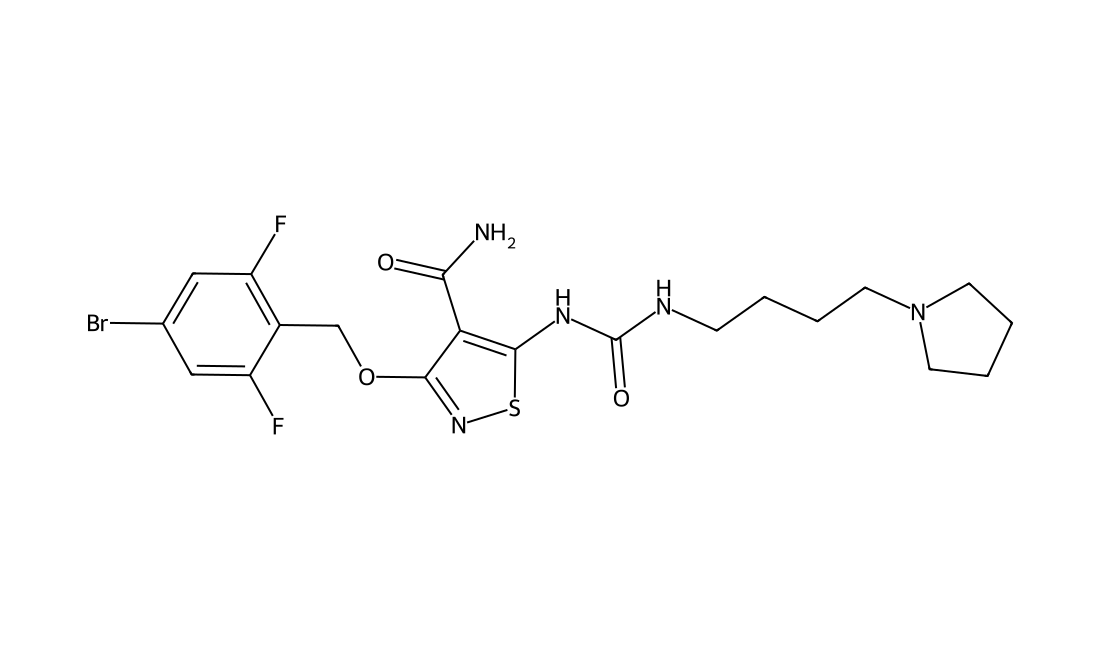
Idalopirdine (Lu AE58054) is a potent and selective 5-HT6 receptor antagonist with a Ki of 0.83 nM.
Seclidemstat mesylateFeatured
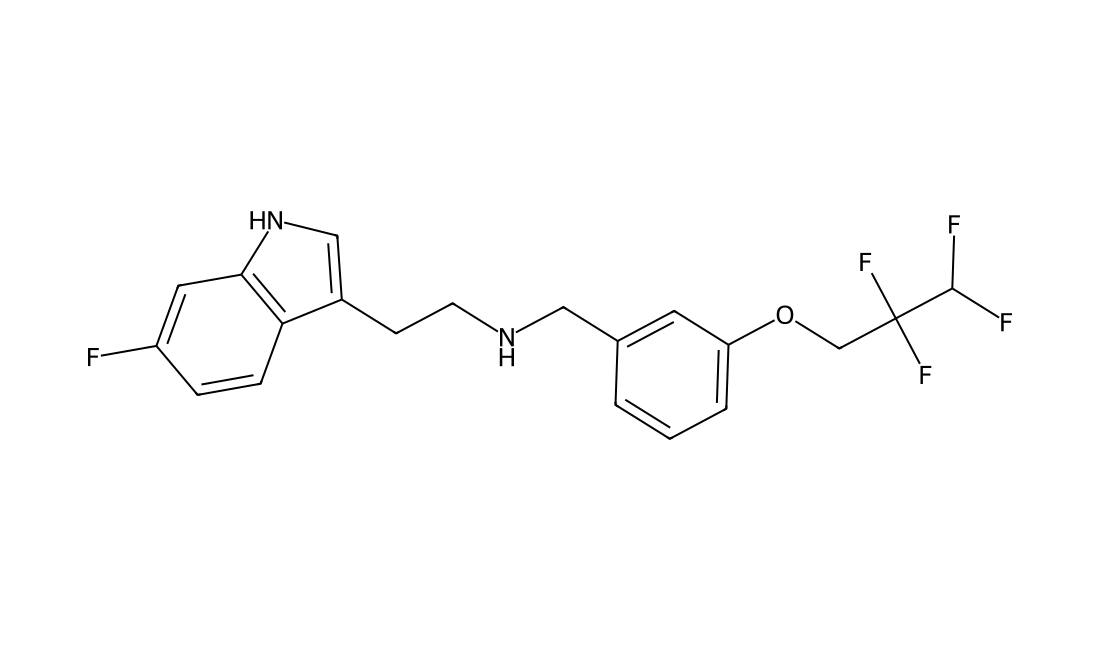
Seclidemstat (SP-2577) mesylate is a potent noncompetitive and reversible KDM1A (LSD1) inhibitor (Ki=31 nM, IC50=13 nM). Seclidemstat mesylate promotes antitumor immunity in switch/sucrose nonfermentable (SWI/SNF) complex mutated ovarian cancer, as well as inhibit virus production, viral DNA replication, and late gene expression. Seclidemstat mesylate can be used for the research of Ewing Sarcoma.
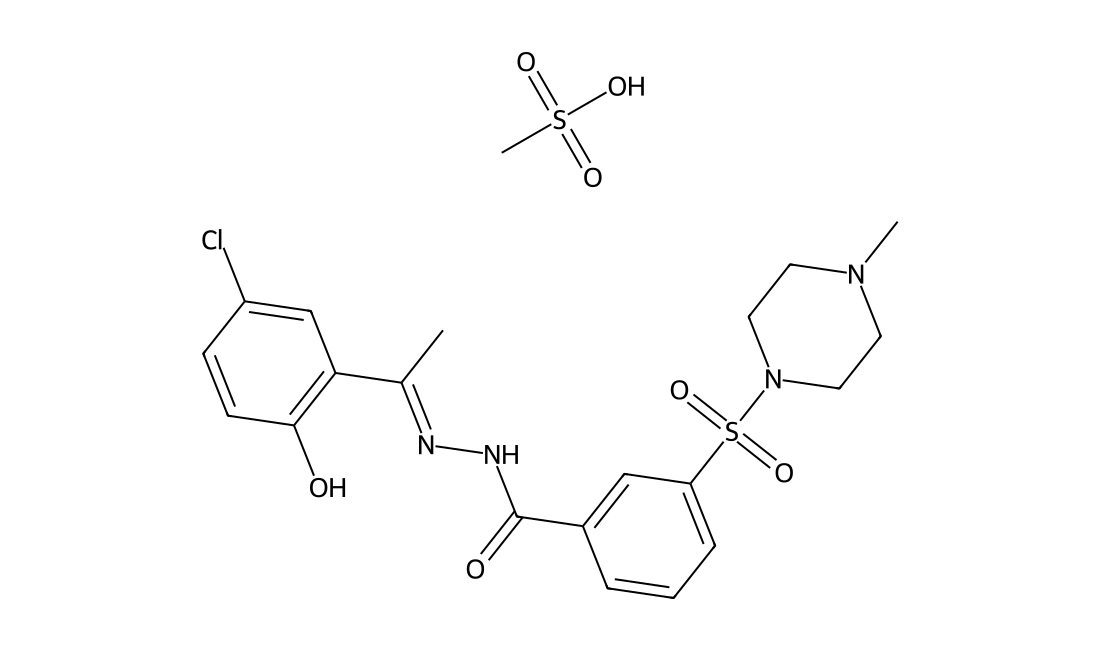
MyD88-IN-1Featured
MyD88-IN-1 is a potent MyD88 inhibitor.
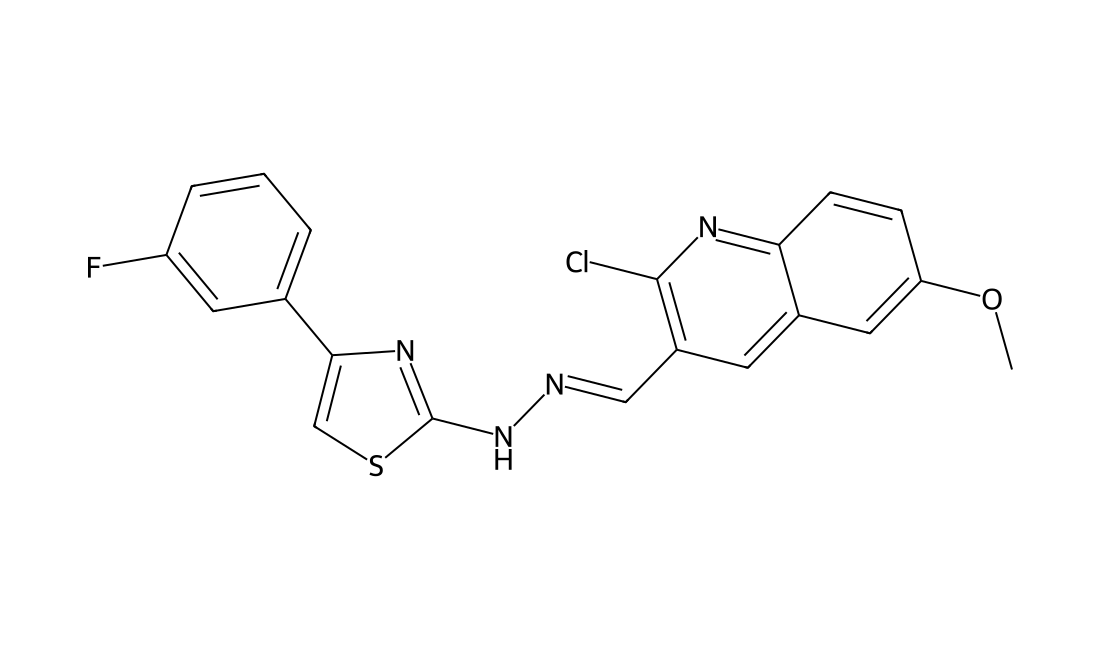
IbezapolstatFeatured
Ibezapolstat (ACX-362E) is a first-in-class, orally active DNA polymerase IIIC (pol IIIC) inhibitor, with a Ki of 0.325 μM for the DNA pol IIIC from C. difficile. Ibezapolstat is developed for the research of C. difficile infection(CDI).
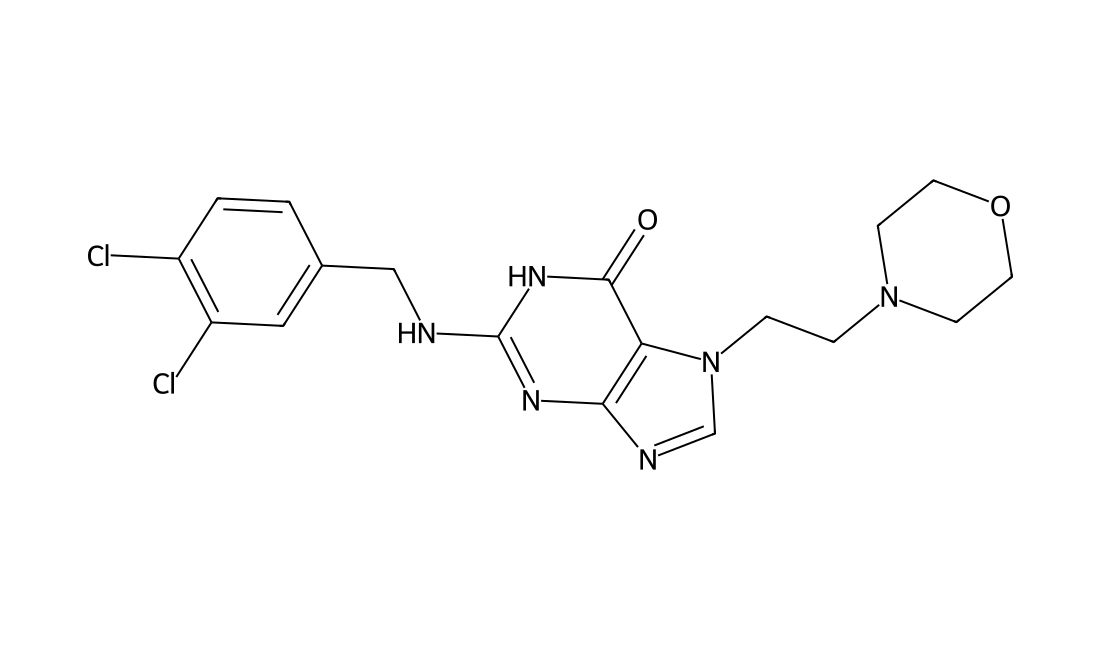
M-110Featured
M-110 is a novel and highly selective inhibitor of PIM kinases; inhibits the proliferation of prostate cancer cell lines with IC50s of 0.6 to 0.9 uM, with no activity on normal human peripheral blood mononuclear cells up to 40 uM.
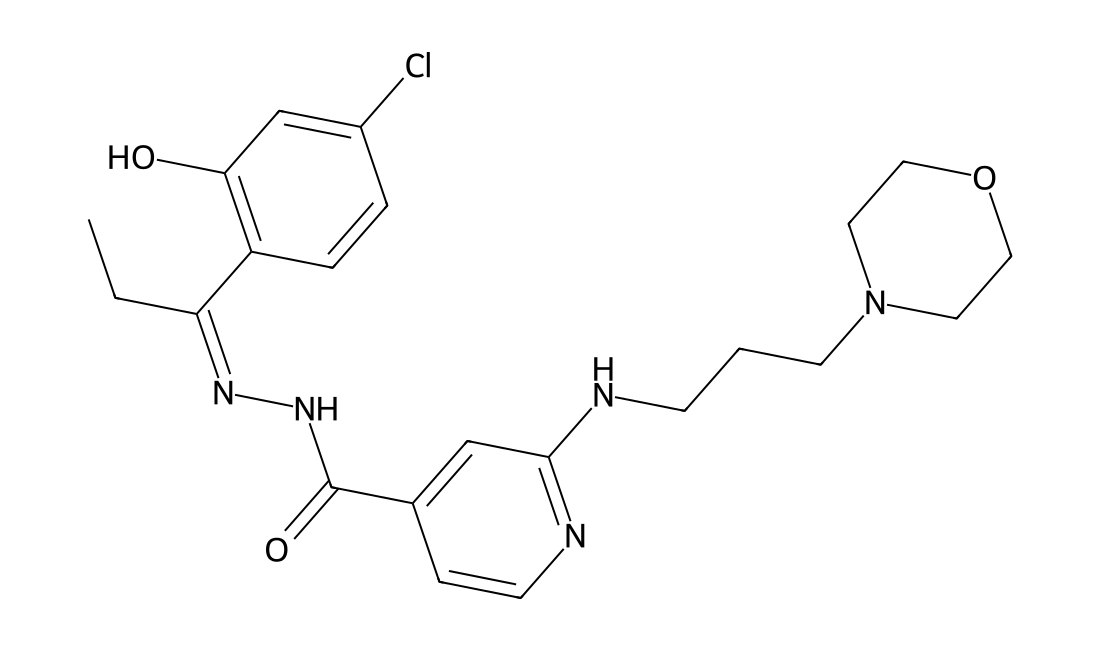
WDR5-IN-6Featured
WDR5-IN-6 is a WDR5 inhibitor.
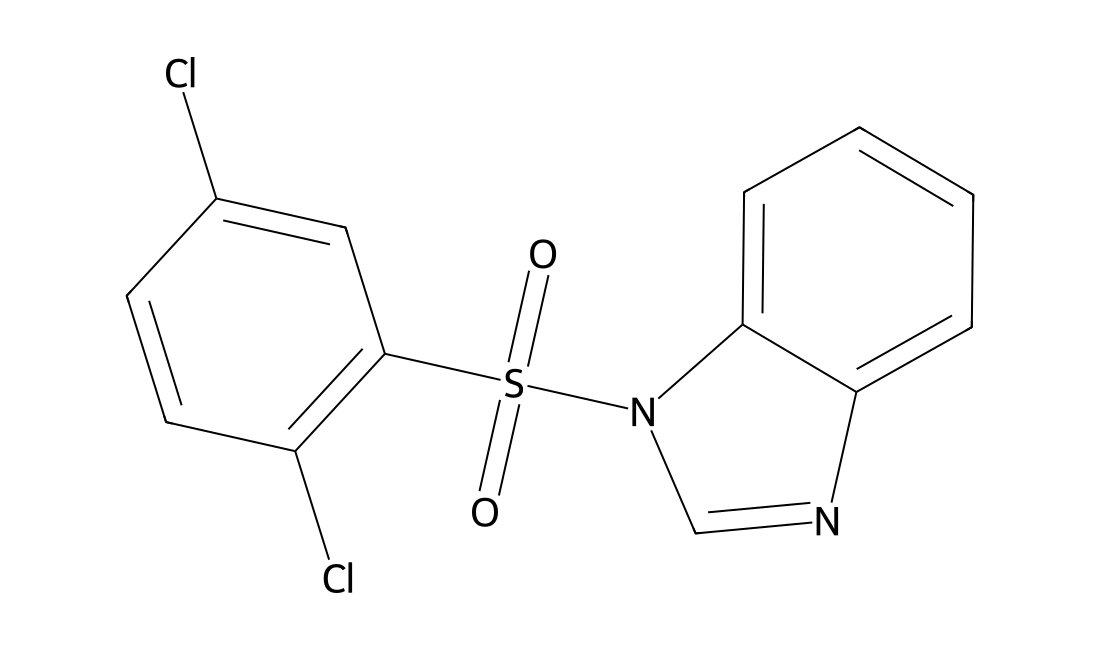
Skp2 inhibitor 1Featured
Skp2 inhibitor 1 (compound 14i) is a potent and selective Skp2 inhibitor
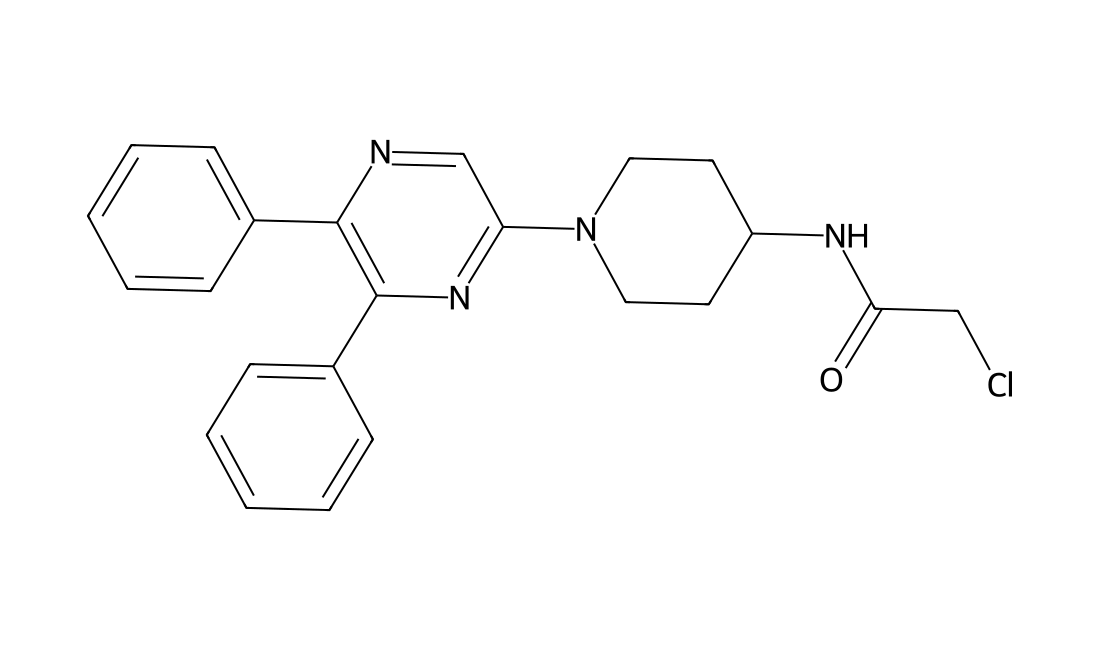
WAY-639889Featured
WAY-639889 is a bioactive compound relative to neuropeptide Y-5.
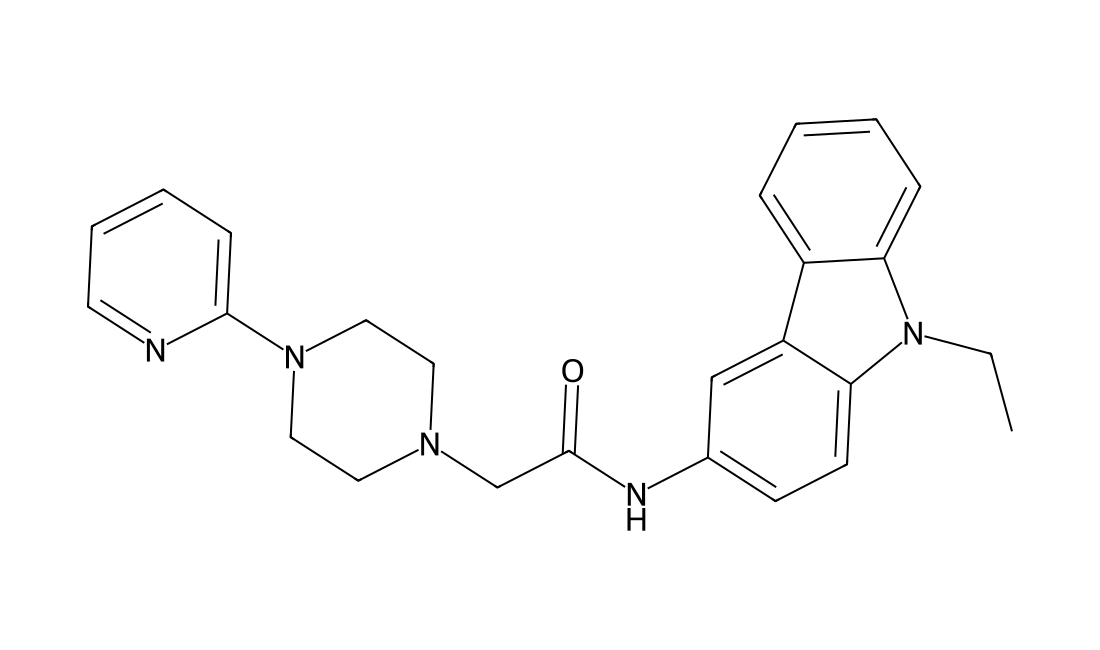
SI-2 (hydrochloride)Featured
SI-2 hydrochloride (EPH 116 hydrochloride) is a highly promising SRC-3 SMI: SRC-3 inhibitor (PPI), with IC50 values of 3-20 nM for breast cancer cell death. SI-2 hydrochloride (EPH 116 hydrochloride) has a much improved toxicity and pharmacokinetic profile, with acceptable oral availability[1].
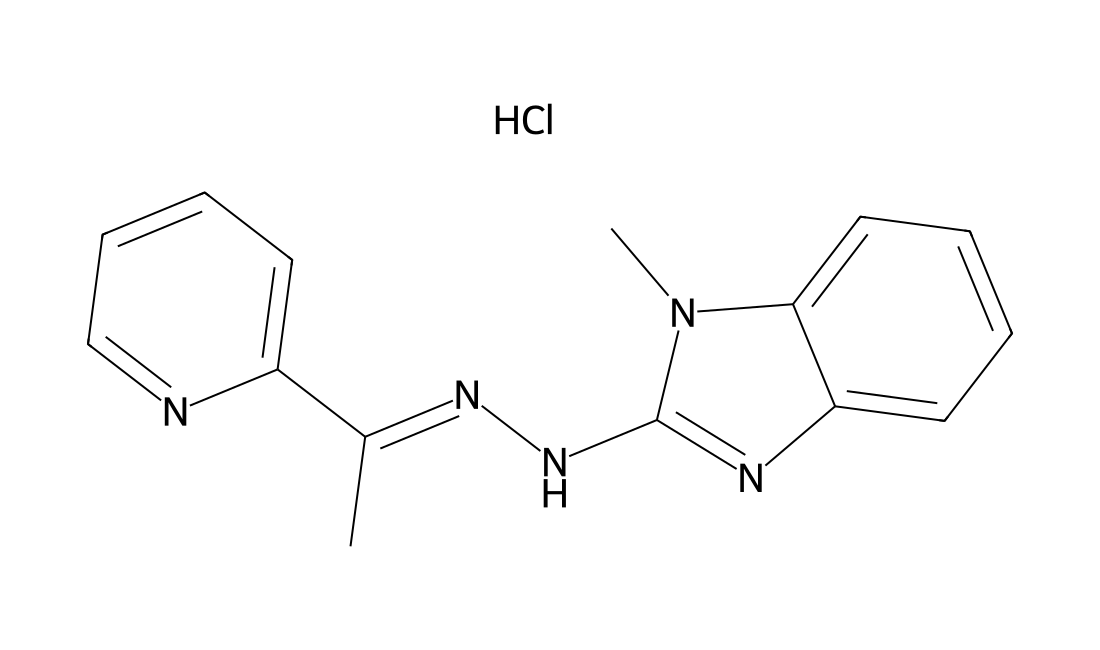
JNJ-53718678Featured
JNJ-53718678 (JNJ53718678, JNJ-678) is a potent (Kd=7.4 nM), small-molecule inhibitor of the F-glycoprotein-mediated complex membrane fusion process of the RSV; displays very potent antiviral activity and low cytotoxicity; inhibits ESV replication in HBECs with IC50 of 1.2 nM, efficiently inhibits RSV infection in vivo. RSV Infection Phase 2 Clinical
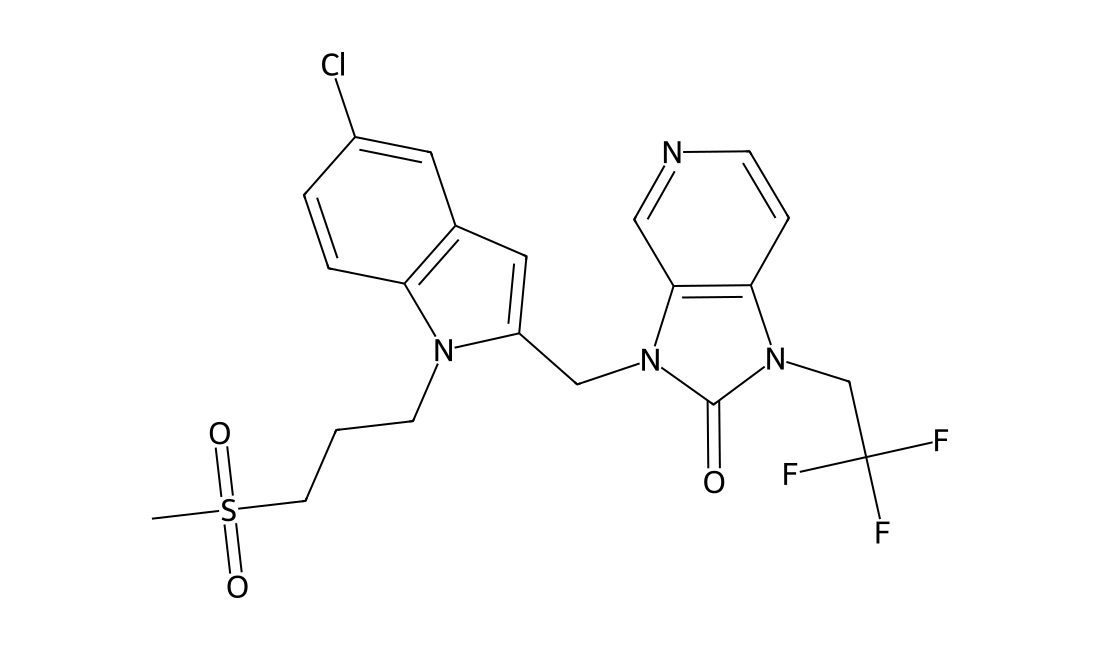
ELN 441958Featured
ELN-441958 is a potent, neutral antagonist of B1 receptor, inhibits the binding of the B1 agonist ligand [3H]DAKD to IMR-90 cells with Ki of 0.26 nM. ELN-441958 is highly selective for B1 over B2 receptors, and >500/ 2000-fold selective for the B1 over μ/δ-opioid receptor.IC50 value: 0.26 nM (Ki)Target: B1 Receptorin vitro: ELN-441958 is a novel small molecule bradykinin B1 receptor antagonist, based on the inhibition of agonist-induced increases in intracellular calcium in native and recombinant cells. ELN-441958 does not inhibit the activation of the human bradykinin B2 receptor at concentrations up to 10 μM, showing that it is highly selective for B1 over B2 receptors. ELN-441958 also displays good selectivity for B1 over other receptors examined in a broad screening panel. It is >500-fold and >2000-fold selective for the B1 receptor over the human μ- and δ-opioid receptor, the most potent off-target activity identified. In IMR-90 cells expressing the native human B1 receptor, ELN-441958 produced a concentration-dependent antagonism of the DAKD-induced calcium mobilization with a KB of 0.12 nM. [1]in vivo: ELN-441958 is essentially completely absorbed and produces high plasma levels after oral administration in rhesus monkeys.ELN-441958 has a moderate clearance and volume of distribution in both species following i.v. administration, consistent with the high metabolic stability in rat, rhesus, and human microsomes. ELN-441958 has high oral exposure and moderate plasma half-lives in rats and rhesus monkeys. The oral availability of ELN441958 in rats was 57%. ELN-441958 dose-dependently reduced carrageenan-induced thermal hyperalgesia in a rhesus monkey tail-withdrawal model, with an ED50 3 mg/kg s.c. [1]
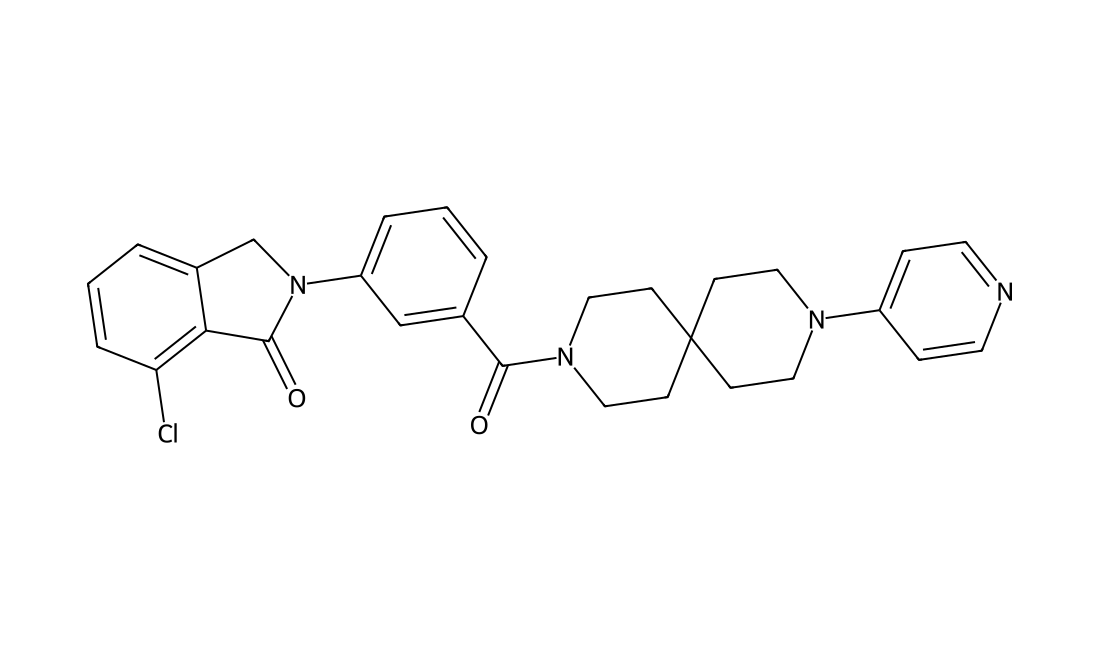
ATM Inhibitor-5Featured
ATM Inhibitor-5 [formula (1)] is a potent inhibitor of serine/threonine protein kinase ATM (extracted from patent WO2022058351A1)[1].
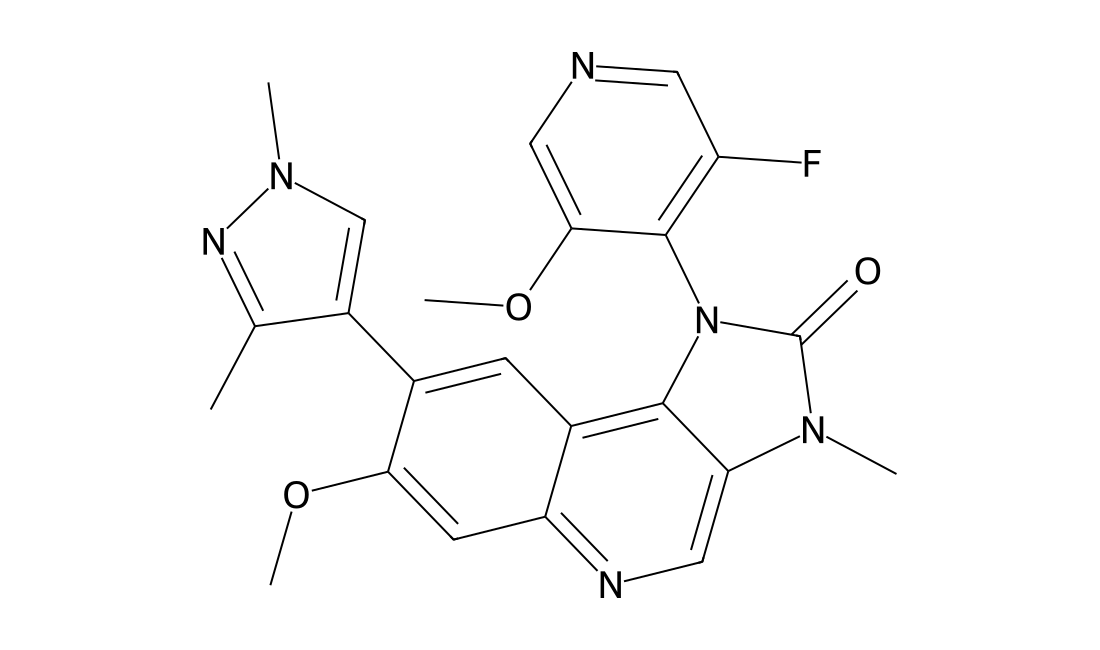
FLLL31Featured
FLLL31 selectively binds to Janus kinase 2 and the STAT3 Src homology-2 (SH2) domain, effective inhibitors of STAT3 phosphorylation. STAT3 plays a critical role in early embryogenesis, but is largely dispensable in normal adult cells and tissues. On the other hand the JAK2/STAT3 signaling pathway is persistently activated in great number of human solid and blood cancers. Such activation is commonly associated with a worse prognosis. FLLL31 is a curcumin derivative locked in diketone-tautomeric form, which supposedly improves binding to SH2 domain. The compound inhibits JAK2 kinase activity and prevents STAT3 phosphorylation. FLLK31 is a potent and selective inhibitor of the STAT3 signaling pathway.
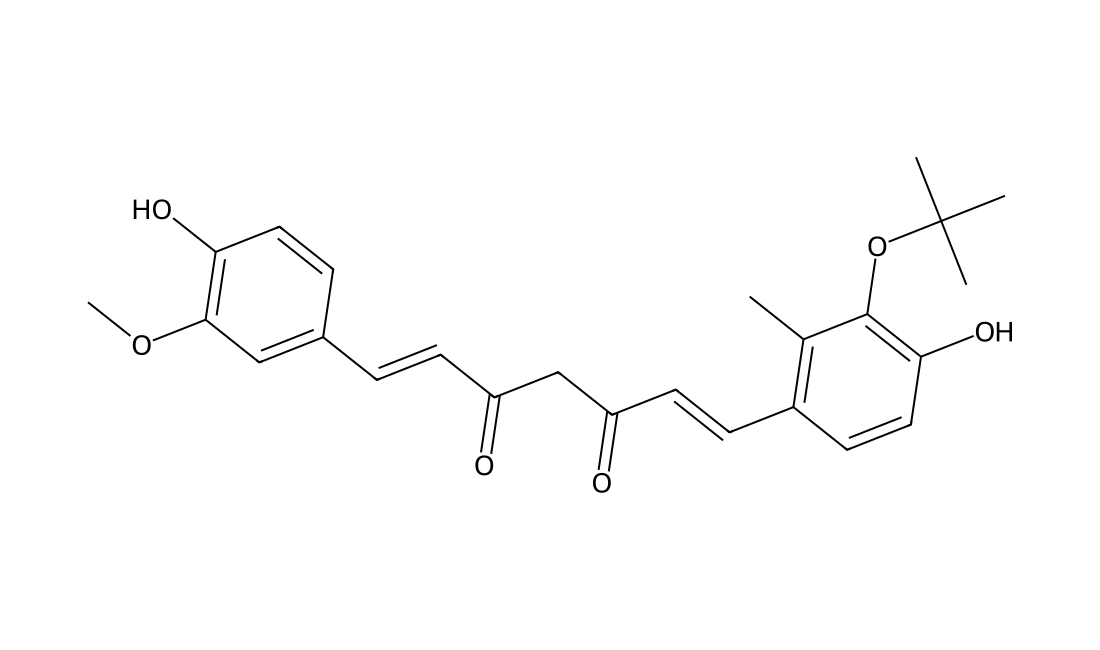
YLF-466DFeatured
YLF-466D is an AMPK activator that inhibits platelet aggregation with IC50 of 84 μM.
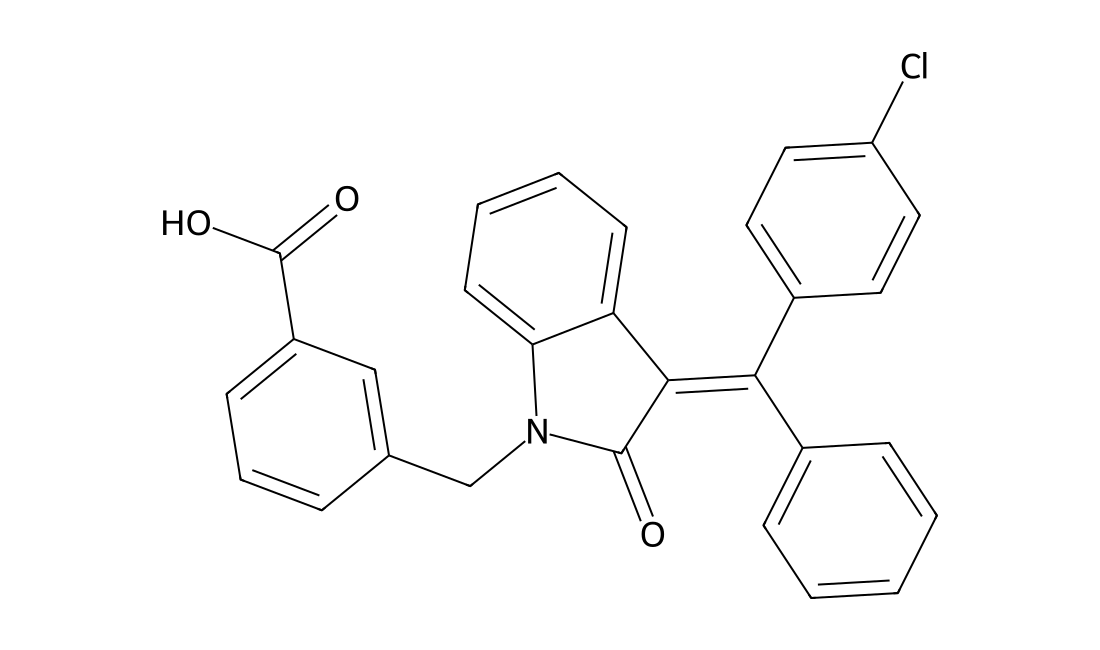
RecilisibFeatured
Recilisib (ON01210, EX-RAD) is a radioprotectant that activates the activity of AKT and PI3K in cells. It has been studied as prophylactic (use prior to radiation exposure) and therapeutic (after exposure to radiation) drug.
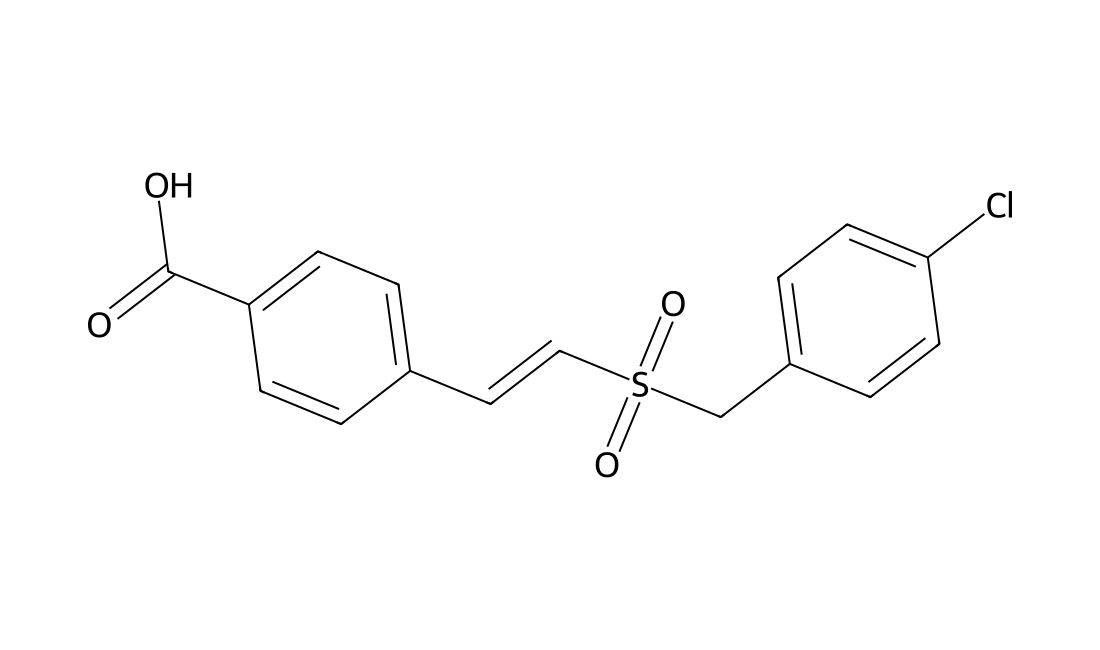
SU-5616Featured
SU-5616 is a biochemical reagent. SU 5616 potentially modulates tyrosine kinase signal transduction, and regulates abnormal cell proliferation.
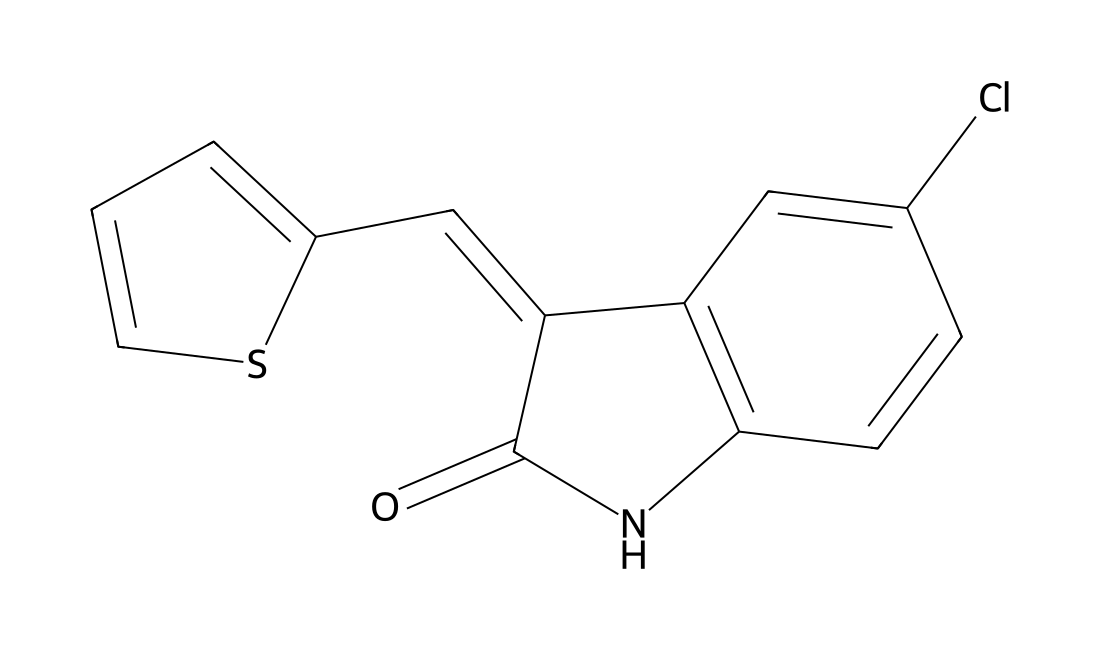
BPN14770Featured
BPN14770 (BPN-14770) is an allosteric inhibitor of phosphodiesterase 4D (PDE4D) with IC50 of 7.8 and 7.4 nM for human PDE4D7 and PDE4D3 respectively, displays 16-fold less potent against monomeric form of PDE4D lacking the UCR1 dimerization domain (PDE4D2 IC50 = 127 nM); BPN14770 is 17-fold less potent against mouse PDE4D7 (IC50 = 133 nM), binds to a primate-specific, N-terminal region of PDE4D; elevates brain cAMP and facilitates hippocampal long-term potentiation (LTP) in wild-type and humanized PDE4D mice, improves cognitive performance, antagonized the amnesic effects of scopolamine and increased cAMP signaling in brain, and increased BDNF and markers of neuronal plasticity associated with memory.
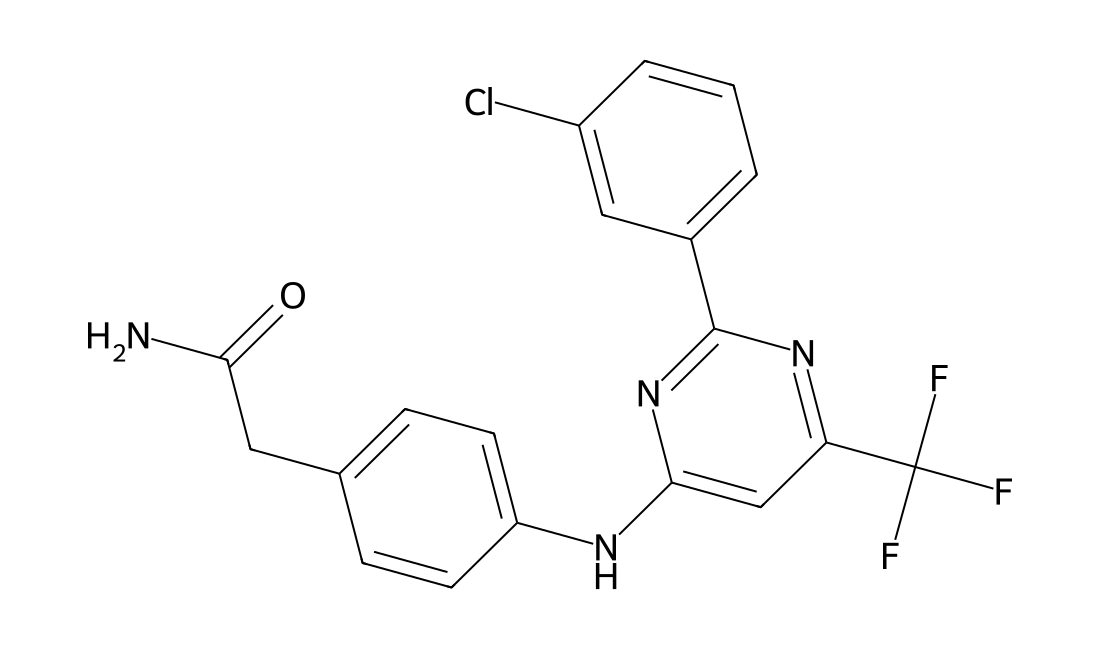
No products match this search.
Page 351 of 359 · Browse all 7177 products
Jump to a product page
Featured literature product: HX1 · DCL0028
HX1 is a hydroxyzine-derived ionizable lipid with acetal-containing tails, studied in lipid nanoparticles for brain mRNA delivery and CRISPR–Cas9 delivery. It was the lead in the reported in vivo brain-delivery screen; evidence is preclinical and formulation-dependent.
Read full formulation and performance →