
Research lipid catalog
Ionizable Lipid Products
Explore 848 lipid and RNA delivery products. Search the full catalog or browse by research category.
Search covers product name, catalog number, synonyms, available CAS numbers and categories. Spaces, hyphens and common punctuation are ignored. Duplicate legacy records are consolidated under one canonical product result.
7177 products · Showing 7041–7060 · 20 per page
DC Chemicals lipid expertise
Built for ionizable-lipid discovery and RNA delivery research
DC Chemicals supports formulation and delivery research with a broad, searchable portfolio of cationic and ionizable lipids. The current directory brings together 848 unique research-use products, with product specifications, pricing, chemical structures and literature-linked formulation data added as each record is verified.
Our experience spans complex lipid synthesis, purification, analytical release and process development. For custom molecules or larger-scale requirements, our team can discuss route development, technical specifications and scale-up options for the intended research workflow.
Learn about cationic and ionizable lipids →Proprietary innovation · Co-development · GMP
From proprietary lipid design to GMP-grade custom synthesis
DC Chemicals has independently developed ionizable-lipid structures supported by company-owned intellectual property, and selected proprietary lipid programs have advanced to GMP-stage development.
We welcome joint development with customers—from molecular design and lipid synthesis through route and process development. We can also support custom synthesis of GMP-grade ionizable lipids to agreed technical specifications and quality requirements.
Discuss a co-development project →Proprietary ionizable-lipid structuresCollaborative molecular designCustom lipid synthesisProcess development and scale-upGMP-grade project support
Product quick links
Explore New ionizable lipids
Explore our five most recently added ionizable lipids, with specifications, pricing and literature-linked product information.
DCL0028HX1Brain RNA delivery researchView product →DCL0024A1I4R13C18-2Spleen-targeted RNA delivery researchView product →DCL0023A1I4R2C18-2Spleen-targeted RNA delivery researchView product →DCL0022FS01Local joint RNA delivery researchView product →DCL0020Lipid-392Lung RNA delivery and gene editing researchView product →
Cat. No.Product NameField of ApplicationChemical Structure
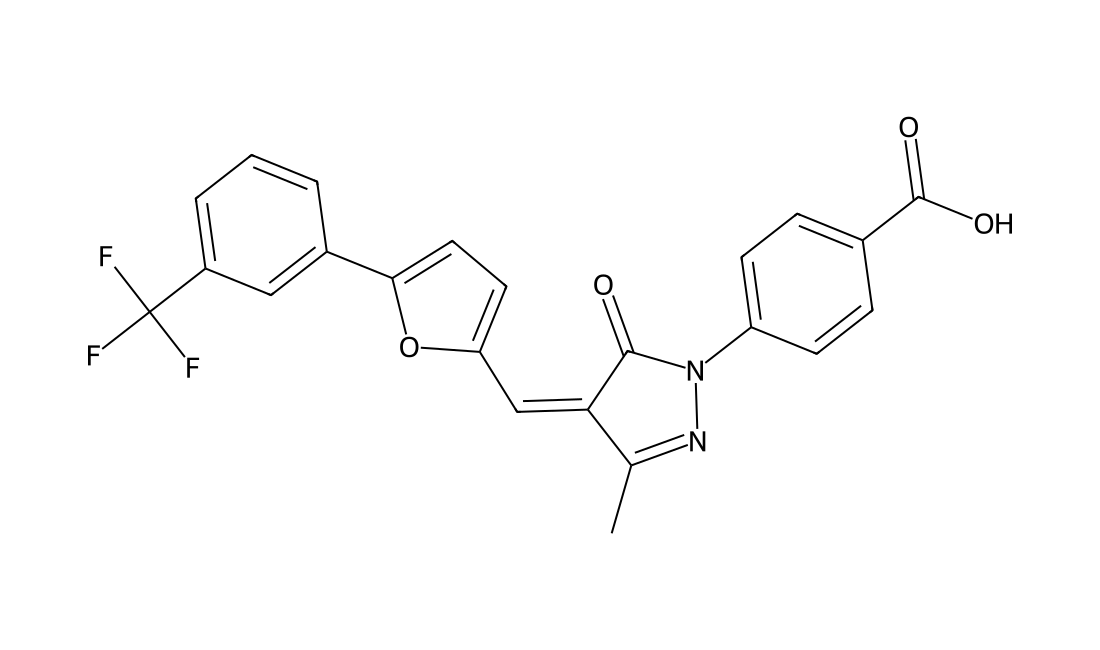
(E/Z)-ZINC09659342Featured
(E/Z)-ZINC09659342 is an inhibitor of Lbc-RhoA interaction[1].
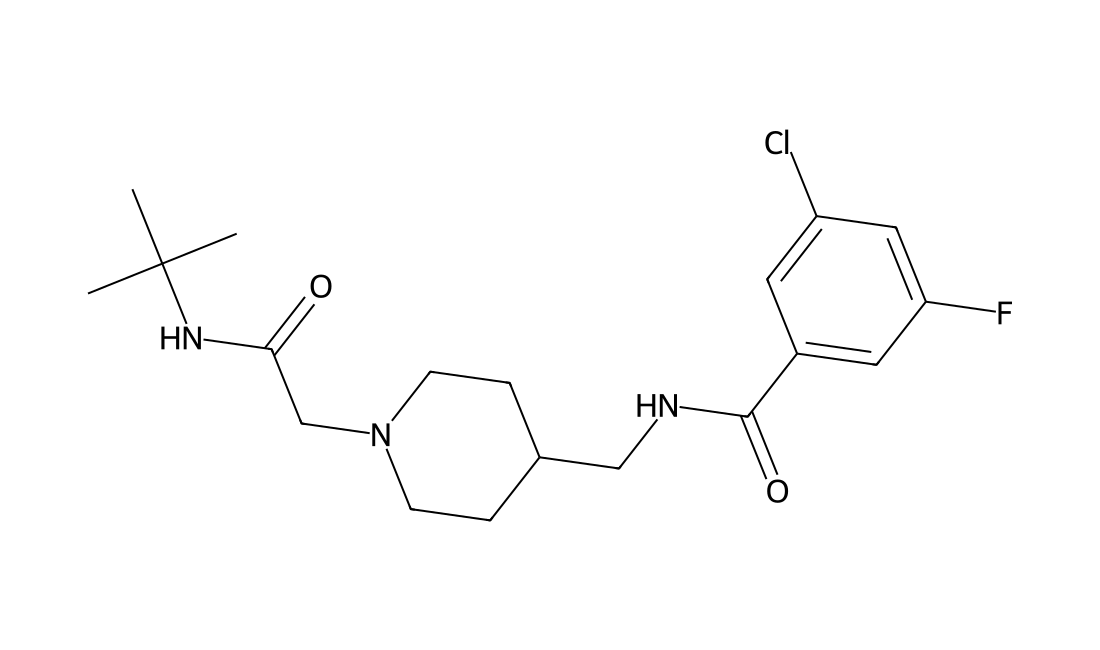
Z-944Featured
Z-944 is a potent, highly selective and oral T-type calcium channel blocker with IC50 of 50-160 nM for human Cav3.1, Cav3.2, and Cav3.3 channels; displays 70 times more potent for T-type blockade than for blockade of the N-type channel (IC50=11 uM); potently suppress seizure activity and attenuates burst firing of thalamic reticular nucleus neurons in the GAERS model of absence epilepsy; restores cortical synchrony and thalamocortical connectivity in a rat model of neuropathic pain. PainPhase 1 Clinical
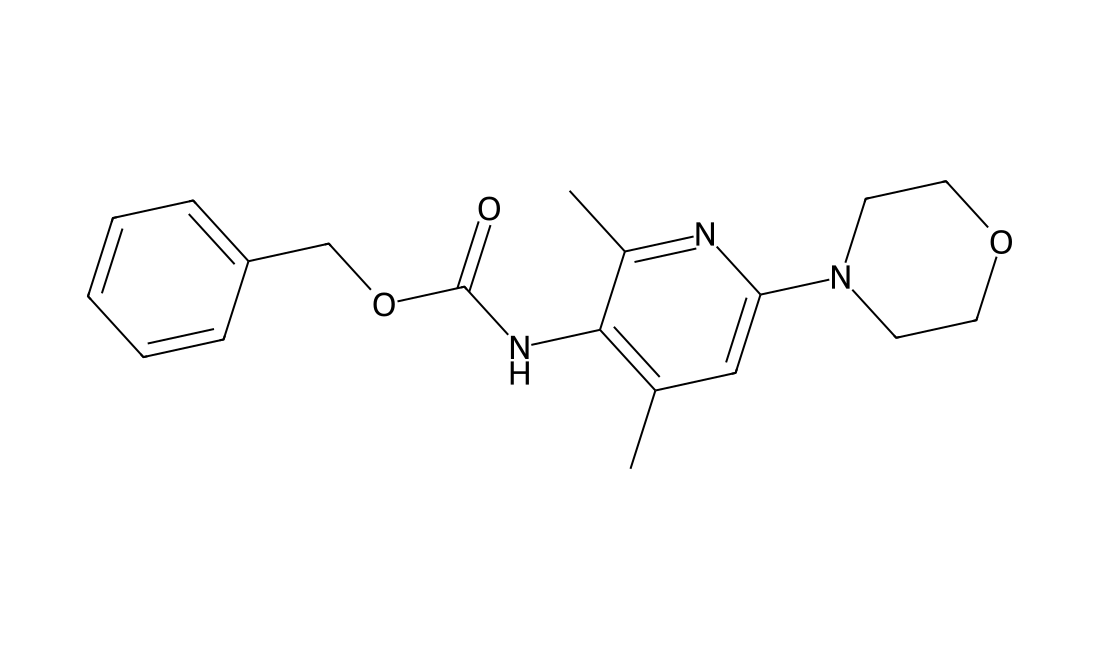
Potassium Channel Activator 1Featured
Carbamic acid, N-[2,4-dimethyl-6-(4-morpholinyl)-3-pyridinyl]-, phenylmethyl ester is a new invention for treating, one or more disorders or conditions wherein the dopaminergic system is disrupted, such as one or more disorders or conditions independently selected from the group consisting of: schizophrenia and other psychotic states; mood disorders ADHD; aggression; movement disorders.
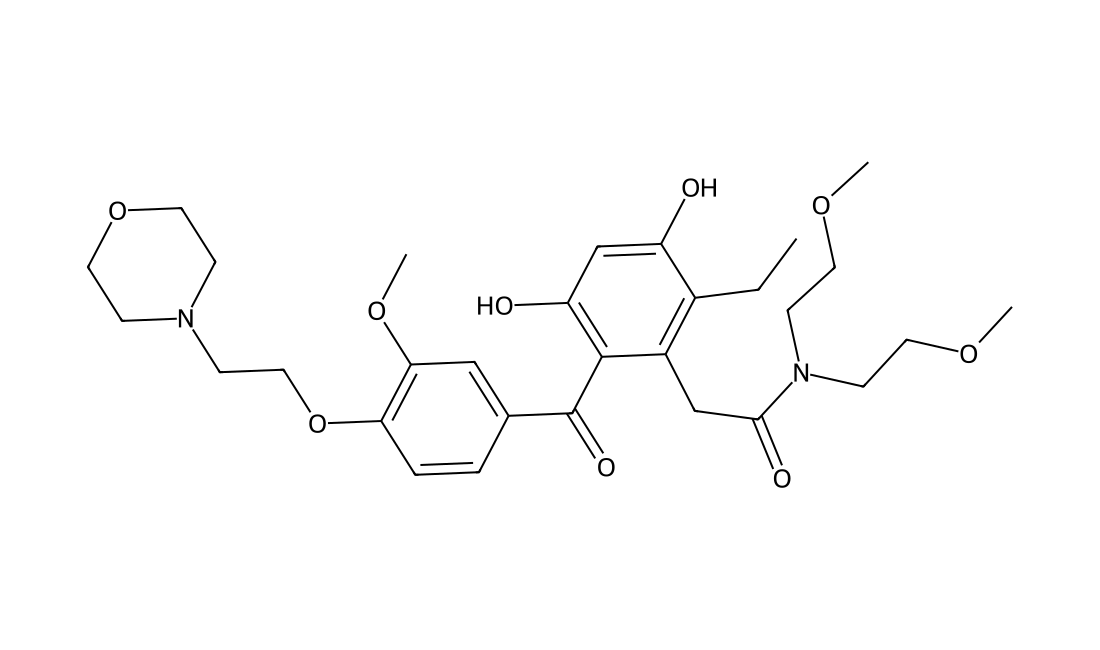
KW-2478Featured
KW-2478 inhibits the binding of bRD to Hsp90α with IC50 of 3.8 nM. KW-2478 degradates the Hsp90 client proteins, including FGFR3 and IGF-1Rβand c-Raf-1. KW-2478 reduces the level of phosphorylated Erk1/2. KW-2478 induces apoptosis by cleavage of PARP, a substrate of caspase-3 In U266 cells,. KW-2478 has Time dependency of antiproliferative activity, consecutive drug exposure For at least 12 hours is necessary to to exert potent antitumor activity. KW-2478 downregulates the translocation products of IgH locus. KW-2478 inhibits the transcription of c-Maf and cyclin D1 genes by mainly suppressing the function of Cdk9. KW-2478 has potent and broad growth inhibitory activities against various cell lines, KW-2478 inhibites cancer cell growth in all cell lines, with EC50 of 101-252 nM, 81.4-91.4 nM and 120-622 nM For B-cell lymphoma, mantle cell lymphoma and multiple myeloma, respectively. KW-2478 also shows potent growth inhibitory activity in primary CLL and NHL cells with EC50 of 40-170 nM and 200-400 nM, respectively. . KW-2478 suppresses tumor growth and induces the degradation of client proteins in tumors in NCI-H929 s.c. inoculated model at doses of 100 mg/kg or more. KW-2478 reduces both serum M protein and MM tumor burden in the bone marrow in OPM-2/GFP i.v. inoculated mouse model at doses of 100 mg/kg. For the detailed information of KW-2478, the solubility of KW-2478 in water, the solubility of KW-2478 in DMSO, the solubility of KW-2478 in PBS buffer, the animal experiment (test) of KW-2478, the cell expriment (test) of KW-2478, the in vivo, in vitro and clinical trial test of KW-2478, the EC50, IC50,and Affinity of KW-2478, Please contact DC Chemicals.
Branaplam hydrochlorideFeatured
Branaplam (LMI070; NVS-SM1) hydrochloride is a highly potent, selective and orally active survival motor neuron-2 (SMN2) splicing modulator with an EC50 of 20 nM for SMN. Branaplam hydrochloride inhibits human-ether-a-go-go-related gene (hERG) with an IC50 of 6.3 μM. Branaplam hydrochloride elevates full-length SMN protein and extends survival in a severe spinal muscular atrophy (SMA) mouse model.
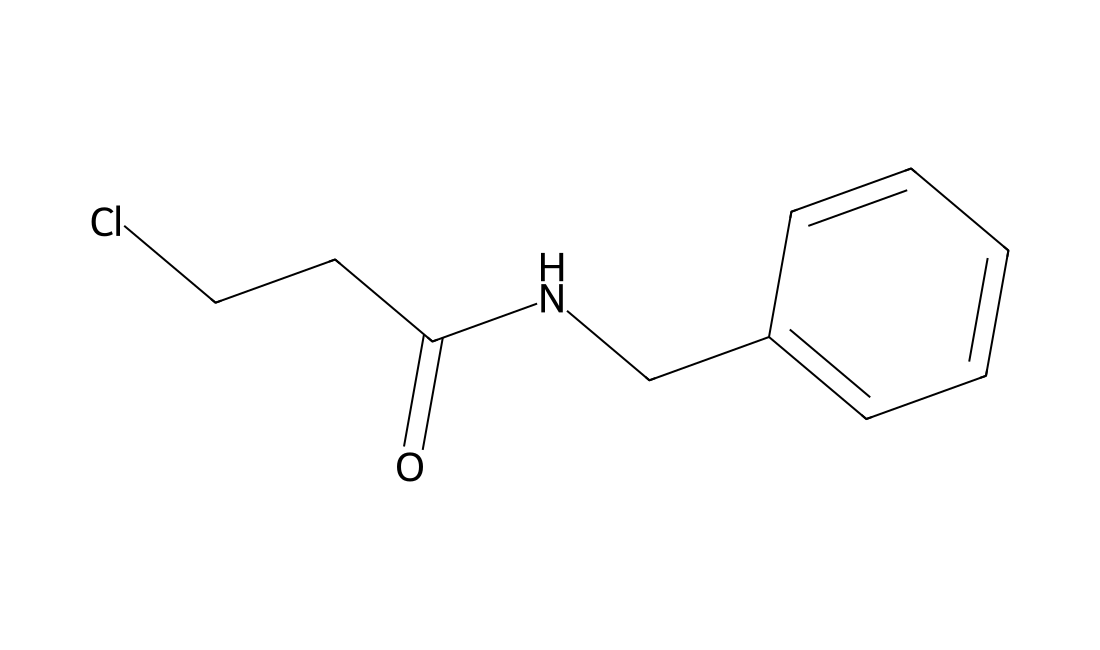
BeclamideFeatured
Beclamide is a drug that possesses anticonvulsant activity. It is no longer used. Beclamide is possibly metabolized to 3-chloropropanoic acid in vivo, which binds to the GHB receptor. It has been used as a sedative and as an anticonvulsant. It was studied in the 1950s for its anticonvulsant properties, as a treatment for generalised tonic-clonic seizures. It was not effective for absence seizures. Interest in the drug resumed in the 1990s for its psychiatric properties as an adjunct in the treatment of schizophrenia. While not classified as a DEA controlled substance in the United States, this product can only be sold STRICTLY to universities and research institutions. This product will not be sold to individuals or shipped to residential addresses.
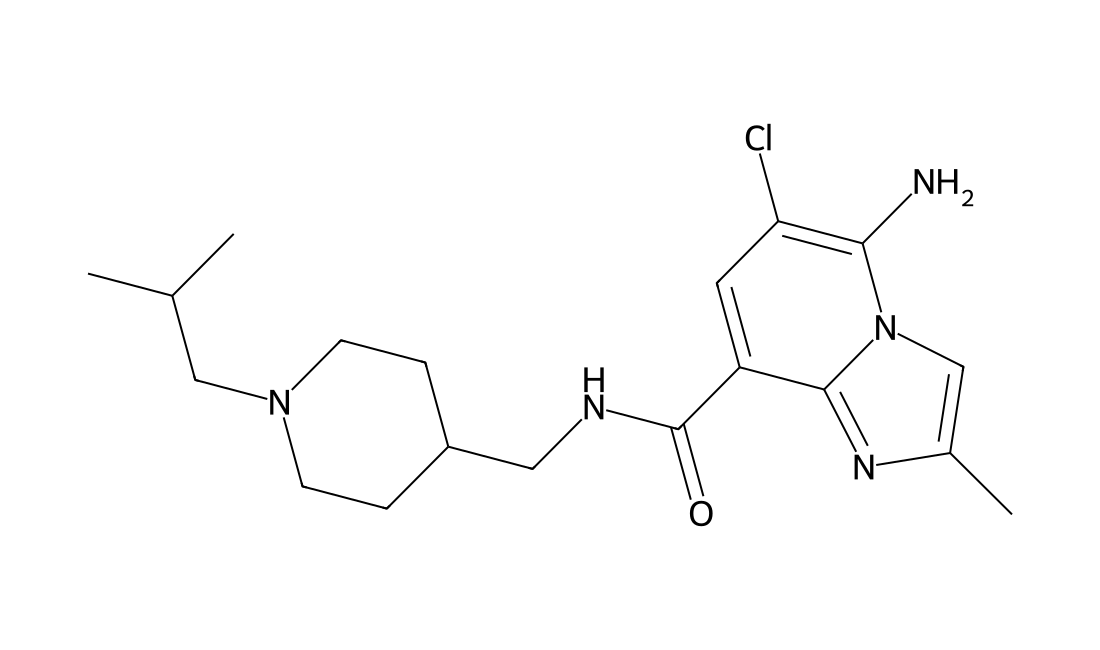
CJ033466Featured
CJ033466 is a novel and selective 5-HT4 receptor partial agonist with an EC50 of 9 nM and has gastroprokinetic effect.
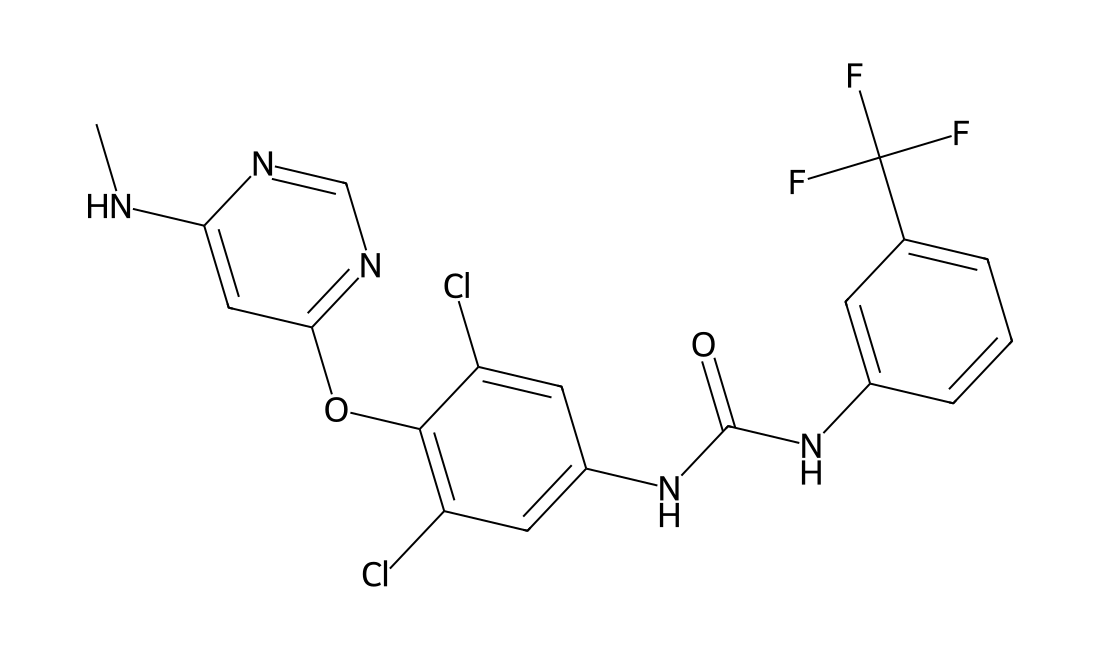
GSK329Featured
GSK329 is a potent and selective diarylurea inhibitor of the cardiac-specific kinase TNNI3K. GSK329 exhibits positive cardioprotective outcomes in the model of ischemia/reperfusion cardiac injury.
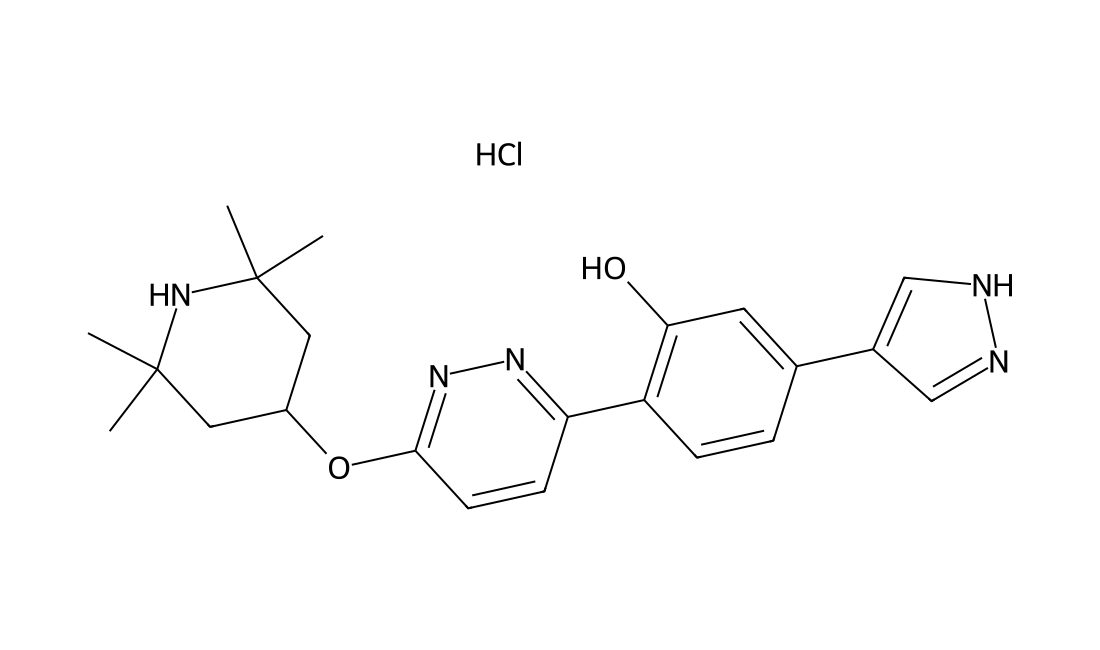
VU0360172 HydrochlorideFeatured
Potent mGluR5 PAM modulator
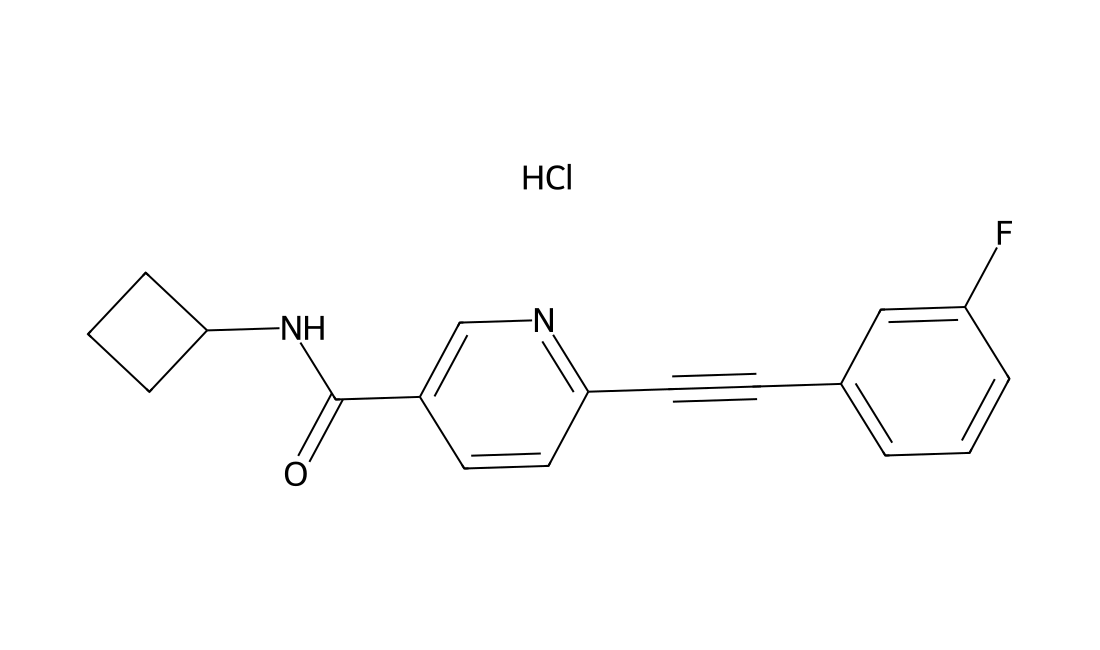
CP-24879 hydrochlorideFeatured
CP-24879 hydrochloride is a D5D/D6D dual-inhibitor, showing beneficial effects against increased intracellular lipid accumulation and inflammatory injury in hepatocytes.
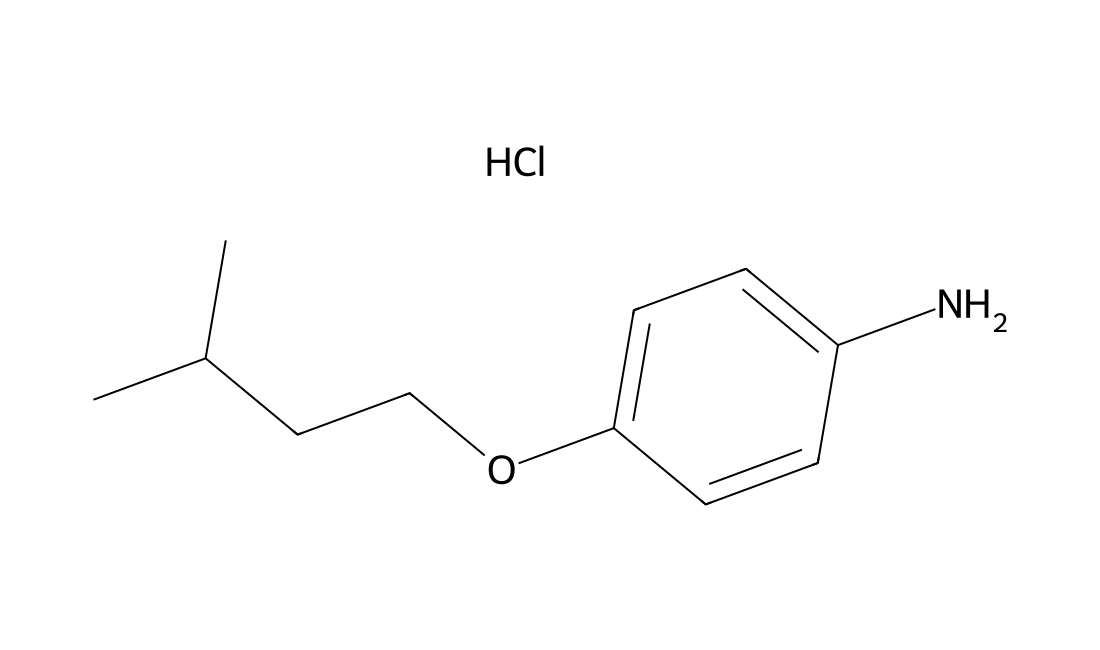
FGIN-1-27Featured
FGIN-1-27 is an anxiolytic compound that acts as a selective agonist at the peripheral benzodiazepine receptor (TSPO).FGIN-1-27 inhibited Th17 cell differentiation, significantly downregulated the expression of RORγt target genes, notably Il17a, Il17f, Il23r, Ltb4r1,Ccr6.FGIN-1-27 protected mice against EAE, induced amino acid starvation response (AAR), FGIN-1-27 produced anti-anxiety and anti-panic effects in non-mammalian models.
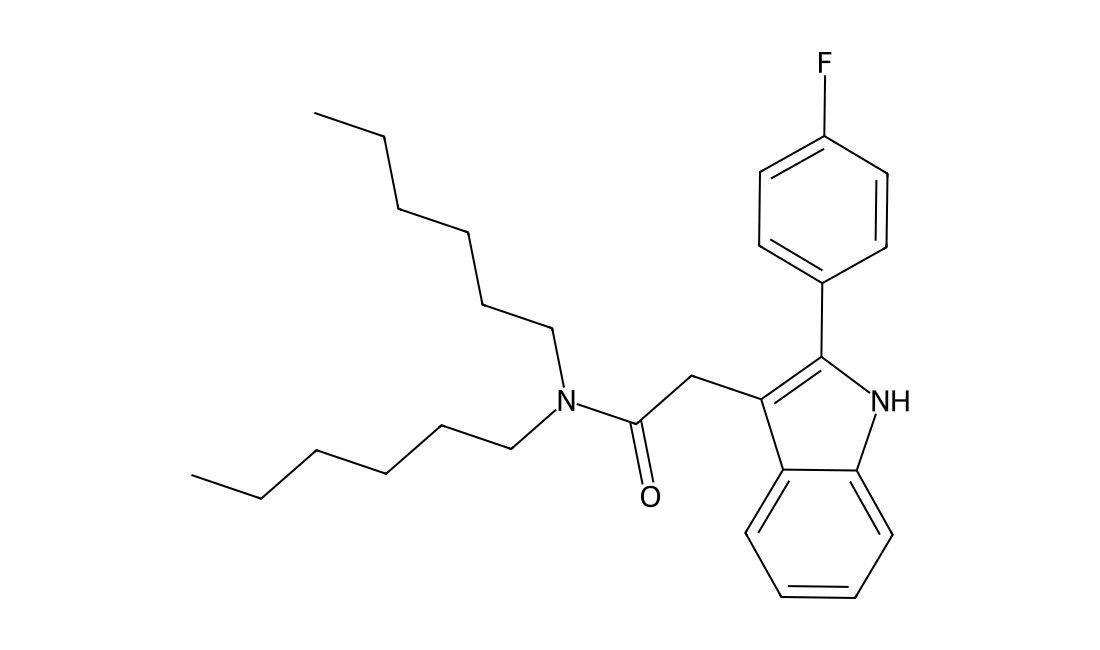
SR2640 hydrochlorideFeatured
SR2640 (hydrochloride) is a potent and selective competitive leukotriene D4/leukotriene E4 antagonist. SR2640 can be used for researching the role of leukotrienes in human asthma.
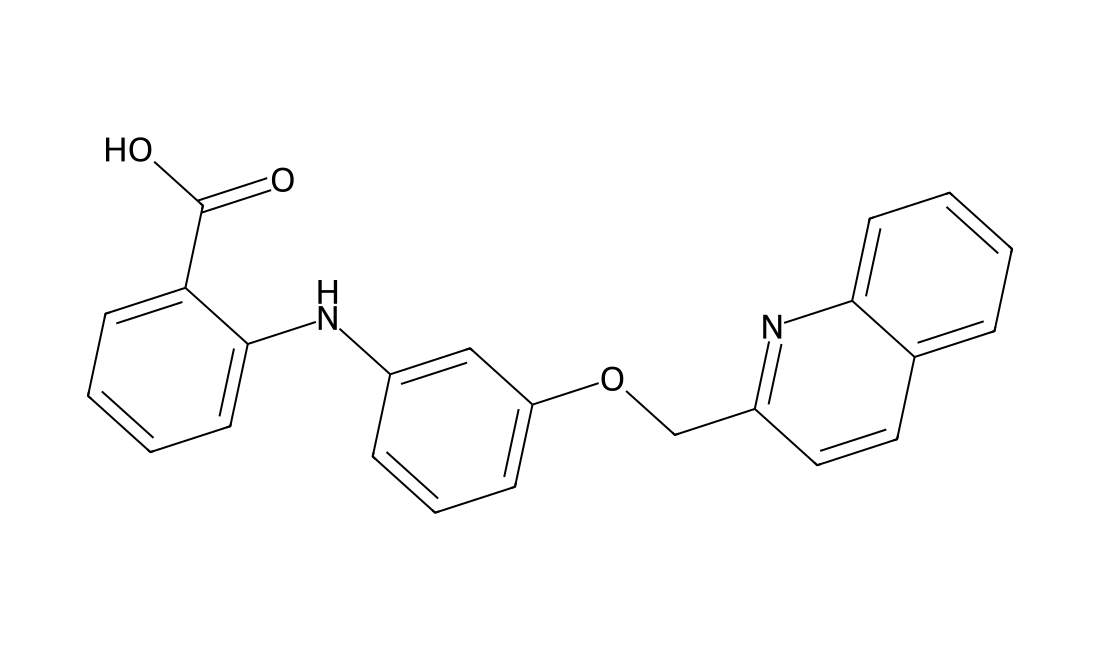
GuanabenzFeatured
Guanabenz (WY 8678) is an α2 adrenergic receptor agonist that is used as an antihypertensive agent, also has been proposed to exert protective effects against misfolding by interfering with eIF2α-P dephosphorylation through selective disruption of a PP1-PPP1R15A holophosphatase complex; also has antiparasitic activity against replicative stages of Toxoplasma.Multiple SclerosisPhase 1 Clinical
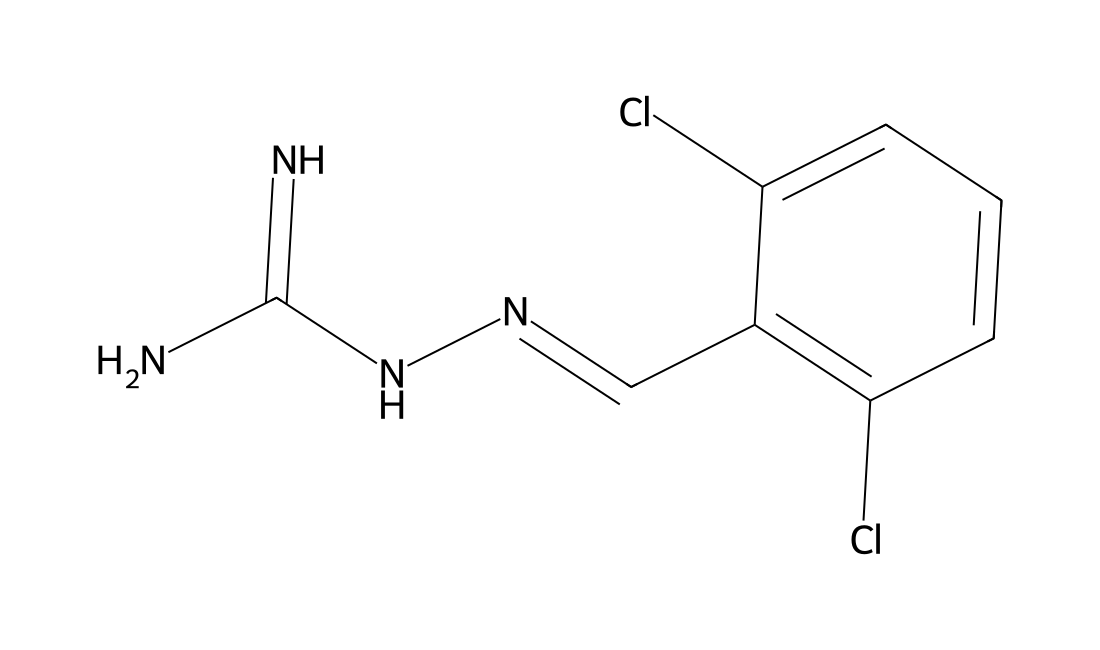
ML216Featured
ML216(CID-49852229) is a potent inhibitor of the DNA unwinding activity of BLM helicase; showing similar IC50s of 3.0 and 0.97 μM for full length BLM and BLM636–1298 respectively.ML216 shows cell-based activity, and can induce sister chromatid exchanges, enhance to the toxicity of aphidicolin and exert anti-proliferative activity in cells expressing BLM, but not in those lacking BLM.
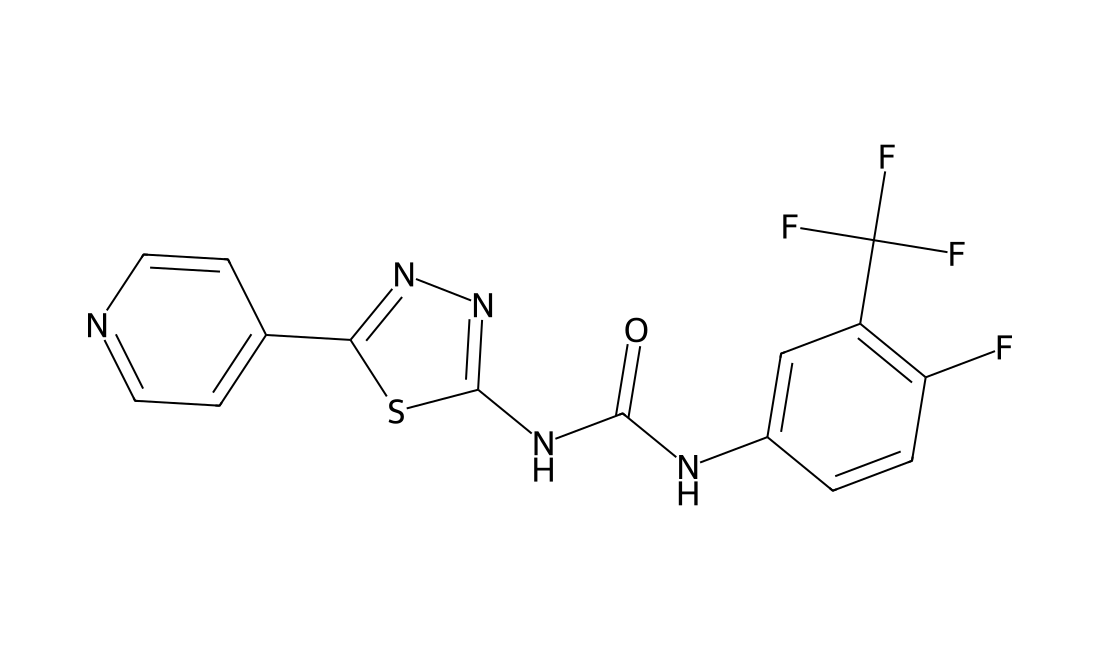
ML347Featured
ML347(DN193719) is a highly selective ALK1/ALK2 inhibitor with IC50s of 46/32 nM; shows >300-fold selectivity for ALK2 vs. ALK3.ML347 has IC50’s of 46 and 32 nM, respectively, against ALK1 and ALK2; however, the IC50 against ALK3 is 10,800 nM, >300-fold selective over ALK3. ML347 is completely inactive against allthe other kinases tested (with weak activity against ALK6, 9830 nM and KDR (VEGFR2)19,700 nM). ML347 is potent in the BMP4 cell assay (152 nM).
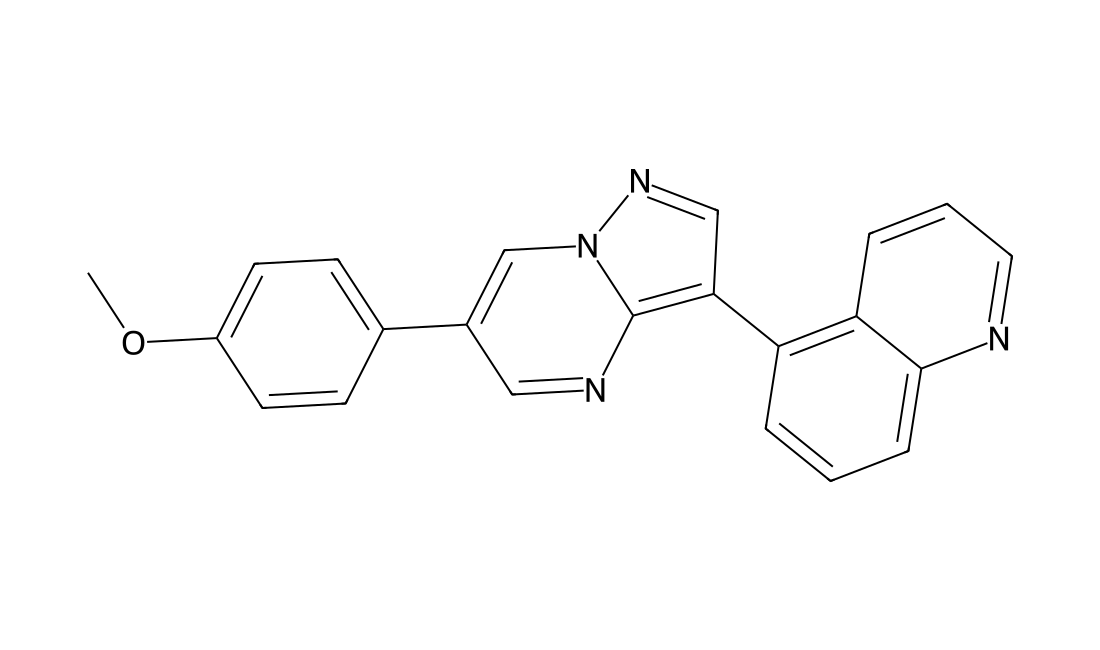
ML402Featured
ML402 is a selective TREK-1 activator.
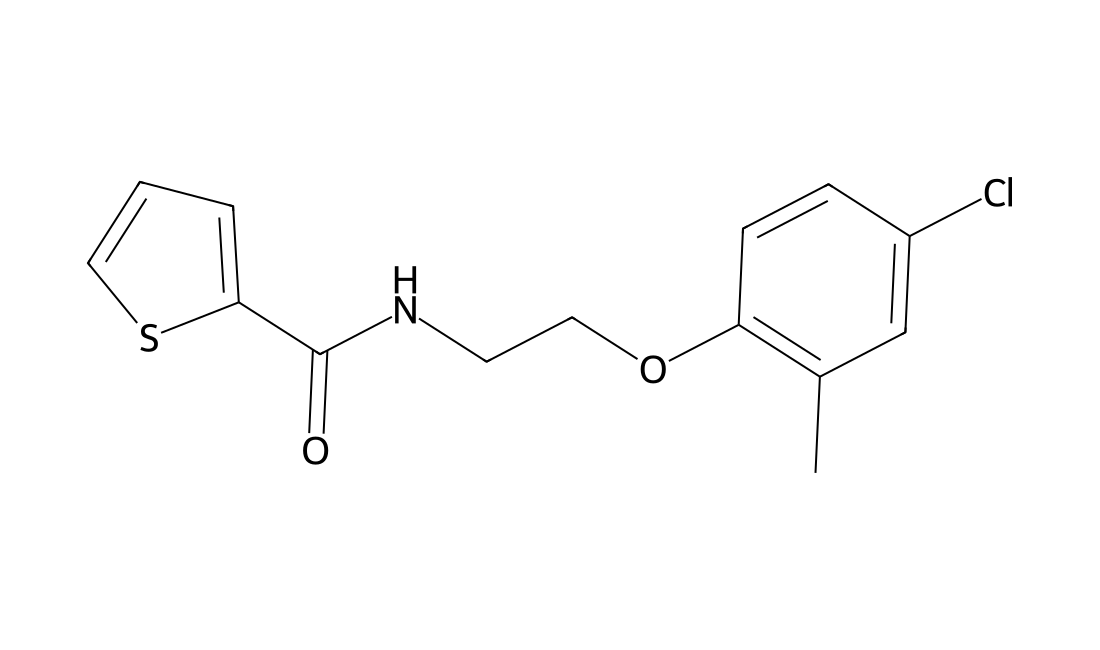
NSC 247030(SU5201)Featured
NSC 247030(SU5201) is an inhibitor of interleukin-2 (IL-2) production[1].
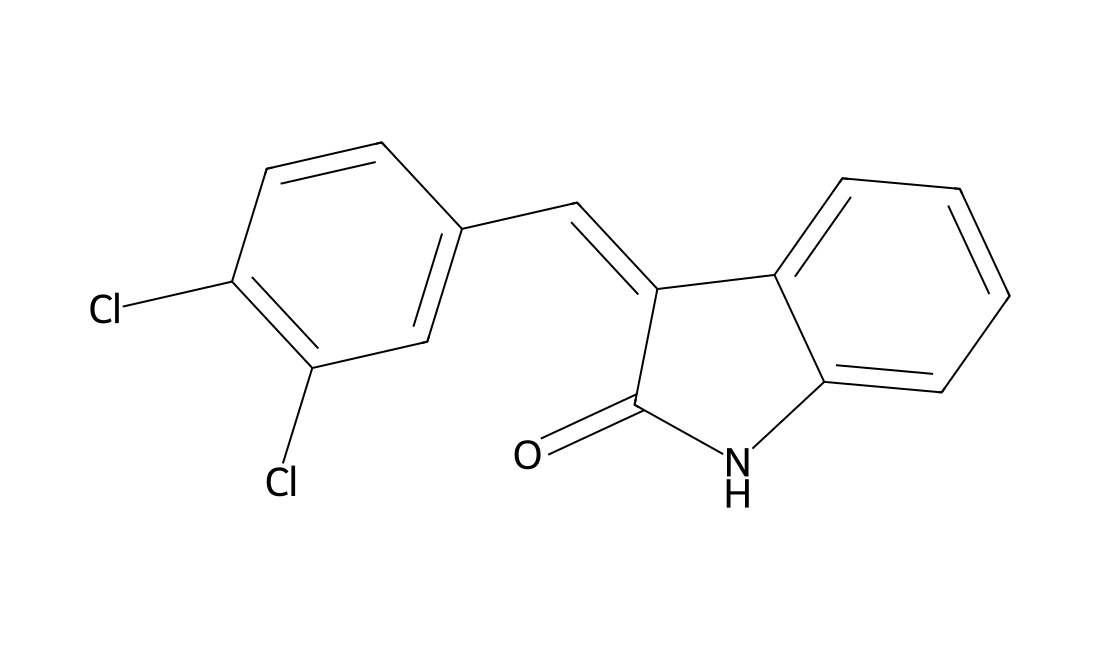
NSC 409012Featured
NSC 409012 is a bioactive chemical.
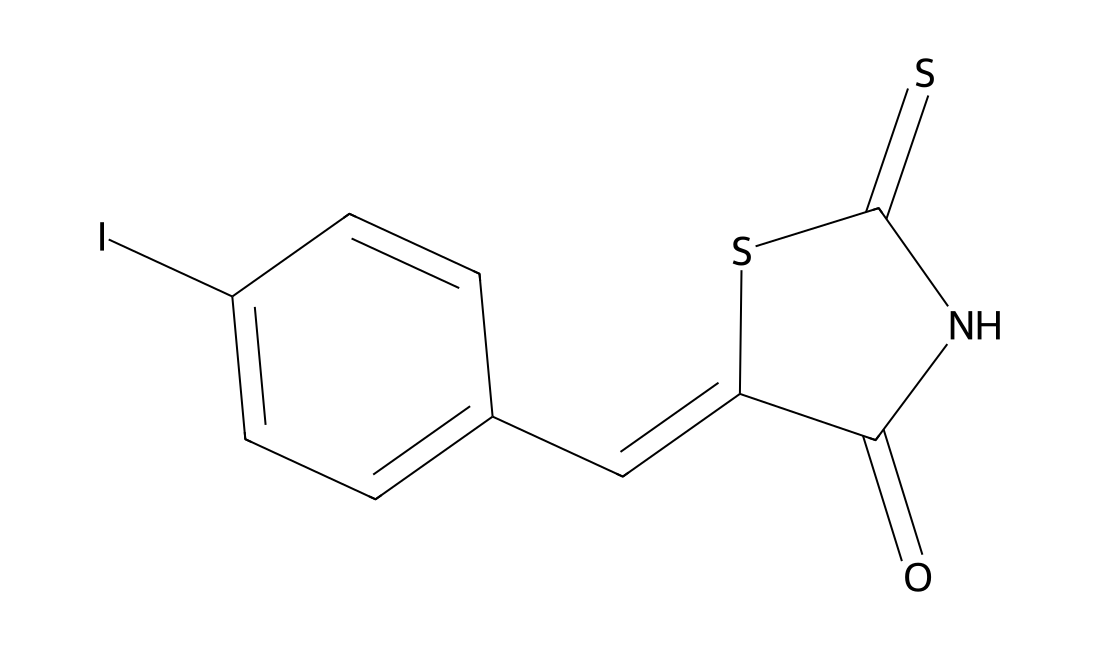
CG347BFeatured
CG347B is a selective HDAC6 inhibitor[1].
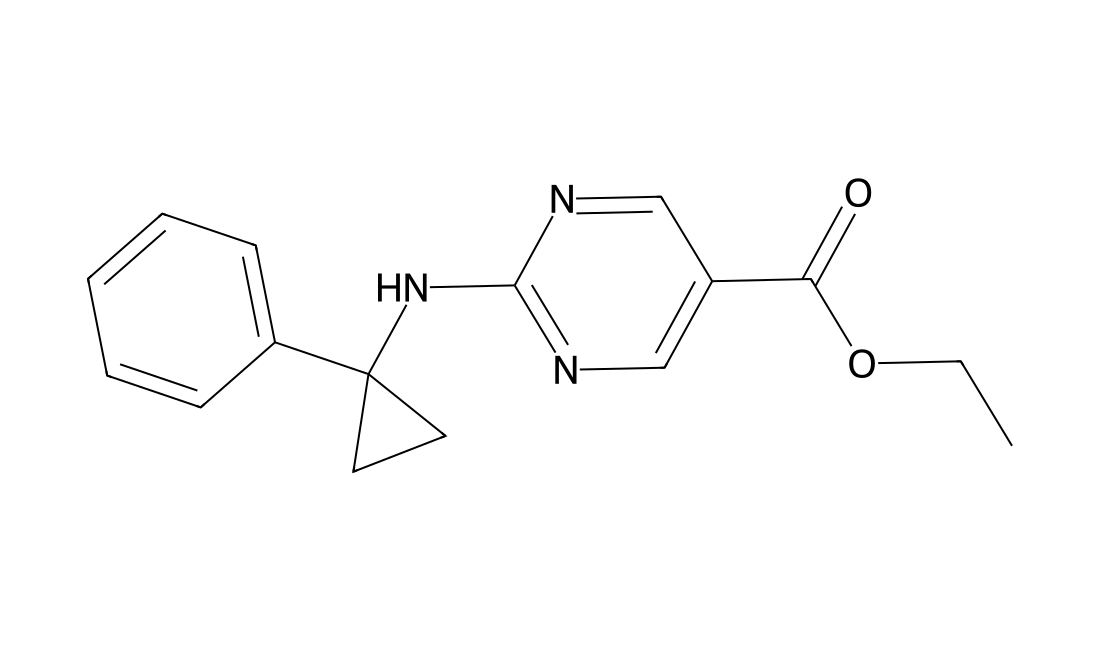
NSC 6038Featured
NSC 6038 is a bioactive compound.
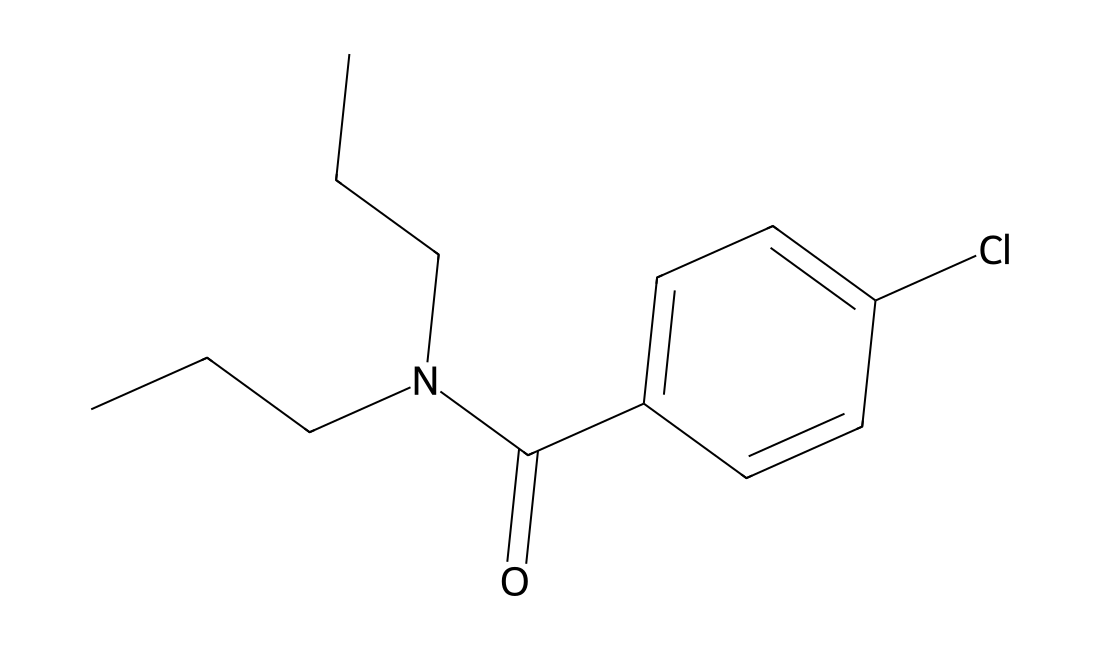
No products match this search.
Page 353 of 359 · Browse all 7177 products
Jump to a product page
Featured literature product: HX1 · DCL0028
HX1 is a hydroxyzine-derived ionizable lipid with acetal-containing tails, studied in lipid nanoparticles for brain mRNA delivery and CRISPR–Cas9 delivery. It was the lead in the reported in vivo brain-delivery screen; evidence is preclinical and formulation-dependent.
Read full formulation and performance →