
Research lipid catalog
Ionizable Lipid Products
Explore 848 lipid and RNA delivery products. Search the full catalog or browse by research category.
Search covers product name, catalog number, synonyms, available CAS numbers and categories. Spaces, hyphens and common punctuation are ignored. Duplicate legacy records are consolidated under one canonical product result.
7177 products · Showing 6861–6880 · 20 per page
DC Chemicals lipid expertise
Built for ionizable-lipid discovery and RNA delivery research
DC Chemicals supports formulation and delivery research with a broad, searchable portfolio of cationic and ionizable lipids. The current directory brings together 848 unique research-use products, with product specifications, pricing, chemical structures and literature-linked formulation data added as each record is verified.
Our experience spans complex lipid synthesis, purification, analytical release and process development. For custom molecules or larger-scale requirements, our team can discuss route development, technical specifications and scale-up options for the intended research workflow.
Learn about cationic and ionizable lipids →Proprietary innovation · Co-development · GMP
From proprietary lipid design to GMP-grade custom synthesis
DC Chemicals has independently developed ionizable-lipid structures supported by company-owned intellectual property, and selected proprietary lipid programs have advanced to GMP-stage development.
We welcome joint development with customers—from molecular design and lipid synthesis through route and process development. We can also support custom synthesis of GMP-grade ionizable lipids to agreed technical specifications and quality requirements.
Discuss a co-development project →Proprietary ionizable-lipid structuresCollaborative molecular designCustom lipid synthesisProcess development and scale-upGMP-grade project support
Product quick links
Explore New ionizable lipids
Explore our five most recently added ionizable lipids, with specifications, pricing and literature-linked product information.
DCL0028HX1Brain RNA delivery researchView product →DCL0024A1I4R13C18-2Spleen-targeted RNA delivery researchView product →DCL0023A1I4R2C18-2Spleen-targeted RNA delivery researchView product →DCL0022FS01Local joint RNA delivery researchView product →DCL0020Lipid-392Lung RNA delivery and gene editing researchView product →
Cat. No.Product NameField of ApplicationChemical Structure
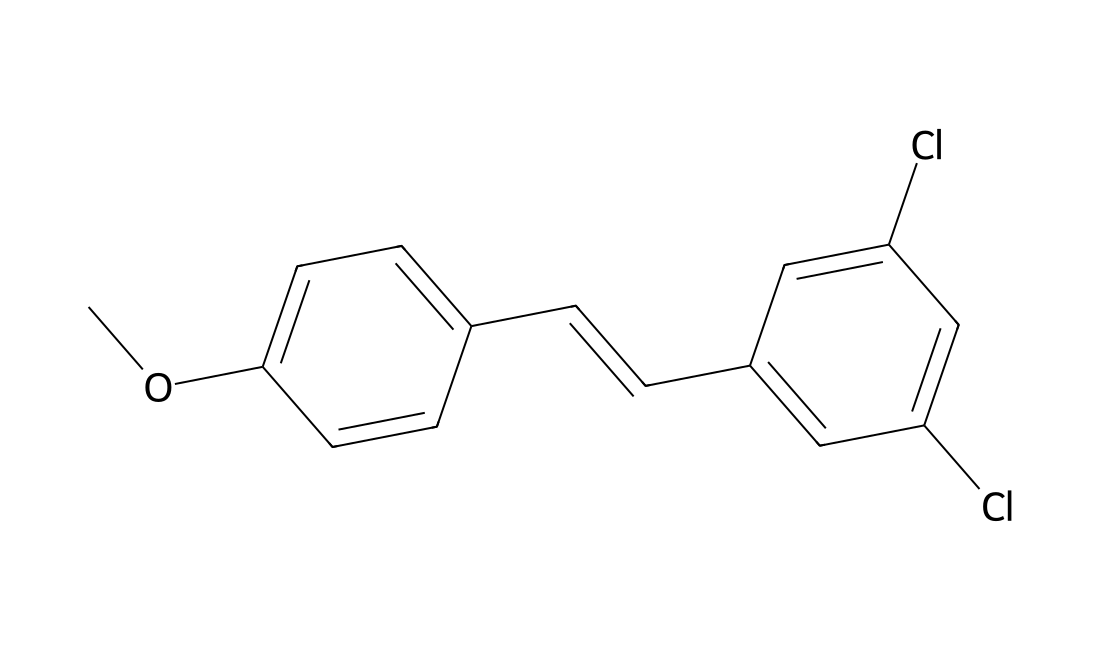
CAY10464Featured
CAY10464 (AHR antagonist 7; compound 4j) is a selective and high-affinity aryl hydrocarbon receptor (AhR) antagonist with a Ki of 1.4 nM.
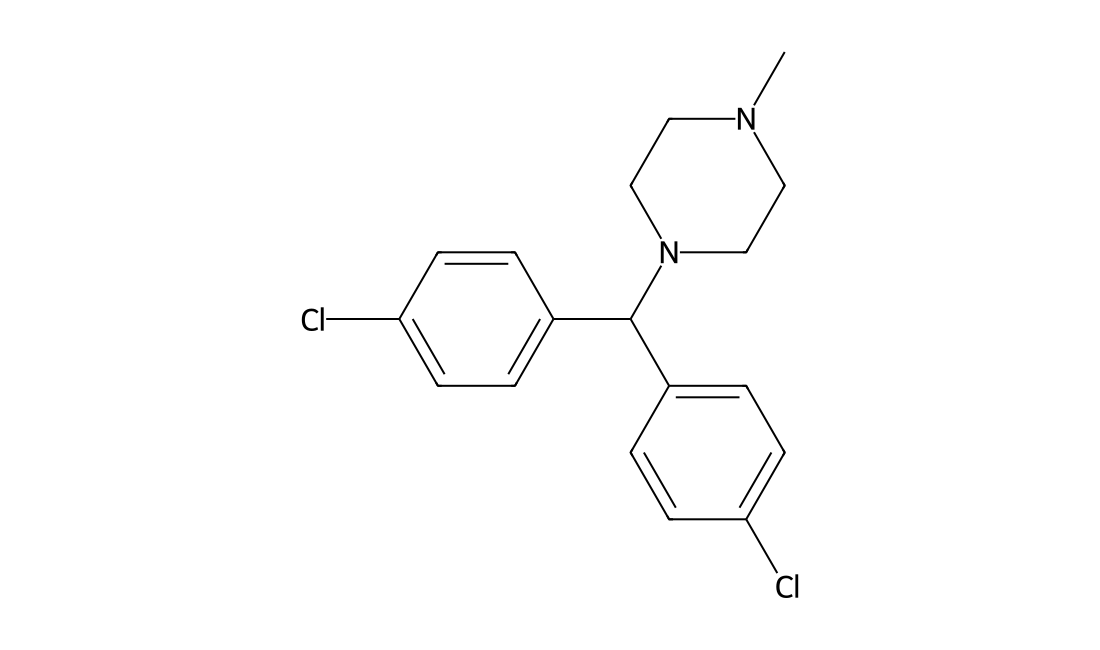
Antiviral agent 52Featured
Antiviral agent 52 (Compound 30) is a Chlorcyclizine (HY-112067) derivative that exhibits antiviral activity against hepatitic C virus (HCV) with an EC50 of 17 nM. Antiviral agent 52 reveals cytotoxicity in cell Huh7.5.1 with CC50 of 21.3 μM.
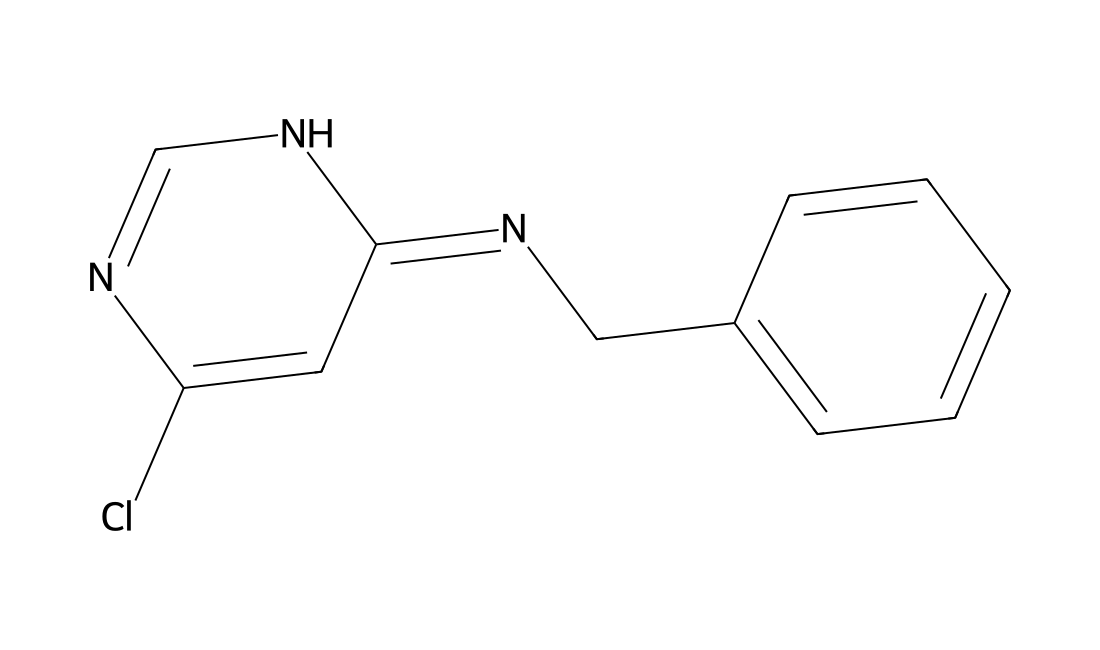
N-Benzyl-6-chloropyrimidin-4-amine is a pyrimidine derivative.
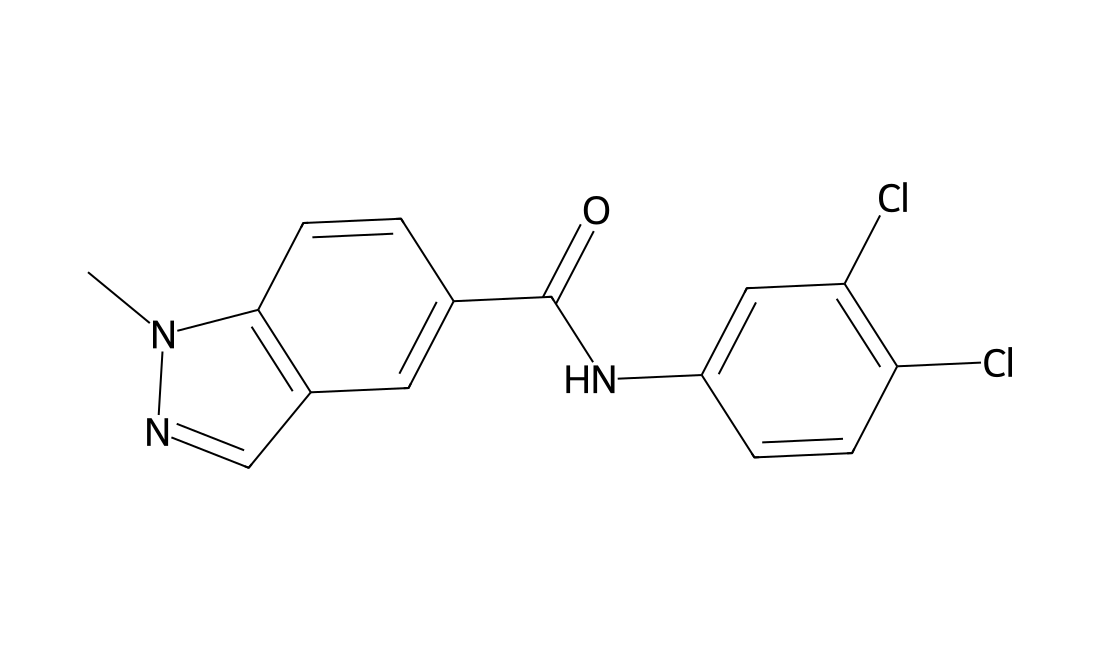
Psb-1491Featured
Highly potent, selective, competitive, and reversible inhibitor of monoamine oxidase B (MAO-B)
ML315Featured
ML315 is a small molecule inhibitor of the cdc2-like (Clk) and dual specificity tyrosine phosphorylation-regulated (Dyrk) kinases with IC50 of 68, 231, >10,000, 68, 282 and 1156 nM for CLK1/2/3/4 and DYRK1/2, respectively.
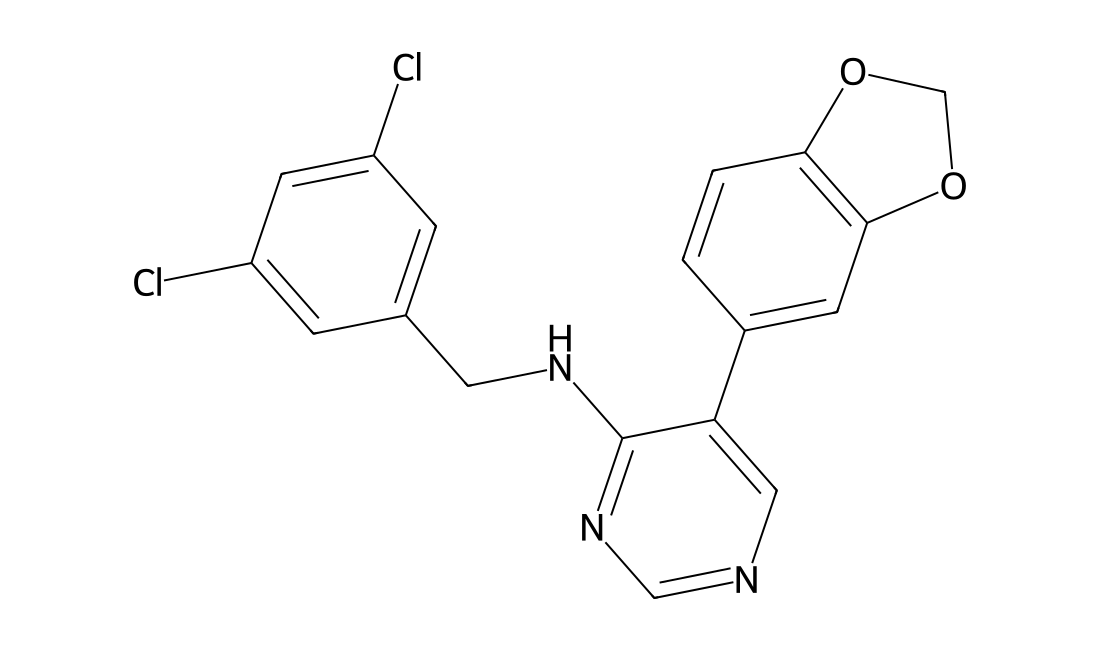
Antibacterial agent 125Featured
Antibacterial agent 125 is an antibacterial agent. Antibacterial agent 125 has a potent antimicrobial activity against clinically relevant Gram-positive pathogens with MIC50 values range from 0.25 - 8 μM. Antibacterial agent 125 can be used for the research of antimicrobial resistance.
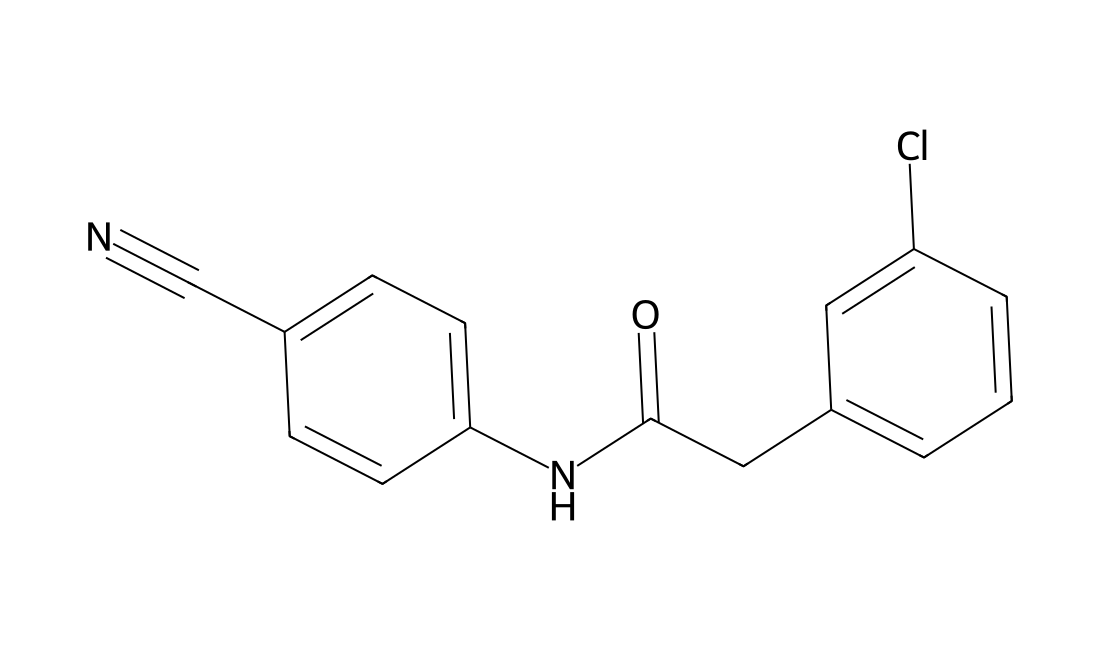
CB2R PAMFeatured
CB2R PAM is an orally active cannabinoid type-2 receptors (CB2Rs) positive allosteric modulator. CB2R PAM displays antinociceptive activity in vivo in an experimental mouse model of neuropathic pain.
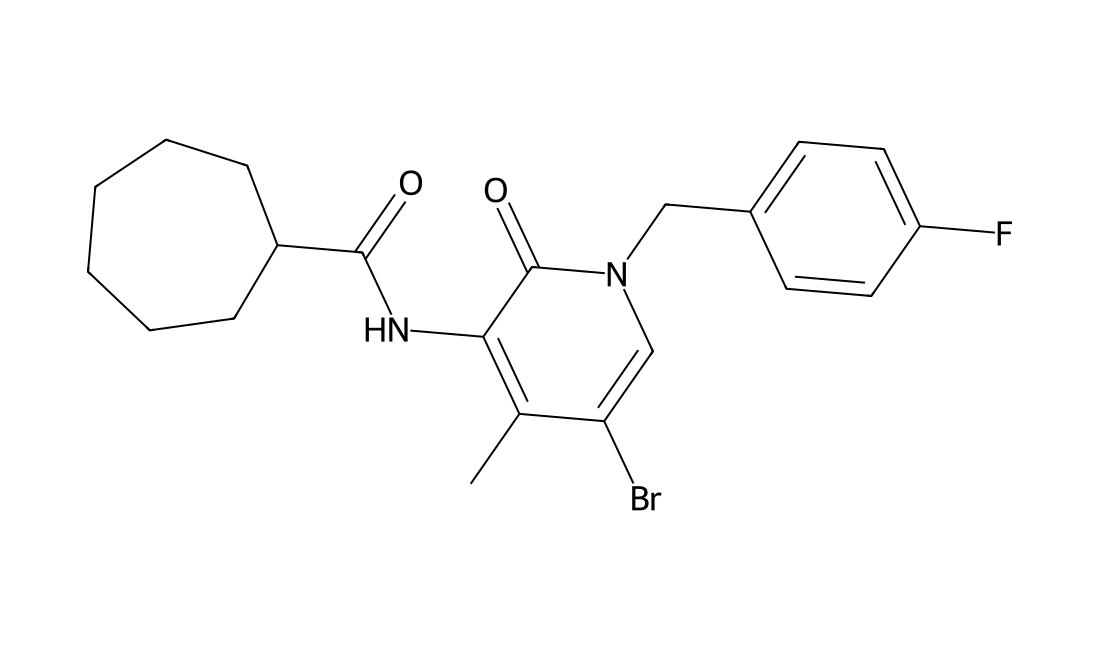
WAY-358024Featured
GSK-3b inhibitors; GSK-3b inhibitors;
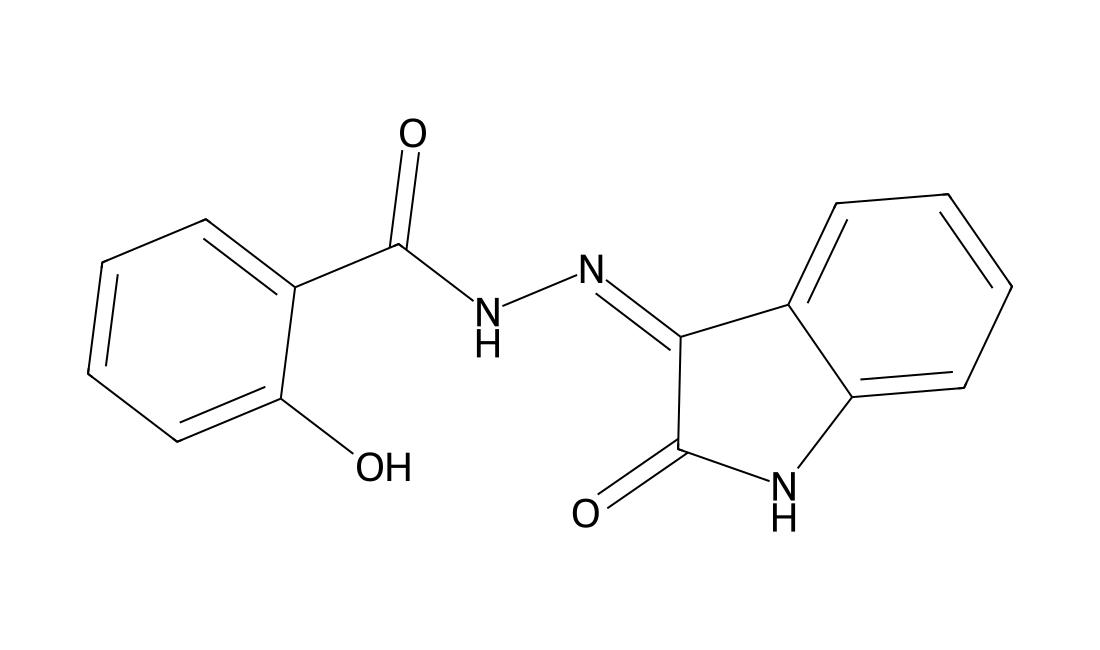
WAY-270252Featured
IGF-1R/SRC inhibitor
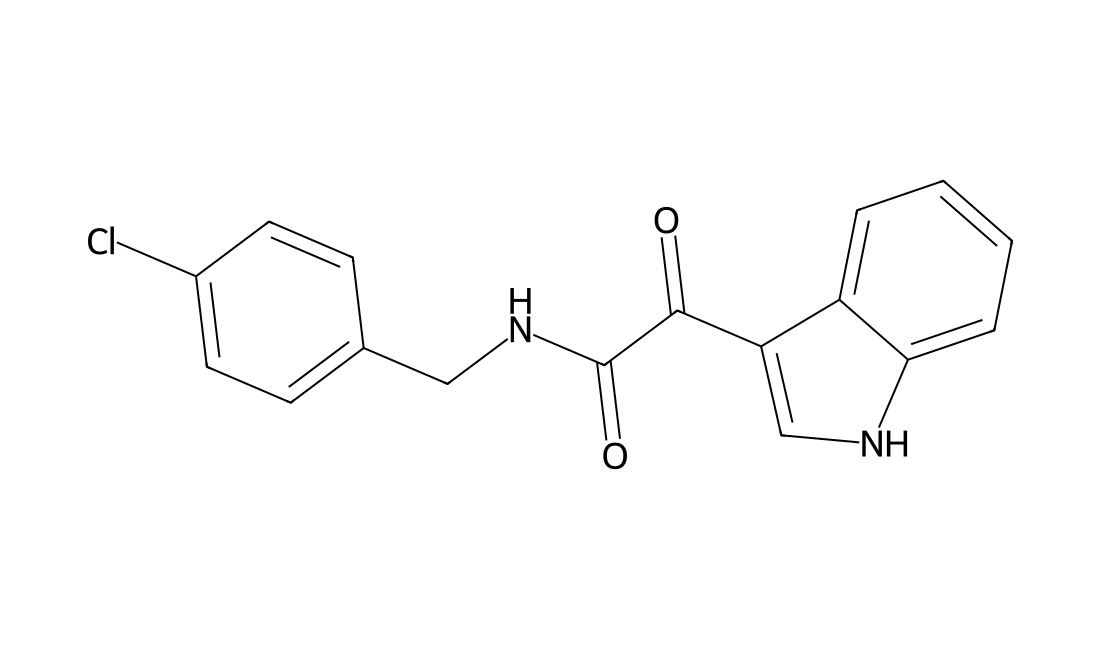
WAY-301122Featured
cytotoxity (targeted to DNA topoisomerase II); anti-cancer activity; fungicides;
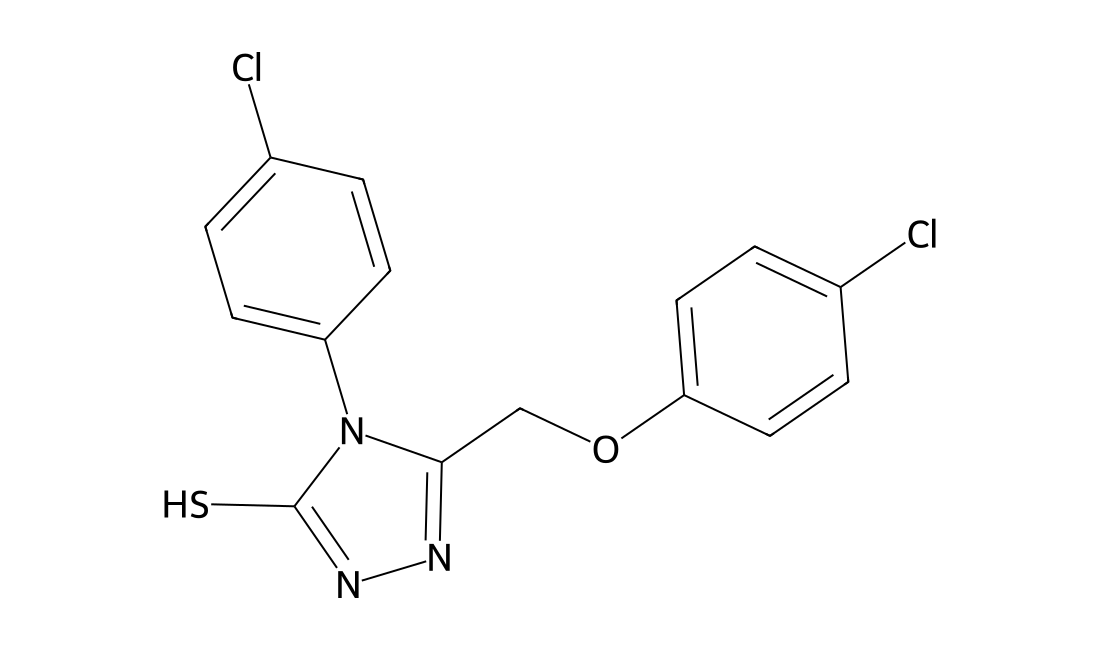
WYE-176249Featured
VEGF inhibitor
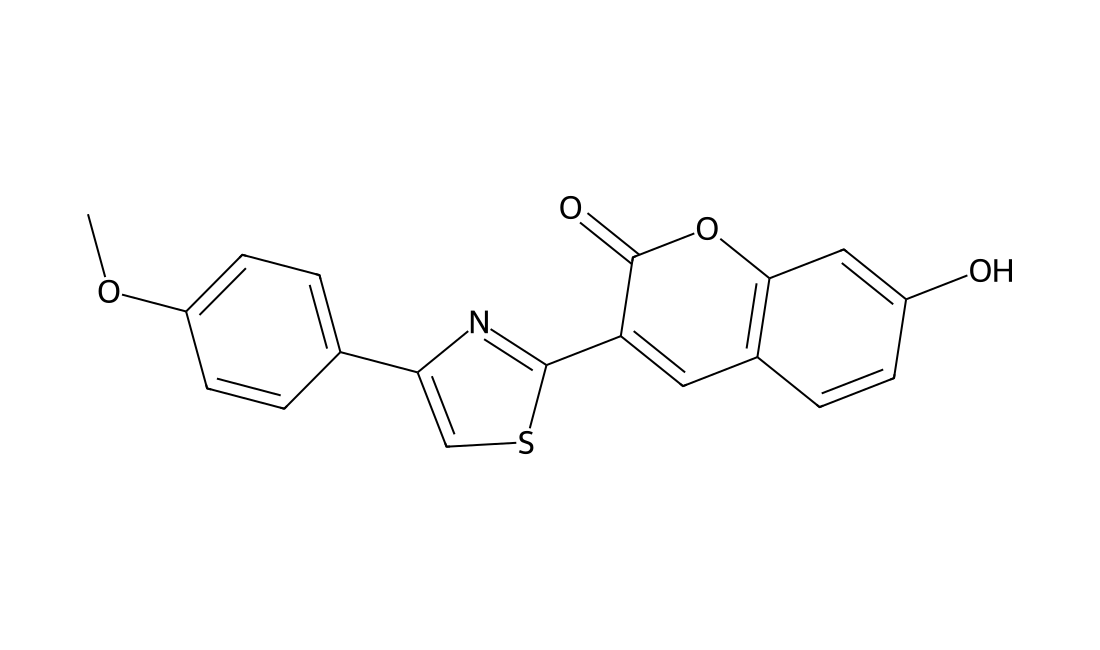
WAY-326101Featured
glucocerebrosidase activator;
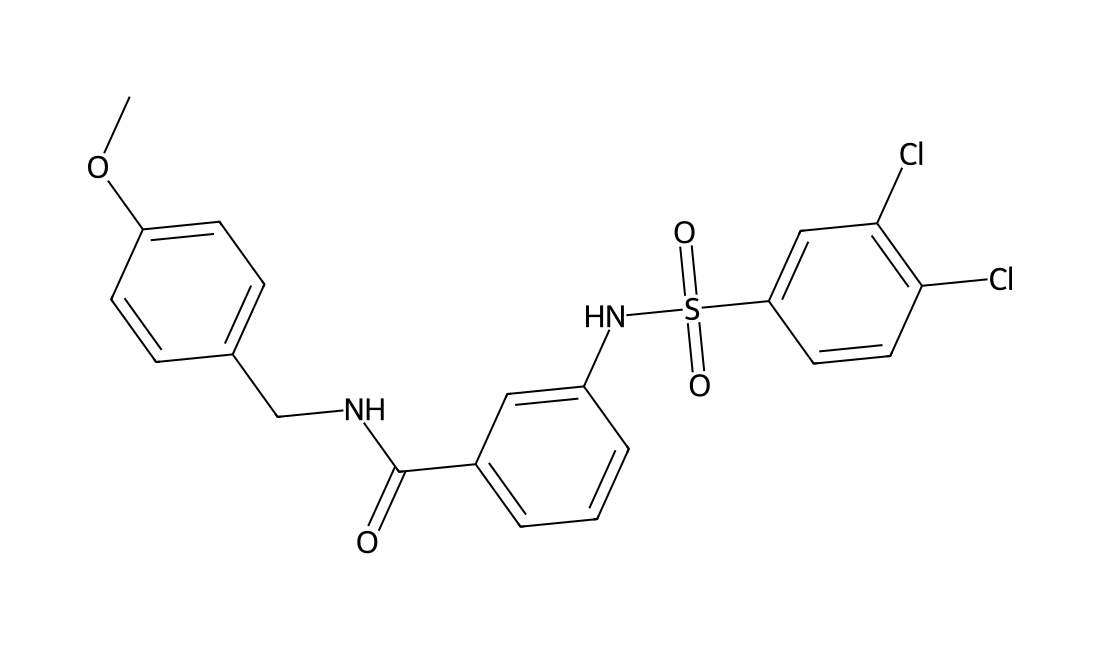
WAY-328168Featured
antagonist of the NK3 receptor; altering the lifespan of a eukaryotic organism;
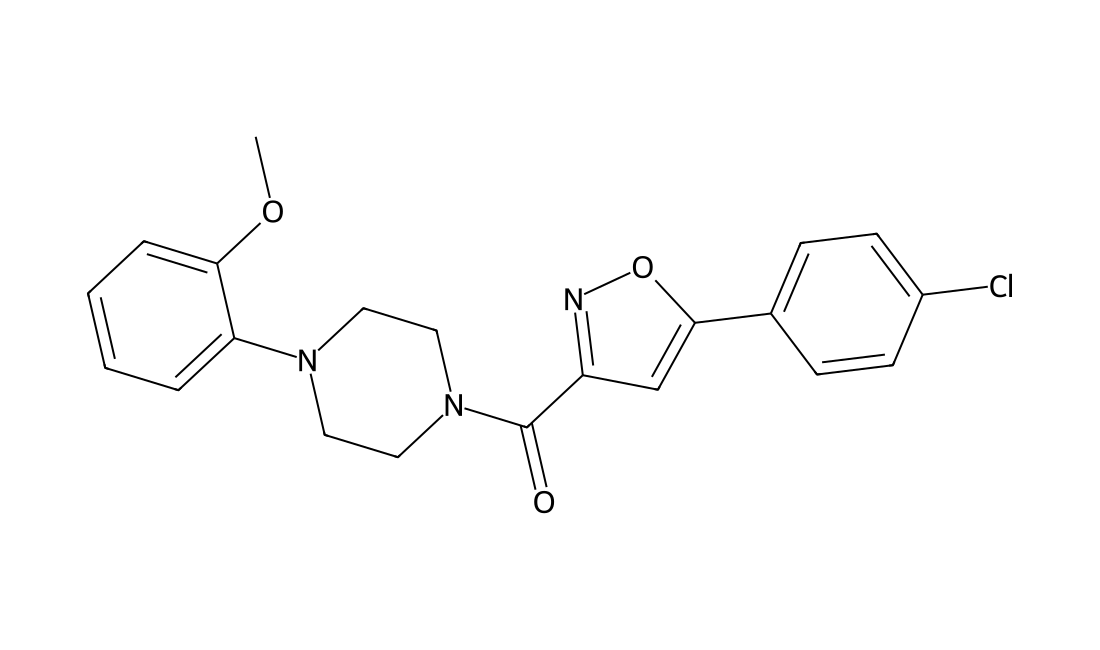
WAY-328182Featured
restore E-cadherin expression in the SW620 colon adenocarcinoma cell line
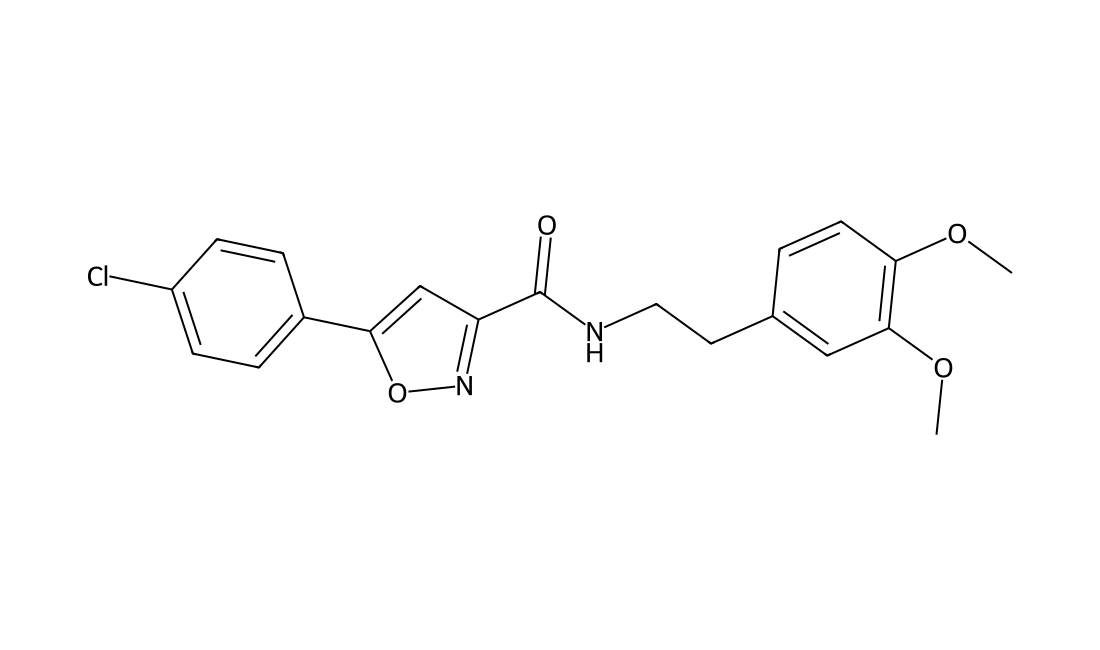
PRL-3 Inhibitor IFeatured
PRL-3 Inhibitor I is a potent PRL-3 inhibitor with an IC50 of 0.9 μM. PRL-3 Inhibitor I shows a reduced invasion in cell-based assay.
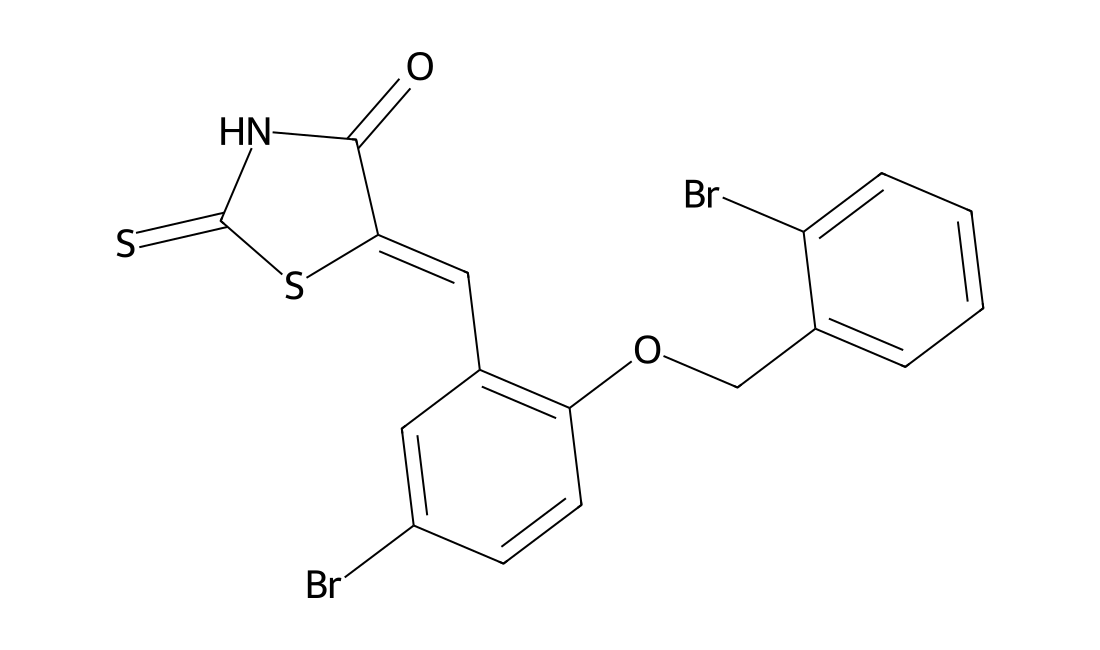
BTYNBFeatured
BTYNB is a potent and selective inhibitor of IMP1 binding to c-Myc mRNA with IC50 of 5 uM; has no effect on binding of PR to flPRE; destabilizes c-Myc mRNA, downregulates β-TrCP1 mRNA and reduces activation of NF-κB; also decreases oncogenic translation regulator eEF2 mRNA levels in cancer cells; potently inhibits proliferation of IMP1-containing ovarian cancer and melanoma cells with no effect in IMP1-negative cells.
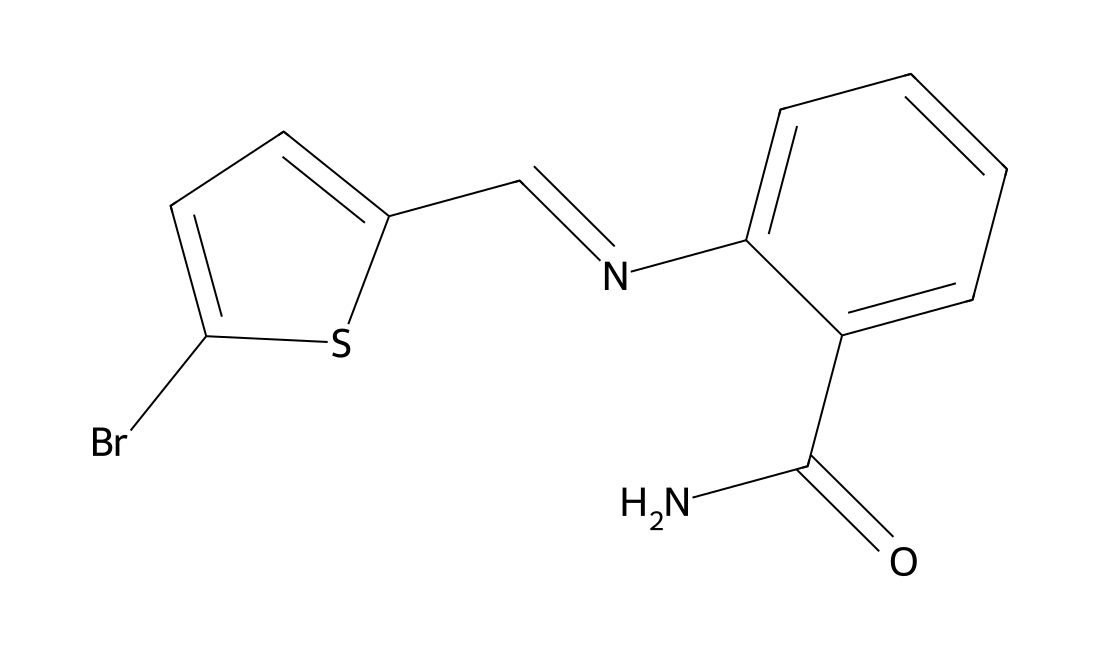
AS-1269574Featured
AS-1269574 is a selective, orally available GPR119 agonist with EC50 of 2.5 uM in cell-based cAMP assays; displays no effect towards the other GPCRs, including the β-adrenergic and GLP-1 receptors; enhances insulin secretion in the mouse pancreatic β-cell line MIN-6 only under high-glucose (16.8mM) conditions; reduces blood glucose levels, does not affect fed and fasting plasma glucose levels in mice.
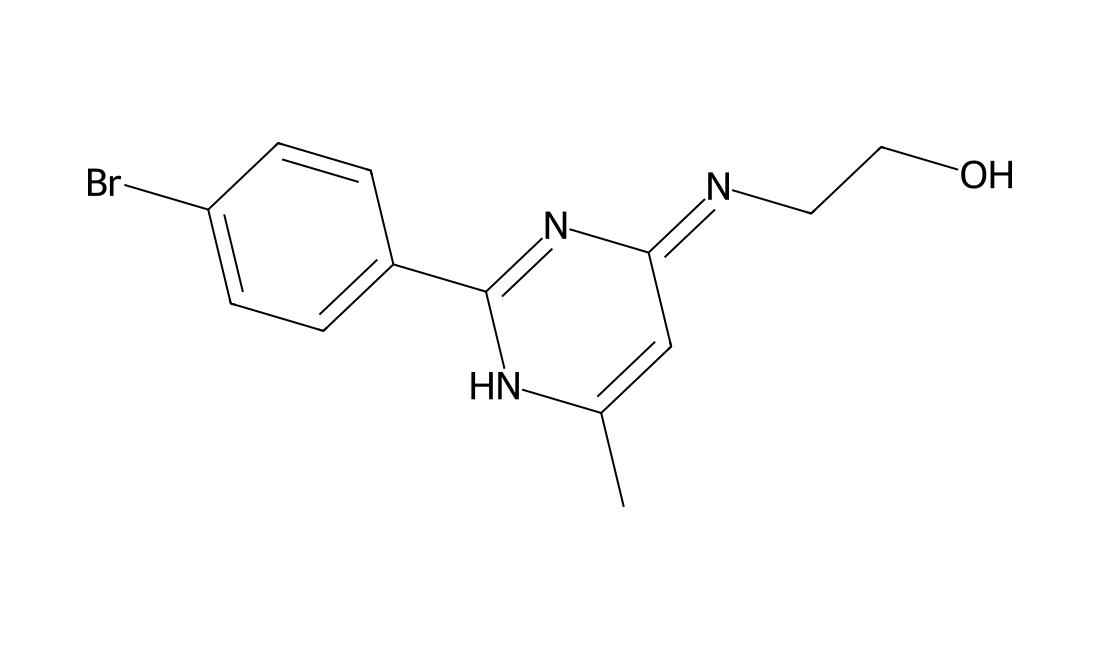
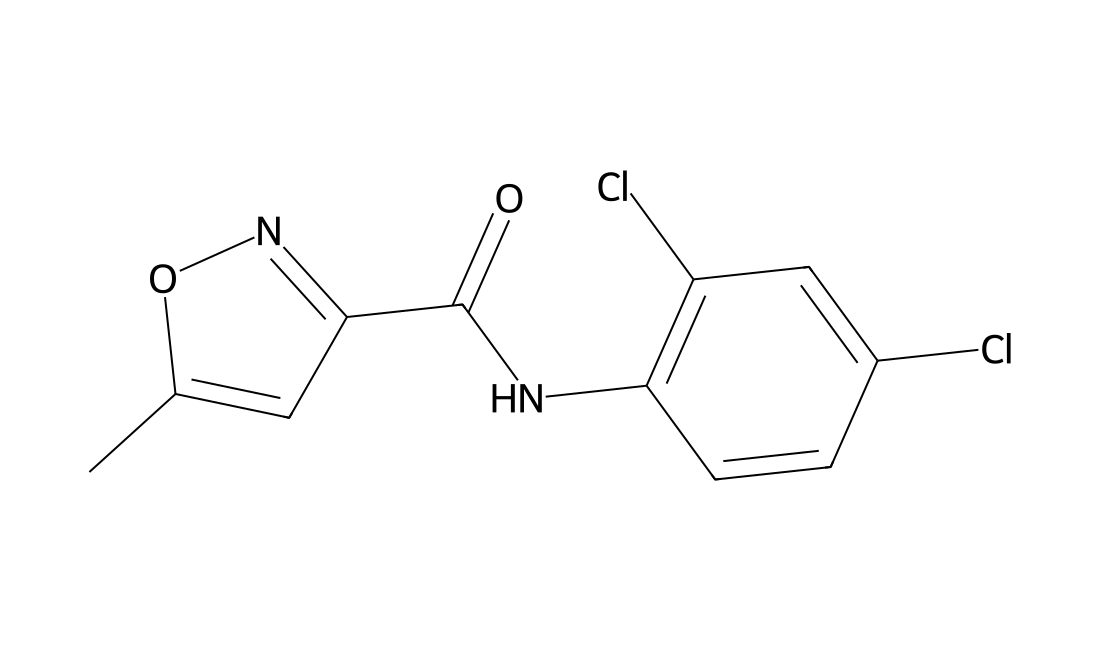
UTL-5gFeatured
UTL-5g (GBL-5g) is a novel potential chemoprotective agent, TNF-α inhibitor that reduces cisplatin-induced side effects including nephrotoxicity, hepatotoxicity and hematotoxicity; lowers elevated levels of AST, ALT, creatinine, BUN, and TNF-α, increases the reduced platelet count in mice; a novel chemo- and radioprotective agent.
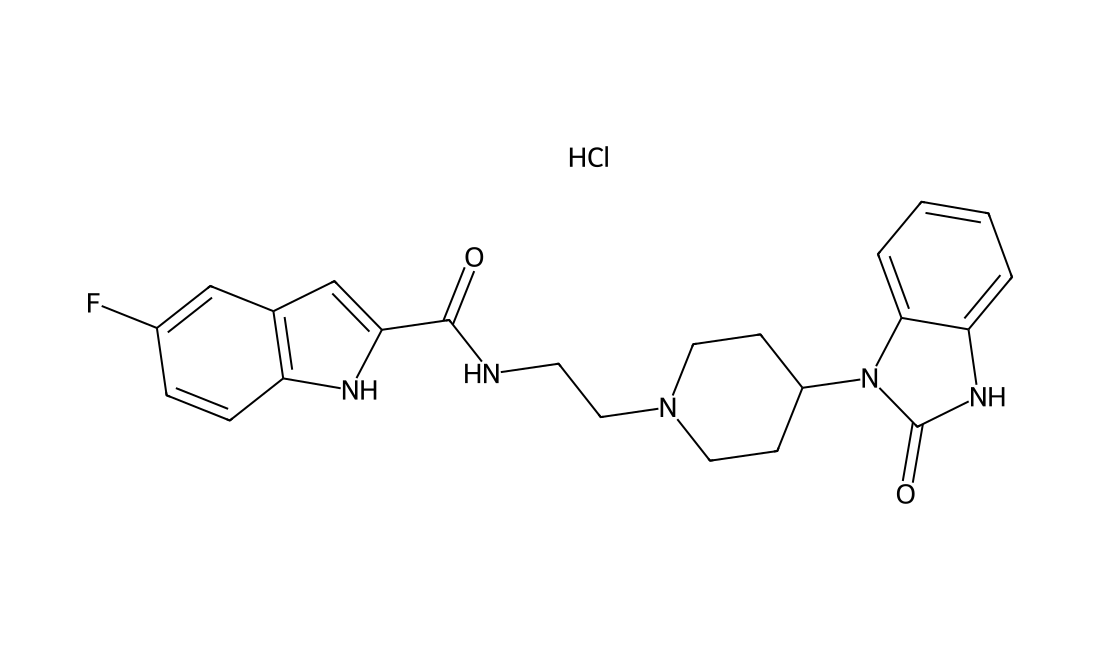
FIPI hydrochlorideFeatured
FIPI (5-Fluoro-2-indolyl des-chlorohalopemide) hydrochloride, a derivative of Halopemide (HY-119093), is a phospholipase D (PLD) inhibitor with IC50s of approximately 25 nM and 20 nM for PLD1 and PLD2, respectively. FIPI hydrochloride inhibits PLD regulation of F-actin cytoskeleton reorganization, cell spreading, and chemotaxis. FIPI hydrochloride has the potential for autoimmunity and cancer metastasis research.
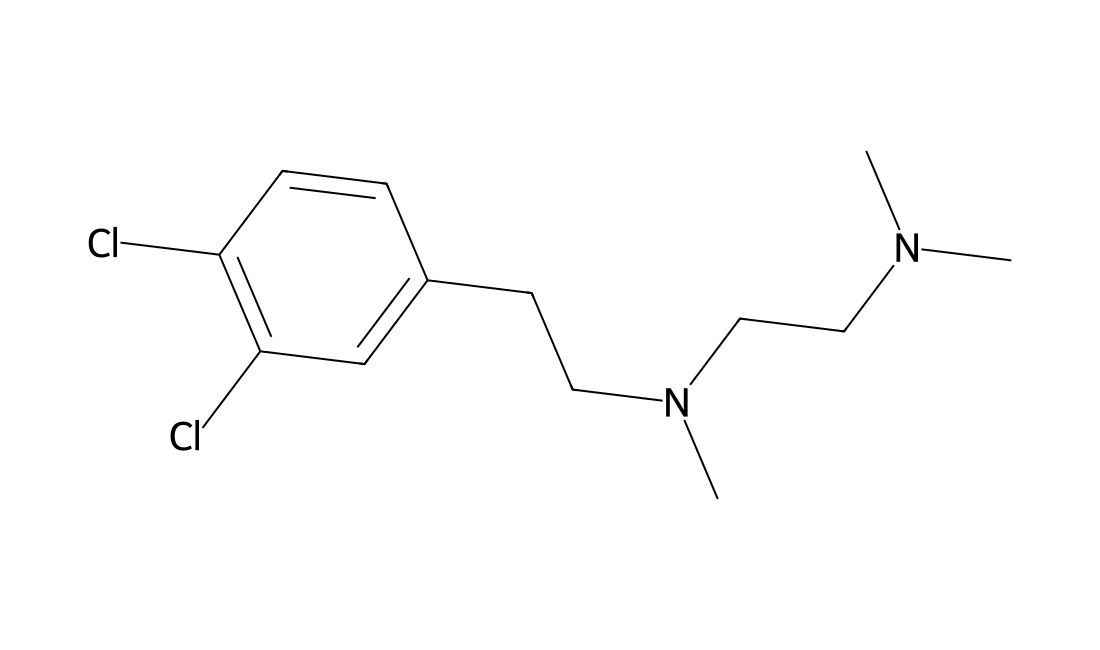
BD-1047Featured
BD-1047 is a potent, selecitve Sigma 1 receptor (σ1) antagonist with Ki of 0.93 nM; displays 50-fold weaker affinity for sigma 2 receptor, and 100-fold selectivity over opiate, phencyclidine, muscarinic, dopamine, adrenoceptor and 5-HT receptors; attenuates the dystonia induced by DTG and haloperidol in rats.
No products match this search.
Page 344 of 359 · Browse all 7177 products
Jump to a product page
Featured literature product: HX1 · DCL0028
HX1 is a hydroxyzine-derived ionizable lipid with acetal-containing tails, studied in lipid nanoparticles for brain mRNA delivery and CRISPR–Cas9 delivery. It was the lead in the reported in vivo brain-delivery screen; evidence is preclinical and formulation-dependent.
Read full formulation and performance →