
Research lipid catalog
Ionizable Lipid Products
Explore 848 lipid and RNA delivery products. Search the full catalog or browse by research category.
Search covers product name, catalog number, synonyms, available CAS numbers and categories. Spaces, hyphens and common punctuation are ignored. Duplicate legacy records are consolidated under one canonical product result.
7177 products · Showing 6761–6780 · 20 per page
DC Chemicals lipid expertise
Built for ionizable-lipid discovery and RNA delivery research
DC Chemicals supports formulation and delivery research with a broad, searchable portfolio of cationic and ionizable lipids. The current directory brings together 848 unique research-use products, with product specifications, pricing, chemical structures and literature-linked formulation data added as each record is verified.
Our experience spans complex lipid synthesis, purification, analytical release and process development. For custom molecules or larger-scale requirements, our team can discuss route development, technical specifications and scale-up options for the intended research workflow.
Learn about cationic and ionizable lipids →Proprietary innovation · Co-development · GMP
From proprietary lipid design to GMP-grade custom synthesis
DC Chemicals has independently developed ionizable-lipid structures supported by company-owned intellectual property, and selected proprietary lipid programs have advanced to GMP-stage development.
We welcome joint development with customers—from molecular design and lipid synthesis through route and process development. We can also support custom synthesis of GMP-grade ionizable lipids to agreed technical specifications and quality requirements.
Discuss a co-development project →Proprietary ionizable-lipid structuresCollaborative molecular designCustom lipid synthesisProcess development and scale-upGMP-grade project support
Product quick links
Explore New ionizable lipids
Explore our five most recently added ionizable lipids, with specifications, pricing and literature-linked product information.
DCL0028HX1Brain RNA delivery researchView product →DCL0024A1I4R13C18-2Spleen-targeted RNA delivery researchView product →DCL0023A1I4R2C18-2Spleen-targeted RNA delivery researchView product →DCL0022FS01Local joint RNA delivery researchView product →DCL0020Lipid-392Lung RNA delivery and gene editing researchView product →
Cat. No.Product NameField of ApplicationChemical Structure
JNJ40411813Featured
For the detailed information of JNJ40411813, the solubility of JNJ40411813 in water, the solubility of JNJ40411813 in DMSO, the solubility of JNJ40411813 in PBS buffer, the animal experiment (test) of JNJ40411813, the cell expriment (test) of JNJ40411813, the in vivo, in vitro and clinical trial test of JNJ40411813, the EC50, IC50,and Affinity of JNJ40411813, Please contact DC Chemicals.
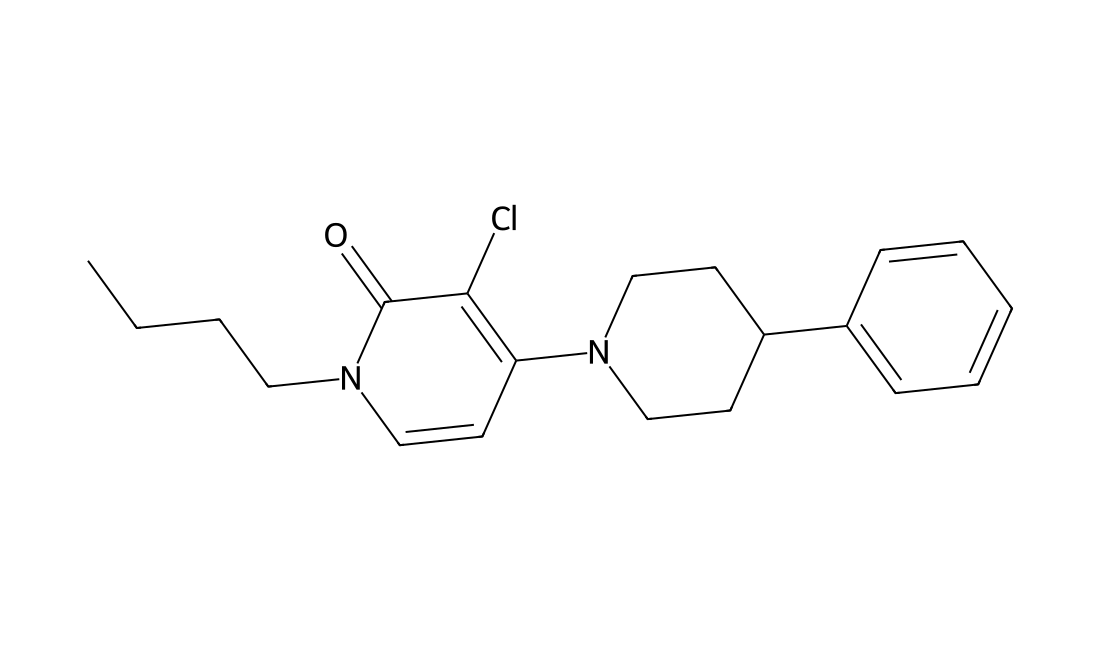
BCATc Inhibitor 2Featured
BCATc Inhibitor 2 is a selective branched-chain aminotransferase (BCAT) inhibitor for research of neurodegenerative diseases. The IC50s of 0.2 μM, 0.8 μM and 3.0 μM for rat cytosolic isoenzyme rBCATc, human cytosolic isoenzyme hBCATc and rat mitochondrial isoenzyme rBCATm, respectively.
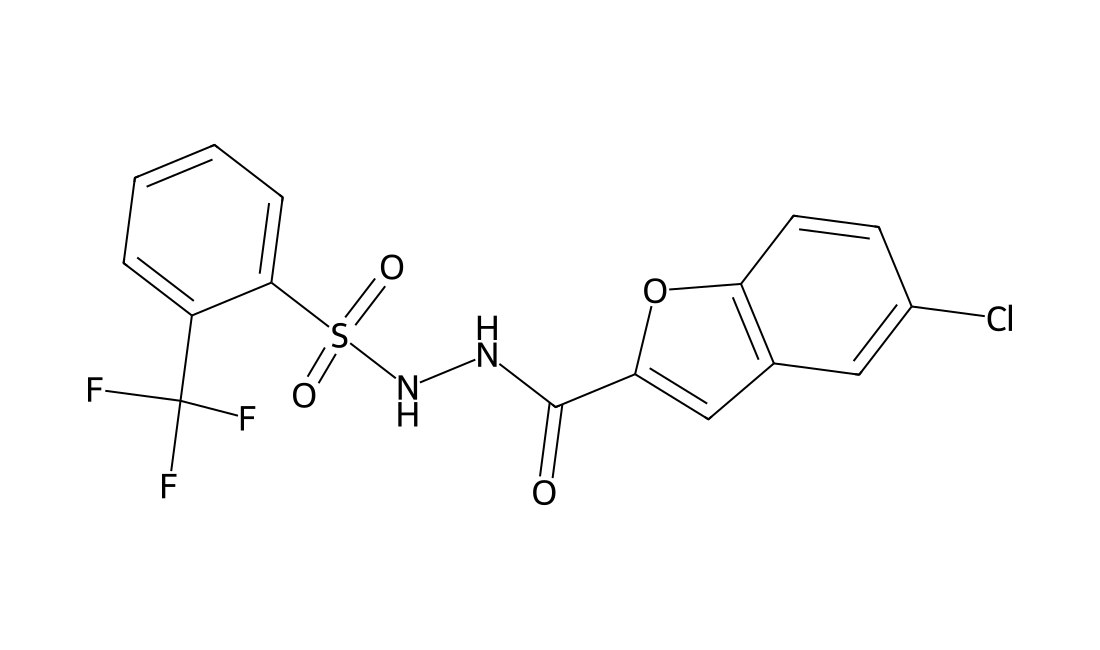
orelabrutinibFeatured
Bruton tyrosine kinase inhibitor
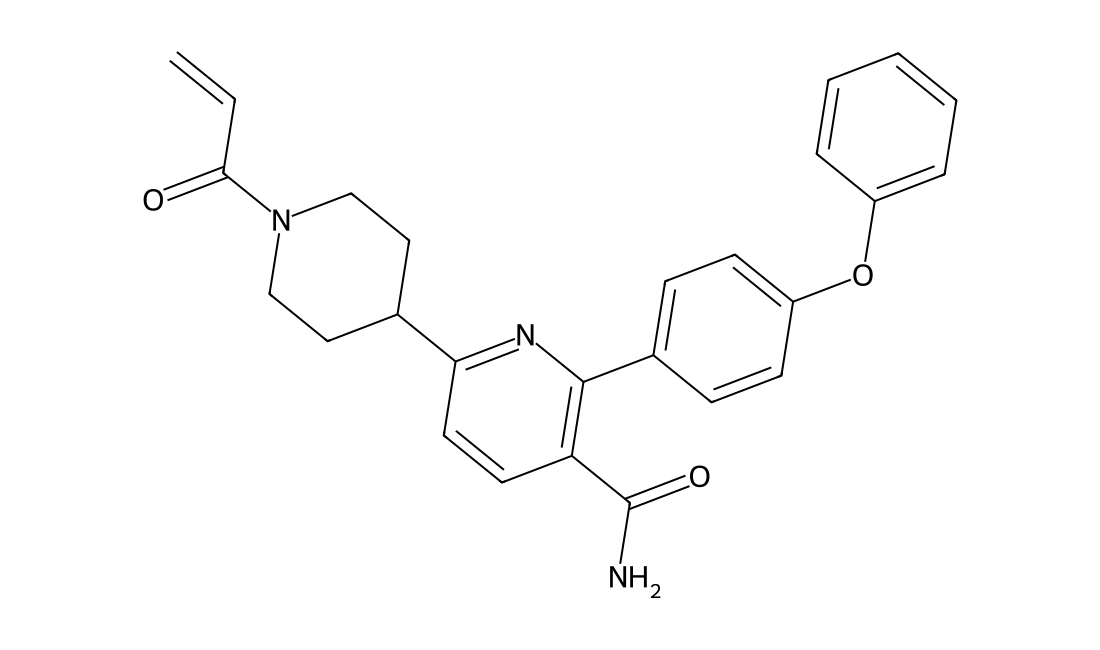
NAcM-OPTFeatured
In Vitro NAcM-OPT (Compound 67) is orally bioavailable, well tolerated in mice, and currently used to study the effects of acute pharmacologic inhibition of the DCN1-UBE2M interaction on the NEDD8/CUL pathway.
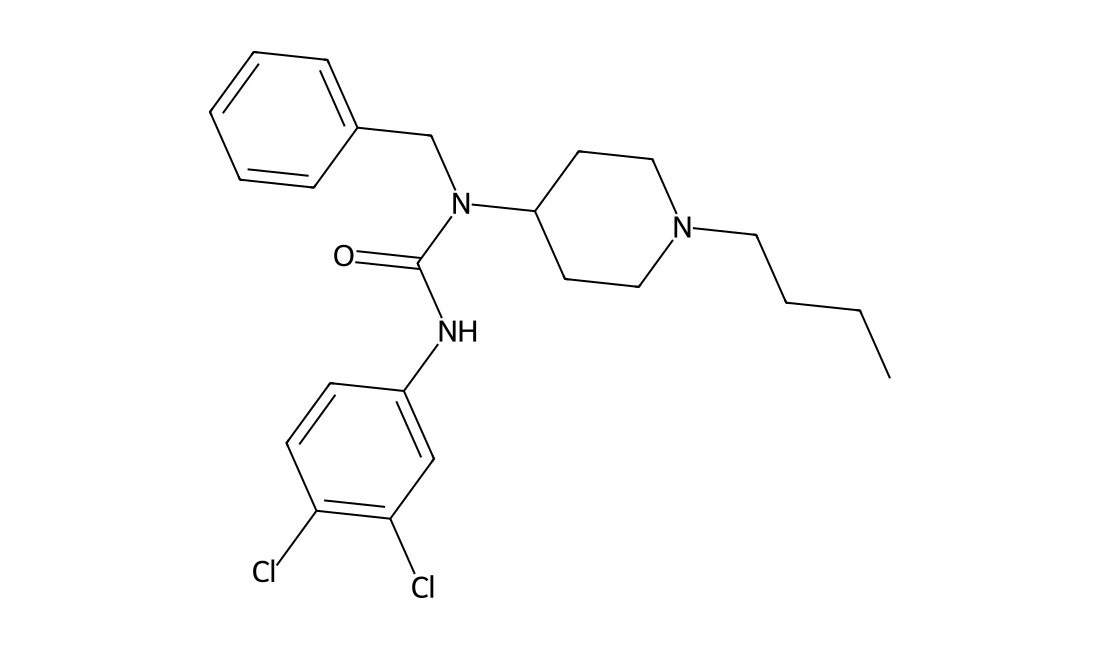
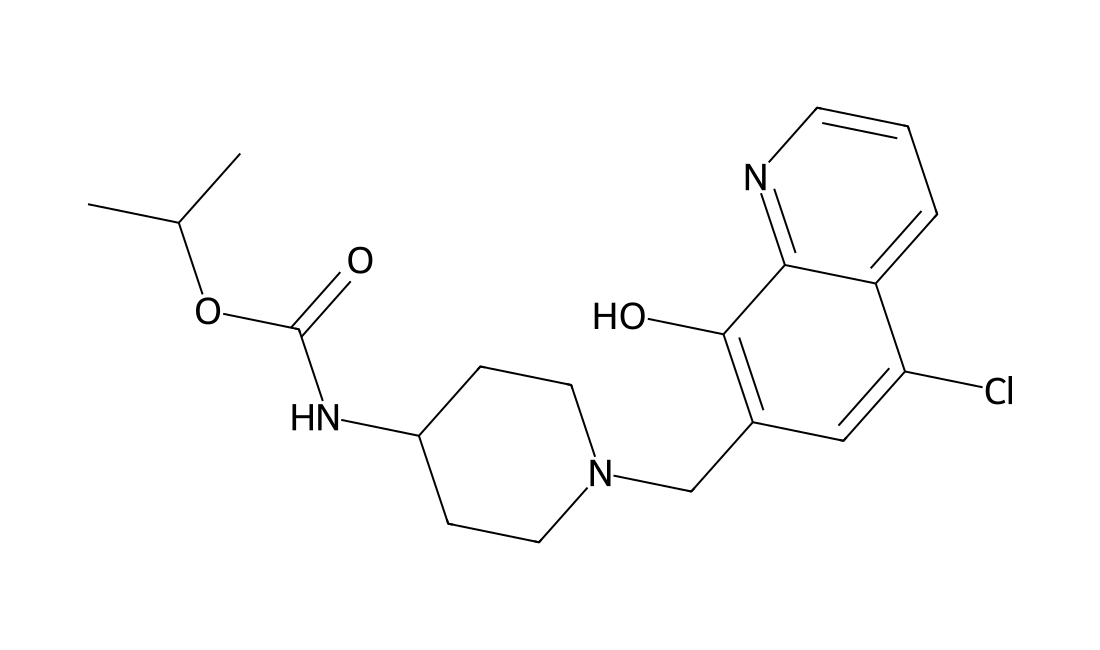
ML418Featured
The first potent, selective, CNS penetrating inward rectifier potassium channel Kir7.1 (KCNJ13) inhibitor with IC50 of 0.31 uM; displays >17-fold selective over Kir1.1, Kir2.1, Kir2.2, Kir2.3, Kir3.1/3.2, and Kir4.1 except for Kir6.2/SUR1 (equally potent); possesses a DMPK profile suitable for both in vitro and in vivo studies aimed at modulating both peripheral and central Kir7.1 potassium channels.
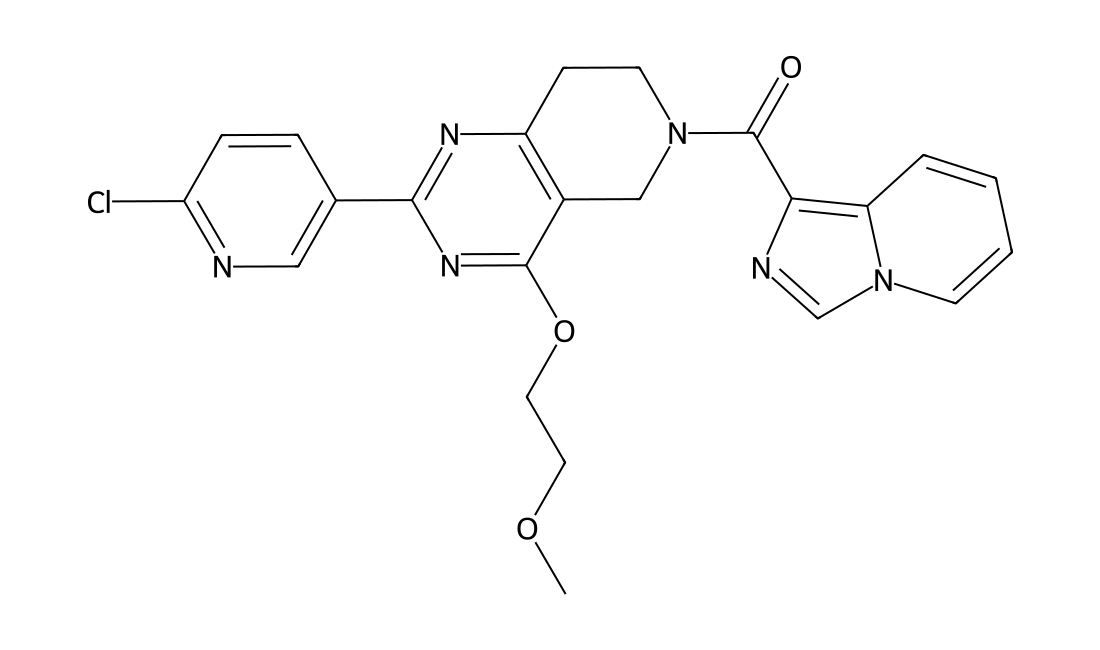
THPP-1Featured
THPP-1, a SGC chemical probe, is a potent and orally bioavailable phosphodiesterase 10A (PDE10A) inhibitor, with Ki values of 1 nM and 1.3 nM for human and rat PDE10A, respectively. THPP-1 has excellent pharmacokinetic properties in preclinical species.
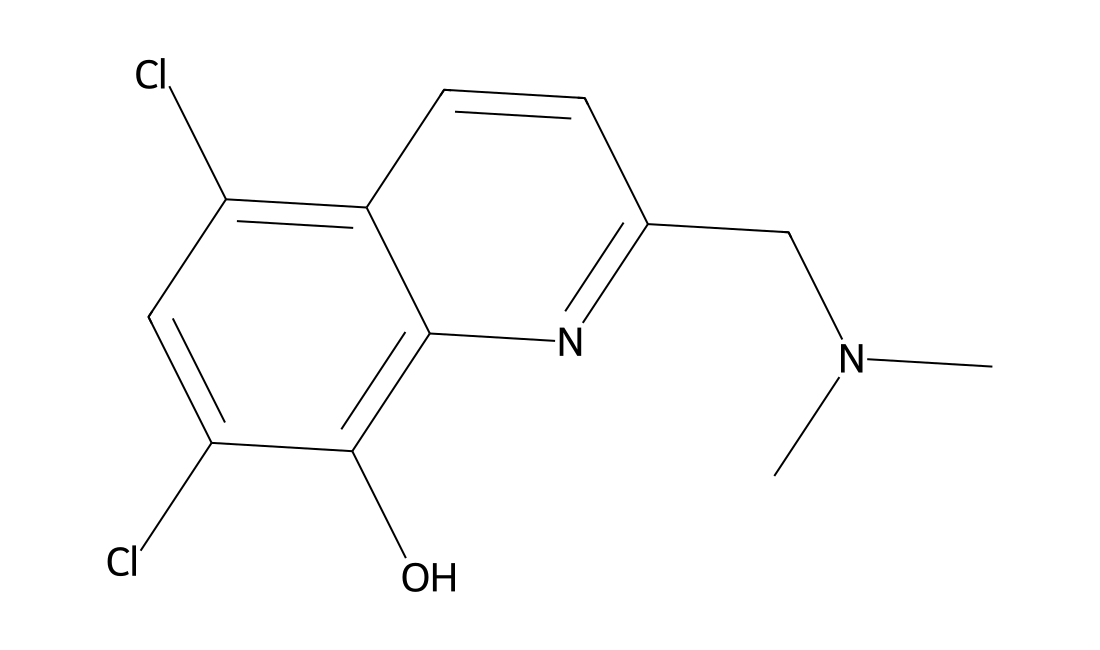
PBT 1033Featured
PBT 1033 (PBT 2) is an orally active copper/zinc ionophore. PBT 1033 restores cognition in mouse models of Alzheimer's disease (AD). PB 1033 also has antibacterial activity against Gram-positive bacteria.
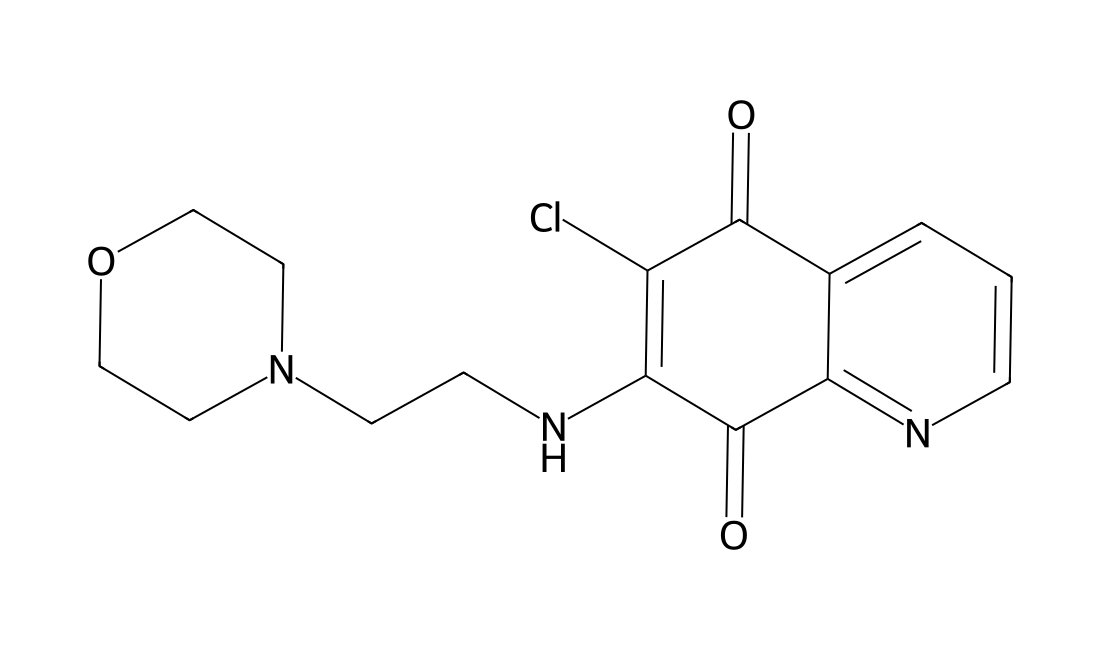
NSC 663284Featured
NSC 663284 is a Cdc25 dual specificity phosphatases inhibitor with an IC50 of 0.21 μM.
FAUC-365Featured
FAUC 365 is a highly dopamine D3 receptor-selective antagonist with Ki values of 0.5 nM, 340, 2600, and 3600 nM at D3, D4.4, D2short, and D2Long receptors, respectively. FAUC 365 can be used for the research of schizophrenia, and Parkinson's disease.
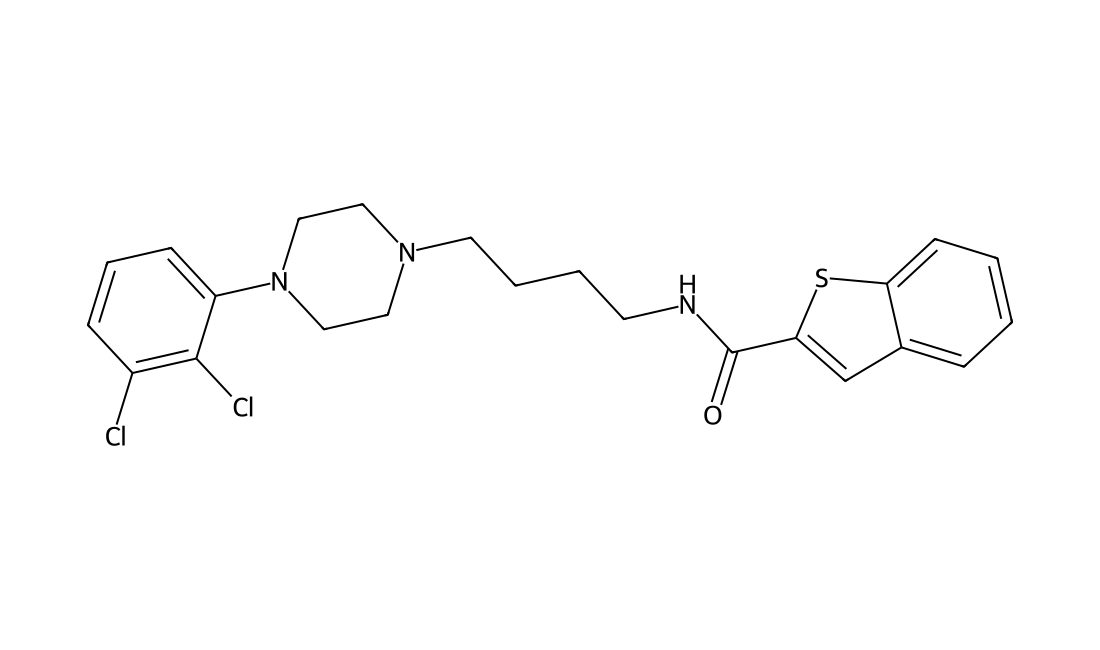
TR-107Featured
TR-107 (TR107) is a highly potent, selective and orally bioavailable small-molecule activator of the mitochondrial protease ClpP with EC50 of 140 nM, binds to purified ClpP with Kd value of 180 nM in surface plasmon resonance (SPR) measurement.
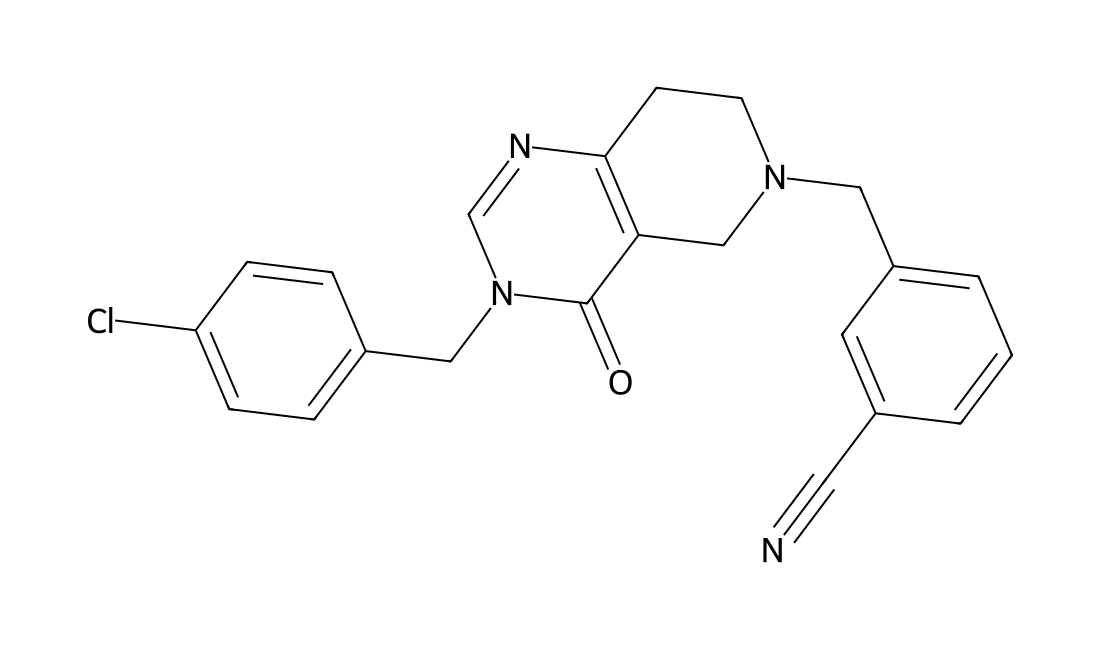
OGT-IN-1Featured
OGT-IN-1 (Compound 5) is a potent OGT inhibitor. OGT-IN-1 inhibits sOGT and ncOGT with IC50s of 27 and 10 μM, respectively.
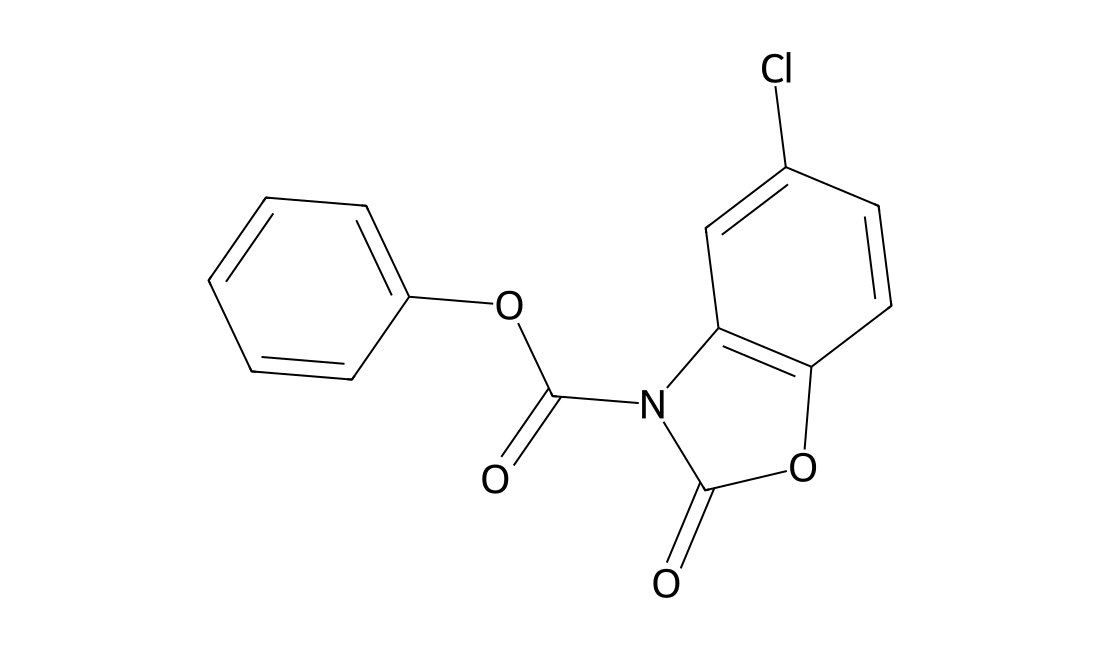
L-778123Featured
L-778123 is a dual FPTase and GGPTase-I inhibitor, with IC50s of 2 nM and 98 nM respectively.
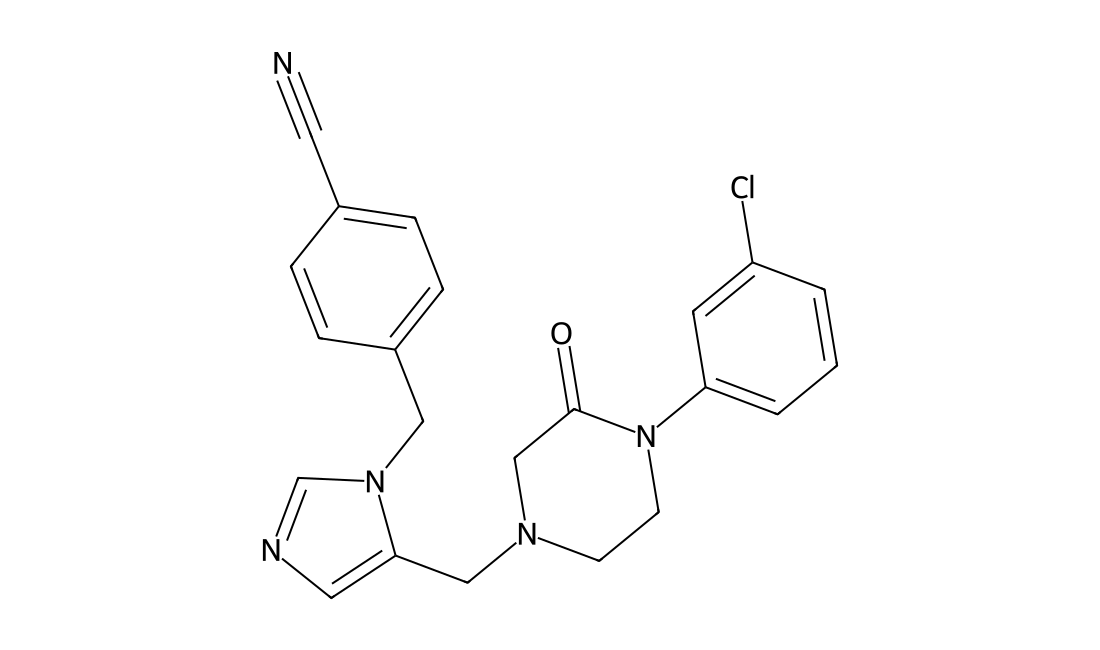
CHMFL-PI4K-127Featured
CHMFL-PI4K-127 (compound 15g) is an orally active, potent and high selective PfPI4K (Plasmodium falciparum PI4K kinase) inhibitor, with an IC50 of 0.9 nM. CHMFL-PI4K-127 exhibits potent activity against 3D7 Plasmodium falciparum, with an EC50 of 25.1 nM. CHMFL-PI4K-127 shows antimalaria efficacy.
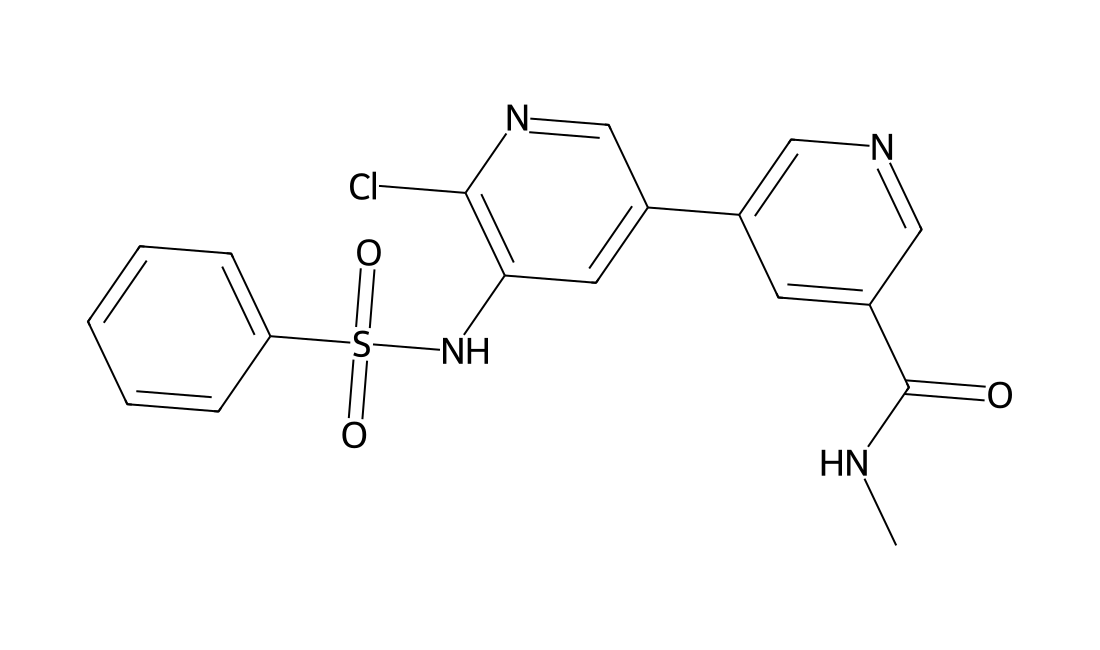
JNJ-40355003Featured
JNJ-40355003 is a potent and selective atty acid amide hydrolase (FAAH) inhibitor.
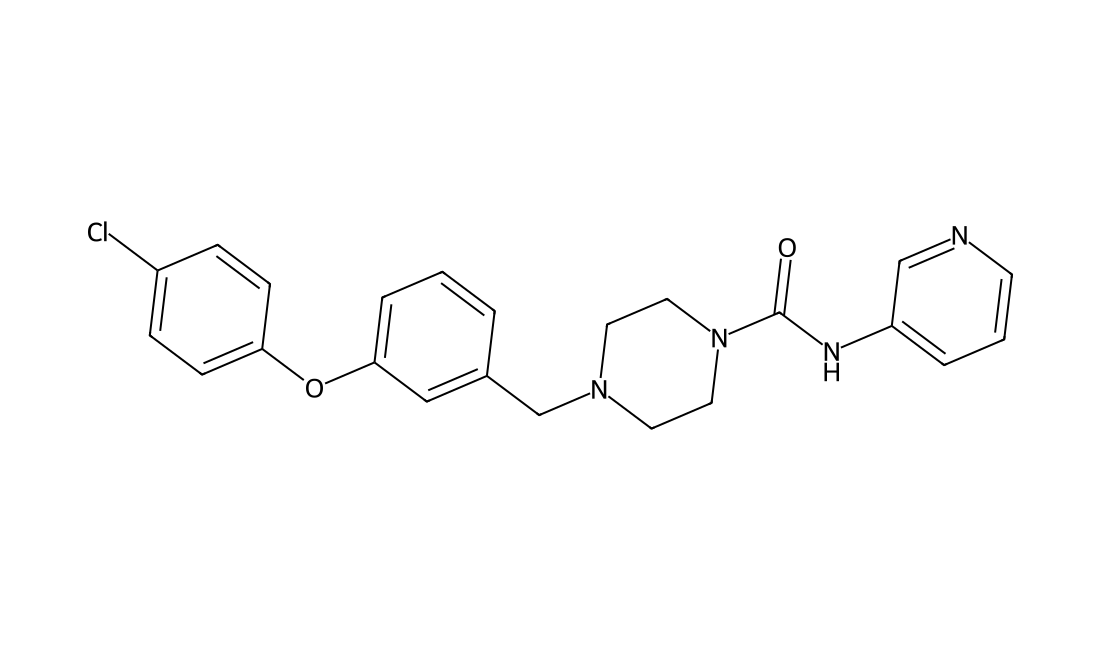
GSK626616Featured
GSK-626616 is a dual-specificity tyrosine-regulated kinase (DYRK3) inhibitor with an IC50 of 0.7 nM which is a potential therapy for the treatment of anemia.
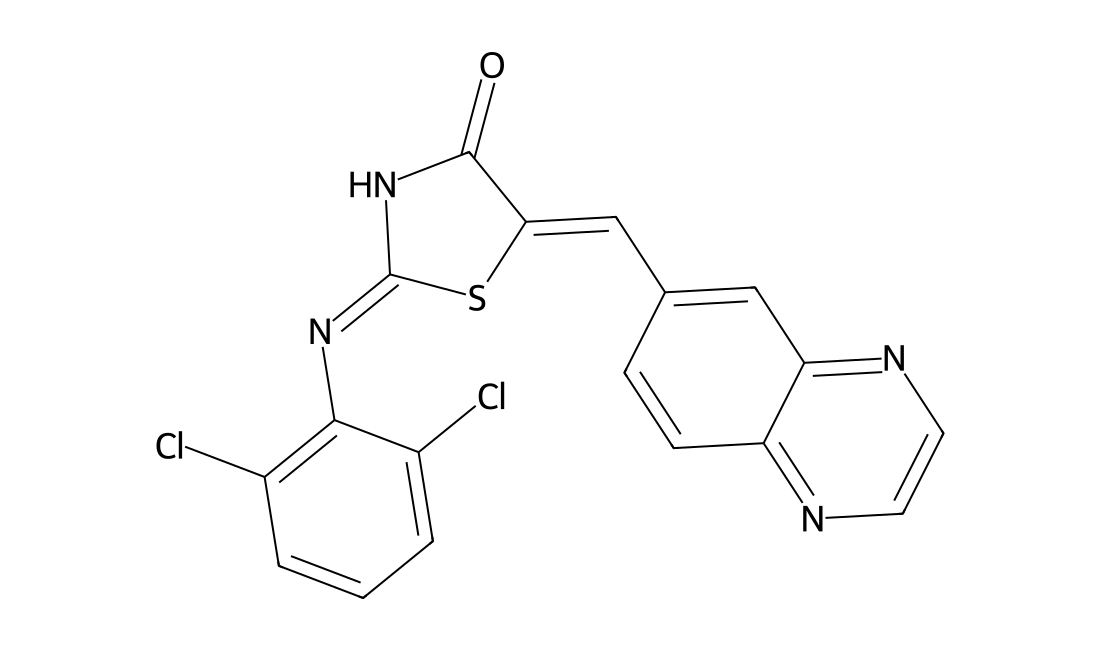
Vevorisertib trihydrochlorideFeatured
Vevorisertib (ARQ 751) (trihydrochloride) is an orally active, potent and selective pan-AKT serine/threonine kinase inhibitor against AKT1 (IC50=0.55 nM), AKT2 (IC50=0.81 nM), and AKT3 (IC50=1.31 nM). Vevorisertib (trihydrochloride), as a single agent or in combination with other anti-cancer agents, can be used for the research of solid tumors with PIK3CA / AKT / PTEN mutations.
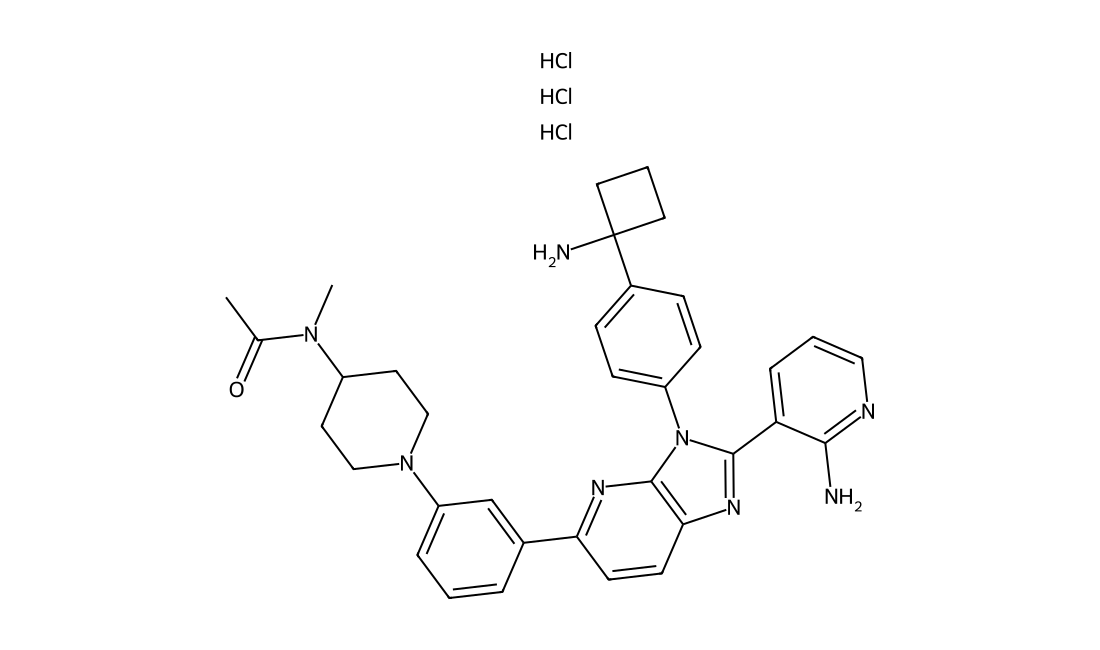
AGI-43192Featured
AGI-43192 is a potent inhibitor of methionine adenosyltransferase 2A (MAT2A). AGI-43192 is a potent, but limited brain-penetrant compound. AGI-43192 has the potential for exploring the effects of SAM modulation in the central nervous system (CNS) and research of cancer disease.
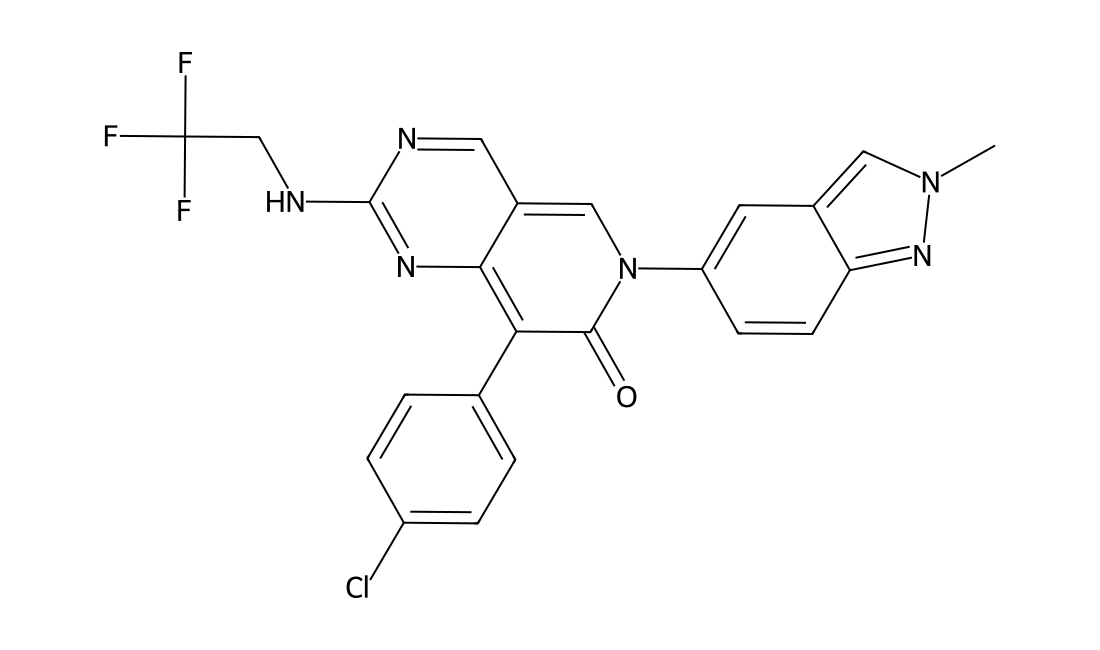
SPEN-IN-1Featured
Compound X1 (Xist) X1 (Xist) binds the non-coding RNA prototype Xist, specifically the RepA motif, with Kd of 0.4 μM. X1 binding reduces the conformational space of RepA, displaces cognate interacting protein factors (PRC2 and SPEN), suppresses histone H3K27 trimethylation, and blocks initiation of X-chromosome inactivation.
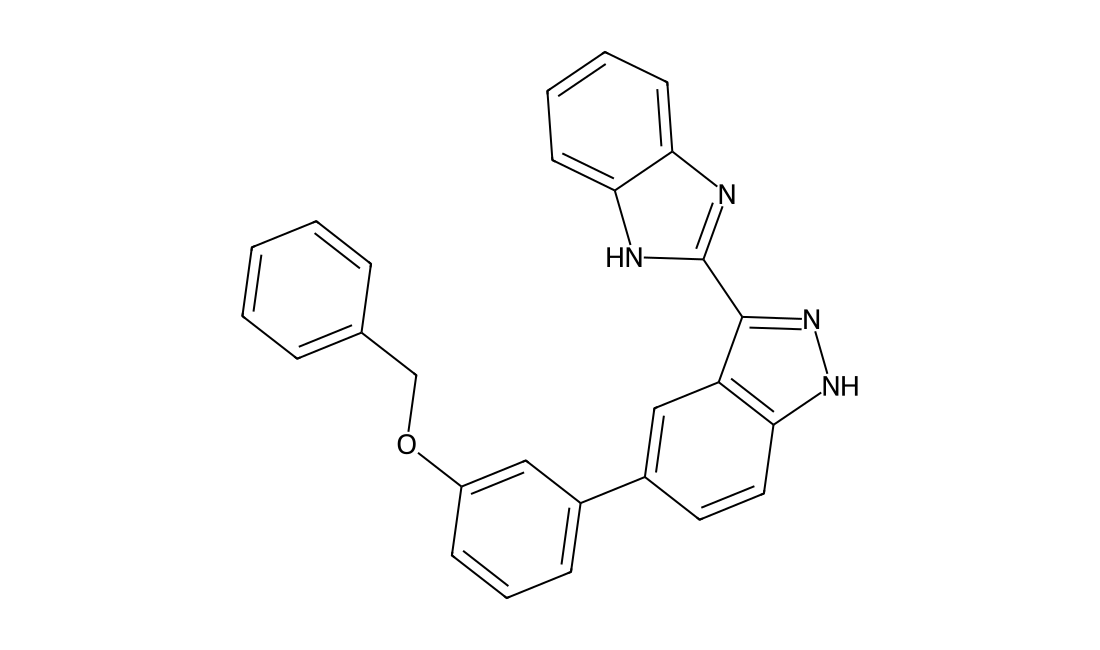
MAO-IN-M30 dihydrochlorideFeatured
MAO-IN-M30 dihydrochloride is an orally active, brain-permeable, and brain selective irreversible MAO-A (IC50=37 nM) and MAO-B (IC50=57 nM) inhibitor. MAO-IN-M30 dihydrochloride is a potent iron chelator and radical scavenger. MAO-IN-M30 dihydrochloride has a neuroprotective effect against Dexamethasone-induced brain cell apoptosis. MAO-IN-M30 dihydrochloride also exhibits neurorestorative activity in post MPTP and lactacystin models of Parkinson's disease.
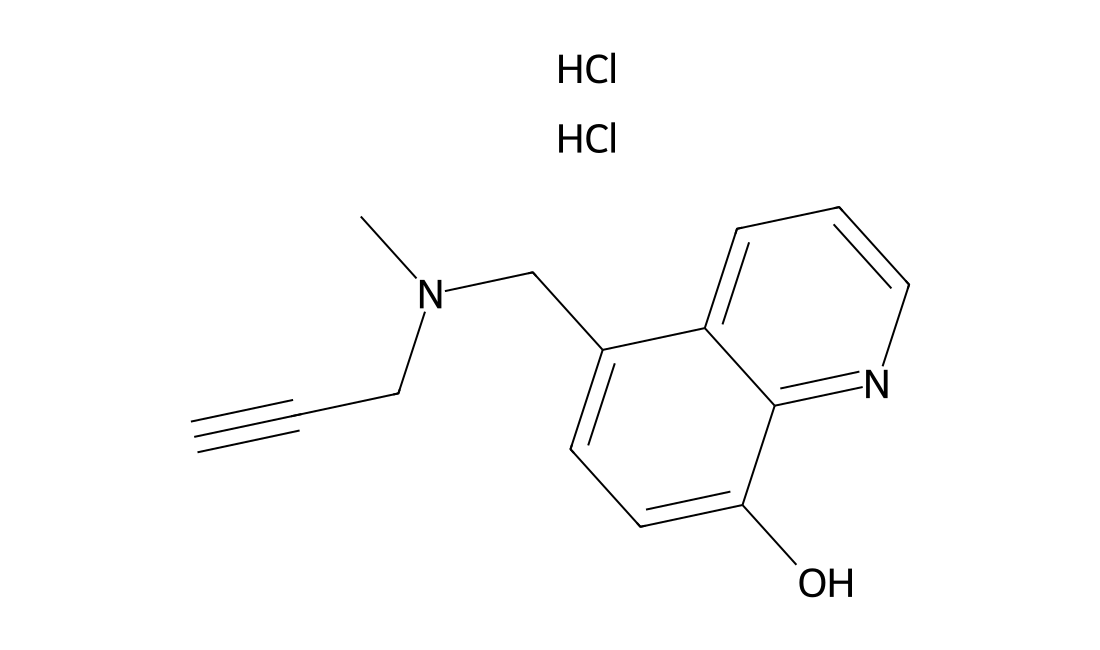
Antifungal agent 35Featured
Antifungal agent 35 (compound 24) is a potent antifungal agent. Antifungal agent 35 is a potent enhancer of antifungal activity of Fluconazole against C. albicans.
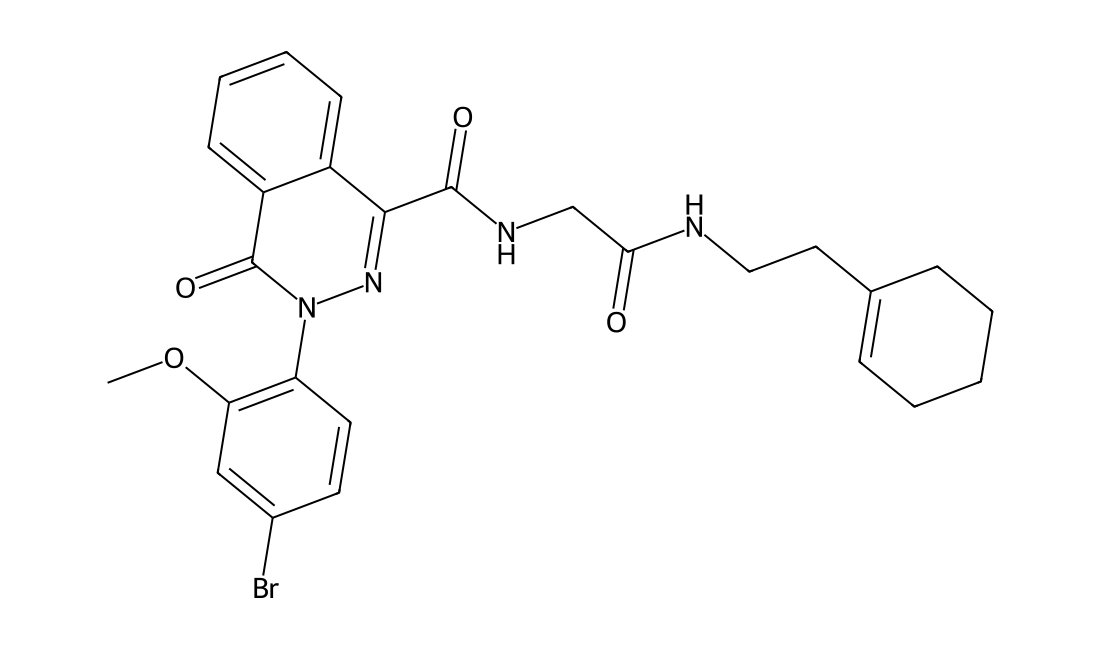
No products match this search.
Page 339 of 359 · Browse all 7177 products
Jump to a product page
Featured literature product: HX1 · DCL0028
HX1 is a hydroxyzine-derived ionizable lipid with acetal-containing tails, studied in lipid nanoparticles for brain mRNA delivery and CRISPR–Cas9 delivery. It was the lead in the reported in vivo brain-delivery screen; evidence is preclinical and formulation-dependent.
Read full formulation and performance →