
Research lipid catalog
Ionizable Lipid Products
Explore 848 lipid and RNA delivery products. Search the full catalog or browse by research category.
Search covers product name, catalog number, synonyms, available CAS numbers and categories. Spaces, hyphens and common punctuation are ignored. Duplicate legacy records are consolidated under one canonical product result.
7177 products · Showing 6961–6980 · 20 per page
DC Chemicals lipid expertise
Built for ionizable-lipid discovery and RNA delivery research
DC Chemicals supports formulation and delivery research with a broad, searchable portfolio of cationic and ionizable lipids. The current directory brings together 848 unique research-use products, with product specifications, pricing, chemical structures and literature-linked formulation data added as each record is verified.
Our experience spans complex lipid synthesis, purification, analytical release and process development. For custom molecules or larger-scale requirements, our team can discuss route development, technical specifications and scale-up options for the intended research workflow.
Learn about cationic and ionizable lipids →Proprietary innovation · Co-development · GMP
From proprietary lipid design to GMP-grade custom synthesis
DC Chemicals has independently developed ionizable-lipid structures supported by company-owned intellectual property, and selected proprietary lipid programs have advanced to GMP-stage development.
We welcome joint development with customers—from molecular design and lipid synthesis through route and process development. We can also support custom synthesis of GMP-grade ionizable lipids to agreed technical specifications and quality requirements.
Discuss a co-development project →Proprietary ionizable-lipid structuresCollaborative molecular designCustom lipid synthesisProcess development and scale-upGMP-grade project support
Product quick links
Explore New ionizable lipids
Explore our five most recently added ionizable lipids, with specifications, pricing and literature-linked product information.
DCL0028HX1Brain RNA delivery researchView product →DCL0024A1I4R13C18-2Spleen-targeted RNA delivery researchView product →DCL0023A1I4R2C18-2Spleen-targeted RNA delivery researchView product →DCL0022FS01Local joint RNA delivery researchView product →DCL0020Lipid-392Lung RNA delivery and gene editing researchView product →
Cat. No.Product NameField of ApplicationChemical Structure
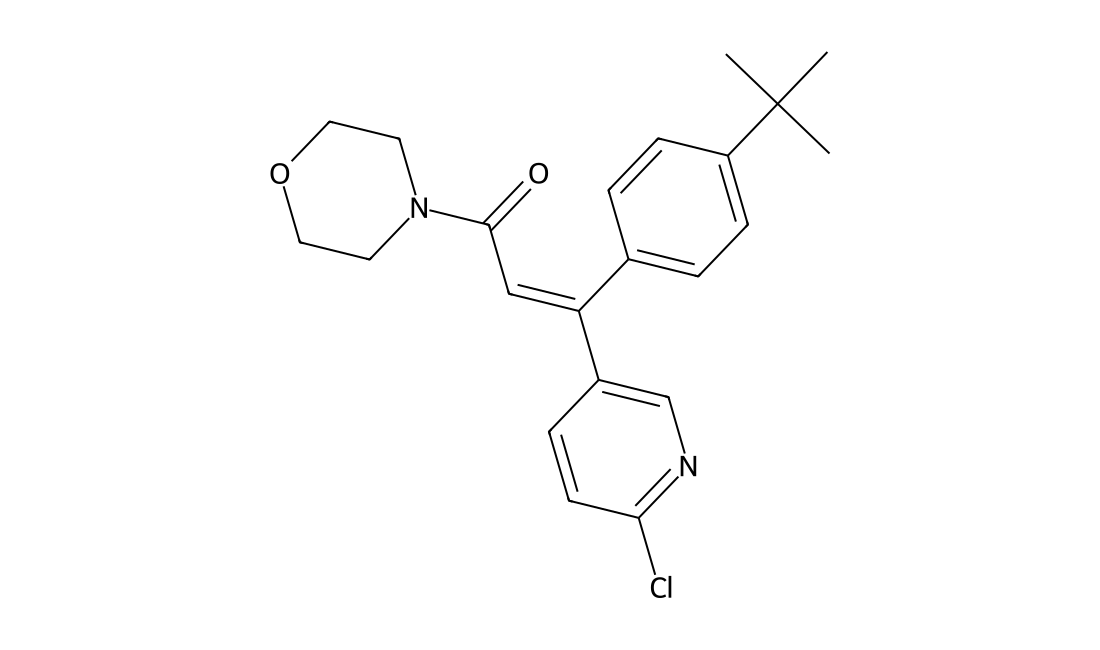
PyrimorphFeatured
Pyrimorph is a fungicide with high activity against the plant pathogen Phytophthora capsici. Pyrimorph inhibited different stages in the life cycle of P. capsici including mycelial growth, sporangium production, zoospore release, and cystospore germination with EC(50) values of 1.84, 0.17, 4.92, and 0.09 microg mL(-1), respectively.
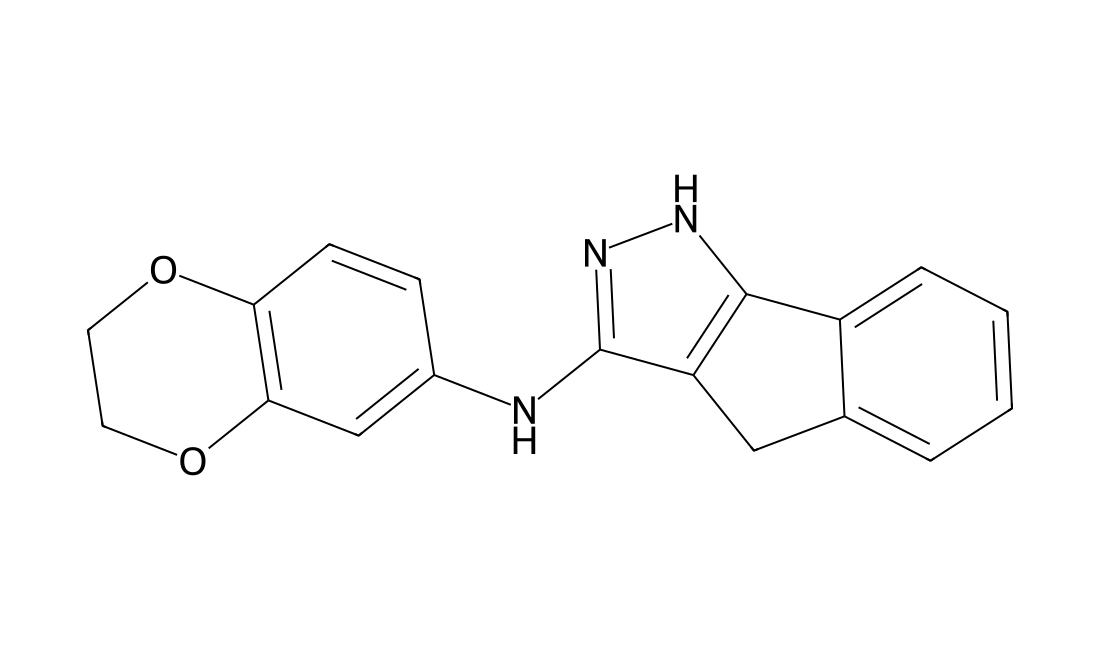
GN44028Featured
GN44028 is a hypoxia inducible factor (HIF)-1 inhibitor, with an IC50 of 14 nM. GN44028 inhibits hypoxia-induced HIF-1α transcriptional activity without suppressing HIF-1α mRNA expression, HIF-1α protein accumulation, or HIF-1α/HIF-1β heterodimerization[1].
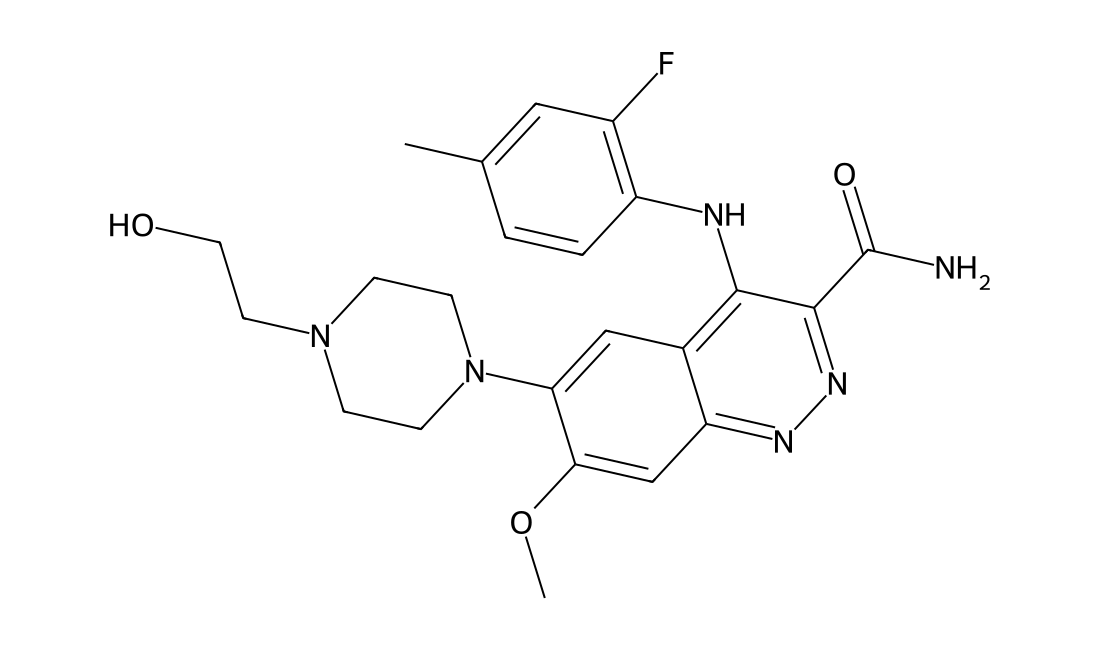
AZD7507Featured
AZD7507 is a potent and orally active CSF-1R inhibitor, with antitumor activity.
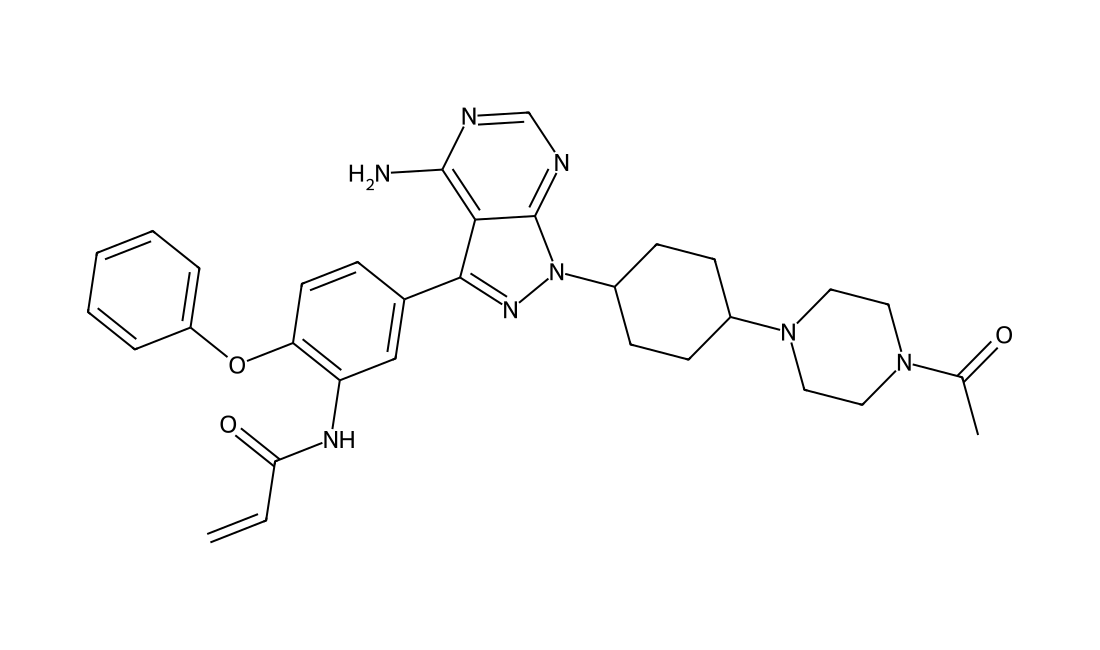
TX1-85-1Featured
TX1-85-1 is a Her3 (ErbB3) inhibitor with an IC50 of 23 nM. TX1-85-1 induces partial degradation of Her3 protein and attenuates Her3-dependent signaling[1].
R243Featured
R243 is a potent, small molecule CCR8 antagonist that inhibits CCR8 signaling and chemotaxis, inhibits CCL1-induced Ca2+ flux and CCL1-driven peritoneal macrophages aggregation at 0.2 uM; attenuated secretion of TNF-α, IL-6, and most strikingly IL-10 from WT PMφ (peritoneal macrophages), but not BMMφ (bone marrow-derived macrophages); shows suppressed c-JNK activity and NF-κB signaling after LPS treatment, suppresses LPS-induced cytokine secretion; attenuates peritoneal adhesions in vivo in CCR8-/- mice, also prevents hapten-induced colitis.
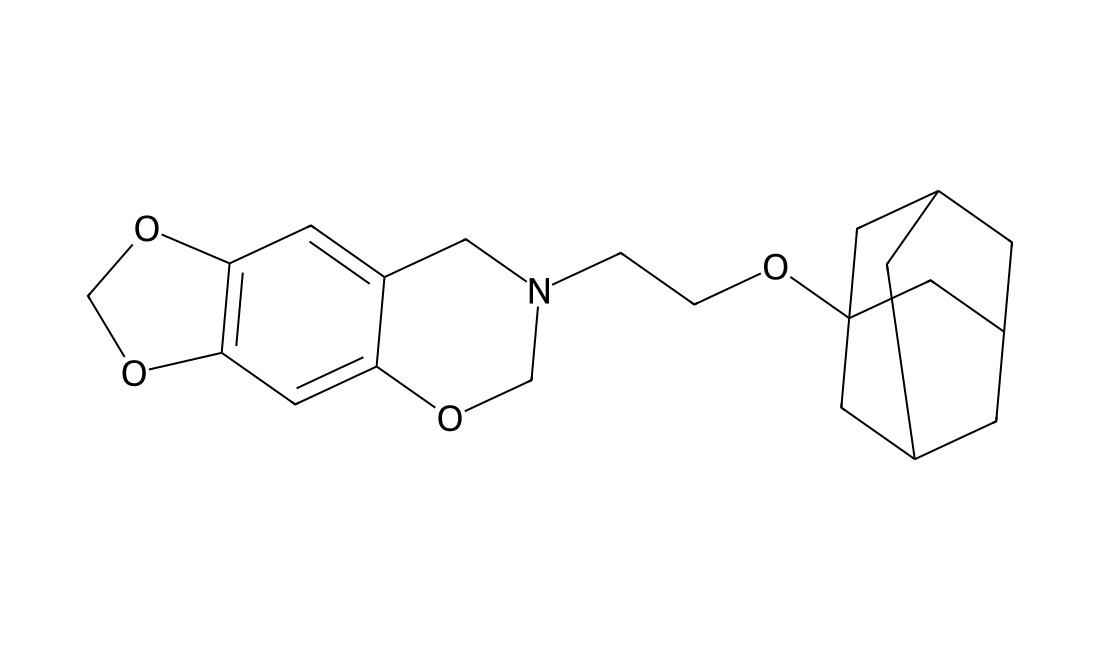
GW779439XFeatured
GW779439X is a pyrazolopyridazine identified in an inhibitor of the S. aureus PASTA kinase Stk1. GW779439X potentiates the activity of β-lactam antibiotics against various MRSA and MSSA isolates, some even crossing the breakpoint from resistant to sensitive. GW779439X is an AURKA inhibitor and induces apoptosis by the caspases 3/7 pathway[1][2]. MRSA:methicillin-resistant S. aureus; MSSA: methicillin-sensitive S. aureus
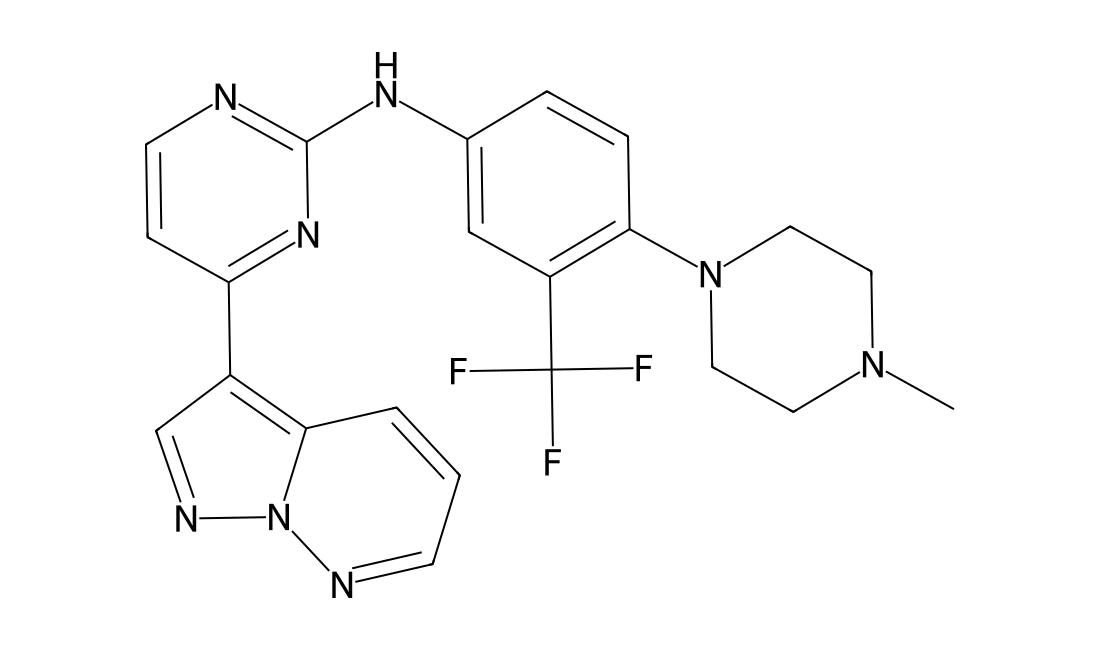
MELK-8aFeatured
MELK-8a is a novel MELK inhibitor.
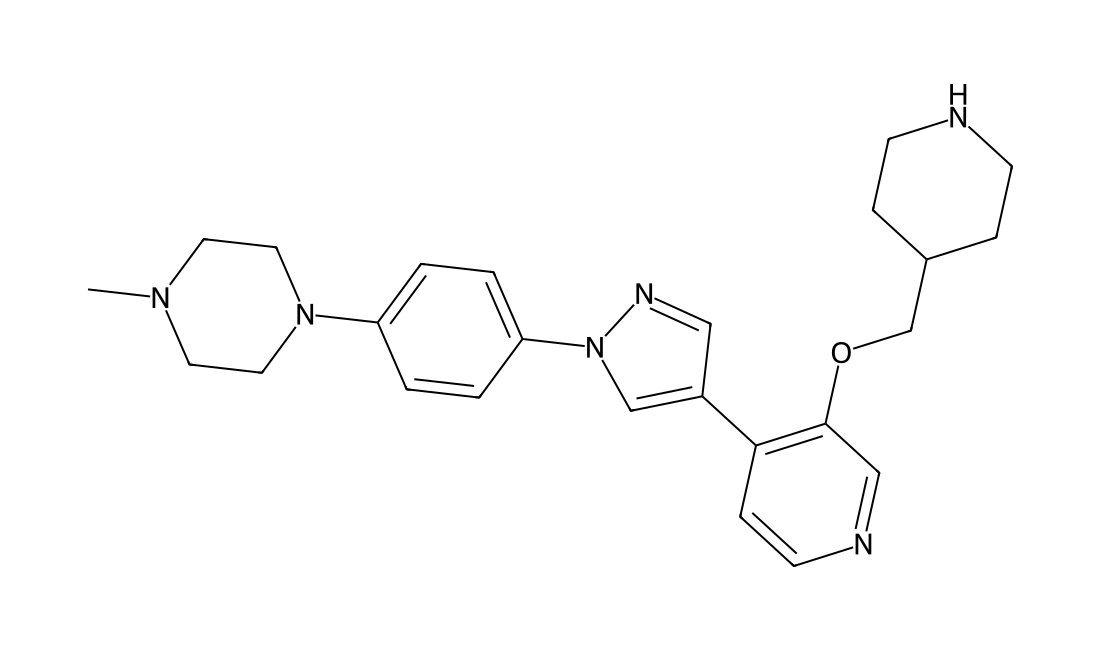
ML-60218Featured
ML-60218 is a broad-spectrum RNA pol III inhibitor, with IC50s of 32 and 27 μM for Saccharomyces cerevisiae and human. ML-60218 disrupts already assembled viroplasms and to hamper the formation of new ones without the need for de novo transcription of cellular RNAs[1][2].
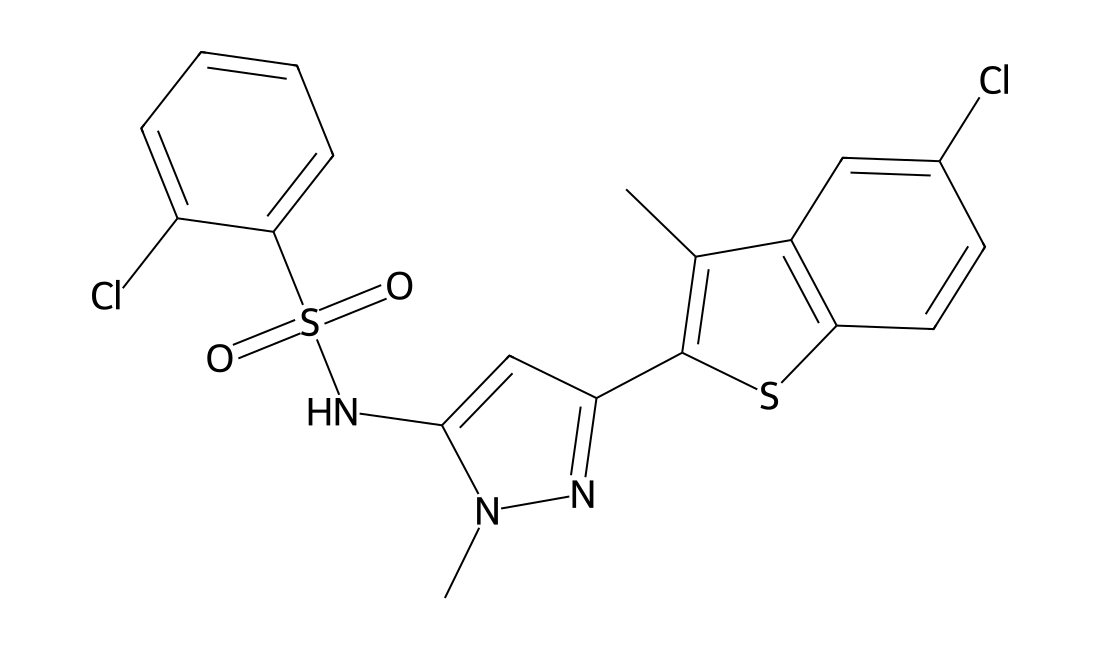
JK-P3Featured
JK-P3 is a VEGFR-2 inhibitor. JK-P3 is a pyrazole-based inhibitor of VEGFR-2 (IC50 = 7.8 μM). JK-P3 inhibits FGFR 1/3 kinase activity in vitro, but has no effect on FGFR signaling in cell-based assays. The compound blocks wound healing and tube formation in HUVEC without effecting endothelial cell proliferation.
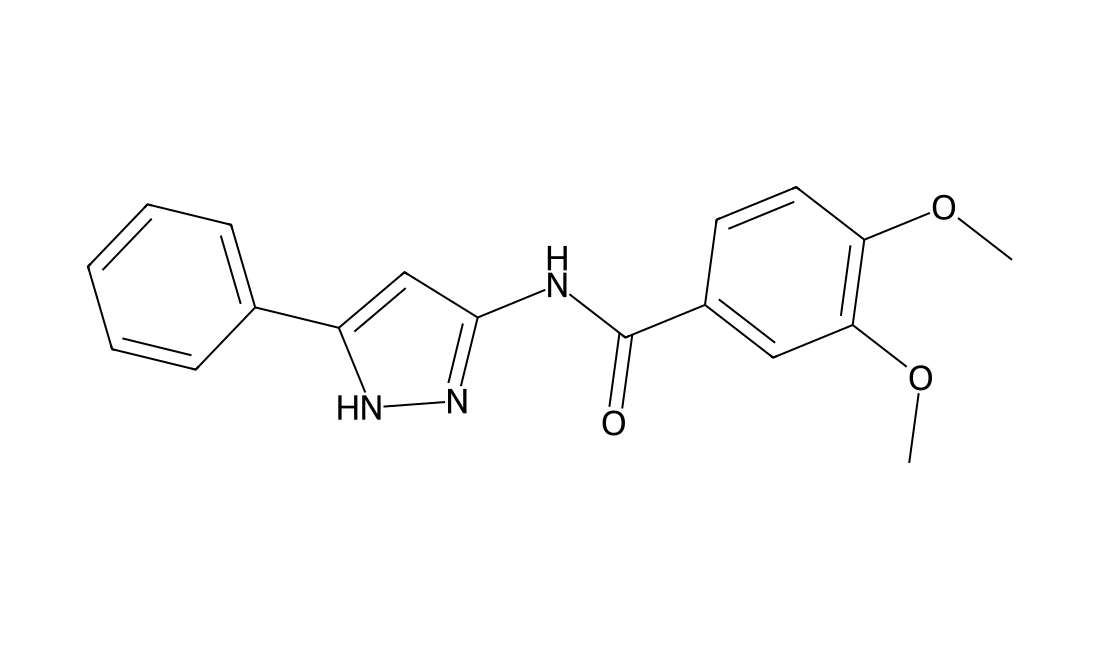
ARP-100Featured
ARP-100 is a potent and selective matrix metalloproteinase MMP-2 inhibitor (IC50=12 nM). ARP-100 interacts with S1' pocket of MMP-2 and shows anti-invasive properties in an in vitro model of invasion on matrigel. ARP-100 shows the less inhibitory activity towards MMP-1 (>50 μM), MMP-3 (4.5 μM), MMP-7 (>50 μM), and MMP-9 (0.2 μM)[1][2].
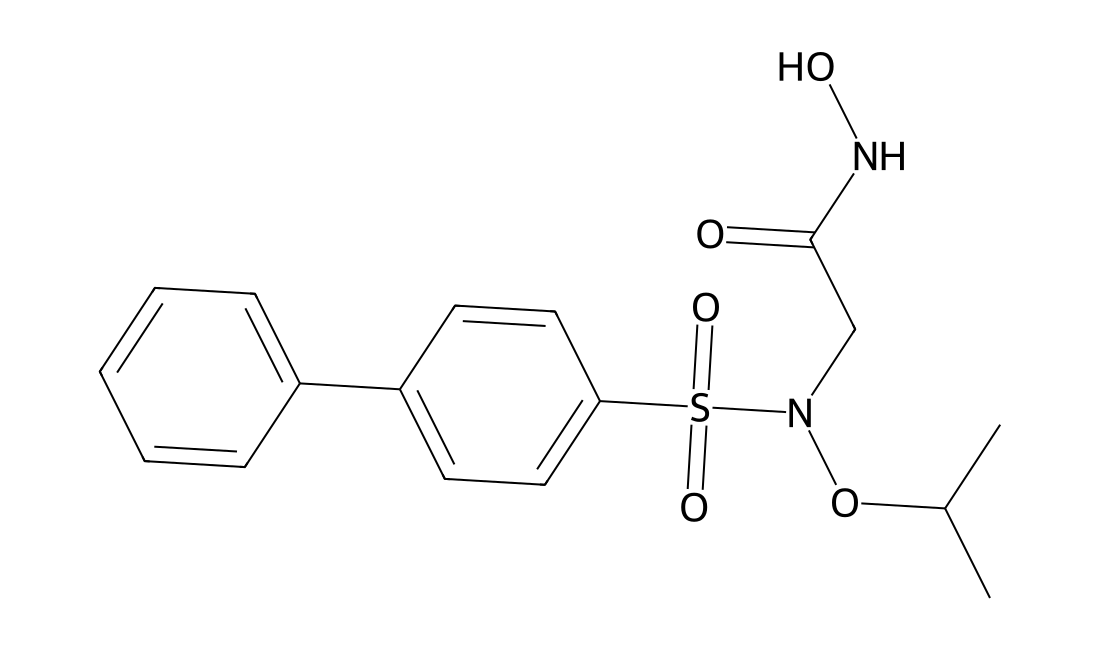
IITZ-01Featured
IITZ-01 is a potent lysosomotropic autophagy inhibitor with single-agent antitumor activity, with an IC50 of 2.62 μM for PI3Kγ.
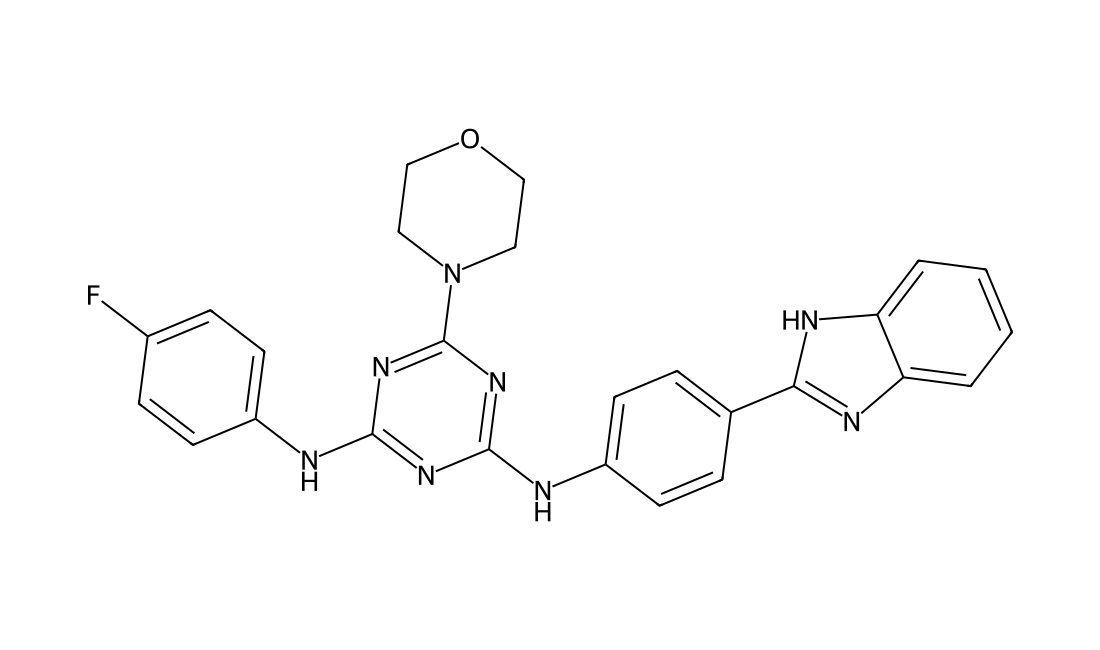
NEDD8 inhibitor M22Featured
NEDD8 inhibitor M22 is a novel, potent, selective reversible NEDD8 activating enzyme (NAE) inhibitor; inhibit A549 cell proliferation completely at 30 uM (GI50=5.5 uM and GI90=19.3 uM); produces tumor inhibition in AGS xenografts in nude mice and low acute toxicity in zebrafish model; exhibts different binding mode compared with MLN4924.
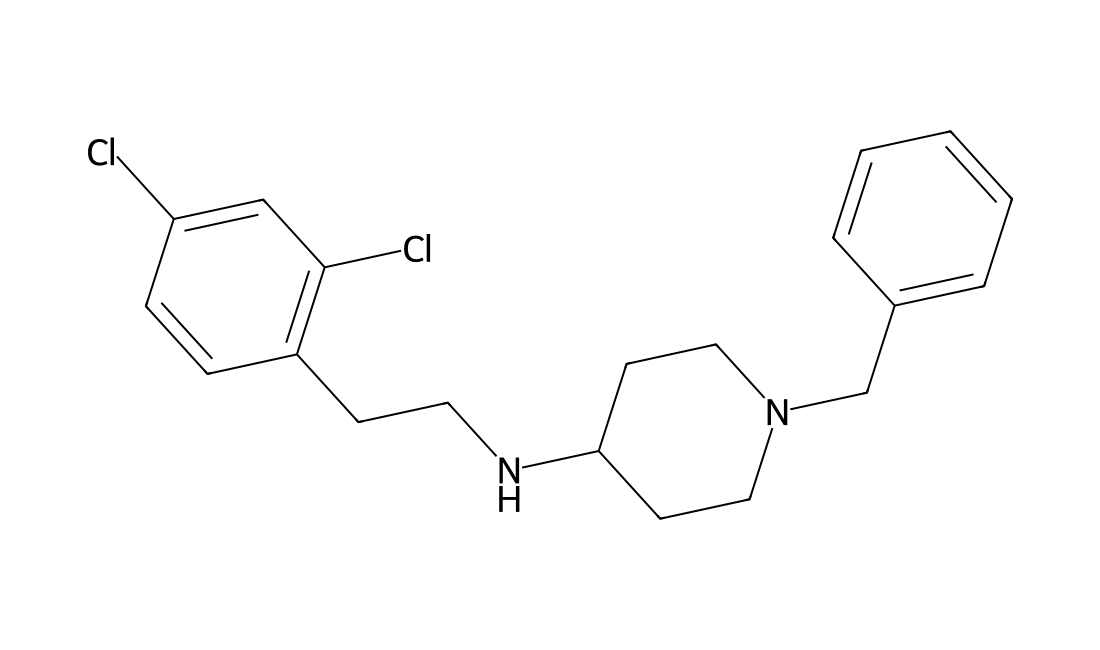
AzumoleneFeatured
Azumolene (EU4093 free base), a Dantrolene analog, is a muscle relaxant. Azumolene is a ryanodine receptor (RyR) modulator and inhibits the calcium-release through ryanodine receptor. Azumolene can be used for malignant hyperthermia research[1][2].
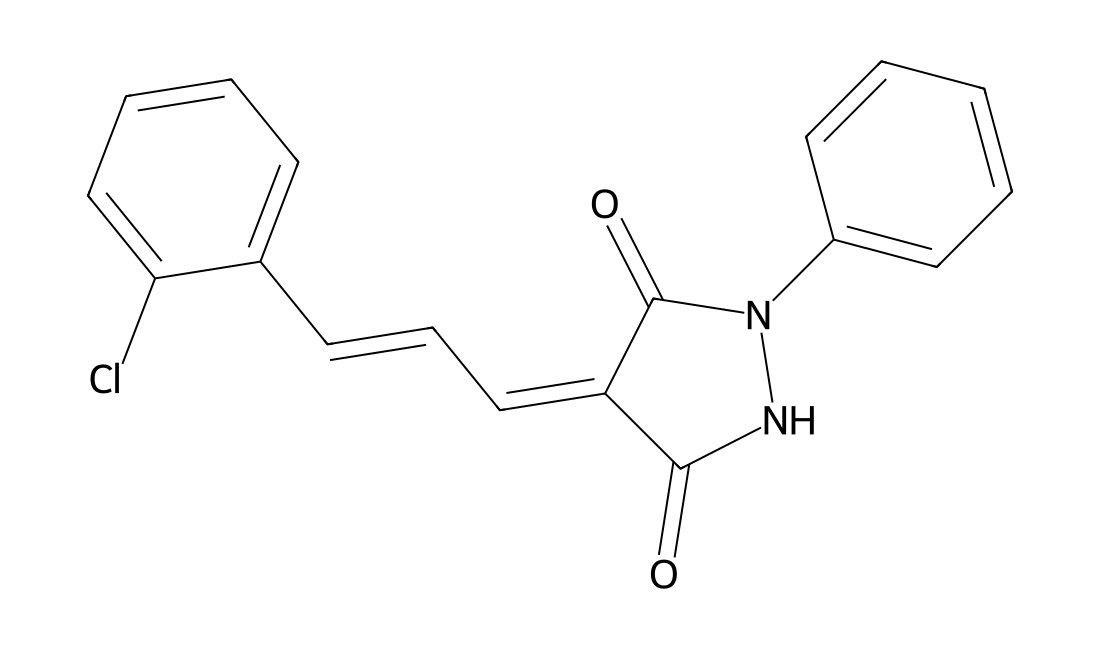
CPYPPFeatured
CPYPP is a small-molecule inhibitor of the Rac activator DOCK2 with IC50 of 22.8 uM (DOCK2DHR-2-mediated Rac GEF activity), inhibits DOCK2-Rac1 interaction; binds to DOCK2 DHR-2 domain in a reversible manner and inhibited its catalytic activity in vitro; blocks both chemokine receptor- and antigen receptor-mediated Rac activation in lymphocytes, resulting in marked reduction of chemotactic response and T cell activation.
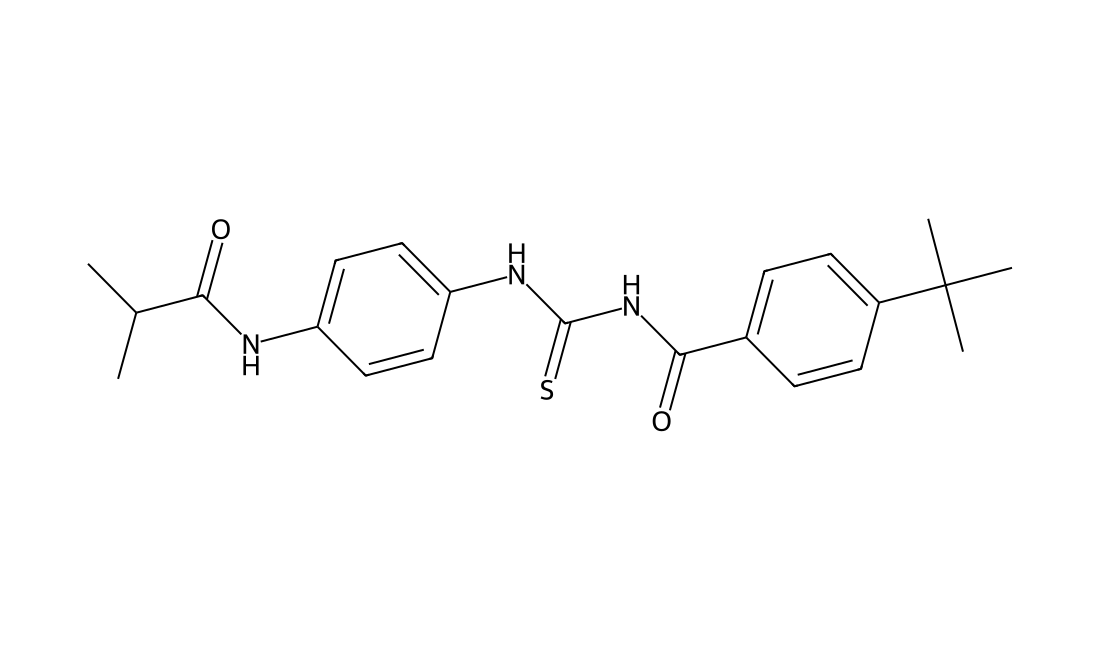
Tenovin-2Featured
For the detailed information of Tenovin-2, the solubility of Tenovin-2 in water, the solubility of Tenovin-2 in DMSO, the solubility of Tenovin-2 in PBS buffer, the animal experiment (test) of Tenovin-2, the cell expriment (test) of Tenovin-2, the in vivo, in vitro and clinical trial test of Tenovin-2, the EC50, IC50,and affinity,of Tenovin-2, Please contact DC Chemicals.
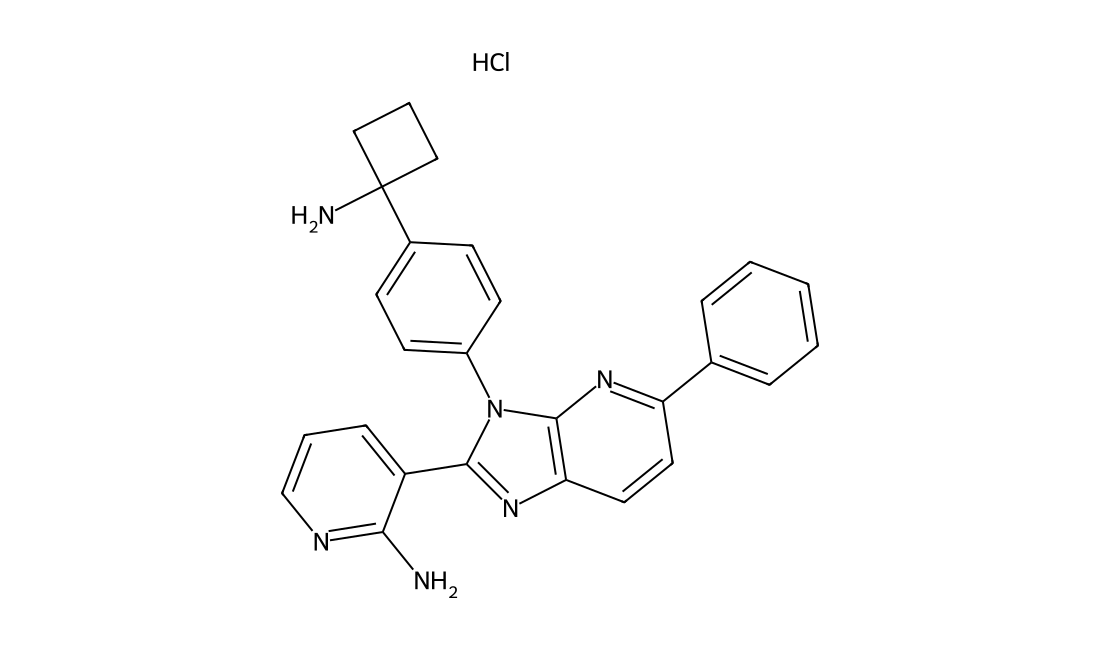
Miransertib HClFeatured
Miransertib, also known as ARQ 092, is an oral activie, potent and selective AKT inhibitor with IC50 values: 5.0 nM (AKT1); 4.5 nM (AKT2); 16 nM (AKT3). ARQ 092 binds to and inhibits the activity of AKT in a non-ATP competitive manner, which may result in the inhibition of the PI3K/AKT signaling pathway. This may lead to the reduction in tumor cell proliferation and the induction of tumor cell apoptosis. ARQ-092 demonstrated high enzymatic potency against AKT1, AKT2, and AKT3, as well as potent cellular inhibition of AKT activation and the phosphorylation of the downstream target PRAS40. ARQ-092 also served as a potent inhibitor of the AKT1-E17K mutant protein and inhibited tumor growth in a human xenograft mouse model of endometrial adenocarcinoma.
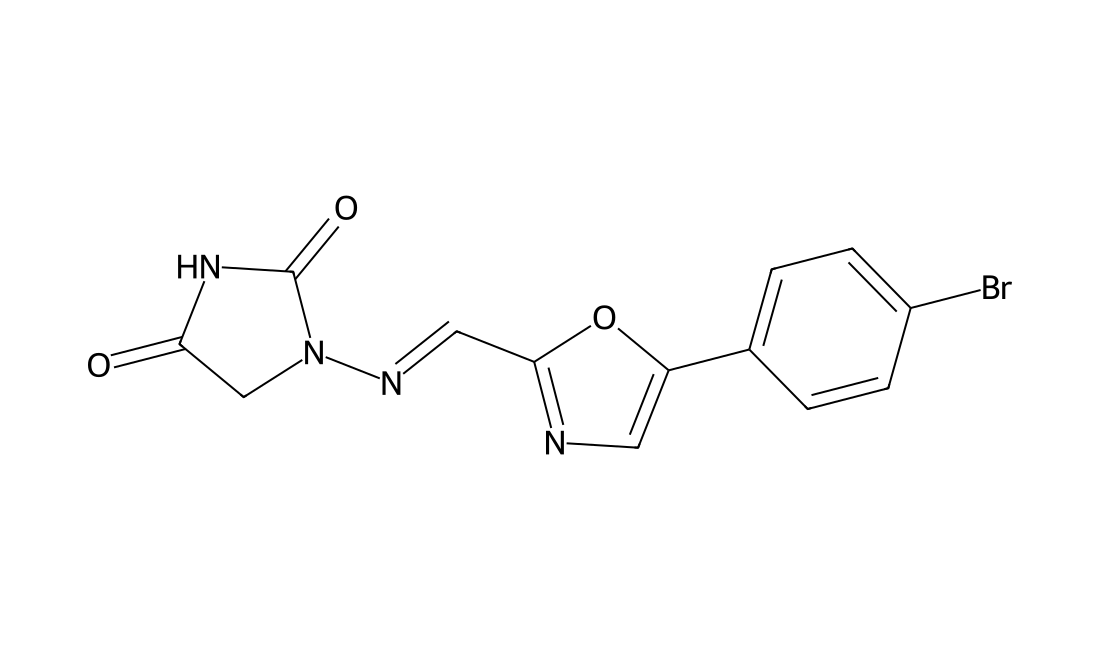
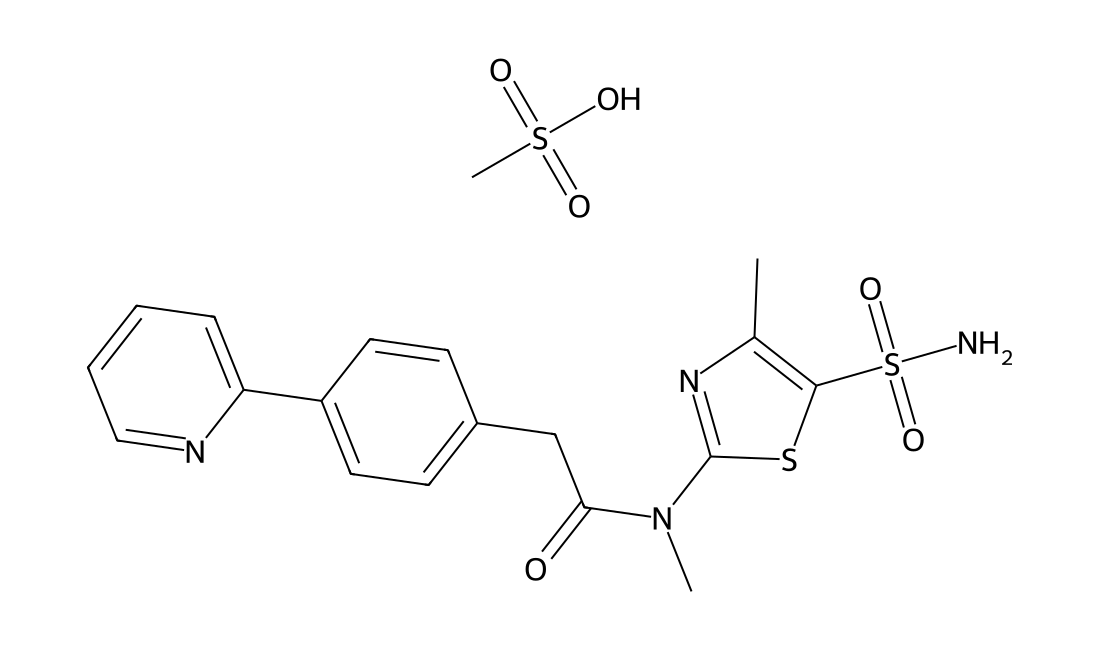
Pritelivir mesylateFeatured
Pritelivir mesylate (BAY 57-1293 mesylate), an inhibitor of the viral helicase-primase complex, exhibits antiviral activity in vitro and in animal models of herpes simplex virus (HSV) infection. Pritelivir mesylate is active against herpes simplex virus types 1 and 2 (HSV-1 and HSV-2) with the IC50 of 0.02 μM against HSV1-2[1].
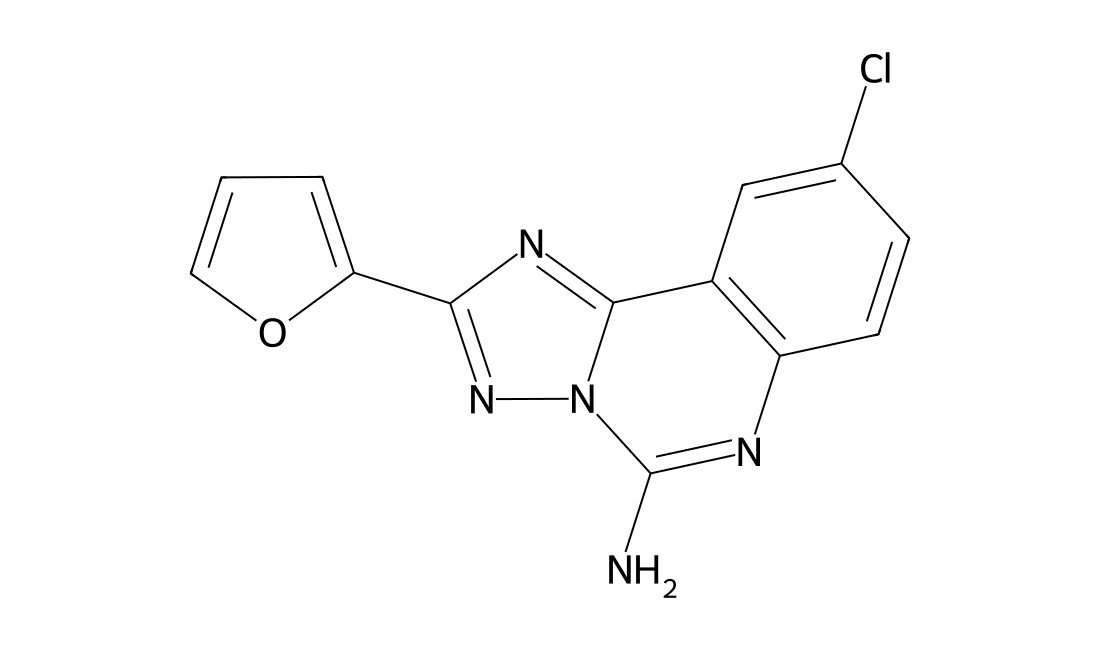
CGS-15943Featured
CGS 15943 is an adenosine A2 receptor antagonist and reduces stroke injury in the Mongolian gerbil[1]. CGS 15943 is a selectively p110γ inhibitor with an IC50 of 1.1 μM, shows inhibitory effect on p110δ (IC50=8.47 μM), has an anti-carcinogenic effect on HCC and PDAC cells[2].
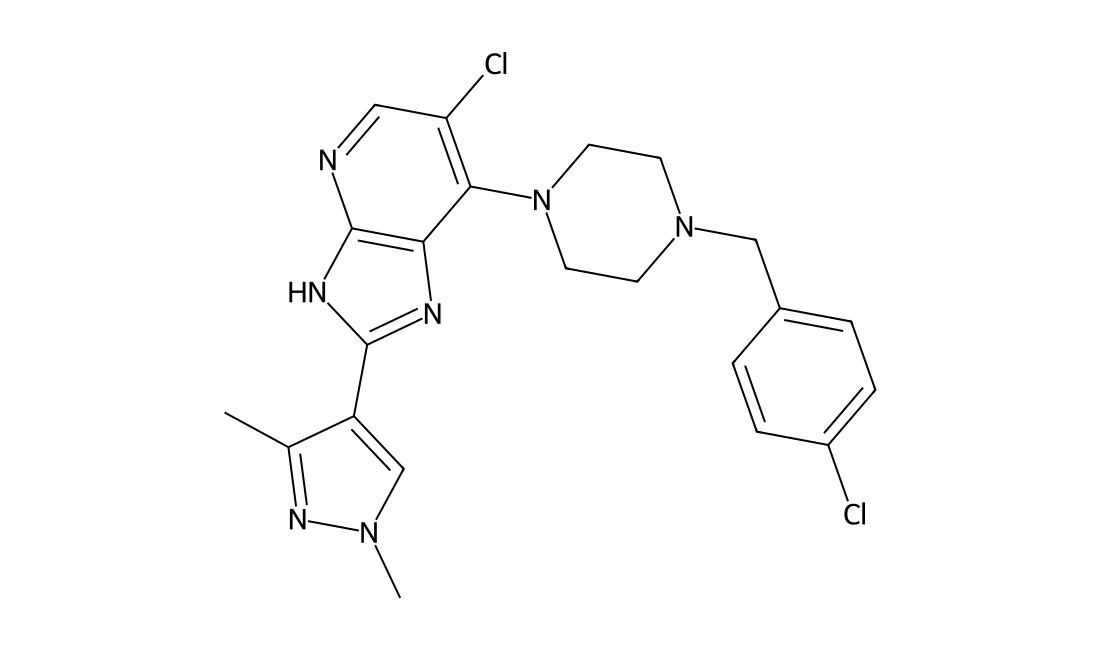
CCT241736Featured
CCT241736 is a novel, orally bioavailable Dual FLT3-Aurora Kinase Inhibitor. CCT241736 has IC50 values against FLT3, Aurora A and Aurora B of 0.035, 0.015 and 0.1 uM respectively. Furthermore, CCT241736 inhibits a wide range of FLT3 mutants, including FLT3-ITD, -D835Y, -D835H, -K663Q and –N841I. In cellular assays, CCT241736 inhibits viability of the human FLT3-ITD positive AML cell lines MOLM-13 and MV-4-11 with EC50 values of 0.1 and 0.27 uM respectively. Unlike the selective FLT3 inhibitors MLN518 and AC220, the in vitro cellular efficacy of CCT241736 is not affected by high levels of FL. In vivo, mouse tumor xenograft models of MOLM-13, MV-4-11, and the doubly-mutated cell line MOLM-13-RES are also sensitive to CCT241736 at well tolerated oral doses, with biomarker modulation consistent with dual inhibition of FLT3 and Aurora kinases. Based on allometric scaling from mouse and rat data, CCT241736 has favorable predicted human pharmacokinetics and phase I clinical trials are planned. In summary, dual inhibition of FLT3 and the critical mitotic kinase Aurora by CCT241736 may represent a novel treatment strategy for FLT3-mutated AML by overcoming the effects of high FL levels and limiting resistance caused by secondary mutations of the FLT3 gene.
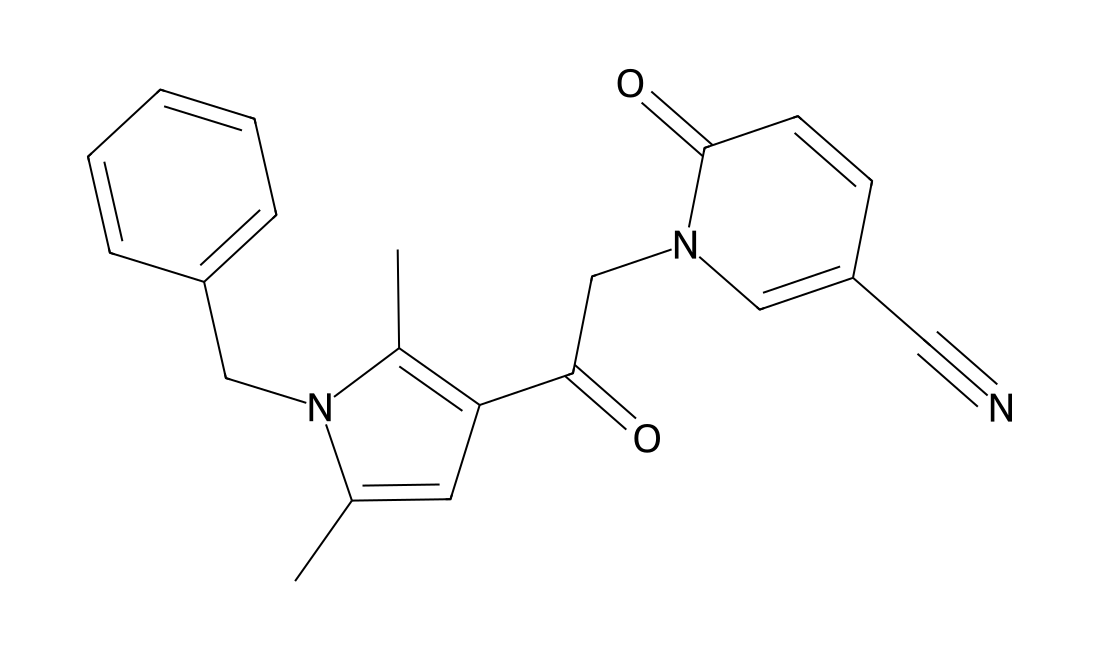
CYM-5520Featured
CYM-5520 is a selective and allosteric sphingosine 1-phosphate receptor 2 (S1PR2) agonist with an EC50 of 480 nM. CYM-5520 does not activate S1PR1, S1PR3, S1PR4 and S1PR5 receptors. CYM-5520 can co-bind in the S1PR2 receptor with S1P. CYM-5520 can be used for osteoporosis research[1][2].
No products match this search.
Page 349 of 359 · Browse all 7177 products
Jump to a product page
Featured literature product: HX1 · DCL0028
HX1 is a hydroxyzine-derived ionizable lipid with acetal-containing tails, studied in lipid nanoparticles for brain mRNA delivery and CRISPR–Cas9 delivery. It was the lead in the reported in vivo brain-delivery screen; evidence is preclinical and formulation-dependent.
Read full formulation and performance →