
Research lipid catalog
Ionizable Lipid Products
Explore 848 lipid and RNA delivery products. Search the full catalog or browse by research category.
Search covers product name, catalog number, synonyms, available CAS numbers and categories. Spaces, hyphens and common punctuation are ignored. Duplicate legacy records are consolidated under one canonical product result.
7677 products · Showing 7161–7180 · 20 per page
DC Chemicals lipid expertise
Built for ionizable-lipid discovery and RNA delivery research
DC Chemicals supports formulation and delivery research with a broad, searchable portfolio of cationic and ionizable lipids. The current directory brings together 848 unique research-use products, with product specifications, pricing, chemical structures and literature-linked formulation data added as each record is verified.
Our experience spans complex lipid synthesis, purification, analytical release and process development. For custom molecules or larger-scale requirements, our team can discuss route development, technical specifications and scale-up options for the intended research workflow.
Learn about cationic and ionizable lipids →Proprietary innovation · Co-development · GMP
From proprietary lipid design to GMP-grade custom synthesis
DC Chemicals has independently developed ionizable-lipid structures supported by company-owned intellectual property, and selected proprietary lipid programs have advanced to GMP-stage development.
We welcome joint development with customers—from molecular design and lipid synthesis through route and process development. We can also support custom synthesis of GMP-grade ionizable lipids to agreed technical specifications and quality requirements.
Discuss a co-development project →Proprietary ionizable-lipid structuresCollaborative molecular designCustom lipid synthesisProcess development and scale-upGMP-grade project support
Product quick links
Explore New ionizable lipids
Explore our five most recently added ionizable lipids, with specifications, pricing and literature-linked product information.
DCL0028HX1Brain RNA delivery researchView product →DCL0024A1I4R13C18-2Spleen-targeted RNA delivery researchView product →DCL0023A1I4R2C18-2Spleen-targeted RNA delivery researchView product →DCL0022FS01Local joint RNA delivery researchView product →DCL0020Lipid-392Lung RNA delivery and gene editing researchView product →
Cat. No.Product NameField of ApplicationChemical Structure
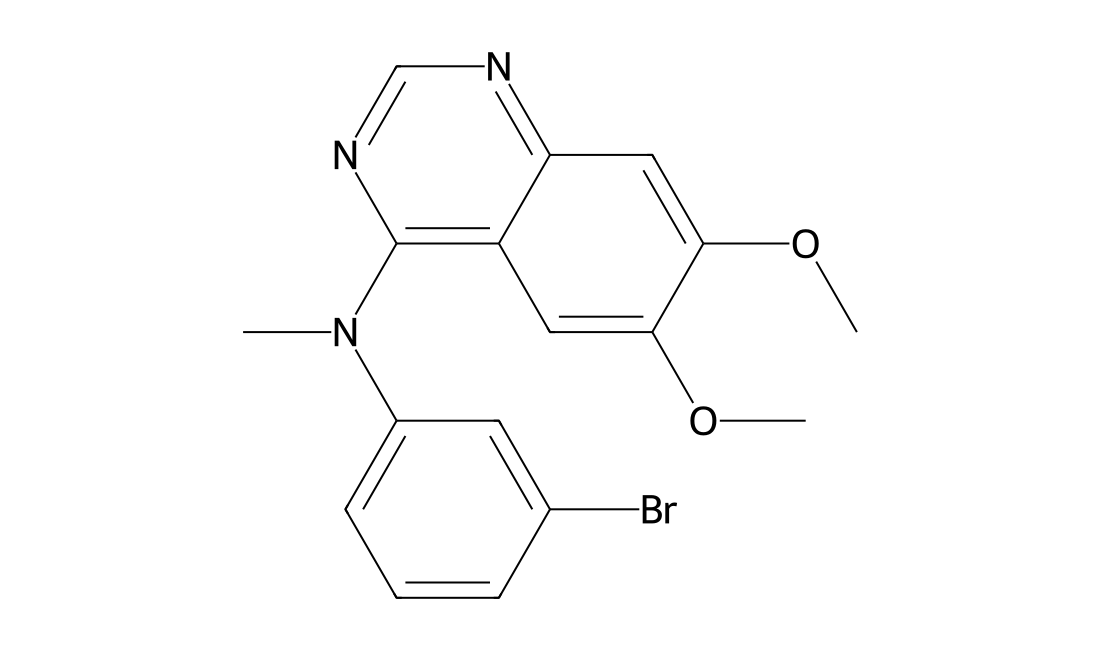
EBE-A22Featured
EBE-A22 is a derivative of PD 153035 which can inhibit ErbB-1-phosphorylation, whereas EBE-A22 is inactive. The brominated anilinoquinazoline derivative PD153035 exhibits a very high affinity and selectivity for the epidermal growth factor receptor tyrosine kinase (EGF-R TK) and shows a remarkable cytotoxicity against several types of tumor cell lines. In contrast, its N-methyl derivative, designated EBE-A22, has no effect on EGF-R TK but maintains a high cytotoxic profile. The present study was performed to explore the possibility that PD153035 and its N-methyl analogue might interact with double-stranded DNA, which is a primary target for many conventional antitumor agents. We studied the strength and mode of binding to DNA of PD153035 and EBE-A22 by means of absorption, fluorescence, and circular and linear dichroism as well as by a relaxation assay using human DNA topoisomerases. The results of various optical and gel electrophoresis techniques converge to show that both drugs bind to DNA and behave as typical intercalating agents. In particular, EBE-A22 unwinds supercoiled plasmid, stabilizes duplex DNA against heat denaturation, and produces negative CD and ELD signals, as expected for an intercalating agent. Extensive DNase I footprinting experiments performed with a large range of DNA substrates show that EBE-A22, but not PD153035, interacts preferentially with GC-rich sequences and discriminates against homooligomeric runs of A and T which are often cut more readily by the enzyme in the presence of the drug compared to the control.
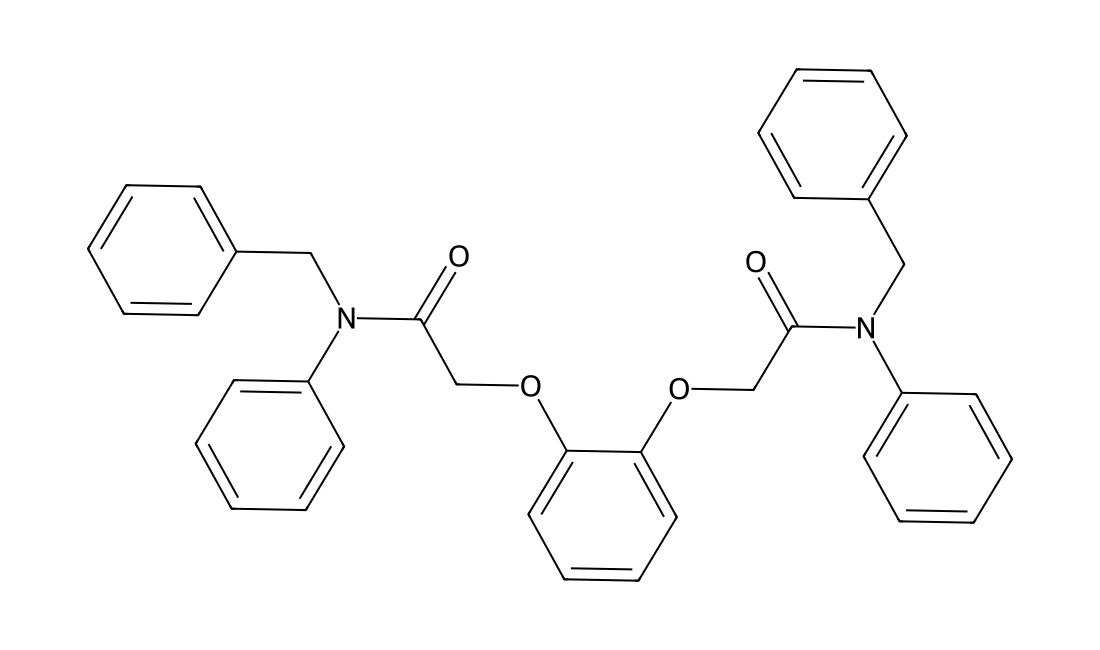
ETH 157(Sodium ionophore II)Featured
ETH 157 is a Na+ uniporter. For the detailed information of ETH 157, the solubility of ETH 157 in water, the solubility of ETH 157 in DMSO, the solubility of ETH 157 in PBS buffer, the animal experiment (test) of ETH 157, the cell expriment (test) of ETH 157, the in vivo, in vitro and clinical trial test of ETH 157, the EC50, IC50,and affinity,of ETH 157, For the detailed information of ETH 157, the solubility of ETH 157 in water, the solubility of ETH 157 in DMSO, the solubility of ETH 157 in PBS buffer, the animal experiment (test) of ETH 157, the cell expriment (test) of ETH 157, the in vivo, in vitro and clinical trial test of ETH 157, the EC50, IC50,and affinity,of ETH 157, Please contact DC Chemicals.
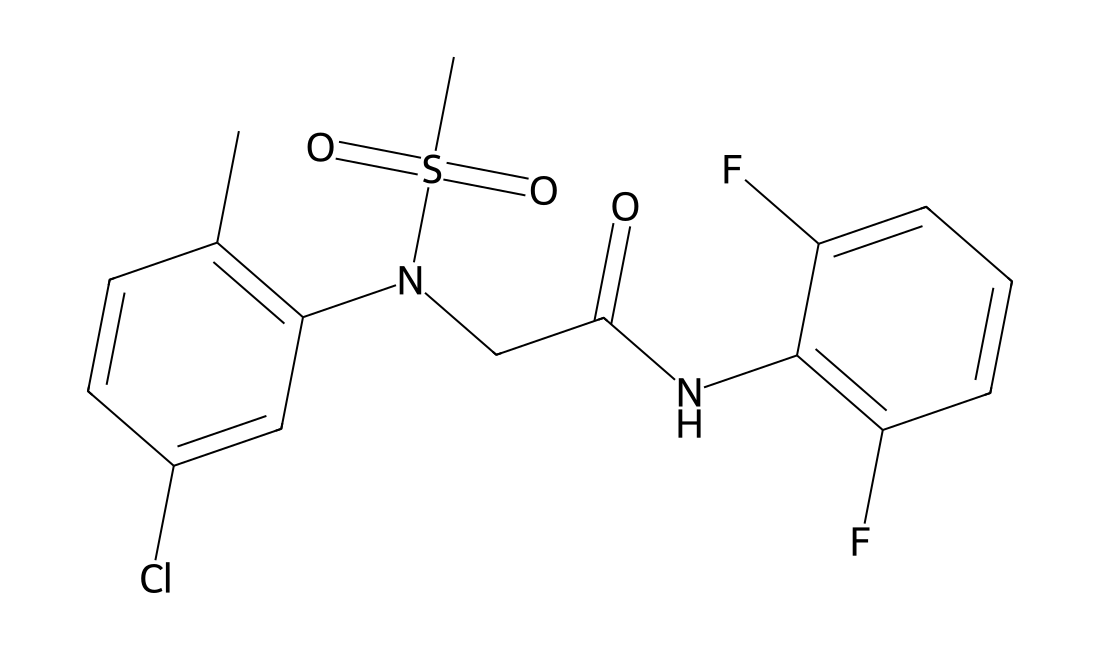
FPH1 (BRD-6125)Featured
FPH1 (BRD-6125) is a small molecule, which promotes expansion of iPS-derived hepatocytes.
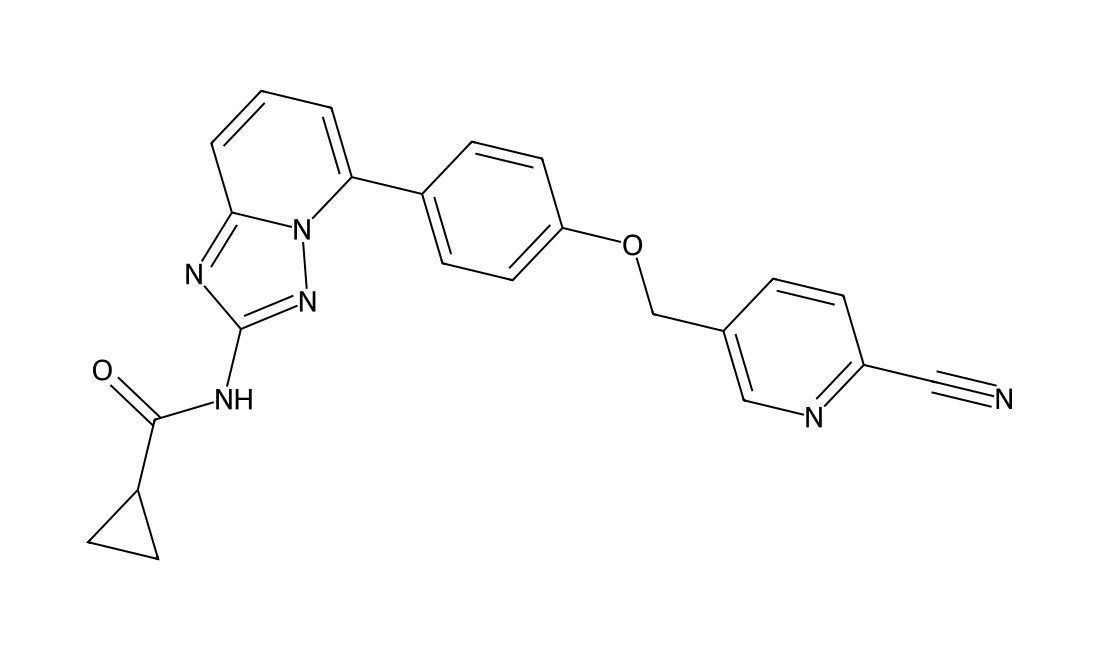
GLPG0634 analogueFeatured
GLPG0634 (analog) (compound176)is a pan JAK inhibitor with IC50s of 50-200 nM for JAK1/JAK2/JAK3; more information can be found in the reference patents.
SulfaproxylineFeatured
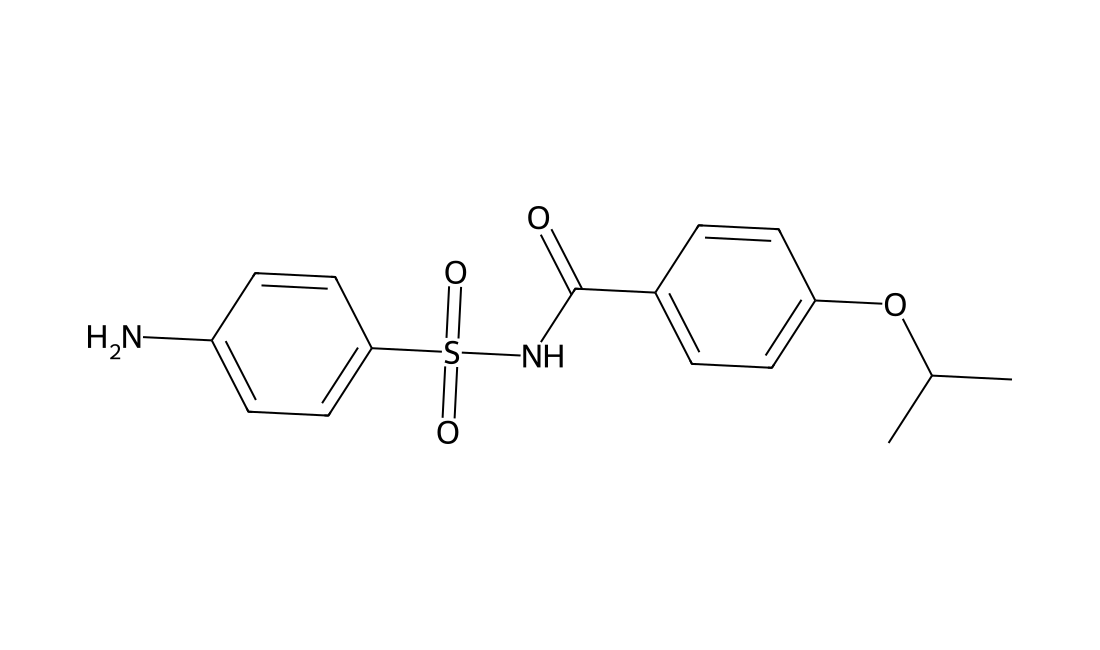
Sulfaproxiline is a synthetic antimicrobial drug that is sulfonamide.
HDAC inhibitor IVFeatured
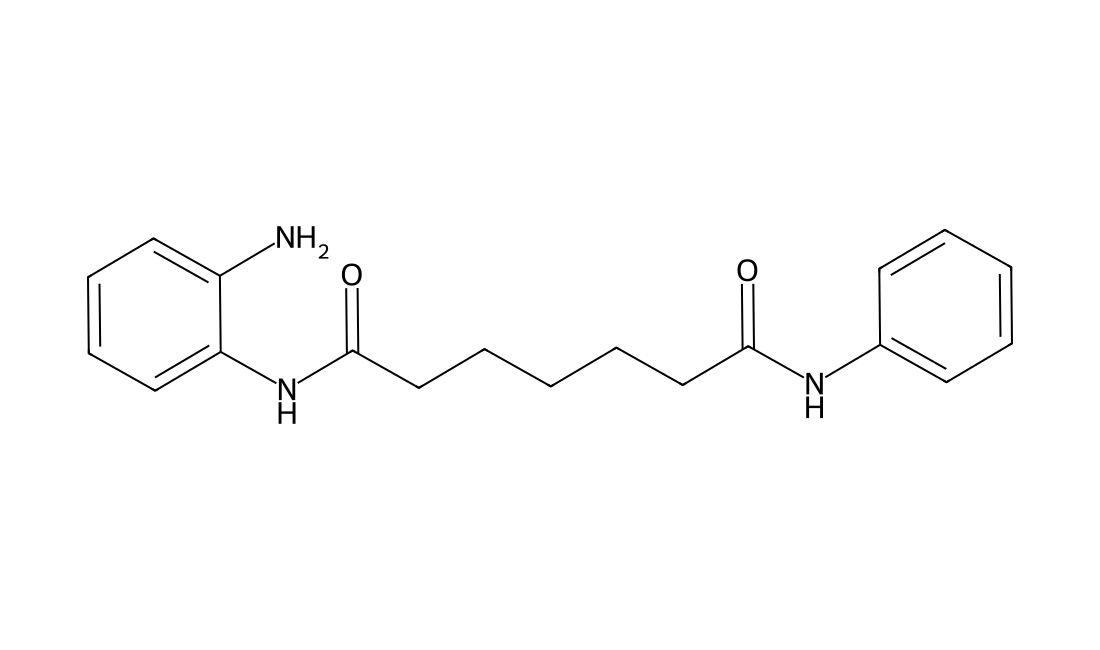
HDAC inhibitor IV is a cell-permeable pimeloylanilide compound that acts as a FXN- (frataxin gene) specific HDAC (histone deacetylase) inhibitor. Reverses the silencing of FXN transcription in FRDA (Friedreich's ataxia) cells (~3-fold increase of FXN mRNA at 5 µM in primary FRDA lymphocytes and ~3-fold frataxin expression in FRDA cell line at 2.5 µM) due to hypoacetylation of histones H3 and H4 by increasing acetylation at H3K14, H4K5 and H4K12, without significant changes in acetylation at H3K9, H4K8 and H4K16. In comparison, Trichostatin-A and SAHA, two other commonly used HDAC inhibitors, exhibit no effect on FXN transcription.
KUN56321Featured
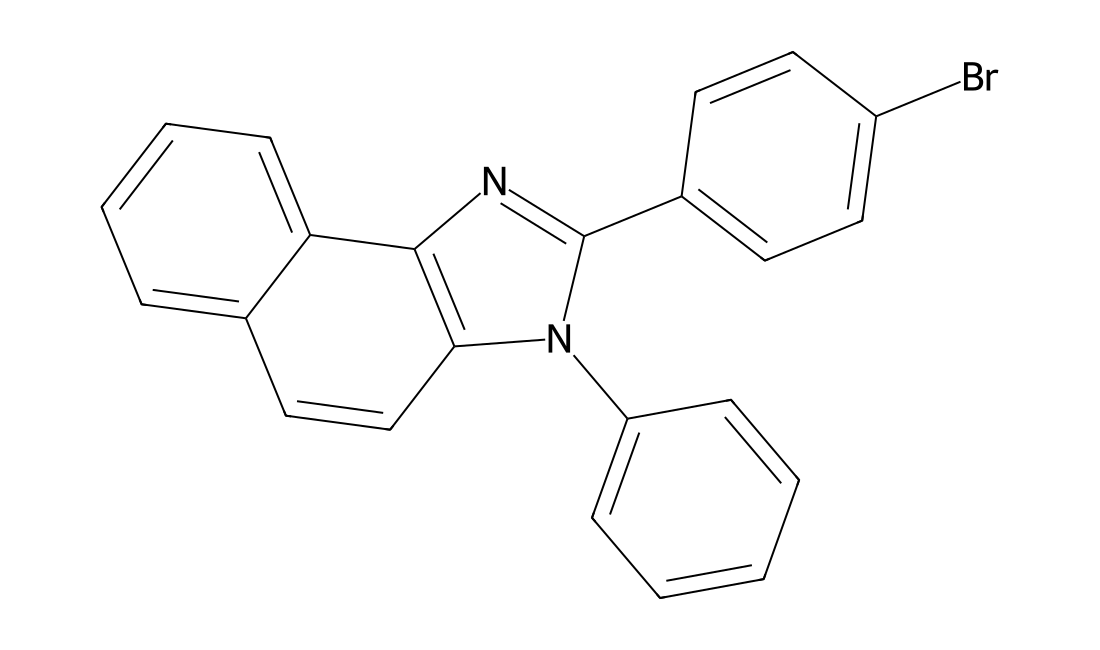
KUN56321 is a luminescent agent. The application of KUN56321 comprises: coating the film of KUN56321 onto hole transport layer or electron transport layer of ITO glass by vacuum evapn., coating the hole transport layer or electron transport layer onto the film by evapn., prepg. metal electrode by evapn. KUN56321 showed the capability to improve light emitting efficiency and reducing drive voltage in org. light-emitting device and display device.
HUHS015Featured
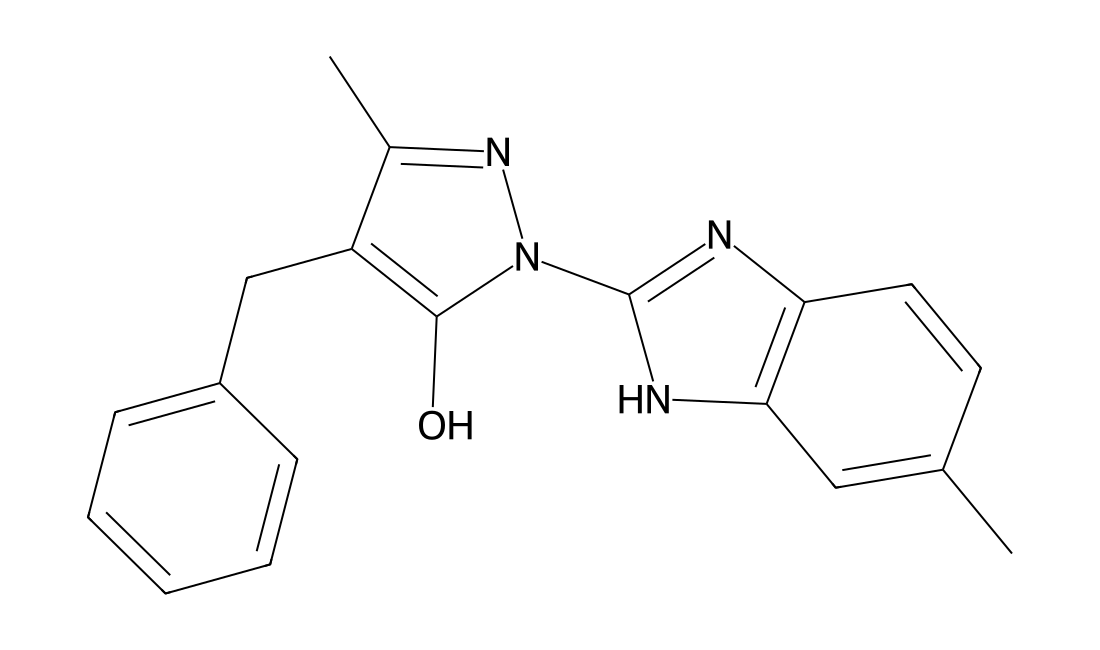
HUHS015 is a potent PCA-1/ALKBH3 inhibitor both in vitro and in vivo. The bioavailability (BA) of HUHS015 was 7.2% in rats after oral administration. Continuously administering HUHS015 significantly suppressed the growth of DU145 cells, which are human hormone-independent prostate cancer cells, in a mouse xenograft model without untoward effects. [1]
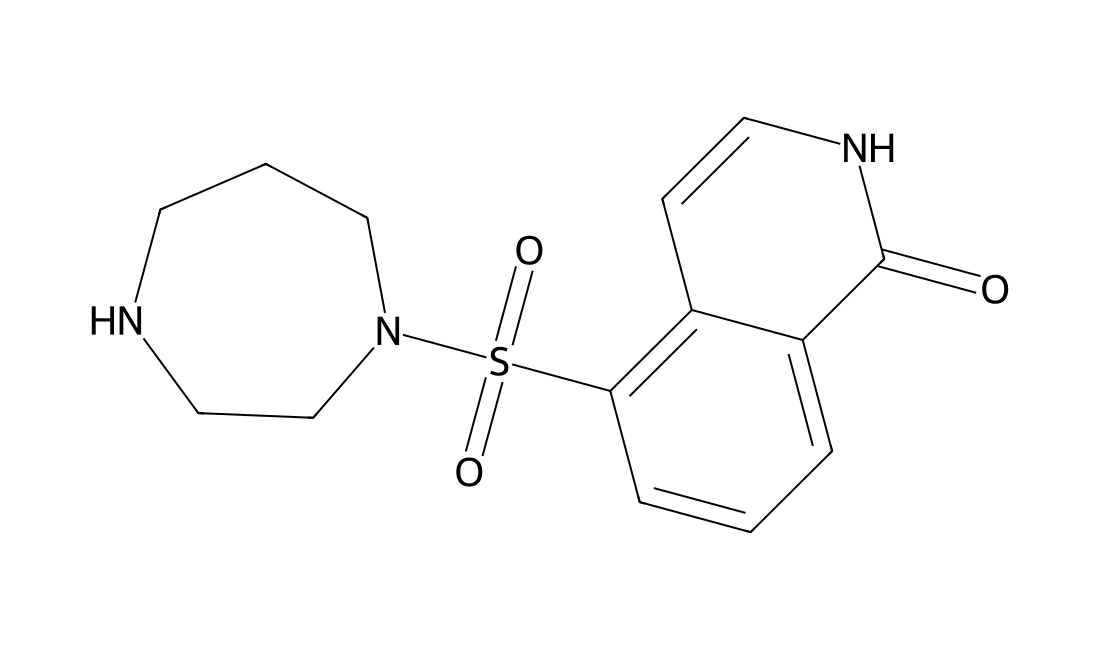
Hydroxyfasudil free baseFeatured
Hydroxyfasudil is a ROCK inhibitor, with IC50s of 0.73 and 0.72 μM for ROCK1 and ROCK2, respectively.
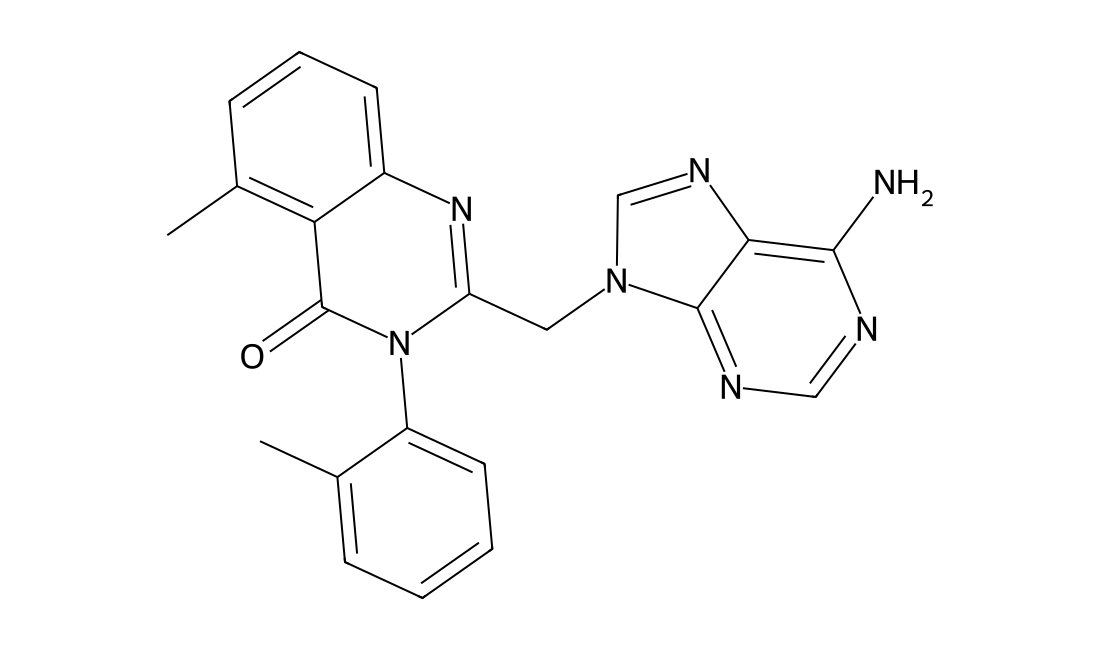
IC-87114Featured
IC-87114 is a potent and selective PI3Kδ inhibitor with IC50 of 0.5 μM.
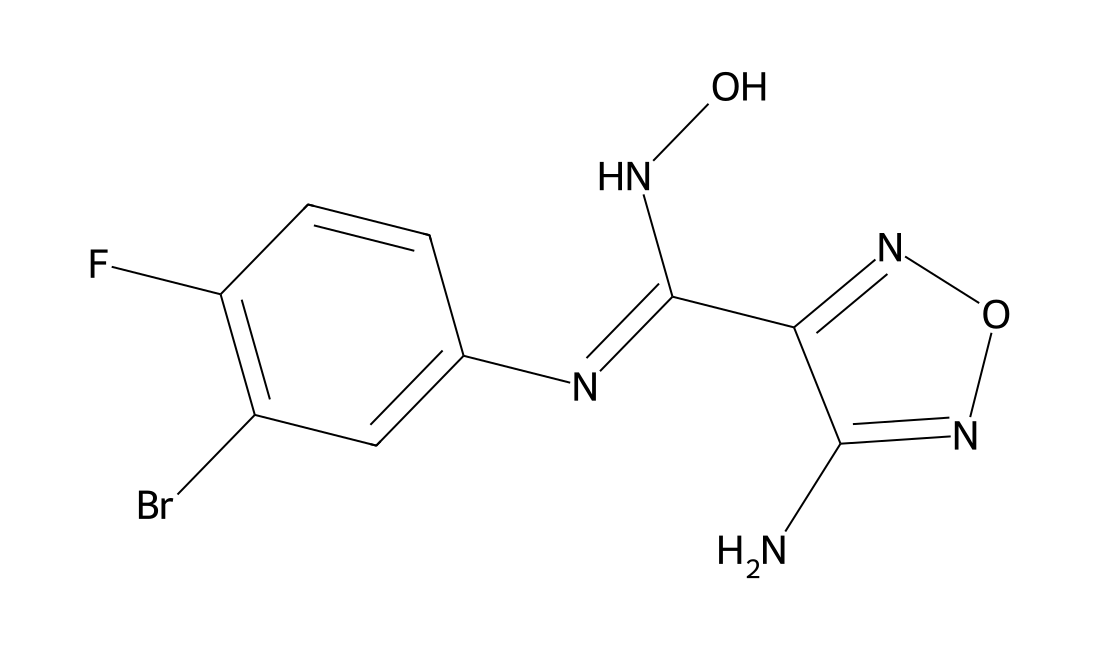
IDO-IN-1Featured
IDO-IN-1 is a potent indoleamine 2,3-dioxygenase (IDO) inhibitor with an IC50 of 59 nM.
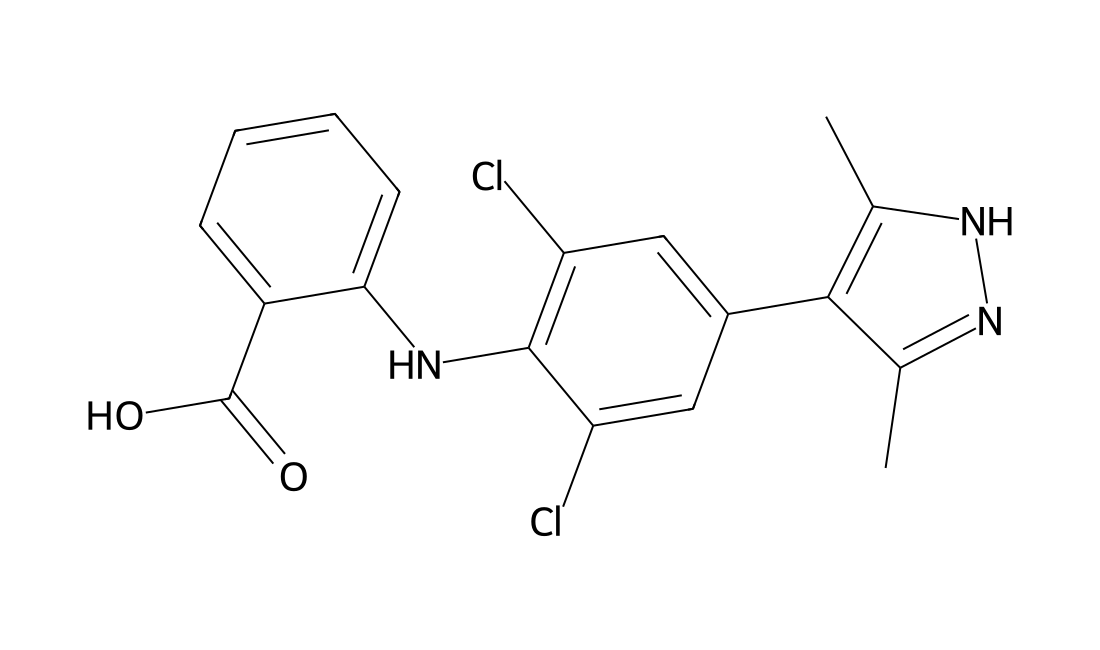
MUN36378Featured
MUN36378 is a FTO inhibitor for treatment of leukemia. This compound was first reported in patent WO 2018157842. This product has no formal name at the moment.
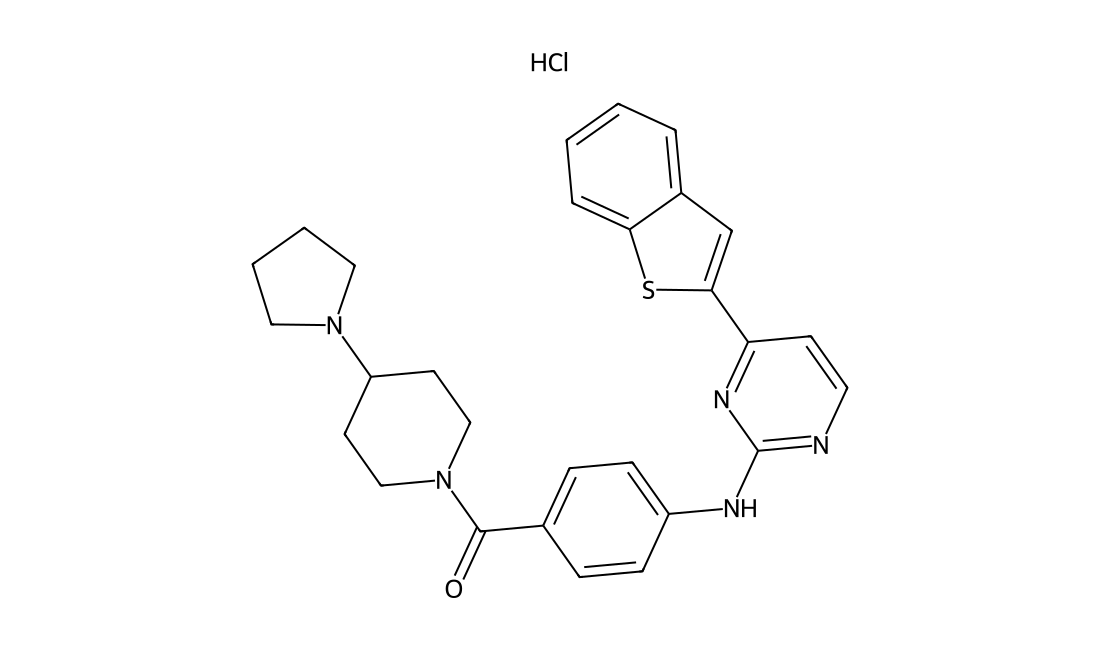
IKK-16 HClFeatured
IKK 16 hydrochloride is a selective IκB kinase (IKK) inhibitor for IKK2, IKK complex and IKK1 with IC50s of 40 nM, 70 nM and 200 nM, respectively[1]. IKK16 also inhibits leucine-rich repeat kinase-2 (LRRK2) with an IC50 of 50 nM[2].
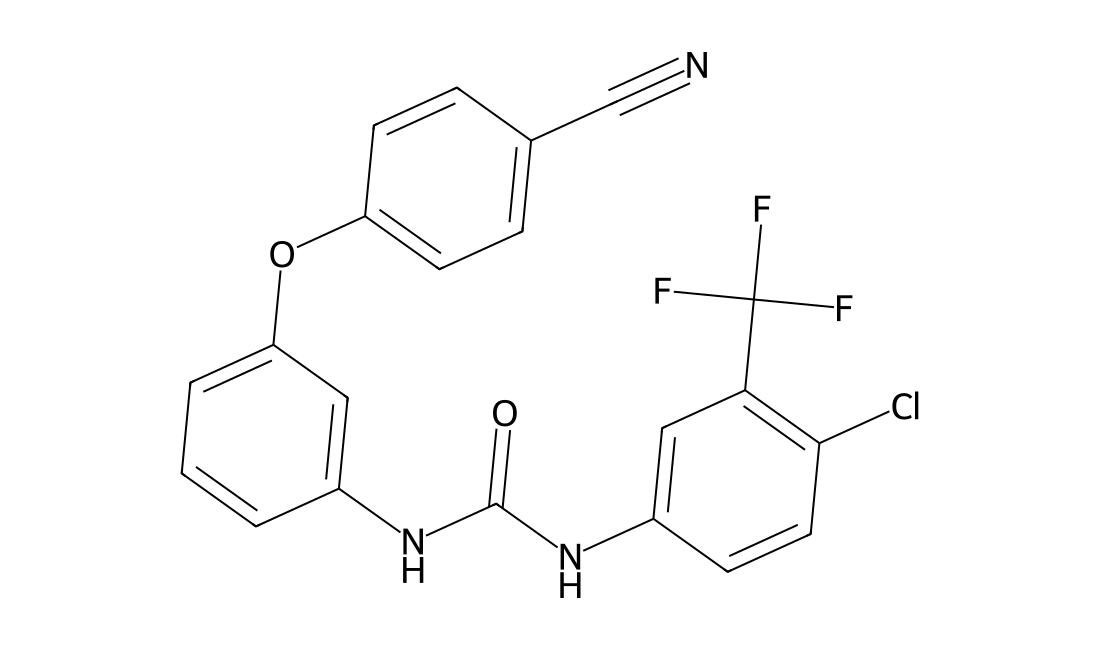
SC-43Featured
SC-43, a Sorafenib derivative, is a potent and orally active SHP-1 (PTPN6) agonist. SC-43 inhibits the phosphorylation of STAT3 and induces cell apoptosis. SC-43 has anti-fibrotic and anticancer effects[1][2].
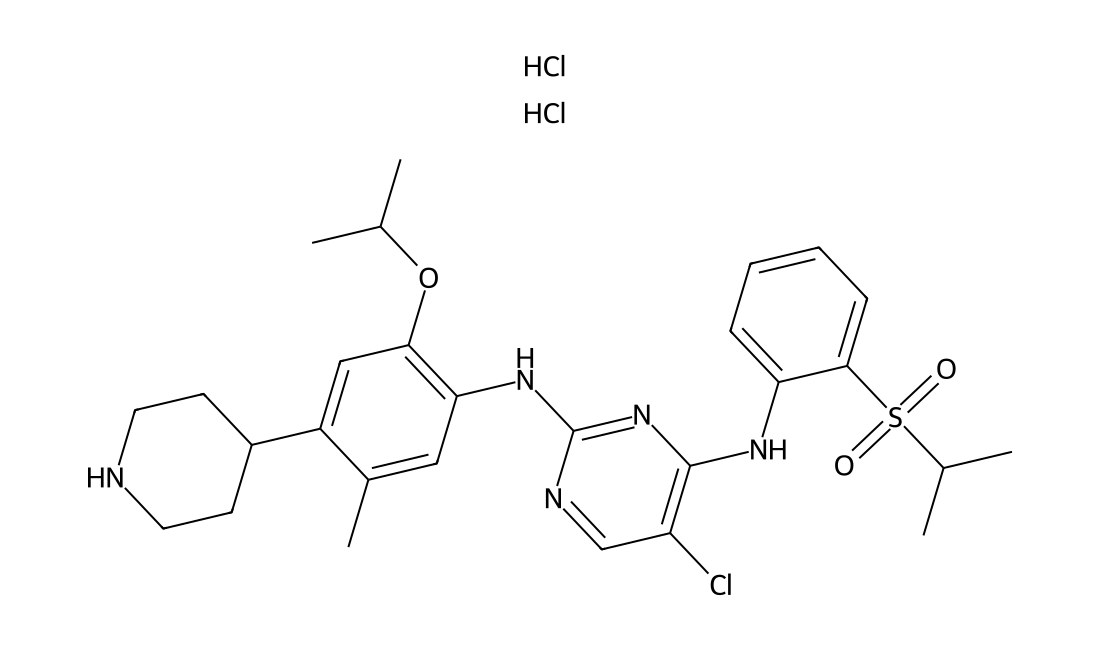
Ceritinib dihydrochloride (LDK378 dihydrochloride) is potent inhibitor against ALK with IC50 of 0.2 nM, shows 40- and 35-fold selectivity against IGF-1R and InsR, respectively.
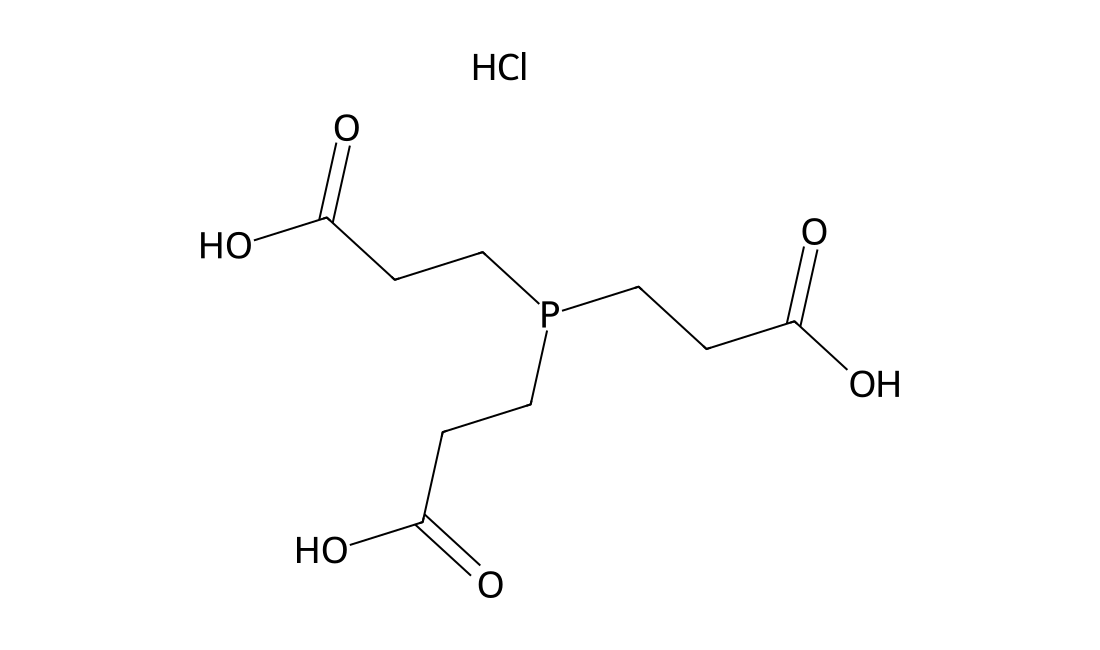
TCEP HydrochlorideFeatured
TCEP hydrochloride (Tris(2-carboxyethyl)phosphine hydrochloride) is a non-thiol reducing agent that is more stable and produces a faster S-S reductive reaction than other chemical reductants. TCEP hydrochloride is a trialkylphosphine, selectively reduces protein disuldes without altering the properties or interacting with thiol-directed agents in the reaction mixture. TCEP hydrochloride is also a commonly used reducing agent in the DNA/AuNP chemistry[1][2][3][4].
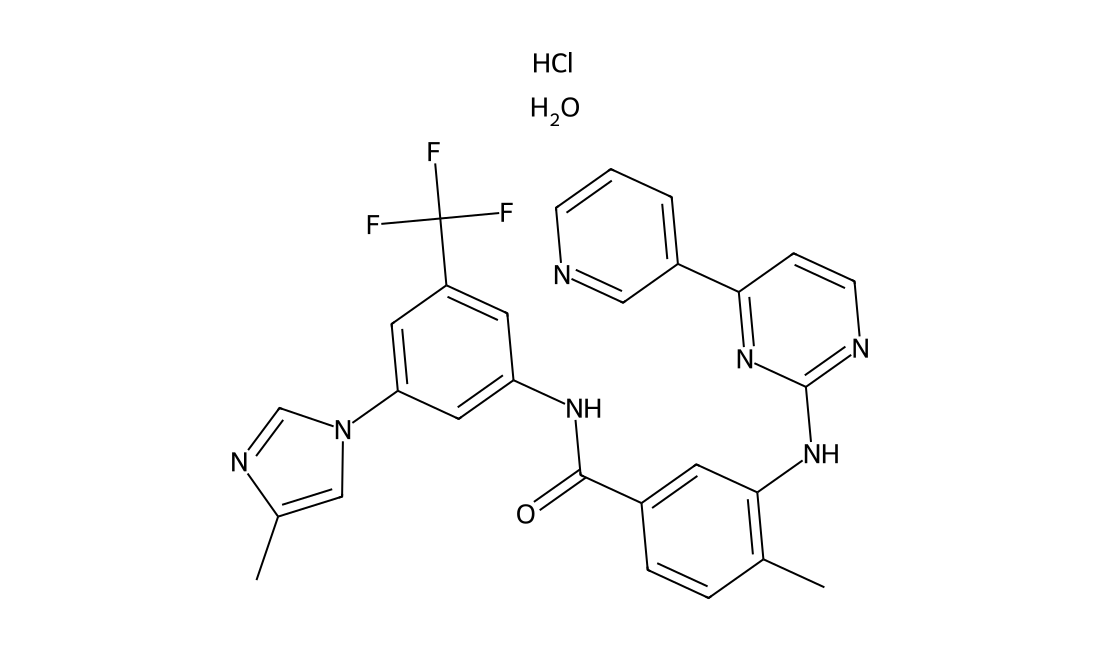
Nilotinib monohydrochloride monohydrate is a second generation tyrosine kinase inhibitor (TKI), is significantly more potent against BCR-ABL than Imatinib, and is active against many Imatinib-resistant BCR-ABL mutants.
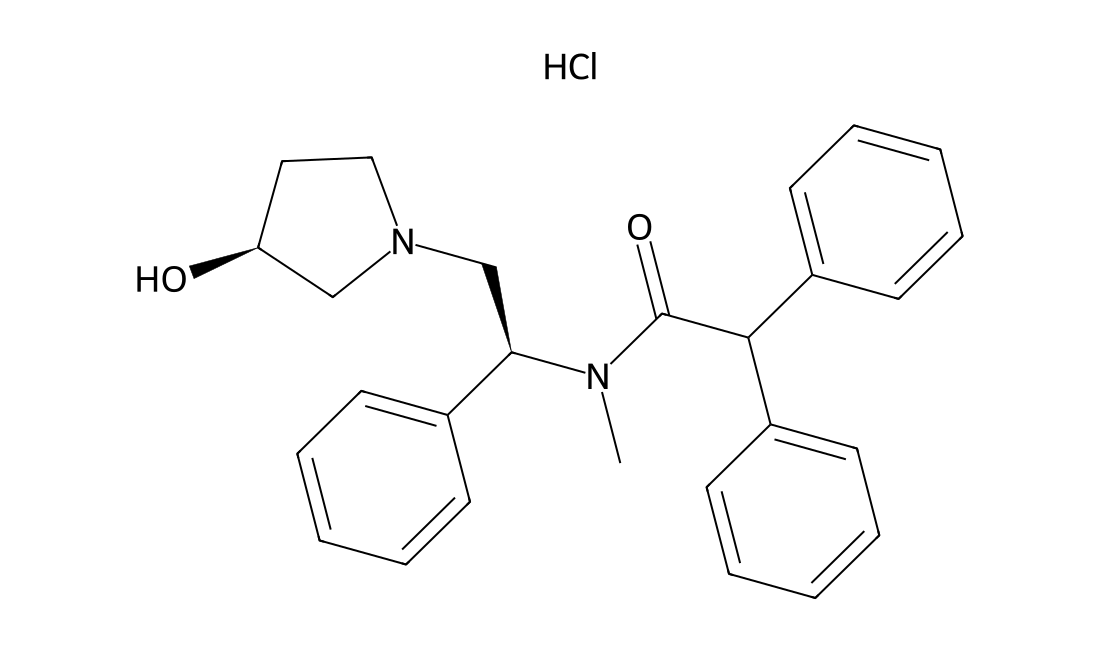
Asimadoline HCl is a κ-opioid receptor agonist potentially for the treatment of pruritus. Asimadoline has also been shown to be used in the treatment of irritable bowel syndrome.
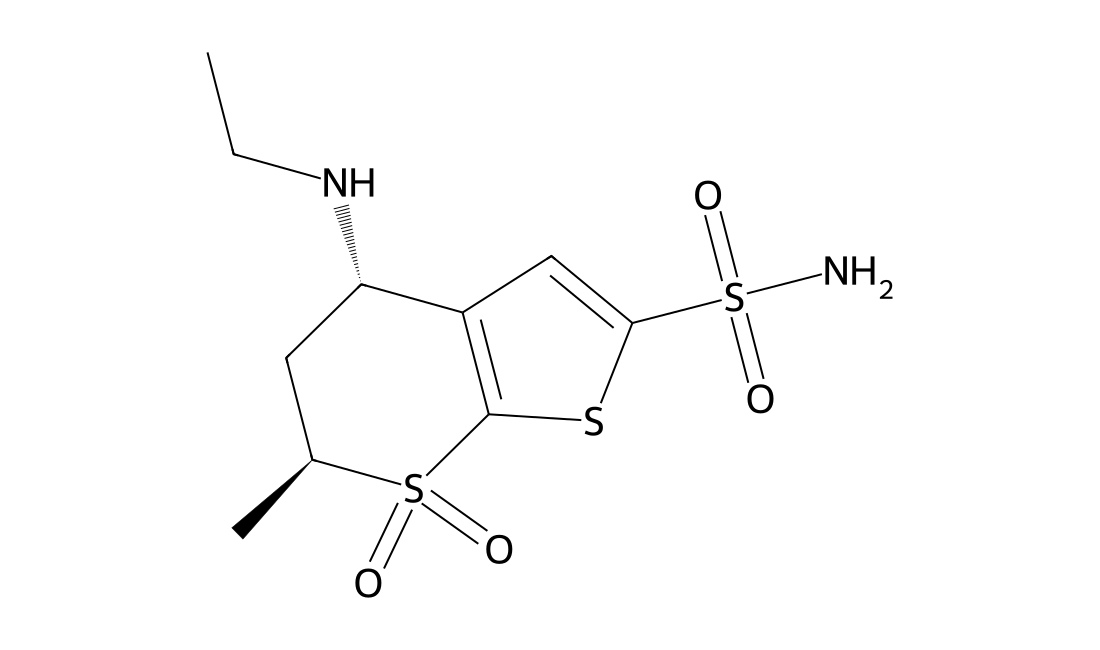
UNII 9JDX055TW1Featured
Dorzolamide is a carbonic anhydrase inhibitor. It is an anti-glaucoma agent, and acts by decreasing the production of aqueous humour. It is administered as a topical ophthalmic in the form of a 2% solution.
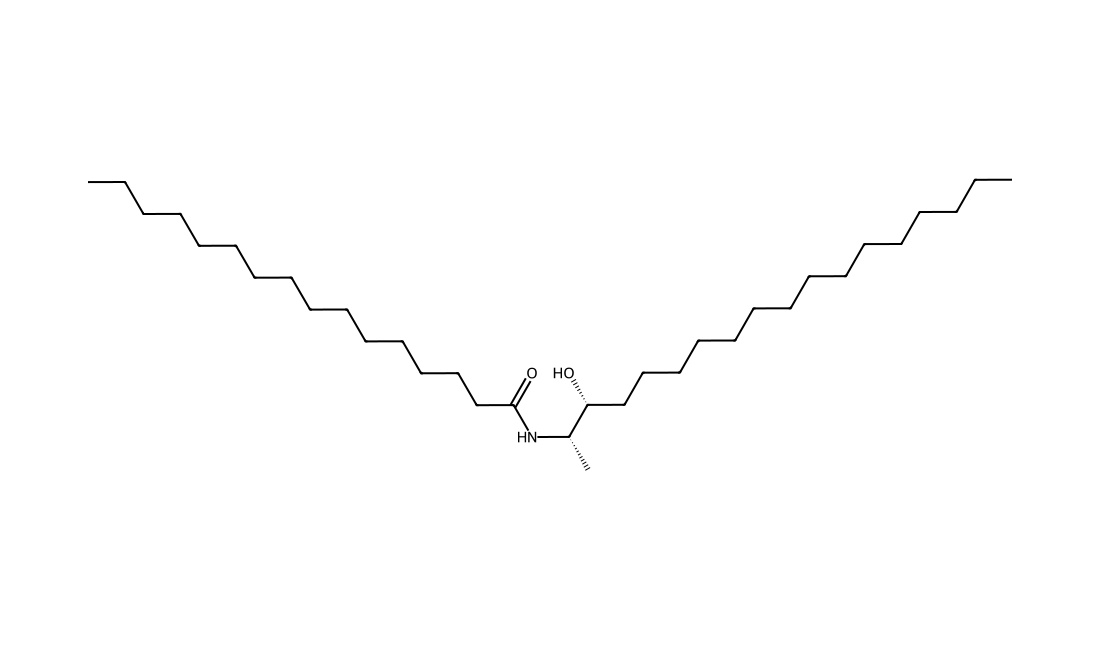
N-C16-deoxysphinganineFeatured
N-C16-Deoxysphinganine is a biochemical reagent.
No products match this search.
Page 359 of 384 · Browse all 7677 products
Jump to a product page
Featured literature product: HX1 · DCL0028
HX1 is a hydroxyzine-derived ionizable lipid with acetal-containing tails, studied in lipid nanoparticles for brain mRNA delivery and CRISPR–Cas9 delivery. It was the lead in the reported in vivo brain-delivery screen; evidence is preclinical and formulation-dependent.
Read full formulation and performance →