
Research lipid catalog
Ionizable Lipid Products
Explore 848 lipid and RNA delivery products. Search the full catalog or browse by research category.
Search covers product name, catalog number, synonyms, available CAS numbers and categories. Spaces, hyphens and common punctuation are ignored. Duplicate legacy records are consolidated under one canonical product result.
7677 products · Showing 7581–7600 · 20 per page
DC Chemicals lipid expertise
Built for ionizable-lipid discovery and RNA delivery research
DC Chemicals supports formulation and delivery research with a broad, searchable portfolio of cationic and ionizable lipids. The current directory brings together 848 unique research-use products, with product specifications, pricing, chemical structures and literature-linked formulation data added as each record is verified.
Our experience spans complex lipid synthesis, purification, analytical release and process development. For custom molecules or larger-scale requirements, our team can discuss route development, technical specifications and scale-up options for the intended research workflow.
Learn about cationic and ionizable lipids →Proprietary innovation · Co-development · GMP
From proprietary lipid design to GMP-grade custom synthesis
DC Chemicals has independently developed ionizable-lipid structures supported by company-owned intellectual property, and selected proprietary lipid programs have advanced to GMP-stage development.
We welcome joint development with customers—from molecular design and lipid synthesis through route and process development. We can also support custom synthesis of GMP-grade ionizable lipids to agreed technical specifications and quality requirements.
Discuss a co-development project →Proprietary ionizable-lipid structuresCollaborative molecular designCustom lipid synthesisProcess development and scale-upGMP-grade project support
Product quick links
Explore New ionizable lipids
Explore our five most recently added ionizable lipids, with specifications, pricing and literature-linked product information.
DCL0028HX1Brain RNA delivery researchView product →DCL0024A1I4R13C18-2Spleen-targeted RNA delivery researchView product →DCL0023A1I4R2C18-2Spleen-targeted RNA delivery researchView product →DCL0022FS01Local joint RNA delivery researchView product →DCL0020Lipid-392Lung RNA delivery and gene editing researchView product →
Cat. No.Product NameField of ApplicationChemical Structure
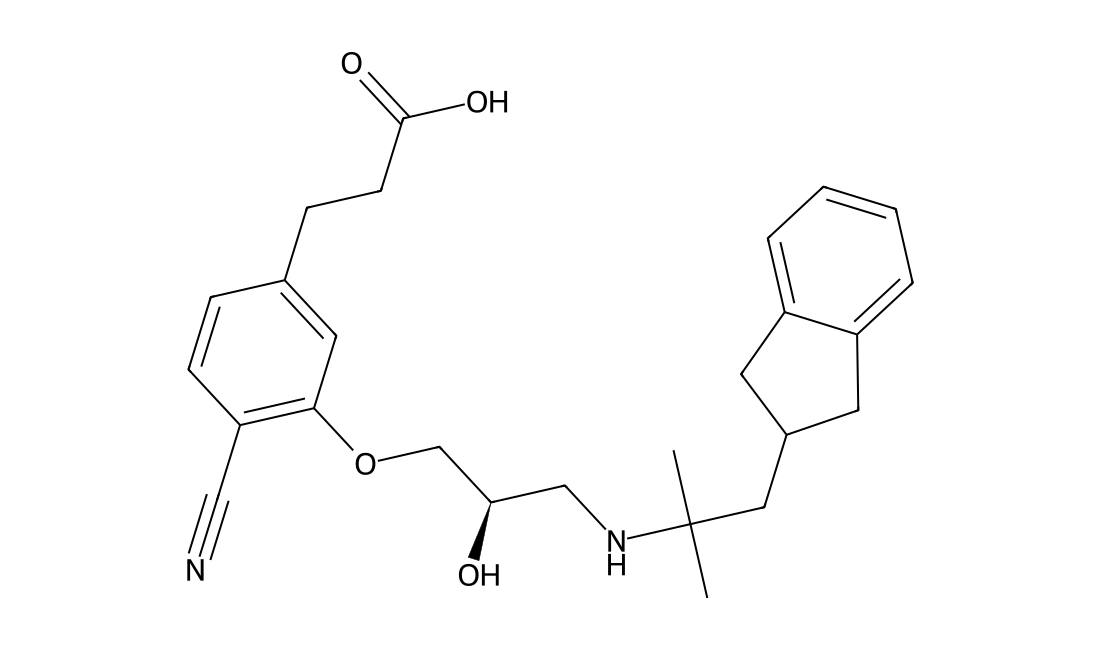
SB-423562Featured
SB-423562 is a short-acting calcium-sensing receptor (CaR) antagonist.
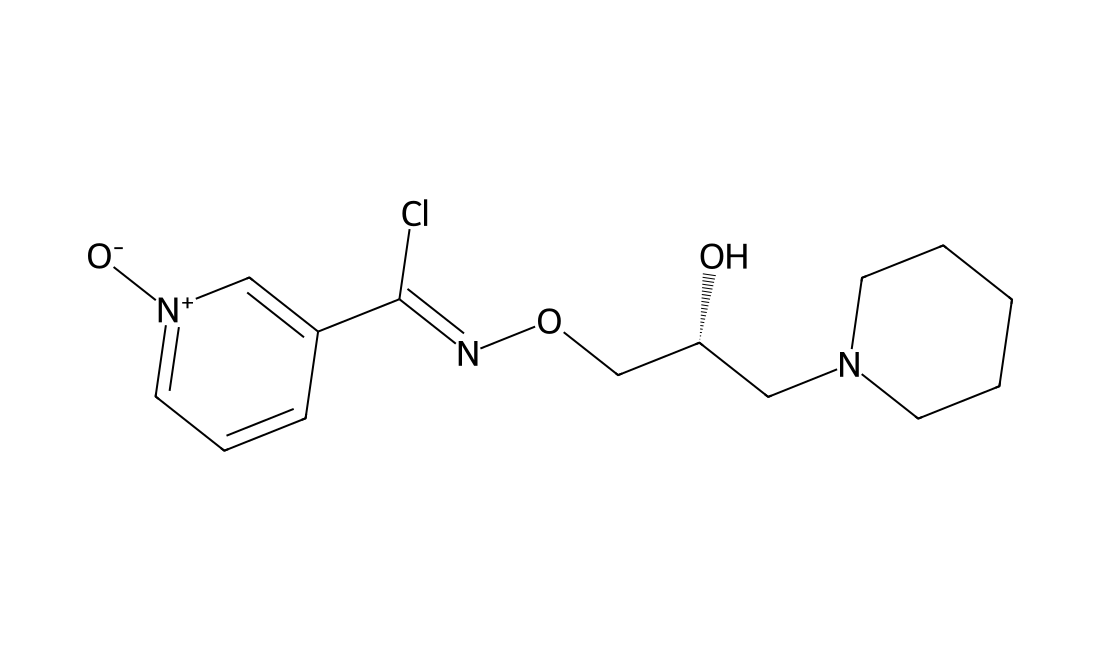
ArimoclomolFeatured
Arimoclomol (BRX-220 free base) is a co-inducer of heat shock proteins (HSP).
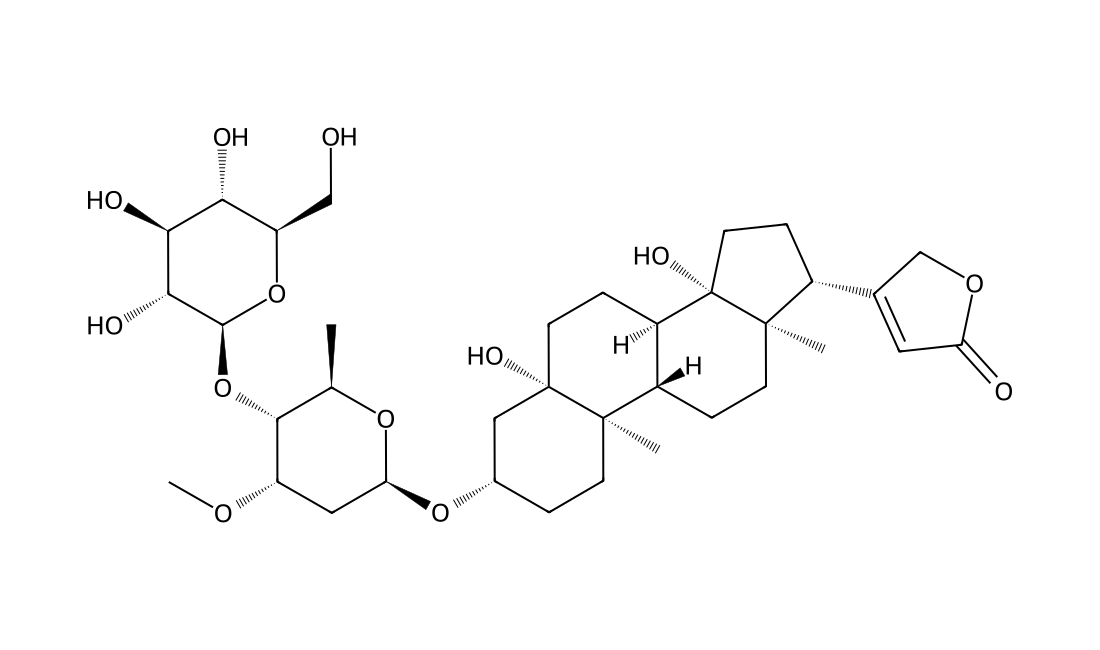
PeriplocinFeatured
Periplocin is a cardiotonic steroid isolated from Periploca forrestii. Periplocin promotes tumor cell apoptosis and inhibits tumor growth. Periplocin has the potential to facilitate wound healing through the activation of Src/ERK and PI3K/Akt pathways mediated by Na/K-ATPase.
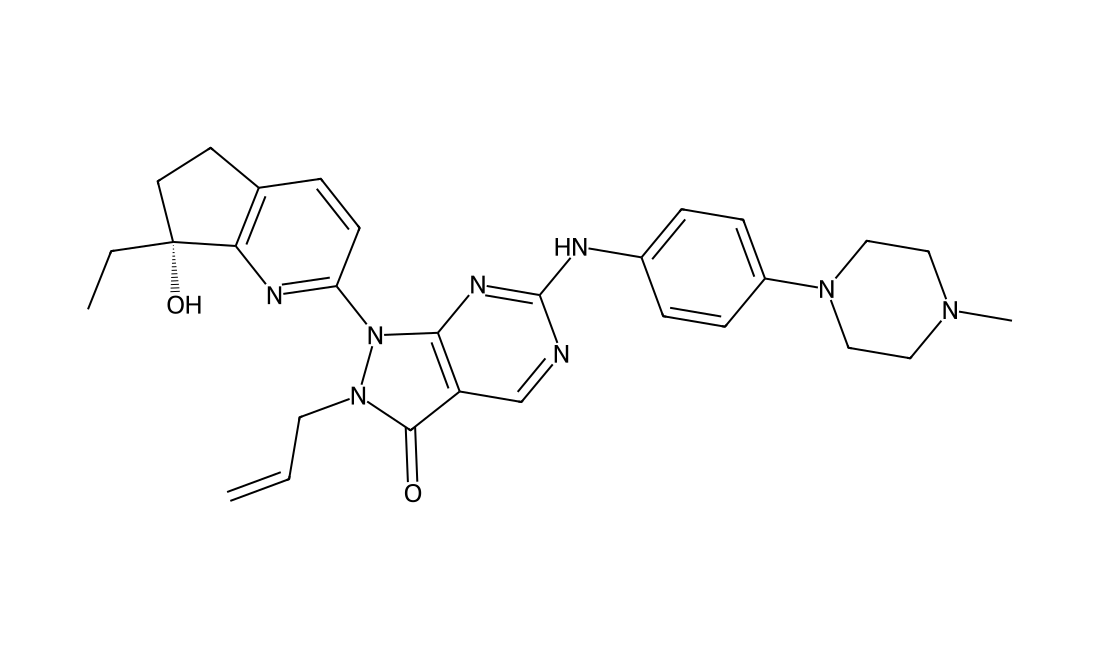
ZN-c3Featured
ZN-c3 is an orally active, highly potent and selective Wee1 inhibitor (IC50=3.9 nM). ZN-c3 can be used for the research of cancer.
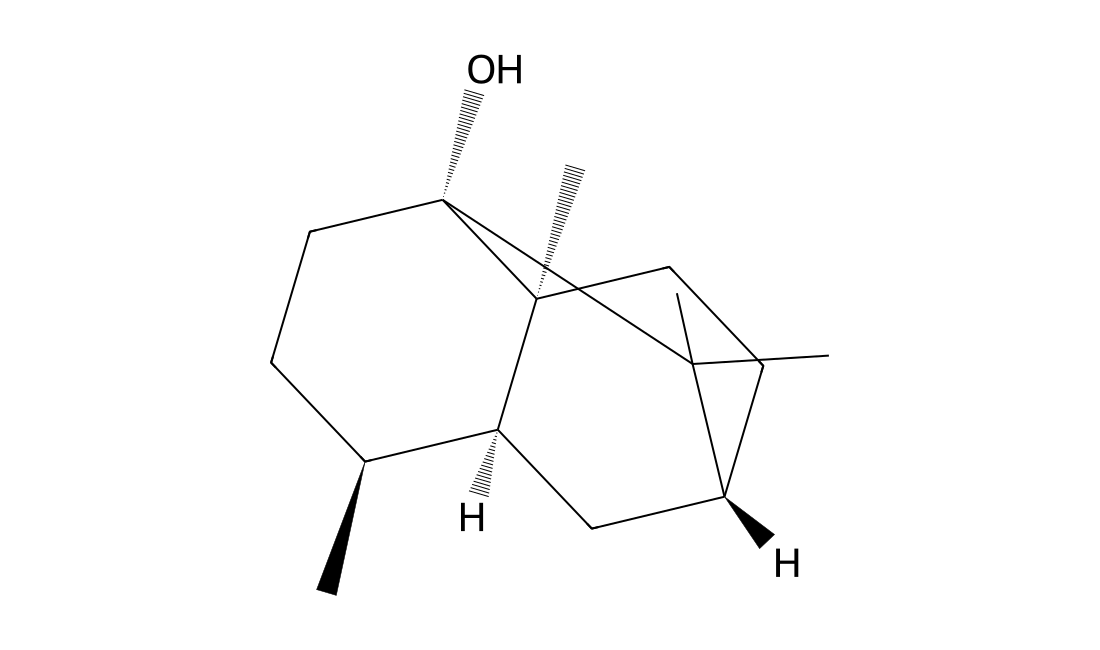
Patchouli AlcoholFeatured
Patchouli alcohol is a natural tricyclic sesquiterpene extracted from Pogostemon cablin (Blanco) Benth, and exhibits anti-Helicobacter pylori and anti-inflammatory properties[1].
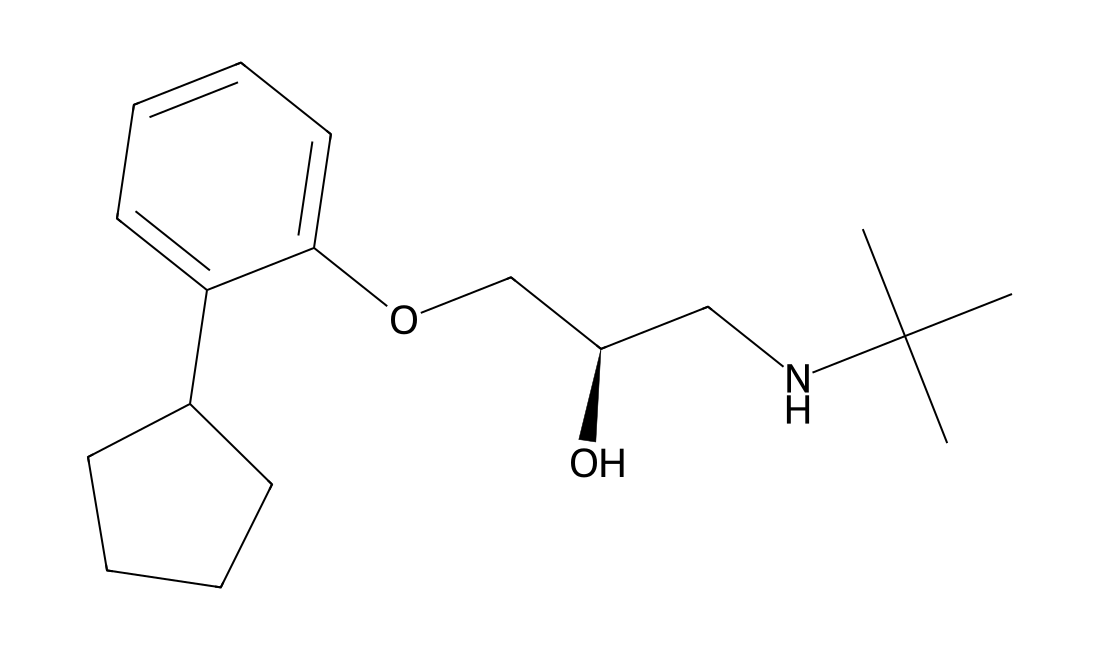
(+)-PenbutololFeatured
In Vitro (+)-penbutolol on the [Ca2+]i-increase induced by LPC is concentration-dependent. (+)-penbutolol inhibits the rounding of cells dose dependently (8±4%, 56±4% and 66±2% at the concentrations of 10-6 M, 5×10⁻⁶ M and 10-5 M, respectively).
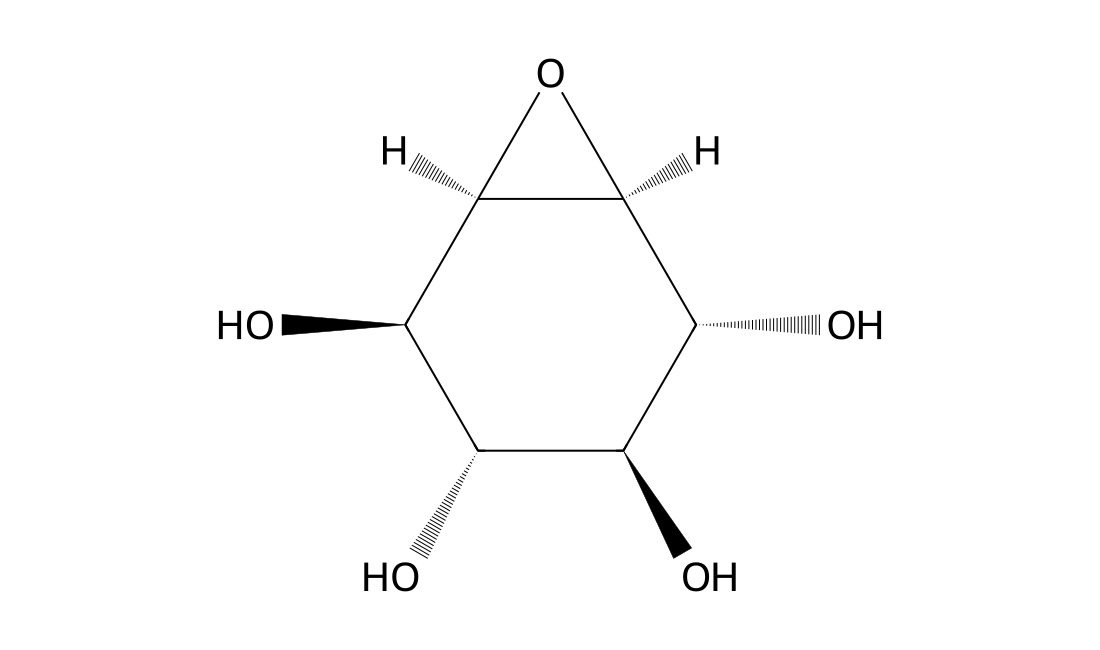
myo-Inositol,1,2-anhydro-Featured
Conduritol B epoxide is an irreversible covalently bound acid β-glucosidase (GCase) inhibitor, with IC50s of 1 and 100 μM for β-glucosidase and α-glucosidase respectively.
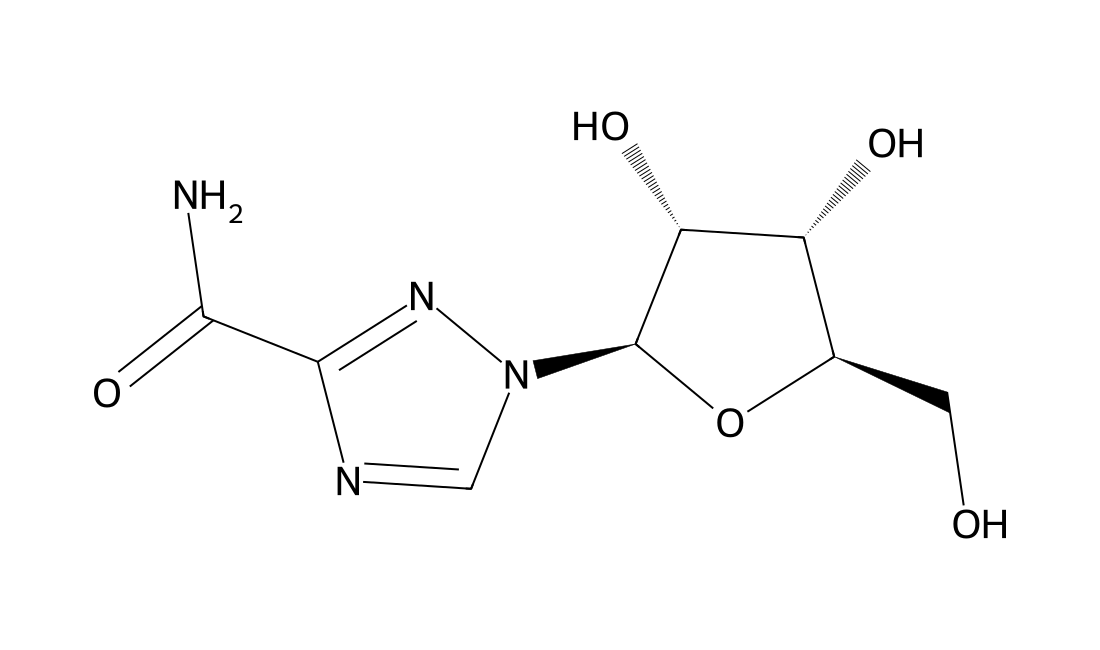
Ribavirin (Copegus)Featured
Ribavirin is an antiviral agent against a broad spectrum of viruses including HCV, HIVl, and RSV.
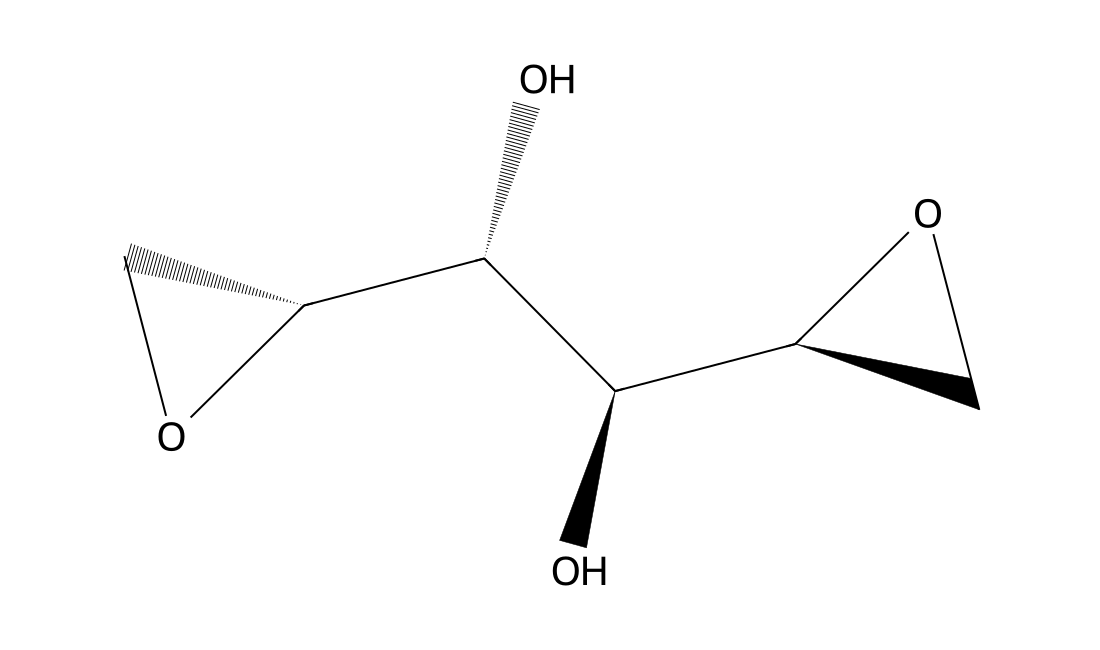
VAL083Featured
VAL-083 is a bi-functional alkylating agent, with potential antineoplastic activity. Upon administration, VAL-083 crosses the blood brain barrier (BBB) and appears to be selective for tumor cells. This agent alkylates and crosslinks DNA which ultimately leads to a reduction in cancer cell proliferation. In addition, VAL-083 does not show cross-resistance to other conventional chemotherapeutic agents and has a long half-life in the brain.
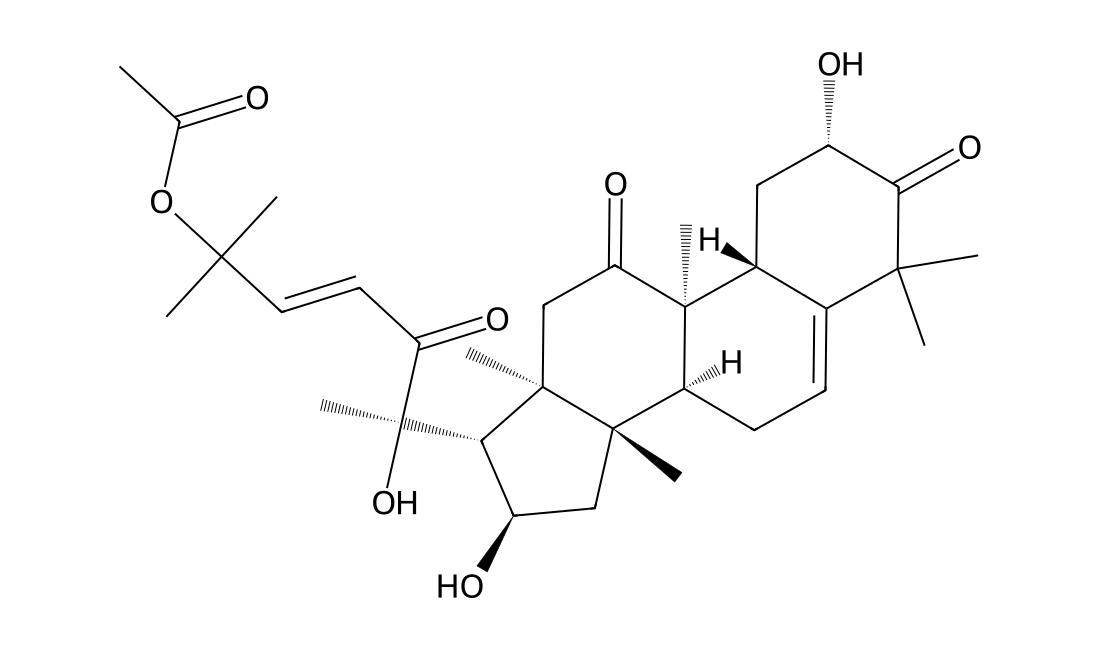
cucurbitacin BFeatured
Cucurbitacin B belongs to a class of highly oxidized tetracyclic triterpenoids; could repress cancer cell progression.
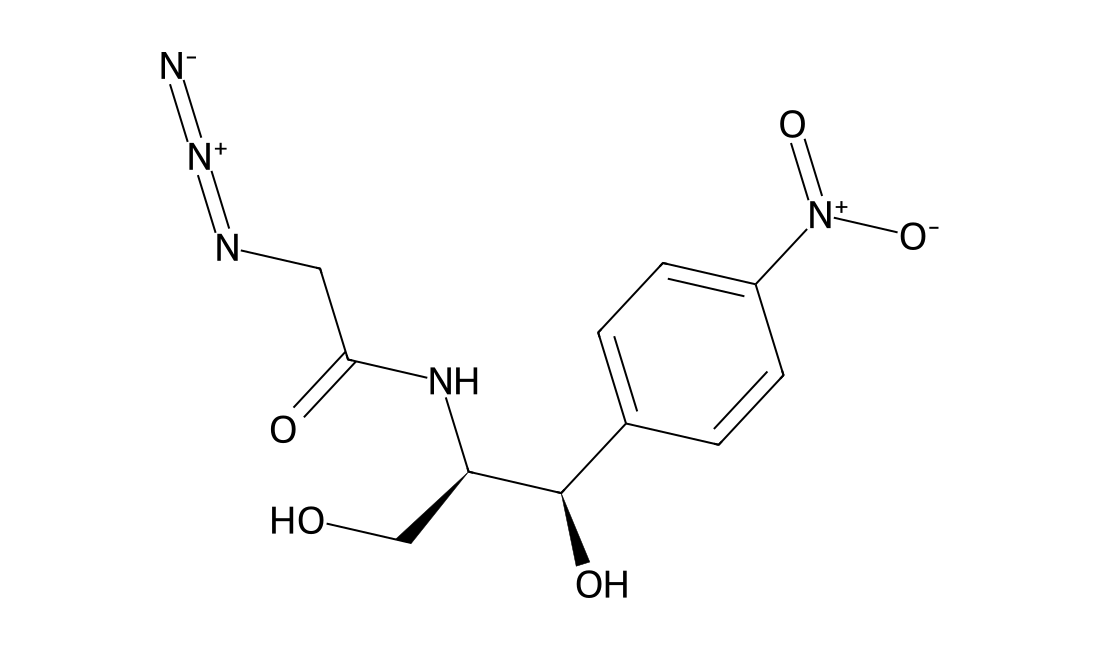
AzidamfenicolFeatured
Azidamfenicol is a broad-spectrum chloramphenicol-like antibiotic that is active against Gram-negative and Gram-positive bacteria.1 It inhibits ribosomal peptidyltransferase (Ki = 22 µM).2
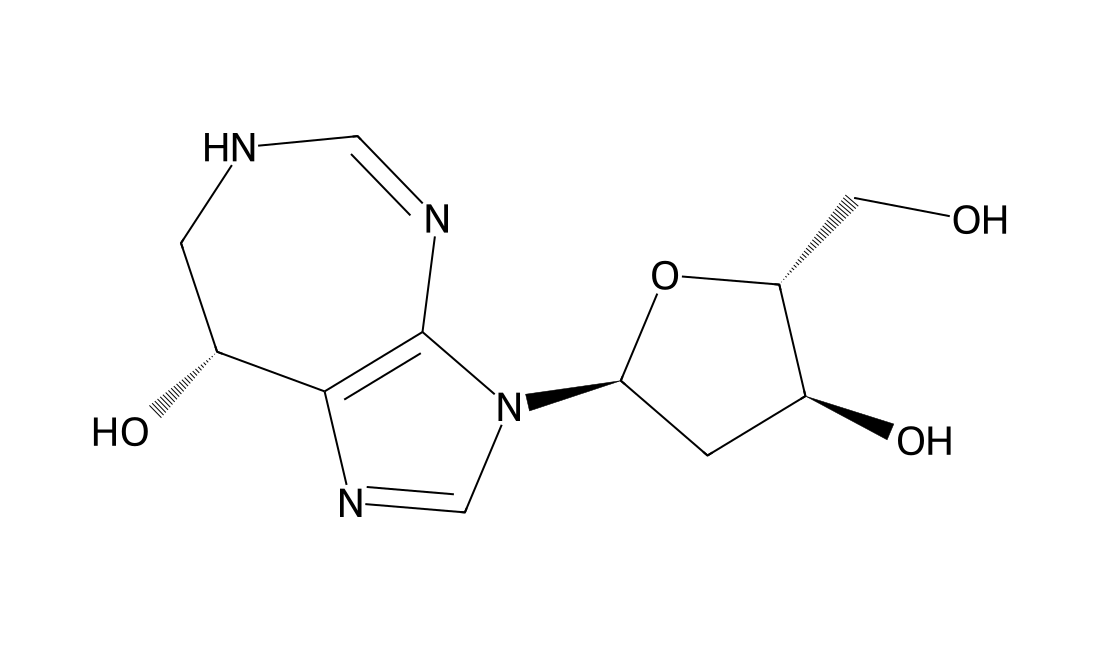
Pentostatin(Deoxycoformycin)Featured
Pentostatin is an irreversible inhibitor of adenosine deaminase with Ki of 2.5 pM.
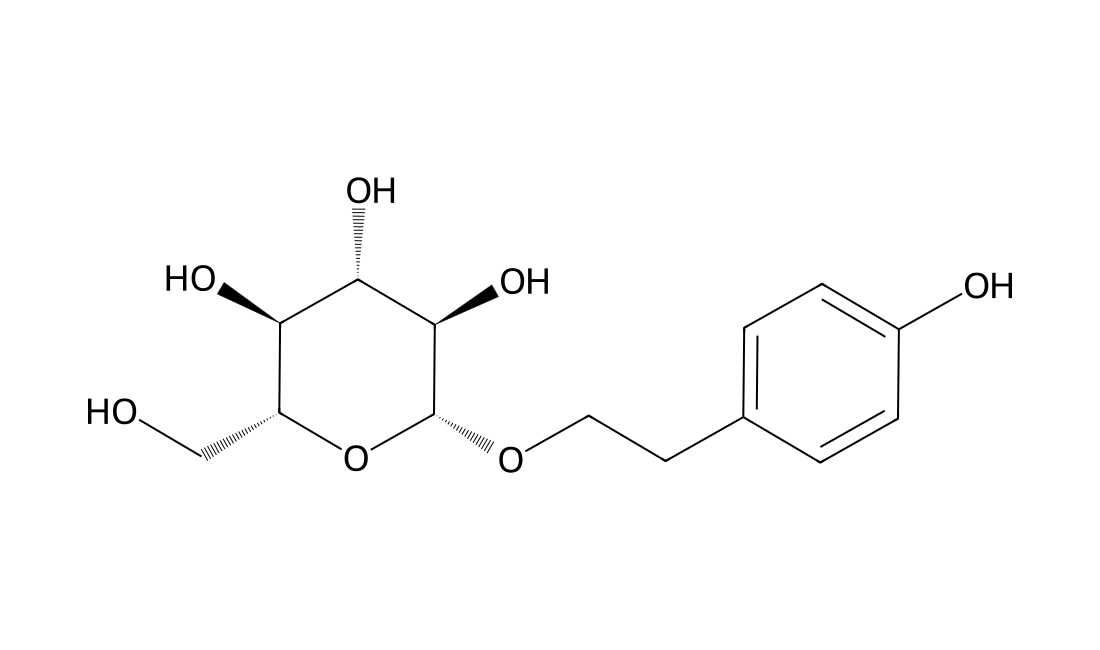
SalidrosideFeatured
Salidroside is a prolyl endopeptidase Inhibitor. Salidroside alleviates cachexia symptoms in mouse models of cancer cachexia via activating mTOR signalling.
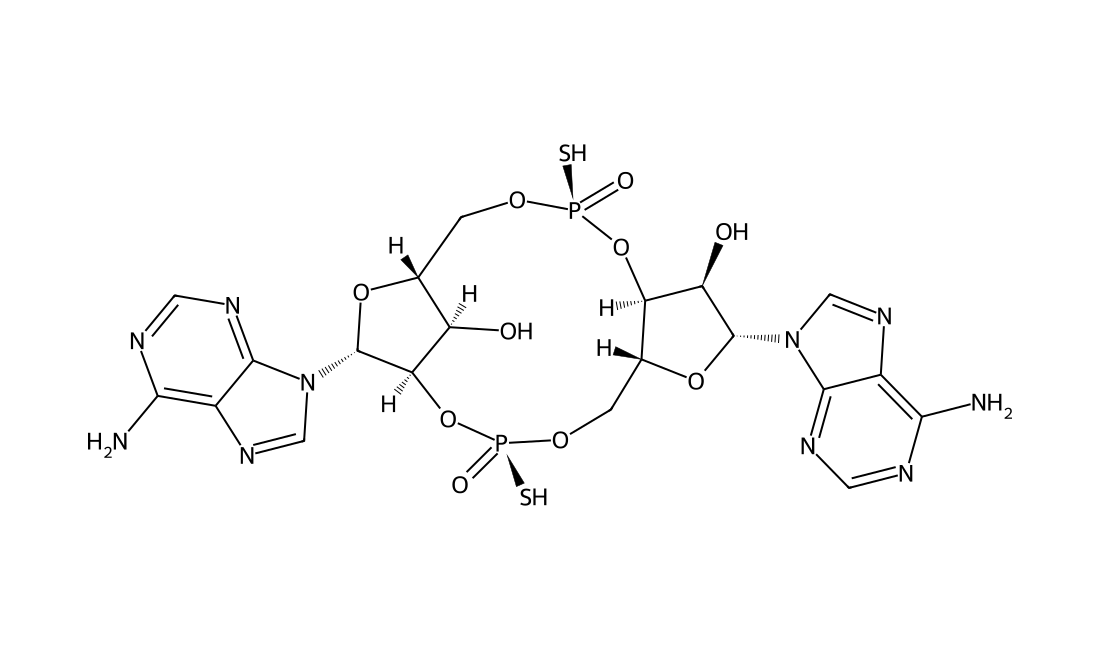
ML RR-S2 CDAFeatured
ML-RR-S2 CDA is a potent STING-activating cyclic di-adenosine (CDA or c-diAMP) nucleotide ligand with the 2′-5′, 3′-5′ mixed phosphodiester linkage (ML) in the [Rp,Rp] configuration and doubly substituted thiophosphate (S2) for optimal phosphodiesterase-resistance and thereby enhanced cellular potency. ML-RR-S2 CDA effectively induces IRF3, NF-kB, and STAT6 transcription activities in a STING-dependent manner in both murine (DC2.4 & BMMs) and human (THP1 & PBMCs) cultures (5-100 μM) as well as displays profound anti-tumor efficacy in vivo (100% growth inhibition of established B16.F10, 4T-1 or CT26 tumor with 3X 50 μg/mouse/96 hr intratumoral injections) with lasting immune-mediated tumor rejection.It contains mixed linkages (ML) with both 2'5' and 3'5' linkages, which leads to increased thermal stability of human STING in a differential scanning fluorimetry (DSF) assay. ML RR-S2 CDA increases type I interferon production by THP-1 human monocytes relative to unmodified cyclic di-AMP, indicating the ML enhances its action at human STING. It induces expression of IFN-β and the pro-inflammatory cytokines TNF-α, IL-6, and Mcp-1 in murine bone marrow macrophages (BMM) isolated from wild-type, but not STING-/-, mice. ML RR-S2 CDA also induces IFN-β expression in peripheral blood mononuclear cells (PBMCs) isolated from donors carrying STINGWT/WT, STINGWT/REF, and STINGWT/HAQ alleles. In vivo, ML RR-S2 CDA initiates tumor regression and prevents tumor growth upon tumor cell reimplantation in 4T1 breast and CT26 colon cancer mouse xenograft models.
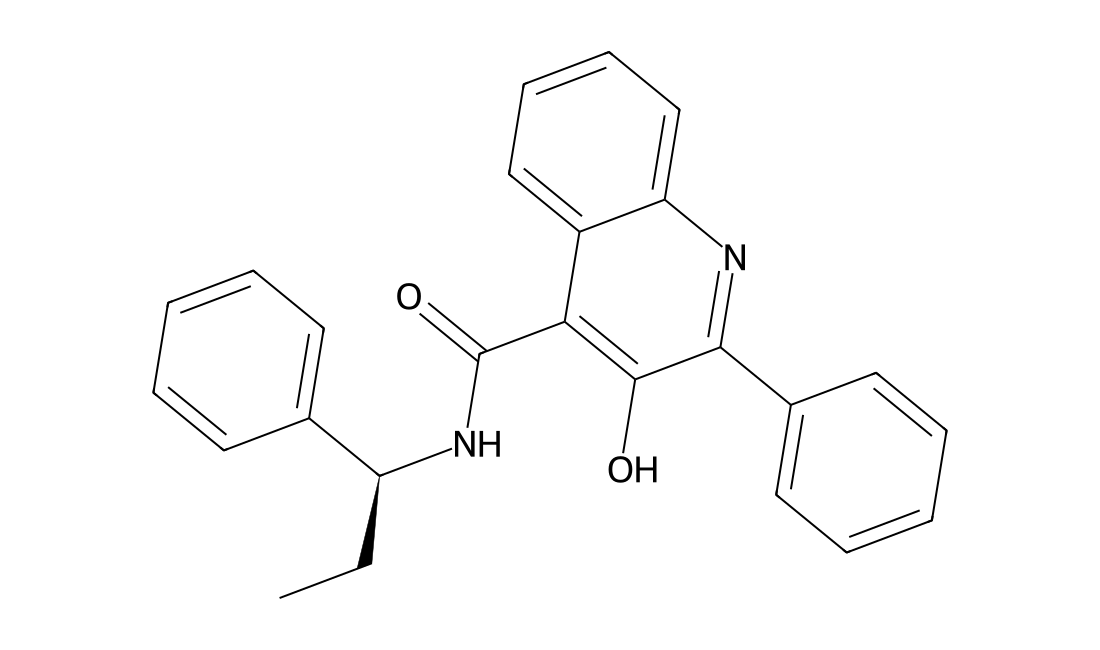
Talnetant (SB 223412)Featured
Talnetant (SB 223412) is a potent and selective NK3 receptor antagonist (ki=1.4 nM, hNK-3-CHO); 100-fold selective for the hNK-3 versus hNK-2 receptor, with no affinity for the hNK-1 at concentrations up to 100 uM.
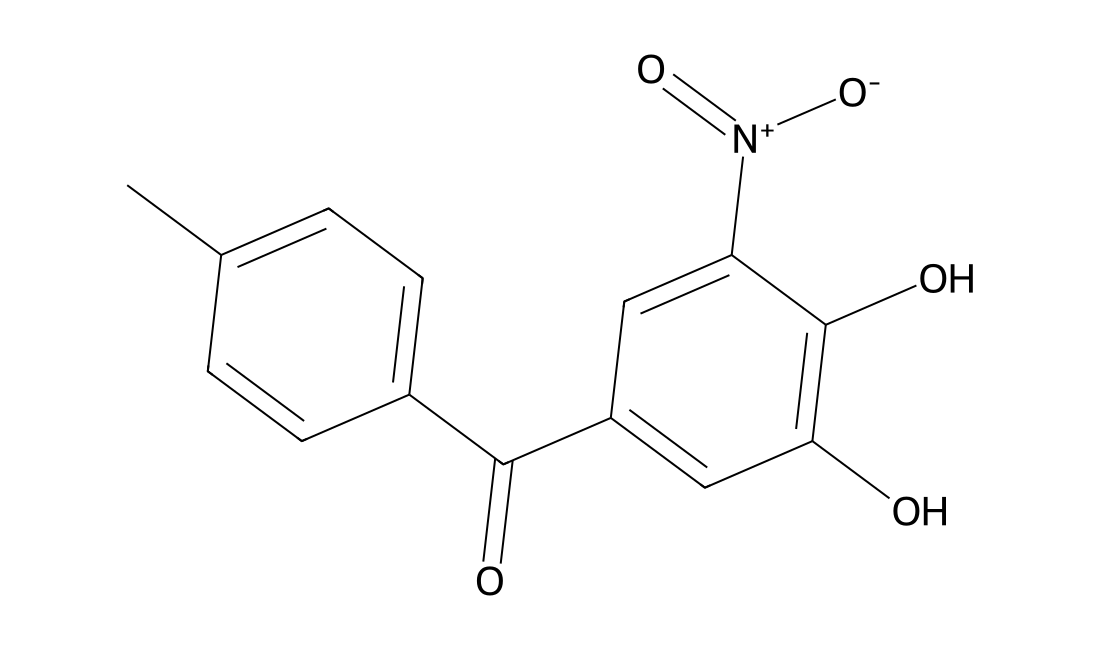
TolcaponeFeatured
Tolcapone(Ro 40-7592) is an orally active selective, potent catechol-O-methyltransferase (COMT) inhibitor.Tolcapone inhibits both central and peripheral COMT. Tolcapone caused a rapid and reversible inhibition of COMT activity in erythrocytes in parallel with a dose-dependent decrease in the formation of 3-OMD. Tolcapone increased the area under the concentration-time curve and elimination half-life of levodopa. Tolcapone crosses the blood-brain barrier, and has been used for L-DOPA adjunct therapy in the treatment of Parkinson's disease.
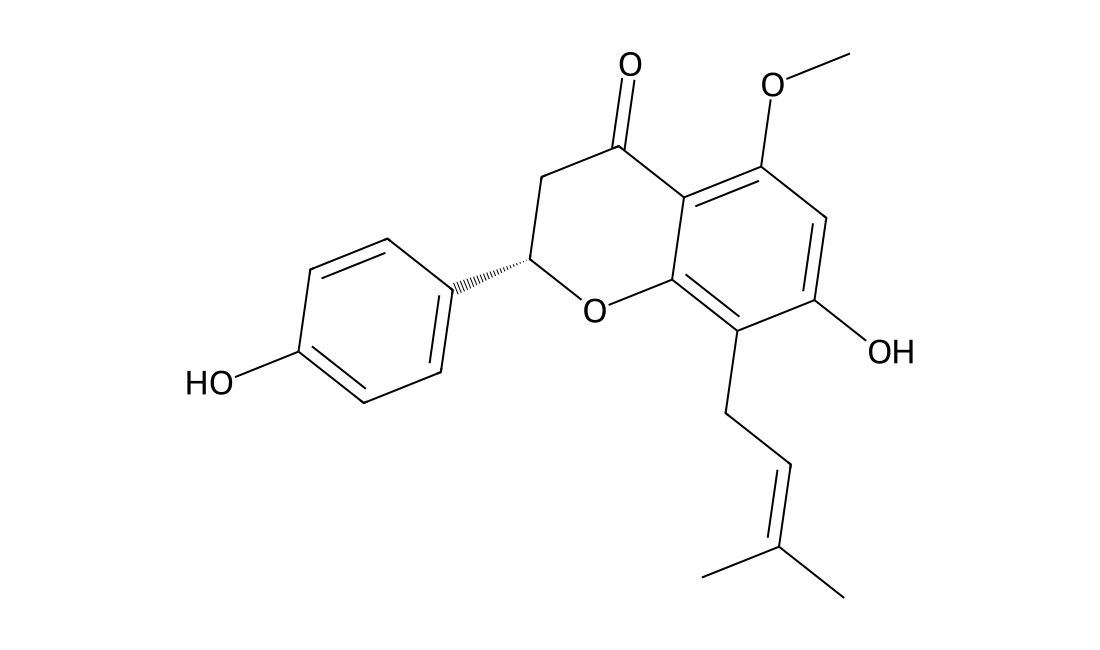
(−)-IsoxanthohumolFeatured
(2S)-Isoxanthohumol is a microbial biotransformed metabolite of the hop prenylflavanone Isoxanthohumol[1].
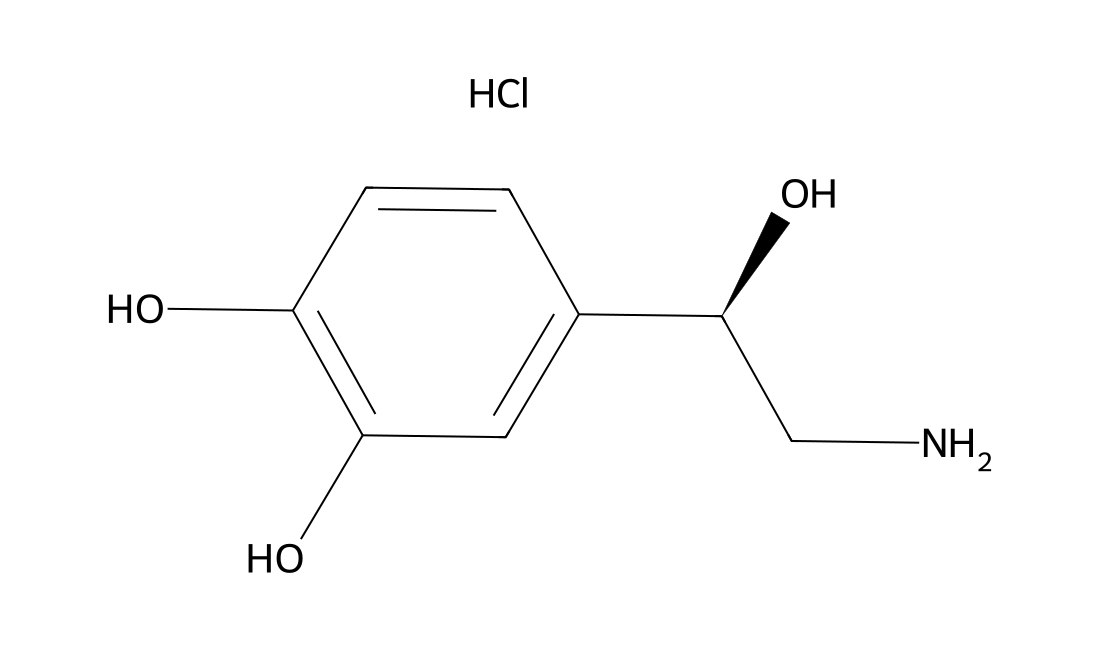
Norepinephrine hydrochlorideFeatured
Norepinephrine (Levarterenol; L-Noradrenaline) hydrochloride is a potent agonist of adrenergic receptor (AR). Norepinephrine activates α1, α2, β1 receptors.
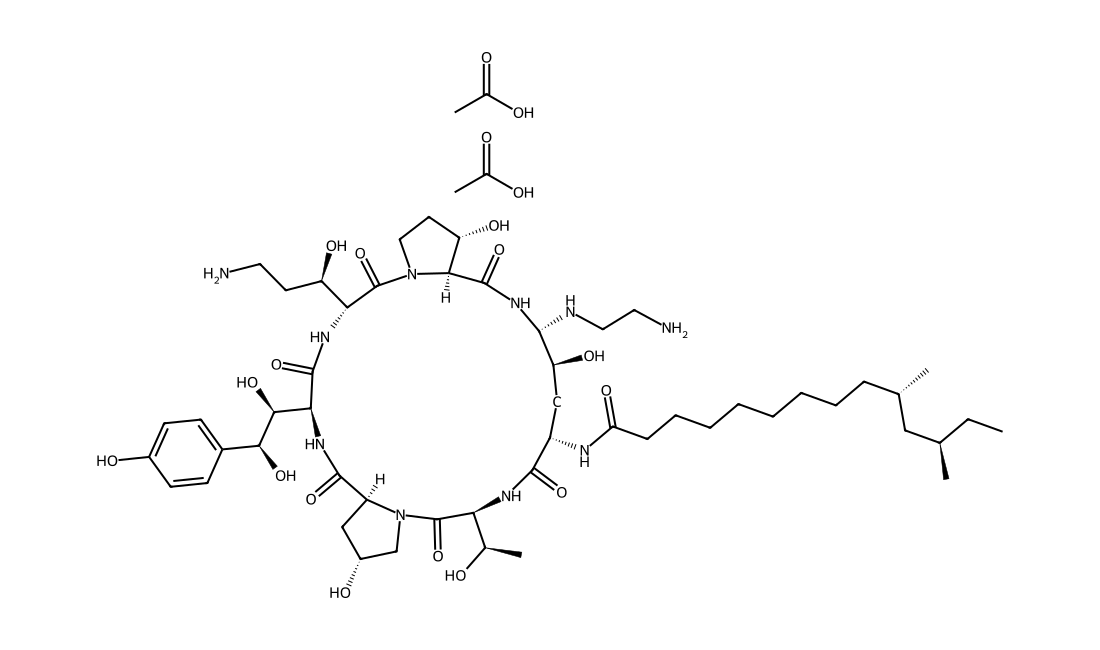
CancidasFeatured
Caspofungin (Acetate) is an antifungal drug, and noncompetitively inhibits 1,3-β-d glucan synthase activity.
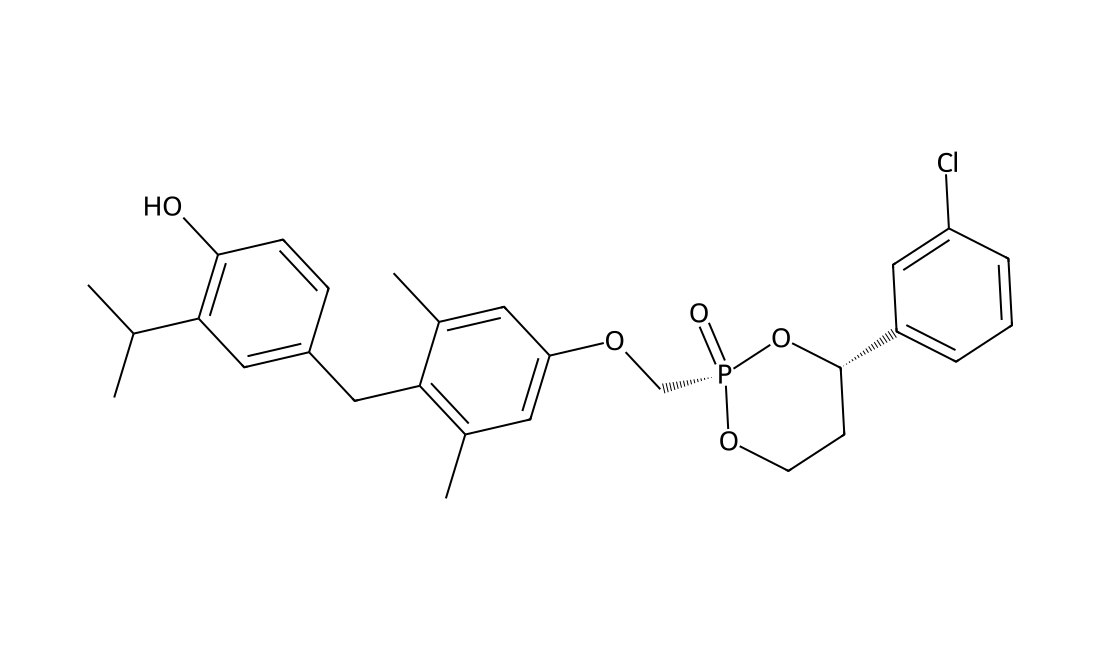
MB-07811 (VK-2809)Featured
MB-07811 (VK-2809) is an orally active HepDirect prodrug of MB07344, a liver-targeted thyroid hormone receptor-β agonist[1]. MB-07811 has cholesterol and triglycerides lowering activity[2].
No products match this search.
Page 380 of 384 · Browse all 7677 products
Jump to a product page
Featured literature product: HX1 · DCL0028
HX1 is a hydroxyzine-derived ionizable lipid with acetal-containing tails, studied in lipid nanoparticles for brain mRNA delivery and CRISPR–Cas9 delivery. It was the lead in the reported in vivo brain-delivery screen; evidence is preclinical and formulation-dependent.
Read full formulation and performance →