
Research lipid catalog
Ionizable Lipid Products
Explore 848 lipid and RNA delivery products. Search the full catalog or browse by research category.
Search covers product name, catalog number, synonyms, available CAS numbers and categories. Spaces, hyphens and common punctuation are ignored. Duplicate legacy records are consolidated under one canonical product result.
8177 products · Showing 7661–7680 · 20 per page
DC Chemicals lipid expertise
Built for ionizable-lipid discovery and RNA delivery research
DC Chemicals supports formulation and delivery research with a broad, searchable portfolio of cationic and ionizable lipids. The current directory brings together 848 unique research-use products, with product specifications, pricing, chemical structures and literature-linked formulation data added as each record is verified.
Our experience spans complex lipid synthesis, purification, analytical release and process development. For custom molecules or larger-scale requirements, our team can discuss route development, technical specifications and scale-up options for the intended research workflow.
Learn about cationic and ionizable lipids →Proprietary innovation · Co-development · GMP
From proprietary lipid design to GMP-grade custom synthesis
DC Chemicals has independently developed ionizable-lipid structures supported by company-owned intellectual property, and selected proprietary lipid programs have advanced to GMP-stage development.
We welcome joint development with customers—from molecular design and lipid synthesis through route and process development. We can also support custom synthesis of GMP-grade ionizable lipids to agreed technical specifications and quality requirements.
Discuss a co-development project →Proprietary ionizable-lipid structuresCollaborative molecular designCustom lipid synthesisProcess development and scale-upGMP-grade project support
Product quick links
Explore New ionizable lipids
Explore our five most recently added ionizable lipids, with specifications, pricing and literature-linked product information.
DCL0028HX1Brain RNA delivery researchView product →DCL0024A1I4R13C18-2Spleen-targeted RNA delivery researchView product →DCL0023A1I4R2C18-2Spleen-targeted RNA delivery researchView product →DCL0022FS01Local joint RNA delivery researchView product →DCL0020Lipid-392Lung RNA delivery and gene editing researchView product →
Cat. No.Product NameField of ApplicationChemical Structure
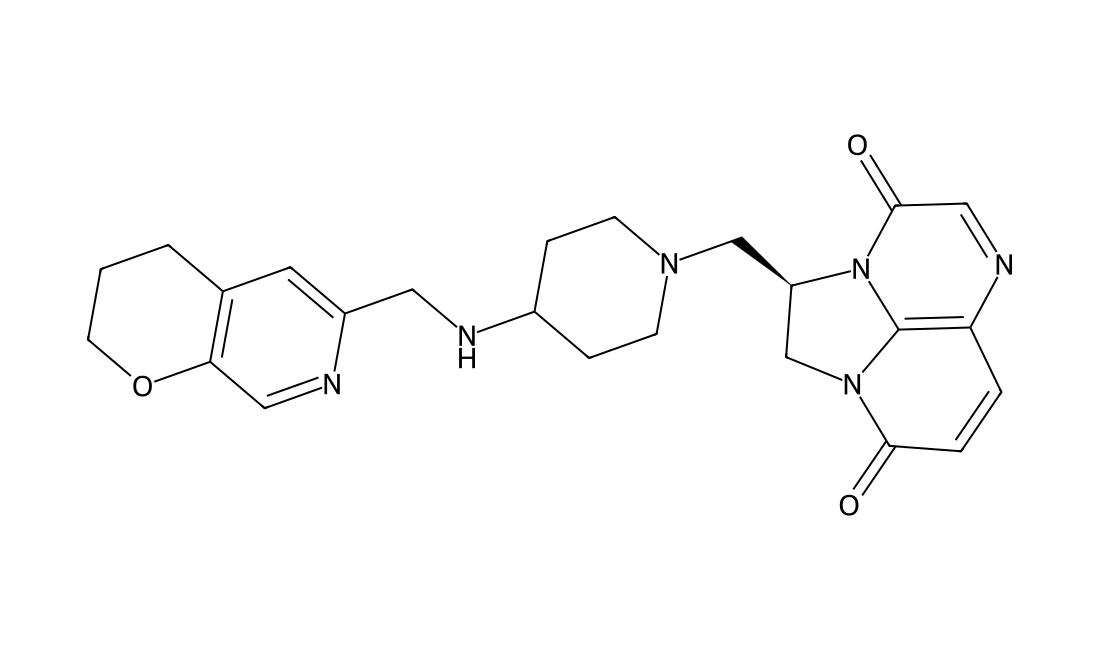
GepotidacinFeatured
Gepotidacin is a novel, first-in-class, triazaacenaphthylene antibacterial that inhibits bacterial DNA gyrase and topoisomerase IV via a unique mechanism and has demonstrated in vitro activity against gram-negative and gram-positive bacterias , including drug-resistant strains, and also targets pathogens associated with other conventional and biothreat infections. The MIC50 and MIC90 for gepotidacin against the 25 N. gonorrhoeae isolates tested are 0.12 and 0.25 μg/mL, respectively. The gepotidacin MIC90s are as follows (in μg/mL): Streptococcus pyogenes, 0.25; Escherichia coli, 2; Moraxella catarrhalis, ≤0.06; Streptococcus pneumoniae, 0.25; Haemophilus influenzae, 1; Clostridium perfringens, 0.5; and Shigella spp., 1. Gepotidacin hasin vitroactivity against causative pathogens of acute bacterial skin and skin structure infections (ABSSSIs).GSK2140944 MICs are 0.125 to 0.5 mg/L against the six MRSA isolates. ELF penetration ratios range from 1.1 to 1.4. Observed maximal decreases are 1.1 to 3.1 log10 CFU in neutropenic mice. The mean fAUC/MIC ratios required for stasis and 1-log-unit decreases are 59.3 ± 34.6 and 148.4 ± 83.3, respectively.
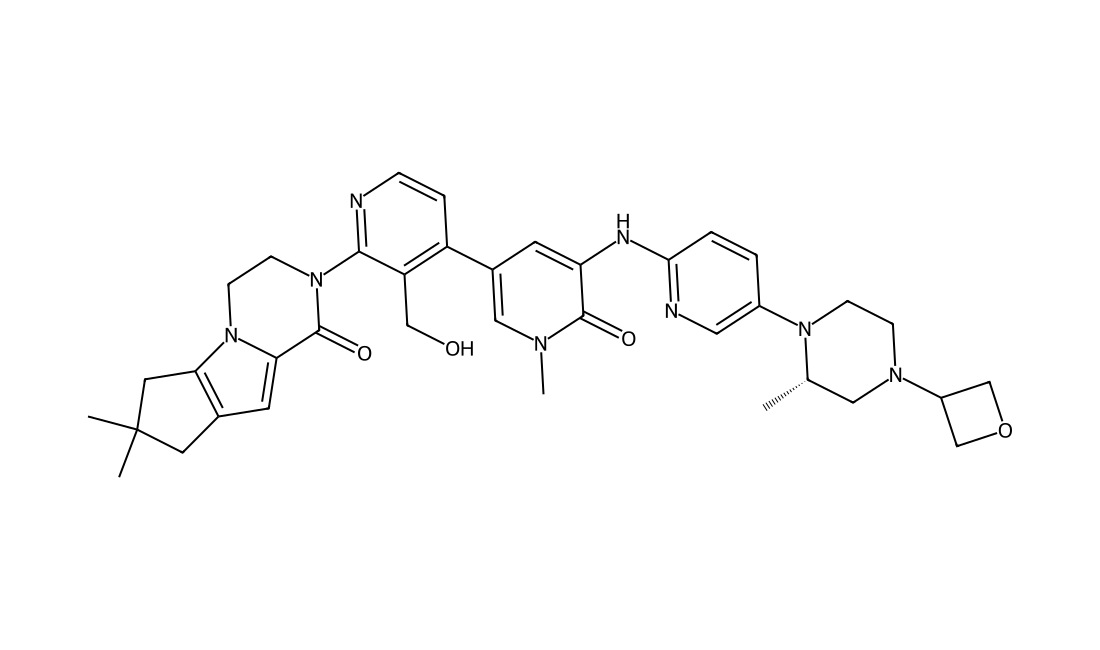
GDC-0853(RG7845)Featured
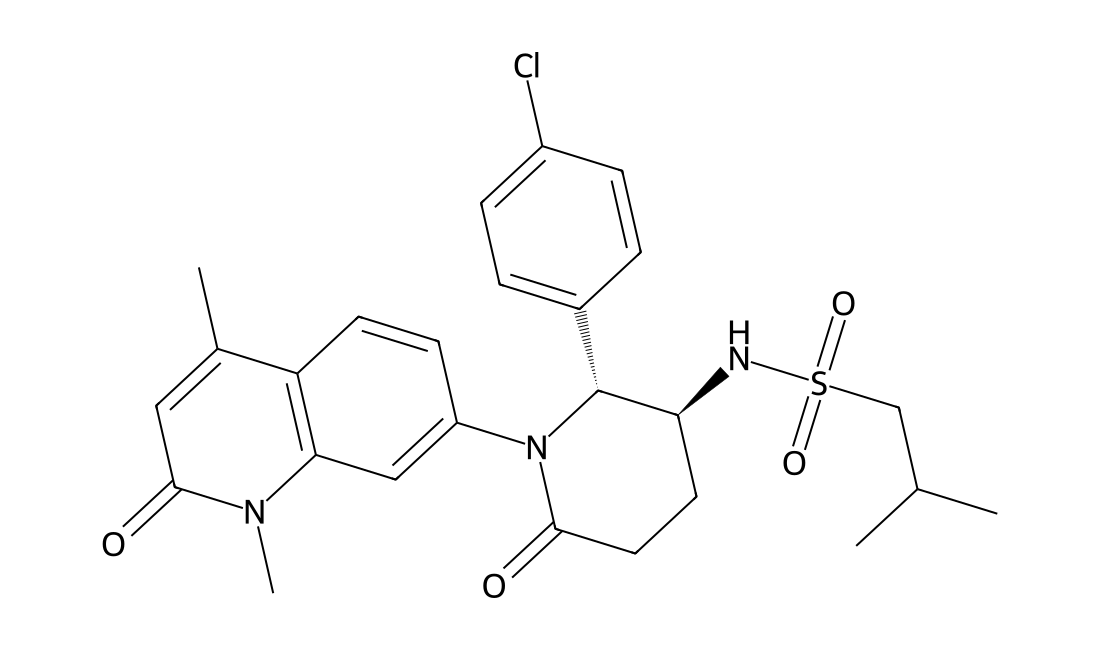
GDC-0853 is orally available inhibitor of Bruton's tyrosine kinase (BTK) with potential antineoplastic activity. Upon administration, GDC-0853 inhibits the activity of BTK and prevents the activation of the B-cell antigen receptor (BCR) signaling pathway. This prevents both B-cell activation and BTK-mediated activation of downstream survival pathways, which leads to the inhibition of the growth of malignant B-cells that overexpress BTK. BTK, a member of the Src-related BTK/Tec family of cytoplasmic tyrosine kinases, is overexpressed in B-cell malignancies; it plays an important role in B-lymphocyte development, activation, signaling, proliferation and survival.
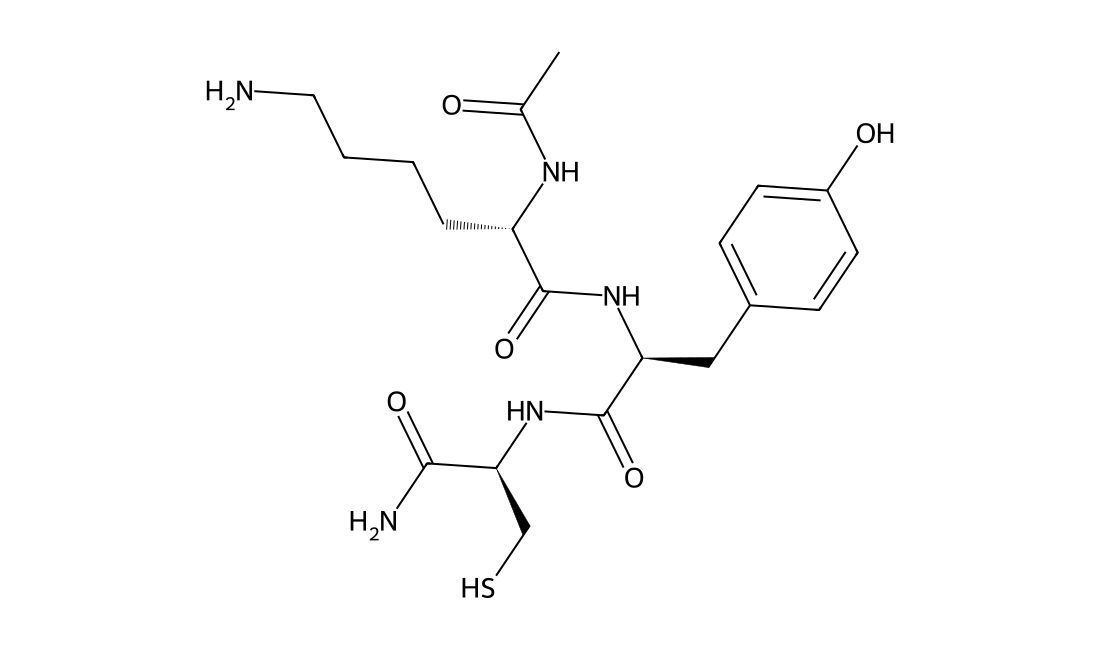
N-acetyl lysyltyrosylcysteine amide (KYC) is a potent, tripeptide inhibitor of myeloperoxidase (MPO), inhibits MPO-mediated hypochlorous acid (HOCl) formation (IC50=7 uM) and nitration/oxidation of LDL; completely inhibits HOCl production at 25 uM, decreases vascular oxidative stress and increases vasodilatation in sickle cell disease mice; reduces oxidative stress-mediated inflammation, neuronal damage, and neural stem cell injury in murine model of stroke.
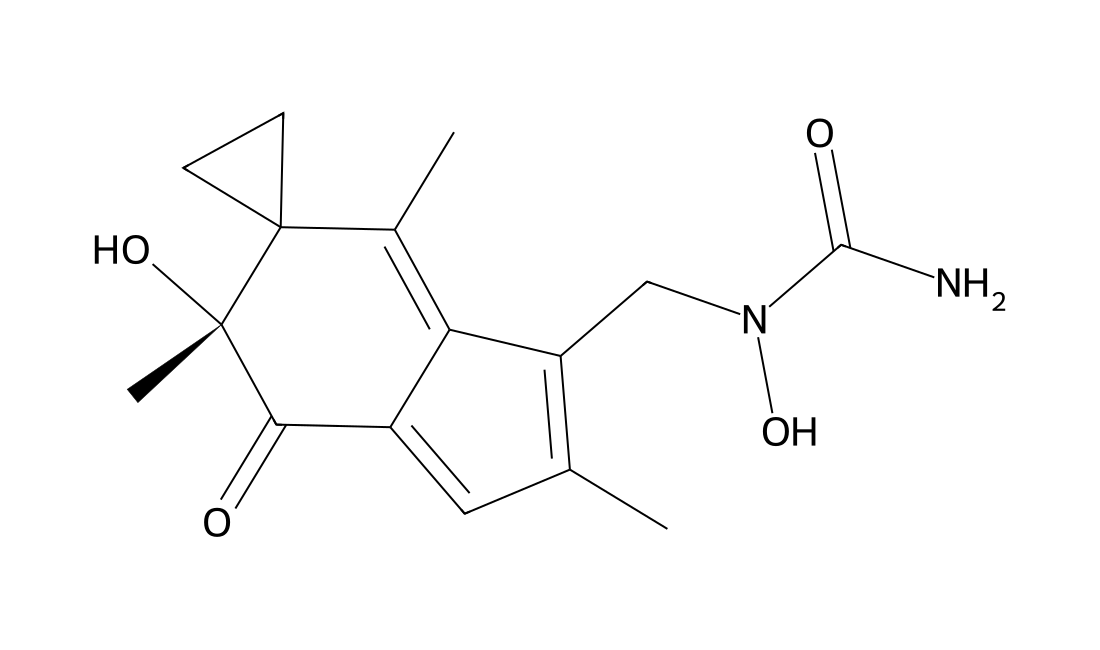
LP-184Featured
LP-184 is a highly potent novel alkylating, next-generation analog of irofulven. LP-184 is an DNA damage repair (DDR) inhibitor and and shows broad anti-tumor cytotoxicity across a panel of NSCLC derived cell lines.
AZD8154Featured
AZD8154 is a highly potent, inhaled dual PI3Kγ/PI3Kδ inhibitor with pIC50 of 9.1 and 8.4, respectively.
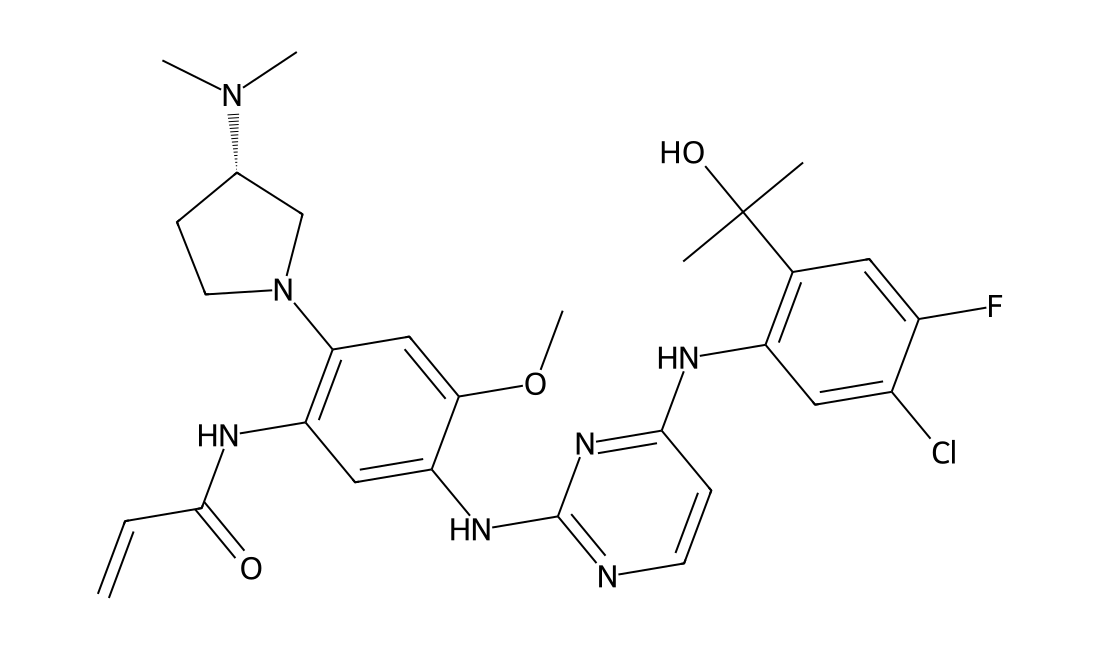
(S)-SunvozertinibFeatured
(S)-Sunvozertinib ((S)-DZD9008), the S-enantiomer of Sunvozertinib, shows inhibitory activity against EGFR exon 20 NPH and ASV insertions, EGFR L858R/T790M mutation and Her2 exon20 YVMA insertion (IC50=51.2 nM, 51.9 nM, 1 nM, and 21.2 nM, respectively).
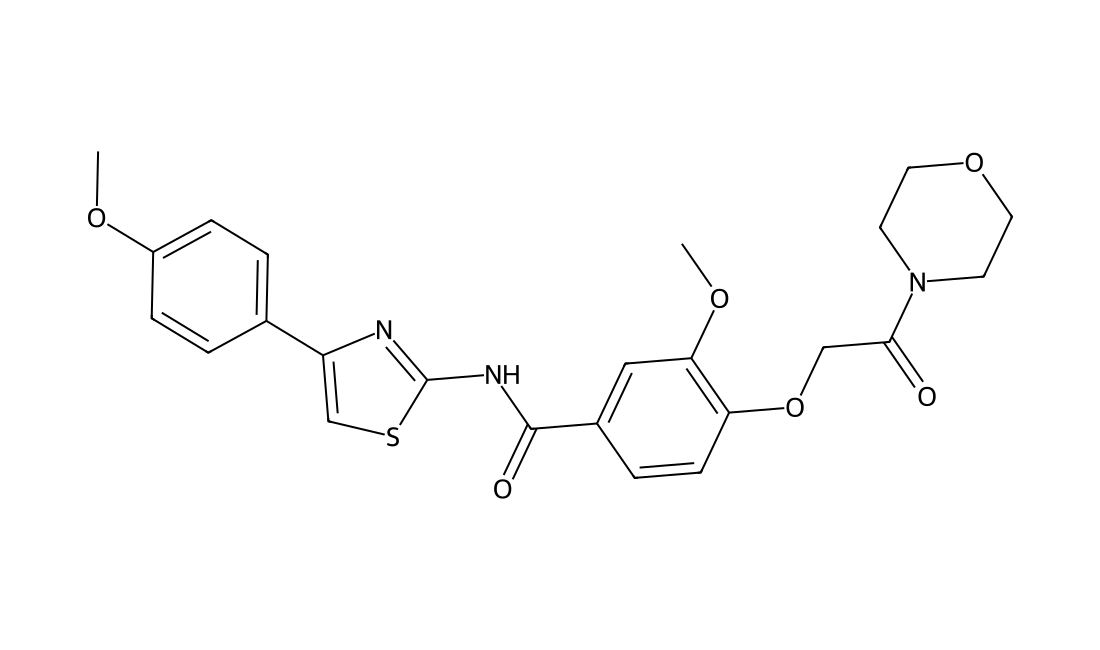
SBI-477Featured
SBI-477 is a chemical probe that coordinately inhibits triacylglyceride (TAG) synthesis and enhances basal glucose uptake in human skeletal myocytes with EC50 of 100 nM and 1 uM, respectively; reduces expression of TXNIP and ARRDC4, negative regulators of insulin signaling, via deactivation of the transcription factor MondoA.
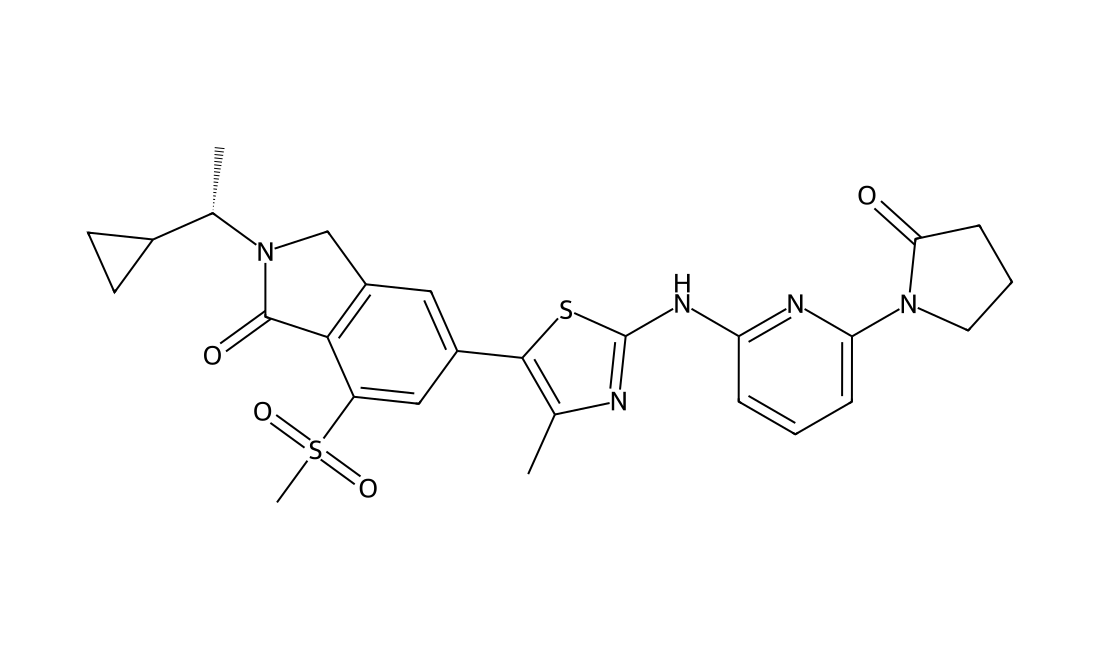
BDP-13176Featured
BDP-13176 is a potent fascin 1 inhibitor, with a Kd of 90 nM and an IC50 of 240 nM. BDP-13176 has potential as an anti-metastatic agent.
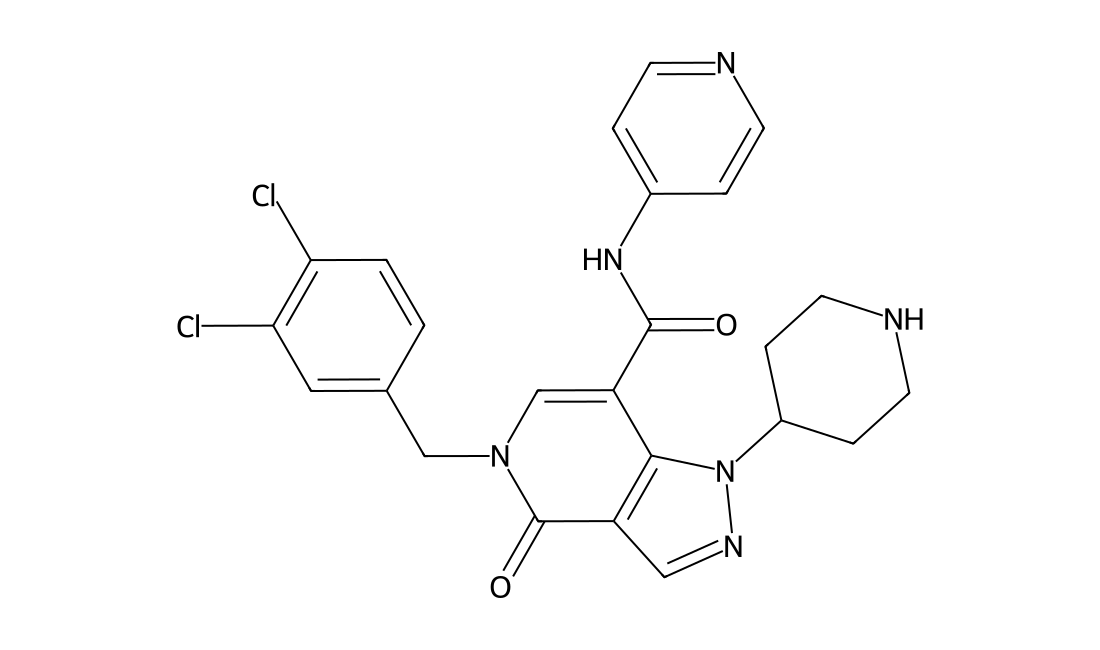
DM-PIT-1Featured
DM-PIT-1 is a specific PIP3 antagonist that disrupts PIP3/Akt PH domain, PIP3/PDK1 PH domain, and PIP3/GRP1 PH domain with IC50 of 27.1 uM, 80.5 uM, and 35.5 uM, respectively; suppresses the PI3K-PDK1-Akt pathway and triggers metabolic stress and apoptosis; inhibits in vivo tumor growth in BALB/c mice; a dimethyl analog of PIT-1 with improved aqueous solubility.
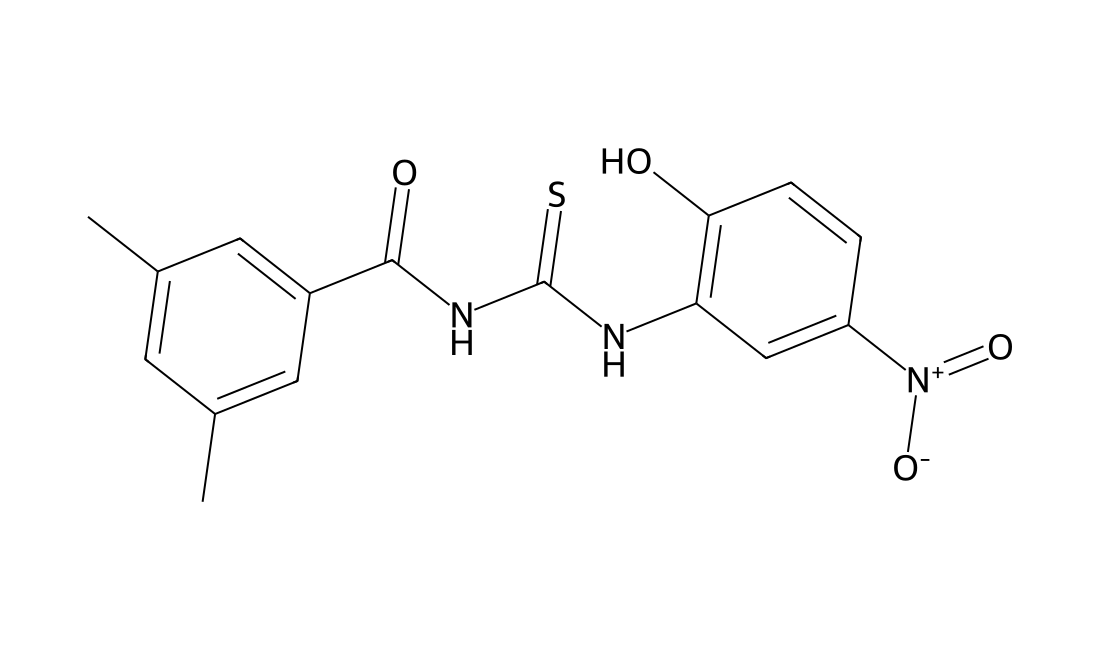
ICA-105574Featured
A potent and efficacious hERG channel activator steeply potentiates current amplitudes more than 10-fold with EC50 of 0.5 uM; produces comparatively small hyperpolarizing shifts (up to 11 mV) in the voltage-dependence of channel activation and a 2-fold slowing of channel deactivation; enhances IKr current with very high potency by removing the channel inactivation, prevents ventricular arrhythmias in intact guinea-pig hearts caused by IKr and IKs inhibitors, has more efficient antiarrhythmic activity than NS1643.
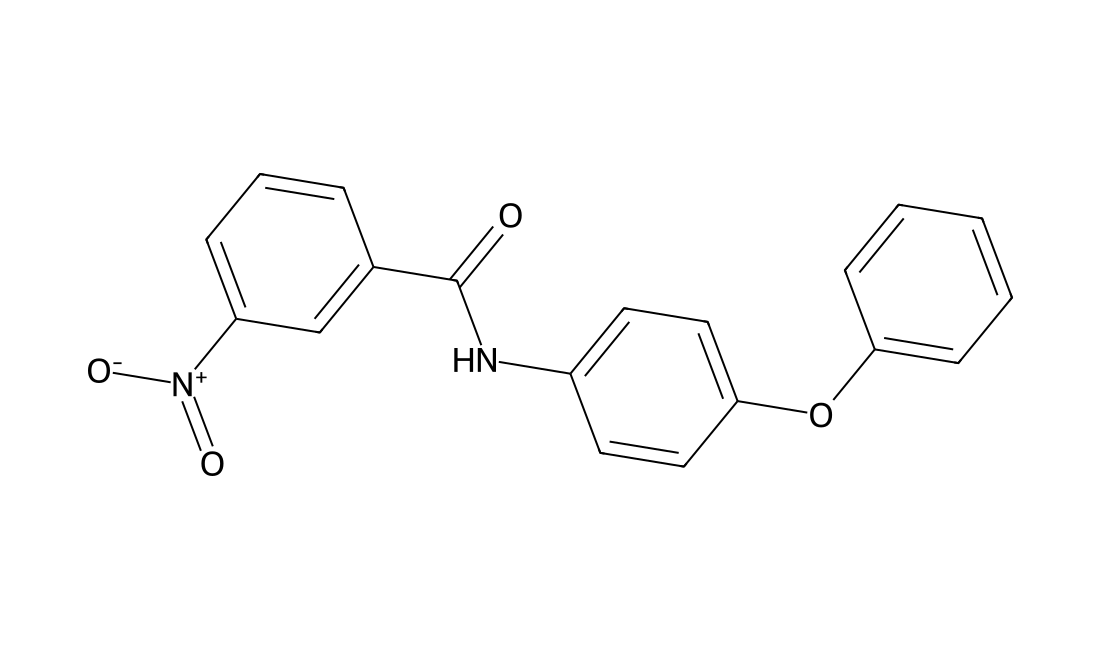
MONNAFeatured
Potent and selective blocker for TMEM16A/Anoctamin-1 (ANO1)
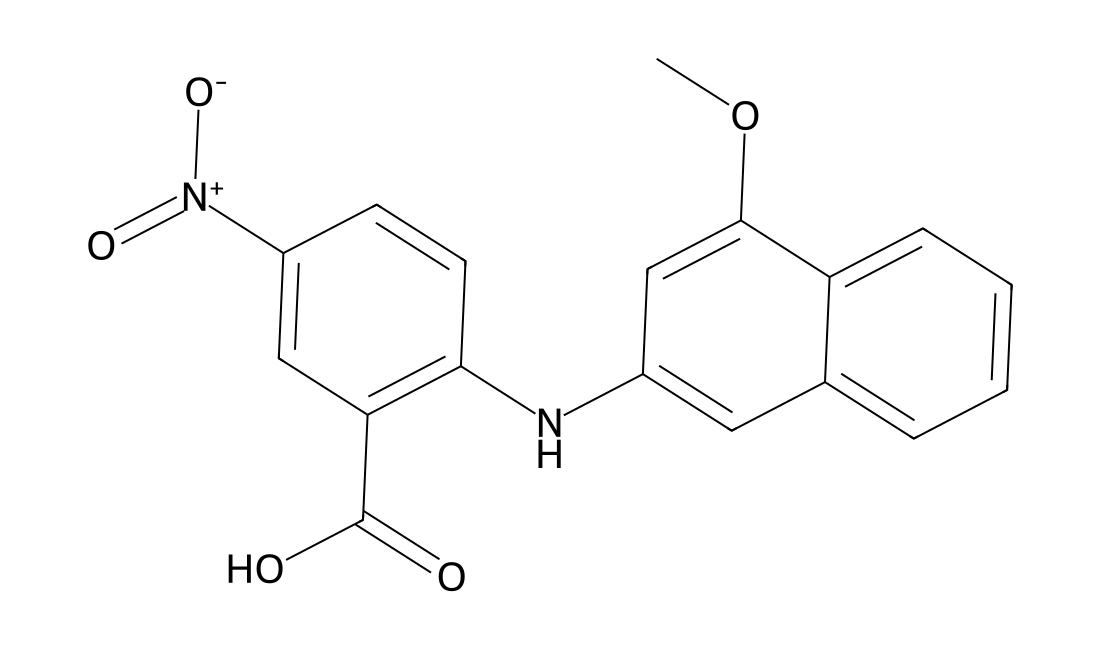
KB-0742 HClFeatured
KB-0742 is an orally bioavailable, selective CDK9 inhibitor with potent anti-tumor activity in CRPC models.
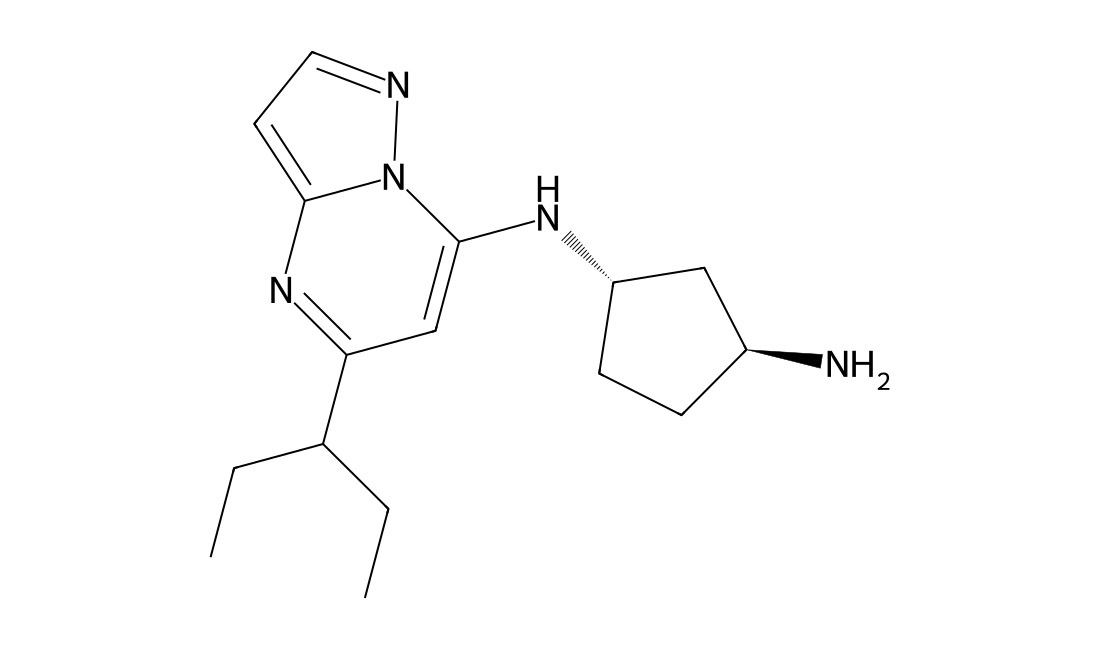
DAC-2-25Featured
Novel modulator of Hydra head regeneration, inducing a homeotic transformation in Hydra
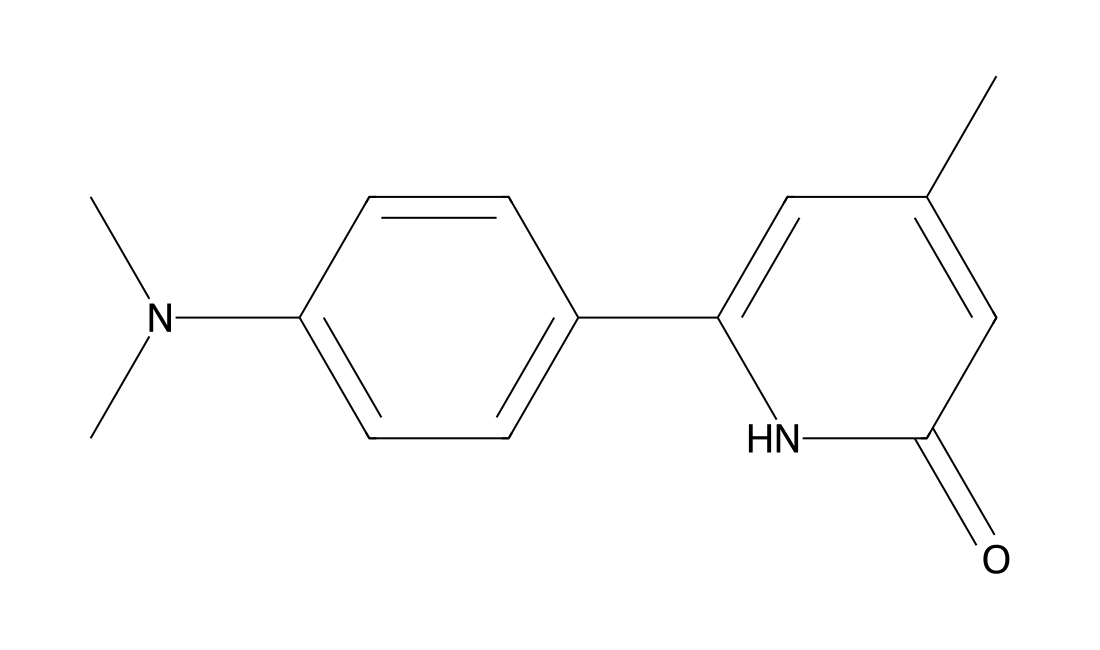
SGC2085 HydrochlorideFeatured
SGC2085 is a Potent and Selective Coactivator Associated Arginine Methyltransferase 1 (CARM1) Inhibitor with an IC50 of 50 nM and more than undred-fold selectivity over other PRMTs. CARM1 is an important positive modulator of Wnt/β-catenin transcription and neoplastic transformation in colorectal cancer as well as a critical factor in estrogen-stimulated breast cancer growth, and its depletion results in decreased proliferation of myeloid leukemia cells in vivo.
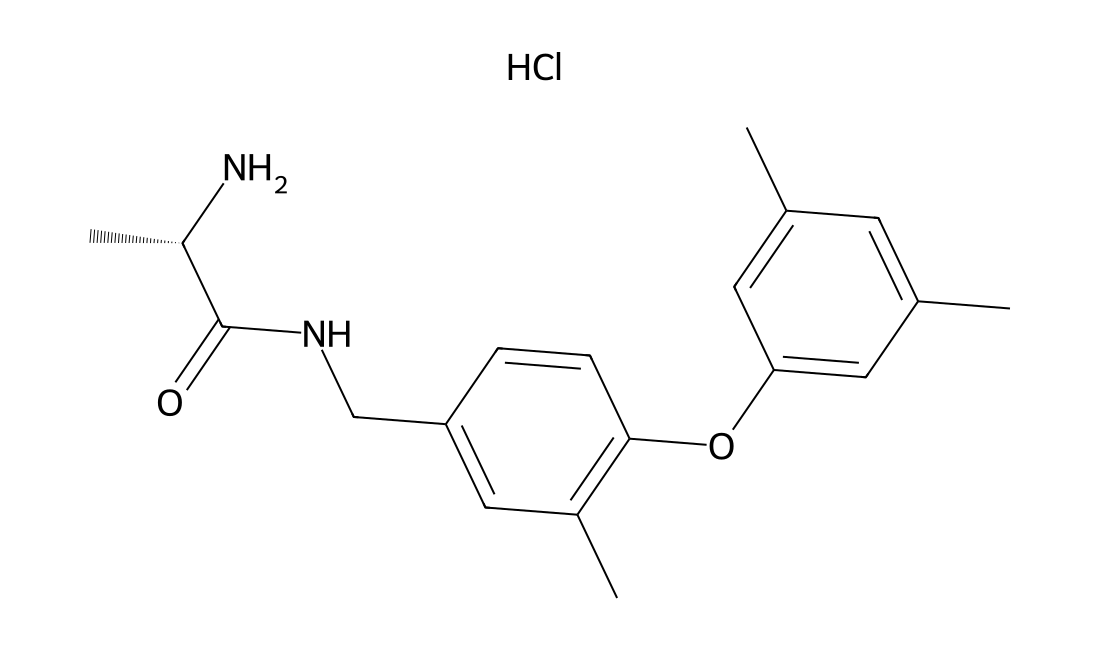
RH01687Featured
RH01687 is a small molecule that protect pancreatic β cells against endoplasmic reticulum stress-induced cell death; increases the survival of human primary β cells and rodent β cell lines subjected to ER stressors including palmitate; also restores ER stress-impaired glucose-stimulated insulin secretion responses.
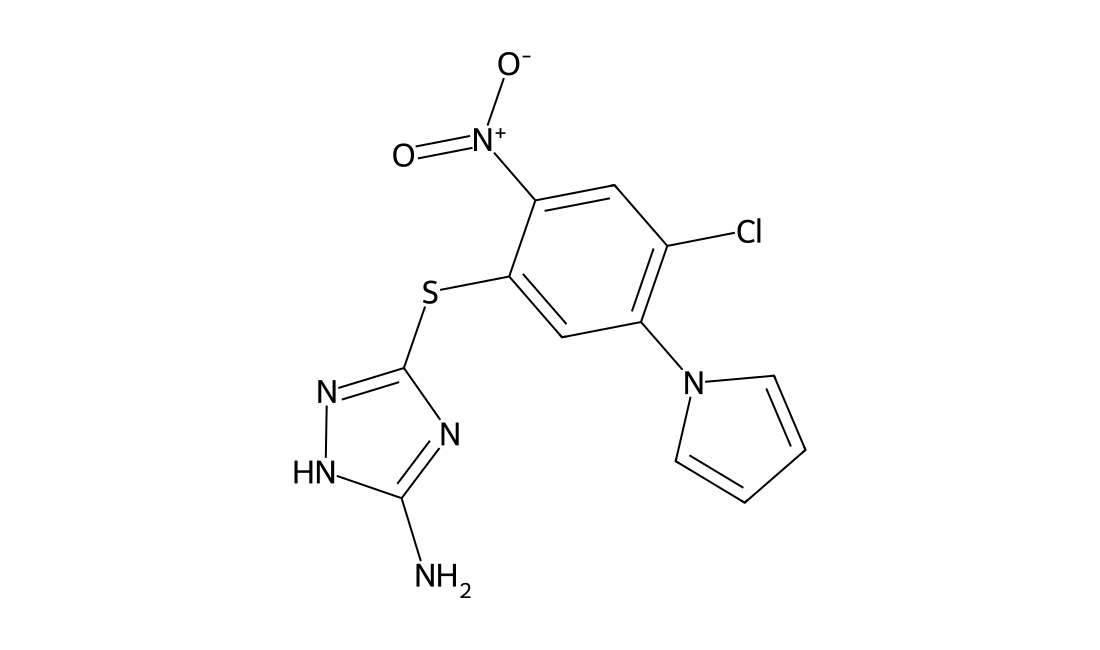
Y 39983HClFeatured
Y-39983, also known as Y-33075, is a potent and selective inhibitor of ROCK family with IC50 value of 3.6nM for ROCK. Y-39983 attenuates experimental autoimmune encephalomyelitis via inhibition of demyelination. Y-39983 downregulates RhoA/Rho-associated kinase expression during its promotion of axonal regeneration. Y-39983, promotes regeneration of crushed axons of retinal ganglion cells into the optic nerve of adult cats.
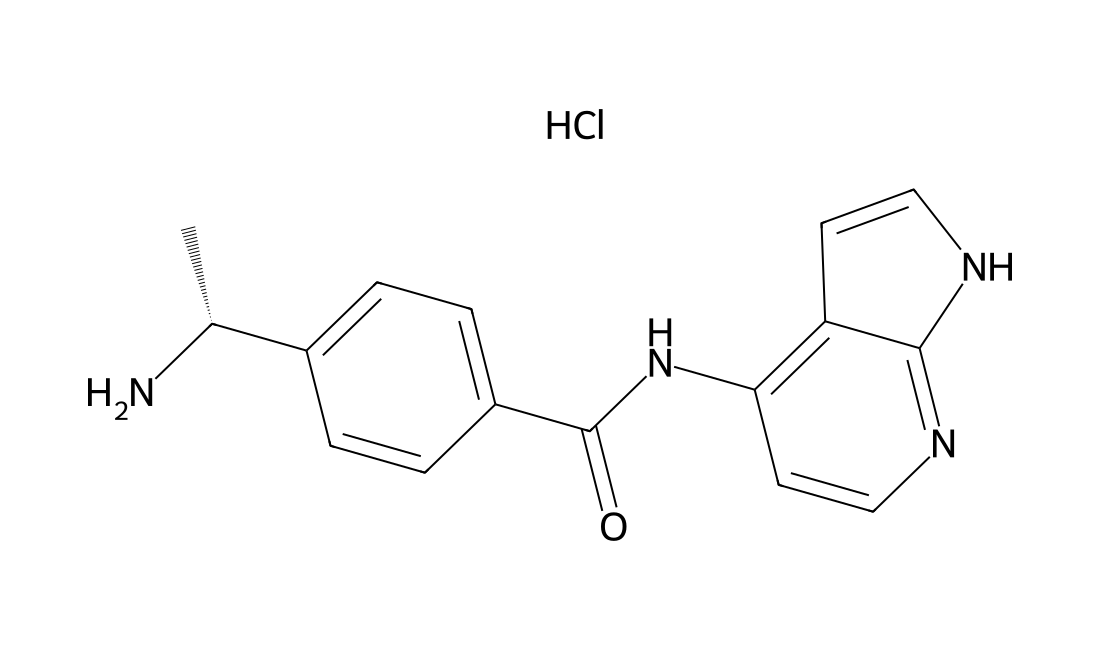
LP99Featured
LP99 is the first potent and selective BRD7/9 bromodomain inhibitor with Kd of 99 nM for BRD9; inhibits IL‐6 secretion from THP‐1 cells in a dose‐dependent manner; decreases BRET for both BRD7 and BRD9 in both the H3.3 and H4 systems in a dose‐dependent manner, with cellular IC50 values in the low micromolar range for both histones.
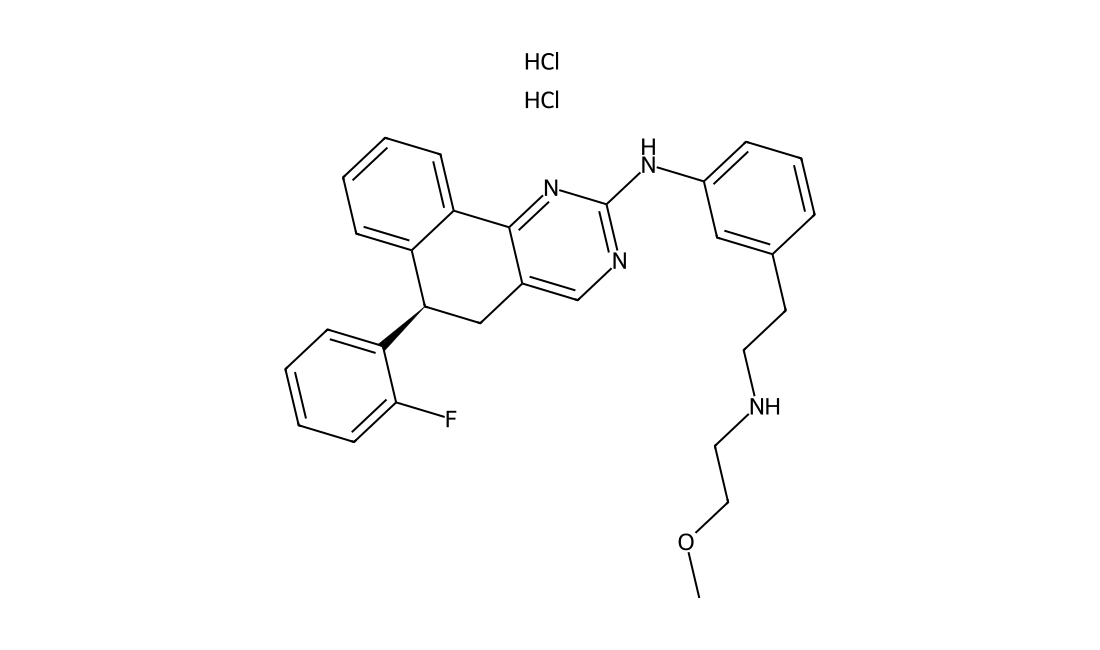
Derazantinib dihydrochlorideFeatured
Derazantinib is a multi-kinase inhibitor with pan-FGFR activity which has shown preliminary therapeutic activity against FGFR2 fusion-positive intrahepatic cholangiocarcinoma (iCCA). Derazantinib dihydrochloride is a salt of Derazantinib.
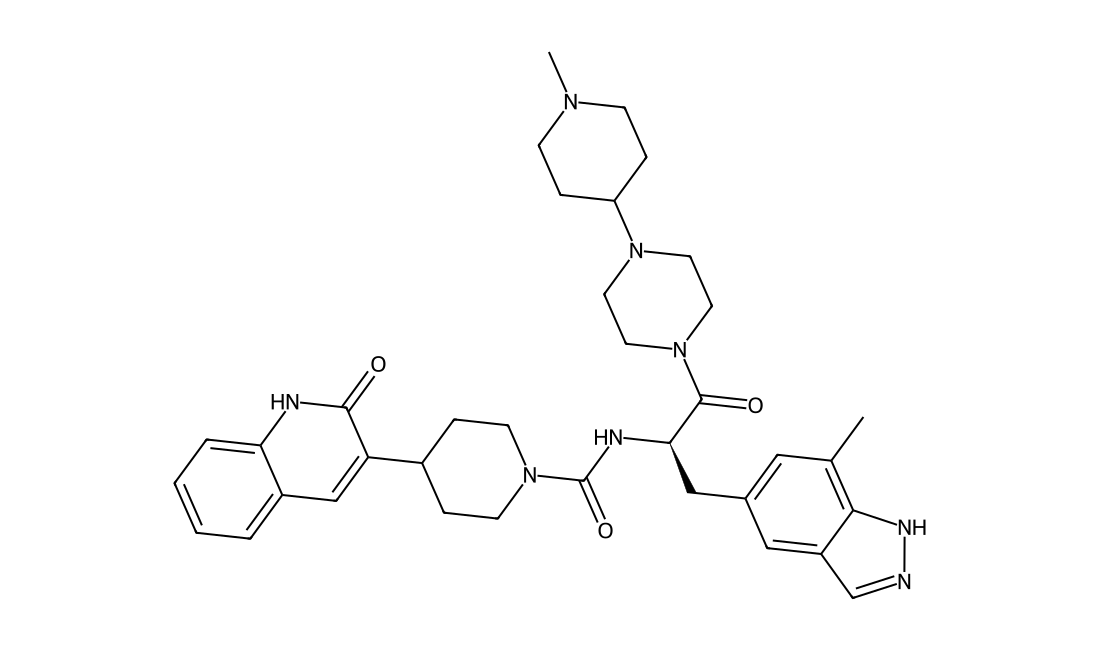
VazegepantFeatured
Vazegepant is the first intranasal CGRP receptor antagonist for the study the acute research of migraine[1][2].
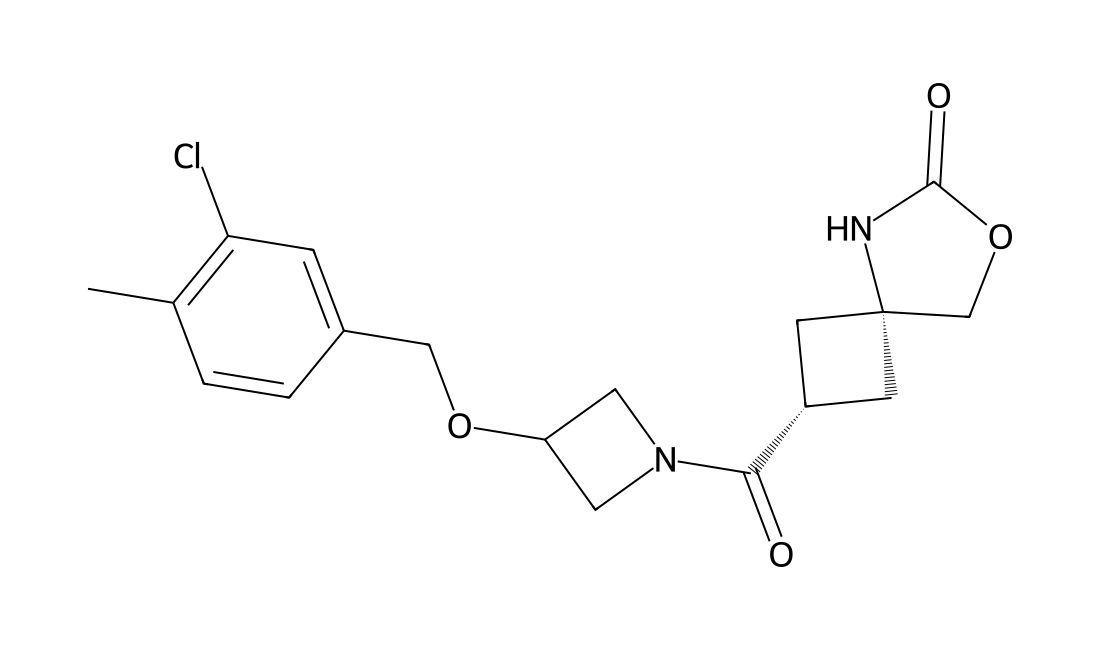
MAGL-IN-4Featured
MAGL-IN-4 is an orally active, selective and reversible monoacylglycerol lipase (MAGL) inhibitor with an IC50 of 6.2 nM. MAGL-IN-4 can penetrate the blood-brain barrier (BBB). MAGL-IN-4 enhances endocannabinoid signaling mostly by the increase in the level of 2-AG via selective MAGL inhibition in the brain[1].
No products match this search.
Page 384 of 409 · Browse all 8177 products
Jump to a product page
Featured literature product: HX1 · DCL0028
HX1 is a hydroxyzine-derived ionizable lipid with acetal-containing tails, studied in lipid nanoparticles for brain mRNA delivery and CRISPR–Cas9 delivery. It was the lead in the reported in vivo brain-delivery screen; evidence is preclinical and formulation-dependent.
Read full formulation and performance →