
Research lipid catalog
Ionizable Lipid Products
Explore 848 lipid and RNA delivery products. Search the full catalog or browse by research category.
Search covers product name, catalog number, synonyms, available CAS numbers and categories. Spaces, hyphens and common punctuation are ignored. Duplicate legacy records are consolidated under one canonical product result.
8677 products · Showing 8161–8180 · 20 per page
DC Chemicals lipid expertise
Built for ionizable-lipid discovery and RNA delivery research
DC Chemicals supports formulation and delivery research with a broad, searchable portfolio of cationic and ionizable lipids. The current directory brings together 848 unique research-use products, with product specifications, pricing, chemical structures and literature-linked formulation data added as each record is verified.
Our experience spans complex lipid synthesis, purification, analytical release and process development. For custom molecules or larger-scale requirements, our team can discuss route development, technical specifications and scale-up options for the intended research workflow.
Learn about cationic and ionizable lipids →Proprietary innovation · Co-development · GMP
From proprietary lipid design to GMP-grade custom synthesis
DC Chemicals has independently developed ionizable-lipid structures supported by company-owned intellectual property, and selected proprietary lipid programs have advanced to GMP-stage development.
We welcome joint development with customers—from molecular design and lipid synthesis through route and process development. We can also support custom synthesis of GMP-grade ionizable lipids to agreed technical specifications and quality requirements.
Discuss a co-development project →Proprietary ionizable-lipid structuresCollaborative molecular designCustom lipid synthesisProcess development and scale-upGMP-grade project support
Product quick links
Explore New ionizable lipids
Explore our five most recently added ionizable lipids, with specifications, pricing and literature-linked product information.
DCL0028HX1Brain RNA delivery researchView product →DCL0024A1I4R13C18-2Spleen-targeted RNA delivery researchView product →DCL0023A1I4R2C18-2Spleen-targeted RNA delivery researchView product →DCL0022FS01Local joint RNA delivery researchView product →DCL0020Lipid-392Lung RNA delivery and gene editing researchView product →
Cat. No.Product NameField of ApplicationChemical Structure
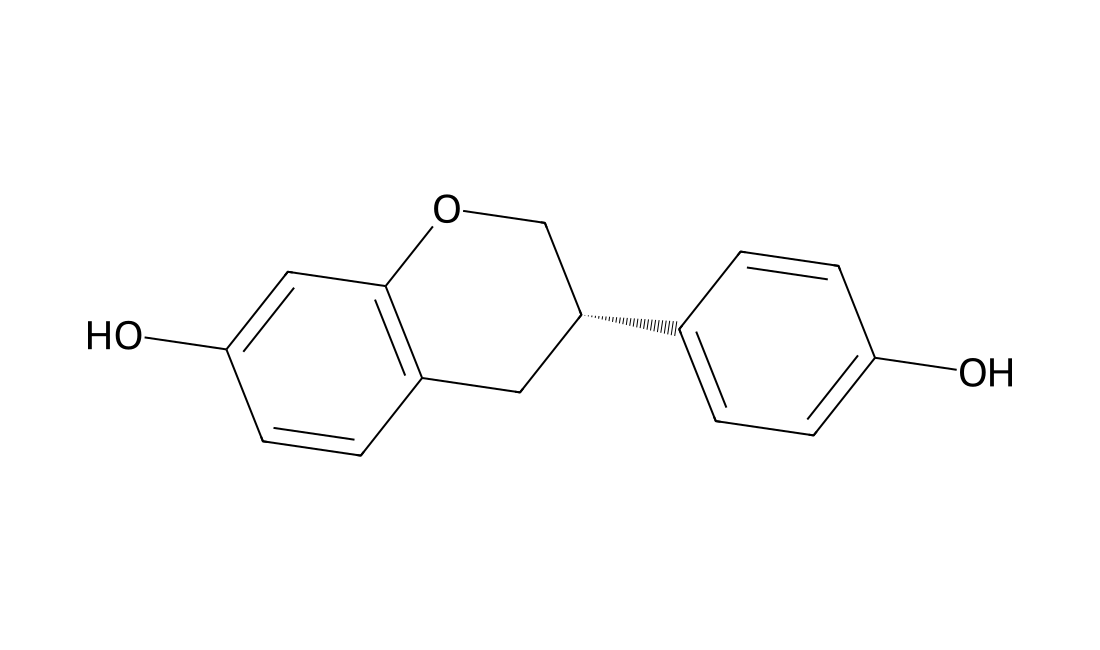
(S)-EquolFeatured
(-)-(S)-Equol is a high affinity ligand for estrogen receptor β with a Ki of 0.73 nM.
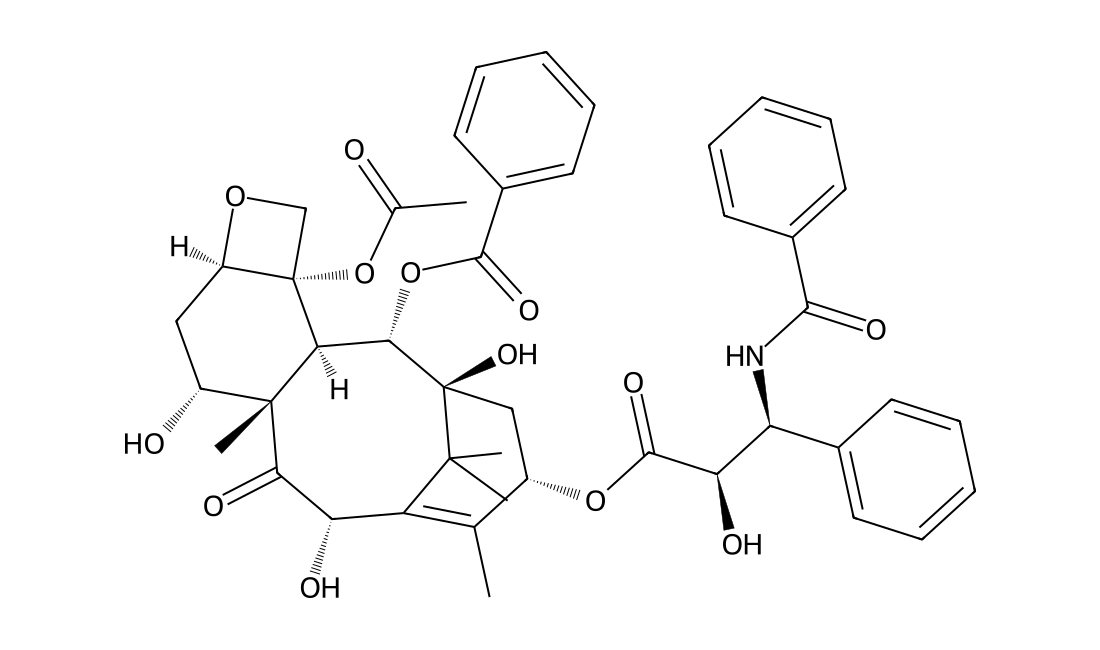
10-DeacetylpaclitaxelFeatured
10-Deacetyltaxol (10-Deacetylpaclitaxel) is a taxane derivative isolated from Taxus wallichiana Zucc[1]. 10-Deacetyltaxol (10-Deacetylpaclitaxel) promotes the polymerization of tubulin and to inhibit the depolymerization of microtubules induced by cold or by calcium ions in vitro[2]. 10-Deacetyltaxol (10-Deacetylpaclitaxel) exhibits cytotoxicity in human glial and neuroblastoma cell-lines[3].
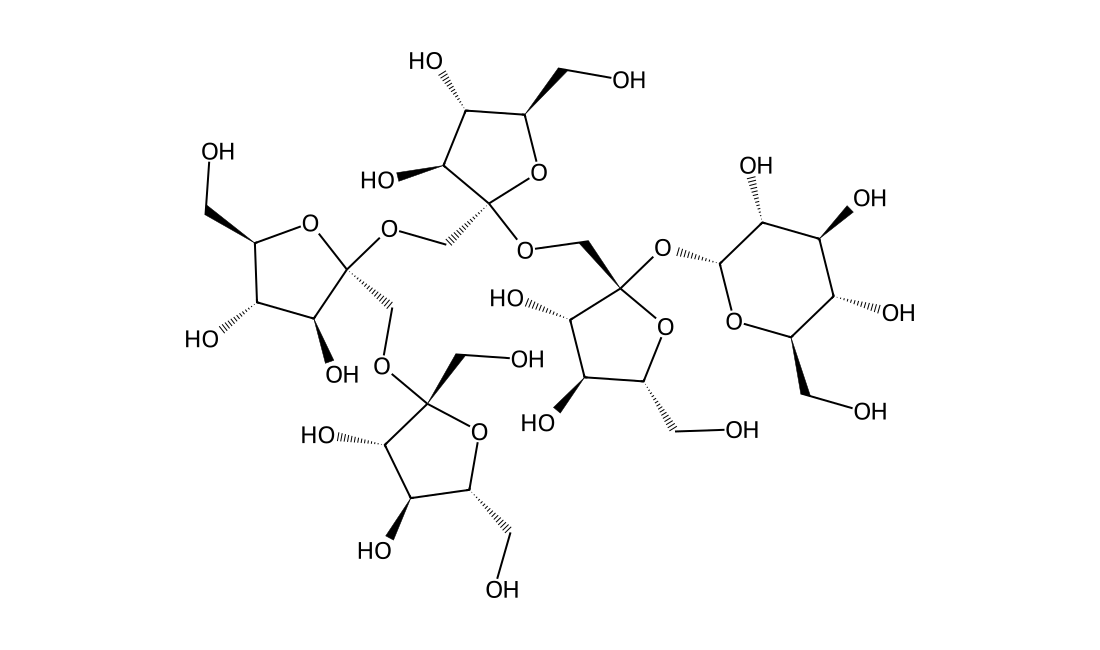
1F-FructofuranosylnystoseFeatured
1F-Fructofuranosylnystose can be used in the synthesis of Fructooligosaccharides (FOSs). Fructooligosaccharides exhibit lots of beneficial effects on our health and have been used as food ingredients.
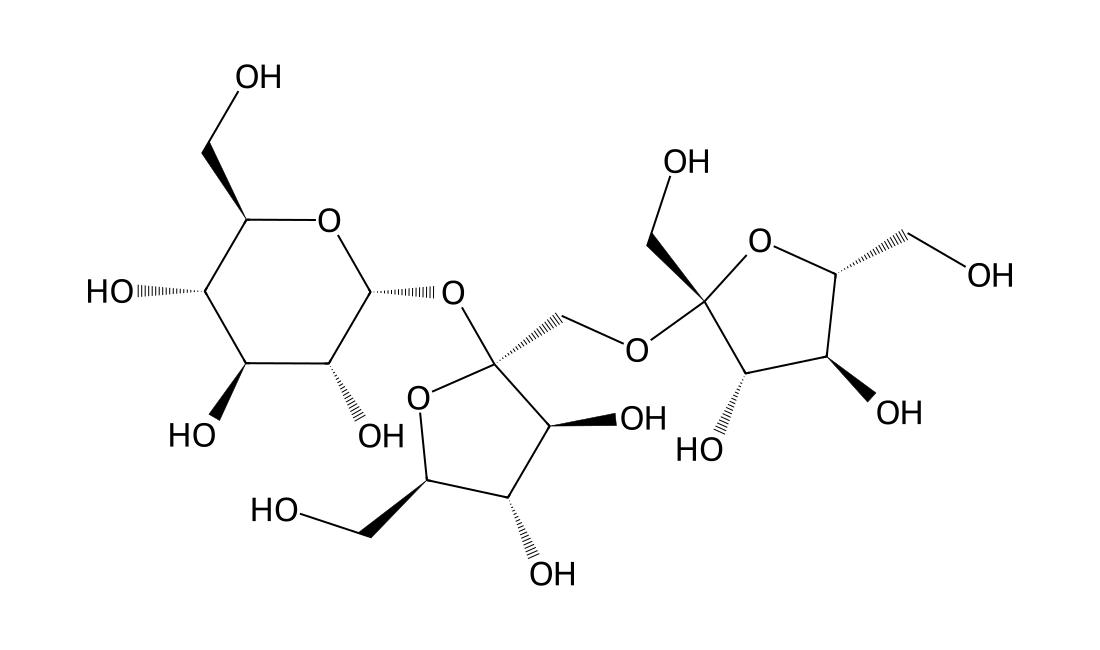
1-KestoseFeatured
1-Kestose, the smallest fructooligosaccharide component, which efficiently stimulates Faecalibacterium prausnitzii as well as Bifidobacteria.
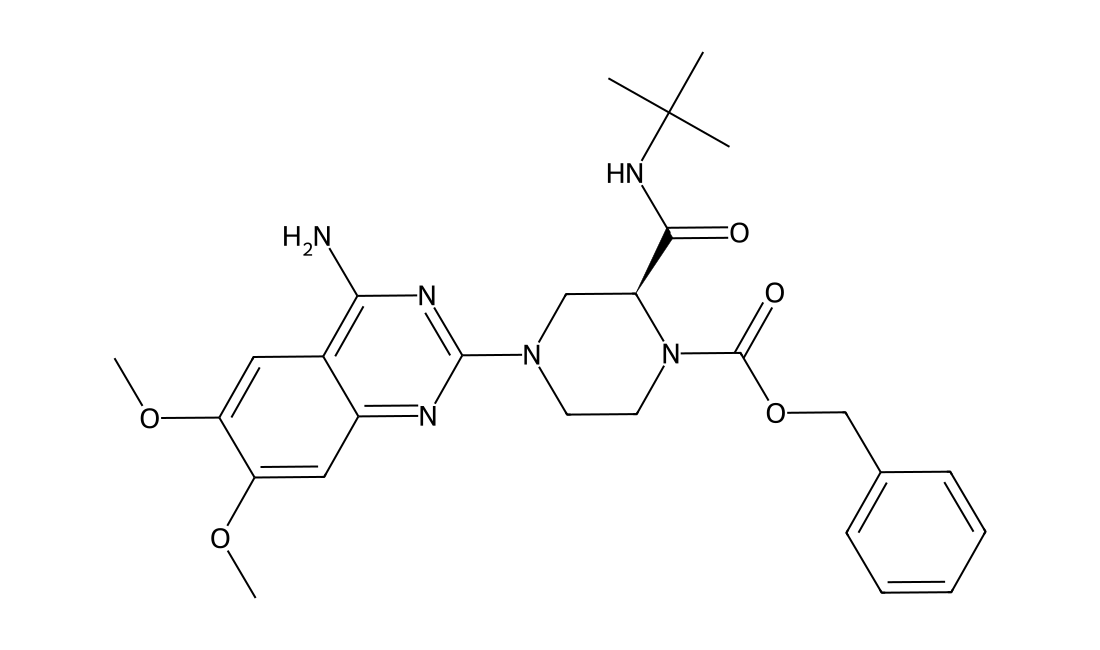
L-765314Featured
L-765314 is a potent and selective α1b adrenergic receptor antagonist with Kis of 5.4 nM and 2.0 nM for rat and human α1b adrenergic receptor, respectively.
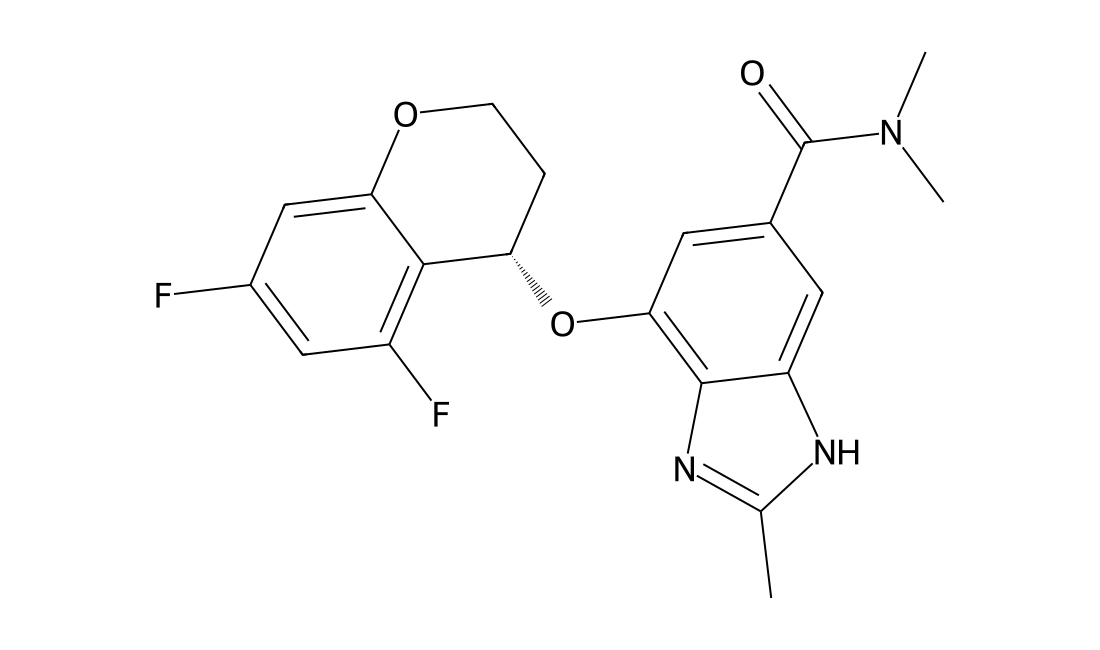
TegoprazanFeatured
Tegoprazan, a potassium-competitive acid blocker, is a potent, oral active and highly selective inhibitor of gastric H+/K+-ATPase that could control gastric acid secretion and motility, with IC50 values ranging from 0.29-0.52 μM for porcine, canine, and human H+/K+-ATPases in vitro[1].
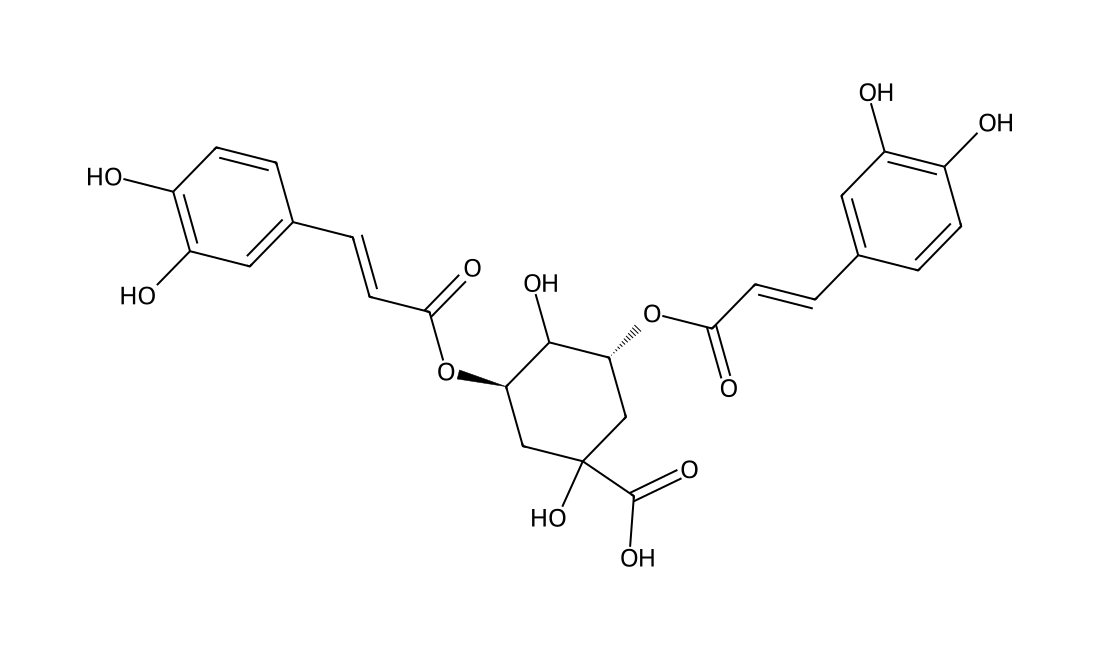
Isochlorogenic acid AFeatured
3,5-Dicaffeoylquinic acid is a natural phenolic acid with antioxidant and anti-inflammatory activities .
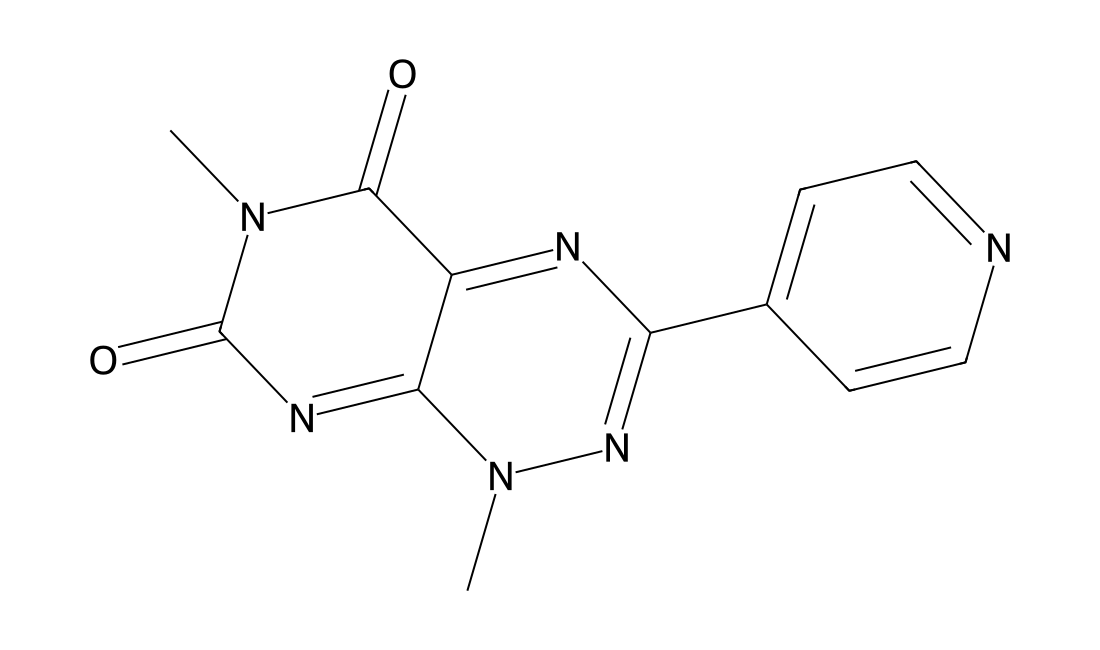
3-pyridine toxoflavinFeatured
3-pyridine toxoflavin is an impurity of toxoflavin.
4E1rcatFeatured
4E1RCat is an inhibitor of cap-dependent translation, and inhibits eIF4E:eIF4GI interaction, with an IC50 an of ∼4 μM.
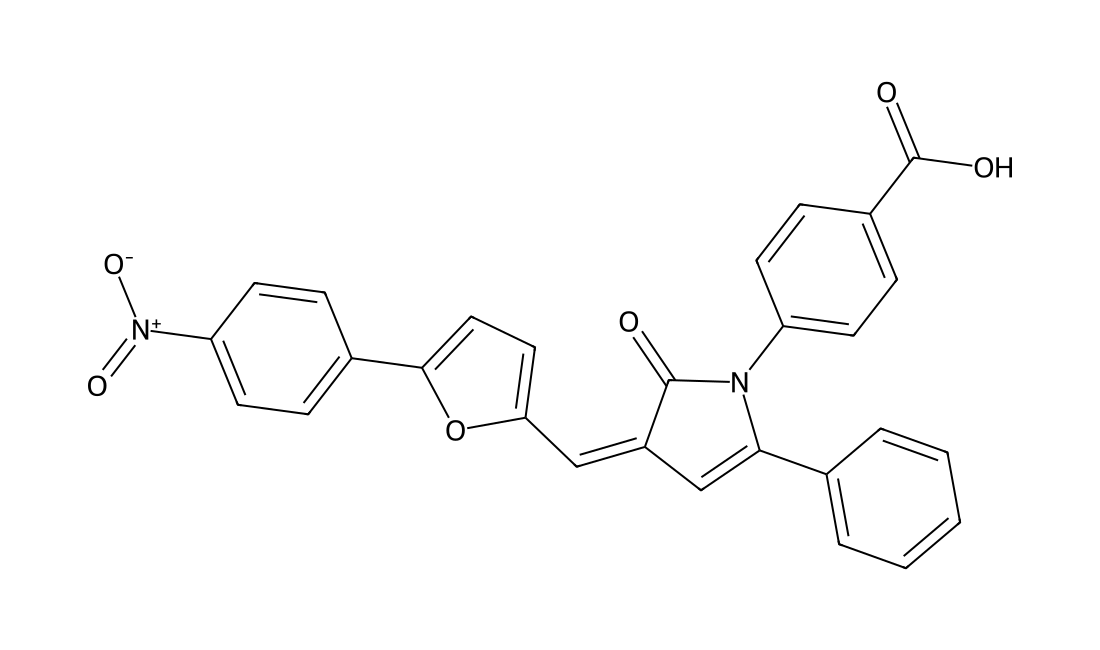
GTPL-5846 (6-OAU)Featured
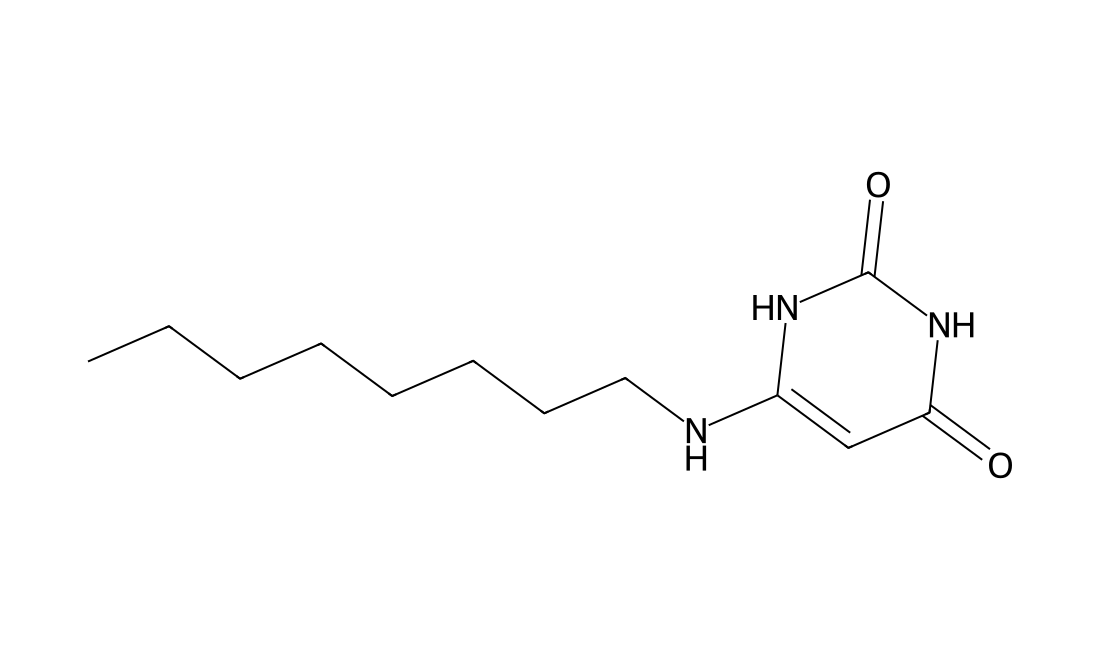
6-OAU(GTPL5846; 6-n-octylaminouracil) is a surrogate agonist of GPR84; activates human GPR84 in the presence of Gqi5 chimera in HEK293 cells with an EC50 of 105 nM in the PI assay.
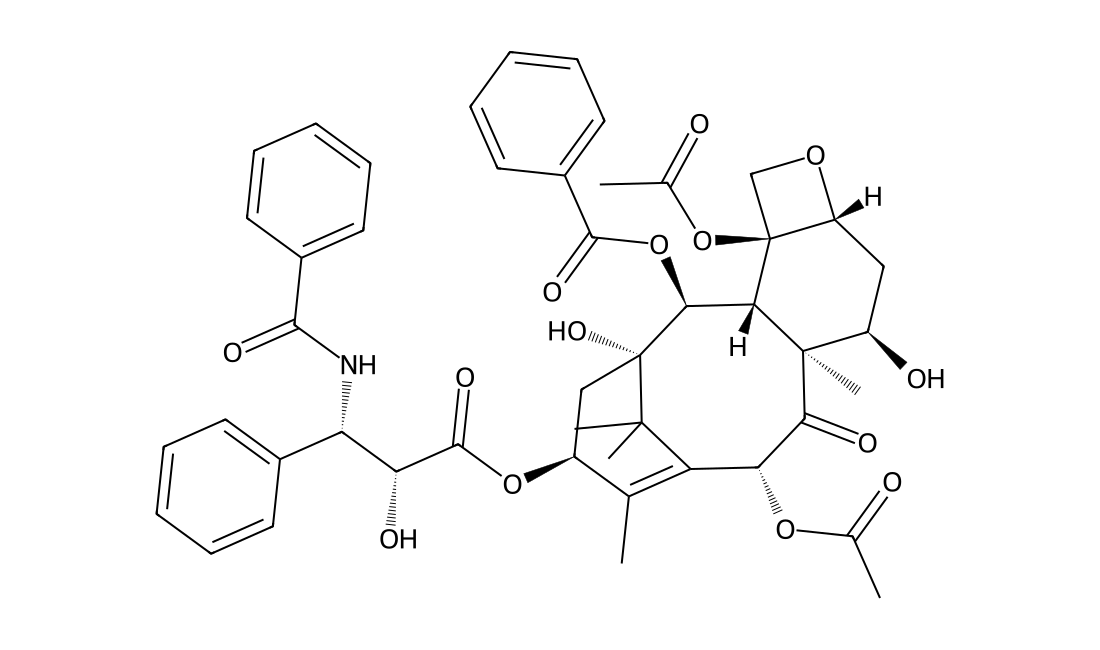
7-EpipaclitaxelFeatured
7-epi-Taxol is an active metabolite of taxol, with activity comparable to that of taxol against cell replication, promoting microtubule bundle formation and against microtubule depolymerization.
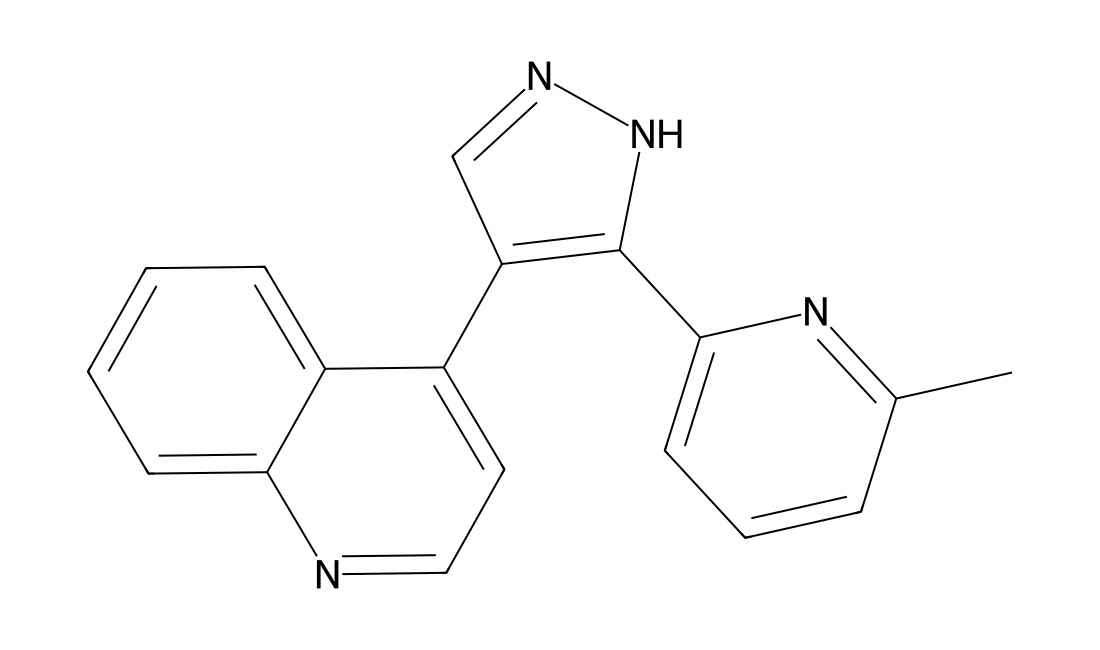
A77-01Featured
A 77-01 is a potent inhibitor of TGF-β type I receptor superfamily activin-like kinase ALK5 with IC50 of 25 nM. IC50 Value: 25 nM [1]Target: ALK5A-77-01 is a close analogue of A-83-01(Axon 1421) and has a very similar biological profile of A-83-01. A-83-01 is found to decompose to A-77-01 under certain circumstances and A-77-01 is likely an active component or metabolite of its prodrug A-83-01.
GSK2334470Featured
GSK2334470 is a highly specific and potent inhibitor of PDK1 with an IC50 of 10 nM.
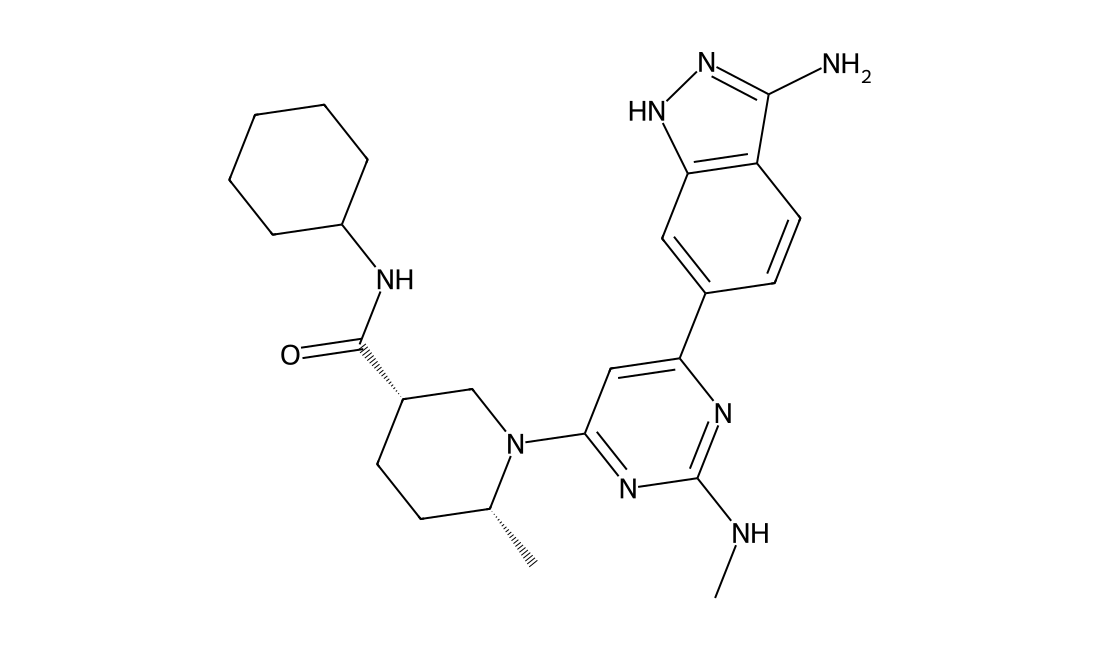
TP0586532Featured
TP0586532 is a non-hydroxamate LpxC inhibitor (IC50=0.101 μM). TP0586532 as a compound with a low cardiovascular risk that is effective against K. pneumoniae, including resistant strains[1].
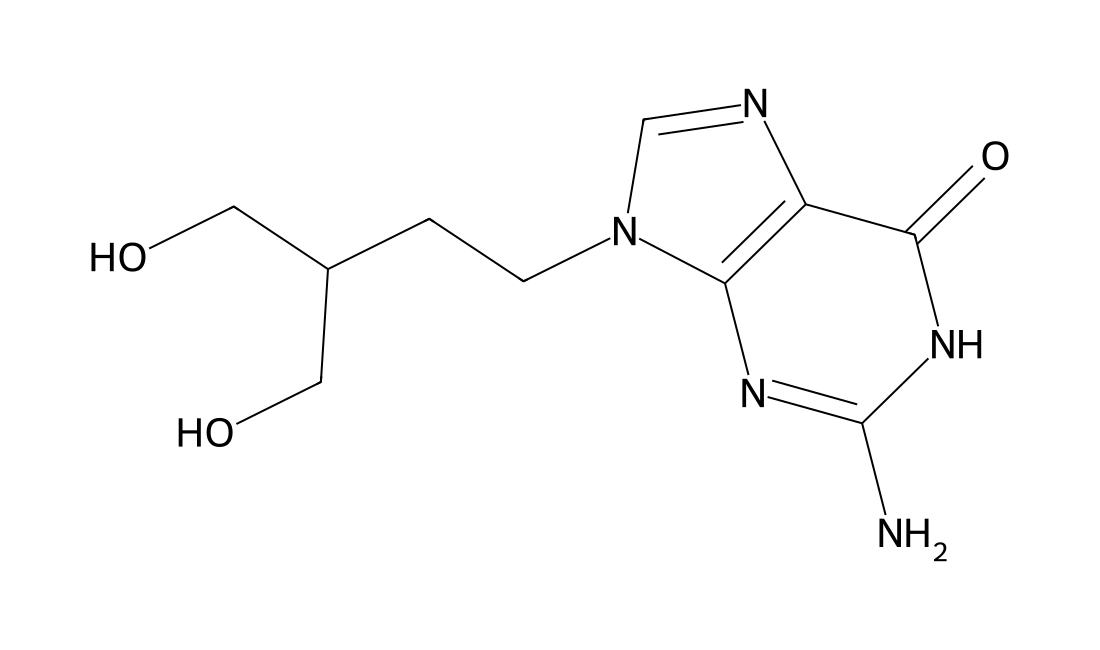
PenciclovirFeatured
Penciclovir is reported to be potent against HSV types 1 and 2 with IC50 of 0.04-1.8 μg/mL and 0.06-4.4 μg/mL, respectively.
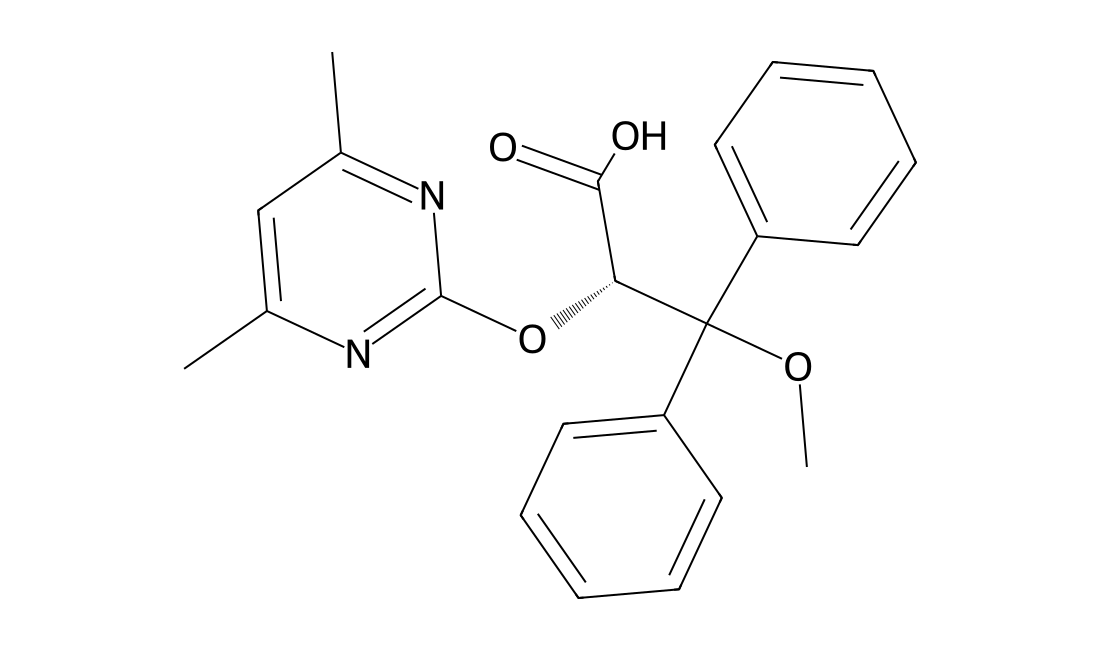
AmbrisentanFeatured
Ambrisentan is a selective ET type A receptor (ETAR) antagonist.
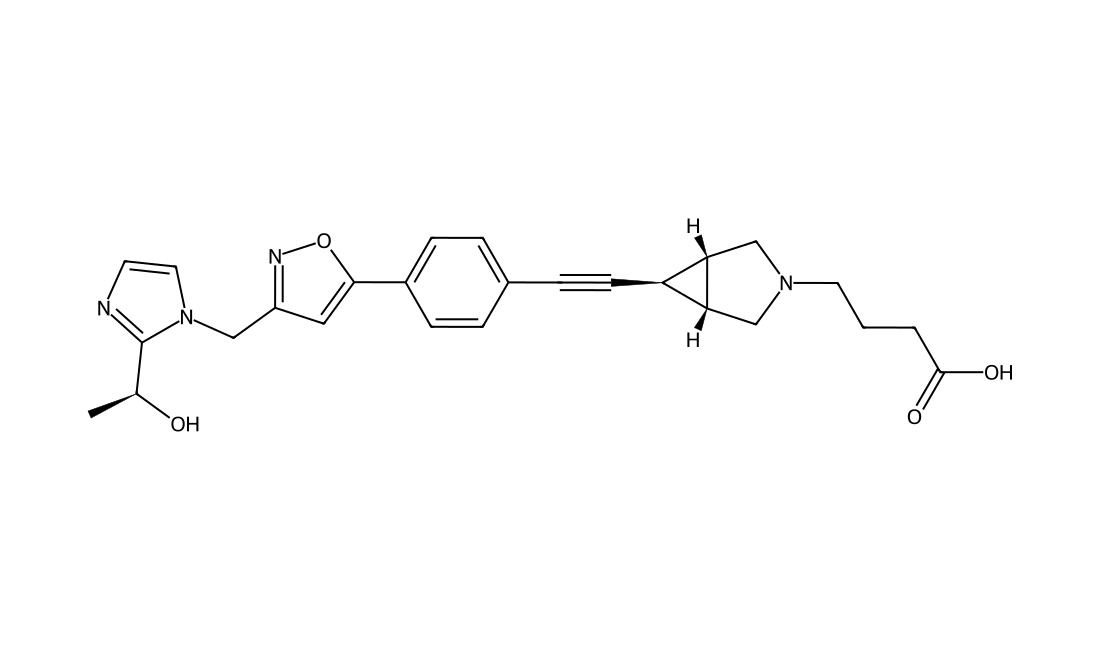
P2X2/3 receptor antagonistFeatured
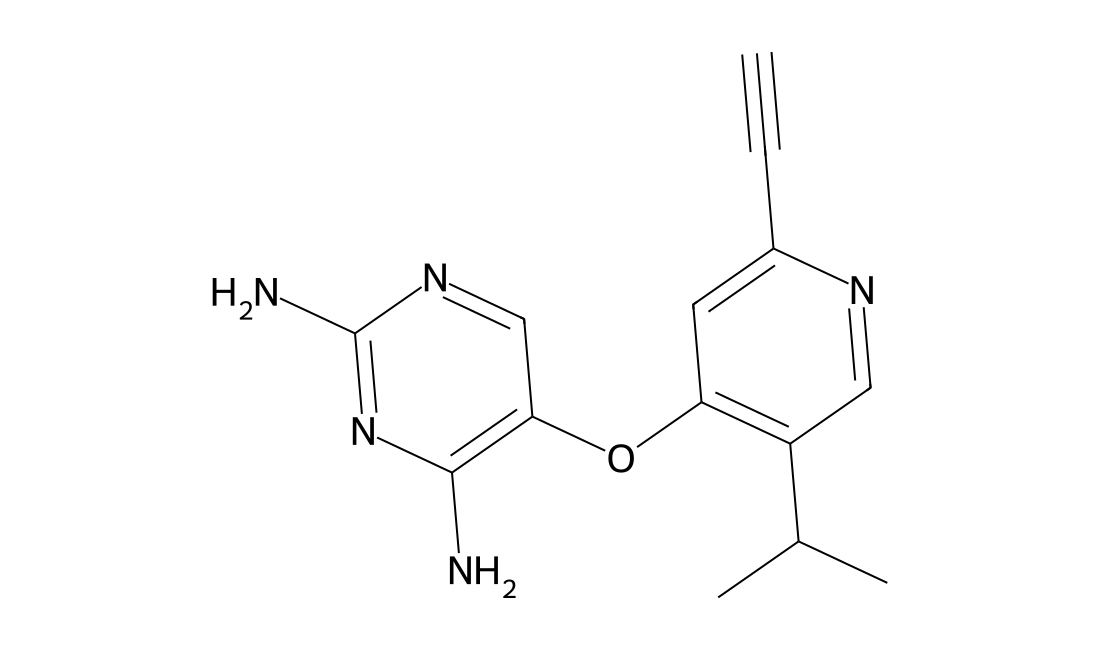
A novel P2X3 and P2X2/3 receptor antagonist useful for the treatmentof urinary tract diseases, pain, respiratory diseases and cardiovascular diseases.
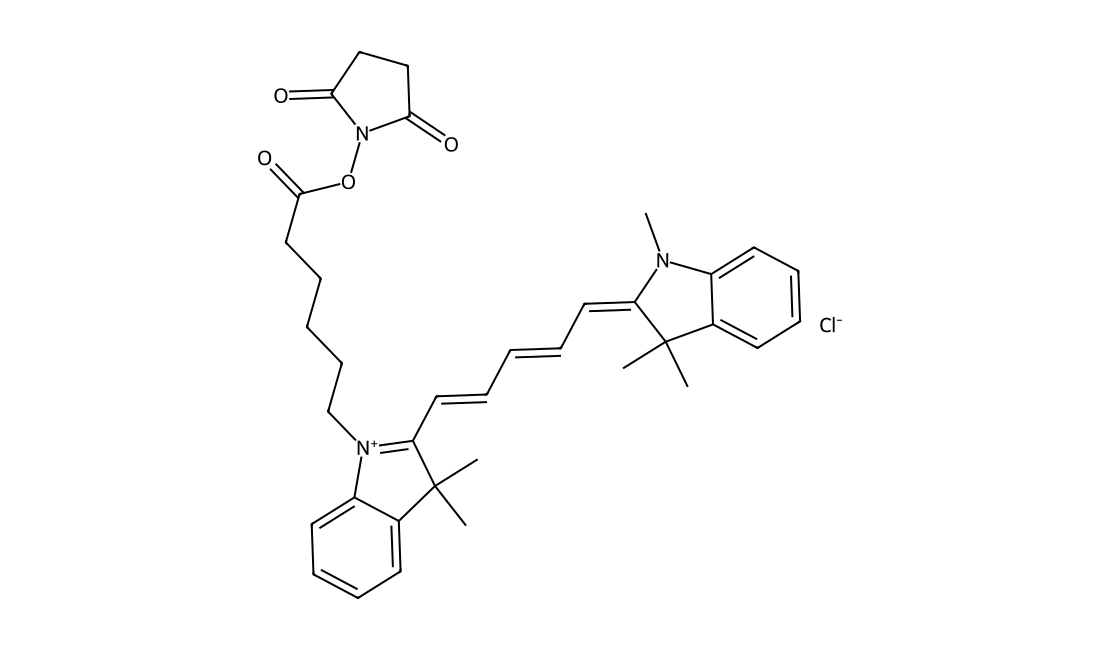
CY5 NHS esterFeatured
Cyanine5 NHS ester chloride is a red emitting fluorescent dye for labeling of amino-groups in peptides, proteins, and oligonucleotides[1].
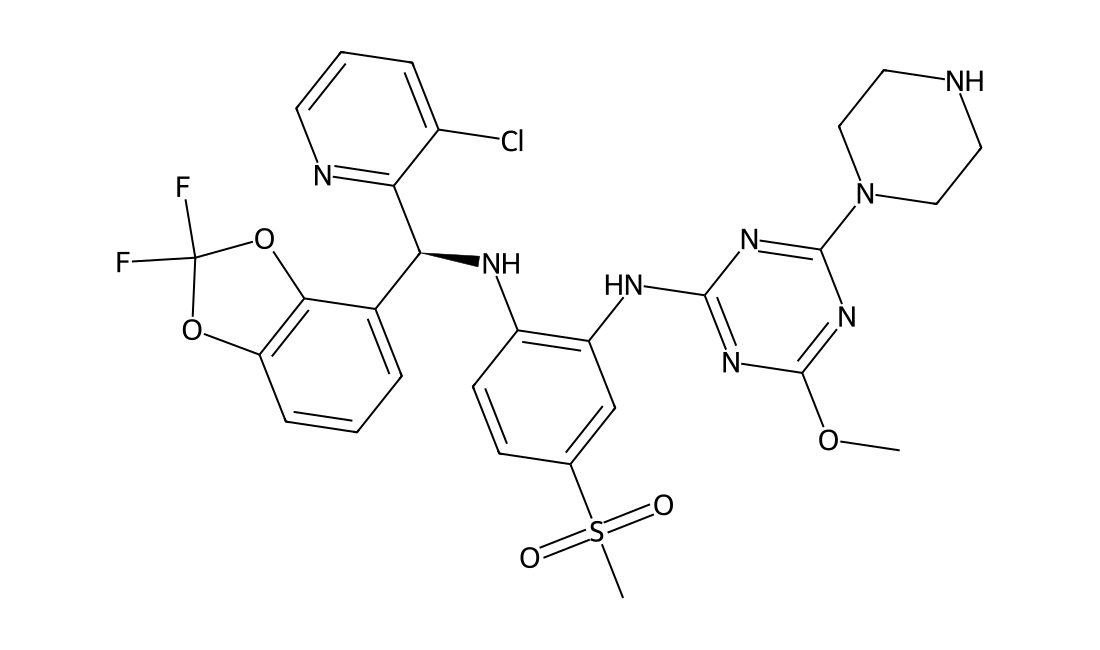
QQN05022(Dot1L-IN-4)Featured
QQN05022, also known as Dot1L-IN-4 is a potent disruptor of telomeric silencing 1-like protein (DOT1L) inhibitor. This molecule was first reported in ACS Medicinal Chemistry Letters (2019), 10(12), 1655-1660. This product has no formal name at the moment. For the convenience of communication, a temporal code name was therefore proposed according to MedKoo Chemical Nomenclature.
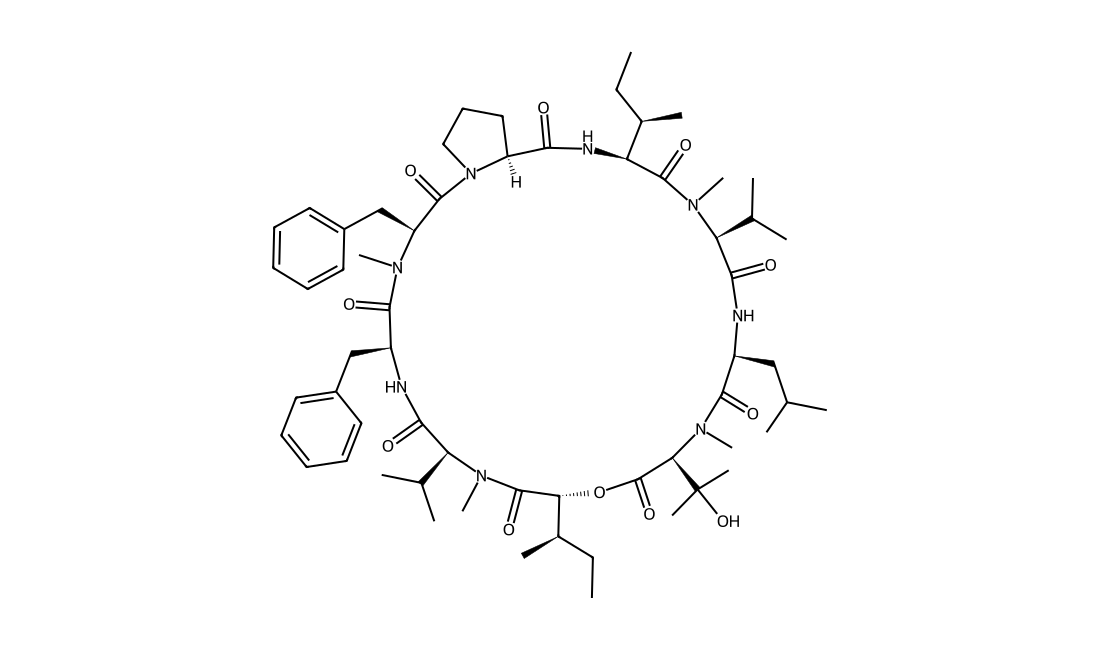
Aureobasidin A(Basifungin)Featured
Aureobasidin A (Basifungin), a cyclic depsipetide, is an antifungal antibiotic. Aureobasidin A (Basifungin) A is an inhibitor of the inositolphosphorylceramide synthase AUR1[1][2].
No products match this search.
Page 409 of 434 · Browse all 8677 products
Jump to a product page
Featured literature product: HX1 · DCL0028
HX1 is a hydroxyzine-derived ionizable lipid with acetal-containing tails, studied in lipid nanoparticles for brain mRNA delivery and CRISPR–Cas9 delivery. It was the lead in the reported in vivo brain-delivery screen; evidence is preclinical and formulation-dependent.
Read full formulation and performance →