
Research lipid catalog
Ionizable Lipid Products
Explore 848 lipid and RNA delivery products. Search the full catalog or browse by research category.
Search covers product name, catalog number, synonyms, available CAS numbers and categories. Spaces, hyphens and common punctuation are ignored. Duplicate legacy records are consolidated under one canonical product result.
8677 products · Showing 8281–8300 · 20 per page
DC Chemicals lipid expertise
Built for ionizable-lipid discovery and RNA delivery research
DC Chemicals supports formulation and delivery research with a broad, searchable portfolio of cationic and ionizable lipids. The current directory brings together 848 unique research-use products, with product specifications, pricing, chemical structures and literature-linked formulation data added as each record is verified.
Our experience spans complex lipid synthesis, purification, analytical release and process development. For custom molecules or larger-scale requirements, our team can discuss route development, technical specifications and scale-up options for the intended research workflow.
Learn about cationic and ionizable lipids →Proprietary innovation · Co-development · GMP
From proprietary lipid design to GMP-grade custom synthesis
DC Chemicals has independently developed ionizable-lipid structures supported by company-owned intellectual property, and selected proprietary lipid programs have advanced to GMP-stage development.
We welcome joint development with customers—from molecular design and lipid synthesis through route and process development. We can also support custom synthesis of GMP-grade ionizable lipids to agreed technical specifications and quality requirements.
Discuss a co-development project →Proprietary ionizable-lipid structuresCollaborative molecular designCustom lipid synthesisProcess development and scale-upGMP-grade project support
Product quick links
Explore New ionizable lipids
Explore our five most recently added ionizable lipids, with specifications, pricing and literature-linked product information.
DCL0028HX1Brain RNA delivery researchView product →DCL0024A1I4R13C18-2Spleen-targeted RNA delivery researchView product →DCL0023A1I4R2C18-2Spleen-targeted RNA delivery researchView product →DCL0022FS01Local joint RNA delivery researchView product →DCL0020Lipid-392Lung RNA delivery and gene editing researchView product →
Cat. No.Product NameField of ApplicationChemical Structure
WWL 154Featured
WWL-154 is a serine hydrolase inhibitor. Serine hydrolases (SHs) are-one of the largest and most diverse enzyme classes in mammals. They play fundamental roles in virtually all physiol. processes and are targeted by drugs to treat diseases such as diabetes, obesity, and neurodegenerative disorders.
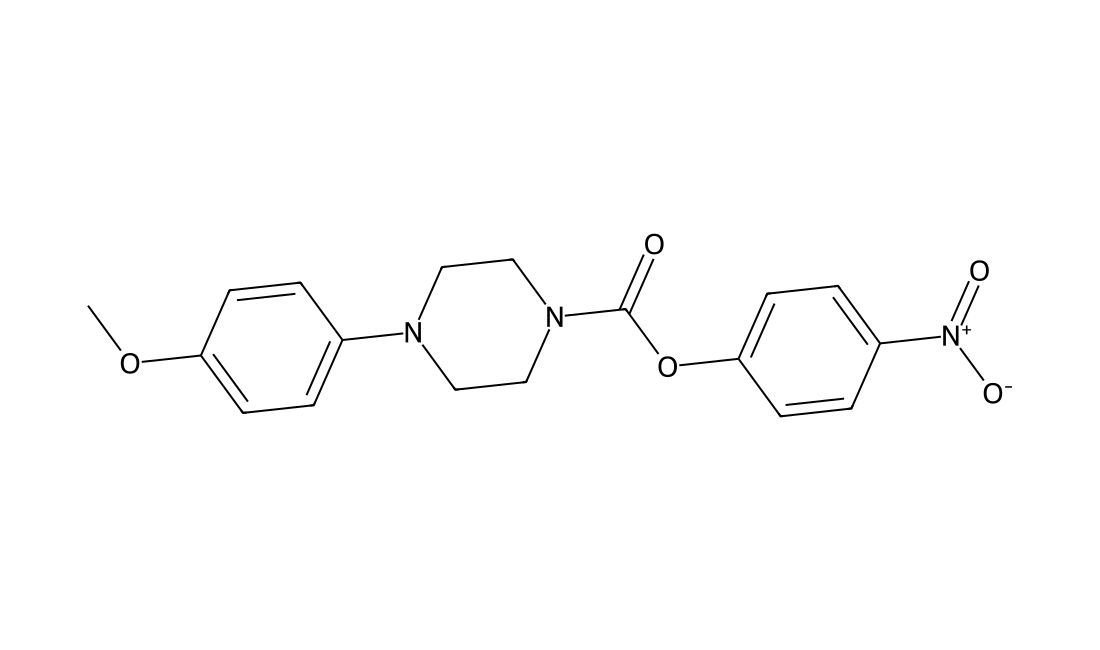
EMAC10101dFeatured
EMAC10101d is a potent and selective toward hCA II inhibitor, with a Ki of 8.1 nM.
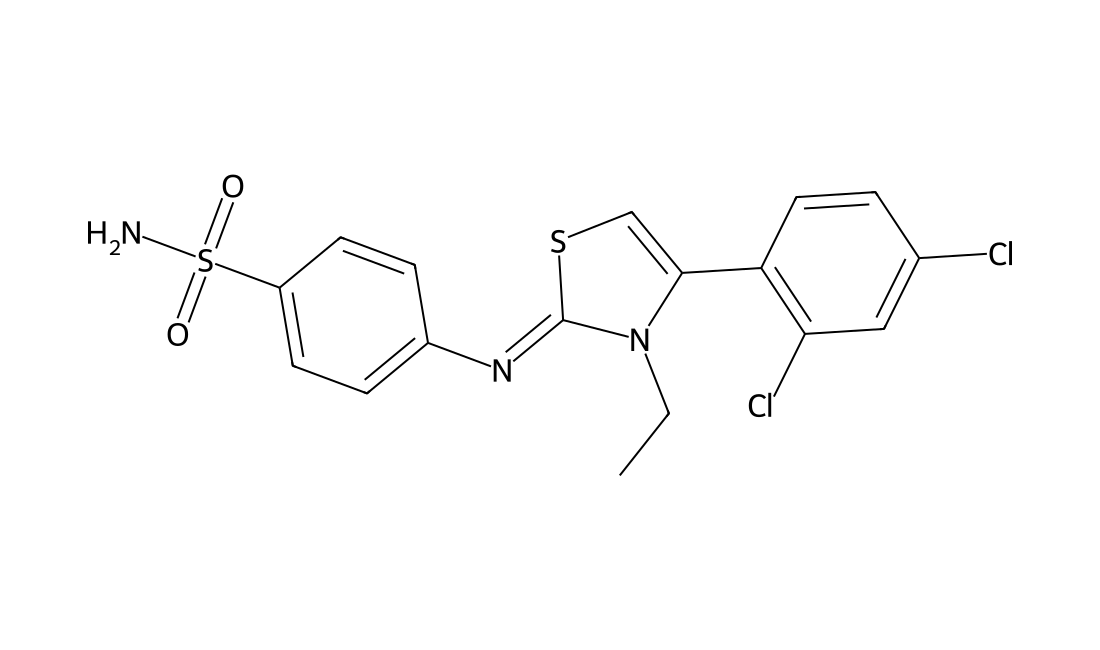
GUN94110Featured
GUN94110 is a WEE1 kinase inhibitors useful in treatment of cancer and other proliferative diseases. GUN94110 was reported in WO 2019028008. This product has no formal name at the moment.
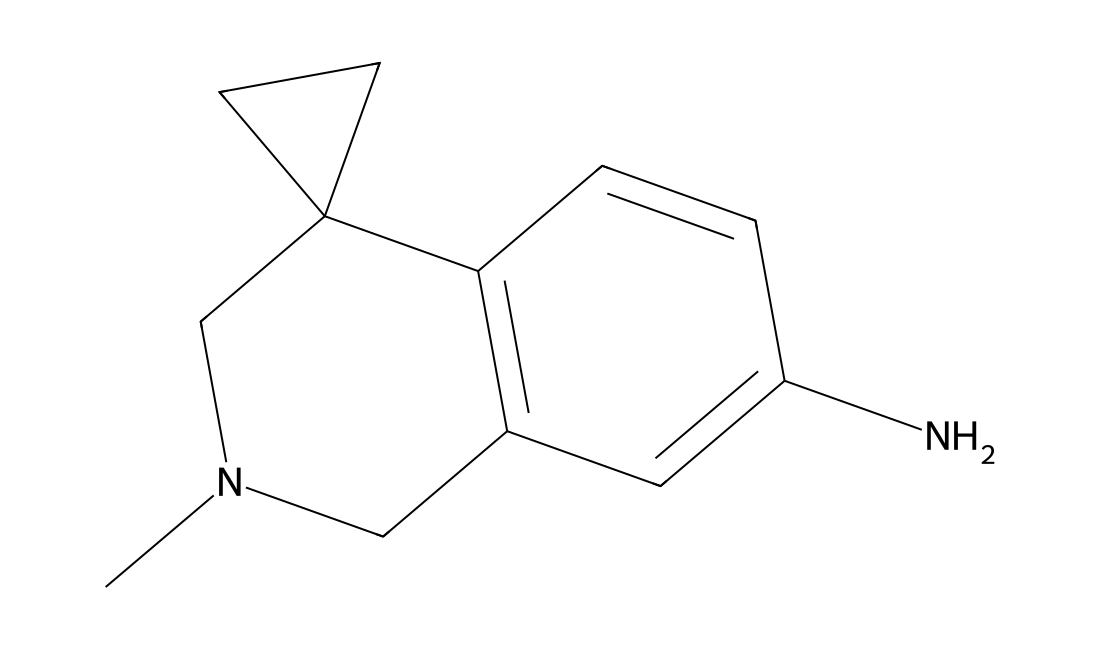
OUN67600(TRPV4 agonist-1)Featured
OUN67600, is a Novel Transient Receptor Potential Vanilloid 4 (TRPV4) Agonist as Regulators of Chondrogenic Differentiation. OUN67600 was first reported by Atobe et al (compound 36 in J Med Chem. 2019 Feb 14;62(3):1468-1483). OUN67600 has CAS#2314467-60-0, no formal name. For the convenience of scientific communication, we named it as OUN67600 (combined from Inchi key plus CAS#) according to Hodoodo Chemical Nomenclature.
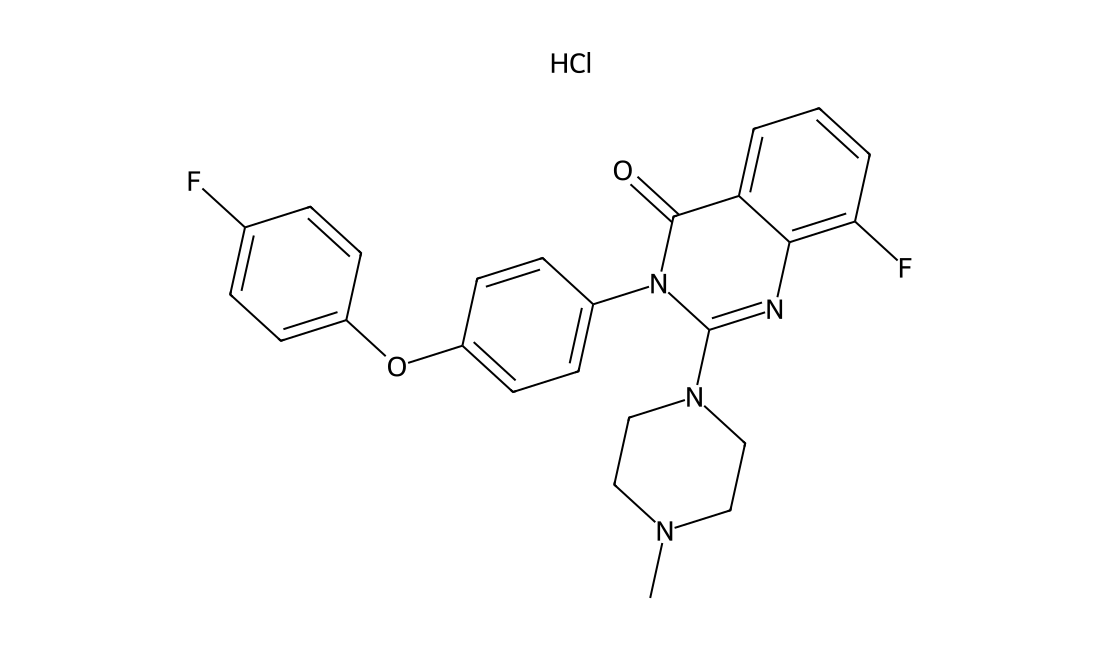
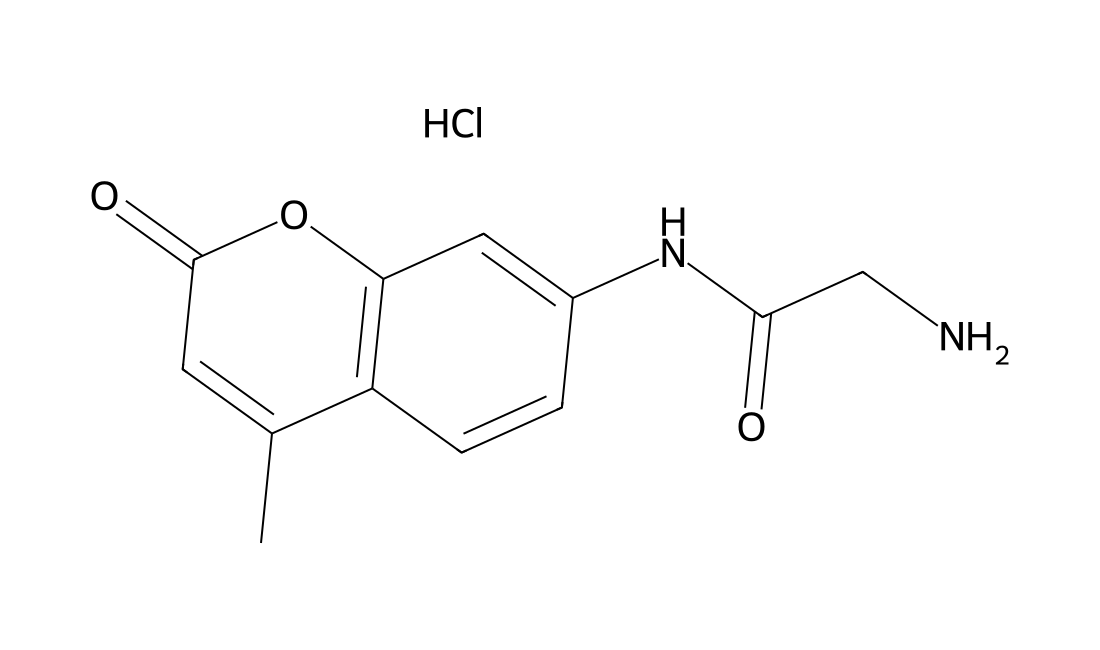
Gly-AMC HClFeatured
Gly-AMC, also known as L-Gly-7-Amino-4-Methylcoumarin, is a probe and chromphore substrate for aminopeptidase. it is useful to make the C-terminal conjugate of ubiquitin with 7-amino-4-methylcoumarin (Ub-AMC), which is an important probe for fluorescence-based anal. of deubiquitinating enzyme (DUB) activity.
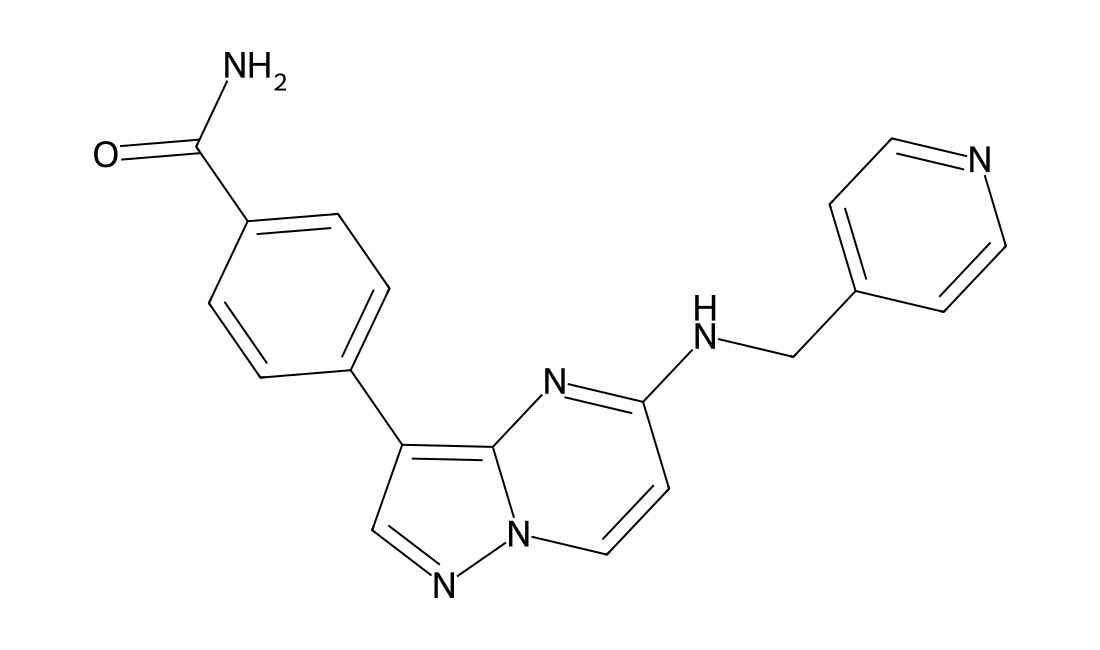
DUN73423Featured
DUN73423 is a RET/KDR-Selective Inhibitor of RETV804M Kinase with IC50 = 7 nM. DUN73423 was listed in ACS Med Chem Lett . 2020 Feb 28;11(4):497-505 (compound 5). DUN73423 has CAS#2414373-42-3, no formal name For the convenience of scientific communication, we named it as DUN73423 (combined from Inchi key plus CAS#) according to Hodoodo Chemical Nomenclature .
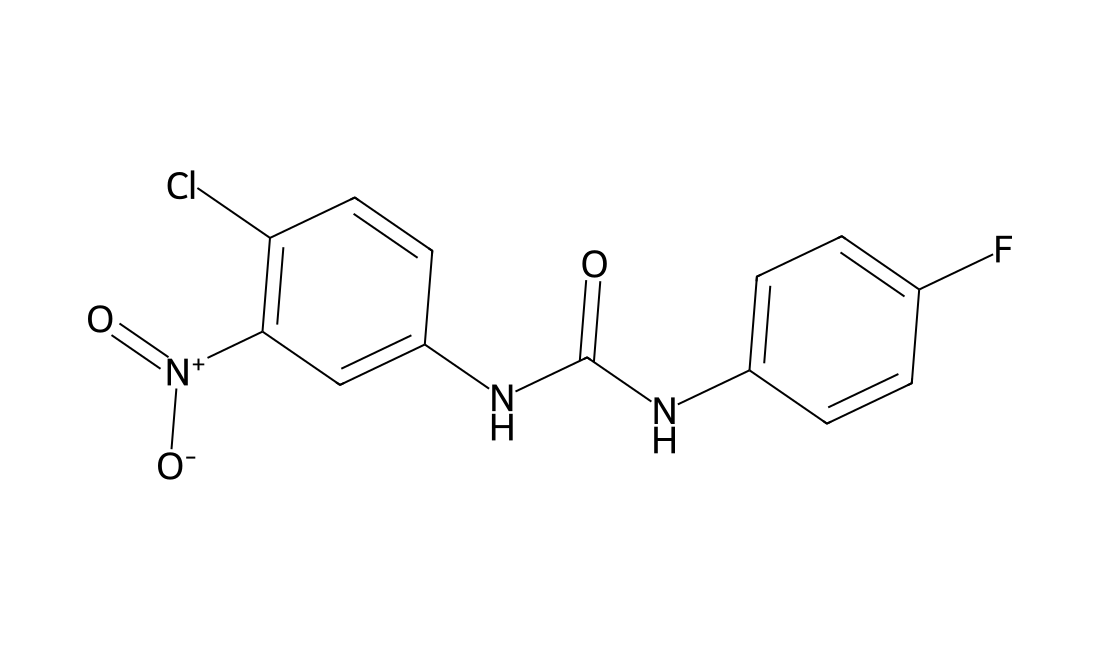
DTHIBFeatured
DTHIB is a direct and selective heat shock factor 1 (HSF1) inhibitor with a Kd of 160 nM for DTHIB binding to the HSF1 DNA binding domain (DBD). DTHIB inhibits HSF1 cancer gene signature (HSF1 CaSig) and selectively stimulates degradation of nuclear HSF1. DTHIB has potently anticancer activities and can be used for prostate cancer research.
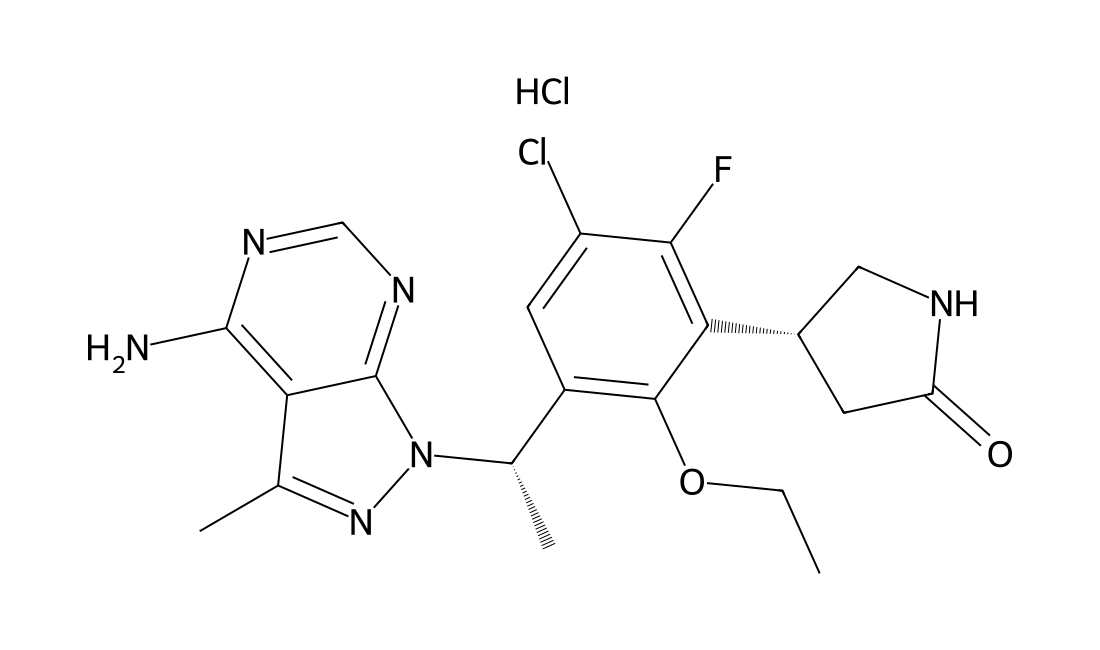
Parsaclisib hydrochlorideFeatured
Parsaclisib hydrochloride (INCB050465 hydrochloride) is a potent, selective and orally active inhibitor of PI3Kδ, with an IC50 of 1 nM at 1 mM ATP. Parsaclisib hydrochloride shows approximately 20000-fold selectivity over other PI3K class I isoforms. Parsaclisib hydrochloride can be used for the research of relapsed or refractory B-cell malignancies.
SeralutinibFeatured
Seralutinib (GB002) is an inhaled Pdgfr kinase inhibitor. Seralutinib (GB002) is used in the study for pulmonary arterial hypertension.
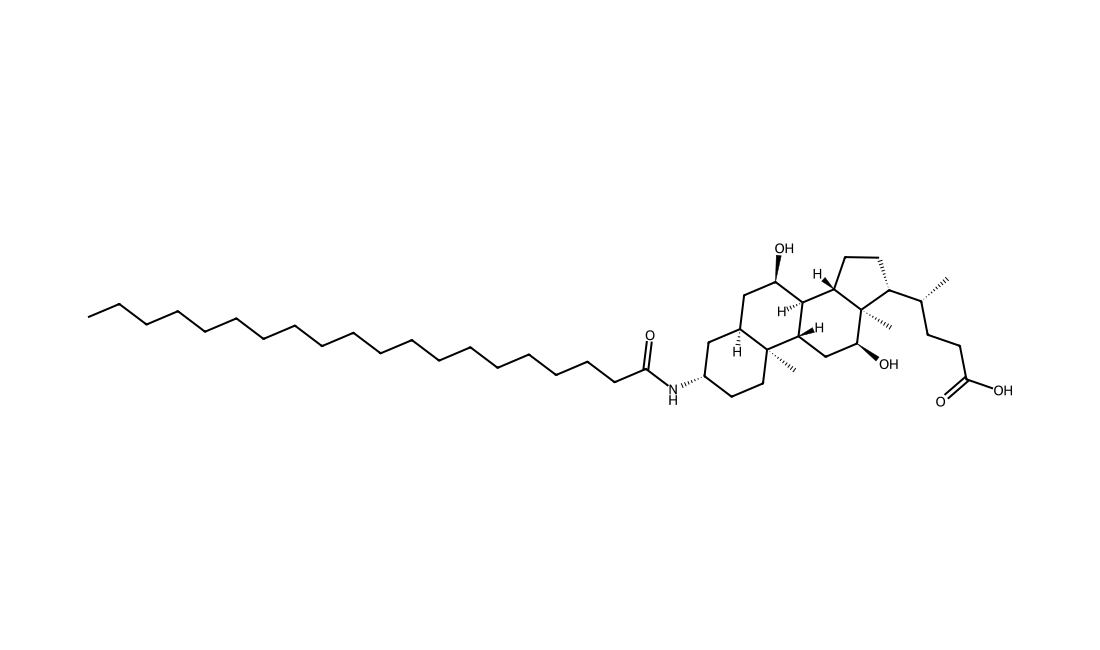
AramcholFeatured
Aramchol reduces ex vivo cholesterol crystallization in native human bile and dissolves pre-formed cholesterol crystals in a dose-dependent manner. In vivo, aramchol completely prevents the formation of cholesterol crystals and gallstones in mice fed a lithogenic, high-fat diet. It also prevents lithogenic, high-fat diet-induced fatty liver in mice, rats, and hamsters.Formulations containing aramchol have been investigated clinically for the treatment of non-alcoholic fatty liver disease (NAFLD).
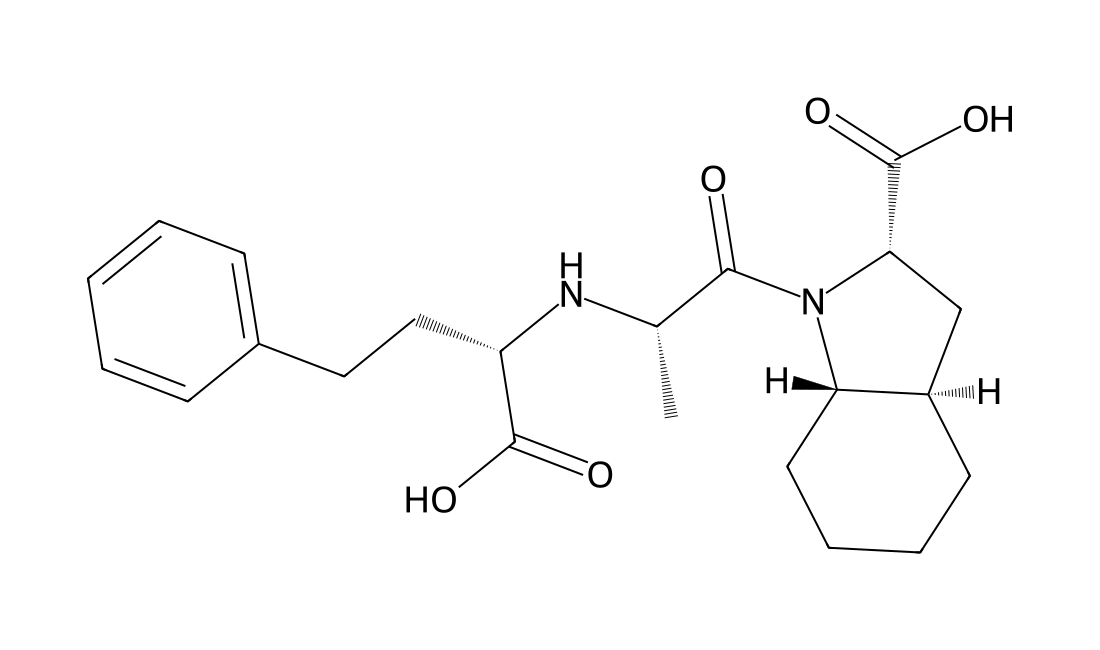
TrandolaprilatFeatured
Trandolaprilat is a non-sulfhydryl angiotensin-converting enzyme inhibitor.
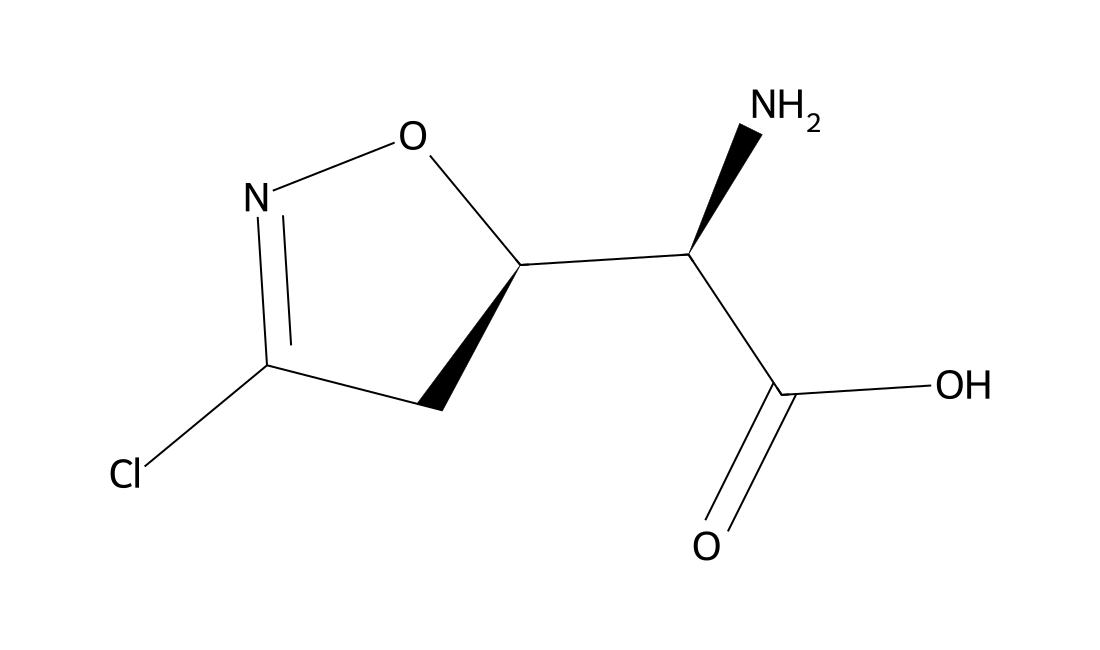
AcivicinFeatured
Acivicin is a glutamine analog that irreversibly inhibits glutamine-dependent amidotransferases involved in nucleotide and amino acid biosynthesis (Kis = 10 and 560 μM for anthranilate synthase and glutamate synthase, respectively).
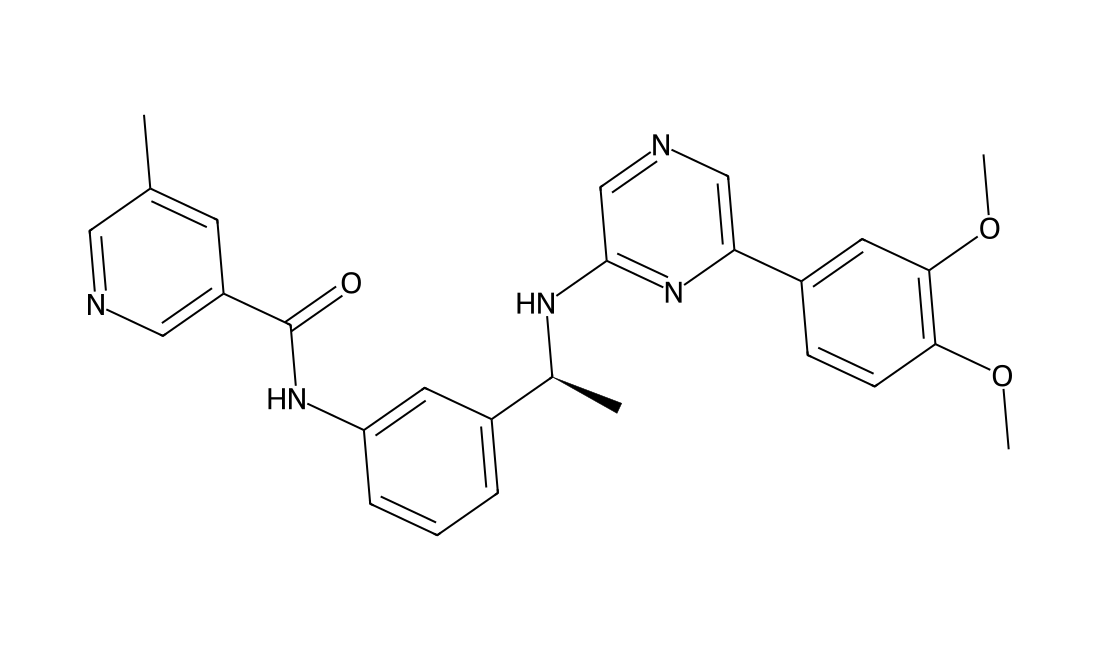
LEM-14Featured
LEM-14 is a specific inhibitor of histone lysine methyltransferase NSD2 (MMSET/WHSC1) with in vitro IC50 of 132 uM, and that is inactive against the closely related NSD1 and NSD3..
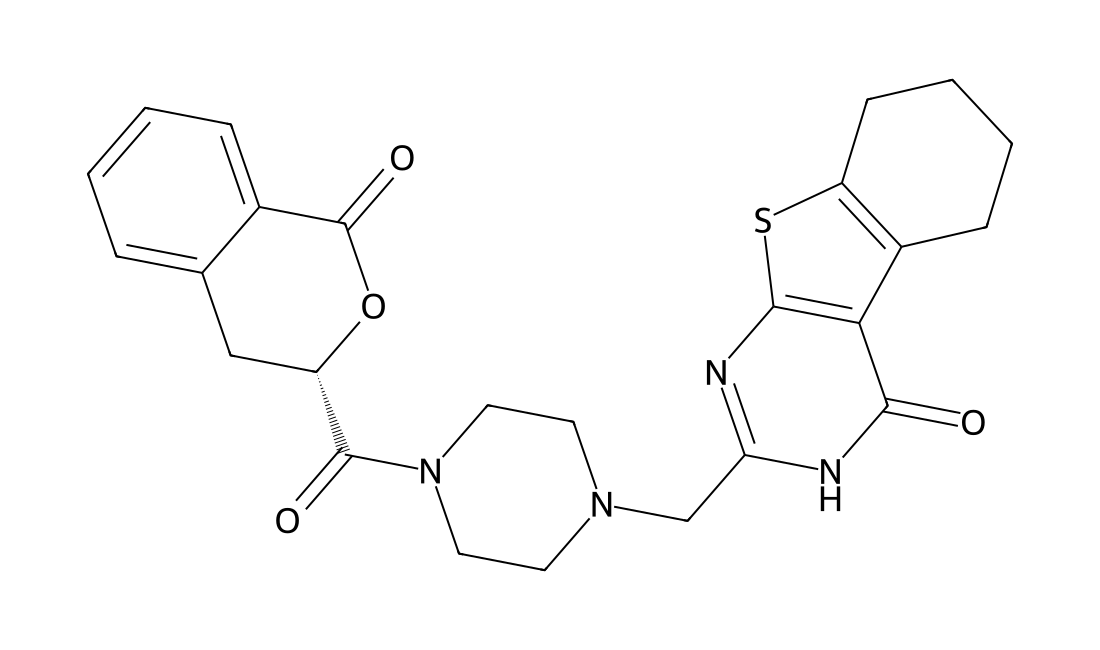
PBT434Featured
PBT434 is a novel quinazolinone compound with effect of lowering cellular iron levels, prevents iron mediated neurodegeneration and α-synuclein toxicity in multiple models of Parkinson disease; inhibits iron-mediated redox activity and iron-mediated aggregation of α-synuclein, a protein that aggregates in the neuropathology; prevents loss of substantia nigra pars compacta neurons (SNpc), lowers nigral α-synuclein accumulation, and rescues motor performance in mice model of PD.
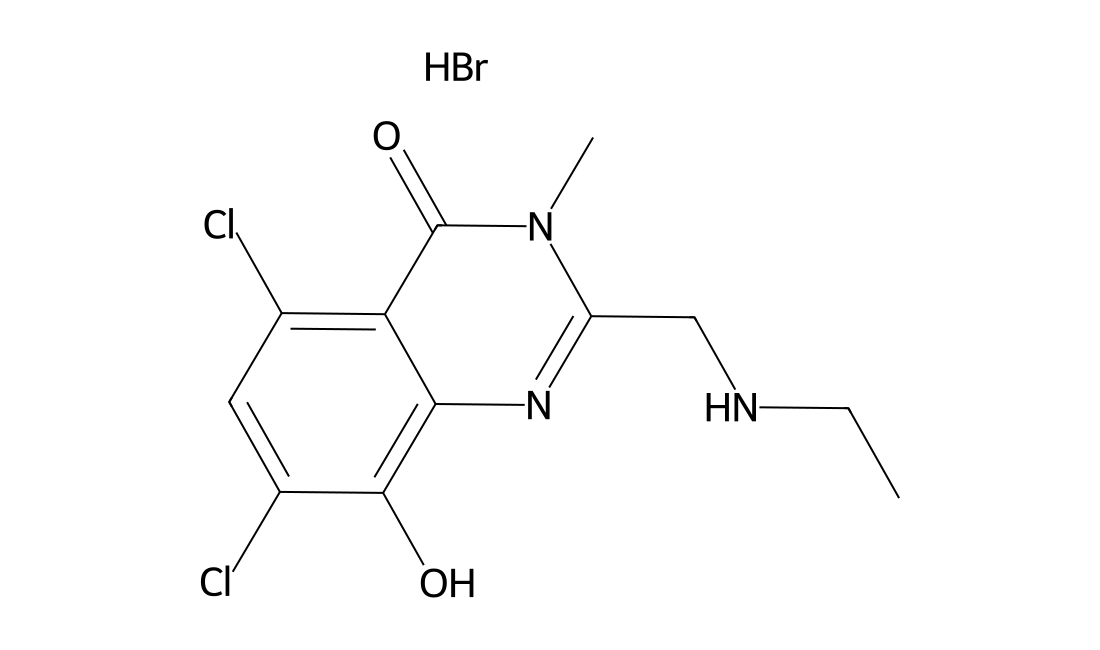
GRP-60367 hydrochlorideFeatured
GRP-60367 hydrochloride is a first-in-class small-molecule rabies virus (RABV) entry inhibitor with nanomolar potency against some RABV strains. GRP-60367 hydrochloride specifically targets the RABV G protein.
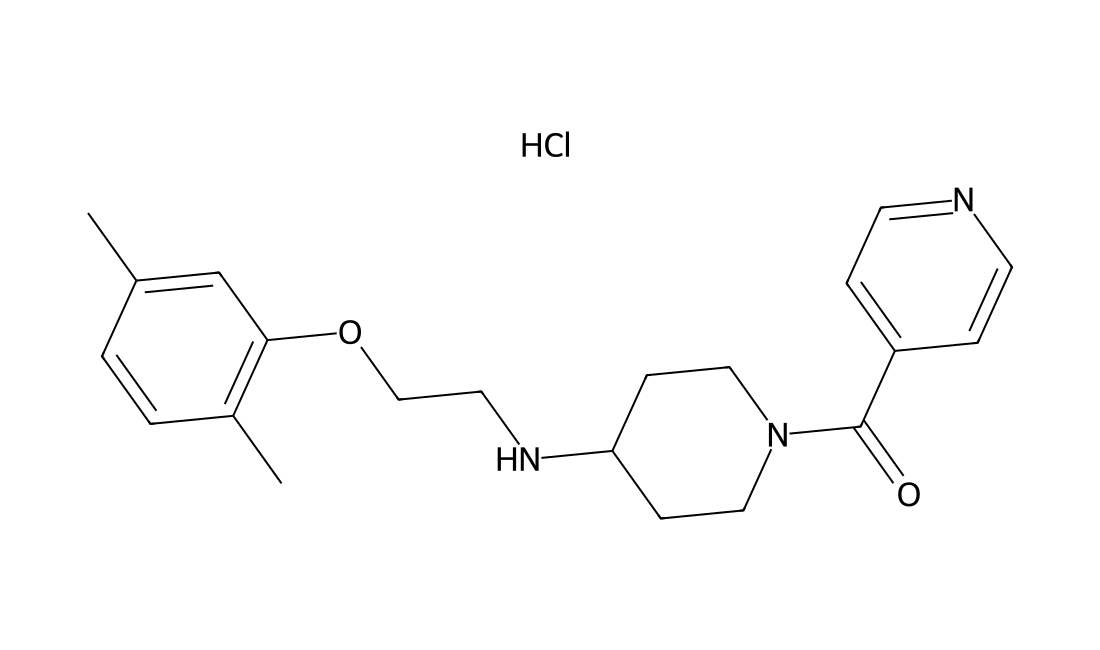
SSD114 hydrochlorideFeatured
SSD114 is a novel GABAB positive allosteric modulator. SSD114 potentiates the GABA inhibition of adenylyl-cyclase mediated by GABAB receptors. SSD114 is also effective in vivo potentiating baclofen-induced sedation/hypnosis in mice, with no effect when tested alone. These findings indicate that SSD114, a molecule with a different chemical structure compared to known GABAB PAMs, is a novel GABAB PAM with potential usefulness in the GABAB-receptor research field.
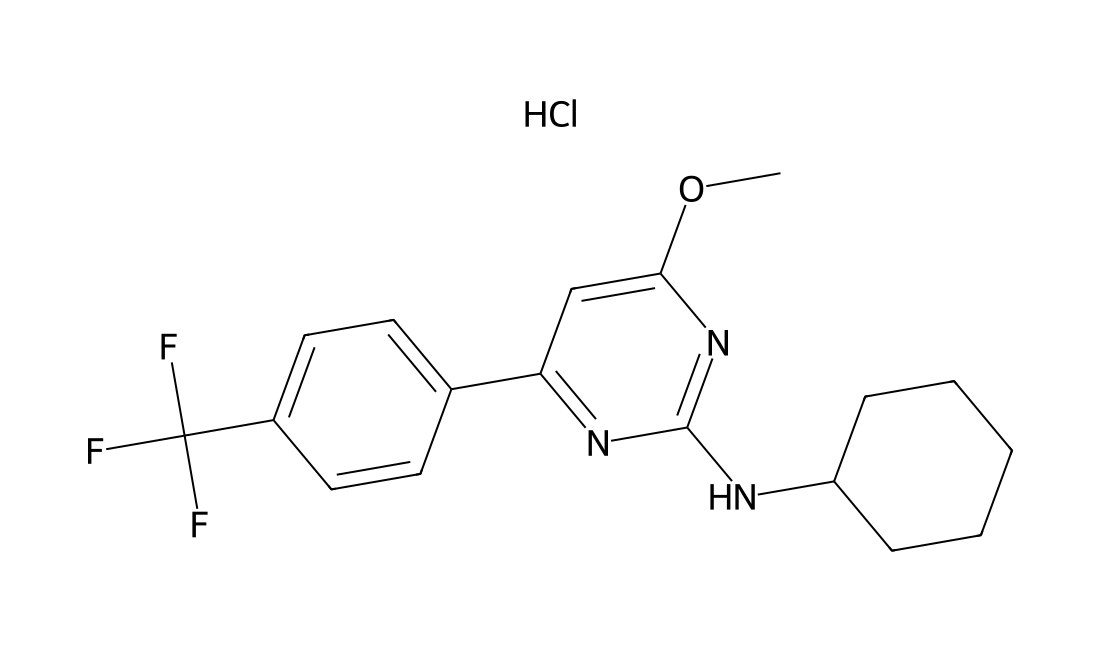
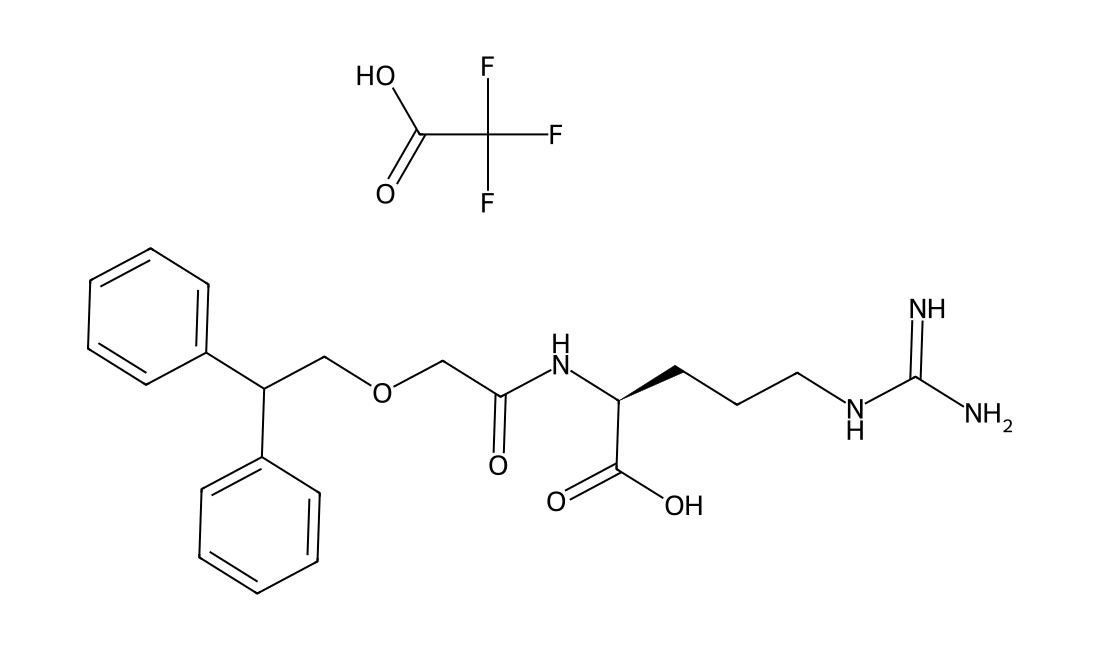
SB290157 trifluoroacetateFeatured
SB 290157, inhibits neutrophil recruitment in a guinea pig LPS-induced airway neutrophilia model and decreases paw edema in a rat adjuvant-induced arthritis model. The antagonist is able to reduce joint swelling only at 3 h, and about 50% inhibition of joint swelling is observed with the concentration of 30 mg/kg. The C3 level is significantly decreased at 3 h compared with naïve mice showing complement consumption. Furthermore, the C3 activation is observed and increased corresponding to the graded concentration of anti-OVA pAb.
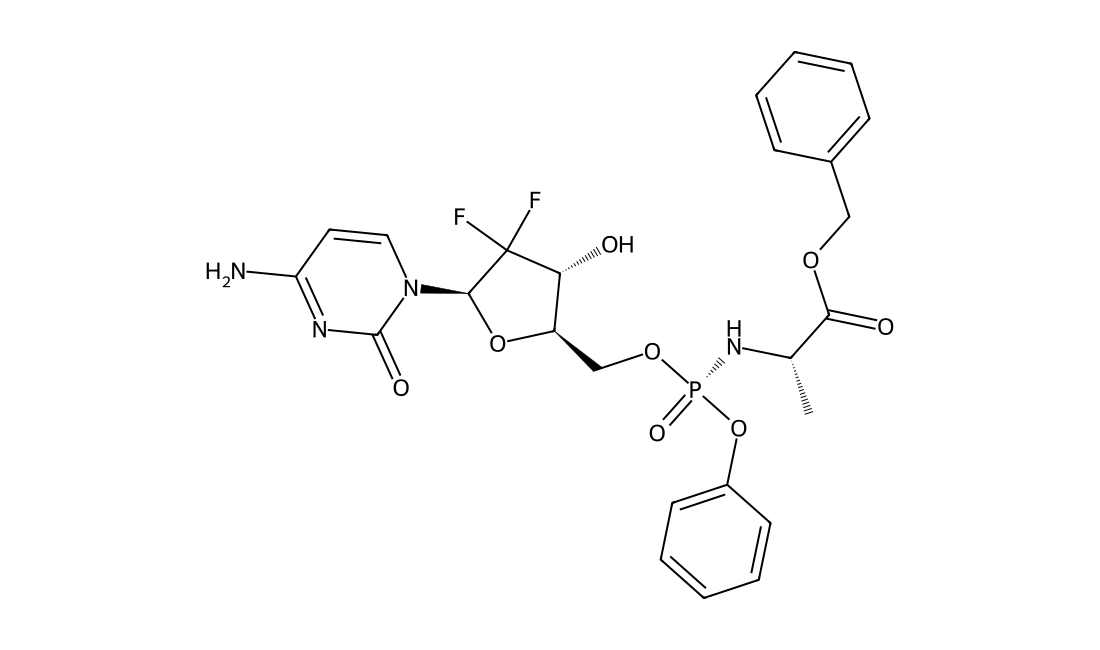
NUC-1031(SP)Featured
NUC-1031(SP) is S form of NUC-1031 at P site.Acelarin (NUC-1031) is a ProTide transformation and enhancement of the widely-used nucleoside analogue, gemcitabine.
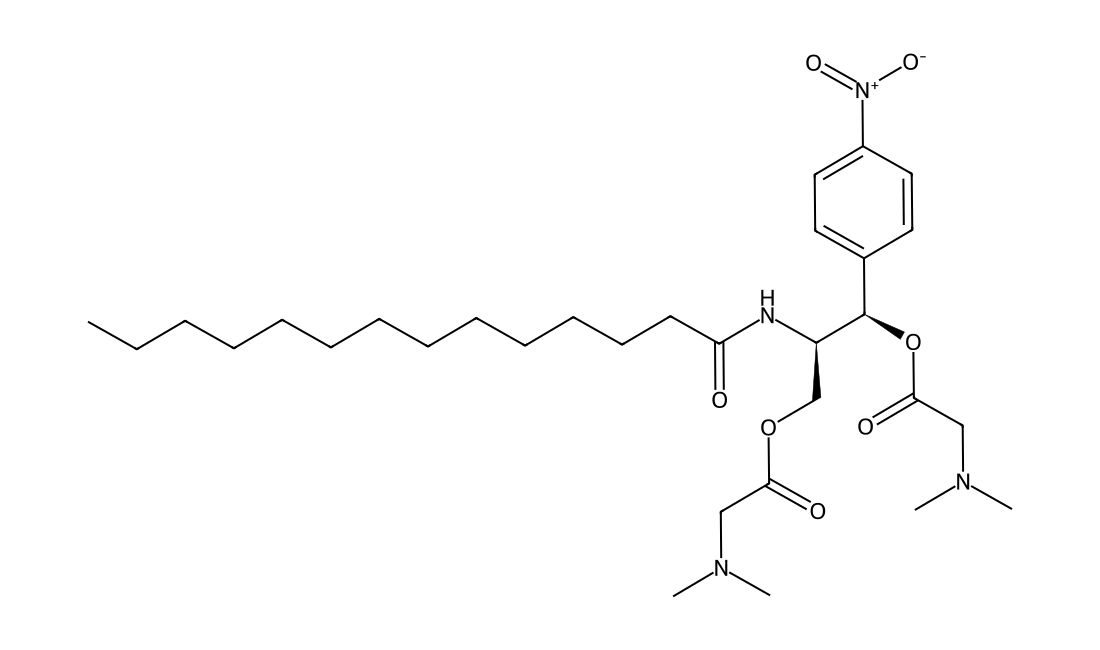
LCL521Featured
In Vitro LCL521 (1 µM) acts as a potent inhibitor of cellular ACDase activity, whereas 10 µM LCL521 has an additional, decreases affect on the α-form of this enzyme. LCL521 (10µM) causes a time-dependent (1 hours and 5 hours) decrease of the α-ACDase form in MCF7 cells.
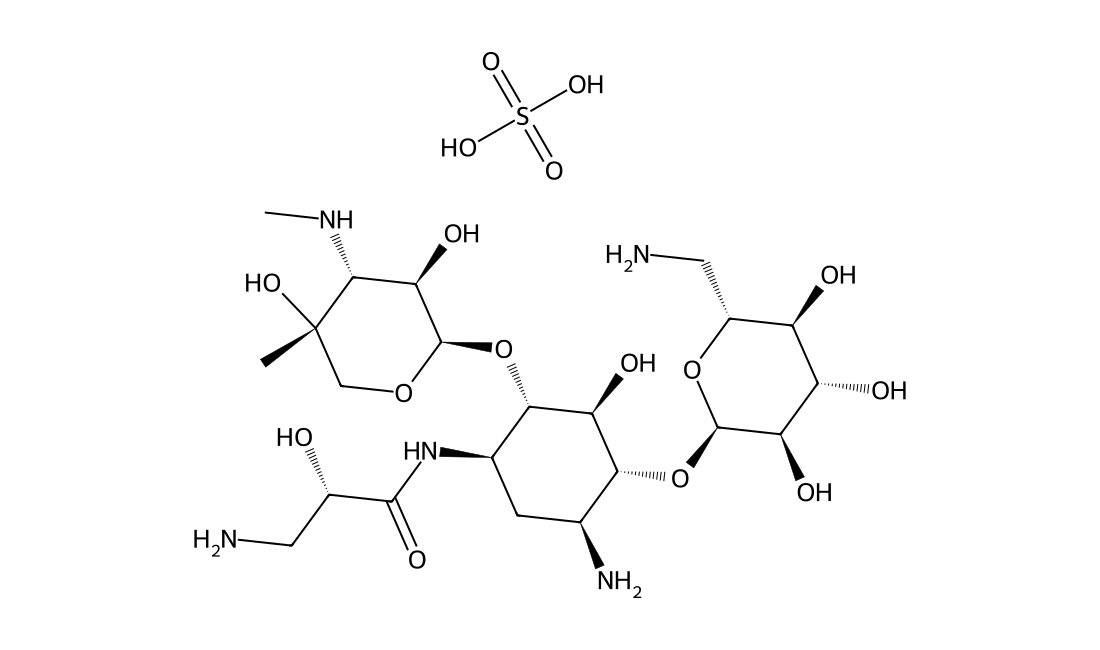
Isepamicin SulphateFeatured
Isepamicin Sulphate is an aminoglycoside antibiotic, which inhibits bacterial protein synthesis by targeting the bacterial 30S ribosomal subunit.
No products match this search.
Page 415 of 434 · Browse all 8677 products
Jump to a product page
Featured literature product: HX1 · DCL0028
HX1 is a hydroxyzine-derived ionizable lipid with acetal-containing tails, studied in lipid nanoparticles for brain mRNA delivery and CRISPR–Cas9 delivery. It was the lead in the reported in vivo brain-delivery screen; evidence is preclinical and formulation-dependent.
Read full formulation and performance →