
Research lipid catalog
Ionizable Lipid Products
Explore 848 lipid and RNA delivery products. Search the full catalog or browse by research category.
Search covers product name, catalog number, synonyms, available CAS numbers and categories. Spaces, hyphens and common punctuation are ignored. Duplicate legacy records are consolidated under one canonical product result.
8177 products · Showing 7801–7820 · 20 per page
DC Chemicals lipid expertise
Built for ionizable-lipid discovery and RNA delivery research
DC Chemicals supports formulation and delivery research with a broad, searchable portfolio of cationic and ionizable lipids. The current directory brings together 848 unique research-use products, with product specifications, pricing, chemical structures and literature-linked formulation data added as each record is verified.
Our experience spans complex lipid synthesis, purification, analytical release and process development. For custom molecules or larger-scale requirements, our team can discuss route development, technical specifications and scale-up options for the intended research workflow.
Learn about cationic and ionizable lipids →Proprietary innovation · Co-development · GMP
From proprietary lipid design to GMP-grade custom synthesis
DC Chemicals has independently developed ionizable-lipid structures supported by company-owned intellectual property, and selected proprietary lipid programs have advanced to GMP-stage development.
We welcome joint development with customers—from molecular design and lipid synthesis through route and process development. We can also support custom synthesis of GMP-grade ionizable lipids to agreed technical specifications and quality requirements.
Discuss a co-development project →Proprietary ionizable-lipid structuresCollaborative molecular designCustom lipid synthesisProcess development and scale-upGMP-grade project support
Product quick links
Explore New ionizable lipids
Explore our five most recently added ionizable lipids, with specifications, pricing and literature-linked product information.
DCL0028HX1Brain RNA delivery researchView product →DCL0024A1I4R13C18-2Spleen-targeted RNA delivery researchView product →DCL0023A1I4R2C18-2Spleen-targeted RNA delivery researchView product →DCL0022FS01Local joint RNA delivery researchView product →DCL0020Lipid-392Lung RNA delivery and gene editing researchView product →
Cat. No.Product NameField of ApplicationChemical Structure
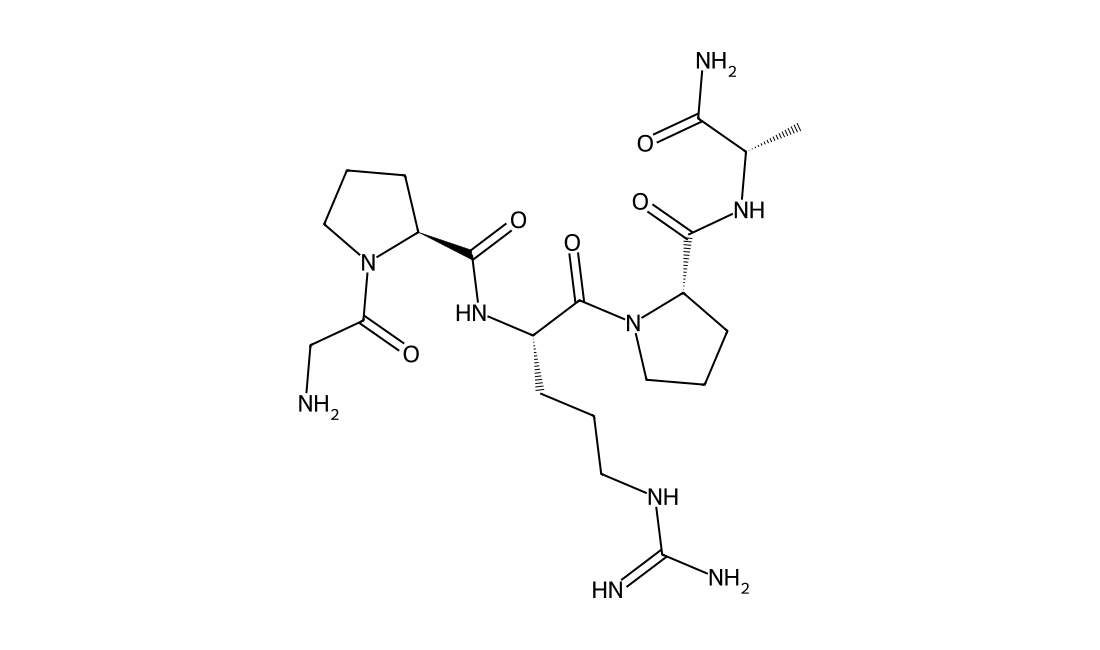
VialoxFeatured
Pentapeptide-3 is a pentapeptide fragment of neurotoxin waglerin-1 from the venom of Temple Viper. Pentapeptide-3 is a competitive antagonist of nicotinic acetylcholine receptors (nAChRs), it can blocks nerves at the post-synaptic membrane. Pentapeptide-3 has anti-aging effects and it can be used together with other cosmetic peptides.
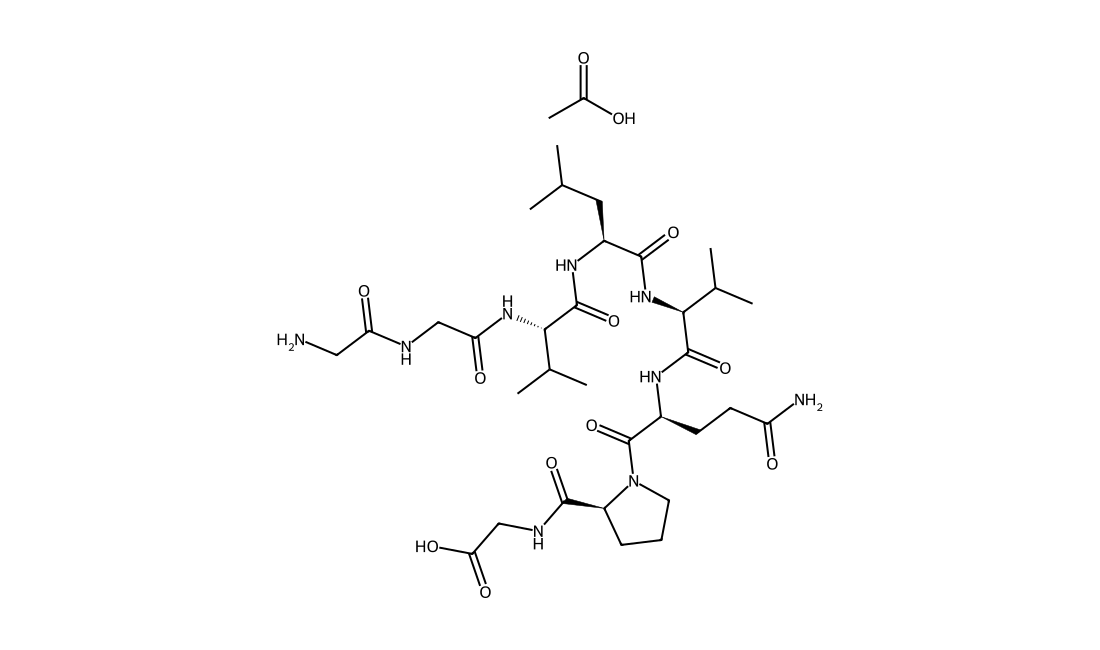
Larazotide AcetateFeatured
Larazotide acetate is a synthetic peptide that functions as a tight junction regulator and reverses leaky junctions to their normally closed state.
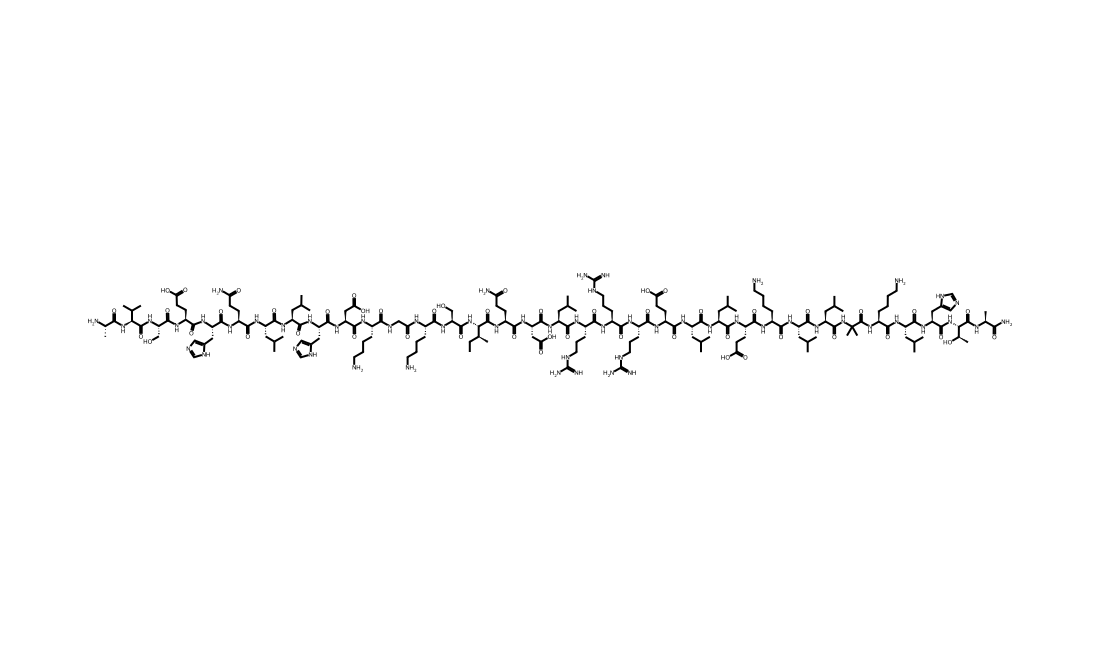
Abaloparatide (BA058)Featured
Abaloparatide (BA058, BIM-44058, ITM-058) is a novel 34-amino acid peptide selected to be a potent and selective activator of the parathyroid hormone receptor (PTH1R) signaling pathway with an IC50 of 0.117 nM in SOST analysis.
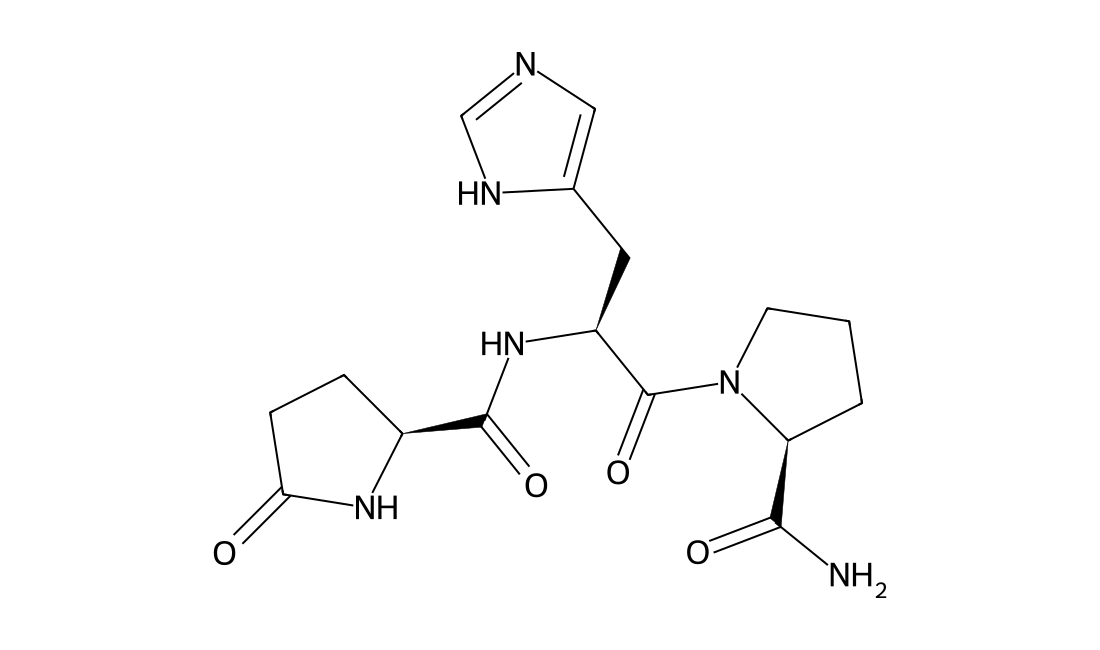
ProtirelinFeatured
Protirelin is a tripeptide that stimulates the release of thyrotropin and prolactin.
Thymulin AcetateFeatured
Serum thymic factor (Thymulin) is a zinc-dependent immunomodulatory peptide. Serum thymic factor induces hyperalgesia. Serum thymic factor protects rats from Cephaloridine (HY-B2072)-induced nephrotoxicity by inhibiting ERK activation. Serum thymic factor has anti-diabetic, analgesic and anti-inflammatory effects.
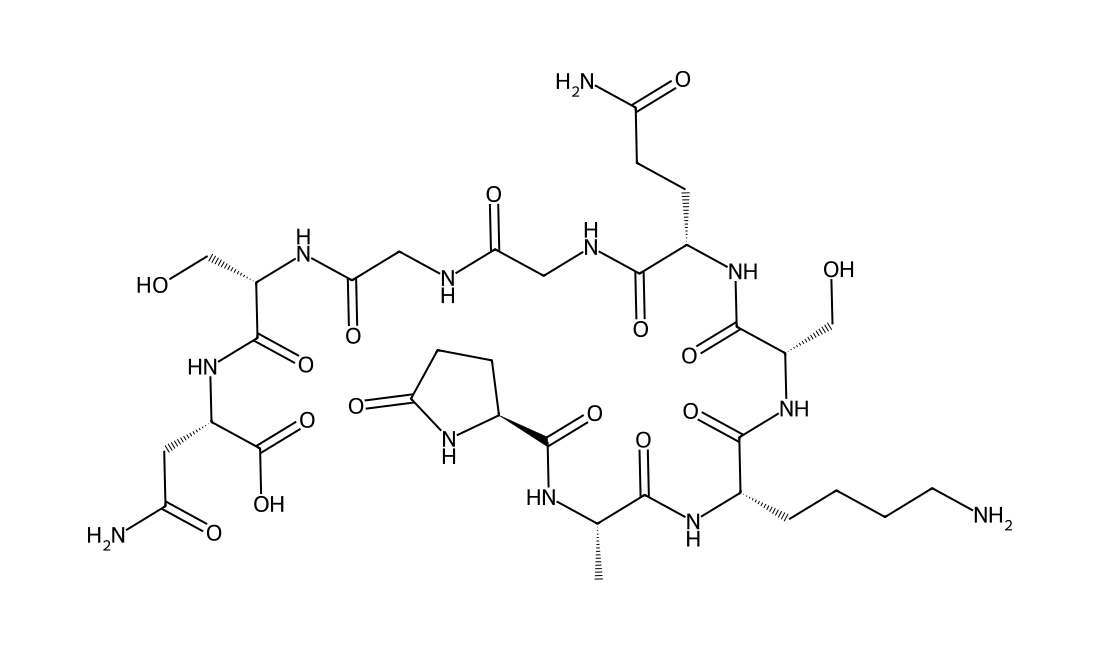
Alarelin AcetateFeatured
Alarelin is a potent LH-RH agonist in rats and mice. Alarelin reversibly delays sexual maturation in rats, stimulates spawning activity in fish. GnRH ( gonadotropin-releasing hormone, Glp-His-Trp-Ser-Tyr-Gly-Leu-Arg-Pro-Gly-NH2), which is also referred as LHRH (luteinizing hormone-releasing hormone) or gonadorelin, is crucial for mammalian reproduction and is released from hypothalamic neurons. It is responsible for the secretion of gonadotropins, luteinizing hormone (LH) and follicle-stimulating hormone (FSH), from the pituitary glands.
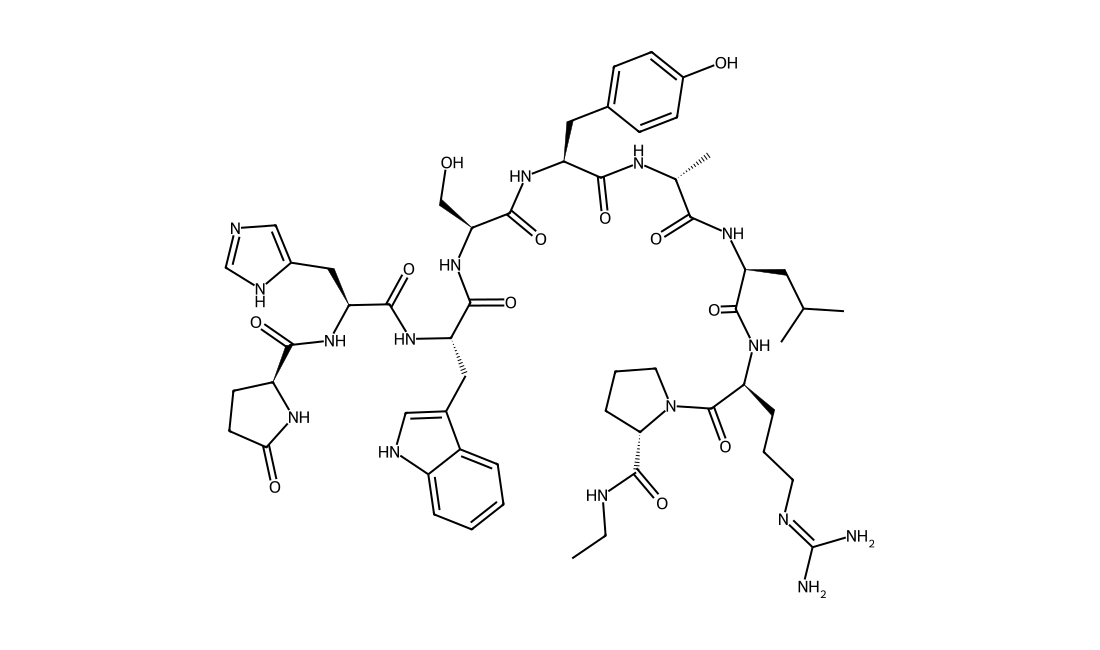
DeslorelinFeatured
Deslorelin is a GnRH agonist. Deslorelin implants can be used as an alternative to dopamine agonists to induce fertil eoestrus in the bitch in anoestrus. The deslorelin implant can be used successfully in the queen for oestrus inhibition. Deslorelin acetate did not significantly affect the spontaneous contraction amplitude but caused a decrease in the frequency in the dorsal and ventral parts of the bladder.
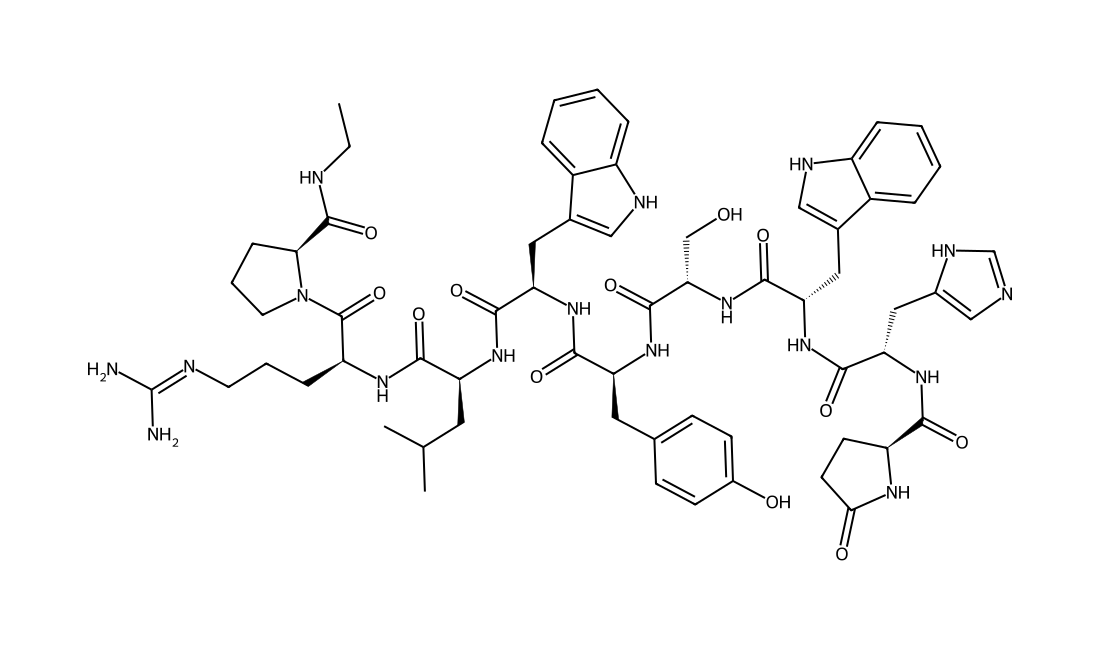
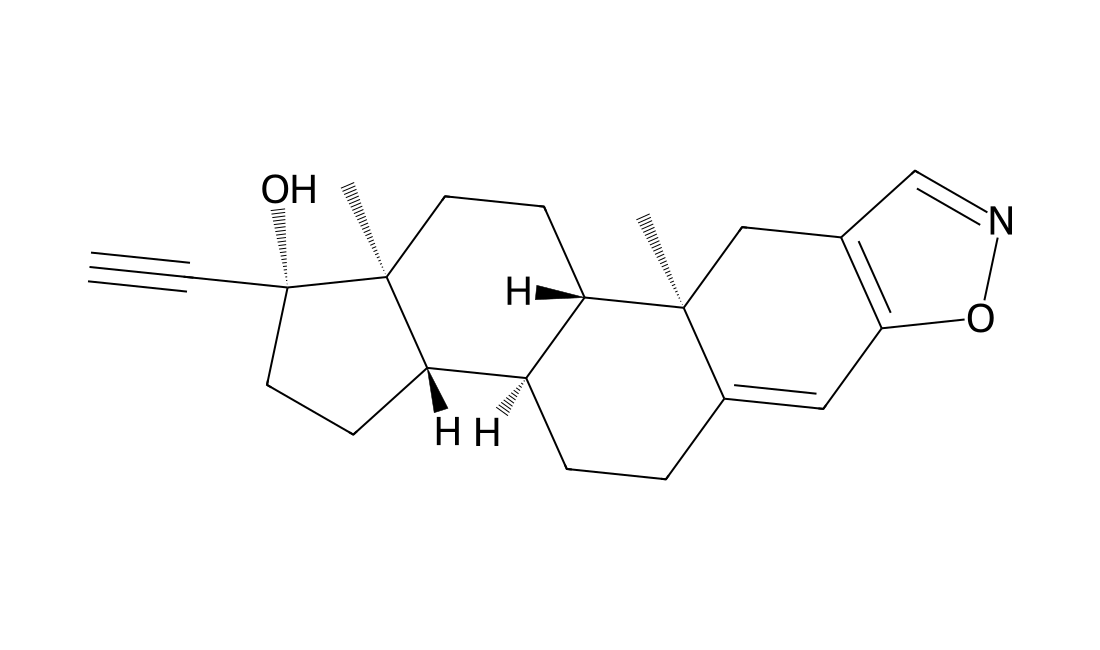
DanazolFeatured
Danazol is a derivative of the synthetic steroid ethisterone that suppresses the production of gonadotropins and has some weak androgenic effects. Before becoming available as a generic drug, danazol was marketed as Danocrine in the United States. It was approved by the US Food and Drug Administration (FDA) as the first drug to specifically treat endometriosis in the early 1970s. Although effective for endometriosis, its use is limited by its masculinizing side-effects. Its role as a treatment for endometriosis has been largely replaced by the GnRH agonists.
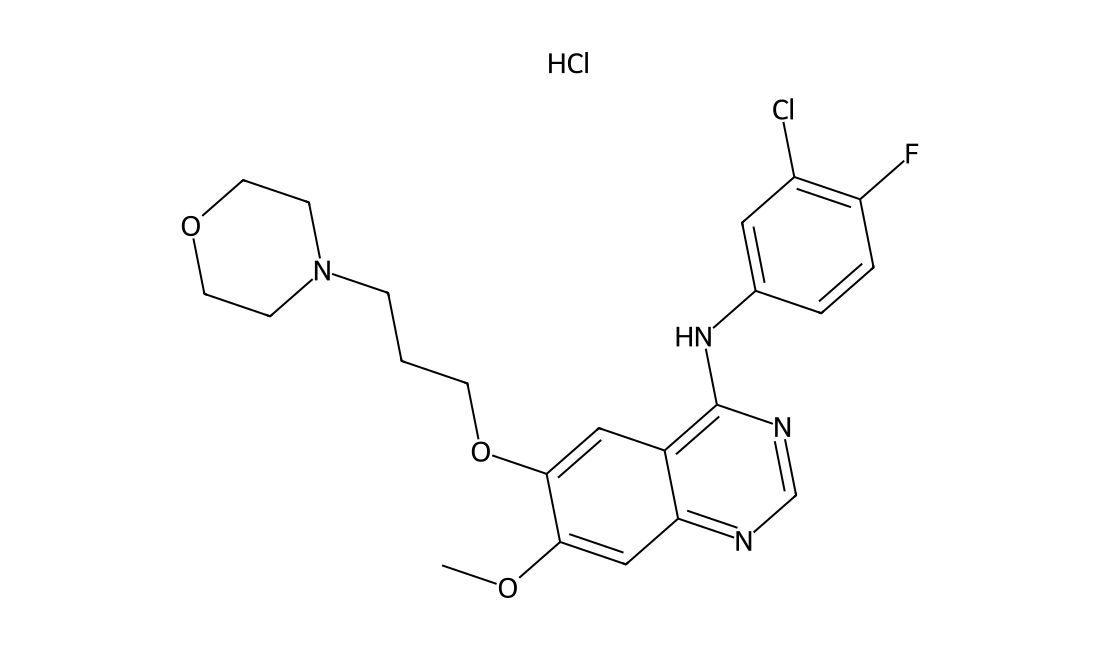
Gefitinib hydrochlorideFeatured
A potent, selective, orally active EGFR inhibitor with IC50 of 23 nM; inhibits EGF-stimulated proliferation of KB cells with IC50 of 80 nM; blocks the growth of GEO colon cancer, ZR-75-1 and MCF-10A Ha-ras breast cancer, and OVCAR-3 ovarian cancer cell lines with IC50 of 0.2-0.4 uM; significantly decreases EGFRvIII phosphotyrosine load, EGFRvIII-mediated proliferation and anchorage-independent growth; has been used to treat advanced (or recurrent) non-small cell lung cancer.Lung CancerApproved
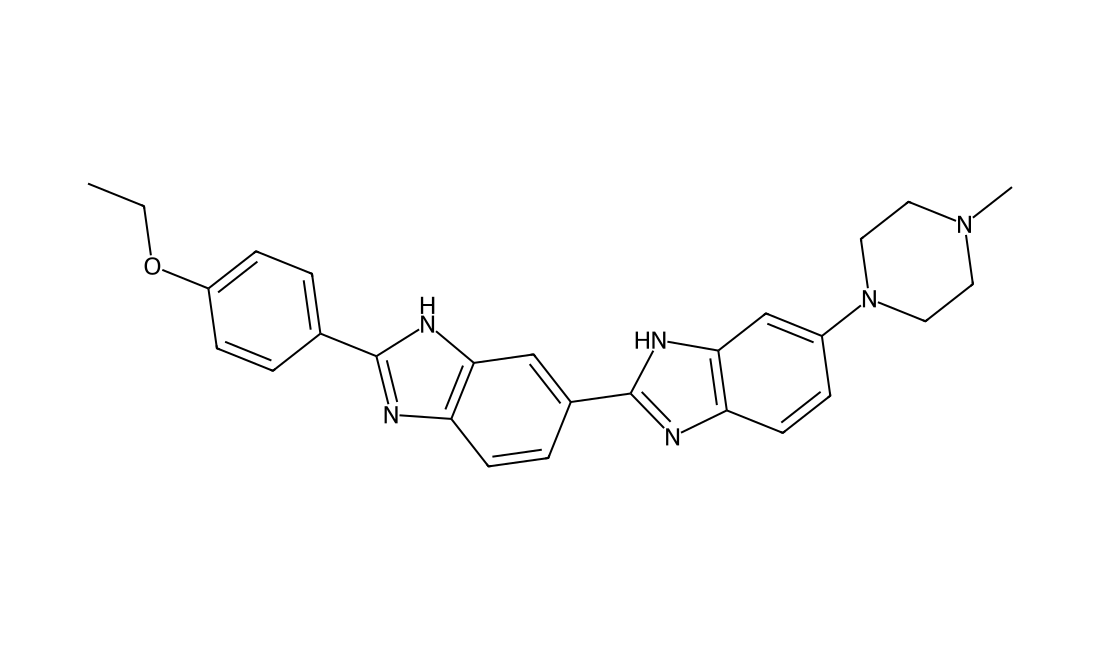
Hoechst 33342Featured
Hoechst 33342 is a DNA minor groove binder used fluorochrome for visualizing cellular DNA.
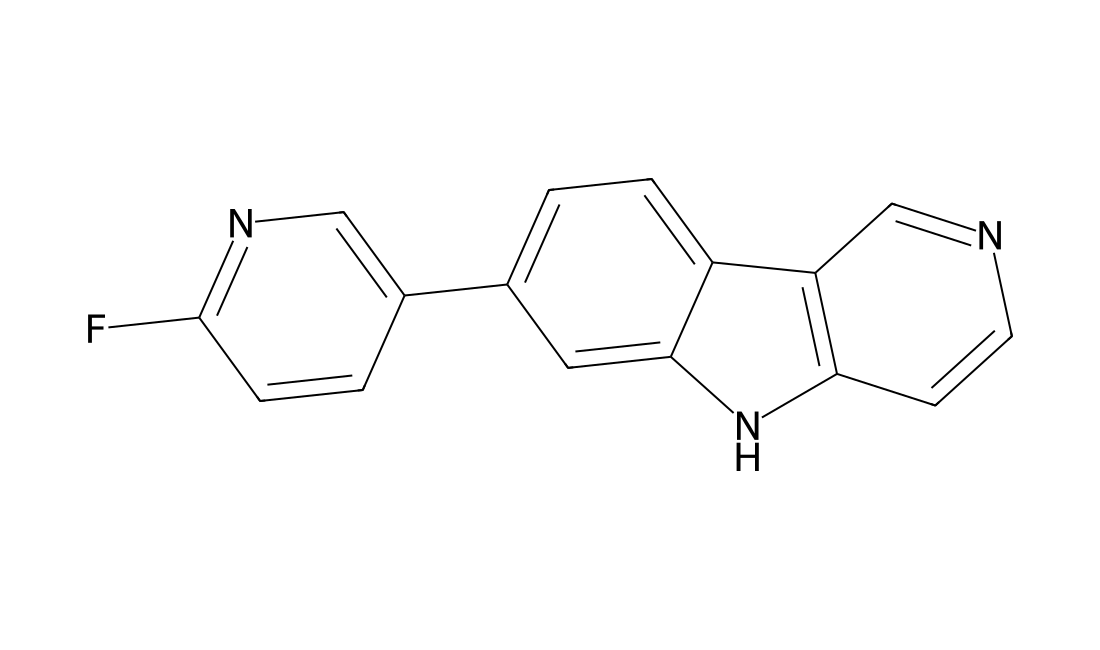
T807Featured
T807 a novel tau positron emission tomography (PET) tracer.
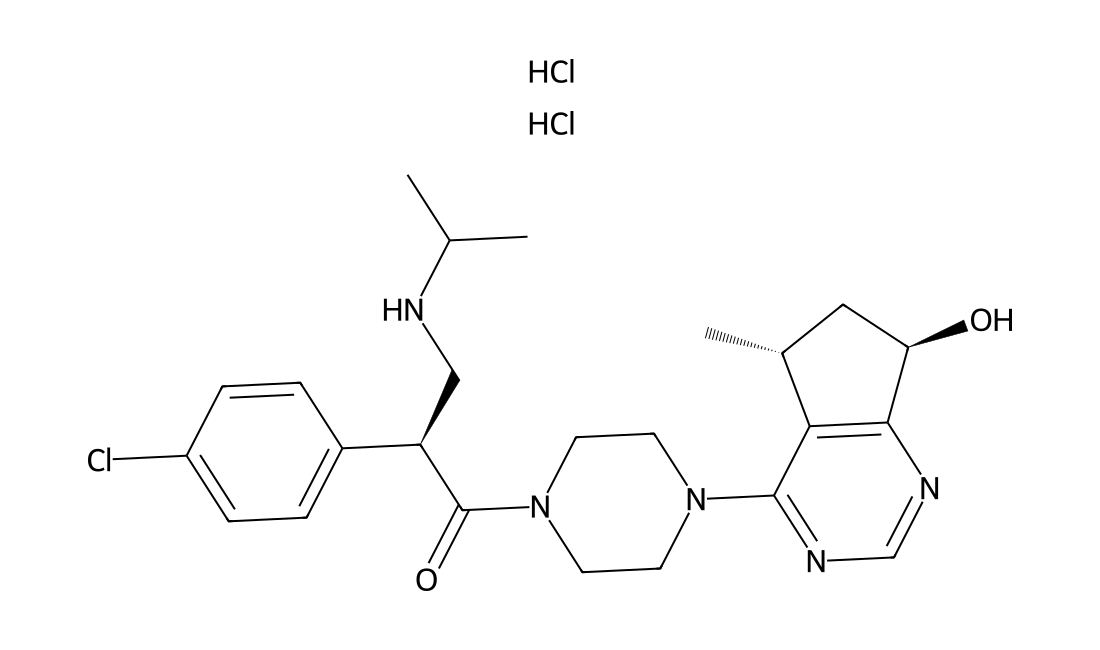
GDC-0068 (dihydrochloride)Featured
Ipatasertib dihydrochloride (GDC-0068 dihydrochloride) is a highly selective pan-Akt inhibitor targeting Akt1/2/3 with IC50 of 5/18/8 nM, 620-fold selectivity over PKA.
VVD-118313Featured
VVD-118313 (compound 5a) is a potent, selective JAK1 inhibitor. VVD-118313 targets an isoform-restricted allosteric cysteine to block JAK1-dependent trans-phosphorylation and cytokine signaling. VVD-118313 can be used for research of cancer.
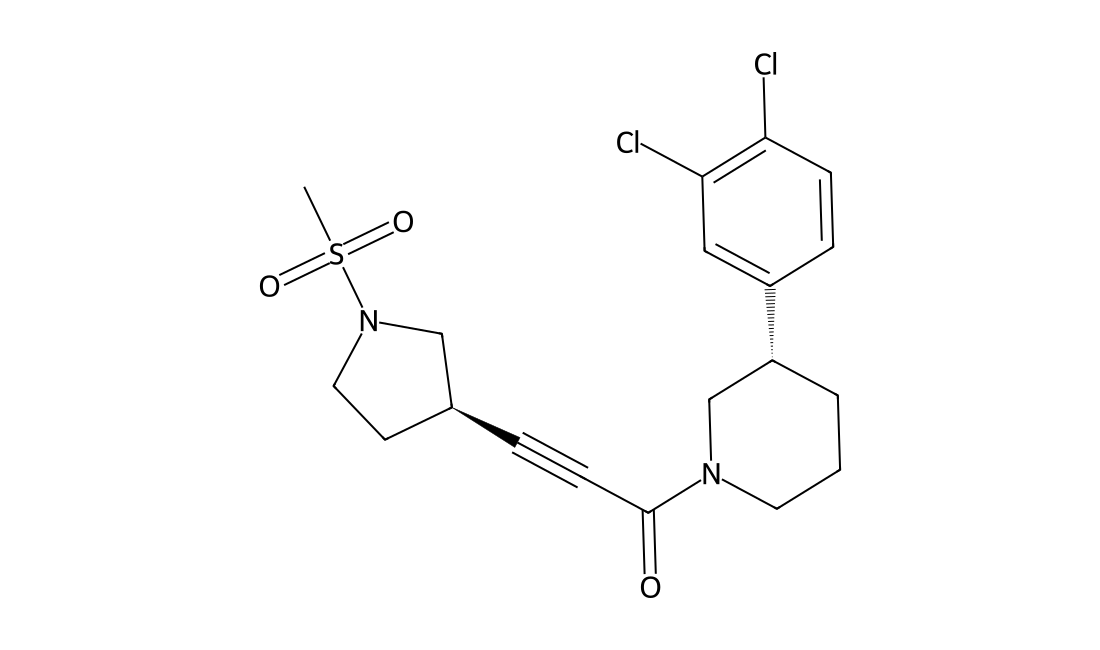
IPN60090Featured
IPN-60090 is an orally active and highly selective inhibitor of glutaminase 1 (GLS1; IC50=31 nM), with no activity observed against GLS-2. IPN-60090 exhibits excellent physicochemical and pharmacokinetic properties in vivo. IPN-60090 can be used for solid tumors research, such as lung and ovarian cancers.
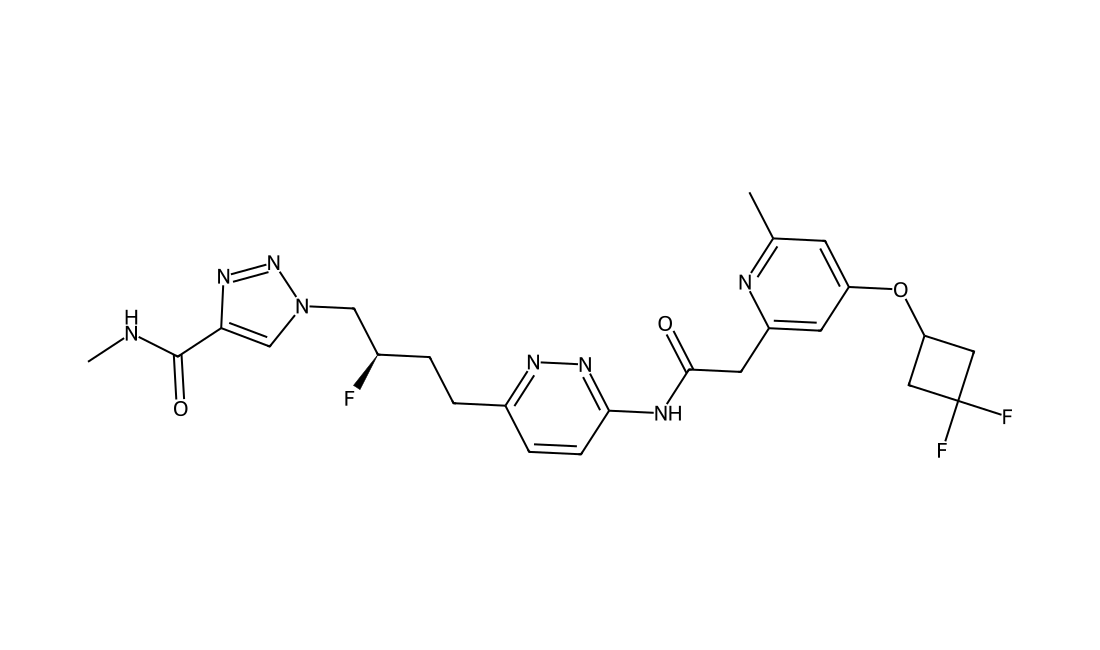
LEO 39652Featured
LEO 39652 is a novel PDE4 inhibitor with IC50 of 3.8 nM and selected as a clinical candidate as it is potent and rapidly degraded by blood and liver to inactive metabolites.
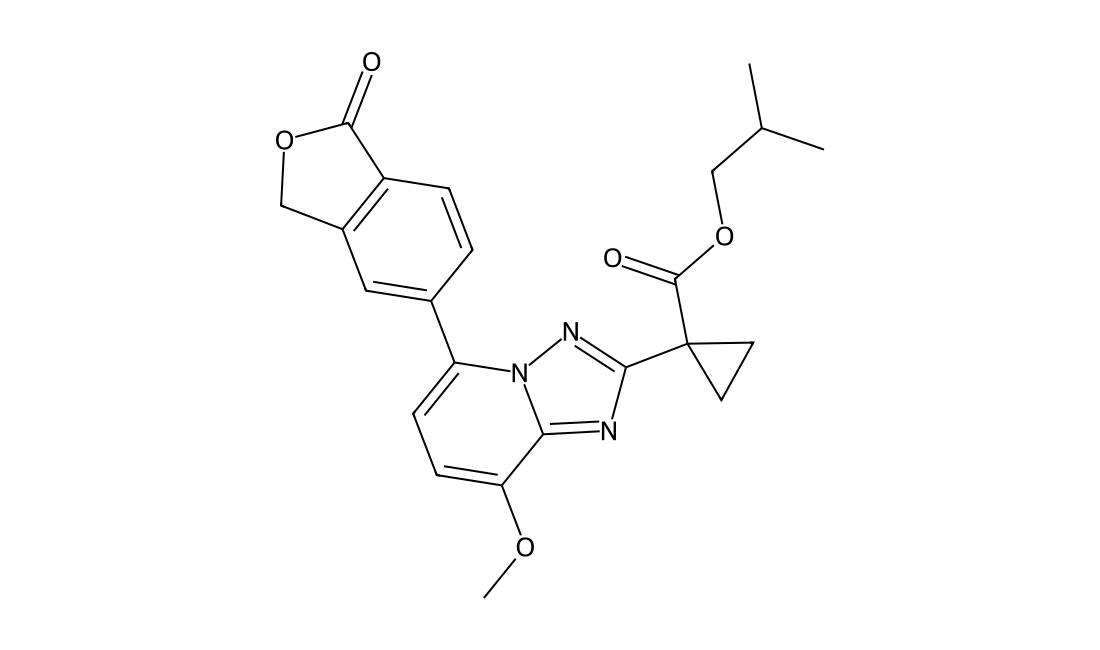
ABBV-CLS-484Featured
Osunprotafib (ABBV-CLS-484) is a potent PTPN1 and PTPN2 inhibitor with subnanomolar activity. Osunprotafib has antitumor activity, enhances the immune response and increases the sensitivity of tumors to immune-mediated killing.
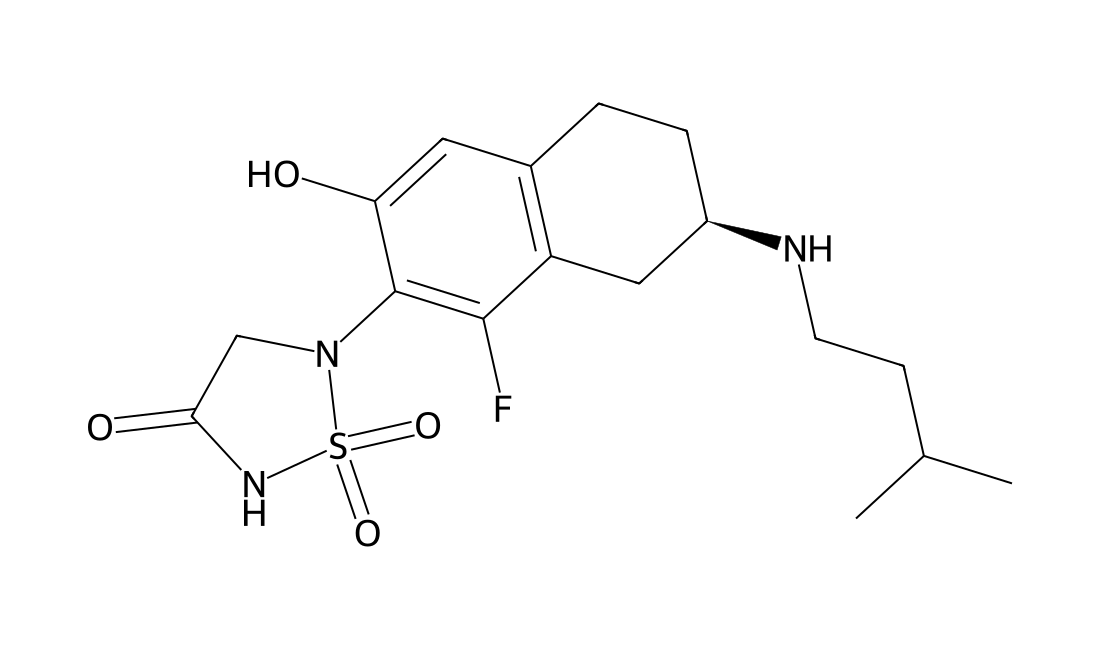
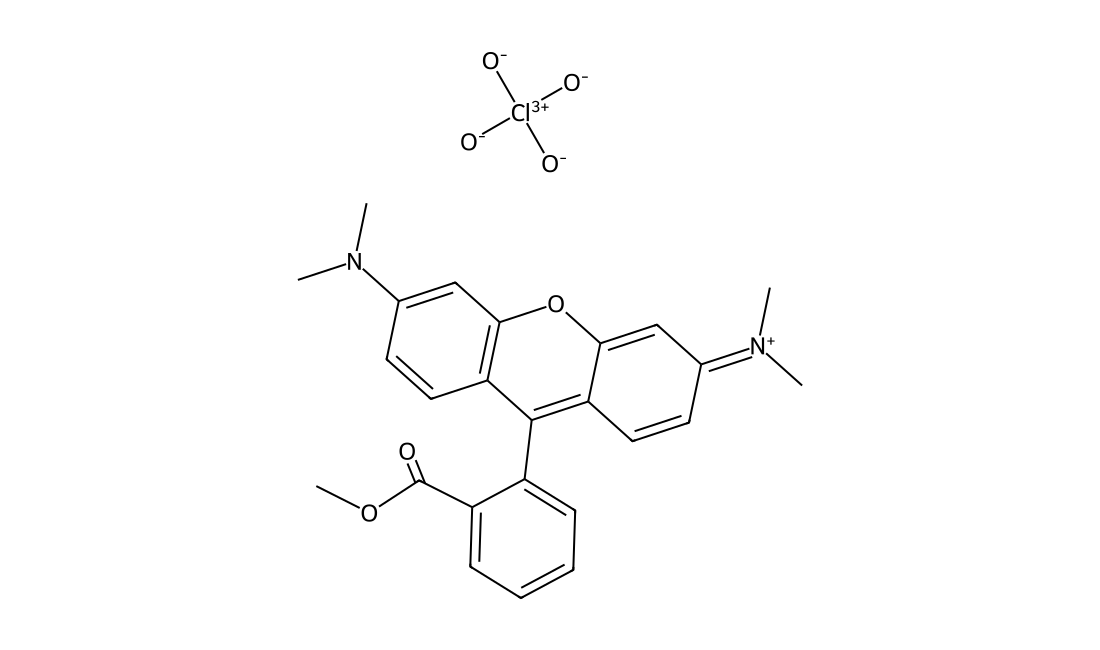
TMRM PerchlorateFeatured
TMRM Perchlorate is a cell-permeant cationic lipophilic red fluorescent dye (λex=530 nm, λem=592 nm).
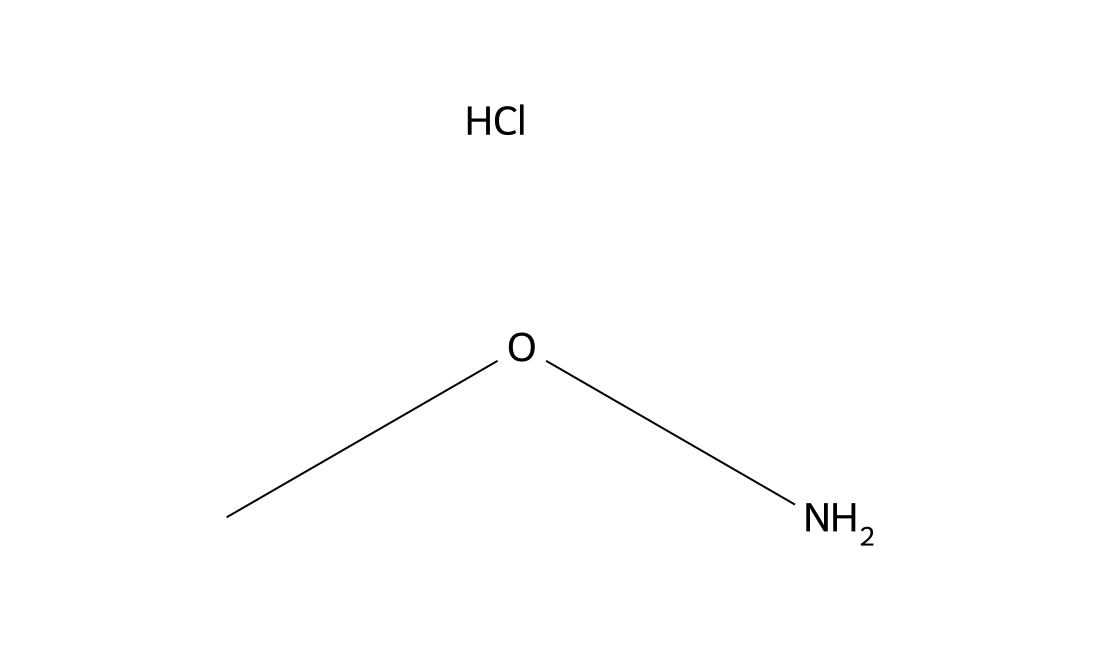
TRC102Featured
Methoxyamine is an orally bioavailable small molecule inhibitor with potential adjuvant activity. Methoxyamine covalently binds to apurinic/apyrimidinic (AP) DNA damage sites and inhibits base excision repair (BER), which may result in an increase in DNA strand breaks and apoptosis. This agent may potentiate the anti-tumor activity of alkylating agents. Check for active clinical trials or closed clinical trials using this agent. (NCI Thesaurus).
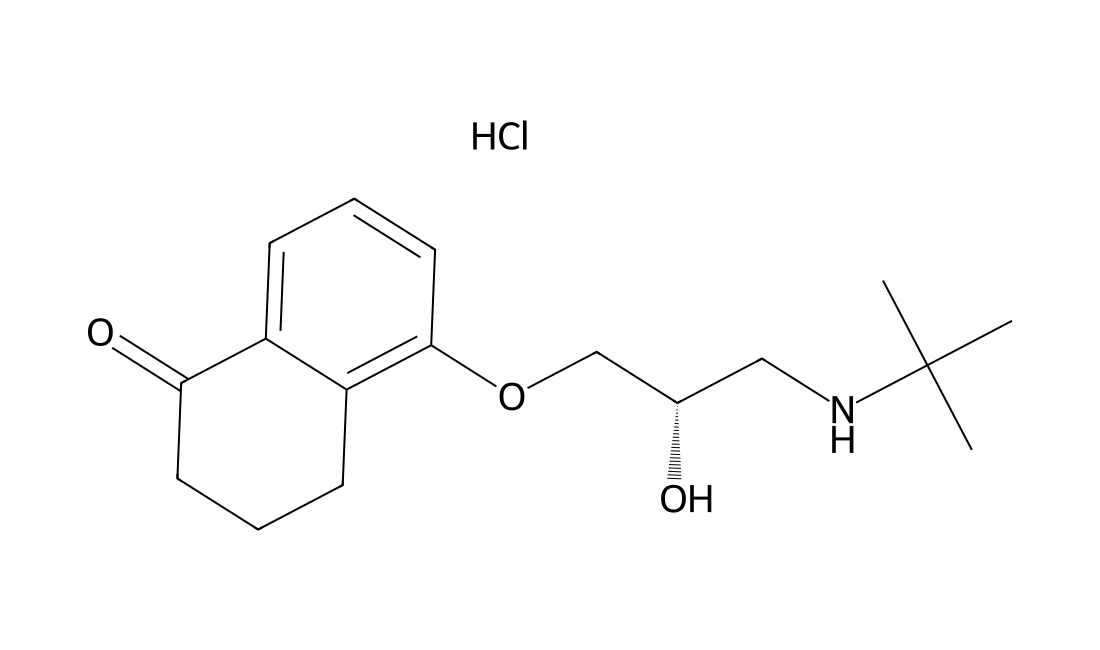
Levobunolol HydrochlorideFeatured
Levobunolol Hydrochloride is a non-cardioselective adrenergic beta-receptor antagonist with anti-glaucoma activity.
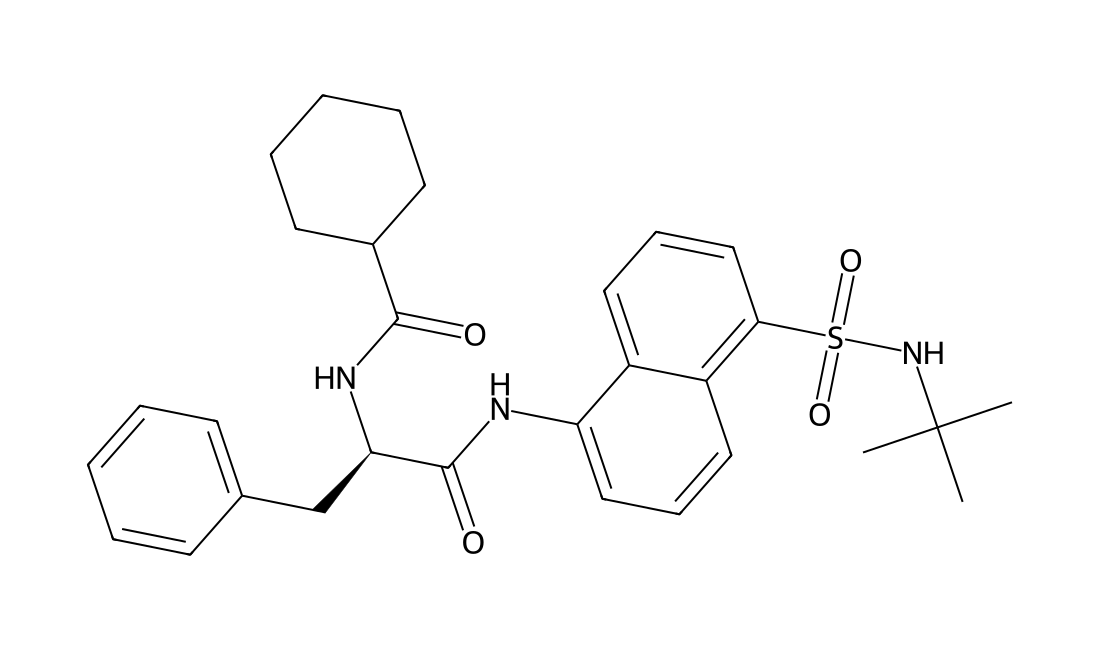
MF-094Featured
MF-094 (MF094) is a potent, highly selective inhibitor of ubiquitin specific protease 30 (USP30) with IC50 of 0.12 uM, demonstrates <30% inhibitory activity for a panel of 22 USPs assays at 10 uM; increases protein ubiquitination and accelerates mitophagy.
No products match this search.
Page 391 of 409 · Browse all 8177 products
Jump to a product page
Featured literature product: HX1 · DCL0028
HX1 is a hydroxyzine-derived ionizable lipid with acetal-containing tails, studied in lipid nanoparticles for brain mRNA delivery and CRISPR–Cas9 delivery. It was the lead in the reported in vivo brain-delivery screen; evidence is preclinical and formulation-dependent.
Read full formulation and performance →