
Research lipid catalog
Ionizable Lipid Products
Explore 848 lipid and RNA delivery products. Search the full catalog or browse by research category.
Search covers product name, catalog number, synonyms, available CAS numbers and categories. Spaces, hyphens and common punctuation are ignored. Duplicate legacy records are consolidated under one canonical product result.
8177 products · Showing 7981–8000 · 20 per page
DC Chemicals lipid expertise
Built for ionizable-lipid discovery and RNA delivery research
DC Chemicals supports formulation and delivery research with a broad, searchable portfolio of cationic and ionizable lipids. The current directory brings together 848 unique research-use products, with product specifications, pricing, chemical structures and literature-linked formulation data added as each record is verified.
Our experience spans complex lipid synthesis, purification, analytical release and process development. For custom molecules or larger-scale requirements, our team can discuss route development, technical specifications and scale-up options for the intended research workflow.
Learn about cationic and ionizable lipids →Proprietary innovation · Co-development · GMP
From proprietary lipid design to GMP-grade custom synthesis
DC Chemicals has independently developed ionizable-lipid structures supported by company-owned intellectual property, and selected proprietary lipid programs have advanced to GMP-stage development.
We welcome joint development with customers—from molecular design and lipid synthesis through route and process development. We can also support custom synthesis of GMP-grade ionizable lipids to agreed technical specifications and quality requirements.
Discuss a co-development project →Proprietary ionizable-lipid structuresCollaborative molecular designCustom lipid synthesisProcess development and scale-upGMP-grade project support
Product quick links
Explore New ionizable lipids
Explore our five most recently added ionizable lipids, with specifications, pricing and literature-linked product information.
DCL0028HX1Brain RNA delivery researchView product →DCL0024A1I4R13C18-2Spleen-targeted RNA delivery researchView product →DCL0023A1I4R2C18-2Spleen-targeted RNA delivery researchView product →DCL0022FS01Local joint RNA delivery researchView product →DCL0020Lipid-392Lung RNA delivery and gene editing researchView product →
Cat. No.Product NameField of ApplicationChemical Structure
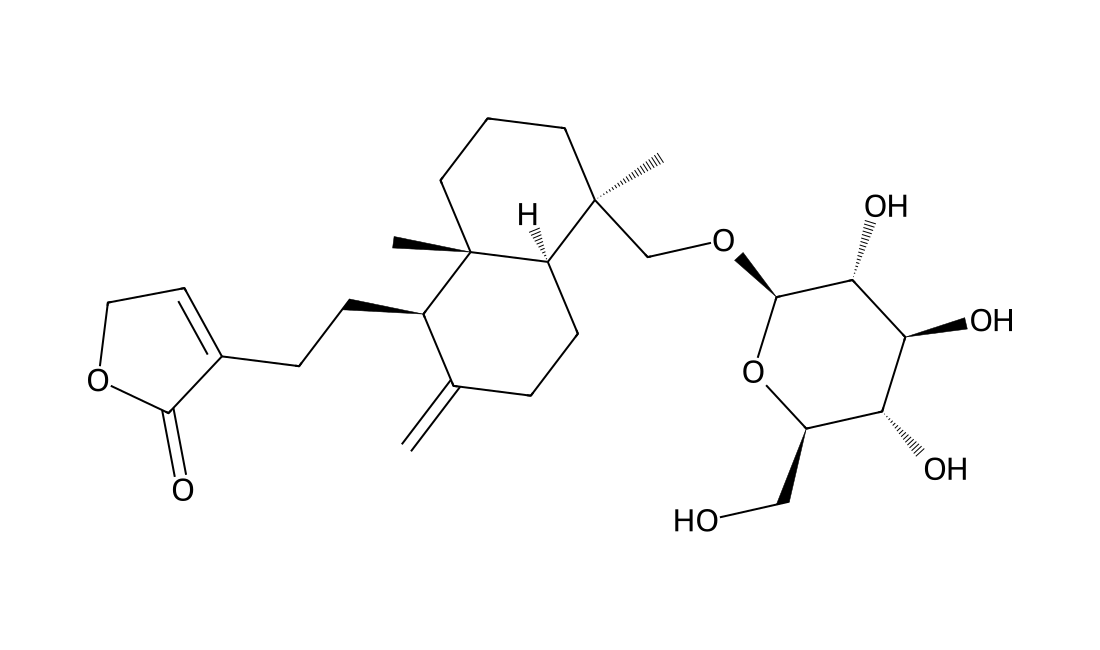
NeoandrographolideFeatured
Neoandrographolide is a diterpenoid from the Andrographis paniculata (Acanthaceae).
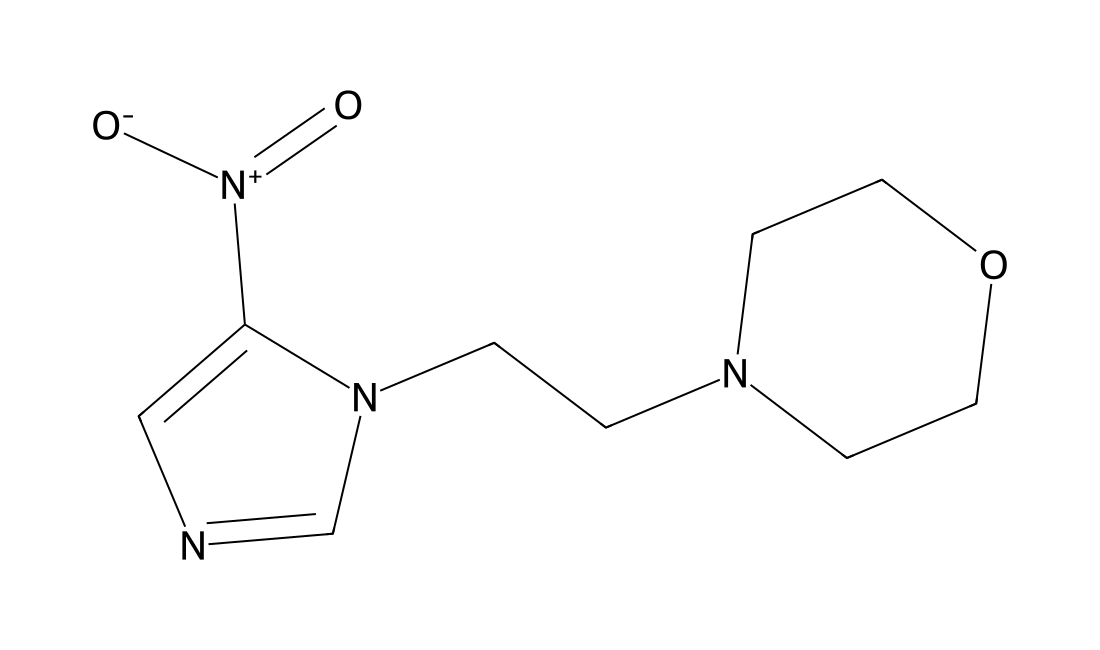
NimorazoleFeatured
Nimorazole (K-1900) is a nitroimidazole anti-infective.
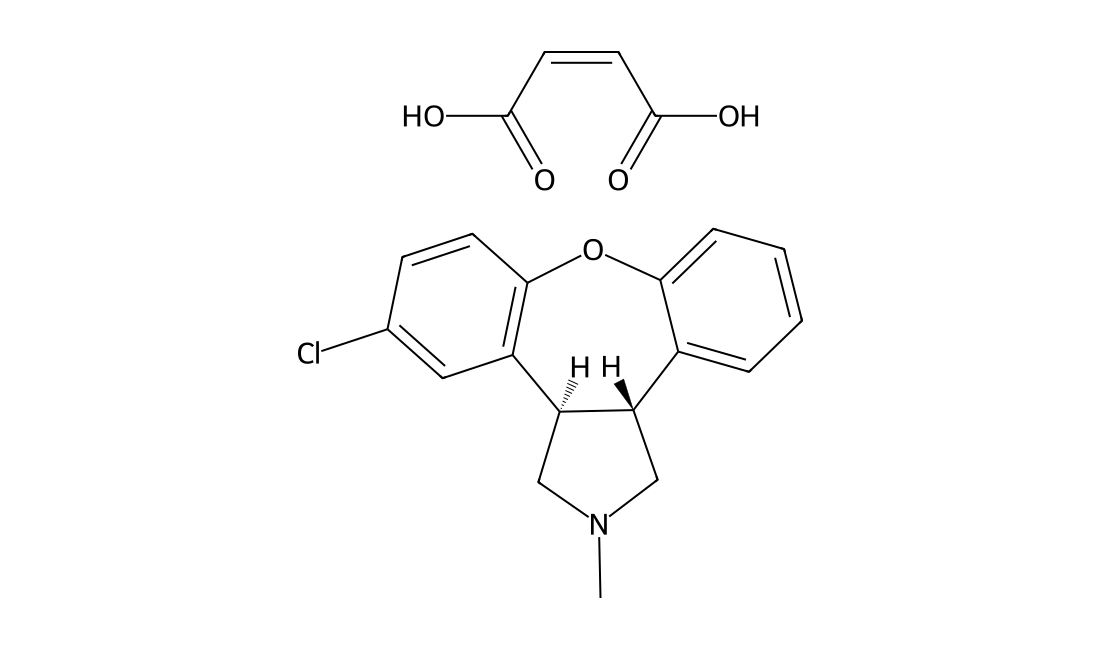
Asenapine MaleateFeatured
Asenapine maleate is a 5-HT (1A, 1B, 2A, 2B, 2C, 5A, 6, 7) and D2 antagonist with Ki values of 0.03-4.0 nM, 1.3nM, respectively, and an antipsychotic.
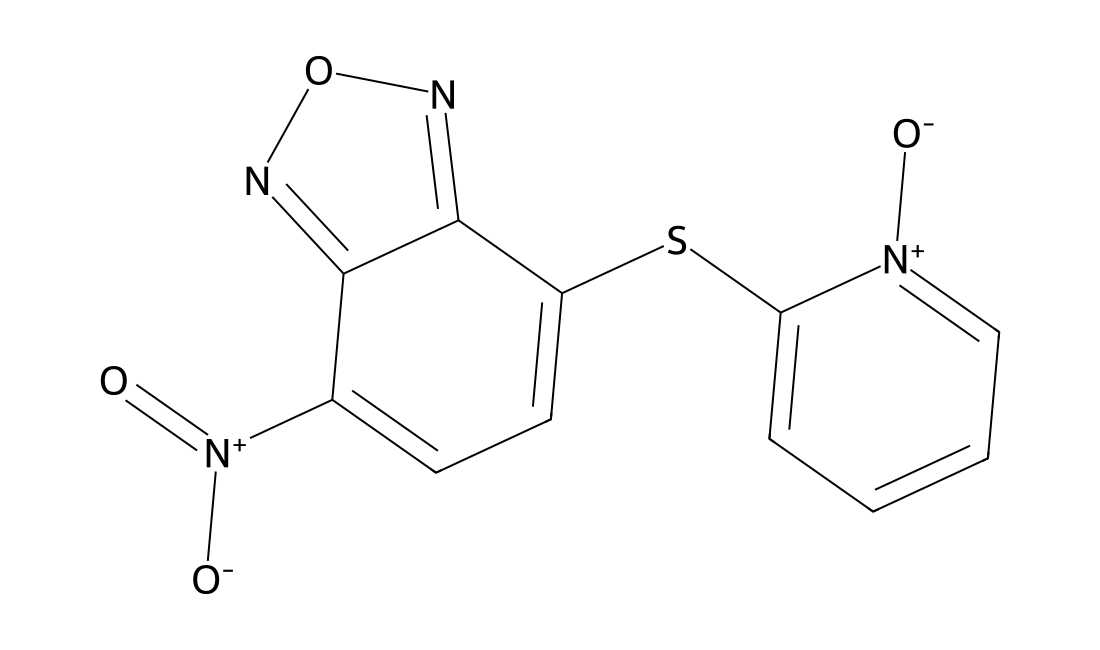
NSC228155Featured
NSC 228155 is a potent inhibitor of KIX-KID interaction, inhibits kinase-inducible domain (KID) from CREB and KID-interacting domain (KIX) from CBP, with an IC50 of 0.36 μM. NSC 228155 is not selective against CREB-mediated gene transcription in living HEK 293T cells[1].
NSC697923Featured
NSC697923 is a potent UBE2N (ubiquitin-conjugating enzyme E2 N, Ubc13) inhibitor. NSC697923 induces neuroblastoma (NB) cell death via promoting nuclear importation of p53 in p53 wild-type NB cells. NSC697923 also induces cell death in p53 mutant NB cells by activation of JNK-mediated apoptotic pathway. NSC697923 inhibits DNA damage and NF-κB signaling. Antitumor activity[1][2].
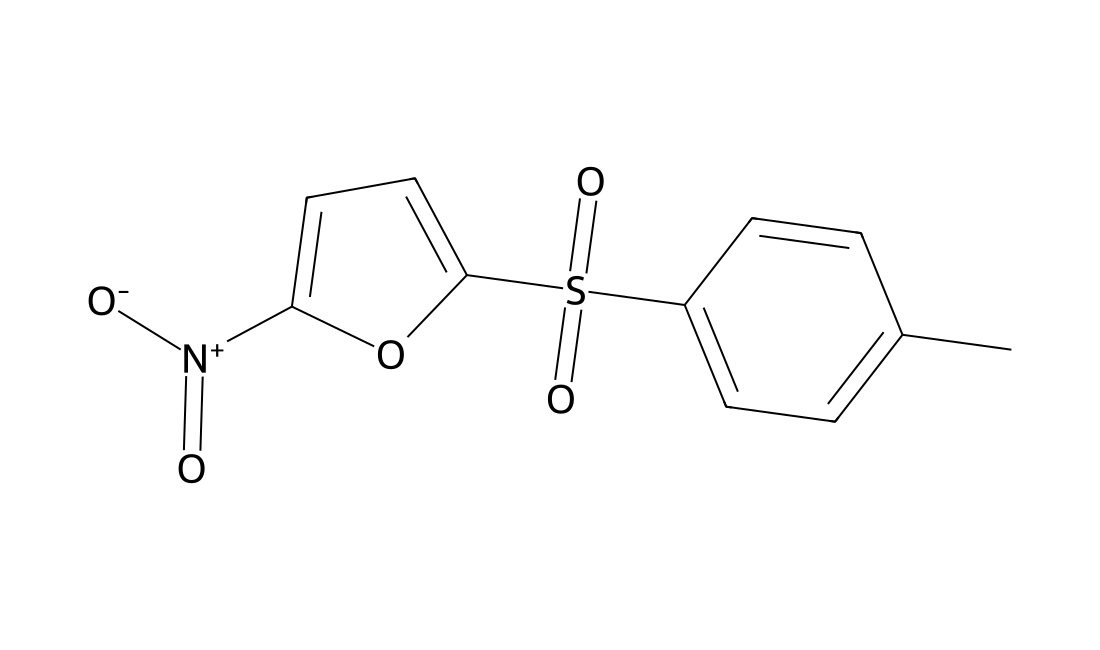
NVP-ADW742Featured
NVP-ADW742(ADW742; GSK 552602A ) is an selective IGF-1R inhibitor with IC50 of 0.17 μM, >16-fold more potent against IGF-1R than InsR; little activity to HER2, PDGFR, VEGFR-2, Bcr-Abl and c-Kit.
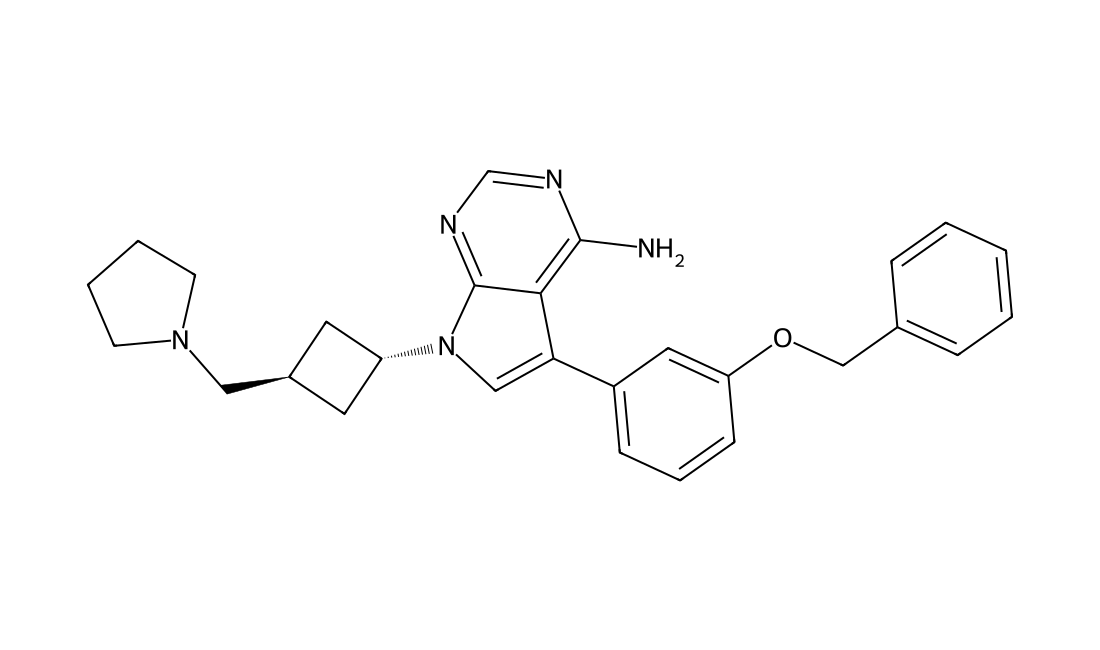
OlodaterolFeatured
Olodaterol (BI1744) is a selective, long acting β2-adrenoceptor (β2-AR) agonist (EC50=0.1 nM and pKi= 9.14 for human β2-adrenoceptor, respectively). Olodaterol can be used for chronic obstructive pulmonary disease (COPD) and pulmonary fibrosis[1][2][3].
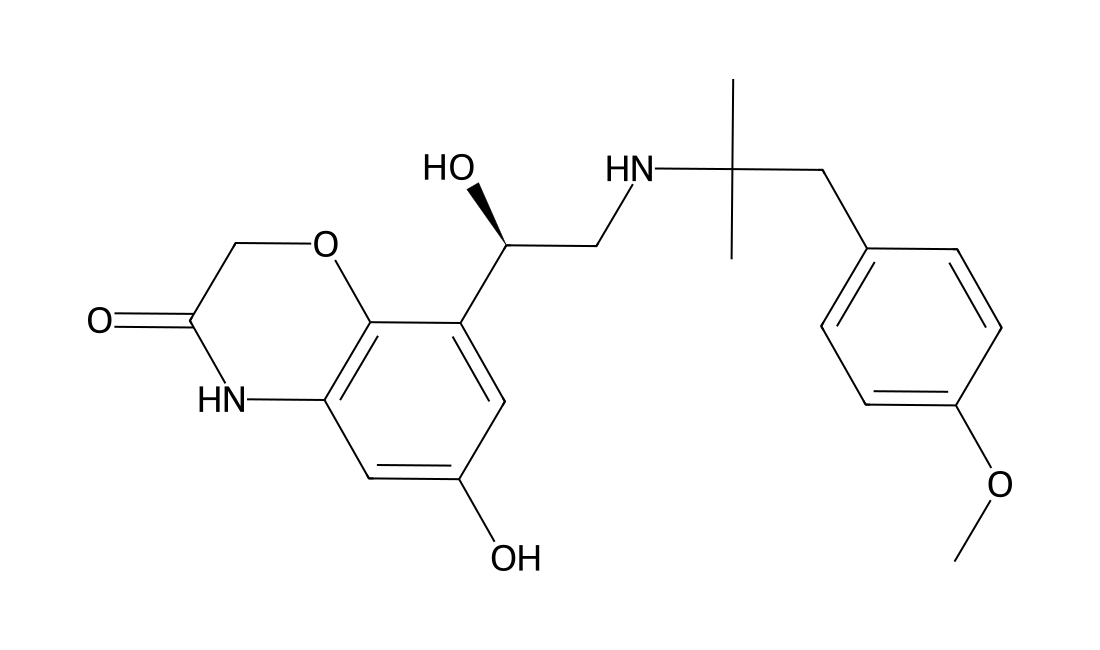
OmbrabulinFeatured
Ombrabulin is a derivative of CA-4 phosphate, which is known to exhibit antivascular effects through selective disruption of the tubulin cytoskeleton of endothelial cells.
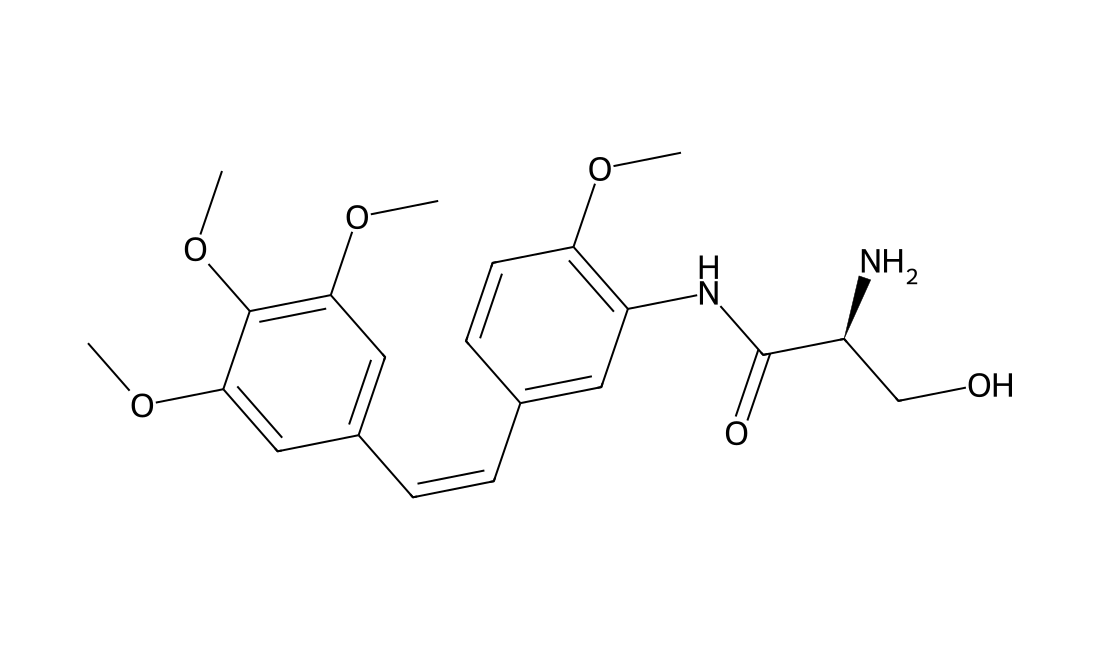
OTSSP167Featured
OTSSP167 is a highly potent MELK inhibitor with IC50 value of 0.41 nM.
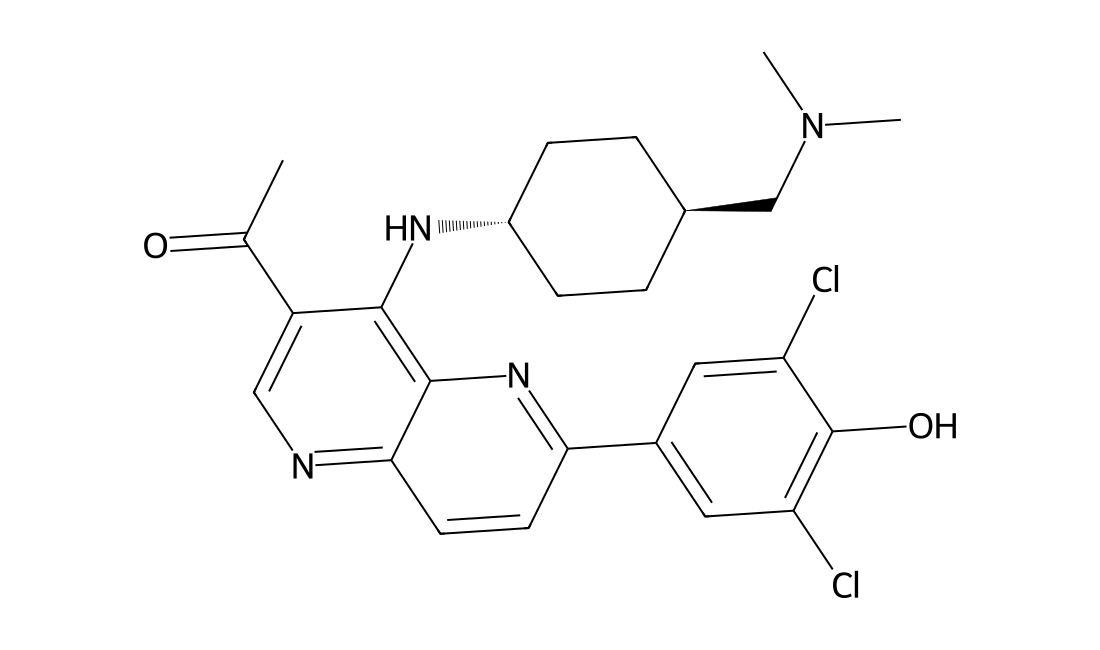
PA-824(Pretomanid)Featured
Pretomanid (PA-824) is a small-molecule nitroimidazopyran drug candidate for the treatment of tuberculosis; the MIC values of PA-824 against a panel of MTB pan-sensitive and rifampin mono-resistant clinical isolates ranged from 0.015 to 0.25 ug/ml.
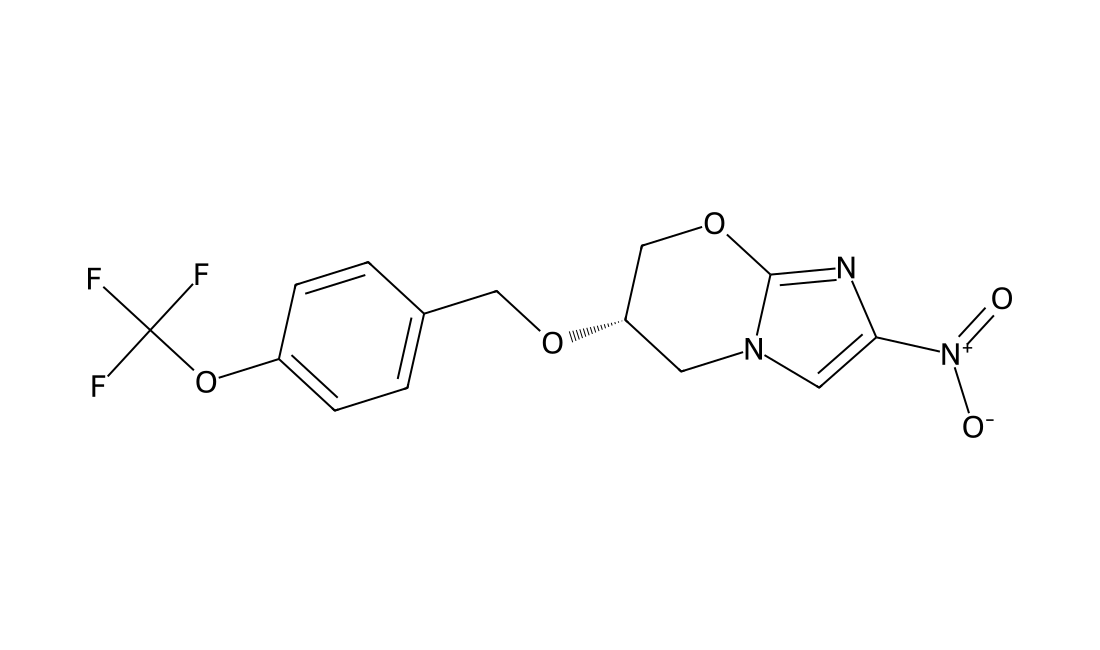
PaulowninFeatured
Paulownin, a component of wood of Paulownia tomentosa Steud, is a constituent of medicinal plants[1].
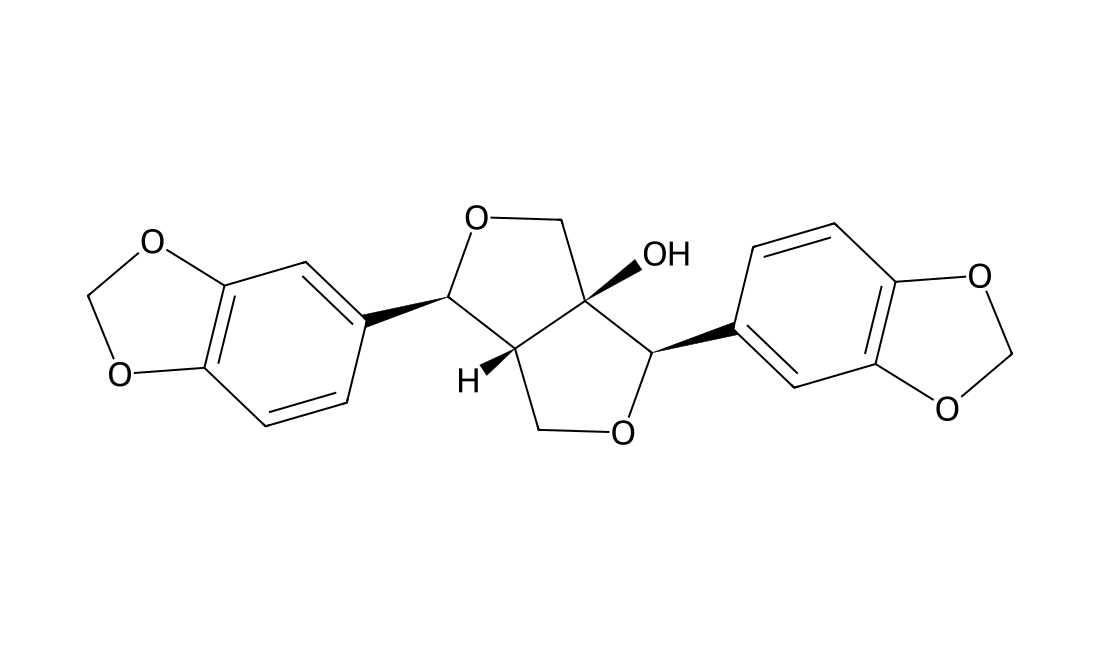
PCI-27483Featured
PCI-27483 is a FVIIa/tissue factor inhibitor, with antitumour effects.
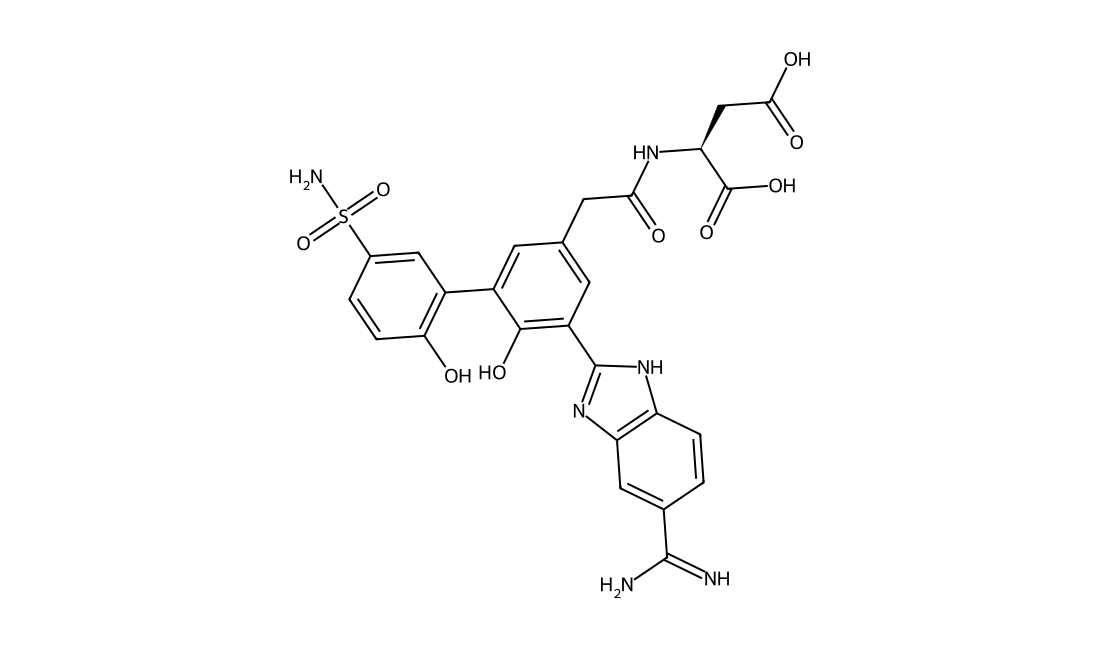
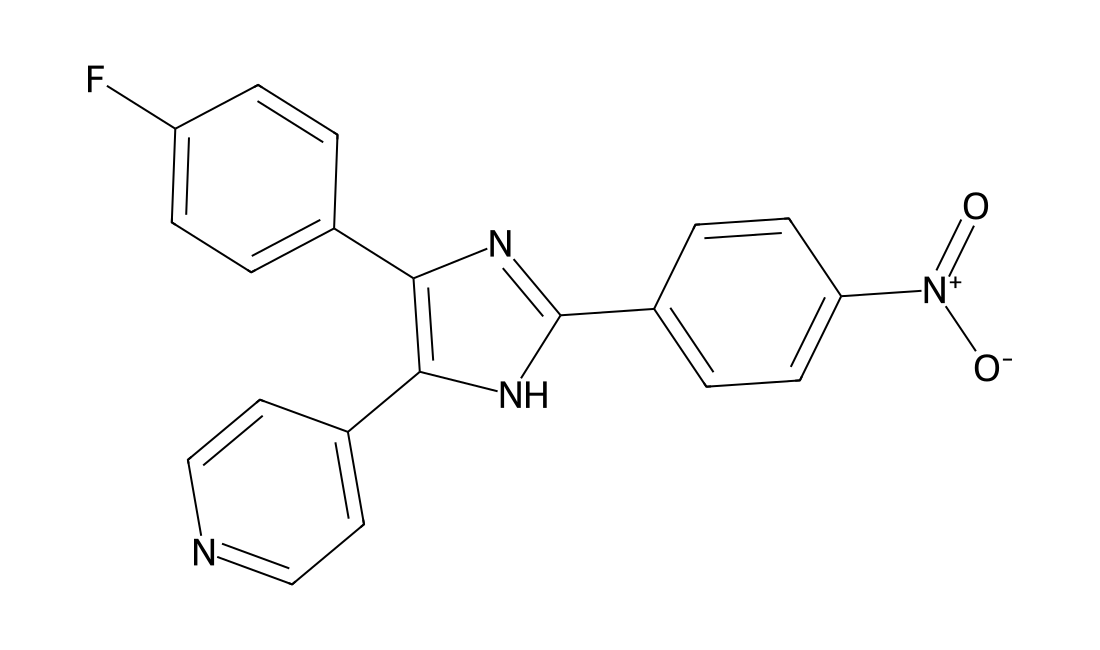
PD169316Featured
PD 169316 is a potent, cell-permeable and selective p38 MAP kinase inhibitor, with IC50 of 89 nM.
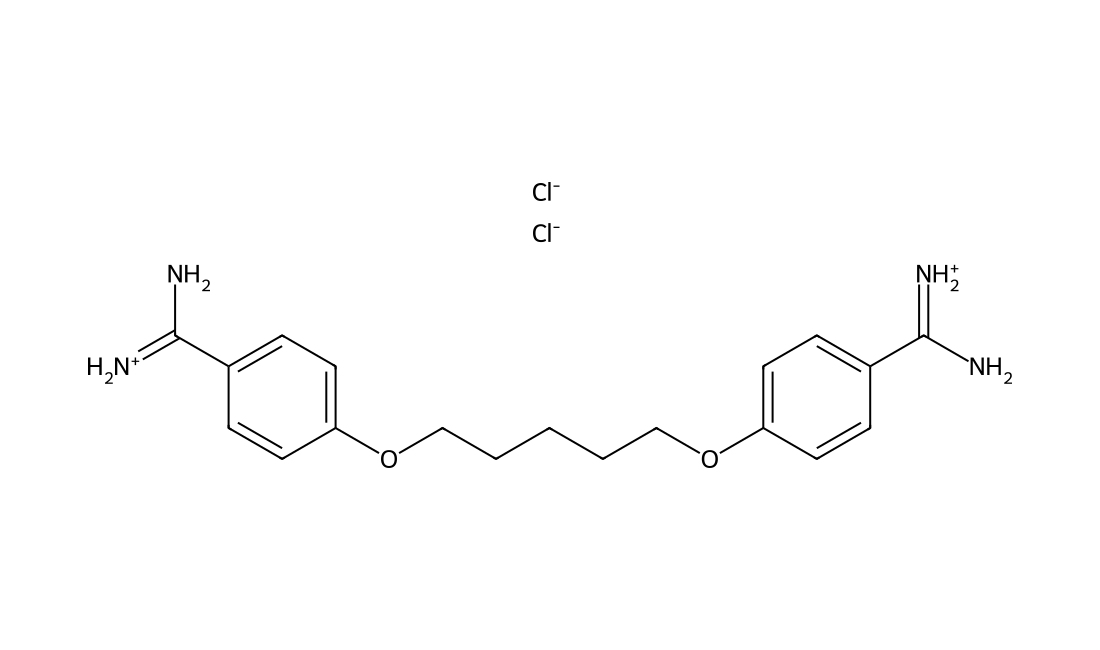
Pentamidine dihydrochlorideFeatured
Pentamidine Dihydrochloride(MP601205 dihydrochloride) is an antimicrobial agent.Pentamidine Dihydrochloride has a potent in vitro antiprotozoal activity. Pentamidine displays cytotoxic activity against L. infantum promastigotes with IC50 of 2.5 μM. 2.5 μM Pentamidine induces early programmed cell death in 49.6% of L. infantum promastigotes. 2.5 μM Pentamidine induces a notorious decrease in promastigotes in both G1 and S phases relative to the control-untreated samples (G1:77.0 vs 15.0%; S:11.0 vs 2.4% for control- and pentamidine-treated promastigotes, resp). Pentamidine is able to bind with calf-thymus DNA (CT-DNA) and induces conformational changes in the DNA double helix. Pentamidine also binds with ubiquitin to modifiy the β-cluster of ubiquitin [1]. Pentamidine is an inhibitor of phosphatase of regenerating liver (PRLs). 1 μg/mL of Pentamidine complete inhibits the activity of recombinant PTP1B in dephosphorylating a phos-photyrosine peptide. 10 μg/mL of Pentamidine completely inhibits the activities of recombinant PRL-1, PRL-2 and PRL-3 in dephosphorylating a phosphotyrosine peptide substrate. Incubation with Pentamidine (1 μg/mL) for 48 h reduces the activity of intracellular PRL phosphatases in transfected NIH3T3 cells by more than 85%. 10 μg/mL Pentamidine completely inhibits the growth of melanoma cell line (WM9), prostate carcinoma cell line (DU145 and C4-2), ovarian carcinoma cell line (Hey), colon carcinoma cell line (WM480), and lung carcinoma cell line (A549) which all express endogenous PRLs [2].
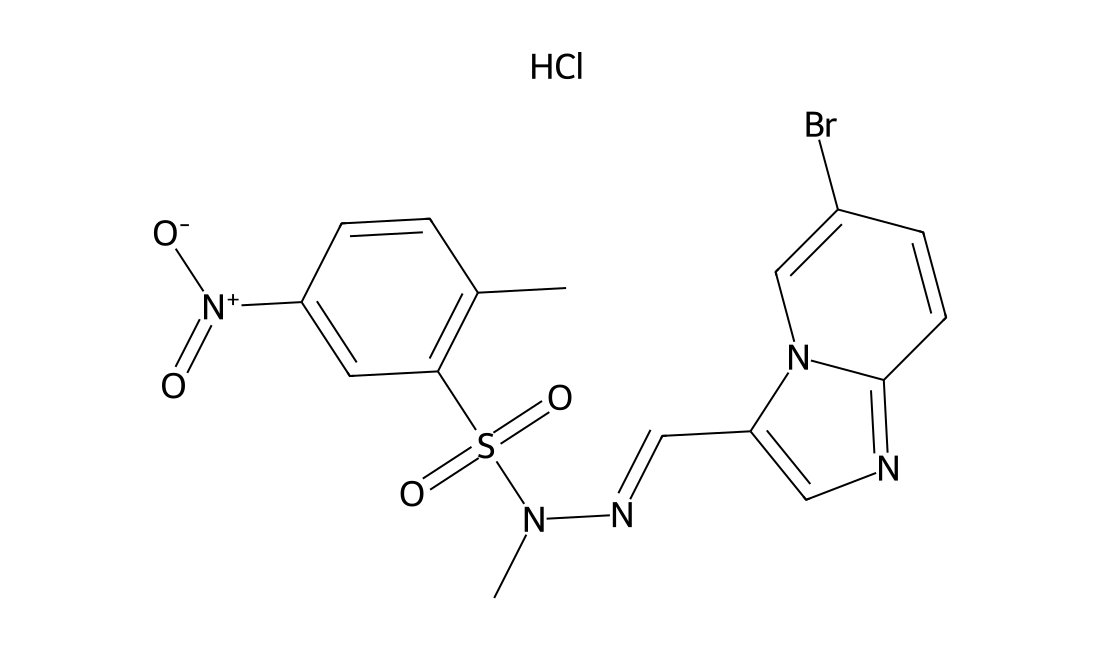
PIK-75Featured
PIK-75 is a DNA-PK and PI3K inhibitor, which inhibits DNA-PK, p110α and p110γ with IC50s of 2, 5.8 and 76 nM, respectively. PIK-75 inhibits p110α >200-fold more potently than p110β (IC50=1.3 μM).
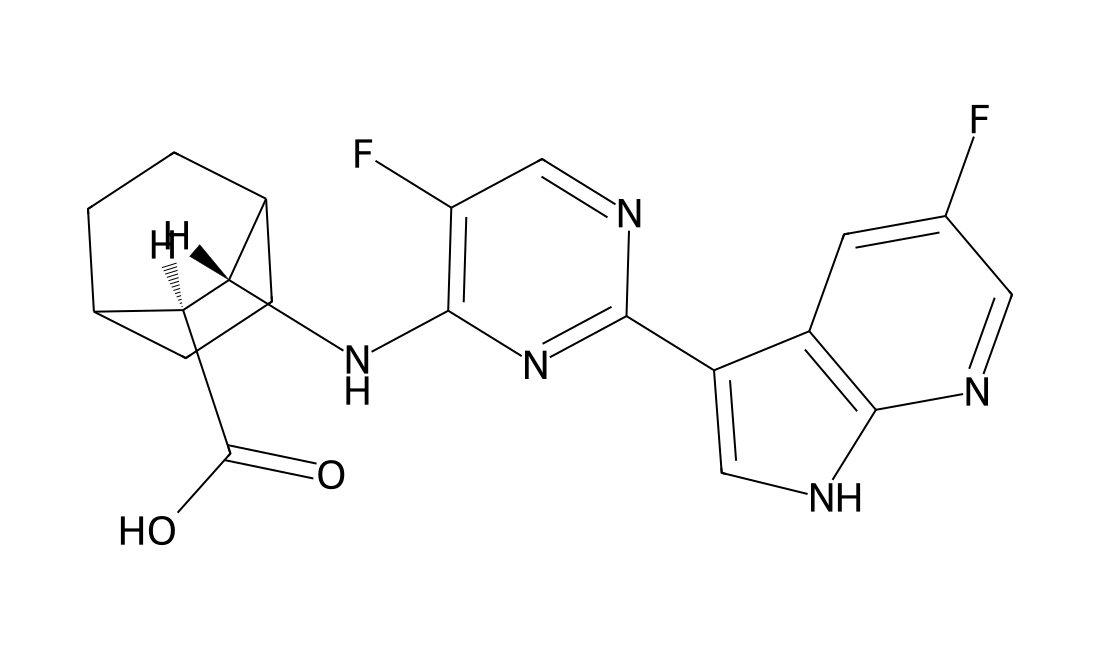
Pimodivir(VX-787)Featured
Pimodivir (VX-787) is an orally bioavailable inhibitor of influenza A virus polymerases through interaction with the viral PB2 subunit.
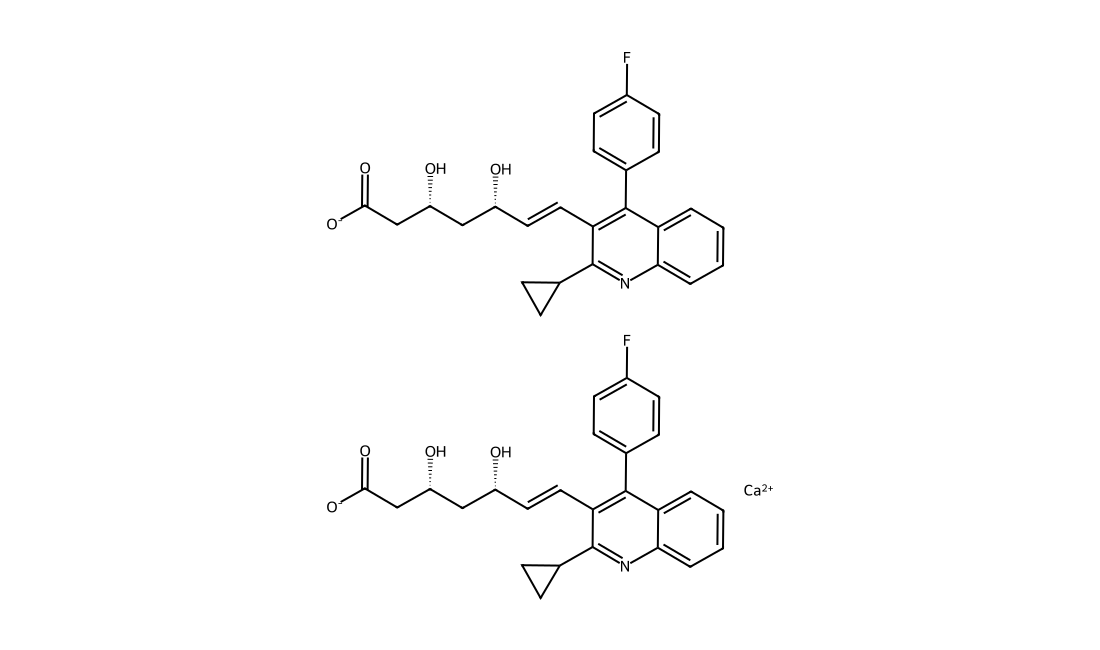
Pitavastatin CalciumFeatured
Pitavastatin Calcium is a potent hydroxymethylglutaryl-CoA (HMG-CoA) reductase inhibitor. Pitavastatin inhibits cholesterol synthesis from acetic acid with an IC50 of 5.8 nM in HepG2 cells.
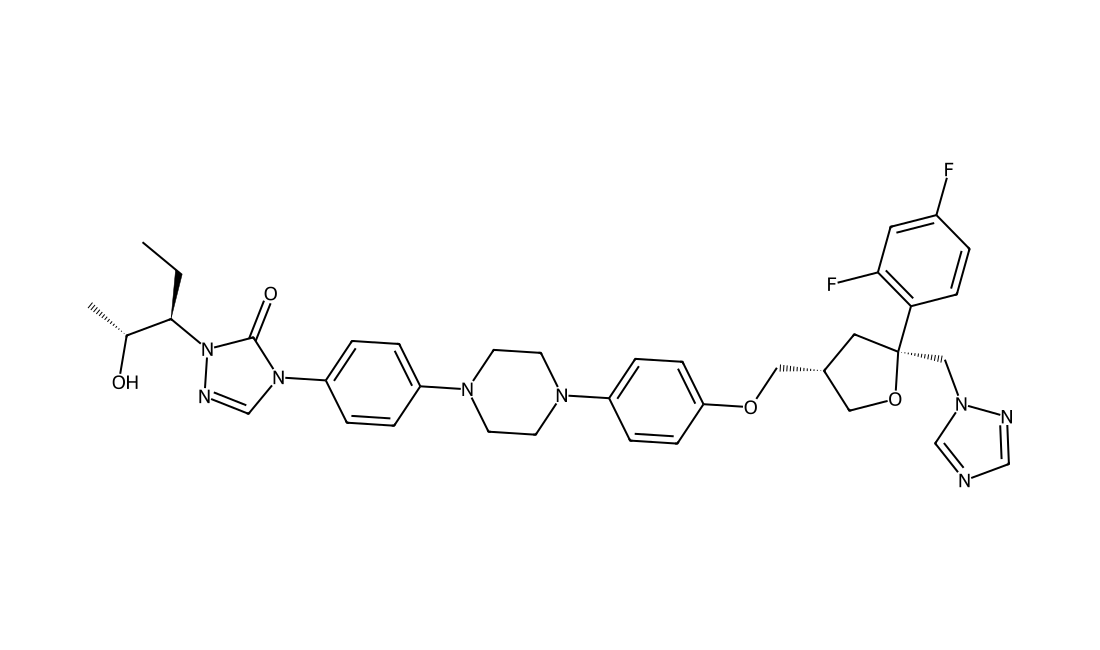
PosaconazoleFeatured
Posaconazole is a broad-spectrum, second generation, triazole compound with antifungal activity.
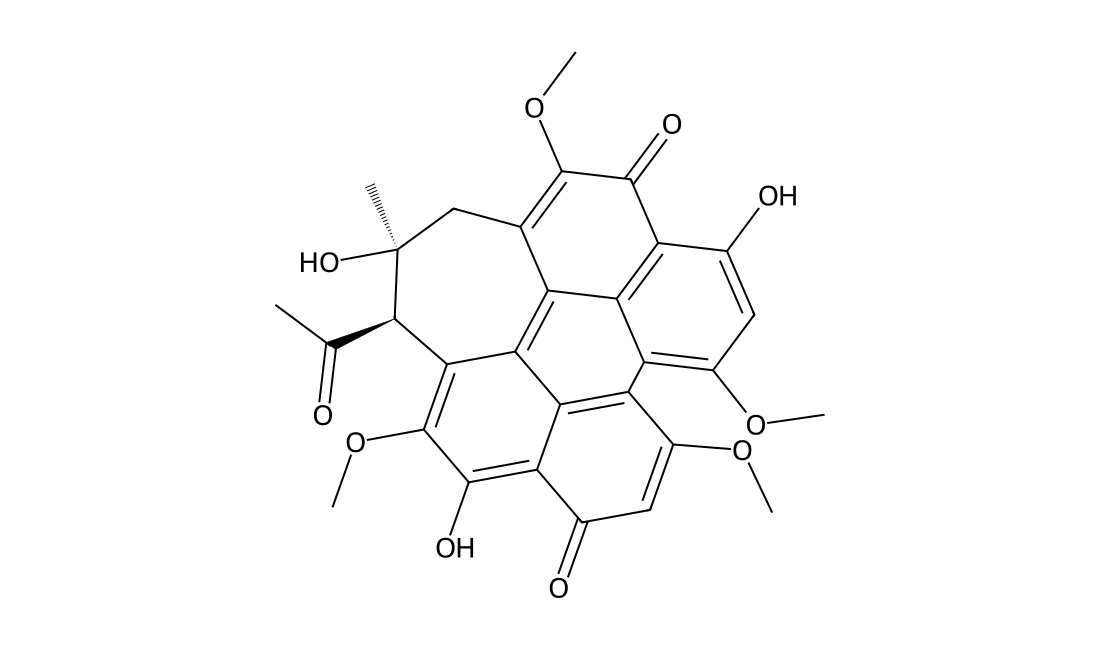
hypocrellin AFeatured
Hypocrellin A, a naturally occurring PKC inhibitor, has many biological and pharmacological properties, such as antitumour, antiviral, antibacterial, and antileishmanial activities. Hypocrellin A is a promising photosensitizer for anticancer photodynamic therapy (PDT)[1][2][3][4].
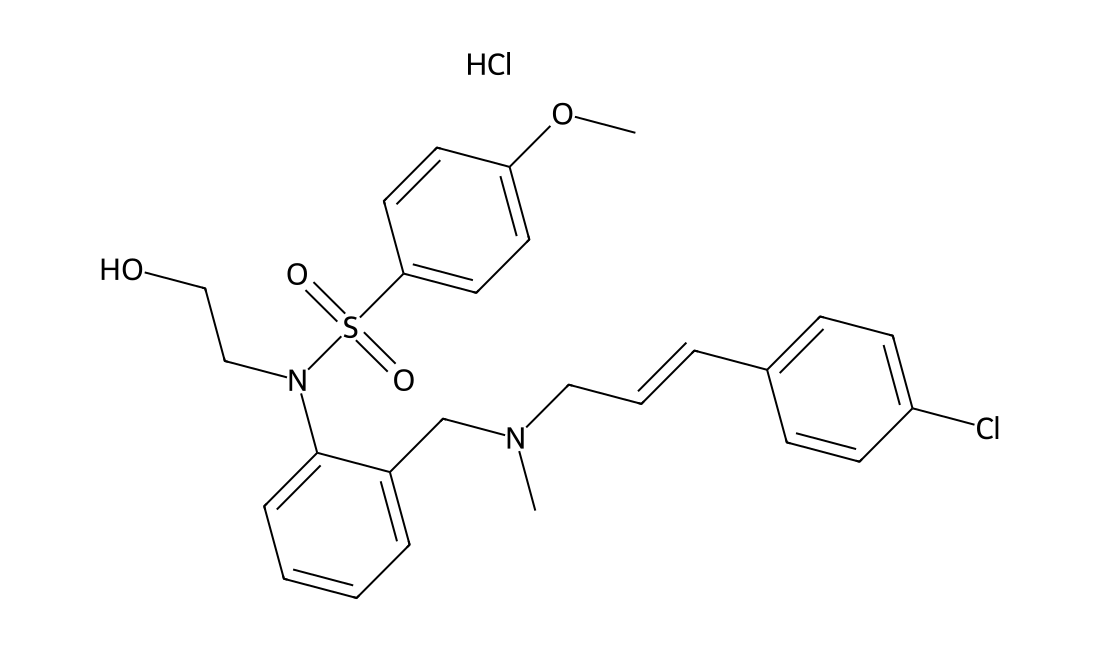
KN-93 HClFeatured
KN-93 hydrochloride is a cell-permeable, reversible and competitive inhibitor calmodulin-dependent kinase type II (CaMKII) with a Ki of 370 nM.
No products match this search.
Page 400 of 409 · Browse all 8177 products
Jump to a product page
Featured literature product: HX1 · DCL0028
HX1 is a hydroxyzine-derived ionizable lipid with acetal-containing tails, studied in lipid nanoparticles for brain mRNA delivery and CRISPR–Cas9 delivery. It was the lead in the reported in vivo brain-delivery screen; evidence is preclinical and formulation-dependent.
Read full formulation and performance →