
Research lipid catalog
Ionizable Lipid Products
Explore 848 lipid and RNA delivery products. Search the full catalog or browse by research category.
Search covers product name, catalog number, synonyms, available CAS numbers and categories. Spaces, hyphens and common punctuation are ignored. Duplicate legacy records are consolidated under one canonical product result.
8177 products · Showing 7761–7780 · 20 per page
DC Chemicals lipid expertise
Built for ionizable-lipid discovery and RNA delivery research
DC Chemicals supports formulation and delivery research with a broad, searchable portfolio of cationic and ionizable lipids. The current directory brings together 848 unique research-use products, with product specifications, pricing, chemical structures and literature-linked formulation data added as each record is verified.
Our experience spans complex lipid synthesis, purification, analytical release and process development. For custom molecules or larger-scale requirements, our team can discuss route development, technical specifications and scale-up options for the intended research workflow.
Learn about cationic and ionizable lipids →Proprietary innovation · Co-development · GMP
From proprietary lipid design to GMP-grade custom synthesis
DC Chemicals has independently developed ionizable-lipid structures supported by company-owned intellectual property, and selected proprietary lipid programs have advanced to GMP-stage development.
We welcome joint development with customers—from molecular design and lipid synthesis through route and process development. We can also support custom synthesis of GMP-grade ionizable lipids to agreed technical specifications and quality requirements.
Discuss a co-development project →Proprietary ionizable-lipid structuresCollaborative molecular designCustom lipid synthesisProcess development and scale-upGMP-grade project support
Product quick links
Explore New ionizable lipids
Explore our five most recently added ionizable lipids, with specifications, pricing and literature-linked product information.
DCL0028HX1Brain RNA delivery researchView product →DCL0024A1I4R13C18-2Spleen-targeted RNA delivery researchView product →DCL0023A1I4R2C18-2Spleen-targeted RNA delivery researchView product →DCL0022FS01Local joint RNA delivery researchView product →DCL0020Lipid-392Lung RNA delivery and gene editing researchView product →
Cat. No.Product NameField of ApplicationChemical Structure
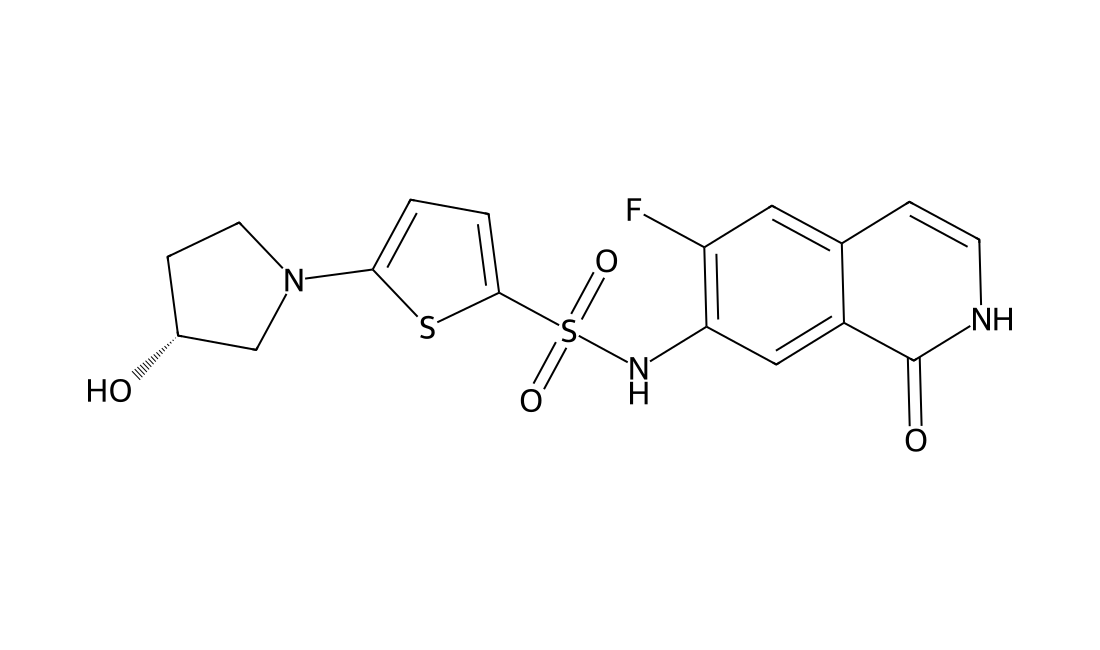
LSN 3213128Featured
LSN 3213128 is a novel potent, selective and orally-bioavailable antifolate with potent and specific inhibitory activity for AICARFT; results in dramatic elevation of 5-aminoimidazole 4-carboxamide ribonucleotide (ZMP) and growth inhibition in NCI-H460 and MDA-MB-231met2 cancer cell lines; demonstrates tumor growth inhibition in a murine based xenograft model of triple negative breast cancer (TNBC); Aminoimidazole-4-carboxamide ribonucleotide formyltransferase (AICARFT) is an enzyme in the purine biosynthetic pathway.
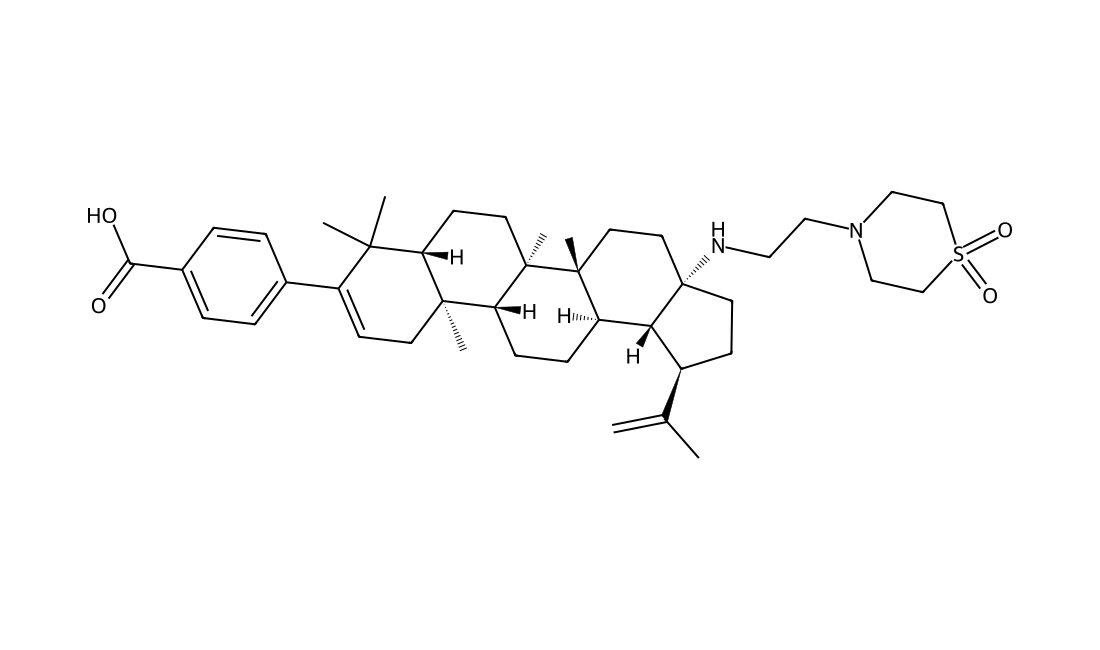
BMS-955176Featured
BMS-955176 (GSK-3532795) is a second-generation HIV-1 maturation inhibitor that exhibits potent activity (EC50=3.9±3.4 nM) against a library (n=87) of gag/pr recombinant viruses; exhibits median EC50 of 21 nM toward a library of subtype B clinical isolates assayed in PBMCs; inhibits HIV-1 protease cleavage at the CA/SP1 junction within Gag in VLPs and in HIV-1-infected cells, and binds reversibly and with high affinity to assembled Gag in purified HIV-1 VLPs; has a greatly improved preclinical profile compared to that of Bevirimat. HIV Infection Phase 2 Clinical
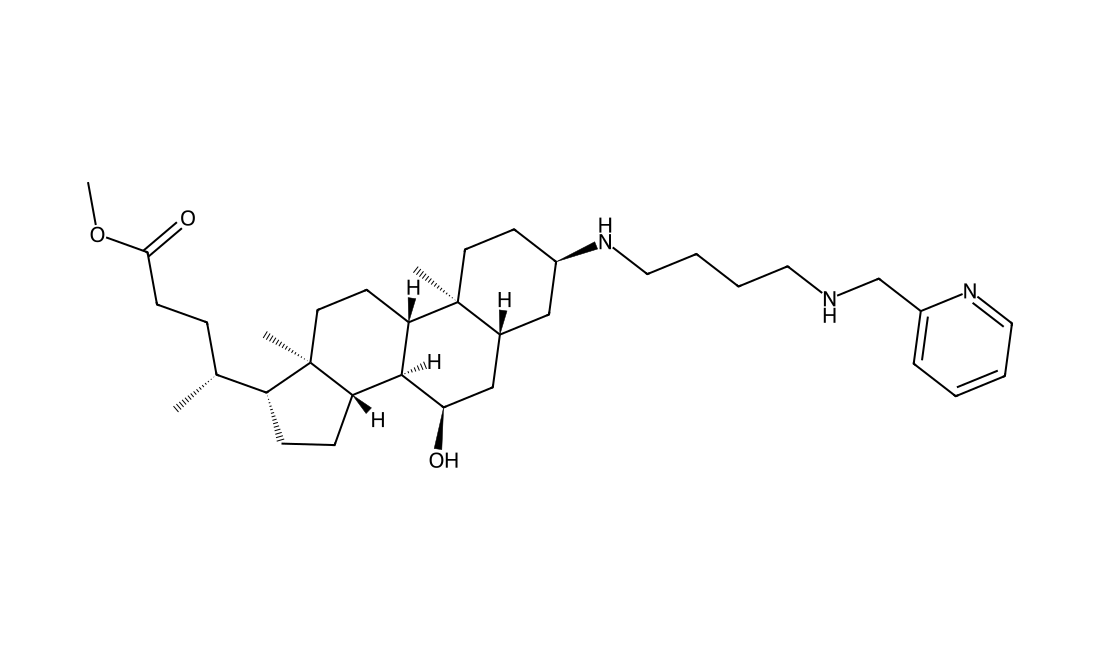
DPM-1001Featured
DPM-1001 is a potent, selective, orally bioavailable inhibitor of the protein-tyrosine phosphatase PTP1B with IC50 of 100 nM, also chelates copper, which enhanced its potency as a PTP1B inhibitor; displays anti-diabetic properties associated with enhanced signaling through insulin and leptin receptors in animal models of diet-induced obesity.
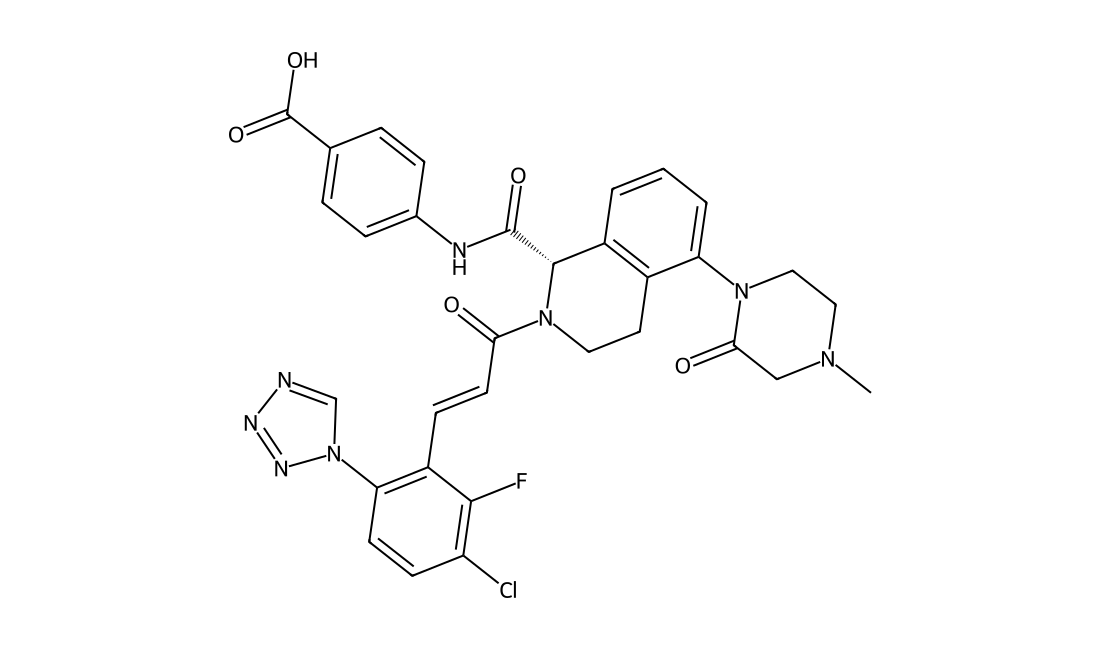
BMS-962212Featured
BMS-962212 is a potent, highly selective and reversible small molecule coagulation Factor XIa (FXIa) inhibitor with Ki of 0.7 nM; displays an excellent protease selectivity profile, including thrombin, Factor Xa/VIIa/IXa/XIIa, plasma or tissue kallikrein; shows excellent preclinical efficacy in thrombosis models and aqueous solubility suitable for intravenous administration.ThrombosisPhase 1 Clinical
MLT-748Featured
MLT-748 (MLT748) is a potent, selective, allosteric inhibitor of MALT1 paracaspase with IC50 of 5 nM, does not show inhibitory activity against 22 other tested human proteases (IC50>100 uM); binds MALT1 in the allosteric Trp580 pocket, reversibly binds and stabilizes human mutant MALT1-W580S with Kd of 13 nM, with affinity similar to that of the wild type MALT1 (Kd=42 nM); stabilizes MALT1-W580S in MALT1mut/mut B cells with EC50 of 69 nM, blocks cleavage of MALT1 substrates in human lymphocytes, including HOIL1, RelB, CYLD, and BCL10 (BCL10 cleavage IC50=31 nM), rescues MALT1 function in patient MALT1mut/mut lymphocytes.
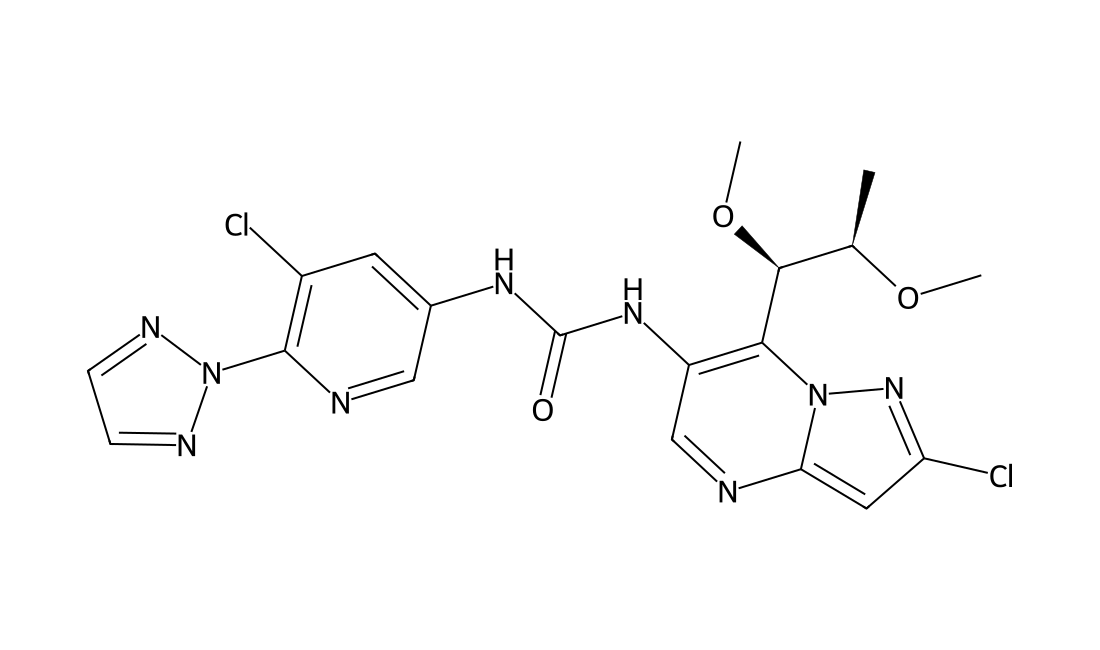
MLT-747Featured
MLT-747 (MLT747) is a potent, selective, allosteric inhibitor of MALT1 paracaspase with IC50 of 14 nM; binds MALT1 in the allosteric Trp580 pocket, reversibly binds and stabilizes human mutant MALT1-W580S in vitro and in MALT1mut/mut B cells, inhibits MALT1 peptide cleavage.
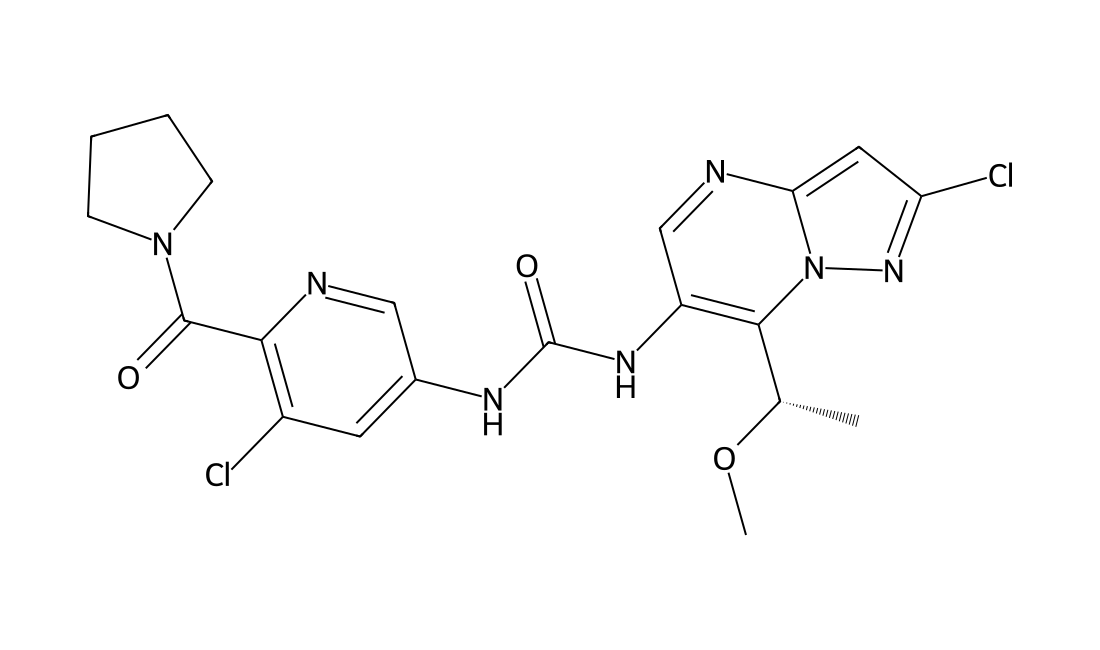
JNJ4796Featured
JNJ4796 (JNJ 4796, JNJ-4796) is an orally active small-molecule fusion inhibitor of influenza virus hemagglutinin (HA) with EC50 of 33 nM (H1N1 neutralization); mimics the binding and functionality of the broadly neutralizing antibody CR6261; targets the conserved HA stem region, acts as a fusion inhibitor by inhibiting conformational changes that lead to the postfusion HA structure, and neutralizes a broad spectrum of human pandemic, seasonal, and emerging group 1 influenza A viruses; specificly neutralizes influenza A group 1 viruses by inhibiting HA-mediated fusion in vitro, protects mice against lethal and sublethal influenza challenge after oral administration.
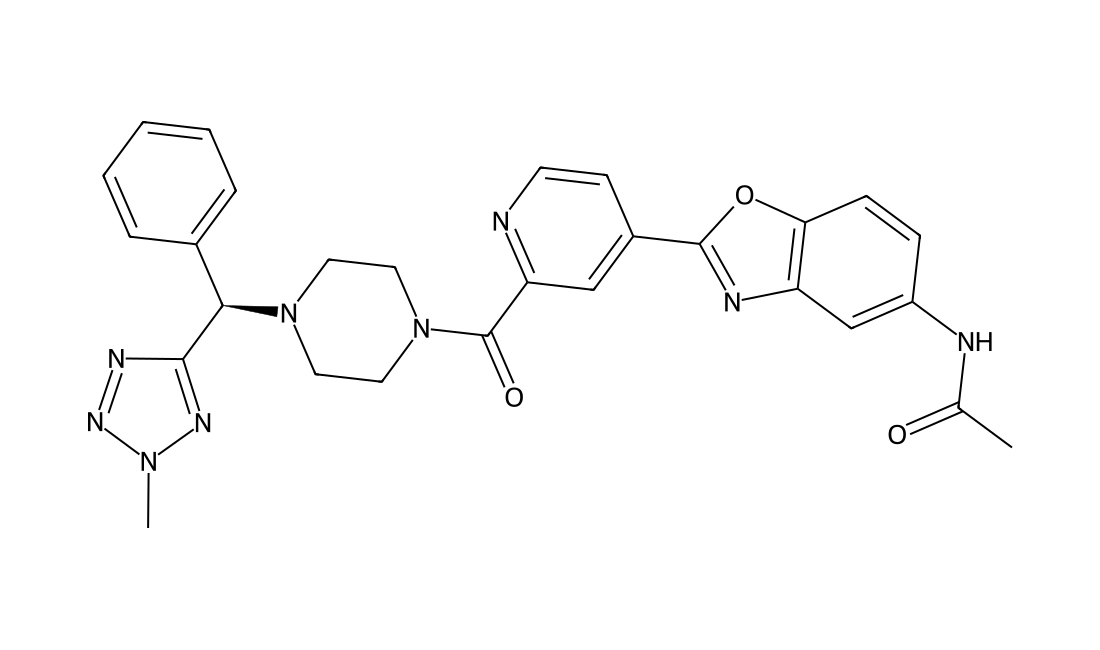
BAY-091Featured
BAY-091 is a novel potent and highly selective inhibitor of the kinase PIP4K2A.
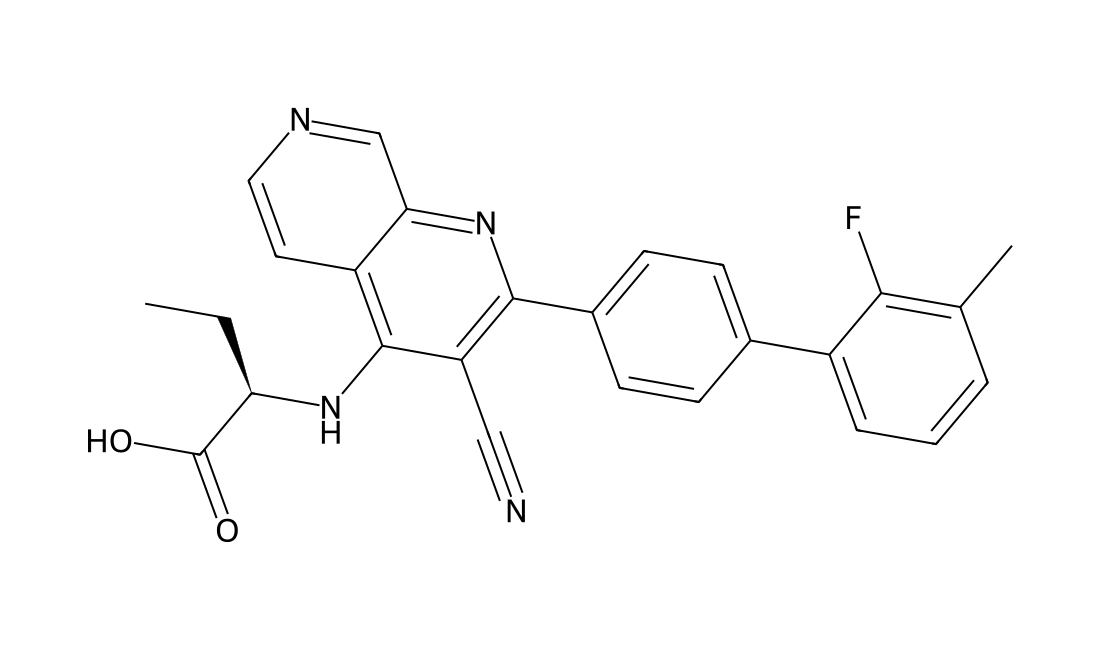
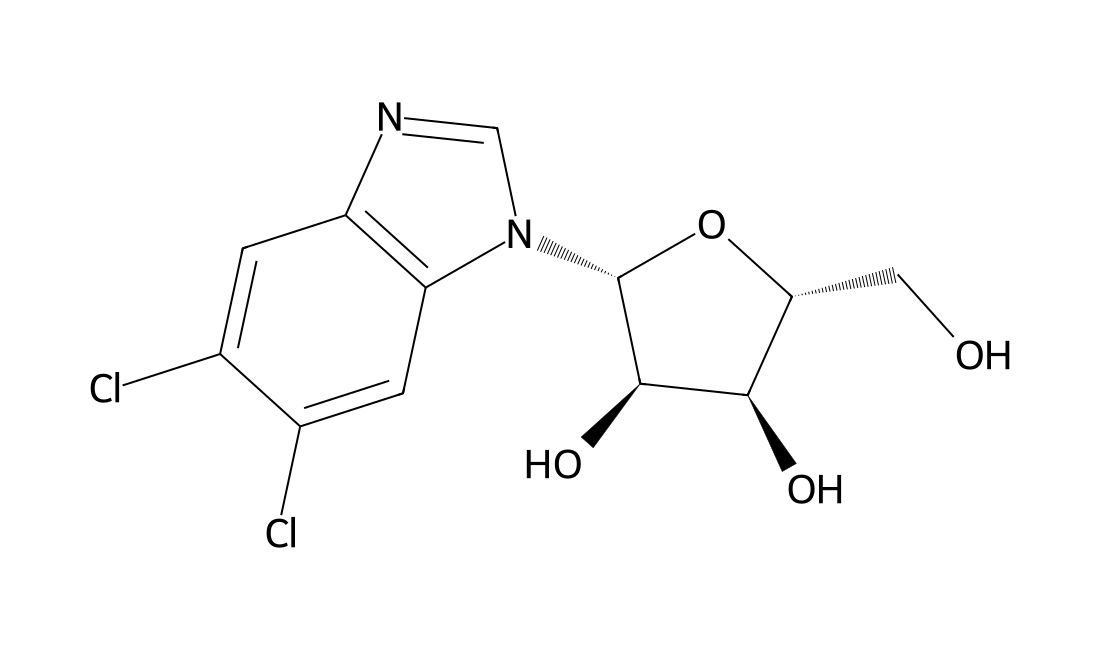
5,6-Dichlorobenzimidazole riboside is a nucleoside analog that inhibits several carboxyl-terminal domain (CTD) kinases including casein kinase II and CDKs. 5,6-Dichlorobenzimidazole riboside trigger p53-dependent apoptosis of human colon adenocarcinoma cells without inducing genotoxic stress to healthy cells.
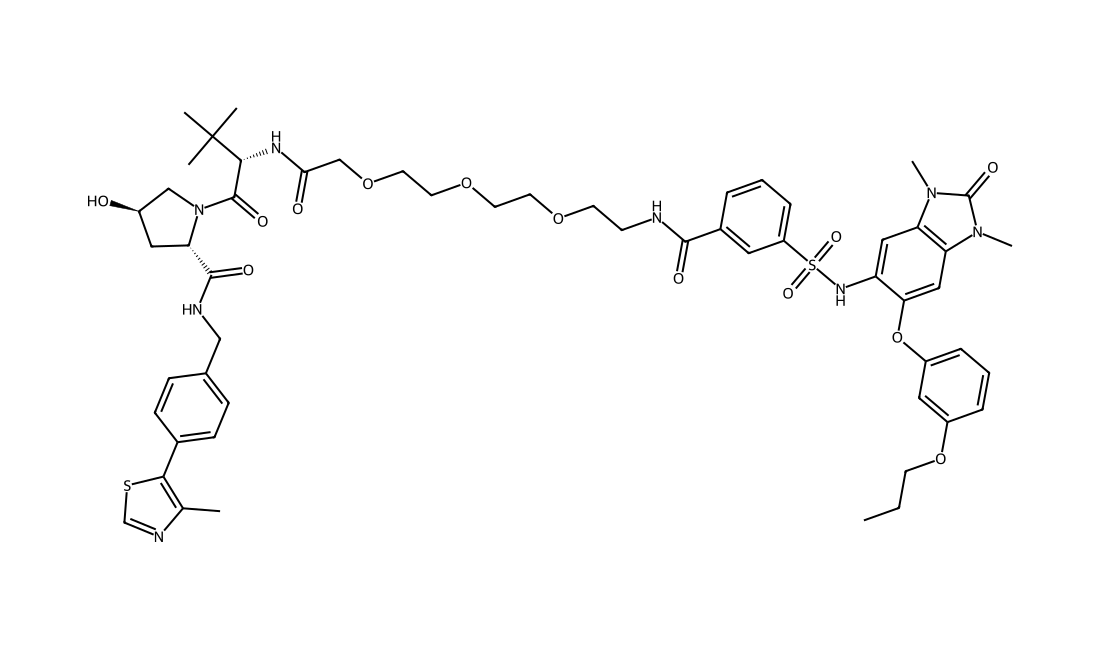
dTRIM24Featured
dTRIM24 is a potent TRIM24 bromodomain inhibitor with IC50 of 217.8 nM (TRIM24 ligand displacement).
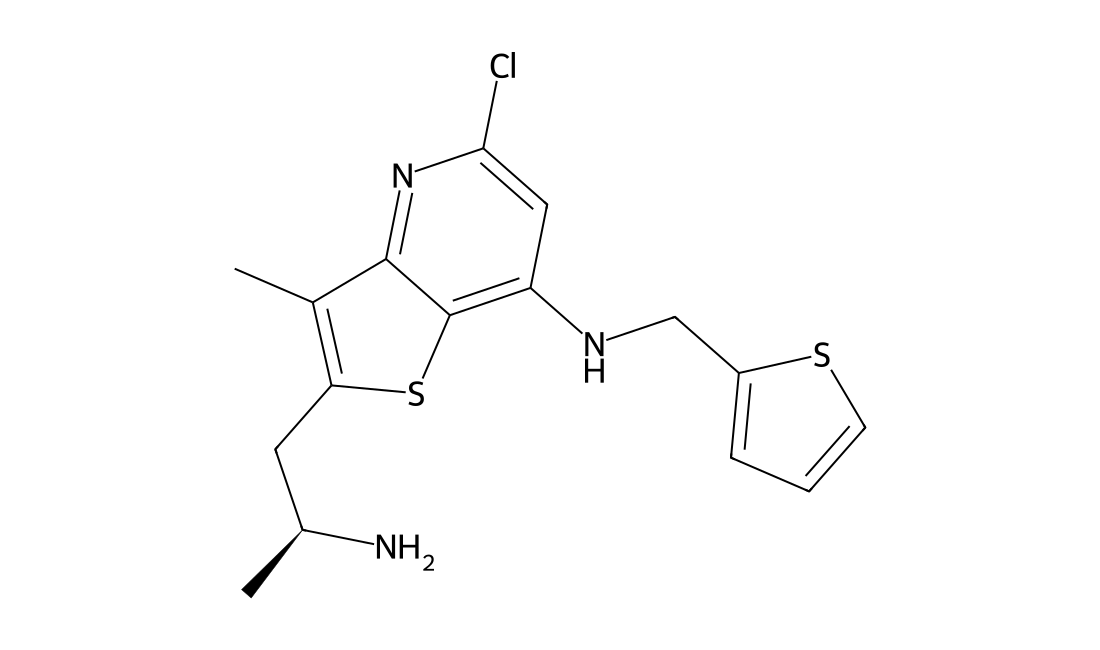
PTC258Featured
PTC258 is a specific and orally active splicing modulator of Elongator complex protein 1 gene (ELP1). PTC258 increases the expression of ELP1 in vitro and in vivo. PTC258 is well tolerated in mouse model.
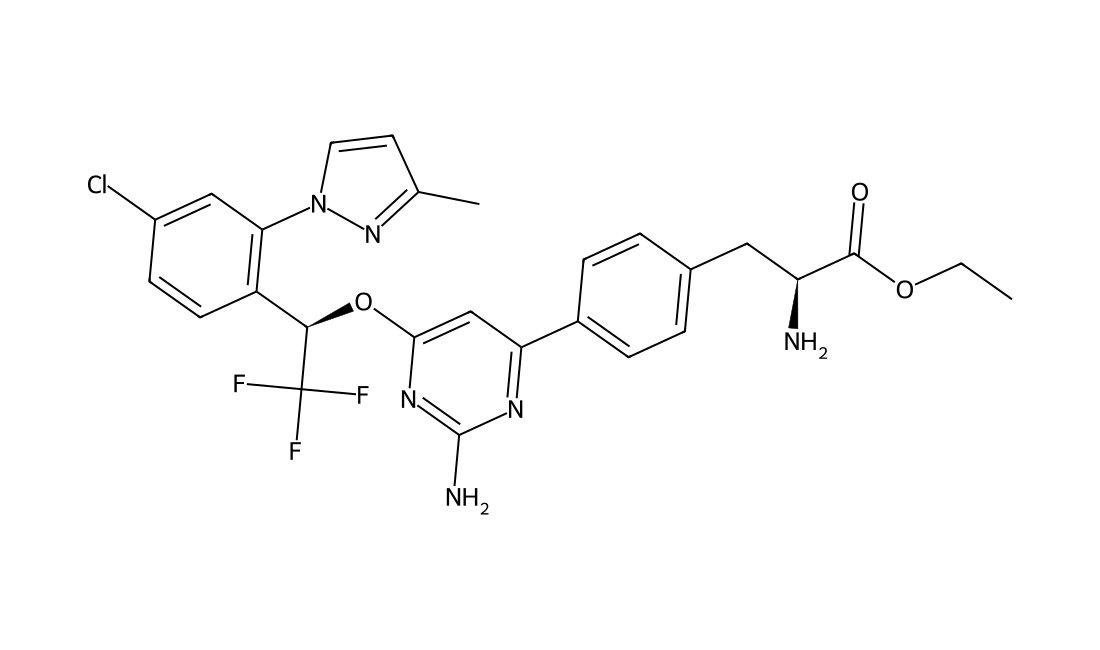
LX-1606Featured
Telotristat ethyl (LX1606) is a novel, orally-delivered inhibitor of tryptophan hydroxylase that reduces serotonin production.
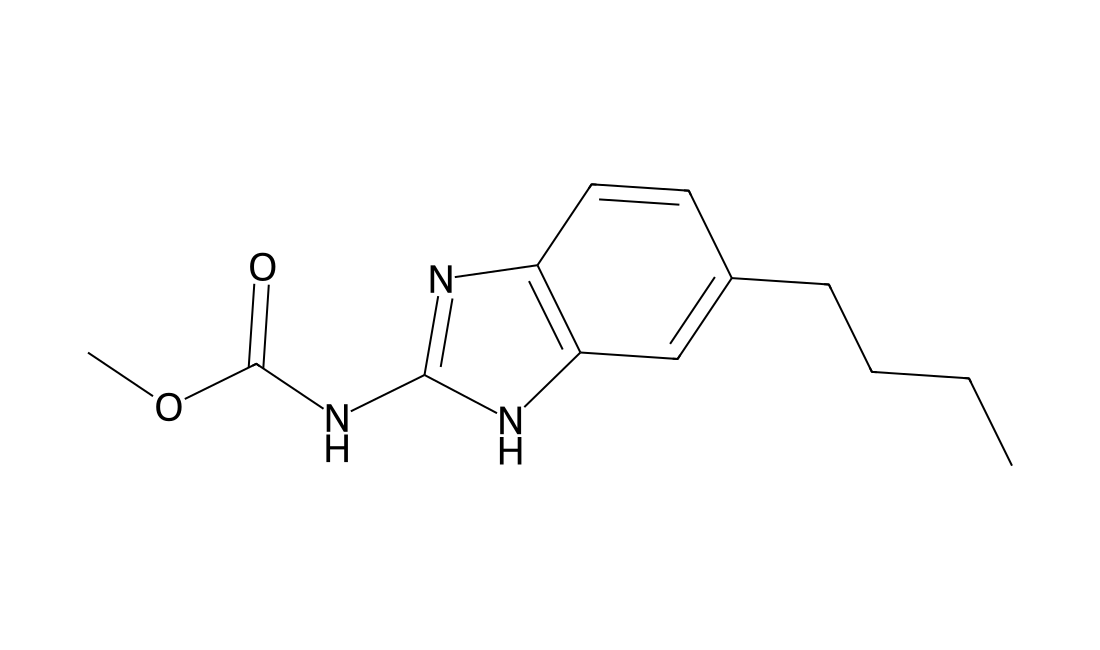
ParbendazoleFeatured
Parbendazole is an anthelmintic drug. Parbendazole is a potent inhibitor of microtubule assembly, destabilizes tubulin and exhibits a broad-spectrum anthelmintic activity.
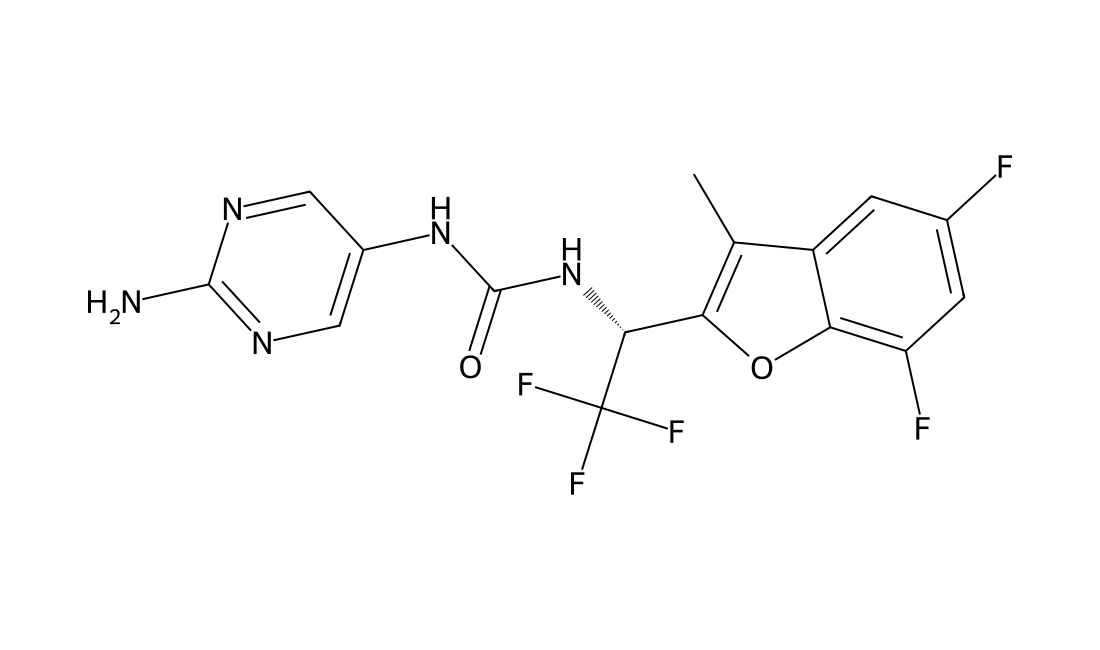
STX-478Featured
STX-478 is an allosteric PI3Kα inhibitor that selectively targets prevalent PI3Kα helical- and kinase-domain mutant tumors. STX-478 provides robust efficacy while avoiding the metabolic dysfunction associated with the nonselective inhibitor alpelisib.
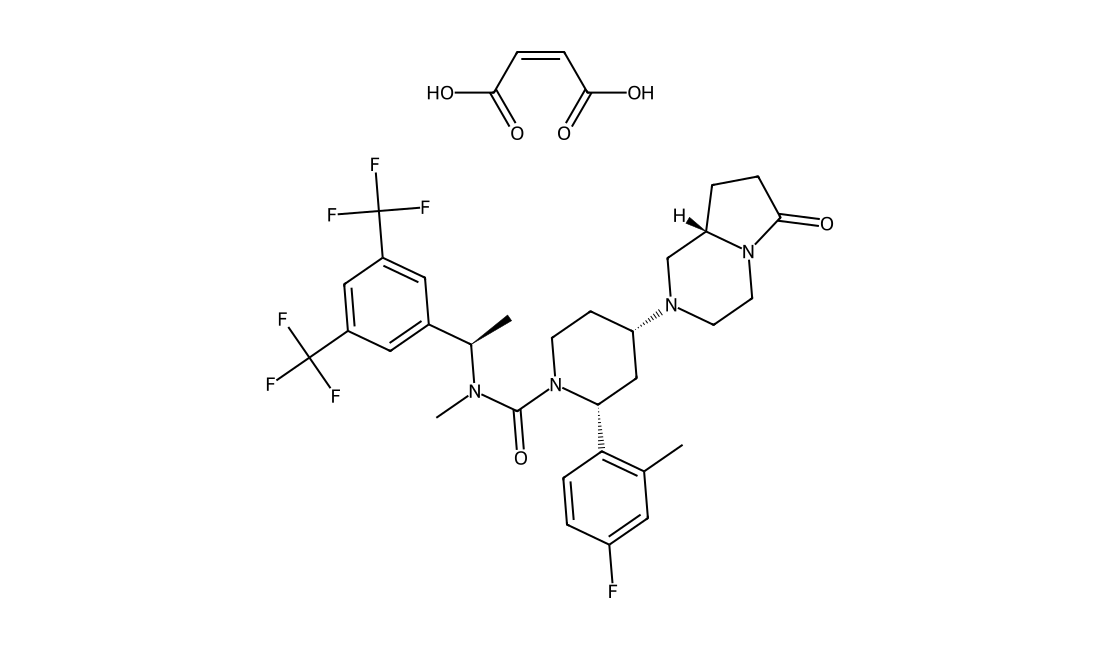
Orvepitant maleateFeatured
Orvepitant maleate (GW823296 maleate) is potent, selective, orally active and well-tolerated neurokinin-1 receptor (NK-1) antagonist with a pKi of 10.2 for human neurokinin-1 receptor. Orvepitant maleate can across the blood-brain barrier. Orvepitant maleate has the potential for depressive disorder and chronic refractory cough (CRC) treatment.
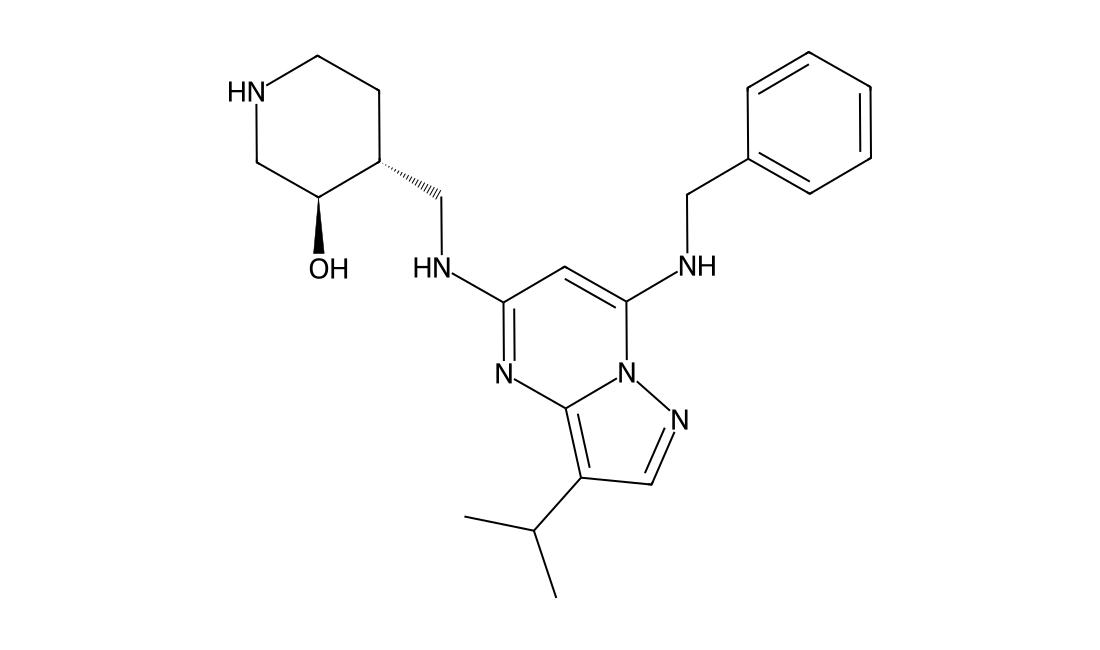
SamuraciclibFeatured
Samuraciclib (CT7001) is a potent, selective, ATP-competitive and orally active CDK7 inhibitor, with an IC50 of 41 nM. Samuraciclib displays 45-, 15-, 230- and 30-fold selectivity over CDK1, CDK2 (IC50 of 578 nM), CDK5 and CDK9, respectively. Samuraciclib inhibits the growth of breast cancer cell lines with GI50 values between 0.2-0.3 µM. Samuraciclib has anti-tumor effects.
ZelpolibFeatured
Novel DNA polymerase inhibitor, inhibiting DNA replication in assays to assess global DNA synthesis or single-molecule bases by DNA fiber fluorography
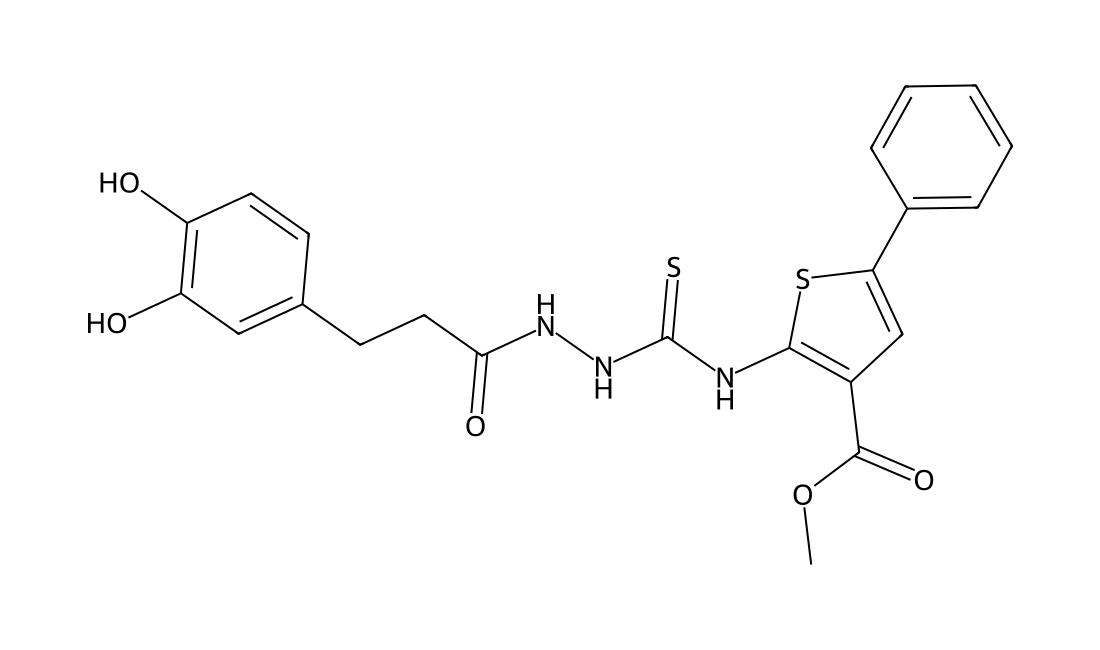
HS014Featured
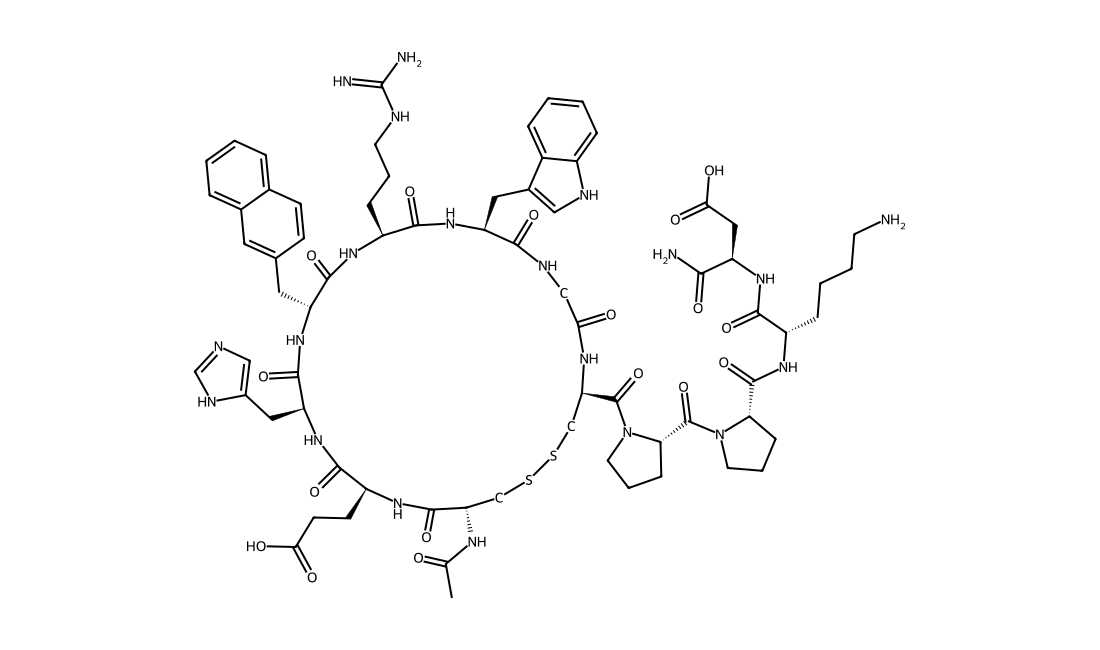
HS014 is a potent and selective melanocortin-4 (MC4) receptor antagonist, with Kis of 3.16, 108, 54.4 and 694 nM for human MC4, MC1, MC3 and MC5 receptors, respectively. HS014 modulates the behavioral effects of morphine in mice. HS014 increases food intake in free-feeding rats.
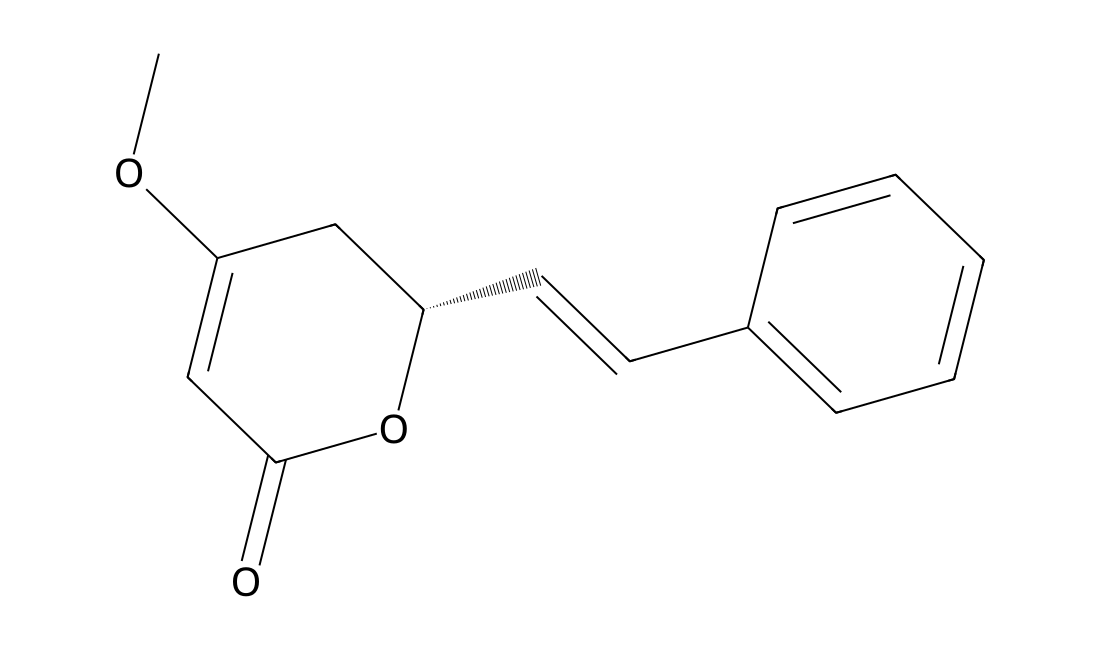
(+)-KavainFeatured
In Vitro (+)-Kavain (10-300 μM) enhances GABA-elicited responses in a concentration-dependent manner. The modulatory effect of Kavain is moderate, with only 170±23% of enhancement measured at 300 μM[2]. (+)-Kavain inhibits TNF-α secretion in cells via suppression of LITAF.
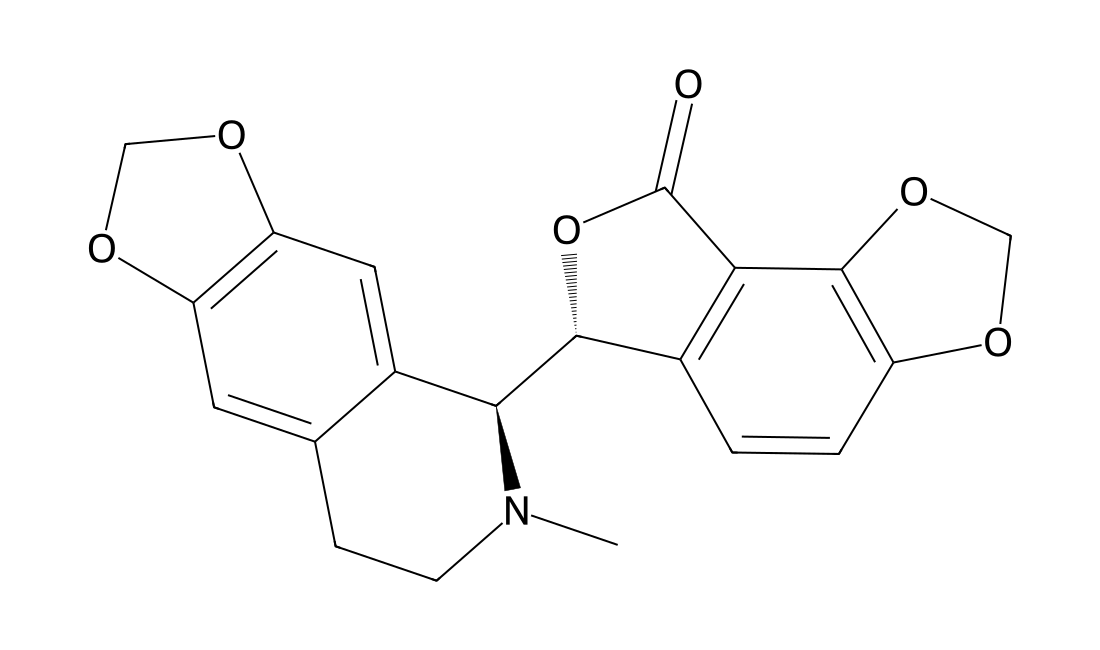
(+)-BicucullineFeatured
(+)-Bicuculline is a light-sensitive competitive antagonist of GABA-A receptor.
No products match this search.
Page 389 of 409 · Browse all 8177 products
Jump to a product page
Featured literature product: HX1 · DCL0028
HX1 is a hydroxyzine-derived ionizable lipid with acetal-containing tails, studied in lipid nanoparticles for brain mRNA delivery and CRISPR–Cas9 delivery. It was the lead in the reported in vivo brain-delivery screen; evidence is preclinical and formulation-dependent.
Read full formulation and performance →