
Research lipid catalog
Ionizable Lipid Products
Explore 848 lipid and RNA delivery products. Search the full catalog or browse by research category.
Search covers product name, catalog number, synonyms, available CAS numbers and categories. Spaces, hyphens and common punctuation are ignored. Duplicate legacy records are consolidated under one canonical product result.
8177 products · Showing 7901–7920 · 20 per page
DC Chemicals lipid expertise
Built for ionizable-lipid discovery and RNA delivery research
DC Chemicals supports formulation and delivery research with a broad, searchable portfolio of cationic and ionizable lipids. The current directory brings together 848 unique research-use products, with product specifications, pricing, chemical structures and literature-linked formulation data added as each record is verified.
Our experience spans complex lipid synthesis, purification, analytical release and process development. For custom molecules or larger-scale requirements, our team can discuss route development, technical specifications and scale-up options for the intended research workflow.
Learn about cationic and ionizable lipids →Proprietary innovation · Co-development · GMP
From proprietary lipid design to GMP-grade custom synthesis
DC Chemicals has independently developed ionizable-lipid structures supported by company-owned intellectual property, and selected proprietary lipid programs have advanced to GMP-stage development.
We welcome joint development with customers—from molecular design and lipid synthesis through route and process development. We can also support custom synthesis of GMP-grade ionizable lipids to agreed technical specifications and quality requirements.
Discuss a co-development project →Proprietary ionizable-lipid structuresCollaborative molecular designCustom lipid synthesisProcess development and scale-upGMP-grade project support
Product quick links
Explore New ionizable lipids
Explore our five most recently added ionizable lipids, with specifications, pricing and literature-linked product information.
DCL0028HX1Brain RNA delivery researchView product →DCL0024A1I4R13C18-2Spleen-targeted RNA delivery researchView product →DCL0023A1I4R2C18-2Spleen-targeted RNA delivery researchView product →DCL0022FS01Local joint RNA delivery researchView product →DCL0020Lipid-392Lung RNA delivery and gene editing researchView product →
Cat. No.Product NameField of ApplicationChemical Structure
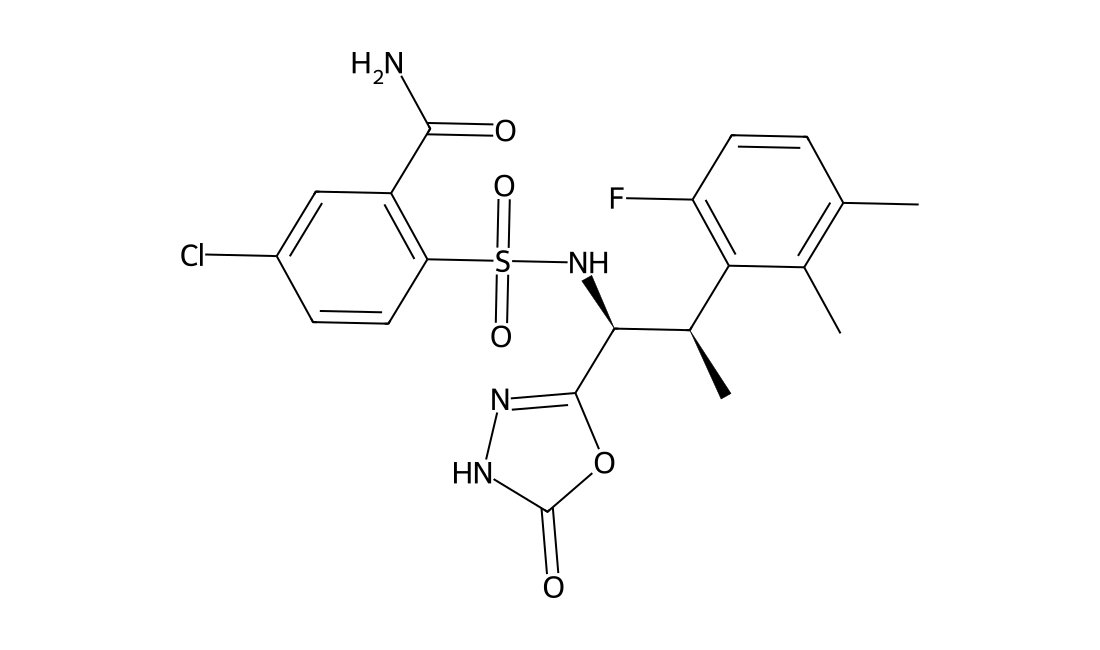
TAS1553Featured
TAS1553 is a potent, orally active protein–protein interaction (PPI) inhibitor with an IC50 values of 0.0396 μM. TAS1553 inhibits DNA replication and reduces intracellular dATP pool. TAS1553 induces apoptosis. TAS1553 can be used for cancer research.
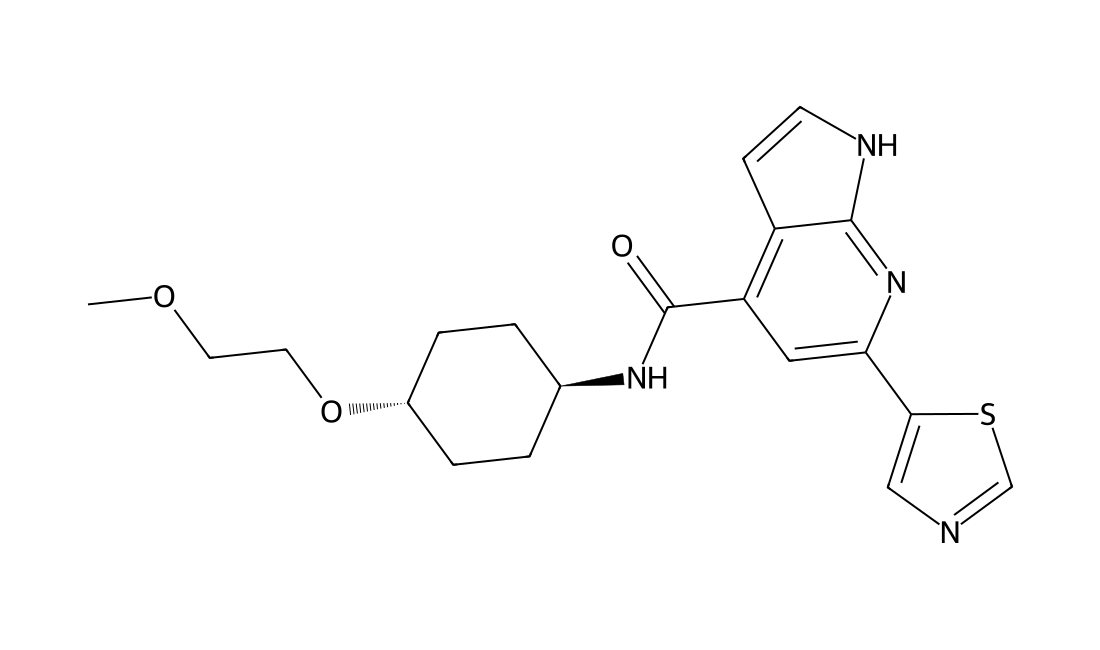
MK-0159Featured
MK-0159 is a CD38 enzymatic inhibitor. Mice treated with MK-0159 show strong protection from myocardial damage upon cardiac I/R injury compared to those treated with NAD+ precursors (nicotinamide riboside) or another CD38 inhibitor.
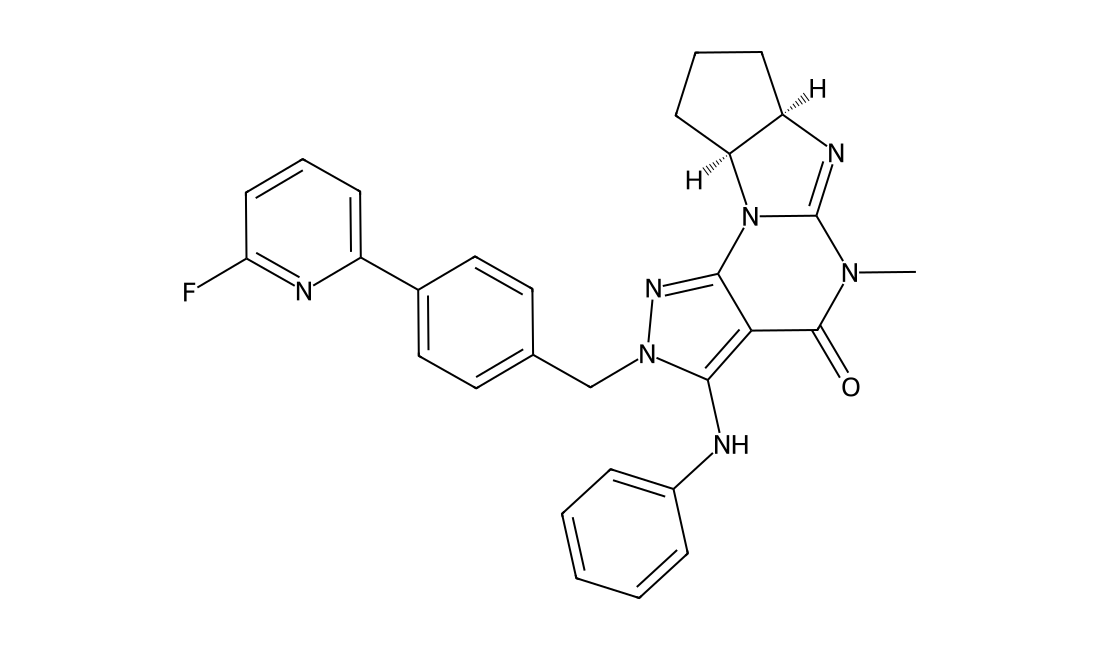
ITI214 free baseFeatured
ITI-214 is a potent, selective phosphodiesterase 1 (PDE1) inhibitor with Ki of 58 pM, displays >1,000-fold selectivity over PDE4A/4D and other PDE isoforms; improves the memory processes of acquisition, consolidation, and retrieval across a broad dose range (0.1-10 mg/kg, po) without disrupting the antipsychotic-like activity of a clinical antipsychotic medication, shows potential for schizophrenia and Alzheimer's disease, movement disorders, attention deficit and hyperactivity disorders, and other central nervous system (CNS) and non-CNS disorders.Parkinson DiseasePhase 2 Clinical
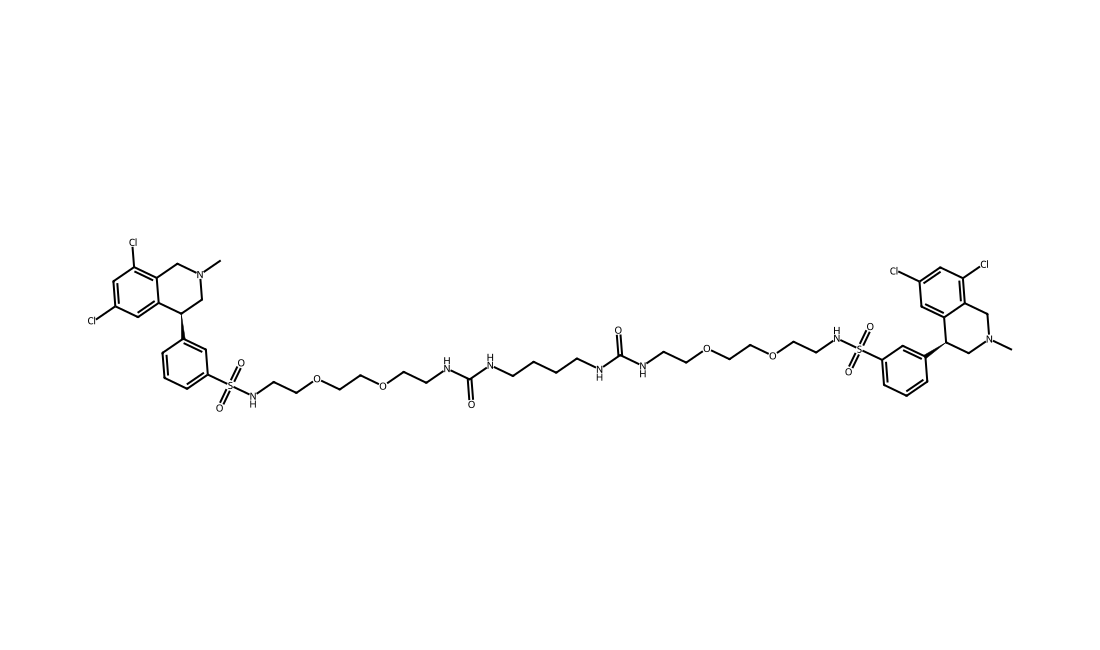
TenapanorFeatured
Tenapanor exhibits human and rat NHE3 with IC50 values of 5 and 10 nM, respectively. Human intestinal transporters NHE1, NHE2, TGR5, ASBT, and Pit-1 and the sodium-dependent phosphate transporter NaPiIIb are not inhibited by tenapanor at concentrations up to 10 to 30 μM.Tenapanor plays a prominent role in sodium handling in the gastrointestinal tract and kidney. It acts exclusively in the gastrointestinal tract to inhibit sodium uptake when administered orally to rats. Average plasma Cmax values of tenapanor in rats and humans are less than 1 ng/mL with negligible area under the curve at doses of up to 30mg/kg in rats, 10mg/kg in dogs, and 900 mg in humans. Dose-dependent reductions in urinary sodium and increases in fecal sodium and luminal fluid mass are observed upon administering single doses of tenapanor to rats. Chronic administration of tenapanor to rats fed with standard chow (0.49% NaCl) causes a sustained reduction of urinary sodium and increase in fecal sodium.
TAK-925Featured
TAK-925 (Danavorexton) is a potent, selective, and brain-penetrant Orexin 2 receptor (OX2R) agonist with EC50 of 5.5 nM, no significant inhibition on OX1R (IC50>100 uM).TAK-925 also showed good selectivity against 106 off-target enzymes and receptors.
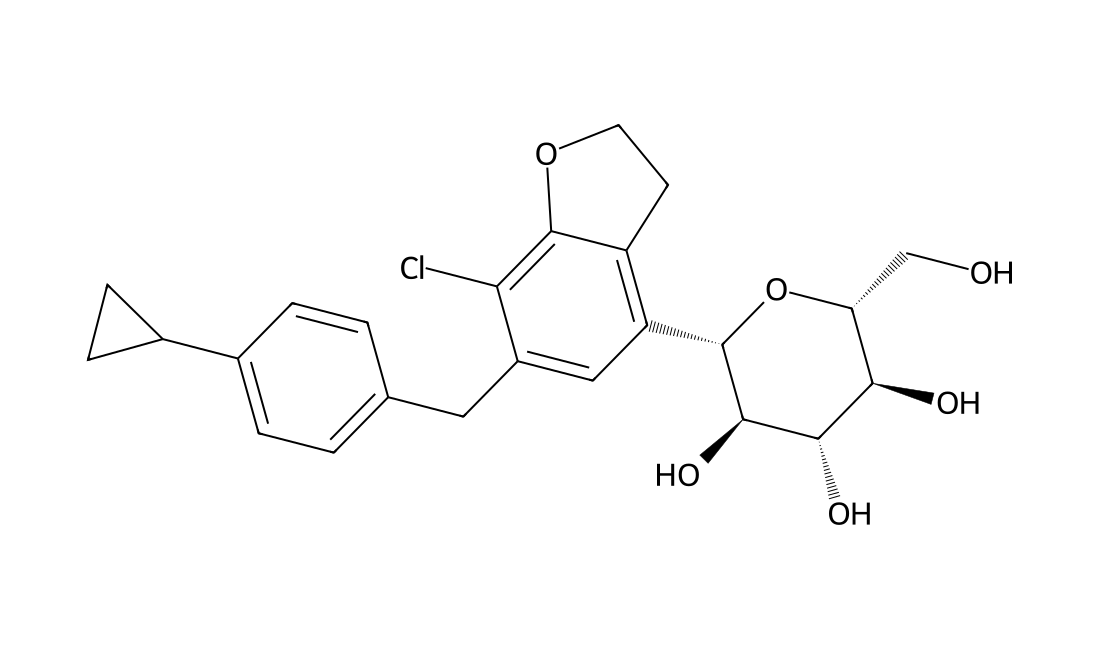
EnavogliflozinFeatured
Enavogliflozin (DWP-16001), an antidiabetic agent, is an orally active, best-in-class and selective sodium-glucose cotransporter-2 (SGLT-2) inhibitor.
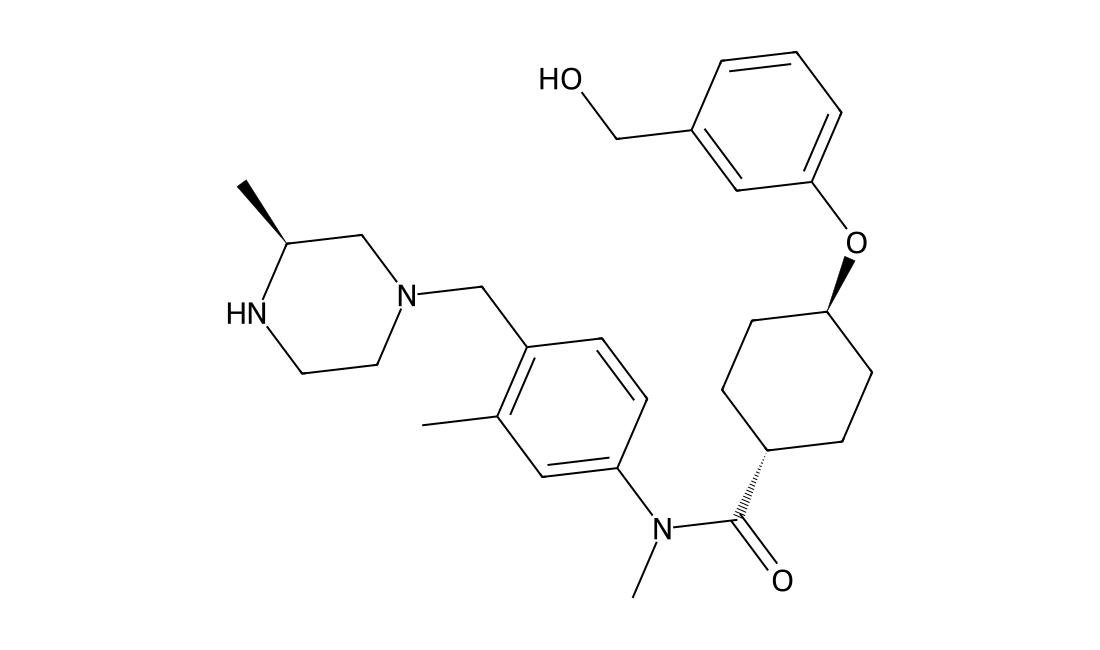
DS-3801bFeatured
DS-3801b is a potent and non-macrolide agonist of GPR38. DS-3801b is expected to be novel gastrointestinal prokinetic agents for the research of functional gastrointestinal disorders such as gastroparesis and chronic constipation.
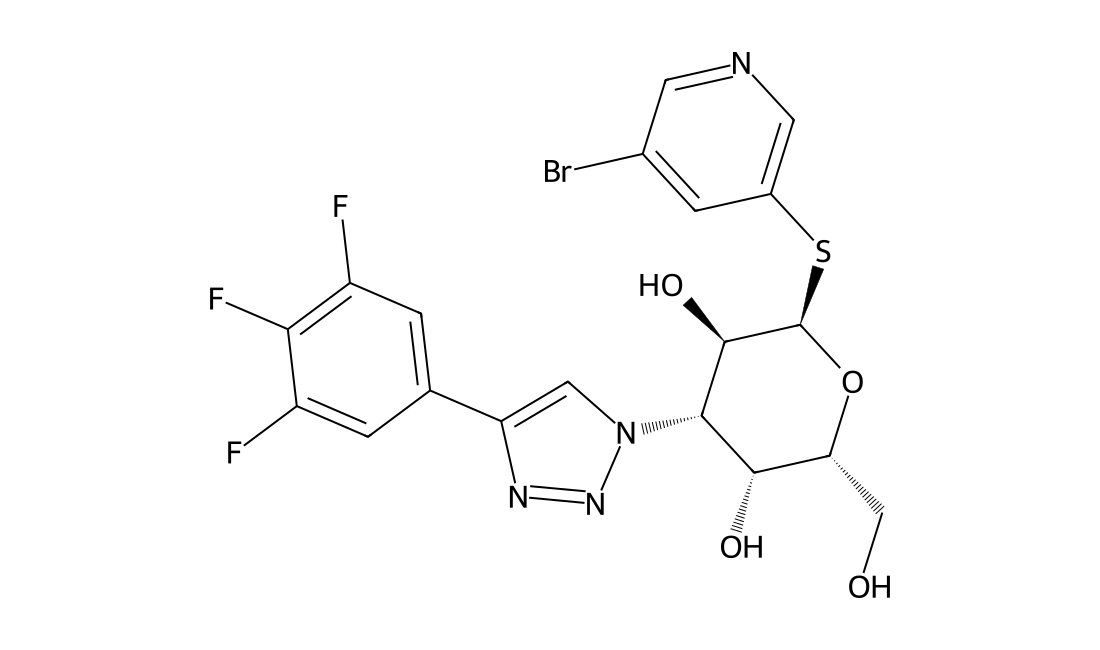
GB1211Featured
GB1211 is an orally available galectin-3 (Gal-3) inhibitor.
BexotegrastFeatured
Bexotegrast is a potent inhibitor of ανβ6 integrin. Bexotegrast can be used for researching fibrosis such as idiopathic pulmonary fibrosis (IPF) and nonspecific interstitial pneumonia (NSIP) (extracted from patent WO2020210404A1, compound 5).
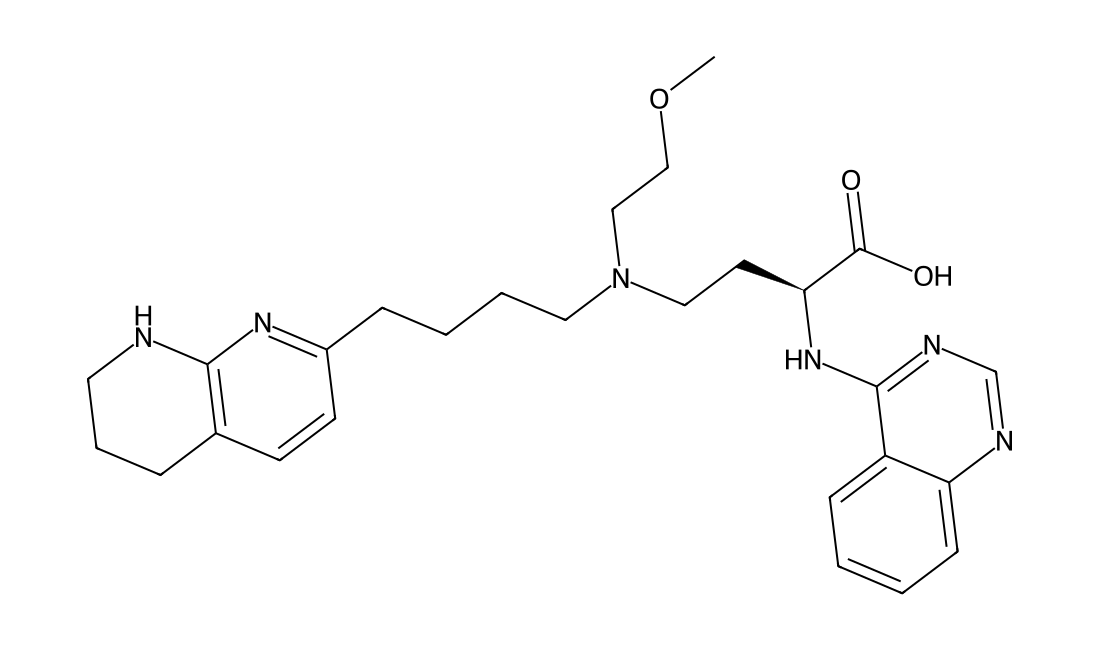
ZunsemetinibFeatured
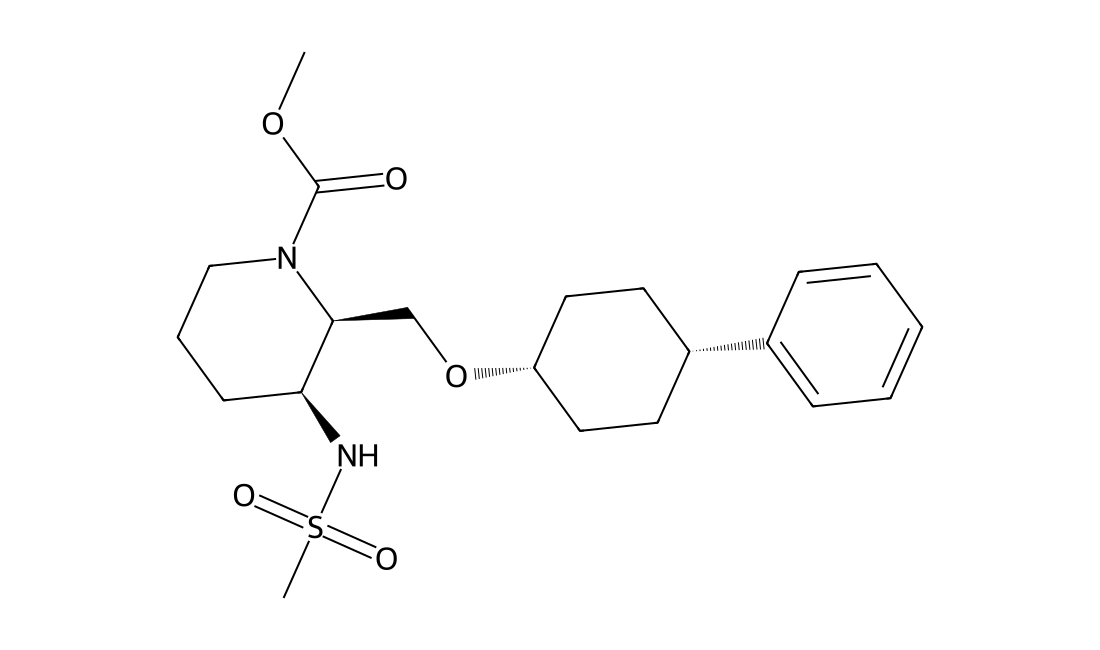
Zunsemetinib (CDD-450) is an orally active and selective p38α mitogen-activated protein kinase-activated protein kinase 2 (MK2) pathway inhibitor. Zunsemetinib can be used for the research of immuno-inflammatory diseases.
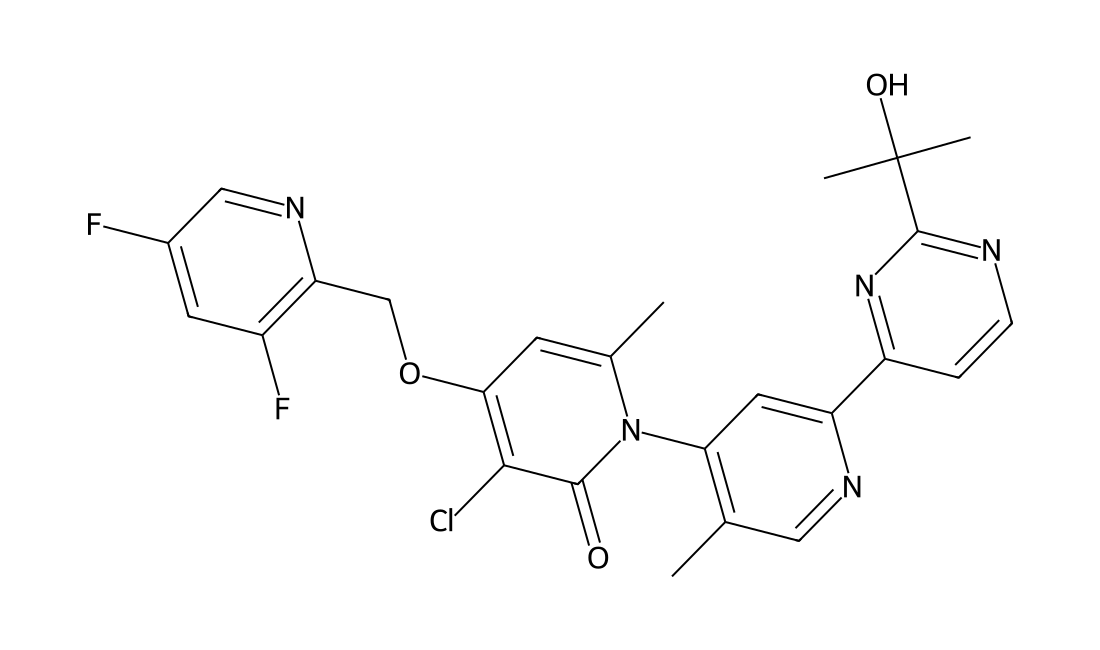
M4205Featured
M4205 is a c-KIT inhibitor, with an IC50 of 10 nM for c-KIT V654A. M4205 has high activity on c-KIT mutations in exon 11, 13, 17.
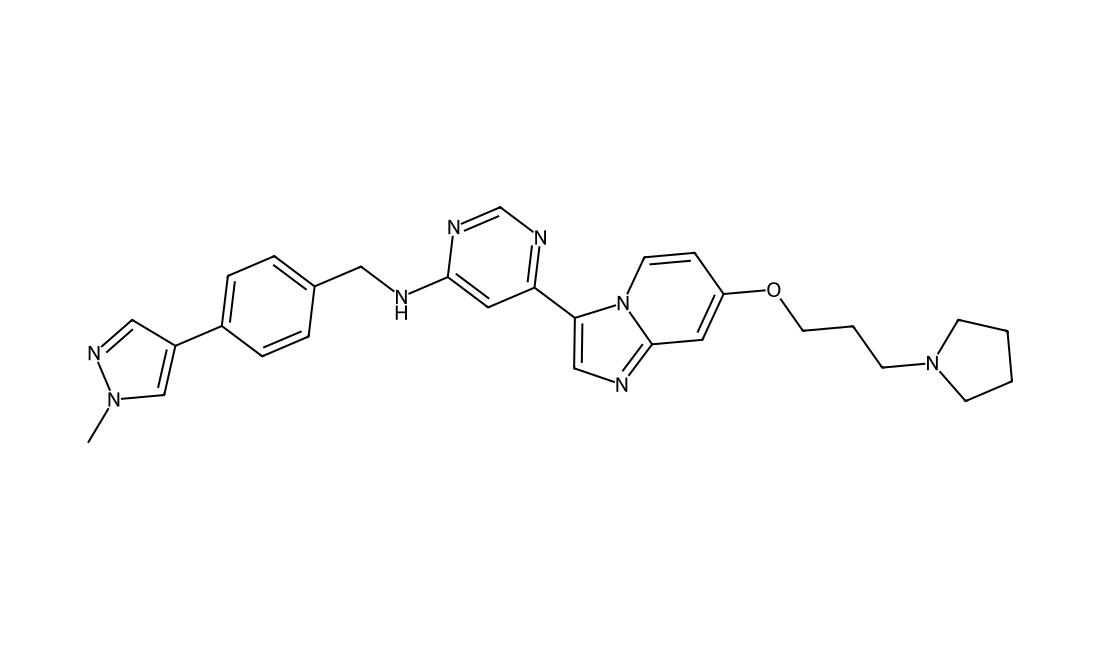
BAY-390Featured
BAY-390 is a selective, across species active and brain penetrating TRPA1 inhibitor. BAY-390 inhibits hTRPA1 FLIPR, hTRPA1 Ephys, rTRPA1 FLIPR and rDRG Ephys with IC50s of 16, 82, 63 and 35 nM, respectively.
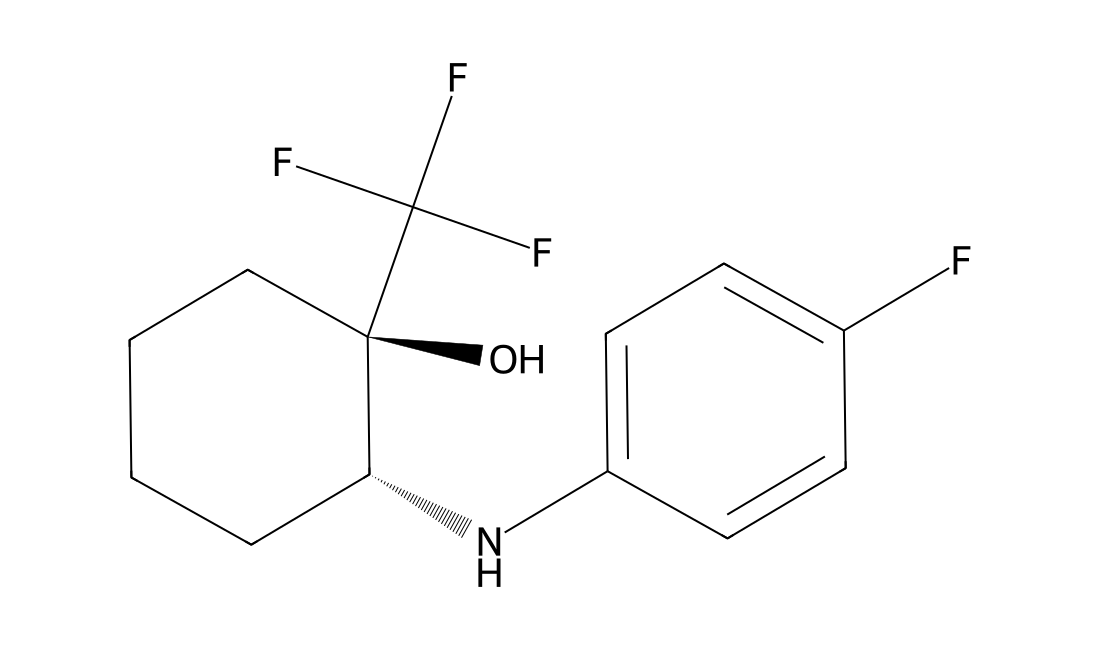
TP0597850Featured
TP0597850 is a selective inhibitor of MMP2 (IC50=0.22 nM). TP0597850 has a long MMP2 dissociation half-life (t1/2=265 min).
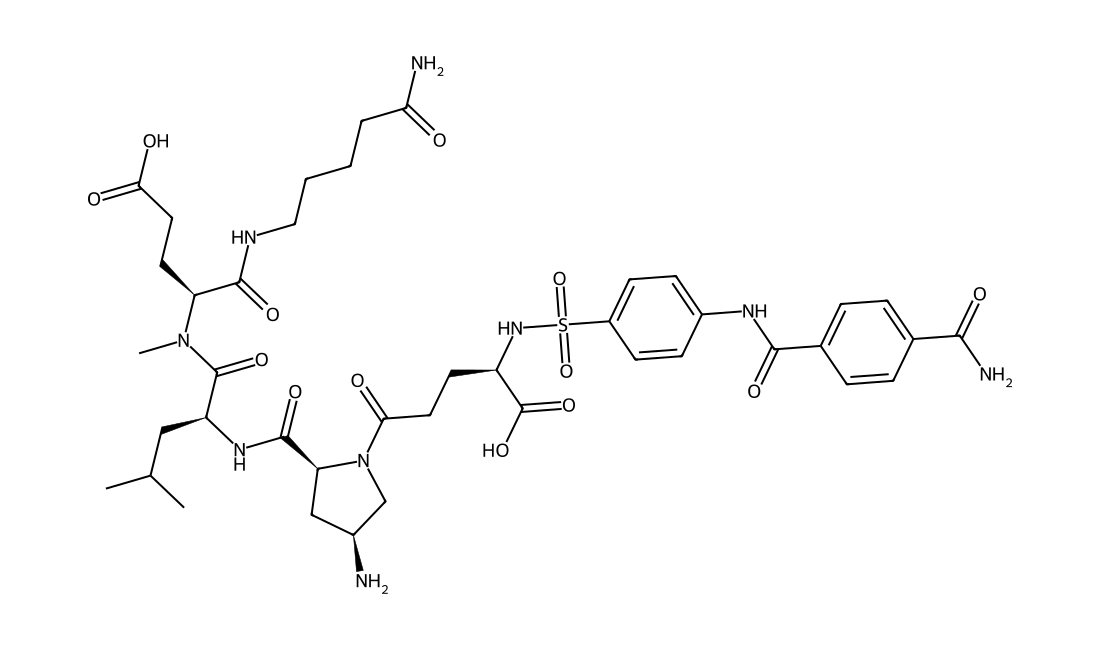
NYX-2925Featured
NYX-2925 has a low potential for "off-target" activity, as it did not exhibit any significant affinity for a large panel of neuroactive receptors, including hERG receptors. NYX-2925 increased MK-801 binding to human N-methyl-D-aspartate receptor NR2A-D subtypes expressed in HEK cells and enhanced N-methyl-D-aspartate receptor current and long-term potentiation (LTP) in rat hippocampal slices (100-500 nM). Single dose ex vivo studies showed increased metaplasticity in a hippocampal LTP paradigm and structural plasticity 24 hours after administration (1 mg/kg p.o.). Significant learning enhancement in both novel object recognition and positive emotional learning paradigms were observed (0.01-1 mg/kg p.o.), and these effects were blocked by the N-methyl-D-aspartate receptor antagonist CPP. NYX-2925 does not show any addictive or sedative/ataxic side effects and has a therapeutic index of >1000. NYX-2925 (1 mg/kg p.o.) has a cerebrospinal fluid half-life of 1.2 hours with a Cmax of 44 nM at 1 hour.NYX-2925, like rapastinel, activates an NMDA receptor-mediated synaptic plasticity process and may have therapeutic potential for a variety of NMDA receptor-mediated central nervous system disorders.
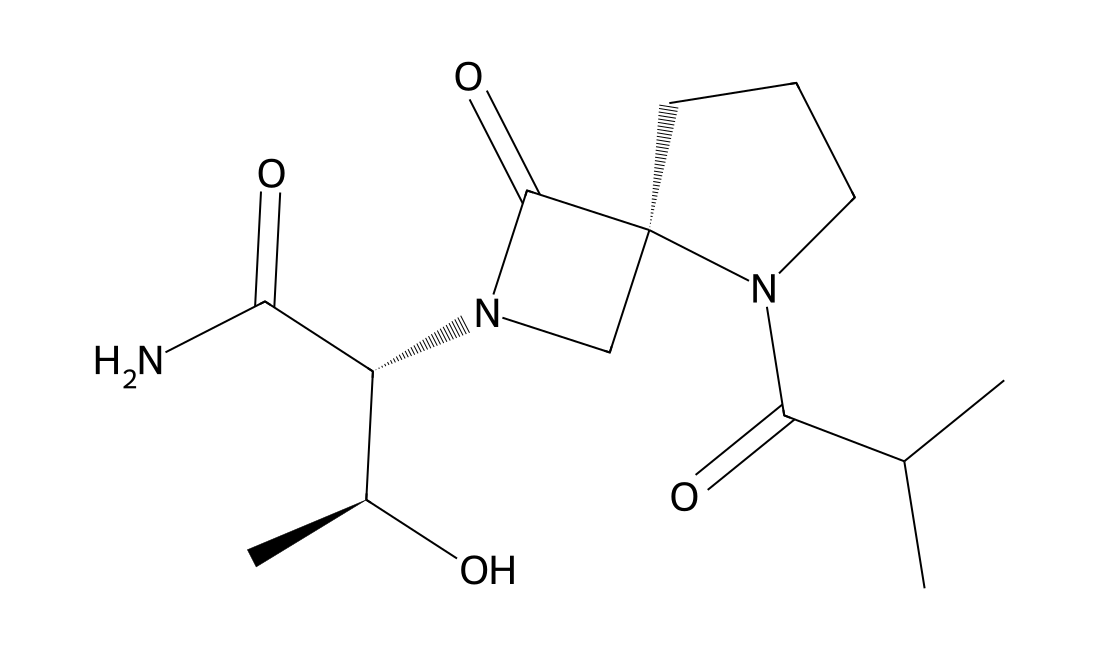
PCLX-001Featured
PCLX-001 is an orally acitve, small-molecule, dual N-myristoyltransferase (NMT) inhibitor, with IC50s of 5 nM (NMT1) and 8 nM (NMT2), respectively.
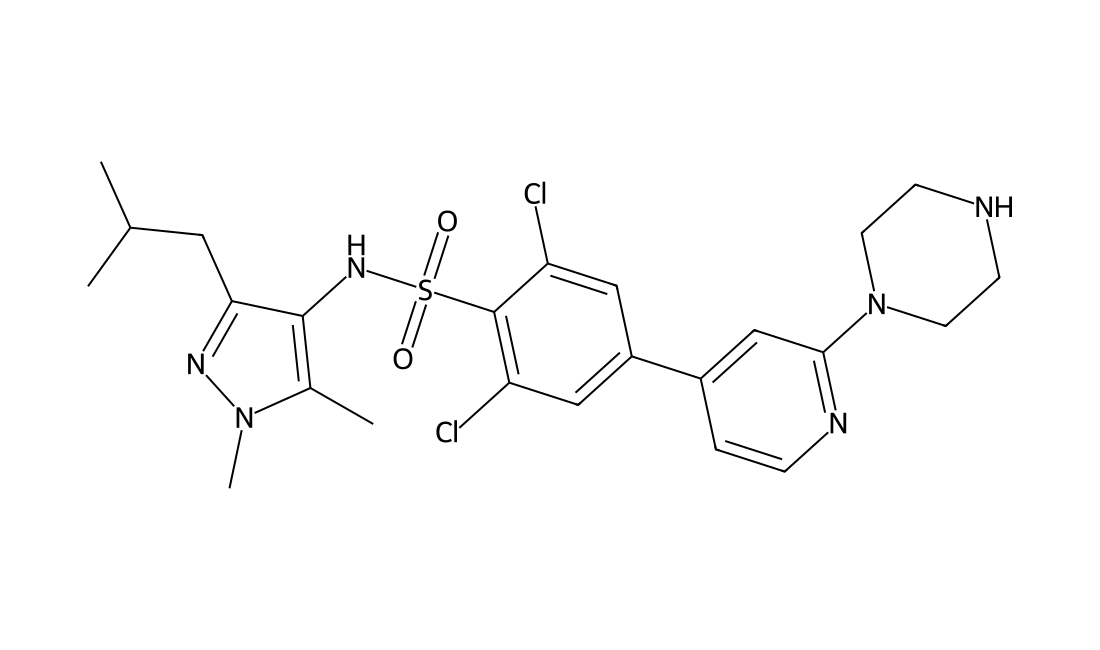
NF-κΒ activator 1Featured
NF-κΒ activator 1 is a potent NF-κΒ activator with an EC50 of 0.9 μM. NF-κΒ activator 1 induces superoxide dismutase (SOD) 2 mRNA expression.
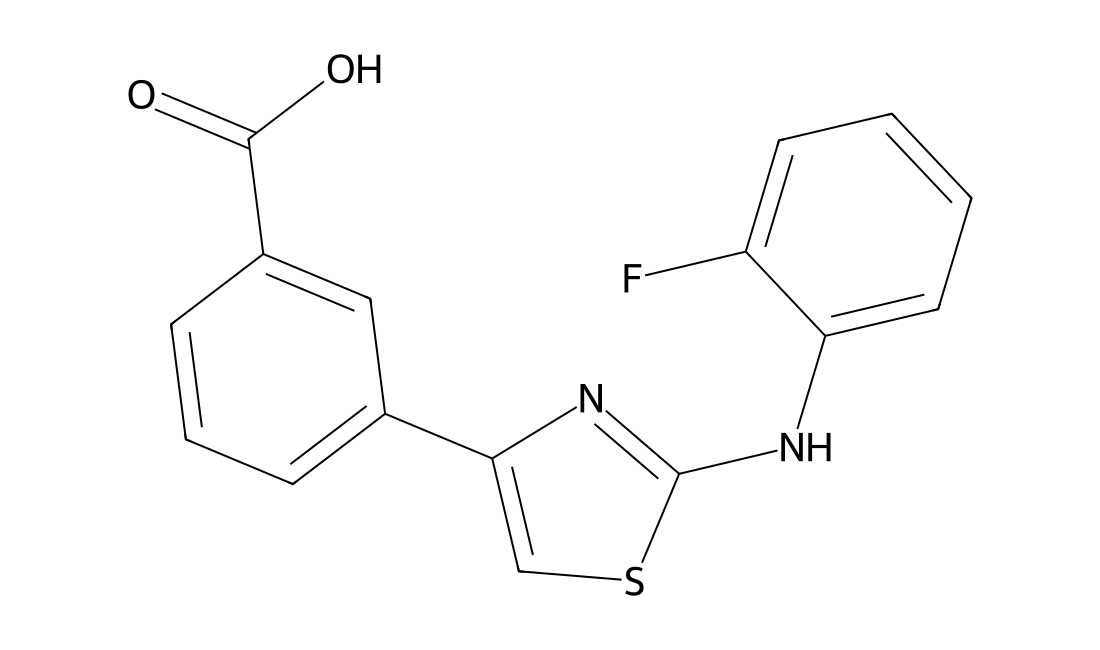
RXN00442Featured
RXN00442, also known as EGFR-IN-11, is a fourth-generation EGFR-tyrosine kinase inhibitor (EGFR-TKI). This compound was first reported in Eur J Med Chem.
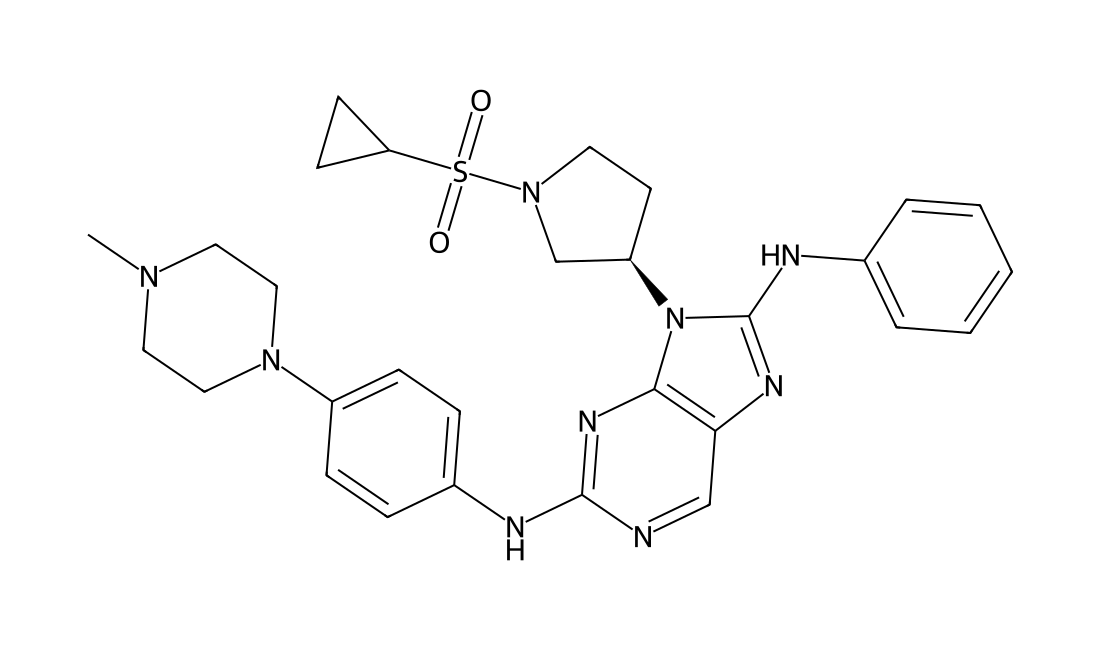
AZD9898Featured
AZD9898 is an orally active leukotriene-C4 synthetase (LTC4S, glutathione S-transferase II) inhibitor, with an IC50 of 0.28 nM. AZD9898 mitigates the GABA binding and hepatic toxicity signal. AZD9898 has the potential to treat asthma.
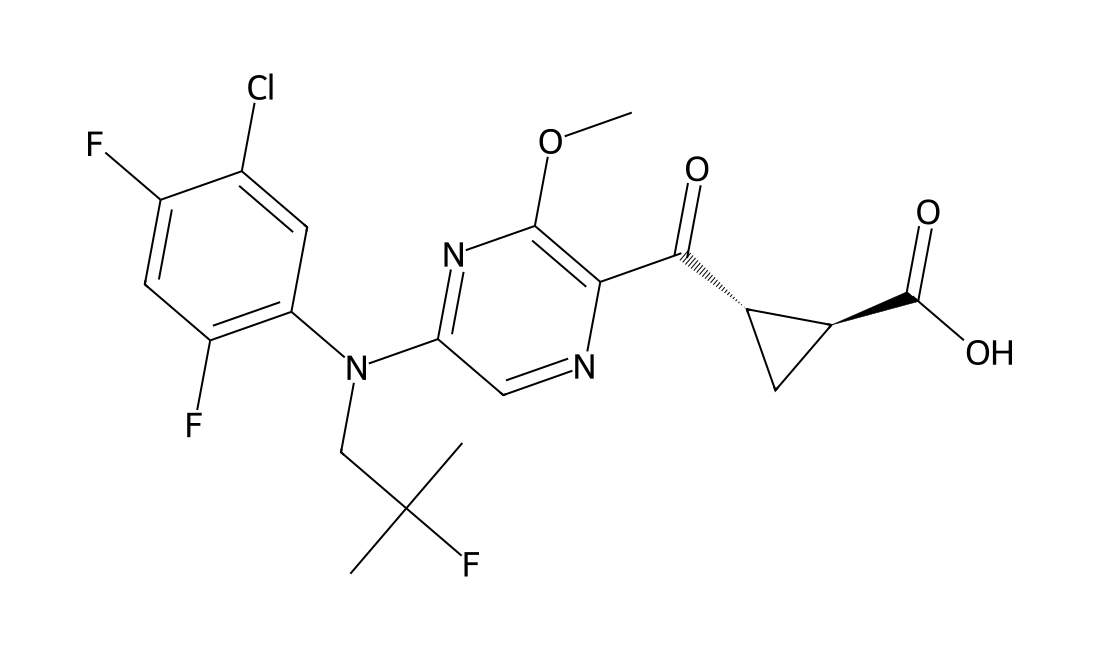
TemanogrelFeatured
Temanogrel is a highly selective 5-HT2A receptor antagonist with a Ki of 4.9 nM.
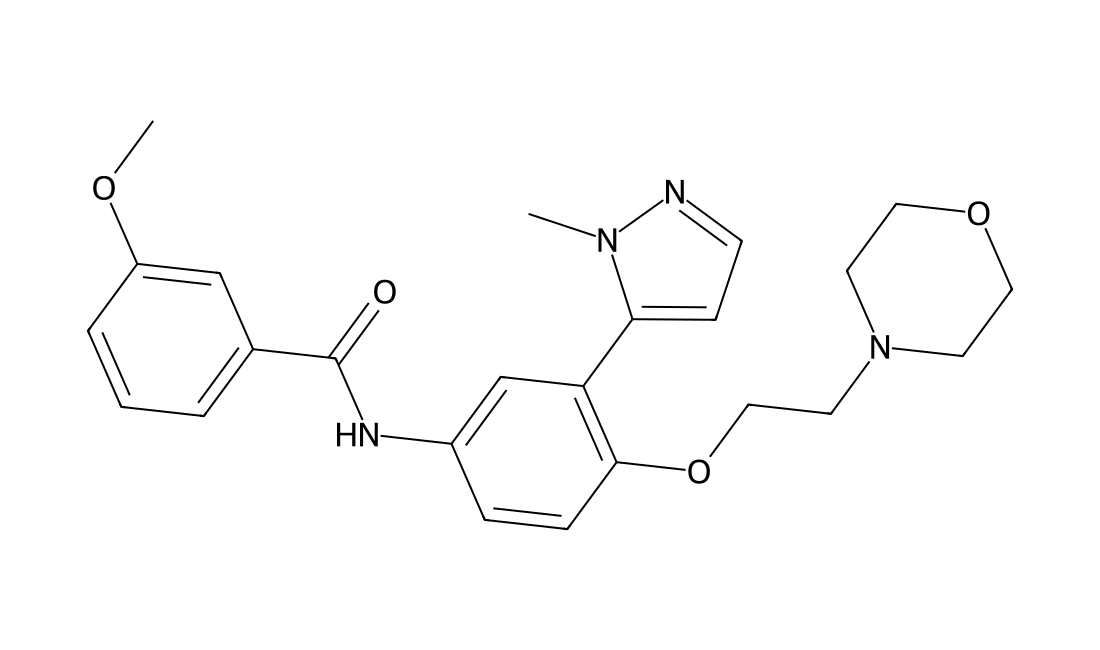
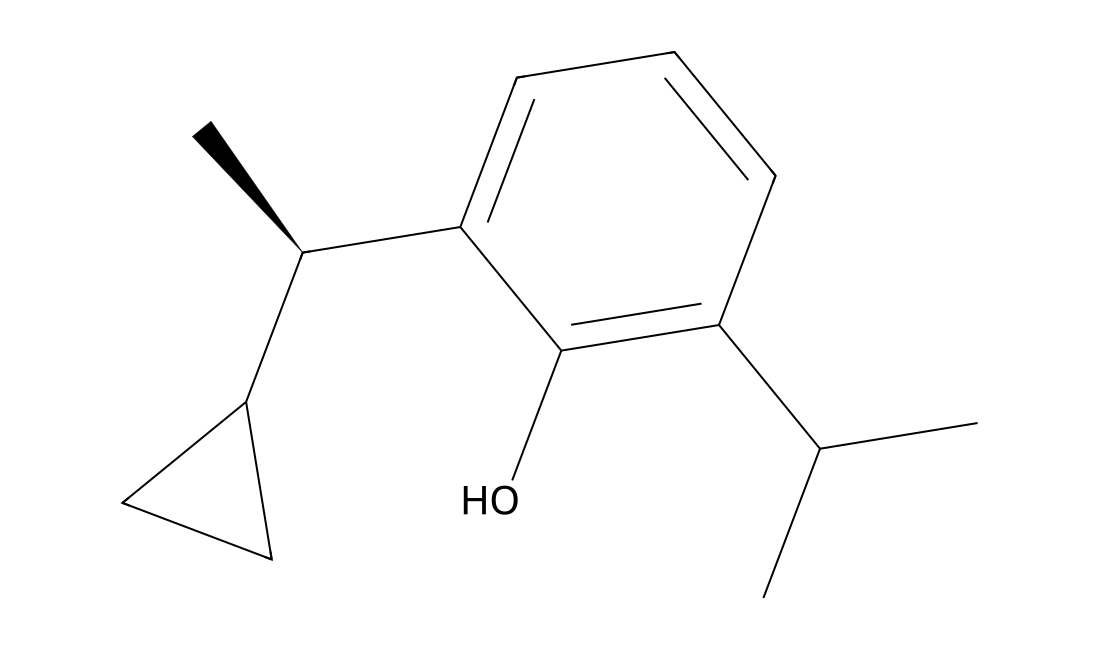
CipepofolFeatured
Cipepofol (HSK3486), a sedative-hypnotic agent, is a gamma-aminobutyric acid (GABA) receptor potentiator.
No products match this search.
Page 396 of 409 · Browse all 8177 products
Jump to a product page
Featured literature product: HX1 · DCL0028
HX1 is a hydroxyzine-derived ionizable lipid with acetal-containing tails, studied in lipid nanoparticles for brain mRNA delivery and CRISPR–Cas9 delivery. It was the lead in the reported in vivo brain-delivery screen; evidence is preclinical and formulation-dependent.
Read full formulation and performance →