
Research lipid catalog
Ionizable Lipid Products
Explore 848 lipid and RNA delivery products. Search the full catalog or browse by research category.
Search covers product name, catalog number, synonyms, available CAS numbers and categories. Spaces, hyphens and common punctuation are ignored. Duplicate legacy records are consolidated under one canonical product result.
7677 products · Showing 7201–7220 · 20 per page
DC Chemicals lipid expertise
Built for ionizable-lipid discovery and RNA delivery research
DC Chemicals supports formulation and delivery research with a broad, searchable portfolio of cationic and ionizable lipids. The current directory brings together 848 unique research-use products, with product specifications, pricing, chemical structures and literature-linked formulation data added as each record is verified.
Our experience spans complex lipid synthesis, purification, analytical release and process development. For custom molecules or larger-scale requirements, our team can discuss route development, technical specifications and scale-up options for the intended research workflow.
Learn about cationic and ionizable lipids →Proprietary innovation · Co-development · GMP
From proprietary lipid design to GMP-grade custom synthesis
DC Chemicals has independently developed ionizable-lipid structures supported by company-owned intellectual property, and selected proprietary lipid programs have advanced to GMP-stage development.
We welcome joint development with customers—from molecular design and lipid synthesis through route and process development. We can also support custom synthesis of GMP-grade ionizable lipids to agreed technical specifications and quality requirements.
Discuss a co-development project →Proprietary ionizable-lipid structuresCollaborative molecular designCustom lipid synthesisProcess development and scale-upGMP-grade project support
Product quick links
Explore New ionizable lipids
Explore our five most recently added ionizable lipids, with specifications, pricing and literature-linked product information.
DCL0028HX1Brain RNA delivery researchView product →DCL0024A1I4R13C18-2Spleen-targeted RNA delivery researchView product →DCL0023A1I4R2C18-2Spleen-targeted RNA delivery researchView product →DCL0022FS01Local joint RNA delivery researchView product →DCL0020Lipid-392Lung RNA delivery and gene editing researchView product →
Cat. No.Product NameField of ApplicationChemical Structure
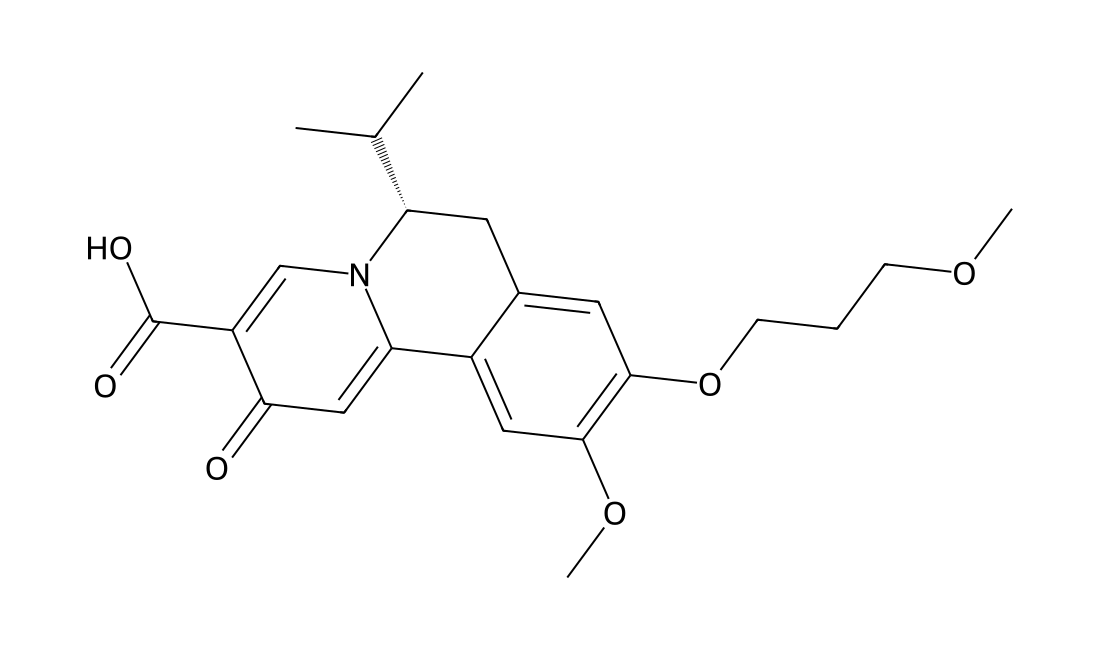
RG7834 (RO 7020322)Featured
RG7834 (RO 7020322) is a highly selective and orally bioavailable HBV inhibitor, potently inhibits HBV antigens (both HBsAg and HBeAg) and HBV DNA, with IC50s of 2.8, 2.6, and 3.2 nM, respectively, in dHepaRG Cells[1].
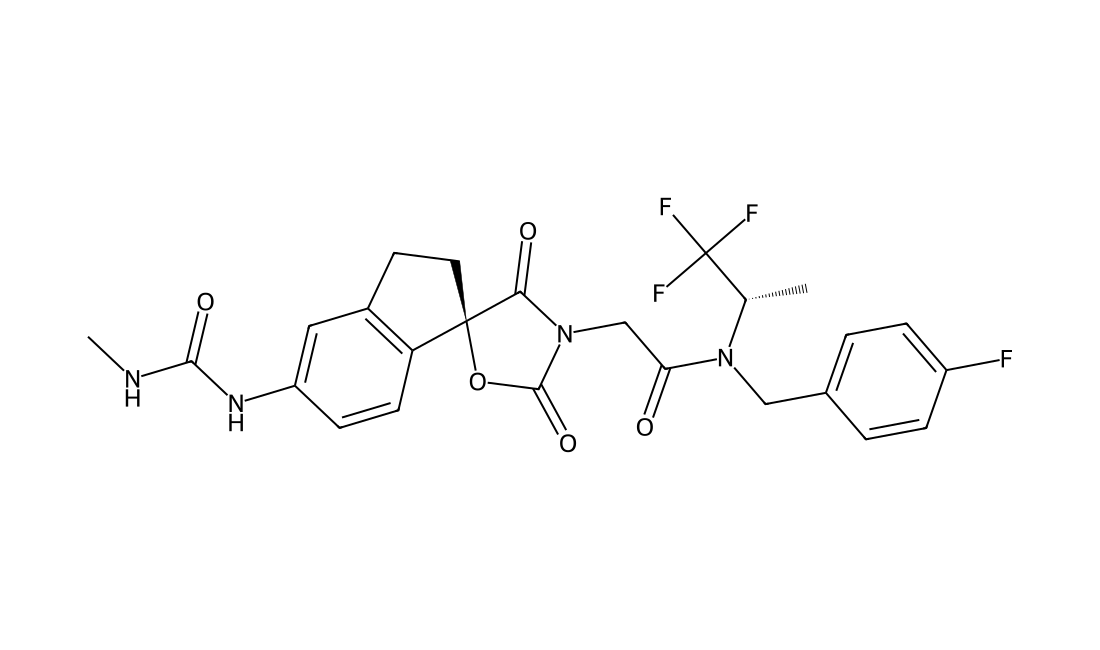
A-485Featured
A-485 is a potent and selective catalytic inhibitor of p300/CBP with IC50s of 9.8 nM and 2.6 nM for p300 and CBP, respectively.
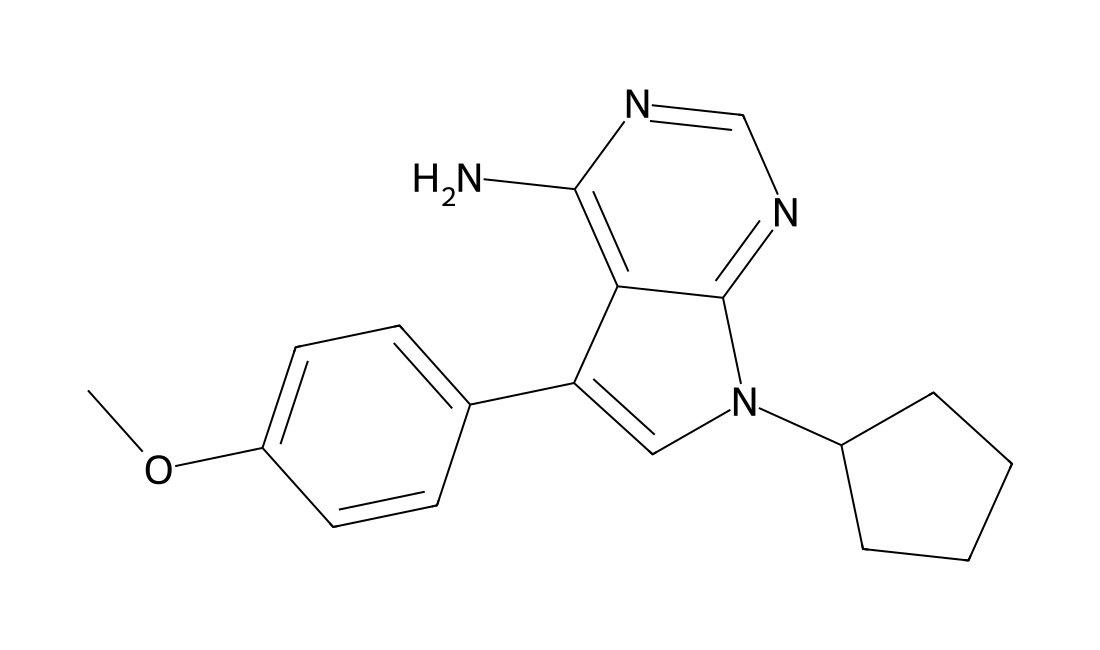
NCGC00262650Featured
NCGC00262650 demonstrates potent inhibition of the AMA1-RON2 protein interaction, effectively preventing merozoite invasion of erythrocytes.
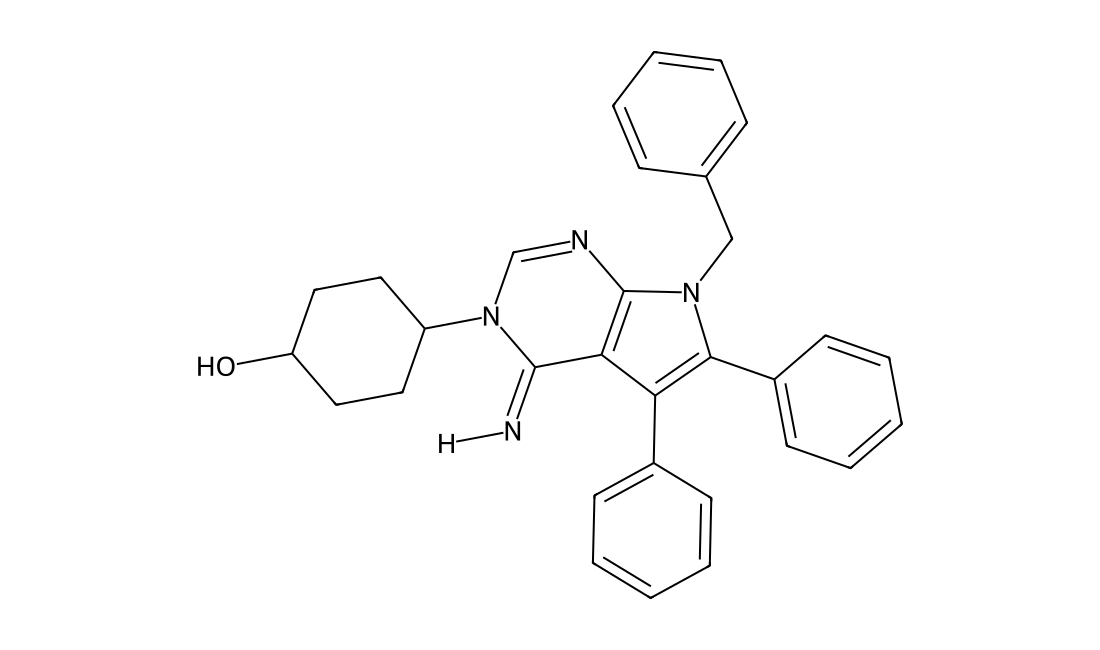
MetarrestinFeatured
Metarrestin (ML246) disrupts the nucleolar structure and inhibits RNA polymerase (Pol) I transcription, at least in part by interacting with the translation elongation factor eEF1A2. Metarrestin is a first-in-class perinucleolar compartment inhibitor with a favorable PK profile, which effectively suppresses metastasis[1][2].
NSC45586Featured
A selective protein phosphatase PHLPP inhibitor with IC50 of 4 uM for PP2C domain of PHLPP2; also inhibits PHLPP2, has no activities against other phosphatases; activates AKT and ameliorates staurosporine-induced cell death in neurons.
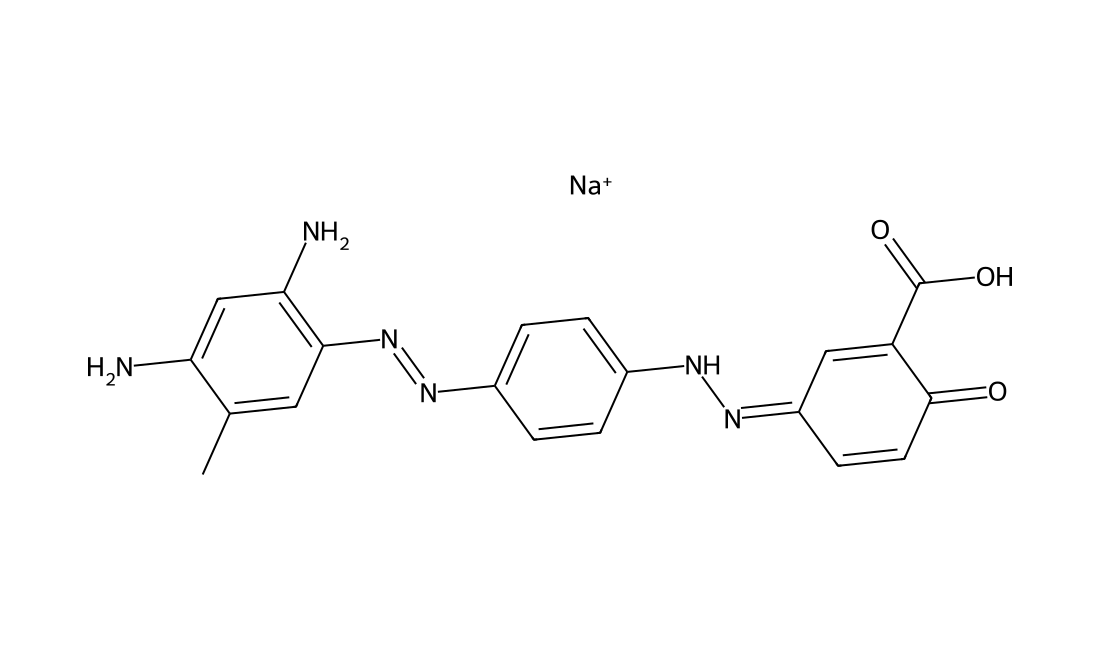
GSK'962Featured
GSK962 is an inactive enantiomer of GSK963 and can be used to confirm on-target effects[1].
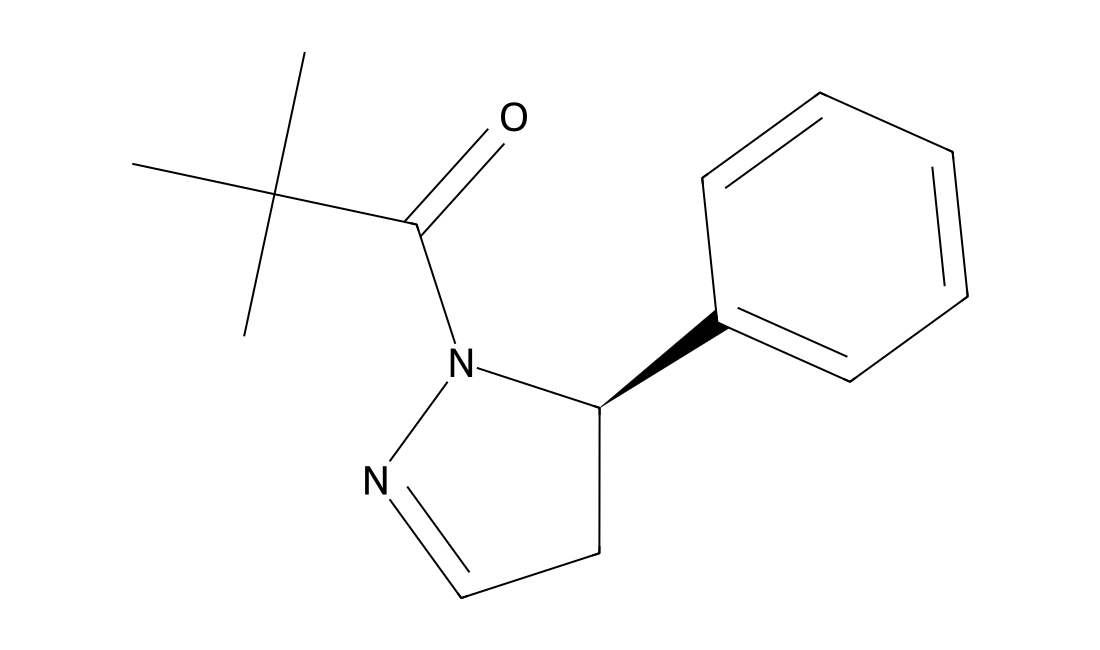
AF64394Featured
AF64394 is a GPR3 inverse agonist, with a pIC50 of 7.3.
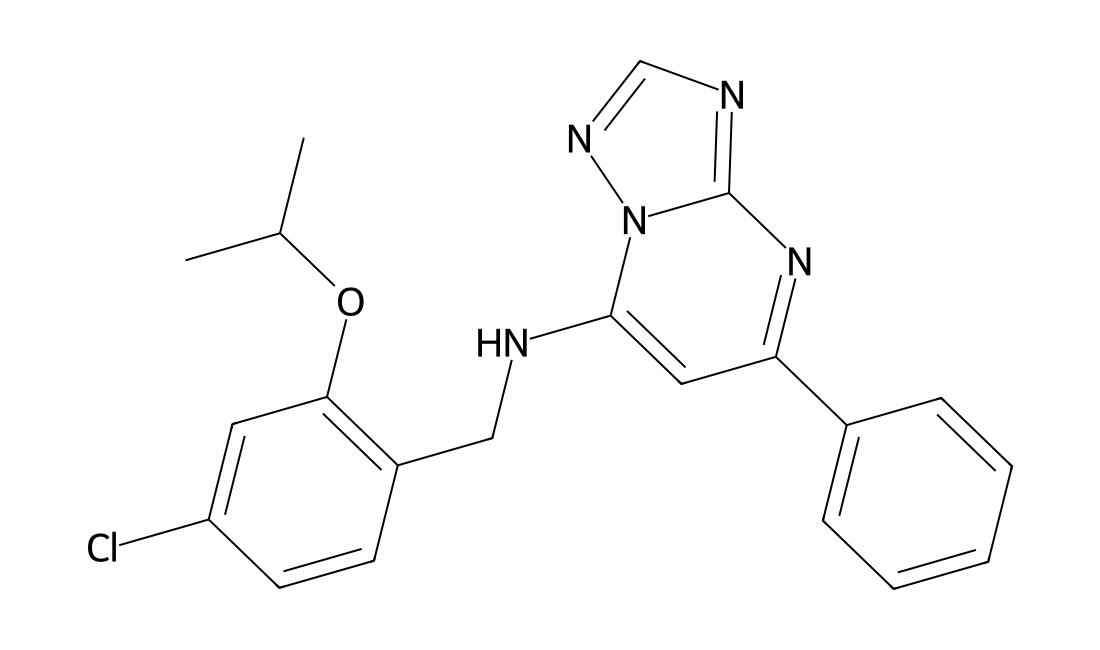
Creatine ribosideFeatured
Creatine riboside is a urinary metabolite and is a diagnostic and prognostic biomarker of lung cancer[1][2].
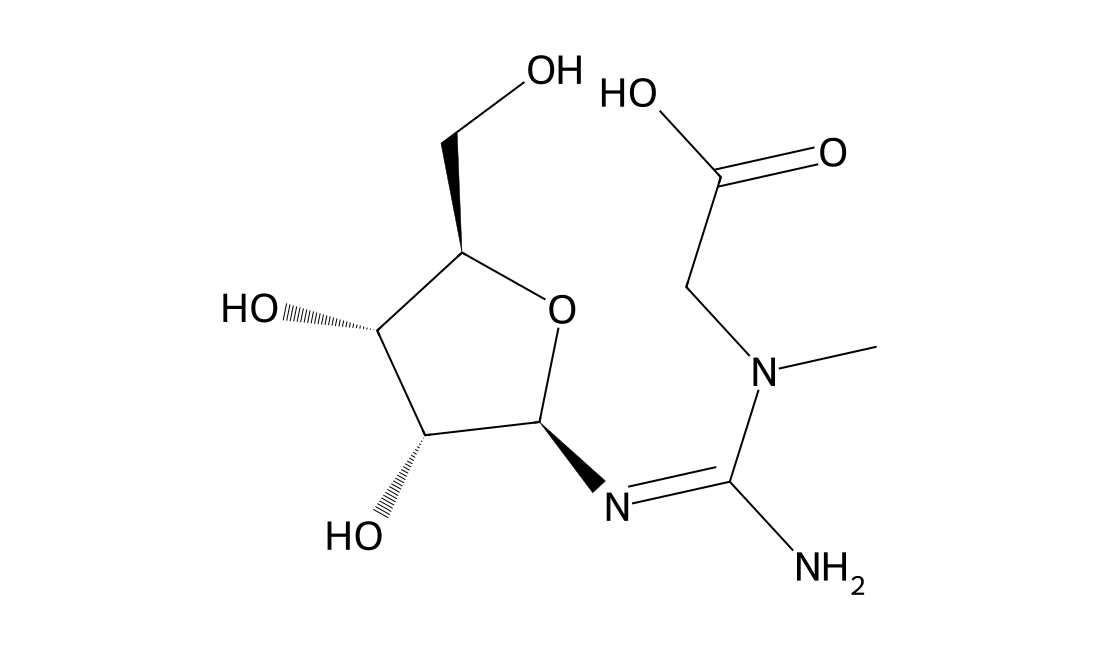
ML211Featured
ML-211 is a carbamate-based dual inhibitor of acyl-protein thioesterase 1 (APT1)/lysophospholipase 1 (LYPLA1) (IC50=17 nM) and LYPLA2 (IC50=30 nM). ML-211 also inhibits theserine hydrolase ABHD11 with an IC50 value of 10 nM but is ≥ 50-fold selective for LYPLA in a panel of 20 additional serine hydrolases[1].
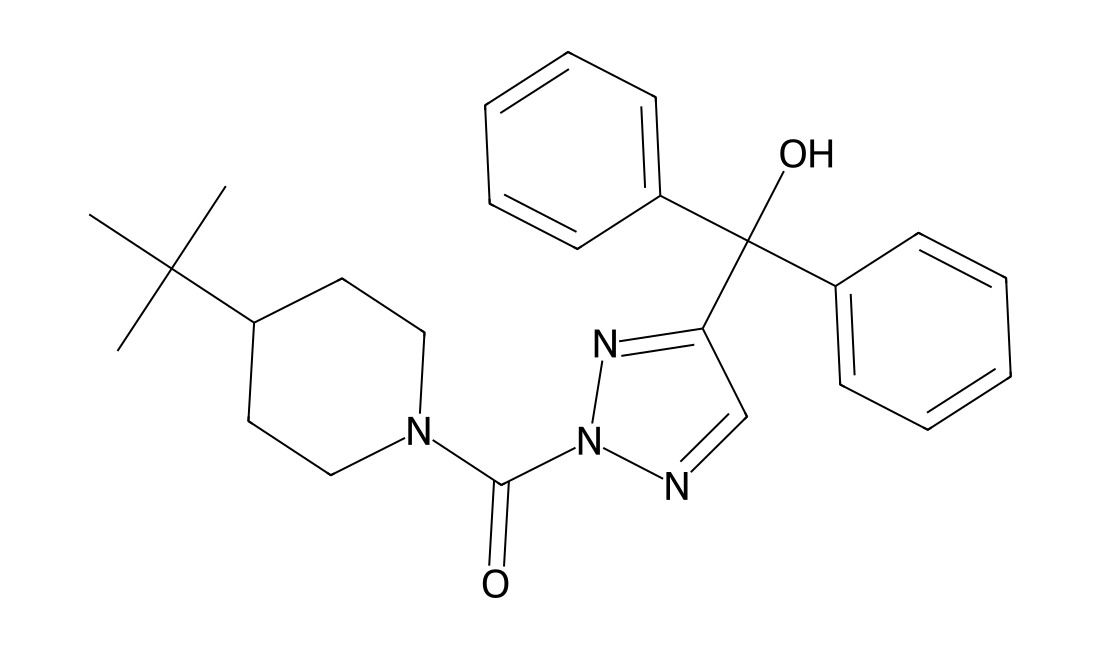
HS-1793Featured
HS-1793, a structural analog of Resveratrol (HY-16561), demonstrates broad-spectrum antitumor effects across multiple cancer cell lines by triggering apoptotic cell death.
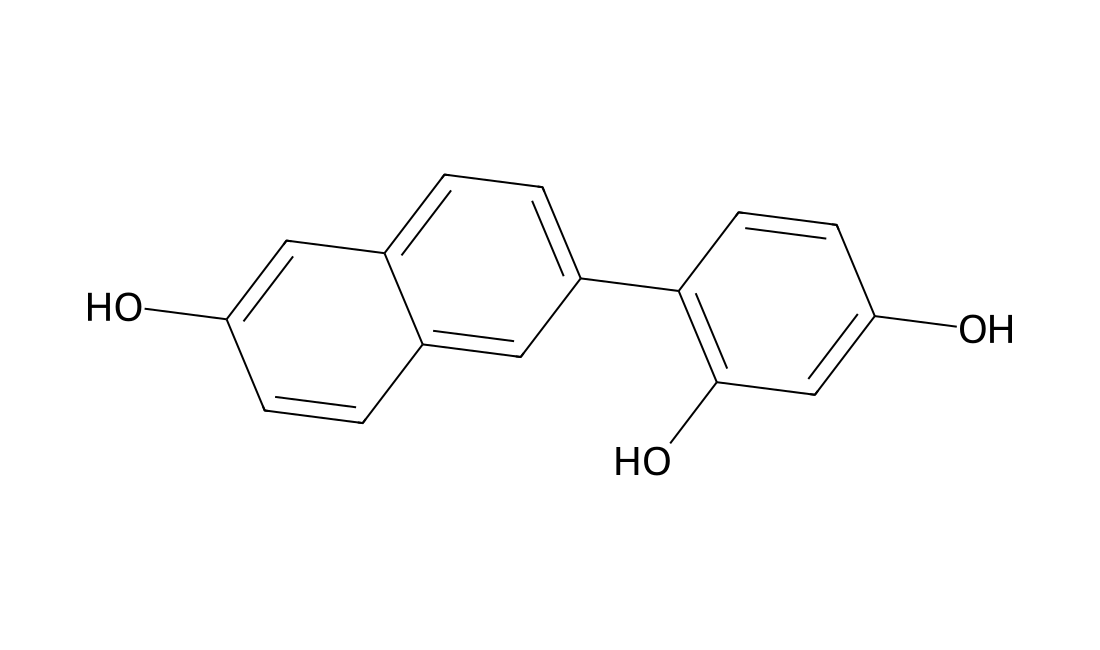
VPC 23019Featured
VPC23019, an aryl amide-containing Sphingosine 1-phosphate (S1P) analog, is a competitive antagonist at the S1P1 and S1P3 receptors (pKi= 7.86 and 5.93, respectively) and a agonist at the S1P4 and S1P5 receptors (pEC50= 6.58 and 7.07, respectively)[1].
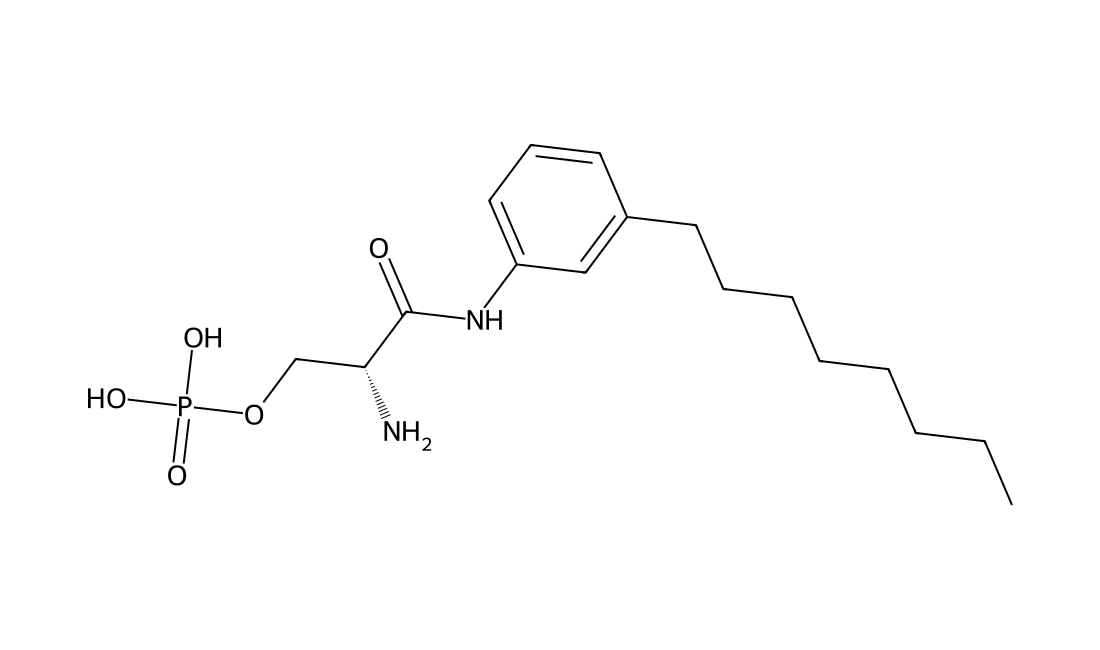
SW155246Featured
SW155246 is a selective DNA methyltransferase 1 (DNMT1) inhibitor, demonstrating potent activity against human DNMT1 (IC50 = 1.2 μM) while showing weaker inhibition of murine DNMT3A (IC50 = 38 μM). This compound holds potential for cancer research and other therapeutic applications.
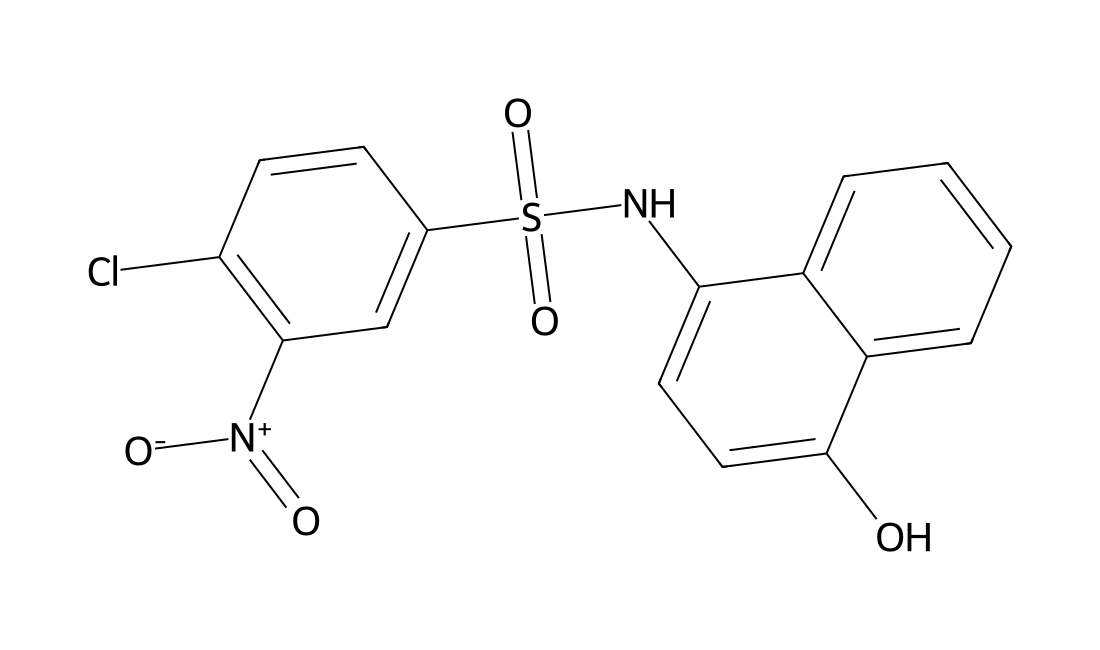
CYM2503Featured
CYM2503 is a potential positive allosteric modulator of the galanin receptor subtype 2 (GalR2). Preclinical studies indicate that CYM2503 prolongs the onset of electrographic seizures and reduces overall seizure duration. Additionally, it exhibits protective effects against electroshock-induced seizures in murine models. Both GalR1 and GalR2 receptors are considered promising therapeutic targets for investigating seizure disorders and epilepsy.
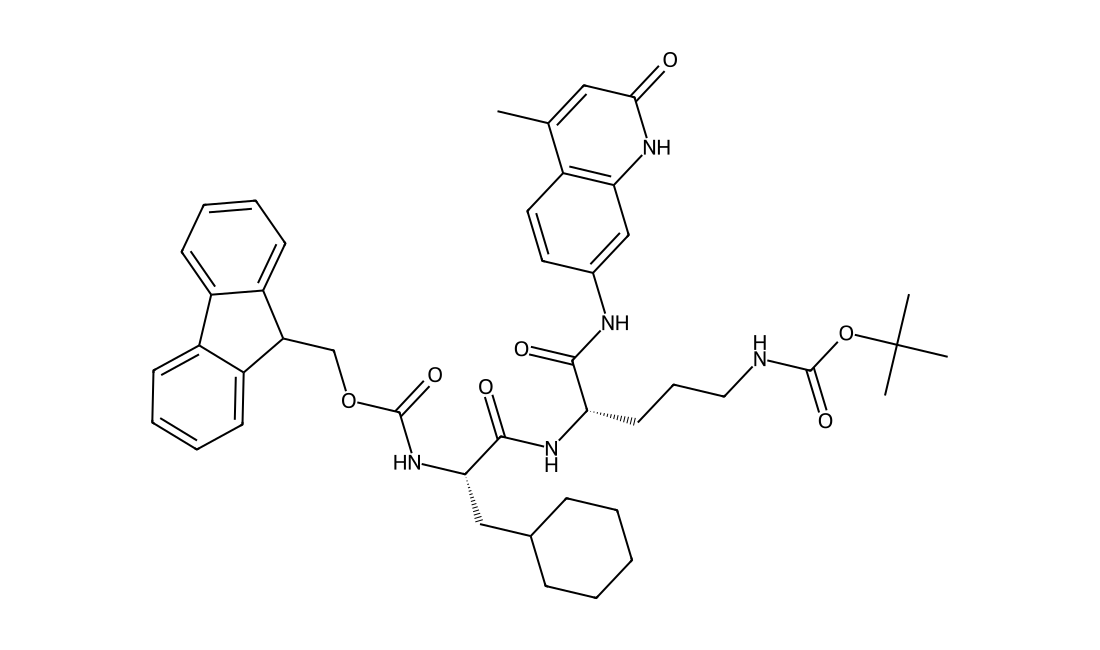
AtglistatinFeatured
Atglistatin is a highly potent, selective and competitive inhibitor of adipose triglyceride lipase (ATGL) with an IC50 of ~0.7 μM For inhibition of lipolysis in vitro, but no toxicity up to a concentration of 50 μM. IC50 value: 0.7 uM Target: ATGL Atglistatin inactivated ATGL in the presence or absence of the ATGL co-activator CGI-58. It does not displace ATGL from lipid droplets of adipocytes. Immunoprecipitation experiments revealed that Atglistatin does not interfere with the interaction of ATGL and CGI-58. Atglistatin inhibited TG hydrolase activity of wild-type WAT in a dose-dependent manner up to 78% in animal models. It was highly effective in inhibiting lipolysis in WAT organ cultures of wild-type mice. Dose and time-dependent inhibition of lipolysis was also observed in fasted wild-type C57Bl/6J mice. Atglistatin can serve as a very useful tool compound to study the pathophysiology and druggability of ATGL in animal models of metabolic disease and cachexia .For the detailed information of Atglistatin, the solubility of Atglistatin in water, the solubility of Atglistatin in DMSO, the solubility of Atglistatin in PBS buffer, the animal experiment (test) of Atglistatin, the cell expriment (test) of Atglistatin, the in vivo, in vitro and clinical trial test of Atglistatin, the EC50, IC50,and Affinity of Atglistatin, Please contact DC Chemicals.
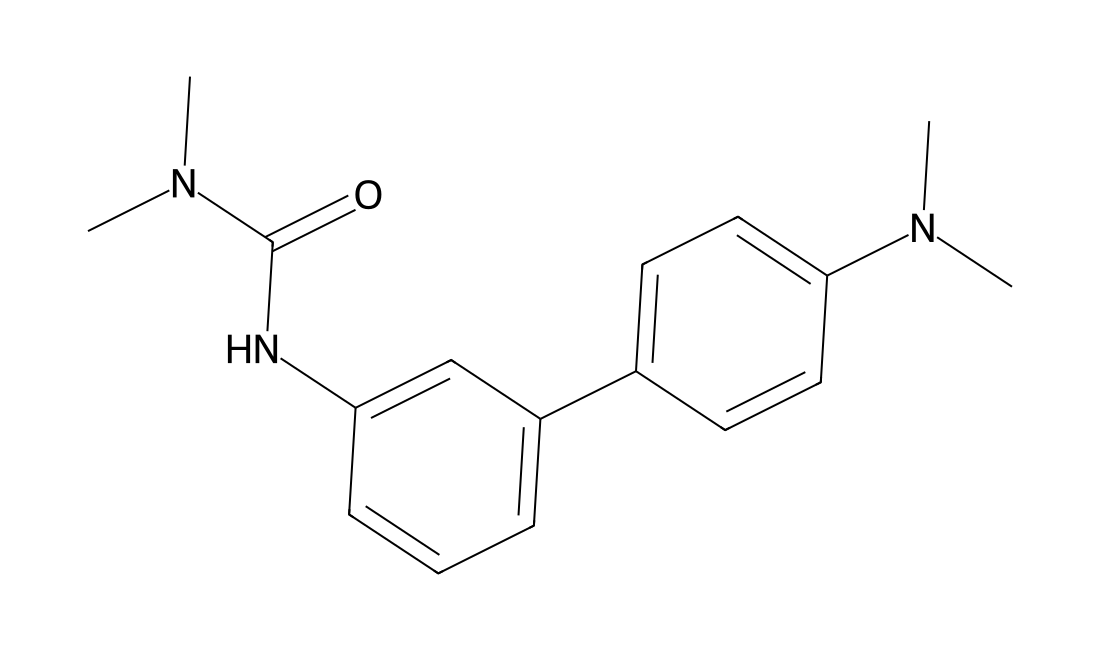
TH 588Featured
TH588 is first-in-class nudix hydrolase family inhibitor that potently and selectively engage and inhibit the MTH1(IC50= 5 nM) in cells.TH588 is highly selective towards MTH1, with no relevant inhibition of other members of the nudix protein family or a panel of 87 enzymes, GPCRs, kinases, ion channels and transporter. TH588 has been shown to selectively kill a variety of cancer cell lines and with in vivo activity shown for TH588 in SW480 colorectal and MCF7 breast tumour xenografts.
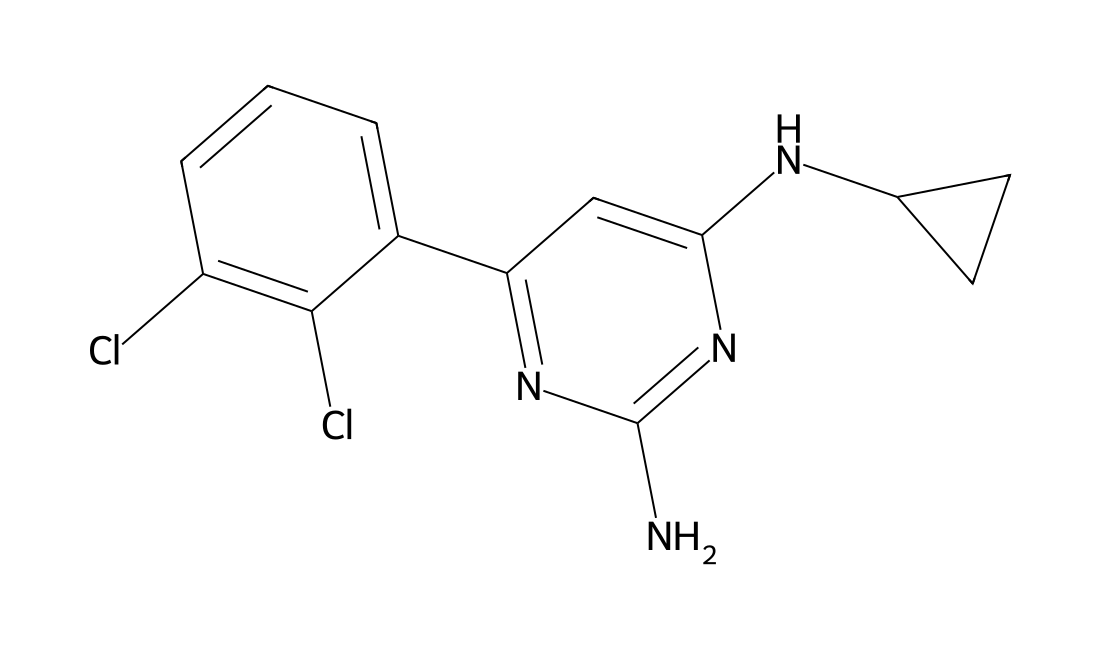
ML336Featured
ML336 is an inhibitor of of the Venezuelan equine encephalitis virus (VEEV) strain TC-83.
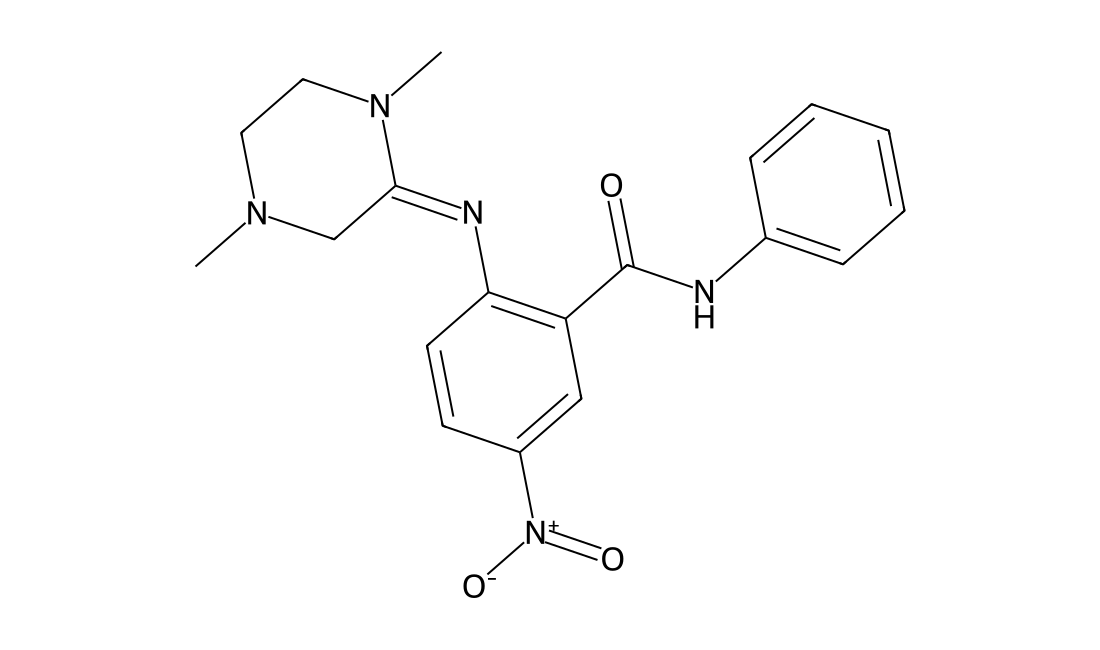
Mps1-IN-3Featured
Mps1-IN-3 is a potent and selective MPS1 kinase inhibitor, with an IC50 of 50 nM.
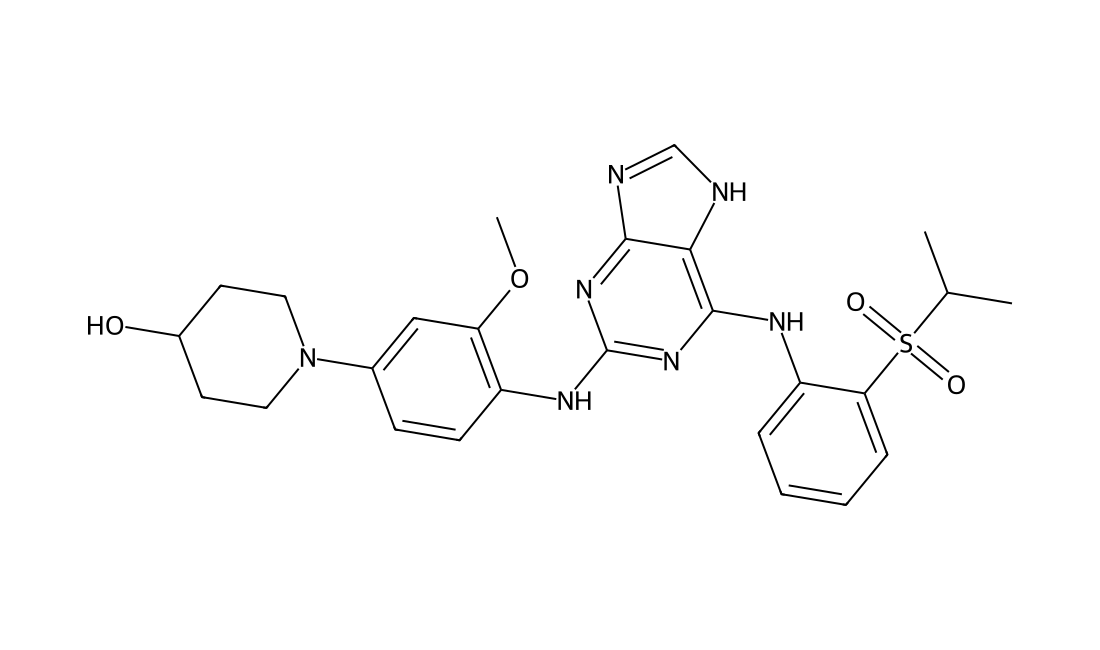
ML303Featured
ML303 is a pyrazolopyridine influenza virus nonstructural protein 1 (NS1) antagonist (IC90 = 155 nM), with an EC50 of 0.7 μM for Influenza A virus H1N1[1].
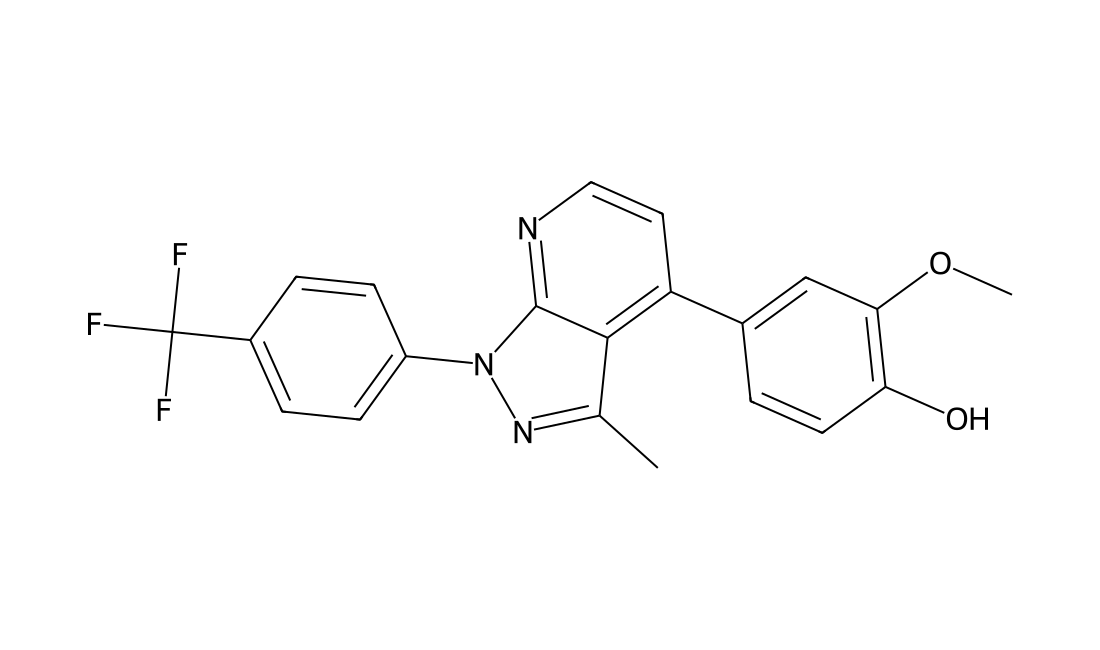
FPH 2(BRD9424)Featured
FPH2 induces of functional proliferation of primary human hepatocytes and may lead to the development of new therapeutics for liver diseases.
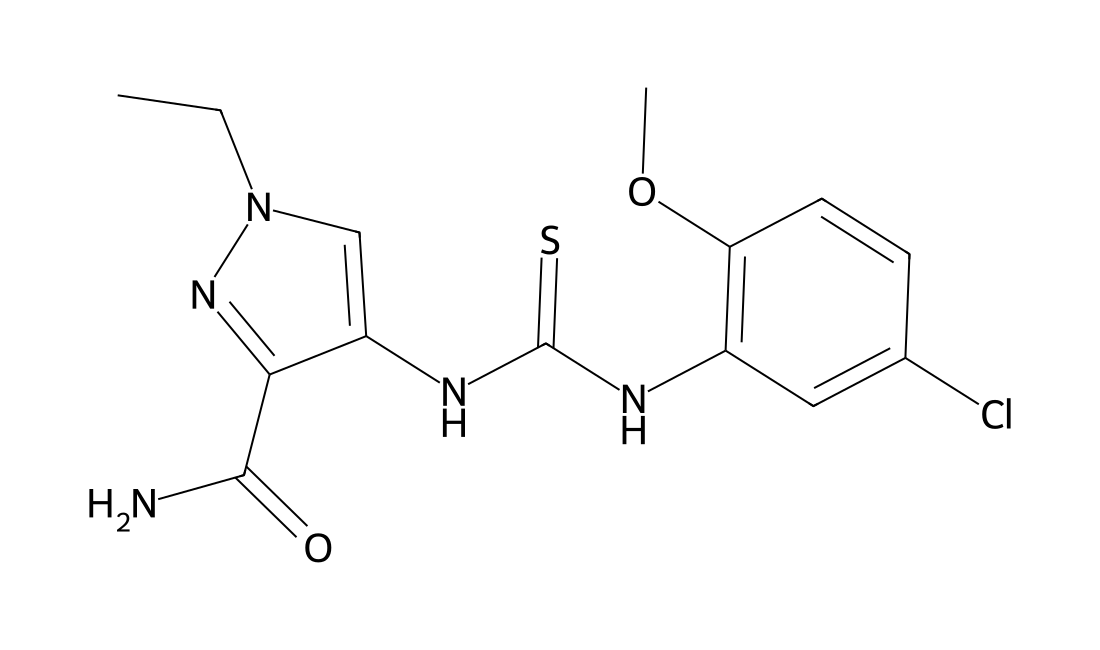
TAE-1Featured
TAE-1 is a AChE inhibitor. TAE-1 inhibits acetylcholinesterase (AChE; IC50 = 0.465 µM for the human erythrocyte enzyme).
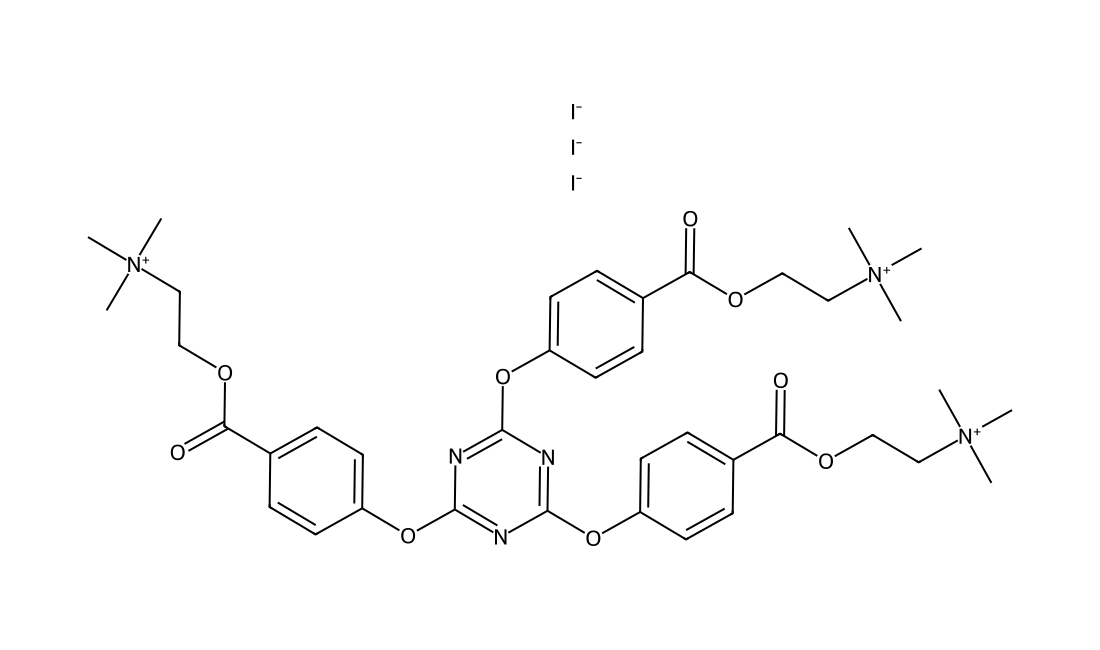
No products match this search.
Page 361 of 384 · Browse all 7677 products
Jump to a product page
Featured literature product: HX1 · DCL0028
HX1 is a hydroxyzine-derived ionizable lipid with acetal-containing tails, studied in lipid nanoparticles for brain mRNA delivery and CRISPR–Cas9 delivery. It was the lead in the reported in vivo brain-delivery screen; evidence is preclinical and formulation-dependent.
Read full formulation and performance →