
Research lipid catalog
Ionizable Lipid Products
Explore 848 lipid and RNA delivery products. Search the full catalog or browse by research category.
Search covers product name, catalog number, synonyms, available CAS numbers and categories. Spaces, hyphens and common punctuation are ignored. Duplicate legacy records are consolidated under one canonical product result.
7677 products · Showing 7561–7580 · 20 per page
DC Chemicals lipid expertise
Built for ionizable-lipid discovery and RNA delivery research
DC Chemicals supports formulation and delivery research with a broad, searchable portfolio of cationic and ionizable lipids. The current directory brings together 848 unique research-use products, with product specifications, pricing, chemical structures and literature-linked formulation data added as each record is verified.
Our experience spans complex lipid synthesis, purification, analytical release and process development. For custom molecules or larger-scale requirements, our team can discuss route development, technical specifications and scale-up options for the intended research workflow.
Learn about cationic and ionizable lipids →Proprietary innovation · Co-development · GMP
From proprietary lipid design to GMP-grade custom synthesis
DC Chemicals has independently developed ionizable-lipid structures supported by company-owned intellectual property, and selected proprietary lipid programs have advanced to GMP-stage development.
We welcome joint development with customers—from molecular design and lipid synthesis through route and process development. We can also support custom synthesis of GMP-grade ionizable lipids to agreed technical specifications and quality requirements.
Discuss a co-development project →Proprietary ionizable-lipid structuresCollaborative molecular designCustom lipid synthesisProcess development and scale-upGMP-grade project support
Product quick links
Explore New ionizable lipids
Explore our five most recently added ionizable lipids, with specifications, pricing and literature-linked product information.
DCL0028HX1Brain RNA delivery researchView product →DCL0024A1I4R13C18-2Spleen-targeted RNA delivery researchView product →DCL0023A1I4R2C18-2Spleen-targeted RNA delivery researchView product →DCL0022FS01Local joint RNA delivery researchView product →DCL0020Lipid-392Lung RNA delivery and gene editing researchView product →
Cat. No.Product NameField of ApplicationChemical Structure
BIM-26226Featured
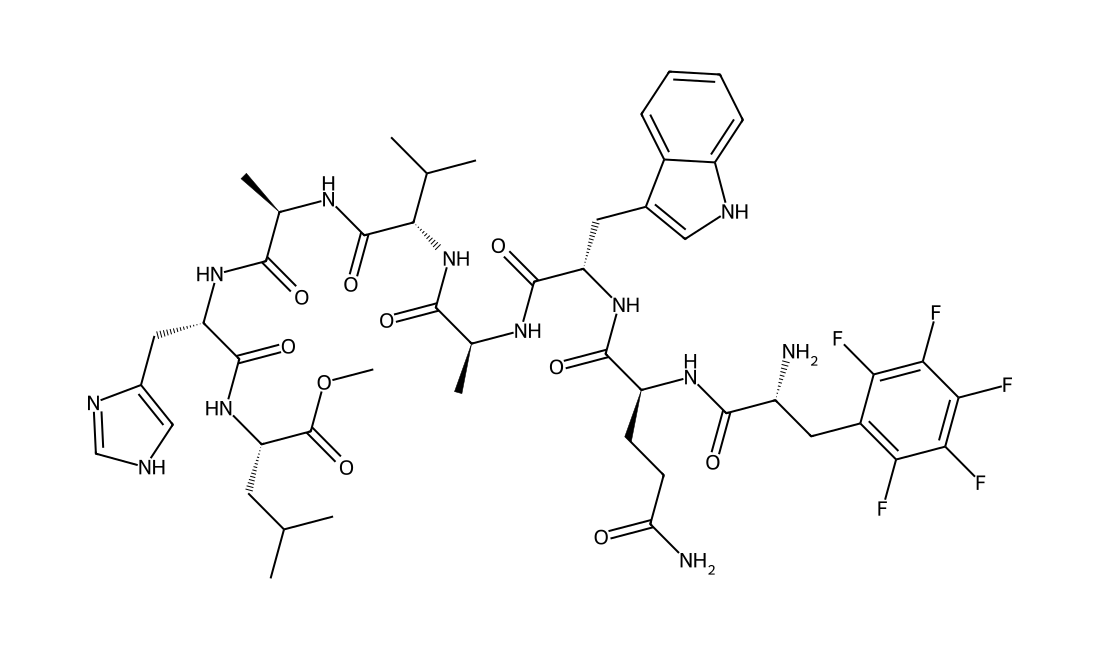
BIM-26226, gastrin-releasing peptide, is a potent and selective antagonist of bombesin receptor. BIM-26226 inhibits BN- or GRP-stimulated amylase release with IC50s in the nanomolar range. BIM-26226 can be used for the research of cancer.
Atractylenolide IFeatured
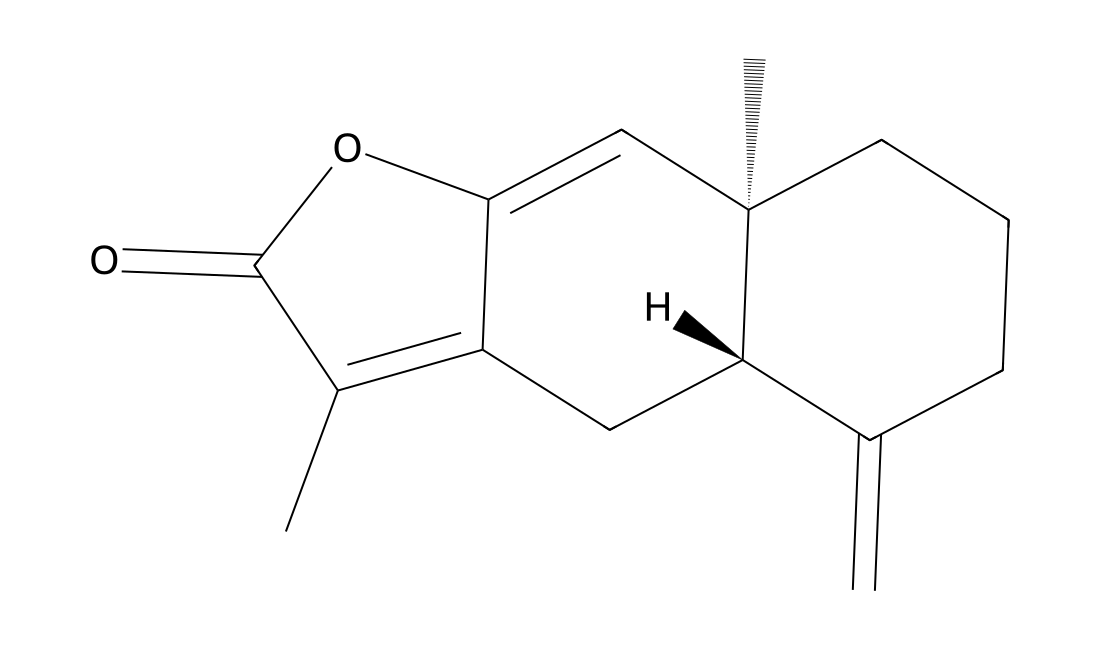
Atractylenolide I is a sesquiterpene derived from the rhizome of Atractylodes macrocephala, possesses diverse bioactivities, such as neuroprotective, anti-allergic, anti-inflammatory and anticancer properties. Atractylenolide I reduces protein levels of phosphorylated JAK2 and STAT3 in A375 cells, and acts as a TLR4-antagonizing agent.
L-p-Bromotetramisole oxalateFeatured
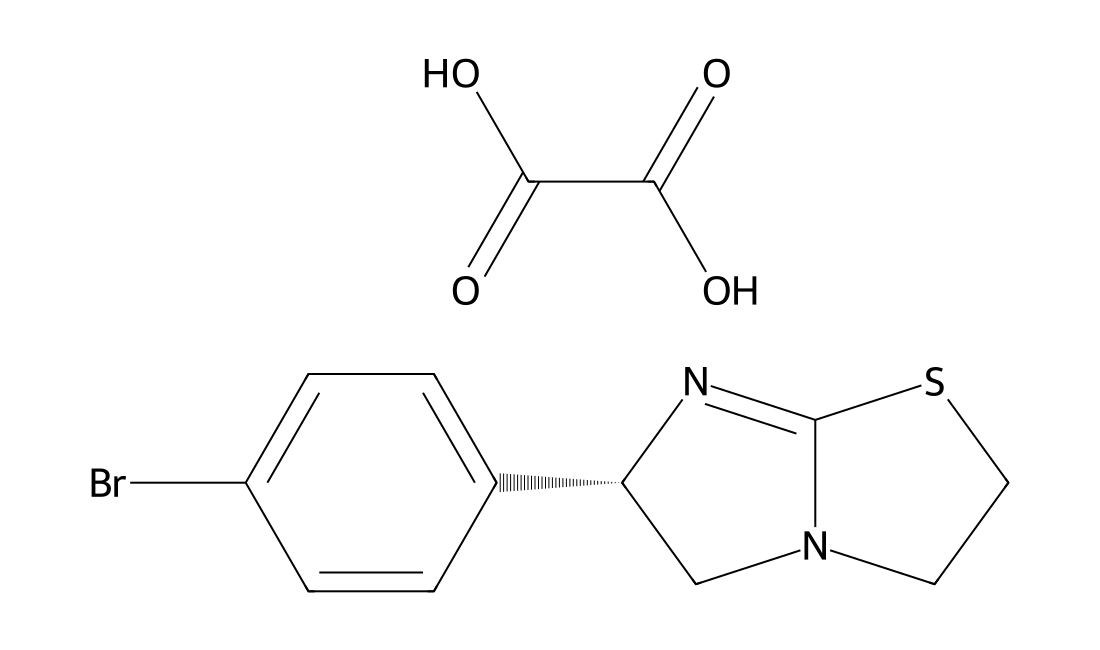
L-p-Bromotetramisole is a cell-permeable inhibitor of all four human AP isoenzymes (Kis =18 and 56 μM for PLAP and NSAP, respectively).
NemorubicinFeatured
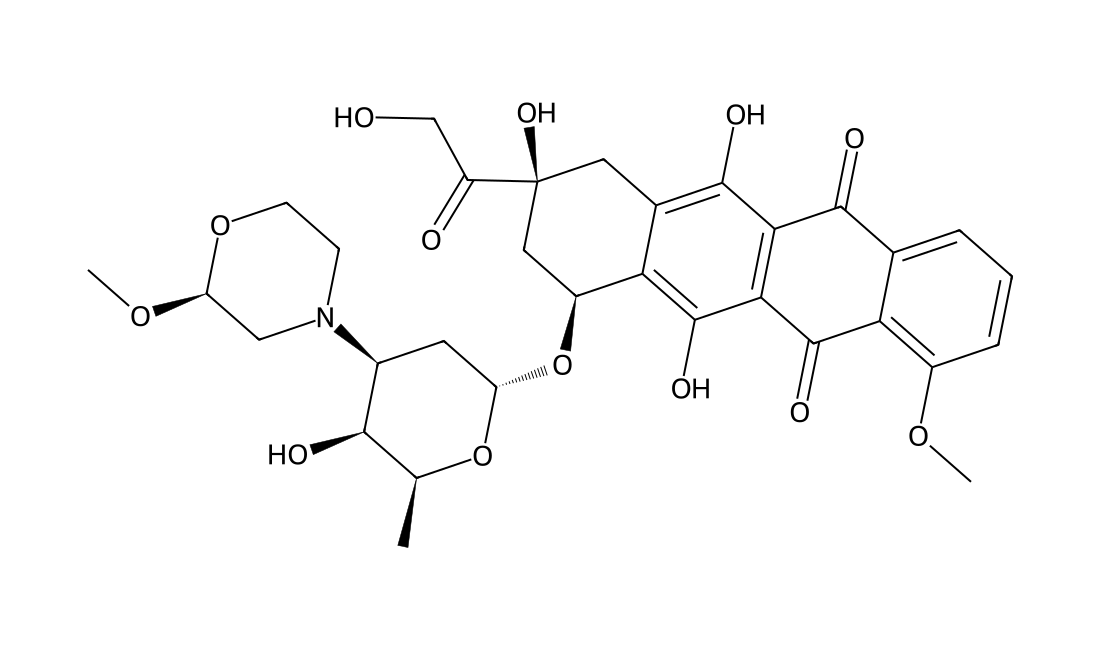
Nemorubicin, also known as PNU152243A, is a doxorubicin derivative that differs significantly from its parent drug in terms of spectrum of antitumor activity, metabolism and toxicity profile. The drug is active on tumors resistant to alkylating agents, topoisomerase II inhibitors and platinum derivatives. It works primarily through topoisomerase I inhibition. Of note, Nemorubicin is active in cells with upregulation of the nucleotide excision repair (NER) pathway, where current therapies fail. Nemorubicin is biotransformed in the liver into cytotoxic metabolites that may further contribute to render this drug highly active against primary liver tumors or liver metastases.
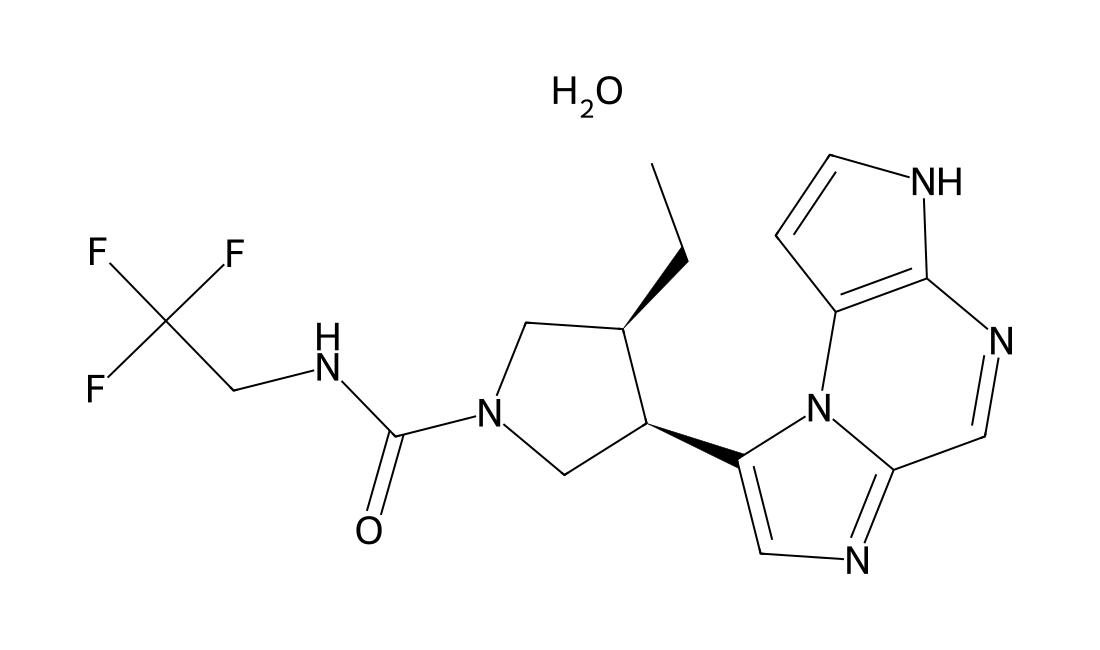
Upadacitinib hemihydrateFeatured
Upadacitinib (ABT-494) is a potent and selective Janus kinase (JAK) 1 inhibitor with an IC50 of 43 nM, being developed for the treatment of several autoimmune disorders.
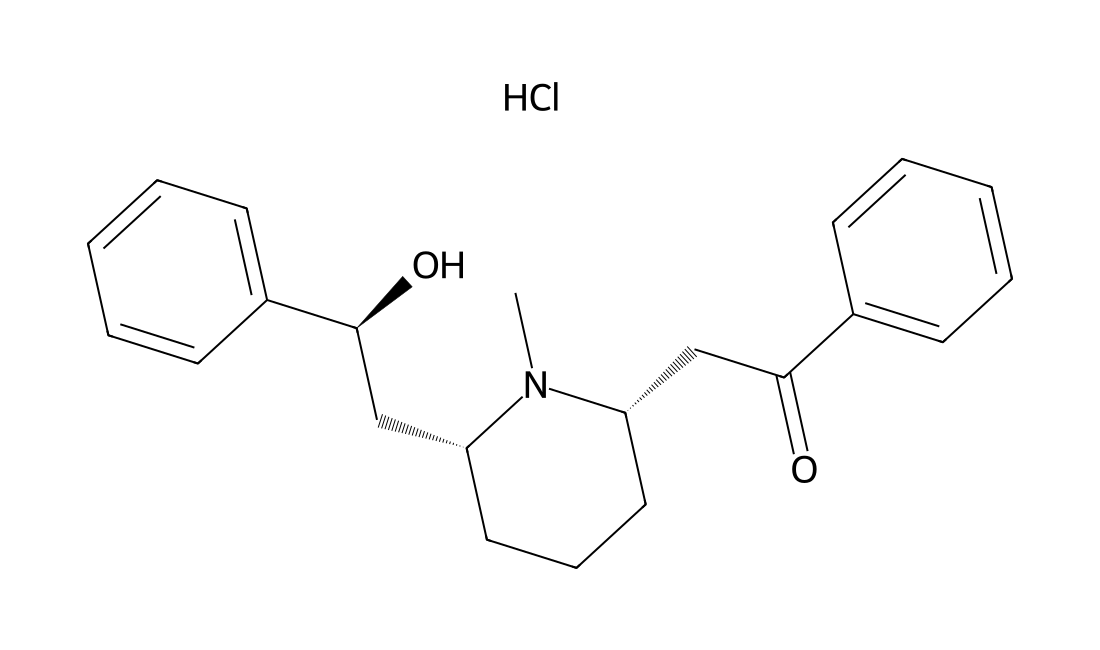
Lobeline hydrochlorideFeatured
VMAT2 ligand, stimulating dopamine release, inhibiting the reuptake of dopamine and serotonin, acting as a mixed agonist-antagonist at nicotinic acetylcholine receptors and antagonist at µ-opioid receptors
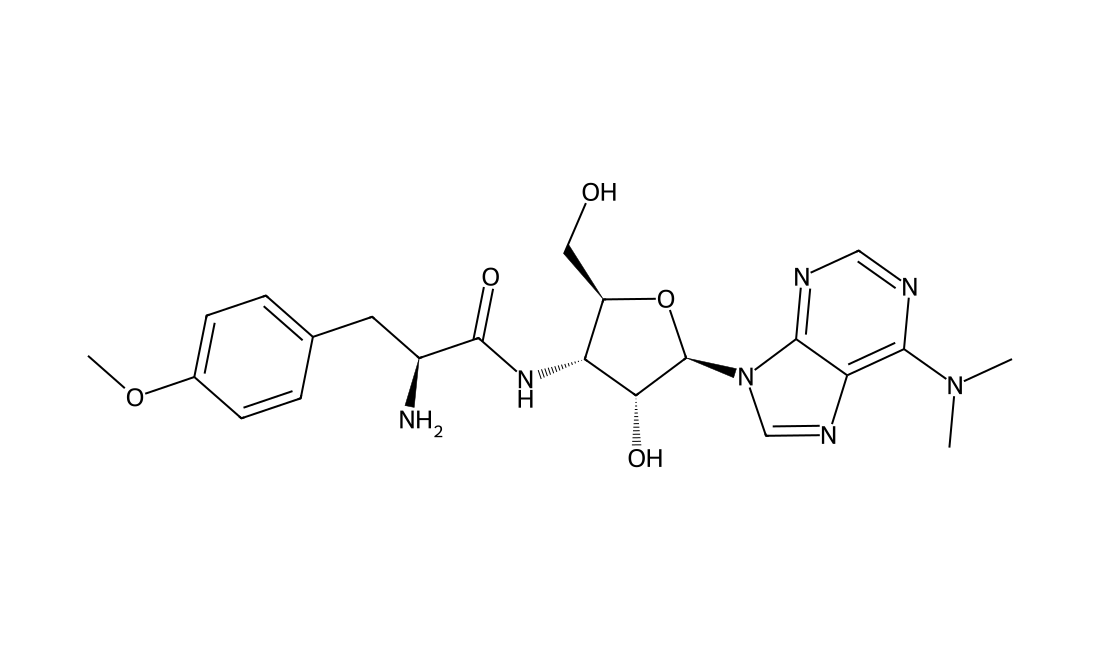
PuromycinFeatured
Puromycin blocks protein synthesis after aminoacyl-sRNA formation, and at the same time it leads to the accumulation of small peptides. Both of these effects appear to be due to the splitting of ribosome-bound peptidyl-sRNA,4 which results in release of incomplete peptide chains.. Puromycin, an analog of the 3' end of aminoacyl-tRNA, causes premature termination of translation by being linked non-specifically to growing polypeptide chains. Puromycin has two modes of inhibitory action. The first is by acting as an acceptor substrate which attacks peptidyl-tRNA in the P site to form a nascent peptide. The second is by competing with aminoacyl-tRNA for binding to the A' site. When used in minimal amounts, puromycin incorporation in neosynthesized proteins reflects directly the rate of mRNA translation in vitro. Puromycin immunodetection is an advantageous alternative to radioactive amino acid labeling. It allows the direct evaluation of translation activity in single cells by immunofluorescence microscopy and in heterogenous populations of cells by fluorescenceactivated cell sorting.
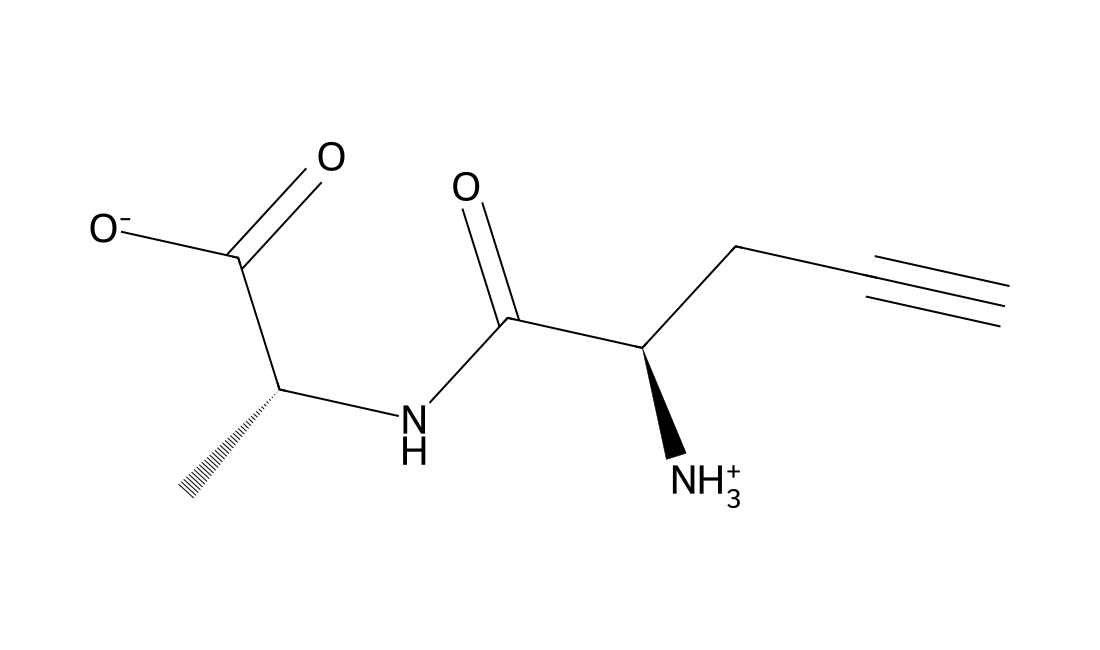
EDA-DAFeatured
EDA-DA is an unnatural dipeptide building block (an ethynyl-D-alanine and a D-alanine). It incorporates a biorthogonal alkyne group into peptidoglycan (PG) through MurF in the cytoplasmic pathway, which enables selective labeling via a click-chemistry reaction. EDA-DA allows labeling of PG in Gram-positive (B. subtilis), Gram-negative (E. coli and C. trachomatis), Mycobacterium (M. smegmatis) and moss plastids (P. patens) with azide modified fluorescent dyes such as Alexa Fluor 488.
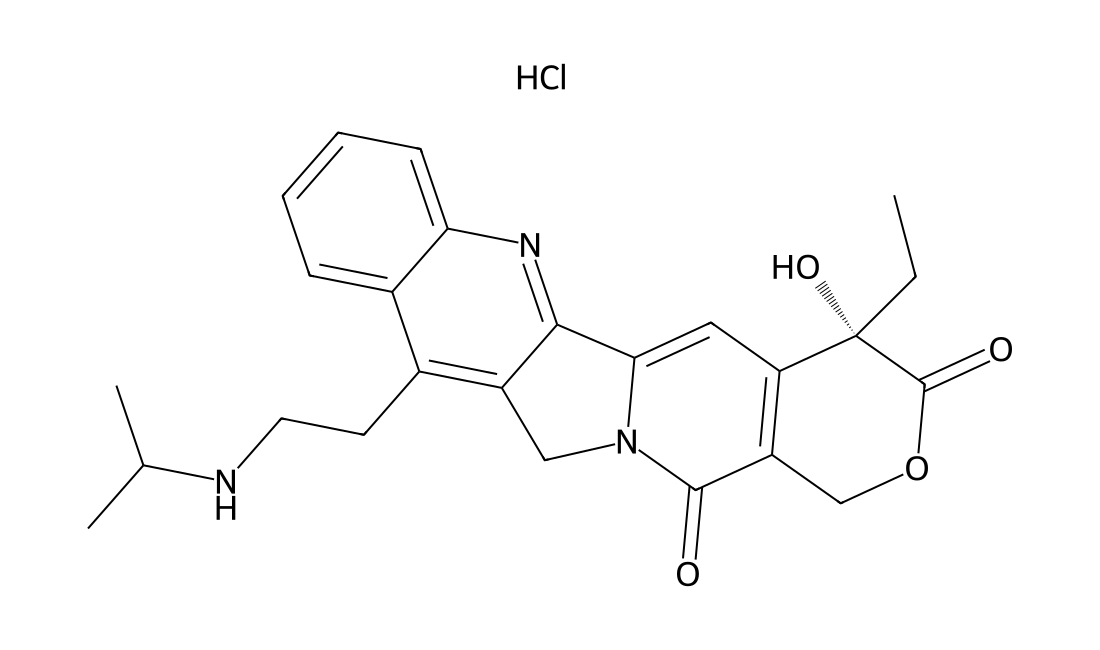
Belotecan hydrochloride(CKD-602)Featured
Belotecan hydrochloride (CKD-602 hydrochloride), a Topoisomerase I inhibitor, is a synthetic and water-soluble camptothecin derivative.
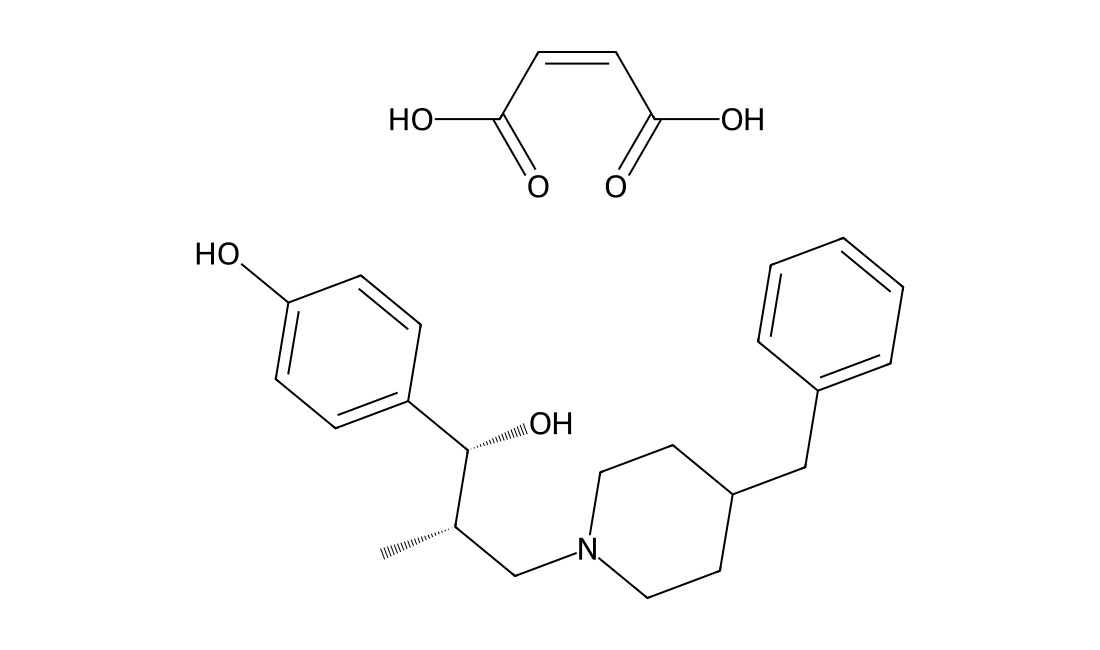
Ro 25-6981 maleateFeatured
Ro 25-6981 Maleate is a potent and selective activity-dependent blocker of NMDA receptors containing the NR2B subunit. IC50 values are 0.009 and 52 μM for cloned receptor subunit combinations NR1C/NR2B and NR1C/NR2A respectively.
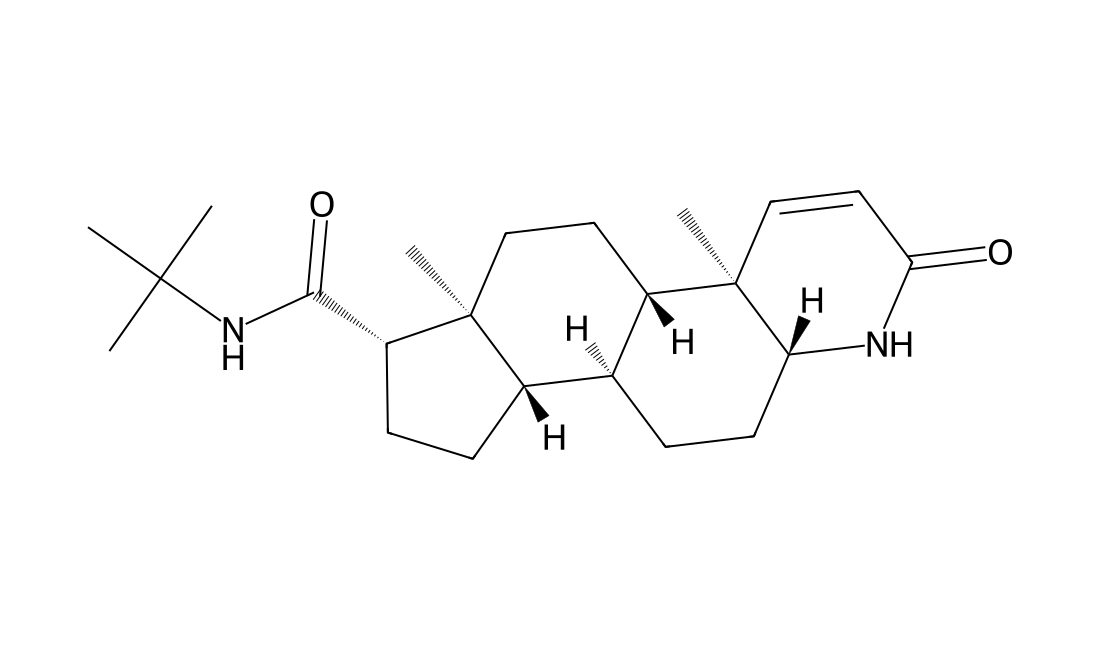
FinasterideFeatured
Finasteride is a medication used for the treatment of benign prostatic hyperplasia (BPH) and male pattern baldness (MPB). It is a type II and type III 5α-reductase inhibitor; 5α-reductase, an enzyme, converts testosterone to dihydrotestosterone (DHT).
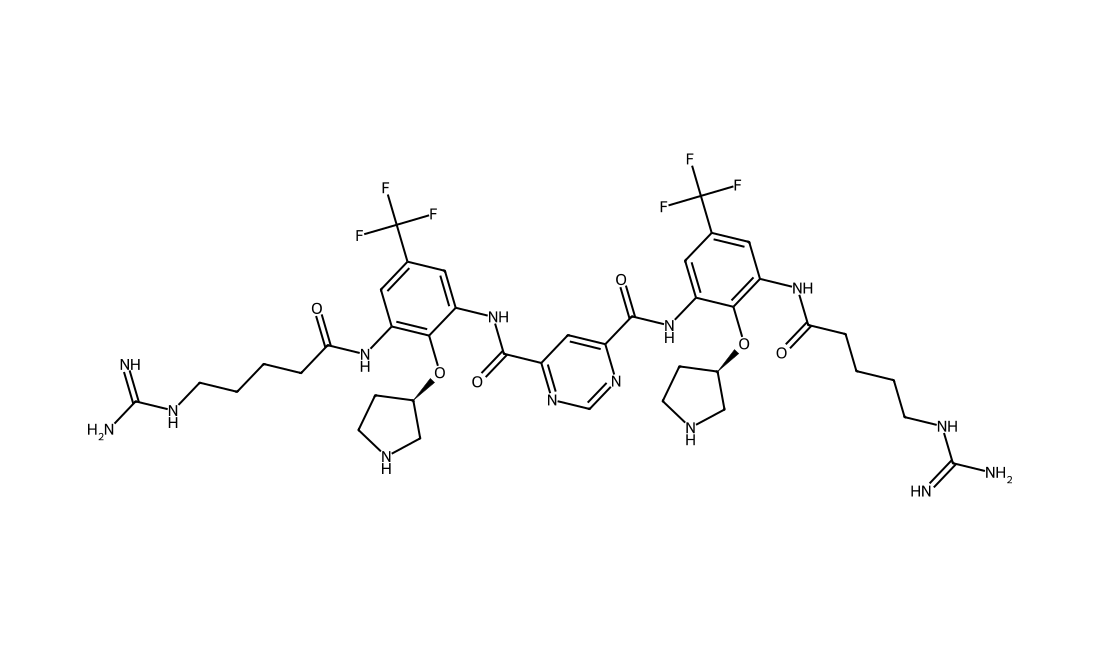
BrilacidinFeatured
Brilacidin (PMX 30063) is an anti-infective antimicrobial with MIC90s of 1 and 8 μg/mL for Gram-positive bacteria Streptococcus pneumonia and Streptococcus viridans, and MIC90 of 8 and 4 μg/mL for Gram-negative bacteria Haemophilus influenza and Pseudomonas aeruginosa. Brilacidin is a defensin mimetic antibiotic compound.
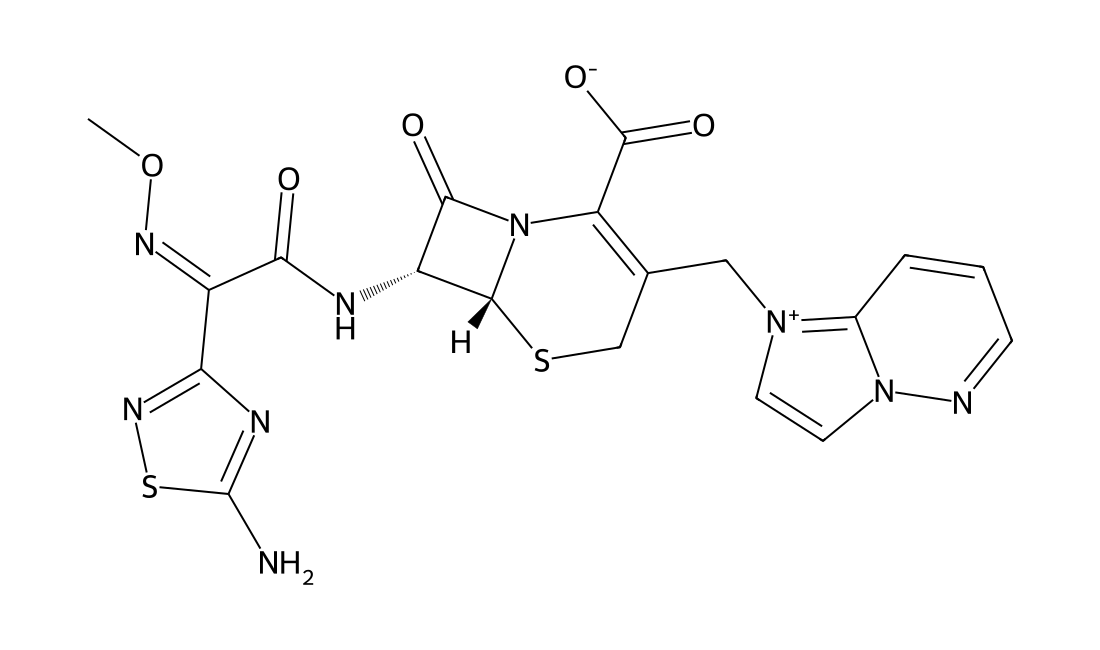
CefozopranFeatured
Cefozopran(SCE 2787) is a fourth-generation cephalosporin.Target: AntibacterialCefozopran is a fourth-generation cephalosporin.
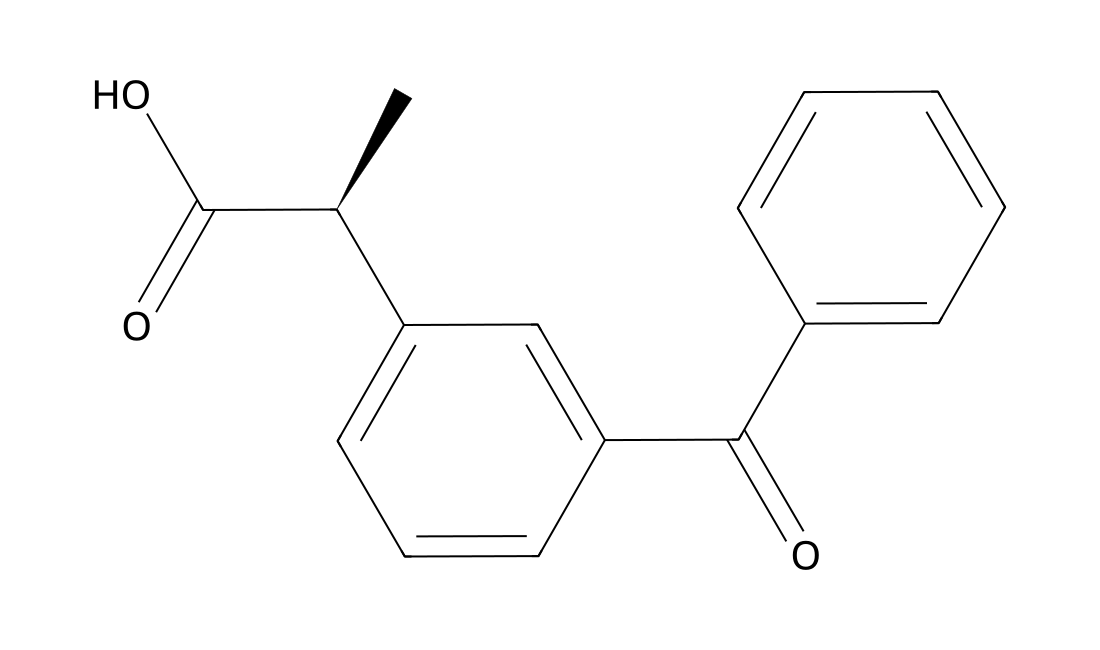
(S)-(+)-ketoprofenFeatured
S-(+)-Ketoprofen is a potent inhibitor of both COX-1 and COX-2 with IC50s of 1.9 and 27 nM, respectively.
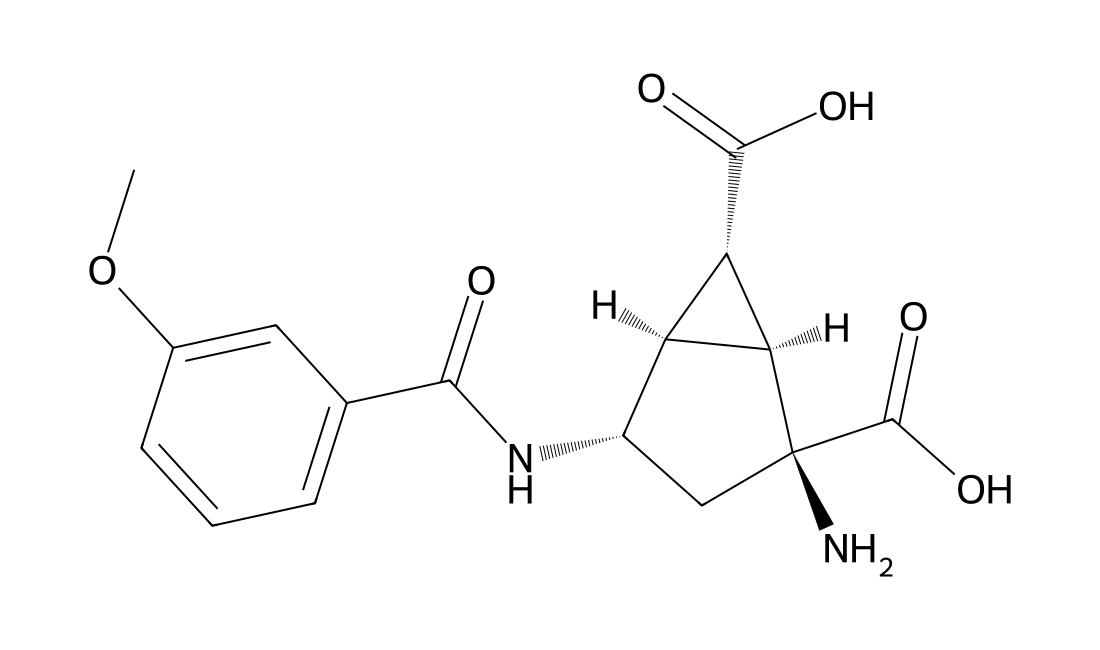
LY2794193Featured
LY2794193 is a highly potent and selective mGlu3 receptor agonist with Ki of 0.93 nM and EC50 of 47 nM, >100-fold selectivity over mGlu2 receptor.
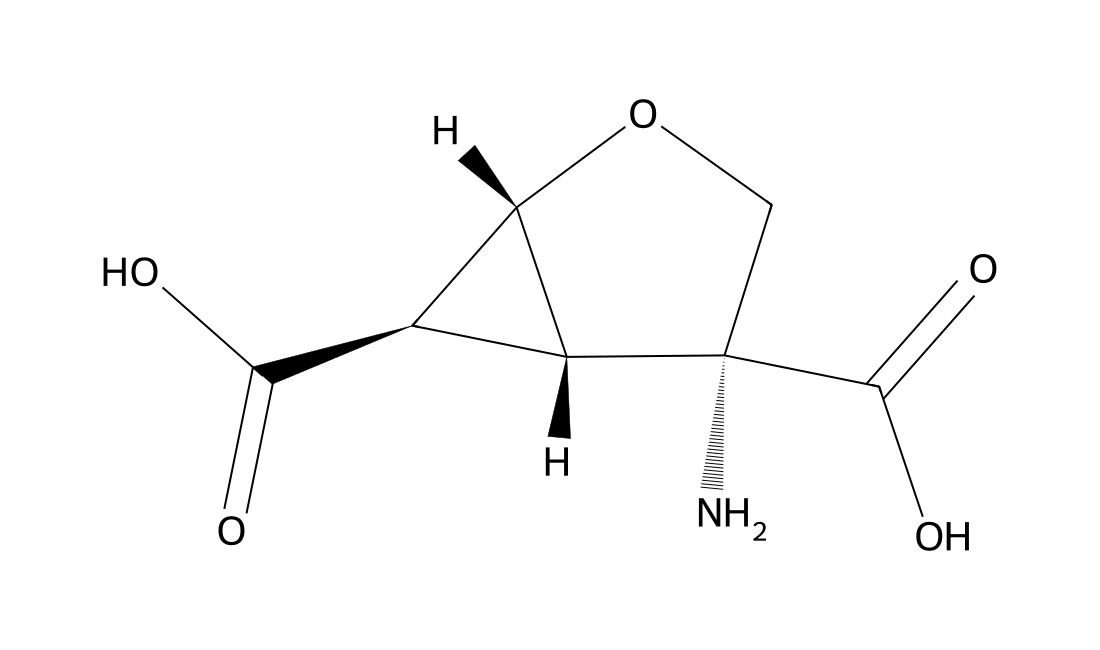
LY 379268Featured
Highly selective group II mGlu receptor agonist (EC50 values are 2.69 and 4.48 nM For hmGlu2 and hmGlu3 respectively) that displays > 80-fold selectivity over group I and group III receptors. Provides protection against NMDA-mediated cell death in vitro and offers almost complete protection against CA1 hippocampal damage following global ischemia in gerbils. Orally and systemically active. For the detailed information of LY379268, the solubility of LY379268 in water, the solubility of LY379268 in DMSO, the solubility of LY379268 in PBS buffer, the animal experiment (test) of LY379268, the cell expriment (test) of LY379268, the in vivo, in vitro and clinical trial test of LY379268, the EC50, IC50,and Affinity of LY379268, Please contact DC Chemicals.
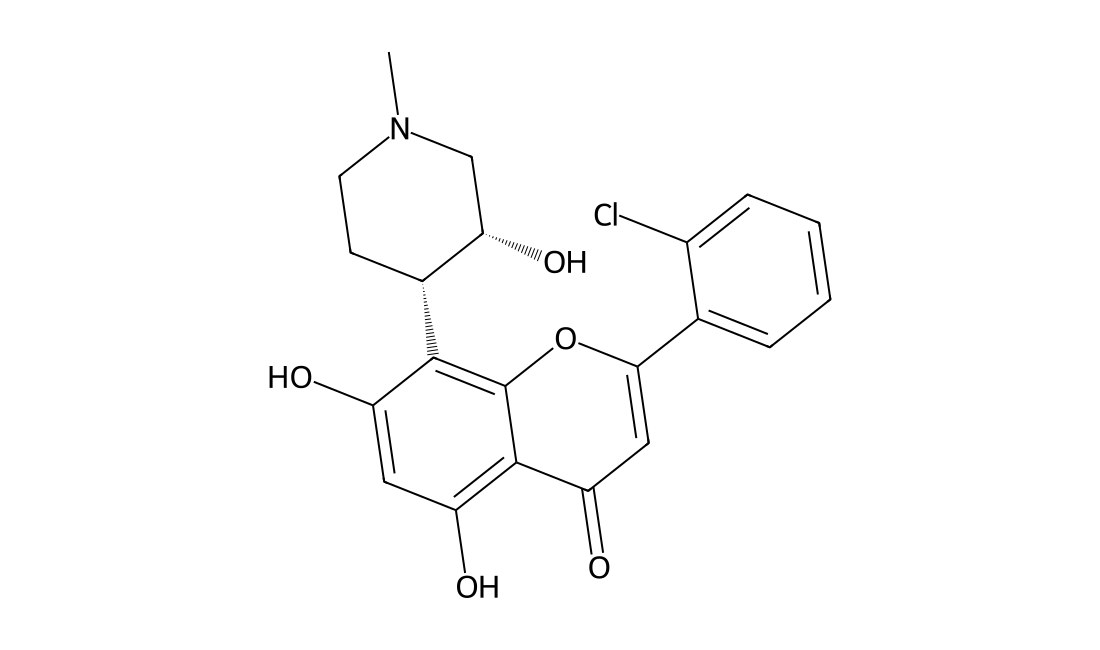
FlavopiridolFeatured
Flavopiridol is a broad spectrum and competitive inhibitor of CDKs, inhibiting CDK1, CDK2, CDK4 with IC50s of 30, 170, 100 nM, respectively.
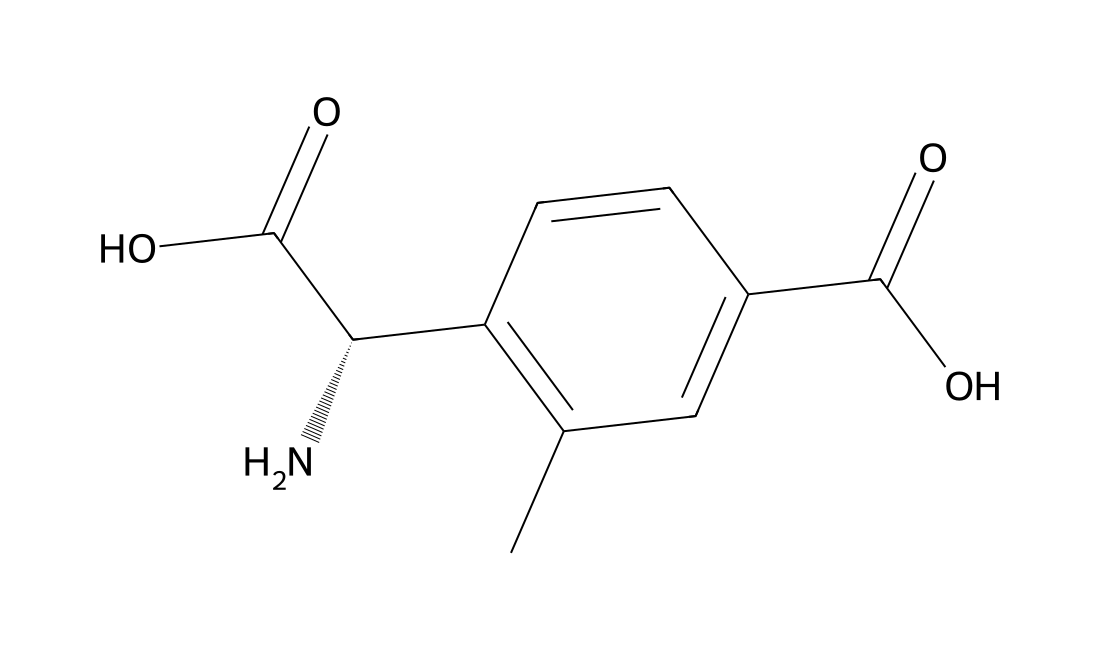
LY367385Featured
LY367385 is a highly potent and selective mGluR1a antagonist. LY367385 has an IC50 of 8.8 μM for inhibits of quisqualate-induced phosphoinositide (PI) hydrolysis, compared with > 100 μM for mGlu5a. LY367385 has neuroprotective, anticonvulsant and antiepileptic effects[1][2].
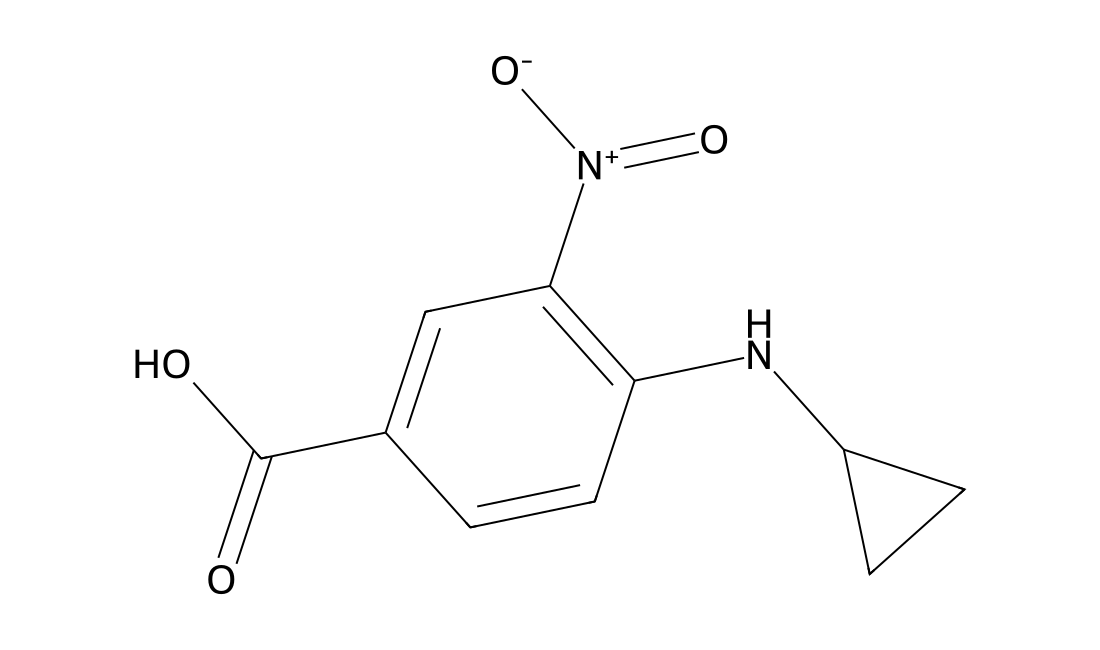
WAY-622024Featured
WAY-622024(Compound 5j) is a GPCR GPR109b (HM74) agonist, with a pEC50 value of 6.51. GPCR agonist-2 can be used for research of lipid disorders.
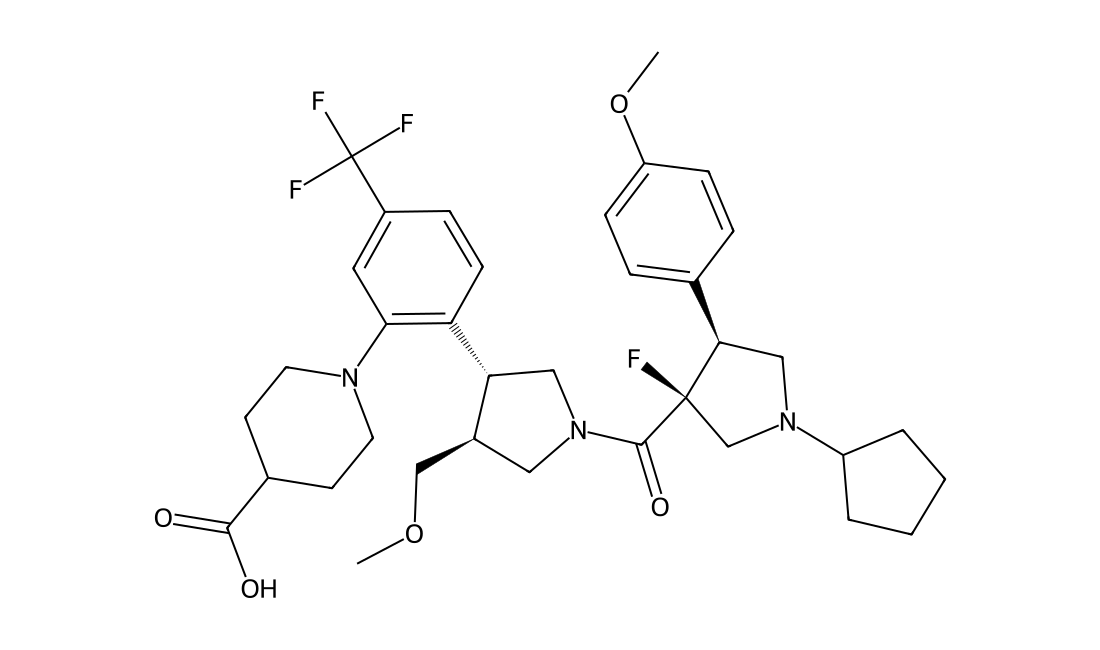
DersimelagonFeatured
Dersimelagon, also known as MT-7117 and WHO 10832, is a novel, orally-administered, small molecule, selective melanocortin-1 receptor (MC1R) agonist that increases skin melanin without sun exposure and is being developed to increase light tolerance in EPP/XLP patients. Dersimelagon significantly boosted sunlight tolerance in patients with erythropoietic protoporphyria in a multicenter, phase 2, randomized trial.
No products match this search.
Page 379 of 384 · Browse all 7677 products
Jump to a product page
Featured literature product: HX1 · DCL0028
HX1 is a hydroxyzine-derived ionizable lipid with acetal-containing tails, studied in lipid nanoparticles for brain mRNA delivery and CRISPR–Cas9 delivery. It was the lead in the reported in vivo brain-delivery screen; evidence is preclinical and formulation-dependent.
Read full formulation and performance →