
Research lipid catalog
Ionizable Lipid Products
Explore 848 lipid and RNA delivery products. Search the full catalog or browse by research category.
Search covers product name, catalog number, synonyms, available CAS numbers and categories. Spaces, hyphens and common punctuation are ignored. Duplicate legacy records are consolidated under one canonical product result.
7677 products · Showing 7541–7560 · 20 per page
DC Chemicals lipid expertise
Built for ionizable-lipid discovery and RNA delivery research
DC Chemicals supports formulation and delivery research with a broad, searchable portfolio of cationic and ionizable lipids. The current directory brings together 848 unique research-use products, with product specifications, pricing, chemical structures and literature-linked formulation data added as each record is verified.
Our experience spans complex lipid synthesis, purification, analytical release and process development. For custom molecules or larger-scale requirements, our team can discuss route development, technical specifications and scale-up options for the intended research workflow.
Learn about cationic and ionizable lipids →Proprietary innovation · Co-development · GMP
From proprietary lipid design to GMP-grade custom synthesis
DC Chemicals has independently developed ionizable-lipid structures supported by company-owned intellectual property, and selected proprietary lipid programs have advanced to GMP-stage development.
We welcome joint development with customers—from molecular design and lipid synthesis through route and process development. We can also support custom synthesis of GMP-grade ionizable lipids to agreed technical specifications and quality requirements.
Discuss a co-development project →Proprietary ionizable-lipid structuresCollaborative molecular designCustom lipid synthesisProcess development and scale-upGMP-grade project support
Product quick links
Explore New ionizable lipids
Explore our five most recently added ionizable lipids, with specifications, pricing and literature-linked product information.
DCL0028HX1Brain RNA delivery researchView product →DCL0024A1I4R13C18-2Spleen-targeted RNA delivery researchView product →DCL0023A1I4R2C18-2Spleen-targeted RNA delivery researchView product →DCL0022FS01Local joint RNA delivery researchView product →DCL0020Lipid-392Lung RNA delivery and gene editing researchView product →
Cat. No.Product NameField of ApplicationChemical Structure
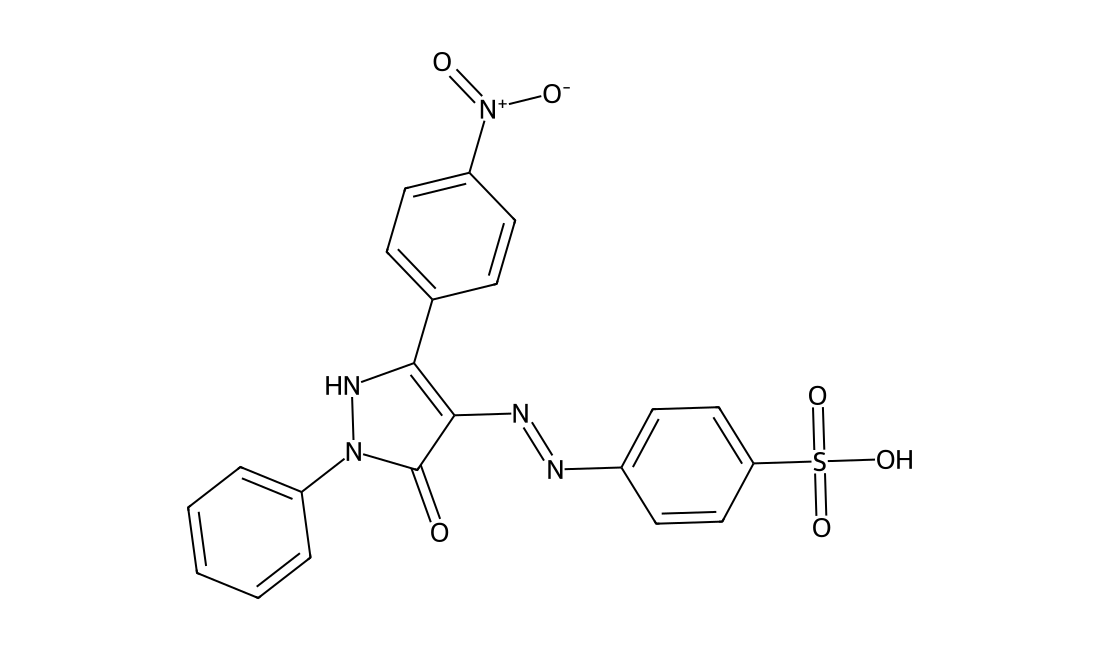
PHPS1Featured
PHPS1 is an inhibitor of the protein tyrosine phosphatase Shp2. PHPS1 also efficiently inhibits activation of Erk1/2 by the leukemia-associated Shp2 mutant, Shp2-E76K, and blocks the anchorage-independent growth of a variety of human tumor cell lines.
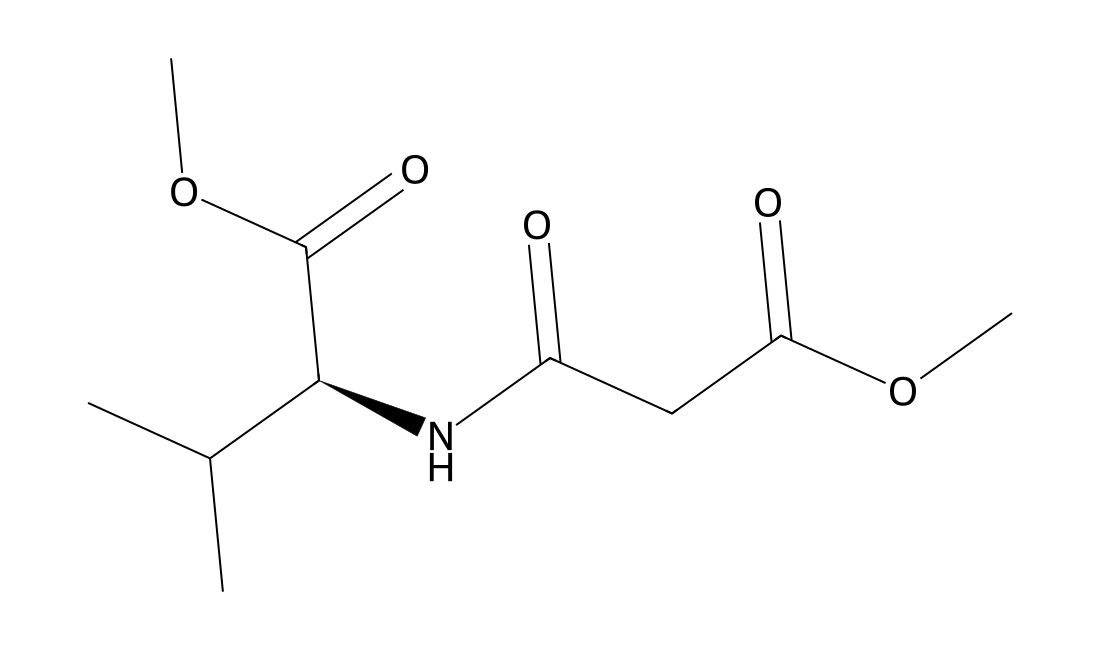
ZLc002Featured
ZLc002 (ZLc-002) is a putative small-molecule inhibitor of nNOS interaction with NOS1AP, disrupts neuronal nitric oxide synthase-NOS1AP interaction in intact cells; exhibits anxiolytic-like efficacy in a mouse model of chronic mild stress without altering appetite, general activity, or locomotor activity or interfering with the resting potential of neurons, also inhibits co-immunoprecipitation of NOS1AP with nNOS in hippocampal cells; suppresses inflammatory nociception and chemotherapy-induced neuropathic pain and synergizes with paclitaxel to reduce tumor cell viability; suppresses formalin-evoked inflammatory pain in rats and reduced Fos protein-like immunoreactivity in the lumbar spinal dorsal horn (4-10 mg/kg i.p.).
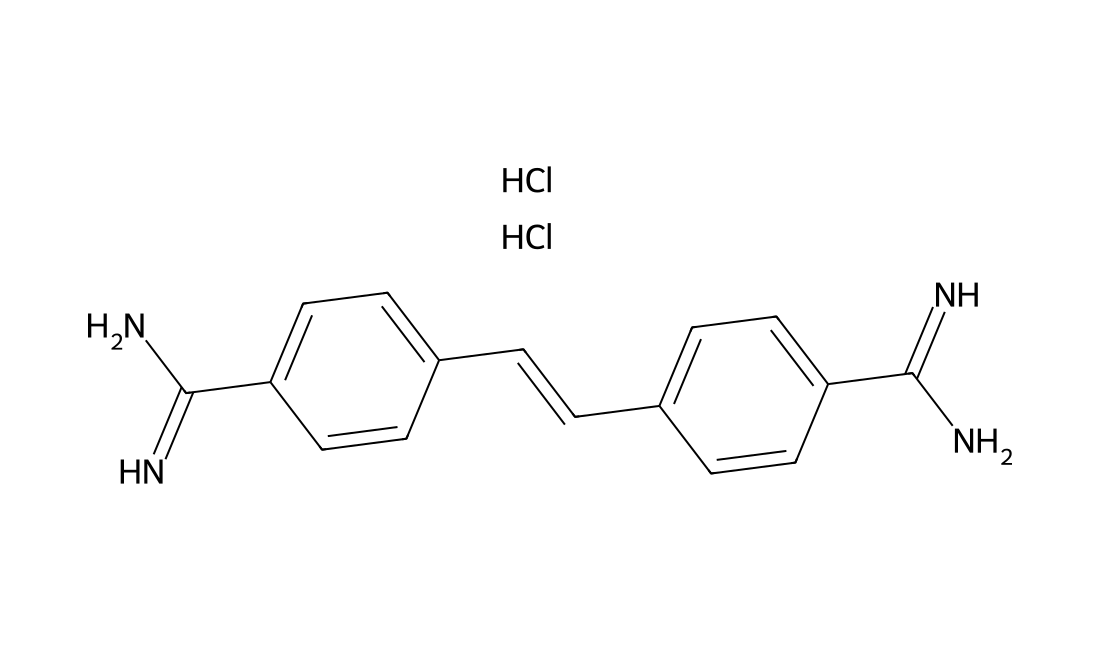
Stilbamidine dihydrochlorideFeatured
Stilbamidine dihydrochloride is a blocker of neuromuscular transmission and axonal conduction. It is used to study the distribution of the drug in the organs and tissues of rats following intravenous injection.
HaloPROTAC3Featured
HaloPROTAC3 is a degrader of HaloTag fusion proteins.
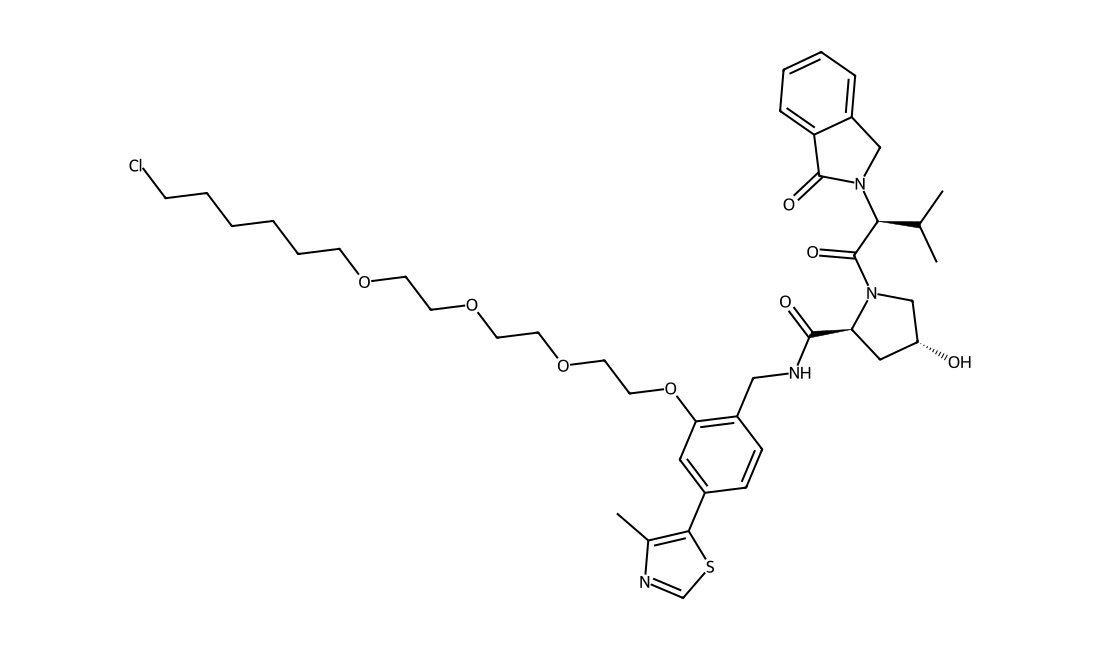
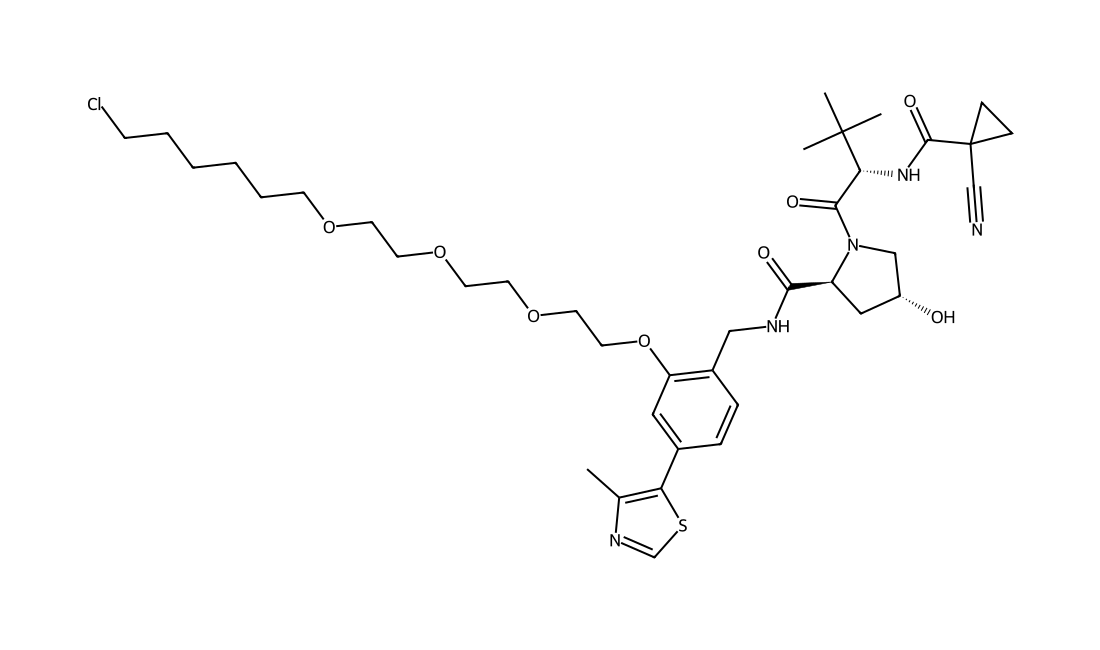
HaloPROTAC-EFeatured
HaloPROTAC-E is a novel HaloPROTAC potent degrader, inducing reversible degradation of two endosomally localized proteins, SGK3 and VPS34, with a DC50 of 3-10 nM, remarkably selective inducing only degradation of the Halo tagged endogenous VPS34 complex (VPS34, VPS15, Beclin1, and ATG14) and no other proteins were significantly degraded.
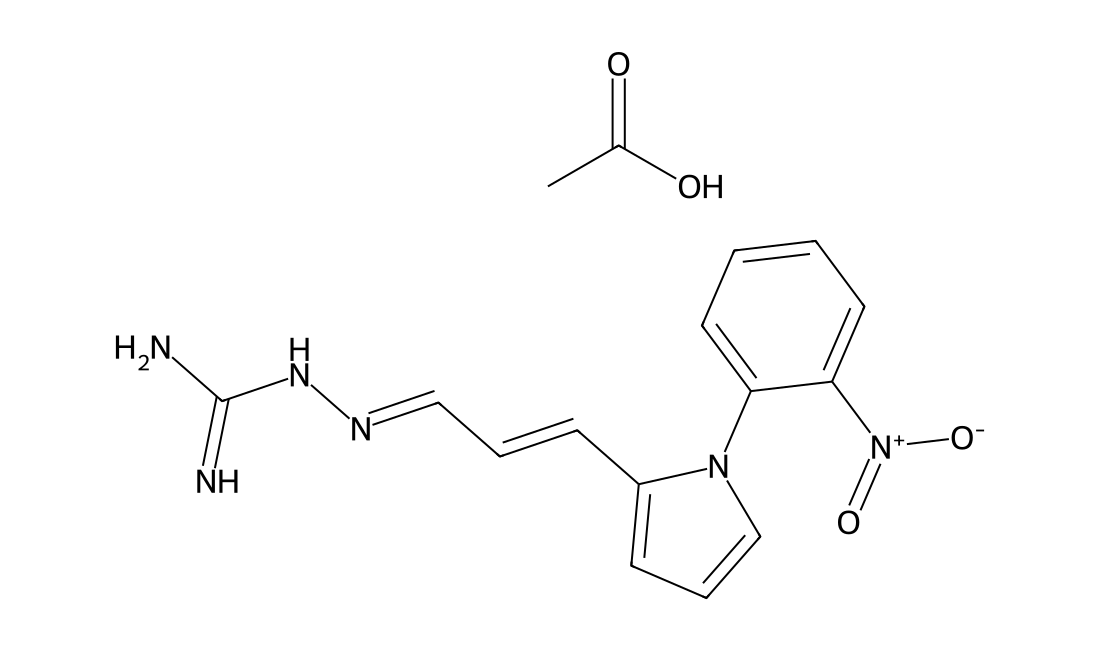
AP1189 acetateFeatured
AP1189 is a biased agonist at receptors MC1 and MC3. AP1189 reduced cytokine release, an effect reliant on both MC1 and MC3 as evident from the use of Mc1r(-/-) and Mc3r(-/-) macrophages. No melanogenesis was induced by AP1189 in B16-F10 melanocytes. In vivo, oral AP1189 elicited anti-inflammatory actions in peritonitis and, upon administration at the peak of inflammation, accelerated the resolution phase by ∼3-fold.
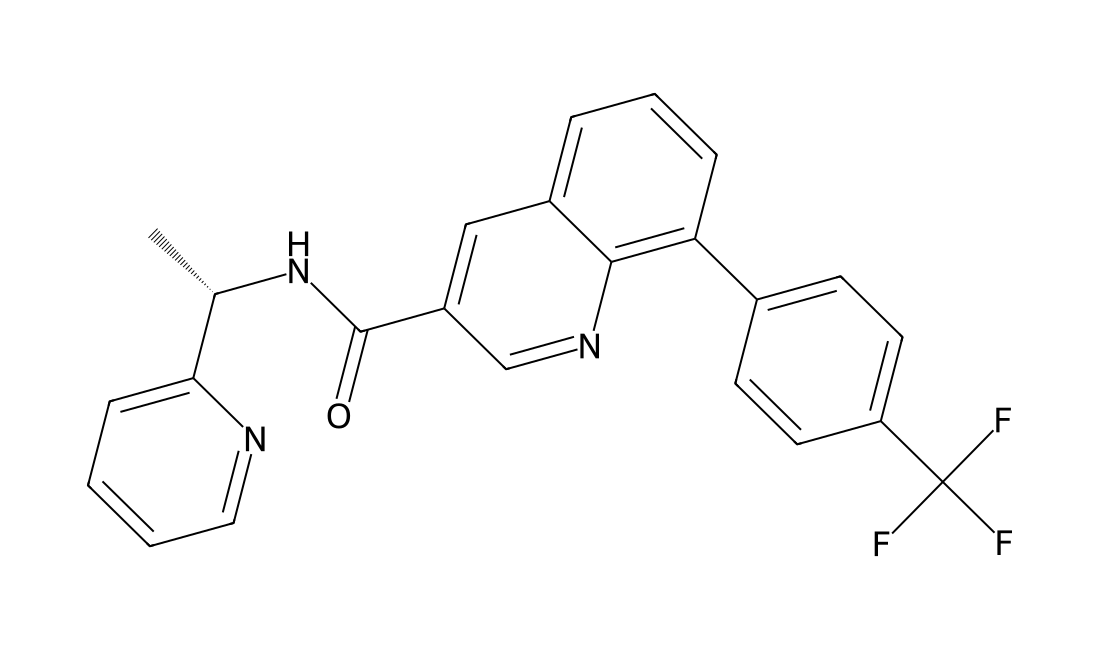
VT-105Featured
VT-105 is a potent and selective TEAD Auto-palmitoylation inhibitor that Inhibits Proliferation and Tumor Growth of NF2-deficient Mesothelioma. VT105 is a more soluble analog of VT104.
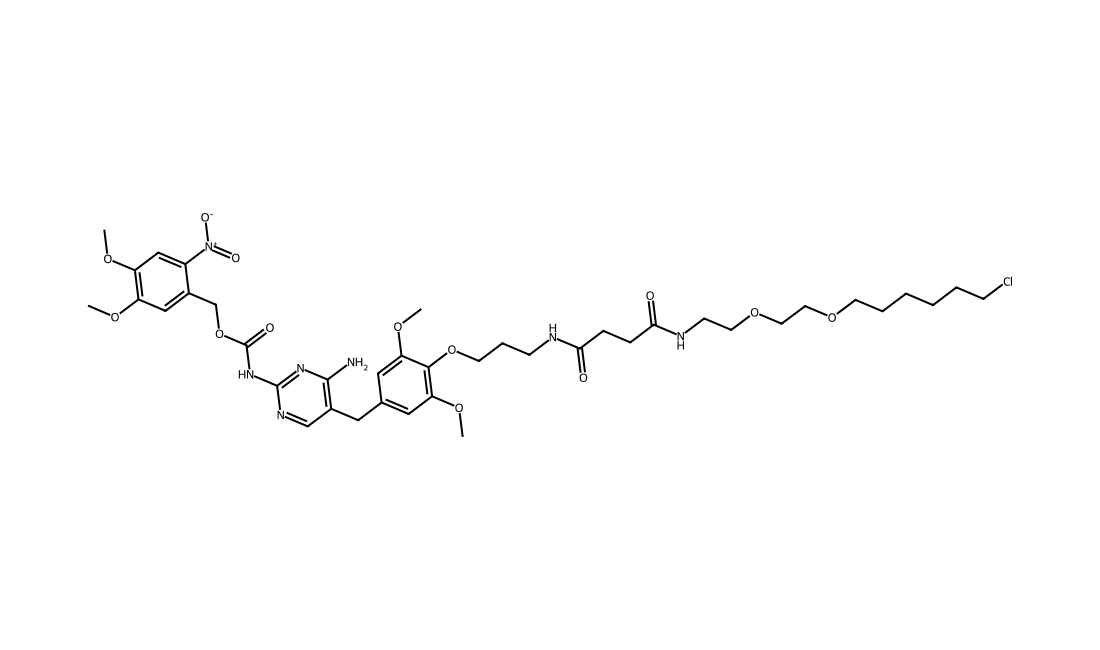
NVOC cage-TMP-HaloFeatured
NVOC cage-TMP-Halo is a cell-permeable and photoactivatable protein dimerization inducer. NVOC cage-TMP-Halo can rapidly and reversibly control protein localization in living cells. NVOC cage-TMP-Halo can be used for dynamic cellular processes research.
USP10 inhibitor Wu-5Featured
USP10 inhibitor Wu-5 (Wu-5) is a novel small molecule USP10 inhibitor inducing the degradation of FLT3-mutated protein, directly interacts and inactivates USP10, the deubiquitinase for FLT3-ITD in vitro (IC50=8.3 uM) and in FLT3-ITD-positive AML cells.Wu-5 selectively inhibited the viability of FLT3 inhibitor-sensitive (MV4-11, Molm13) and -resistant (MV4-11R) FLT3-ITD-positive AML cells with IC50 of 3.794, 5.056, and 8.386 uM, respectively.Wu-5 (1-10 μM) dose-dependently induced apoptosis of MV4-11, Molm13, and MV4-11R cells through the proteasome-mediated degradation of FLT3-ITD.Combined treatment of Wu-5 and crenolanib produced synergistic cell death in FLT3-ITD-positive cells via the reduction of both FLT3 and AMPKα proteins.
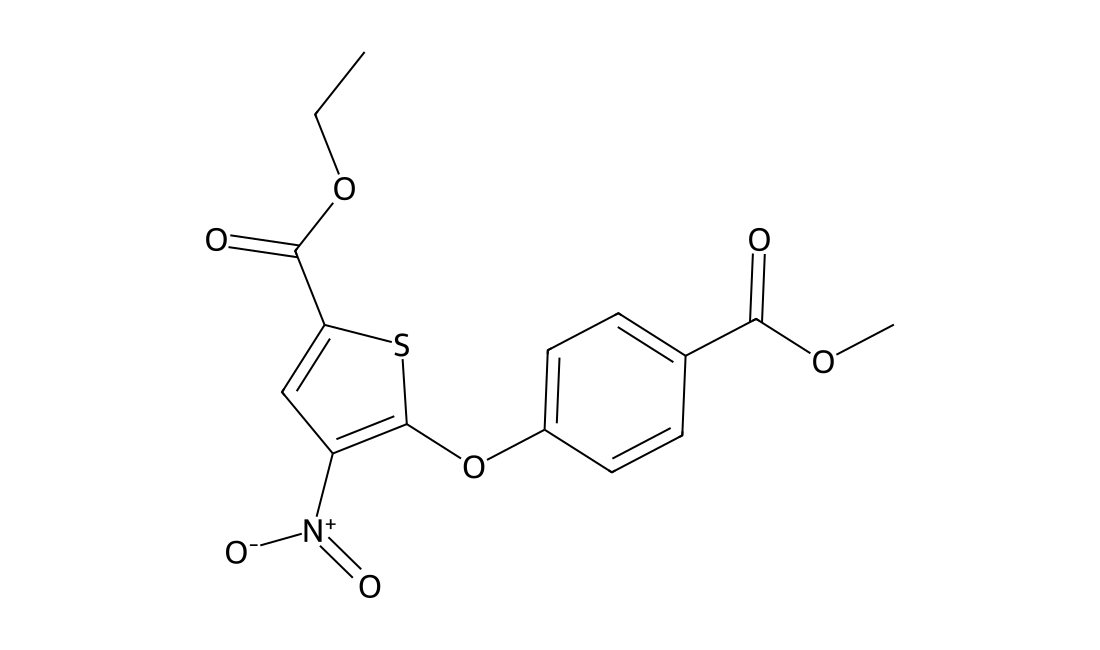
FFN246Featured
Novel fluorescent substrate for both the serotonin transporter and the vesicular monoamine transporter 2 (VMAT2)
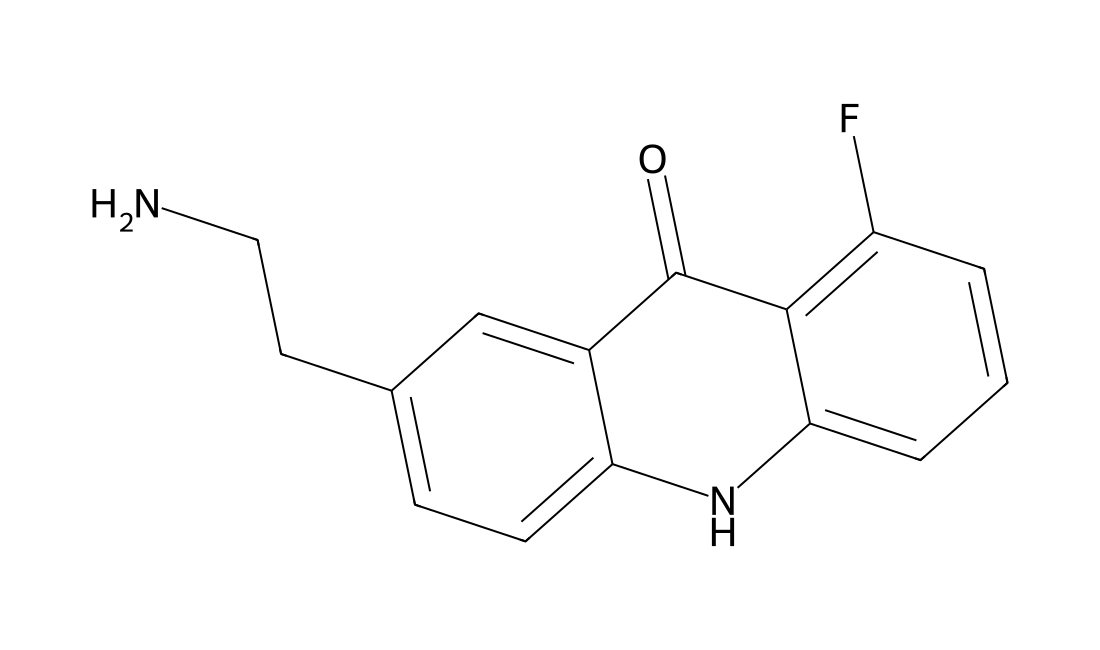
MAP4343Featured
MAP4343 is the 3-methylether derivative of Pregnenolone. MAP4343 binds in vitro to microtubule-associated protein 2 (MAP2), stimulates the polymerization of tubulin, enhances the extension of neurites and protects neurons against neurotoxic agents.
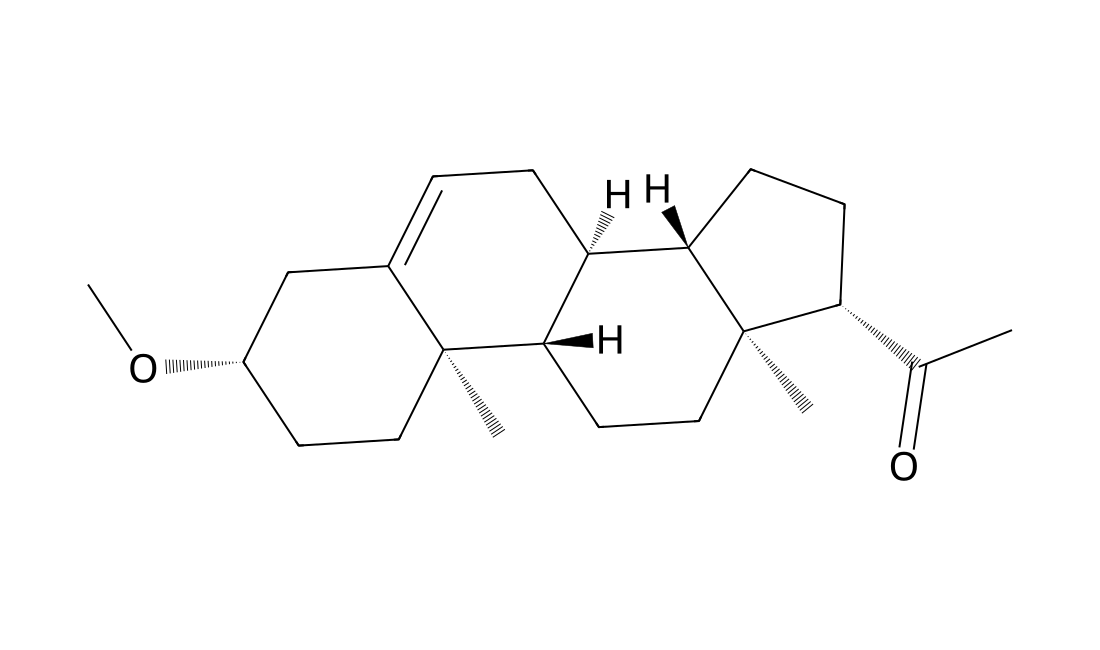
FT-671Featured
FT-671 is a novel potent, specific, non-covalent USP7 inhibitor with Kd of 65 nM (USP7 catalytic domain); inhibits USP7 with IC50 values of 52 nM (USP7 CD) and 69 nM (USP7C-term), display good USP7 selectivity in a panel of 38 deubiquitinases (DUBs); destabilizes USP7 substrates including MDM2, increases levels of p53, and results in the transcription of p53 target genes and induces tumour suppressor p21; blocks the proliferation of MM.1S cells (IC50=33 nM), suppresses tumour growth in mice; orally available.
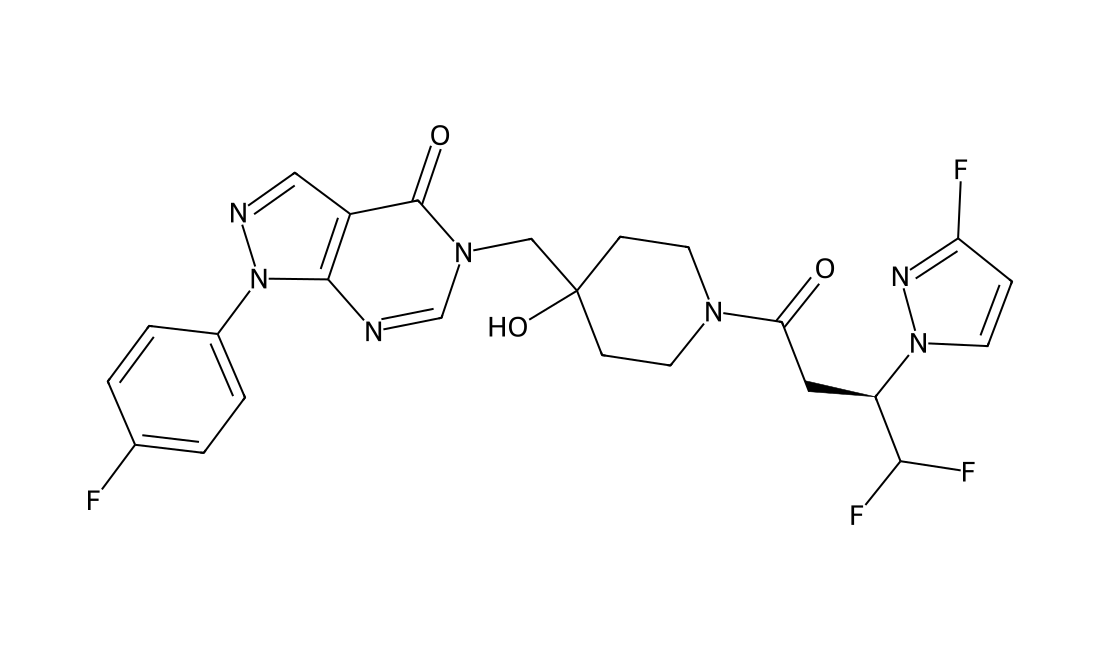
ALE-0540Featured
ALE-0540 is a nerve growth factor (NGF) antagonist that inhibits the binding of NGF to TrkA or both p75 and TrkA with IC50 of 5.88 and 3.72 uM, respectively; produces antiallodynic actions in models of neuropathic pain.PainDiscontinued
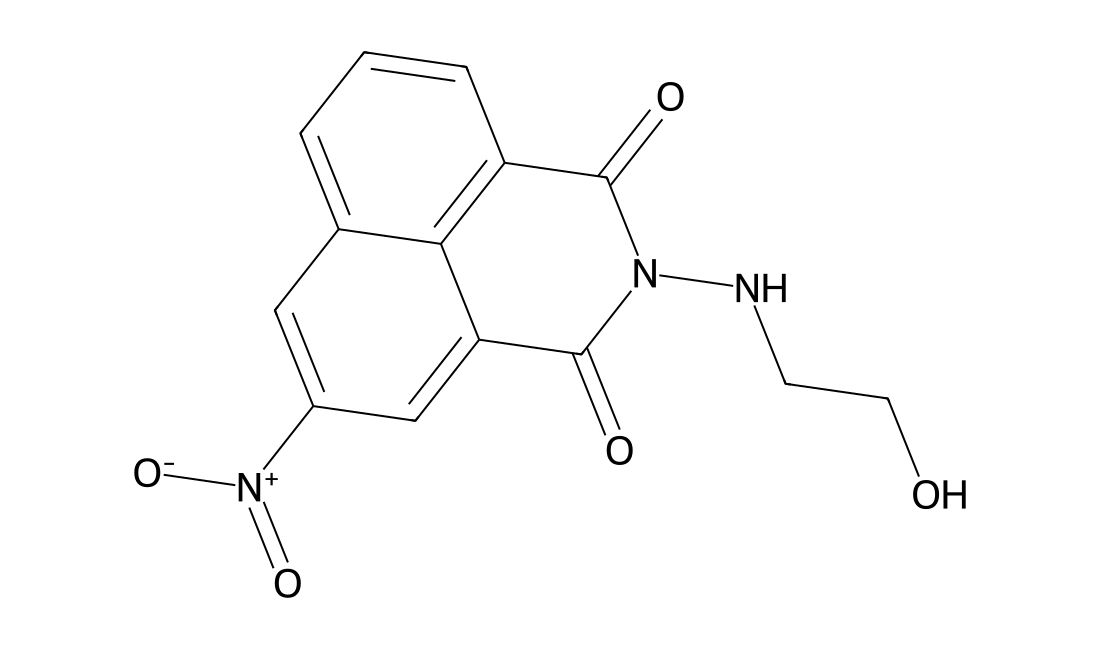
cis-ISRIBFeatured
cis-ISRIB is a weak inhibitor of PERK signaling compared to trans-ISRIB , potently reverses the effects of eIF2α phosphorylation with IC50 of 600 nM.ISRIB reduces the viability of cells subjected to PERK-activation by chronic endoplasmic reticulum stress, displays significant enhancement in spatial and fear-associated learning.ISRIB is a potent inhibitor of the integrated stress response (ISR)integrated stress response (ISR).
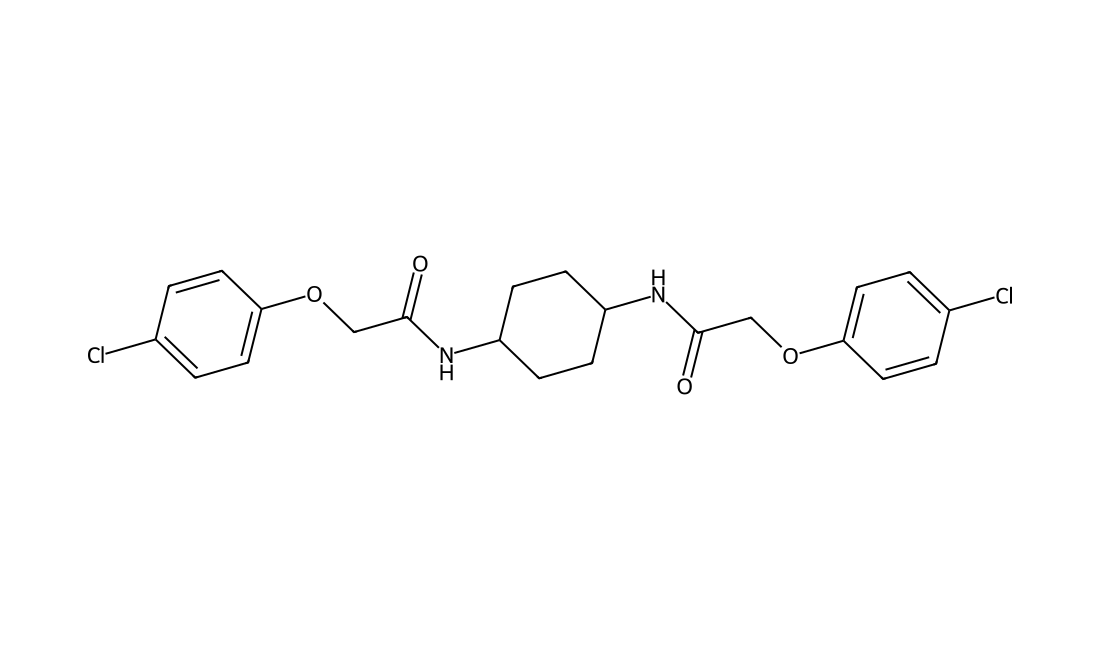
L-HexanoylcarnitineFeatured
L-Hexanoylcarnitine is an acylcarnitine and is found to be associated with celiac disease.
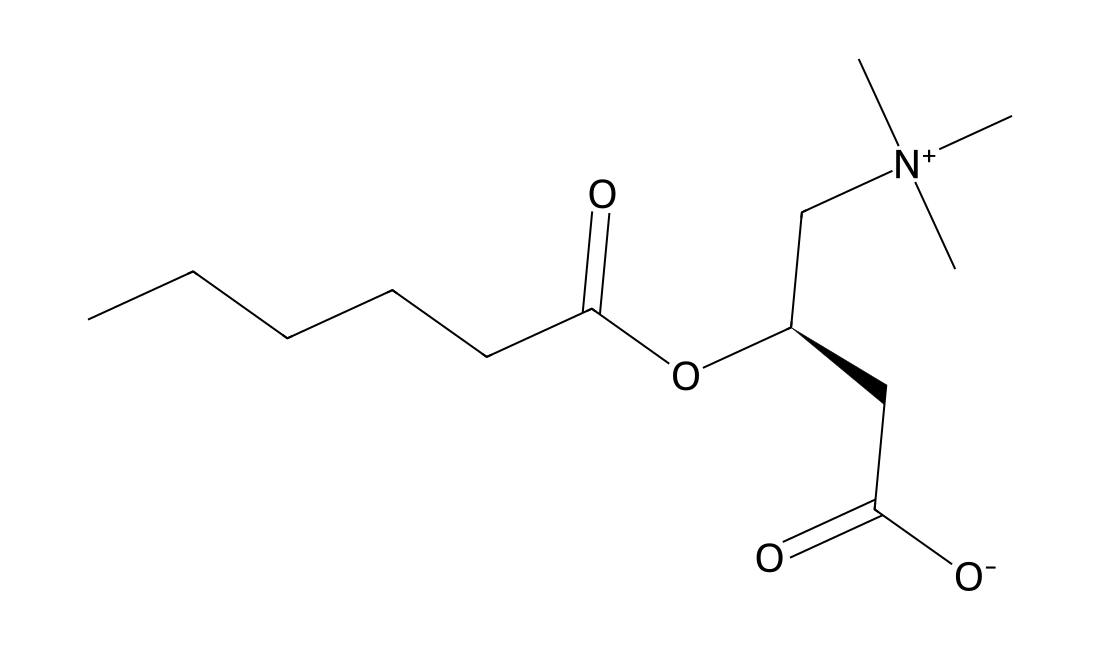
GPRP acetateFeatured
GPRP acetate is fibrinogen-related peptide, which inhibits the interaction of fibrinogen with the platelet membrane glycoprotein IIb/IIIa complex (GPIIb/IIIa). Sequence: Gly-Pro-Arg-Pro.
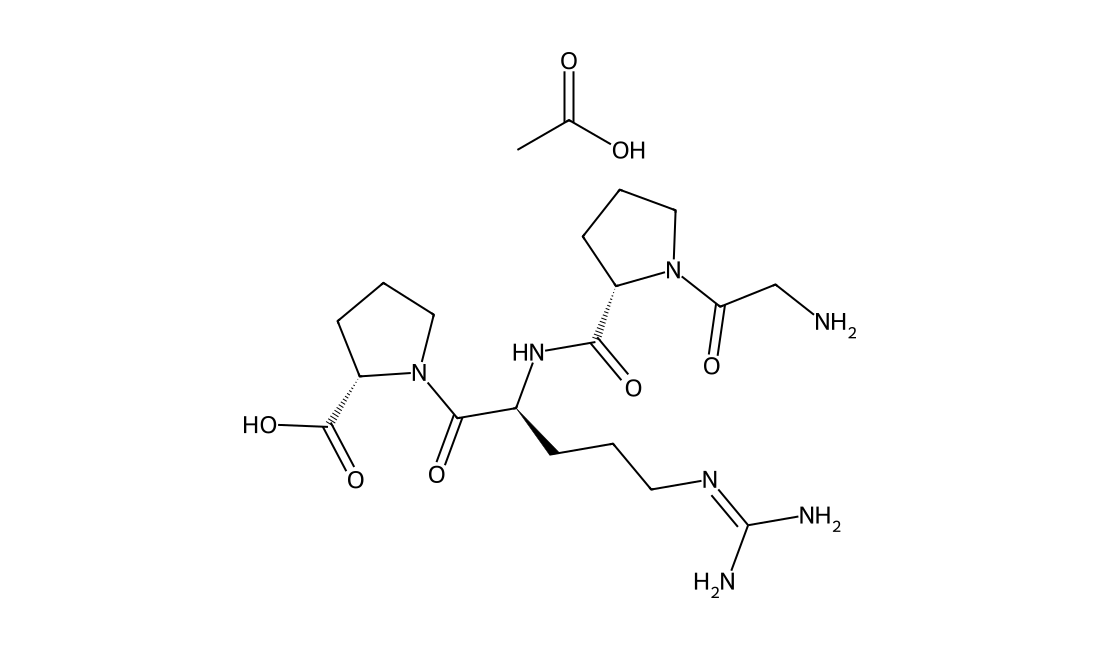
Talazoparib(BMN-673)tosylateFeatured
Talazoparib tosylate (BMN 673ts) is a novel, potent and orally available PARP1/2 inhibitor with an IC50 of 0.57 nM for PARP1.
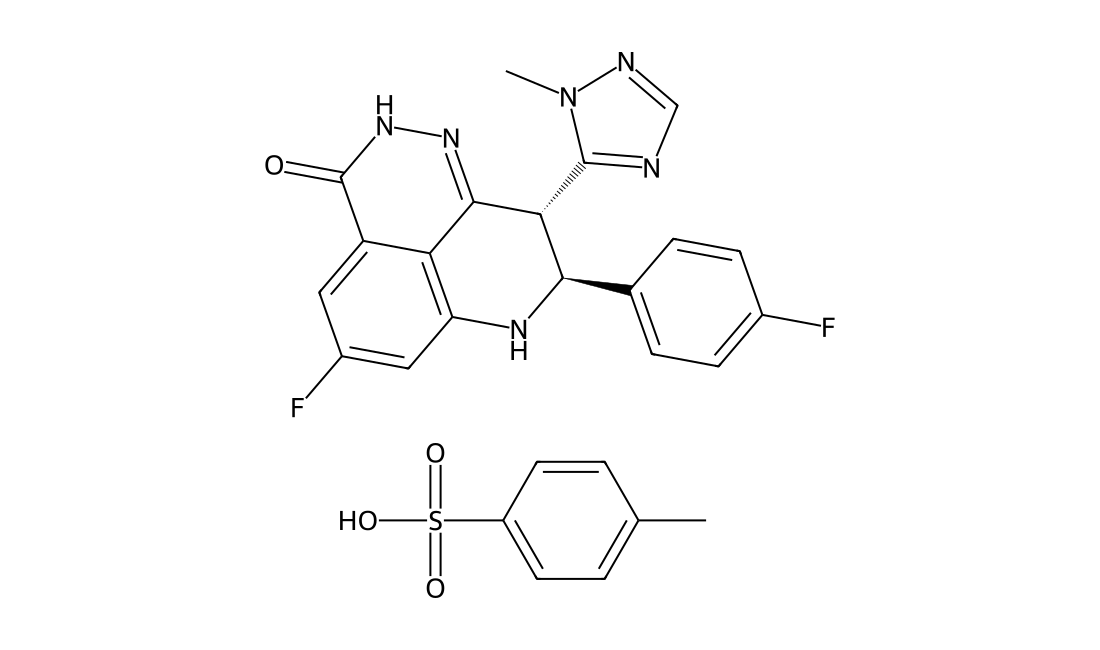
BAY 2666605Featured
BAY2666605 is a potent, small molecule PDE3A-SLFN12 complex inducer with EC50 of 7 nM.BAY2666605 triggers the formation of a complex of two proteins called SLFN12 and PDE3A. This complex drive cancer cells into cell death by a mechanism called apoptosis.
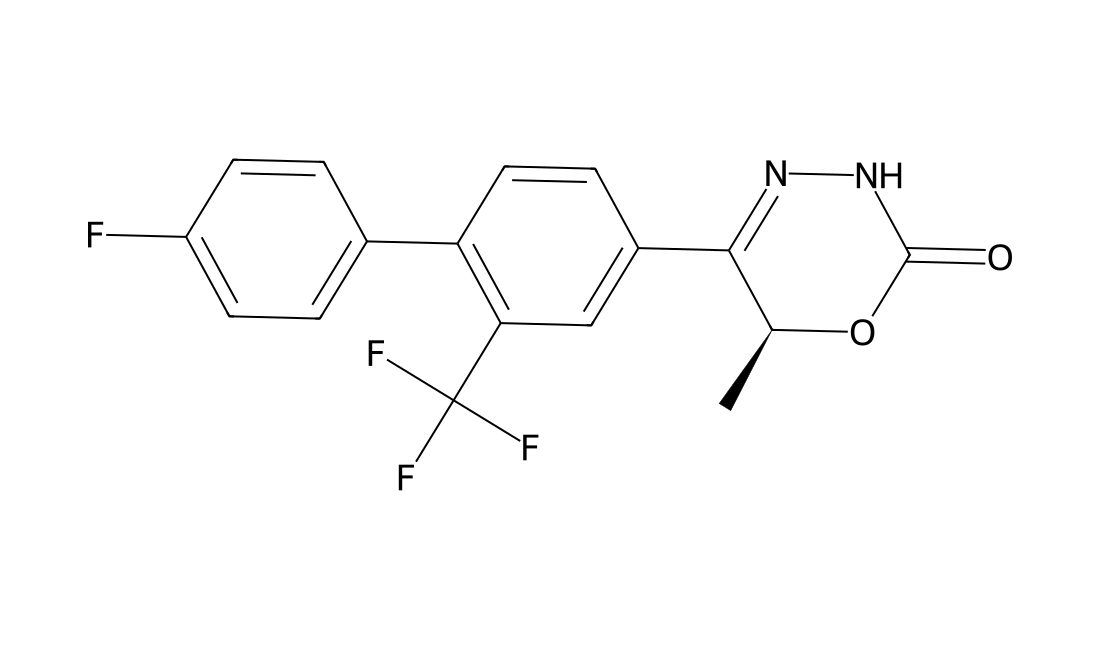
MCC950 free acidFeatured
Potent and selective inhibitor of NLRP3, reducing interleukin-1β (IL-1β) production in vivo and attenuating the severity of experimental autoimmune encephalomyelitis (EAE)
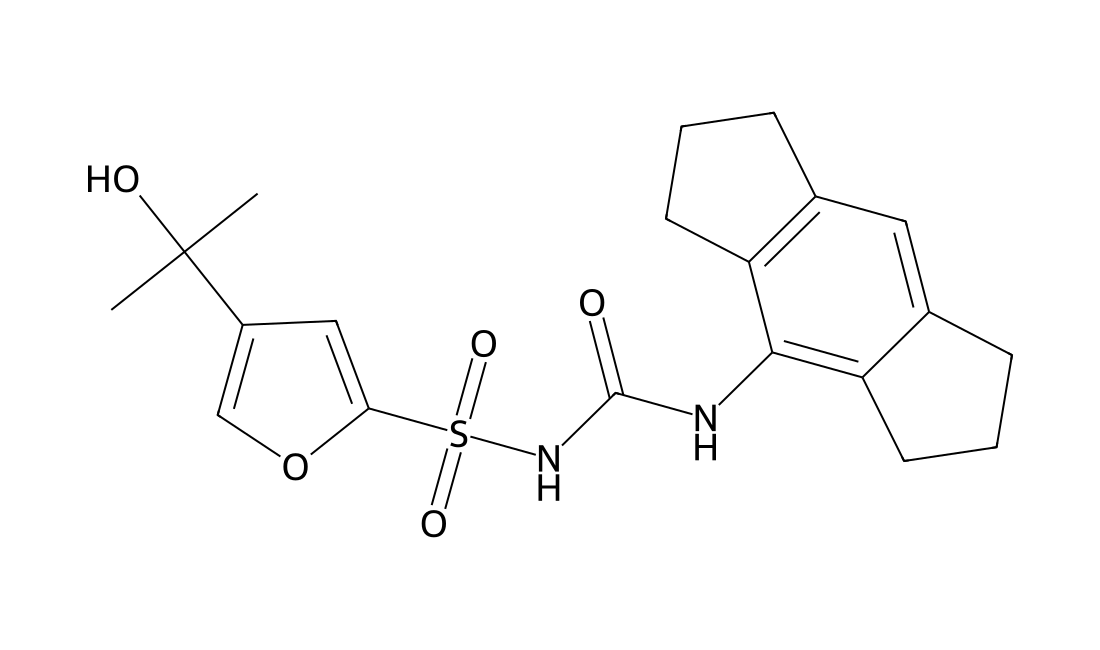
AD 2900Featured
AD 2900 (AD2900, AD-2900) is a novel potent, broad S1P receptor antagonist with IC50 of 3.8, 3.2, 6.2, 5.9 and 0.405 uM for S1P1, 2, 3, 4 and 5 respectively; shows no significant agonism effects (EC50>50 uM); suppresses PBMC proliferation, regulates the expression of S1P1 and CCR7 on PBMCs; accumulates T cells in the blood and spleen and in turn reduces T-cell number in the lymph nodes, shows significant effects on the localization of T-cell subpopulations in mice.
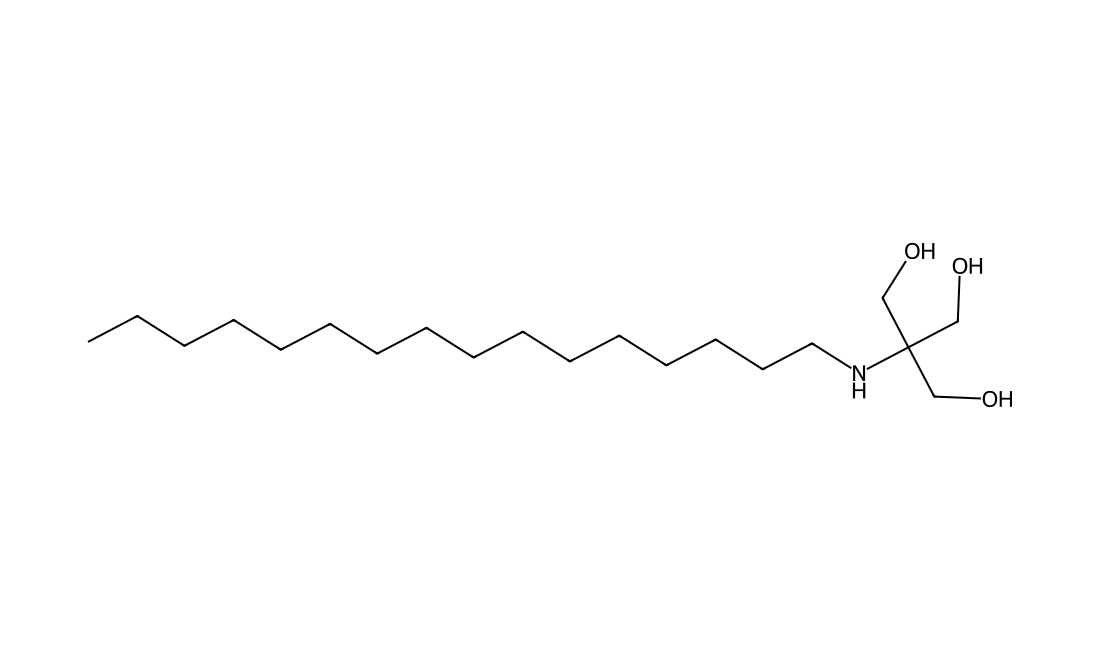
No products match this search.
Page 378 of 384 · Browse all 7677 products
Jump to a product page
Featured literature product: HX1 · DCL0028
HX1 is a hydroxyzine-derived ionizable lipid with acetal-containing tails, studied in lipid nanoparticles for brain mRNA delivery and CRISPR–Cas9 delivery. It was the lead in the reported in vivo brain-delivery screen; evidence is preclinical and formulation-dependent.
Read full formulation and performance →