
Research lipid catalog
Ionizable Lipid Products
Explore 848 lipid and RNA delivery products. Search the full catalog or browse by research category.
Search covers product name, catalog number, synonyms, available CAS numbers and categories. Spaces, hyphens and common punctuation are ignored. Duplicate legacy records are consolidated under one canonical product result.
7677 products · Showing 7421–7440 · 20 per page
DC Chemicals lipid expertise
Built for ionizable-lipid discovery and RNA delivery research
DC Chemicals supports formulation and delivery research with a broad, searchable portfolio of cationic and ionizable lipids. The current directory brings together 848 unique research-use products, with product specifications, pricing, chemical structures and literature-linked formulation data added as each record is verified.
Our experience spans complex lipid synthesis, purification, analytical release and process development. For custom molecules or larger-scale requirements, our team can discuss route development, technical specifications and scale-up options for the intended research workflow.
Learn about cationic and ionizable lipids →Proprietary innovation · Co-development · GMP
From proprietary lipid design to GMP-grade custom synthesis
DC Chemicals has independently developed ionizable-lipid structures supported by company-owned intellectual property, and selected proprietary lipid programs have advanced to GMP-stage development.
We welcome joint development with customers—from molecular design and lipid synthesis through route and process development. We can also support custom synthesis of GMP-grade ionizable lipids to agreed technical specifications and quality requirements.
Discuss a co-development project →Proprietary ionizable-lipid structuresCollaborative molecular designCustom lipid synthesisProcess development and scale-upGMP-grade project support
Product quick links
Explore New ionizable lipids
Explore our five most recently added ionizable lipids, with specifications, pricing and literature-linked product information.
DCL0028HX1Brain RNA delivery researchView product →DCL0024A1I4R13C18-2Spleen-targeted RNA delivery researchView product →DCL0023A1I4R2C18-2Spleen-targeted RNA delivery researchView product →DCL0022FS01Local joint RNA delivery researchView product →DCL0020Lipid-392Lung RNA delivery and gene editing researchView product →
Cat. No.Product NameField of ApplicationChemical Structure
Nav1.8-IN-8Featured
Nav1.8-IN-8 (Compound A11) is a Nav1.8 channel inhibitor. Nav1.8-IN-8 may prevent associated diseases mediated by sodium ion channels (NaV).
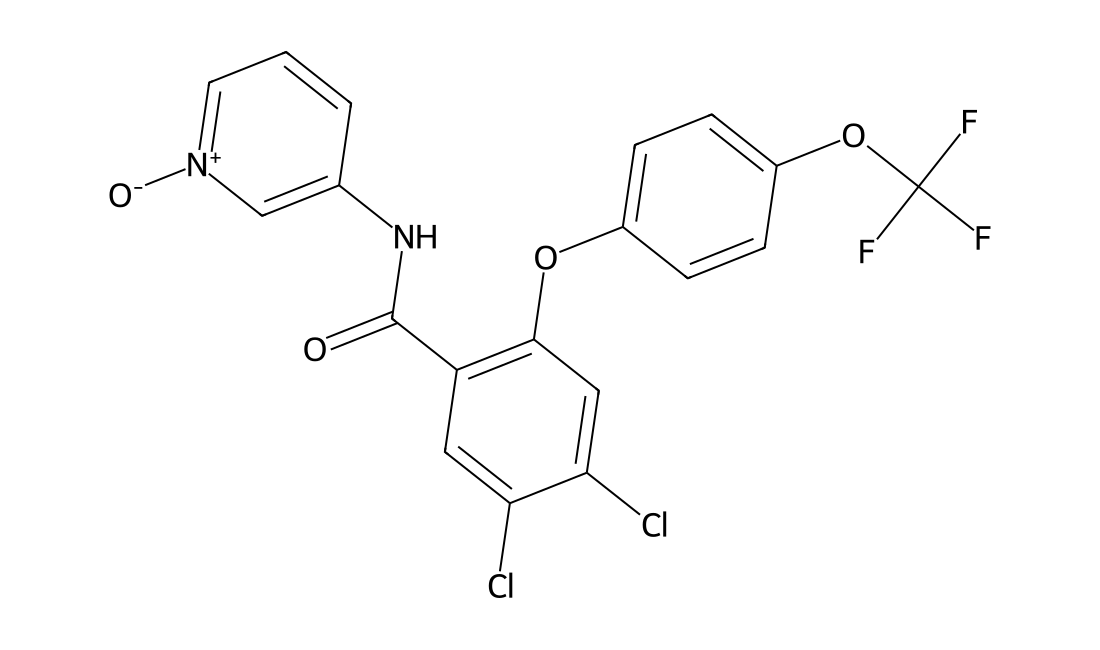
p38-α MAPK-IN-6Featured
p38-α MAPK-IN-6 (compound 3a) is a p38α mitogen-activated protein kinase inhibitor.
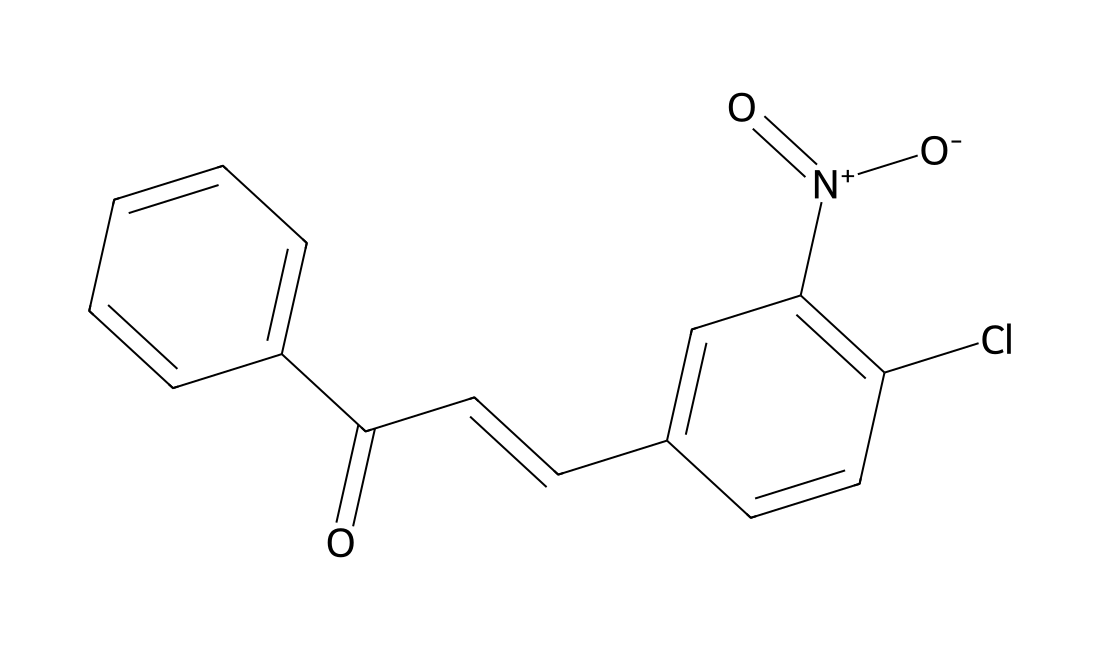
ATPase-IN-3Featured
ATPase-IN-3 (compound 6) is a ATPase inhibitor. ATPase-IN-3 has Gastroprotective effect in ethanol-induced gastric ulcers by contribution of anti-apoptotic (BCL-2) and tumor suppressor (P53) proteins.
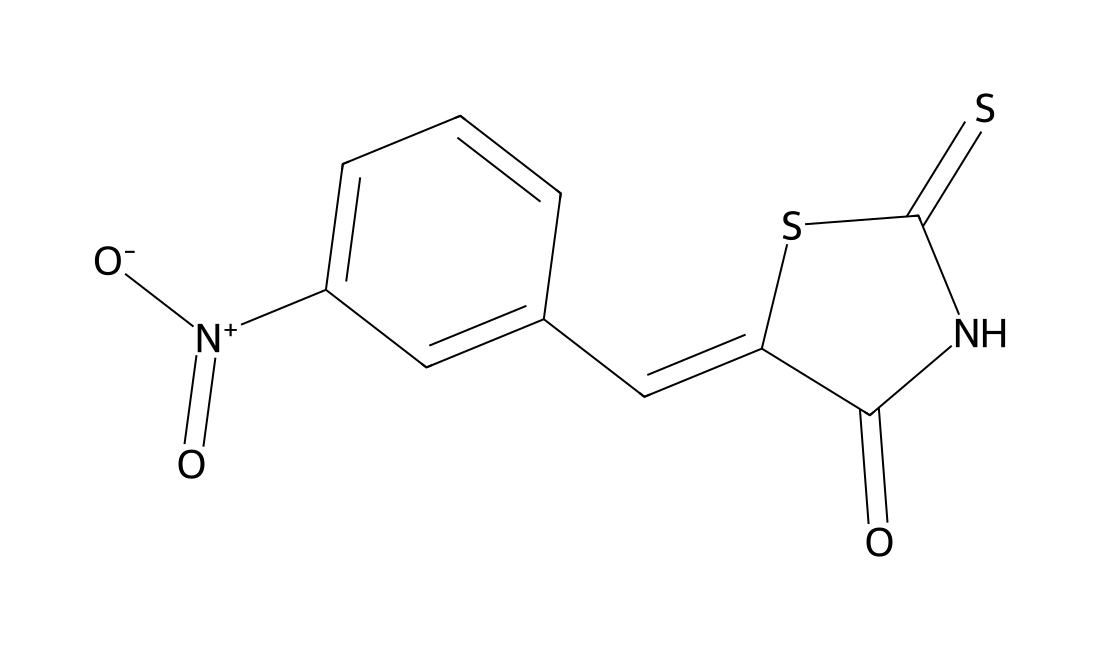
HKI12134085Featured
HKI12134085 (compound 3) is an orally available antibacterial nitrobenzothiazinone (BTZ) derivative with activity against Mycobacterium tuberculosis. HKI12134085 has in vivo inhibitory potency in a BALB/c mouse model of Mycobacterium tuberculosis infection.
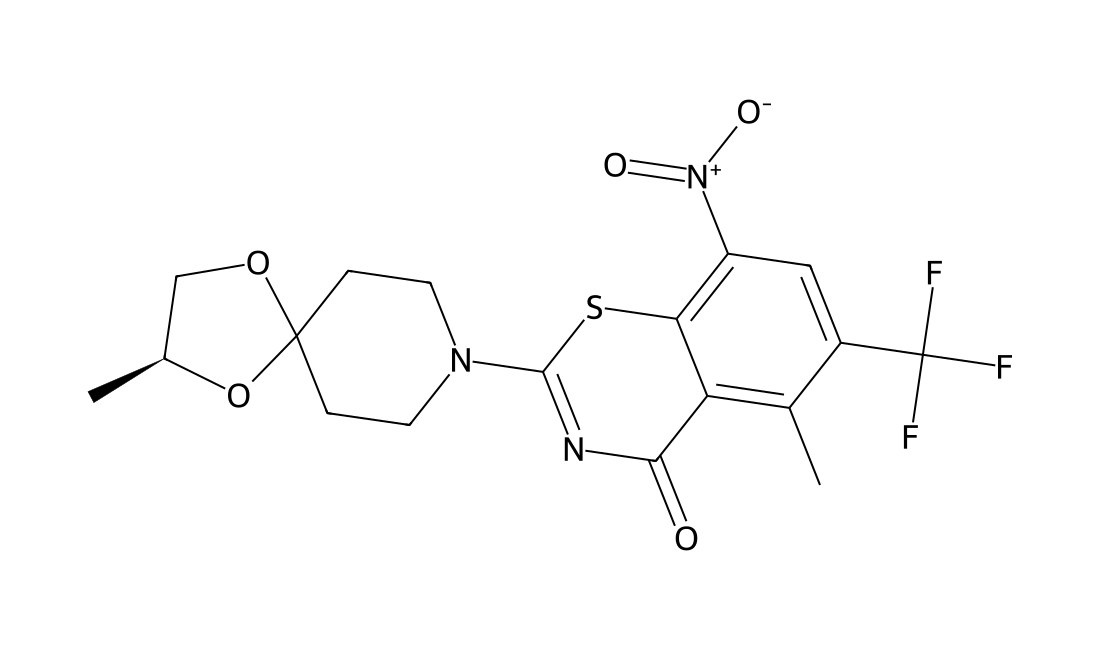
NPD10084Featured
Novel inhibitor of PKM2-regulated signaling, suppressing non-glycolytic PKM2-regulated signaling in cancer cells
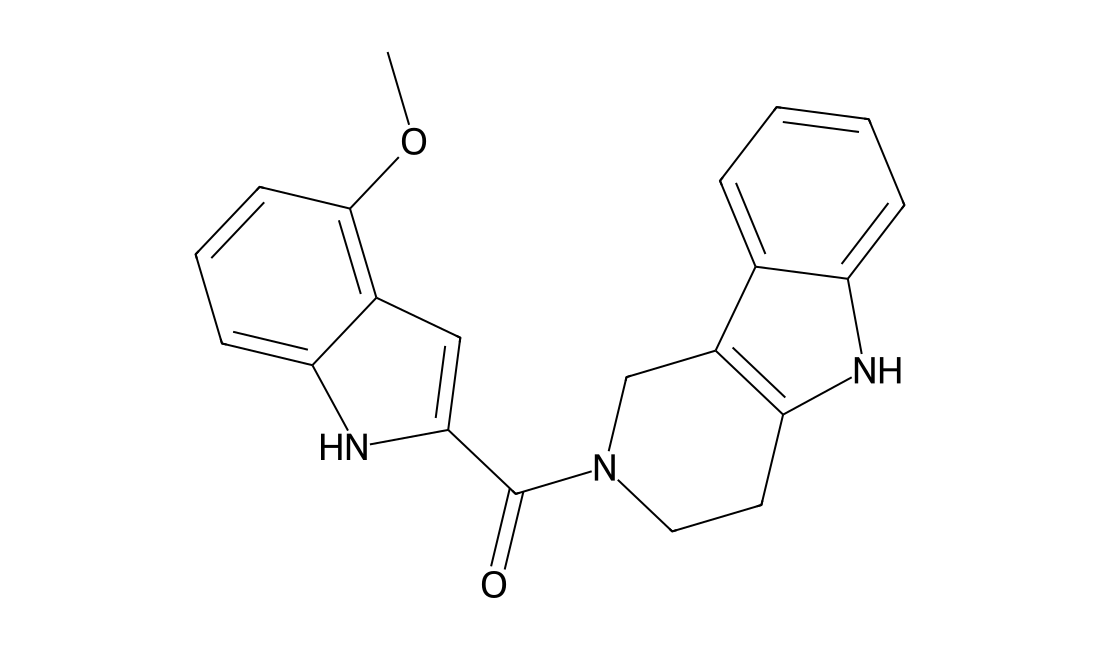
WAY-660222Featured
WAY-660222 is an active molecule.
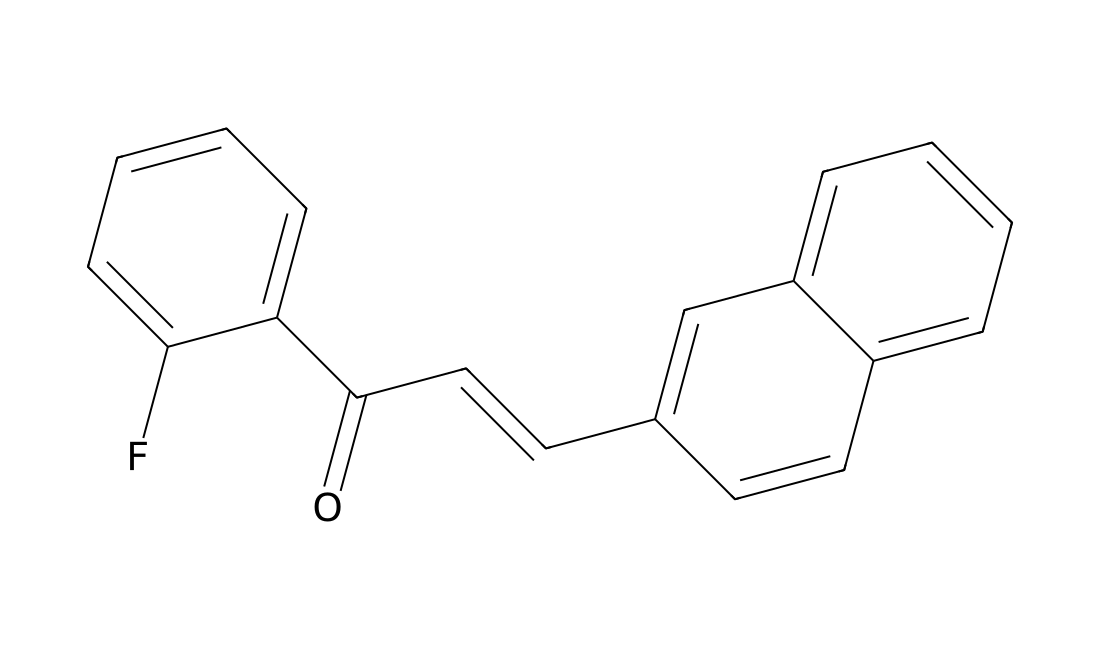
WAY-658674Featured
WAY-658674 is an active molecule for the study of amyloid diseases and synucleinopathies.
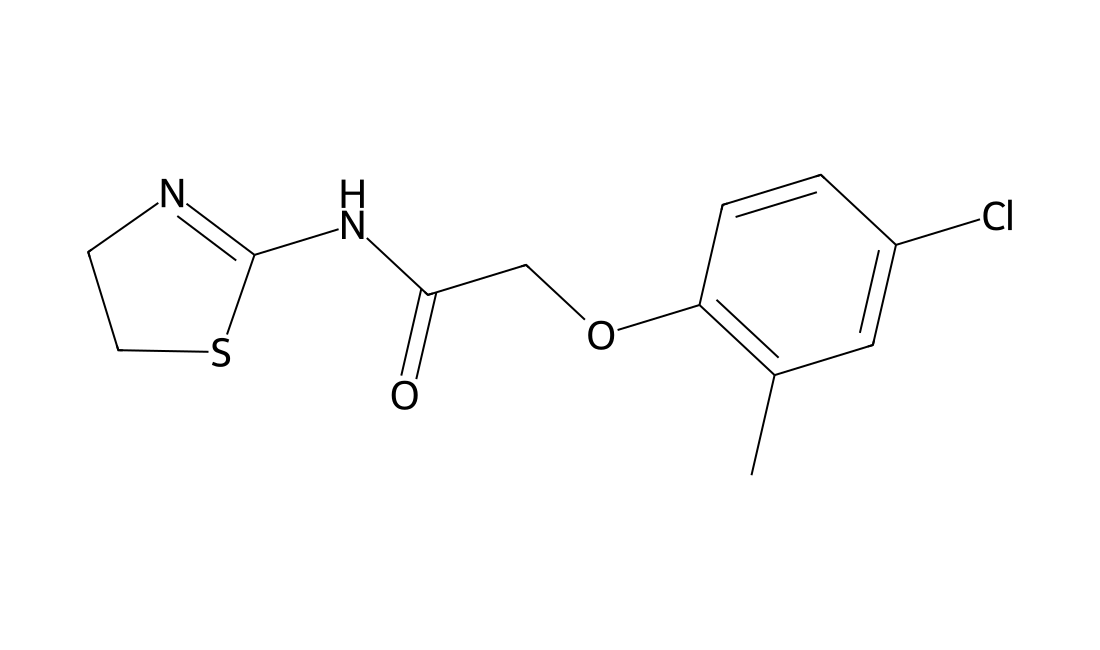
CCCI-01Featured
CCCI-01 is an inhibitor of centrosome clustering in cancer cells.
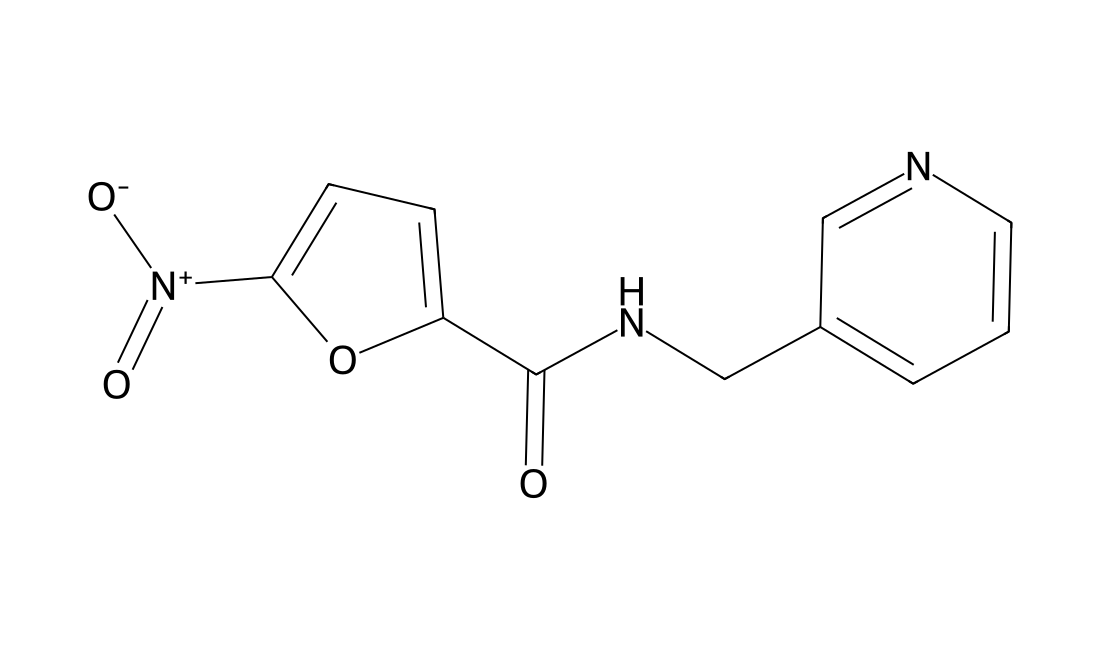
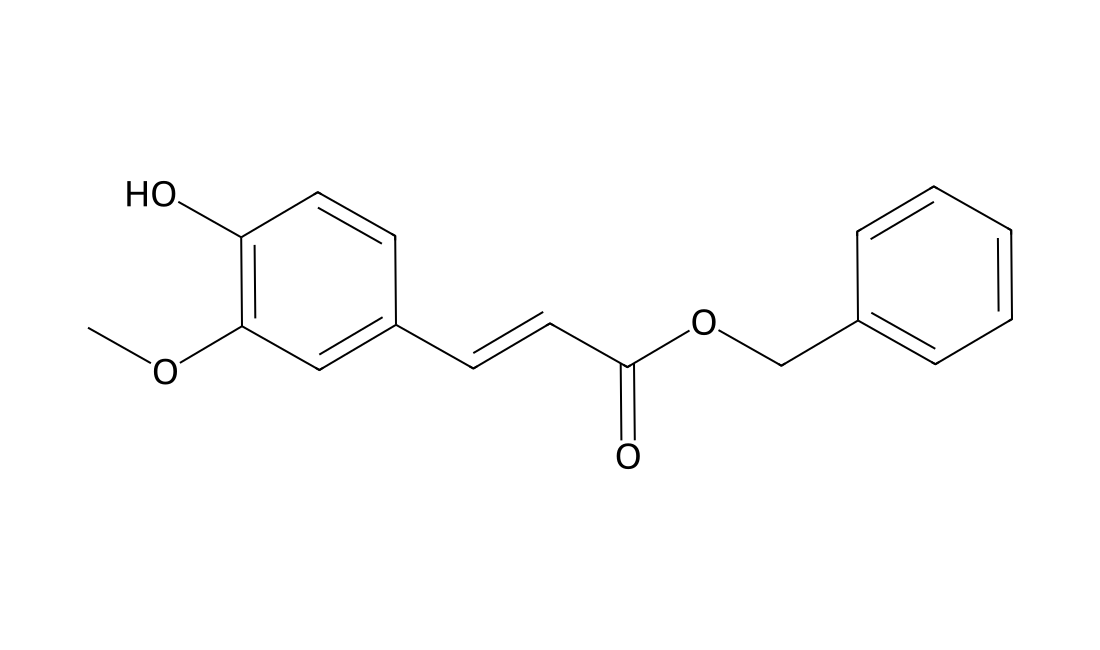
(E)-Benzyl ferulateFeatured
(E)-Benzyl ferulate is a phenolic ester that can be isolated from Thai propolis.
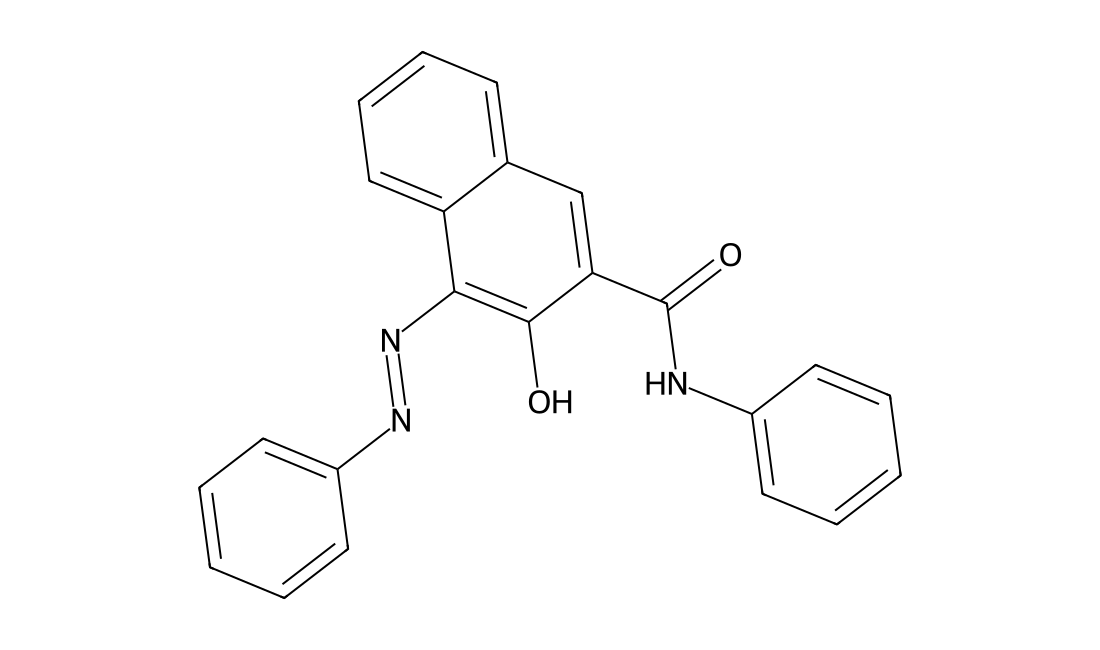
Scarlet 808Featured
Scarlet 808 (Bronze Red; Shanghai Bronze Red) is a naphthol red pigment. Scarlet 808 can be used for coloring coatings, leather, and latex paints. It has the advantages of high tinting power, good hiding power, alkali resistance, and acid resistance.
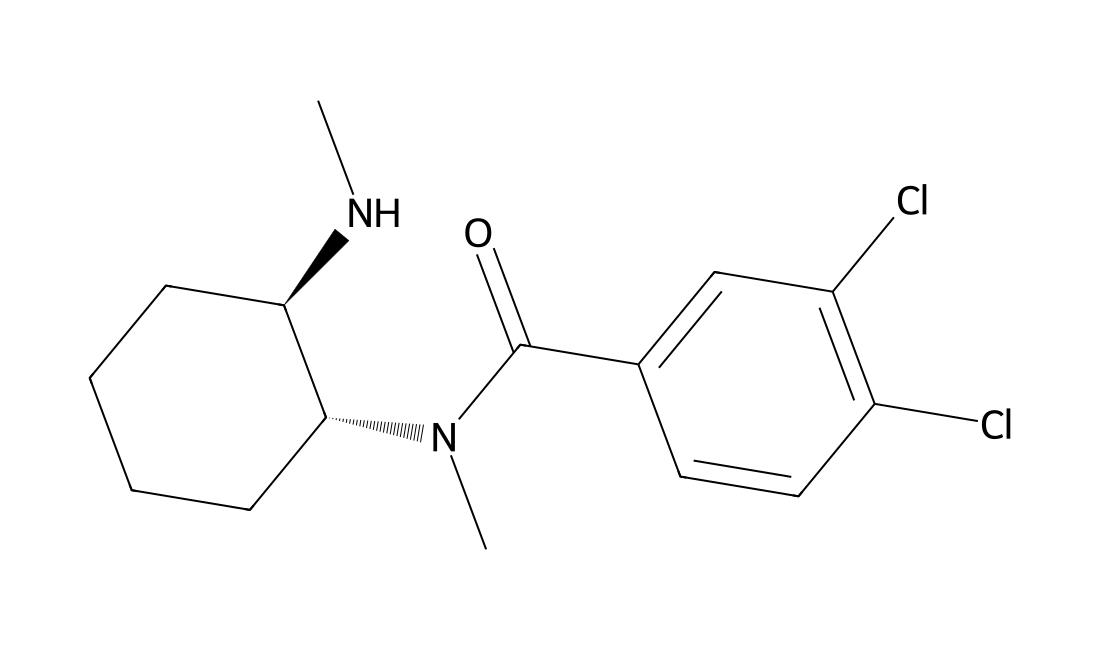
N-Desmethyl-U-47700Featured
N-Desmethyl-U-47700 is the primary metabolite of U-47700 (an opioid agonist).
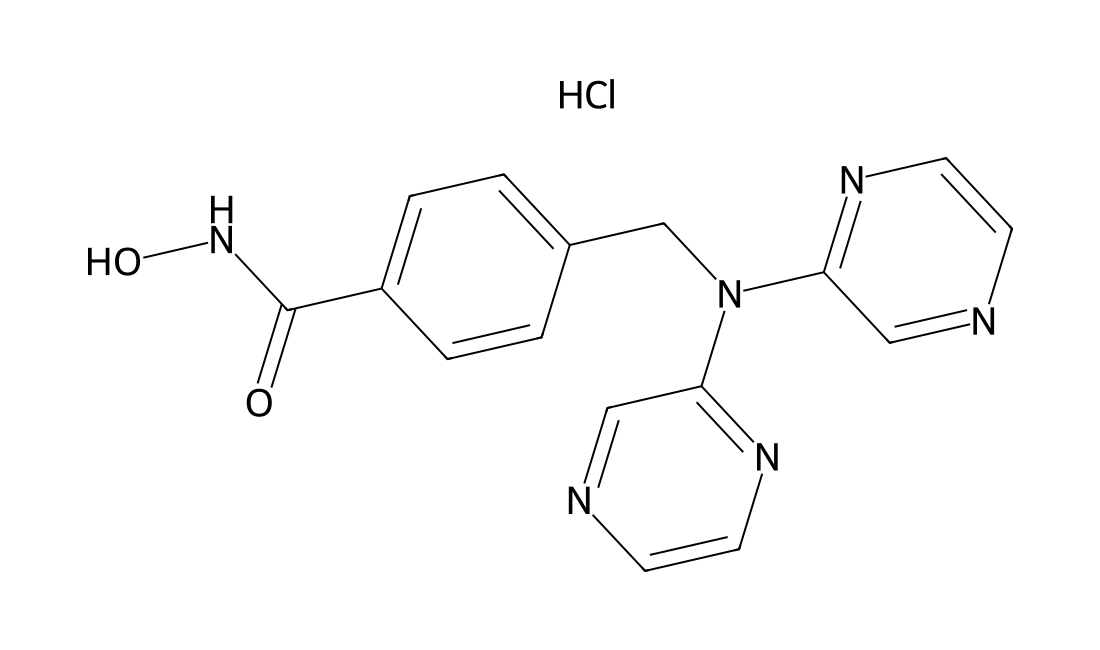
KA2507 monohydrochlorideFeatured
KA2507 hydrochloride is a potent and highly selective inhibitor of HDAC6 (IC50=2.5 nM) with no significant toxicities. KA2507 hydrochloride shows antitumor efficacy and immune modulatory effects.
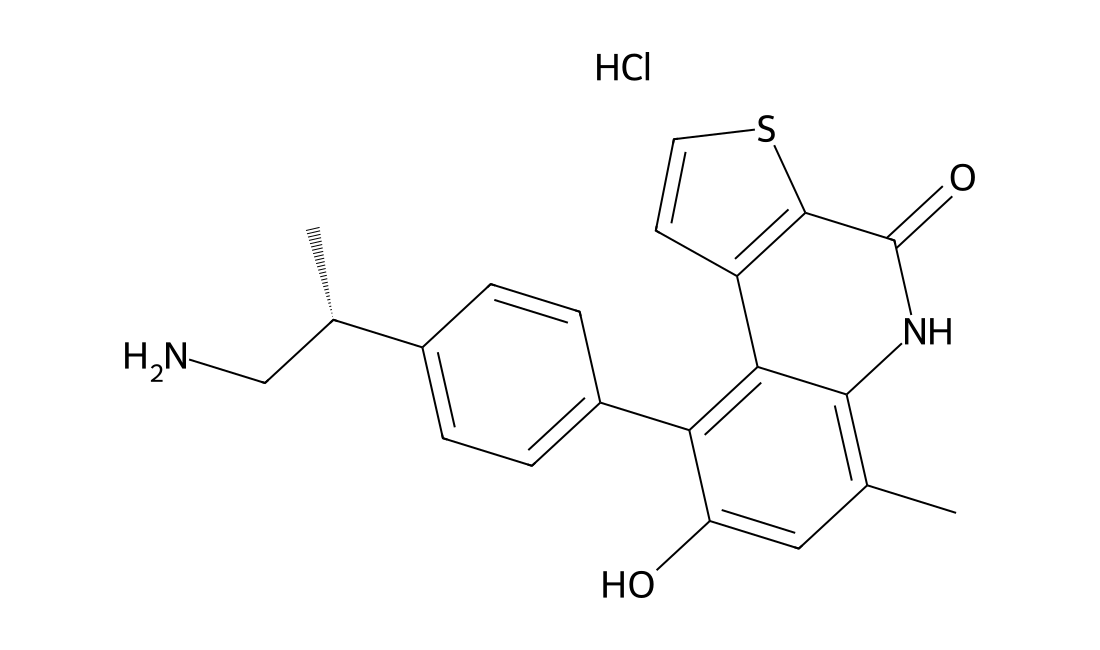
OTS514 hydrochlorideFeatured
OTS514 hydrochloride is a highly potent TOPK inhibitor, which inhibits TOPK kinase activity with a median inhibitory concentration (IC50) value of 2.6 nM. OTS514 hydrochloride strongly suppresses the growth of TOPK-positive cancer cells. OTS514 hydrochloride induces cell cycle arrest and apoptosis.
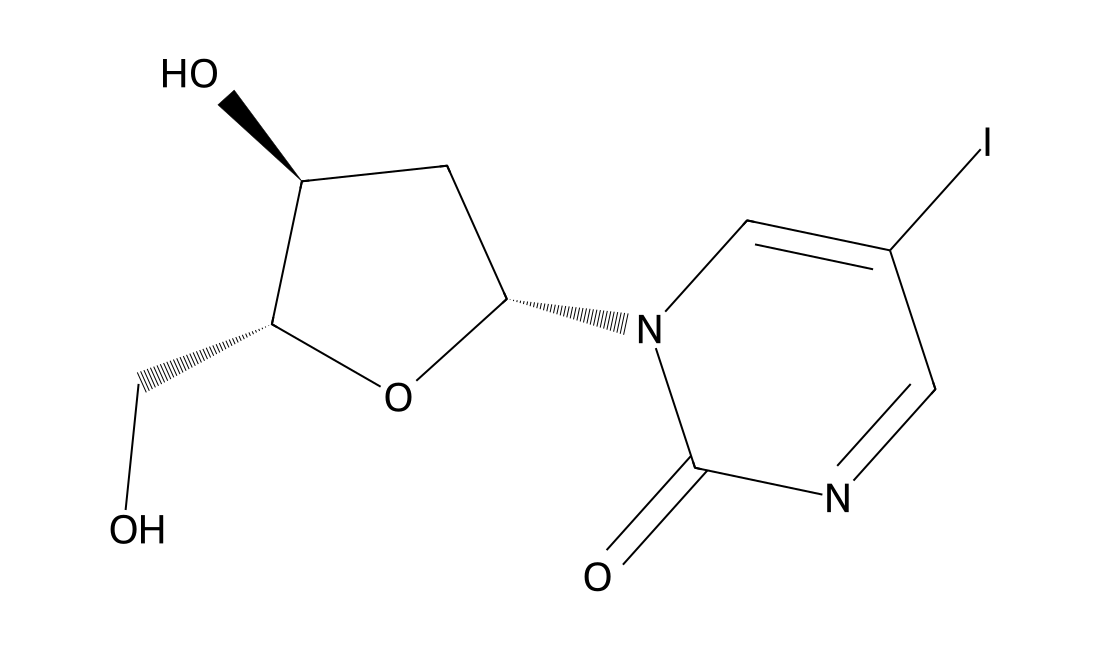
RopidoxuridineFeatured
Ropidoxuridine (IPdR) is a novel orally available, halogenated thymidine analog and is a potential radiosensitizer for use in human tumors.
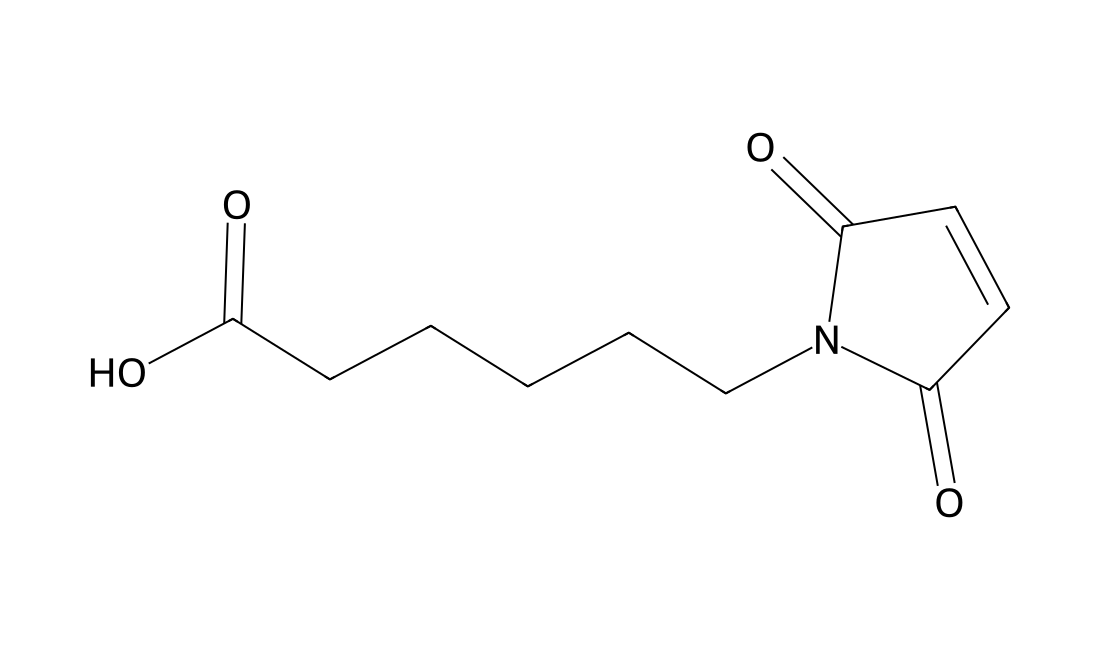
6-Maleimidocaproic acidFeatured
6-Maleimidocaproic acid contains a maleimide group and a terminal carboxylic acid. The terminal carboxylic acid can be reacted with primary amine groups in the presence of activators (e.g. EDC, or DCC) to form a stable amide bond. The maleimide group will react with a thiol group to form a covalent bond, enabling the connection of biomolecule with a thiol.
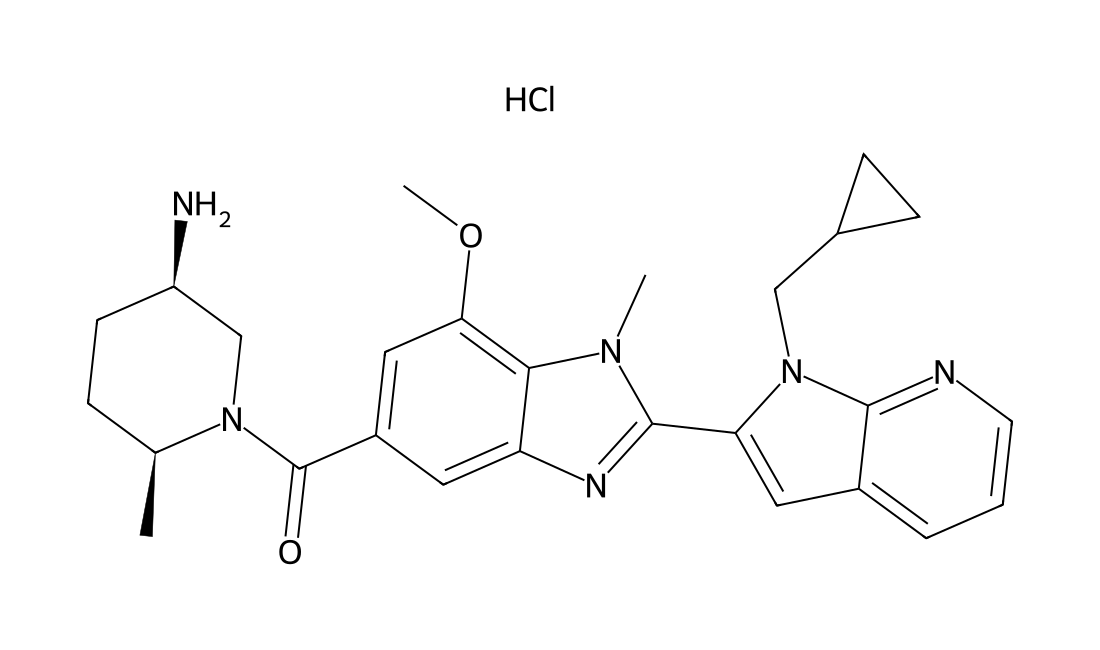
BMS-P5 HClFeatured
BMS-P5 is a Novel Peptidylarginine Deiminase 4 (PAD4) Inhibitor with pIC50 values in the range of 5-7.5. BMS-P5 Blocks Formation of Neutrophil Extracellular Traps and Delays Progression of Multiple Myeloma. Administration of BMS-P5 to multiple myeloma-bearing mice delays appearance of symptoms and disease progression Targeting PAD4 may be beneficial for treatment of multiple myeloma.
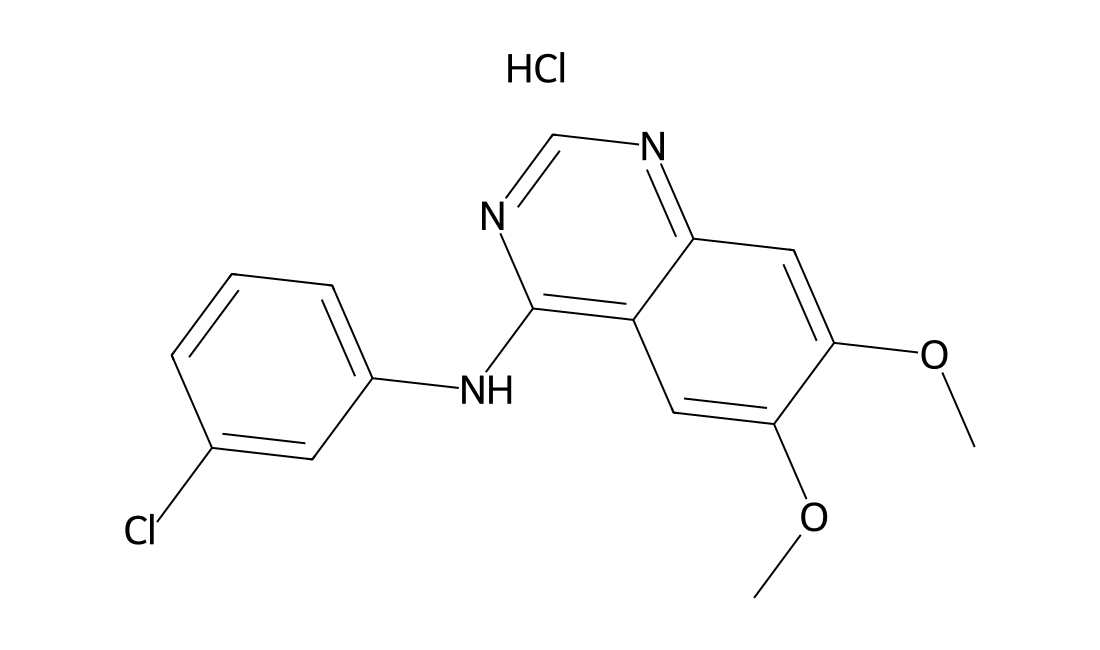
AG1478 HClFeatured
AG1478 HCl is an inhibitor of epidermal growth factor receptor protein.
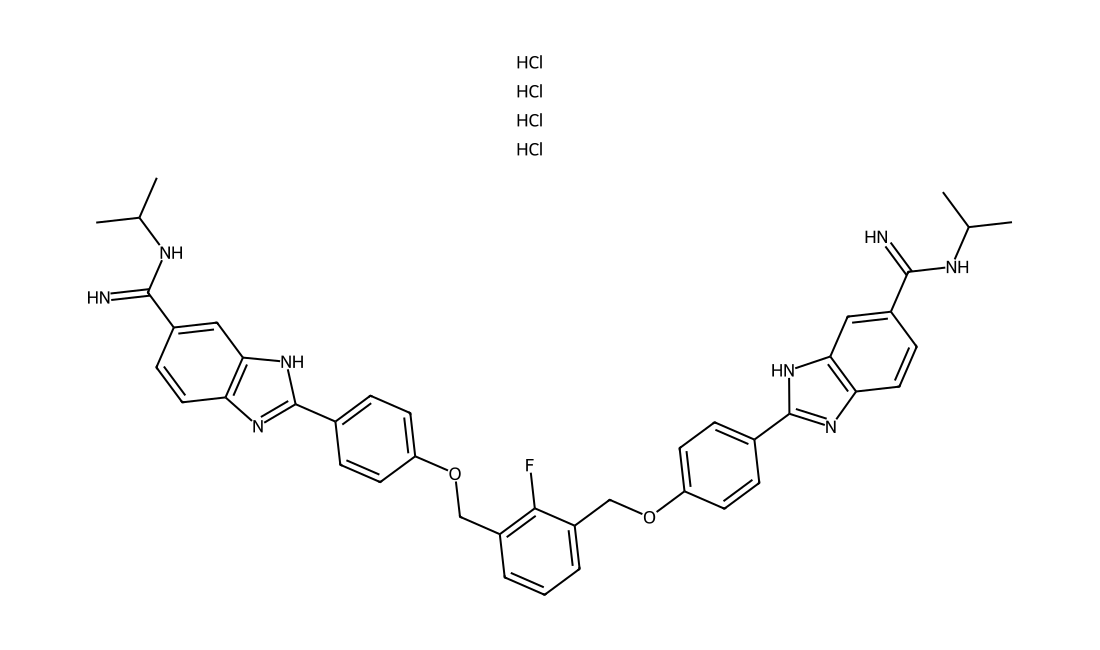
DB2313 HClFeatured
DB2313 is a first-in-class potent small-molecule inhibitor of PU.1. DB2313 disrupts the interaction of PU.1 with target gene promoters and leads to down-regulation of canonical PU.1 transcriptional targets.
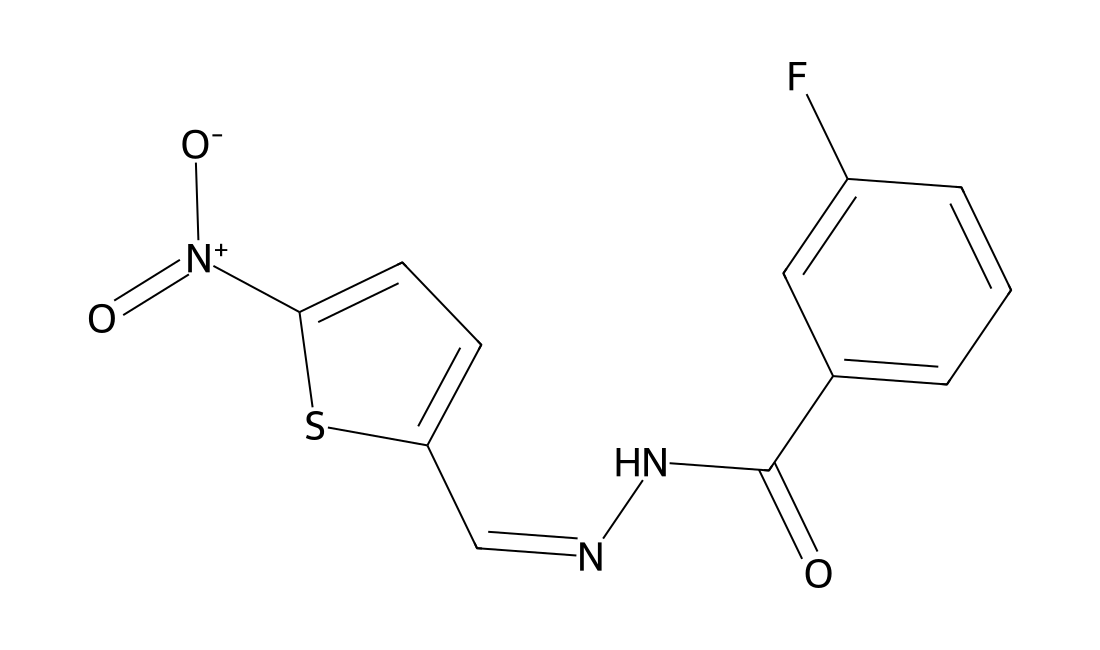
MitoBloCK-10Featured
MitoBloCK-10 (MB-10) is a potential attenuator of protein import into mitochondria via targeting Tim44, inhibits the import of substrates that use the TIM23 import pathway; targets Tim44 and mutations in the α4 helix of the C-terminal domain of Tim44 confer resistence to MitoBloCK-10 (MB-10); MitoBloCK-10 (MB-10) inhibits Tim44 binding to the precursor and to Hsp70, but not other component of the PAM complex; inhibits Hela cell viability with IC50 of 17.2 uM in MTT assays, impairs cardiac development and induces apoptosis in zebrafish.
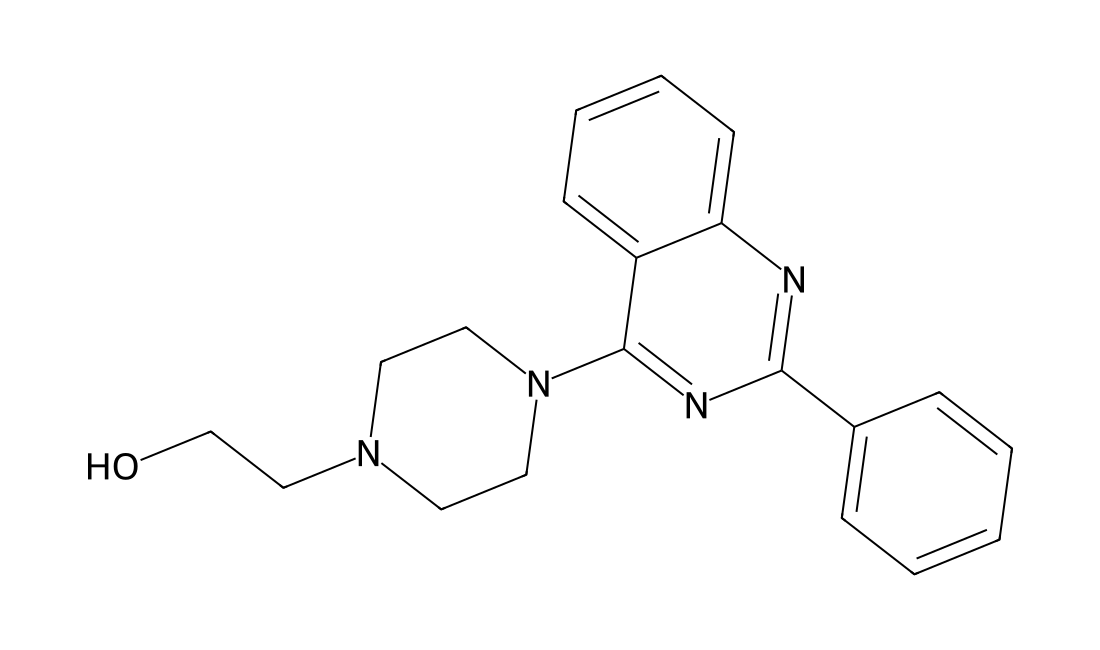
BVDV IN-1Featured
BVDV IN-1 is a non-nucleoside inhibitor of bovine viral diarrhea virus (BVDV), with an EC50 of 1.8 μM.
No products match this search.
Page 372 of 384 · Browse all 7677 products
Jump to a product page
Featured literature product: HX1 · DCL0028
HX1 is a hydroxyzine-derived ionizable lipid with acetal-containing tails, studied in lipid nanoparticles for brain mRNA delivery and CRISPR–Cas9 delivery. It was the lead in the reported in vivo brain-delivery screen; evidence is preclinical and formulation-dependent.
Read full formulation and performance →