
Research lipid catalog
Ionizable Lipid Products
Explore 848 lipid and RNA delivery products. Search the full catalog or browse by research category.
Search covers product name, catalog number, synonyms, available CAS numbers and categories. Spaces, hyphens and common punctuation are ignored. Duplicate legacy records are consolidated under one canonical product result.
7677 products · Showing 7401–7420 · 20 per page
DC Chemicals lipid expertise
Built for ionizable-lipid discovery and RNA delivery research
DC Chemicals supports formulation and delivery research with a broad, searchable portfolio of cationic and ionizable lipids. The current directory brings together 848 unique research-use products, with product specifications, pricing, chemical structures and literature-linked formulation data added as each record is verified.
Our experience spans complex lipid synthesis, purification, analytical release and process development. For custom molecules or larger-scale requirements, our team can discuss route development, technical specifications and scale-up options for the intended research workflow.
Learn about cationic and ionizable lipids →Proprietary innovation · Co-development · GMP
From proprietary lipid design to GMP-grade custom synthesis
DC Chemicals has independently developed ionizable-lipid structures supported by company-owned intellectual property, and selected proprietary lipid programs have advanced to GMP-stage development.
We welcome joint development with customers—from molecular design and lipid synthesis through route and process development. We can also support custom synthesis of GMP-grade ionizable lipids to agreed technical specifications and quality requirements.
Discuss a co-development project →Proprietary ionizable-lipid structuresCollaborative molecular designCustom lipid synthesisProcess development and scale-upGMP-grade project support
Product quick links
Explore New ionizable lipids
Explore our five most recently added ionizable lipids, with specifications, pricing and literature-linked product information.
DCL0028HX1Brain RNA delivery researchView product →DCL0024A1I4R13C18-2Spleen-targeted RNA delivery researchView product →DCL0023A1I4R2C18-2Spleen-targeted RNA delivery researchView product →DCL0022FS01Local joint RNA delivery researchView product →DCL0020Lipid-392Lung RNA delivery and gene editing researchView product →
Cat. No.Product NameField of ApplicationChemical Structure
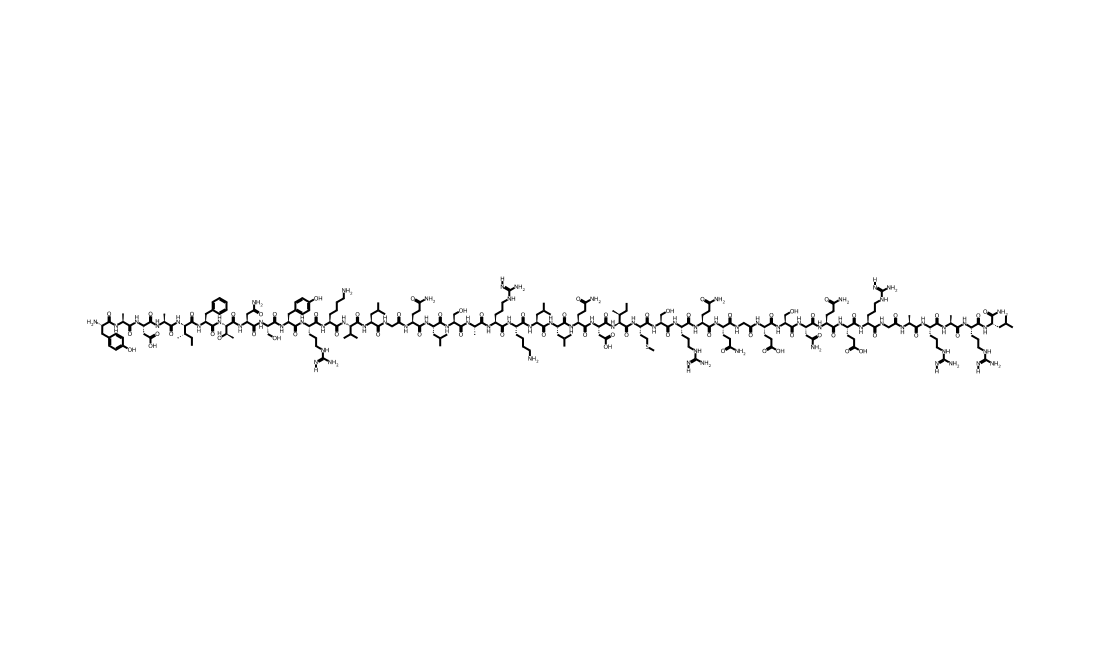
Human growth hormone-releasing factor stimulates GH production and release by binding to the GHRH Receptor (GHRHR) on cells in the anterior pituitary.
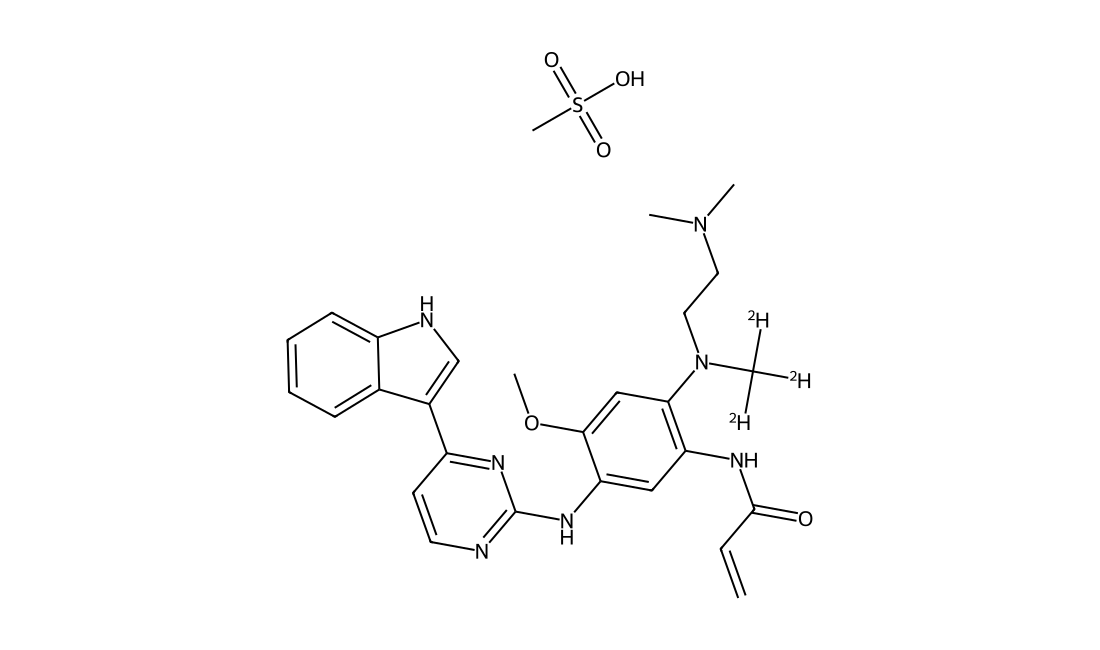
Deuterated AZ5104Featured
Deuterated AZ5104 is a potent EGFR inhibitor.
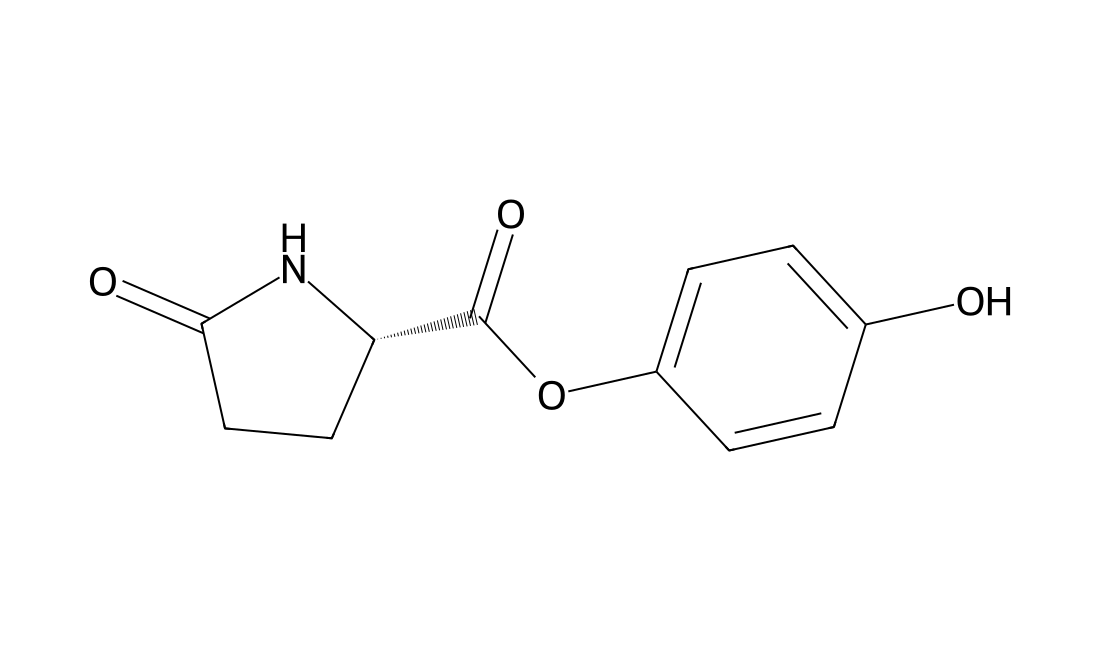
PidobenzoneFeatured
Pidobenzone is a dermatologic agent.
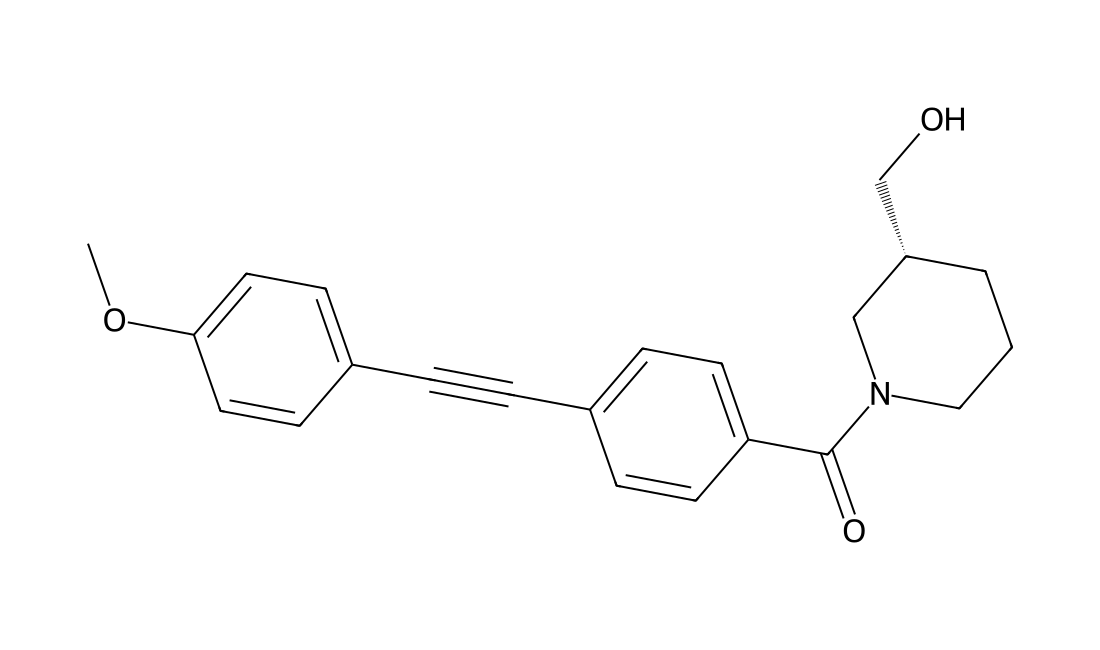
ML289Featured
Novel, CNS-penetrant, metabotropic glutamate receptor 3 (mGlu3) NAM probe
ARQ 621Featured
ARQ 621 demonstrates anti-tumor activity against a wide range of human cancer cell lines in vitro, including colon, lung, endometrial, bladder, and hematologic cancer cell lines, with significantly less cytotoxicity against hematopoietic cells. ARQ 621, as a novel clinical stage drug candidate, inhibits a number of xenografts grown in athymic mice, such as pancreatic, breast, prostate, and ovarian carcinomas with no hematological changes. Furthermore, for ARQ 621, there is no envidence of bone marrow toxicity in pre-clinical mouse efficacy models or safety studies in rats and dogs. For the detailed information of ARQ 621, the solubility of ARQ 621 in water, the solubility of ARQ 621 in DMSO, the solubility of ARQ 621 in PBS buffer, the animal experiment (test) of ARQ 621, the cell expriment (test) of ARQ 621, the in vivo, in vitro and clinical trial test of ARQ 621, the EC50, IC50,and affinity,of ARQ 621, Please contact DC Chemicals.
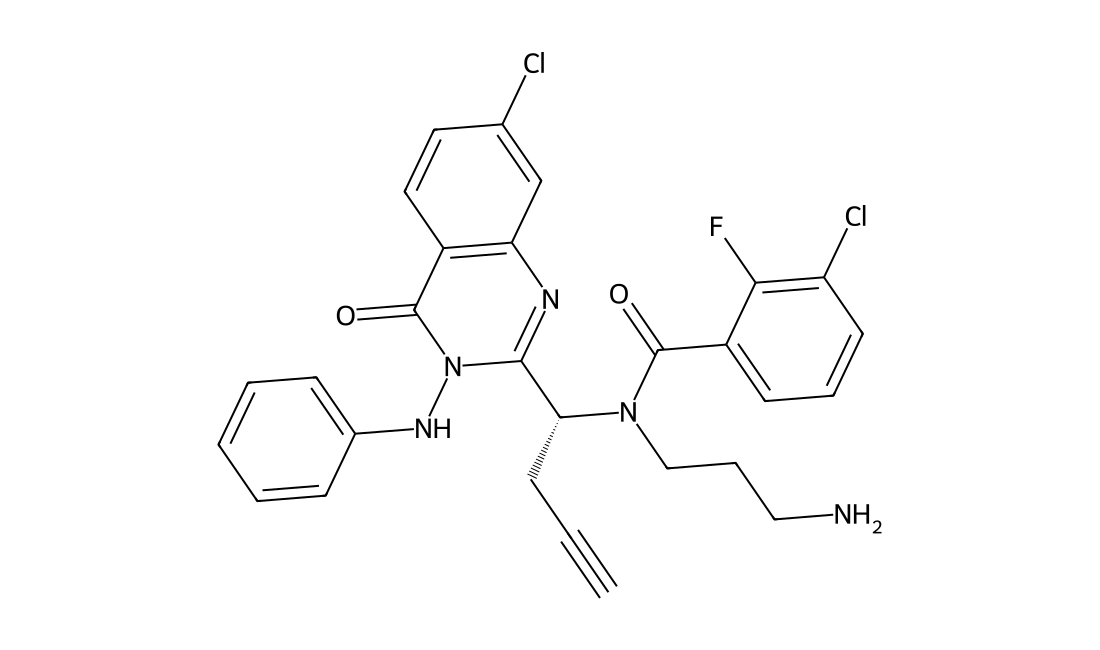
(R)-ZINC-3573Featured
(R)-ZINC-3573 is a potent, selective agonist of the atypical opioid receptor MRGPRX2 (EC50=0.76 uM), showing little activity against 315 other GPCRs and 97 representative kinases; activates endogenous MRGPRX2 in a human mast cell line, inducing degranulation and calcium release.
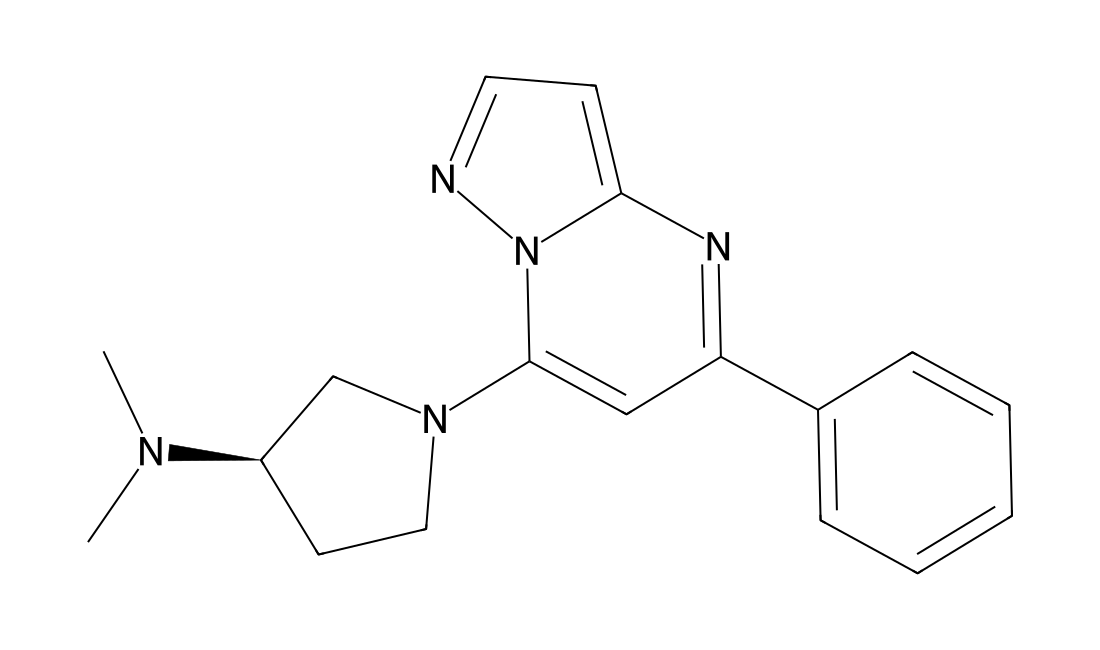
(S)-ZINC-3573Featured
(S)-ZINC-3573 is a negative control for (R)-ZINC 3573. (S)-ZINC-3573 displays no activity at MRGPRX2 at concentrations below 100 μM.
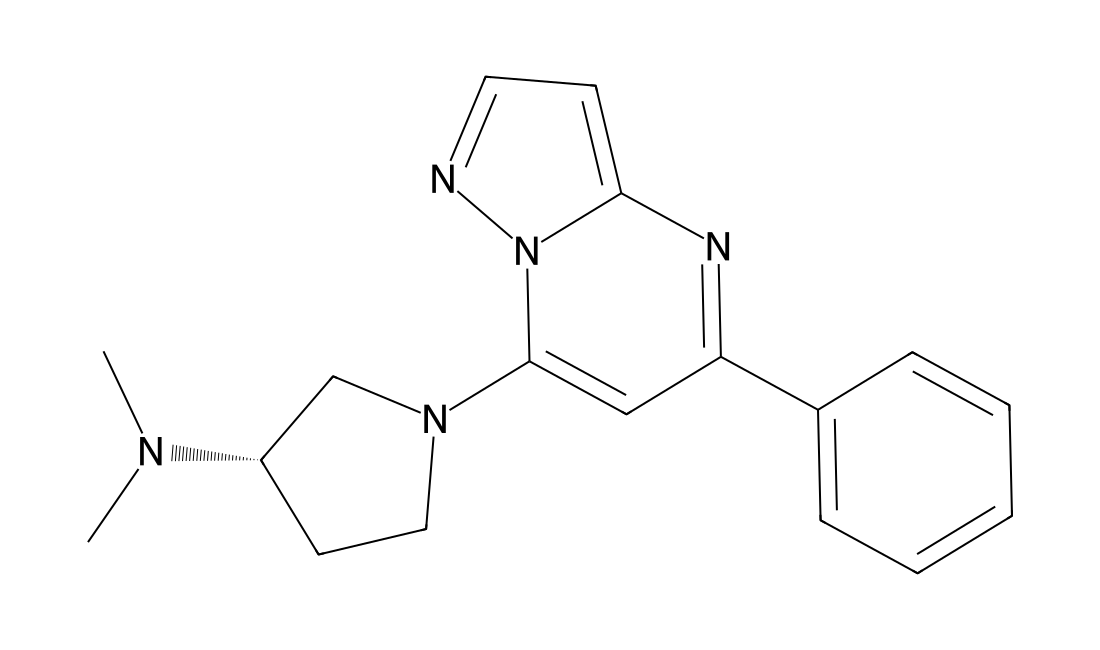
SCH-336Featured
SCH 336 is a potent, selective, inverse and orally active CB2 agonist. SCH 336 inhibits BaF3/CB2 migration. SCH 336 significantly inhibits the migration of leukocytes in vivo. SCH 336 blocks ovalbumin-induced lung eosinophilia in mice.
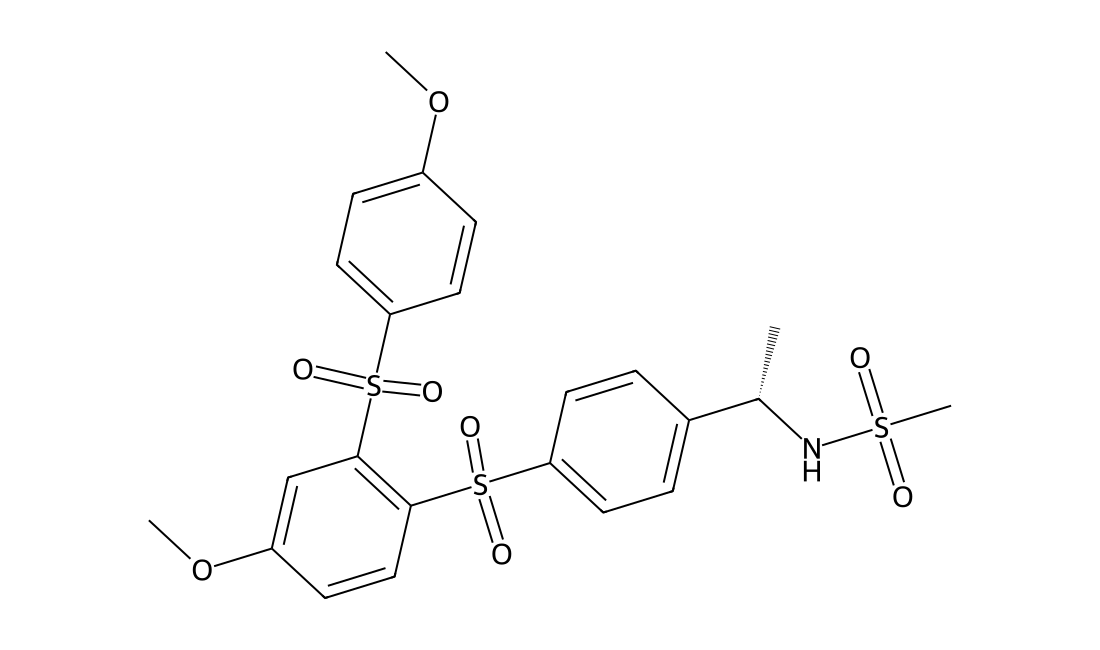
PD 123319Featured
PD 123319 is shown to discriminate between two subclasses of AII receptors in many different tissues. 125I-AII specifically labeled two classes of binding sites For AII in a membrane preparation of bovine adrenal glomerulosa cells. The first class (DuP-753 sensitive) represents approximately 85% of the total binding sites For AII and possesses a high affinity (IC50 of 92.9 nM) For DuP-753. PD-123319 does not have any effect on 125I-AII binding to this site. The second class of binding sites is more sensitive to PD-123319, with an IC50 of 6.9 nM, and has a much lower affinity For DuP-753 (IC50 around 10 microM). PD 123319 has no effect on cerebral blood flow autoregulation. Acute AT2-receptor blockade does not influence CBF autoregulation. Intravenous administration of PD 123319 to conscious hypertensive rats elicites an immediate dose-dependent increase in MAP that is sustained For approximately 7.4 min with 3 mg/kg PD 123319.For the detailed information of PD 123319, the solubility of PD 123319 in water, the solubility of PD 123319 in DMSO, the solubility of PD 123319 in PBS buffer, the animal experiment (test) of PD 123319, the cell expriment (test) of PD 123319, the in vivo, in vitro and clinical trial test of PD 123319, the EC50, IC50,and Affinity of PD 123319, Please contact DC Chemicals.
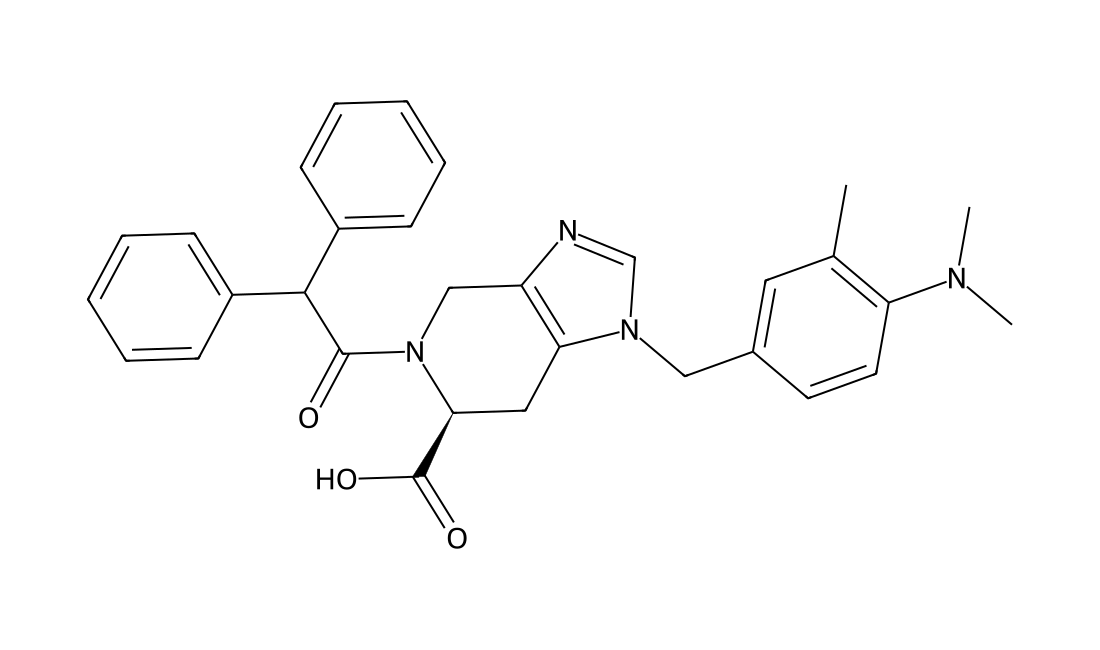
RHPS4Featured
RHPS4 is a potent inhibitor of Telomerase at submicromolar.
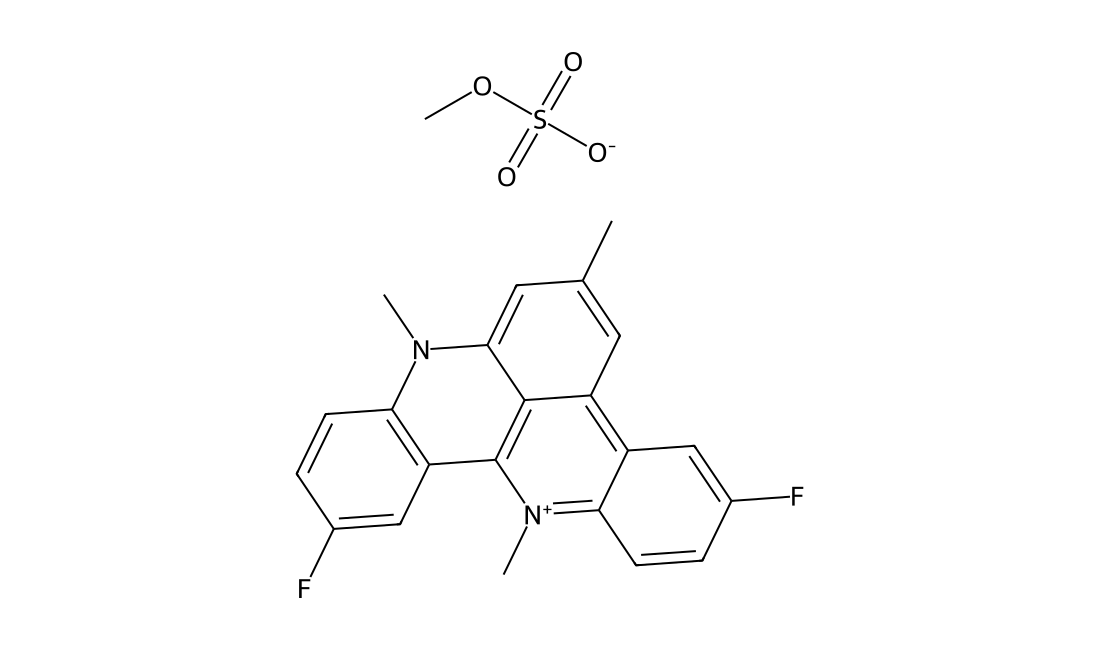
Cevidoplenib dimesylateFeatured
Cevidoplenib is an orally available inhibitor of spleen tyrosine kinase (Syk), with potential anti-inflammatory and immunomodulating activities.
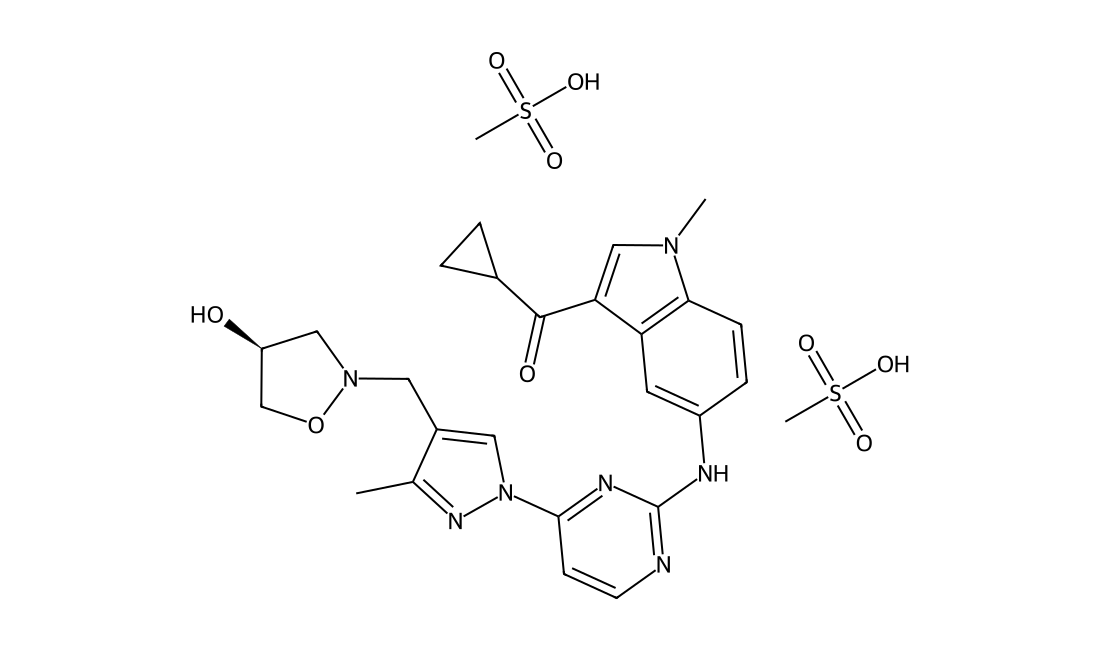
PrinomastatFeatured
Prinomastat (AG3340) is a potent, selective MMP inhibitor with pM affinities for inhibiting gelatinases (MMP-2 and -9, Ki=50-150 pM), MMP-14 and MMP-13; demonstrates broad antitumor activity in a number of tumor models, inhibits glioma invasion or growth of the human malignant glioma cell line U87; also suppresses tumor growth in a malignant glioma tumor model.
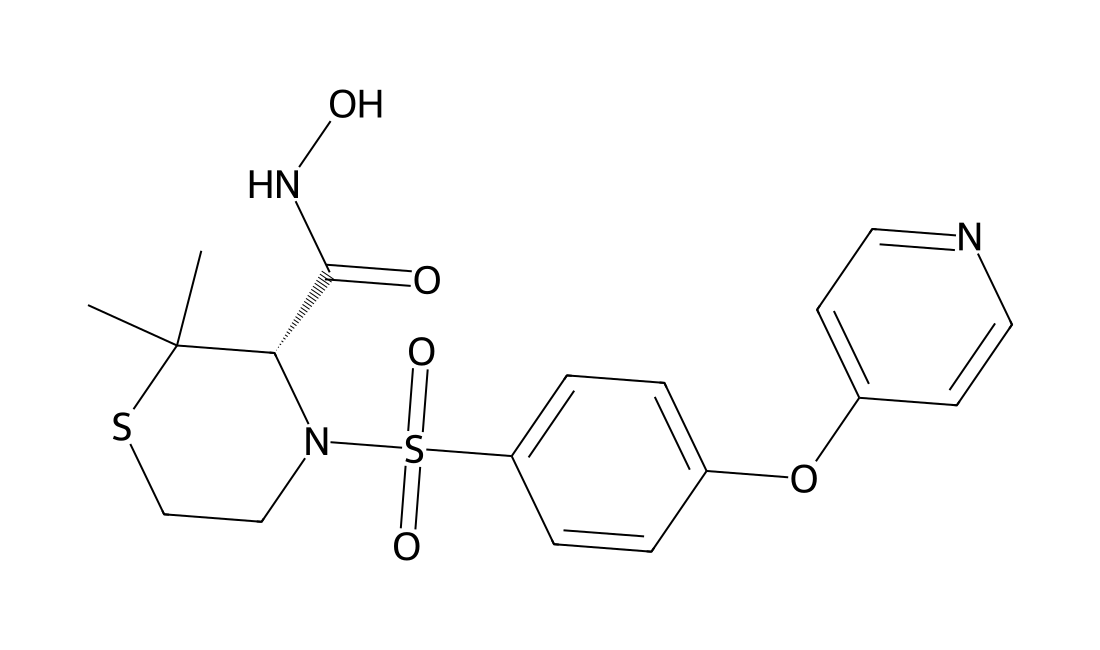
740 Y-PFeatured
740 Y-P (PDGFR 740Y-P) is a potent and cell permeable PI3K activator.
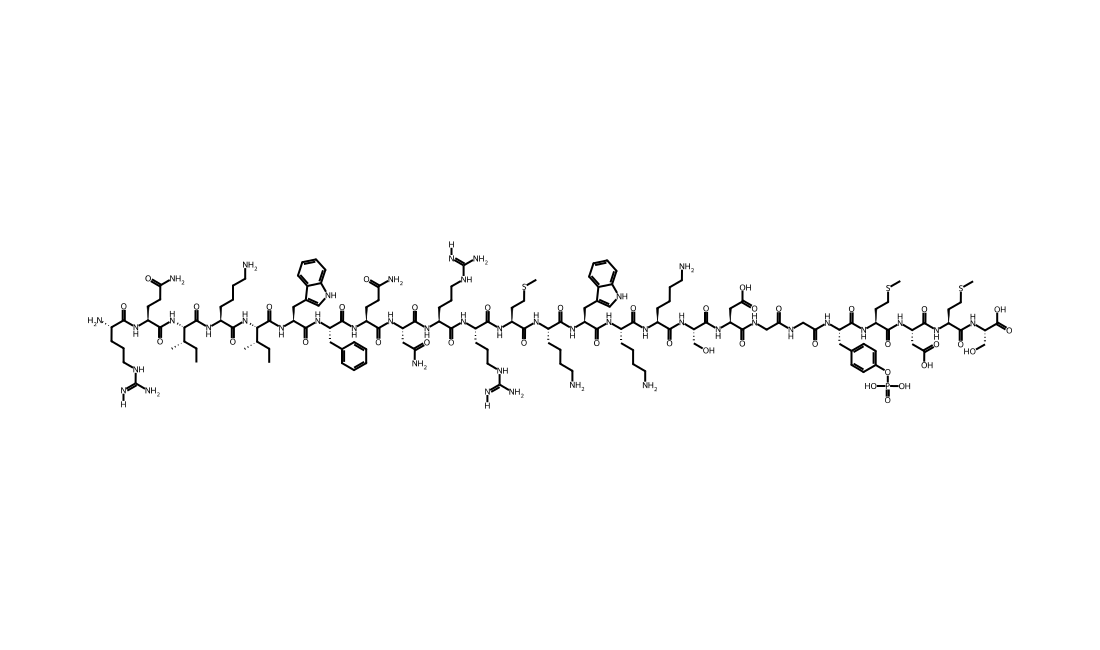
SLIGRL-NH2Featured
Protease-Activated Receptor-2 Activating Peptide is an agonist of Protease-Activated Receptor-2 (PAR-2).
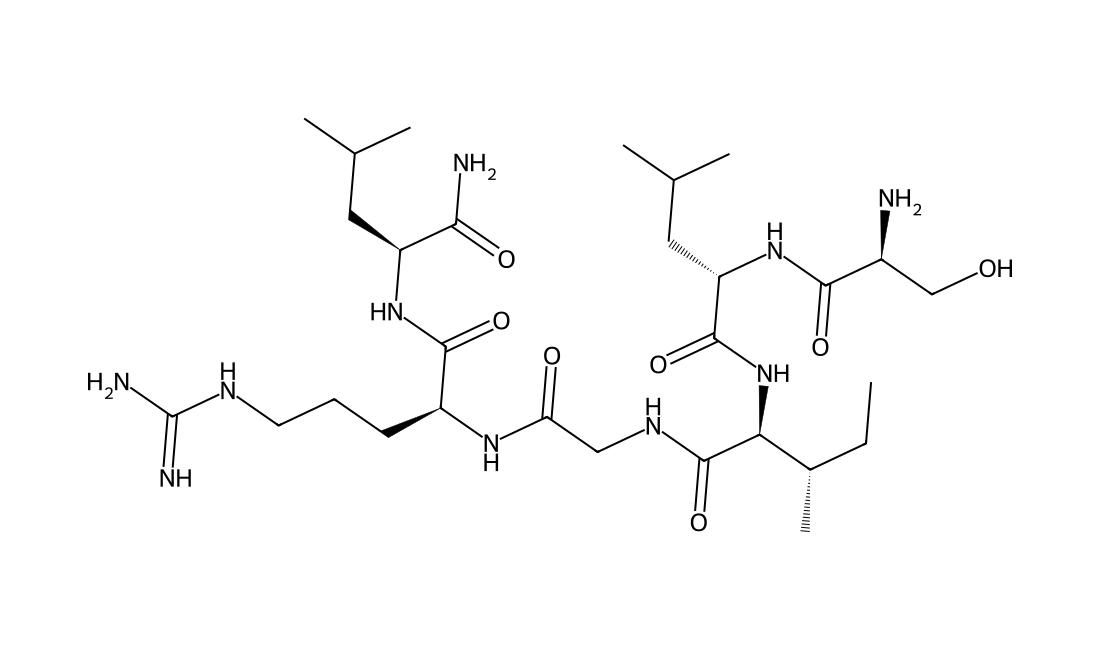
Furin Inhibitor II(Hexa-D-arginine) is an inhibitor of furin.
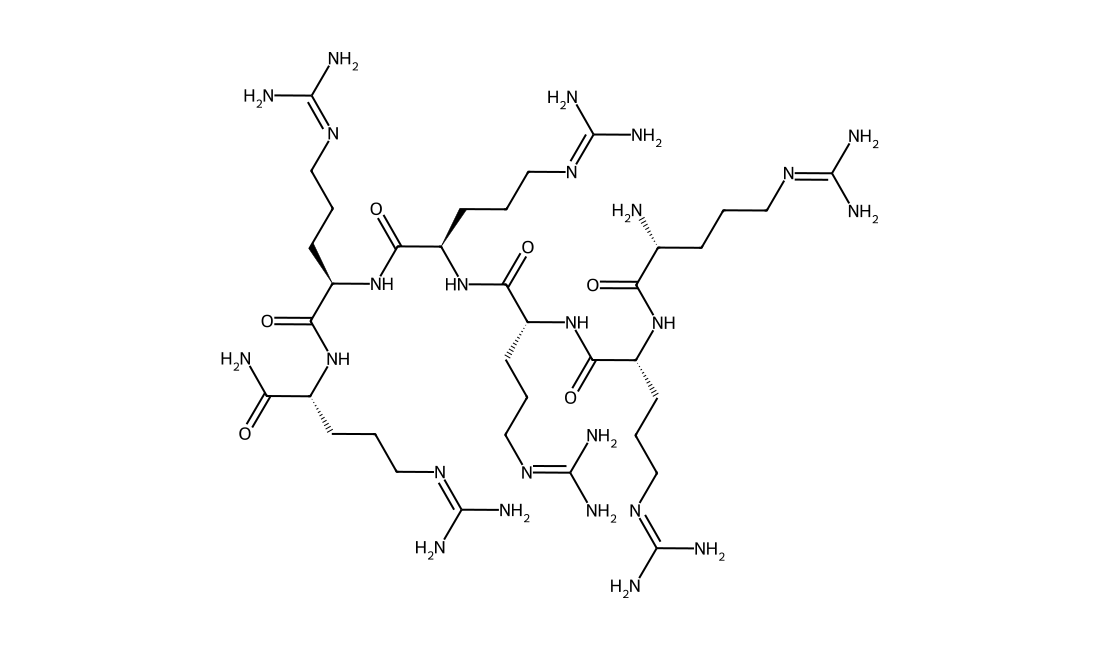
Adrenocorticotropic Hormone (ACTH) (1-39), human is a melanocortin receptor agonist.
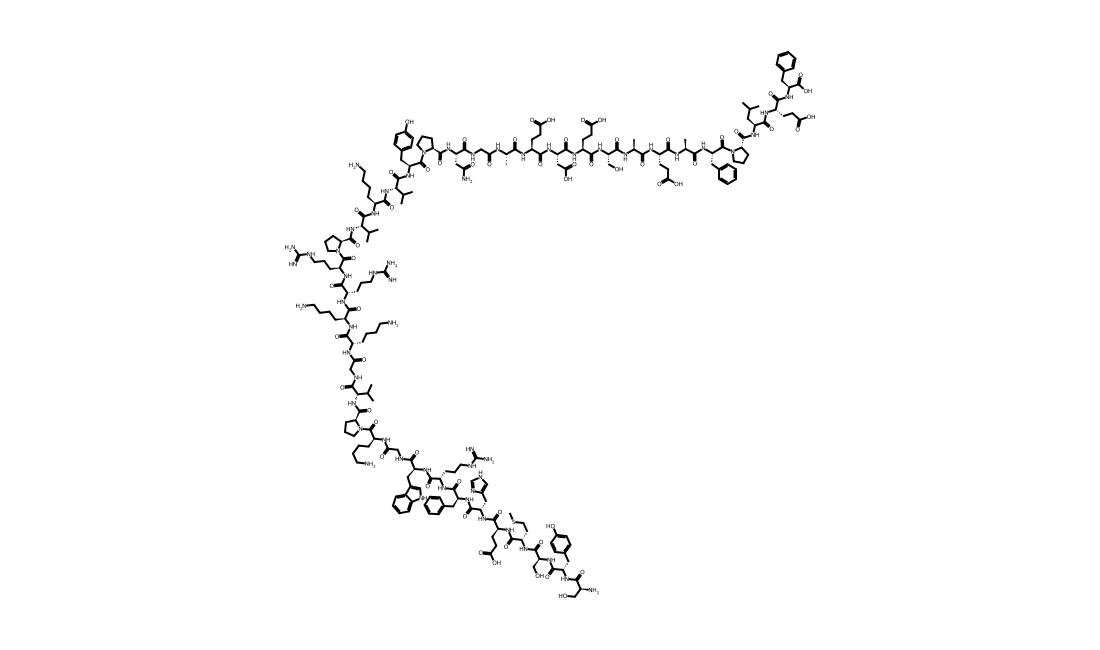
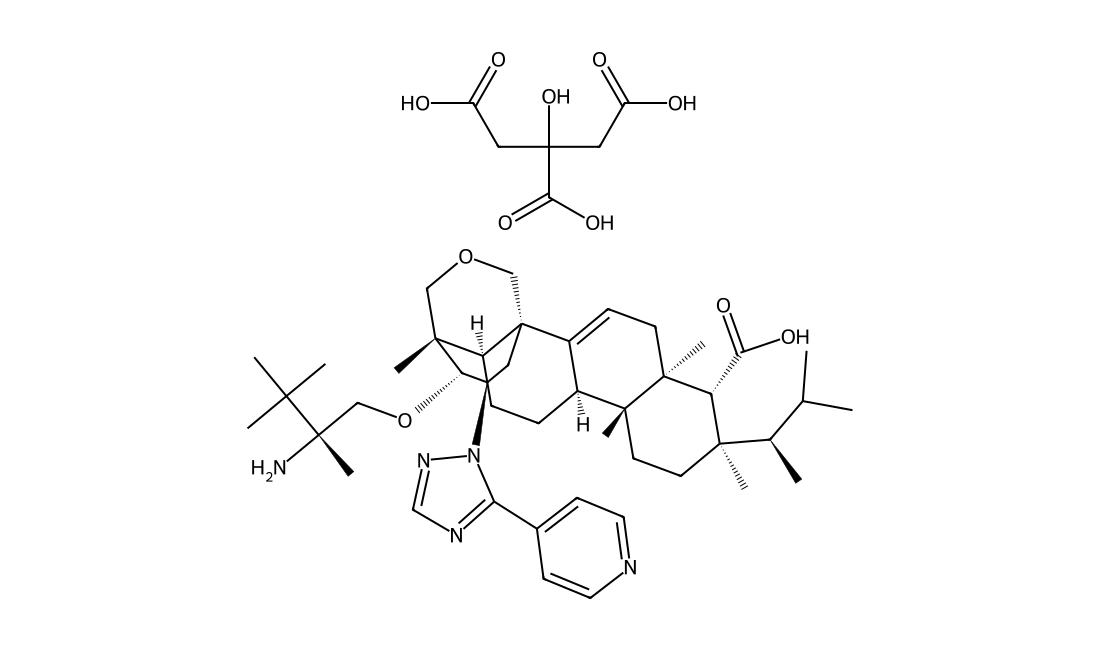
Ibrexafungerp citrateFeatured
Ibrexafungerp citrate is a triterpenoid antifungal. Similarly to echinocandins, it inhibits the synthesis of 1,3-β-d-glucan. However, it binds to a different site on the enzyme than echinocandins, resulting in limited cross-resistance. Ibrexafungerp exerts concentration-dependent fungicidal activity against Candida species and retains in vitro activity against most fluconazole-resistant strains.
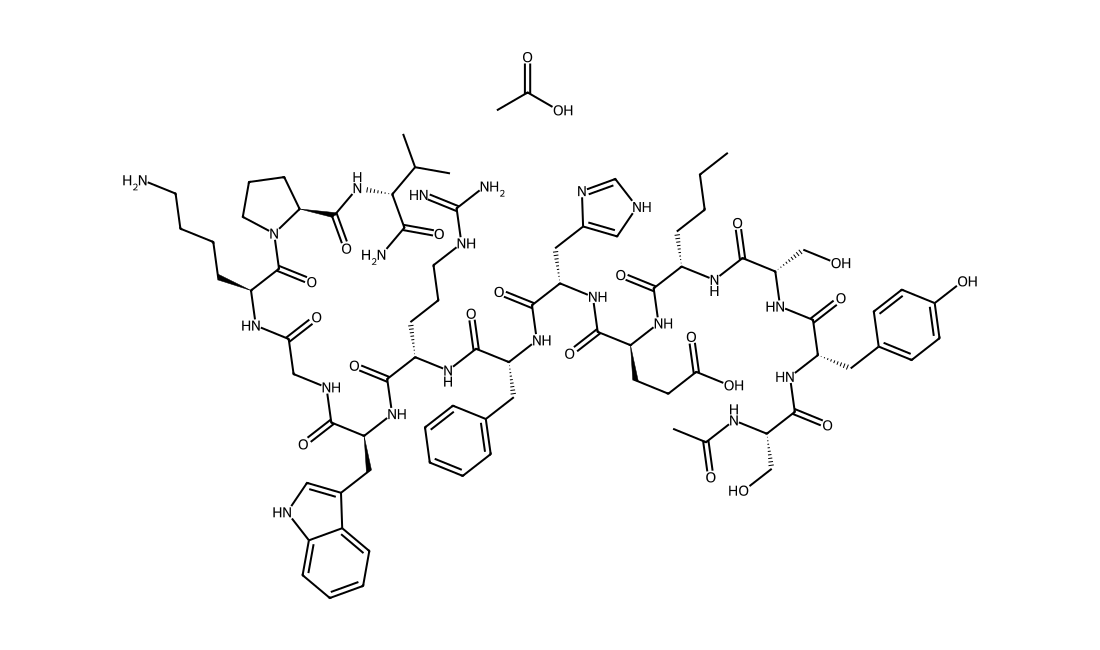
Melanotan I acetateFeatured
Melanotan I acetate is a potent non-selective melanocortin receptor (MCR) agonist. Melanotan I acetate is a synthetic analogue of α-melanocyte stimulating hormone (α-MSH) that stimulates melanogenesis. Melanotan I acetate can induce skin tanning by mimicking the actions of a-MSH on the melanocortin type 1 receptors (MC1R) of melanocytes. Melanotan I acetate can be used for sunlight-induced skin cancers research.
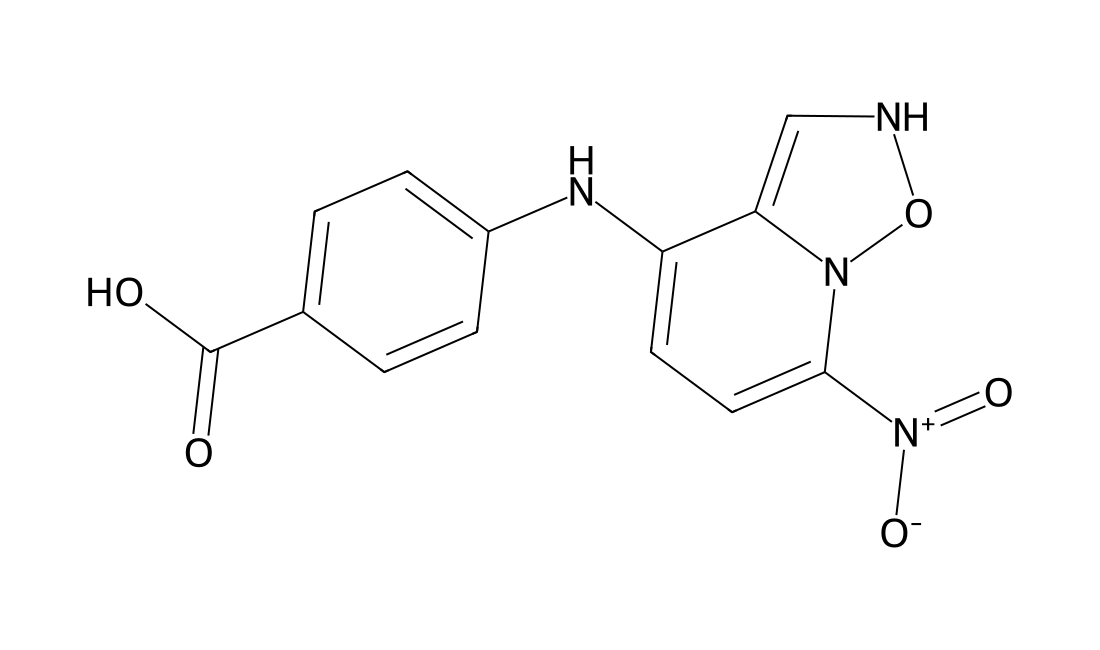
JY-3-094Featured
Novel selective c-Myc inhibitorReference:1) Disruption of Myc-Max heterodimerization with improved cell-penetrating analogs of the small molecule 10074-G5; Oncotarget. 2013 Jun;4(6):936-47. GoTo Paper
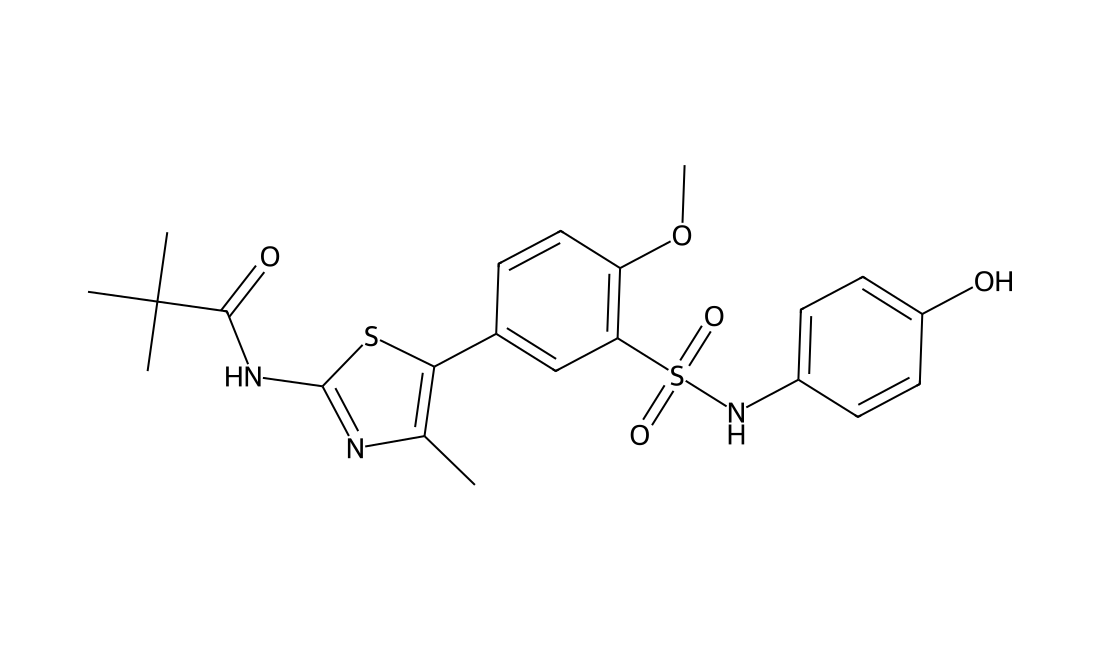
PI4KIIIbeta-IN-10Featured
A potent and selective type III phosphatidylinositol 4-kinase (PI4KIIIβ) inhibitor with IC50 of 3.6 nM; displays >200-fold selectivity over class I and class III PI3Ks; shows antiviral activity against hepatitis C virus with IC50 of 1.3 uM, with low cytotoxicity (CC50>32 uM).
No products match this search.
Page 371 of 384 · Browse all 7677 products
Jump to a product page
Featured literature product: HX1 · DCL0028
HX1 is a hydroxyzine-derived ionizable lipid with acetal-containing tails, studied in lipid nanoparticles for brain mRNA delivery and CRISPR–Cas9 delivery. It was the lead in the reported in vivo brain-delivery screen; evidence is preclinical and formulation-dependent.
Read full formulation and performance →