
Research lipid catalog
Ionizable Lipid Products
Explore 848 lipid and RNA delivery products. Search the full catalog or browse by research category.
Search covers product name, catalog number, synonyms, available CAS numbers and categories. Spaces, hyphens and common punctuation are ignored. Duplicate legacy records are consolidated under one canonical product result.
7677 products · Showing 7481–7500 · 20 per page
DC Chemicals lipid expertise
Built for ionizable-lipid discovery and RNA delivery research
DC Chemicals supports formulation and delivery research with a broad, searchable portfolio of cationic and ionizable lipids. The current directory brings together 848 unique research-use products, with product specifications, pricing, chemical structures and literature-linked formulation data added as each record is verified.
Our experience spans complex lipid synthesis, purification, analytical release and process development. For custom molecules or larger-scale requirements, our team can discuss route development, technical specifications and scale-up options for the intended research workflow.
Learn about cationic and ionizable lipids →Proprietary innovation · Co-development · GMP
From proprietary lipid design to GMP-grade custom synthesis
DC Chemicals has independently developed ionizable-lipid structures supported by company-owned intellectual property, and selected proprietary lipid programs have advanced to GMP-stage development.
We welcome joint development with customers—from molecular design and lipid synthesis through route and process development. We can also support custom synthesis of GMP-grade ionizable lipids to agreed technical specifications and quality requirements.
Discuss a co-development project →Proprietary ionizable-lipid structuresCollaborative molecular designCustom lipid synthesisProcess development and scale-upGMP-grade project support
Product quick links
Explore New ionizable lipids
Explore our five most recently added ionizable lipids, with specifications, pricing and literature-linked product information.
DCL0028HX1Brain RNA delivery researchView product →DCL0024A1I4R13C18-2Spleen-targeted RNA delivery researchView product →DCL0023A1I4R2C18-2Spleen-targeted RNA delivery researchView product →DCL0022FS01Local joint RNA delivery researchView product →DCL0020Lipid-392Lung RNA delivery and gene editing researchView product →
Cat. No.Product NameField of ApplicationChemical Structure
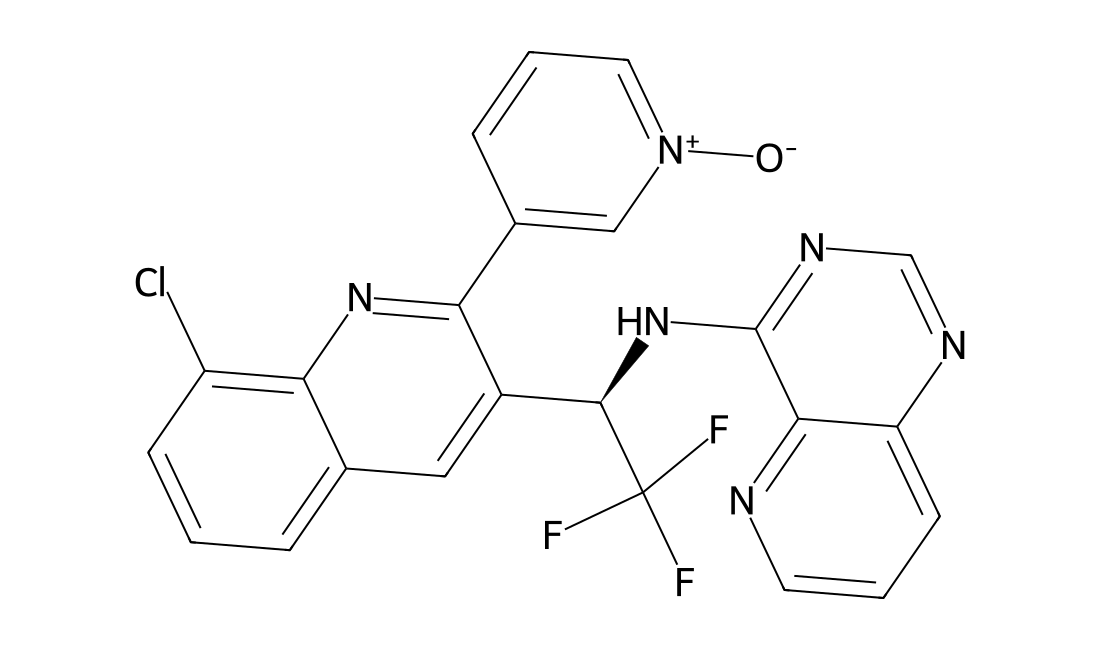
SeletalisibFeatured
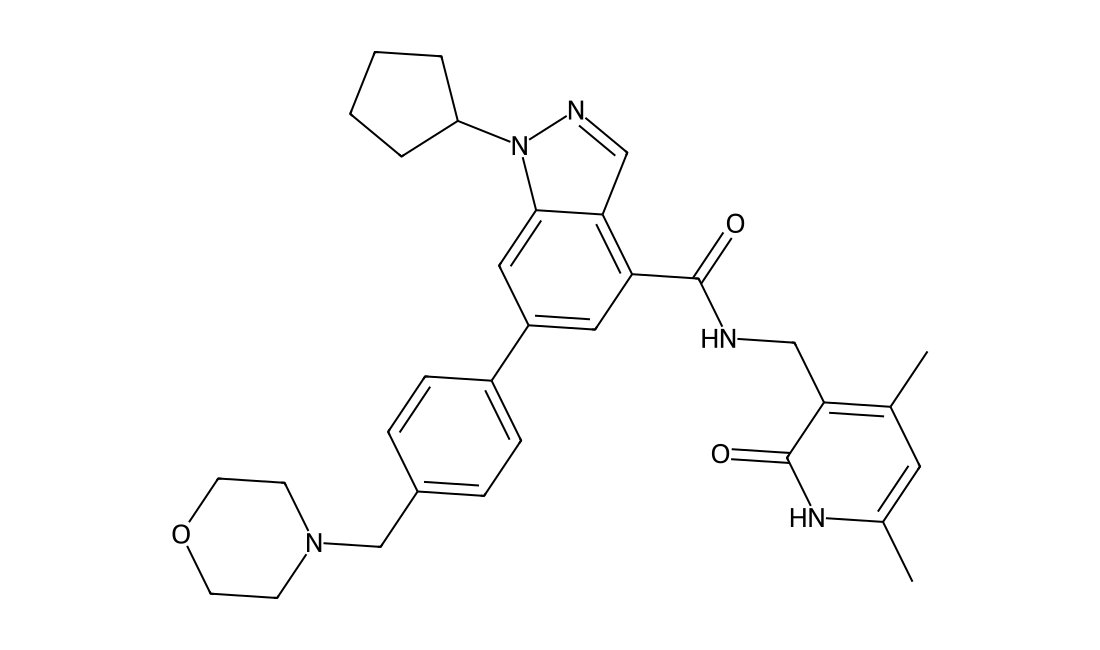
Seletalisib is a potent, ATP-competitive and highly selective PI3Kδ inhibitor able to block AKT phosphorylation following activation of the BCR in a B-cell line. Seletalisib inhibits N-formyl peptides (fMLP)-stimulated but not phorbol myristate acetate (PMA)-stimulated superoxide release from human neutrophils consistent with a PI3Kδ-specific activity. No indications of cytotoxicity are observed in PBMCs or other cell types treated with seletalisib. seletalisib blocks human T-cell production of several cytokines from activated T-cells. Seletalisib inhibits T-cell differentiation to Th1, Th2, and Th17 subtypes. Additionally, seletalisib inhibits B-cell proliferation and cytokine release. In human whole blood assays, seletalisib inhibits CD69 expression upon B-cell activation and anti-IgE-mediated basophil degranulation.Seletalisib significantly inhibits IL-2 release following TCR stimulation in the rat. The inhibition is observed at all tested doses of seletalisib with almost complete inhibition reached at dose levels ≥1 mg/kg. Seletalisib has potent in vivo effects with an estimated IC50 value of <10 nM.
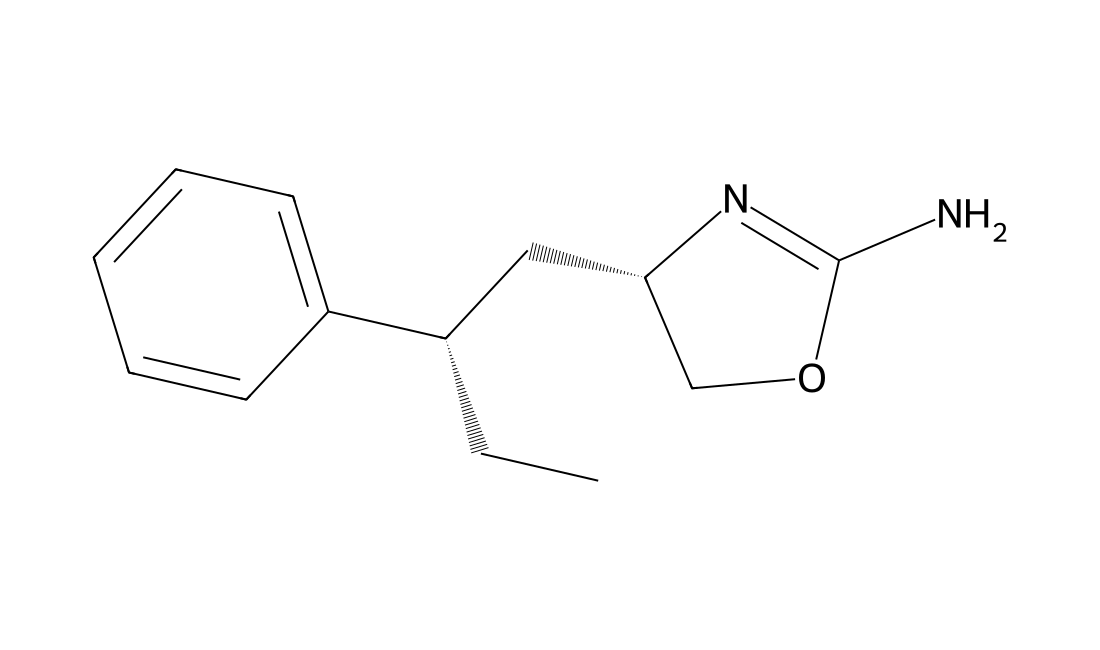
RO 5256390Featured
A highly potent, selective and orally bioavailable trace amine-associated receptor 1 (TRRA1) full agonist with EC50 of 18 nM, >500-fold selectivity over human adrenergic α2A receptor; blocks psychostimulant-induced hyperactivity and produces a brain activation pattern reminiscent of the antipsychotic drug olanzapine in vivo, does not induce catalepsy or weight gain.
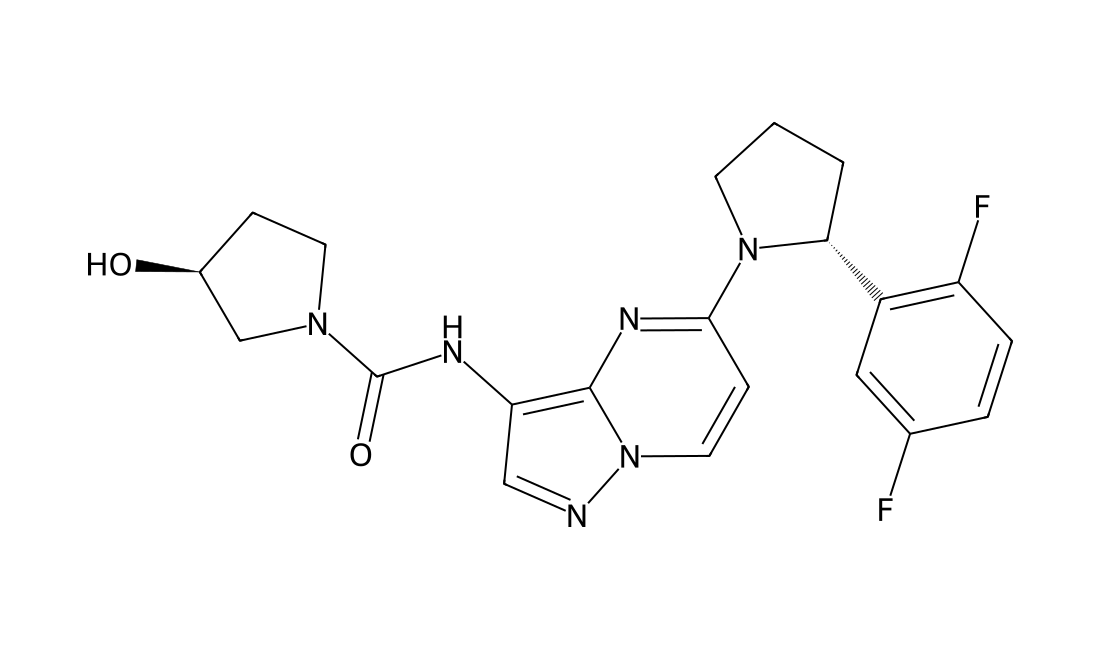
Larotrectinib (LOXO-101) is an ATP-competitive oral, selective inhibitor of the tropomyosin-related kinase (TRK) family receptors, with low nanomolar 50% inhibitory concentrations against all three isoforms (TRKA, B, and C).
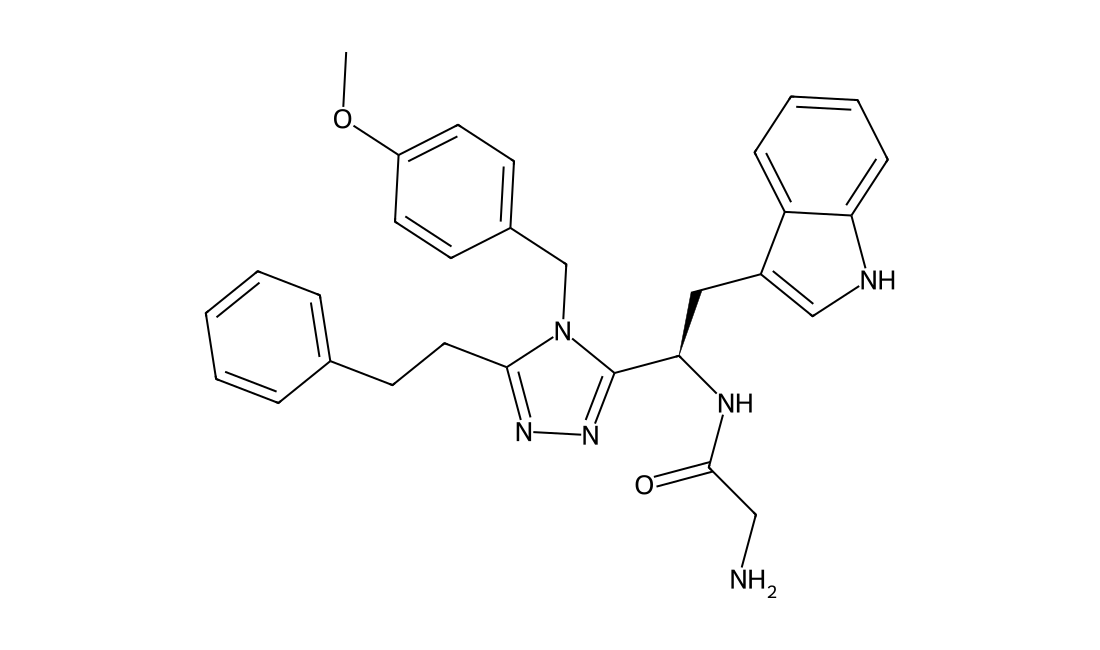
JMV 2959Featured
JMV 2959 (AEZS-123) is a potent ghrelin receptor (GHS-R1A) antaognist with binding IC50 of 32 nM; suppresses ghrelin-induced and fasting-induced food intake at the level of the central nervous system, attenuates the NMDAR antagonist, phencyclidine-induced impairments in prepulse inhibition in rats.
PF-03758309Featured
An orally bioavailable small-molecule inhibitor of p21-activated kinase 4 (PAK4) with potential antineoplastic activity. PAK4 inhibitor PF-03758309 binds to PAK4, inhibiting PAK4 activity and cancer cell growth. PAK4, a serine/threonine kinase belonging to the p21-activated kinase (PAK) family, is often upregulated in a variety of cancer cell types and plays an important role in cancer cell motility, proliferation, and survival. For the detailed information of PF-03758309, the solubility of PF-03758309 in water, the solubility of PF-03758309 in DMSO, the solubility of PF-03758309 in PBS buffer, the animal experiment (test) of PF-03758309, the cell expriment (test) of PF-03758309, the in vivo, in vitro and clinical trial test of PF-03758309, the EC50, IC50,and Affinity of PF-03758309, Please contact DC Chemicals.
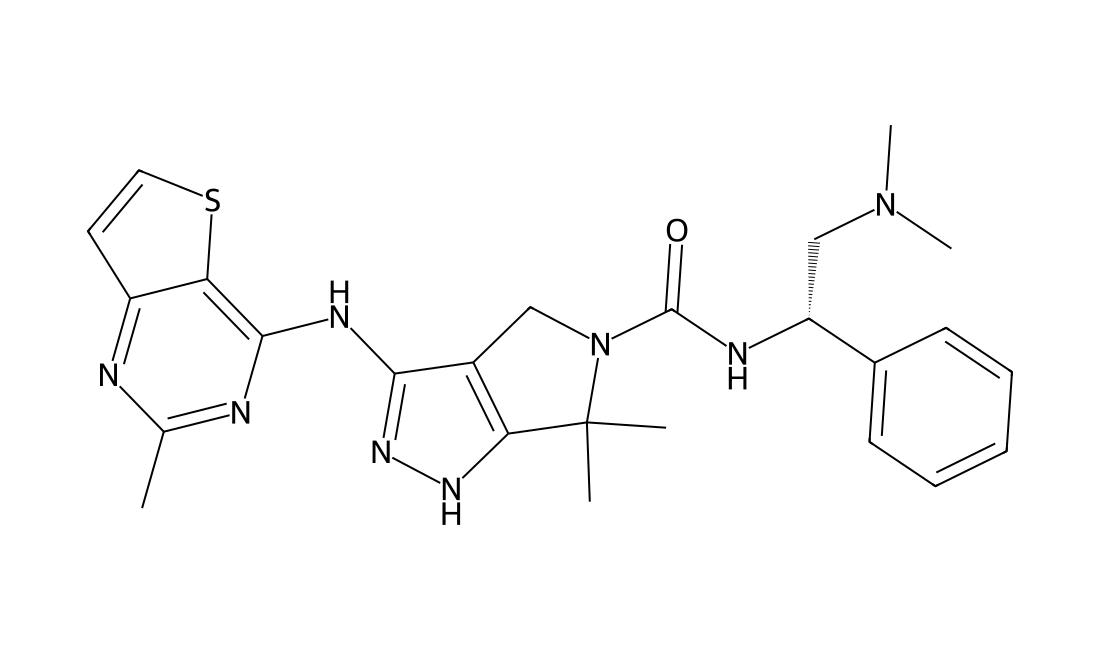
CFI-400945Featured
CFI-400945 is a potent, highly selective PLK4 inhibitor with Ki of 0.26 nM and IC50 of 2.8 nM, does not significantly inhibits PLK1/2/3 at 50 uM; causes dysregulated centriole duplication, mitotic defects, and cell death in multiple cancer cell lines (A549 GI50=5 nM, OVCAR-3 GI50=18 nM); significantly inhibits human cancer xenografts; causes polyploidy, growth inhibition, and apoptotic death of murine and human lung cancer cells, despite expression of mutated KRAS or p53, produces supernumerary centrosomes and mitotic defects in lung cancer cells.
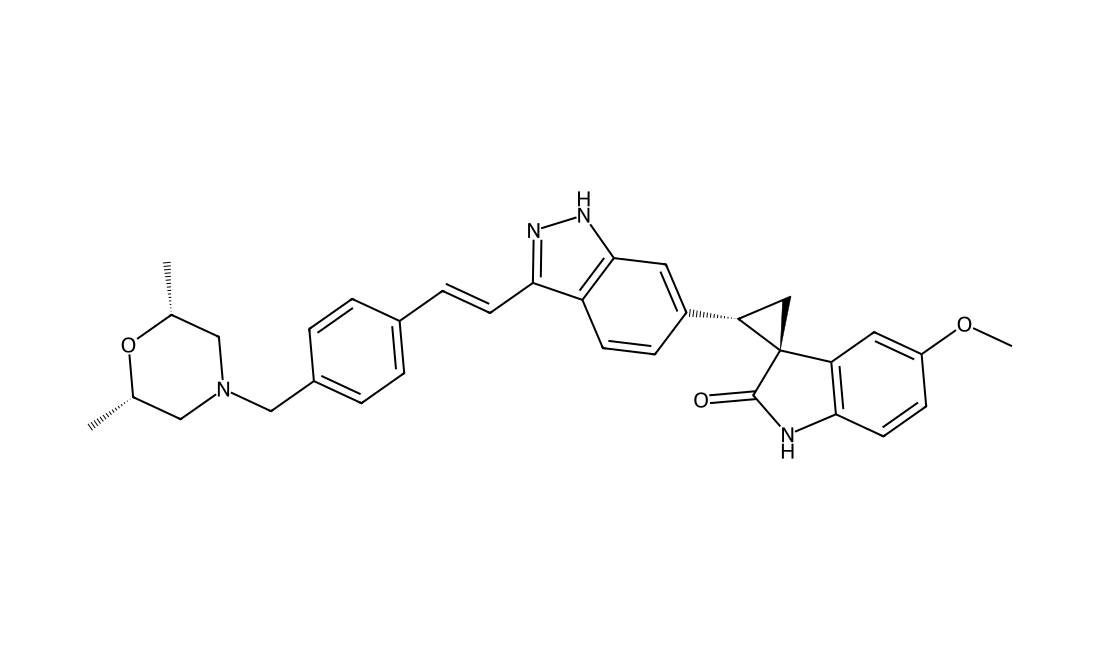
PresatovirFeatured
Presatovir (GS-5806) is a novel, orally bioavailable RSV fusion inhibitor with mean EC50 of 0.43 nM against a panel of 75 RSV A and B clinical isolates; exhibits low cytotoxicity in human cell lines and primary cell cultures (selectivity > 23,000-fold); shows excellent antiviral efficacy in the cotton rat model of RSV infection. RSV Infection Phase 2 Clinical
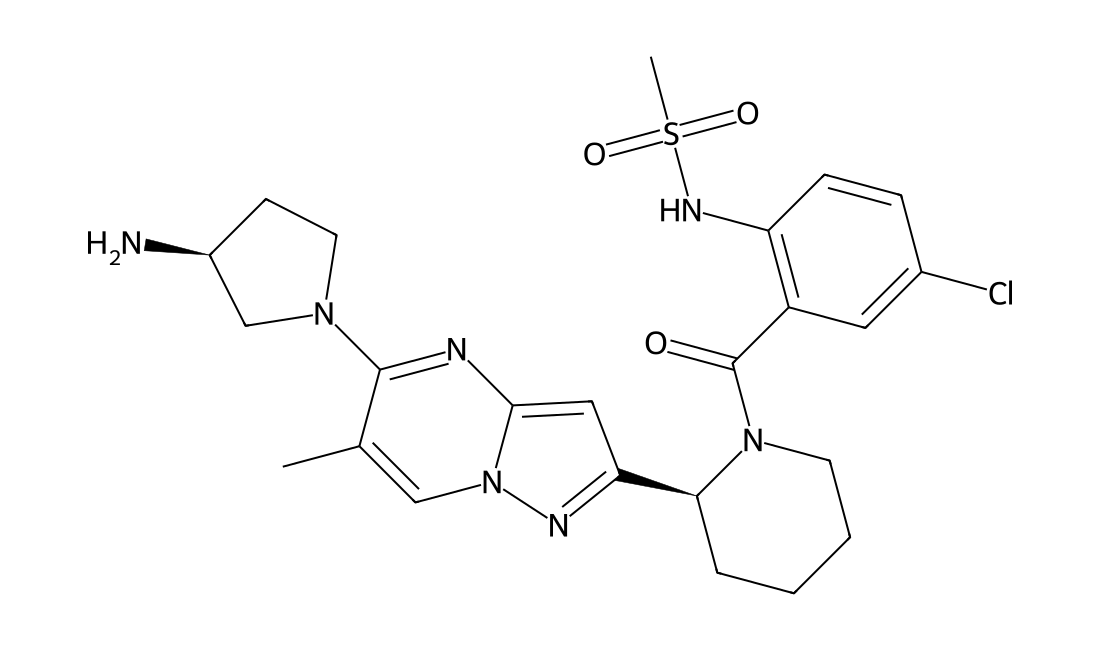
DeltarasinFeatured
Deltarasin is a novel and small molecule inhibitor which can inhibit the KRAS-PDEδ interaction(Kd= 41 nM. binding to PDEδ) and impairs oncogenic KRAS signalling.Interfering with binding of mammalian PDEδ to KRAS by means of small molecules provides a novel opportunity to suppress oncogenic RAS signalling by altering its localization to endomembranes. Biochemical screening and subsequent structure-based hit optimization yielded inhibitors of the KRAS-PDEδ interaction that selectively bind to the prenyl-binding pocket of PDEδ with nanomolar affinity, inhibit oncogenic RAS signalling and suppress in vitro and in vivo proliferation of human pancreatic ductal adenocarcinoma cells that are dependent on oncogenic KRAS. For the detailed information of Deltarasin, the solubility of Deltarasin in water, the solubility of Deltarasin in DMSO, the solubility of Deltarasin in PBS buffer, the animal experiment (test) of Deltarasin, the cell expriment (test) of Deltarasin, the in vivo, in vitro and clinical trial test of Deltarasin, the EC50, IC50,and affinity,of Deltarasin, For the detailed information of Deltarasin, the solubility of Deltarasin in water, the solubility of Deltarasin in DMSO, the solubility of Deltarasin in PBS buffer, the animal experiment (test) of Deltarasin, the cell expriment (test) of Deltarasin, the in vivo, in vitro and clinical trial test of Deltarasin, the EC50, IC50,and affinity,of Deltarasin, Please contact DC Chemicals.
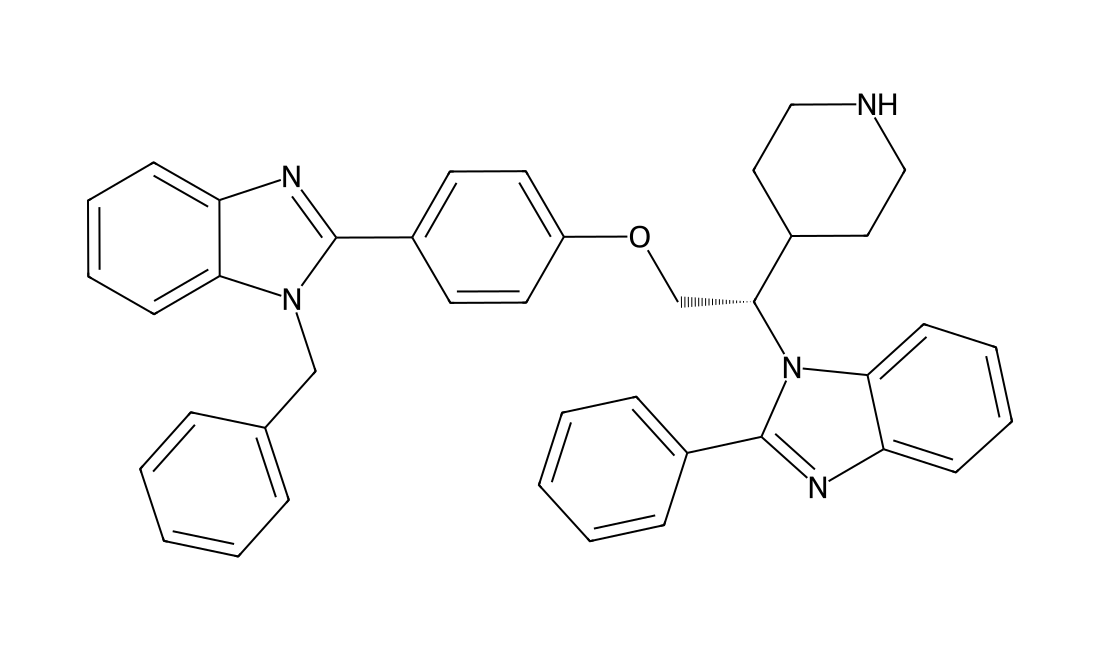
EPZ005687Featured
EPZ005687 is a potent and selective inhibitor of EZH2 with Ki of 24 nM, and has 50-fold selectivity against EZH1 and 500-fold selectivity against 15 other protein methyltransferases.
MelittinFeatured
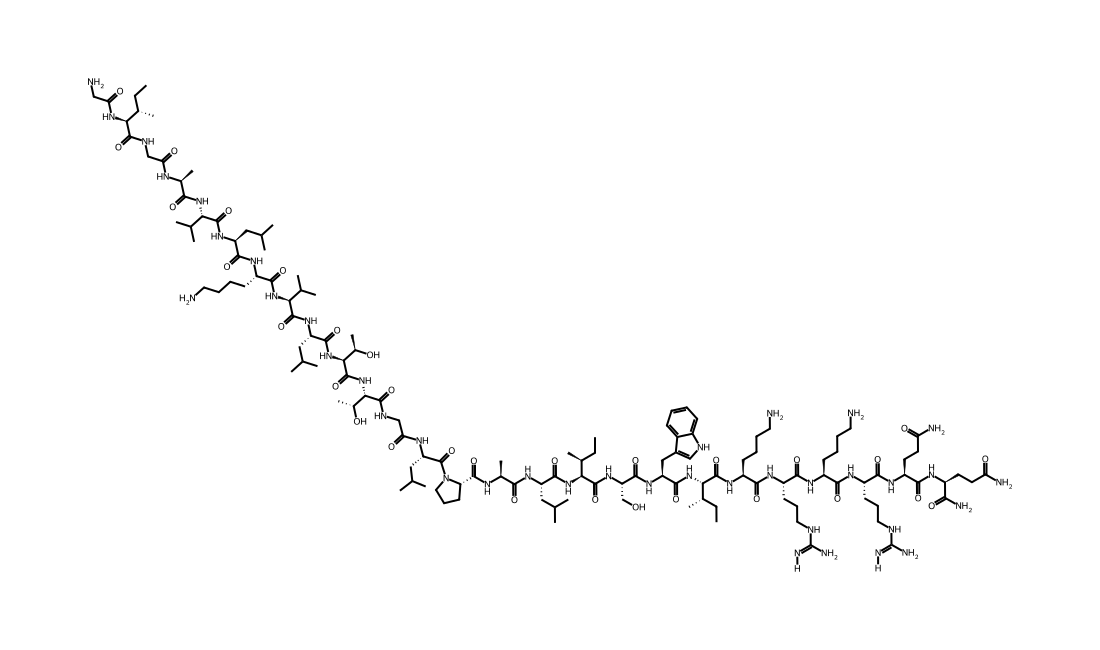
Melittin (MLT, Forapin, Forapine) is an activator of phospholipase A2 (PLA2) that stimulates the activity of the low molecular weight PLA2, while it does not the increase the activity of the high molecular weight enzyme.
MelitaneFeatured
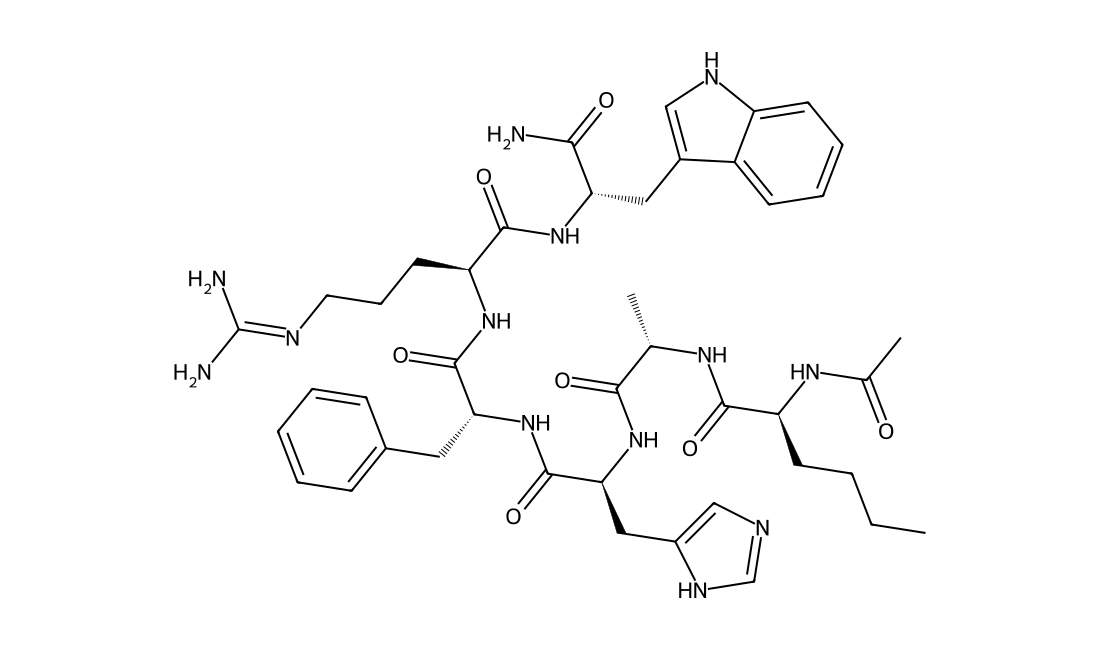
Acetyl hexapeptide-1 (Melitane) is a bioactive peptide with anti-wrinkle effect and has been reported used as a cosmetic ingredient.
MM 07Featured
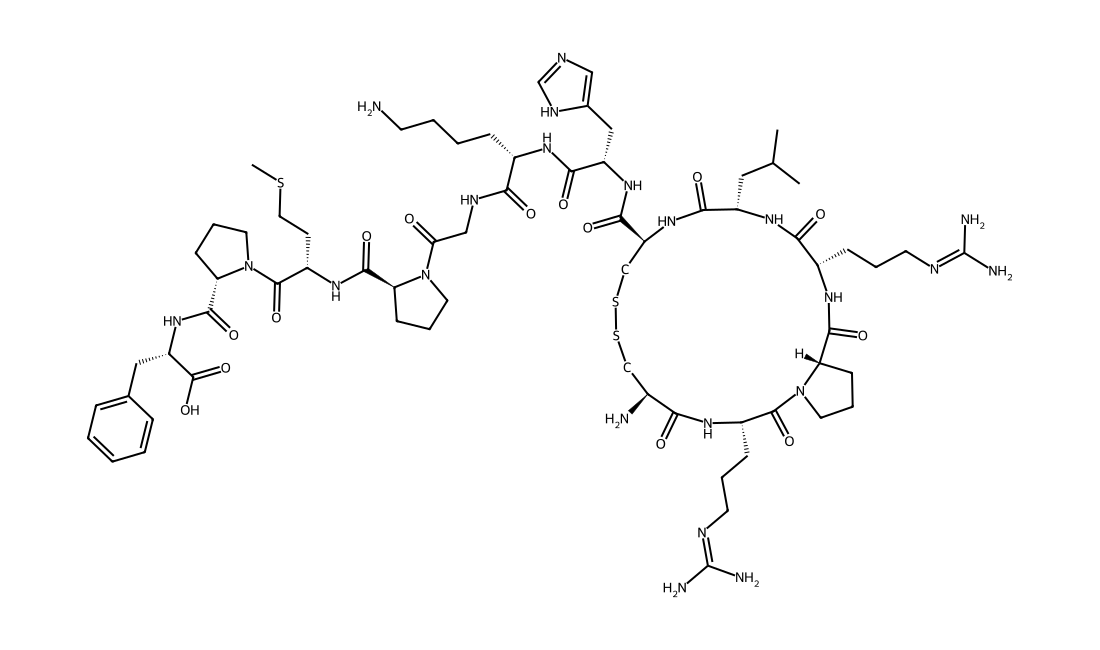
MM 07 is a biased apelin receptor agonist, with a KD of 300 nM in CHO-K1 cells and a KD of 172 nM in human heart.
IclepertinFeatured
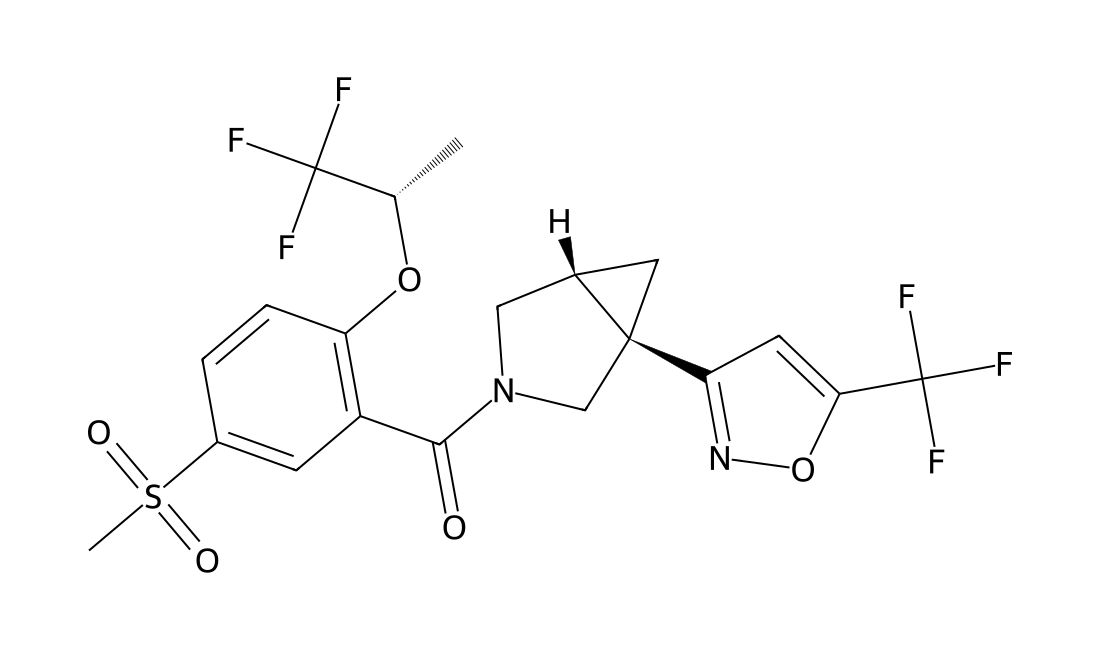
Iclepertin (BI-425809) is a potent, selective and orally active glycine transporter 1 (GlyT1) inhibitor. Iclepertin is inactive against GlyT2. Iclepertin can be used for Alzheimer disease and schizophrenia research.
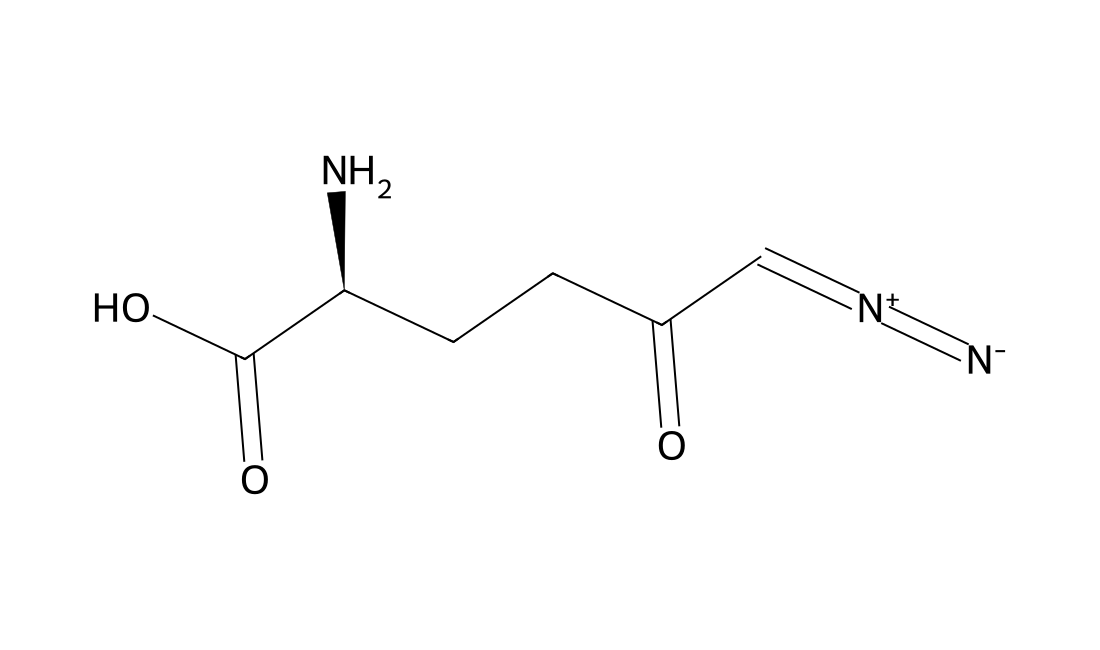
6-Diazo-5-oxo-L-nor-LeucineFeatured
6-Diazo-5-oxo-L-nor-Leucine (DON) is a glutamine analog that inhibits glutaminases (Ki = 6 µM) and other glutamine-utilizing enzymes, including cytidine triphosphate synthase (CTPS), which uses glutamine in the synthesis of CTP.1,2,3 DON is commonly used in cells or tissues but its use in whole animals is limited by its teratogenicity.
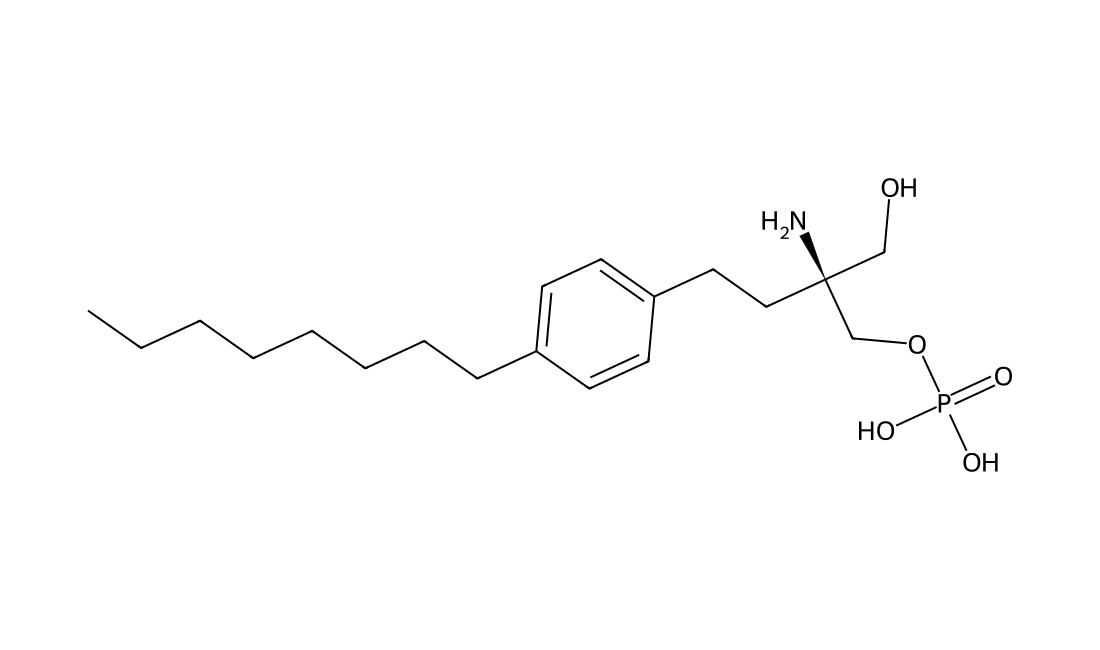
FTY720(8)-PhosphateFeatured
A sphingosine 1-phosphate (S1PR) receptor agonist
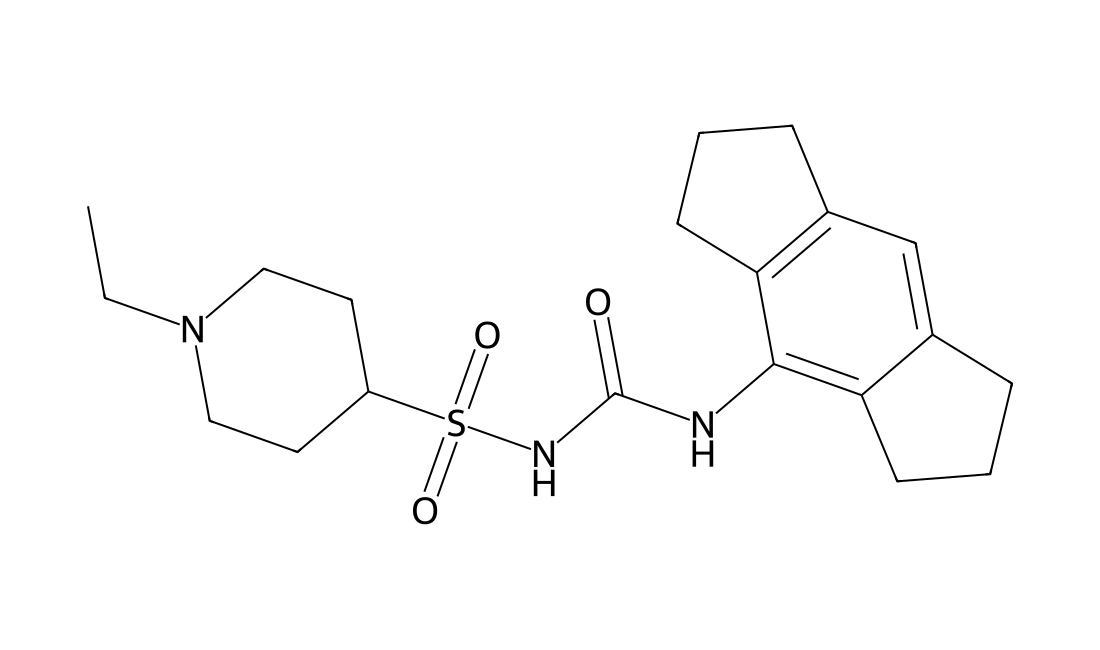
SelnoflastFeatured
Selnoflast (example 6) is a NLRP3 inhibitor (extracted from patent WO2019008025).
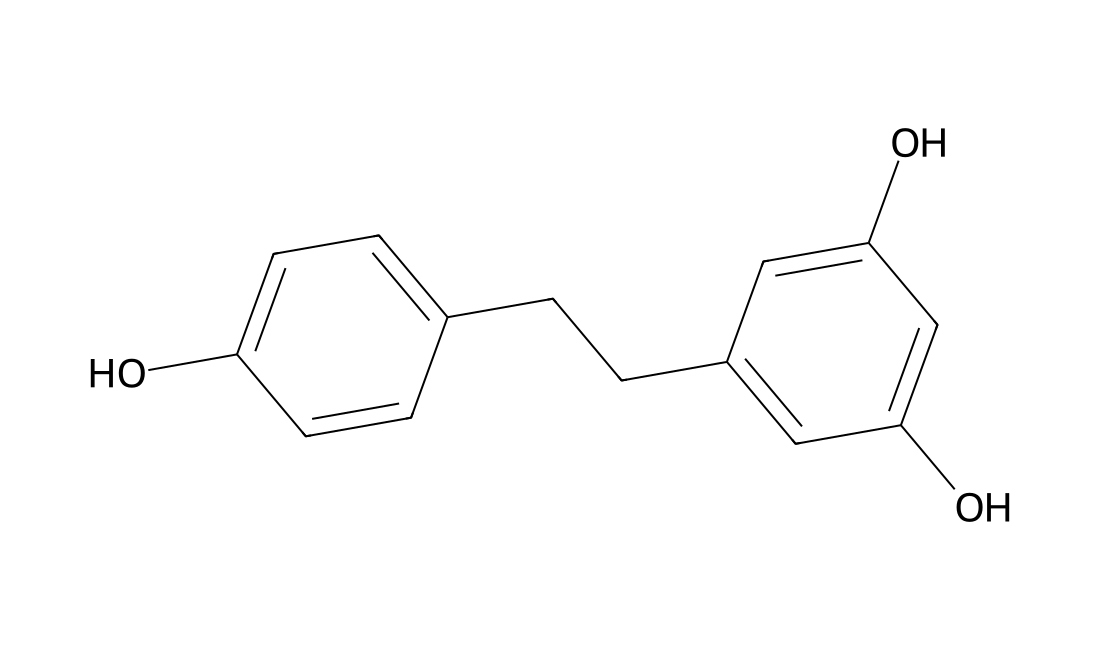
DihydroresveratrolFeatured
Dihydroresveratrol is an SIRT1 activator. It is a primary metabolite of resveratrol.
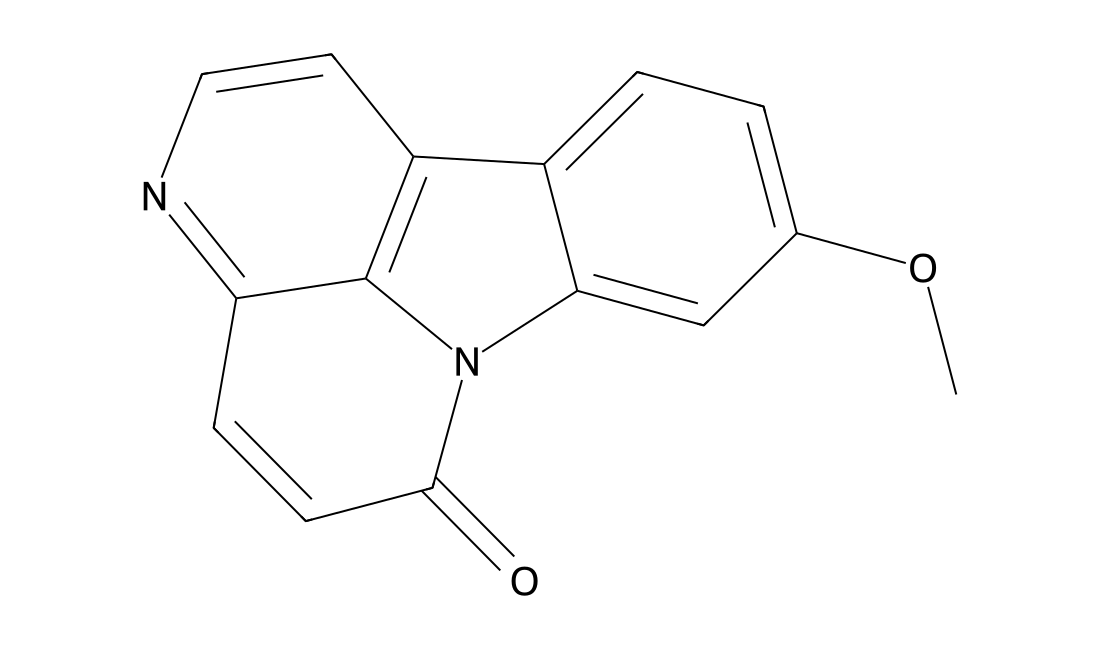
9-Methoxycanthin-6-oneFeatured
9-Methoxycanthin-6-one, a canthin-6-one alkaloid, is present in intact plant parts and in callus tissues of different explants. 9-Methoxycanthin-6-one shows anti-tumor activity.
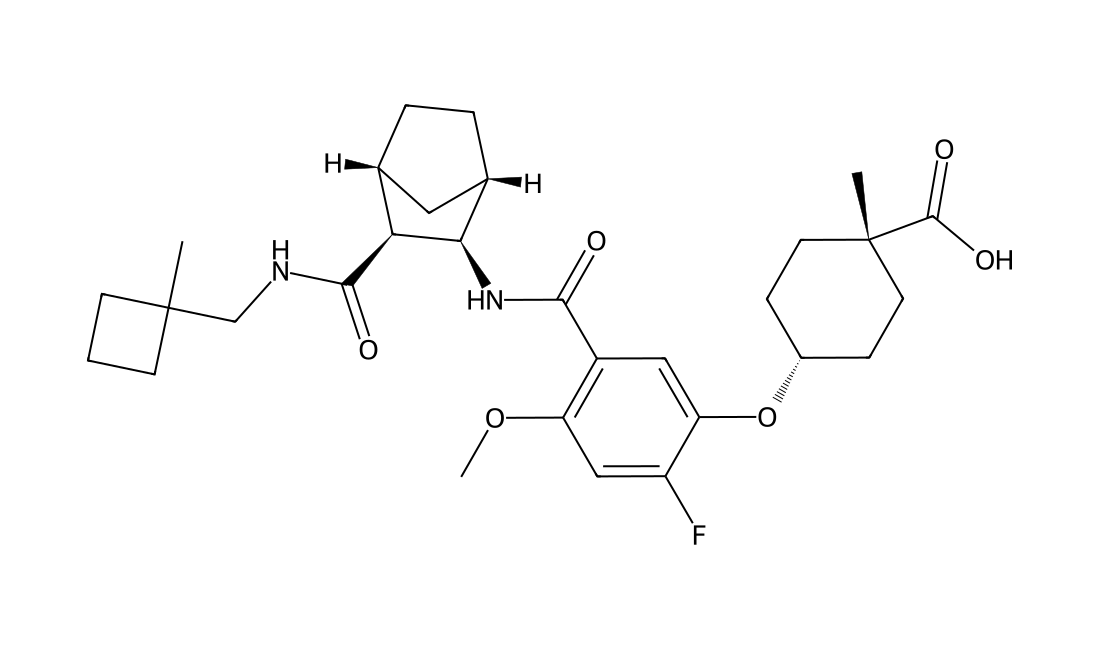
AZD5462Featured
AZD5462 is a selective oral allosteric relaxin family peptide receptor 1 (RXFP1) agonist with pEC50 of 7.8. AZD5462 has better kinetic solubility and shows much improved metabolic stability compared to AZ7976 in vitro.
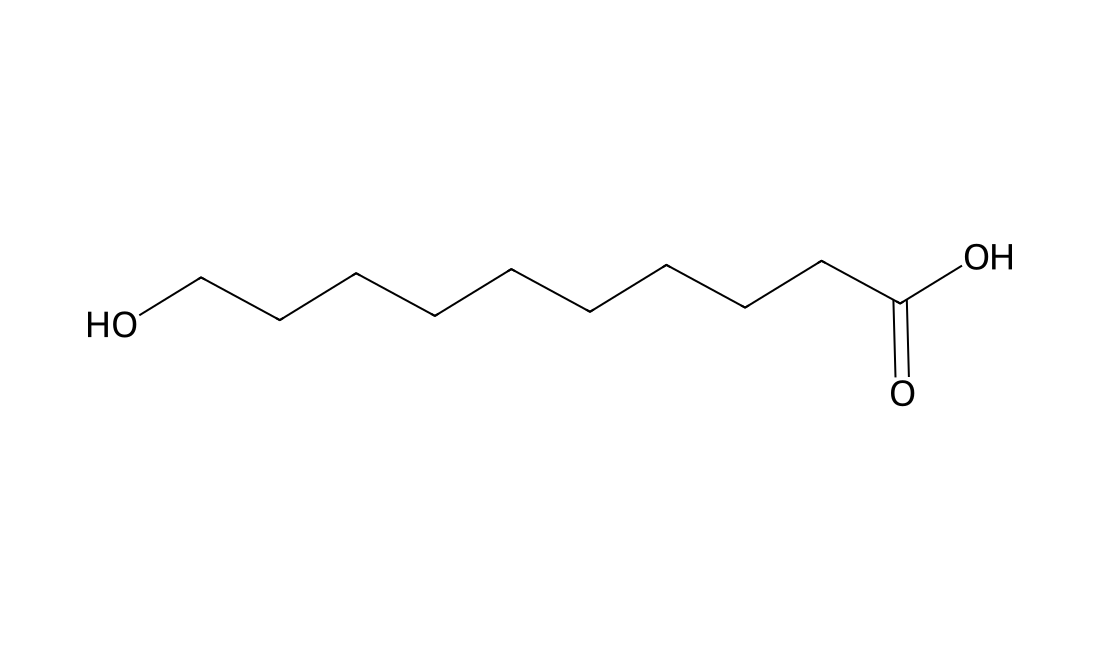
10-Hydroxydecanoic acid (NSC 15139) is a saturated fatty acid of 10-hydroxy-trans-2-decenoic acid from royal jelly, with anti-inflammatory activity.
No products match this search.
Page 375 of 384 · Browse all 7677 products
Jump to a product page
Featured literature product: HX1 · DCL0028
HX1 is a hydroxyzine-derived ionizable lipid with acetal-containing tails, studied in lipid nanoparticles for brain mRNA delivery and CRISPR–Cas9 delivery. It was the lead in the reported in vivo brain-delivery screen; evidence is preclinical and formulation-dependent.
Read full formulation and performance →