
Research lipid catalog
Ionizable Lipid Products
Explore 848 lipid and RNA delivery products. Search the full catalog or browse by research category.
Search covers product name, catalog number, synonyms, available CAS numbers and categories. Spaces, hyphens and common punctuation are ignored. Duplicate legacy records are consolidated under one canonical product result.
7677 products · Showing 7461–7480 · 20 per page
DC Chemicals lipid expertise
Built for ionizable-lipid discovery and RNA delivery research
DC Chemicals supports formulation and delivery research with a broad, searchable portfolio of cationic and ionizable lipids. The current directory brings together 848 unique research-use products, with product specifications, pricing, chemical structures and literature-linked formulation data added as each record is verified.
Our experience spans complex lipid synthesis, purification, analytical release and process development. For custom molecules or larger-scale requirements, our team can discuss route development, technical specifications and scale-up options for the intended research workflow.
Learn about cationic and ionizable lipids →Proprietary innovation · Co-development · GMP
From proprietary lipid design to GMP-grade custom synthesis
DC Chemicals has independently developed ionizable-lipid structures supported by company-owned intellectual property, and selected proprietary lipid programs have advanced to GMP-stage development.
We welcome joint development with customers—from molecular design and lipid synthesis through route and process development. We can also support custom synthesis of GMP-grade ionizable lipids to agreed technical specifications and quality requirements.
Discuss a co-development project →Proprietary ionizable-lipid structuresCollaborative molecular designCustom lipid synthesisProcess development and scale-upGMP-grade project support
Product quick links
Explore New ionizable lipids
Explore our five most recently added ionizable lipids, with specifications, pricing and literature-linked product information.
DCL0028HX1Brain RNA delivery researchView product →DCL0024A1I4R13C18-2Spleen-targeted RNA delivery researchView product →DCL0023A1I4R2C18-2Spleen-targeted RNA delivery researchView product →DCL0022FS01Local joint RNA delivery researchView product →DCL0020Lipid-392Lung RNA delivery and gene editing researchView product →
Cat. No.Product NameField of ApplicationChemical Structure
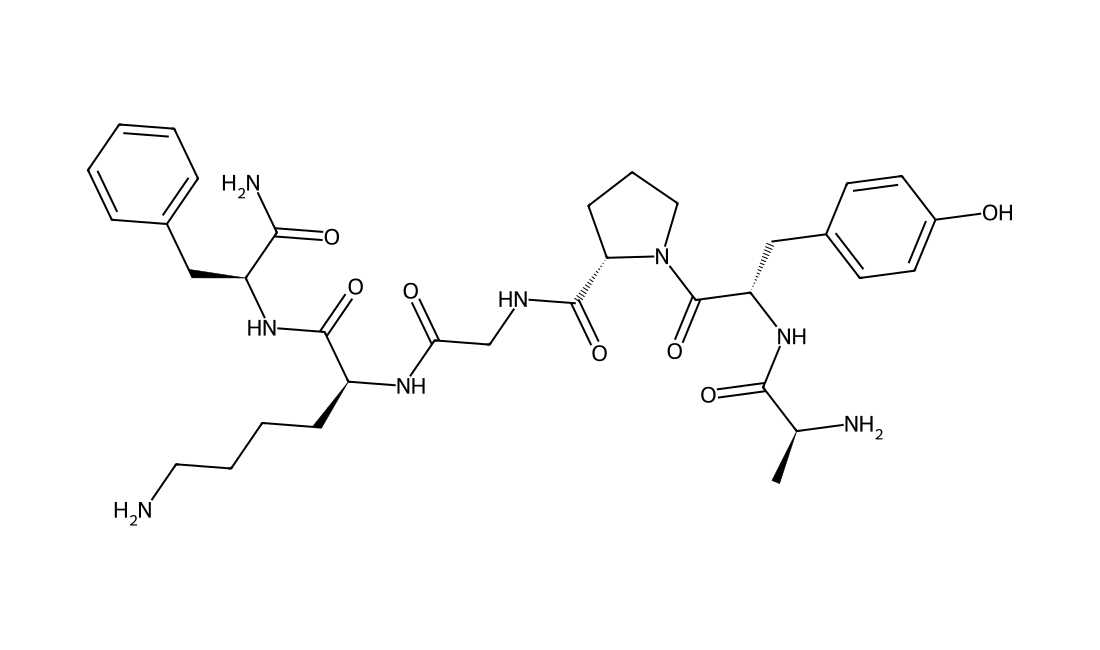
AY-NH2Featured
AY-NH2 is a peptide agonist of proteinase-activated receptor 4 (PAR4) that induces aggregation of rat and human platelets in vitro (EC50s = 15 and 60 μM, respectively).It reduces expression of glycoprotein (GP) Ib, and increases expression of GPIIb/IIIa on the surface of human platelets.AY-NH2 induces relaxation of isolated rat aortic rings and contraction of rat gastric longitudinal muscle strips (EC50s = 11 and 110 μM, respectively) as well as inhibits calcium mobilization evoked by capsaicin in rat sensory neurons.In vivo, AY-NH2 (1-100 μg) increases latency to paw withdrawal and the nociceptive threshold in response to thermal and mechanical stimuli.AY-NH2 (200 μg) also increases paw thickness in a rat paw edema assay.
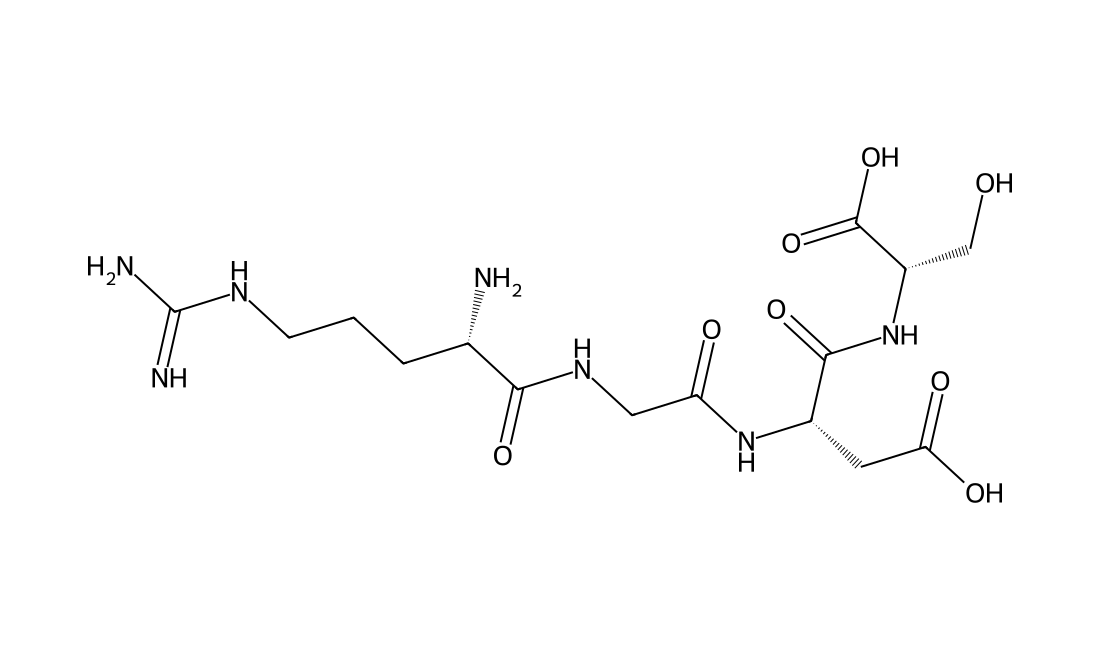
Arg-Gly-Asp-SerFeatured
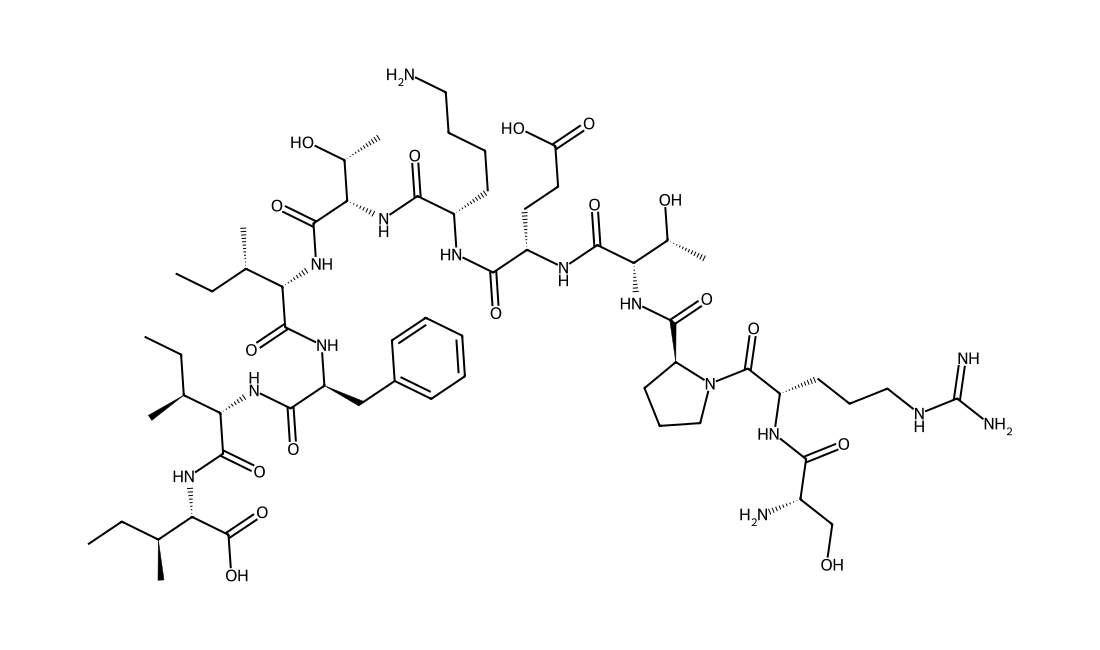
Arg-Gly-Asp-Ser is an integrin binding sequence that inhibits integrin receptor function, decreases systemic inflammation via inhibition of collagen-triggered activation of leukocytes and attenuates expression of inflammatory cytokines, iNOS and MMP-9.
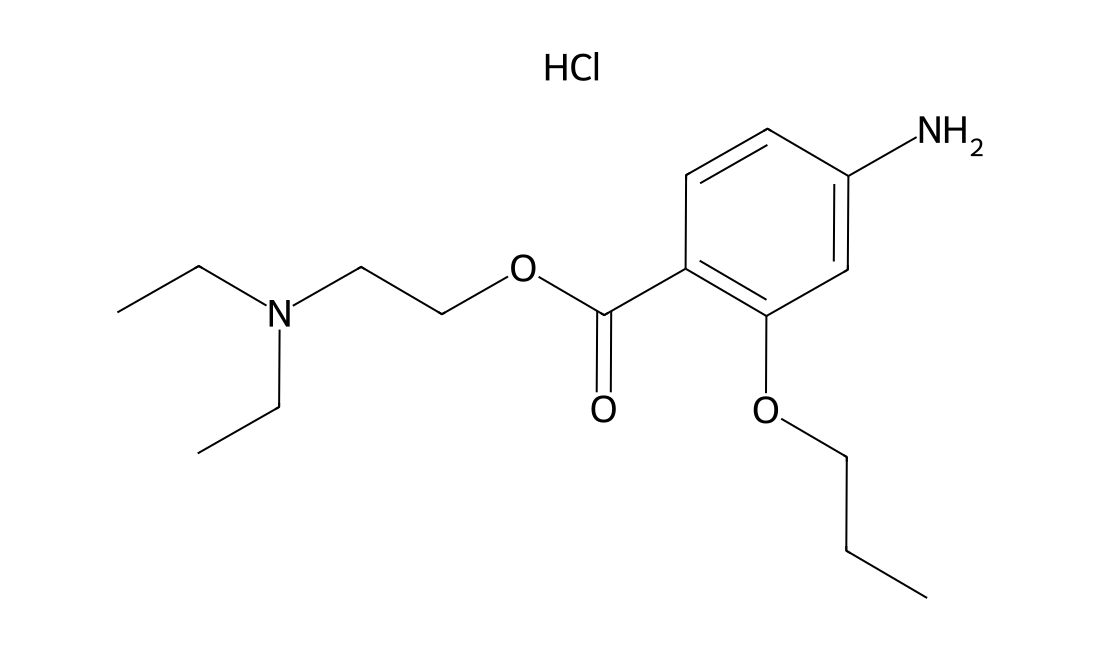
Propoxycaine HydrochlorideFeatured
Propoxycaine hydrochloride inhibits voltage-gated sodium channels, and thereby inhibits the ionic flux required for the initiation and conduction of impulses. Propoxycaine hydrochloride application can lead to a loss of sensation.
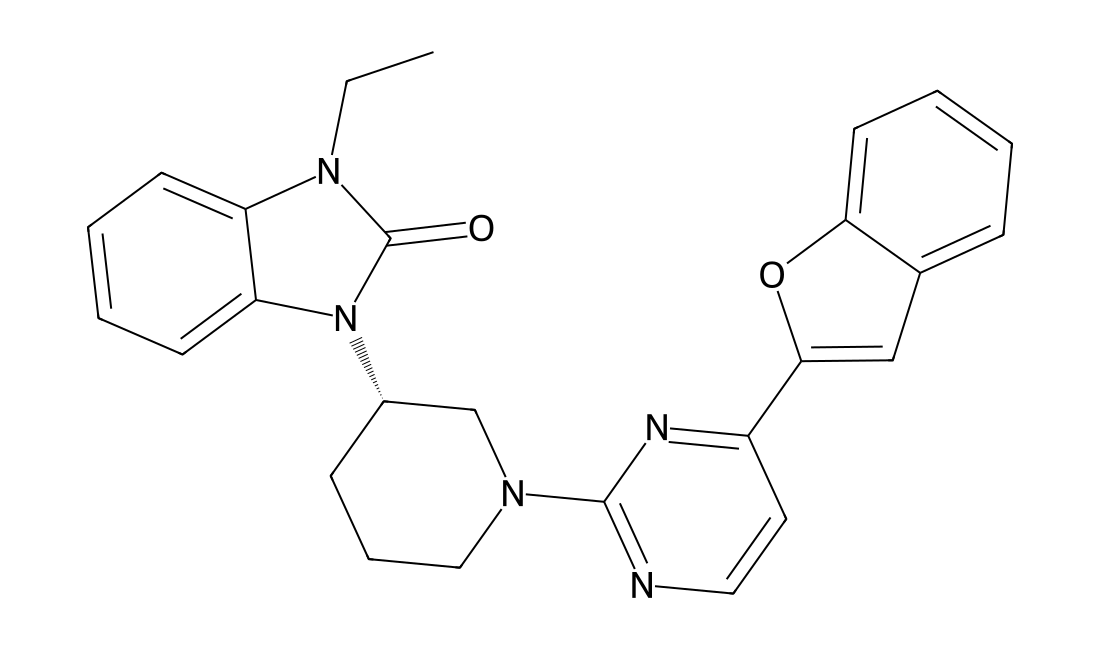
TC-F2Featured
TC-F2 is a reversible non-covalent binding inhibitor of fatty acid amide hydrolase (FAAH) with an IC50 of 28 nM. FAAH is involved in many human diseases, particularly cancer, pain and inflammation as well as neurological, metabolic and cardiovascular disorders.
BepotastineFeatured
Bepotastine is a non-sedating, selective antagonist of the histamine 1 (H1) receptor.
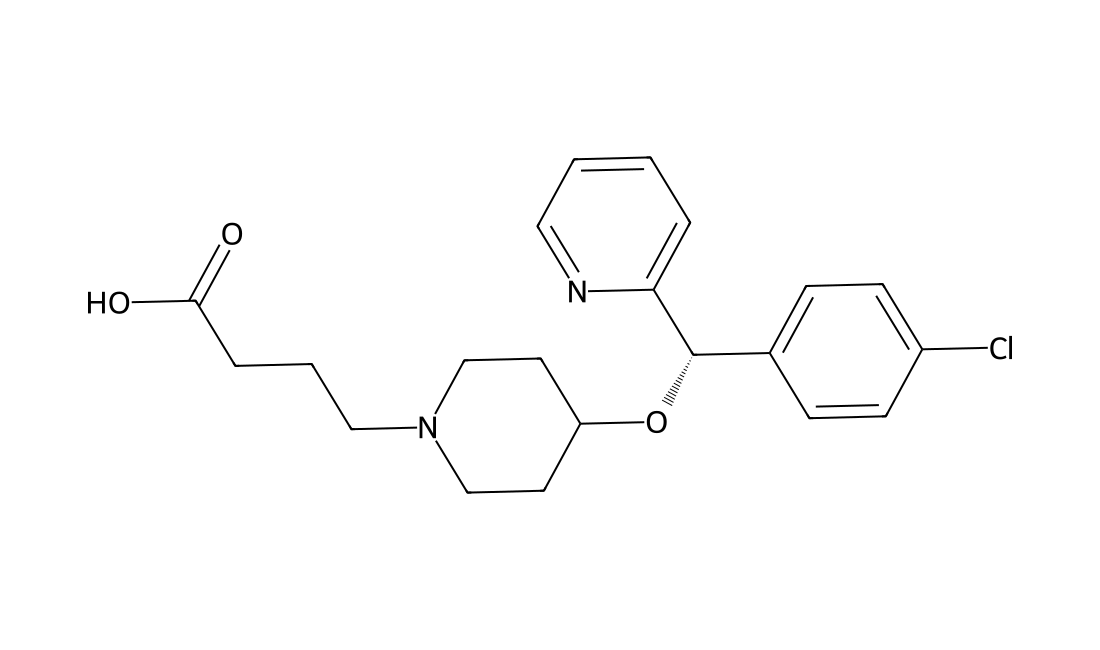
WAY-326766Featured
increasing ion transport by mutant-CFTR; altering the lifespan of a eukaryotic organism;
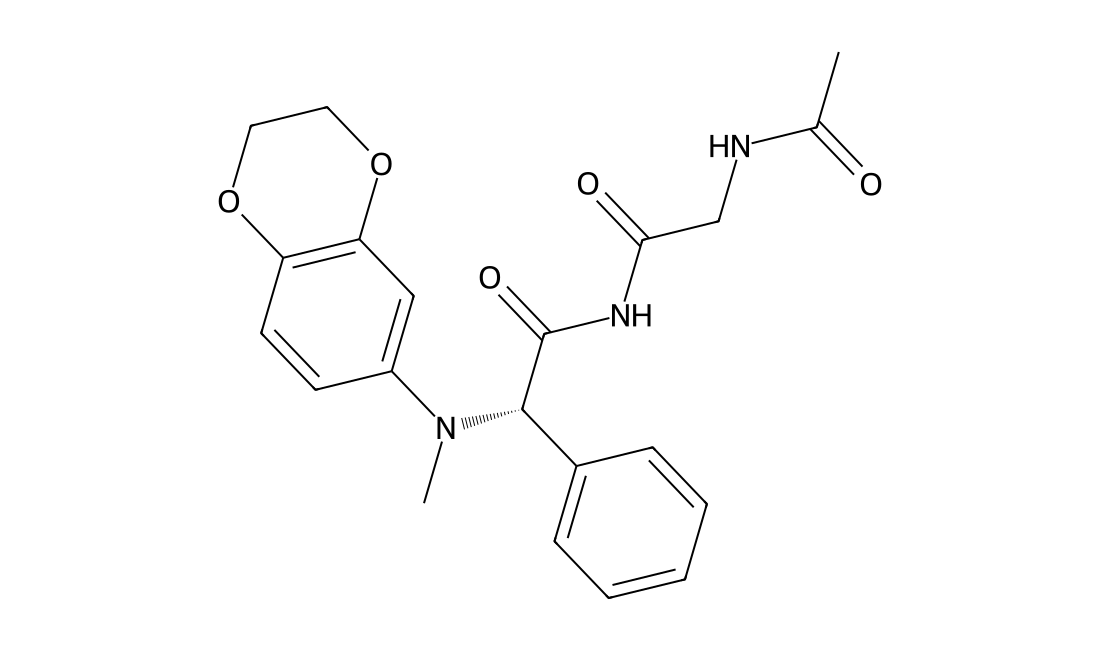
PARP-1-IN-2Featured
PARP-1-IN-2 (compound 11g) is a potent and BBB-penetrated PARP1 inhibitor, with an IC50 of 149 nM. PARP1-IN-2 shows significantly potent anti-proliferative activity against Human lung adenocarcinoma epithelial cell line A549. PARP1-IN-2 can induce A549 cells apoptosis.
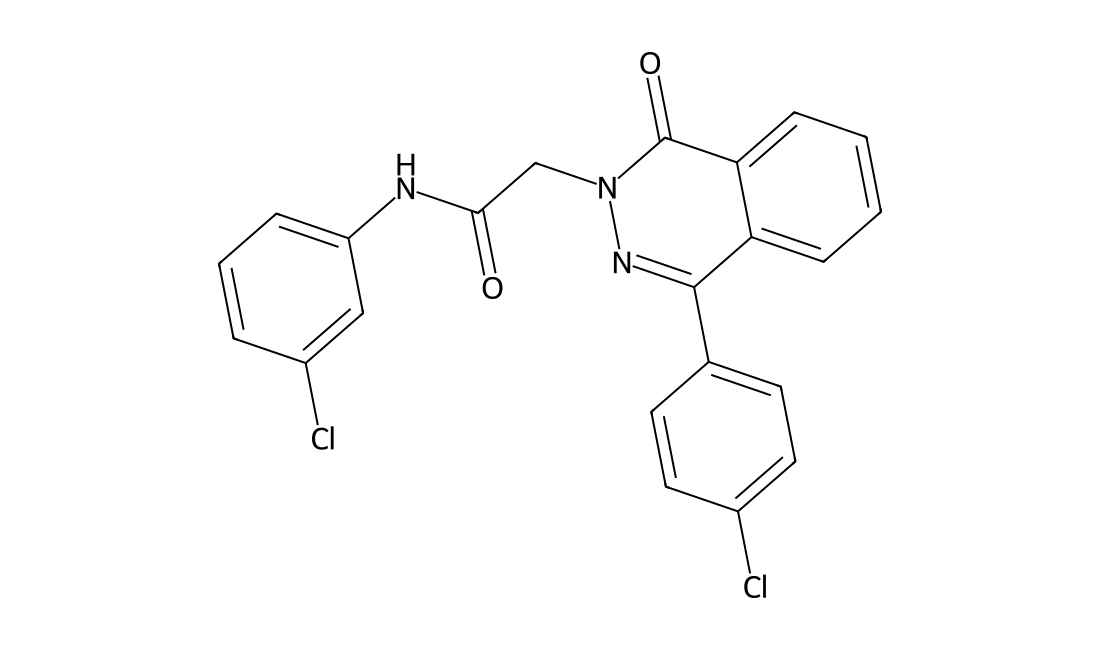
YM-244769 dihydrochlorideFeatured
YM-244769 dihydrochloride is a potent Na+/Ca2+ exchange (NCX) inhibitor that preferentially inhibits NCX3 (IC50=18 nM). Neuronal and renal protection.
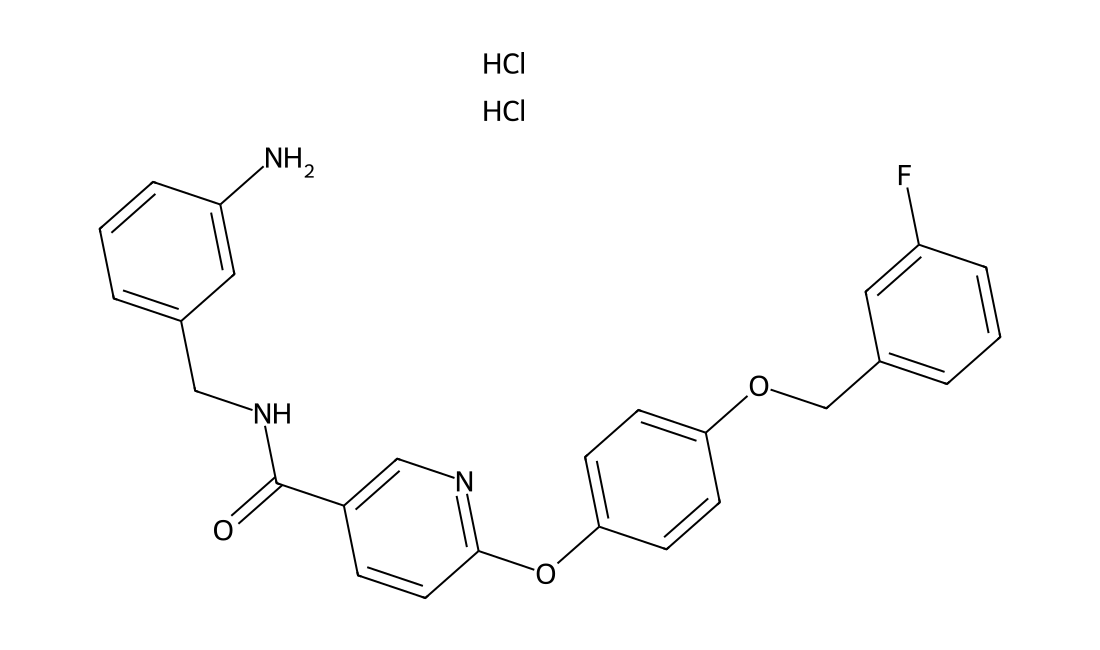
Rs-25344Featured
Selective phosphodiesterase-4 (PDE4) inhibitor
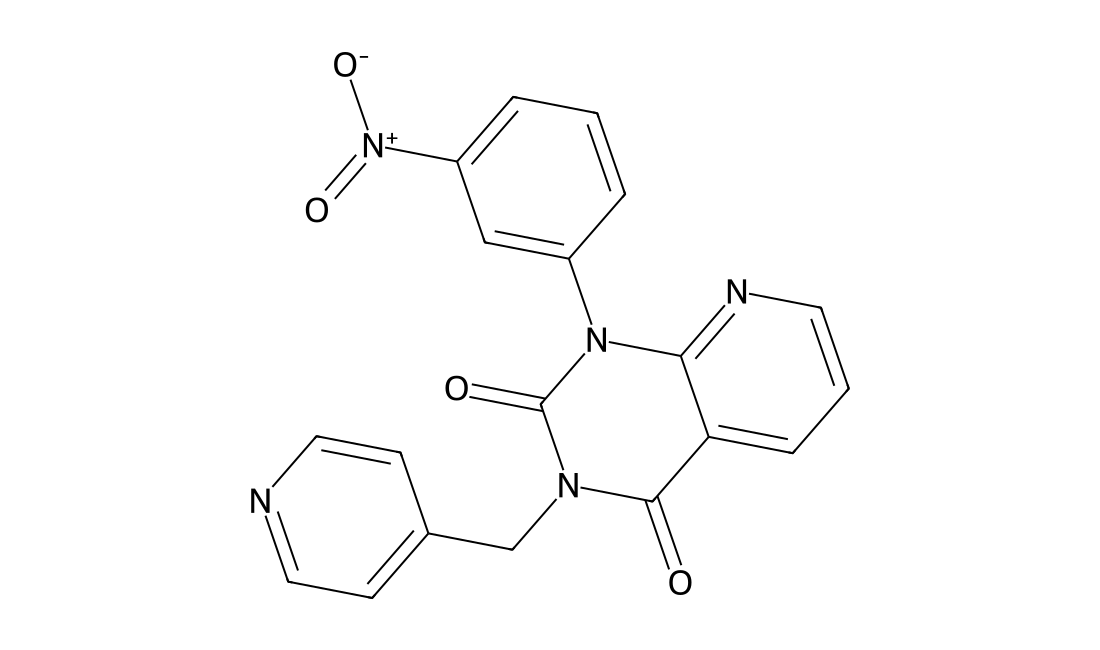
WSB1 Degrader 1Featured
WSB1 Degrader 1 is a poten and orally active WSB1 (WD repeat and SOCS box-containing 1) degrader. WSB1 Degrader 1 has anticancer metastatic effects.
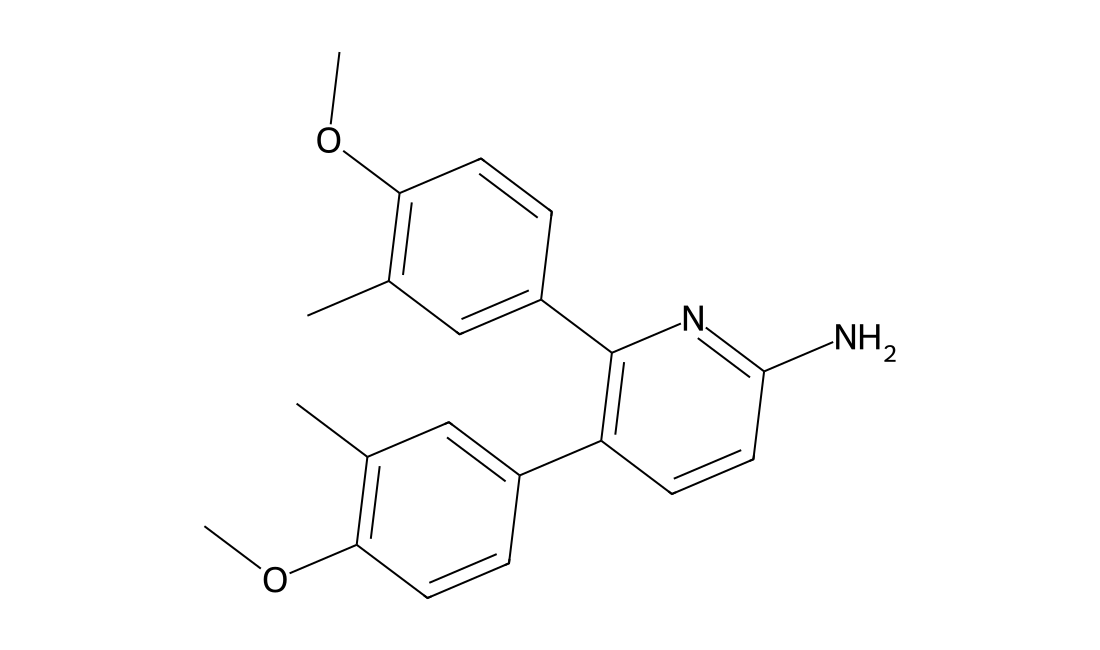
TC-E 5003Featured
TC-E 5003 is a selective protein arginine methyltransferase 1 (PRMT1) inhibitor.
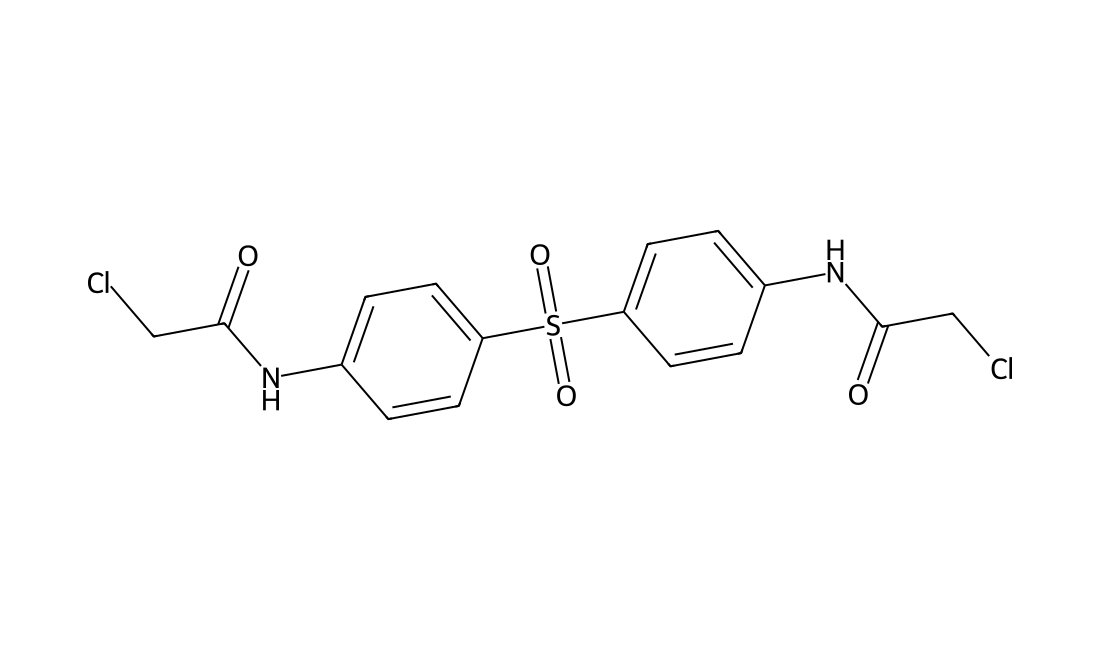
I-CBP112Featured
I-CBP112 is a specific and potent acetyl-lysine competitive protein-protein interaction inhibitor, that targets the CBP/p300 bromodomains.
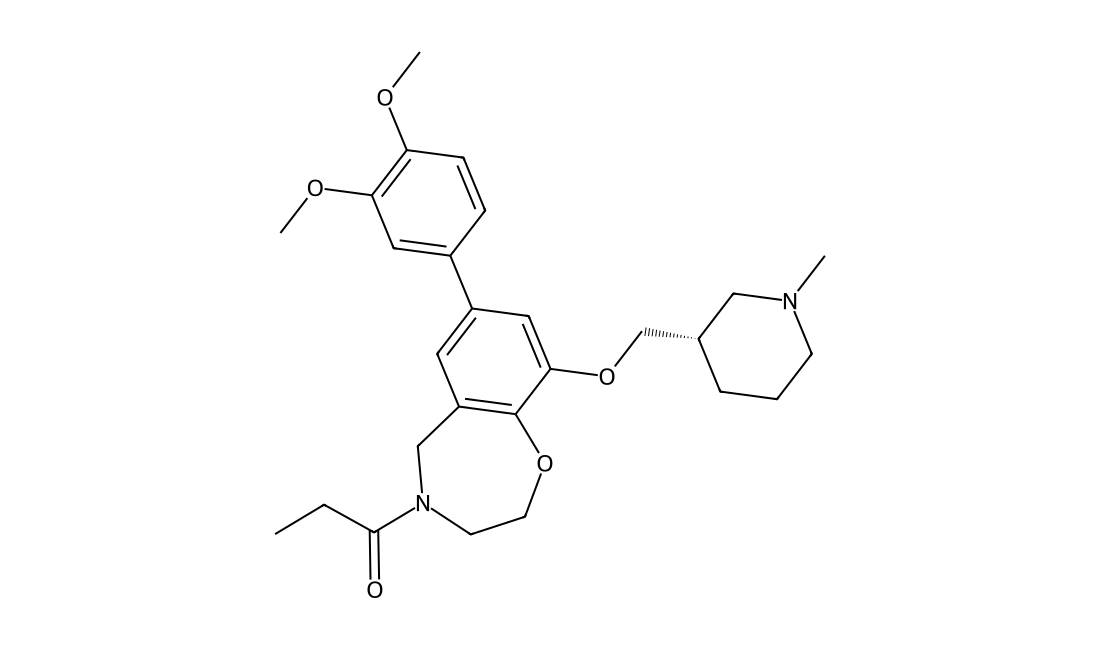
BMS-779788(XL-652)Featured
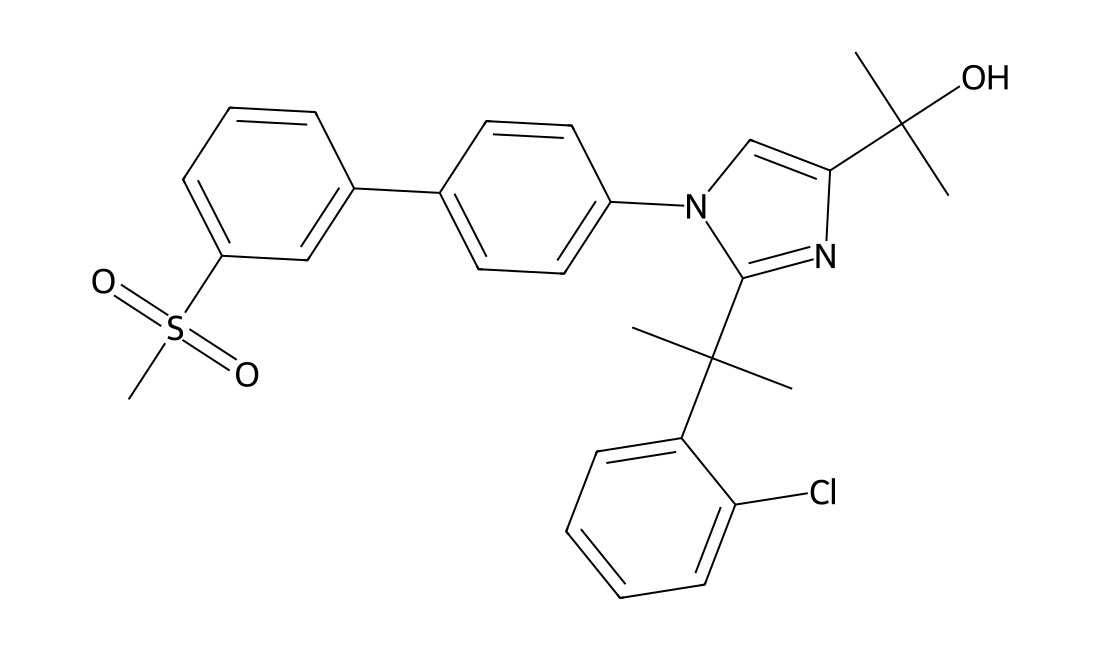
BMS-779788, also known as XL-652, EXEL 04286652 and BMS-788, is potent partial LXR agonist with LXRβ selectivity, which has an improved therapeutic window in the cynomolgus monkey compared with a full pan agonist. BMS-779788 induced LXR target genes in blood in vivo with an EC50 = 610 nM, a value similar to its in vitro blood gene induction potency. BMS-779788 was 29- and 12-fold less potent than the full agonist T0901317 in elevating plasma triglyceride and LDL cholesterol, respectively, with similar results for plasma cholesteryl ester transfer protein and apolipoprotein B.
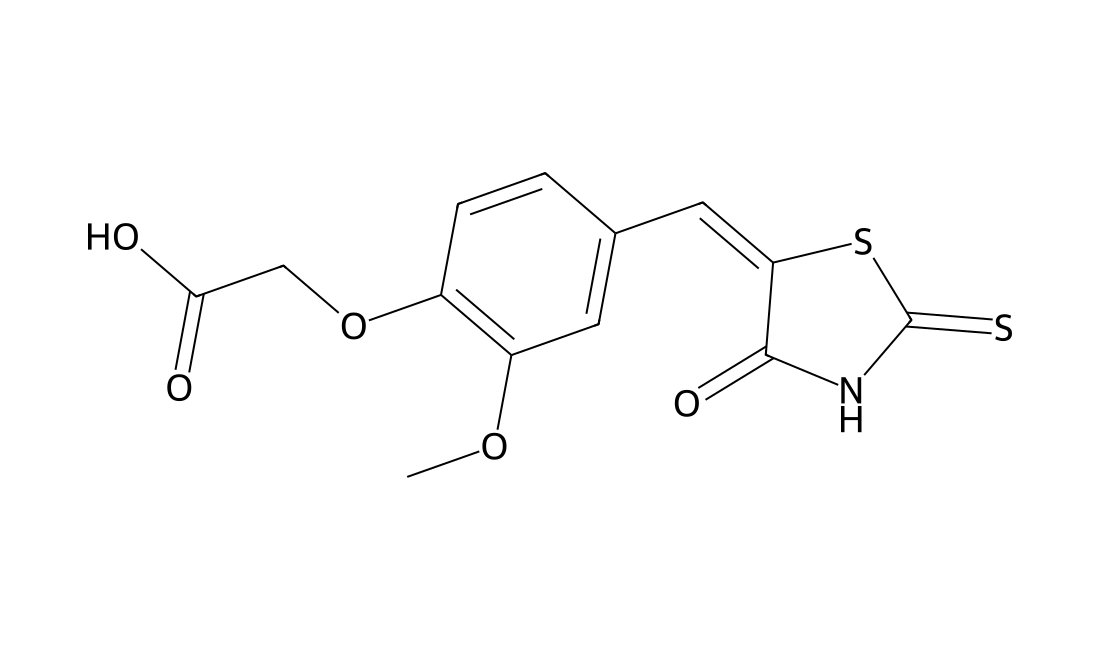
IMR-1AFeatured
IMR-1A is the metabolite of IMR-1. IMR-1 is a novel class of Notch inhibitors targeting the transcriptional activation with IC50 of 6 μmol/L.target: NotchIC 50: 6 μmol/LIn vitro: IMR-1 prevents the recruitment of Maml1 to the NTC on chromatin, inhibits Notch target gene transcription, and dramatically inhibits tumor growth .A decrease in colony formation of Notch-dependent cell lines is observed upon treatment with IMR-1 when compared with the control (DMSO).In vivo : The reference for intraperitoneal injection is 15 mg/kg. IMR-1 inhibits Notch-dependent somite development in zebrafish.
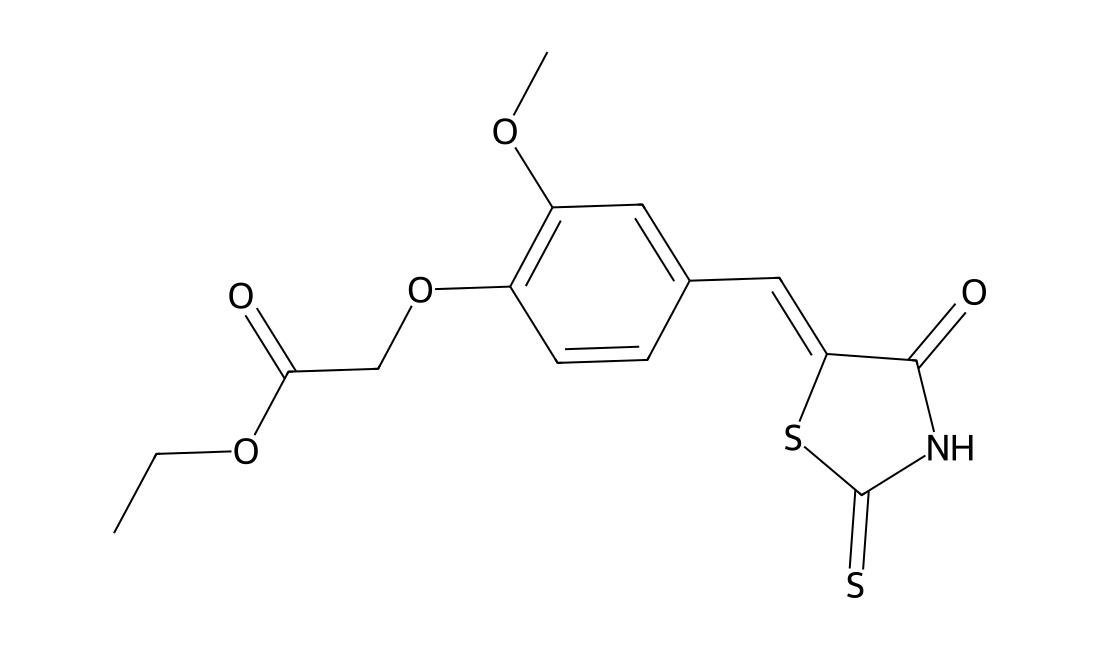
IMR-1Featured
IMR-1 is a novel class of Notch inhibitors targeting the transcriptional activation with IC50 of 6 μmol/L.target: NotchIC 50: 6 μmol/LIn vitro: IMR-1 prevents the recruitment of Maml1 to the NTC on chromatin, inhibits Notch target gene transcription, and dramatically inhibits tumor growth .A decrease in colony formation of Notch-dependent cell lines is observed upon treatment with IMR-1 when compared with the control (DMSO). In vivo : The reference for intraperitoneal injection is 15 mg/kg. IMR-1 inhibits Notch-dependent somite development in zebrafish.
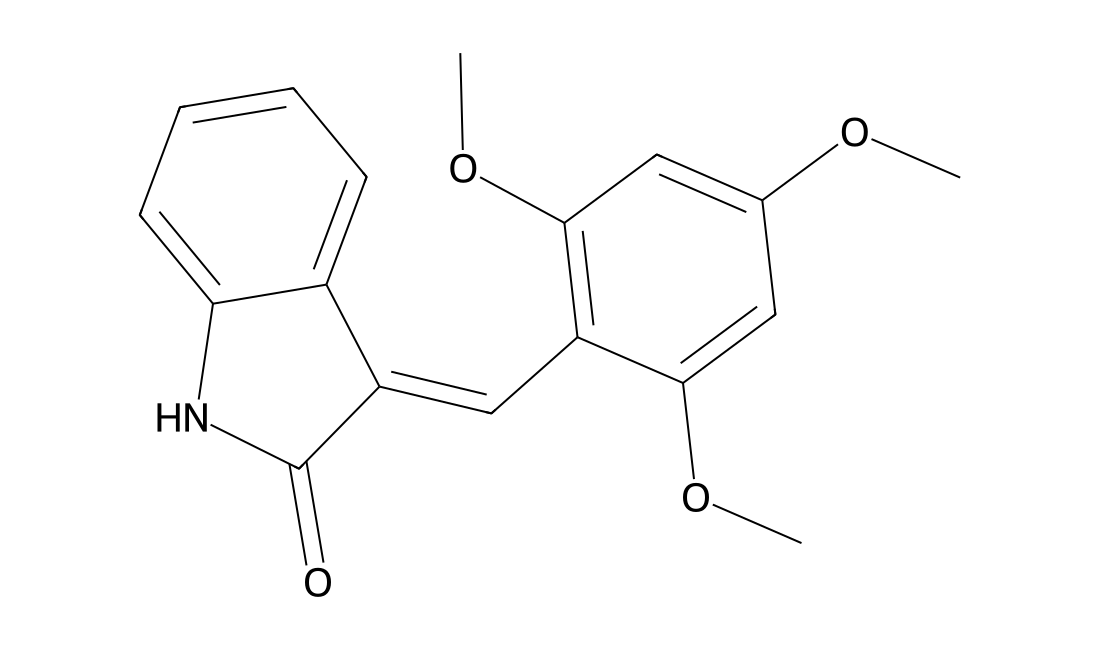
IC-261(SU-5607)Featured
IC261 is a selective, ATP-competitive CK1 inhibitor, with IC50s of 1 μM, 1 μM, 16 μM for Ckiδ, Ckiε and Ckiα1, respectively.
RMC-7977Featured
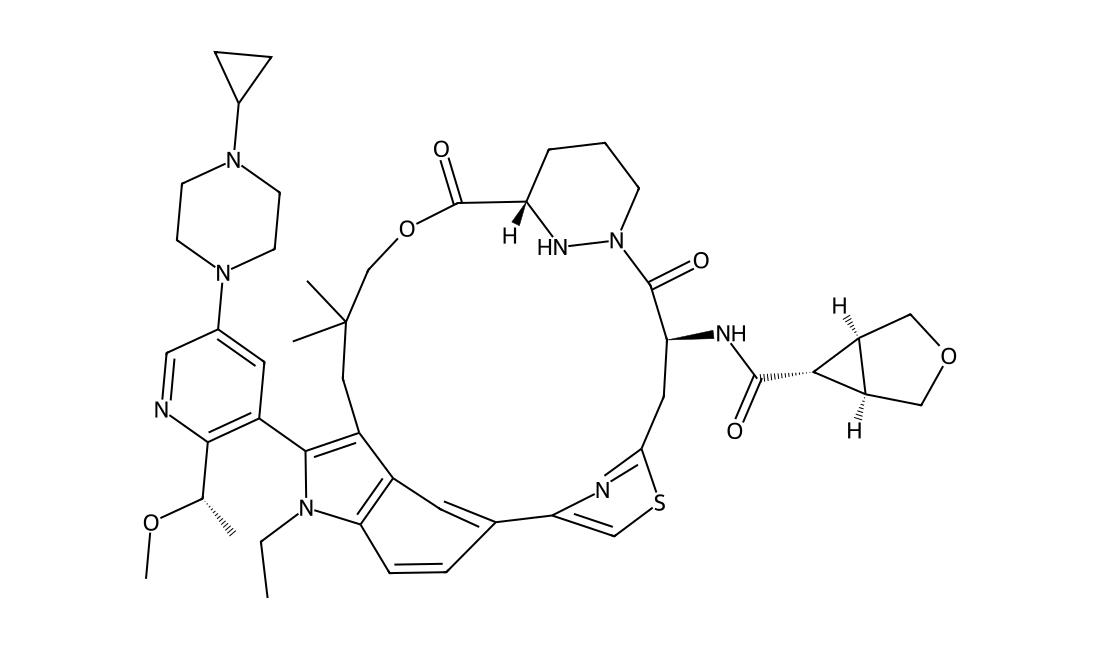
RMC-7977 is a reversible, tri-complex RAS inhibitor with broad spectrum activity for both mutant and wild-type (WT) KRAS, NRAS, and HRAS variants.RMC-7977 can lead to tumor regressions and was well tolerated in diverse RAS-addicted preclinical cancer models. RMC-7977 also can inhibit the growth of KRASG12C cancer models.
LL 37Featured
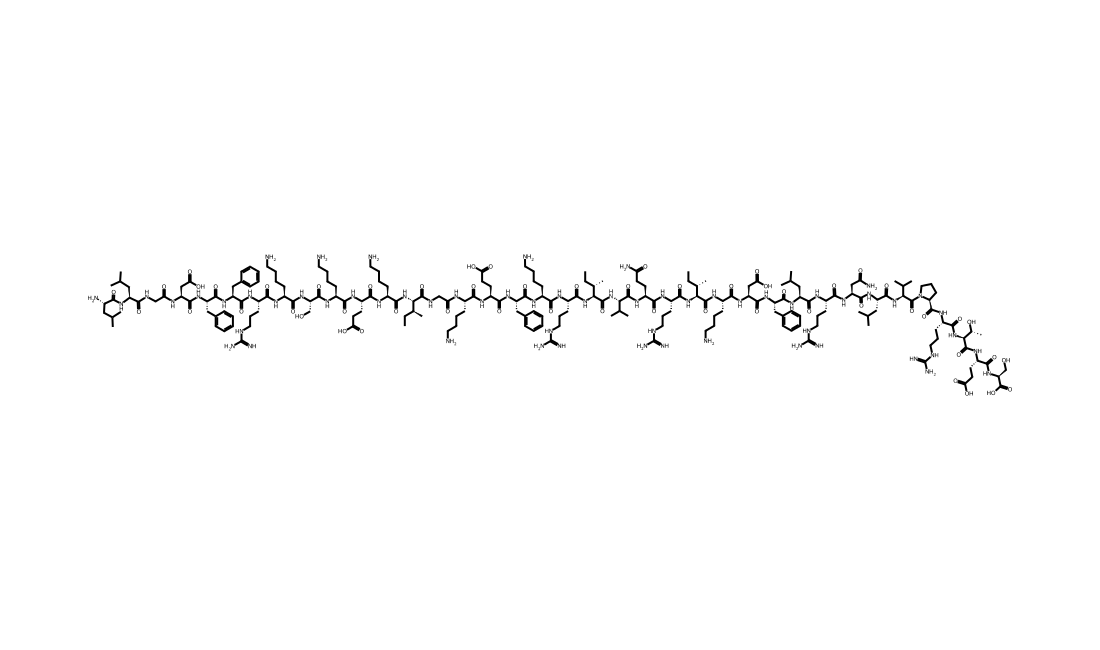
LL-37, Human is a 37-residue, amphipathic, cathelicidin-derived antimicrobial peptide, which exhibits a broad spectrum of antimicrobial activity[1]. LL-37, Human could help protect the cornea from infection and modulates wound healing.
Gap 27Featured
Gap 27, connexin43 mimetic peptide, is a gap junction inhibitor.
Astragaloside AFeatured
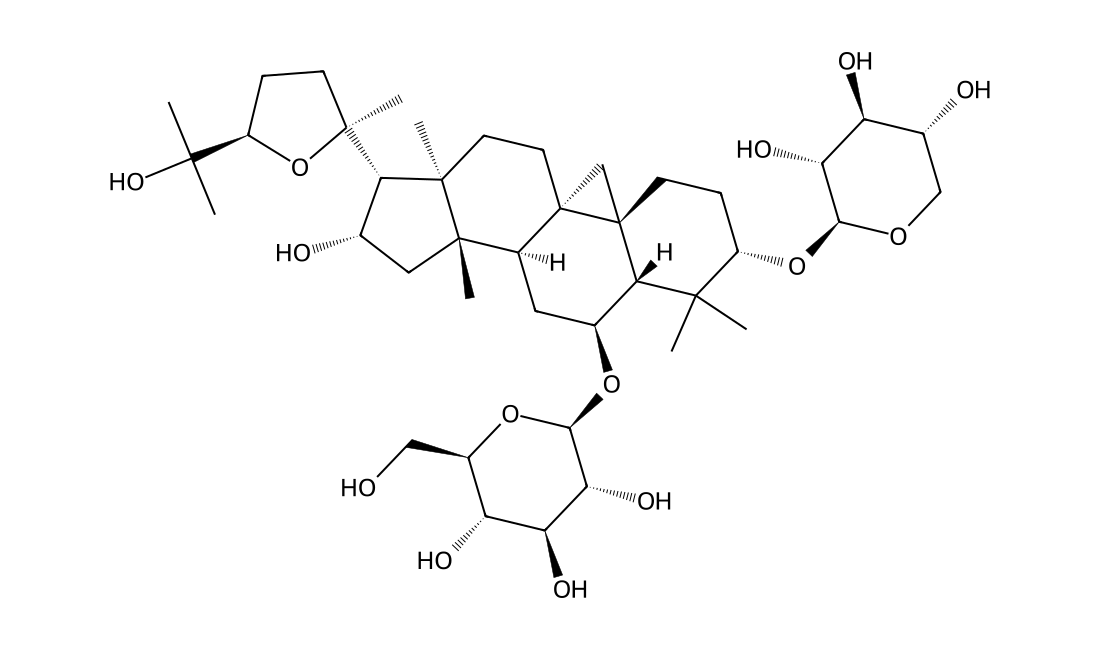
Astragaloside A is one of the major active constituents of Astragalus membranaceus in Traditional Chinese Medicine; has been widely used to treat ischemic diseases.
No products match this search.
Page 374 of 384 · Browse all 7677 products
Jump to a product page
Featured literature product: HX1 · DCL0028
HX1 is a hydroxyzine-derived ionizable lipid with acetal-containing tails, studied in lipid nanoparticles for brain mRNA delivery and CRISPR–Cas9 delivery. It was the lead in the reported in vivo brain-delivery screen; evidence is preclinical and formulation-dependent.
Read full formulation and performance →