
Research lipid catalog
Ionizable Lipid Products
Explore 848 lipid and RNA delivery products. Search the full catalog or browse by research category.
Search covers product name, catalog number, synonyms, available CAS numbers and categories. Spaces, hyphens and common punctuation are ignored. Duplicate legacy records are consolidated under one canonical product result.
7677 products · Showing 7261–7280 · 20 per page
DC Chemicals lipid expertise
Built for ionizable-lipid discovery and RNA delivery research
DC Chemicals supports formulation and delivery research with a broad, searchable portfolio of cationic and ionizable lipids. The current directory brings together 848 unique research-use products, with product specifications, pricing, chemical structures and literature-linked formulation data added as each record is verified.
Our experience spans complex lipid synthesis, purification, analytical release and process development. For custom molecules or larger-scale requirements, our team can discuss route development, technical specifications and scale-up options for the intended research workflow.
Learn about cationic and ionizable lipids →Proprietary innovation · Co-development · GMP
From proprietary lipid design to GMP-grade custom synthesis
DC Chemicals has independently developed ionizable-lipid structures supported by company-owned intellectual property, and selected proprietary lipid programs have advanced to GMP-stage development.
We welcome joint development with customers—from molecular design and lipid synthesis through route and process development. We can also support custom synthesis of GMP-grade ionizable lipids to agreed technical specifications and quality requirements.
Discuss a co-development project →Proprietary ionizable-lipid structuresCollaborative molecular designCustom lipid synthesisProcess development and scale-upGMP-grade project support
Product quick links
Explore New ionizable lipids
Explore our five most recently added ionizable lipids, with specifications, pricing and literature-linked product information.
DCL0028HX1Brain RNA delivery researchView product →DCL0024A1I4R13C18-2Spleen-targeted RNA delivery researchView product →DCL0023A1I4R2C18-2Spleen-targeted RNA delivery researchView product →DCL0022FS01Local joint RNA delivery researchView product →DCL0020Lipid-392Lung RNA delivery and gene editing researchView product →
Cat. No.Product NameField of ApplicationChemical Structure
NVP-BVU972Featured
NVP-BVU972 is a selective and potent Met inhibitor (IC50 = 14 nM). Antitumor agents.NVP-BVU972 potently inhibits MET kinase but displays low inhibition against other kinases including the most closely related kinase RON with IC50 values of more than 1000 nM. NVP-BVU972 also suppresses constitutive MET phosphorylation in GTL-16 cells or HGF-stimulated MET phosphorylation in A549 cells with IC50 values of 7.3 nM and 22 nM, respectively. NVP-BVU972 potently prevents the growth of the MET gene amplified cell lines GTL-16, MKN-45 and EBC-1 with IC50 values of 66 nM, 82 nM and 32 nM, respectively. In line with their high frequency in the NVP-BVU972 screen, Y1230 and D1228 mutations give rise to dramatic shifts in the measured IC50 values for NVP-BVU972 in BaF3 cell line. Resistance triggered by V1155L is more limited to NVP-BVU972. A dose-dependent reduction in TPR-MET phosphorylation when applying NVP-BVU972 to BaF3 cells expressing wild-type TPR-MET. Both Y1230H and D1228A mutations abrogated the effect of NVP-BVU972 but not AMG 458. However, F1200I and L1195V interferes with the potency of NVP-BVU972 to prevent TPR-MET phosphorylation.
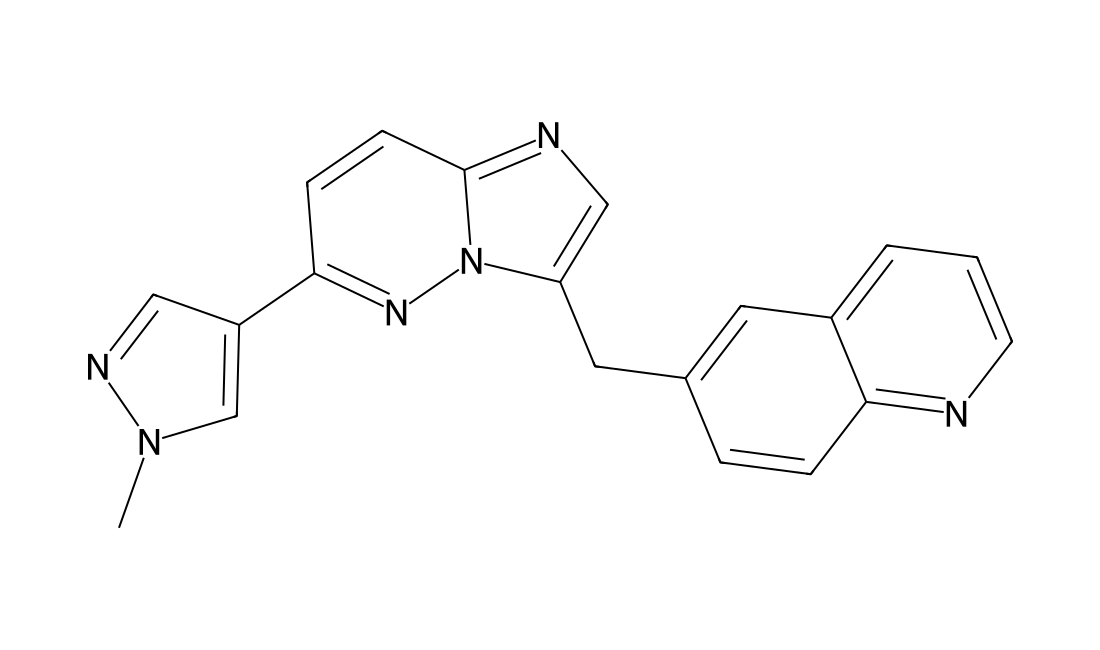
ZINC00881524Featured
ZINC00881524 is a ROCK inhibitor.
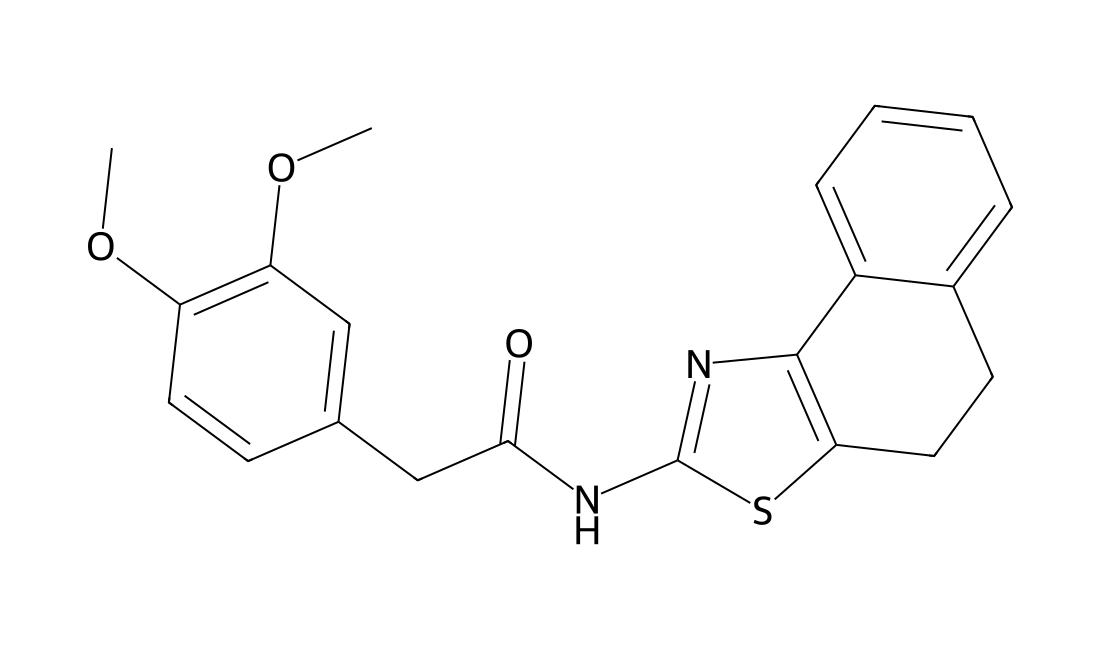
CC-11050Featured
Dovramilast (CC-11050) is a potent and orally active phosphodiesterase 4 (PDE4) inhibitor, CC-11050 is a promising candidate for host directed therapy of patients with pulmonary TB.
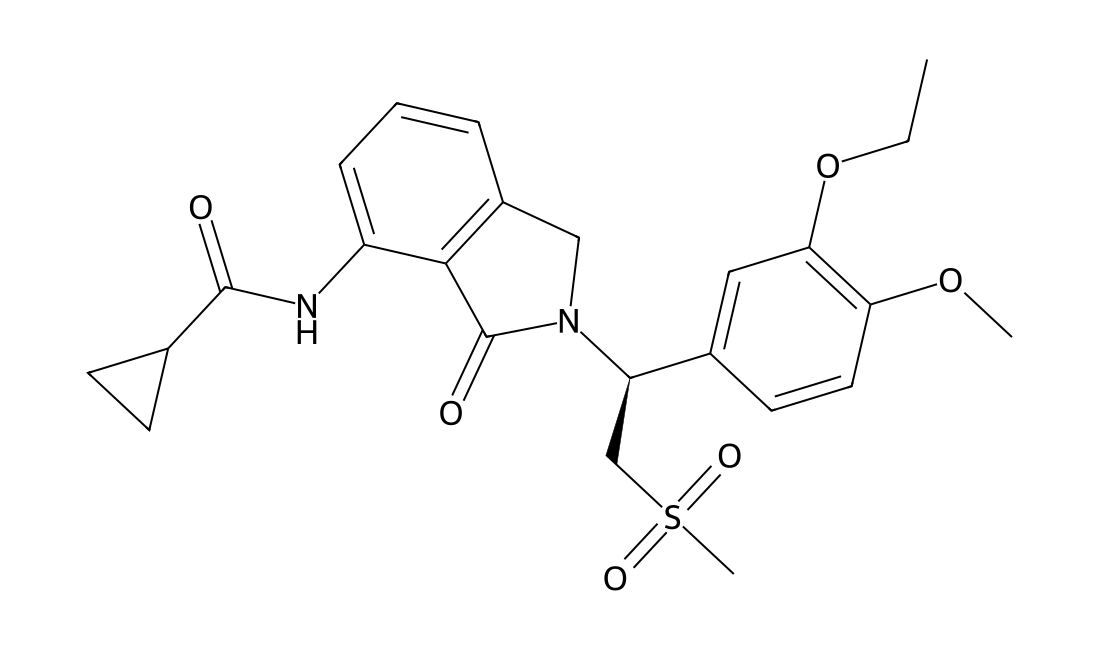
BVD-523 hydrochlorideFeatured
Ulixertinib, also known as BVD-523 and VRT752271, is an inhibitors of ERK protein kinase. Downmodulation of ERK protein kinase activity inhibits VEGF secretion by human myeloma cells and myeloma-induced angiogenesis. Upon oral administration, BVD-523 inhibits both ERK 1 and 2, thereby preventing the activation of ERK-mediated signal transduction pathways. This results in the inhibition of ERK-dependent tumor cell proliferation and survival. The mitogen-activated protein kinase (MAPK)/ERK pathway is often upregulated in a variety of tumor cell types and plays a key role in tumor cell proliferation, differentiation and survival.
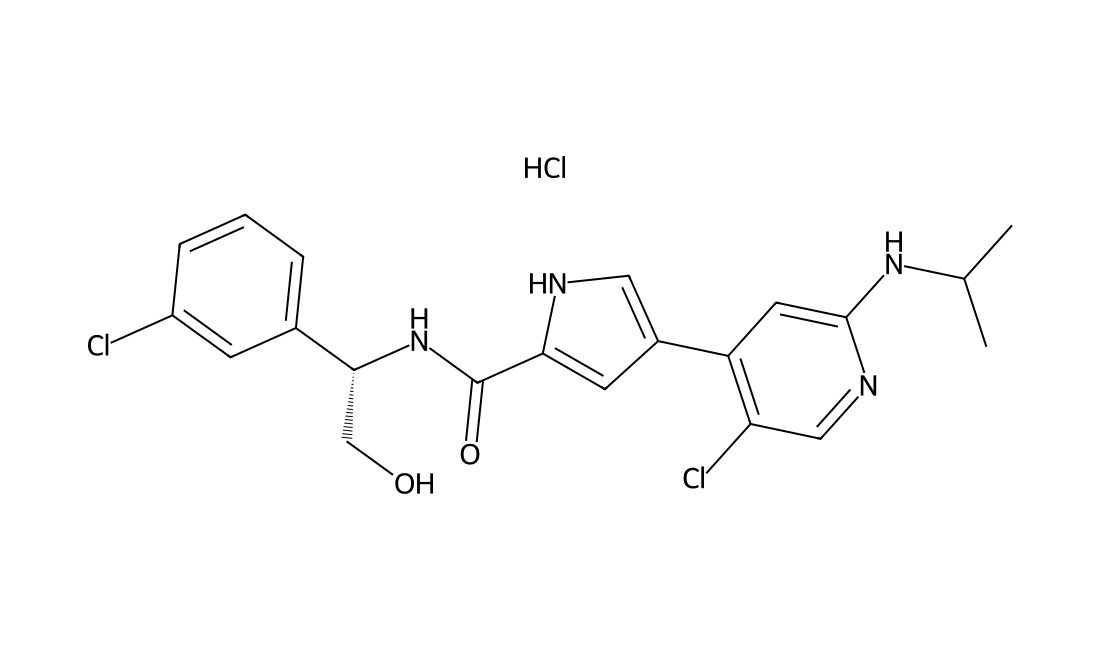
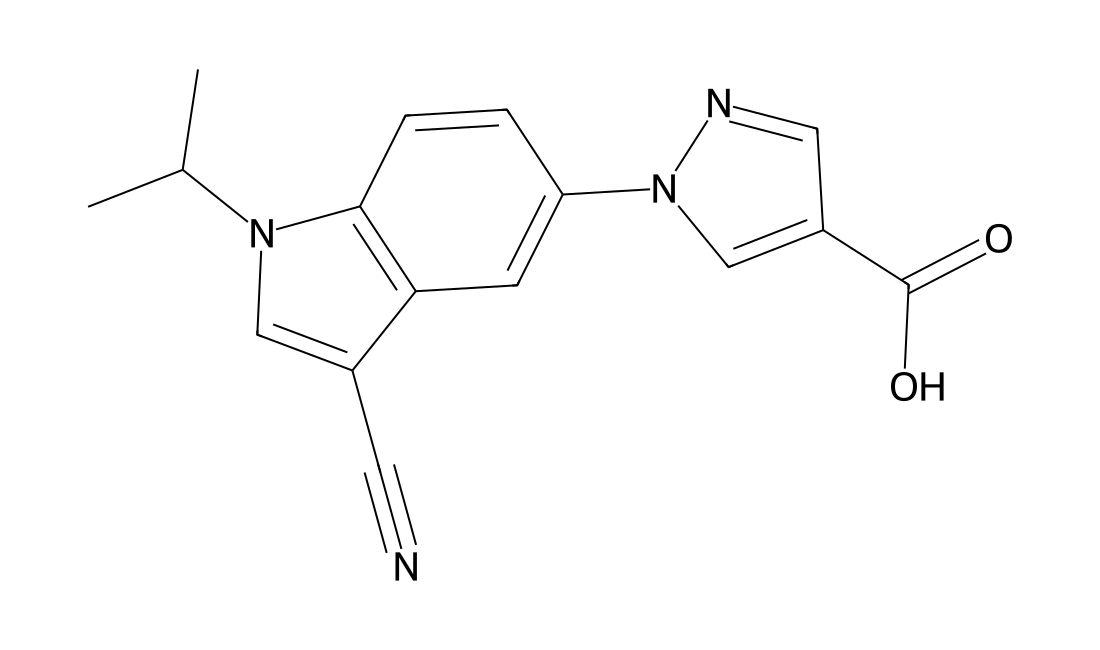
TigulixostatFeatured
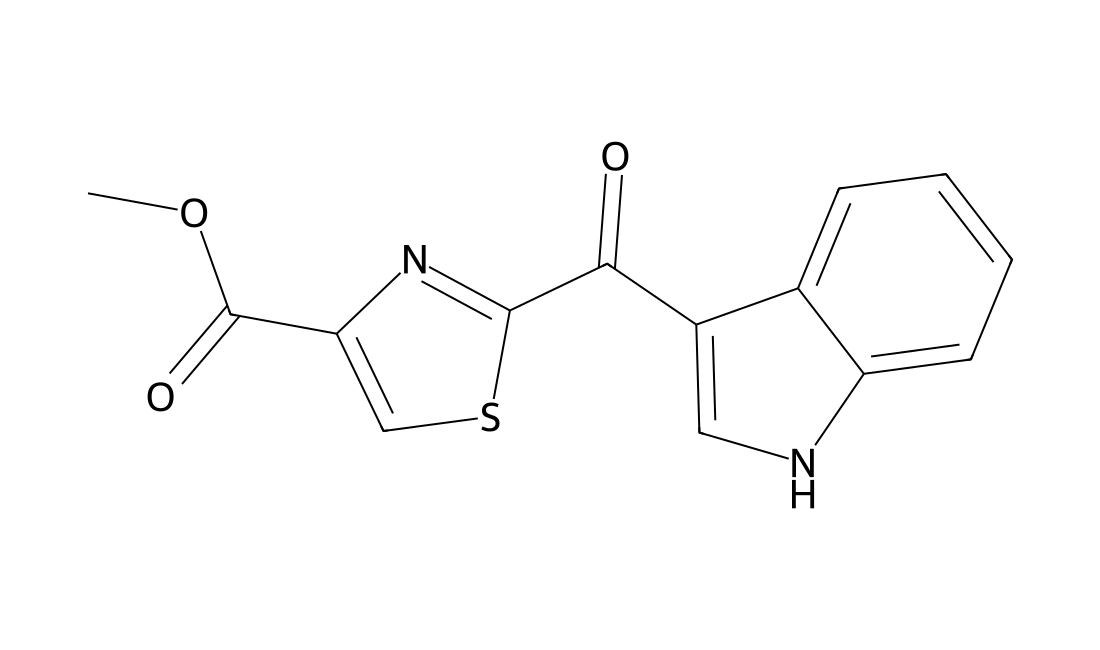
Tigulixostat is a novel (indolyl)heteroarylcarboxylate derivatives effective as non-purine selective xanthine oxidase inhibitor, which lowers the production of uric acid.
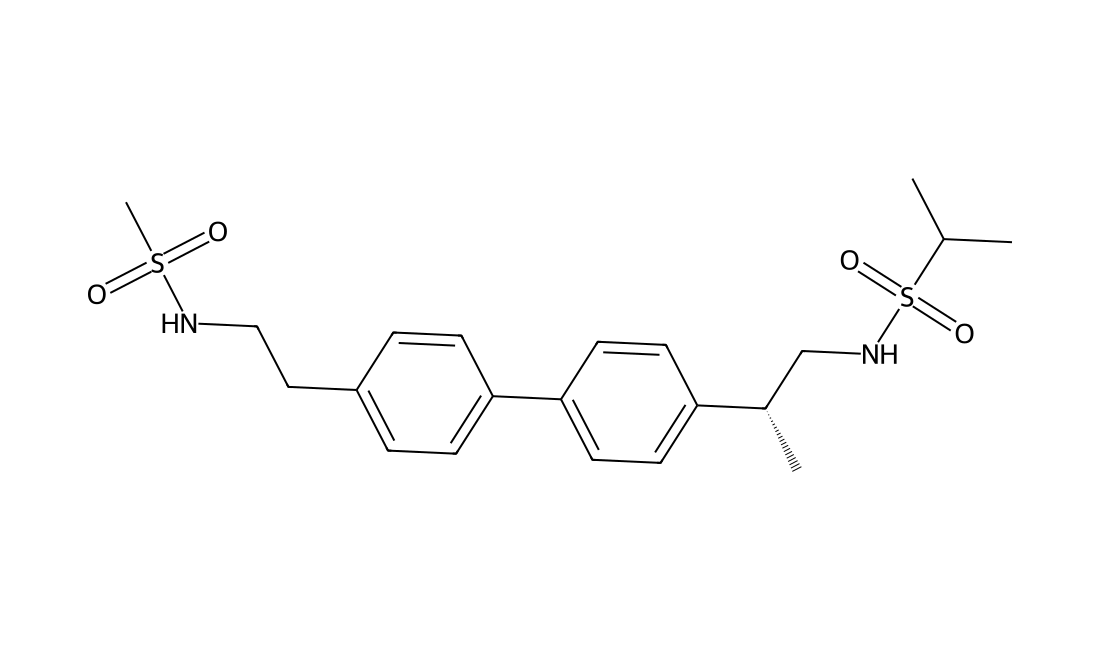
LY451395Featured
A potent, selective, and centrally active positive allosteric modulator of AMPAR-mediated neurotransmission, which increase ion channel flux in the presence of agonist by suppressing desensitization and/or deactivation of the receptors.
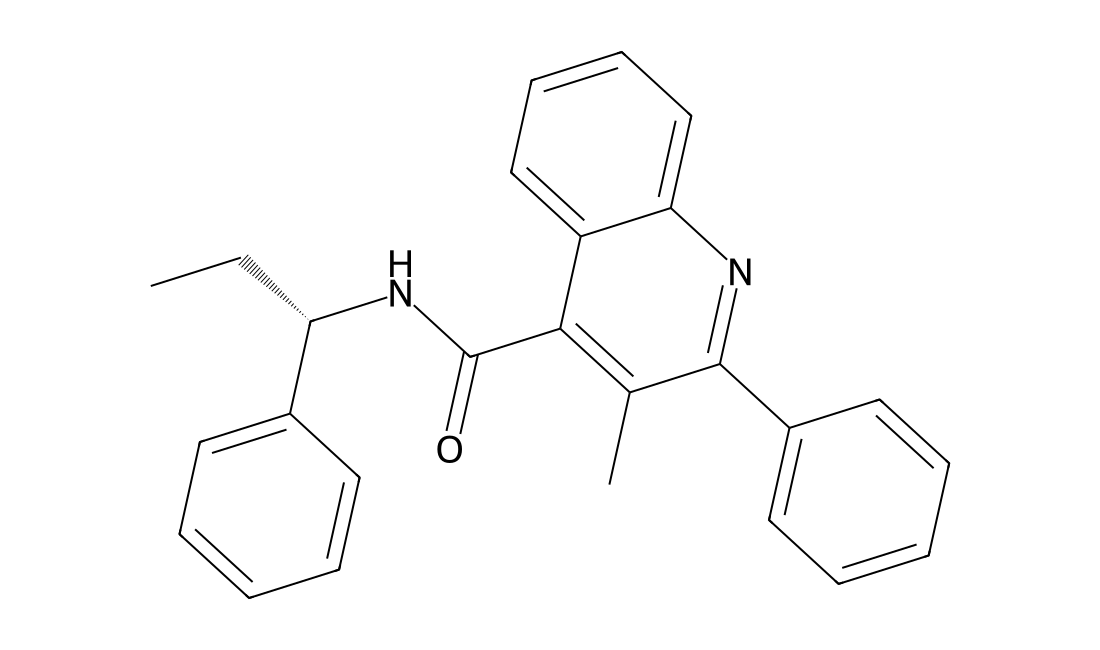
SB 222200Featured
Potent and selective non-peptide NK3 receptor antagonist (Ki values are 4.4, > 100,000 and 250 nM For human NK3, NK1 and NK2 receptors respectively). Antihypertensive in vivo. Brain penetrant.For the detailed information of SB 222200, the solubility of SB 222200 in water, the solubility of SB 222200 in DMSO, the solubility of SB 222200 in PBS buffer, the animal experiment (test) of SB 222200, the cell expriment (test) of SB 222200, the in vivo, in vitro and clinical trial test of SB 222200, the EC50, IC50,and Affinity of SB 222200, Please contact DC Chemicals.
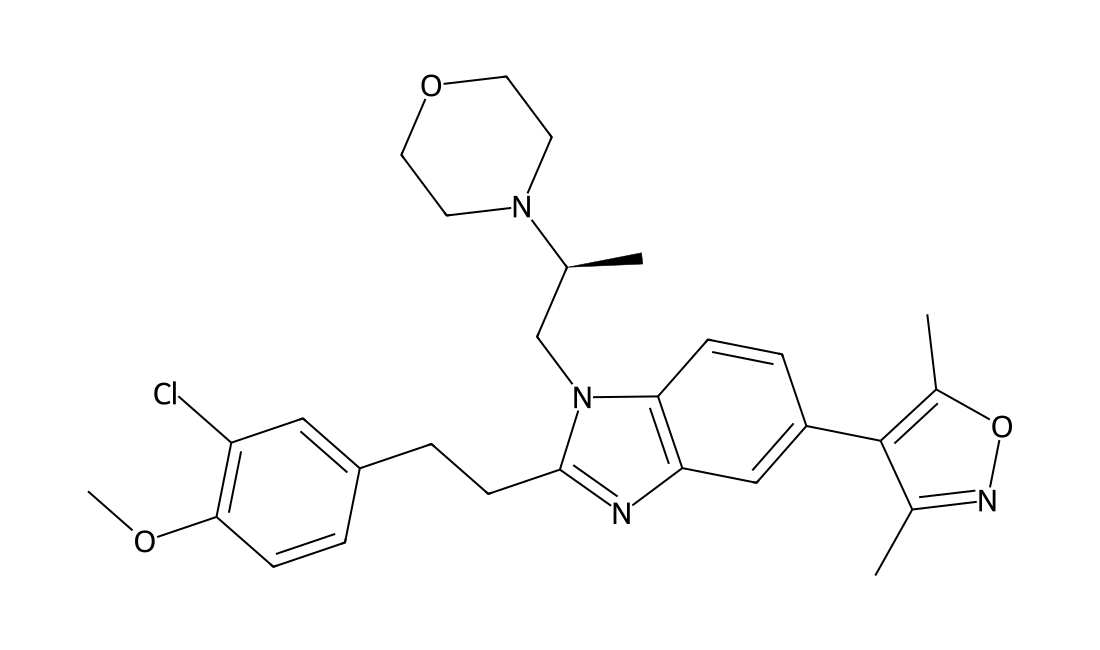
SGC-CBP30Featured
As a CREBBP/EP300-selective chemical probe, SGC-CBP30 shows moderate cytotoxicity in U2OS cells and HeLa cells.For the detailed information of SGC-CBP30, the solubility of SGC-CBP30 in water, the solubility of SGC-CBP30 in DMSO, the solubility of SGC-CBP30 in PBS buffer, the animal experiment (test) of SGC-CBP30, the cell expriment (test) of SGC-CBP30, the in vivo, in vitro and clinical trial test of SGC-CBP30, the EC50, IC50,and Affinity of SGC-CBP30, Please contact DC Chemicals.
ITEFeatured
A endogenous ligand, potent aryl hydrocarbon receptor (AhR) agonist in vitro.
VelufenacinFeatured
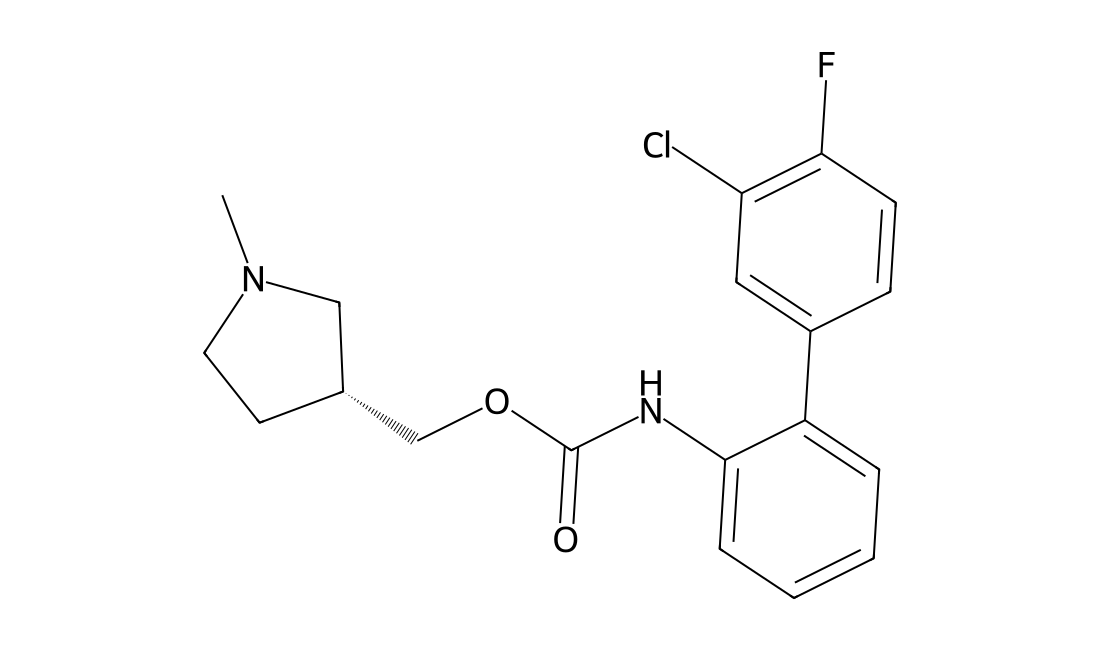
Velufenacin is a muscarinic receptor antagonist.
BersacapavirFeatured
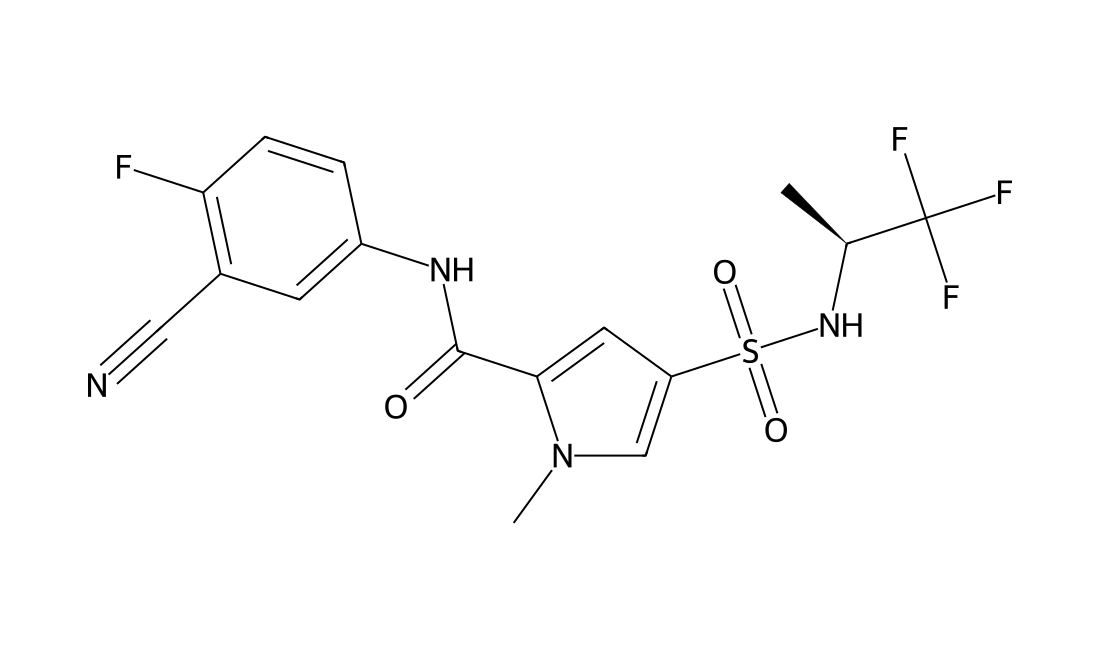
Bersacapavir is a novel Hepatitis B Virus capsid assembly modulator.
NinerafaxstatFeatured
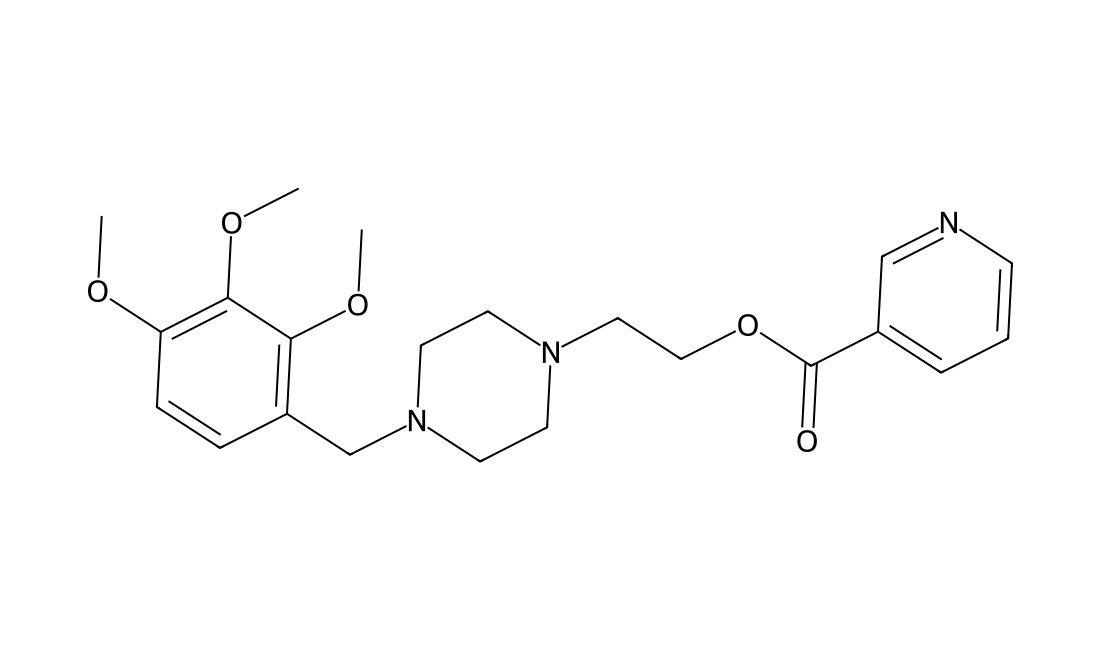
Ninerafaxstat hifts cellular metabolism from fatty acid oxidation to glucose oxidation.Ninerafaxstat decreases fatty acid oxidation and improve overall mitochondrial respiration.Ninerafaxstat inhibit the growth and proliferation of cancer cells.
RORγt inverse agonist 13Featured
RORγt inverse agonist 13 (Compound 3i) is a potent, orally active and selective RORγt inverse agonist, with improved drug-like properties, with an IC50 of 63.8 nM.
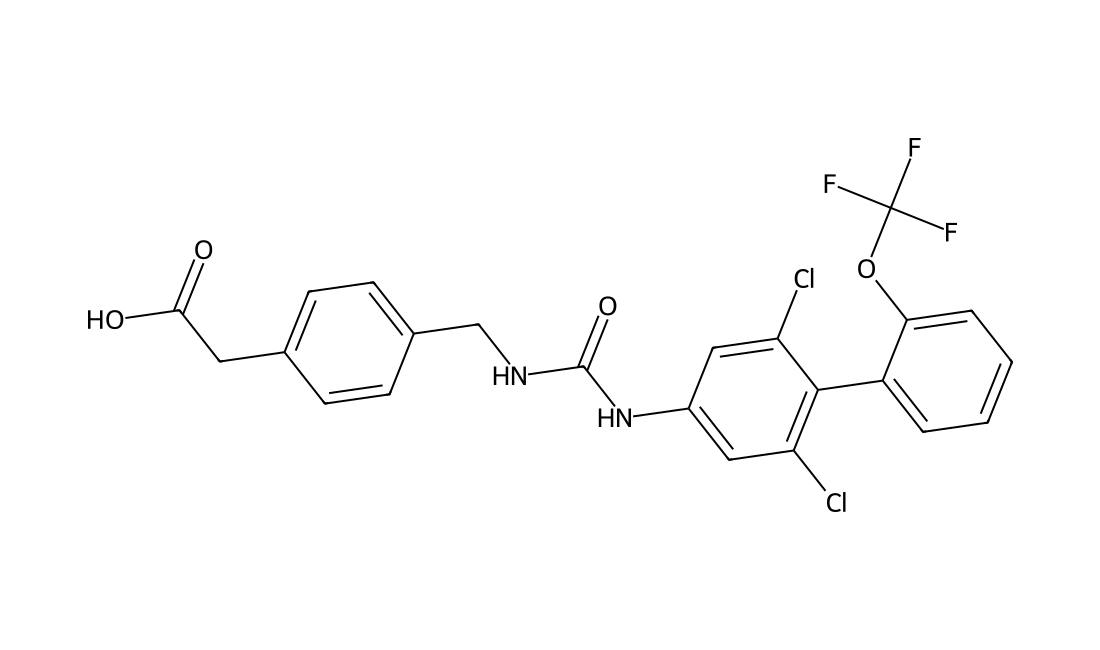
ChiauranibFeatured
Chiauranib (CS2164) selectively inhibits multiple kinase targets aurora B kinase (AURKB), colony-stimulating factor 1 receptor (CSF1R), and vascular endothelial growth factor receptor (VEGFR)/platelet-derived growth factor receptor (PDGFR)/c-Kit , thereby inhibiting the rapid proliferation of tumor cells, enhancing the antitumor immunity, and inhibiting tumor angiogenesis, to achieve the anti-tumor efficacy.
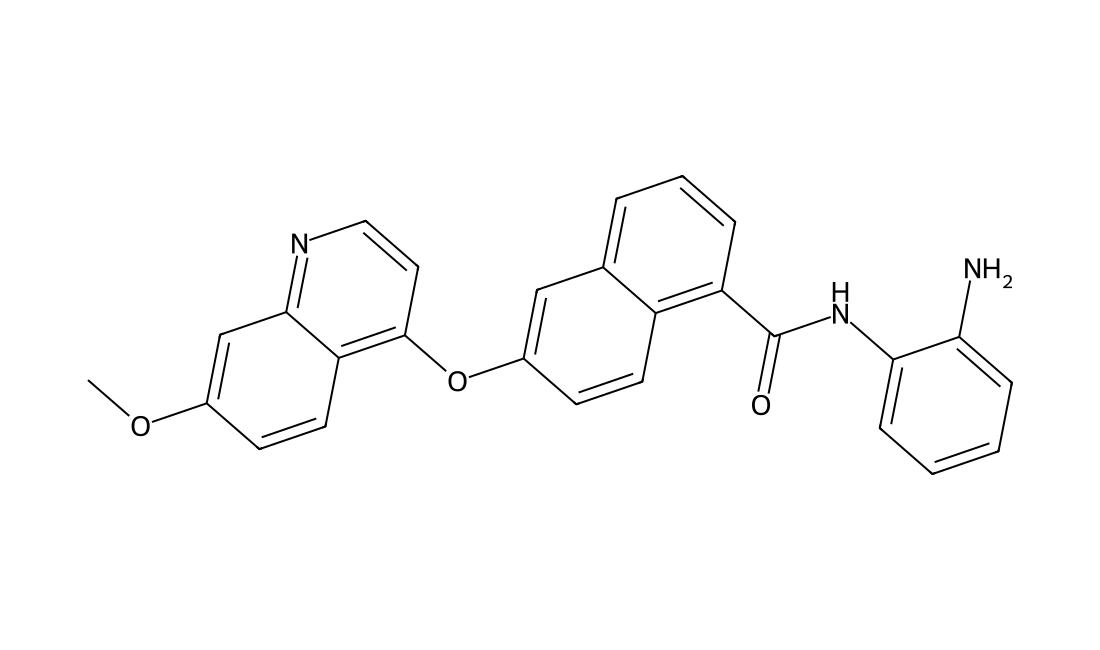
BitopertinFeatured
Bitopertin, also known as RG1678, is a potent and selective inhibitor of GlyT1 with an EC50 of 30nM.
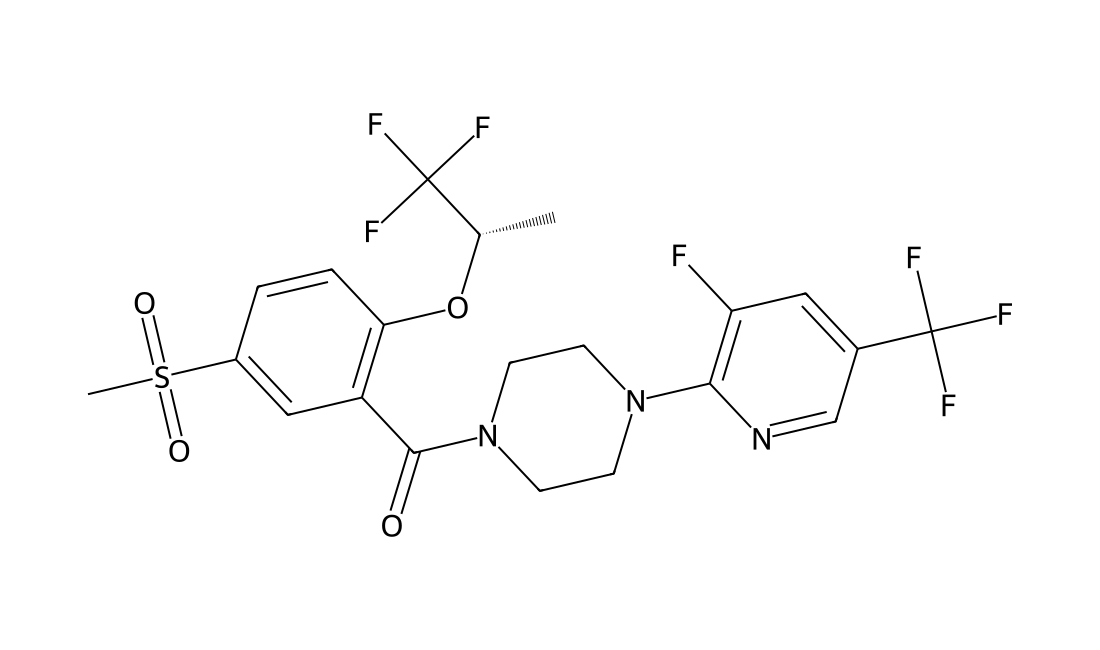
LY2940094 tartrateFeatured
LY2940094 (BTRX-246040) tartrate is a potent, brain penetrant, selective and orally available N/OFQ peptide (NOP) receptor antagonist with high affinity (Ki=0.105 nM) and antagonist potency (Kb=0.166 nM). LY2940094 tartrate reduces Ethanol self-administration and Ethanol seeking in animal models.
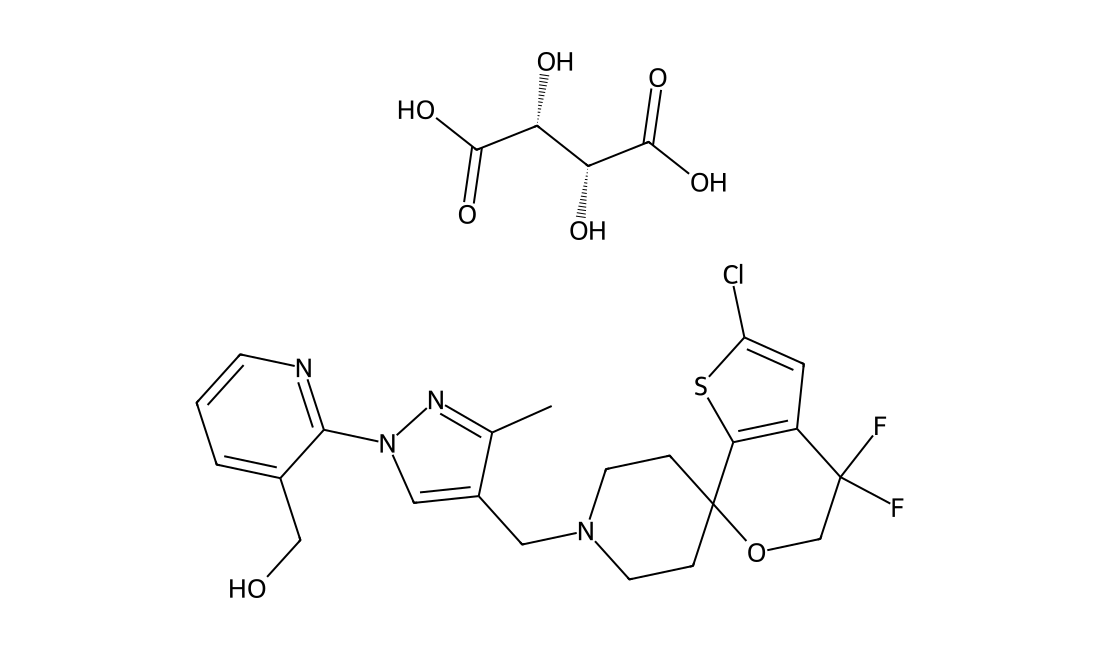
MLE-4901Featured
A potent, selective, orally active neurokinin 3 (NK3R) antagonist for the treatment of schizophrenia; demonstrates drug-like properties with low metabolic turnover rate in vitro and moderate human plasma protein binding.SchizophreniaPhase 2 Discontinued
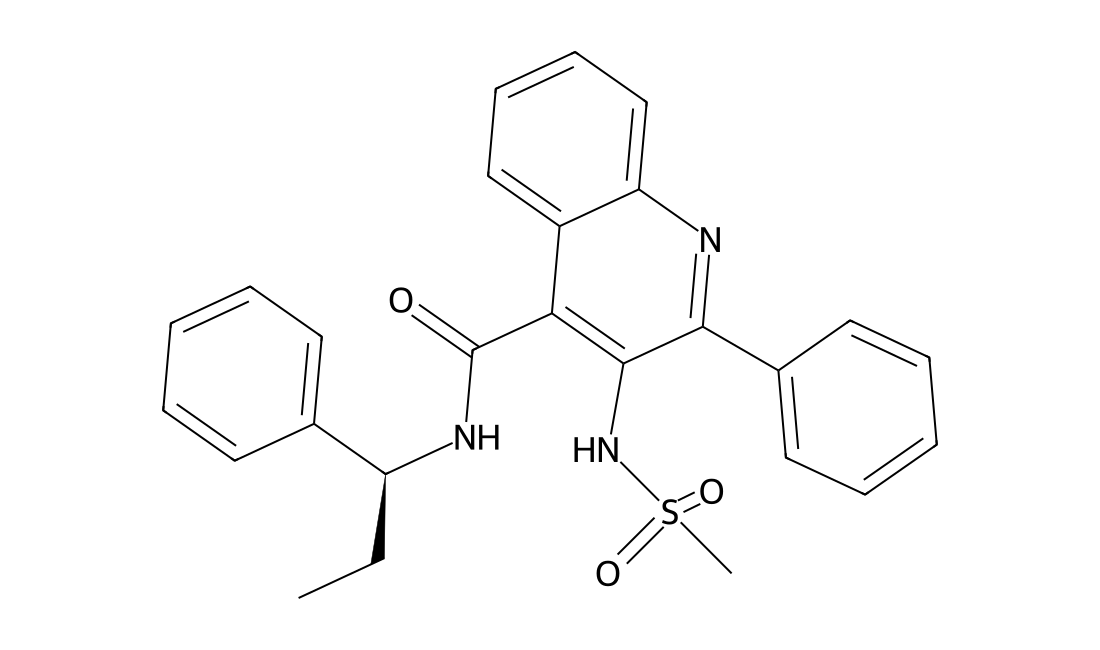
URB-597Featured
URB597 binds in the hydrophobic pocket and catalytic core of FAAH that connects the active site residues to the membrane surface of FAAH. URB597 inhibits FAAH activity in human liver microsomes with IC50 of 3 nM. URB597 reduces the expression of the LPS-induced enzymes cyclo-oxygenase 2 (COX-2) and inducible nitric oxide synthase (iNOS; NOS2) in primary rat microglial cell, with a concomitant reduction in the release of the inflammatory mediators prostaglandin E2 (PGE2) and (NO) nitric oxide. URB597 evokes Ca2+ entry in HEK293-F Cells transiently expressing human or rat TRPA1 gene. URB597 also activates Ca2+ entry in rat DRG neurons natively expressed TRPA1 channels. URB597 inhibits [3H]anandamide hydrolysis in rat brain membranes with a parallel increase in brain anandamide, OEA, and PEA content by inhibition of FAAH. URB597 enhances the hypothermia effect induced by ethanolamide by inhibiting FAAH. [5] When delivered intraperitonealy (0.3 mg/kg) URB597 reduces allodynia and hyperalgesia through cannabinoid CB1 and CB2 receptor-mediated analgesia in rats with inflammatory pain. [6] URB597 reduces the reduction in body weight gain and sucrose intake induced by the chronic mild stress in rats through inhibition of brain FAAH activity. [7] URB597 could reverse most depressive-like symptoms induced by adolescent THC exposure in femal rats. [8]For the detailed information of URB-597, the solubility of URB-597 in water, the solubility of URB-597 in DMSO, the solubility of URB-597 in PBS buffer, the animal experiment (test) of URB-597, the cell expriment (test) of URB-597, the in vivo, in vitro and clinical trial test of URB-597, the EC50, IC50,and Affinity of URB-597, Please contact DC Chemicals.
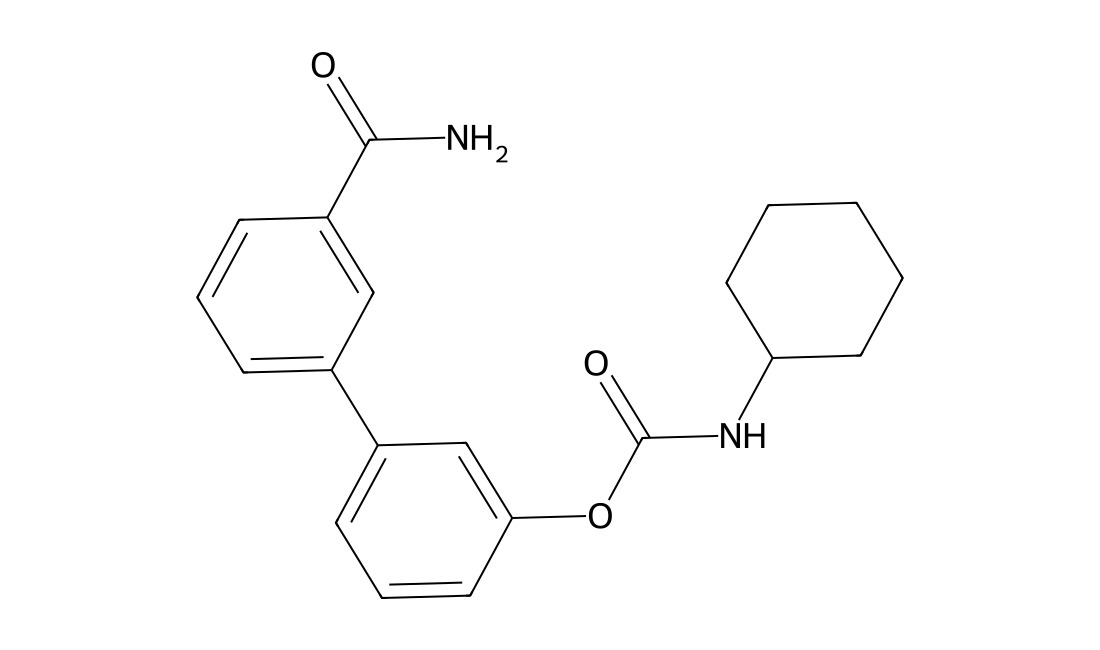
ML390Featured
ML390 is a human DHODH Inhibitor That Induces Differentiation in Acute Myeloid Leukemia. ML390 bioactivity: ER-HOX-GFP (EC50 μM) = 1.8 ± 0.6; U937 (EC50 μM) = 8.8 ± 0.8; THP-1 (EC50 μM) = 6.5 ± 0.9; DHODH (IC50, μM) = 0.56 ± 0.1. ML390 may offer insight into the mechanism of overcoming differentiation arrest, and will translate into a starting point for a much-needed new and potent treatment for patients with acute myeloid leukemia. Inhibitors of dihydroorotate dehydrogenase (DHODH) showed activity to induce differentiation in multiple animal models of AML in vitro and in vivo. DHODH inhibitors demonstrated effective at prolonging survival in animal models of leukemia.
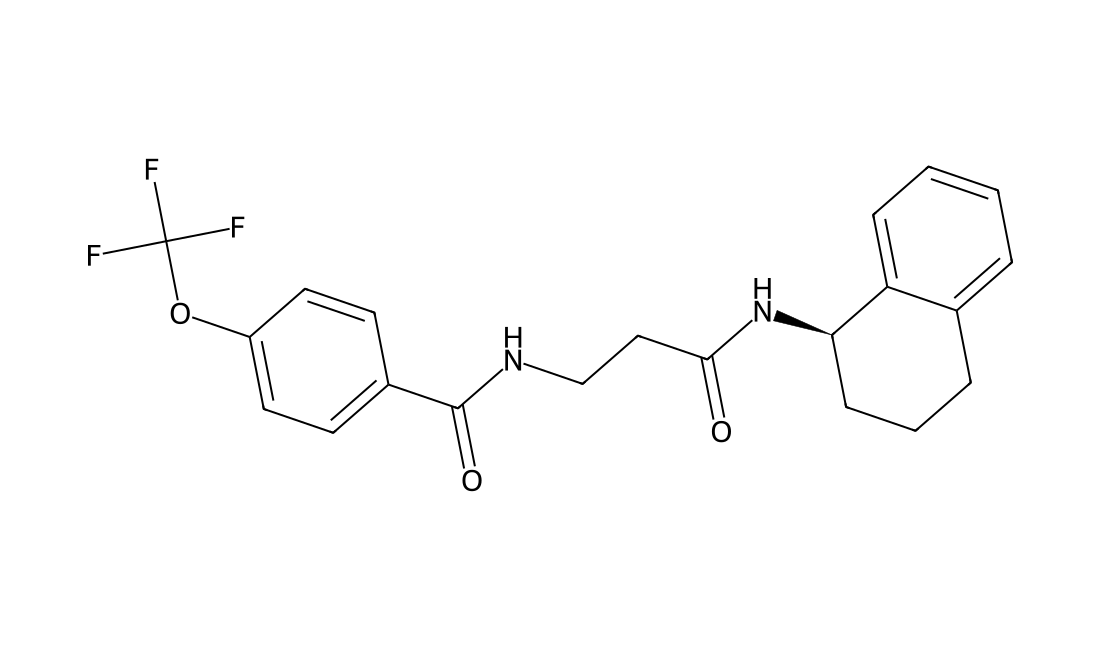
CJ-42794Featured
A selective prostaglandin E receptor subtype 4 (EP4) antagonist with pKi of 8.5; displays >200-fold more selective for human EP4 receptor than EP1, EP2, and EP3; competitively inhibits PGE2-evoked elevations of intracellular cAMP levels in HEK293 cells overexpressing EP4 receptor with a mean pA(2) value of 8.6; reverses the inhibitory effects of PGE2 on LPS-induced TNFα production.
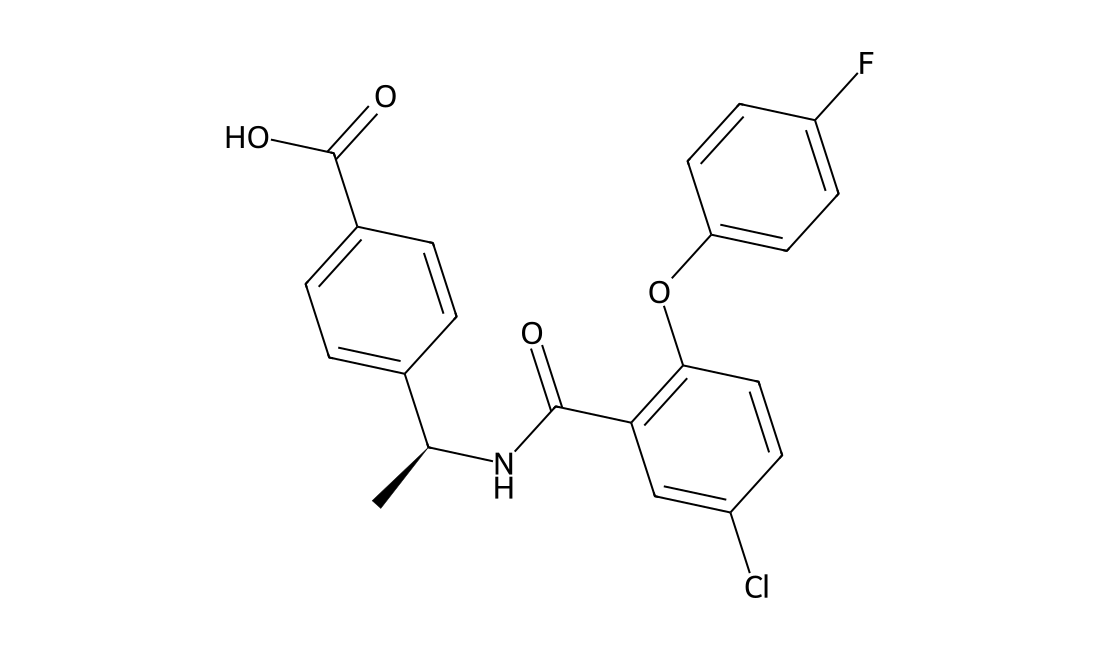
No products match this search.
Page 364 of 384 · Browse all 7677 products
Jump to a product page
Featured literature product: HX1 · DCL0028
HX1 is a hydroxyzine-derived ionizable lipid with acetal-containing tails, studied in lipid nanoparticles for brain mRNA delivery and CRISPR–Cas9 delivery. It was the lead in the reported in vivo brain-delivery screen; evidence is preclinical and formulation-dependent.
Read full formulation and performance →