
Research lipid catalog
Ionizable Lipid Products
Explore 848 lipid and RNA delivery products. Search the full catalog or browse by research category.
Search covers product name, catalog number, synonyms, available CAS numbers and categories. Spaces, hyphens and common punctuation are ignored. Duplicate legacy records are consolidated under one canonical product result.
7677 products · Showing 7221–7240 · 20 per page
DC Chemicals lipid expertise
Built for ionizable-lipid discovery and RNA delivery research
DC Chemicals supports formulation and delivery research with a broad, searchable portfolio of cationic and ionizable lipids. The current directory brings together 848 unique research-use products, with product specifications, pricing, chemical structures and literature-linked formulation data added as each record is verified.
Our experience spans complex lipid synthesis, purification, analytical release and process development. For custom molecules or larger-scale requirements, our team can discuss route development, technical specifications and scale-up options for the intended research workflow.
Learn about cationic and ionizable lipids →Proprietary innovation · Co-development · GMP
From proprietary lipid design to GMP-grade custom synthesis
DC Chemicals has independently developed ionizable-lipid structures supported by company-owned intellectual property, and selected proprietary lipid programs have advanced to GMP-stage development.
We welcome joint development with customers—from molecular design and lipid synthesis through route and process development. We can also support custom synthesis of GMP-grade ionizable lipids to agreed technical specifications and quality requirements.
Discuss a co-development project →Proprietary ionizable-lipid structuresCollaborative molecular designCustom lipid synthesisProcess development and scale-upGMP-grade project support
Product quick links
Explore New ionizable lipids
Explore our five most recently added ionizable lipids, with specifications, pricing and literature-linked product information.
DCL0028HX1Brain RNA delivery researchView product →DCL0024A1I4R13C18-2Spleen-targeted RNA delivery researchView product →DCL0023A1I4R2C18-2Spleen-targeted RNA delivery researchView product →DCL0022FS01Local joint RNA delivery researchView product →DCL0020Lipid-392Lung RNA delivery and gene editing researchView product →
Cat. No.Product NameField of ApplicationChemical Structure
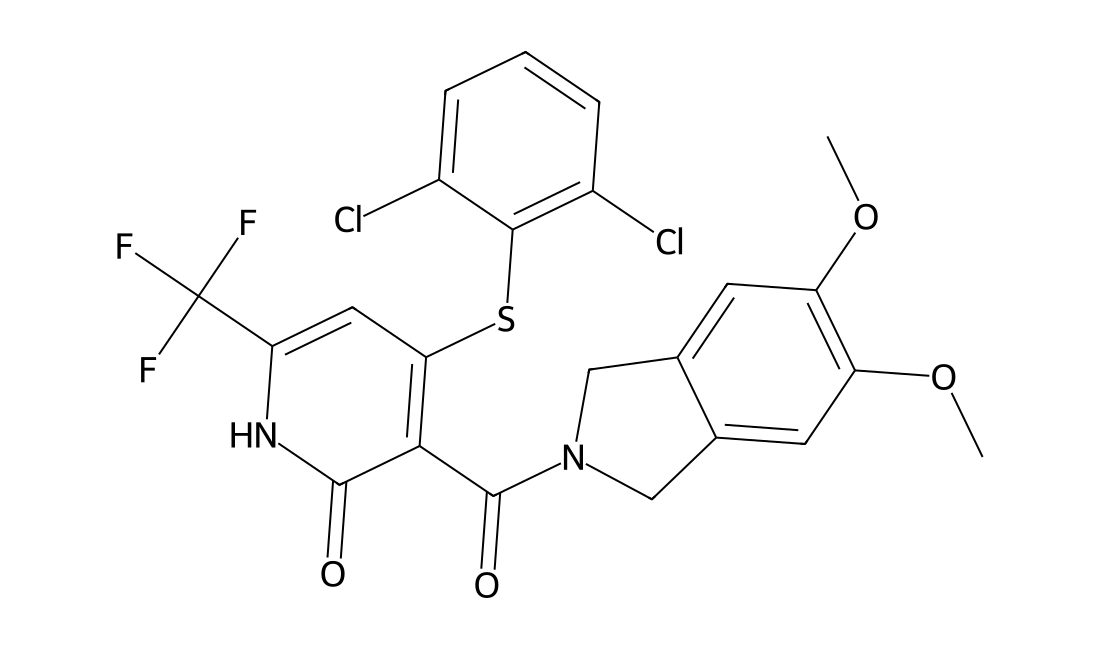
NRX-252262Featured
NRX-252262 is a powerful enhancer of the interaction between β-Catenin and its cognate E3 ligase, SCFβ-TrCP. It effectively induces the degradation of mutant β-catenin, demonstrating an EC50 of 3.8 nM.
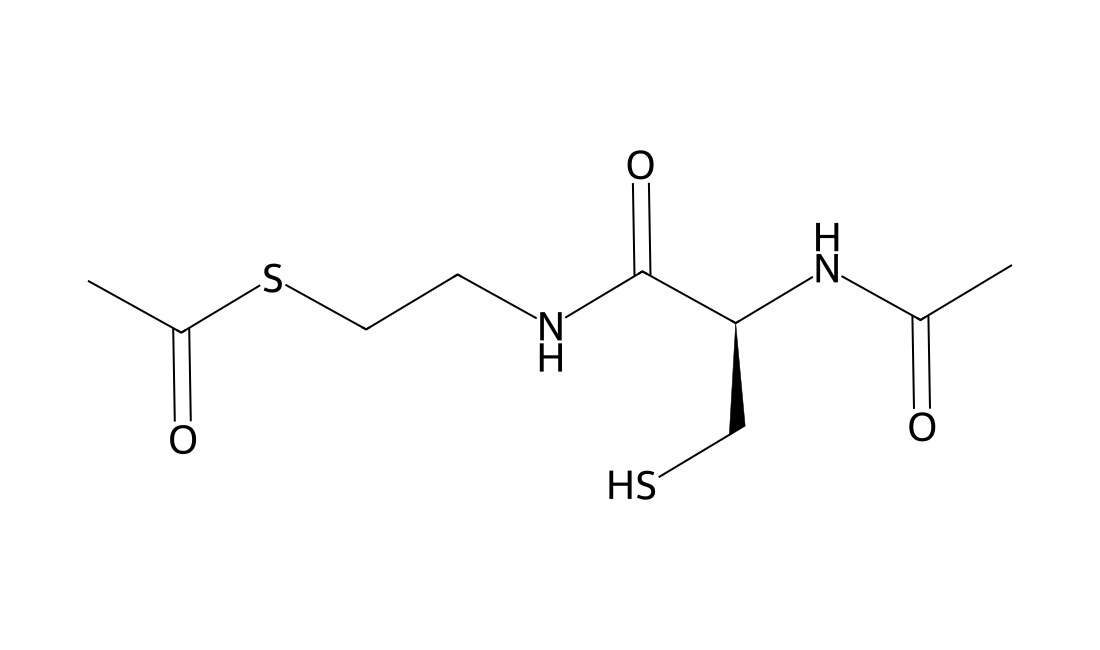
I-152Featured
I-152 is a novel conjugate composed of N-acetyl-cysteine (NAC) and cysteamine (MEA), designed to harness the synergistic effects of these two bioactive compounds. It demonstrates the ability to activate key cellular signaling pathways, including NRF2 and ATF4, which are involved in oxidative stress response and cellular homeostasis. Additionally, I-152 exhibits potent anti-proliferative properties, making it a promising candidate for research in conditions characterized by uncontrolled cell growth, such as cancer. This unique combination of NAC and MEA in I-152 offers a multifaceted approach to modulating cellular pathways and addressing pathological processes.
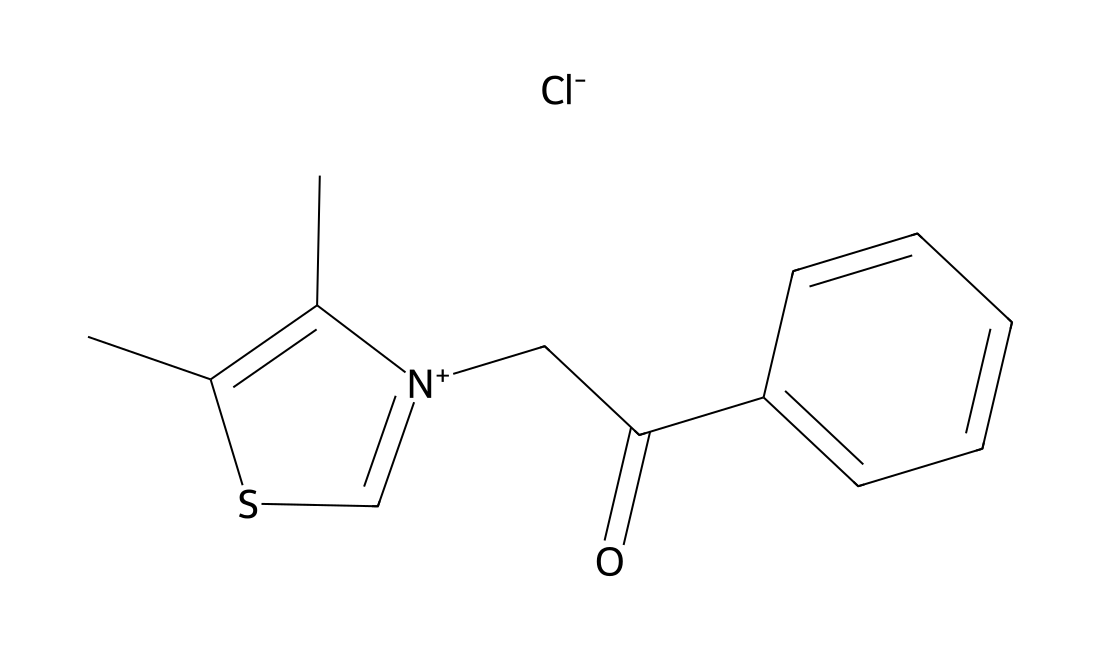
Alagebrium ChlorideFeatured
Alagebrium Chloride, identified as ALT711, emerged as a pioneering pharmaceutical candidate developed by Alteon, Inc. It marked the first clinical attempt to address the crosslinks formed by advanced glycation endproducts (AGEs), a key factor in the aging process. By targeting and disrupting these crosslinks, Alagebrium aims to counteract the stiffening of blood vessel walls, a condition linked to hypertension, cardiovascular disorders, and various age-related degenerative issues caused by protein crosslinking. Clinical studies have demonstrated its efficacy in lowering systolic blood pressure and offering therapeutic advantages for individuals with diastolic dysfunction.
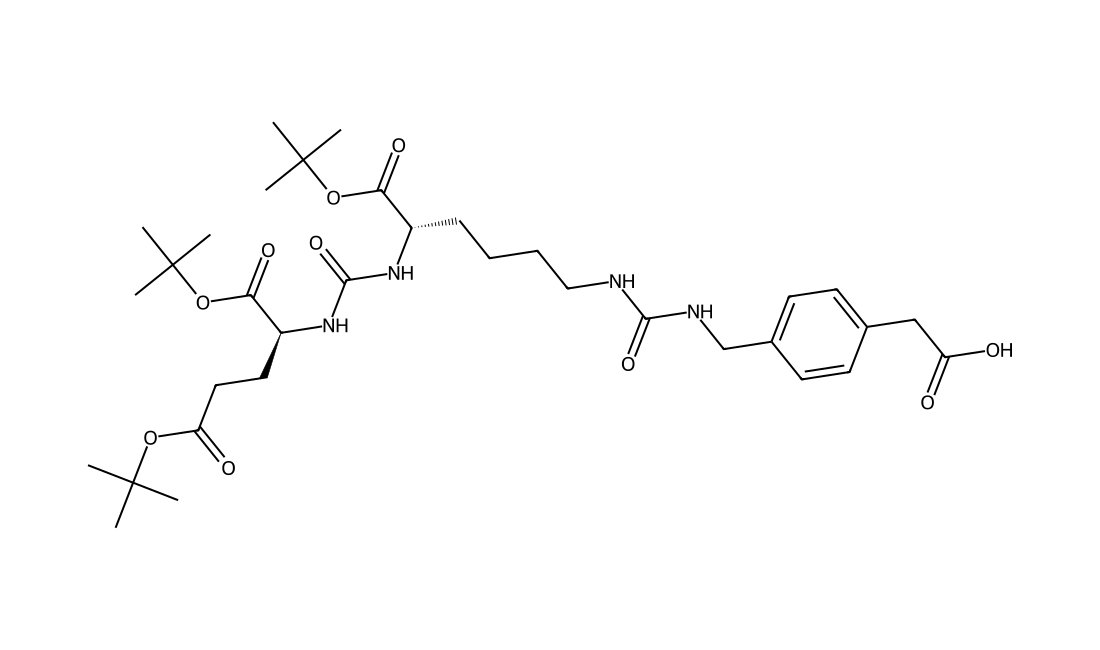
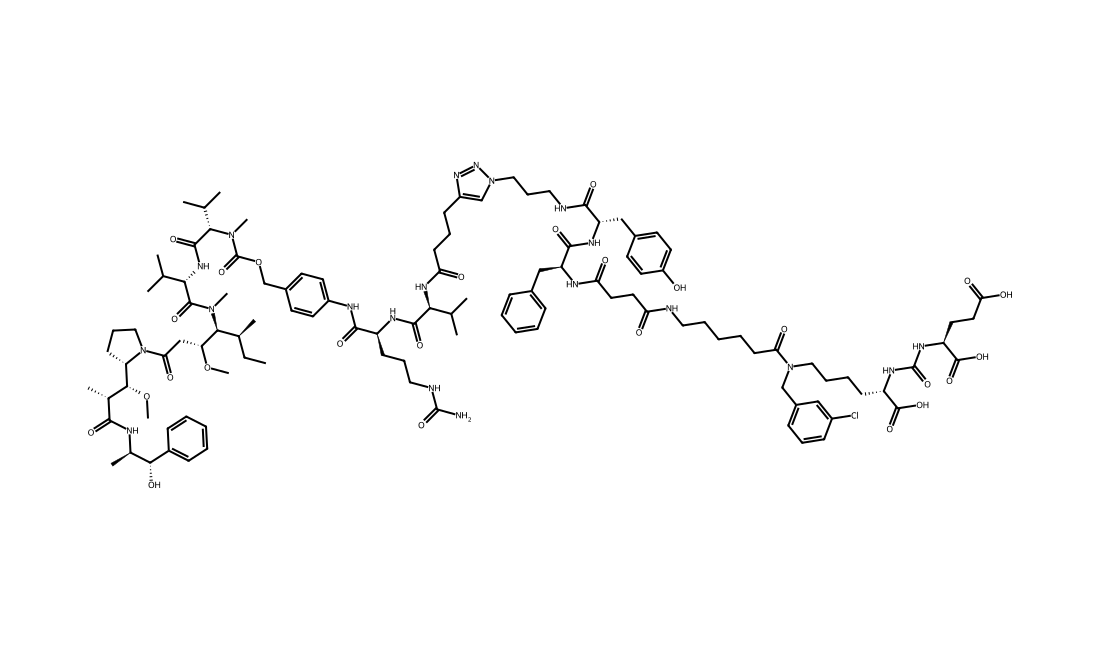
PSMA-ligand-1Featured
A PSMA (prostate-specific membrane antigen) ligand-tubulysin compound.
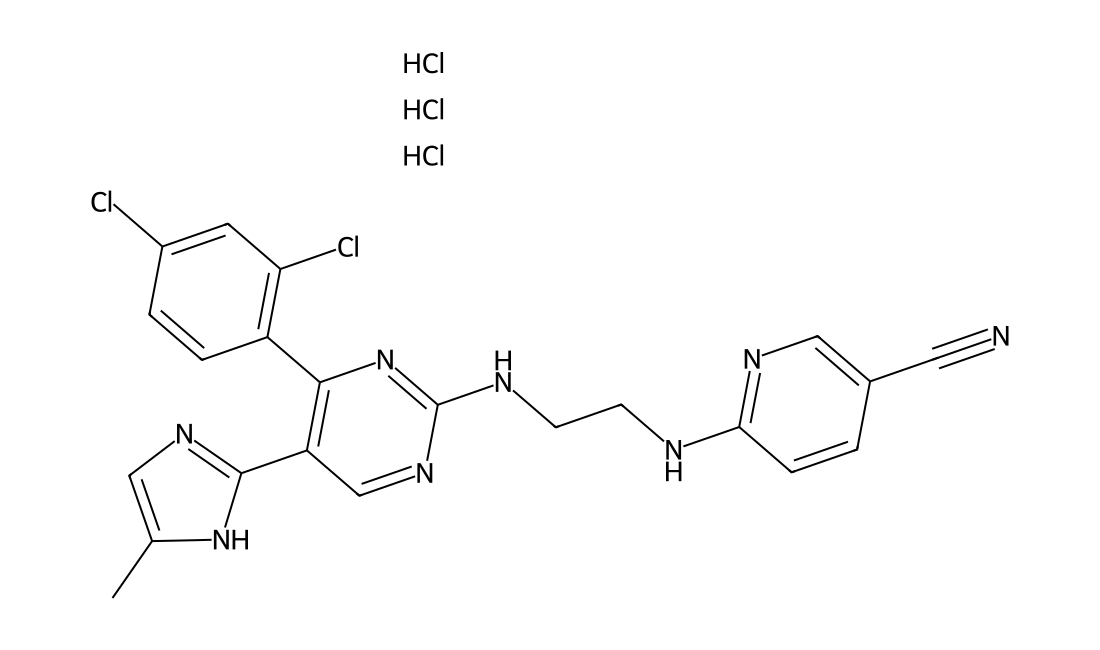
Laduviglusib trihydrochlorideFeatured
A potent, specific GSK-3 inhibitor with IC50 of 5 nM and 10 nM for GSK3β and GSK3α, respectively; mimics Wnt signaling in preadipocytes, stabilizes free cytosolic beta-catenin and inhibits adipogenesis by blocking induction of C/EBPα and PPARγ; potentiates insulin activation of glucose transport and utilization in vitro and in vivo; also widely used for stem cell differentiation and naive stem cell generation.
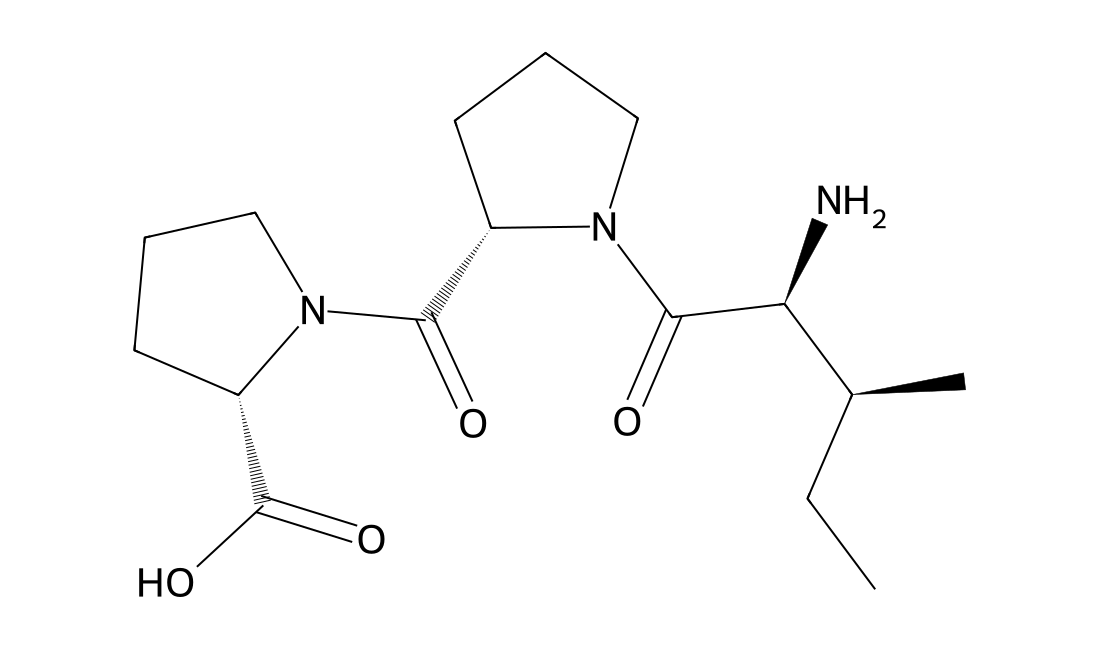
H-Ile-Pro-Pro-OHFeatured
In Vitro Vitro: Ile-Pro-Pro (IPP) increases nitric oxide (NO) production in human umbilical vein endothelial cells (HUVECs). In Vivo Vivo: Ile-Pro-Pro attenuates arterial dysfunction in L-NAME-treated rats Ile-Pro-Pro (IPP) decreases blood pressure in spontaneously hypertensive rats (SHR). Ile-Pro-Pro (IPP) attenuates the development of atherosclerosis in apolipoprotein E-deficient (apoE(-/-)) mice.
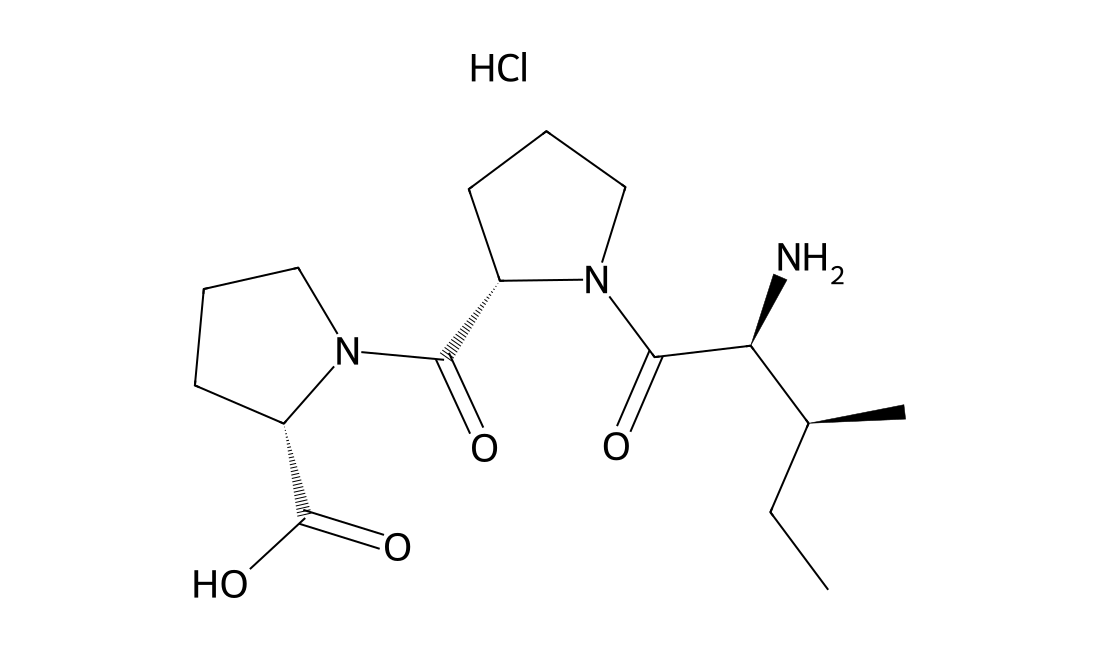
H-Ile-Pro-Pro-OH hydrochlorideFeatured
H-Ile-Pro-Pro-OH hydrochloride, a milk-derived peptide, inhibits angiotensin-converting enzyme (ACE) with an IC50 of 5 μM. Antihypertensive tripeptides.
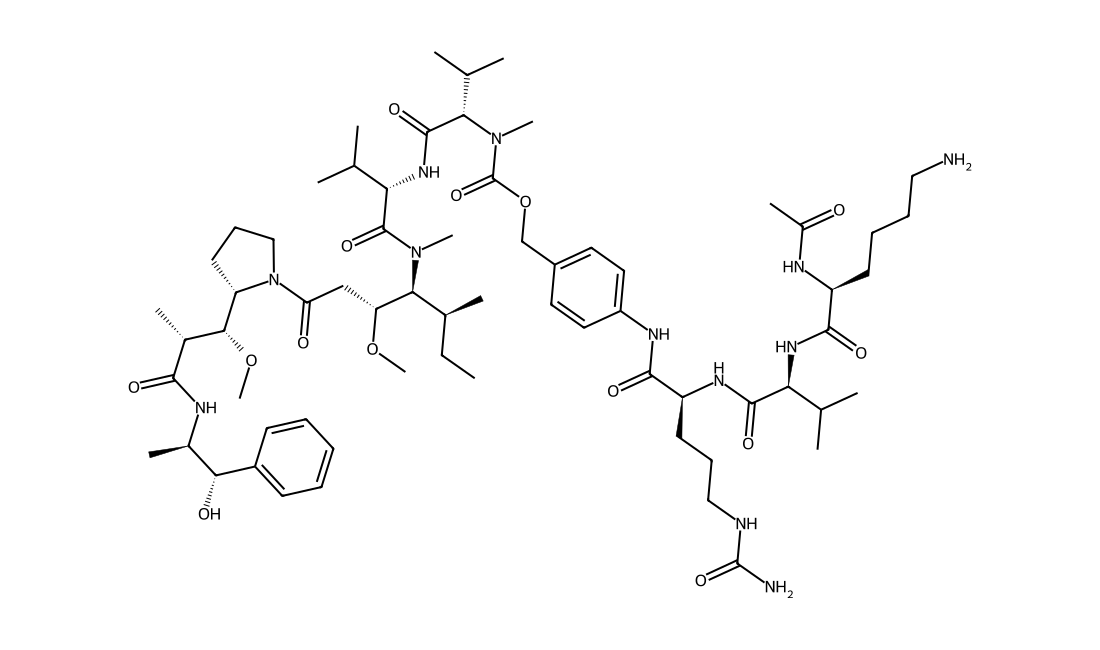
Ac-Lys-Val-Cit-PABC-MMAEFeatured
Ac-Lys-Val-Cit-PABC-MMAE is a drug-linker conjugate for ADC. Ac-Lys-Val-Cit-PABC-MMAE contains the ADC linker (peptide Ac-Lys-Val-Cit-PABC) and a potent tubulin polymerization inhibitor MMAE.
PSMA-Val-Cit-PAB-MMAEFeatured
PSMA-Val-Cit-PAB-MMAE is a novel small-molecule PSMA-targeted conjugate based on the monomethyl auristatin E for the chemotherapy of prostate cancer.
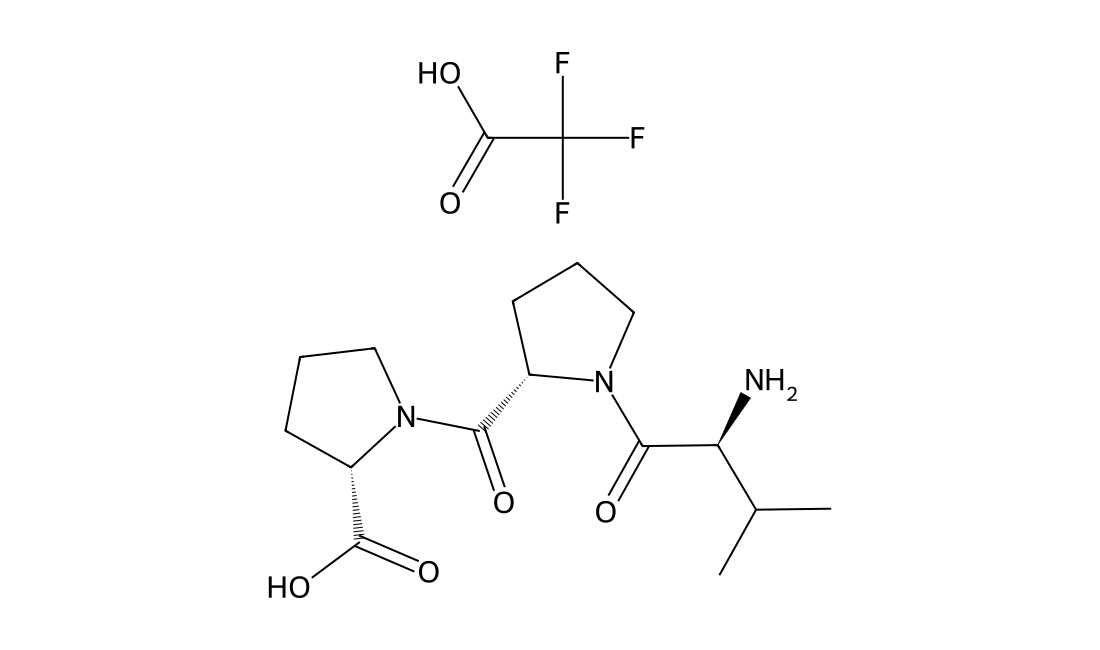
H-Val-Pro-Pro-OH TFAFeatured
In Vitro H-Val-Pro-Pro-OH (TFA), a proline peptides derivative, could inhibit Angiotensin I converting enzyme (ACE), with an IC50 of 9 μM. H-Val-Pro-Pro-OH (TFA) could enhance insulin sensitivity and prevent insulin resistance in 3T3-F442A pre-adipocytes. H-Val-Pro-Pro-OH (TFA) also has anti-hypertensive and anti-inflammatory functions. H-Val-Pro-Pro-OH (TFA) further enhances the expression of glucose transporter 4 (GLUT4) in adipocytes and restores glucose uptake in TNF-treated adipocytes.
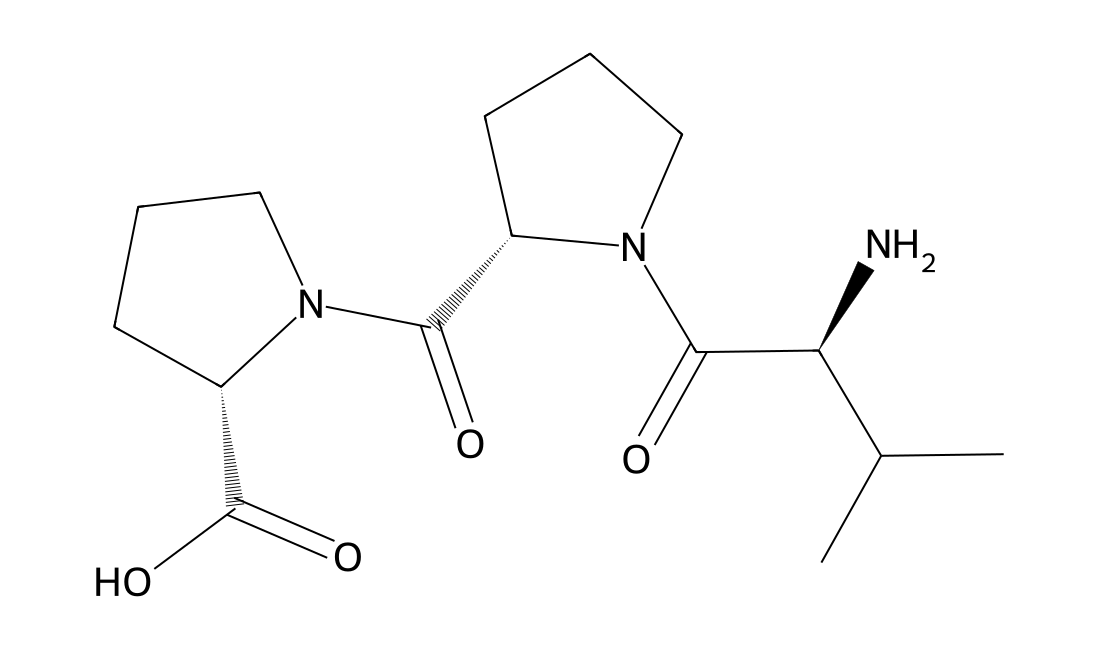
H-Val-Pro-Pro-OHFeatured
In Vitro H-Val-Pro-Pro-OH, a proline peptides derivative, could inhibit Angiotensin I converting enzyme (ACE), with an IC50 of 9 μM. H-Val-Pro-Pro-OH could enhance insulin sensitivity and prevent insulin resistance in 3T3-F442A pre-adipocytes. H-Val-Pro-Pro-OH also has anti-hypertensive and anti-inflammatory functions. H-Val-Pro-Pro-OH further enhances the expression of glucose transporter 4 (GLUT4) in adipocytes and restores glucose uptake in TNF-treated adipocytes.
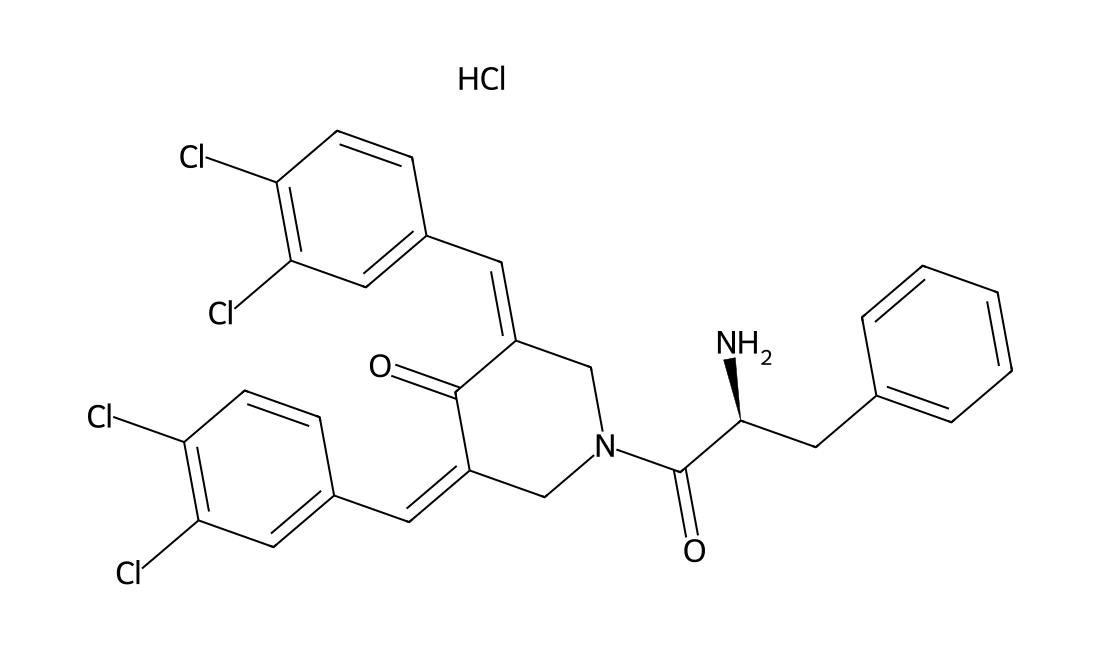
RA190Featured
RA190 covalently binds to cysteine 88 of ubiquitin receptor RPN13 in the 19S regulatory particle and inhibits proteasome function, triggering rapid accumulation of polyubiquitinated proteins. Multiple myeloma (MM) lines, even those resistant to bortezomib, are sensitive to RA190 via endoplasmic reticulum stress-related apoptosis. RA190 stabilizes targets of human papillomavirus (HPV) E6 oncoprotein, and preferentially kills HPV-transformed cells.RA190 distributes to plasma and major organs excepting brain, and inhibits proteasome function in skin and muscle. RA190 administration profoundly reduces growth of multiple myeloma and ovarian cancer xenografts, and oral RA190 treatment retards HPV16+ syngeneic mouse tumor growth, without impacting spontaneous HPV-specific CD8+ T cell responses.
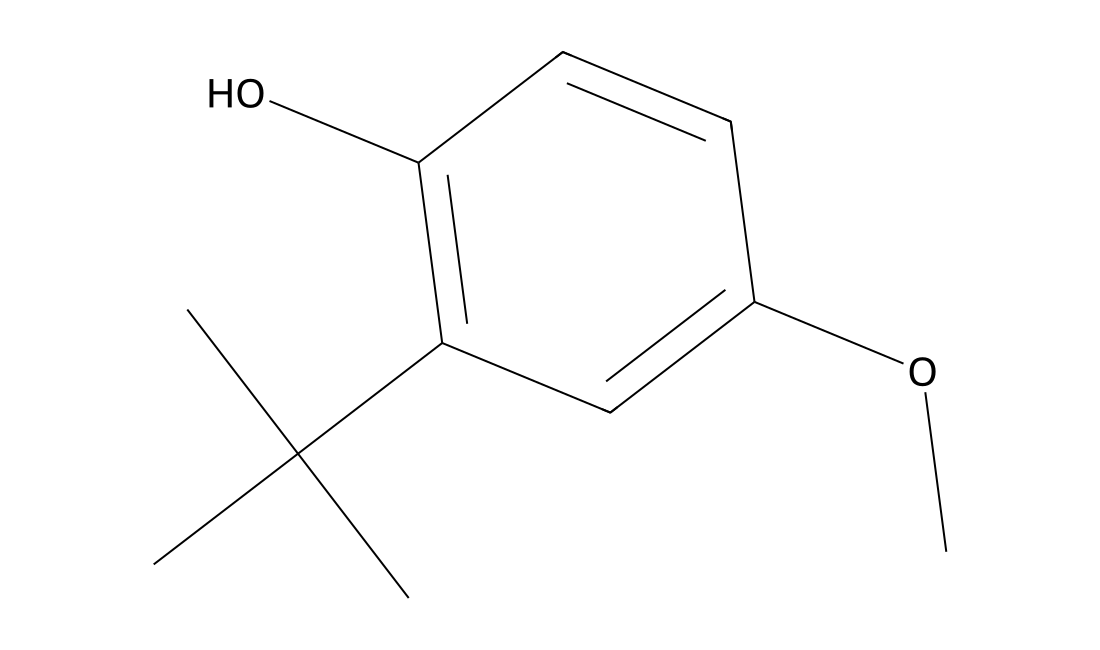
ButylhydroxyanisoleFeatured
Butylhydroxyanisole (Butylated hydroxyanisole) is an antioxidant used as a food additive preservative. Butylhydroxyanisole mediates liver toxicity, retardation in reproductive organ development and learning, and sleep deficit. Butylhydroxyanisole exerts neurotoxic effects and leads to disruption of the brain and nerve development. Butylhydroxyanisole is a ferroptosis inducer.
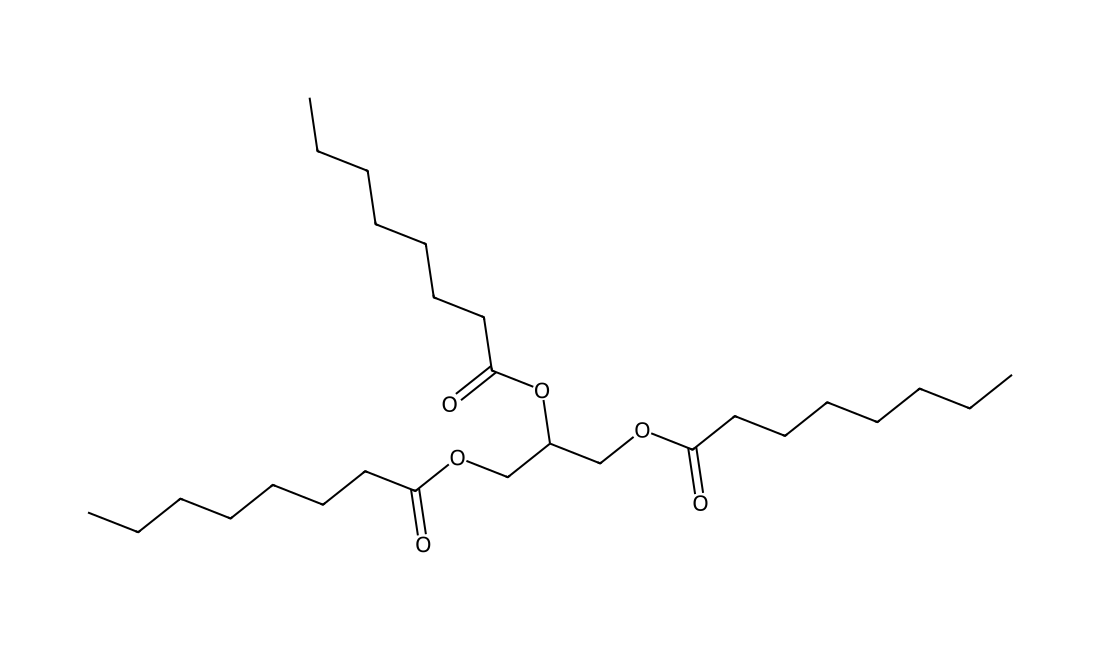
TricaprilinFeatured
Tricaprilin, also known as Glyceryl trioctanoate, is a triglyceride drug candidate.
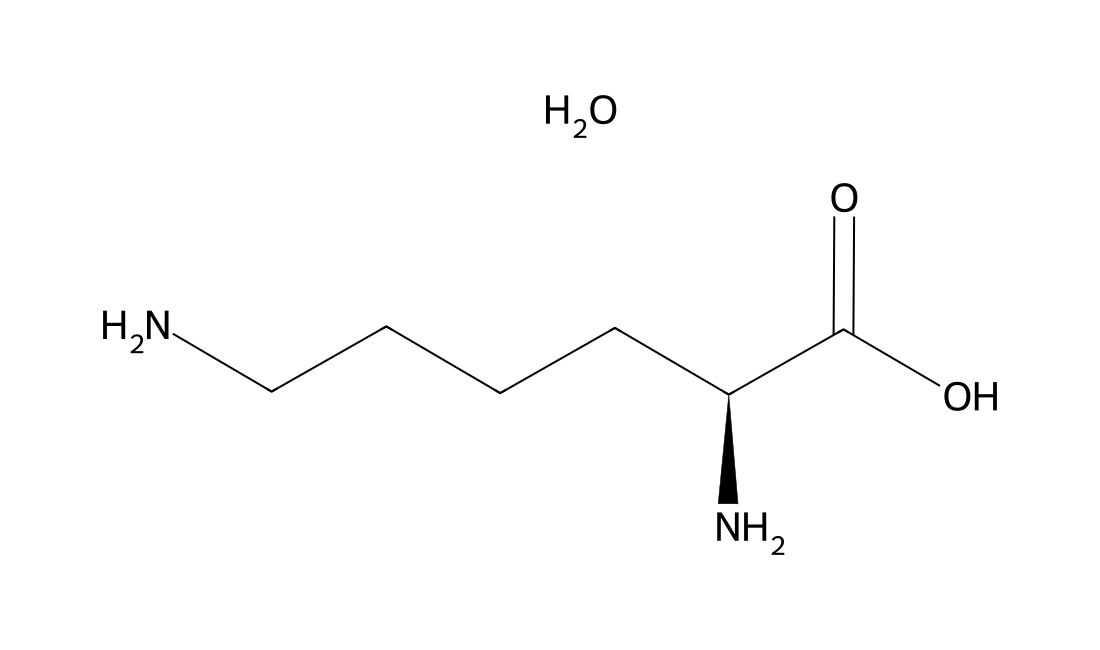
L-Lysine hydrateFeatured
L-Lysine hydrate is an essential amino acid. L-Lysine hydrate can be research for vascular calcification (VC) and acute pancreatitis.
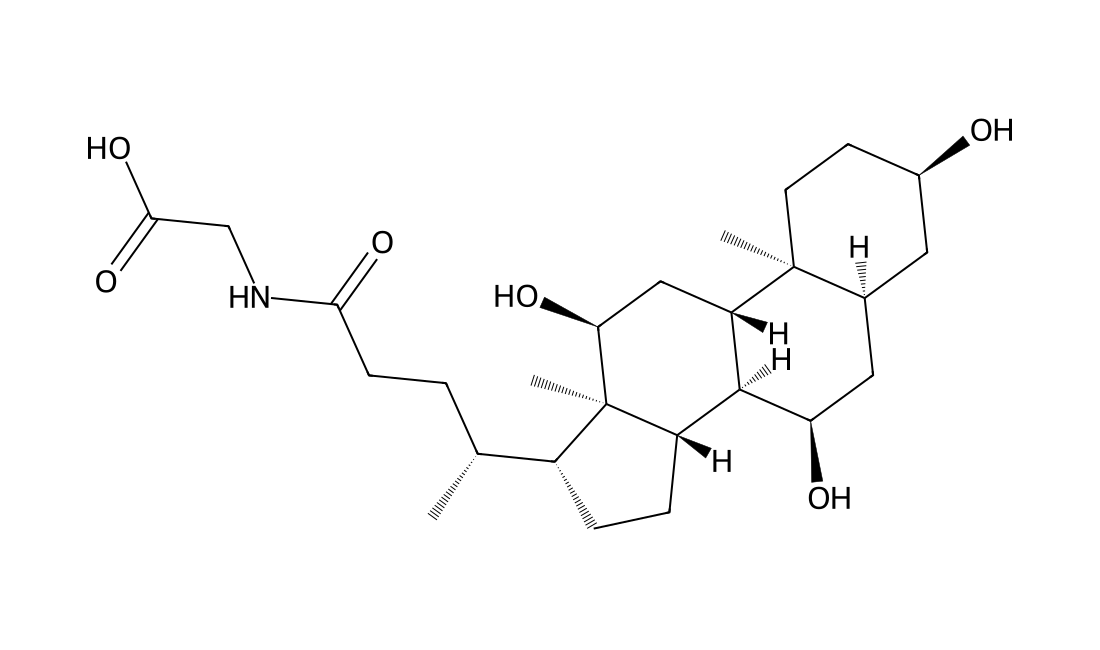
Glycocholic acidFeatured
Glycocholic acid is a bile acid with anticancer activity, targeting against pump resistance-related and non-pump resistance-related pathways.
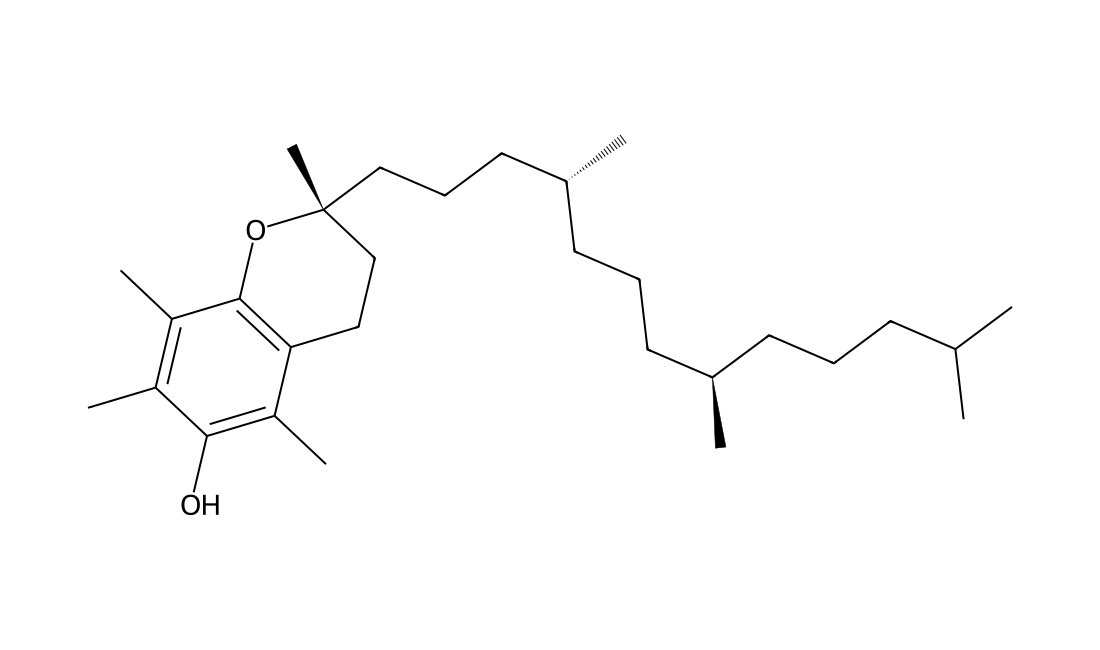
DL-alpha-TocopherolFeatured
DL-alpha-Tocopherol is a synthetic vitamin E, with antioxidation effect. DL-alpha-Tocopherol protects human skin fibroblasts against the cytotoxic effect of UVB.
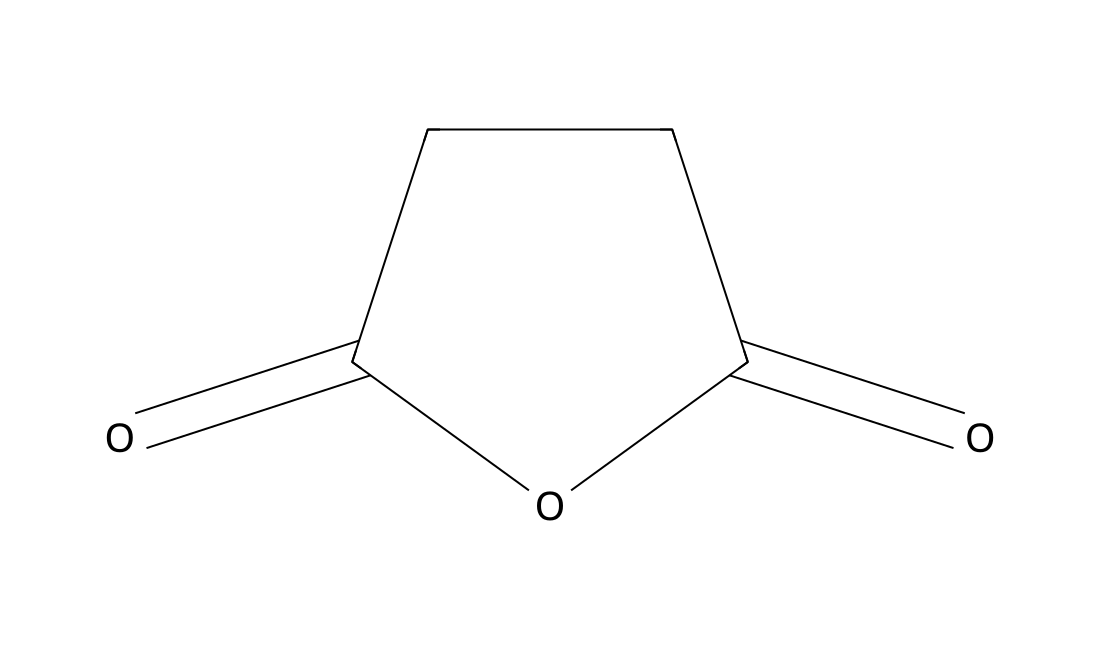
Succinic anhydrideFeatured
Succinic anhydride is a cyclic anhydride and a nonclaevable ADC linker extracted from patent WO2009064913A1. Succinic anhydride can react with compound 4 of the patent to link the proagent to an amine or hydroxy 1 group of a targeting polypeptide.
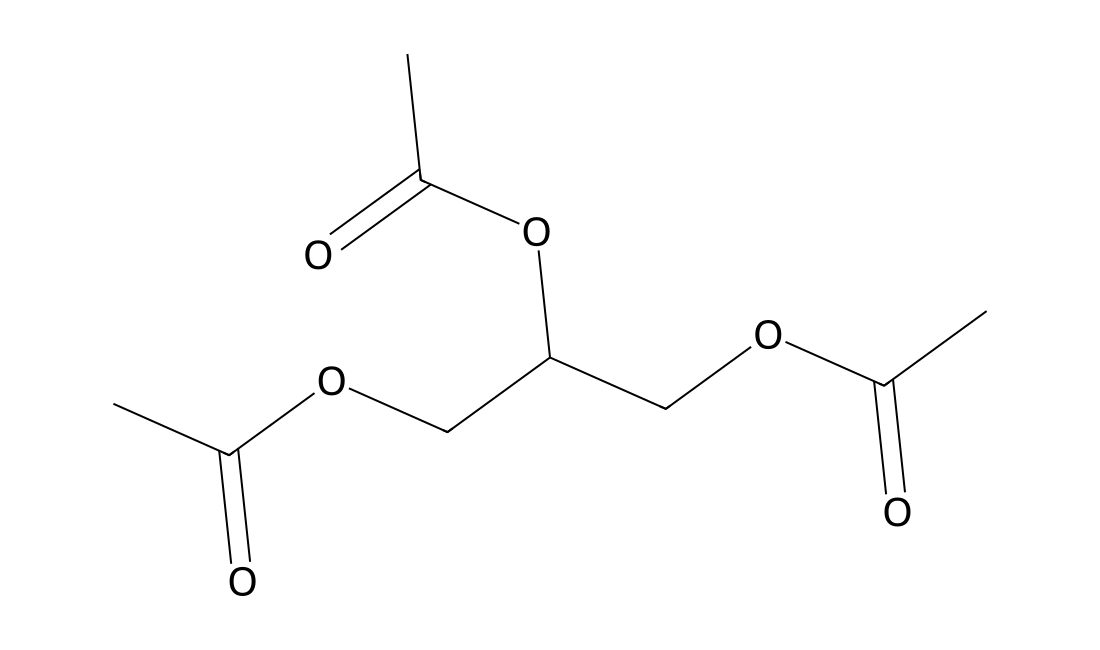
TriacetinFeatured
Triacetin, the triglyceride 1,2,3-triacetoxypropane is more generally known as triacetin and glycerin triacetate. It is the triester of glycerol and acetylating agents, such as acetic acid and acetic anhydride. It is an antifungal agent.
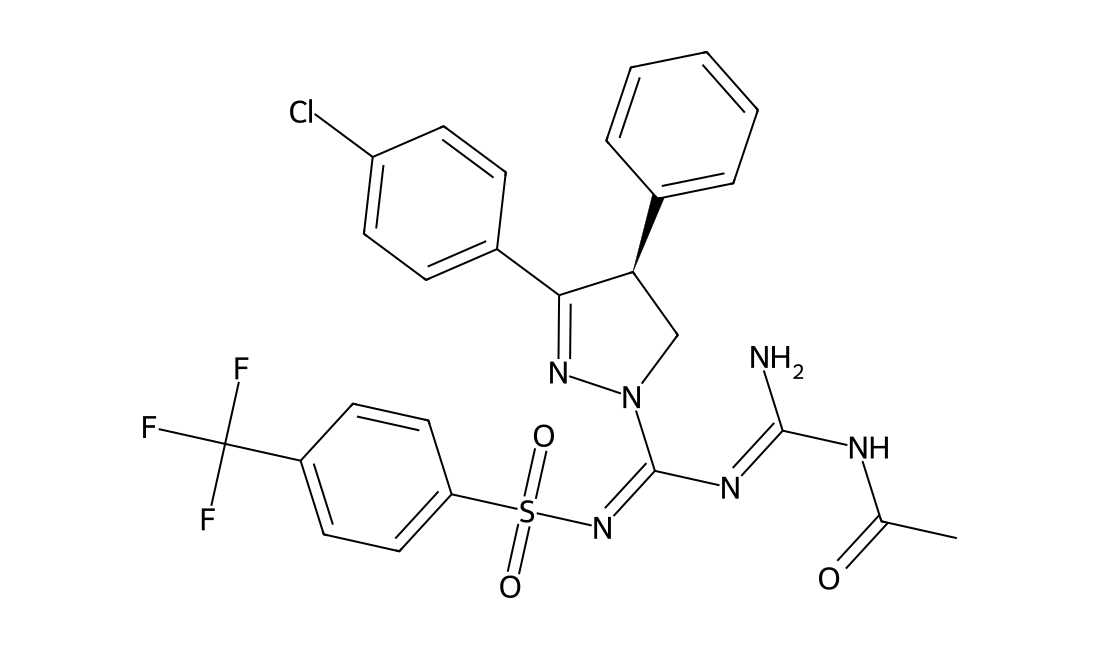
MonlunabantFeatured
Monlunabant, also known as INV-202, is a potent CB1R inverse agonist. INV-202 reduced glomerular injury, preserved podocyte structure and function, reduced injury to PTECs, and ultimately reduced renal fibrosis in a streptozotocin-induced diabetic nephropathy mouse model.
No products match this search.
Page 362 of 384 · Browse all 7677 products
Jump to a product page
Featured literature product: HX1 · DCL0028
HX1 is a hydroxyzine-derived ionizable lipid with acetal-containing tails, studied in lipid nanoparticles for brain mRNA delivery and CRISPR–Cas9 delivery. It was the lead in the reported in vivo brain-delivery screen; evidence is preclinical and formulation-dependent.
Read full formulation and performance →