
Research lipid catalog
Ionizable Lipid Products
Explore 848 lipid and RNA delivery products. Search the full catalog or browse by research category.
Search covers product name, catalog number, synonyms, available CAS numbers and categories. Spaces, hyphens and common punctuation are ignored. Duplicate legacy records are consolidated under one canonical product result.
7677 products · Showing 7341–7360 · 20 per page
DC Chemicals lipid expertise
Built for ionizable-lipid discovery and RNA delivery research
DC Chemicals supports formulation and delivery research with a broad, searchable portfolio of cationic and ionizable lipids. The current directory brings together 848 unique research-use products, with product specifications, pricing, chemical structures and literature-linked formulation data added as each record is verified.
Our experience spans complex lipid synthesis, purification, analytical release and process development. For custom molecules or larger-scale requirements, our team can discuss route development, technical specifications and scale-up options for the intended research workflow.
Learn about cationic and ionizable lipids →Proprietary innovation · Co-development · GMP
From proprietary lipid design to GMP-grade custom synthesis
DC Chemicals has independently developed ionizable-lipid structures supported by company-owned intellectual property, and selected proprietary lipid programs have advanced to GMP-stage development.
We welcome joint development with customers—from molecular design and lipid synthesis through route and process development. We can also support custom synthesis of GMP-grade ionizable lipids to agreed technical specifications and quality requirements.
Discuss a co-development project →Proprietary ionizable-lipid structuresCollaborative molecular designCustom lipid synthesisProcess development and scale-upGMP-grade project support
Product quick links
Explore New ionizable lipids
Explore our five most recently added ionizable lipids, with specifications, pricing and literature-linked product information.
DCL0028HX1Brain RNA delivery researchView product →DCL0024A1I4R13C18-2Spleen-targeted RNA delivery researchView product →DCL0023A1I4R2C18-2Spleen-targeted RNA delivery researchView product →DCL0022FS01Local joint RNA delivery researchView product →DCL0020Lipid-392Lung RNA delivery and gene editing researchView product →
Cat. No.Product NameField of ApplicationChemical Structure
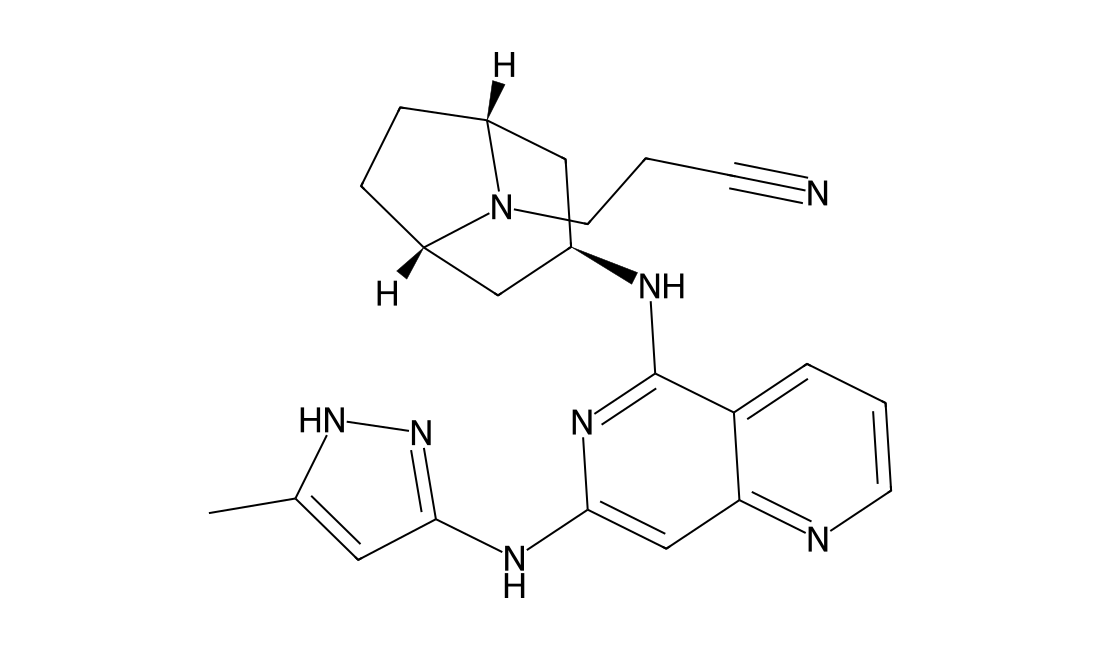
TD-1473Featured
TD-1473 (Izencitinib, TD1473, JNJ 8398) is a potent, selective, oral gut-selective pan-JAK inhibitor with pKi of 10.0/10.0/8.8/9.5 for human recombinant JAK1, JAK2, JAK3 and TYK2.TD-1473 inhibited cytokine-induced phosphorylation of STAT1 in mouse primary colonic epithelial cells with pIC50 values for inhibition against IL-6, IFNα and IFNγ were 7.3, 6.8 and 7.0.TD-1473 demonstrated JAK inhibitory activity in ex vivo mouse colon and human IBD patient colonic tissue. TD-1473 (Izencitinib) is under development for the treatment of ulcerative colitis.
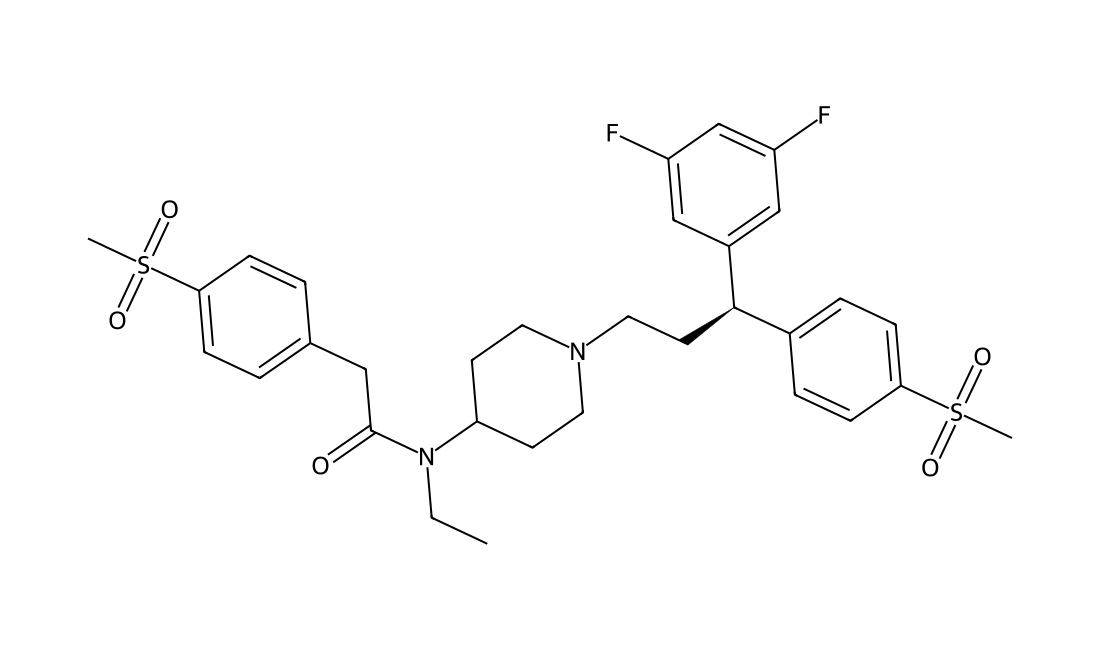
AZD-5672Featured
AZD-5672 is an orally active, potent, and selective CCR5 antagonist (IC50=0.32 nM). AZD-5672 shows moderate activity against the hERG ion channel (binding IC50=7.3 μM). AZD5672 is a substrate of human P-gp, and inhibits P-gp-mediated digoxin transport (IC50=32 μM). AZD-5672 can be used for the research of rheumatoid arthritis.
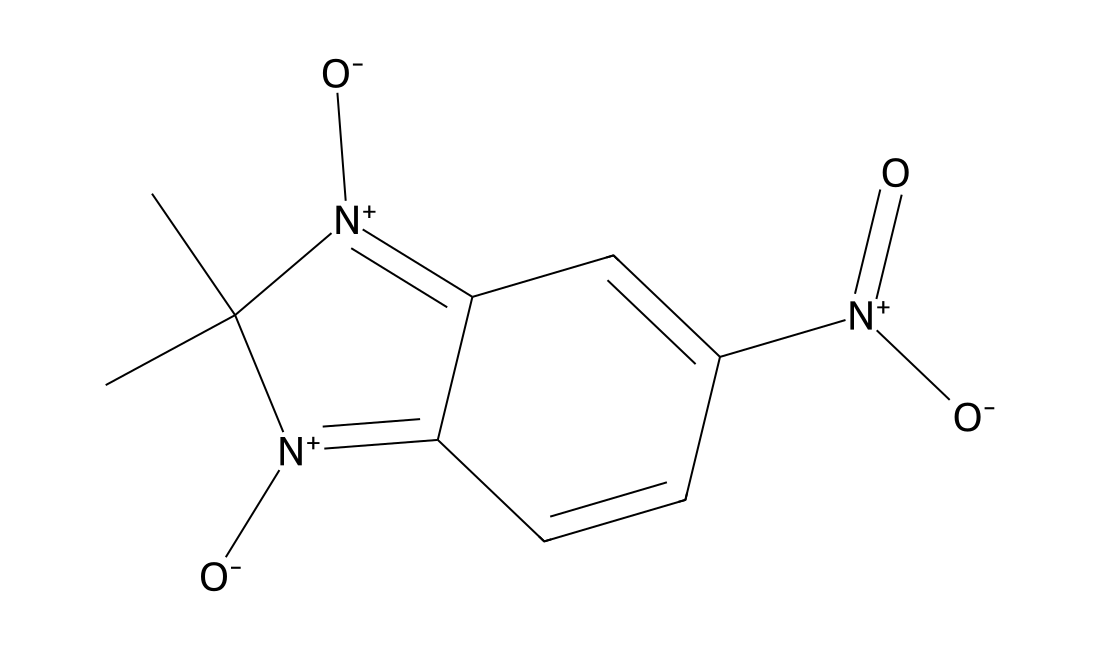
Sepin-1Featured
Sepin-1 is a small molecule, noncompetitive separase inhibitor with IC50 of 14.8 uM; inhibits the growth of human cancer cell lines and breast cancer xenograft tumors in mice by inhibiting cell proliferation and inducing apoptosis.
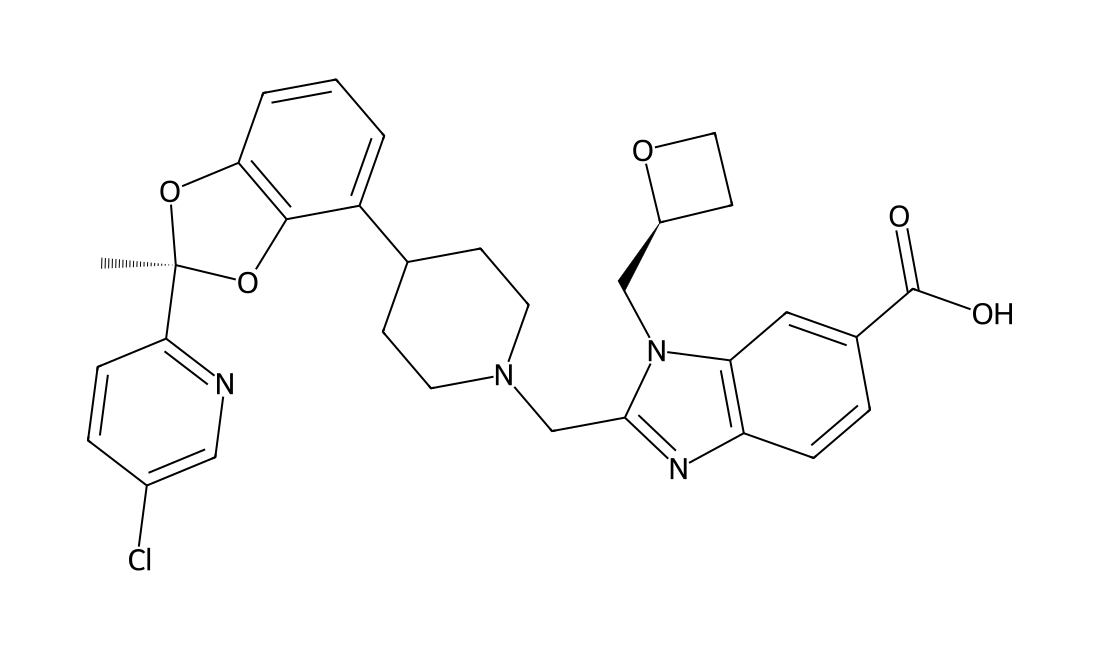
LotiglipronFeatured
Lotiglipron (PF-07081532) is an orally active GLP-1R agonist. It reduces glucose and body weight, and has the potential to be used in Type 2 diabetes mellitus (T2DM) research.
NT-0249Featured
NT-0249 is an orally active NLRP3 inhibitor. NT-0249 has anti-inflammatory activity[1]
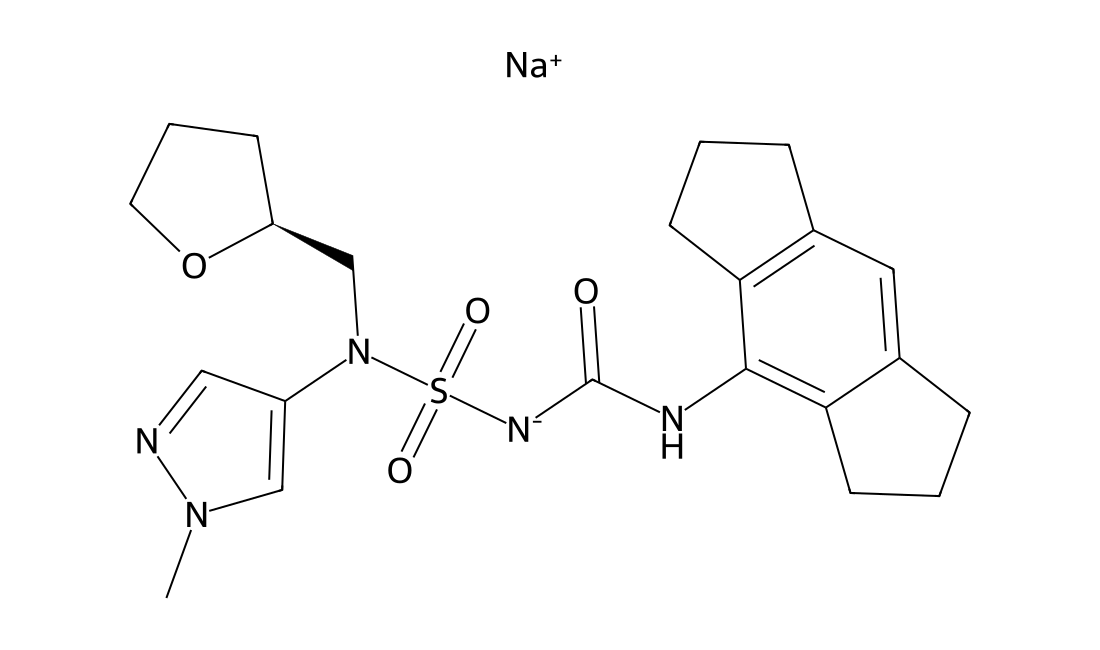
BAY-850Featured
BAY-850 is a potent and isoform selective ATPase family AAA domain-containing protein 2 (ATAD2) inhibitor, with an IC50 of 166 nM.
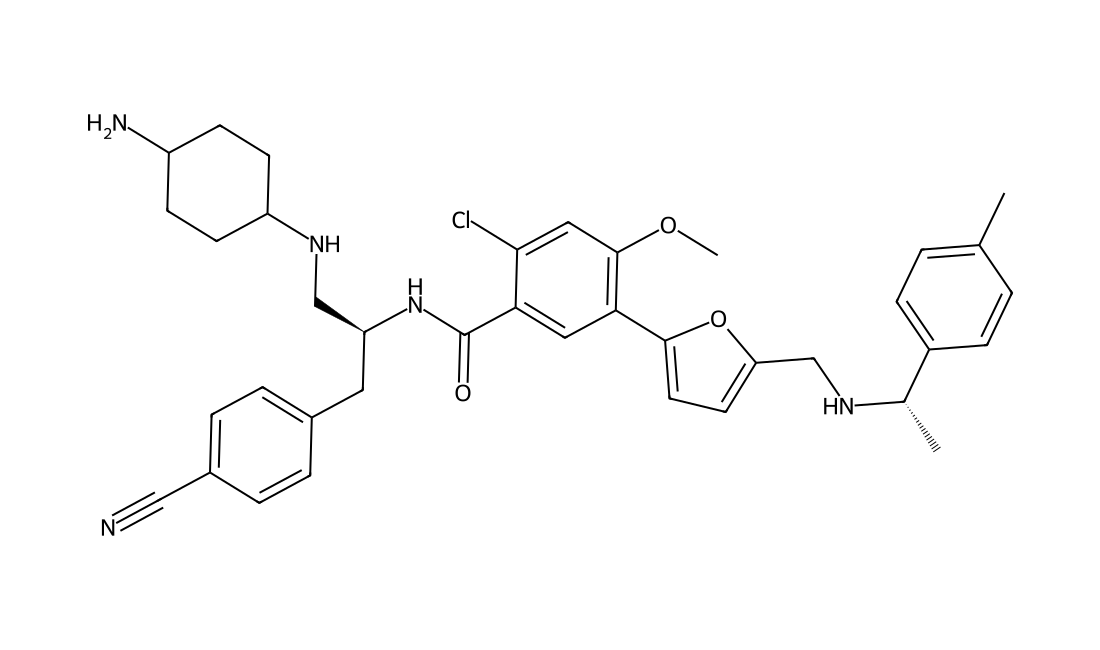
Tuspetinib(HM43239)Featured
HM43239 is an orally active small molecule inhibitor of FLT3 that selectively inhibits not only FLT3 wild type, ITD mutants or TKD mutations, but also FLT3 ITD/TKD double mutations. HM43239 directly inhibits the kinase activity of FLT3 as a reversible Type I inhibitor and effectively modulates downstream p-STAT5 and p-ERK. HM43239 also demonstrated inhibition of SYK, JAK1/2 and TAK1, known to be involved in tumor cell proliferation and/or differentiation HM43239 monotherapy induced dose-dependent regression of tumor growth in FLT3 wild-type and FLT3 mutated leukemia cancer cell line.
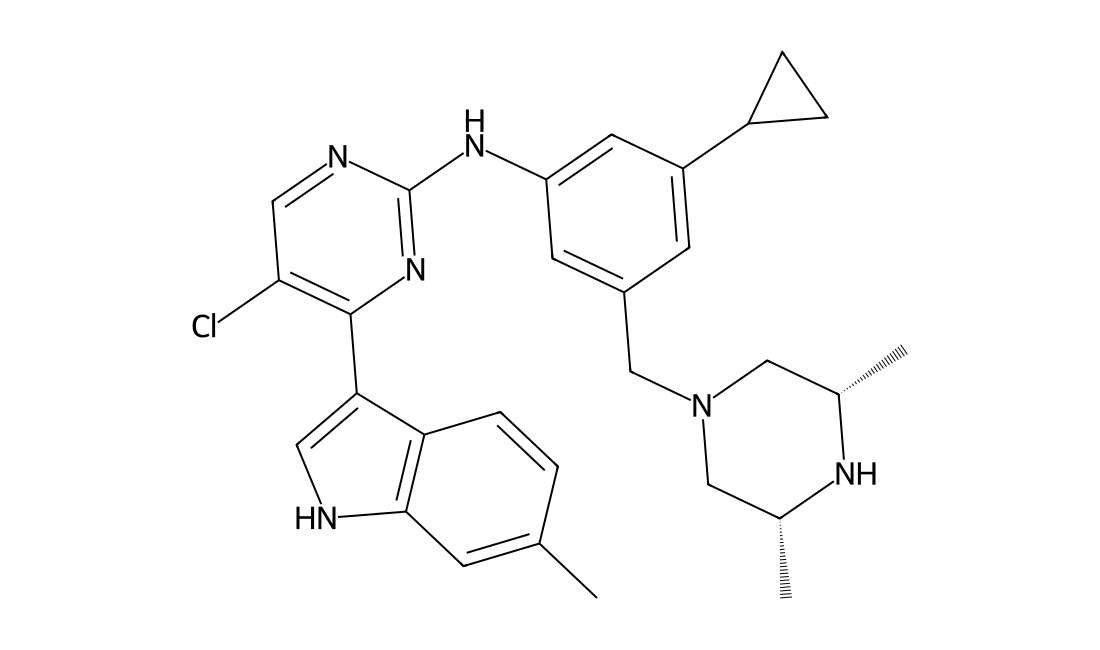
(R)-SKBG-1Featured
(R)-SKBG-1 is a covalent small molecule ligand of RNA-binding protein NONO, engages NONO Cys145 and suppress an array of cancer-relevant genes and impair cancer cell proliferation.
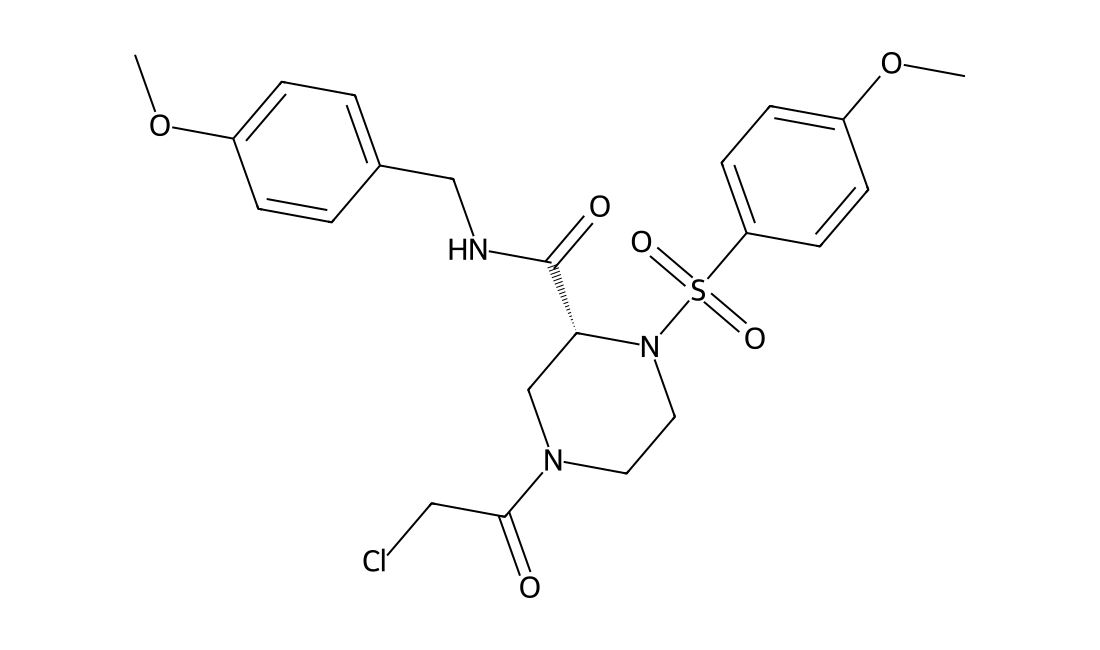
BAY-598Featured
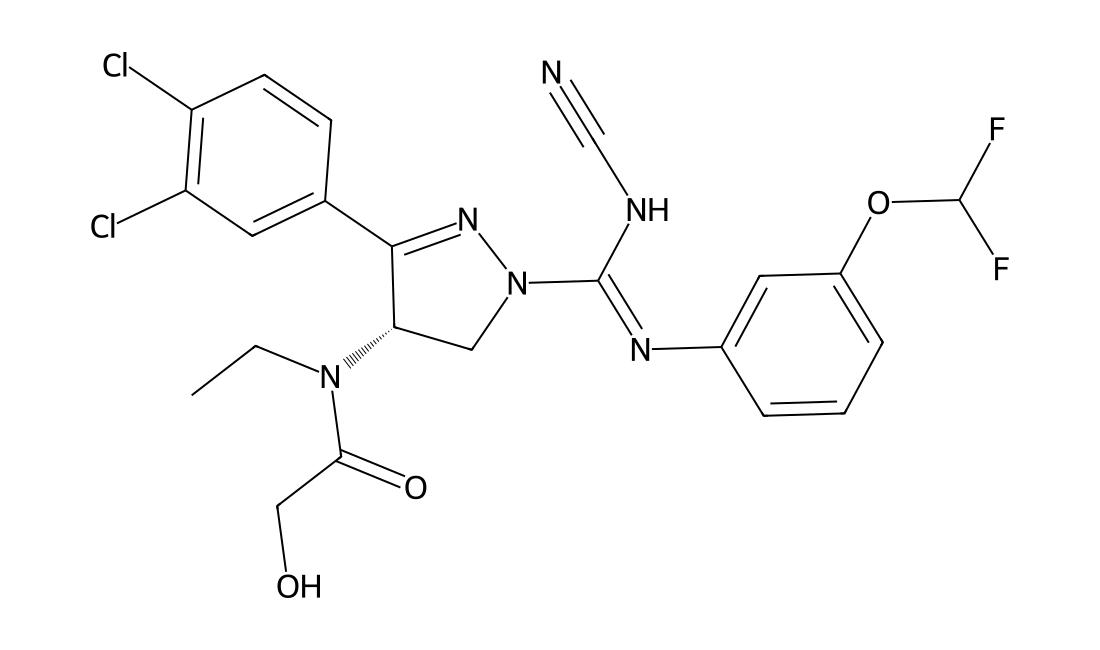
BAY-598 is selective small molecule inhibitor of SMYD2 .
INT-777Featured
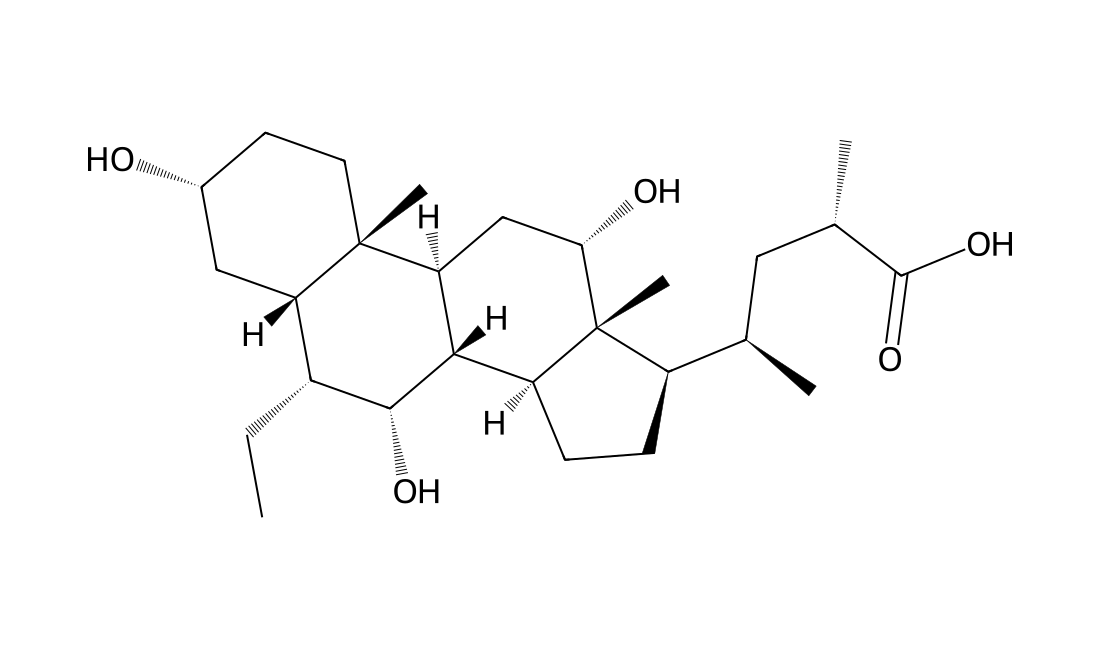
INT-777 is a semisynthetic bile acid that acts as an agonist of TGR5 (EC50 = 0.82 μM). INT-777 mitigates inflammatory response in human endometriotic stromal cells: A therapeutic implication for endometriosis.
SolriamfetolFeatured
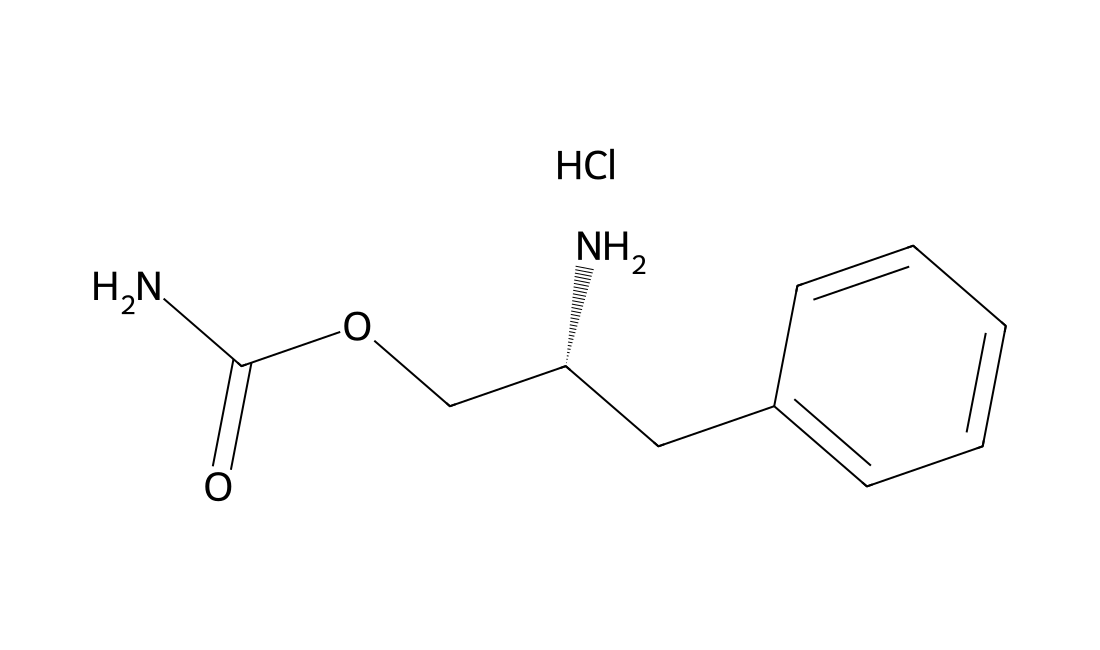
Solriamfetol (JZP-110) is a selective dopamine and norepinephrine reuptake inhibitor with robust wake-promoting effects. Solriamfetol binds to dopamine and norepinephrine transporters, so it can inhibit reuptake of dopamine and norepinephrine. Solriamfetol treatment significantly improves the ability to stay awake and subjective symptoms of excessive sleepiness in adults with narcolepsy.
GCPII-IN-1 TFAFeatured
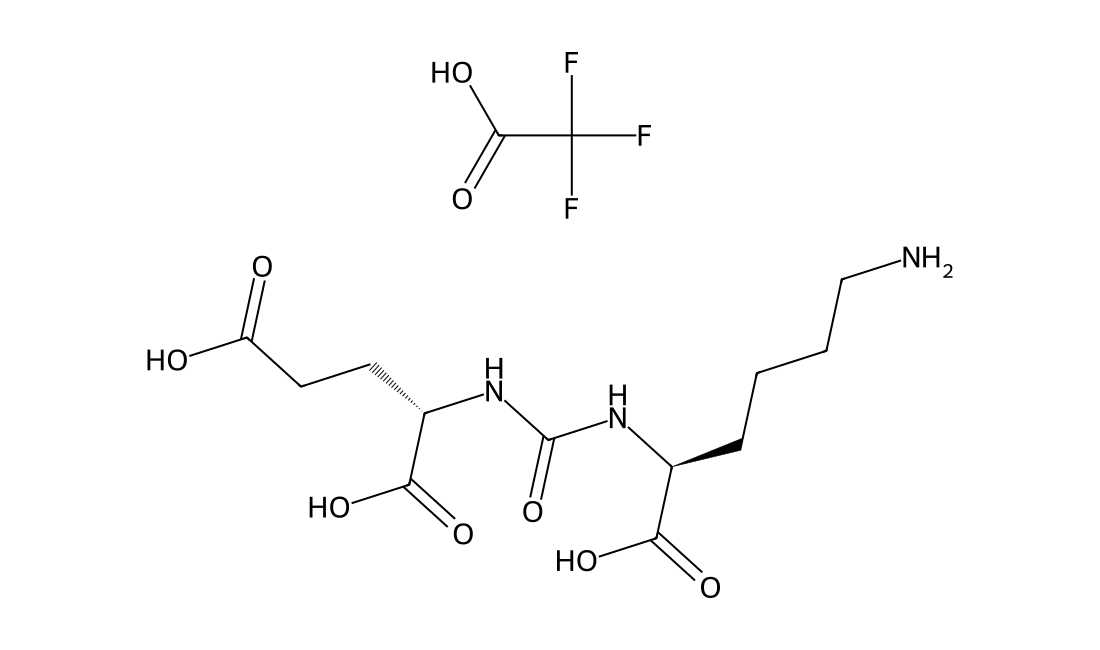
GCPII-IN-1 TFA is a glutamate carboxypeptidase II (GCPII, or PSMA) inhibitor scaffold with a Ki of 44.3 nM.
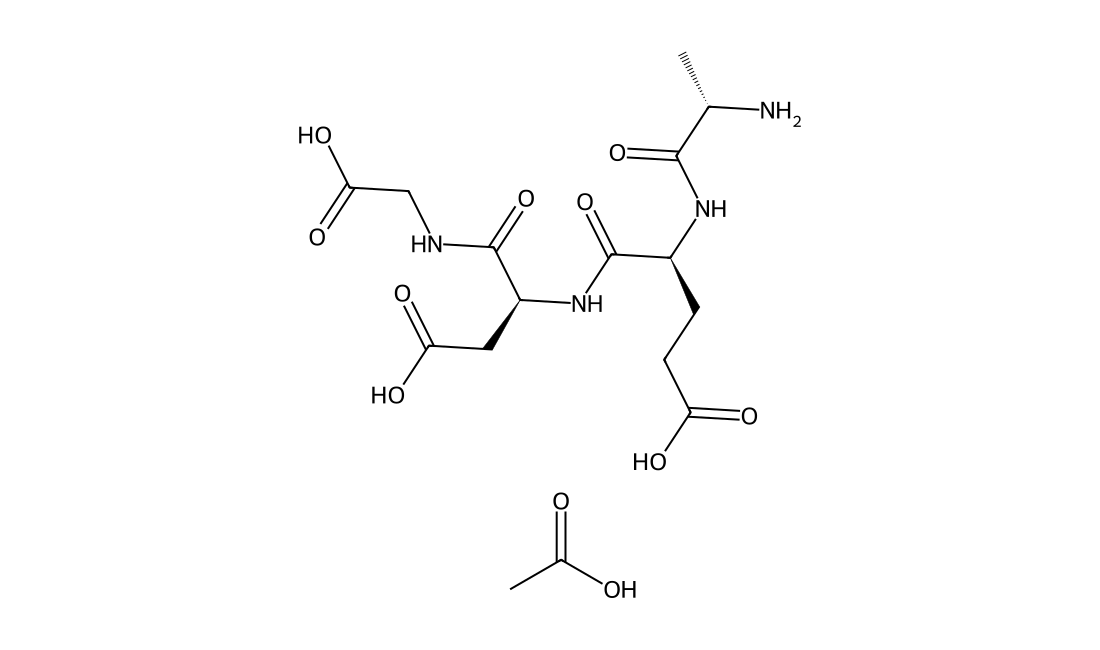
Epitalon acetateFeatured
Epitalon acetate is a synthetic tetrapeptide with anti-aging properties. Epitalon acetate reduces levels of lipid peroxidation products, delays age-related estrous shutdown, and decreases the frequency of bone marrow cell chromosomal aberrations in female mice. It decreases spontaneous mammary gland and ovarian tumor development and metastasis in aged female mice. Epitalon also stimulates melatonin synthesis and normalizes the circadian rhythm.
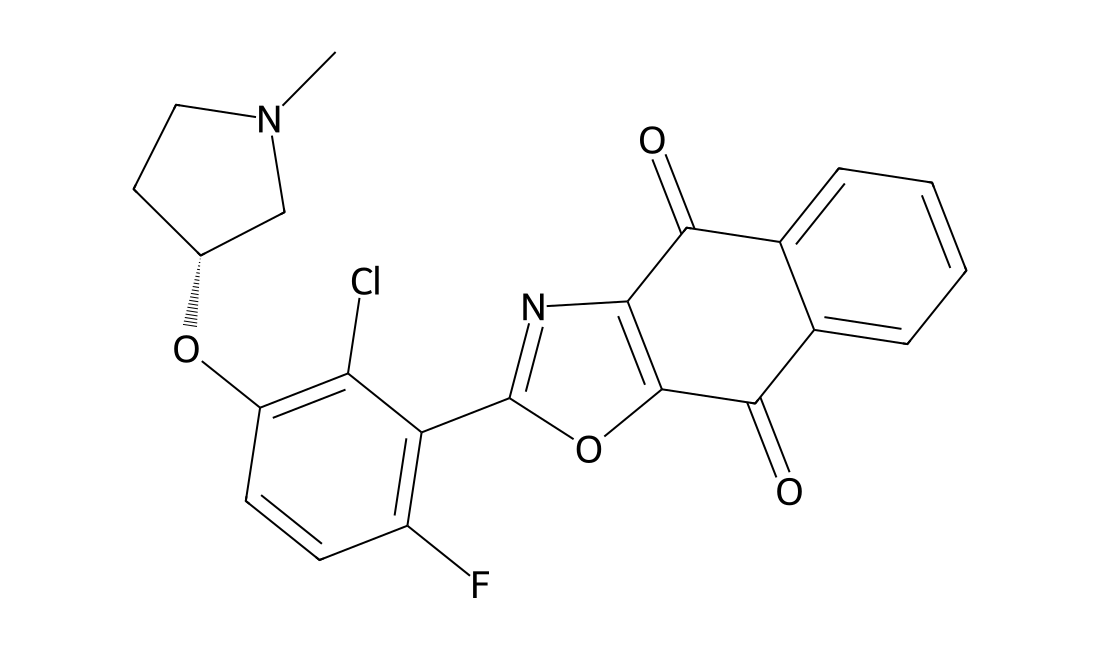
OTUB1/USP8 inhibitor 61Featured
OTUB1/USP8-IN-1 is a potent dual OTUB1/USP8 inhibitor with IC50 values of 0.17 and 0.28 nM for OTUB1 and USP8, respectively. OTUB1/USP8-IN-1 can be used in research of cancer.
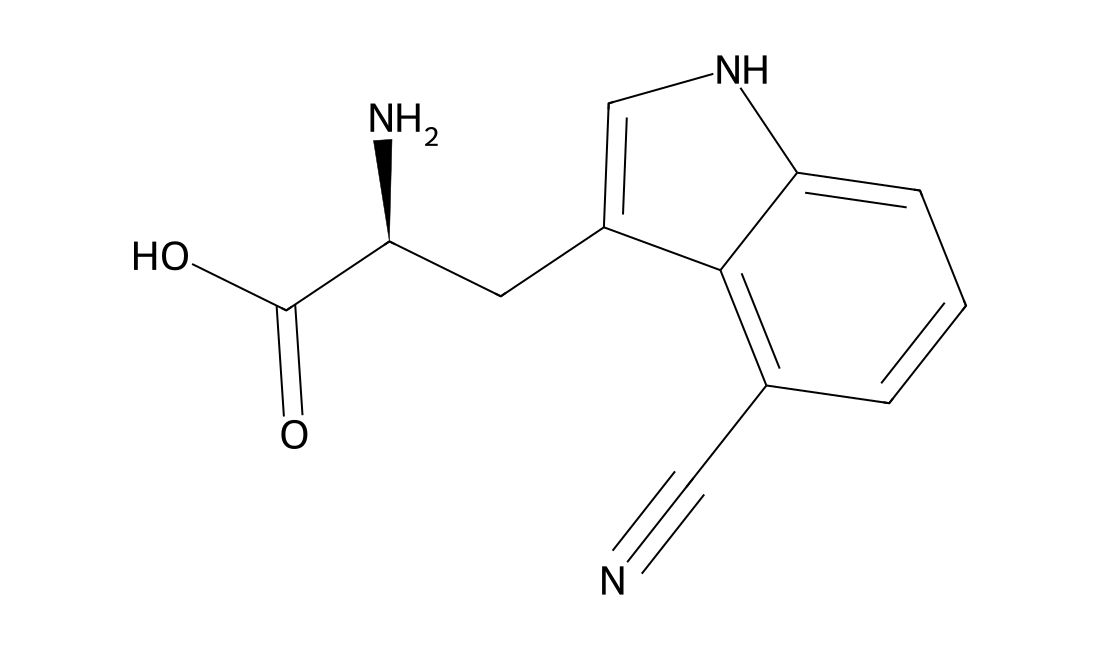
CyanotryptophanFeatured
Blue fluorescent amino acid, exhibiting blue fluorescence (λ max ~ 405 nm) with a high quantum yield and long lifetime
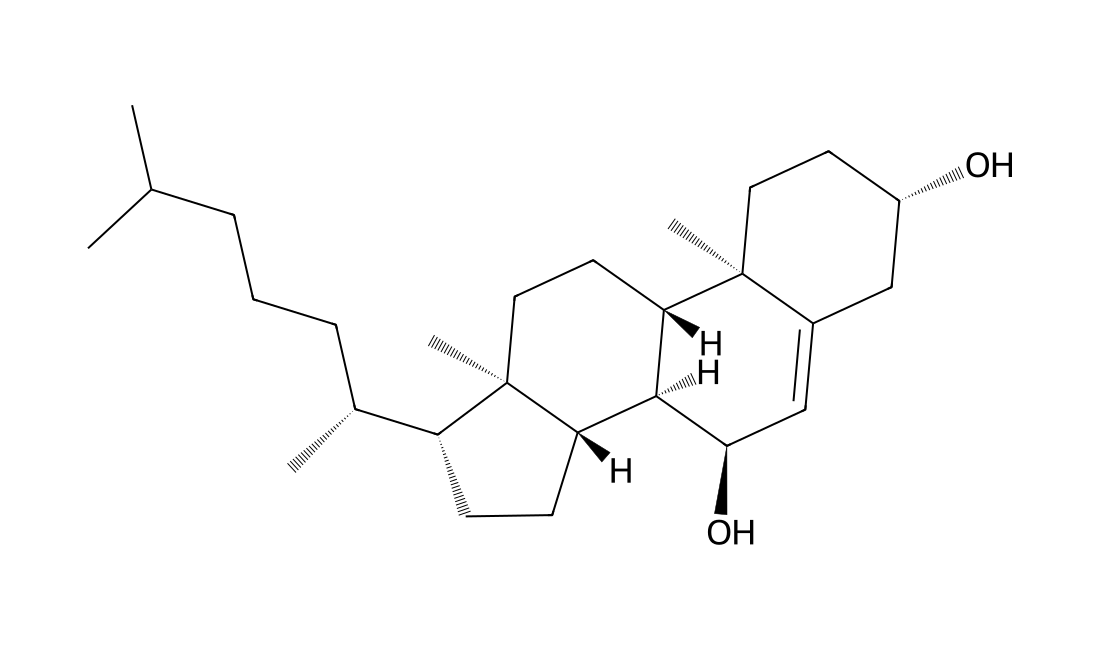
7α-HydroxycholesterolFeatured
7α-Hydroxycholesterol is a cholesterol oxide and is formed by both enzymatic and non-enzymatic oxidation. 7α-Hydroxycholesterol can be used as a biomarker for lipid peroxidation.
P11Featured
PAFAH inhibitor P11 (P11) is a potent, selective platelet-activating factor acetylhydrolases PAFAH1b2 and PAFAH1b3 inhibitor with IC50 of 40 nM and 900 nM respectively; blocks PAFAH1b2- and PAFAH1b3-mediated hydrolysis of the substrate PAF to lyso-PAF with IC50 values of 36 nM and 880 nM; impairs tumor cell survival; in situ-active and can be used to investigate the cellular functions of PAFAH1b2/3.
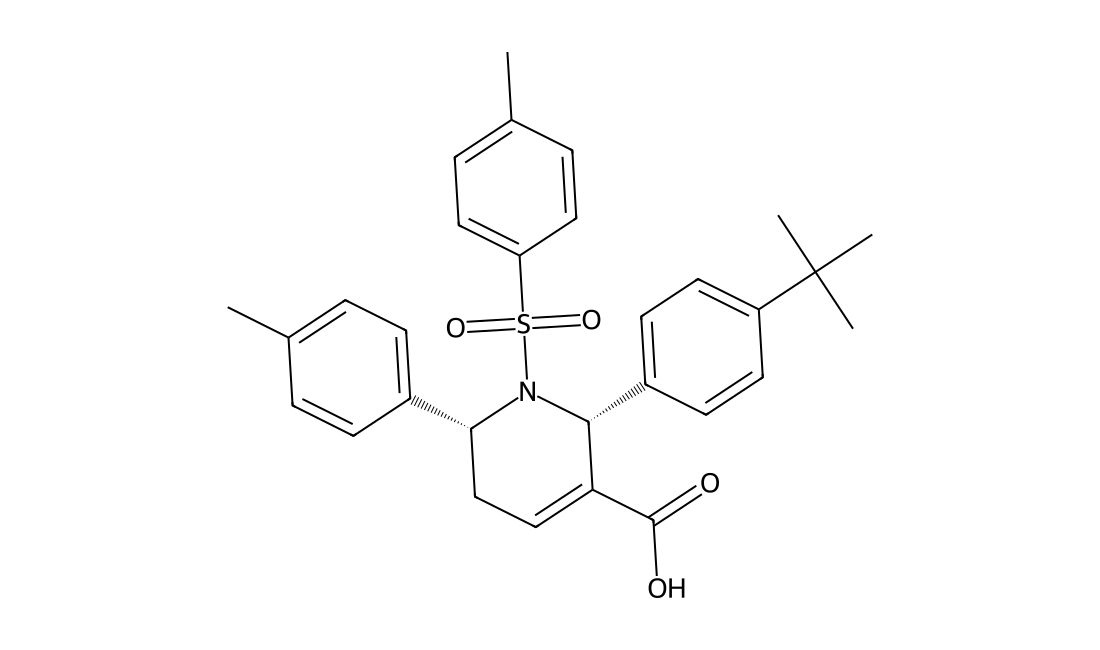
GSK1059865Featured
GSK1059865 is a potent orexin 1 receptor antagonist.
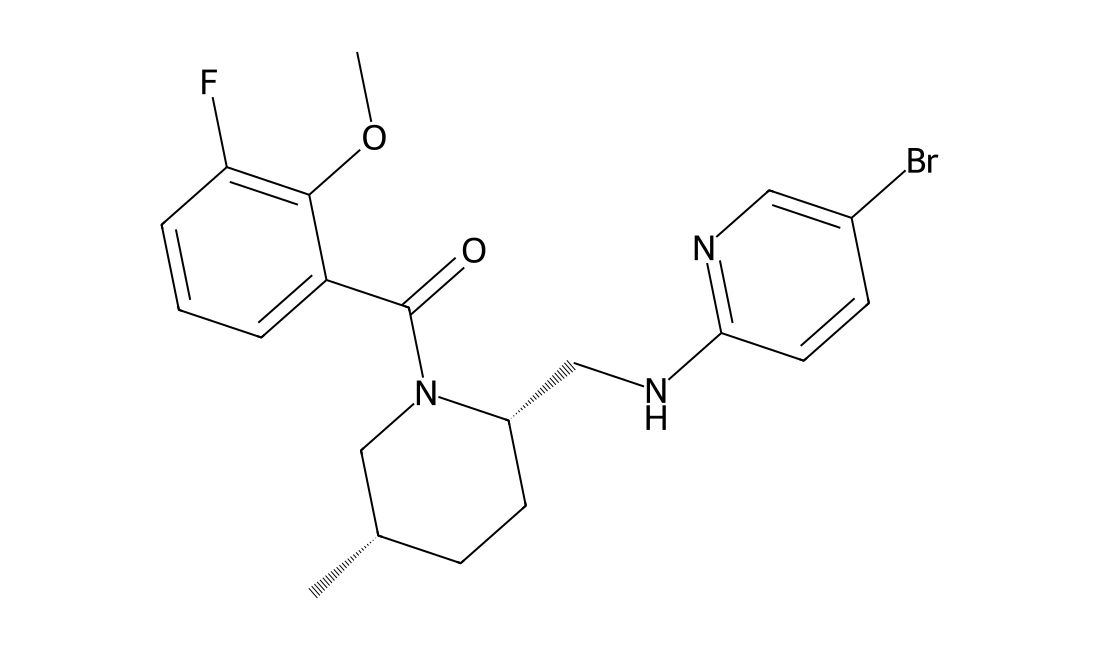
WNK1-IN-1Featured
WNK1-IN-1 is a selective inhibitor of WNK1 with an IC50 value of 1.6 μM. WNK1-IN-1 inhibits OSR1 phosphorylation with an IC50 value of 4.3 μM. WNK1-IN-1 can be used for the research of blood pressure regulation and cancer.
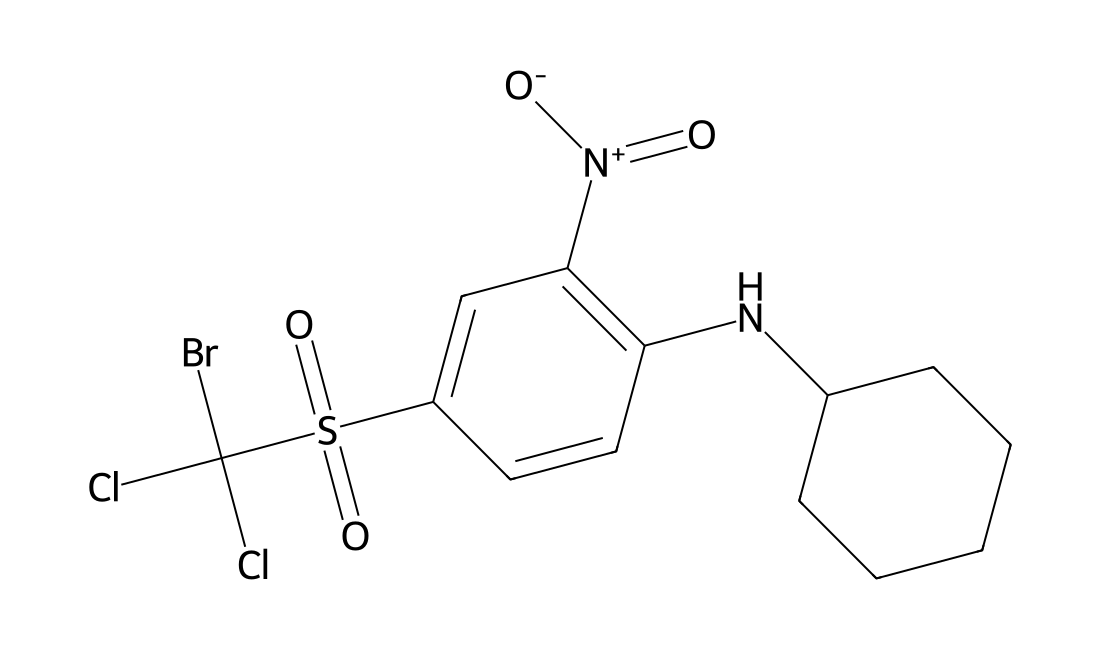
TZ9Featured
TZ9 is a novel inhibitor of Rad6 ubiquitin conjugating enzyme(E2 enzyme); inhibits MDA-MB-231 cell proliferation with IC50 of ~6 uM. The bulk of MDA-MB-231 cells treated with 10 μmol/L or more SMI #9 displayed a round morphology compared with controls and less than 5 μmol/L doses of SMI #9. Simultaneous comparison of SMIs #8 and 9 confirmed SMI #9 inhibits Matrigel-induced migration of MDA-MB-231 cells in a dose-dependent manner compared with SMI #8. 5 μmol/L SMI #9 treatment triggered morphologic changes consistent with apoptosis in a time-dependent manner. 5 μmol/L SMI #9 treatment of MDA-MB-231 cells for 24 hours increased the proportion of G2–M-arrested cells by 2-fold and was accompanied by a proportional decrease in S-phase cells. SMIs #8 or 9 treatments dramatically reduced β-catenin staining as visualized by reduced merged Rad6/β-catenin yellow fluorescence.
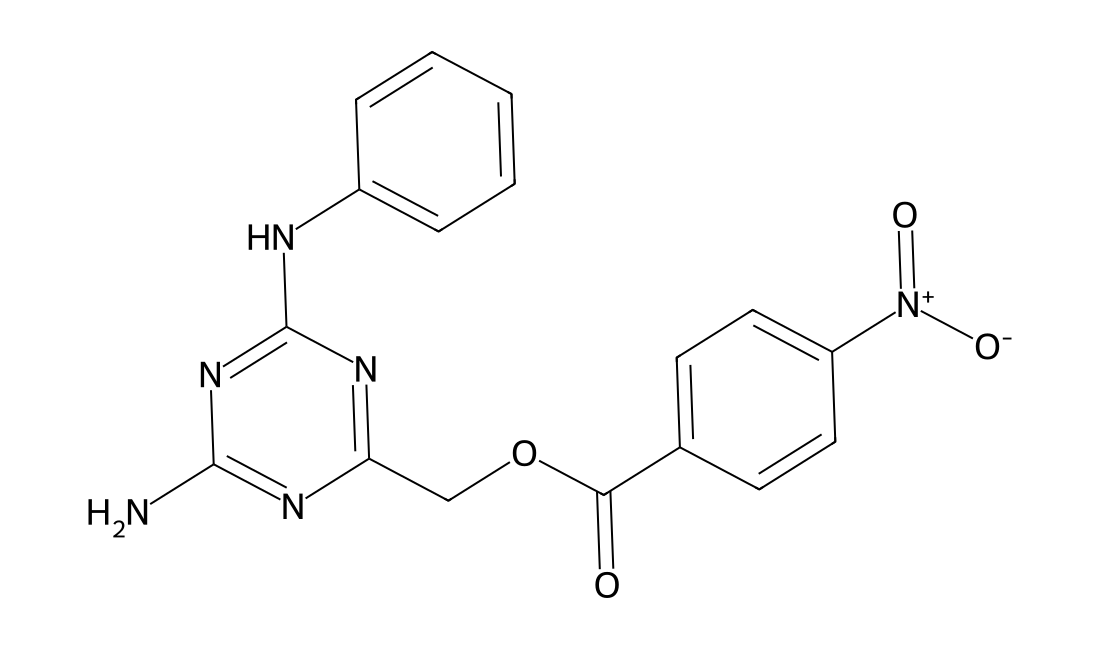
No products match this search.
Page 368 of 384 · Browse all 7677 products
Jump to a product page
Featured literature product: HX1 · DCL0028
HX1 is a hydroxyzine-derived ionizable lipid with acetal-containing tails, studied in lipid nanoparticles for brain mRNA delivery and CRISPR–Cas9 delivery. It was the lead in the reported in vivo brain-delivery screen; evidence is preclinical and formulation-dependent.
Read full formulation and performance →