
Research lipid catalog
Ionizable Lipid Products
Explore 848 lipid and RNA delivery products. Search the full catalog or browse by research category.
Search covers product name, catalog number, synonyms, available CAS numbers and categories. Spaces, hyphens and common punctuation are ignored. Duplicate legacy records are consolidated under one canonical product result.
7677 products · Showing 7521–7540 · 20 per page
DC Chemicals lipid expertise
Built for ionizable-lipid discovery and RNA delivery research
DC Chemicals supports formulation and delivery research with a broad, searchable portfolio of cationic and ionizable lipids. The current directory brings together 848 unique research-use products, with product specifications, pricing, chemical structures and literature-linked formulation data added as each record is verified.
Our experience spans complex lipid synthesis, purification, analytical release and process development. For custom molecules or larger-scale requirements, our team can discuss route development, technical specifications and scale-up options for the intended research workflow.
Learn about cationic and ionizable lipids →Proprietary innovation · Co-development · GMP
From proprietary lipid design to GMP-grade custom synthesis
DC Chemicals has independently developed ionizable-lipid structures supported by company-owned intellectual property, and selected proprietary lipid programs have advanced to GMP-stage development.
We welcome joint development with customers—from molecular design and lipid synthesis through route and process development. We can also support custom synthesis of GMP-grade ionizable lipids to agreed technical specifications and quality requirements.
Discuss a co-development project →Proprietary ionizable-lipid structuresCollaborative molecular designCustom lipid synthesisProcess development and scale-upGMP-grade project support
Product quick links
Explore New ionizable lipids
Explore our five most recently added ionizable lipids, with specifications, pricing and literature-linked product information.
DCL0028HX1Brain RNA delivery researchView product →DCL0024A1I4R13C18-2Spleen-targeted RNA delivery researchView product →DCL0023A1I4R2C18-2Spleen-targeted RNA delivery researchView product →DCL0022FS01Local joint RNA delivery researchView product →DCL0020Lipid-392Lung RNA delivery and gene editing researchView product →
Cat. No.Product NameField of ApplicationChemical Structure
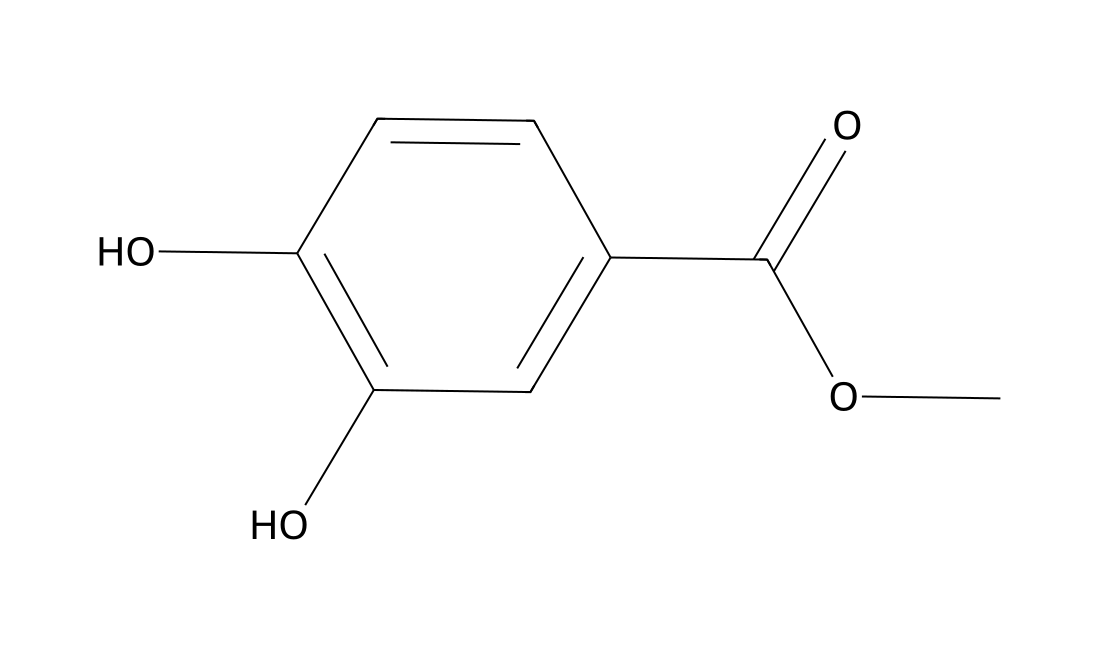
Methyl 3,4-dihydroxybenzoateFeatured
In Vitro Methyl 3,4-dihydroxybenzoate (Protocatechuic acid methyl ester;Methyl protocatechuate) alleviates the toxic effects of F- via modulating its bioavailability, intracellular calcium level, mitochondrial membrane integrity and redox signaling in A549 cells. In Vivo Methyl 3,4-dihydroxybenzoate (Protocatechuic acid methyl ester;Methyl protocatechuate) (25 or 50 mg/kg bw/day) prevents the cellular F- accumulation and oxidative stress. It prevents the inflammatory and associated fibrosis progression by restoring the expression of RAGE and Nrf2.
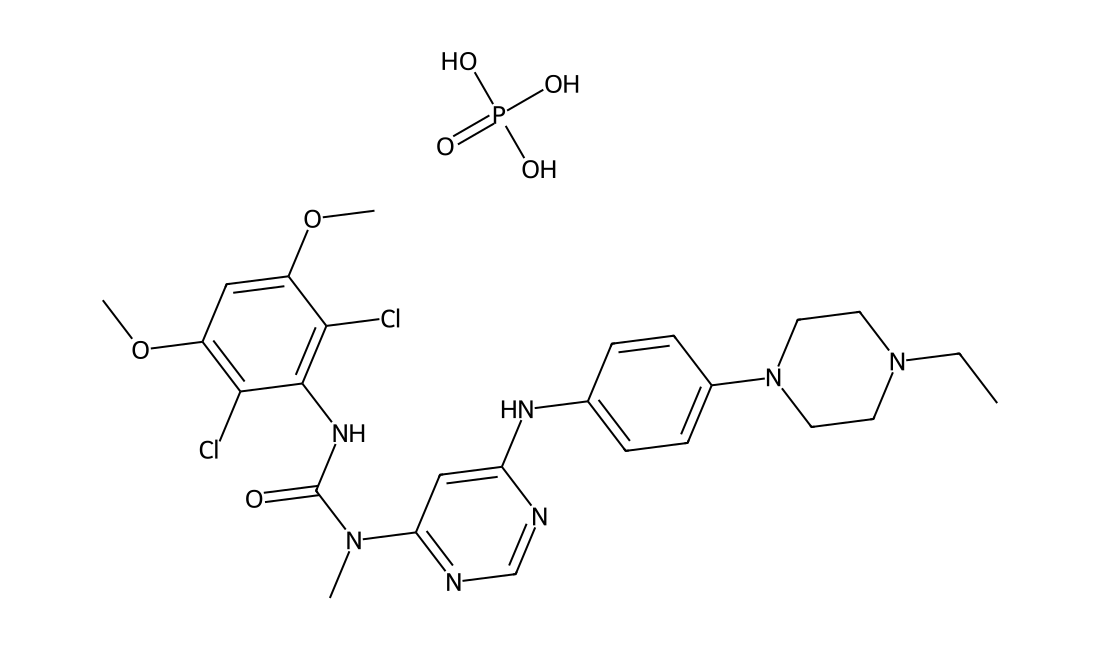
NVP-BGJ398 phosphateFeatured
NVP-BGJ398 phosphate (Infigratinib phosphate, BGJ398 phosphate) is a potent, selective pan-FGFR inhibitor with IC50 of 0.9/1.0/1.4/60 nM for FGFR1/2/3/4, also shows high potenct against mutant FGFR3-K650E with IC50 of 4.9 nM; inhibits the proliferation of the FGFR1-, FGFR2-, and FGFR3-dependent BaF3 cells with IC50 of low nanomolar range; shows significant antitumor activity in RT112 bladder cancer xenografts models overexpressing wild-type FGFR3, significantly inhibits the growth of FGFR2-mutated endometrial cancer xenograft models, also ameliorates FGF23-mediated hypophosphatemic rickets in mouse models.Blood CancerPhase 2 Clinical
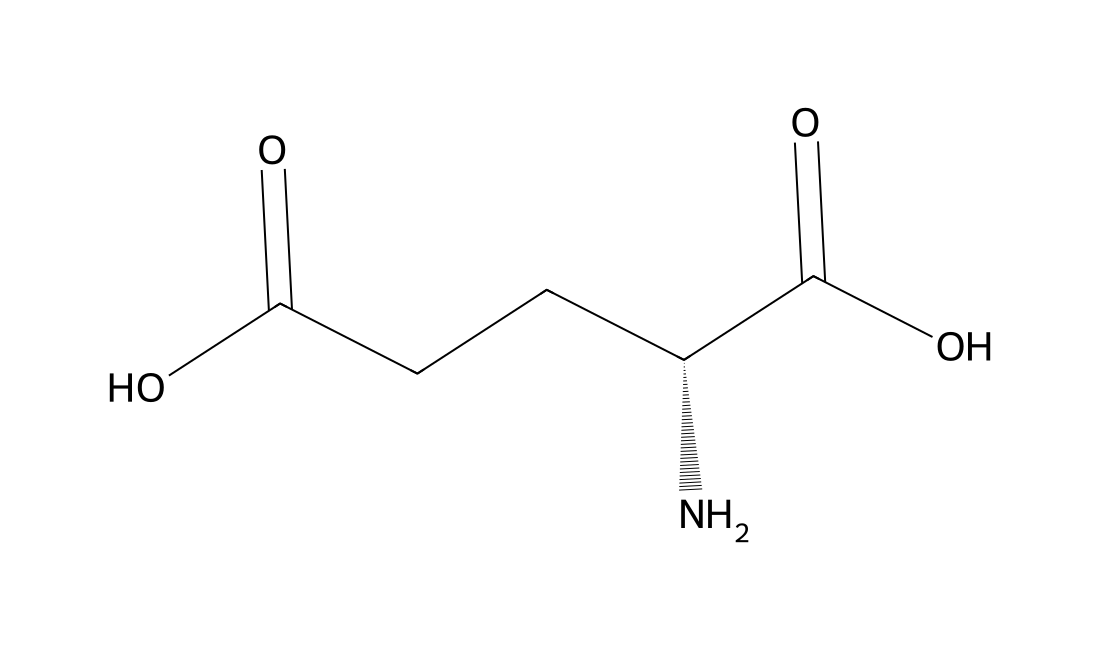
D-Glutamic acidFeatured
The one form of glutamic acid found in nature, is the most potent natural inhibitor of glutathione synthesis; is not endogenously produced in higher mammals, found naturally primarily in the cell walls of certain bacteria.
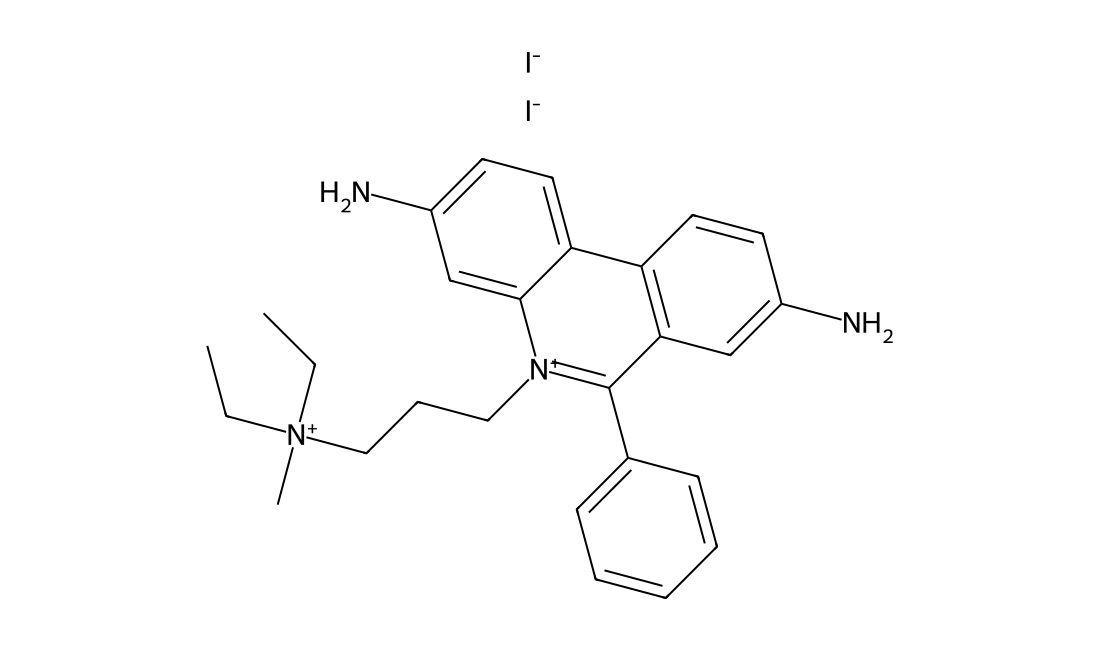
Propidium IodideFeatured
Propidium Iodide is a fluorescent intercalating agent that can be used to stain cells. Propidium Iodide is used as a DNA stain in flow cytometry to evaluate cell viability or DNA content in cell cycle analysis, and in microscopy to visualise the nucleus and other DNA-containing organelles. Propidium Iodide cannot cross the membrane of live cells, making it useful to differentiate necrotic, apoptotic and healthy cells.
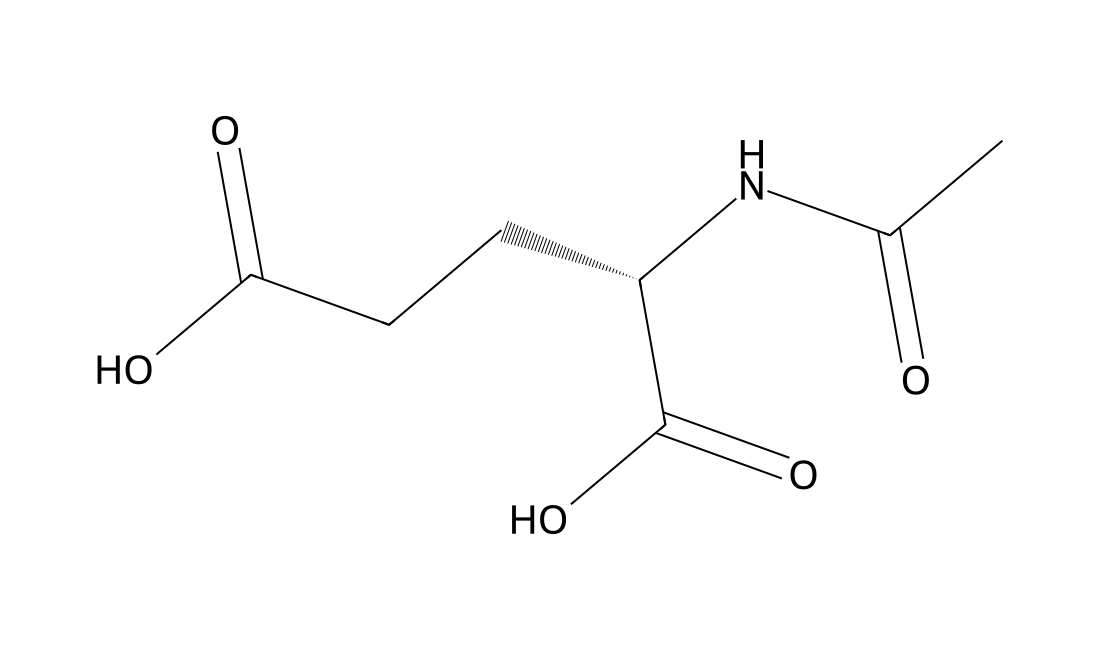
N-Acetyl-L-glutamic acidFeatured
N-Acetyl-L-glutamic acid, a N-acyl-L-amino acid, is a component of animal cell culturing media. N-Acetyl-L-glutamic acid is a metabolite of Saccharomyces cerevisiae and human[1].
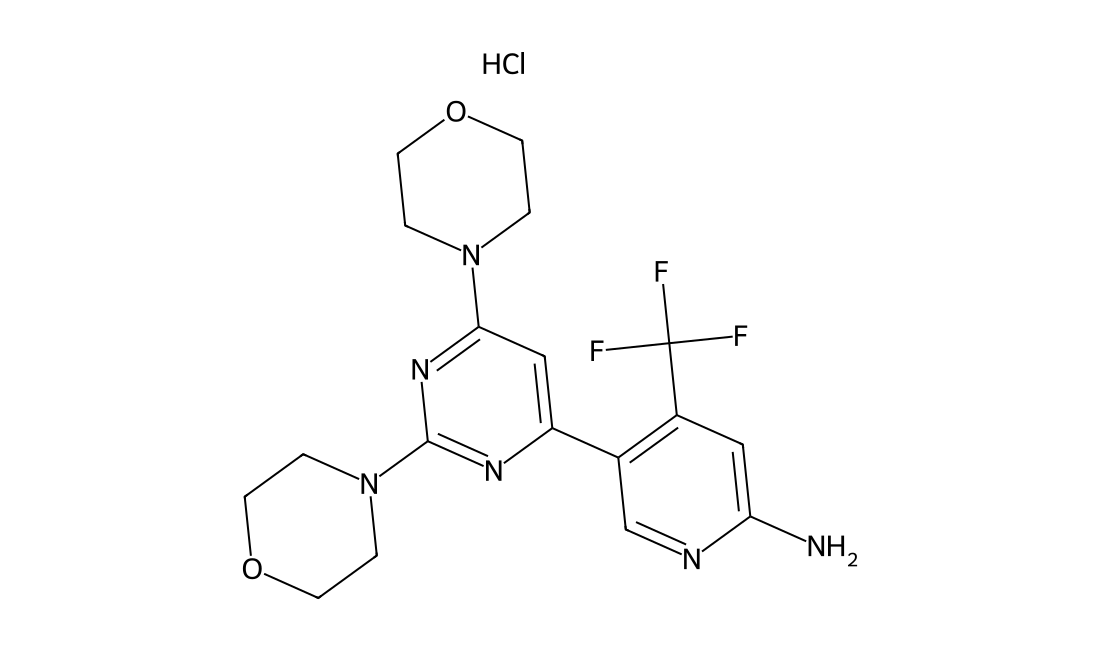
NVP-BKM120 hydrochlorideFeatured
NVP-BKM120 Hydrochloride is a pan-class I PI3K inhibitor, with IC50 of 52 nM/166 nM/116 nM/262 nM for p110α/p110β/p110δ/p110γ, respectively.
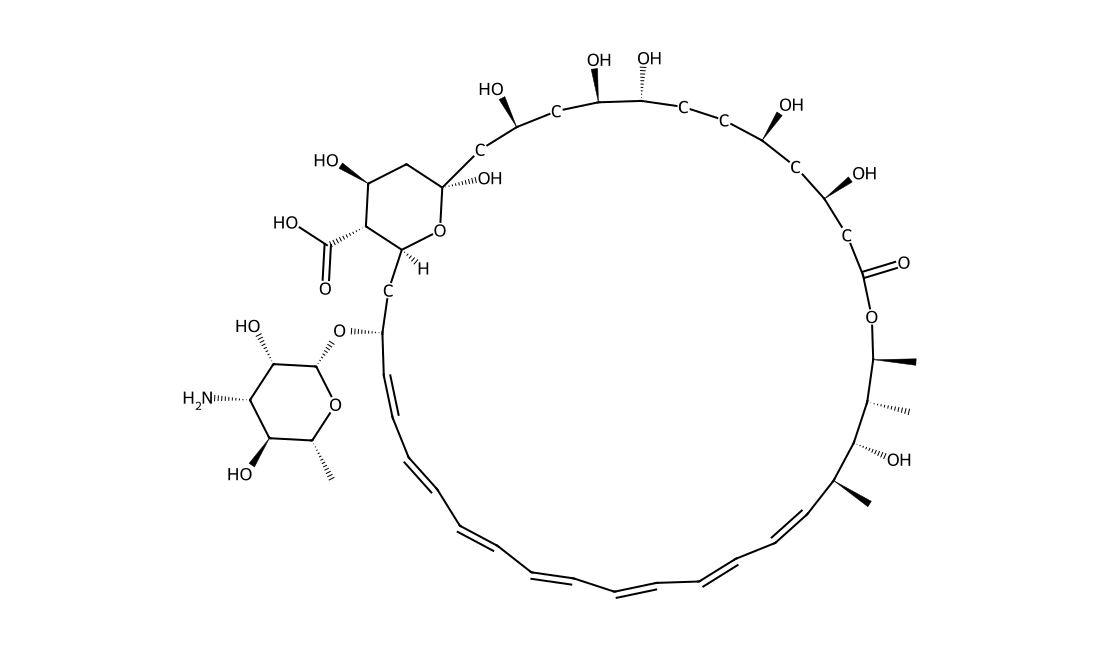
Amphotericin BFeatured
Amphotericin B is a polyene antifungal agent against a wide variety of fungal pathogens. It binds irreversibly to ergosterol, resulting in disruption of membrane integrity and ultimately cell death.
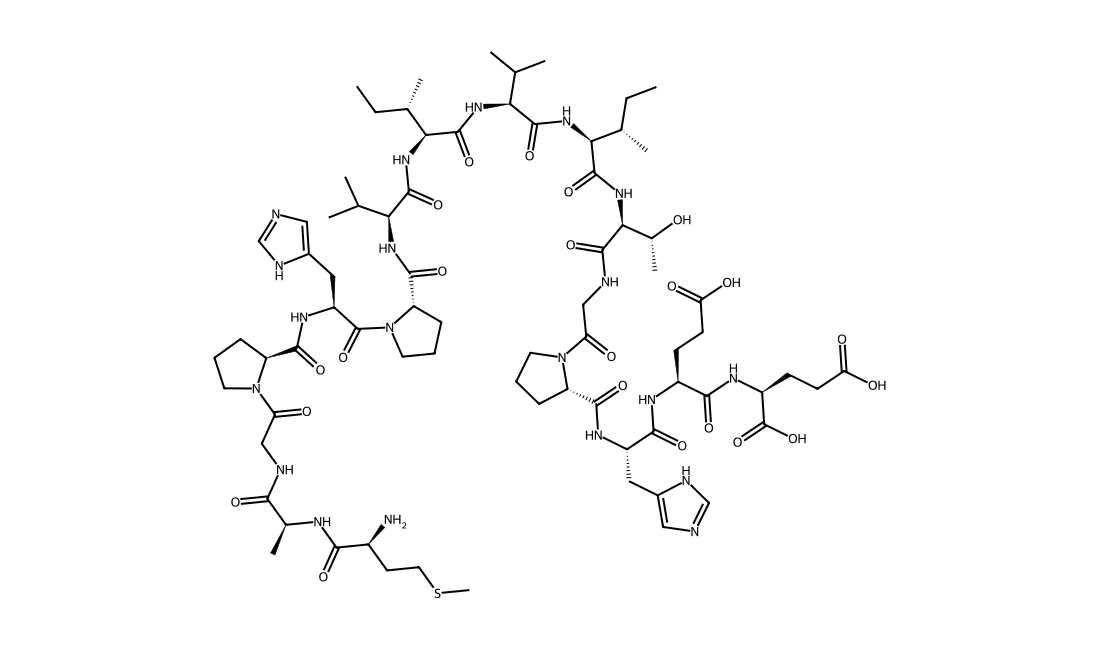
NFAT Inhibitor-1Featured
Selective inhibitor of calcineurin-mediated dephosphorylation of nuclear factor of activated T cells (NFAT). Does not disrupt other calcineurin-dependent pathways. Inhibits NFAT activation and NFAT-dependent expression of endogenous cytokine genes in T cells.
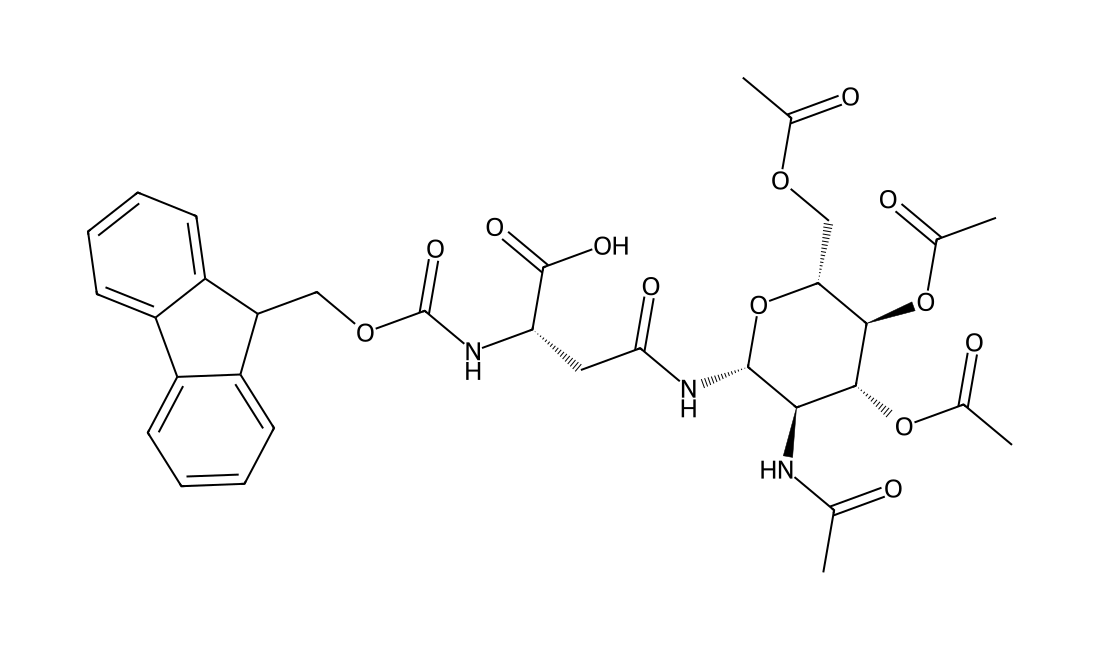
Fmoc-L-Asn(beta-D-GlcNAc(Ac)3)-OH (Fmoc-Asn(Ac3AcNH-beta-Glc)-OH) can be used in the synthesis of silicon-fluoride acceptor (SiFA) derivatized octreotate derivatives. SiFA-octreotate analogues, as tumor imaging agents, are useful tool for the research of positron emission tomography (PET).
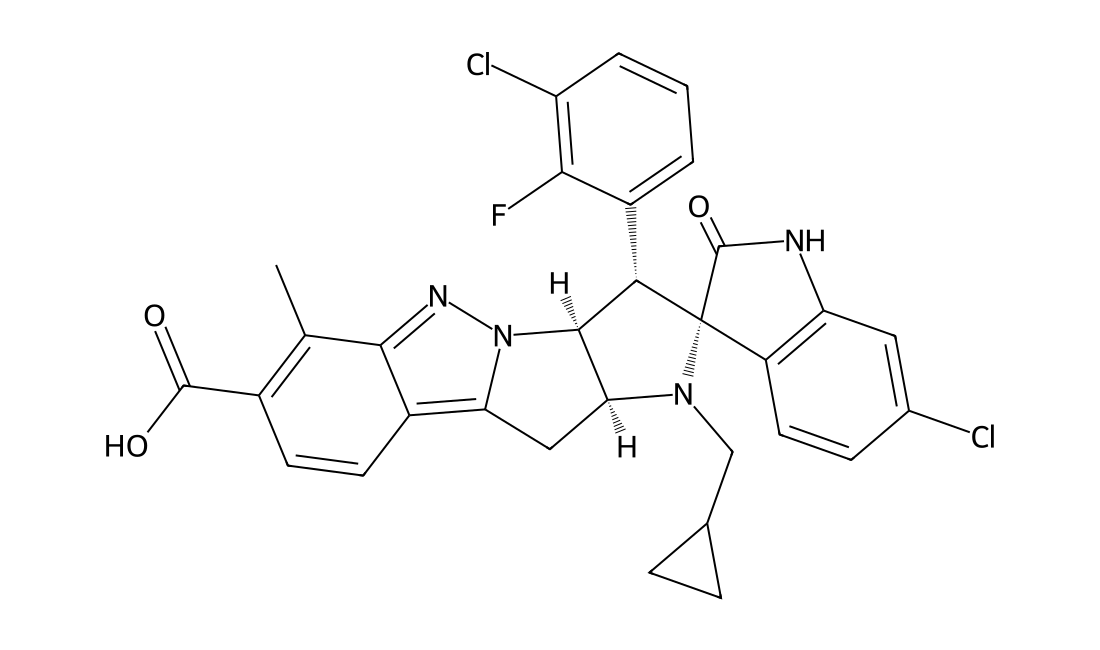
BrigimadlinFeatured
Brigimadlin is an E3 ubiquitin-protein ligase MDM-2 inhibitor. Brigimadlin serves as an antineoplastic agent.
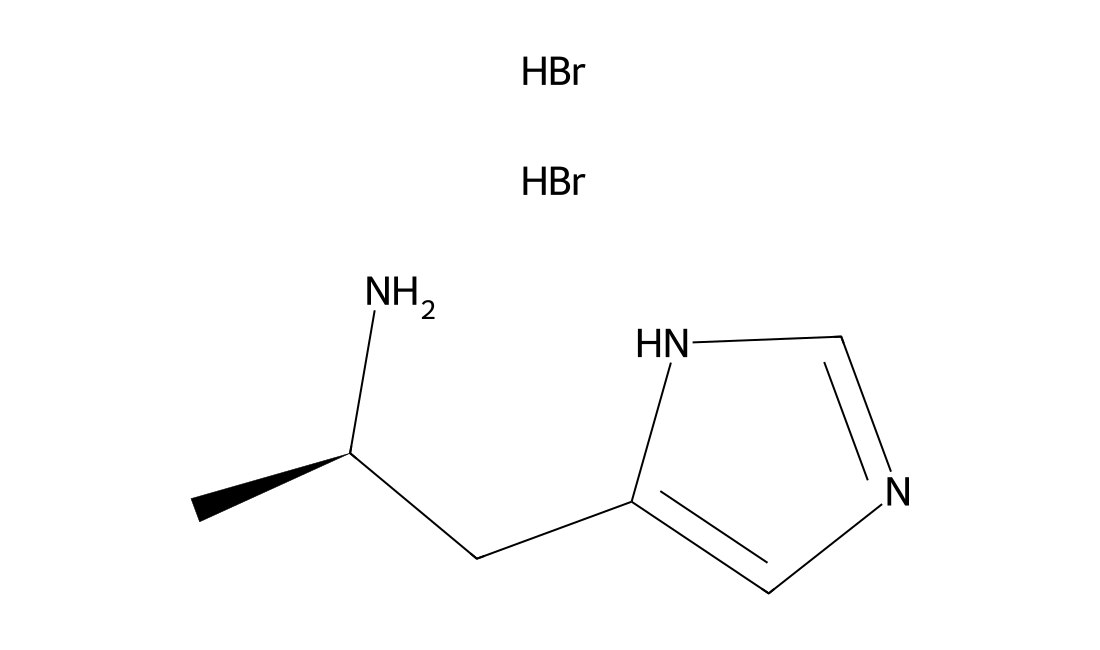
(R)-(-)-α-Methylhistamine dihydrobromide is a potent, selective and brain-penetrant agonist of H3 histamine receptor, with a Kd of 50.3 nM. (R)-(-)-α-Methylhistamine dihydrobromide can enhance memory retention, attenuates memory impairment in rats.
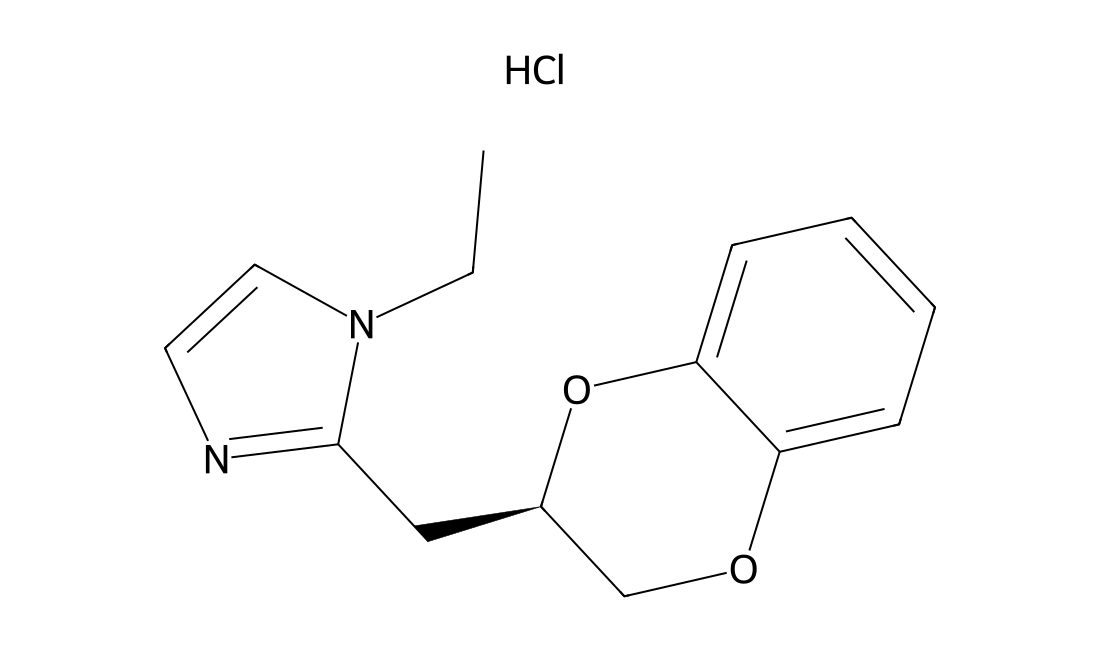
Imiloxan hydrochlorideFeatured
Imiloxan hydrochloride is a potent and selective alpha 2B-adrenoceptor antagonist. Imiloxan hydrochloride has the potential for acute kidney injury research.
CYM-5478Featured
CYM-5478 is a potent, selective agonist for S1P2. Under nutrient-deprivation stress produced by serum-starvation, CYM-5478 induced a statistically significant increase in the viability of C6 cells in a dose dependent manner at concentrations above 100?nM.
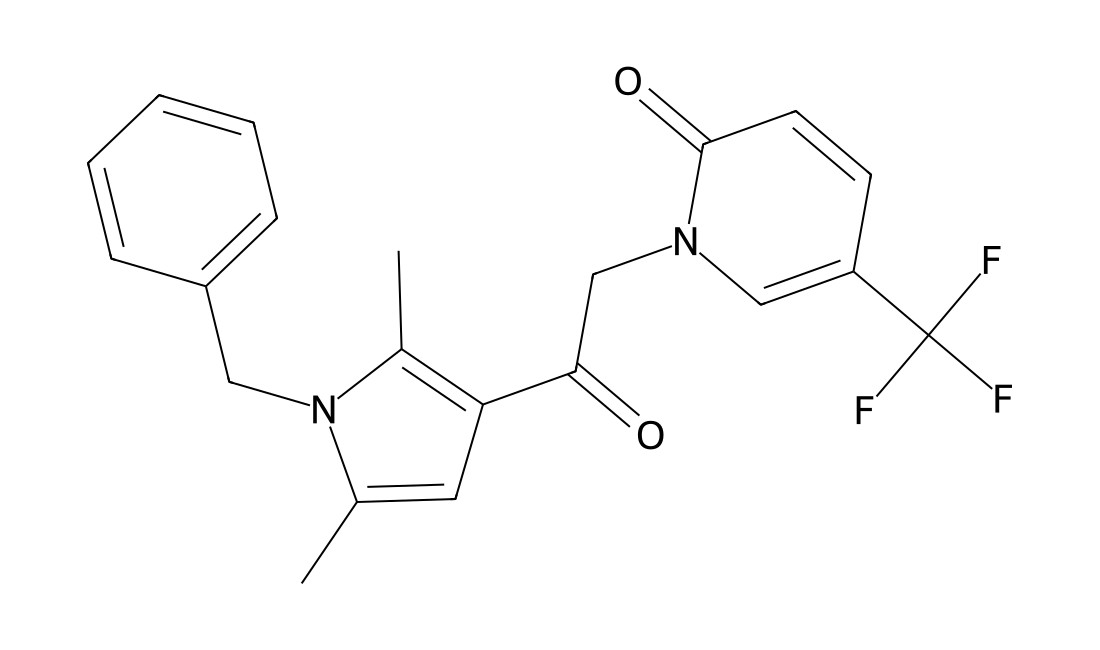
EnterobactinFeatured
Enterobactin is a high affinity siderophore that acquires iron for microbial systems.
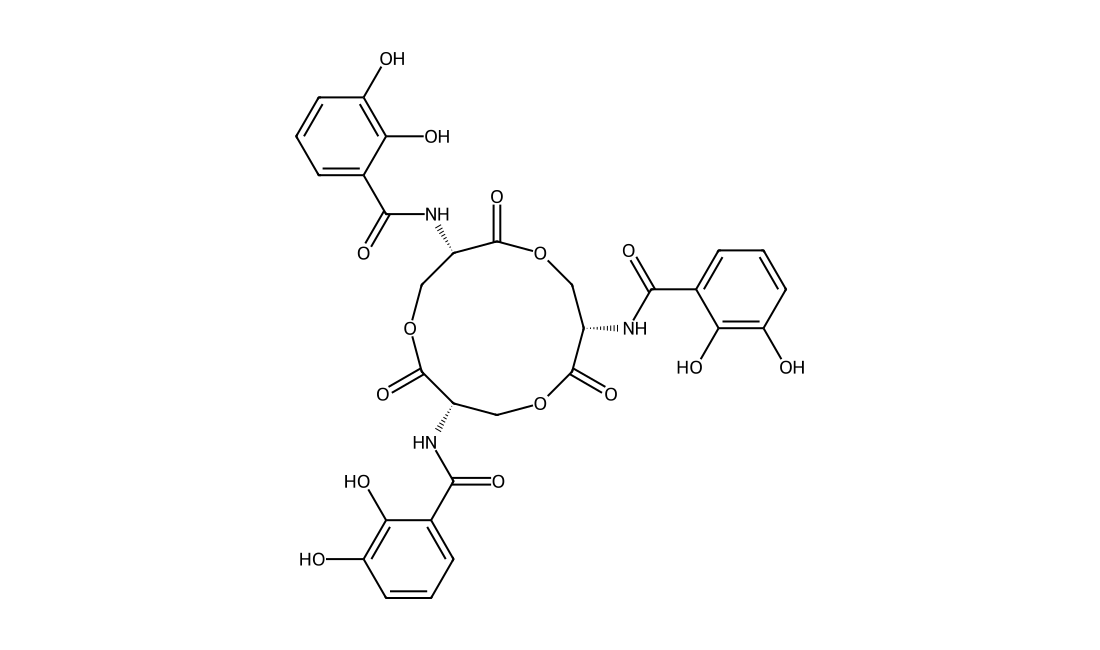
ß-pBrPh-GlcFeatured
β-pBrPh-Glc is a small-molecule ice recrystallization inhibitor. β-pBrPh-Glc can control the rate and extent of intracellular ice recrystallization in the nuclei over a broad range of subzero temperatures. β-pBrPh-Glc is an important tool to improve the recovery and function of cryopreserved cells and tissues.
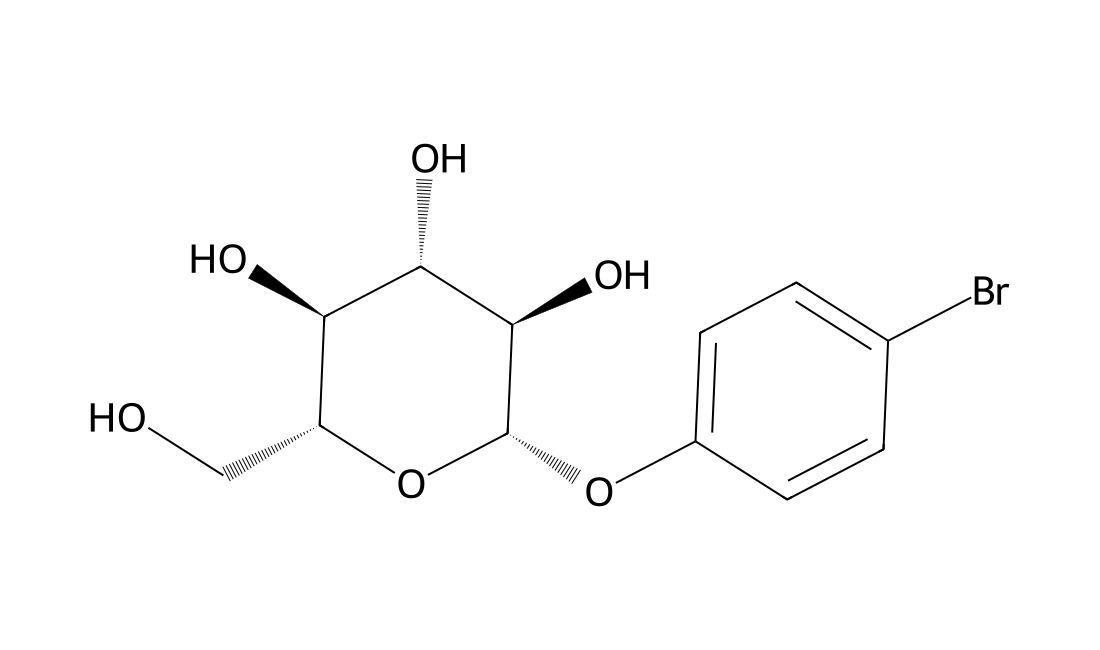
LGH447Featured
Potent and specific pan-PIM inhibitor, inhibiting proliferation of several AML cell lines, showing dual antitumoral and bone antiresorptive effects
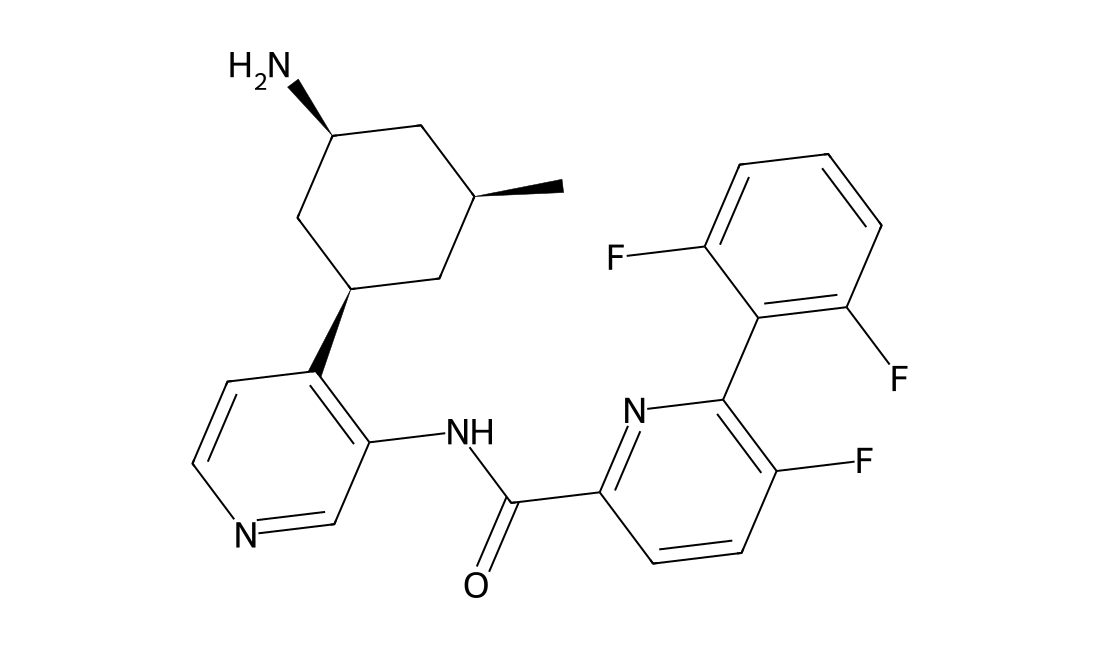
ML381 (VU0488130)Featured
ML381 (VU0488130) is a highly mAChR subtype selective M5 orthosteric antagonist with IC50/Ki of 450/340 nM for hM5, has no inhibitory activity on hM1-4 (IC50>30 uM); exhibits good DMPK properties and CNS penetration (B:P ratio of 0.58) to support both in vitro and in vivo studies.
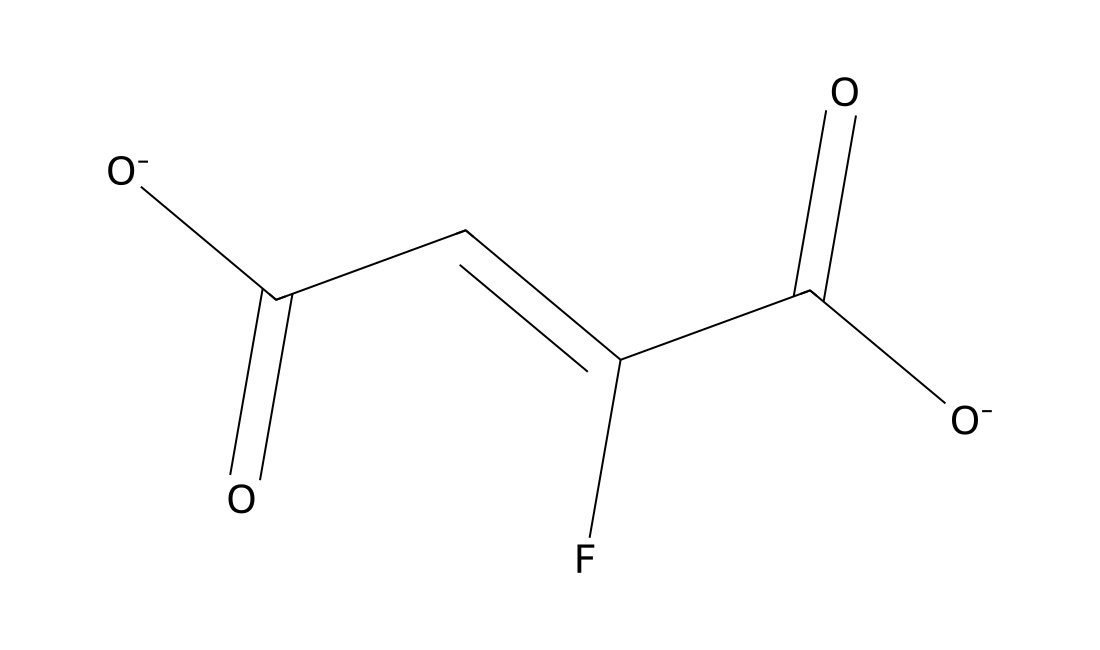
(2Z)-2-Fluorobut-2-enedioic acidFeatured
2-Fluorofumarate is a bioactive chemical.
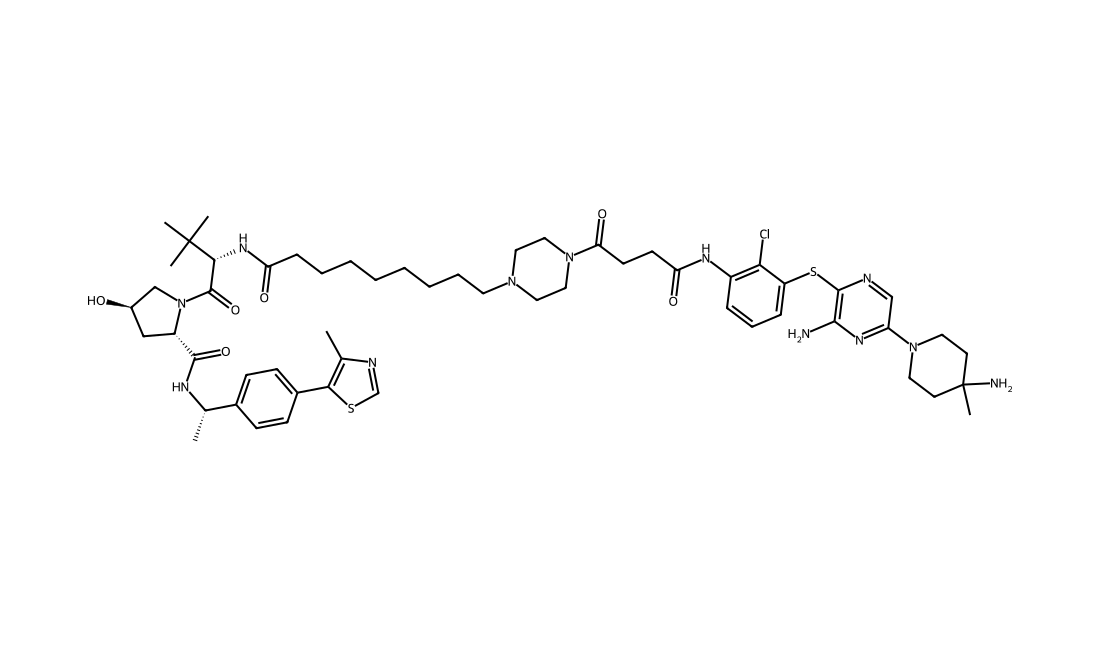
PROTAC SHP2 degrader-1Featured
PROTAC SHP2 degrader-1 is a potent and effective SHP2 degrader. PROTAC SHP2 degrader-1 induces SHP2 degradation requires binding to VHL-1 and SHP2 proteins and is also neddylation- and proteasome-dependent.
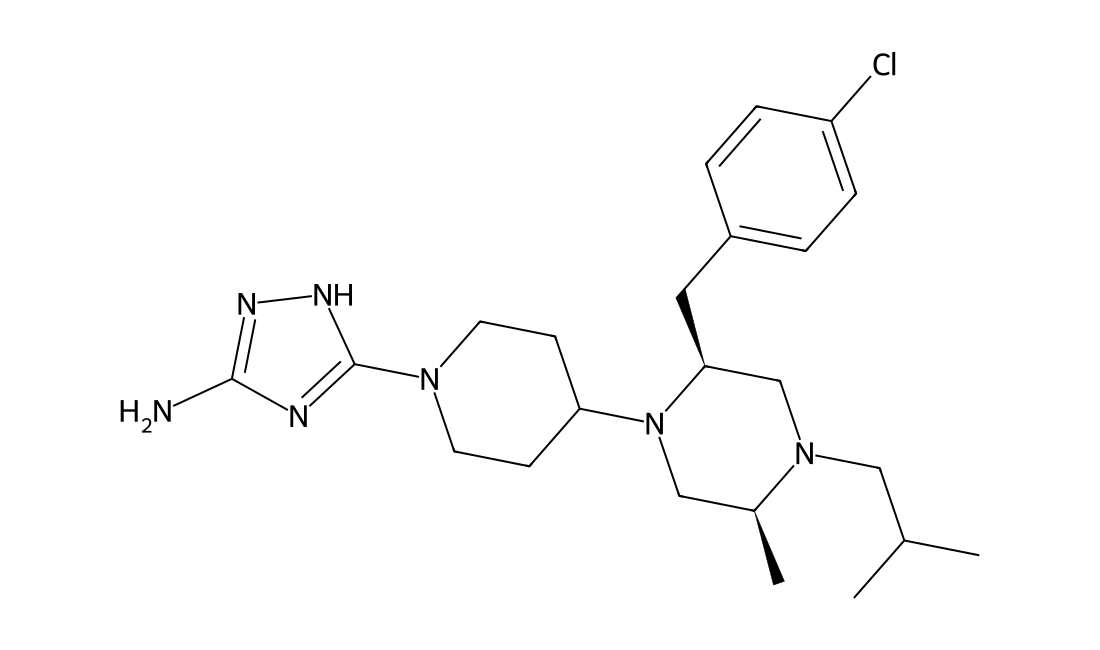
OAT-2068Featured
OAT-2068 is a potent, selective, orally bioavailable inhibitor of mouse chitotriosidase (mCHIT1) with IC50 of 29 nM, 143-fold selectivity over mAMCase; exhibits excellent pharmacokinetic profile and is an ideal and unique tool for studying the role of CHIT1 in biological models.
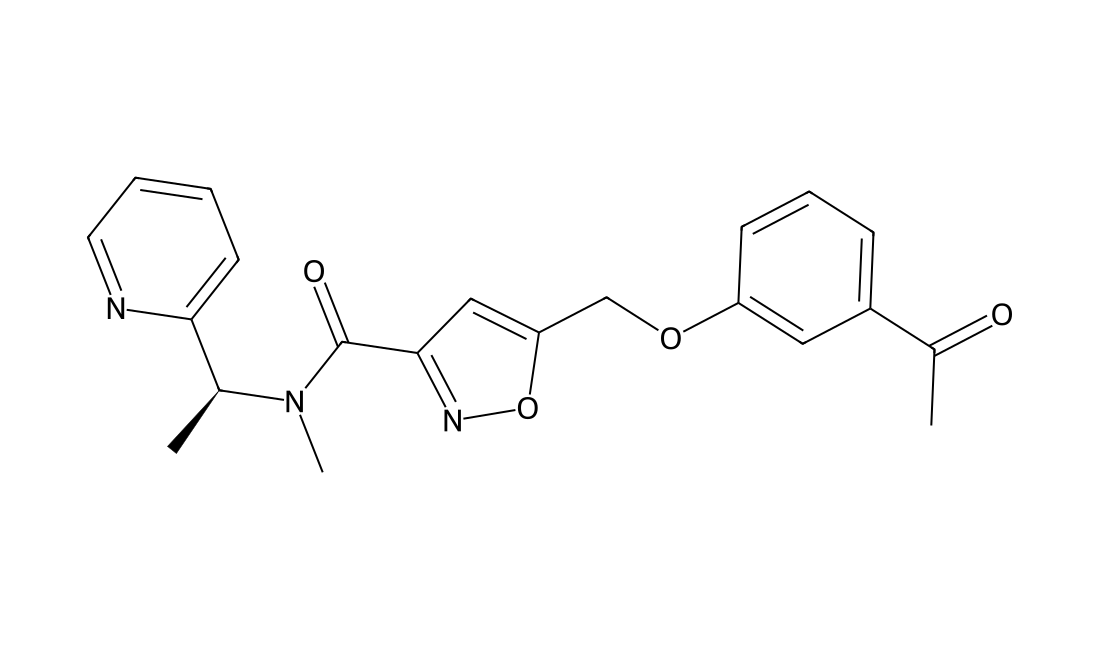
No products match this search.
Page 377 of 384 · Browse all 7677 products
Jump to a product page
Featured literature product: HX1 · DCL0028
HX1 is a hydroxyzine-derived ionizable lipid with acetal-containing tails, studied in lipid nanoparticles for brain mRNA delivery and CRISPR–Cas9 delivery. It was the lead in the reported in vivo brain-delivery screen; evidence is preclinical and formulation-dependent.
Read full formulation and performance →