
Research lipid catalog
Ionizable Lipid Products
Explore 848 lipid and RNA delivery products. Search the full catalog or browse by research category.
Search covers product name, catalog number, synonyms, available CAS numbers and categories. Spaces, hyphens and common punctuation are ignored. Duplicate legacy records are consolidated under one canonical product result.
7677 products · Showing 7621–7640 · 20 per page
DC Chemicals lipid expertise
Built for ionizable-lipid discovery and RNA delivery research
DC Chemicals supports formulation and delivery research with a broad, searchable portfolio of cationic and ionizable lipids. The current directory brings together 848 unique research-use products, with product specifications, pricing, chemical structures and literature-linked formulation data added as each record is verified.
Our experience spans complex lipid synthesis, purification, analytical release and process development. For custom molecules or larger-scale requirements, our team can discuss route development, technical specifications and scale-up options for the intended research workflow.
Learn about cationic and ionizable lipids →Proprietary innovation · Co-development · GMP
From proprietary lipid design to GMP-grade custom synthesis
DC Chemicals has independently developed ionizable-lipid structures supported by company-owned intellectual property, and selected proprietary lipid programs have advanced to GMP-stage development.
We welcome joint development with customers—from molecular design and lipid synthesis through route and process development. We can also support custom synthesis of GMP-grade ionizable lipids to agreed technical specifications and quality requirements.
Discuss a co-development project →Proprietary ionizable-lipid structuresCollaborative molecular designCustom lipid synthesisProcess development and scale-upGMP-grade project support
Product quick links
Explore New ionizable lipids
Explore our five most recently added ionizable lipids, with specifications, pricing and literature-linked product information.
DCL0028HX1Brain RNA delivery researchView product →DCL0024A1I4R13C18-2Spleen-targeted RNA delivery researchView product →DCL0023A1I4R2C18-2Spleen-targeted RNA delivery researchView product →DCL0022FS01Local joint RNA delivery researchView product →DCL0020Lipid-392Lung RNA delivery and gene editing researchView product →
Cat. No.Product NameField of ApplicationChemical Structure
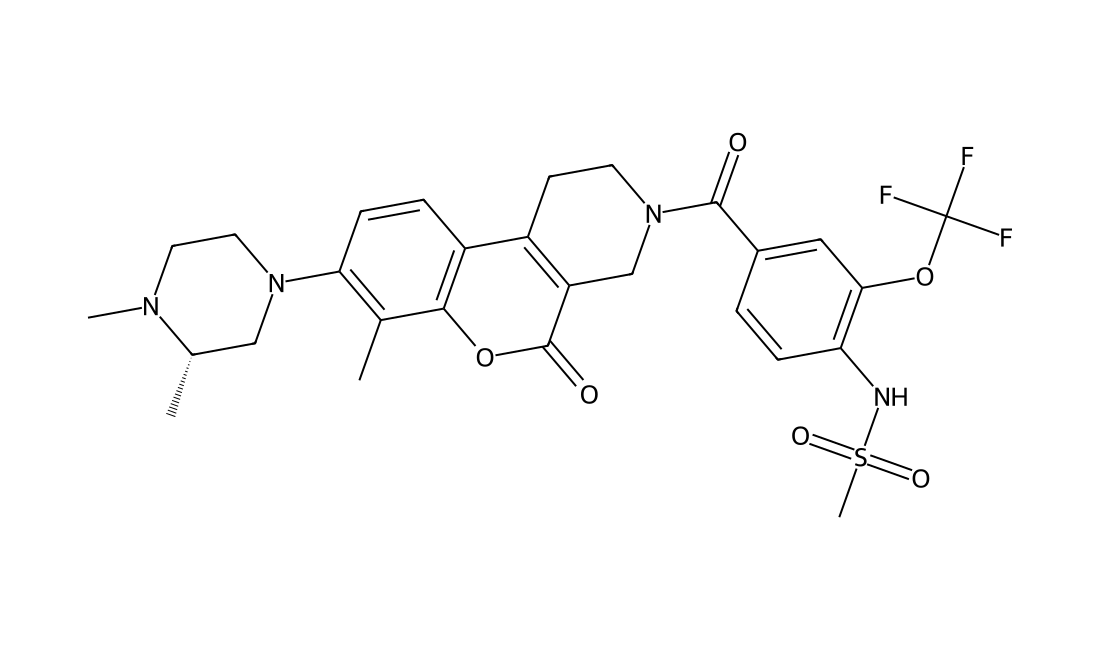
DS18561882Featured
DS18561882 is a potent and isozyme-selective MTHFD2 inhibitor with GI50 of 140 nM, which also shows good oral pharmacokinetic profile.
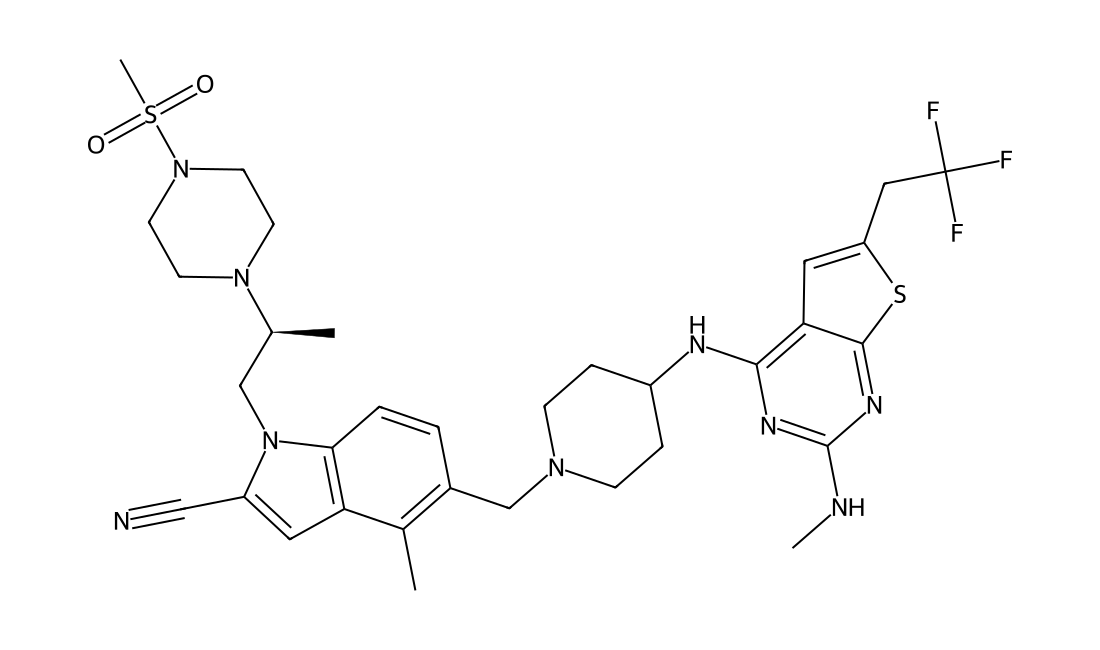
ZiftomenibFeatured
Ziftomenib is a menin-MLL interaction inhibitor with antitumor activities (WO2017161028A1, compound 151).
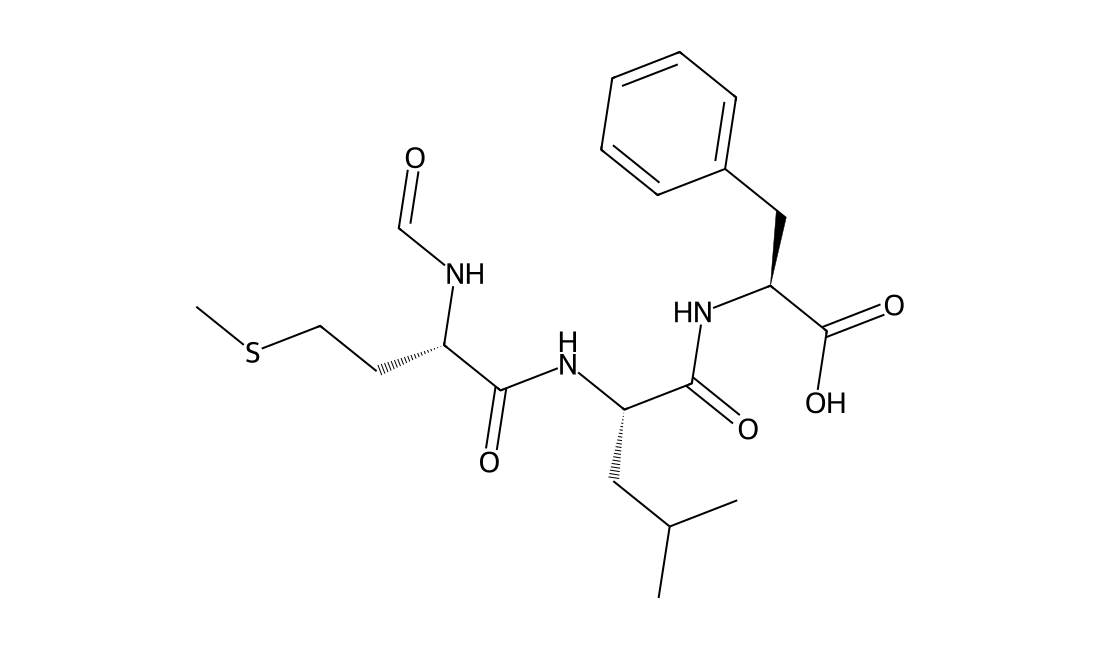
Chemotactic peptideFeatured
N-Formyl-Met-Leu-Phe, also known as fMLF, is a potent neutrophil chemoattractant and the reference agonist for the G protein-coupled N-formylpeptide receptor (FPR).
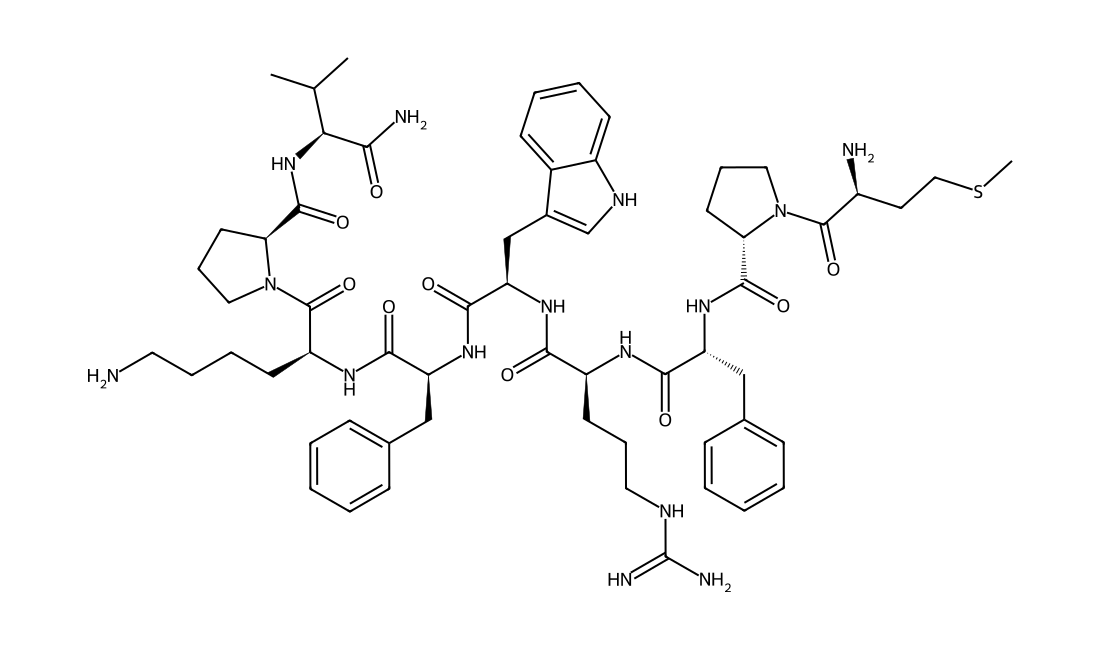
Nonapeptide-1Featured
Nonapeptide-1 (Melanostatine-5), a peptide hormone, is a selective antagonist of MC1R (Ki: 40 nM). Nonapeptide-1 is a competitive α-MSH antagonist that potently inhibits intracellular cAMP and melanosome dispersion induced by α-MSH in melanocytes (IC50: 2.5 nM and 11 nM, respectively). Nonapeptide-1 inhibits melanin synthesis, and can be used in the research of skin pigmentation and regulation of steroid production in the adrenal gland, skin cancer.
ABT-493(Glecaprevir)Featured
Glecaprevir is a novel HCV NS3/4A protease inhibitor, with IC50 values ranging from 3.5 to 11.3 nM.
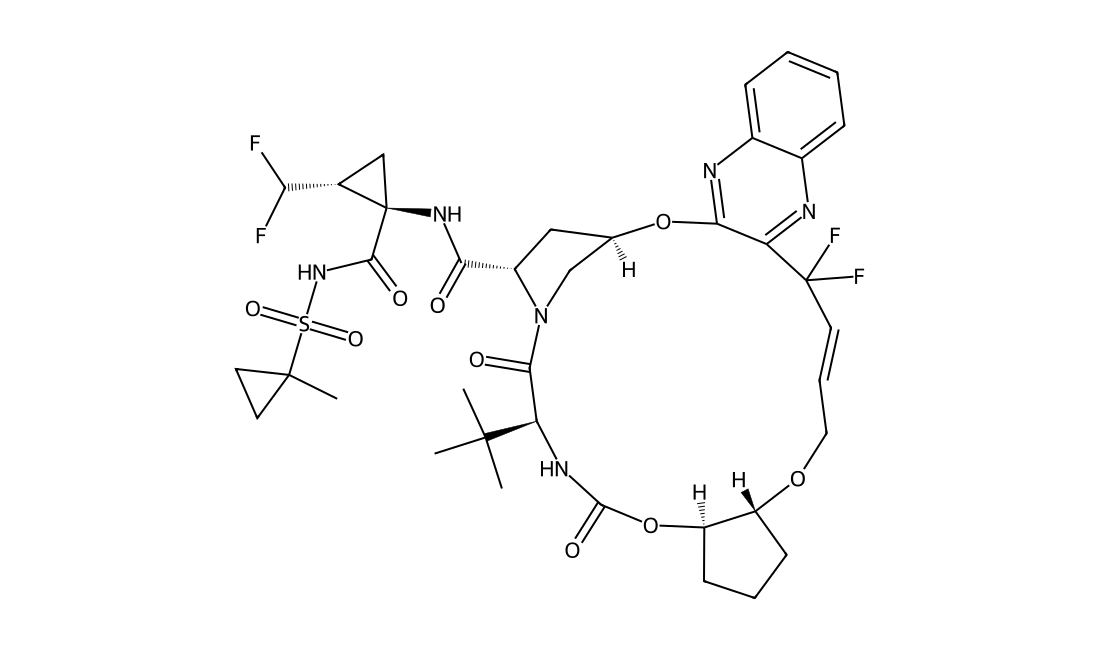
ZandatrigineFeatured
Zandatrigine is a sodium channel protein type 8 subunit alpha (Scn8α) blocker.
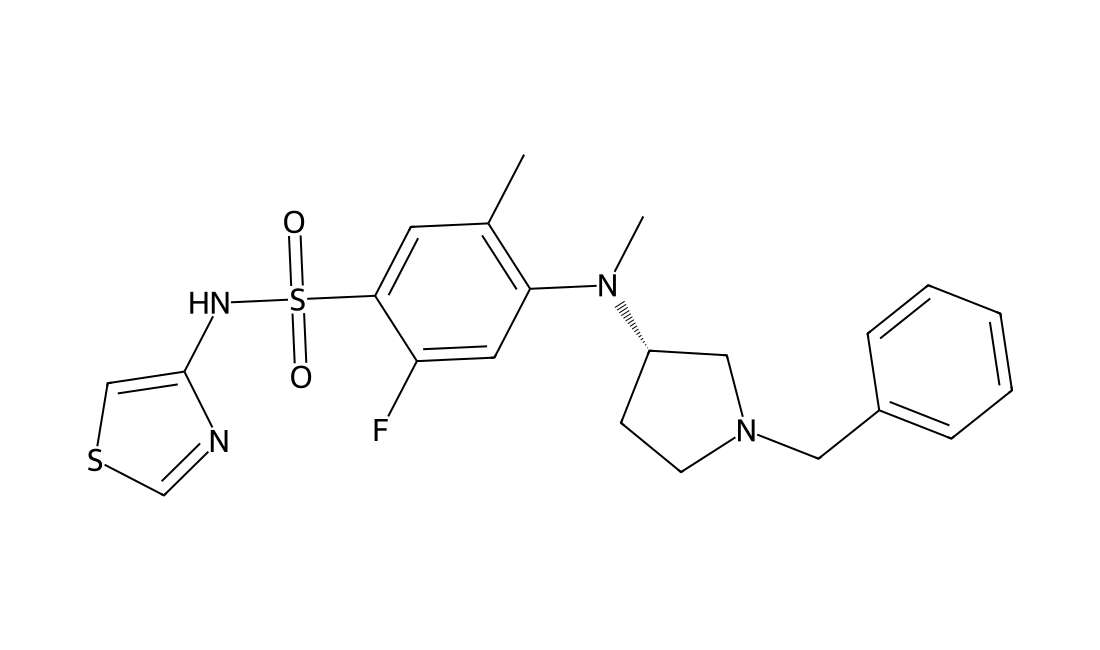
GrazoprevirFeatured
Grazoprevir (MK-5172) is a selective inhibitor of Hepatitis C virus NS3/4a protease with broad activity across genotypes and resistant variants, with Kis of 0.01 nM (gt1b), 0.01 nM (gt1a), 0.08 nM (gt2a), 0.15 nM (gt2b), 0.90 nM (gt3a), respectively.
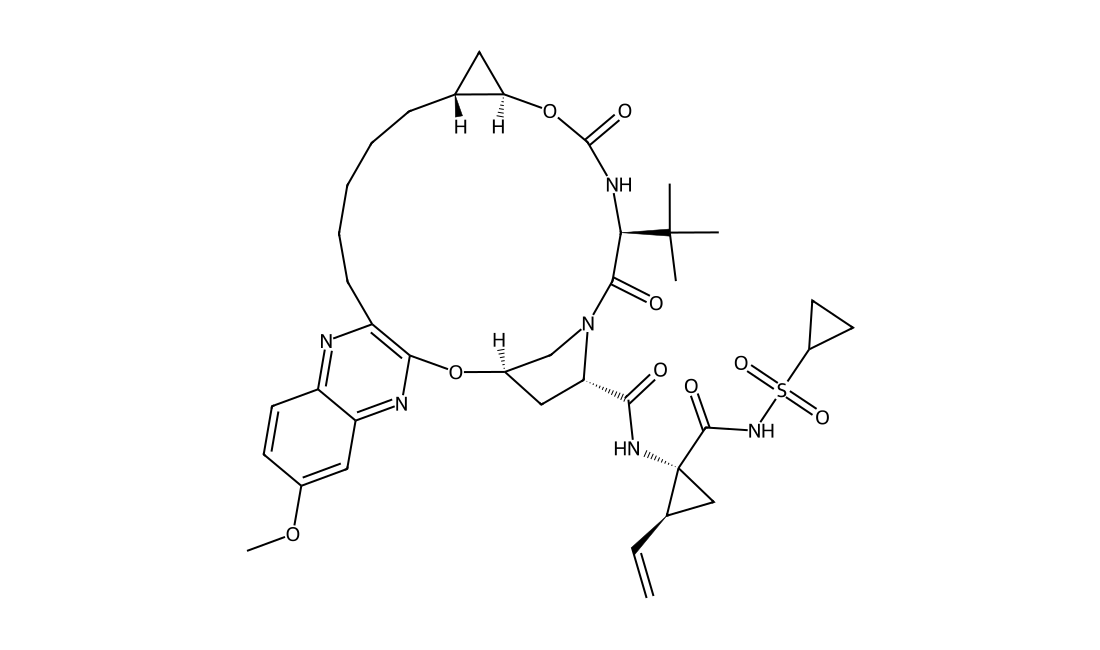
AlofanibFeatured
Alofanib (RPT835) is a potent and selective allosteric inhibitor of fibroblast growth factor receptor 2 (FGFR2). Anticancer activities[1]. Antiangiogenic Activity[2].
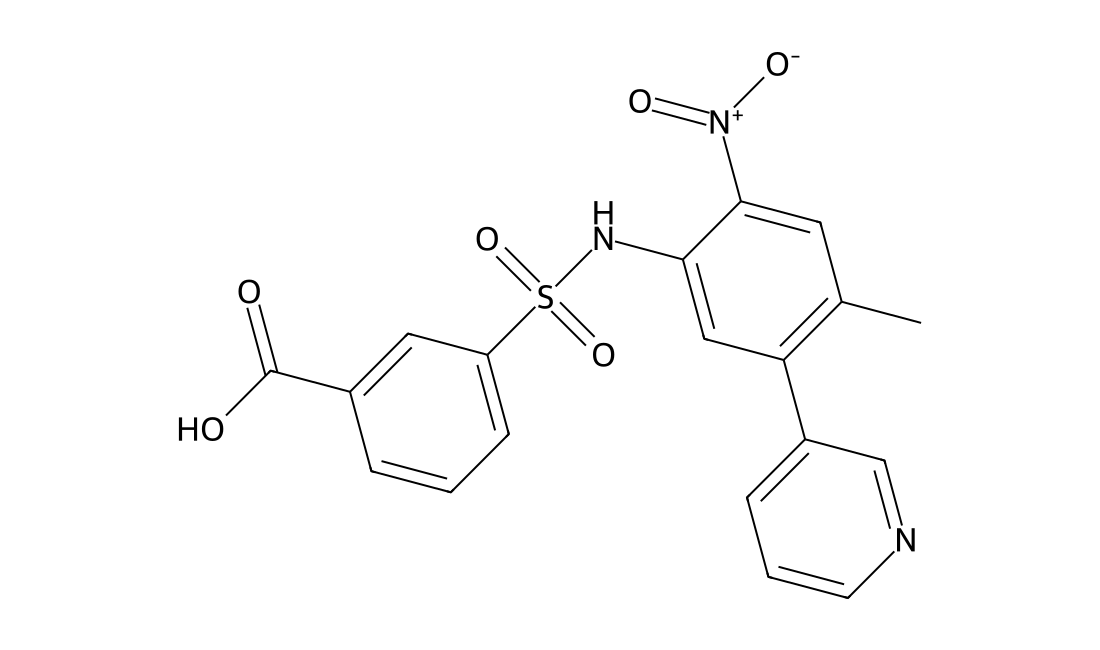
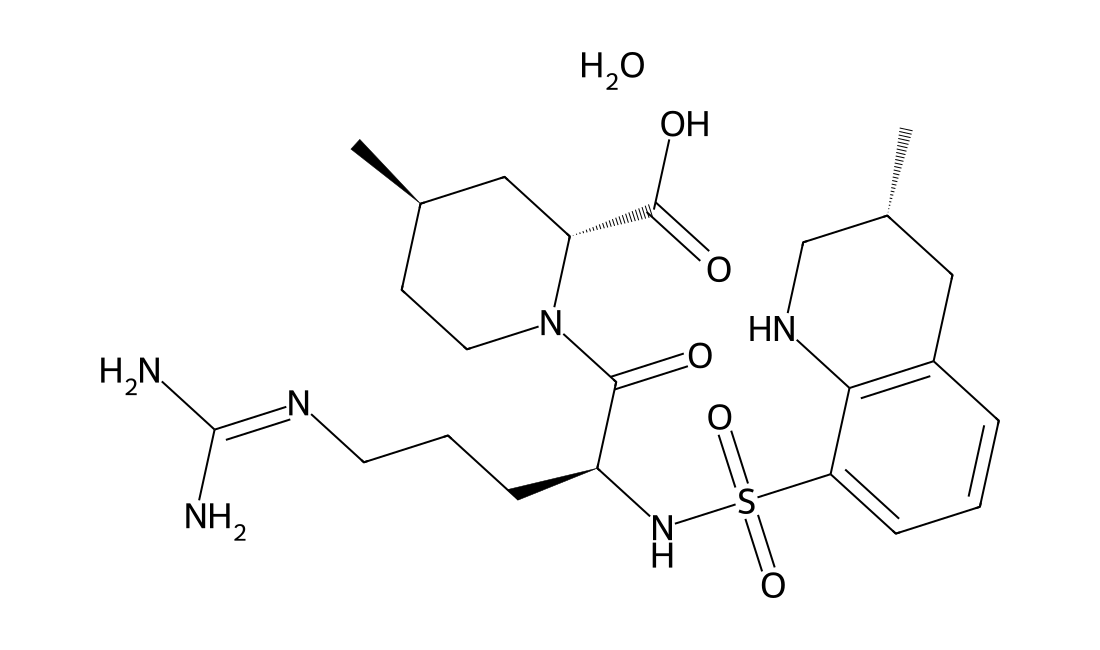
Argatroban monohydrateFeatured
Argatroban monohydrate is a direct, selective thrombin inhibitor.
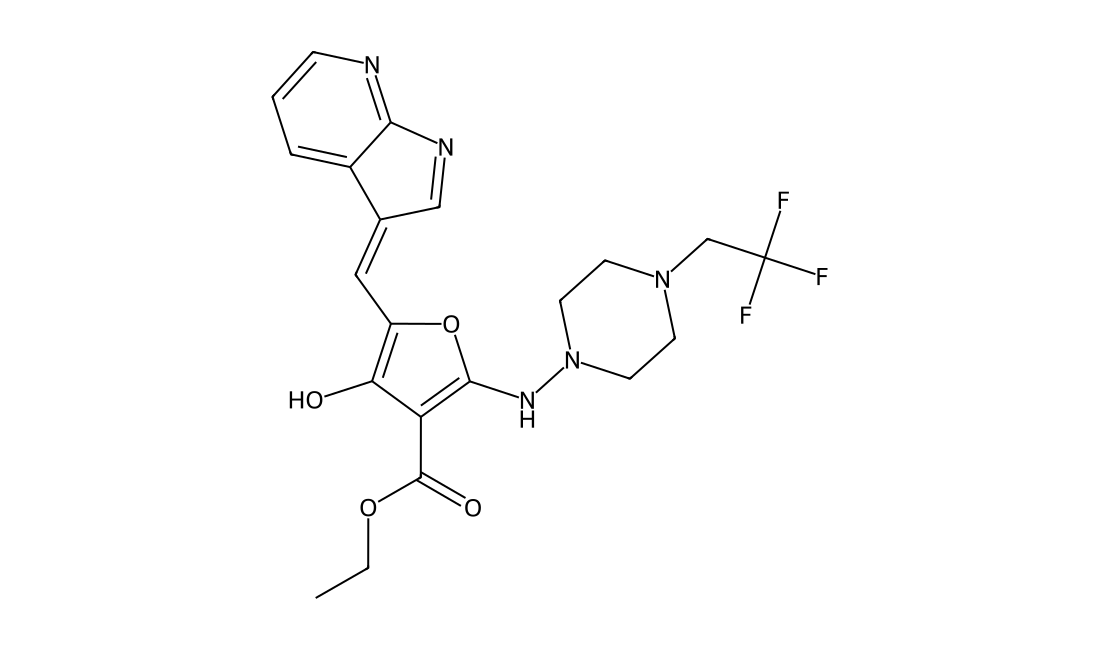
Cdc7-IN-6Featured
Cdc7-IN-6 (compound I-D) is a potent Cdc7 kinase inhibitor (IC50=4 nM), extracted from patent WO2019165473A1, compound I- D, has anti-tumor activity.
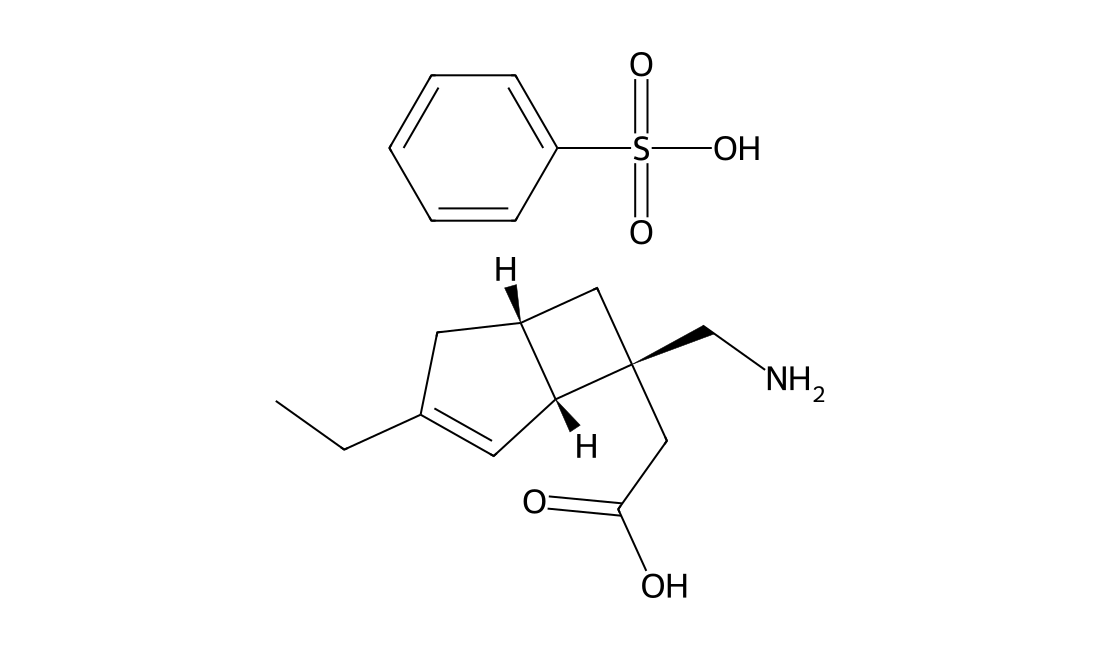
Mirogabalin besylateFeatured
Mirogabalin besylate is a selective and orally available ligand for the α2δ subunit of voltage-gated calcium channels, with Kds of 13.5 nM, 22.7 nM, 27 nM, and 47.6 nM for human α2δ-1, human α2δ-2, rat α2δ-1, and rat α2δ-2, respectively.
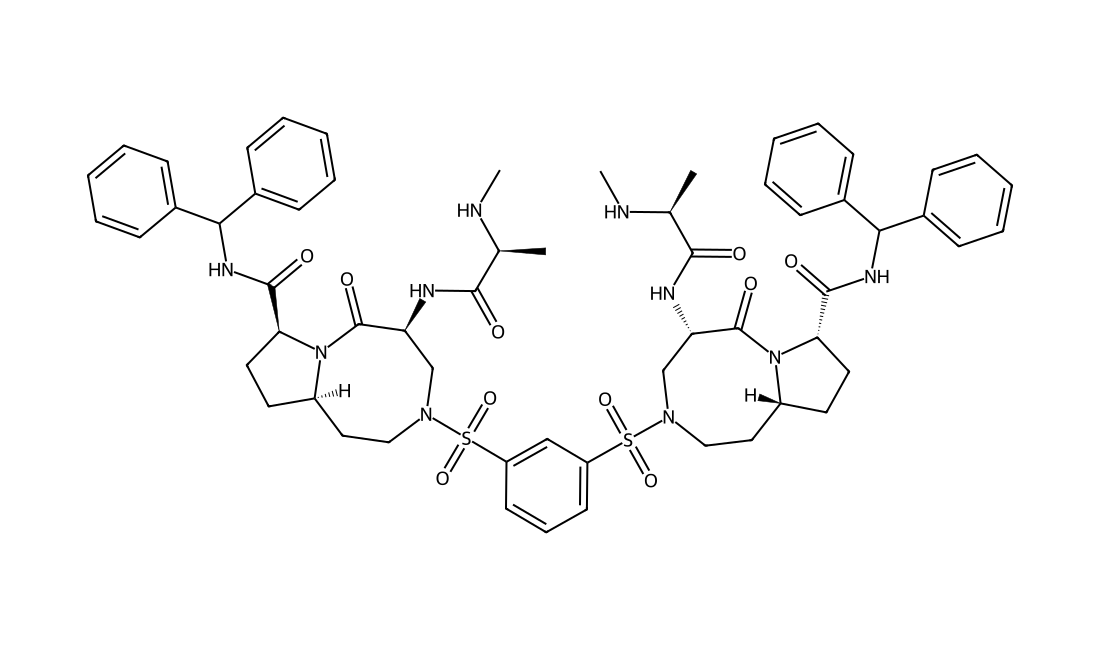
APG-1387Featured
APG-1387, a bivalent SMAC mimetic, is an IAP antagonist that can induce proteasomal degradation of IAPs. APG-1387 sensitizes immune-mediated cell apoptosis in cancers. APG-1387 can be used for the research of hepatocellular carcinoma, ovarian cancer, and nasopharyngeal carcinoma.
PevonedistatFeatured
MLN4924 is a small molecule inhibitor of Nedd8 activating enzyme (NAE) with potential antineoplastic activity. NAE inhibitor MLN4924 binds to and inhibits NAE, which may result in the inhibition of tumor cell proliferation and survival. NAE activates Nedd8 (Neural precursor cell expressed, developmentally down-regulated 8), an ubiquitin-like (UBL) protein that modifies cellular targets in a pathway that is parallel to but distinct from the ubiquitin-proteasome pathway (UPP). Functioning in diverse regulatory activities, proteins conjugated to UBLs like Nedd8 typically are not targeted For proteasomal degradation.
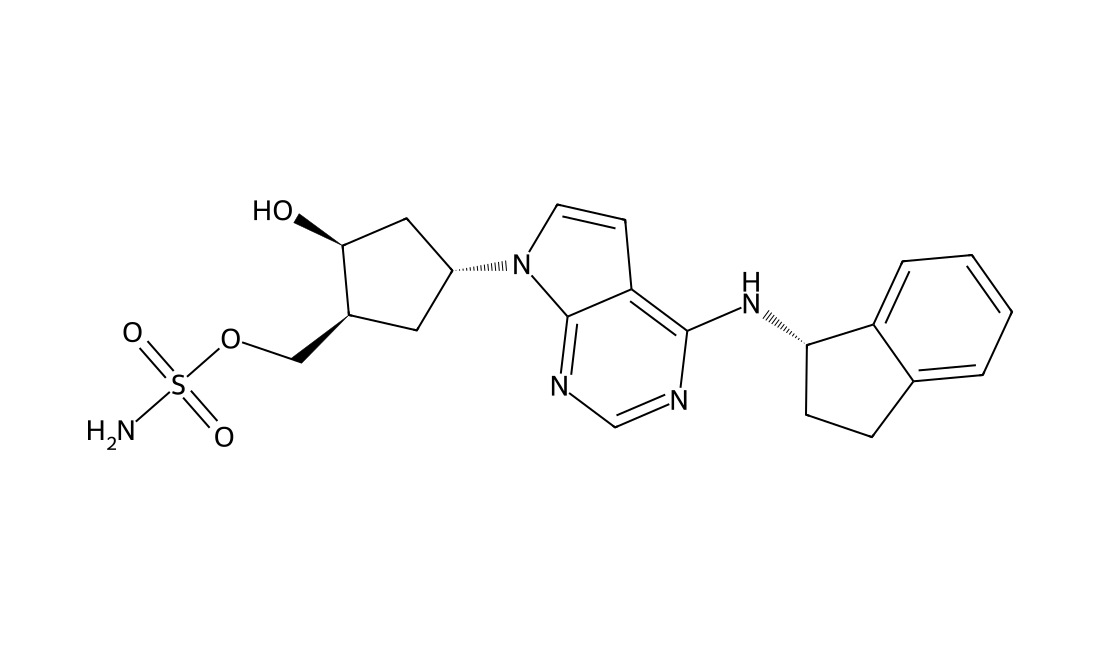
RazuprotafibFeatured
Razuprotafib is a potent protein tyrosine phosphatase β (HPTPβ) inhibitor.
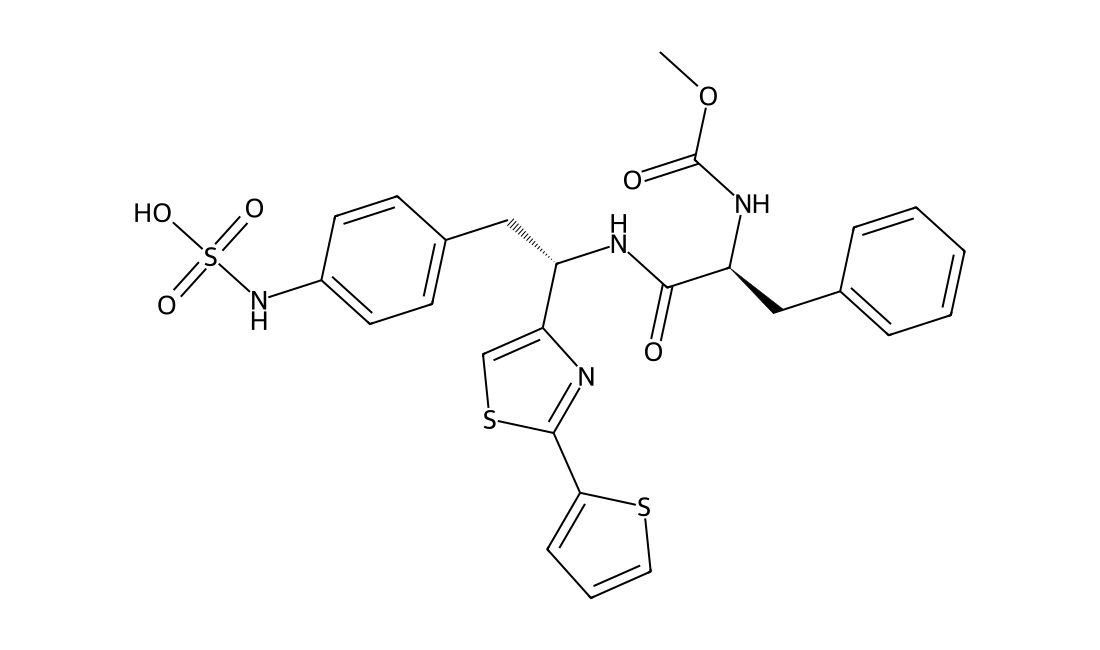
AmoscanateFeatured
Amoscanate (cgp4540) is phenyl isothiocyanate in which the hydrogen at the para-position has been replaced by a 4-nitroanilinyl group. Amoscanate is an anti-schistosomal agent. Amoscanate, as an isothiocyanate compound and uncoupler of oxidative phosphorylation, potently injures rodent ependyma[1].
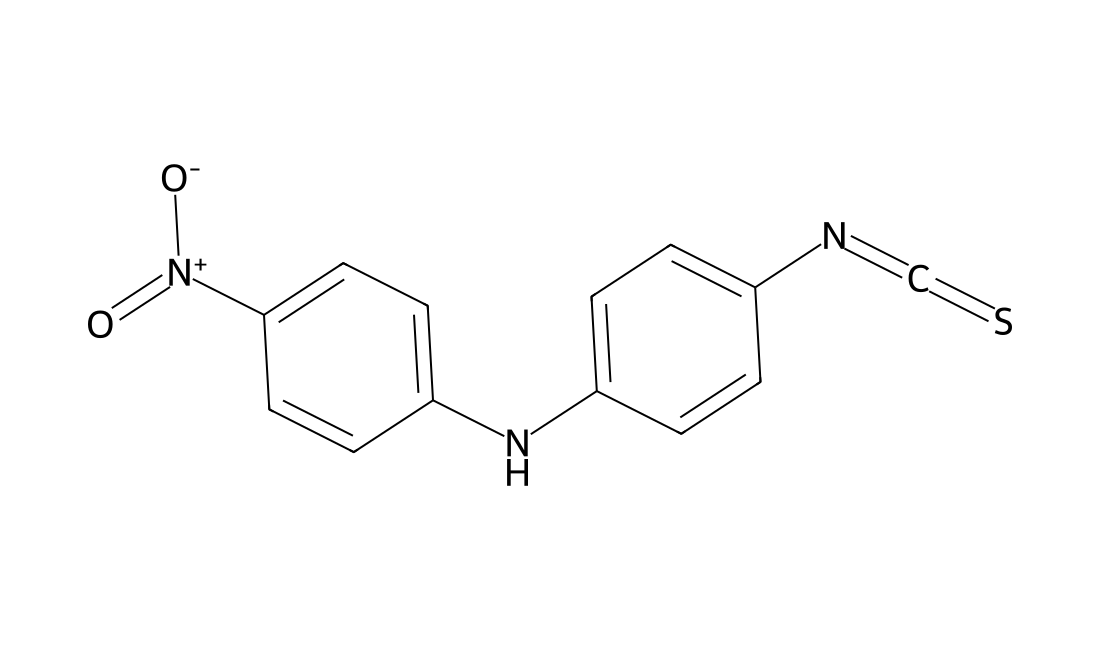
KY1220Featured
KY1220 is a compound that destabilizes both β-catenin and Ras, via targeting the Wnt/β-catenin pathway; with an IC50 of 2.1 μM in HEK293 reporter cells.
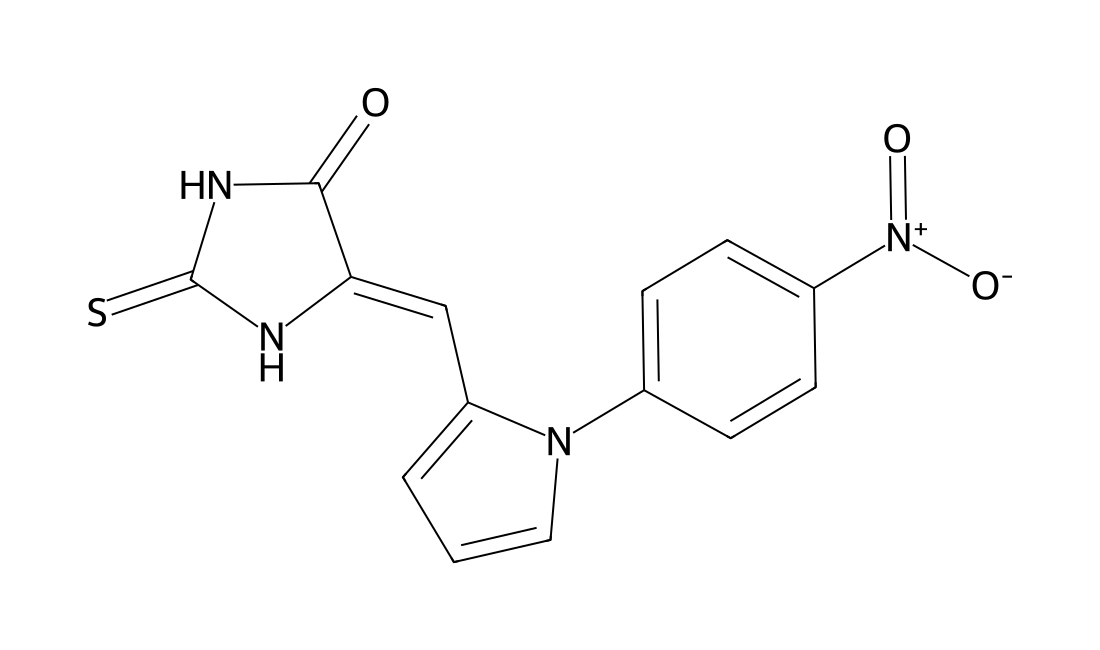
EpigoitrinFeatured
Epigoitrin is a natural alkaloid from Isatis indigotica, with antiviral activities. Epigoitrin reduces susceptibility to influenza virus via mitochondrial antiviral signaling[1][2].
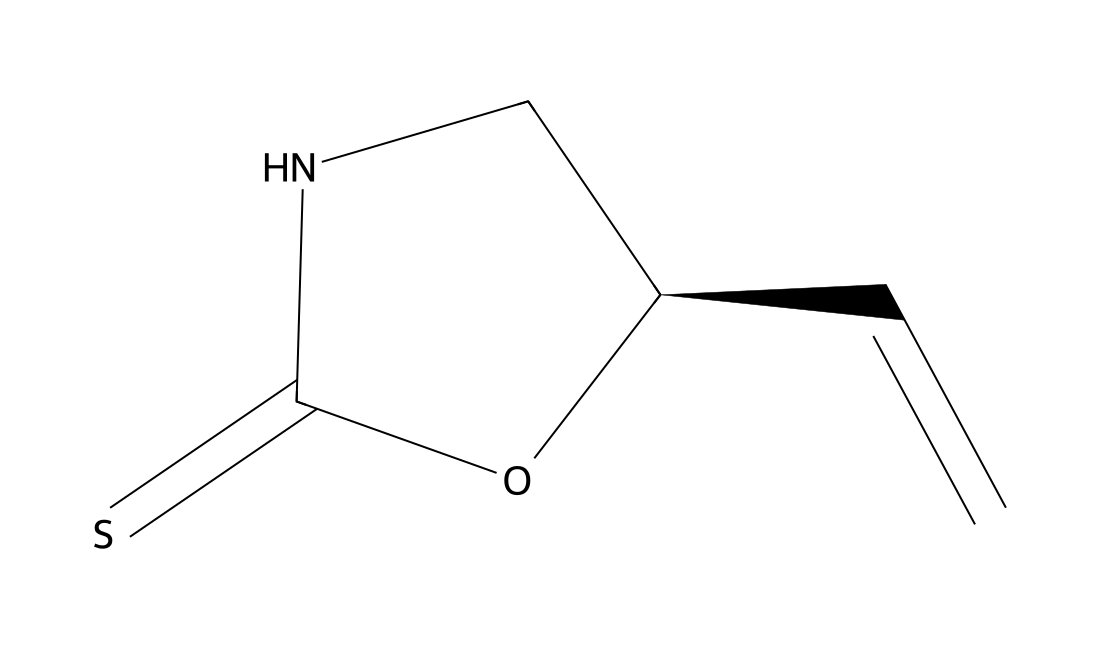
AAI-101Featured
AAI101 is an extended-spectrum β-lactamase inhibitor, against many resistant Gram-negative pathogens.
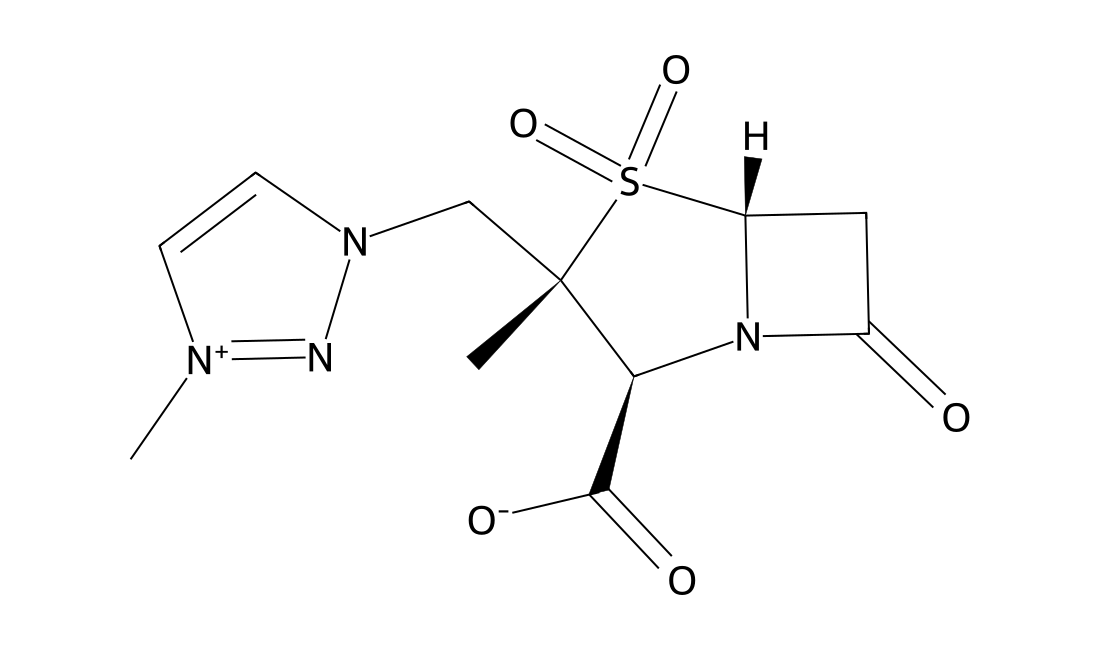
Gdc-0152Featured
GDC-0152 is a potent inhibitor of IAPs which binds to the XIAP BIR3 domain, the BIR domain of ML-IAP, and the BIR3 domains of cIAP1 and cIAP2 with Ki values of 28, 14, 17, and 43 nM, respectively.
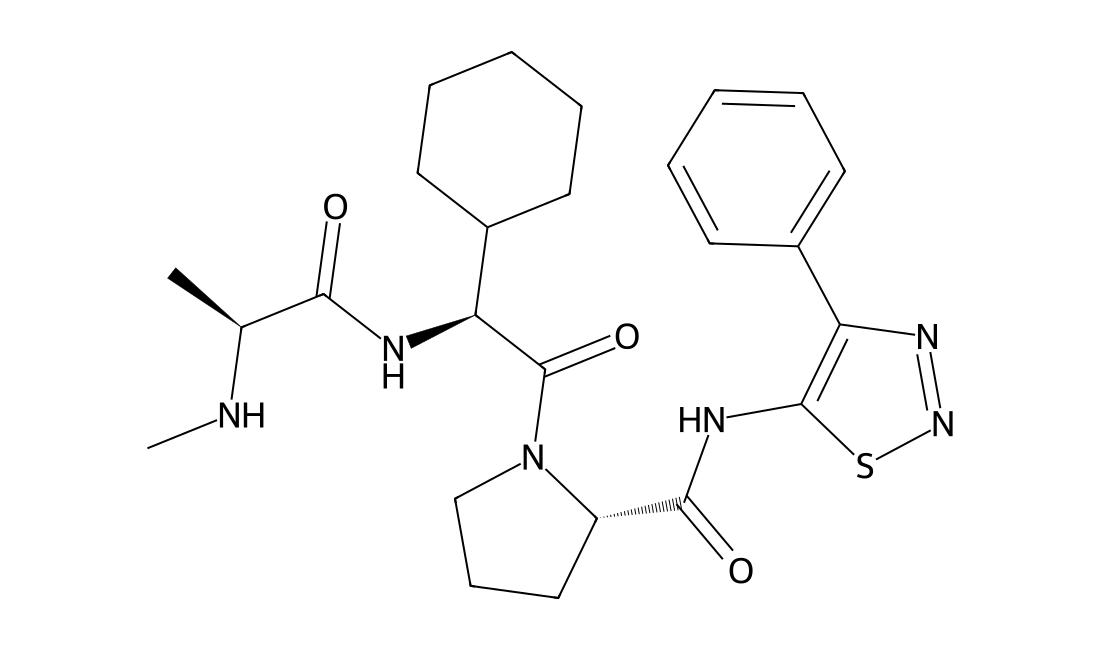
MinzasolminFeatured
Minzasolmin is an alpha-synuclein oligomerization inhibitor.
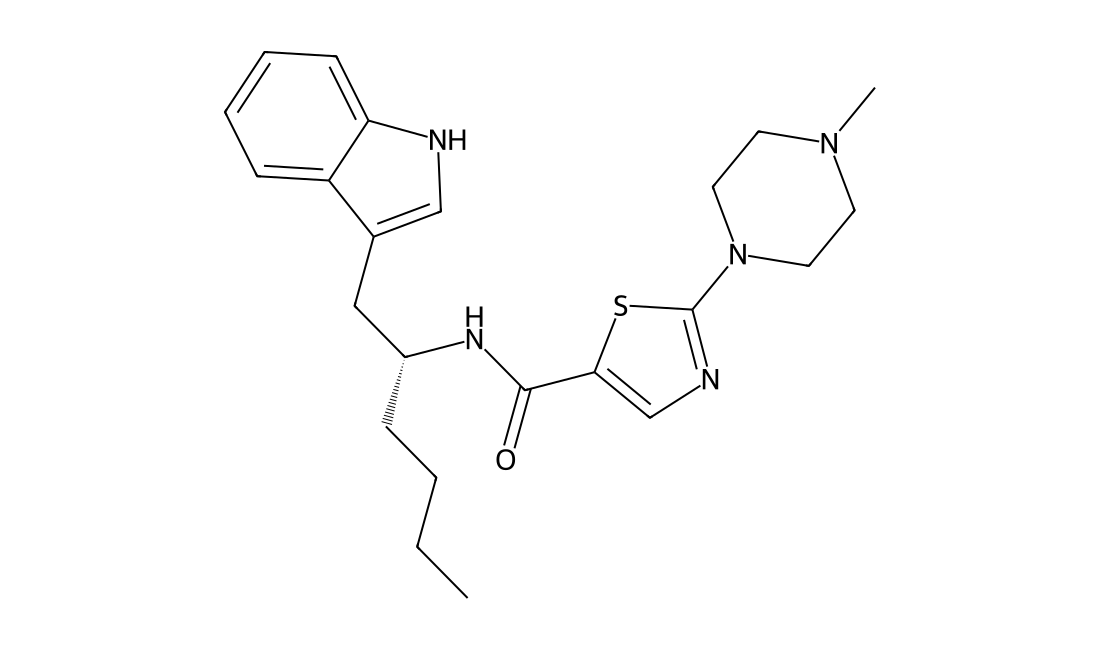
No products match this search.
Page 382 of 384 · Browse all 7677 products
Jump to a product page
Featured literature product: HX1 · DCL0028
HX1 is a hydroxyzine-derived ionizable lipid with acetal-containing tails, studied in lipid nanoparticles for brain mRNA delivery and CRISPR–Cas9 delivery. It was the lead in the reported in vivo brain-delivery screen; evidence is preclinical and formulation-dependent.
Read full formulation and performance →