
Research lipid catalog
Ionizable Lipid Products
Explore 848 lipid and RNA delivery products. Search the full catalog or browse by research category.
Search covers product name, catalog number, synonyms, available CAS numbers and categories. Spaces, hyphens and common punctuation are ignored. Duplicate legacy records are consolidated under one canonical product result.
7677 products · Showing 7601–7620 · 20 per page
DC Chemicals lipid expertise
Built for ionizable-lipid discovery and RNA delivery research
DC Chemicals supports formulation and delivery research with a broad, searchable portfolio of cationic and ionizable lipids. The current directory brings together 848 unique research-use products, with product specifications, pricing, chemical structures and literature-linked formulation data added as each record is verified.
Our experience spans complex lipid synthesis, purification, analytical release and process development. For custom molecules or larger-scale requirements, our team can discuss route development, technical specifications and scale-up options for the intended research workflow.
Learn about cationic and ionizable lipids →Proprietary innovation · Co-development · GMP
From proprietary lipid design to GMP-grade custom synthesis
DC Chemicals has independently developed ionizable-lipid structures supported by company-owned intellectual property, and selected proprietary lipid programs have advanced to GMP-stage development.
We welcome joint development with customers—from molecular design and lipid synthesis through route and process development. We can also support custom synthesis of GMP-grade ionizable lipids to agreed technical specifications and quality requirements.
Discuss a co-development project →Proprietary ionizable-lipid structuresCollaborative molecular designCustom lipid synthesisProcess development and scale-upGMP-grade project support
Product quick links
Explore New ionizable lipids
Explore our five most recently added ionizable lipids, with specifications, pricing and literature-linked product information.
DCL0028HX1Brain RNA delivery researchView product →DCL0024A1I4R13C18-2Spleen-targeted RNA delivery researchView product →DCL0023A1I4R2C18-2Spleen-targeted RNA delivery researchView product →DCL0022FS01Local joint RNA delivery researchView product →DCL0020Lipid-392Lung RNA delivery and gene editing researchView product →
Cat. No.Product NameField of ApplicationChemical Structure
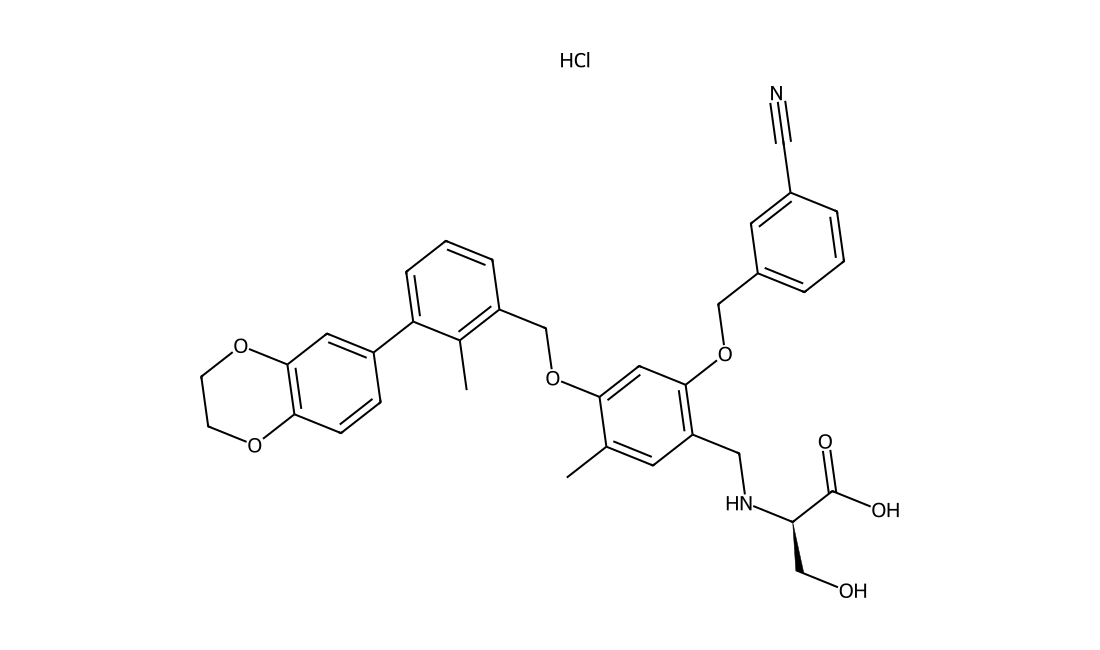
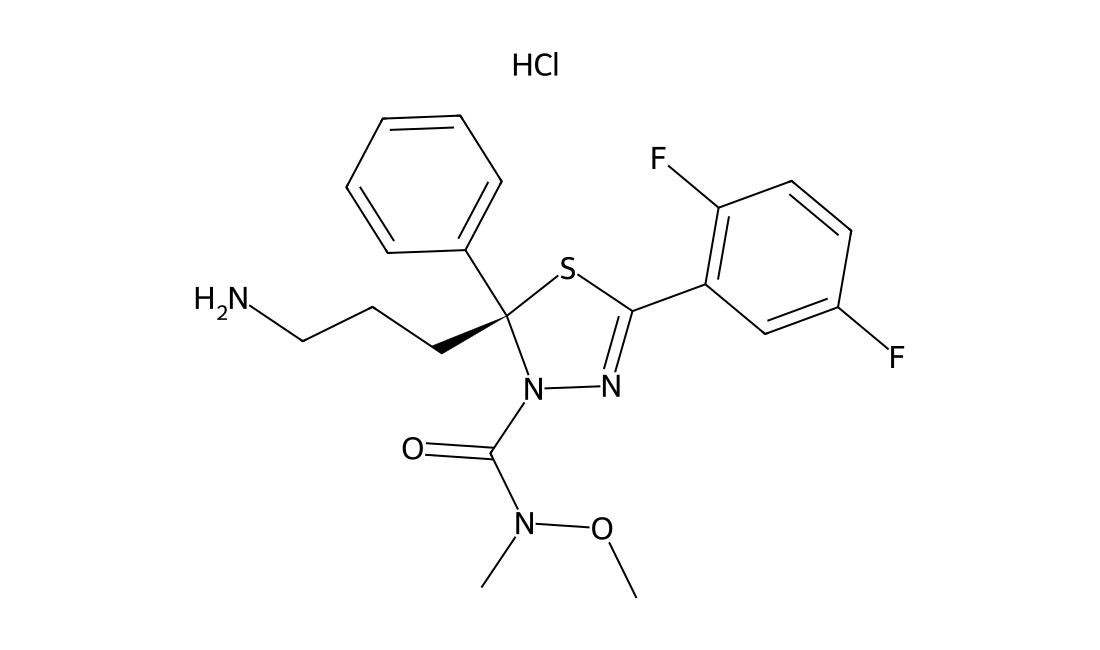
BMS-1001 hydrochlorideFeatured
A potent PD-1/PD-L1 interaction inhibitor with IC50 of 2.25 nM in a homogenous time-resolved fluorescence binding assay.
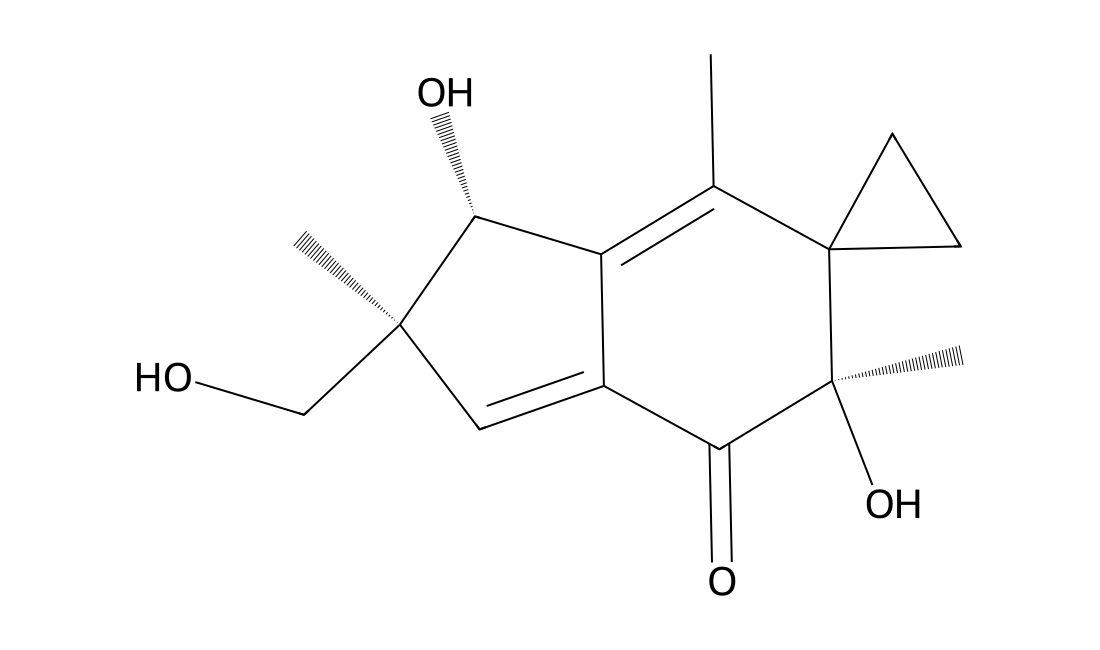
Illudin SFeatured
Illudin S is a sesquiterpene toxin with strong anti-tumour and antiviral activities. Illudin S has genotoxic activities[1][2][3].
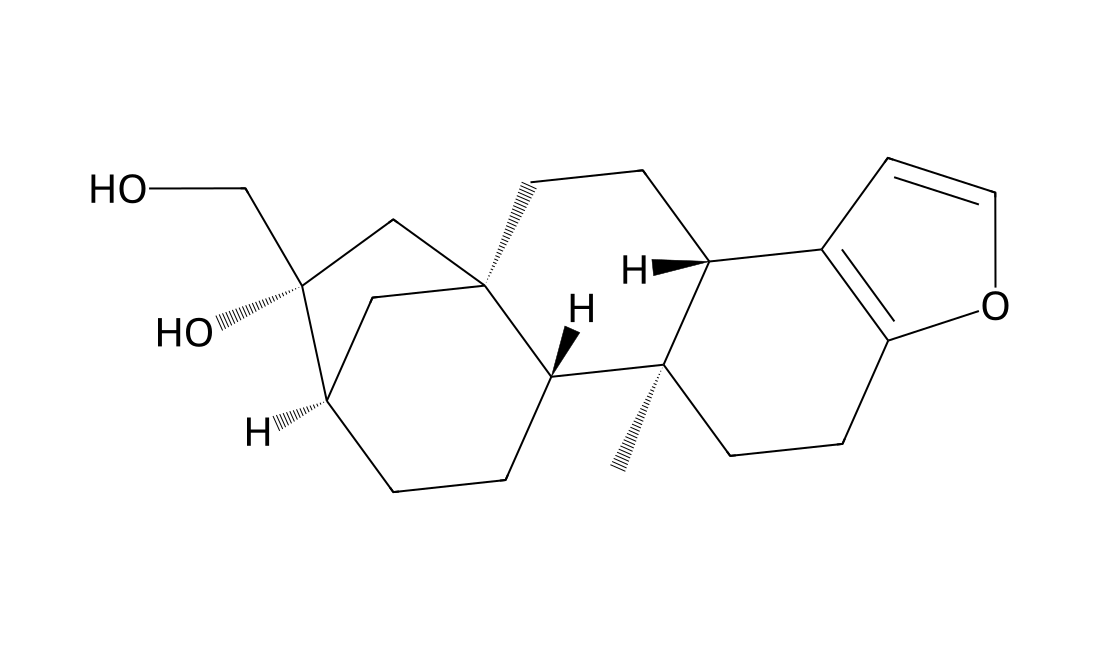
CafestolFeatured
Cafestol, one of the major components of coffee, is a coffee-specific diterpene from. Cafestol is a ERK inhibitor for AP-1-targeted activity against PGE2 production and the mRNA expression of cyclooxygenase (COX)-2 in LPS-activated RAW264.7 cells. Cafestol has strong inhibitory activity on PGE2 production by suppressing the NF-kB activation pathway. Cafestol contributes to its beneficial effects through various biological activities such as chemopreventive, antitumorigenic, hepatoprotective, antioxidative and antiinflammatory effects[1].
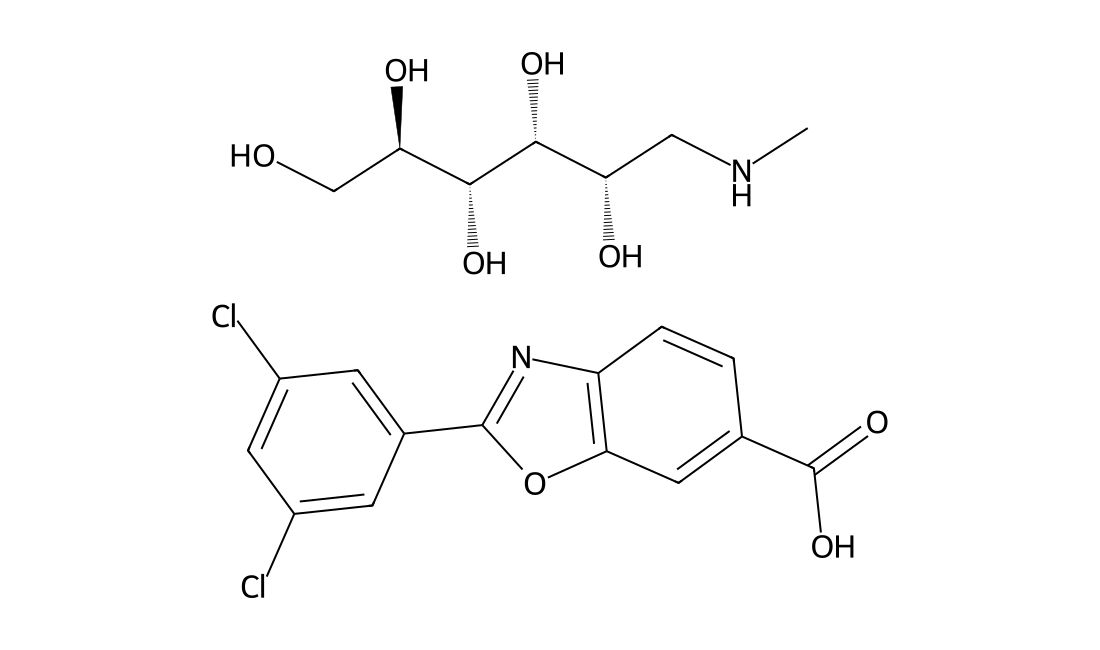
Tafamidis meglumineFeatured
Tafamidis meglumine (Fx-1006A) is a potent and selective transthyretin (TTR) stabilizer, shows comparable potency and efficacy to the mutumant homotetramers V30M-TTR, V122I-TTR and wild type WT-TTR, with EC50s of 2.7-3.2 μM. Tafamidis meglumine inhibits amyloidogenesis[1].
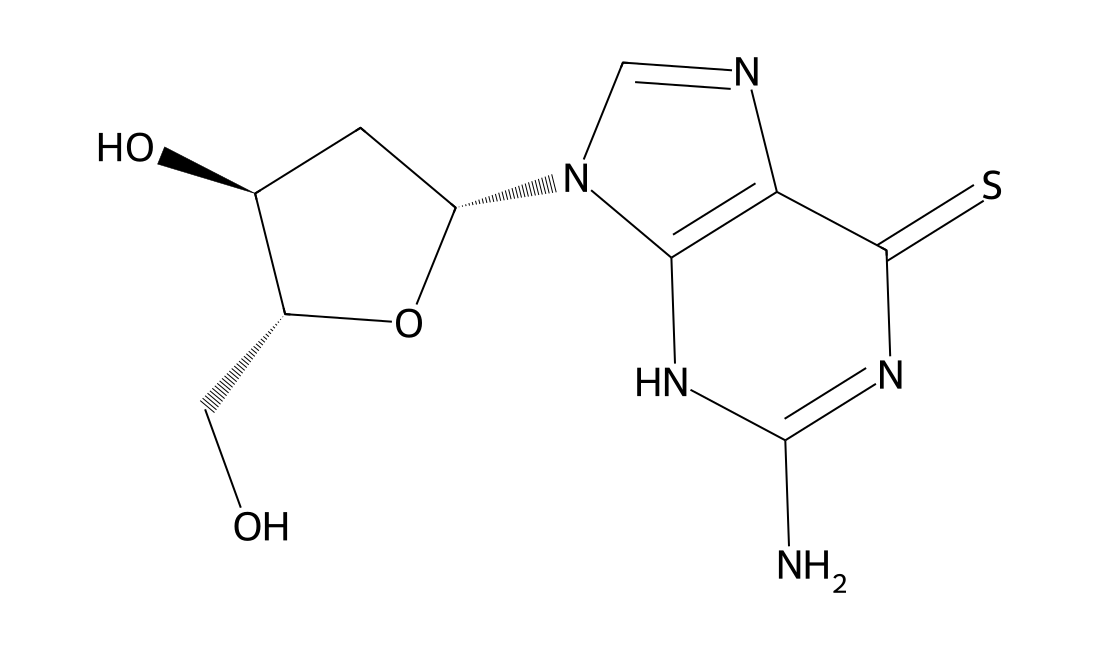
2'-DeoxythioguanosineFeatured
6-Thio-2'-Deoxyguanosine is a nucleoside analogue that can be incorporated into de novo-synthesized telomeres by telomerase.
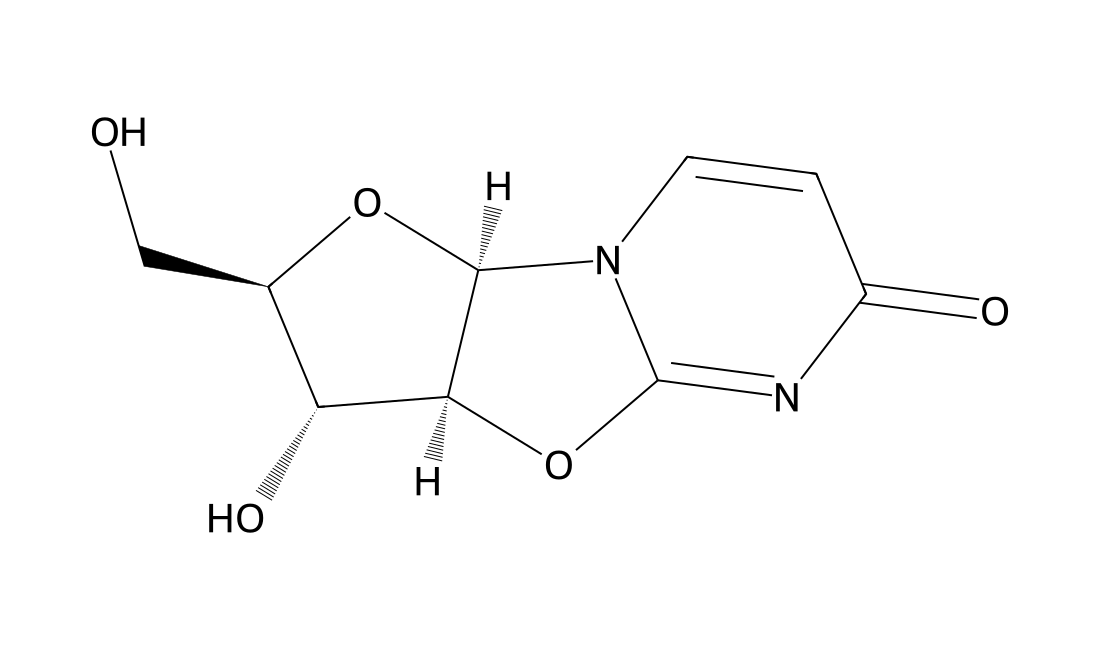
CyclouridineFeatured
2,2'-Anhydrouridine is used for anticancer and antiviral research[1].
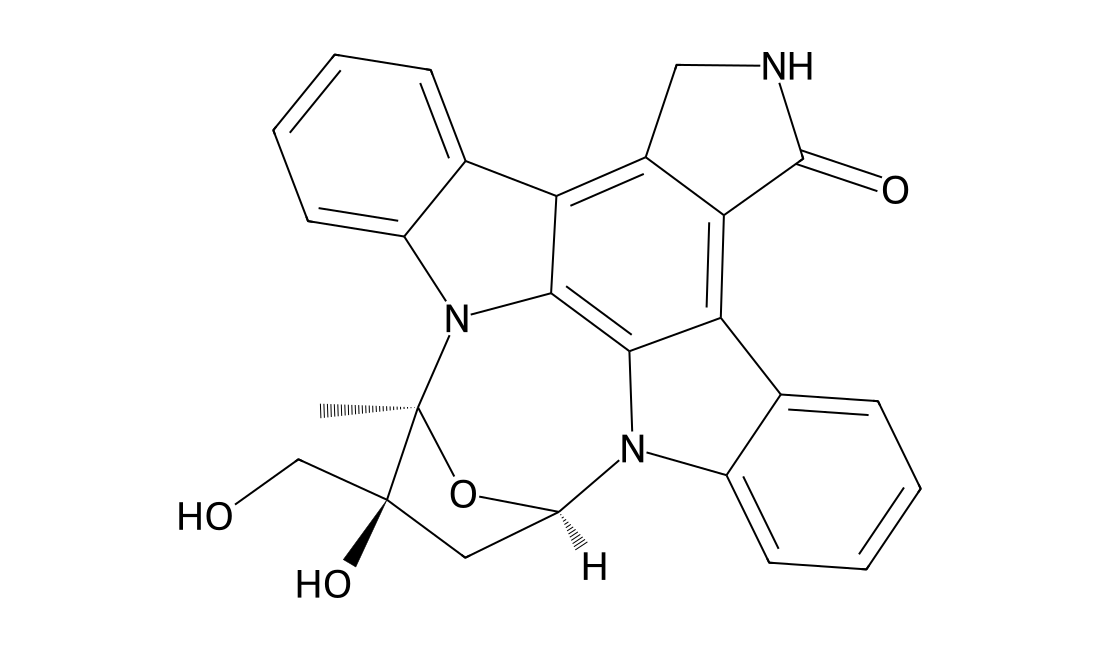
LestaurtinibFeatured
Lestaurtinib (CEP-701;KT-5555) is a multi-kinase inhibitor with potent activity against the Trk family of receptor tyrosine kinases. Lestaurtinib inhibits JAK2, FLT3 and TrkA with IC50s of 0.9, 3 and less than 25 nM, respectively.
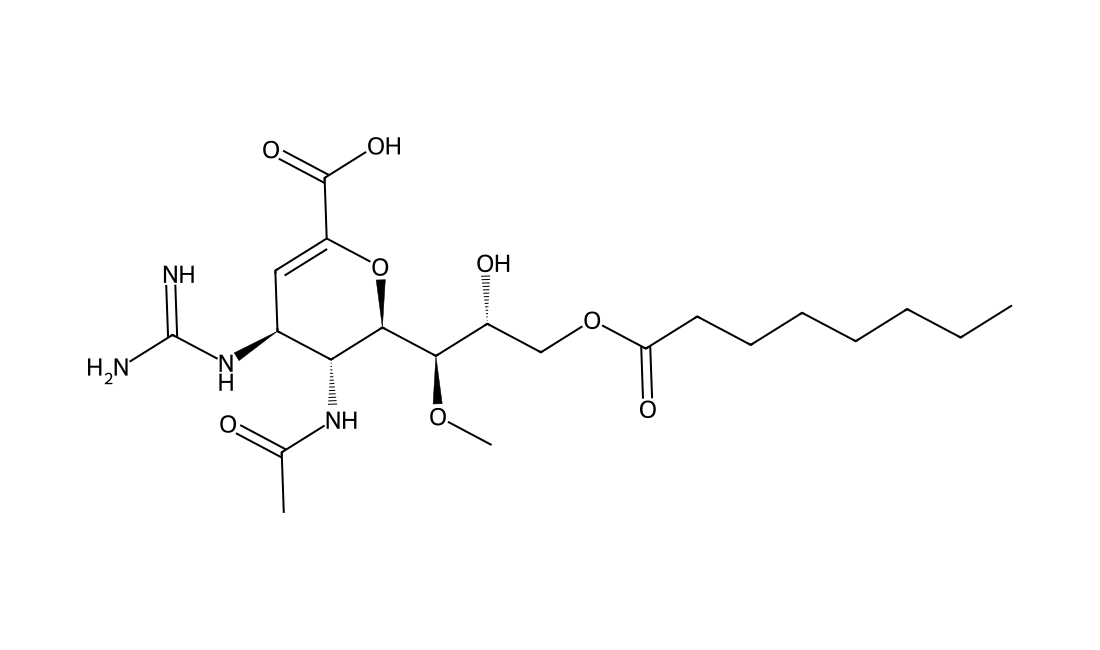
Laninamivir OctanoateFeatured
Laninamivir (L174000) prodrug; a novel long-acting neuraminidase inhibitor.
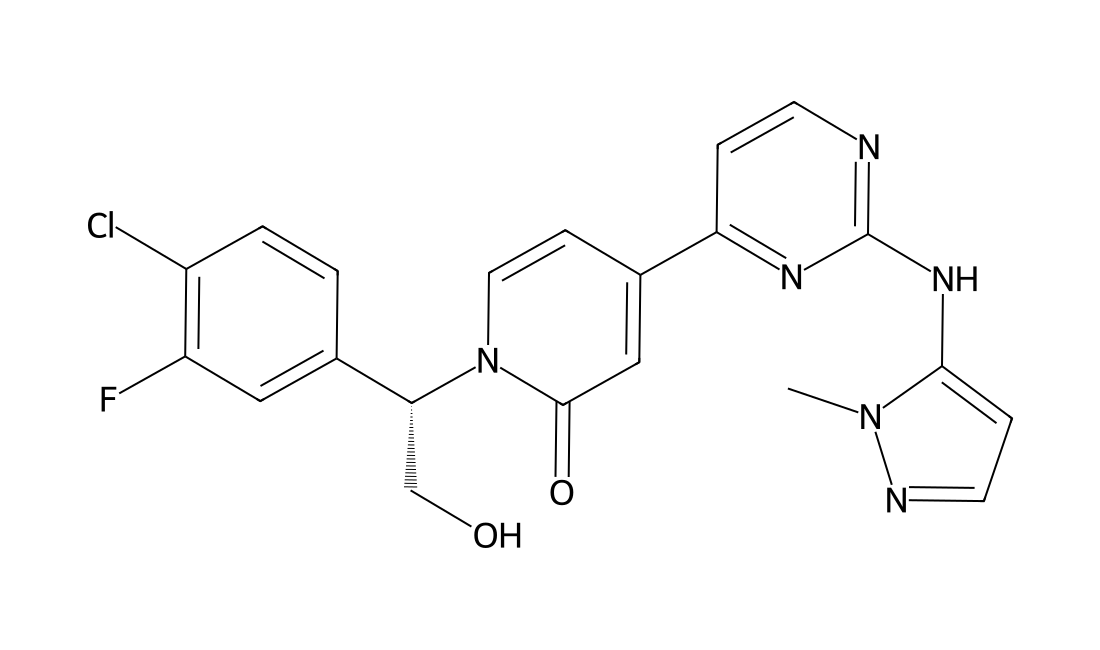
RavoxertinibFeatured
Ravoxertinib (GDC-0994) is an orally bioavailable ERK kinase inhibitor with an IC50 of 6.1 nM and 3.1 nM for ERK1 and ERK2, respectively.
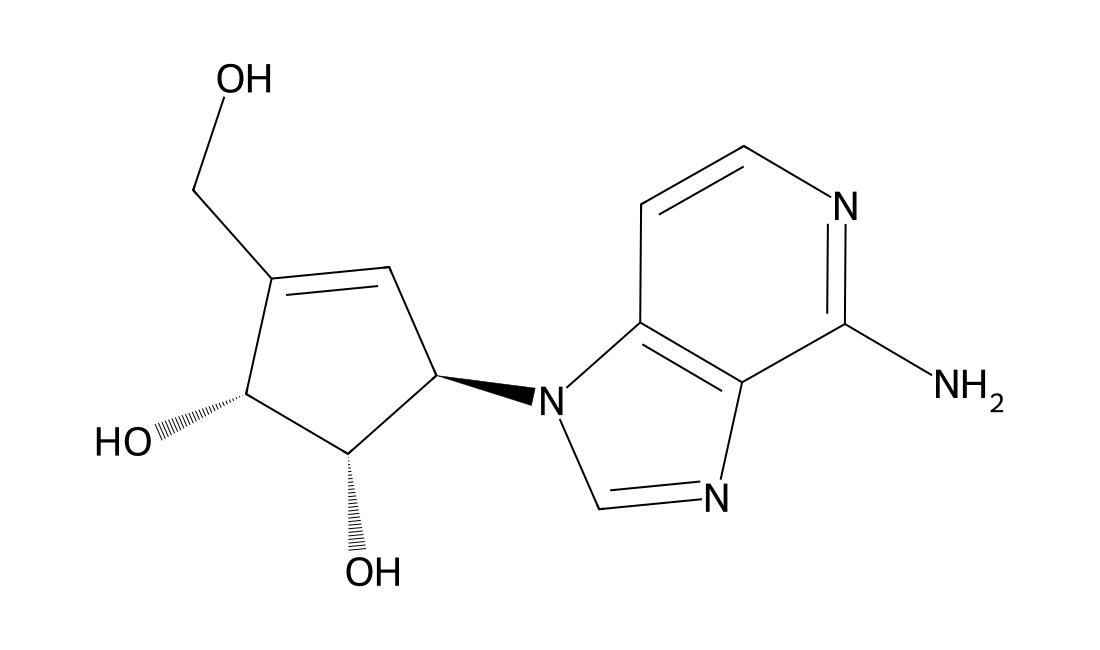
3-Deazaneplanocin A (DZNep)Featured
3-Deazaneplanocin A (DZNep) is a histone methyltransferase inhibitor; decreases global DNA methylation. Blocks EZH2 activity and trimethylation of lysine 27 on histone H3 in vitro. Induces apoptotic cell death in cancer cells and inhibits s-adenosylhomocysteine (SAH) hydrolase. Enhances Oct 4 expression in chemically induced pluripotent stem cells (CiPSCs).For the detailed information of 3-Deazaneplanocin A (DZNep), the solubility of 3-Deazaneplanocin A (DZNep) in water, the solubility of 3-Deazaneplanocin A (DZNep) in DMSO, the solubility of 3-Deazaneplanocin A (DZNep) in PBS buffer, the animal experiment (test) of 3-Deazaneplanocin A (DZNep), the cell expriment (test) of 3-Deazaneplanocin A (DZNep), the in vivo, in vitro and clinical trial test of 3-Deazaneplanocin A (DZNep), the EC50, IC50,and Affinity of 3-Deazaneplanocin A (DZNep), Please contact DC Chemicals.
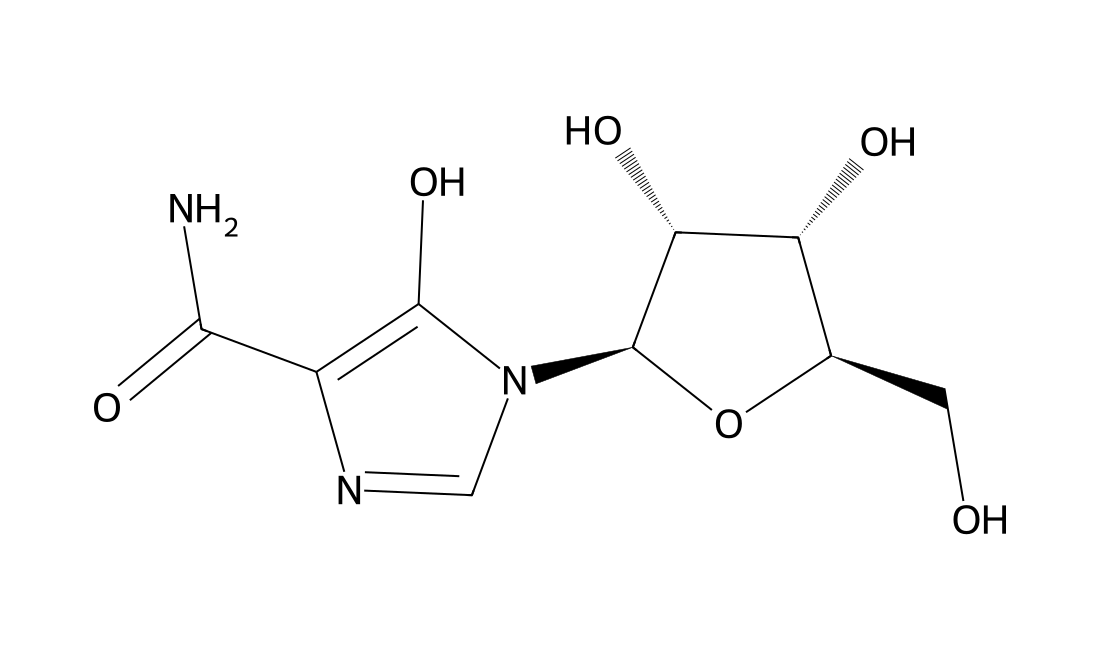
MizoribineFeatured
Mizoribine(NSC 289637; HE 69; β-Bredinin) is an immunosuppressive agents (IC50=100 uM) that inhibit the proliferation of lymphocytes selectively, via inhibition of IMPDH.IC50 Value:Target: IMPDHin vitro: Unlike azathioprine, Mizoribine is not taken up by nucleic acids in the cell. Instead, after phosphorylation MZR-5 -monophosphate inhibits GMP synthesis by the antagonistic blocking of IMPDH (Ki = 10(-8)M) and GMP- synthetase (Ki =10(-5) M) [1]. Pretreatment of cells with MZR partially, but significantly, attenuates the expression of monocyte chemoattractant protein (MCP)-1 mRNA and protein, whereas the poly IC-induced expressions for the other functional molecules, such as CCL5, fractalkine and IL-8 were not influenced by MZR treatment [2].in vivo:MZR 150 mg was administered once a day. After 6 months, the remission rate was 72.7% (2 subjects achieved complete remission, and 9 partial remission). After 3 and 6 months, significant reductions (p < 0.01) were obtained in 24-h proteinuria (g/day) [3].
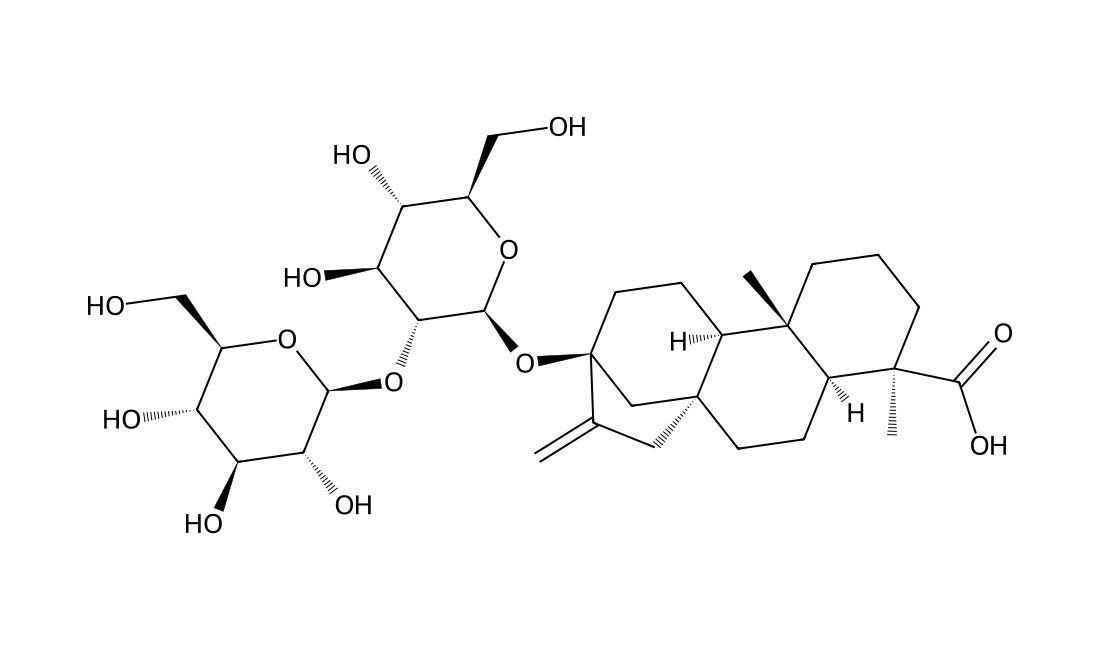
双甜Featured
Steviolbioside is a rare sweetener that exists in stevia rebaudiana leaves. Steviolbioside presents inhibition on several human cancer cells and acts as potential remedy for human breast cancer[1].
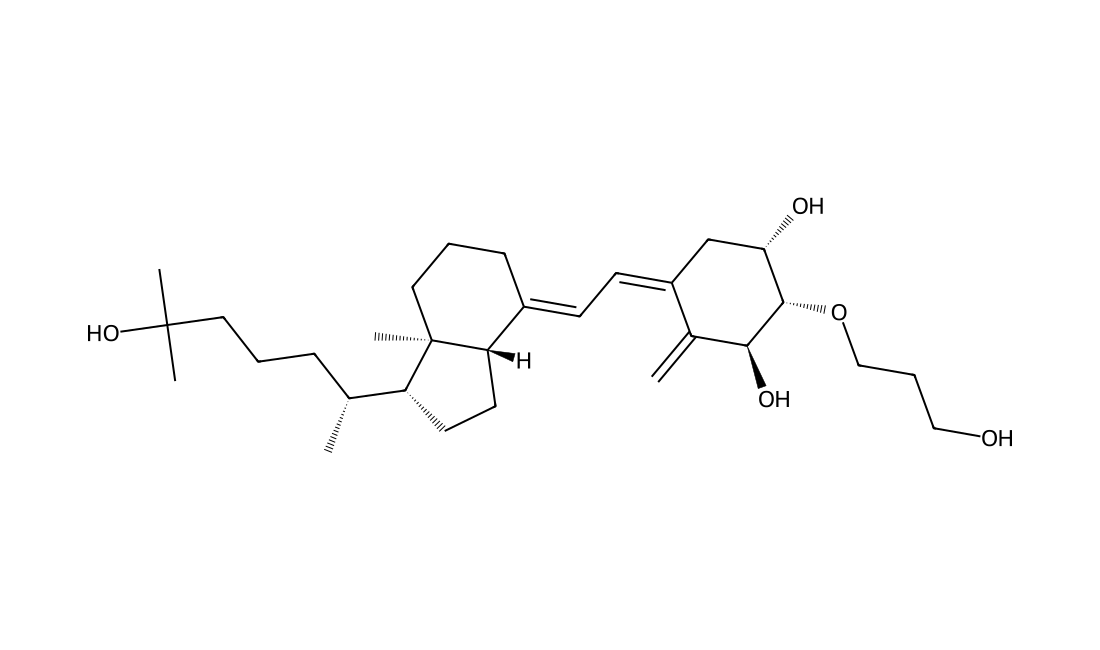
EldecalcitolFeatured
Eldecalcitol (ED-71; 2.beta.-(3-Hydroxypropoxy)-1.alpha.,25-dihydroxyvitamin D3) is an analog of 1,25-dihydroxyvitamin D3 that improves bone mineral density.Eldecalcitol (ED-71; 2.beta.-(3-Hydroxypropoxy)-1.alpha.,25-dihydroxyvitamin D3) is more efficacious than alfacalcidol in preventing vertebral and wrist fractures in osteoporotic patients with vitamin D sufficiency, with a safety profile similar to alfacalcidol.
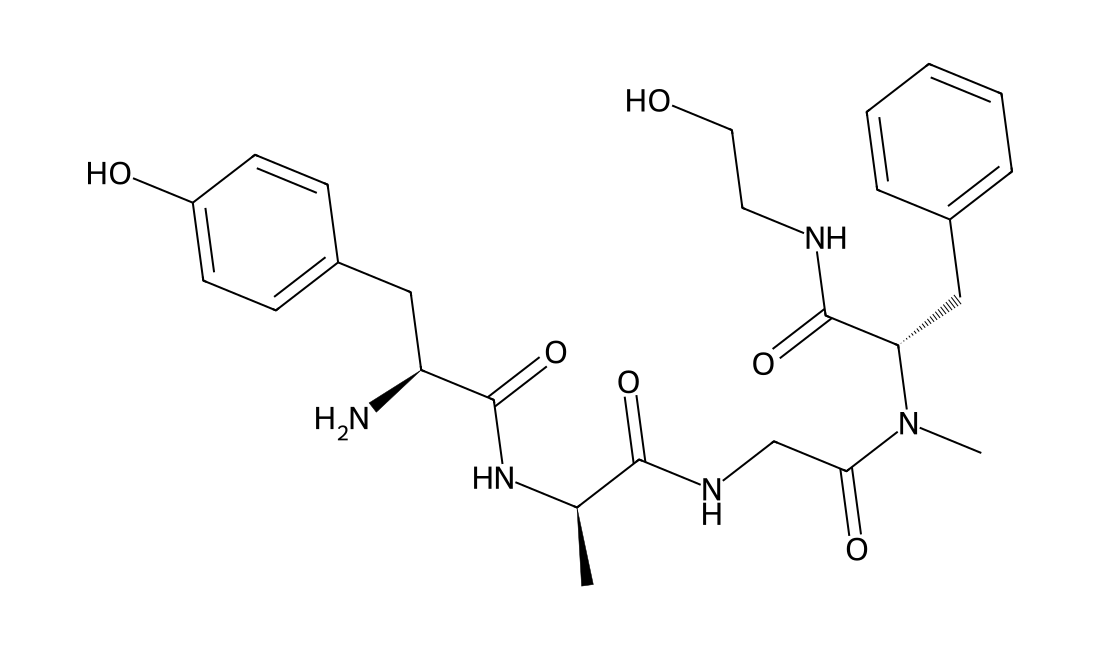
DAMGOFeatured
DAMGO is a μ-opioid receptor (μ-OPR ) selective agonist.
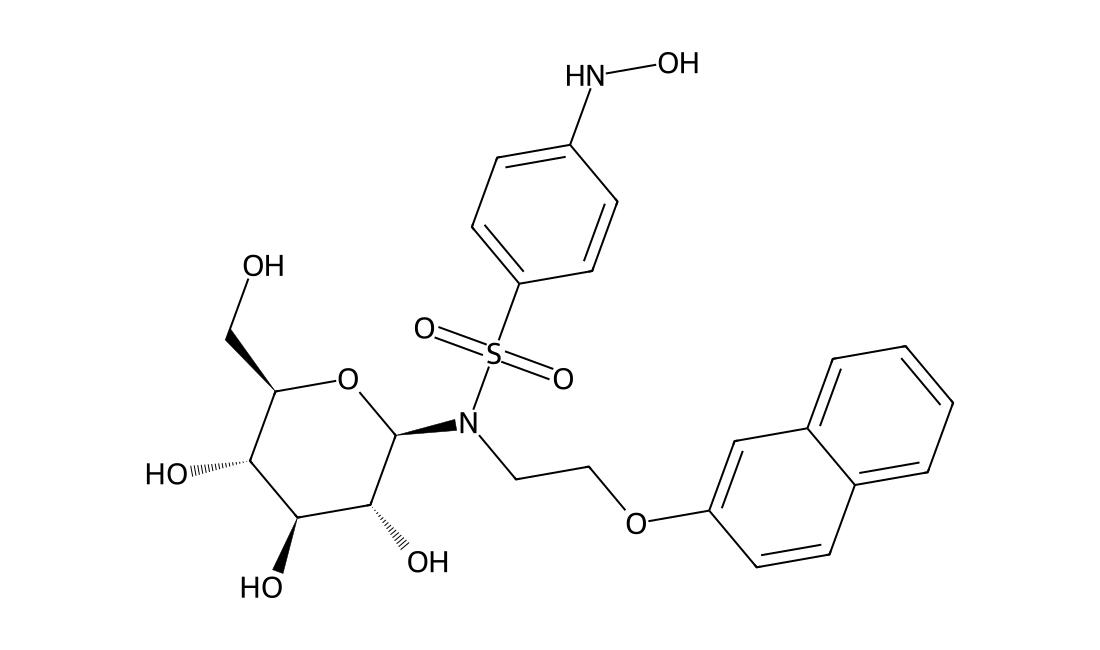
SCH 54292 is a potent Ras-GEF interaction inhibitor with IC50 of 0.7 uM.
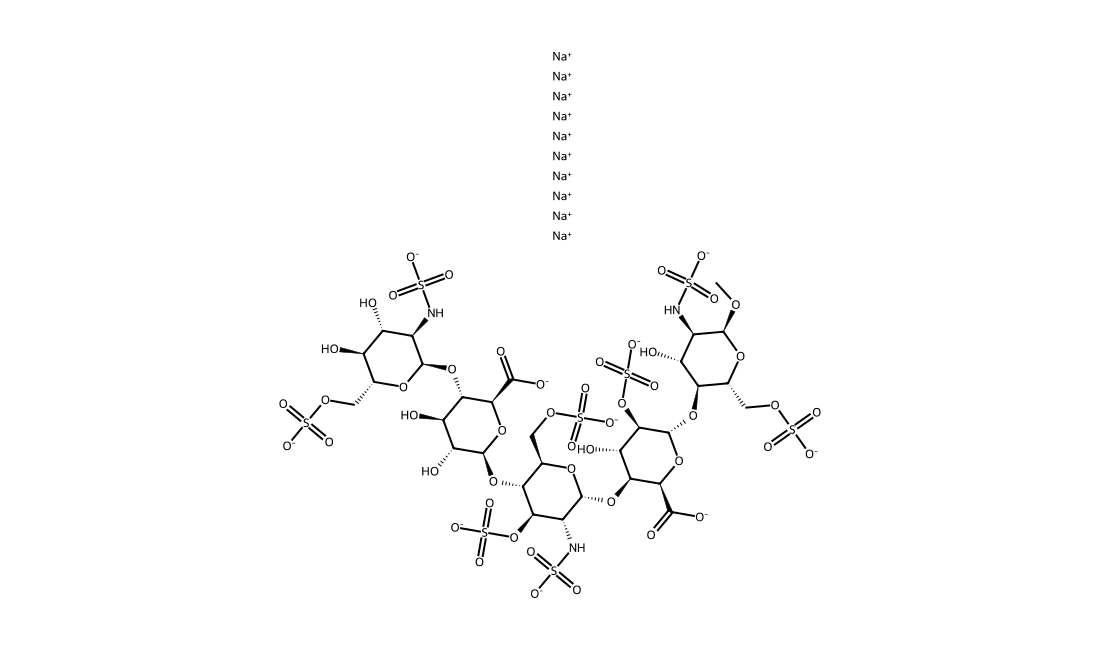
Fondaparinux sodiumFeatured
Fondaparinux sodium is an antithrombin-dependent factor Xa inhibitor.
Filanesib hydrochlorideFeatured
Filanesib (ARRY-520) hydrochloride is a selective and noncompetitive kinesin spindle protein (KSP) inhibitor, with an IC50 of 6 nM for human KSP. Filanesib induces cell death by apoptosis in vitro. Filanesib has potent anti-proliferative activity.
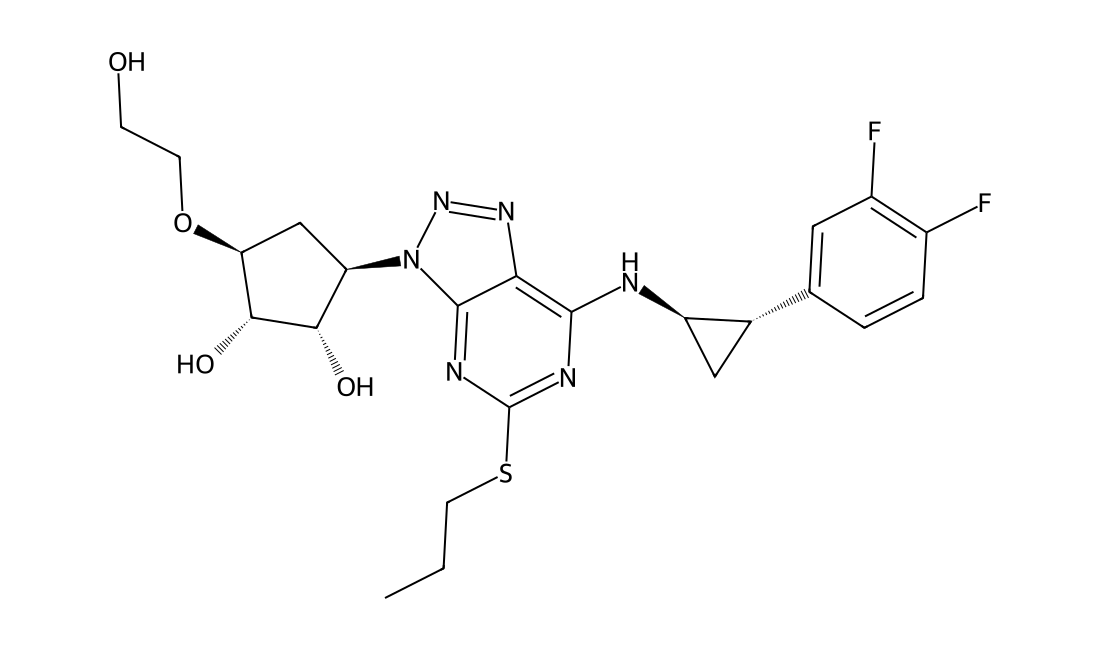
Ticagrelor (Brilinta,AZD6140)Featured
Ticagrelor (AZD6140) is a reversible oral P2Y12 receptor antagonist for the treatment of platelet aggregation.
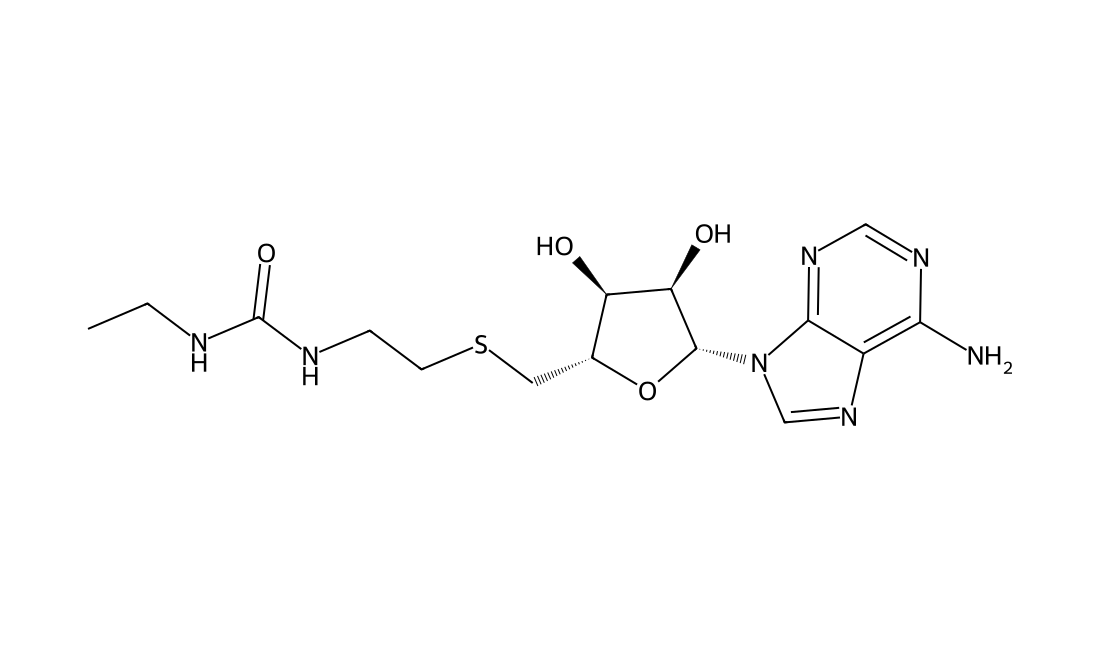
DS-437Featured
DS-437 is a potent, selective, dual inhibitor of PRMT5 and PRMT7 with IC50 of 6.0 uM for both, DS-437 is inactive against 29 other human protein-, DNA-, and RNA-methyltransferases; inhibits methylation of full-length histone 4 by PRMT5-MEP50 with an IC50 of 37 ± 1.2 μM in a biochemical assay; inhibits symmetrical dimethylation of PRMT5 substrates in cells.
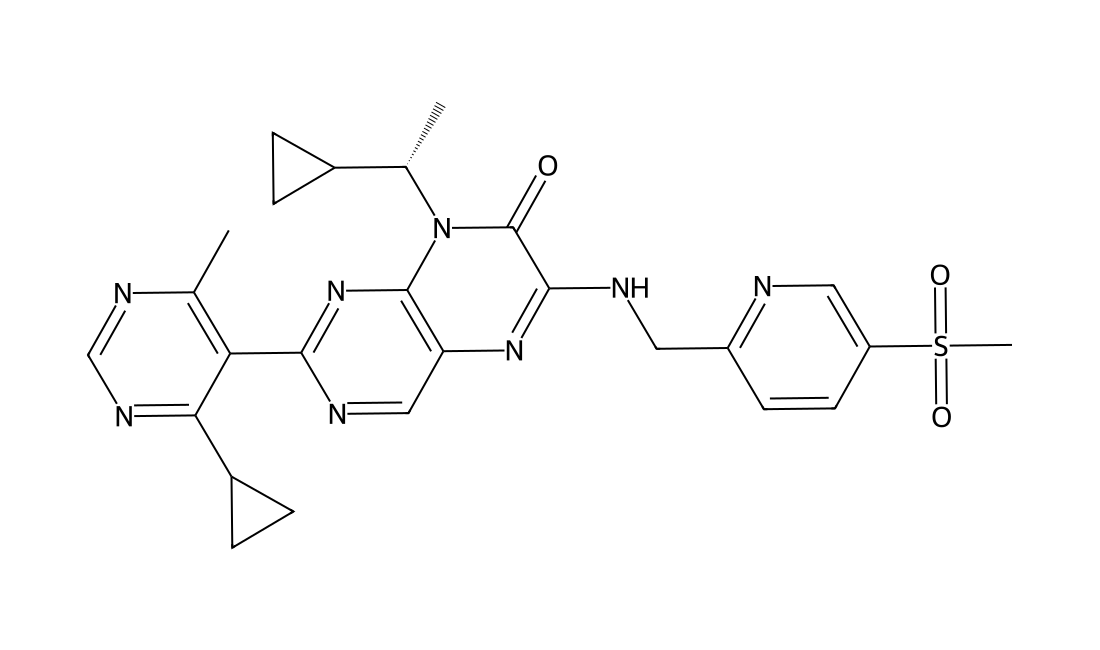
BevurogantFeatured
Bevurogant is a retinoid-related orphan receptor-gamma t (RORγt) antagonist. Bevurogant can be used for the research of chronic inflammatory diseases.
No products match this search.
Page 381 of 384 · Browse all 7677 products
Jump to a product page
Featured literature product: HX1 · DCL0028
HX1 is a hydroxyzine-derived ionizable lipid with acetal-containing tails, studied in lipid nanoparticles for brain mRNA delivery and CRISPR–Cas9 delivery. It was the lead in the reported in vivo brain-delivery screen; evidence is preclinical and formulation-dependent.
Read full formulation and performance →