
Research lipid catalog
Ionizable Lipid Products
Explore 848 lipid and RNA delivery products. Search the full catalog or browse by research category.
Search covers product name, catalog number, synonyms, available CAS numbers and categories. Spaces, hyphens and common punctuation are ignored. Duplicate legacy records are consolidated under one canonical product result.
7677 products · Showing 7281–7300 · 20 per page
DC Chemicals lipid expertise
Built for ionizable-lipid discovery and RNA delivery research
DC Chemicals supports formulation and delivery research with a broad, searchable portfolio of cationic and ionizable lipids. The current directory brings together 848 unique research-use products, with product specifications, pricing, chemical structures and literature-linked formulation data added as each record is verified.
Our experience spans complex lipid synthesis, purification, analytical release and process development. For custom molecules or larger-scale requirements, our team can discuss route development, technical specifications and scale-up options for the intended research workflow.
Learn about cationic and ionizable lipids →Proprietary innovation · Co-development · GMP
From proprietary lipid design to GMP-grade custom synthesis
DC Chemicals has independently developed ionizable-lipid structures supported by company-owned intellectual property, and selected proprietary lipid programs have advanced to GMP-stage development.
We welcome joint development with customers—from molecular design and lipid synthesis through route and process development. We can also support custom synthesis of GMP-grade ionizable lipids to agreed technical specifications and quality requirements.
Discuss a co-development project →Proprietary ionizable-lipid structuresCollaborative molecular designCustom lipid synthesisProcess development and scale-upGMP-grade project support
Product quick links
Explore New ionizable lipids
Explore our five most recently added ionizable lipids, with specifications, pricing and literature-linked product information.
DCL0028HX1Brain RNA delivery researchView product →DCL0024A1I4R13C18-2Spleen-targeted RNA delivery researchView product →DCL0023A1I4R2C18-2Spleen-targeted RNA delivery researchView product →DCL0022FS01Local joint RNA delivery researchView product →DCL0020Lipid-392Lung RNA delivery and gene editing researchView product →
Cat. No.Product NameField of ApplicationChemical Structure
PD-1/PD-L1-IN-NP19Featured
PD-1/PD-L1-IN-NP19 is a PD-1/PD-L1 inhibitor, with an IC50 of 12.5 nM for human PD-1/PD-L1 interaction. PD-1/PD-L1-IN-NP19 could activate the immune microenvironment in tumor, which may contribute to its antitumor effects.
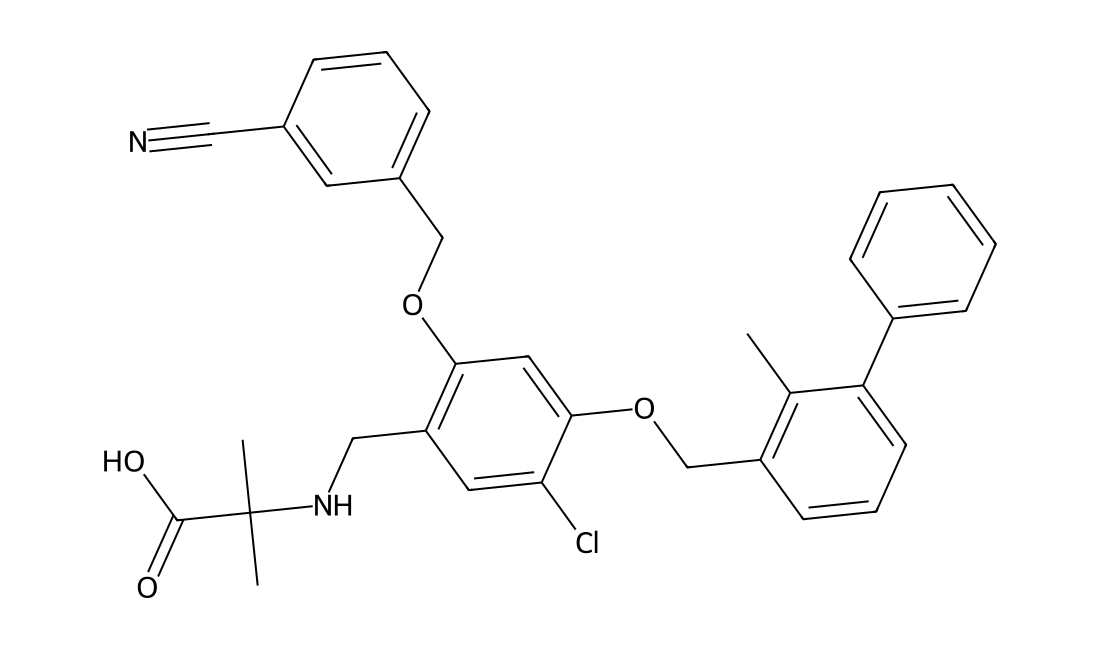
Lanraplenib monosuccinateFeatured
Lanraplenib monosuccinate (GS-9876 monosuccinate) is a highly selective and orally active SYK inhibitor (IC50=9.5 nM) in development for the treatment of inflammatory diseases. Lanraplenib monosuccinate (GS-9876 monosuccinate) inhibits SYK activity in platelets via the glycoprotein VI (GPVI) receptor without prolonging bleeding time (BT) in monkeys or humans.
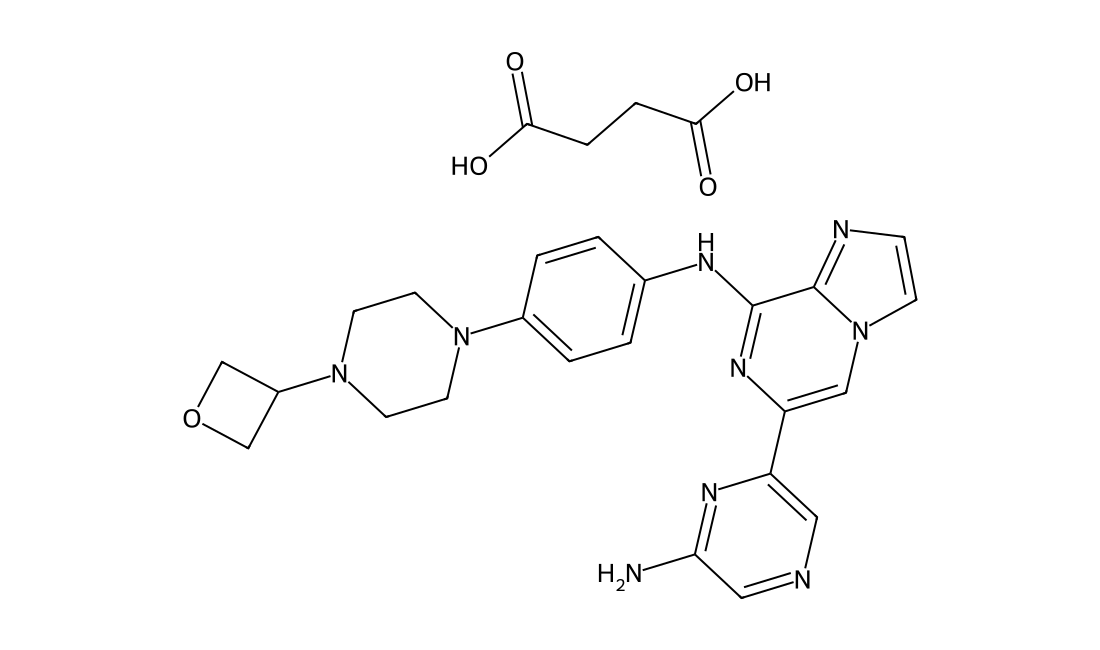
RO0711401Featured
RO0711401 is a selective and orally active positive allosteric modulator of mGlu1 receptor with an EC50 of 56 nM.
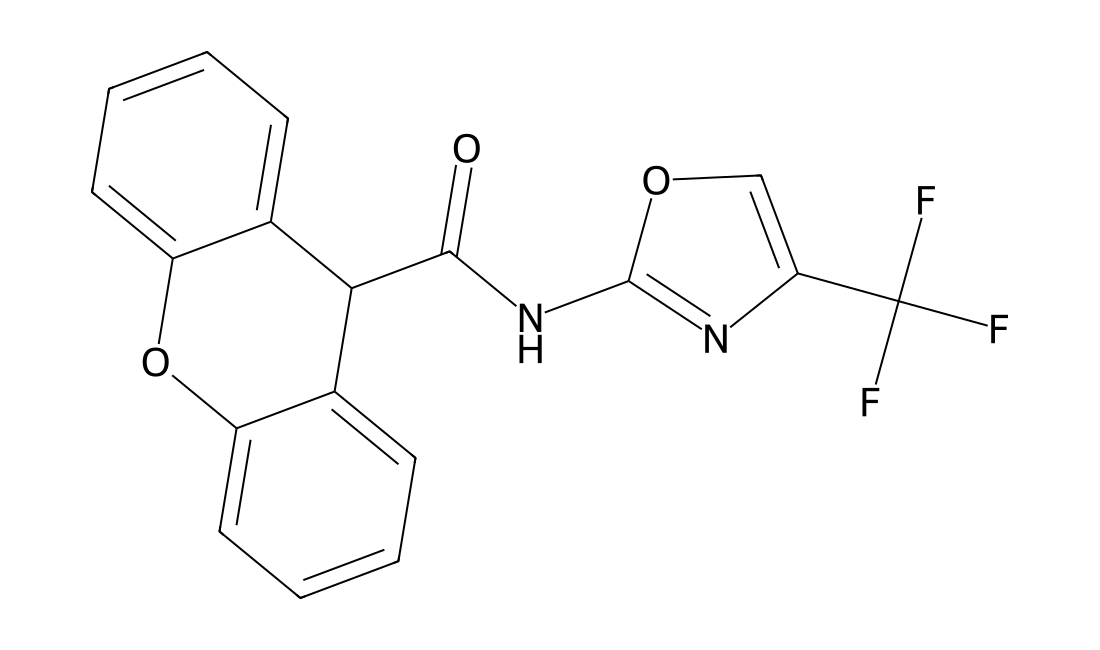
NITD-2Featured
NITD-2, a dengue virus (DENV) polymerase inhibitor, inhibits the DENV RdRp-mediated RNA elongation. NITD-2 penetrates cell membrane poorly.
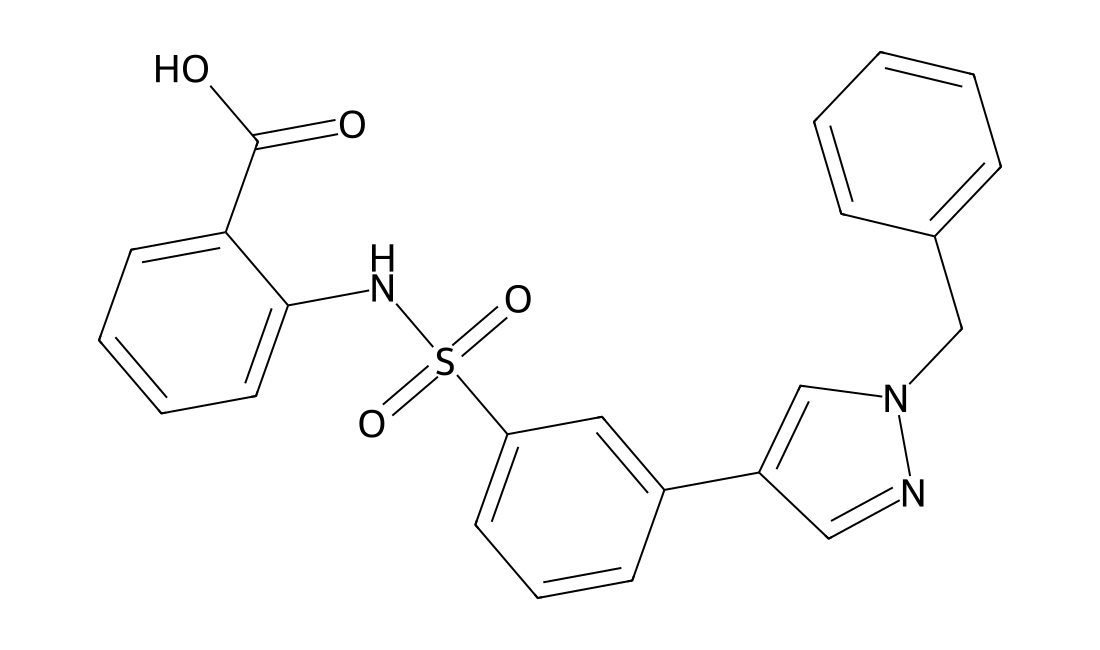
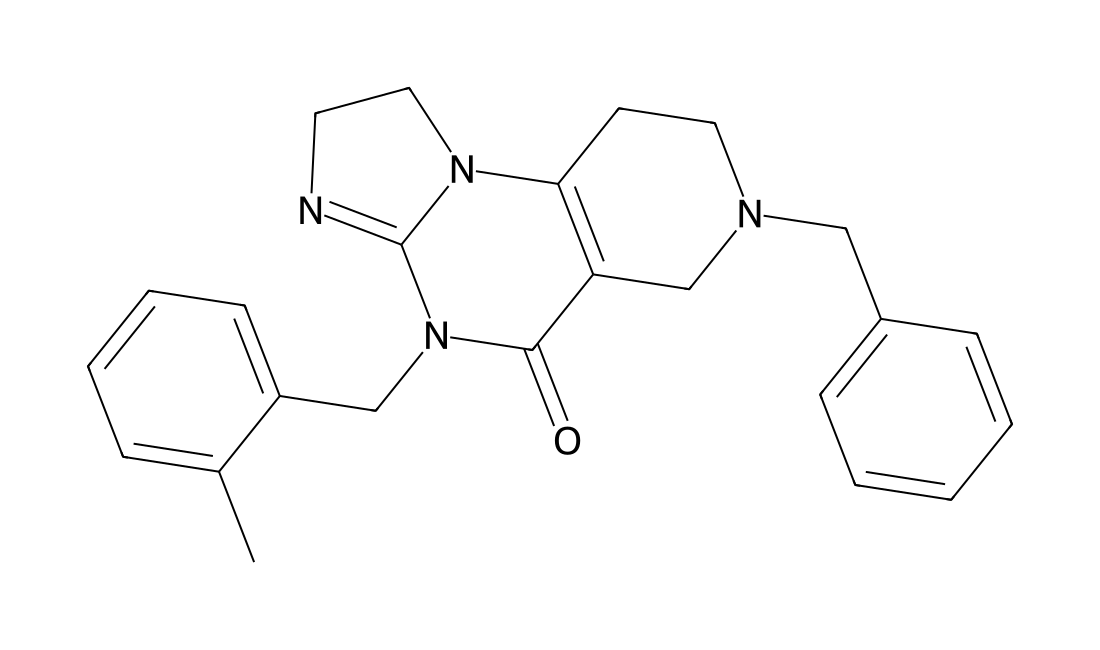
TIC10Featured
TIC10 inactivates Akt and ERK to induce TRAIL through Foxo3a, possesses superior drug properties: delivery across the blood-brain barrier, superior stability and improved pharmacokinetics
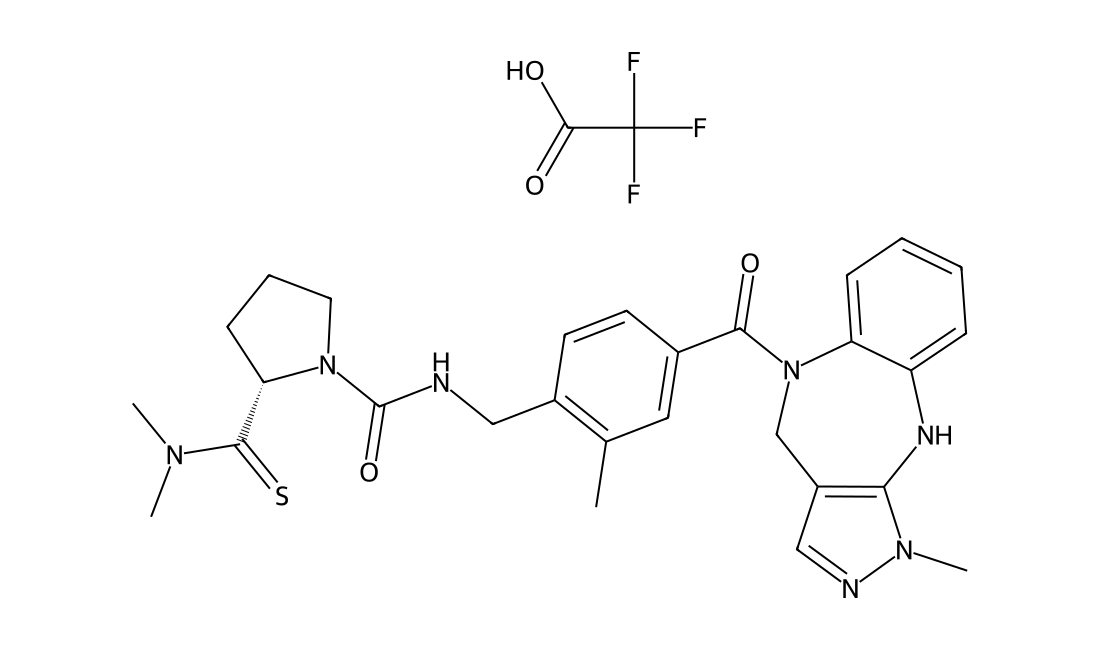
LIT-001 trifluoroacetateFeatured
LIT-001 trifluoroacetate (LIT001) is the first nonpeptide Oxytocin receptor (OT-R) agonist with EC50 of 55 nM, Emax=96%; efficiently relieved social interaction deficits in Oprm1−/− mice, a mouse model of autism.
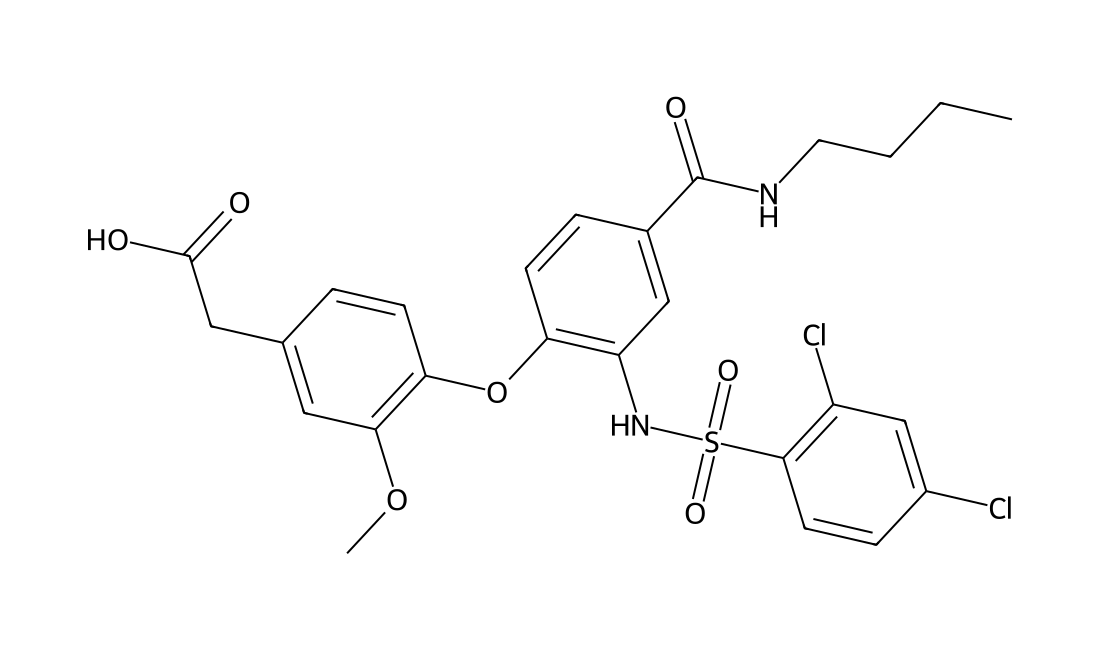
AMG-009Featured
AMG 009 is an orally active, small molecule CRTH2 (chemoattractant receptor-homologous molecule expressed on Th2 cells) and DP (D prostanoid) dual antagonist, which was in preclinical development in the US for the treatment of asthma and allergic rhinitis.
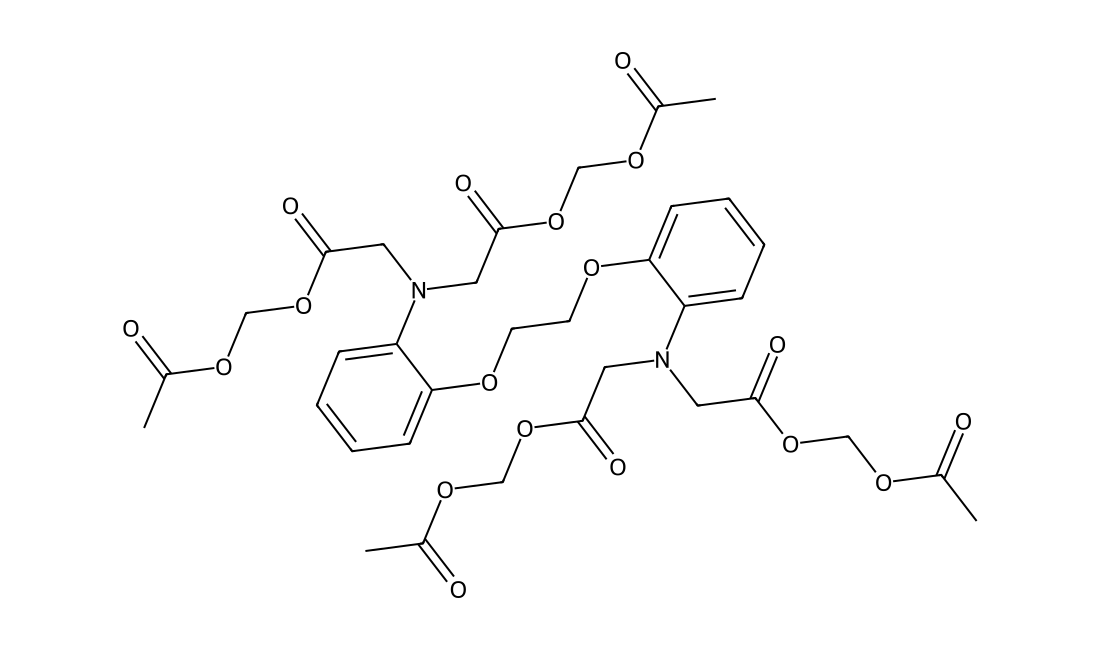
BAPTA/AM(BAPTA-AM)Featured
BAPTA-AM is an intracellular calcium chelator.
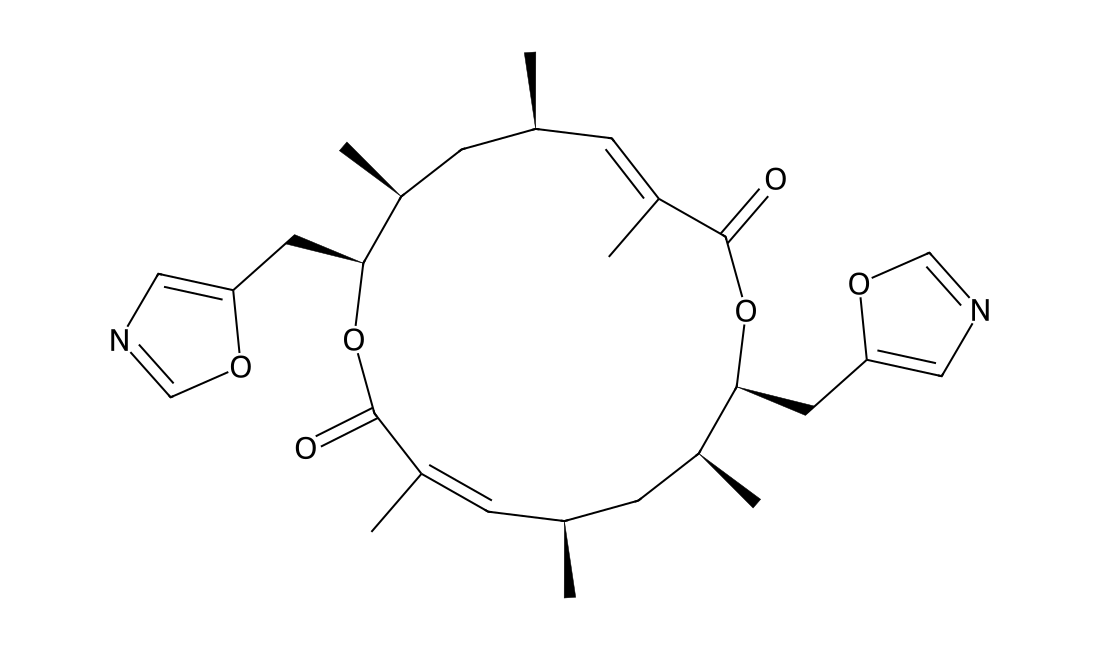
ConglobatinFeatured
Conglobatin (FW-04-806), a macrolide dilactone, is isolated from the culture of Streptomyces conglobatus. Conglobatin is an orally active Hsp90 inhibitor. Conglobatin can bind to the N-terminal domain of Hsp90 and disrupt Hsp90-Cdc37 complex formation. Conglobatin induces apoptosis in human breast cancer cells and esophageal squamous cell carcinoma cells, and exhibits antitumor activity in vivo.
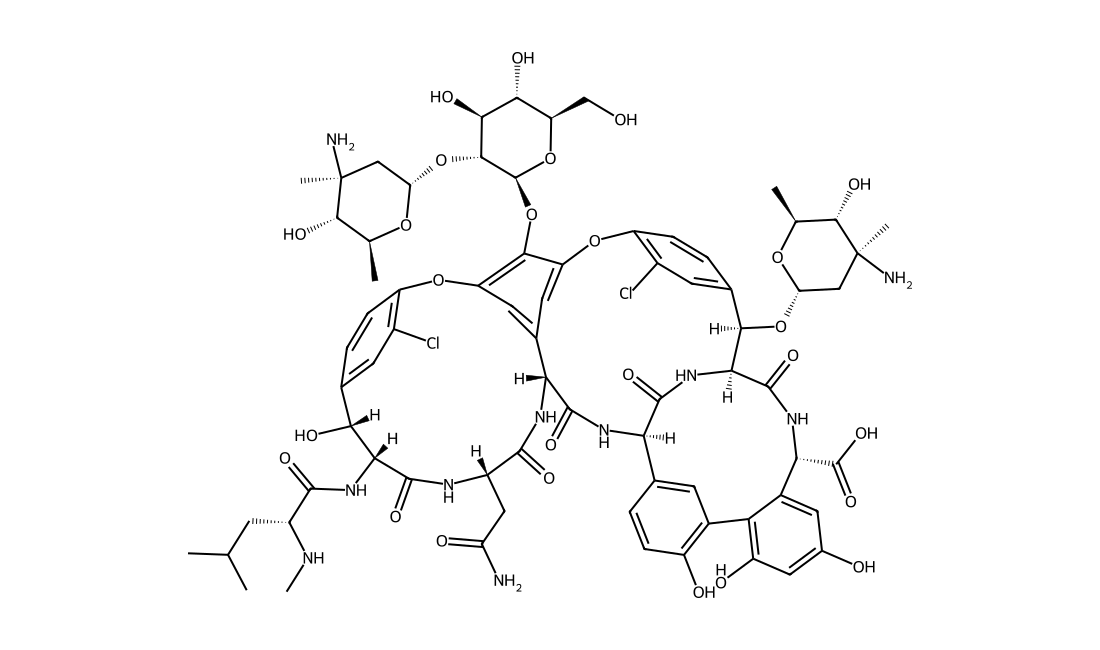
Chloroorienticin AFeatured
Chloroorienticin A (A82846B) is a glycopeptide antibiotic. Chloroorienticin A exhibits excellent activity against staphylococci and streptococci.
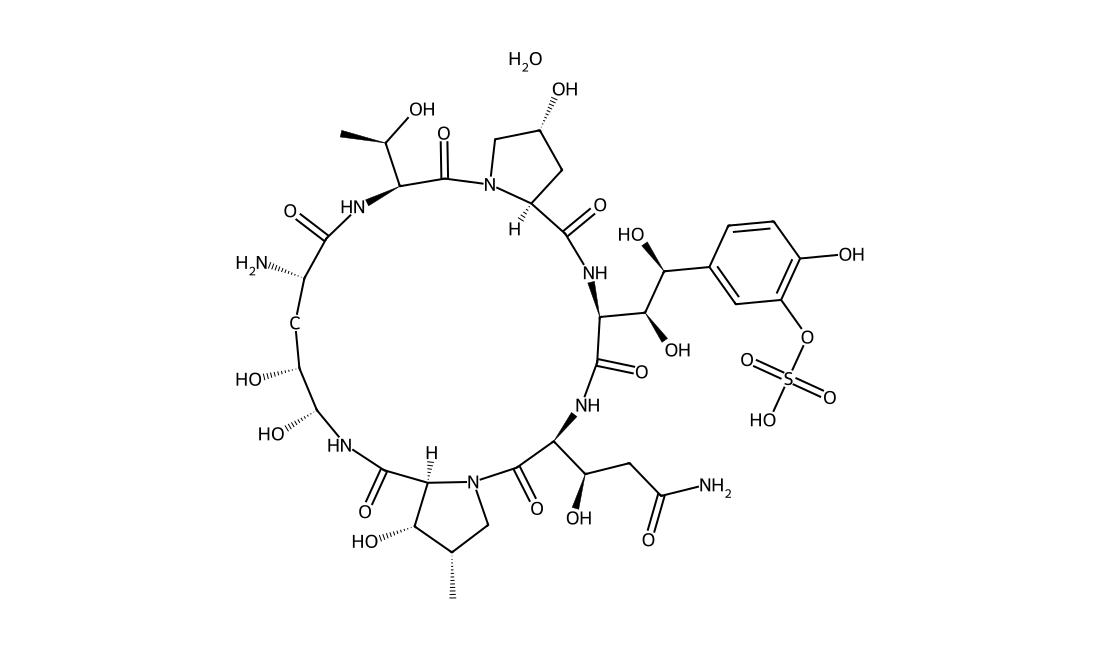
FR179642 hydrateFeatured
FR179642 hydrate is the cyclic peptide nucleus of the lipopeptide antifungal FR901379 and an intermediate in the synthesis of the echinocandin antifungal FK463.
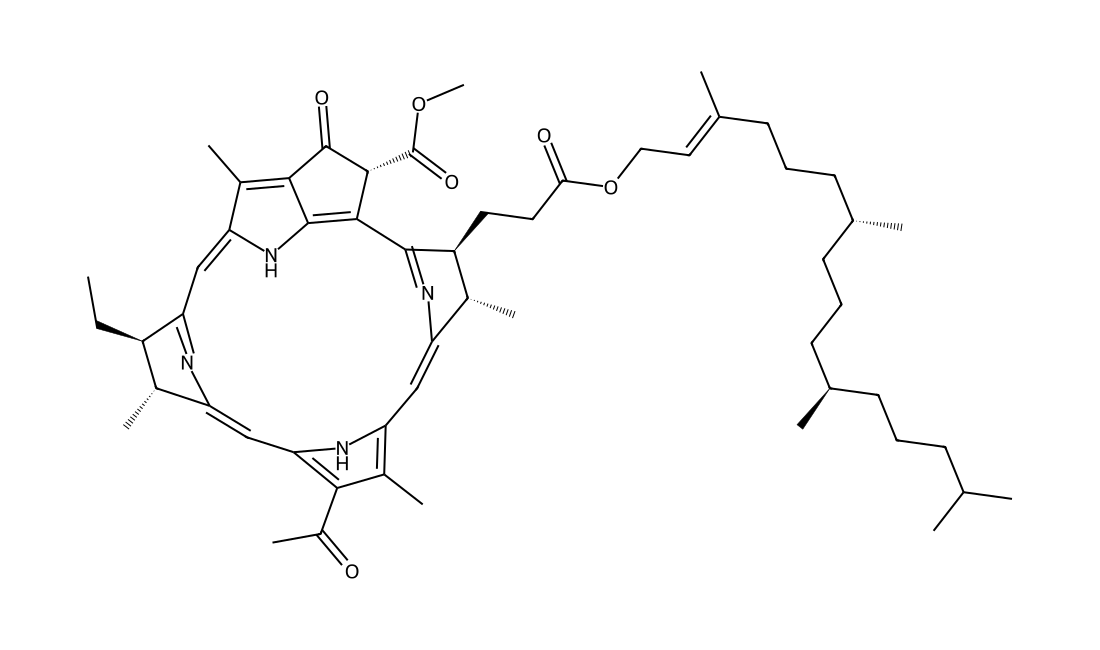
BacteriopheophytinFeatured
Bacteriopheophytin, also known as Bacteriopheophytin a, is a Pigment which is the degradation product of bacteriochlorophyll.
ZotarolimusFeatured
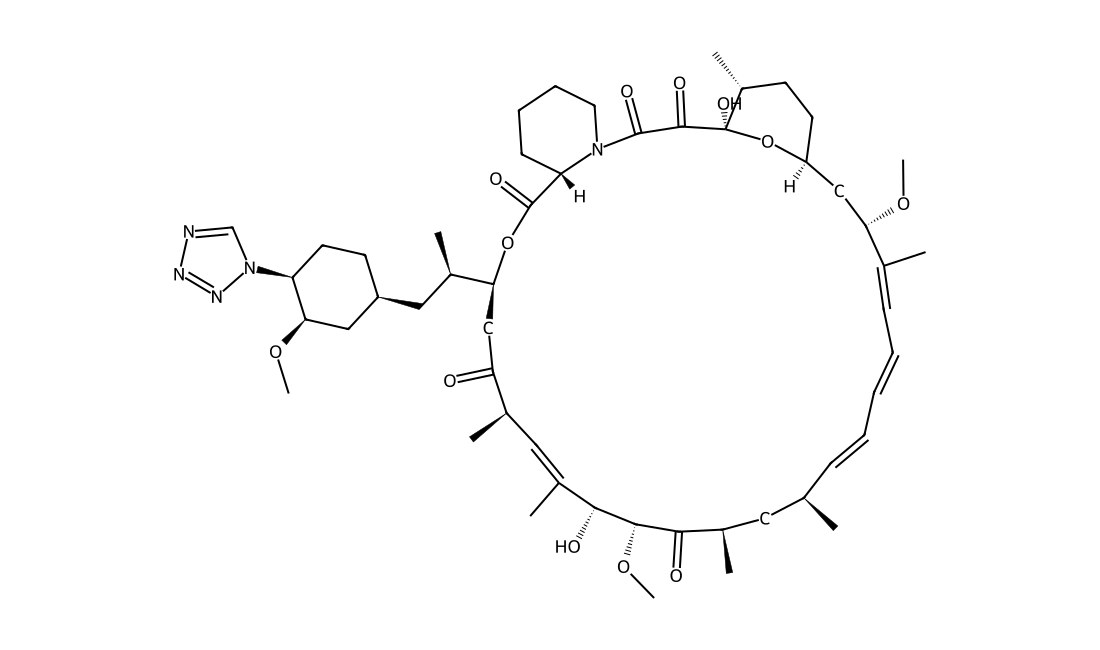
Zotarolimus (ABT-578, A 179578) is a semi-synthetic analogue of rapamycin, inhibits FKBP-12 binding with IC50 of 2.8 nM and shows less potent systemic immunosuppression than rapamycin; effectively inhibits both smooth muscle cell and endothelial cell proliferation, with IC50 values of 2.9 nM and 2.6 nM, respectively; exhibits high-affinity binding to the immunophilin FKBP12, inhibiting in vitro proliferation of both human and rat T cells; inhibits Con A-induced human T cells with IC50 of 7.0 nM; reduce early complications and improve late clinical outcomes in patients needing interventional cardiology.
Virginiamycin M1Featured
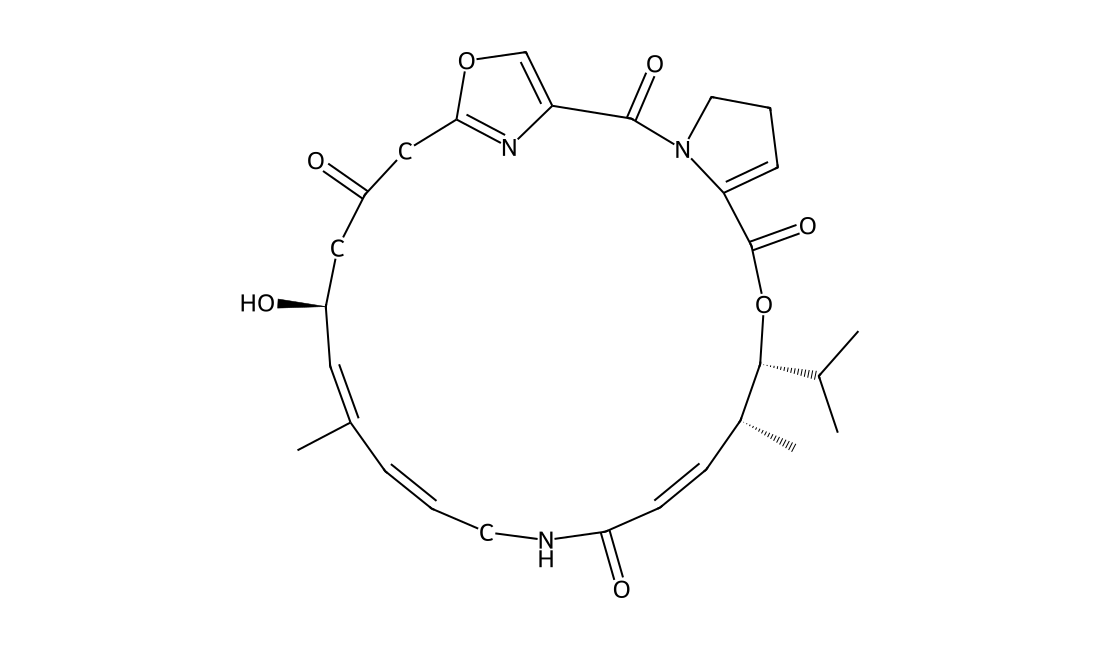
Virginiamycin M1 (Pristinamycin IIA; Ostreogrycin A), produced by Streptomyces virginiae, is an polyunsaturated macrocyclic lactone antibiotic and acts as a component of Virginiamycin (HY-112665). Virginiamycin M1 alone is against Staphylococcus aureus with a MIC of 0.25 μg/mL.
EmodepsideFeatured
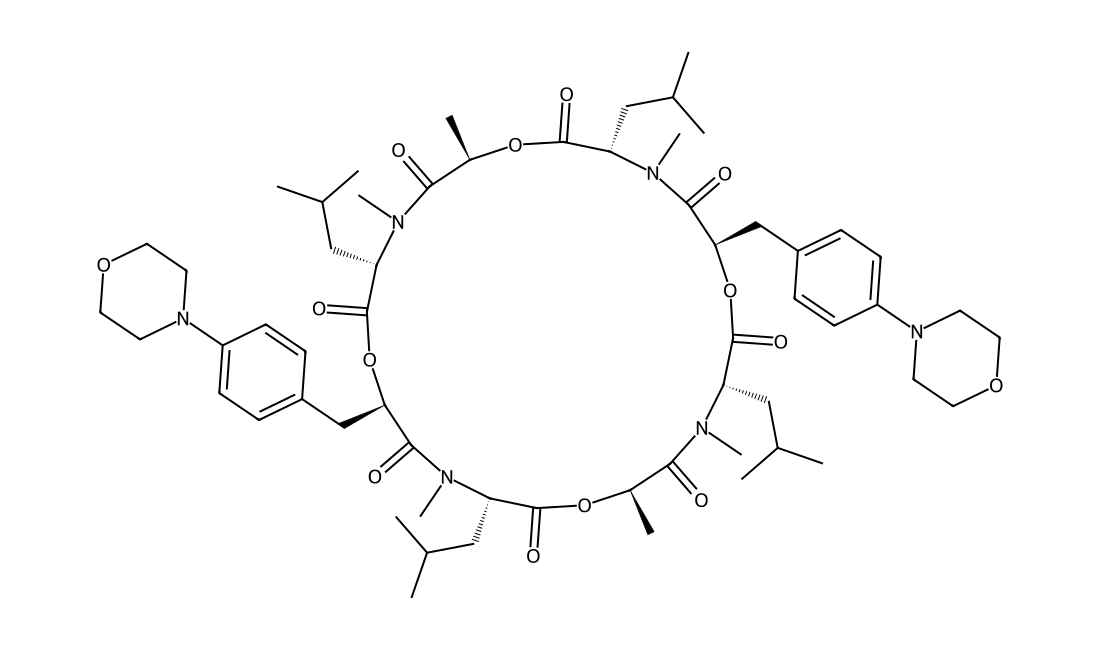
Emodepside (PF 1022-221) is a cyclooctadepsipeptide with broad-spectrum anthelmintic activity.
CarubicinFeatured
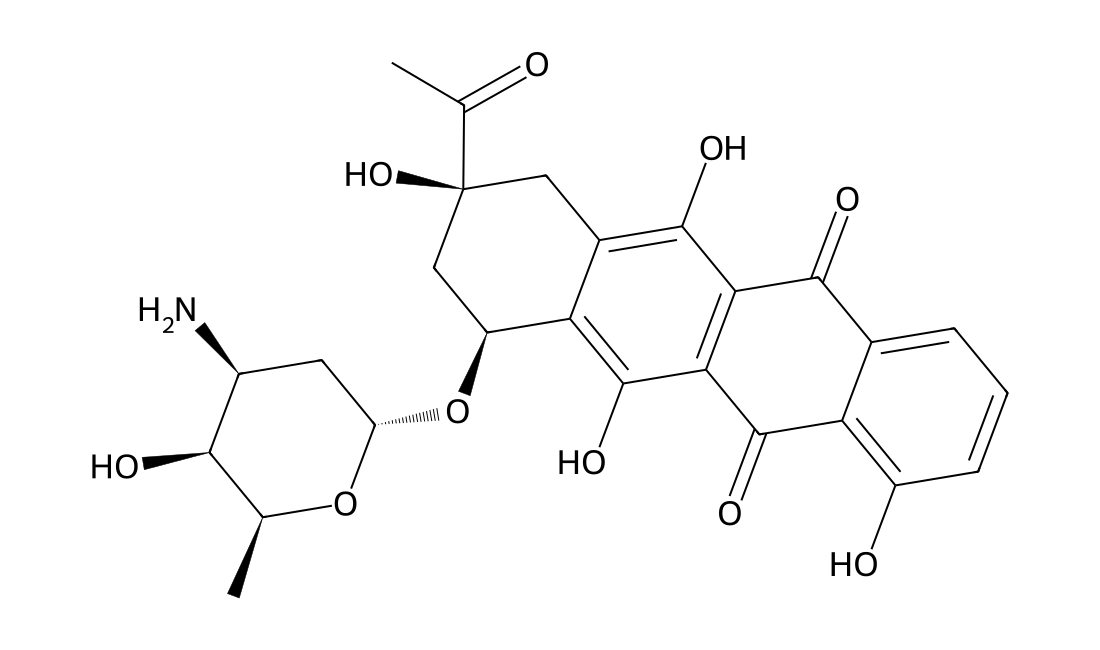
Carubicin is an anthracycline antineoplastic antibiotic isolated from the bacterium Actinomadura carminata. Carubicin intercalates into DNA and interacts with topoisomerase II, thereby inhibiting DNA replication and repair and RNA and protein synthesis. For the detailed information of Carubicin, the solubility of Carubicin in water, the solubility of Carubicin in DMSO, the solubility of Carubicin in PBS buffer, the animal experiment (test) of Carubicin, the cell expriment (test) of Carubicin, the in vivo, in vitro and clinical trial test of Carubicin, the EC50, IC50,and affinity,of Carubicin, For the detailed information of Carubicin, the solubility of Carubicin in water, the solubility of Carubicin in DMSO, the solubility of Carubicin in PBS buffer, the animal experiment (test) of Carubicin, the cell expriment (test) of Carubicin, the in vivo, in vitro and clinical trial test of Carubicin, the EC50, IC50,and affinity,of Carubicin, Please contact DC Chemicals.
PF-05105679Featured
PF-05105679 is a potent, selective TRPM8 channel inhibitor with IC50 of 103 nM (human TRPM8 currents inhibition); displays >100-fold selectivity against a broad panel of 90 receptors, ion channels, and enzymes; demonstrates moderately potency against agonist (WS-12) and cold modalities of activation of TRPM8 in plate-based assay formats with IC50 of 181 and 480 nM, respectively, shows increased potency on voltage activation in HEK-293 cells at 12°C with IC50 of 13.8 nM; demonstrates activity in vivo in the guinea pig bladder ice water and menthol challenge tests with an IC50 of 200 nM and reduces core body temperature in the rats, and reduces pain in the cold pressor test in humans. Pain Phase 1 Clinical
Propargylcholine bromideFeatured
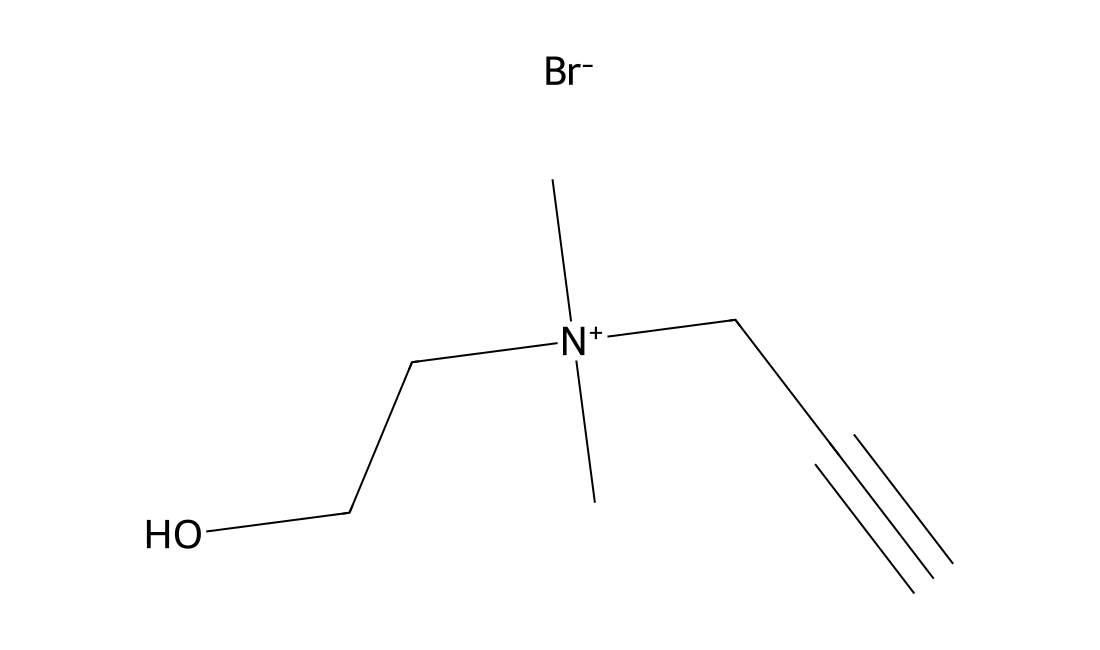
Propargylcholine bromide is a choline analogue containing terminal propargyl that can be incorporated into all classes of Choline-containing phospholipids such as phosphatidylcholine and sphingomyelin, labeling Choline-containing phospholipids. Propargylcholine bromide-labeled phospholipid molecules can be visualized in cells with high sensitivity and spatial resolution.
UNC2541Featured
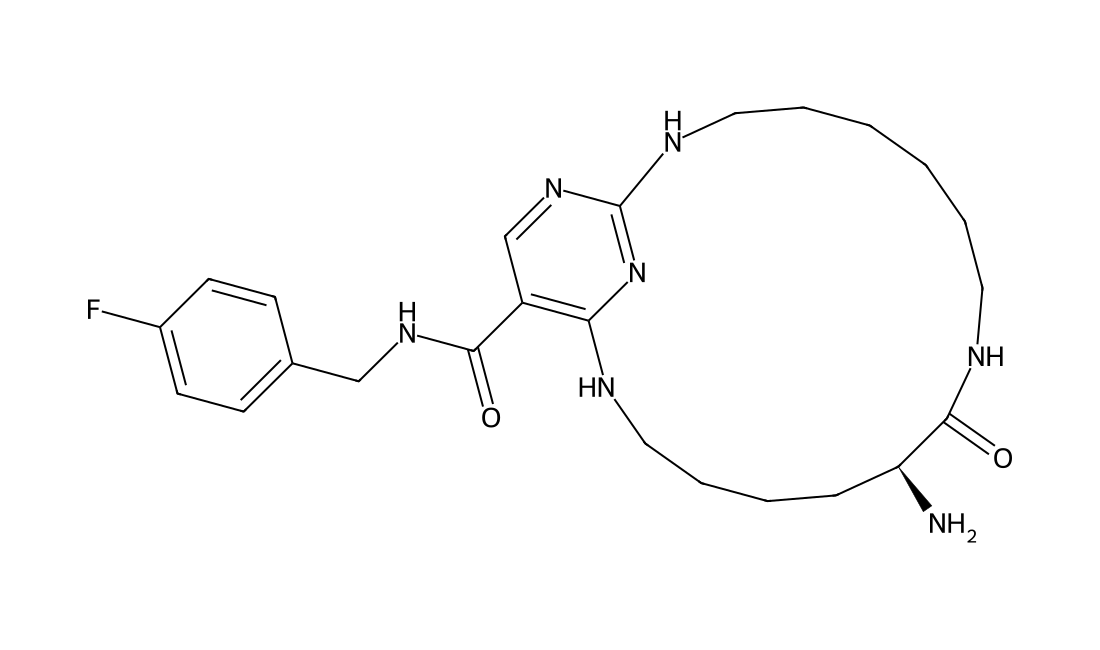
UNC2541 is a potent and MerTK-specific inhibitor that exhibits sub-micromolar inhibitory activity in the cell-based ELISA. In addition, an X-ray structure of MerTK protein in complex with 11 was resolved to show that these macrocycles bind in the MerTK ATP pocket. UNC2541 showed IC50 MerTH=4.4 nM; IC50 AXL = 120 nM; IC50 TYRO3 = 220 nM; IC50 FLT3 = 320 nM.
CAY10594Featured
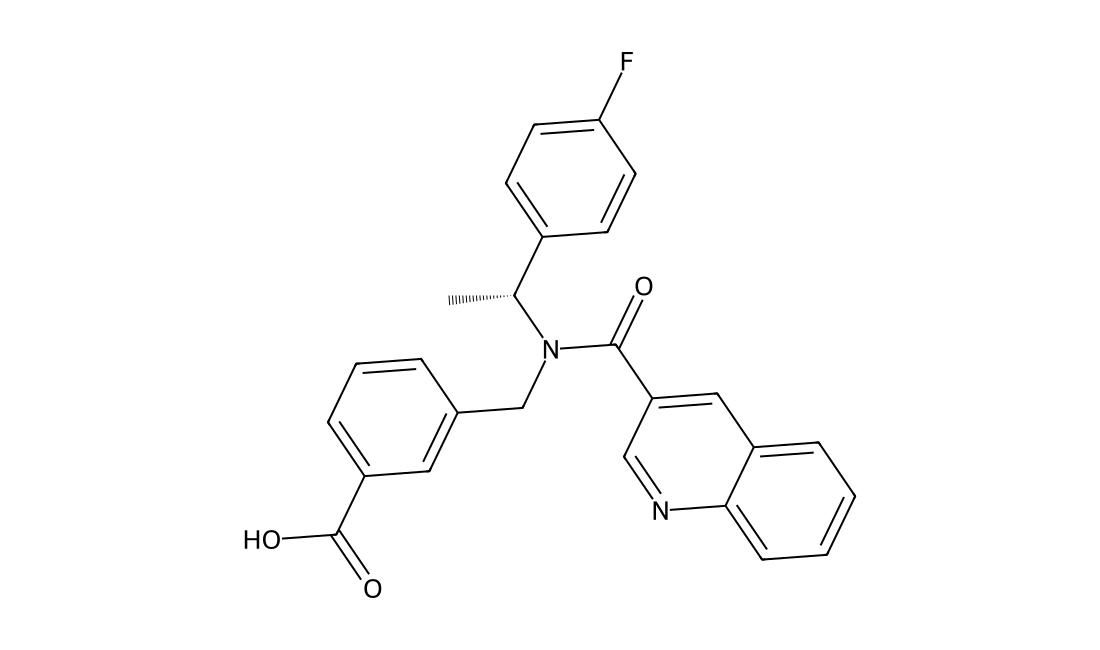
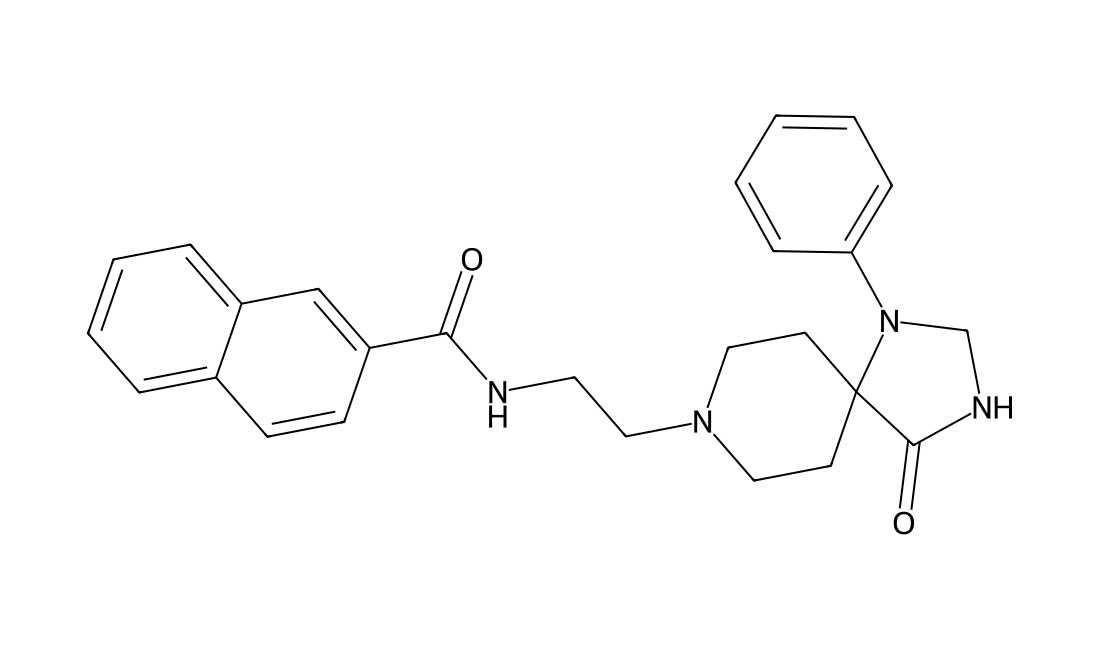
CAY10594 is a potent phospholipase D2 inhibitor. CAY10594 ameliorates acetaminophen-induced acute liver injury by regulating the phosphorylated-GSK-3β/JNK axis.
No products match this search.
Page 365 of 384 · Browse all 7677 products
Jump to a product page
Featured literature product: HX1 · DCL0028
HX1 is a hydroxyzine-derived ionizable lipid with acetal-containing tails, studied in lipid nanoparticles for brain mRNA delivery and CRISPR–Cas9 delivery. It was the lead in the reported in vivo brain-delivery screen; evidence is preclinical and formulation-dependent.
Read full formulation and performance →