
Research lipid catalog
Ionizable Lipid Products
Explore 848 lipid and RNA delivery products. Search the full catalog or browse by research category.
Search covers product name, catalog number, synonyms, available CAS numbers and categories. Spaces, hyphens and common punctuation are ignored. Duplicate legacy records are consolidated under one canonical product result.
7677 products · Showing 7381–7400 · 20 per page
DC Chemicals lipid expertise
Built for ionizable-lipid discovery and RNA delivery research
DC Chemicals supports formulation and delivery research with a broad, searchable portfolio of cationic and ionizable lipids. The current directory brings together 848 unique research-use products, with product specifications, pricing, chemical structures and literature-linked formulation data added as each record is verified.
Our experience spans complex lipid synthesis, purification, analytical release and process development. For custom molecules or larger-scale requirements, our team can discuss route development, technical specifications and scale-up options for the intended research workflow.
Learn about cationic and ionizable lipids →Proprietary innovation · Co-development · GMP
From proprietary lipid design to GMP-grade custom synthesis
DC Chemicals has independently developed ionizable-lipid structures supported by company-owned intellectual property, and selected proprietary lipid programs have advanced to GMP-stage development.
We welcome joint development with customers—from molecular design and lipid synthesis through route and process development. We can also support custom synthesis of GMP-grade ionizable lipids to agreed technical specifications and quality requirements.
Discuss a co-development project →Proprietary ionizable-lipid structuresCollaborative molecular designCustom lipid synthesisProcess development and scale-upGMP-grade project support
Product quick links
Explore New ionizable lipids
Explore our five most recently added ionizable lipids, with specifications, pricing and literature-linked product information.
DCL0028HX1Brain RNA delivery researchView product →DCL0024A1I4R13C18-2Spleen-targeted RNA delivery researchView product →DCL0023A1I4R2C18-2Spleen-targeted RNA delivery researchView product →DCL0022FS01Local joint RNA delivery researchView product →DCL0020Lipid-392Lung RNA delivery and gene editing researchView product →
Cat. No.Product NameField of ApplicationChemical Structure
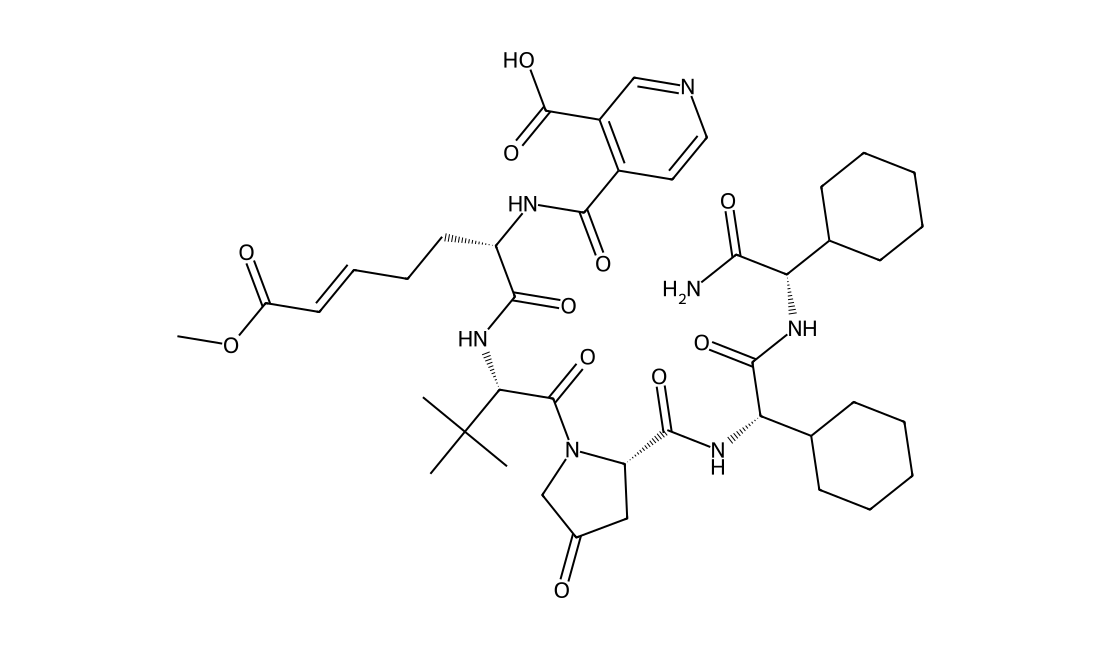
ZED3197Featured
ZED3197 (ZED-3197) is a novel peptidomimetic direct-acting, potent and selective inhibitor of human FXIIIa, inhibits human plasma derived FXIII‐A2B2 and the recombinant cellular form (FXIII‐A2) with IC50 of 10 and 14 nM, respectively.ZED3197 strongly blocks FXIII‐A2 from mouse, rat, rabbit, dog, and cynomolgus monkey (IC50 8-30 nM), is a significantly weaker inhibitor of FXIII‐A2 from pig (IC50=220 nM).ZED3197 displays 20‐fold to 3000‐fold selectivity against human transglutaminases TG1, TG2, TG3, and TG7.ZED3197 prolonged clot formation, reduced clot firmness, and facilitated clot lysis in whole human blood without affecting the clotting time, indicating minimal impact on hemostasis.ZED3197 effectively decreased the weight of clots and facilitated flow restoration without prolongation of the bleeding time in vivo.
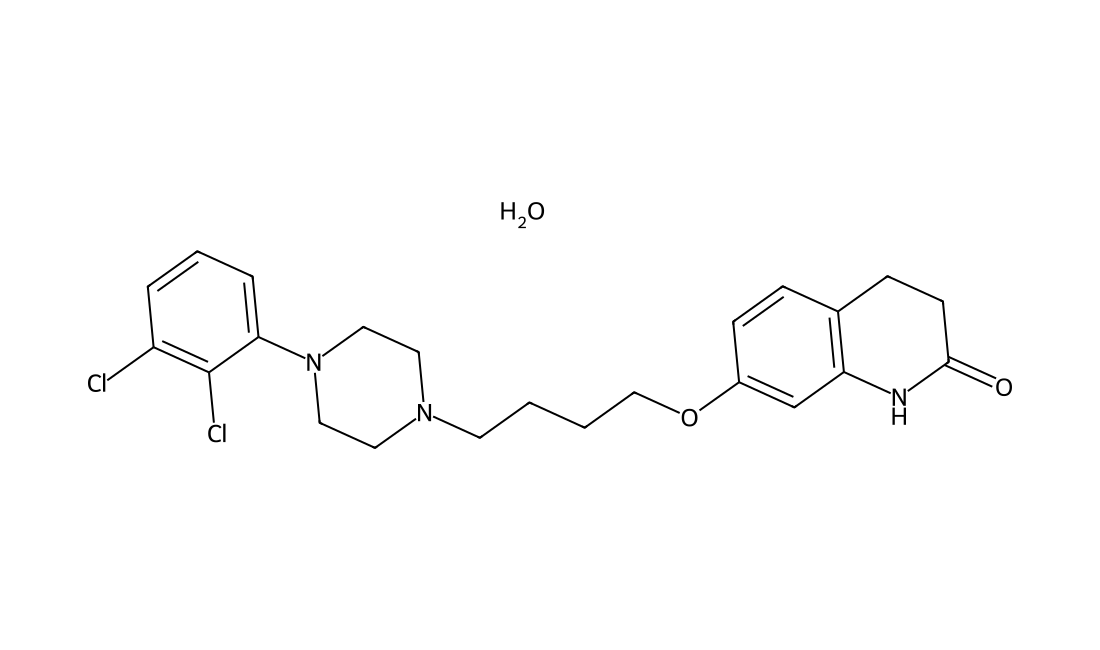
Aripiprazole monohydrateFeatured
Aripiprazole (OPC-14597) monohydrate, an atypical antipsychotic, is a potent and high-affinity dopamine D2 receptor partial agonist. Aripiprazole monohydrate is an inverse agonist at 5-HT2B and 5-HT2A receptors and displays partial agonist actions at 5-HT1A, 5-HT2C, D3, and D4 receptors. Aripiprazole monohydrate can be used for the research of schizophrenia and COVID19.
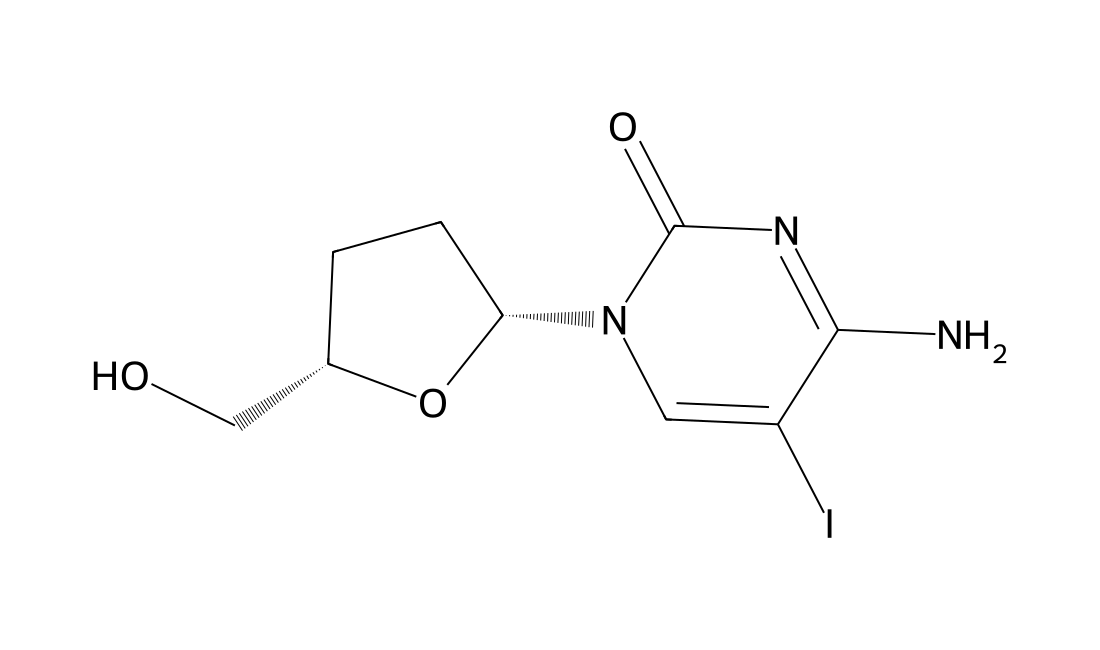
2',3'-Dideoxy-5-iodocytidineFeatured
2',3'-Dideoxy-5-iodocytidine is used for gene sequencing can be used as an antibiotic. 2',3'-Dideoxy-5-iodocytidine is particular effective against Mycobacterium.
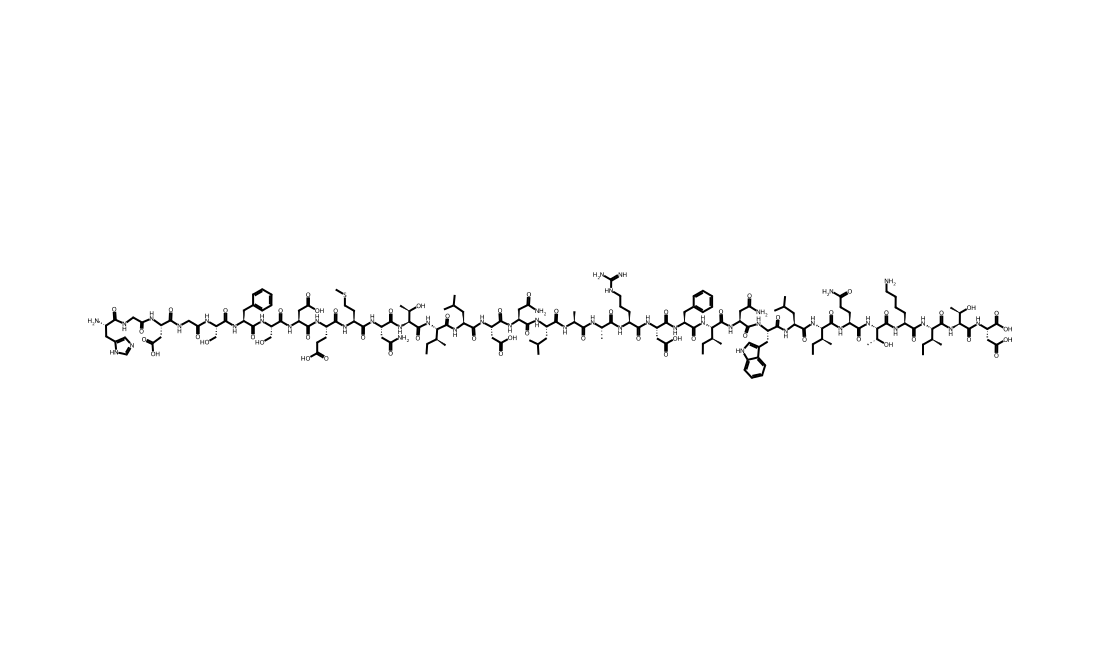
TeduglutideFeatured
Teduglutide (ALX-0600, Gattex, Revestive, TAK 633) is an analogue of human glucagon-like peptide-2 (GLP-2) and binds to the GLP-2 receptors. Teduglutide prolongs the intestinotrophic properties of GLP-2 in animal models.
PAβN dihydrochlorideFeatured
PAβN dihydrochloride (MC-207110 dihydrochloride) is an efflux pump inhibitor.
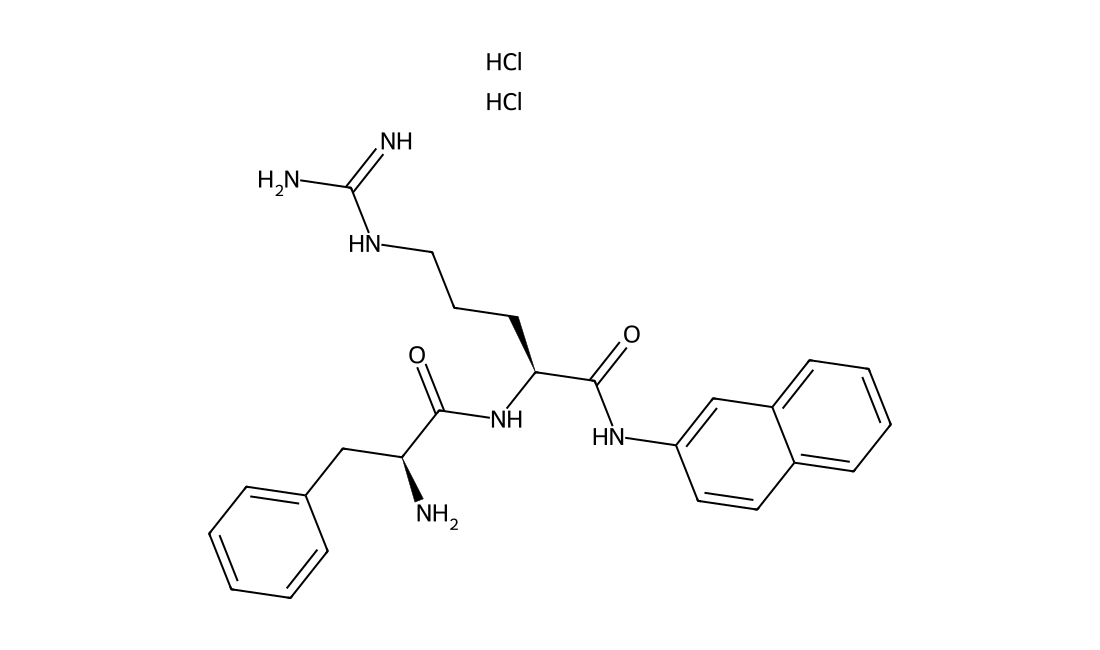
VT107Featured
VT-107, as an analogous to VT104, is an orally active and potent pan-TEAD auto-palmitoylation inhibitor. VT-107 can be used for the research of cancer.
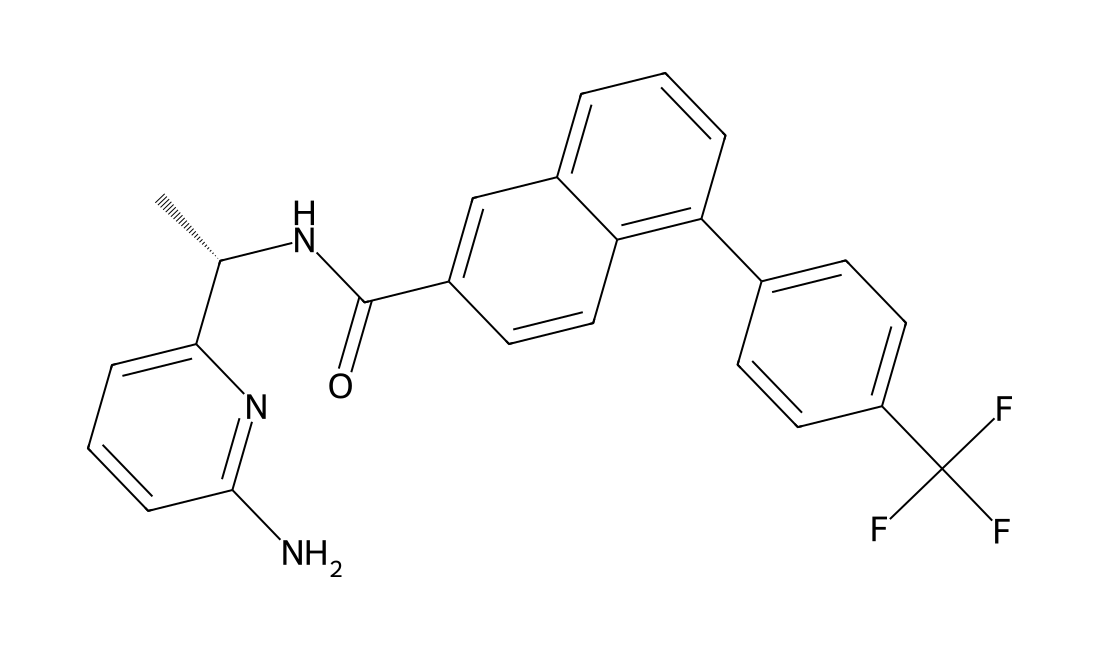
Gepotidacin mesylateFeatured
Gepotidacin, also known as GSK-2140944, is a potent Type II DNA topoisomerase inhibitor. Gepotidacin is a novel antibacterial drug candidate. Gepotidacin Demonstrates Absence of Fluoroquinolone-Like Arthropathy in Juvenile Rats. Gepotidacin is efficacious in a nonhuman primate model of pneumonic plague. When tested against Gram-negative (n = 333) and Gram-positive (n = 225) anaerobes by agar dilution, gepotidacin inhibited 90% of isolates at concentrations of 4 and 2 μg/mL, respectively.
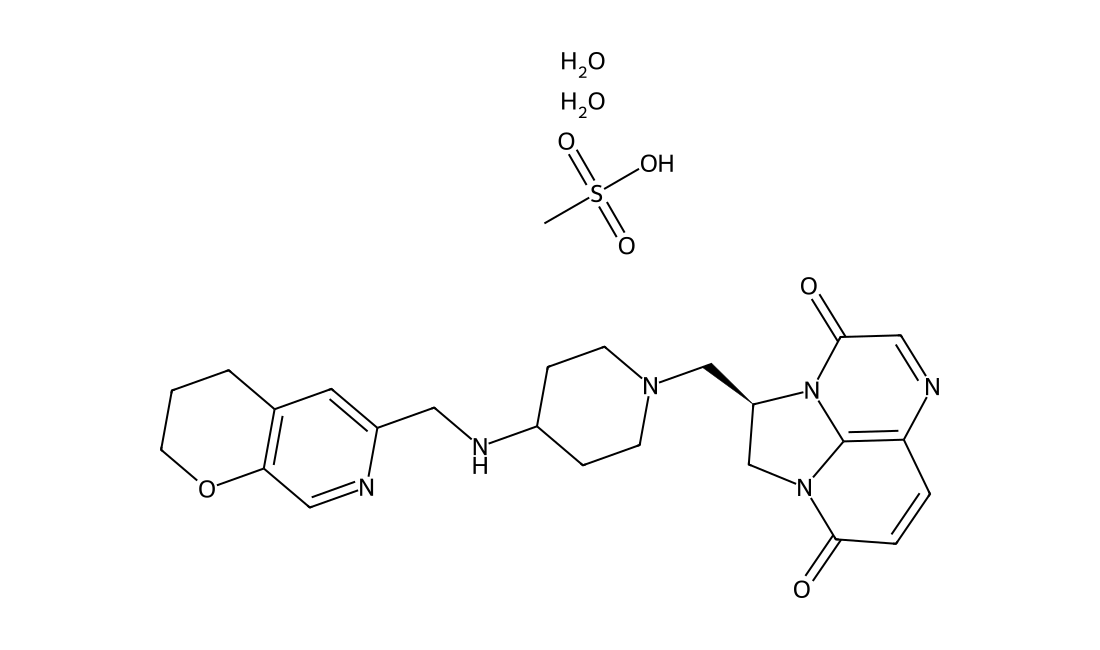
Dapagliflozin (2S)-1,2-propanediol, hydrate is the S-enantiomer of Dapagliflozin 1,2-propanediol, hydrate. Dapagliflozin inhibits sodium/glucose cotransporter 2 (SGLT2), which results in excretion of glucose into the urine.
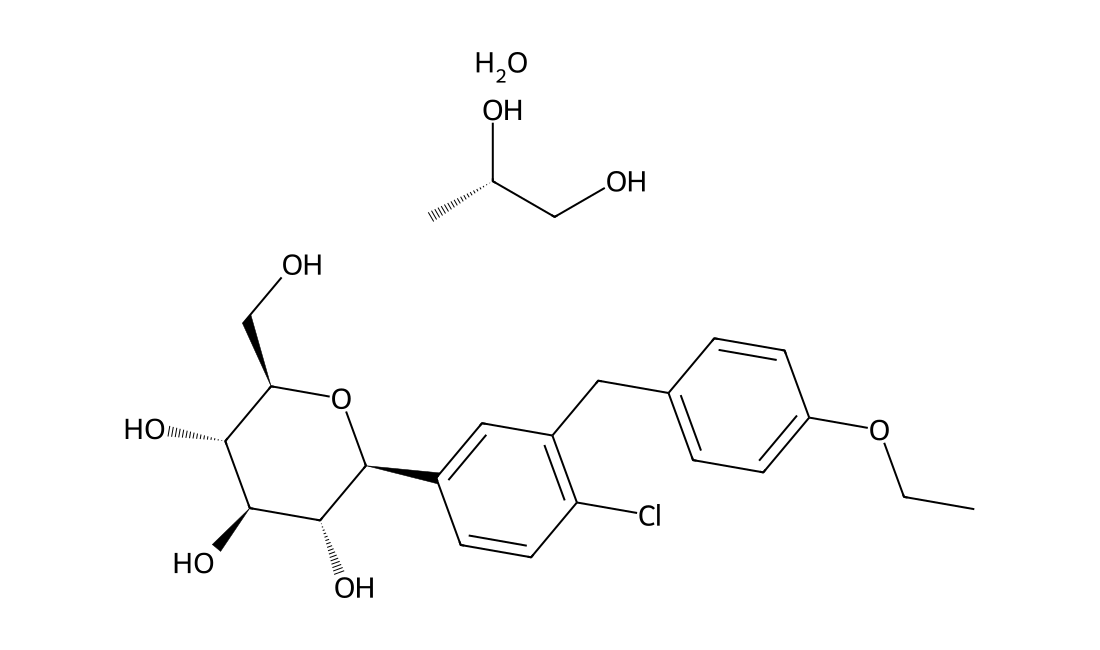
AZD8797Featured
In a flow adhesion assay, AZD8797 antagonizes the natural ligand, fractalkine (CX3CL1), in both human whole blood (hWB) and in a B-lymphocyte cell line with IC50 values of 300 and 6 nM respectively. AZD8797 also prevents G-protein activation in a [35S]GTPγS accumulation assay. AZD8797 positively modulates the CX3CL1 response at sub-micromolar concentrations in a β-arrestin recruitment assay. In equilibrium saturation binding experiments, AZD8797 reduces the maximal binding of 125I-CX3CL1 without affecting Kd. AZD8797 binds selectively with high affinity to human and rat CX3CR1 (Ki of hCX3CR1, 4 nM; Ki of rCX3CR1, 7 nM, respectively). The equilibrium dissociation constant, KB, demonstrates that AZD8797 is a very potent inhibitor for human CX3CR1 (10 nM). The potency is threefold lower for rat CX3CR1 (29 nM) and decreases even further at mouse CX3CR1 (54 nM).AZD8797 treatment in Dark Agouti rats with myelin oligodendrocyte glycoprotein-induced EAE results in reduced paralysis, CNS pathology, and incidence of relapses. The compound is effective when starting treatment before onset, as well as after the acute phase.
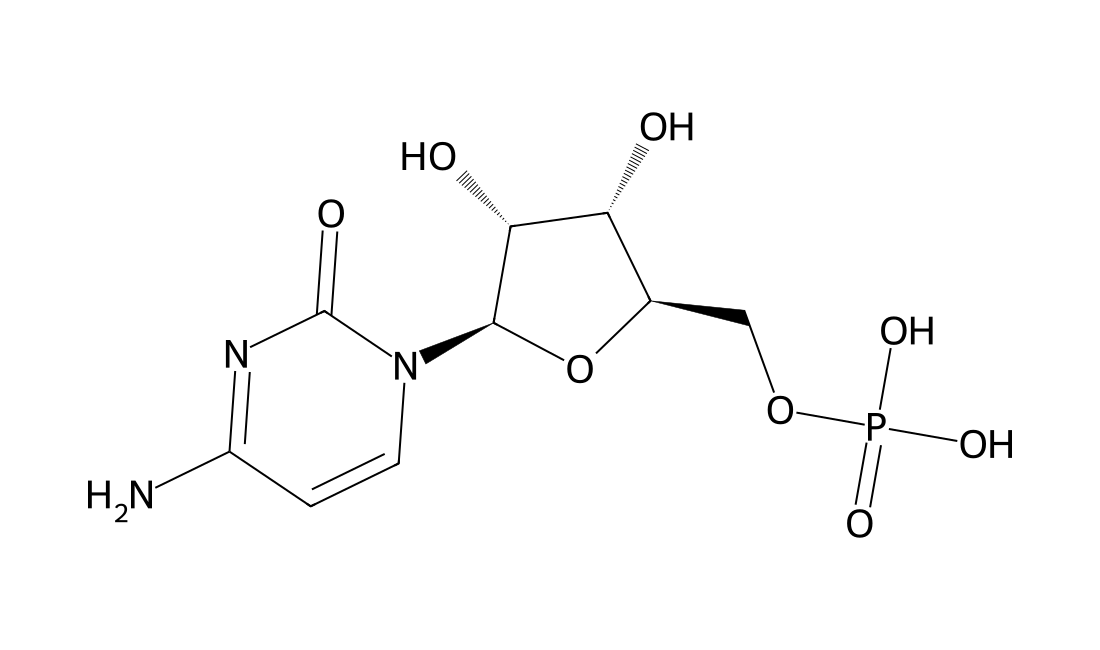
5'-Cytidylic acid is a nucleotide that is used as a monomer in RNA.
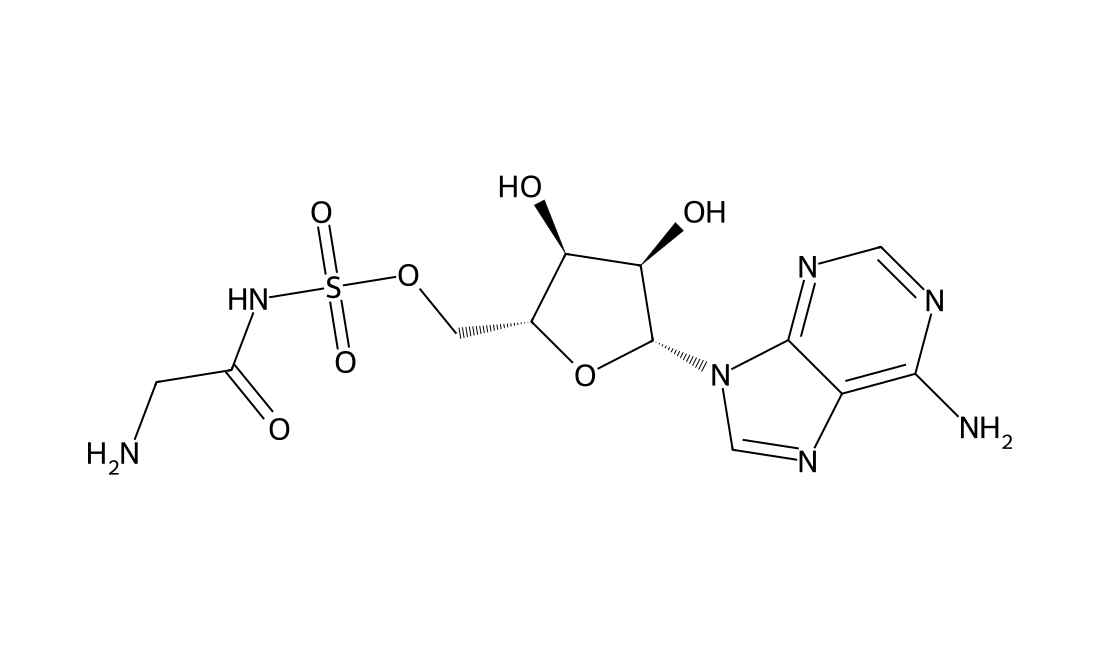
GlyRS-IN-1Featured
GlyRS-IN-1 is a glycyl-tRNA synthase (GlyRS) inhibitor extracted from patent WO 2017066459 A1. GlyRS-IN-1 can also inhibit the growth of bacteria.
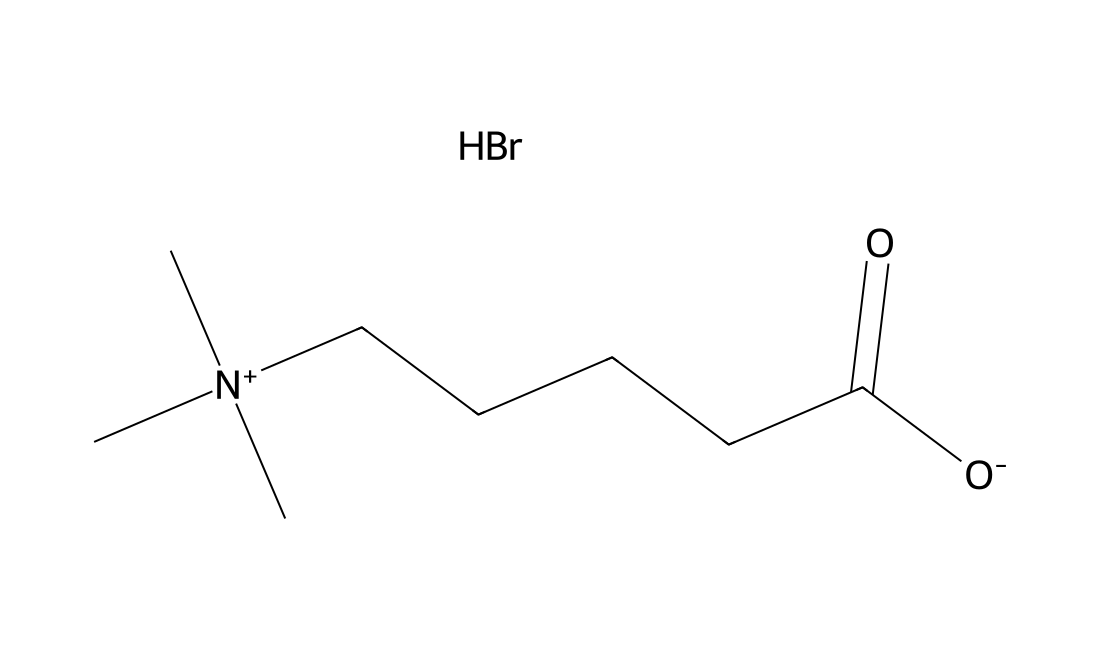
The levels of delta-valerobetaine were by far higher in ruminant than in non-ruminant meat and, among ruminants, cattle present higher levels of the substance than sheep and goat. The levels of delta-valerobetaine in milk of ruminants are much lower than in their meat. However, delta-valerobetaine content in milk of ruminants is noticeably higher than that observed in non-ruminant milk. It is showed that incubation of ruminal fluid with labeled Nε-trimethyllysine leads to a rapid formation of labeled delta-valerobetaine.
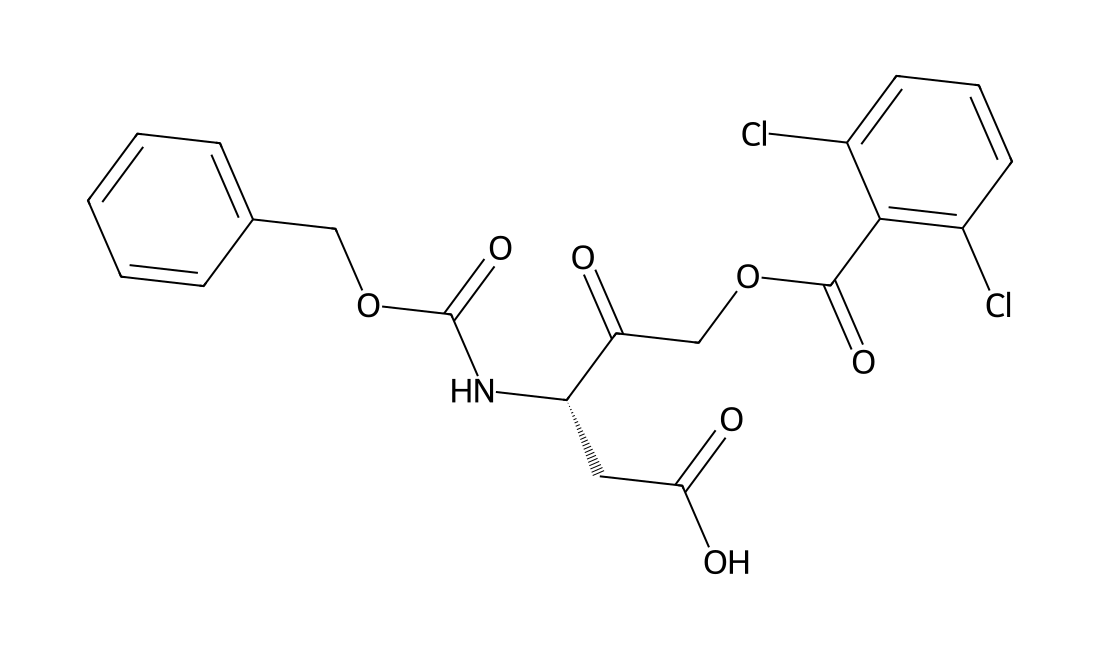
Z-Asp-CH2-DCBFeatured
Z-Asp-CH2-DCB is an irreversible broad spectrum caspase inhibitor. Z-Asp-CH2-DCB also inhibits proteases with caspase-like activity. Z-D-CH2-DCB blocks the production of IL-1β, TNF-α, IL-6, and IFN-γ in staphylococcal enterotoxin B (SEB)-stimulated peripheral blood mononuclear cells (PBMC), and reduces SEB-1-stimulated T-cell proliferation in a dose-dependent manner. Z-Asp-CH2-DCB prevents SU5416-induced septal cell apoptosis and emphysema development.
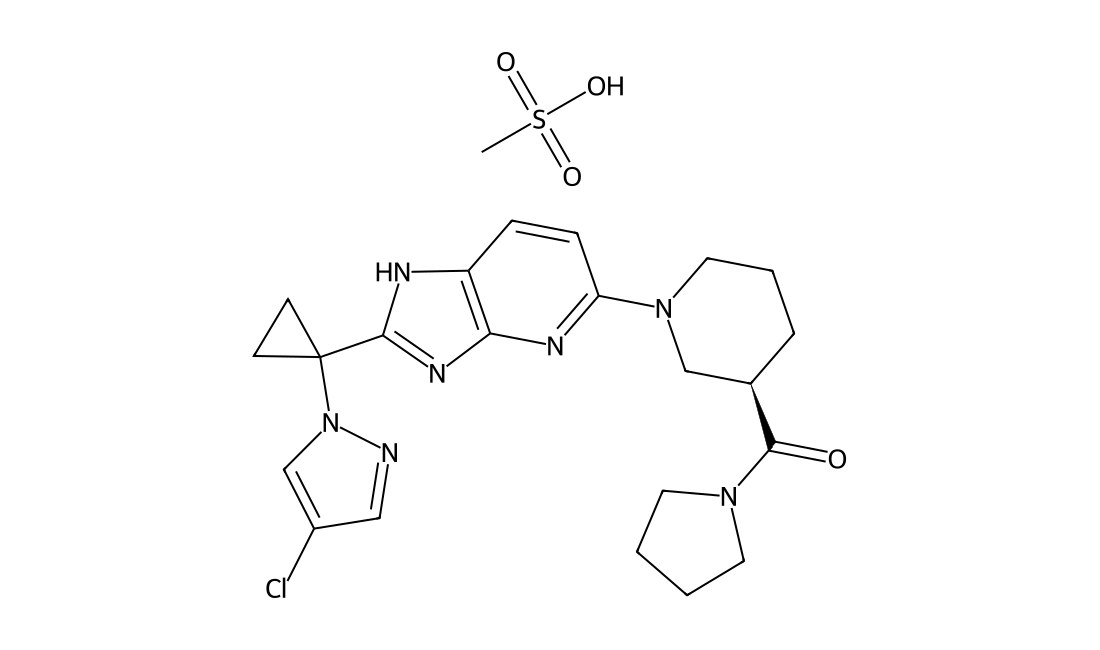
Pf-06424439 MesylateFeatured
Potent and selective inhibitor of diacylglycerol acyltransferase 2 (DGAT2)
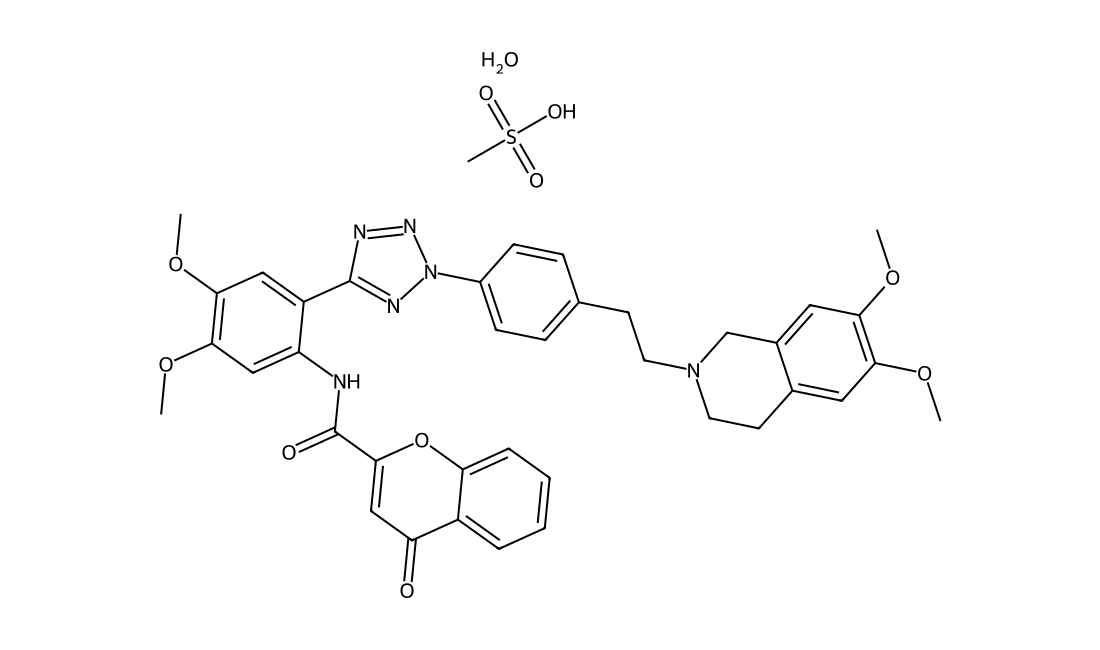
Encequidar mesylate monohydrateFeatured
Encequidar (HM30181) is a potent selective inhibitor of MDR1 (ABCB1, P-gp) with IC50 of 0.63 nM.Encequidar (HM30181) effectively blocked transepithelial transport of paclitaxel in MDCK monolayers.Encequidar (HM30181) does not inhibit MRP1 (ABCC1), MRP2 (ABCC2), and MRP3 (ABCC3), and partially inhibited BCRP (ABCG2) only at very high concentrations.Oral co-administration of paclitaxel and HM30181 showed a tumor-inhibitory strength equal or superior to that of intravenous paclitaxel in the xenograft model in nude mice.
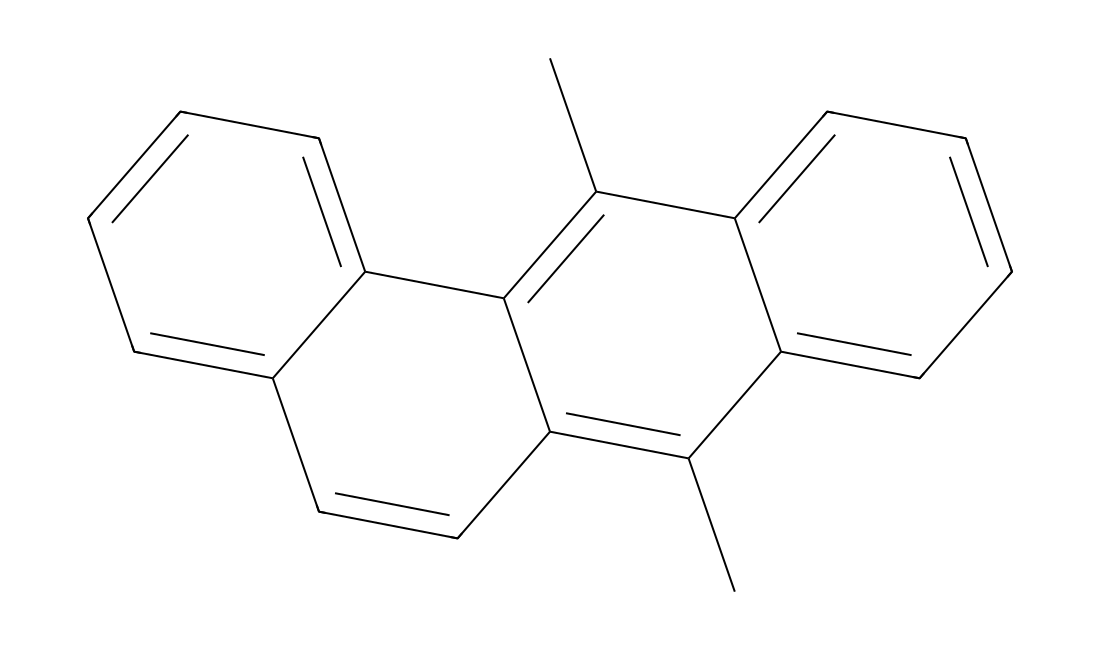
7,12-Dimethylbenz[a]anthracene (DMBA) is an immunosuppressor as well as a potent organ-specific carcinogen.
NNZ-2591Featured
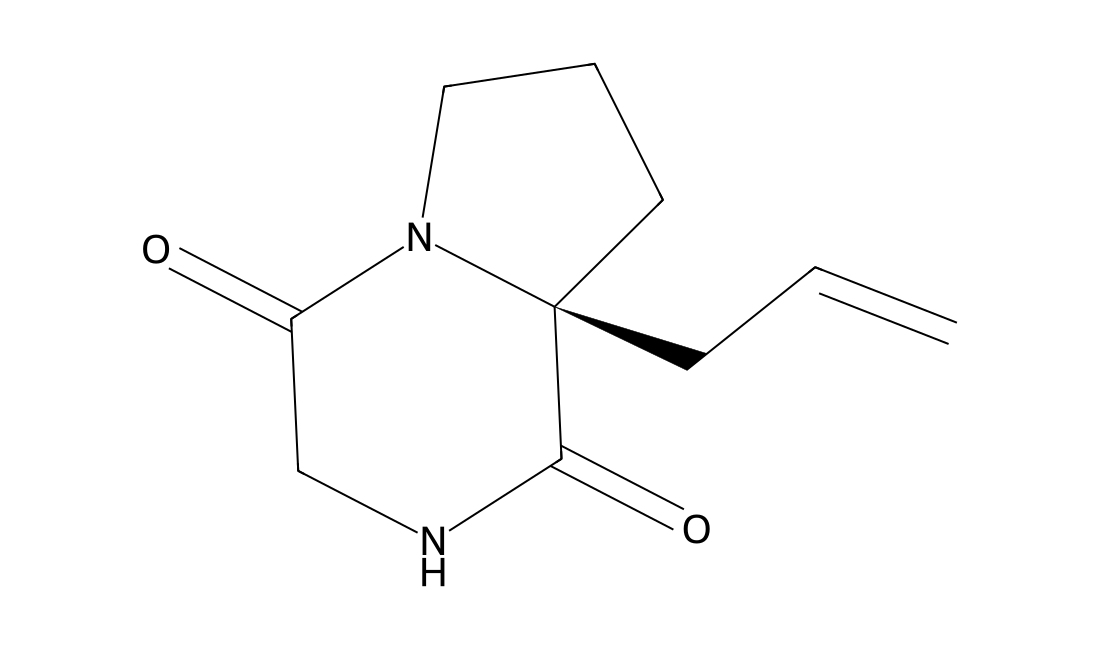
NNZ-2591 is a synthetic analogue of a naturally occurring neuropeptide, which has been shown to have neuroprotective and nootropic (memory enhancing) effects in multiple animal models.
RMC-4998Featured
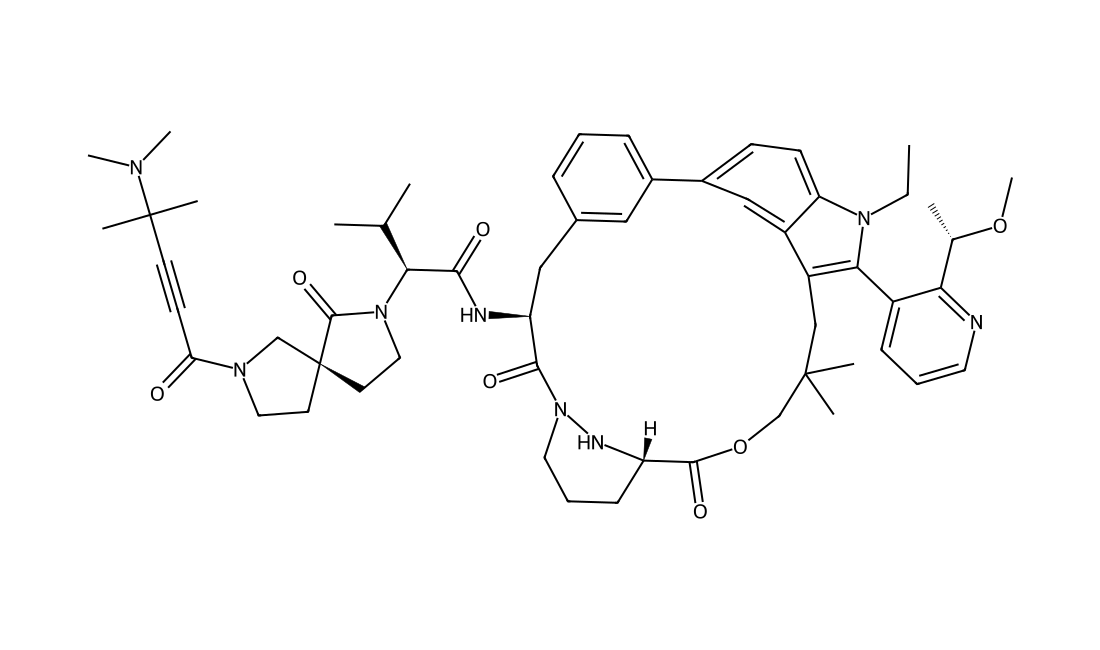
RMC-4998 (RMC4998) is a tricomplex inhibitor that targets the active state or GTP-bound state of KRAS G12C, selectively inhibits the proliferation of KRASG12C mutant cells with mean IC50 of 0.28 nM.
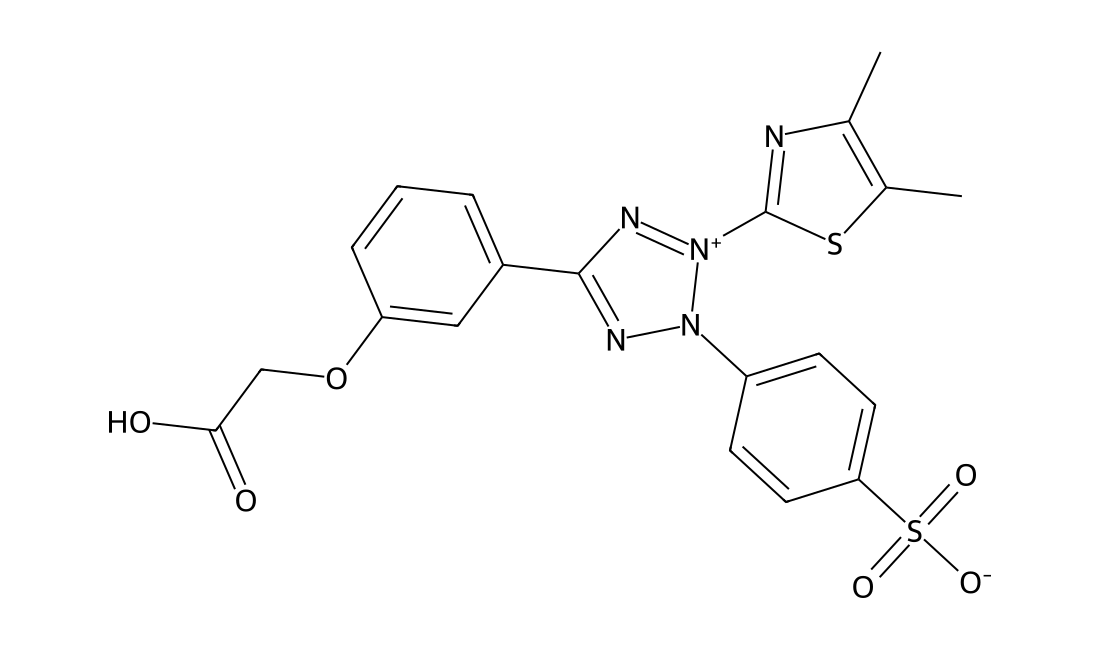
MTS is water-soluble and used in the MTS assay.
Exendin-4 acetateFeatured
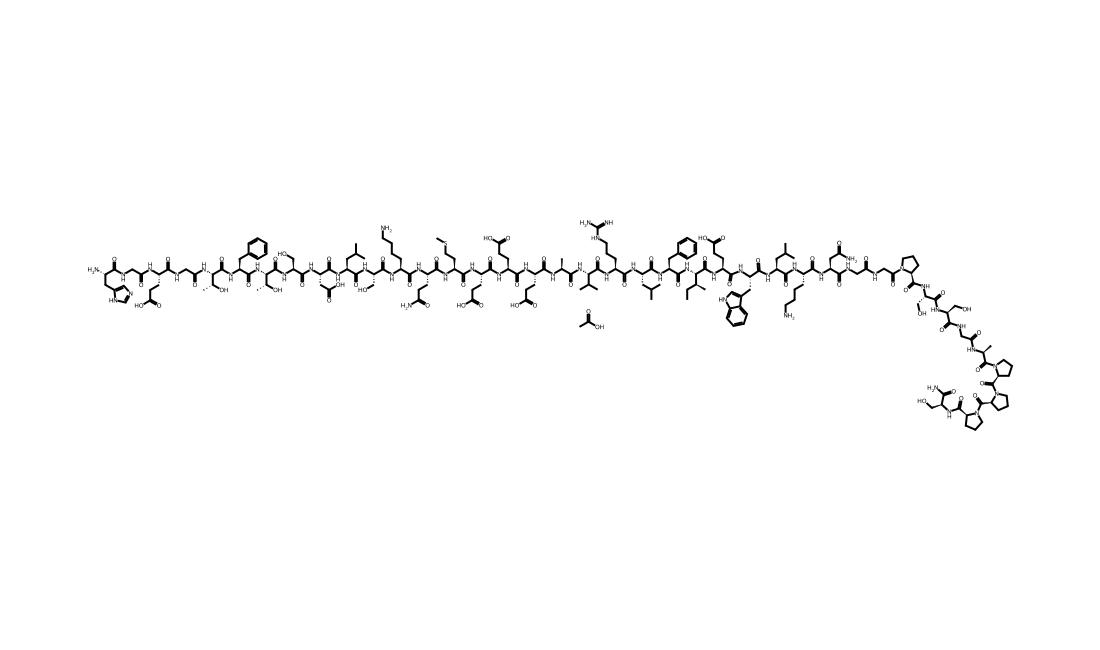
Exendin-4 acetate, a 39 amino acid peptide, is a long-acting glucagon-like peptide-1 receptor agonist with an IC50 of 3.22 nM.
No products match this search.
Page 370 of 384 · Browse all 7677 products
Jump to a product page
Featured literature product: HX1 · DCL0028
HX1 is a hydroxyzine-derived ionizable lipid with acetal-containing tails, studied in lipid nanoparticles for brain mRNA delivery and CRISPR–Cas9 delivery. It was the lead in the reported in vivo brain-delivery screen; evidence is preclinical and formulation-dependent.
Read full formulation and performance →