
Research lipid catalog
Ionizable Lipid Products
Explore 848 lipid and RNA delivery products. Search the full catalog or browse by research category.
Search covers product name, catalog number, synonyms, available CAS numbers and categories. Spaces, hyphens and common punctuation are ignored. Duplicate legacy records are consolidated under one canonical product result.
7677 products · Showing 7301–7320 · 20 per page
DC Chemicals lipid expertise
Built for ionizable-lipid discovery and RNA delivery research
DC Chemicals supports formulation and delivery research with a broad, searchable portfolio of cationic and ionizable lipids. The current directory brings together 848 unique research-use products, with product specifications, pricing, chemical structures and literature-linked formulation data added as each record is verified.
Our experience spans complex lipid synthesis, purification, analytical release and process development. For custom molecules or larger-scale requirements, our team can discuss route development, technical specifications and scale-up options for the intended research workflow.
Learn about cationic and ionizable lipids →Proprietary innovation · Co-development · GMP
From proprietary lipid design to GMP-grade custom synthesis
DC Chemicals has independently developed ionizable-lipid structures supported by company-owned intellectual property, and selected proprietary lipid programs have advanced to GMP-stage development.
We welcome joint development with customers—from molecular design and lipid synthesis through route and process development. We can also support custom synthesis of GMP-grade ionizable lipids to agreed technical specifications and quality requirements.
Discuss a co-development project →Proprietary ionizable-lipid structuresCollaborative molecular designCustom lipid synthesisProcess development and scale-upGMP-grade project support
Product quick links
Explore New ionizable lipids
Explore our five most recently added ionizable lipids, with specifications, pricing and literature-linked product information.
DCL0028HX1Brain RNA delivery researchView product →DCL0024A1I4R13C18-2Spleen-targeted RNA delivery researchView product →DCL0023A1I4R2C18-2Spleen-targeted RNA delivery researchView product →DCL0022FS01Local joint RNA delivery researchView product →DCL0020Lipid-392Lung RNA delivery and gene editing researchView product →
Cat. No.Product NameField of ApplicationChemical Structure
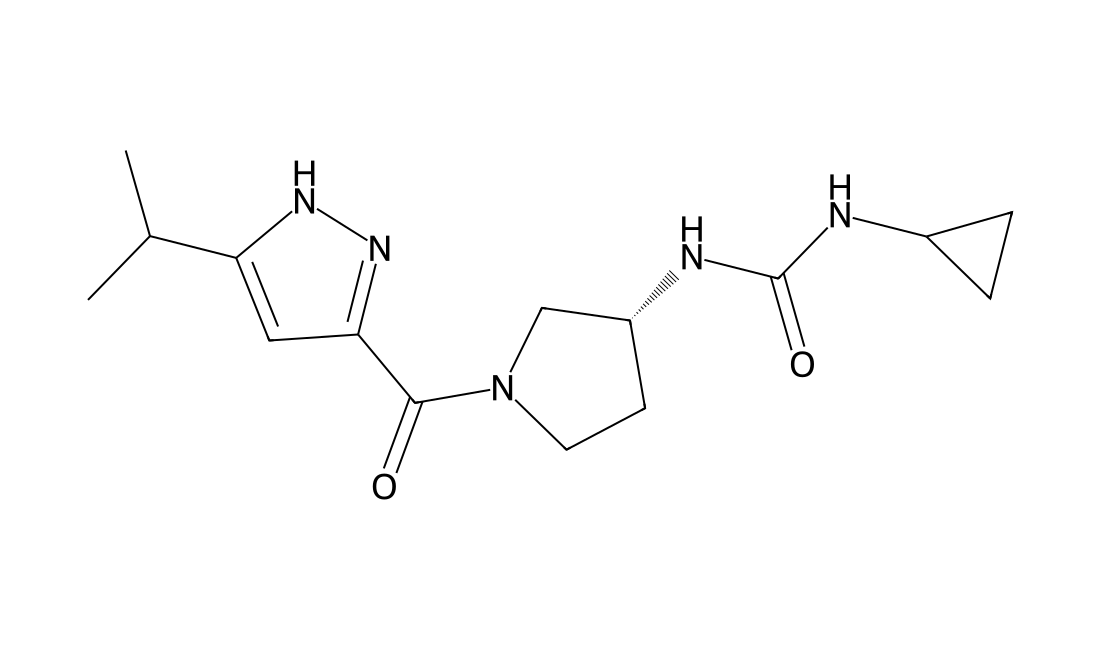
TK-129Featured
TK-129 is an orally active, low-toxicity, potent KDM5B inhibitor (with high affinity; IC50=44 nM). TK-129 exerts cardioprotective effects by inhibiting KDM5B and blocking the KDM5B-associated Wnt pathway. TK-129 reduces ang II-induced activation of cardiac fibroblasts in vitro and reduces isoprenaline-induced myocardial remodelling and fibrosis in vivo. TK-129 can be used in studies of cardiovascular disease.
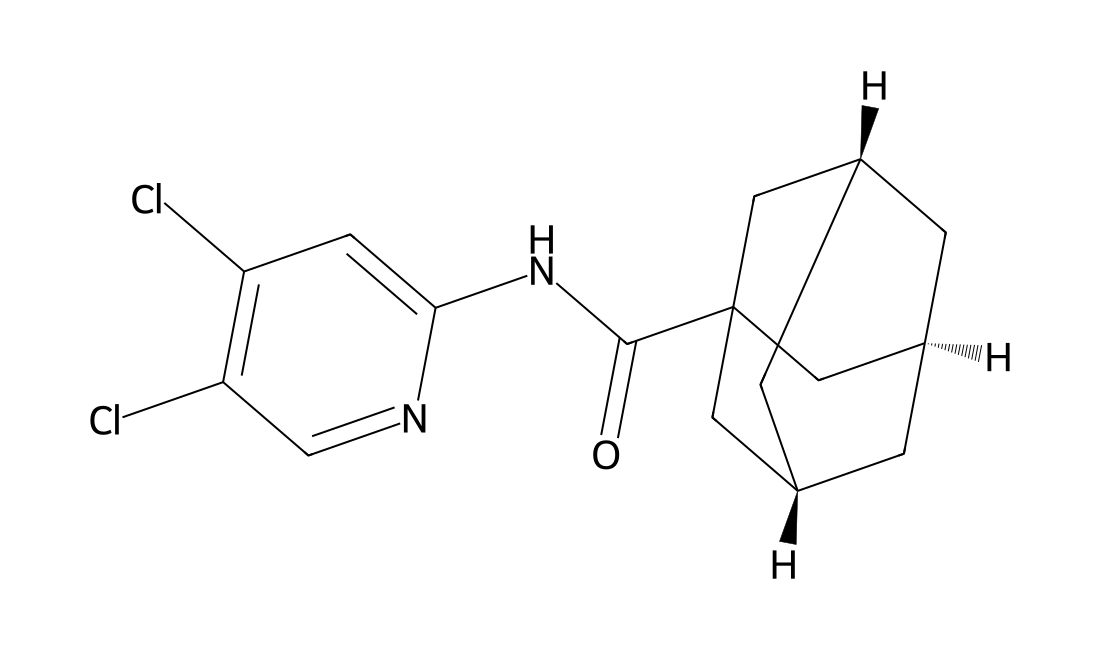
GLUT4 activator 2Featured
GLUT4 activator 2 (C59) is an insulin sensitizer, which can be used for research of diabetic diseases. GLUT4 activator 2 improves glucose uptake and insulin sensitivity in rodents. GLUT4 activator 2 interacts with Unc119 and Unc119B resulting in increased insulin sensitivity and GLUT4 translocation.
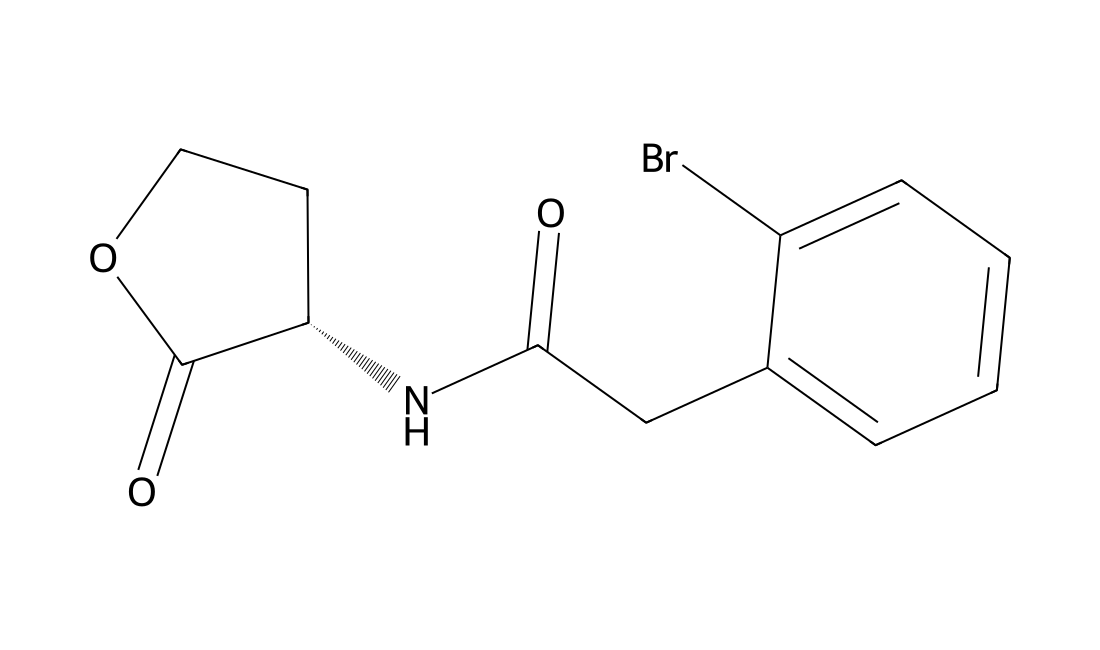
AHL modulator-1Featured
AHL modulator-1 (compound 12) is a modulator of N-acylated L-homoserine lactone (AHL), with the agonism and antagonism of 21% and 42% in cellulase activity and 5% and 32% in potato macerationa, respectively.
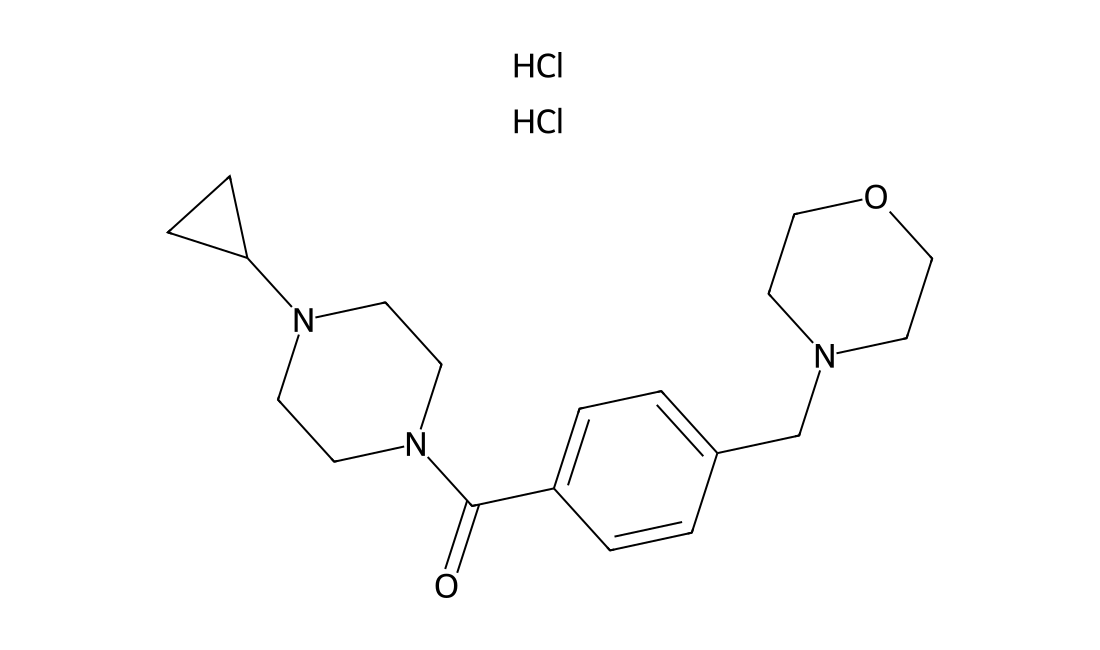
Bavisant dihydrochlorideFeatured
Bavisant (JNJ-31001074) dihydrochloride is an orally active, potent, brain-penetrating and highly selective antagonist of the histamine H3 receptor. Bavisant dihydrochloride can be used for attention-deficit hyperactivity disorder (ADHD) research.
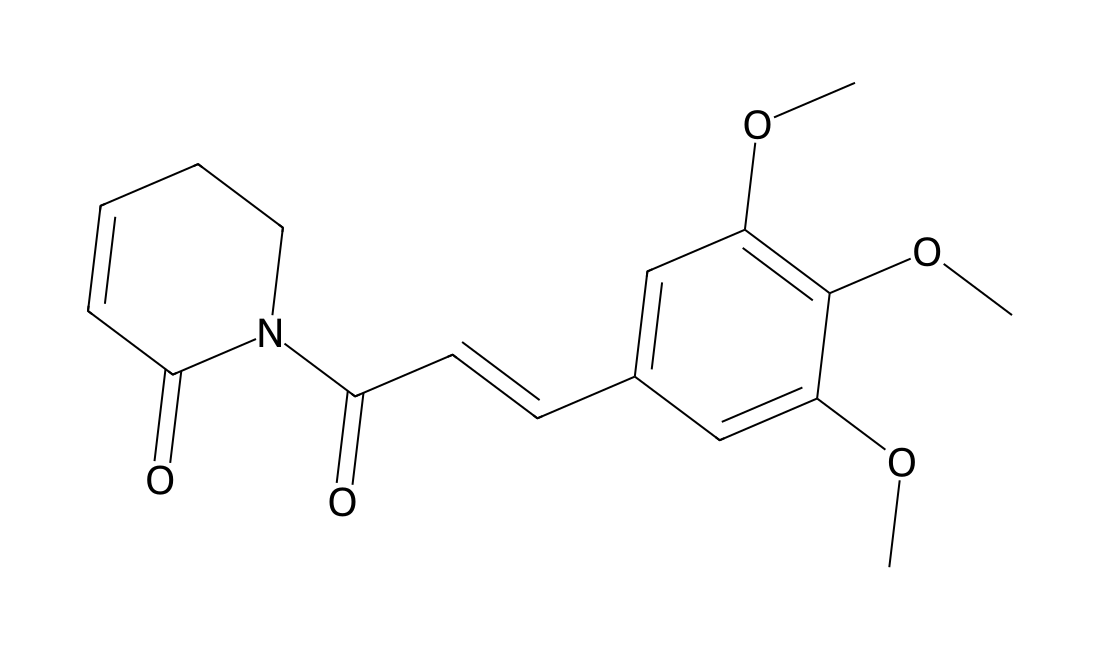
PiperlongumineFeatured
Piperlongumine is a natural alkaloid isolated from Piper longum Linn[1], possesses ant-inflammatory, antibacterial, antiangiogenic, antioxidant, antitumor, and antidiabetic activities[2]. Piperlongumine induces ROS, and induces apoptosis in cancer cell lines[1]. Piperlongumine shows anti-cardiac fibrosis activity, suppresses myofibroblast transformation via suppression of the ERK1/2 signaling pathway[2].
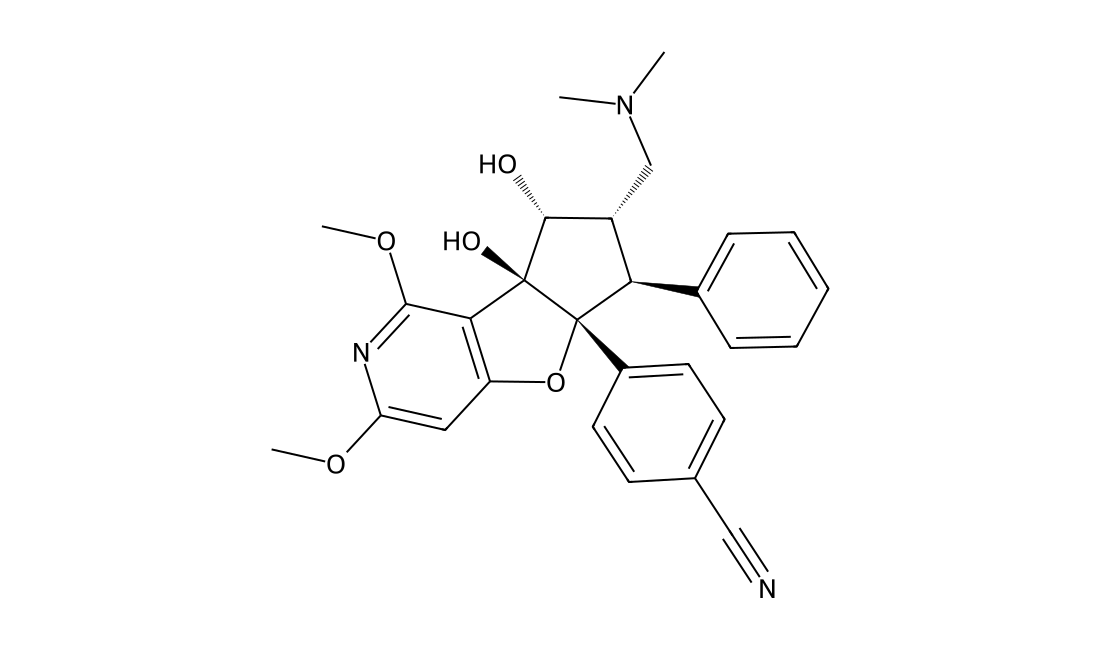
ZotatifinFeatured
Zotatifin (eFT226) is a potent, selective, and well-tolerated eIF4A inhibitor. Zotatifin promotes eIF4A binding to specific mRNA sequences with recognition motifs in the 5’-UTRs (IC50=2 nM) and interferes with the assembly of the eIF4F initiation complex. Zotatifin shows robust antiviral effects, it effectively reduces viral infectivity by inhibiting SARS-CoV-2 NP protein biogenesis (IC90=37 nM). Zotatifin induces cell apoptosis.
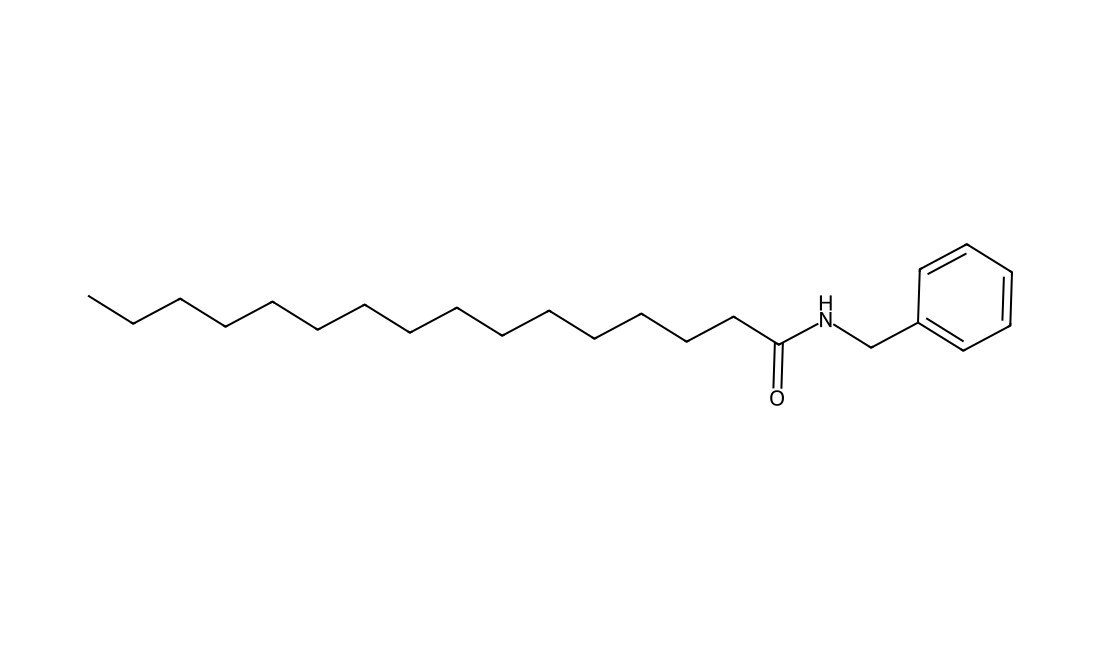
Macamide BFeatured
Macamide B (N-Benzylhexadecanamide; Macamide 1) is a macamide isolated from Lepidium meyenii, acts as an inhibitor of fatty acid amide hydrolase (FAAH).
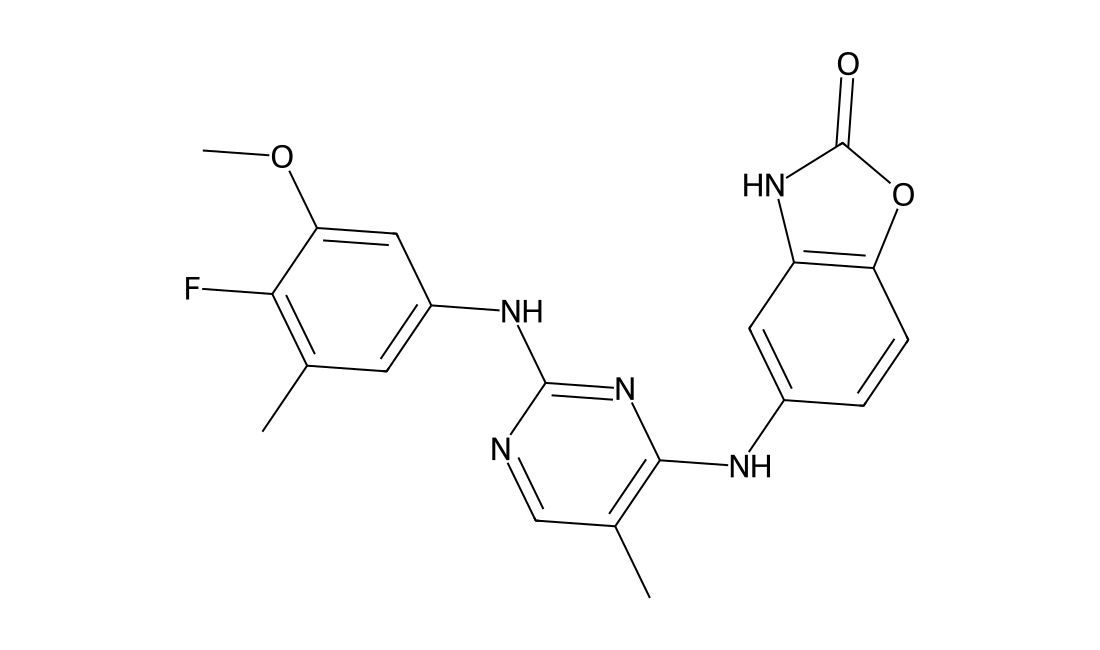
IfidancitinibFeatured
Ifidancitinib is a potent and selective inhibitor of JAK kinases 1/3. Ifidancitinib can be used in studies of allergies, asthma and autoimmune diseases.
NLG802Featured
NLG802 is a prodrug of indoximod, an orally active indoleamine 2,3-dioxygenase (IDO) inhibitor.
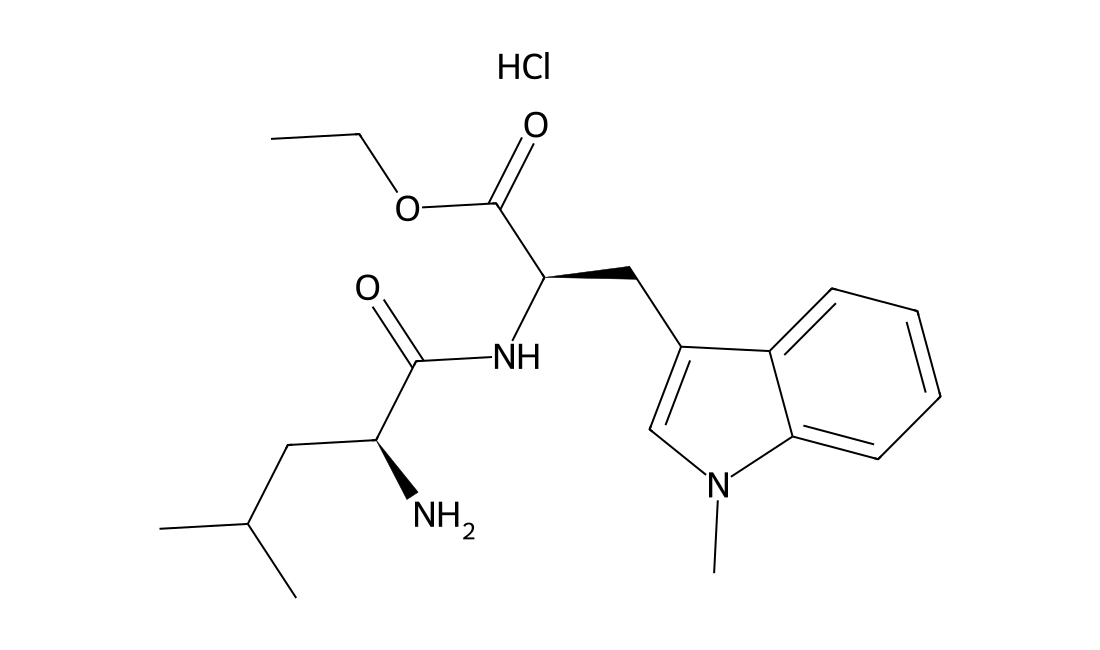
hDHODH-IN-8Featured
hDHODH-IN-8 is a potent inhibitor of human dihydroorotate dehydrogenase (hDHODH) with an IC50 of 16 nM. hDHODH-IN-8 has potent antiproliferative activity and excellent aqueous solubility. hDHODH-IN-8 has the potential for the research of tumor disease, especially lymphoma.
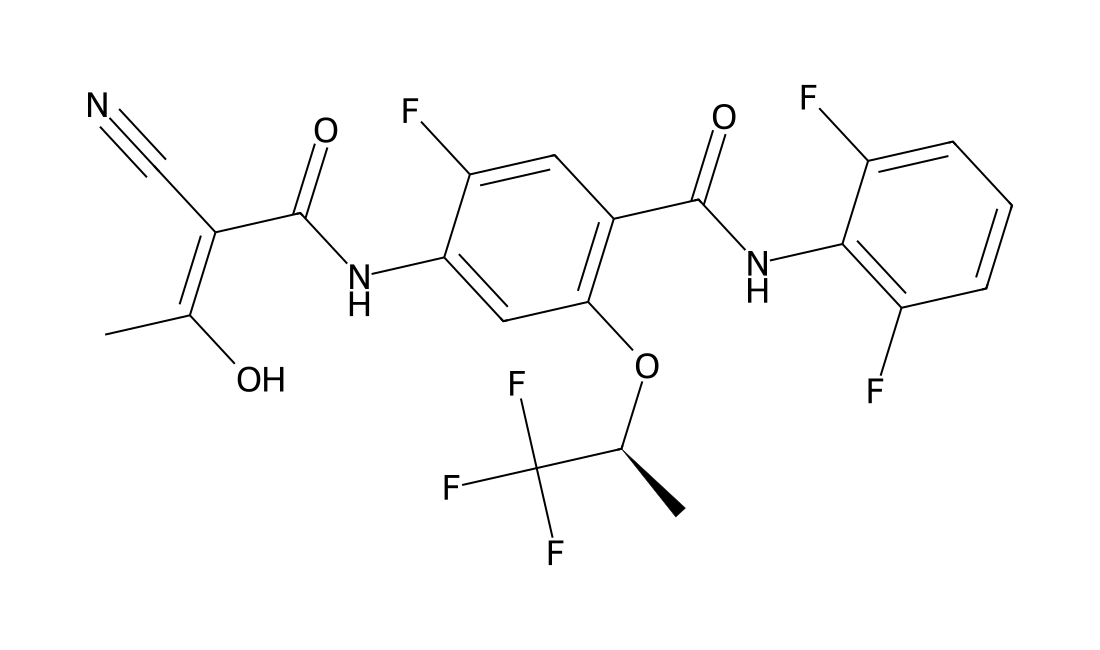
ELOVL1-IN-3Featured
ELOVL1-IN-3 (Compound 22) is a potent and orally active inhibitor of elongation of very long chain fatty acid 1 (ELOVL1) enzyme. ELOVL1-IN-3 serves as a useful tool for researching adrenoleukodystrophy (ALD)[1].
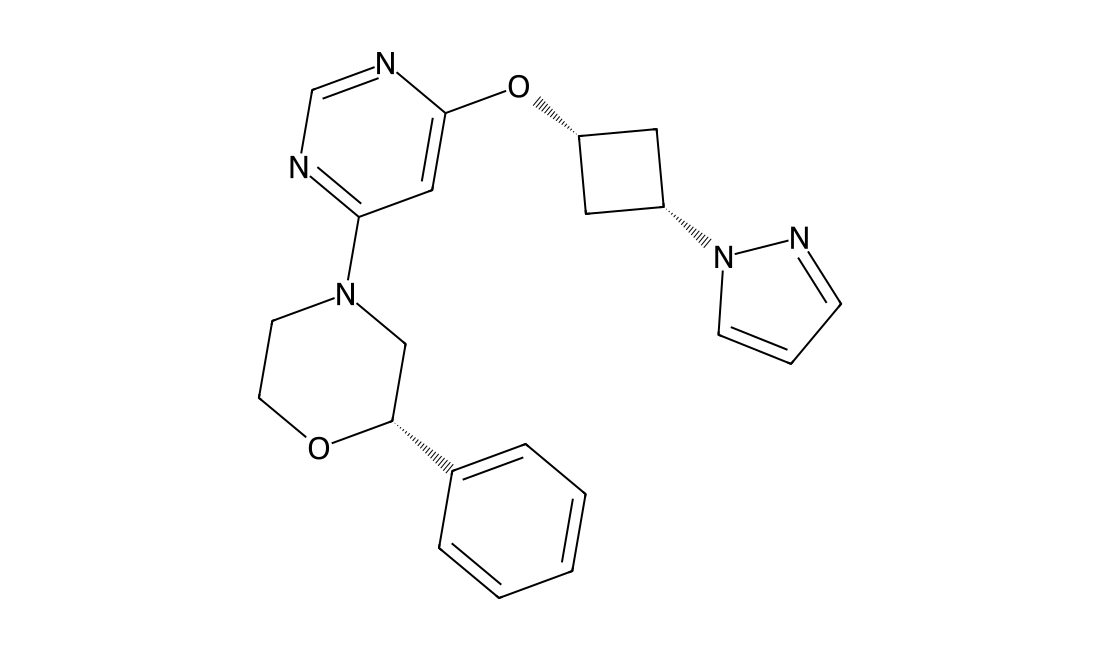
WAY-204688Featured
WAY-204688 is an estrogen receptor (ER-α) selective, orally active inhibitor of NF-κB transcriptional activity with an IC50 of 122 ± 30 nM for NF-κB-luciferase (NF-κB-luc) in HAECT-1 cells.
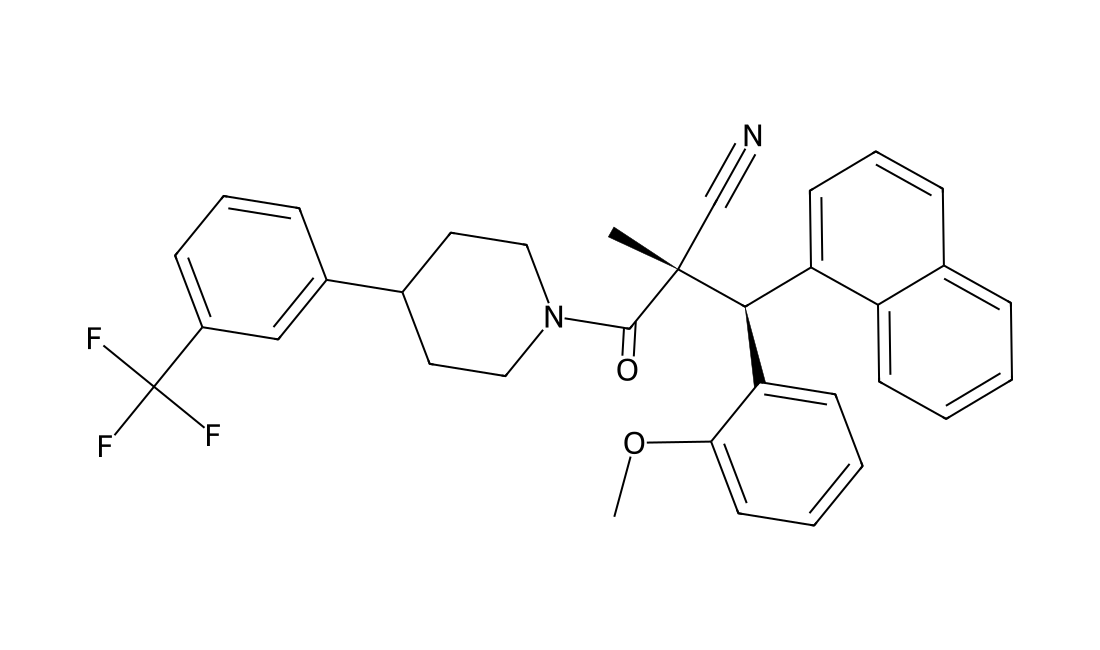
Eliglustat(Genz-99067)Featured
Eliglustat is an specific, potent and orally active glucocerebroside synthase inhibitor with an IC50 of 24 nM.
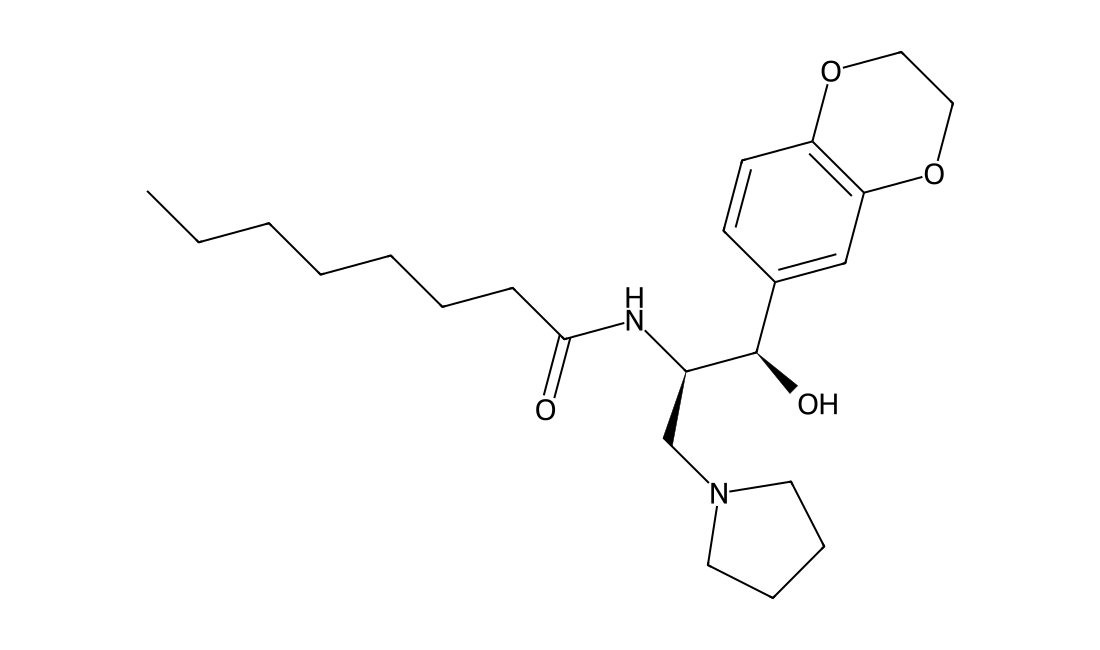
(S)-GSK-3685032Featured
(S)-GSK-3685032 is the isomer of GSK-3685032 (HY-139664), and can be used as an experimental control. GSK-3685032 is a non-time-dependent, noncovalently, first-in-class reversible DNMT1-selective inhibitor, with an IC50 of 0.036 μM. GSK-3685032 induces robust loss of DNA methylation, transcriptional activation, and cancer cell growth inhibition.
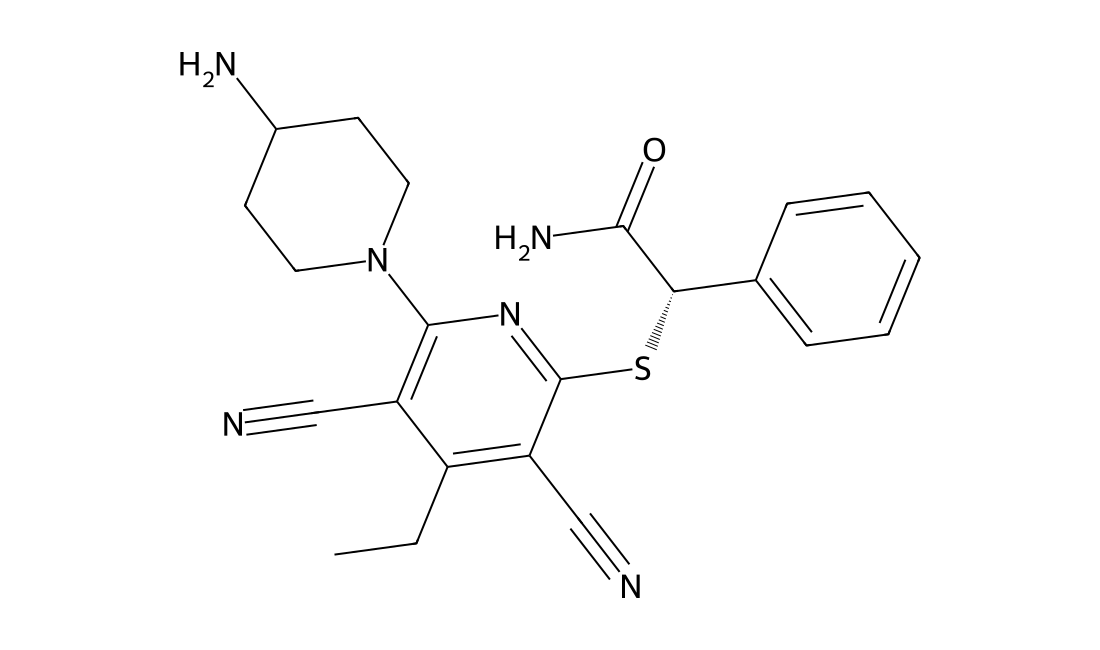
RAD-150Featured
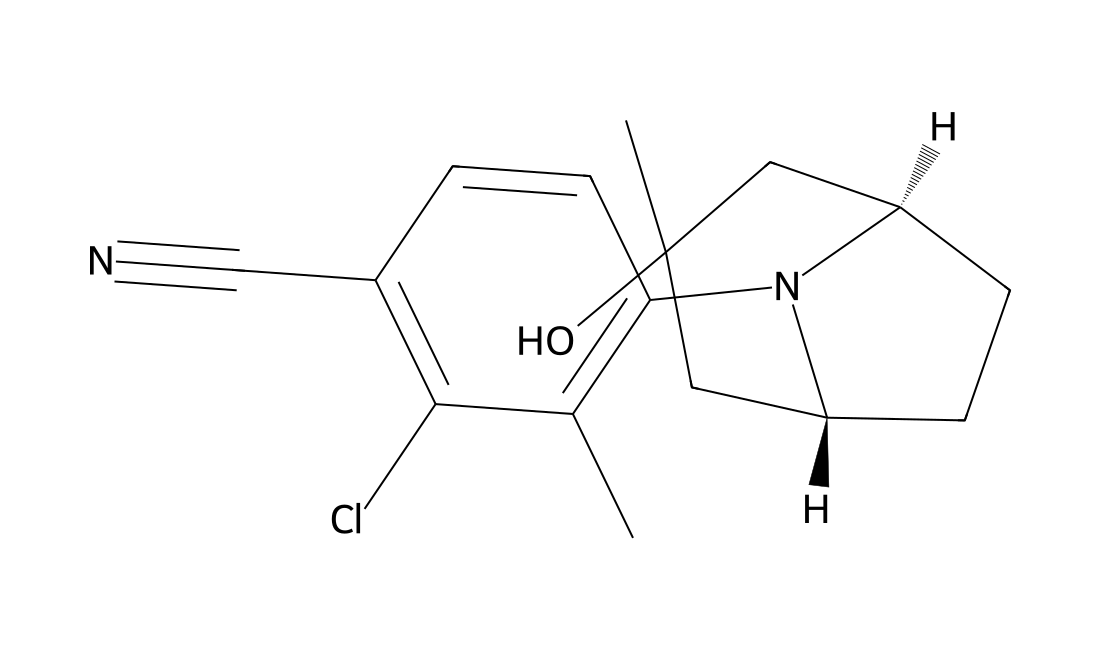
RAD150 is a nonsteroidal androgen receptor modulator (IC50 = 130 nM) and benzoate ester derivative of the selective androgen receptor modulator (SARM) RAD140.
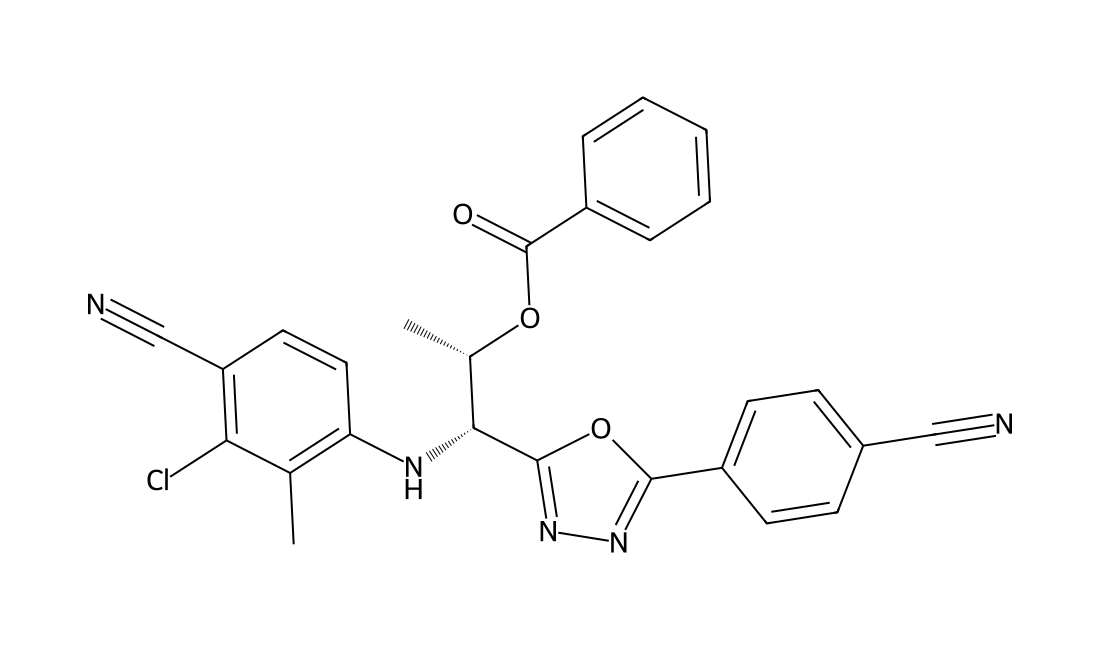
Andarine (GTX-007,S-4)Featured
Andarine (S-4) is an investigational selective androgen receptor modulator (SARM) and an active partial agonist.
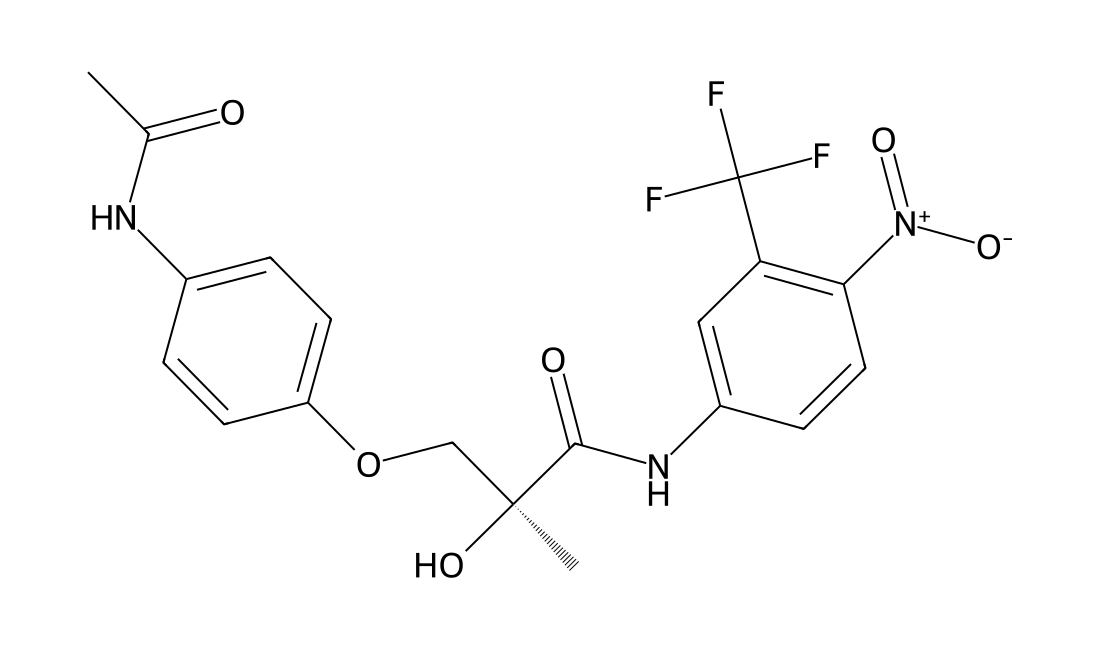
ACP-105Featured
ACP-105 is an orally available, selective amd potent androgen receptor modulator (SARM), with pEC50s of 9.0 and 9.3 for AR wild type and T877A mutant, respectively.
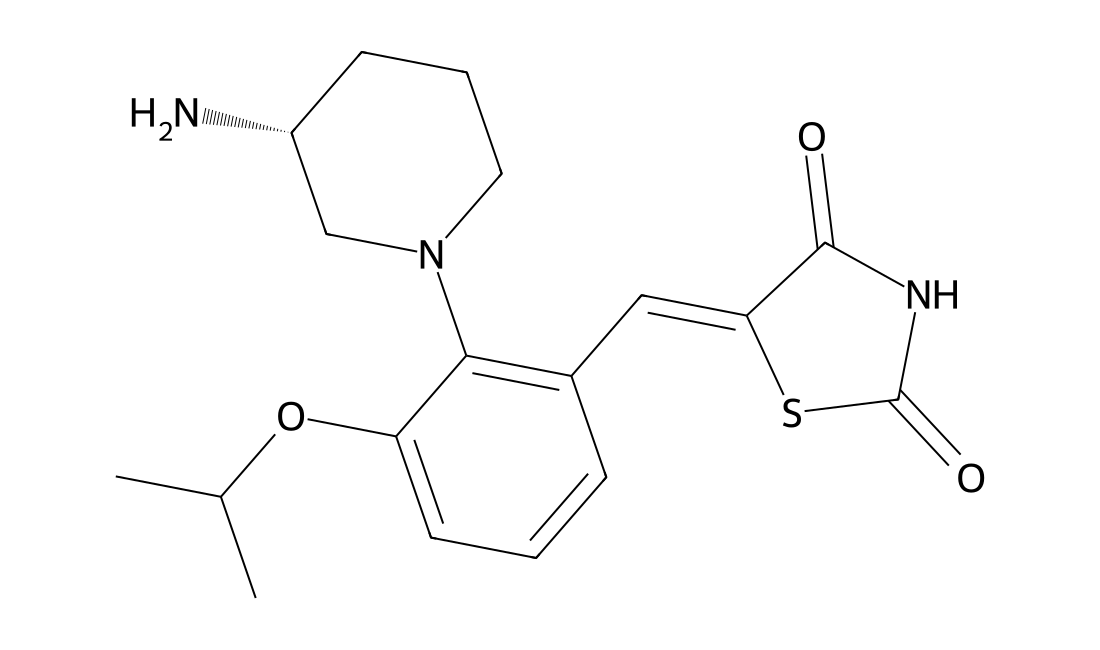
Azd1897Featured
AZD1897 is a PIM1, PIM2, and PIM3 inhibitor with IC50 values of less than 3 nM for these three PIM kinases. AZD1897 exhibits anticancer activity and synergistically inhibits the activity of acute myeloid leukemia (AML) cells in combination with Capivasertib (HY-15431). This synergistic inhibitory effect is achieved through the inhibition of the mTOR and MCL1 pathways.
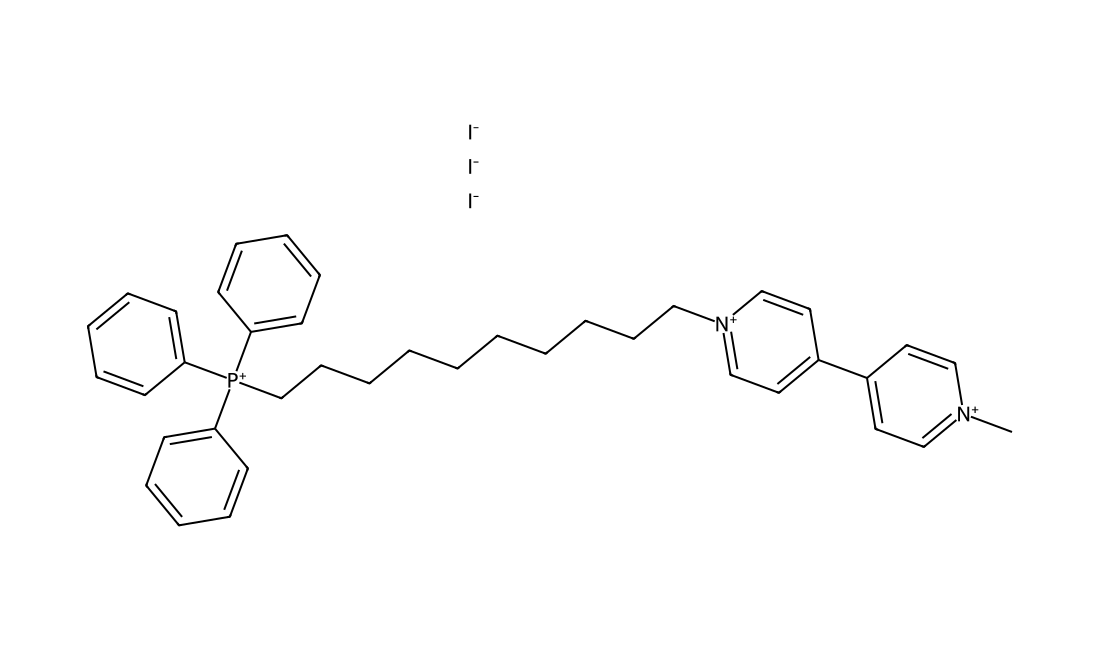
MitoPQFeatured
MitoPQ, also known as MitoParaquat, is a redox cycler. MitoParaquat (MitoPQ) that comprises a triphenylphosphonium lipophilic cation conjugated to the redox cycler paraquat. MitoPQ accumulates selectively in the mitochondrial matrix driven by the membrane potential. Within the matrix, MitoPQ produces superoxide by redox cycling at the flavin site of complex I, selectively increasing superoxide production within mitochondria. MitoPQ increased mitochondrial superoxide in isolated mitochondria and cells in culture ~a thousand-fold more effectively than untargeted paraquat. MitoPQ was also more toxic than paraquat in the isolated perfused heart and in Drosophila in vivo. MitoPQ enables the selective generation of superoxide within mitochondria and is a useful tool to investigate the many roles of mitochondrial superoxide in pathology and redox signaling in cells and in vivo.
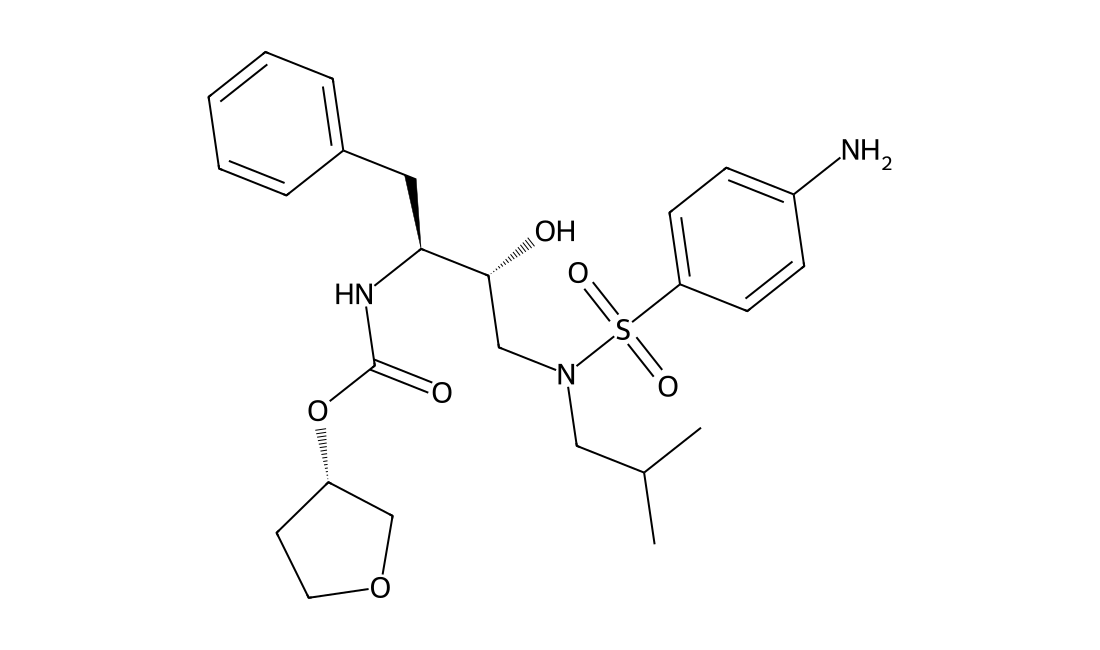
AmprenavirFeatured
Amprenavir is an human immunodeficiency virus (HIV) protease inhibitor with IC50 of 14.6 ± 12.5 ng/ml For wild-type HIV isolates. Like all HIV protease inhibitors, amprenavir interrupts the maturation phase of the HIV replicative cycle by Forming an inhibitor-enzyme complex, which prevents HIV protease from binding with its normal substrates. It has an enzyme inhibition constant (Ki = 0.6 nM) that falls within the Ki range of the other protease inhibitors. For the detailed information of Amprenavir, the solubility of Amprenavir in water, the solubility of Amprenavir in DMSO, the solubility of Amprenavir in PBS buffer, the animal experiment (test) of Amprenavir, the cell expriment (test) of Amprenavir, the in vivo, in vitro and clinical trial test of Amprenavir, the EC50, IC50,and Affinity of Amprenavir, Please contact DC Chemicals.
No products match this search.
Page 366 of 384 · Browse all 7677 products
Jump to a product page
Featured literature product: HX1 · DCL0028
HX1 is a hydroxyzine-derived ionizable lipid with acetal-containing tails, studied in lipid nanoparticles for brain mRNA delivery and CRISPR–Cas9 delivery. It was the lead in the reported in vivo brain-delivery screen; evidence is preclinical and formulation-dependent.
Read full formulation and performance →