
Research lipid catalog
Ionizable Lipid Products
Explore 848 lipid and RNA delivery products. Search the full catalog or browse by research category.
Search covers product name, catalog number, synonyms, available CAS numbers and categories. Spaces, hyphens and common punctuation are ignored. Duplicate legacy records are consolidated under one canonical product result.
7677 products · Showing 7321–7340 · 20 per page
DC Chemicals lipid expertise
Built for ionizable-lipid discovery and RNA delivery research
DC Chemicals supports formulation and delivery research with a broad, searchable portfolio of cationic and ionizable lipids. The current directory brings together 848 unique research-use products, with product specifications, pricing, chemical structures and literature-linked formulation data added as each record is verified.
Our experience spans complex lipid synthesis, purification, analytical release and process development. For custom molecules or larger-scale requirements, our team can discuss route development, technical specifications and scale-up options for the intended research workflow.
Learn about cationic and ionizable lipids →Proprietary innovation · Co-development · GMP
From proprietary lipid design to GMP-grade custom synthesis
DC Chemicals has independently developed ionizable-lipid structures supported by company-owned intellectual property, and selected proprietary lipid programs have advanced to GMP-stage development.
We welcome joint development with customers—from molecular design and lipid synthesis through route and process development. We can also support custom synthesis of GMP-grade ionizable lipids to agreed technical specifications and quality requirements.
Discuss a co-development project →Proprietary ionizable-lipid structuresCollaborative molecular designCustom lipid synthesisProcess development and scale-upGMP-grade project support
Product quick links
Explore New ionizable lipids
Explore our five most recently added ionizable lipids, with specifications, pricing and literature-linked product information.
DCL0028HX1Brain RNA delivery researchView product →DCL0024A1I4R13C18-2Spleen-targeted RNA delivery researchView product →DCL0023A1I4R2C18-2Spleen-targeted RNA delivery researchView product →DCL0022FS01Local joint RNA delivery researchView product →DCL0020Lipid-392Lung RNA delivery and gene editing researchView product →
Cat. No.Product NameField of ApplicationChemical Structure
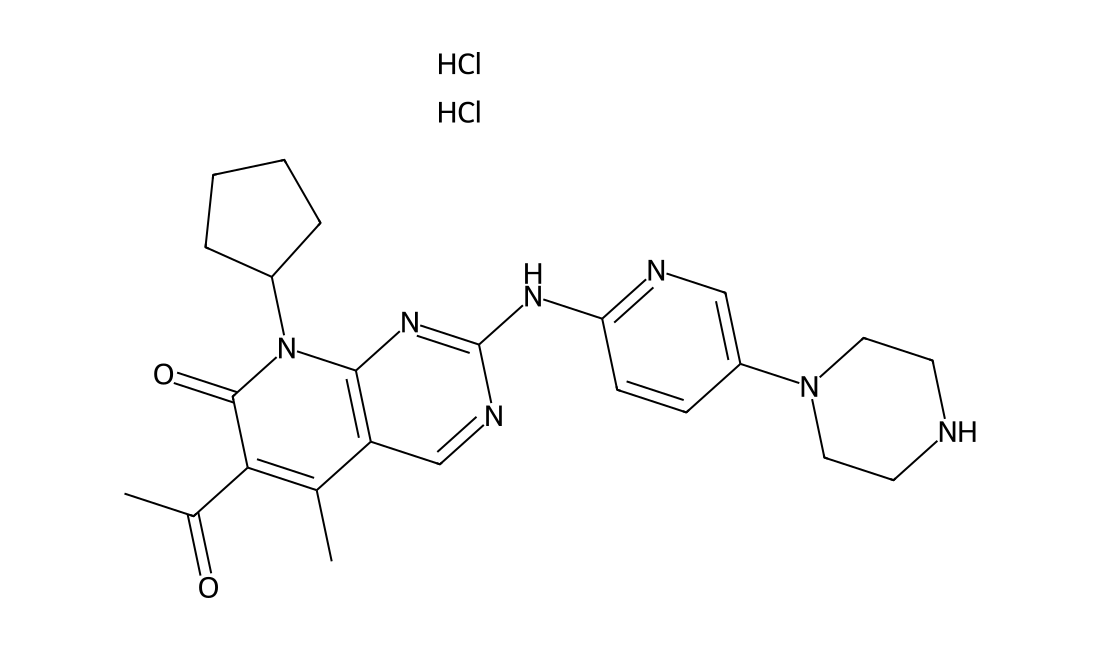
Palbociclib DihydrochlorideFeatured
Selective inhibitor of the cyclin-dependent kinases CDK4 and CDK6
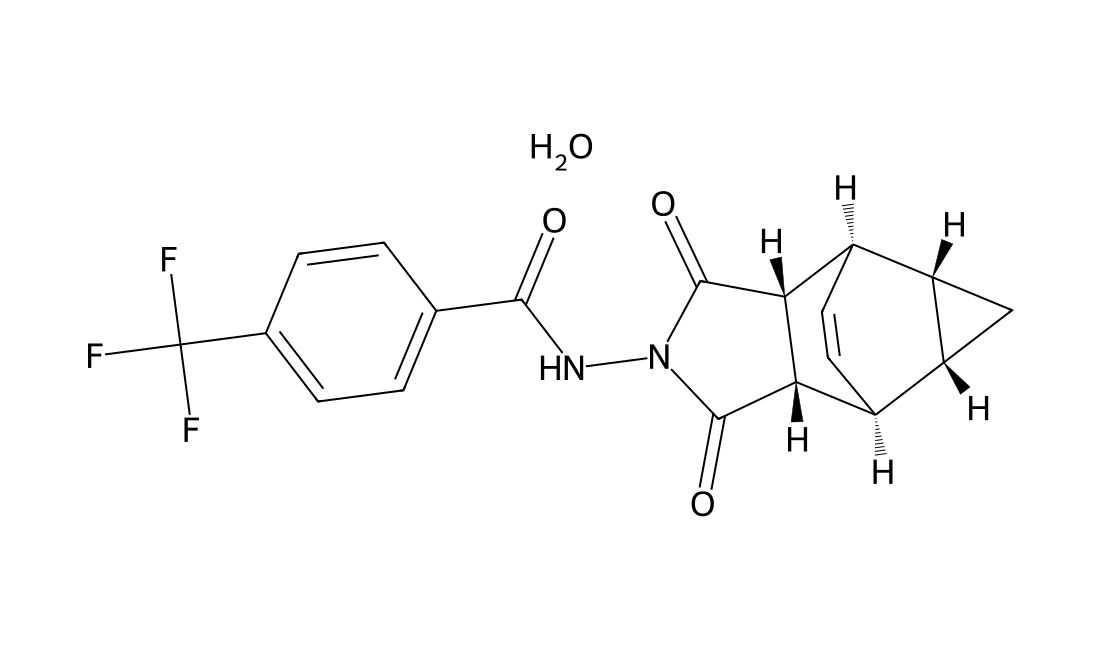
Tecovirimat HydrateFeatured
Novel inhibitor of viral p37, blocking the ability of virus particles to be released from infected cells, being used for the treatment of smallpox, monkeypox, orthopoxvirus, and orthopoxviral Disease.
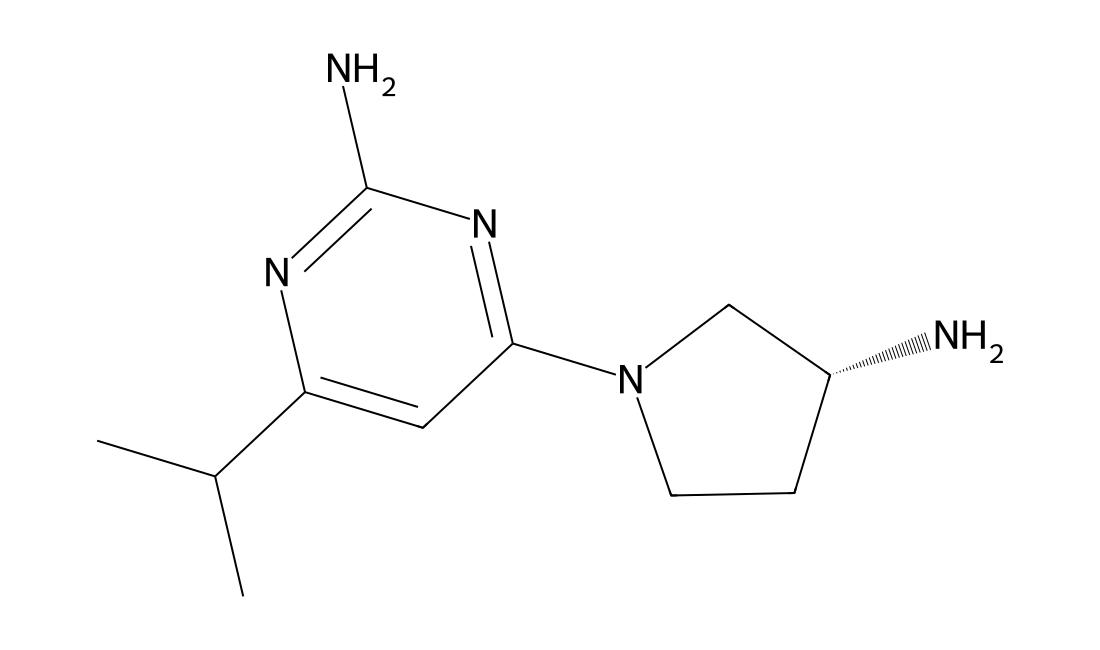
JNJ 39758979Featured
A potent, selective, orally bioavailable histamine H4 receptor antagonist with Ki of 12.5 nM, >80-fold selectivity over other histamine receptors; shows dose-dependent activity in models of asthma and dermatitis, has good pharmacokinetics.AsthmaPhase 2 Clinical
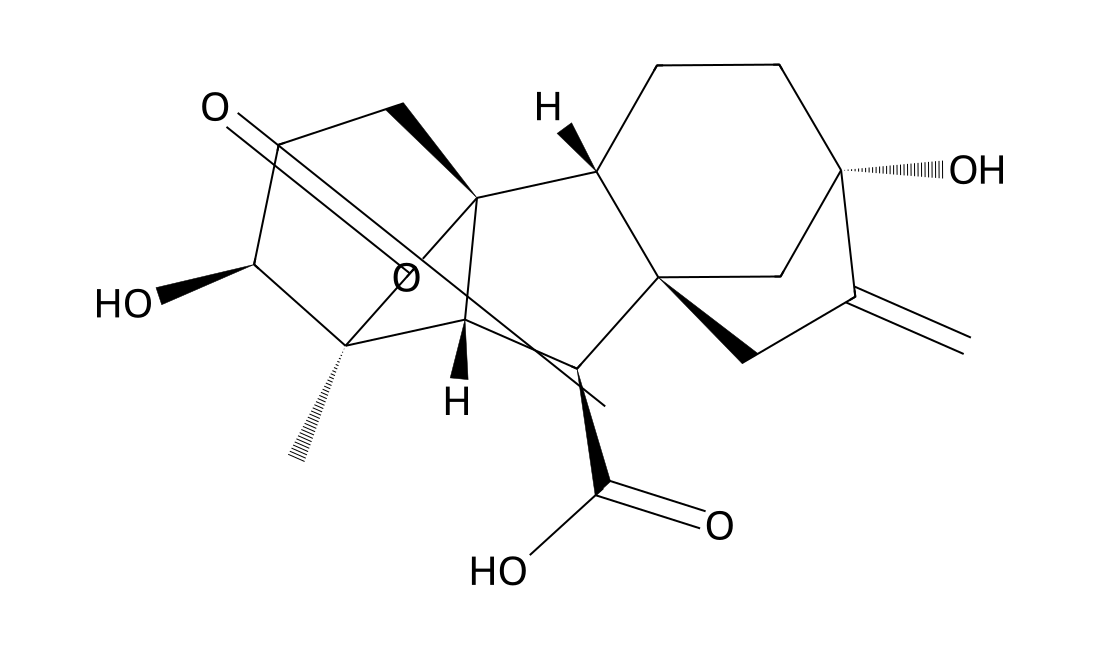
Gibberellin A1Featured
Gibberellin A1 is a kind of plant hormones. Gibberellin A1 is a growth-promoting acids isolated from immature seed of Phaseolus multiflorus.
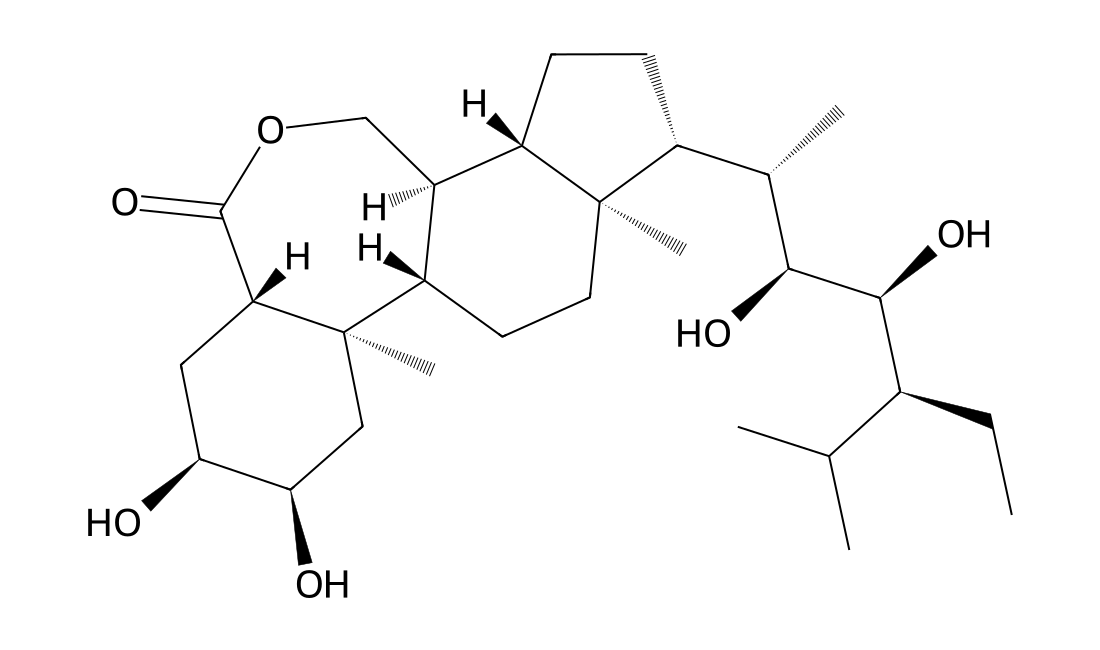
(22S,23S)-HomobrassinolideFeatured
(22S,23S)-Homobrassinolide is one of the most active brassinosteroids in inducing plant growth in various plant bioassay systems. (22S,23S)-Homobrassinolide shows Akt-dependent anabolic activity in rat skeletal muscle cells. Orally active.
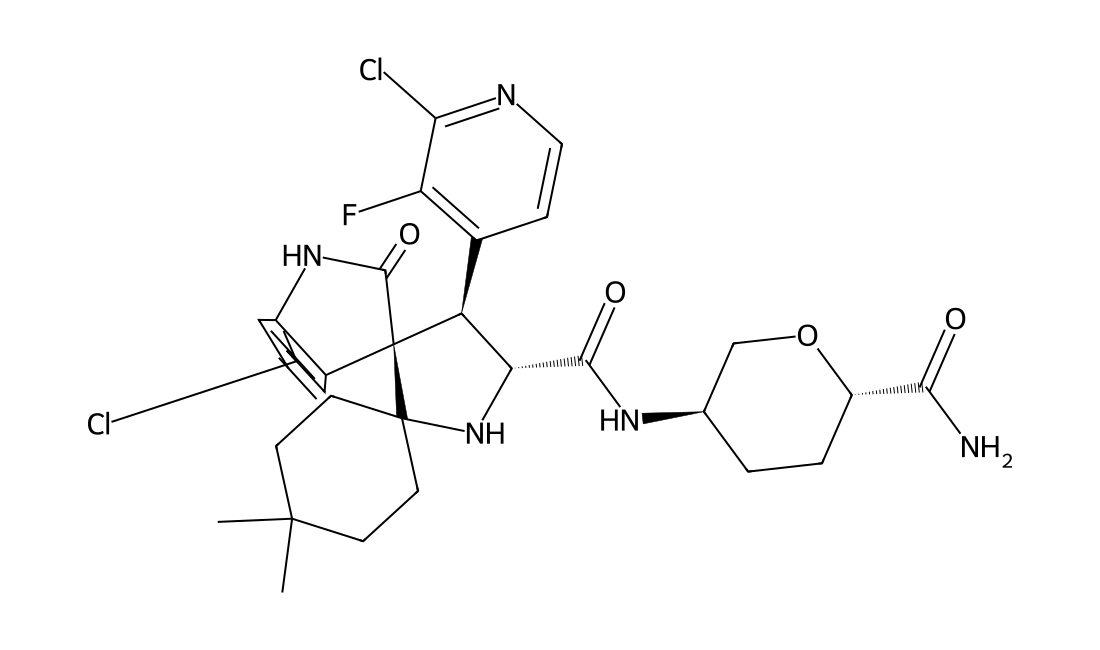
MilademetanFeatured
DS-3032b is a potent, selective, orally available MDM2-p53 inhibitor with potential antineoplastic activity; binds to, and prevents the binding of MDM2 protein to the transcriptional activation domain of the tumor suppressor protein p53; restores p53 signaling and leads to the p53-mediated induction of tumor cell apoptosis.
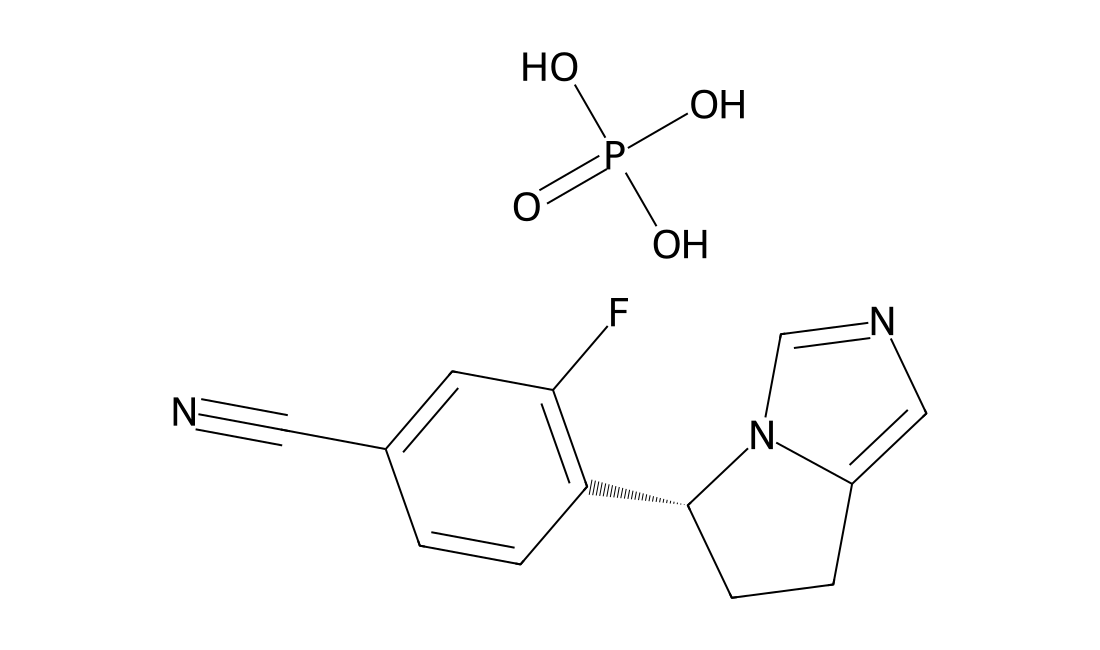
Osilodrostat phosphateFeatured
Osilodrostat (LCI699) phosphate is a potent, orally active11β-hydroxylase (CYP11B1) inhibitor with an IC50 value of 35 nM. Osilodrostat phosphate is a potent, orally aldosterone synthase (CYP11B2) inhibitor with IC50 values of 0.7 nM and 160 nM for human aldosterone synthase and rat aldosterone synthase, respectively. Osilodrostat phosphate inhibits aldosterone and corticosterone synthesis. Osilodrostat phosphate has blood pressure lowering ability. Osilodrostat phosphate can be used for research of Cushing syndrome (CS).
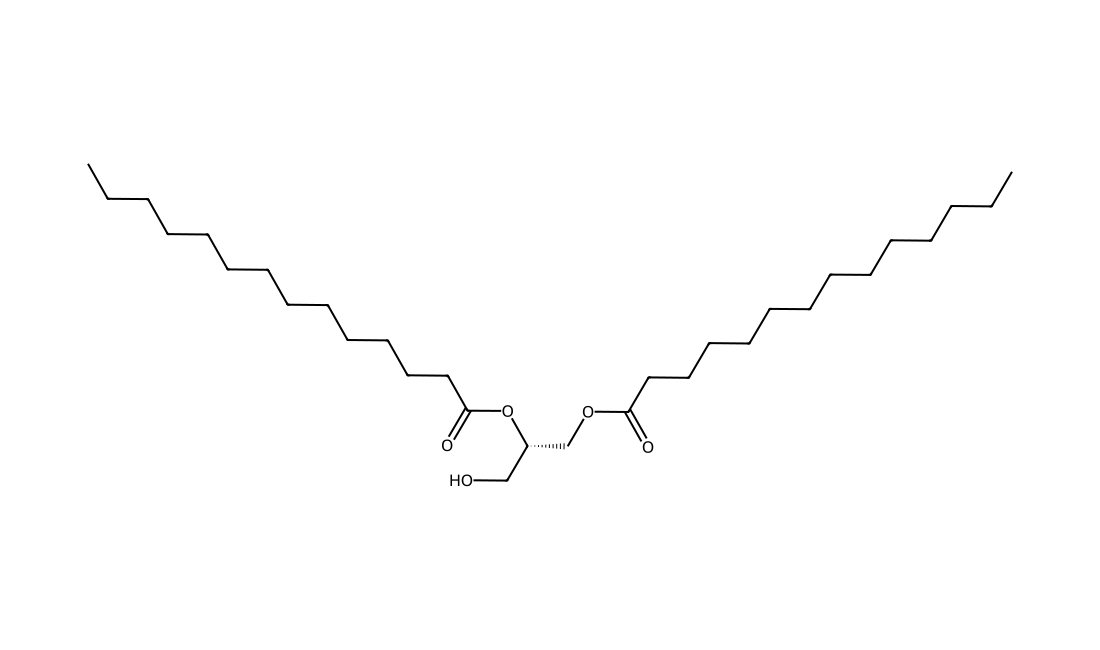
1,2-Dimyristoyl-sn-glycerolFeatured
1,2-Dimyristoyl-sn-glycerol is a saturated diacylglycerol and a weak second messenger for the activation of PKC.
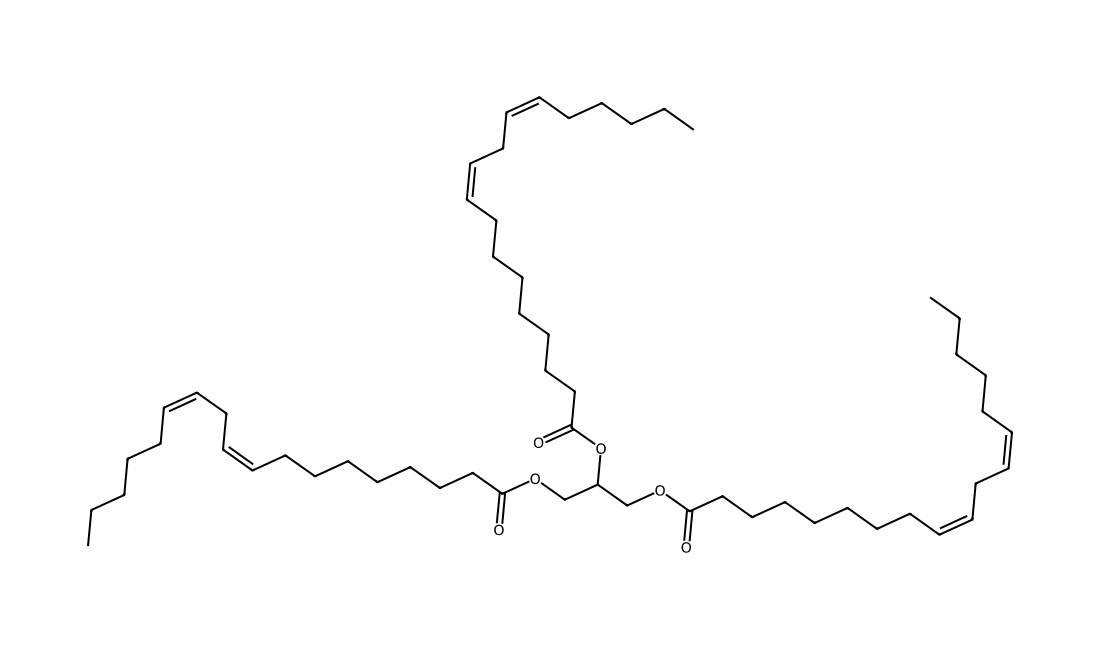
TrilinoleinFeatured
Trilinolein is an endogenous metabolite.
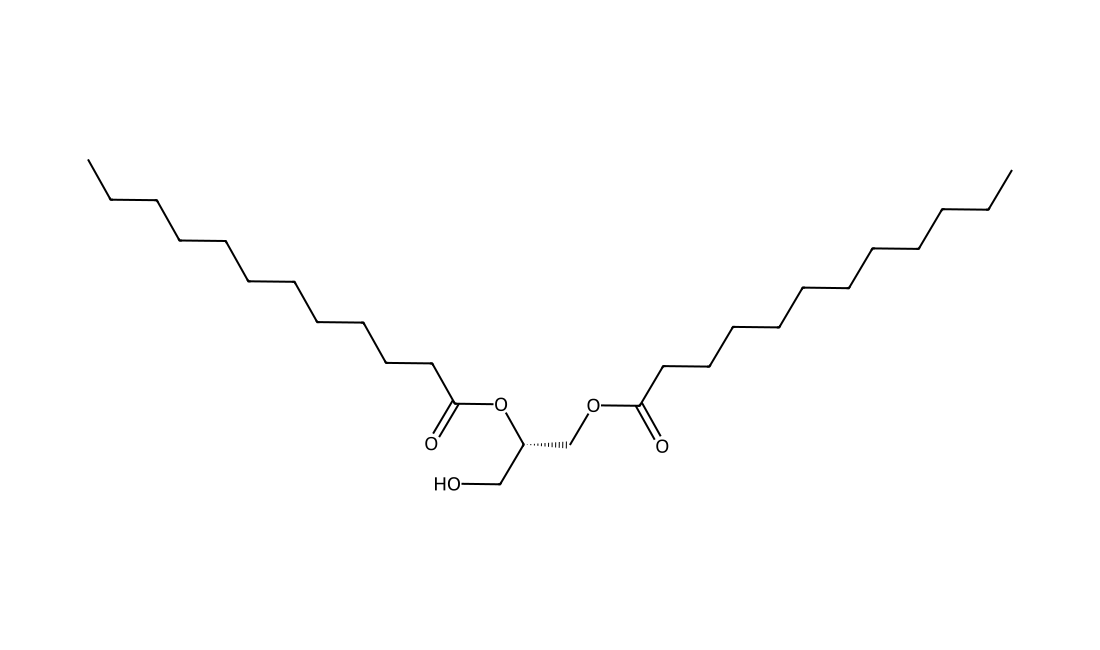
1,2-Dilauroyl-sn-glycerolFeatured
1,2-Dilauroyl-sn-glycerol is a saturated diacylglycerol and may play a role in second messenger signal transduction.
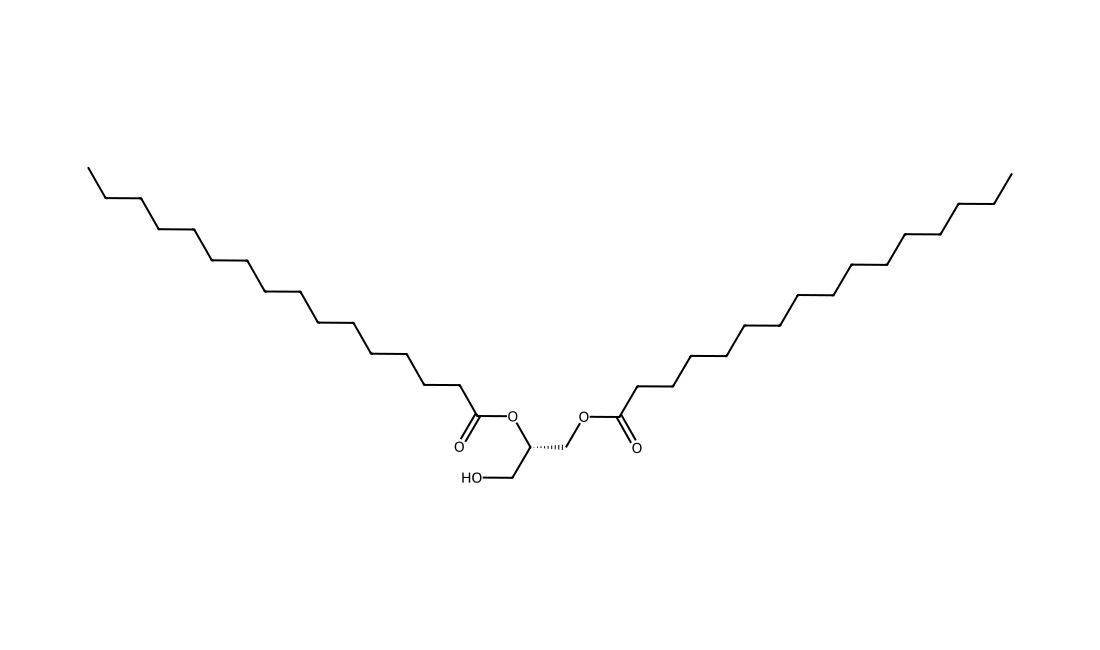
1,2-Dipalmitoyl-sn-glycerolFeatured
1,2-Dipalmitoyl-sn-glycerol is an endogenous metabolite.
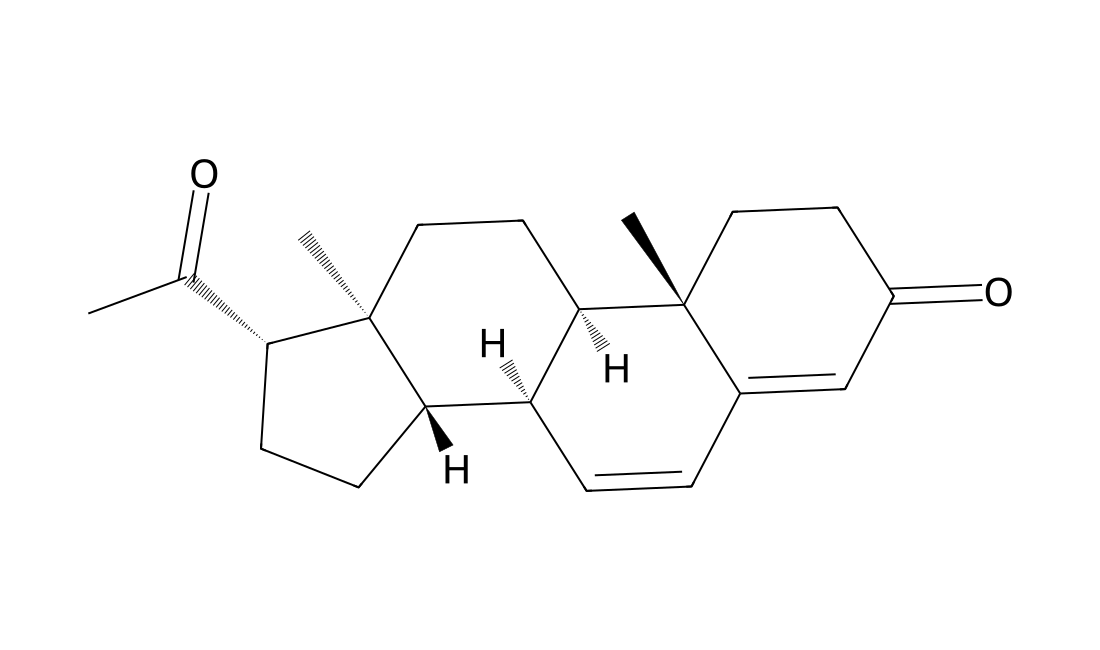
DydrogesteroneFeatured
Dydrogesterone is a synthetic progestin. Dydrogesterone alone or in combination with estrogen to endothelial cells results in neutral effects on NO synthesis and on the activity and expression of eNOS. Unlike many other progestational compounds, dydrogesterone produces no increase in temperature and does not inhibit ovulation.
GFB-12811Featured
GFB-12811 is a high selective and orally active CDK5 inhibitor with an IC50 of 2.3 nM. GFB-12811 is highly selective over the other tested kinases (CDK1/2/6/7/9).
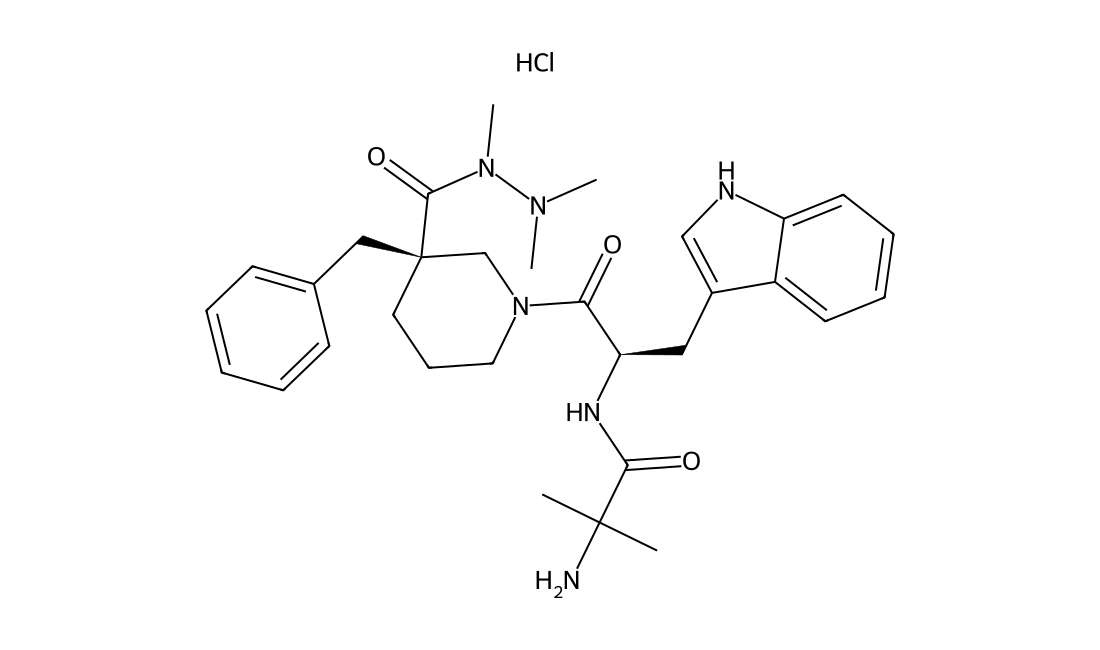
Anamorelin hydrochlorideFeatured
Anamorelin hydrochloride is a novel ghrelin receptor agonist with EC50 value of 0.74 nM in the FLIPR assay.
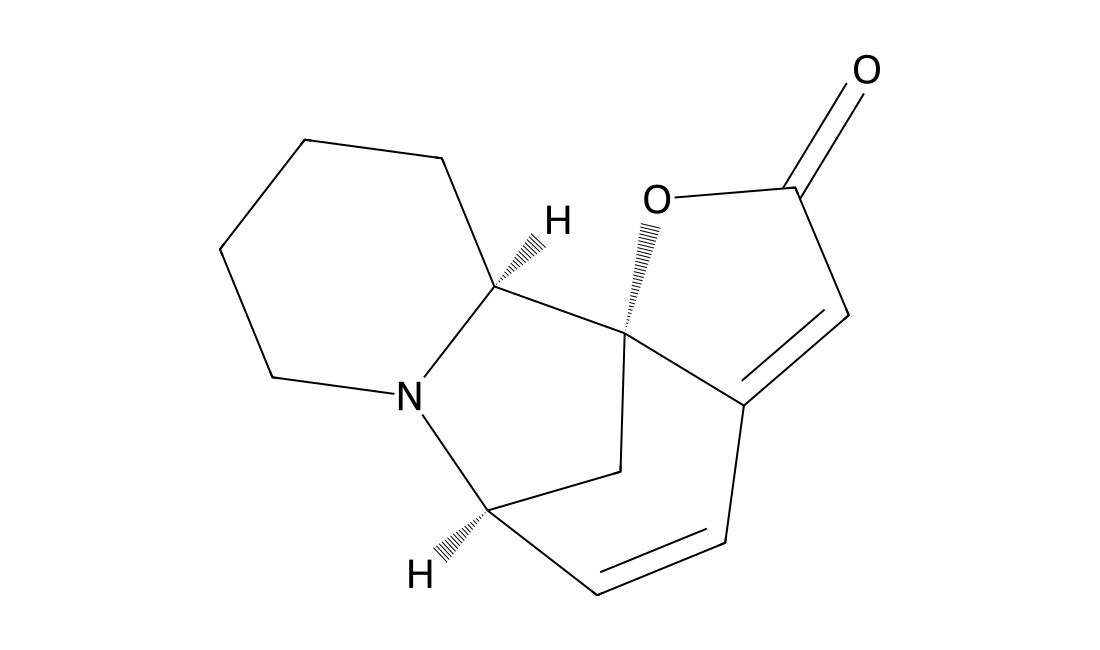
AllosecurinineFeatured
Allosecurinine (Phyllochrysine) is a Securinega alkaloid isolated from Phyllanthus glaucus .
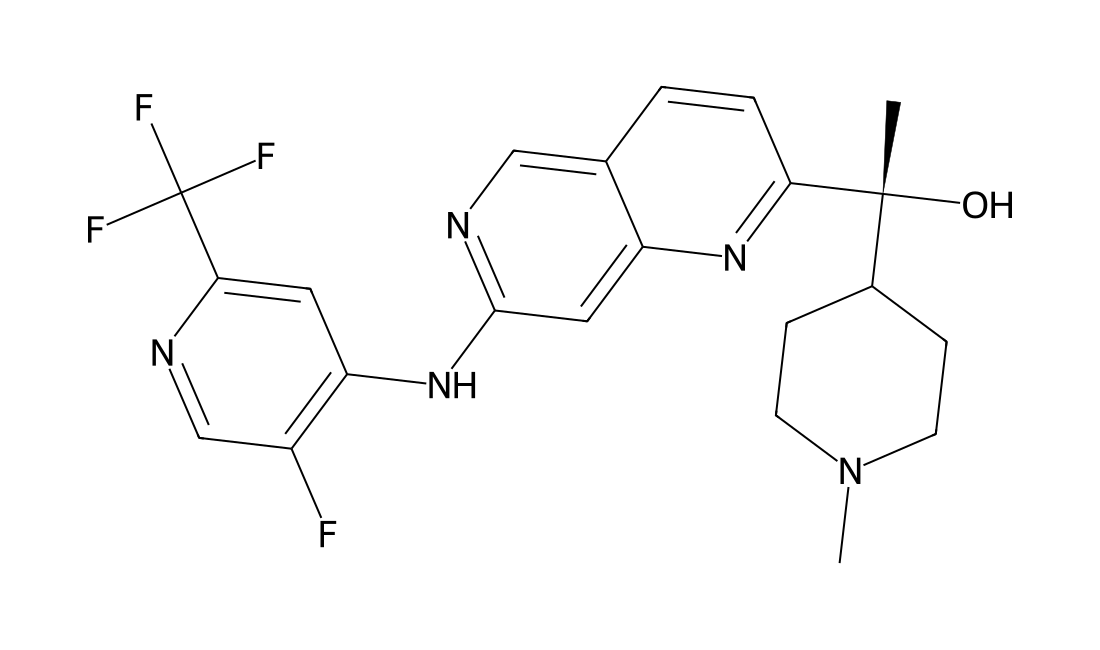
NMDAR antagonist 1Featured
NMDAR antagonist 1 is a potent and orally bioavailable NR2B-selective NMDAR antagonist.
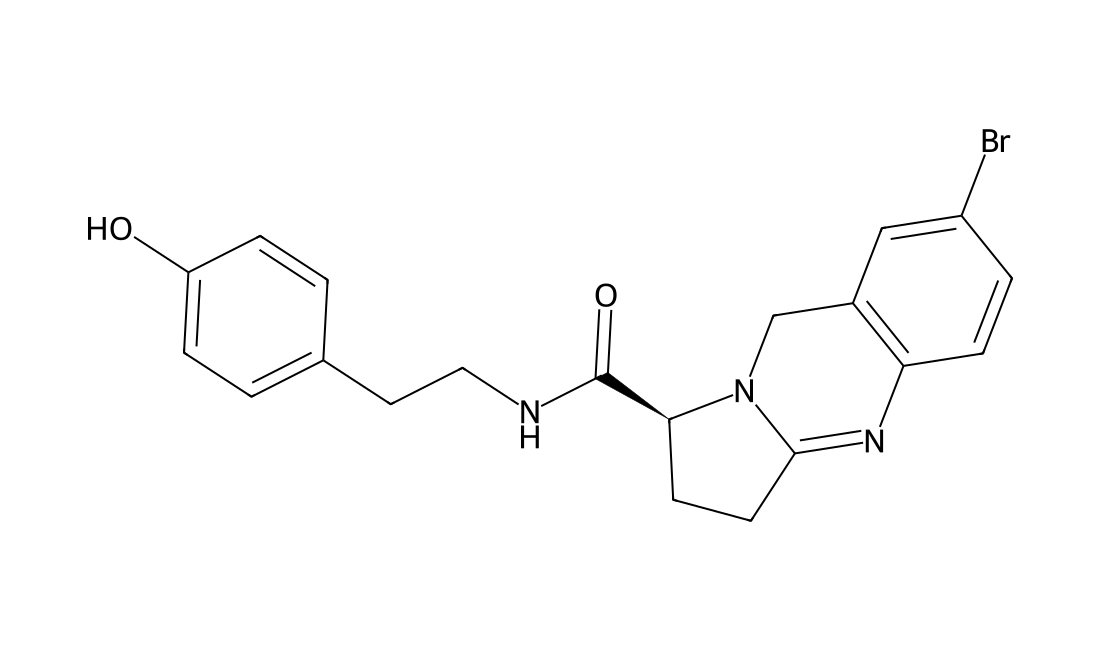
XRK3F2Featured
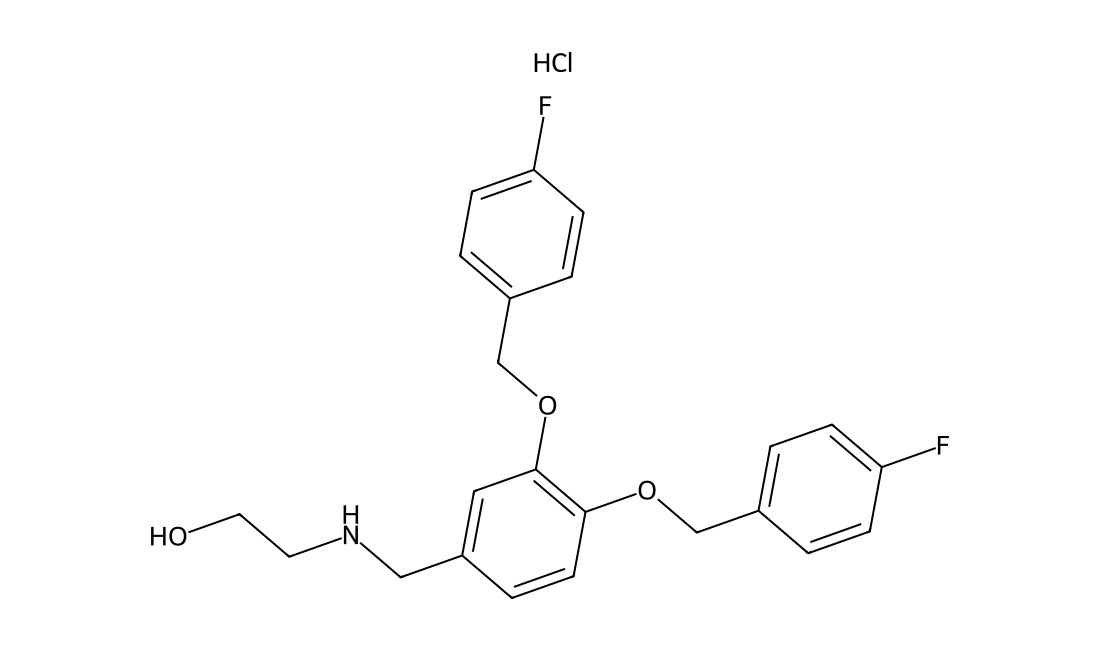
In Vitro The presence of XRK3F2 during MM-preOB co-cultures prevents Runx2 suppression at both d0 and d4. Furthermore, XRK3F2 blocks MM-induced upregulation of Gfi1. XRK3F2 blocks the induction of Gfi1 mRNA in BMSC in both treatment conditions. In contrast, XRK3F2 prevents both MM1.S CM and TNFα plus IL7-mediated Runx2 suppression. Further, the pro-inflammatory and myeloma pro-survival factor IL6 mRNA is also reduced by XRK3F2 treatment. In addition, XRK3F2 also prevents TNFα-mediated upregulation of Gfi1 and rescues inhibition of Runx2 in MC4 preOB. XRK3F2 prevents MM-induced GFI1 occupancy at the Runx2-P1 promoter. XRK3F2 treatment significantly rescues the H3K9ac levels at Runx2 in MM patient hBMSC and XRK3F2 can rescue early steps in osteogenesis.
GB111-NH2Featured
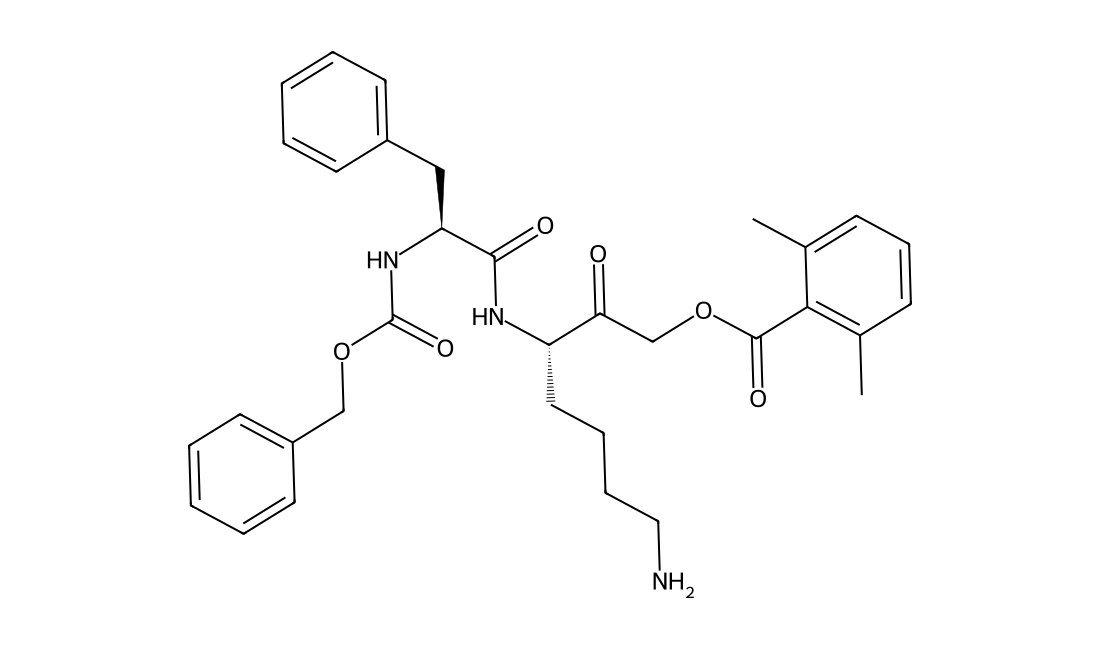
GB111-NH2 (Z-Phe-Lys-AOMK) is a novel cysteine cathepsin inhibitor that blocks the activity of cathepsins B, L and S. GB111-NH2 (Z-Phe-Lys-AOMK) inhibits autophagy and increases oxidative stress, specifically trigger macrophage cell death.
ABBV-318Featured
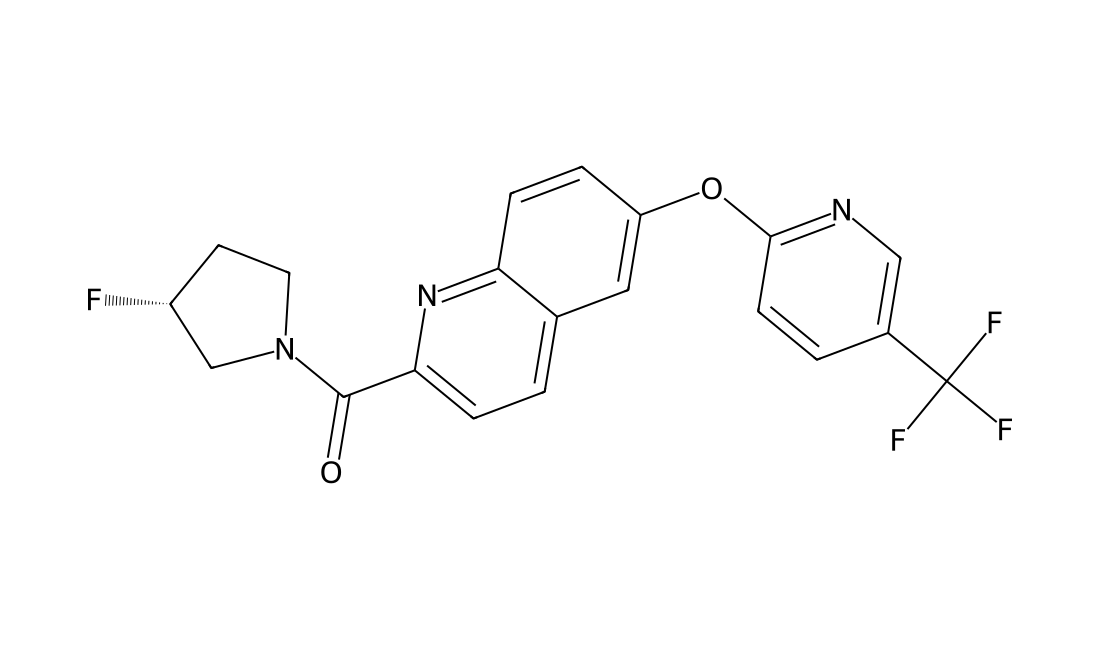
ABBV-318 is a potent Nav1.7/ Nav1.8 blocker, with IC50s of 2.8 μM and 3.8 μM for hNav1.7 and hNav1.8, respectively. ABBV-318 can be used for the research of pain.
MTK458Featured
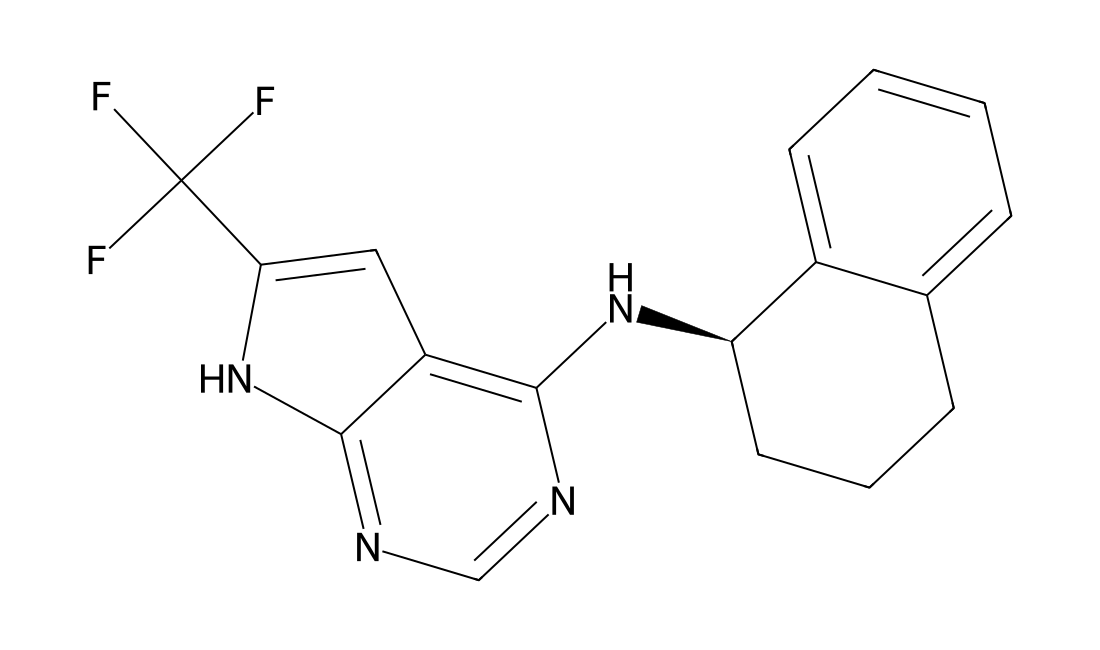
MTK458 (MTK-458) is a potent, selective and brain penetrant PINK1 activator, MTK-458 promotes the first step in mitophagy. MTK458 selectively activates PINK1 by stimulating dimerization and stabilization of the PINK1/TOM complex. MTK458 binds to PINK1 and stabilizes an active heterocomplex, thereby increasing mitophagy. MTK458 reduces the PINK1 substrate pS65-Ubiquitin (pUb) in primary neurons and in vivo. MTK458 drives clearance of pathologic α-synuclein in vitro and in vivo, decreases pS129 α-synuclein aggregates and normalized both brain and corresponding plasma pUb levels in both cellular and animal models of α-synuclein aggregation (PD-like pathology).
No products match this search.
Page 367 of 384 · Browse all 7677 products
Jump to a product page
Featured literature product: HX1 · DCL0028
HX1 is a hydroxyzine-derived ionizable lipid with acetal-containing tails, studied in lipid nanoparticles for brain mRNA delivery and CRISPR–Cas9 delivery. It was the lead in the reported in vivo brain-delivery screen; evidence is preclinical and formulation-dependent.
Read full formulation and performance →