
Research lipid catalog
Ionizable Lipid Products
Explore 848 lipid and RNA delivery products. Search the full catalog or browse by research category.
Search covers product name, catalog number, synonyms, available CAS numbers and categories. Spaces, hyphens and common punctuation are ignored. Duplicate legacy records are consolidated under one canonical product result.
7677 products · Showing 7441–7460 · 20 per page
DC Chemicals lipid expertise
Built for ionizable-lipid discovery and RNA delivery research
DC Chemicals supports formulation and delivery research with a broad, searchable portfolio of cationic and ionizable lipids. The current directory brings together 848 unique research-use products, with product specifications, pricing, chemical structures and literature-linked formulation data added as each record is verified.
Our experience spans complex lipid synthesis, purification, analytical release and process development. For custom molecules or larger-scale requirements, our team can discuss route development, technical specifications and scale-up options for the intended research workflow.
Learn about cationic and ionizable lipids →Proprietary innovation · Co-development · GMP
From proprietary lipid design to GMP-grade custom synthesis
DC Chemicals has independently developed ionizable-lipid structures supported by company-owned intellectual property, and selected proprietary lipid programs have advanced to GMP-stage development.
We welcome joint development with customers—from molecular design and lipid synthesis through route and process development. We can also support custom synthesis of GMP-grade ionizable lipids to agreed technical specifications and quality requirements.
Discuss a co-development project →Proprietary ionizable-lipid structuresCollaborative molecular designCustom lipid synthesisProcess development and scale-upGMP-grade project support
Product quick links
Explore New ionizable lipids
Explore our five most recently added ionizable lipids, with specifications, pricing and literature-linked product information.
DCL0028HX1Brain RNA delivery researchView product →DCL0024A1I4R13C18-2Spleen-targeted RNA delivery researchView product →DCL0023A1I4R2C18-2Spleen-targeted RNA delivery researchView product →DCL0022FS01Local joint RNA delivery researchView product →DCL0020Lipid-392Lung RNA delivery and gene editing researchView product →
Cat. No.Product NameField of ApplicationChemical Structure
KHS101 hydrochlorideFeatured
In Vitro KHS101 increases neuronal differentiation of adherently cultured rat NPCs in a dose-dependent fashion (EC50 ~1 μM). KHS101-induced neuron formation (40-60% TuJ1+ cells at 1.5–5 μM KHS101) is also observed under neurosphere-forming conditions in secondary neurospheres derived from both the hippocampus and the subventricular zone (SVZ) of adult rats. Moreover, hippocampal NPCs treated with KHS101 and cultured adherently on microelectrode arrays for 12 d exhibit neuronal morphologies as well as spontaneous spiking activity, hence indicating the presence of functional, maturing neurons. KHS101 markedly attenuates tumor cell growth as compared to the cells treated with the vehicle [dimethyl sulfoxide (DMSO)]. TACC3 is a known target of KHS101 in rodent neural progenitor cells. KHS101 has been shown to cause cellular destabilization of TACC3, hence reducing endogenous TACC3 protein levels over time. In Vivo Tumor cell proliferation is markedly reduced in KHS101-treated tumors (about twofold). KHS101-treated tumors show signs of elevated cell death (reduced cellularity/increased pyknosis) compared with tumors treated with vehicle control. KHS101 treatment markedly reduces both frontal-to-caudal tumor expansion and corpus callosum invasion of vimentin-positive GBM1 cells. It is also found that the survival of animals carrying GBMX1 tumors (established 2 or 6 weeks before treatment) is markedly increased by the KHS101 treatment regimen for 10 weeks. None of the mice have to be removed from the study because of adverse side effects of the treatment. An additional experiment using a continuous KHS101 treatment regimen until the experimental endpoints also shows a marked increase in the survival of GBMX1-bearing animals. Histological endpoint analysis of KHS101- and vehicle-treated animals confirms a significantly decreased tumor size in KHS101-treated mice.
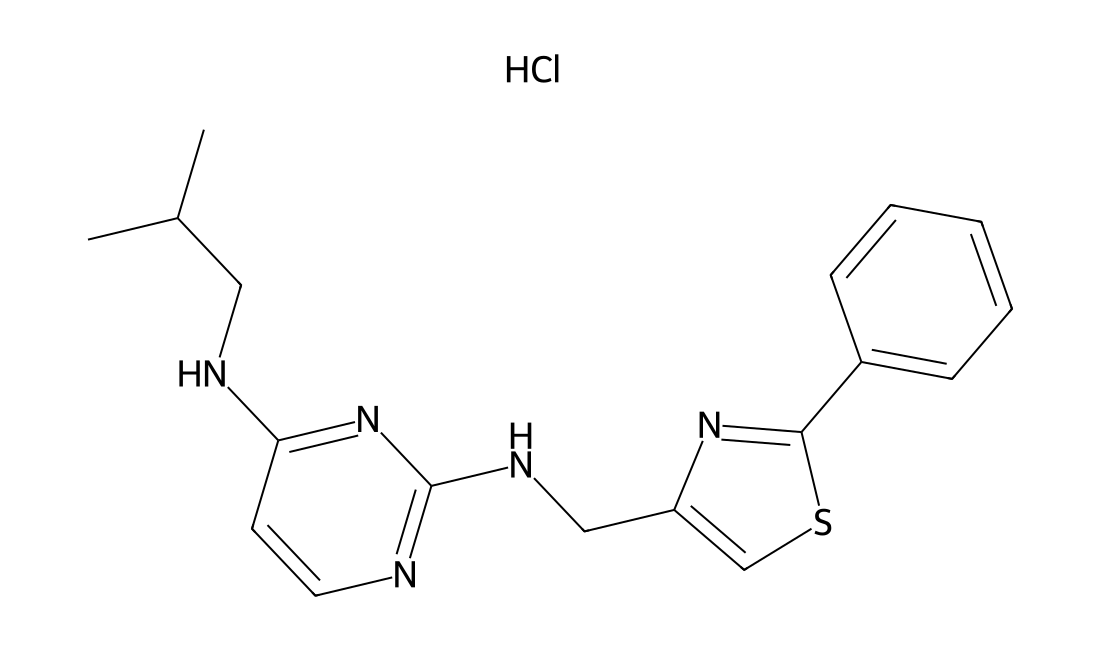
STING-IN-3Featured
STING-IN-3 is an inhibitor of stimulator of interferon genes (STING). STING-IN-3 efficiently inhibits both hsSTING and mmSTING through covalently target the predicted transmembrane cysteine residue 91 and thereby block the activation-induced palmitoylation of STING.
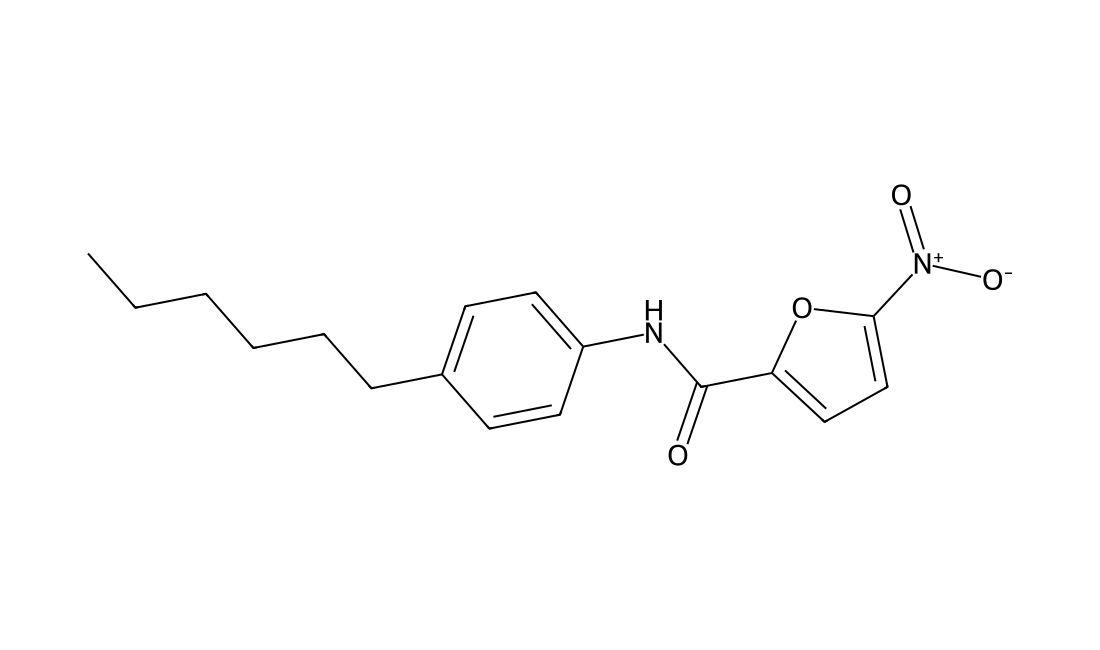
PKC-theta inhibitor hclFeatured
PKCθ inhibitor is an inhibitor of PKCθ.
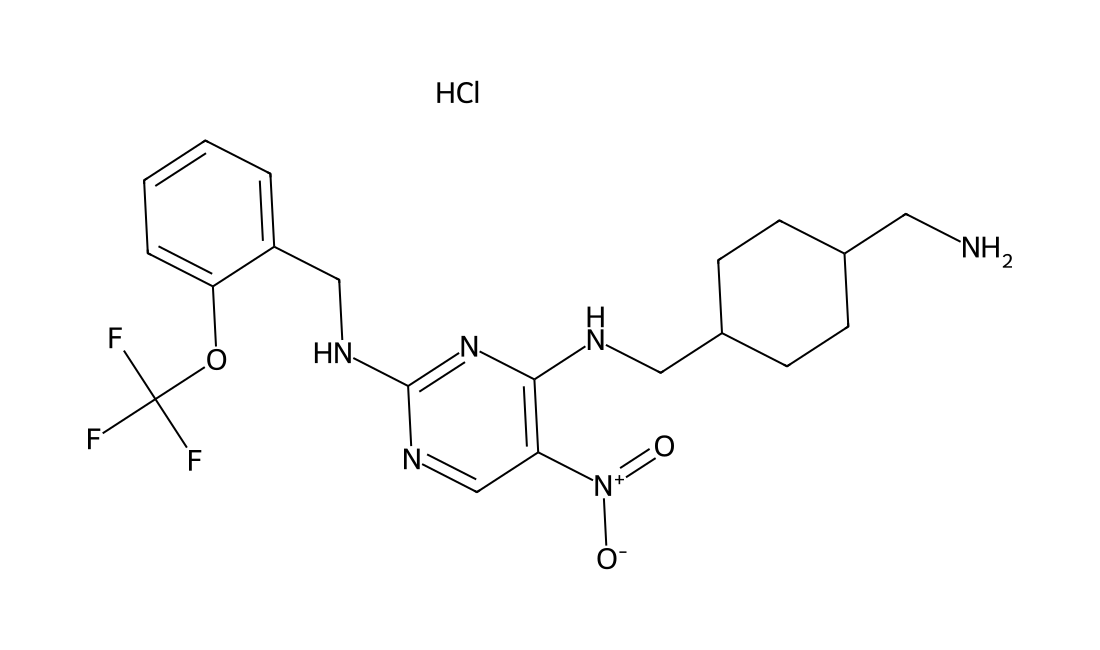
Fmoc-Val-Cit-PAB-MMAEFeatured
Fmoc-Val-Cit-PAB-MMAE consists the ADCs linker (Fmoc-Val-Cit-PAB) and potent tubulin inhibitor (MMAE). Fmoc-Val-Cit-PAB-MMAE is a agent-linker conjugate for ADC.
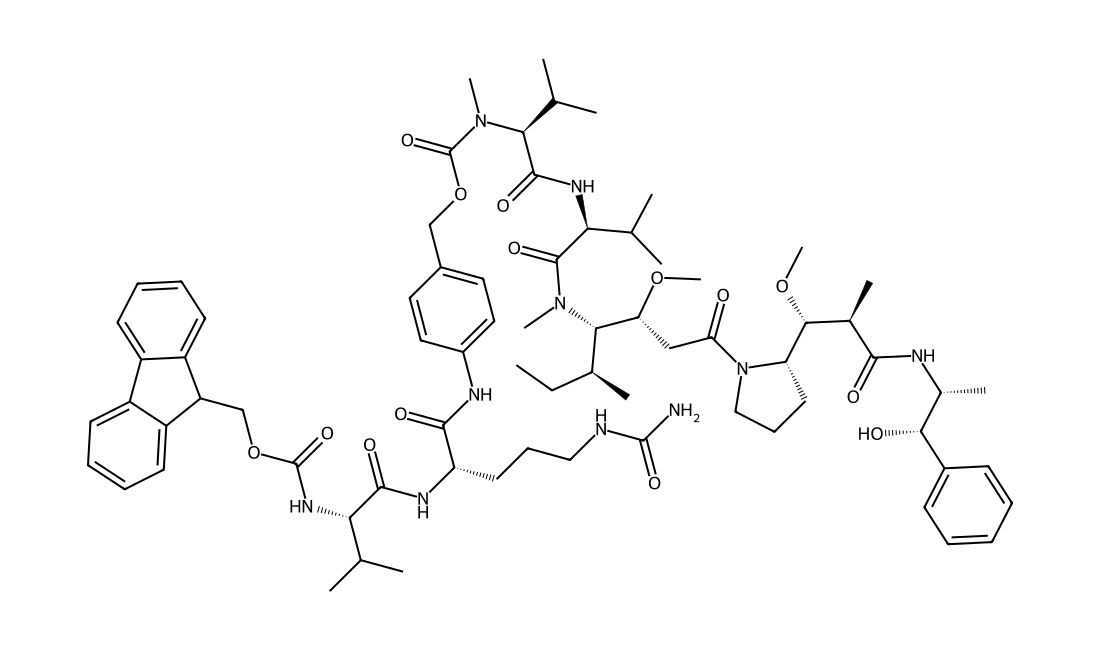
BAY-2965501Featured
BAY-2965501 is a first-in-class a diacylglycerol kinase zeta (DGKζ, lipid kinase) inhibitor with IC50 of 27 nM/35 nM (human/mouse) and shows >20-fold selectivity for DGKζ over other DGK isotypes. BAY-2965501 blocks DGKζ in T-cells to activate them
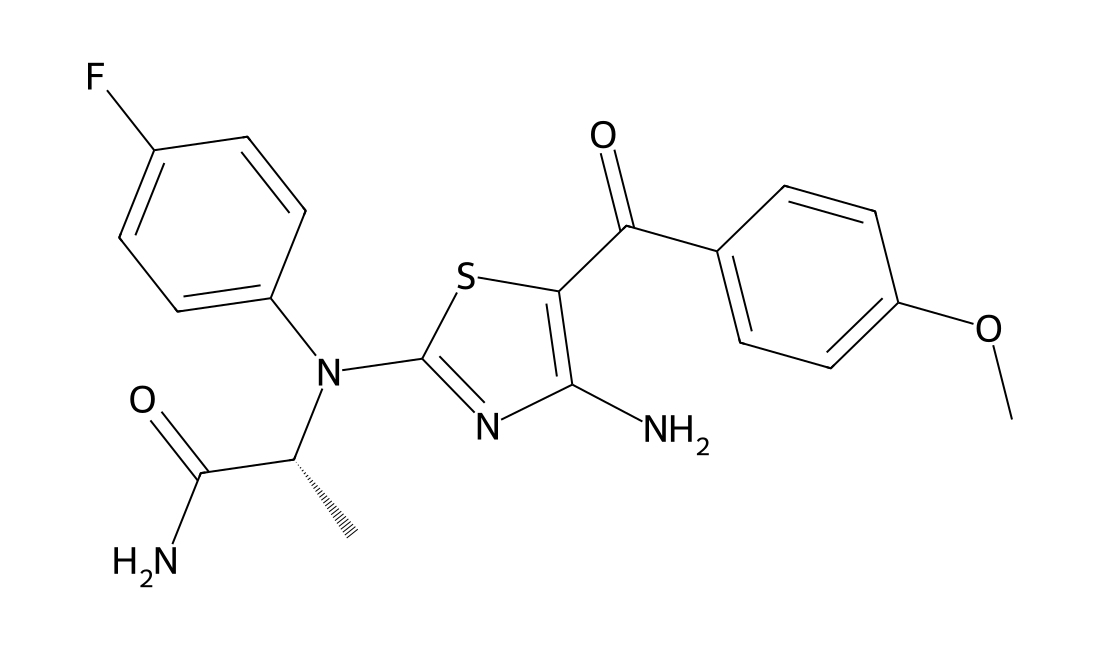
Leniolisib phosphateFeatured
Leniolisib (CDZ173) phosphate is a potent and selective PI3Kδ inhibitor. Leniolisib phosphate has the potential for immunodeficiency disorders treatment.
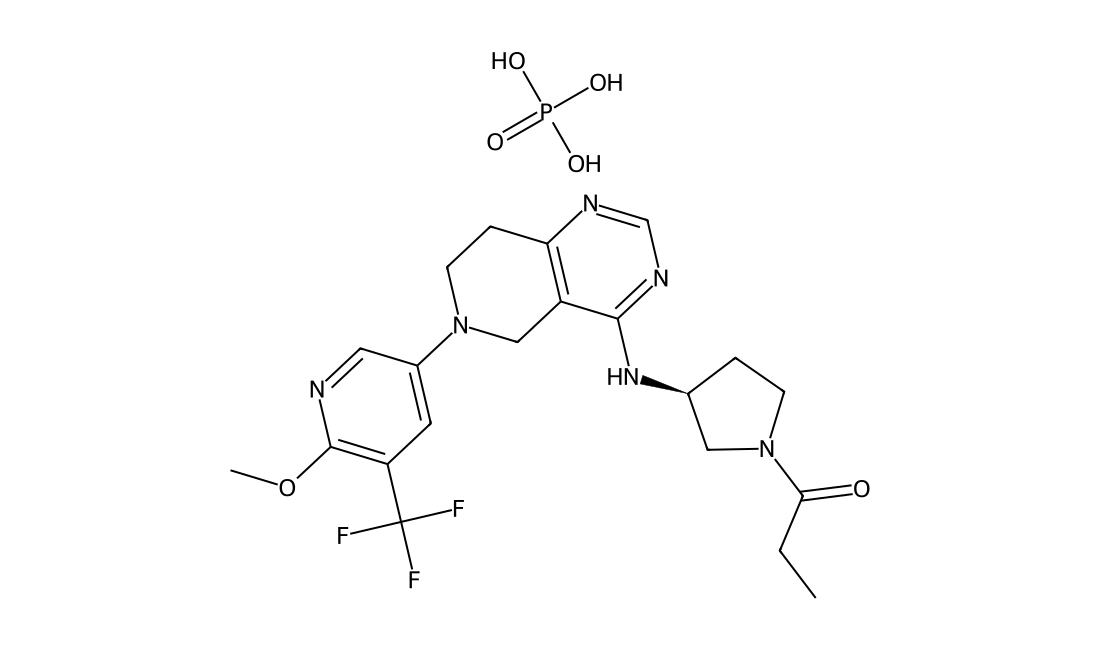
Fmoc-Gly-Gly-OHFeatured
Fmoc-Gly-Gly-OH is a cleavable ADC linker used in the synthesis of antibody-drug conjugates (ADCs).
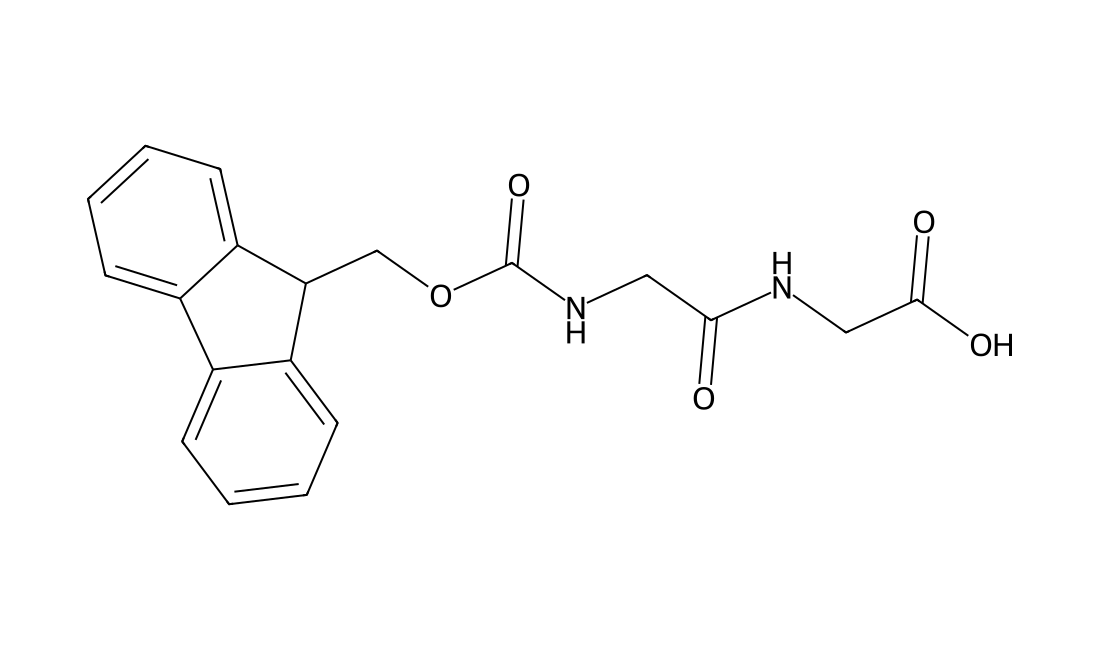
PidotimodFeatured
Pidotimod is an immunostimulant, a synthetic dipeptide with immunomodulatory properties, also able to increase the concentration of salivary IgA directed against bacteria.
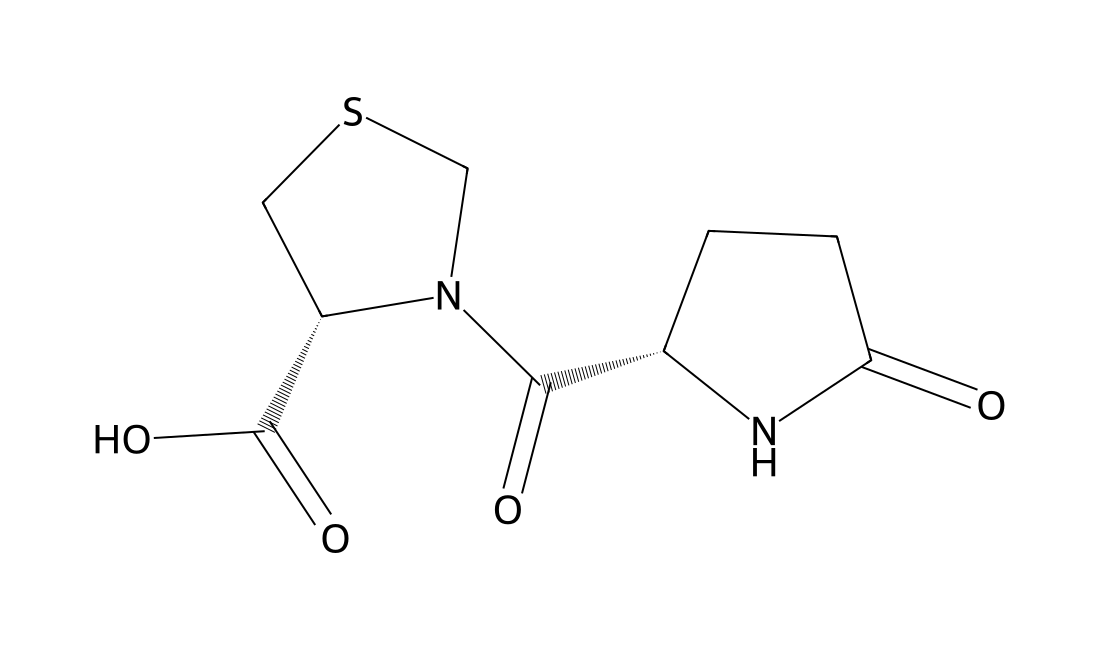
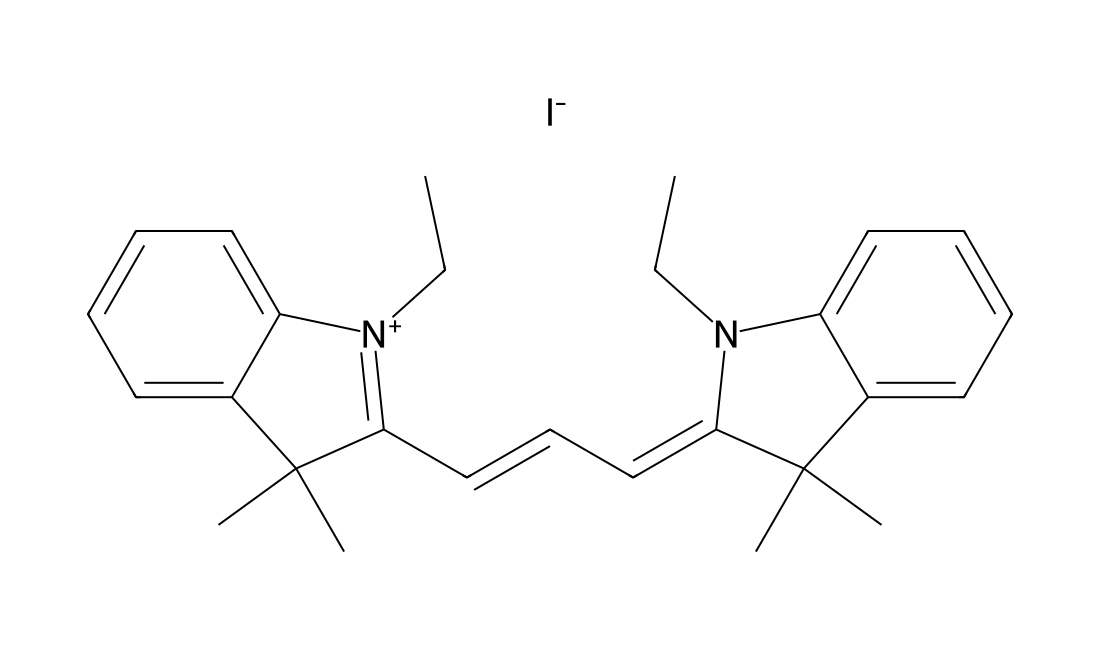
AstrophloxineFeatured
Astrophloxine is a fluorescent imaging probe capable of targeting antiparallel dimers. Astrophloxine can be used to detect aggregated Aβ in brain tissue and cerebrospinal fluid samples of Alzheimer's disease (AD) mice.
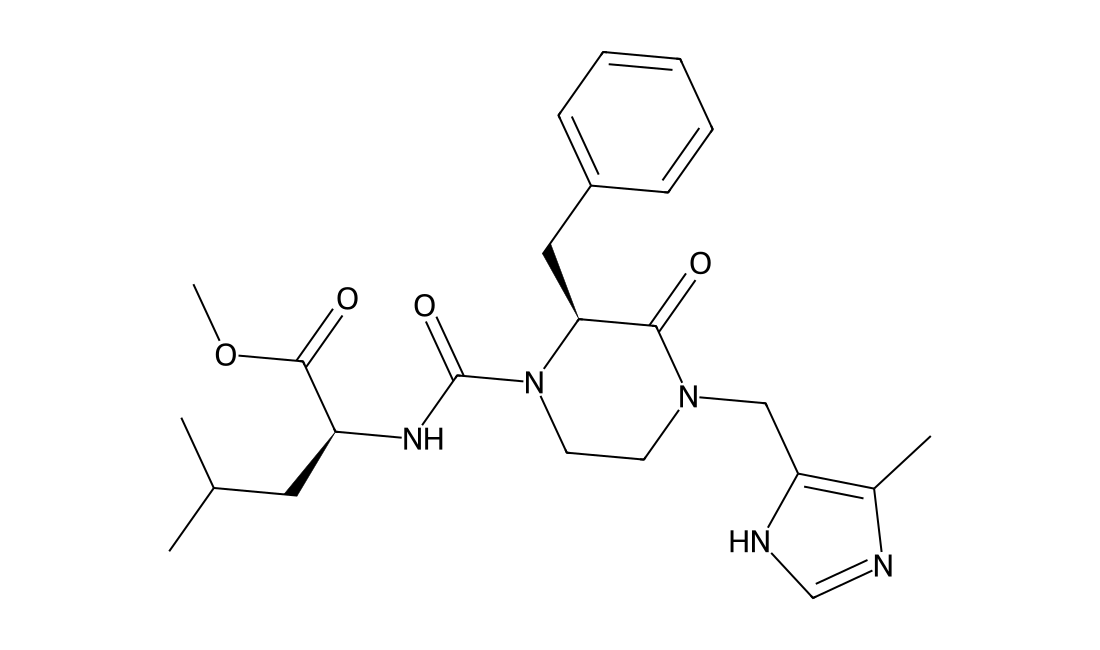
GGTI 2417Featured
GGTI 2417 is the methyl ester prodrug of GGTI-2418, a highly potent, competitive, and selective inhibitor of GGTase I; exhibits potent inhibitory activity against Rap1 geranylgeranylation with IC50 of 400 nM; increases p27 protein levels and induces accumulation in the G0/G1 phase as well as apoptotic cell death in breast cancer cells, and prevents the degradation of nuclear p27.
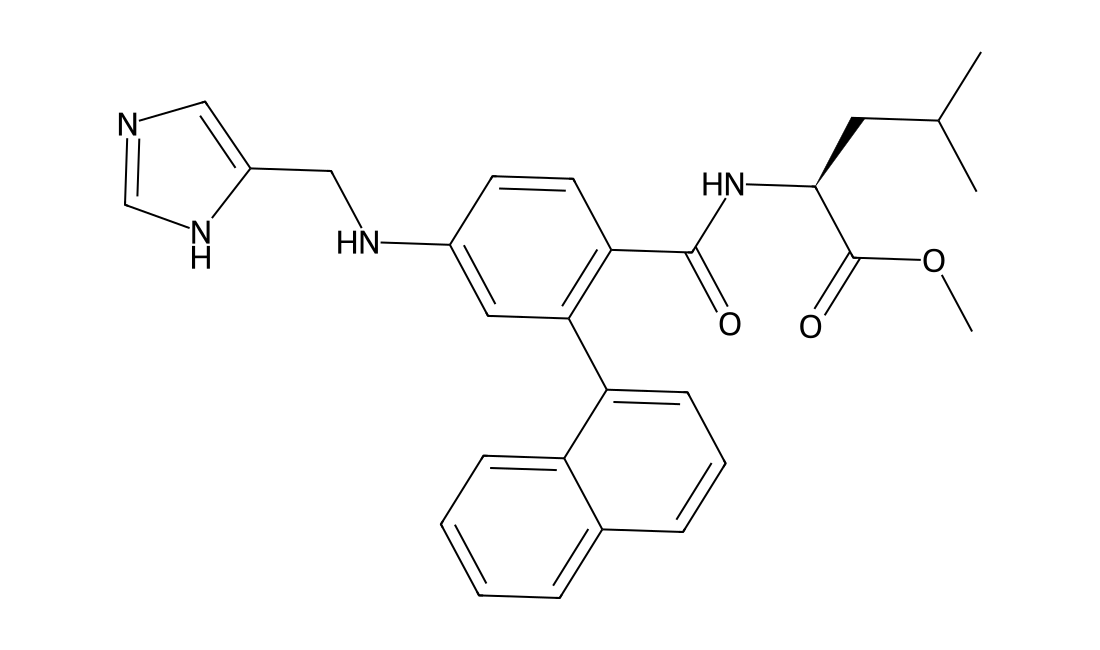
GGTI-2147Featured
GGTI-2147 is a non-thiol peptidomimetic that inhibits GGTase I and blocks geranyl-geranylation of Rap1A (IC50=0.5 uM); inhibits glucose- and KCl-induced insulin secretion; inhibits Rac1 geranylgeranylation, down-regulates the expression of p65, and ameliorated the OGD/R-induced neuronal apoptosis.
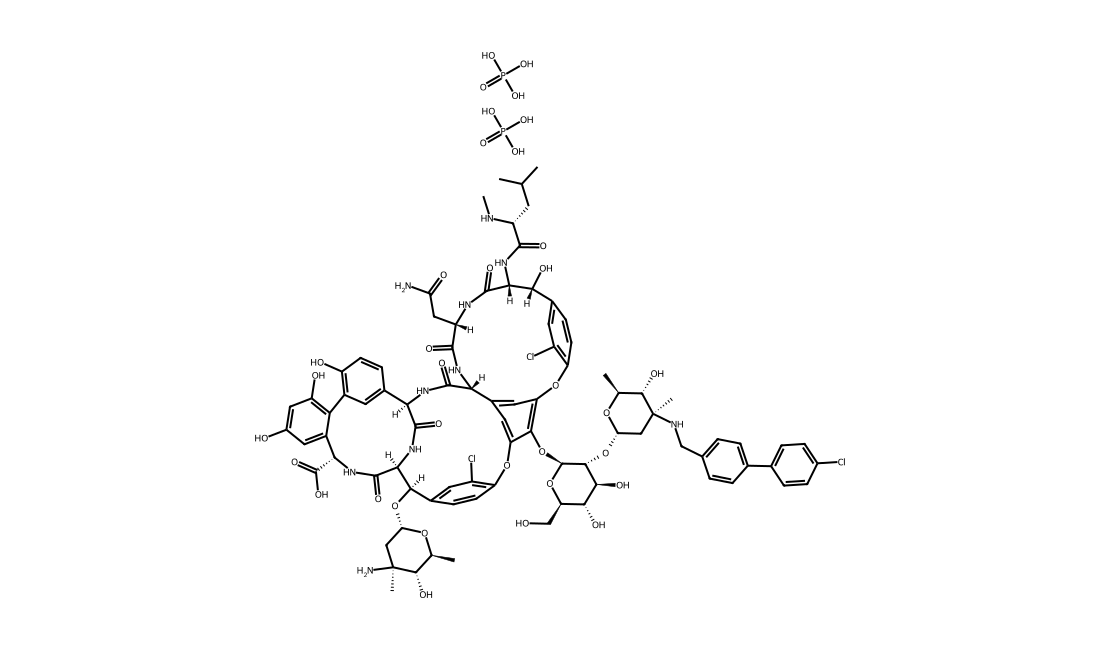
Oritavancin (phosphate)Featured
Oritavancin is a semisynthetic glycopeptide antibiotic that inhibits the growth of Gram-positive bacteria.It inhibits transglycosylation and transpeptidation in the bacterial cell wall to disrupt membrane integrity.Oritavancin inhibits the growth of clinical isolates from skin and soft-tissue infections, including methicillin-resistant and -susceptible S. aureus (MRSA, MSSA), vancomycin-resistant and -susceptible E. faecium (VREF, VSRF), as well as other staphylococci, streptococci, and enterococci (MIC90s = ≤0.008-0.5 mg/L).Oritavancin inhibits growth of S. aureus in a neutropenic-mouse thigh model of infection (ED50 = 0.95 mg/kg for a single dose).It improves survival in a mouse inhalation model of B. anthracis Ames anthrax when administered prophylactically pre- and postexposure and when administered post symptom development.Formulations containing oritavancin have been used to treat bacterial skin infections.
ORIC-101Featured
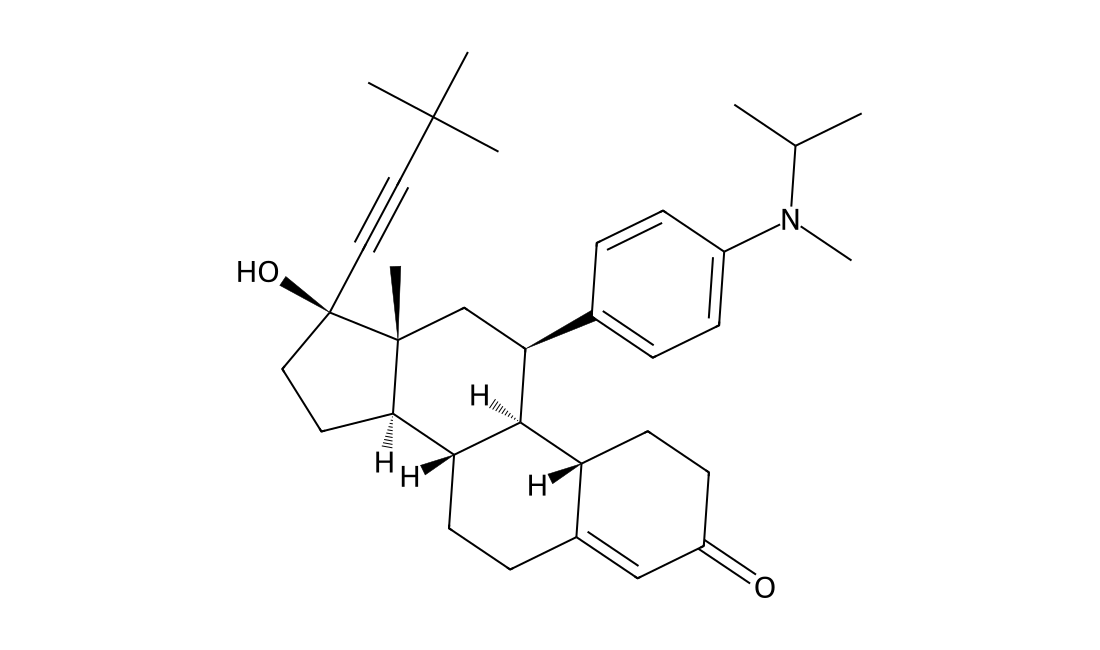
ORIC-101 (ORIC101) is a highly potent, selective steroidal glucocorticoid receptor (GR) antagonist (IC50=5.6 nM) with reduced androgen receptor (AR) agonistic activity; dose-dependently reduces the expression levels of two established GR target genes, GILZ and FKBP5 with IC50 of 24.9 and 19.5 nM in human PBMCs; demonstrates in vivo antitumor activity by enhancing response to chemotherapy in the GR+ OVCAR5 ovarian cancer xenograft model.
Pseudouridimycin(PUM)Featured
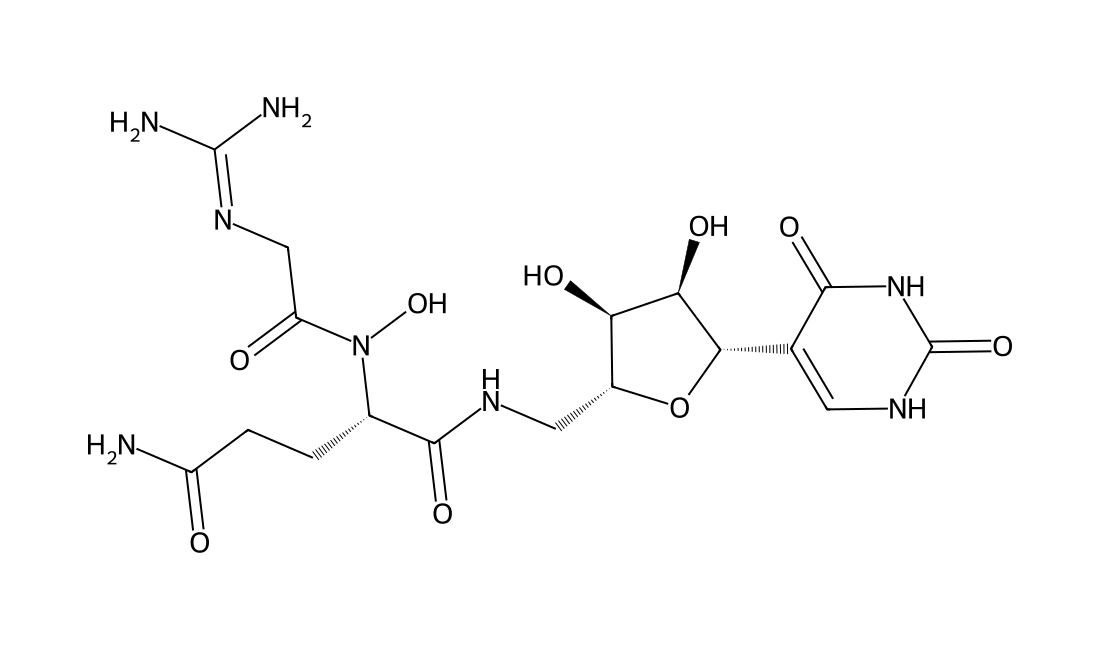
Pseudouridimycin (PUM), an antibiotic, is a selective bacterial RNA polymerase (RNAP) inhibitor. Pseudouridimycin is a C-nucleoside analogue that is effective against both Gram-negative and Gram-positive bacteria.
Didemnin BFeatured
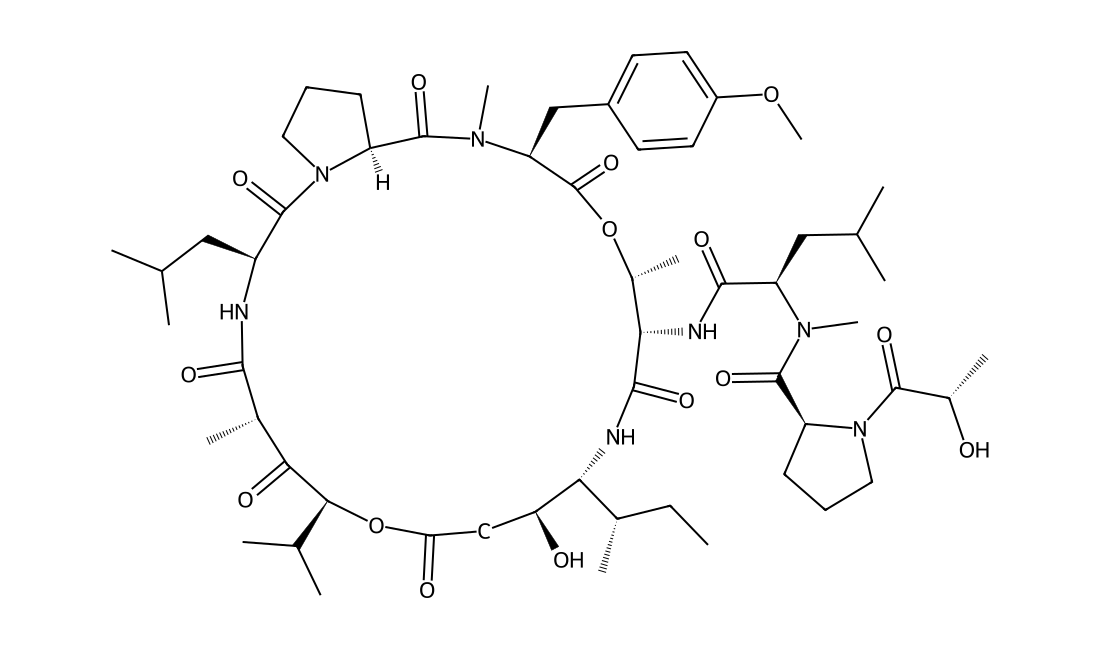
Didemnin B is a depsipeptide extracted from the marine tunicate Trididemnin cyanophorum. Didemnin B can be used for the research of cancer[1].
Leptomycin BFeatured
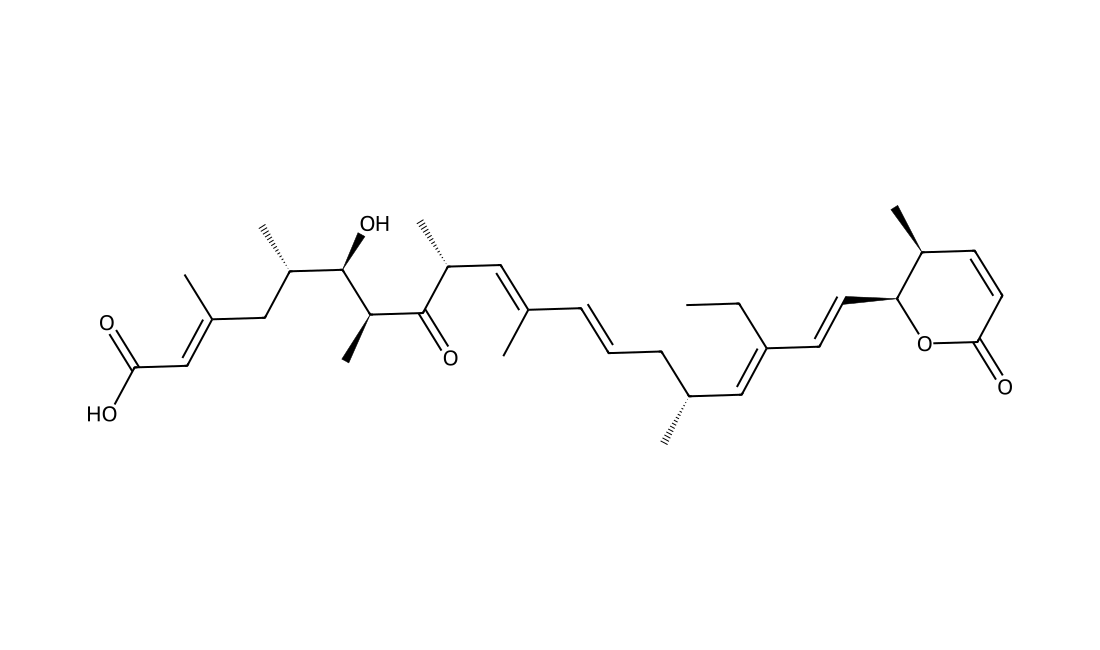
Leptomycin B (CI 940; LMB) is a potent inhibitor of the nuclear export of proteins. Leptomycin B inactivates CRM1/exportin 1 by covalent modification at a cysteine residue. Leptomycin B is a potent antifungal antibiotic blocking the eukaryotic cell cycle[1].
MK-4618Featured
A potent and selective full β3 adrenergic receptor agonist with EC50 of 1.1 nM; displays no activity for β1 and β2 receptors (EC50>20 uM); dose-dependently increases bladder capacity, decreased micturition pressure, and increased bladder compliance in rhesus monkeys, dose-dependently increases the circulating glycerol and fatty acid levels in rhesus and rat in vivo; shows the potential for treatment of overactive bladder with M2/M3 antimuscarinics.Other IndicationPhase 3 Clinical
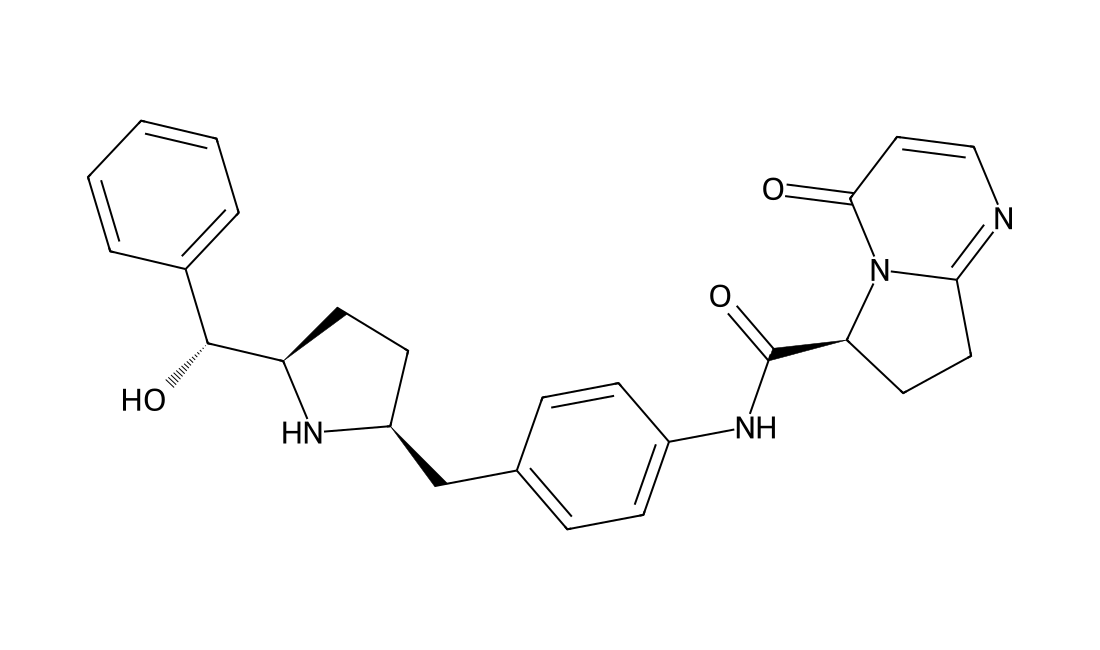
EmprumapimodFeatured
Emprumapimod is a potent, orally bioavailable and selective inhibitor of p38α MAPK directly inhibits LPS-induced IL-6 production from RPMI-8226 cell (IC50=100 pM). Emprumapimod can be used for the research of dilated cardiomyopathy and acute inflammatory pain.
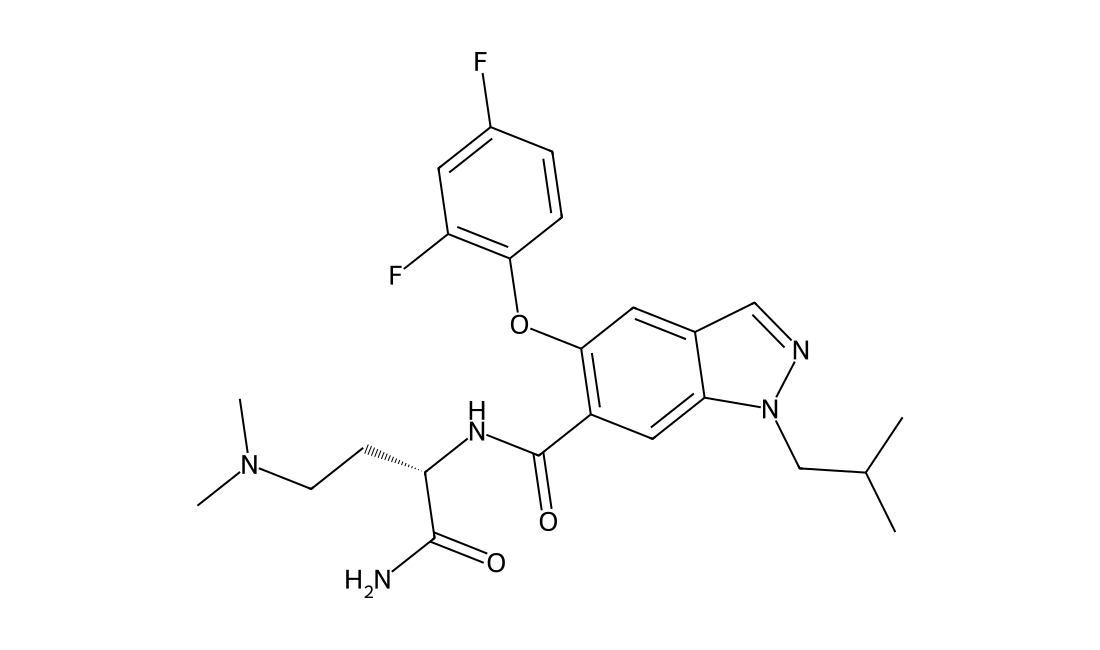
F-14512 (free base)Featured
F-14512 is a DNA topoisomerase II inhibitor potentially for the treatment of acute myeloid leukemia.
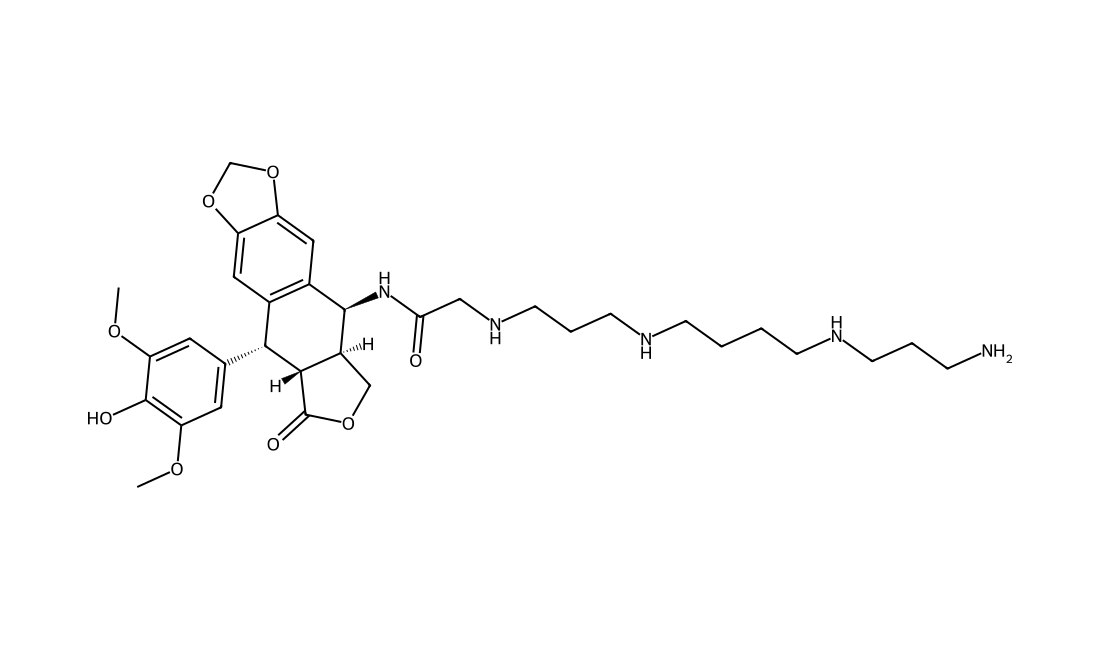
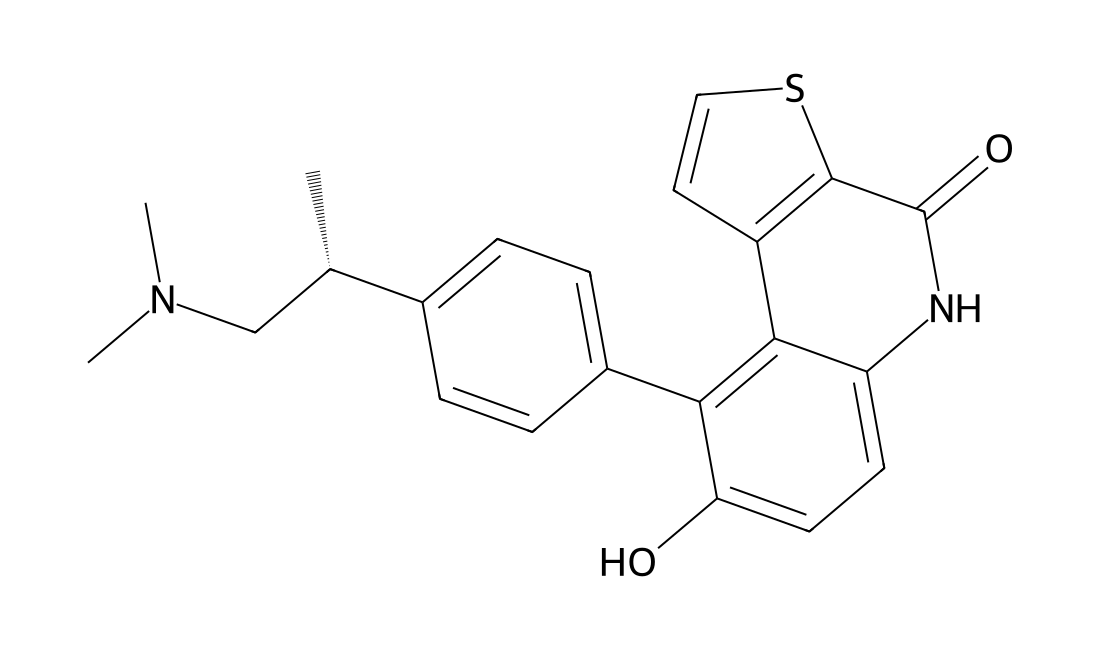
TOPK inhibitor-1Featured
Novel PDZ binding kinase (PBK) inhibitor.
No products match this search.
Page 373 of 384 · Browse all 7677 products
Jump to a product page
Featured literature product: HX1 · DCL0028
HX1 is a hydroxyzine-derived ionizable lipid with acetal-containing tails, studied in lipid nanoparticles for brain mRNA delivery and CRISPR–Cas9 delivery. It was the lead in the reported in vivo brain-delivery screen; evidence is preclinical and formulation-dependent.
Read full formulation and performance →