
Research lipid catalog
Ionizable Lipid Products
Explore 848 lipid and RNA delivery products. Search the full catalog or browse by research category.
Search covers product name, catalog number, synonyms, available CAS numbers and categories. Spaces, hyphens and common punctuation are ignored. Duplicate legacy records are consolidated under one canonical product result.
7677 products · Showing 7501–7520 · 20 per page
DC Chemicals lipid expertise
Built for ionizable-lipid discovery and RNA delivery research
DC Chemicals supports formulation and delivery research with a broad, searchable portfolio of cationic and ionizable lipids. The current directory brings together 848 unique research-use products, with product specifications, pricing, chemical structures and literature-linked formulation data added as each record is verified.
Our experience spans complex lipid synthesis, purification, analytical release and process development. For custom molecules or larger-scale requirements, our team can discuss route development, technical specifications and scale-up options for the intended research workflow.
Learn about cationic and ionizable lipids →Proprietary innovation · Co-development · GMP
From proprietary lipid design to GMP-grade custom synthesis
DC Chemicals has independently developed ionizable-lipid structures supported by company-owned intellectual property, and selected proprietary lipid programs have advanced to GMP-stage development.
We welcome joint development with customers—from molecular design and lipid synthesis through route and process development. We can also support custom synthesis of GMP-grade ionizable lipids to agreed technical specifications and quality requirements.
Discuss a co-development project →Proprietary ionizable-lipid structuresCollaborative molecular designCustom lipid synthesisProcess development and scale-upGMP-grade project support
Product quick links
Explore New ionizable lipids
Explore our five most recently added ionizable lipids, with specifications, pricing and literature-linked product information.
DCL0028HX1Brain RNA delivery researchView product →DCL0024A1I4R13C18-2Spleen-targeted RNA delivery researchView product →DCL0023A1I4R2C18-2Spleen-targeted RNA delivery researchView product →DCL0022FS01Local joint RNA delivery researchView product →DCL0020Lipid-392Lung RNA delivery and gene editing researchView product →
Cat. No.Product NameField of ApplicationChemical Structure
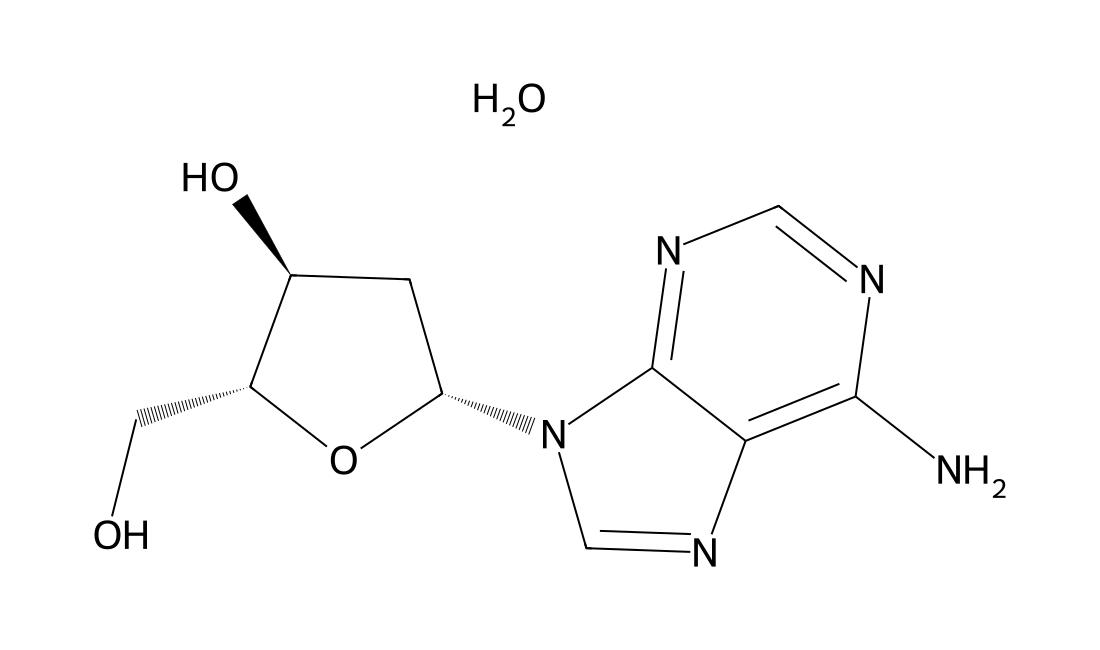
2'-Deoxyadenosine monohydrateFeatured
2'-Deoxyadenosine monohydrate is a deoxyribonucleoside. A building block in the chemical synthesis.
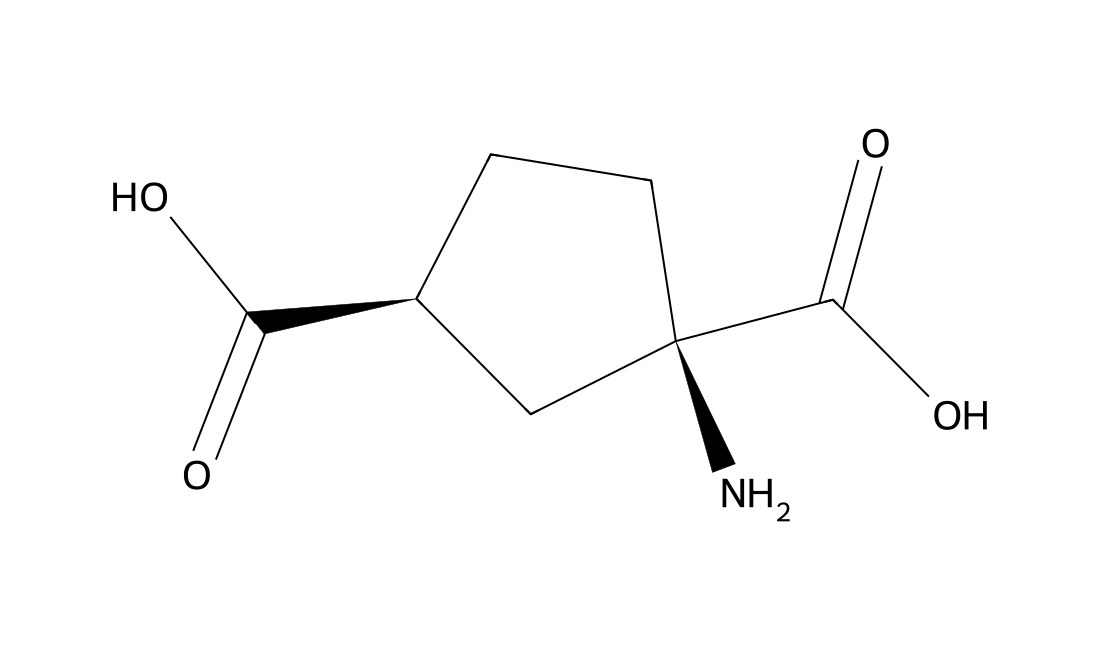
Trans-ACPDFeatured
A equimolecular mixture of (1S,3R)- and (1R,3S)-ACPD; selective agonist for metabotropic glutamate receptors; active at both group I and group II mGlu receptors (EC50 values are 2, 15, 23 and ~800 uM at mGluR2, mGluR1, mGluR5 and mGluR4 respectively).
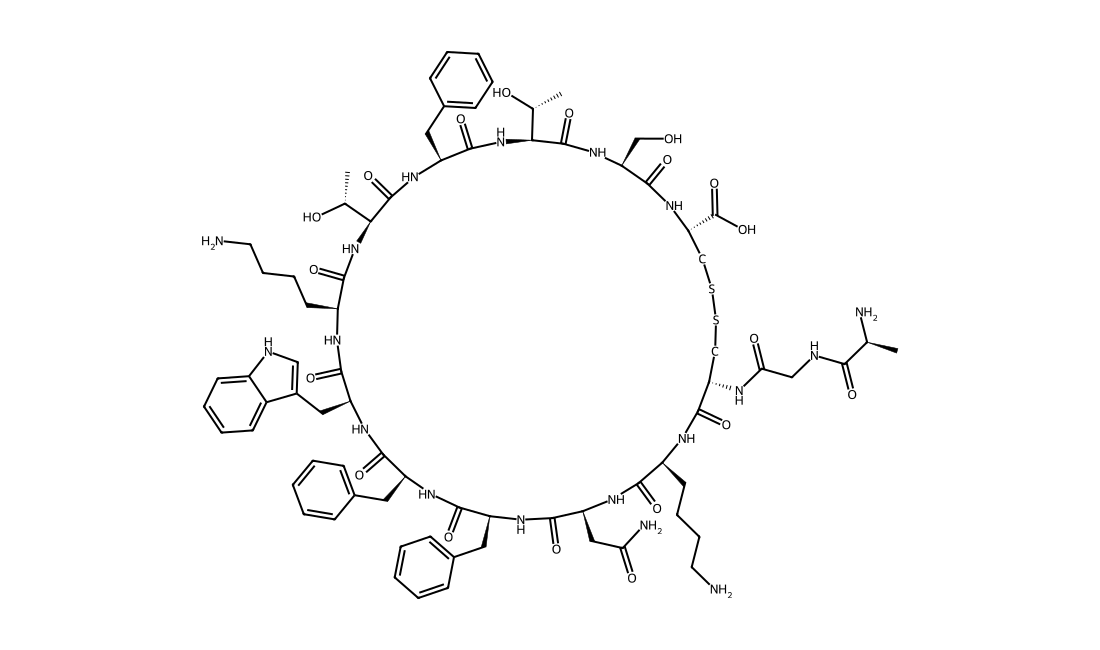
Cyclic somatostatinFeatured
A growth hormone-release inhibiting factor used in the treatment of severe, acute hemorrhages of gastroduodenal ulcers; regulates the endocrine system and affects neurotransmission and cell proliferation.
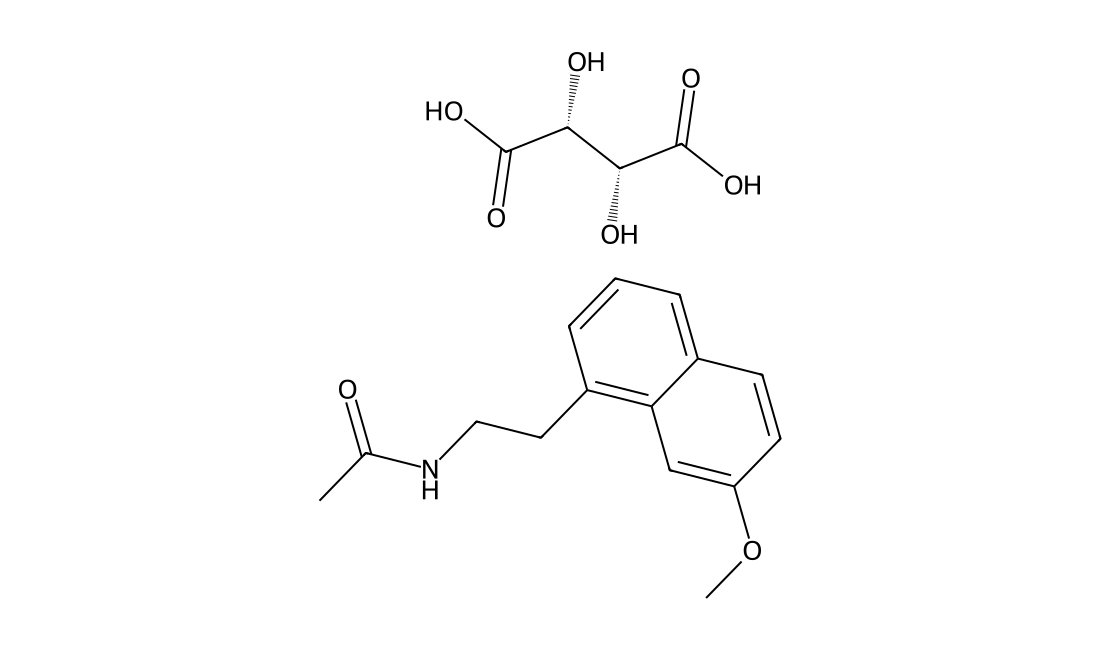
Agomelatine L(+)-Tartaric acidFeatured
A melatonin receptor agonist of MT1 (Ki=0.1nM) and MT2 (Ki=0.12nM), and a 5-HT2C (Ki=631nM) receptor antagonist; has no effect on monoamine uptake and no affinity for adrenergic, histaminergic, cholinergic, dopaminergic and benzodiazepine receptors, nor other serotonergic receptors; a melatonergic antidepressant treatment of major depressive disorder with relatively favorable side effect profile. Depression Approved
NM107Featured
A nucleoside inhibitor of HCV NS5B polymerase with EC50 of 1.23 uM against HCV 1b replicon cells; The active component of NM283.HCV InfectionPhase 2 Discontinued
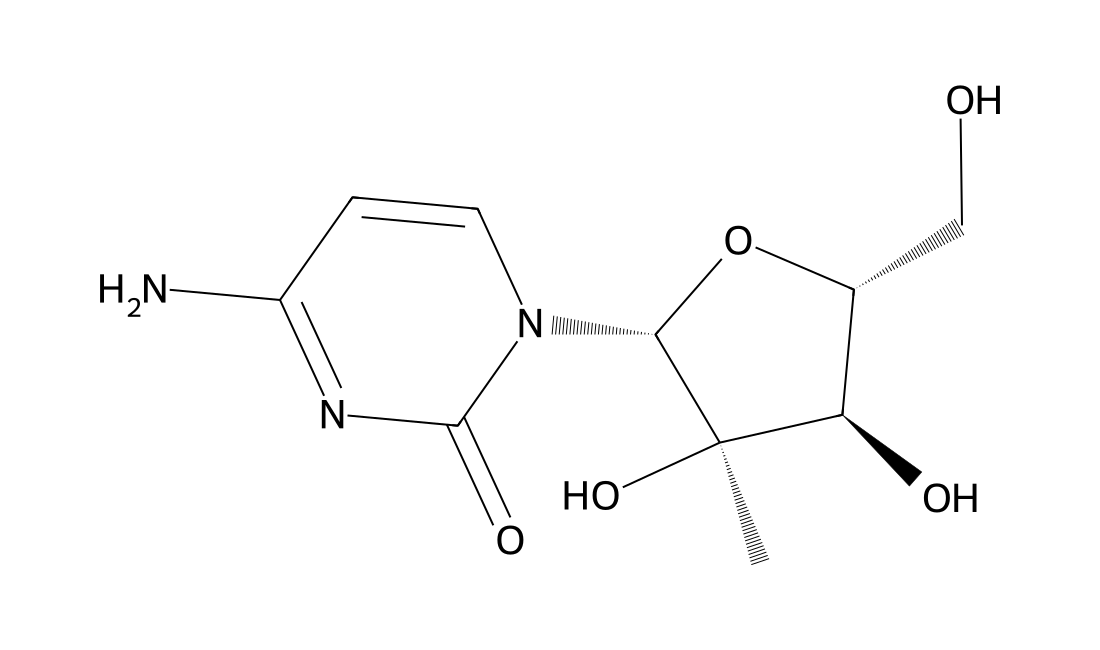
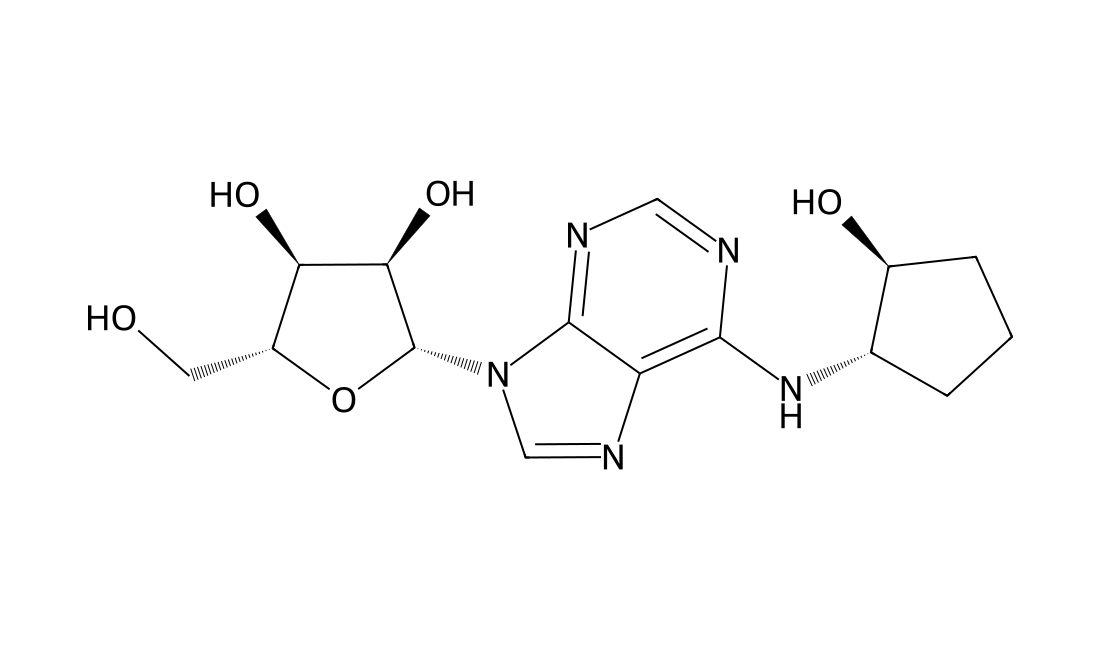
GR-79236Featured
A potent and selective Adenosine A1 receptor agonist with Ki of 3.1 nM; exerts profound antilipolytic effects with minimal effects on blood pressure and heart rate; orally active.
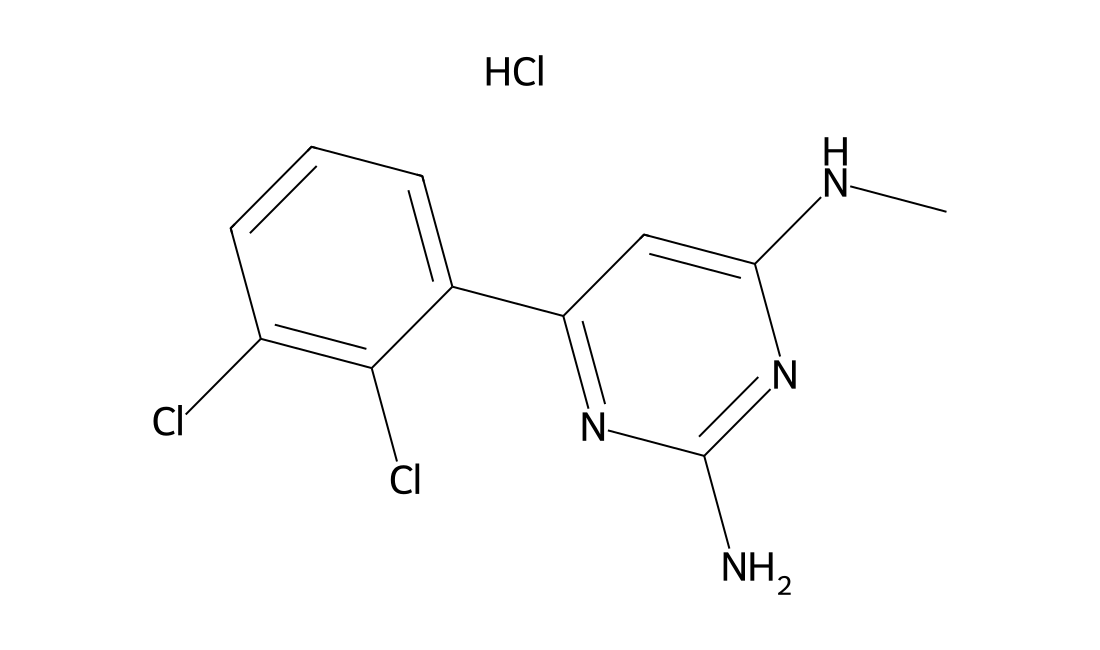
TH-287 hydrochlorideFeatured
A potent and selective inhibitor of MTH1 protein with IC50 of 0.8 nM; shows no relevant inhibition for MTH2,NUDT5, NUDT12,NUDT14,NUDT16 and other proteinswith known nucleoside triphosphate pyrophosphatase activity; causees incorporation of oxidized dNTPs in cancer cells, leading to DNA damage, cytotoxicity and therapeutic responses in patient-derived mouse xenografts.
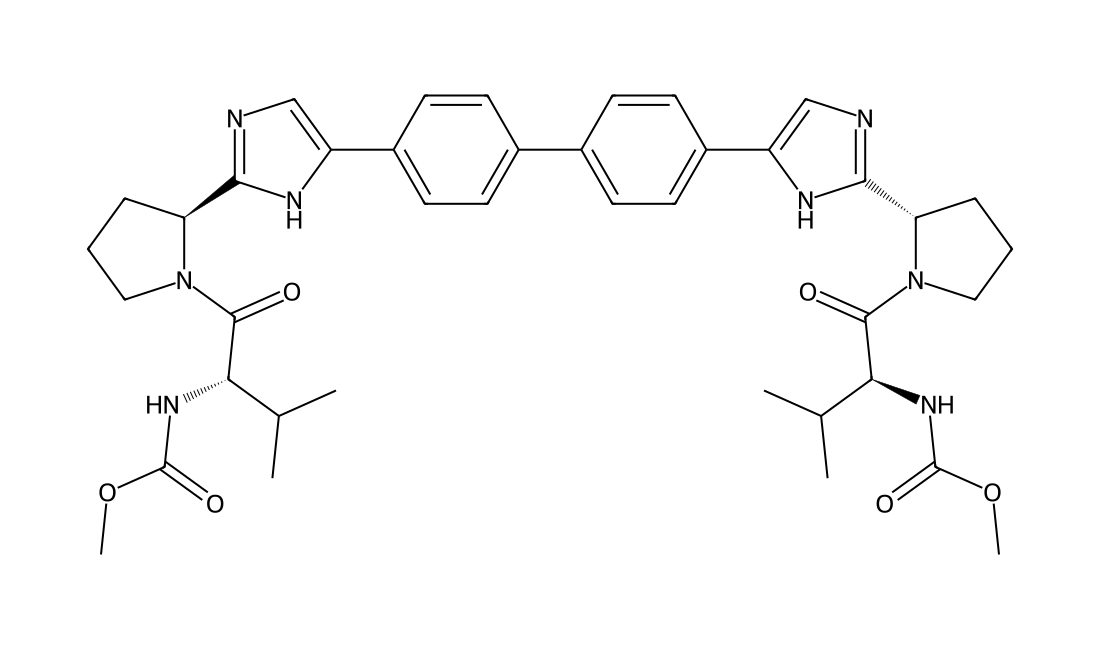
DaclatasvirFeatured
A potent HCV NS5A inhibitor with EC50 of <50 pM against genotype 1 replicons; exhibits picomolar EC(50) towards replicons expressing a broad range of HCV genotypes and the JFH-1 genotype 2a infectious virus in cell culture.HCV InfectionApproved
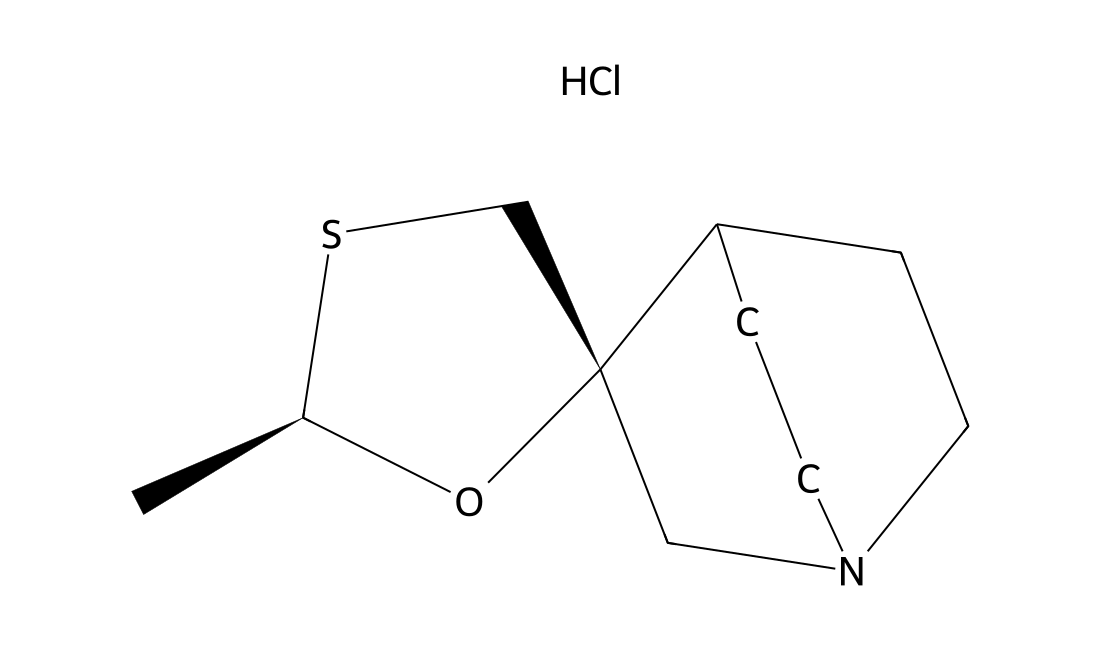
Cevimeline hydrochlorideFeatured
A potent M1-selective muscarinic agonist; decreases the K+-evoked [3H]ACh release from hippocampal synaptosomes and increases the K+-evoked [3H]DA release from striatal synaptosomes; attenuates cognitive dysfunctions in AF64A-treated rats with low toxicity.Other IndicationApproved
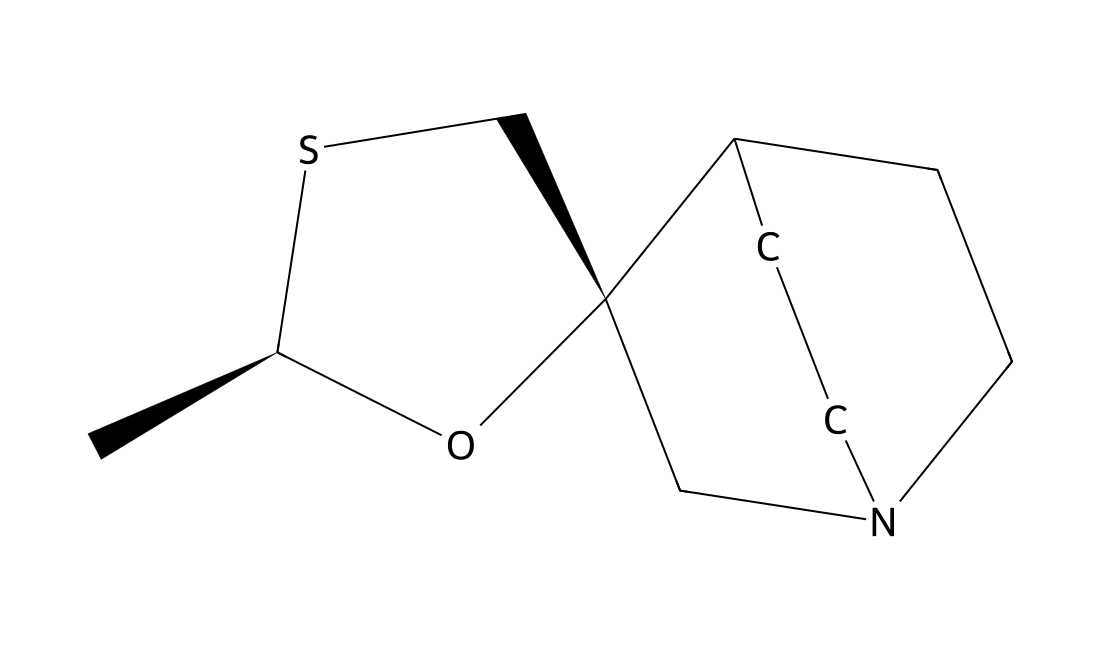
CevimelineFeatured
A potent M1-selective muscarinic agonist; decreases the K+-evoked [3H]ACh release from hippocampal synaptosomes and increases the K+-evoked [3H]DA release from striatal synaptosomes; attenuates cognitive dysfunctions in AF64A-treated rats with low toxicity.Other IndicationApproved
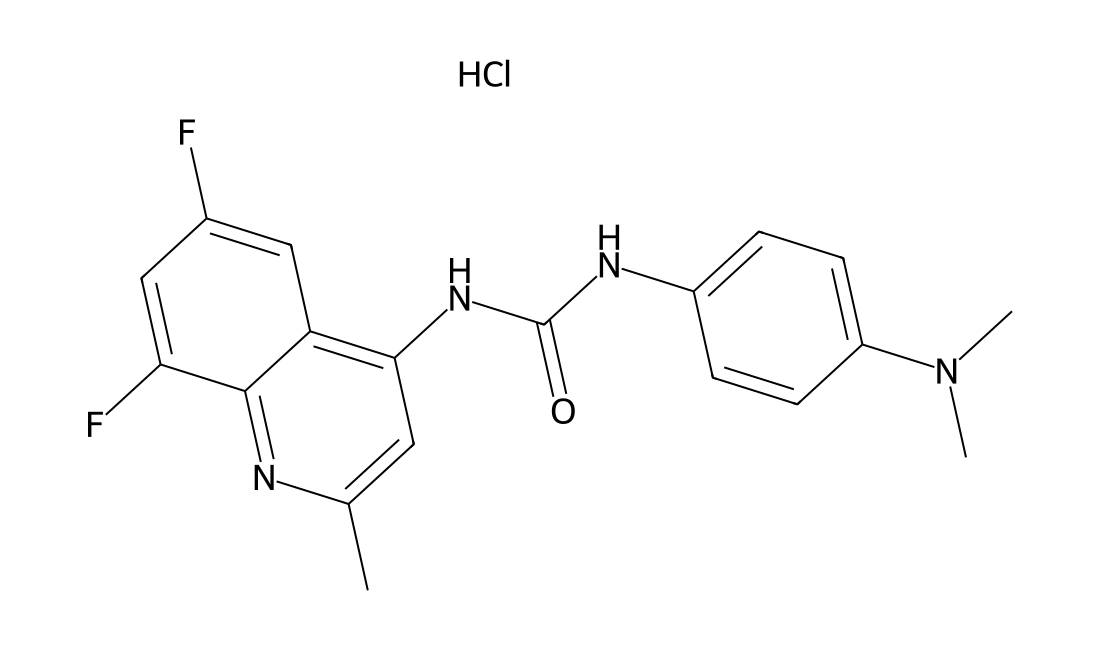
SB-408124 hydrochlorideFeatured
A potent, selective OX1 receptor antagonist with Ki of 57 nM (whole cell assay), and 27 nM (cell membrane-based SPA assay); displays 50-fold selectivity over OX2 receptor; prevents the stimulatory effect of Olanzapine on endogenous glucose production.
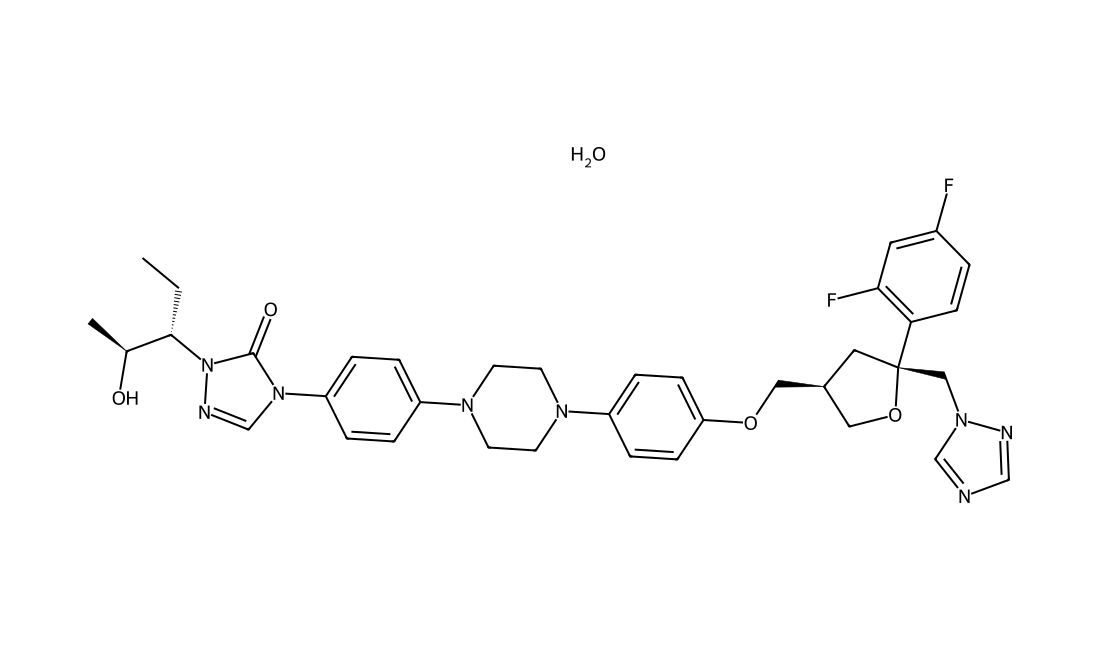
Posaconazole hydrateFeatured
A triazole antifungal agent that blocks the synthesis of ergosterol by inhibiting of the enzyme lanosterol 14α-demethylase and accumulation of methylated sterol precursors, more potent at inhibiting 14α-demethylase than itraconazole.Fungal InfectionApproved
RivastigmineFeatured
An acetylcholinesterase (AChE) inhibitor that inhibits both butyrylcholinesterase and acetylcholinesterase; a parasympathomimetic or cholinergic agent for the treatment of mild to moderate dementia of the Alzheimer's type and dementia due to Parkinson's disease.Alzheimer's DiseaseApproved
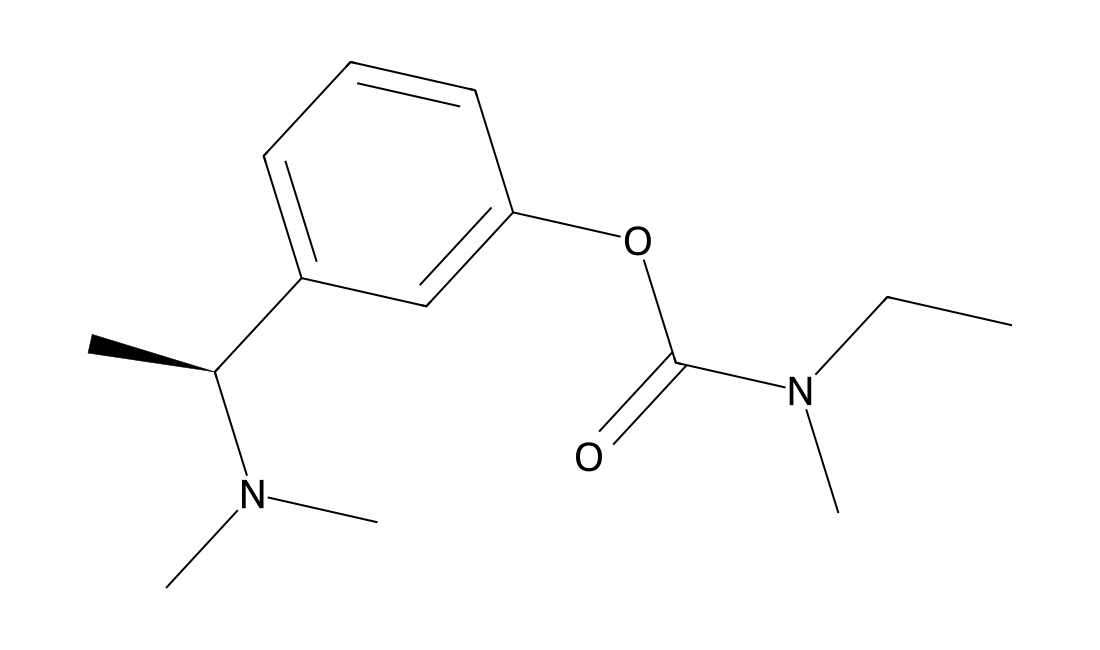
CI-947Featured
An orally active adenosine receptor agonist that can induce acute cardiovascular toxicity and coronary vascular injury in vivo.
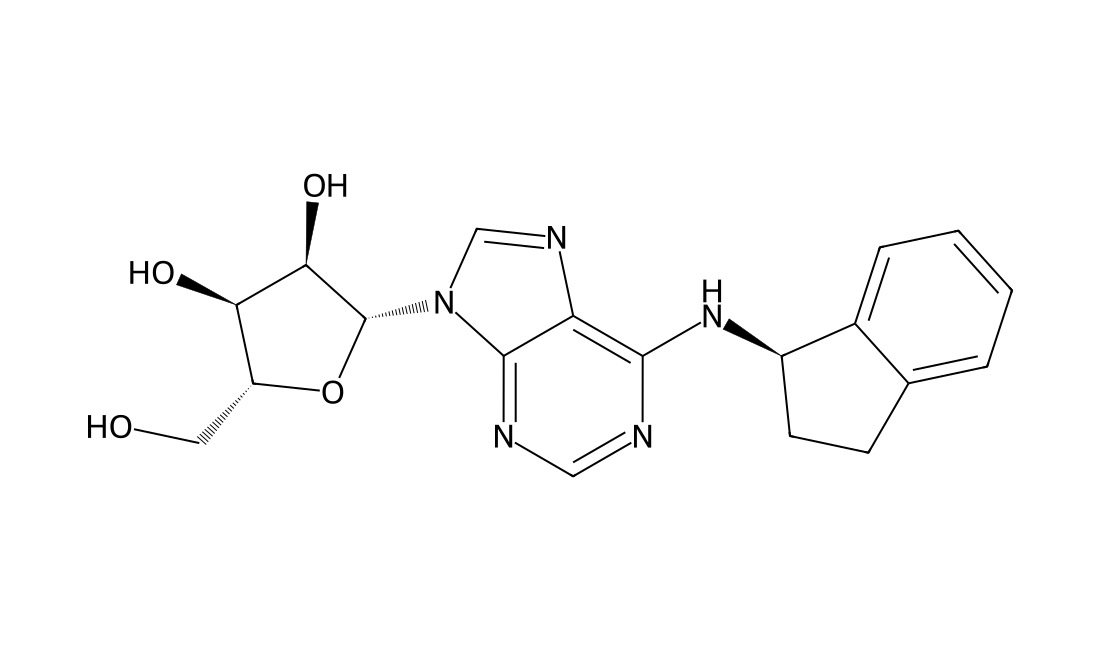
Bendamustine hydrochloride is the hydrochloride salt of bendamustine, a bifunctional mechlorethamine derivative with alkylator and antimetabolite activities. Bendamustine possesses three active moieties: an alkylating group; a benzimidazole ring, which may act as a purine analogue; and a butyric acid side chain. Although its exact mechanism of action is unknown, this agent appears to act primarily as an alkylator. Bendamustine metabolites alkylate and crosslink macromolecules, resulting in DNA, RNA and protein synthesis inhibition, and, subsequently, apoptosis. Bendamustine may differ from other alkylators in that it may be more potent in activating p53-dependent stress pathways and inducing apoptosis; it may induce mitotic catastrophe; and it may activate a base excision DNA repair pathway rather than an alkyltransferase DNA repair mechanism. Accordingly, this agent may be more efficacious and less susceptible to drug resistance than other alkylators. Bendamstine was approved in USA in March 2008.For the detailed information of Bendamustine HCL (SDX-105, Cytostasane), the solubility of Bendamustine HCL (SDX-105, Cytostasane) in water, the solubility of Bendamustine HCL (SDX-105, Cytostasane) in DMSO, the solubility of Bendamustine HCL (SDX-105, Cytostasane) in PBS buffer, the animal experiment (test) of Bendamustine HCL (SDX-105, Cytostasane), the cell expriment (test) of Bendamustine HCL (SDX-105, Cytostasane), the in vivo, in vitro and clinical trial test of Bendamustine HCL (SDX-105, Cytostasane), the EC50, IC50,and Affinity of Bendamustine HCL (SDX-105, Cytostasane), Please contact DC Chemicals.
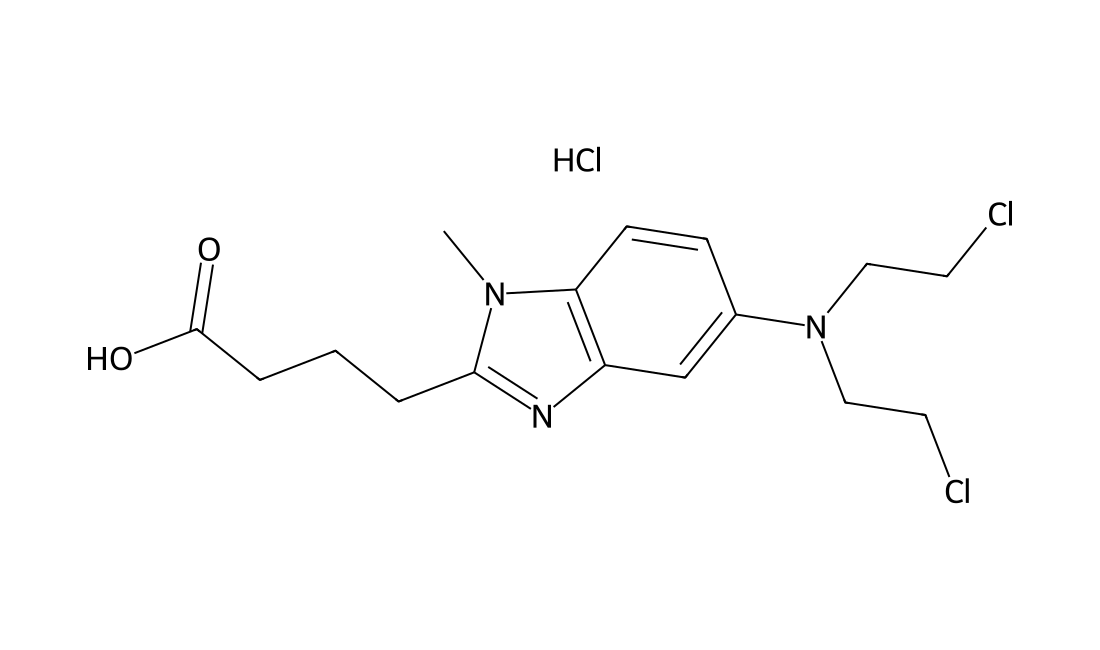
Bromocriptine mesylateFeatured
Bromocriptine (CB-154) is a dopamine D2 receptor agonist (Ki=3 nM) and and various serotonin receptors, also inhibits the release of glutamate by reversing the glutamate GLT1 transporter; decreases body fat in animal and human models and increases lean muscle mass, improves glucose intolerance and insulin resistance, and reduces triglycerides and free fatty acids; also induces apoptosis and decreases colony formation in AML cells, shows synergy with standard agents and selectivity for the leukemic cell; reduces hyperphagia and adiposity in rats with diet-induced obesity.DiabetesApproved
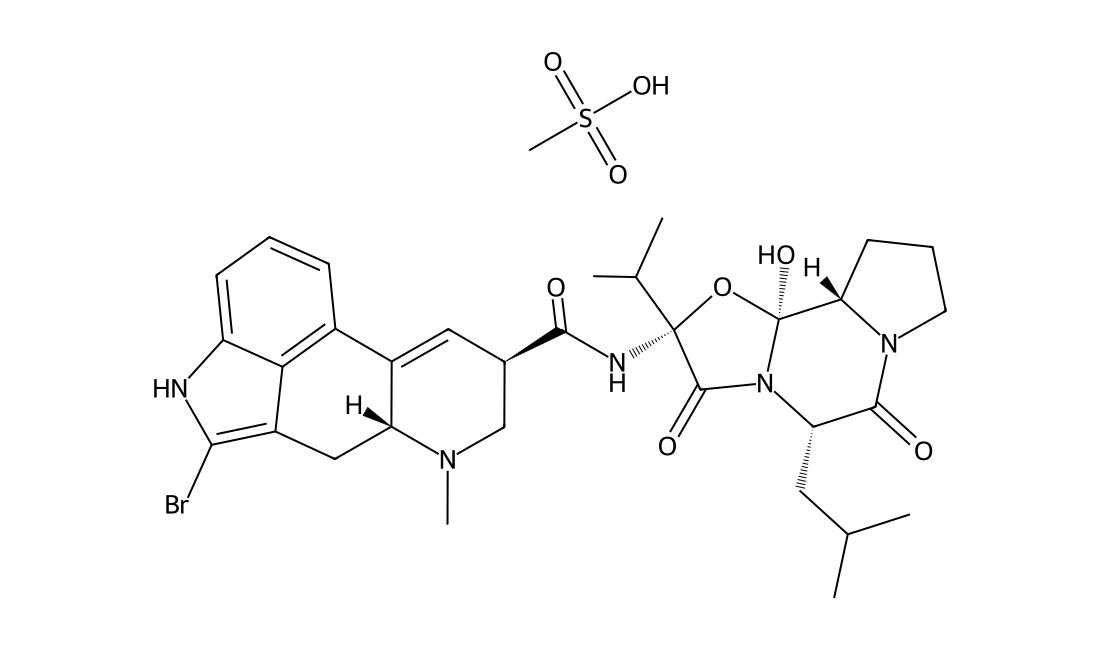
DaunorubicinFeatured
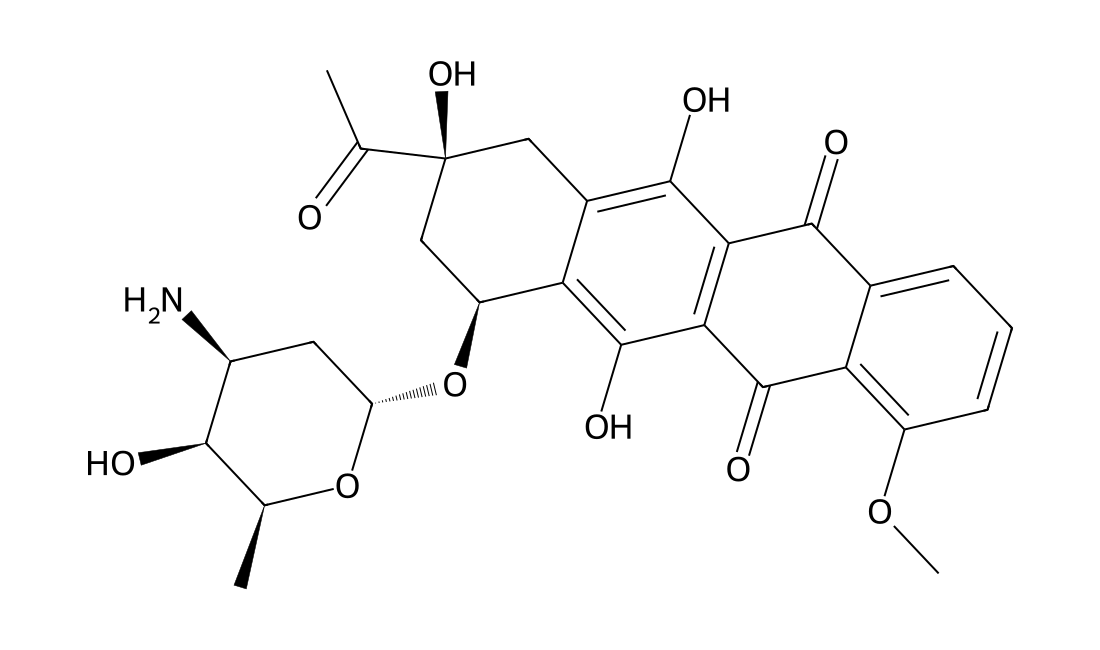
Daunorubicin is potent topoisomerase II (Topo II) inhibitor, interacts with DNA by intercalation and inhibition of macromolecular biosynthesis in cancer cells; Daunorubicin is a chemotherapy agent used to treat multiple cancer, secifically used for acute myeloid leukemia (AML), acute lymphocytic leukemia (ALL), chronic myelogenous leukemia (CML), and Kaposi's sarcoma; Daunorubicin and it's derivatives are widely used as payloads in antibody-drug conjugates (ADCs).Chemotherapeutic AgentsApproved
LY-2584702 hydrochlorideFeatured
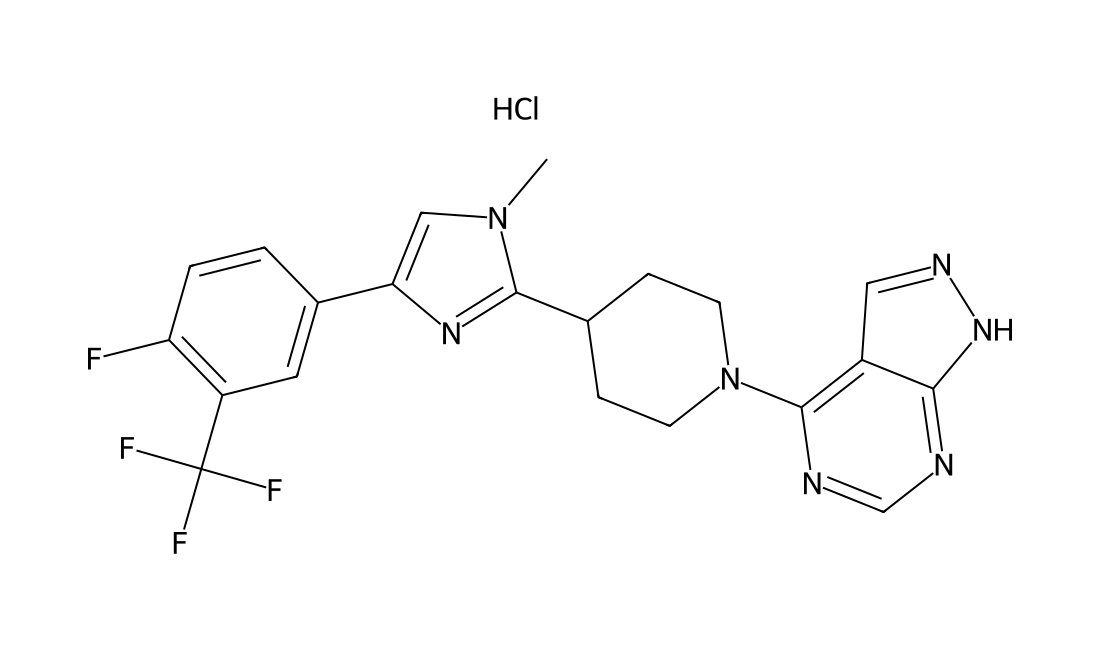
LY2584702 is a potent, selective, ATP-competitive inhibitor of P70S6 kinase-1 (p70S6K1) with IC50 of 4 nM; blocks phosphorylation of p70S6K in primary rat hepatocytes without affecting the phosphorylation of other signaling kinases, including GSK-3β and ERK1/2; inhibits phosphorylation of p70S6K in HCT116 colon cancer cells with IC50 of 0.1-0.24 uM, demonstrates significant antitumor efficacy in both U87MG glioblastoma and HCT116 colon carcinoma xenograft models.Solid TumorsPhase 1 Discontinued
MaltitolFeatured
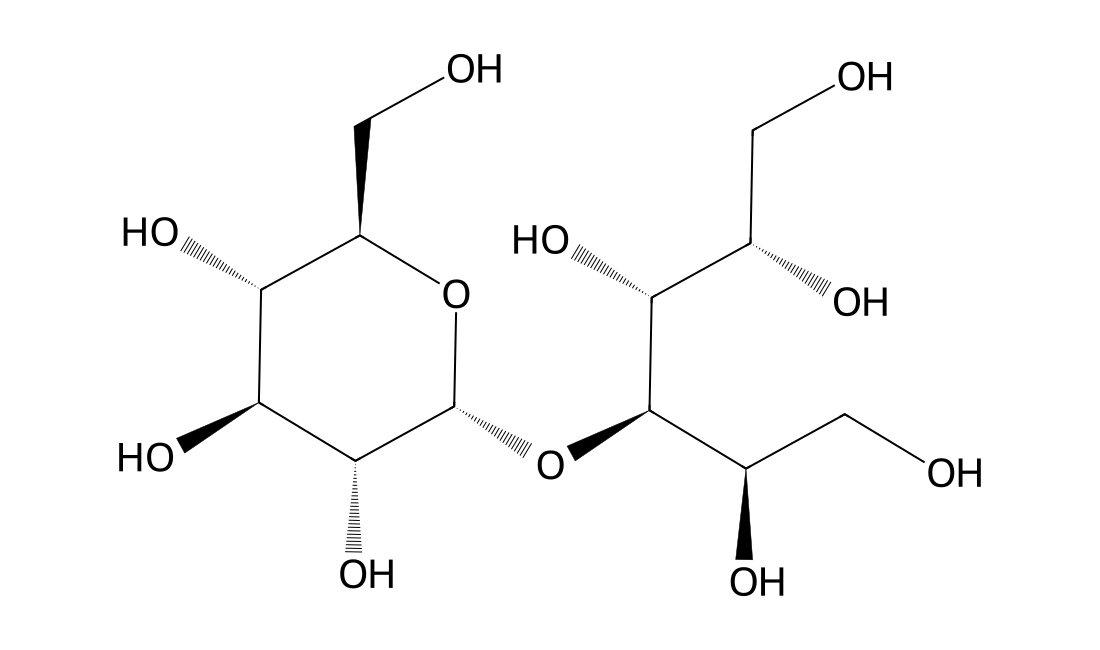
Maltitol is a sugar alcohol used as a sugar substitute. It has 75-90% of the sweetness of sucrose (table sugar) and nearly identical properties. Maltitol may also be used as a plasticizer in gelatin capsules, as an emollient, and as a humectant.
meso-ErythritolFeatured
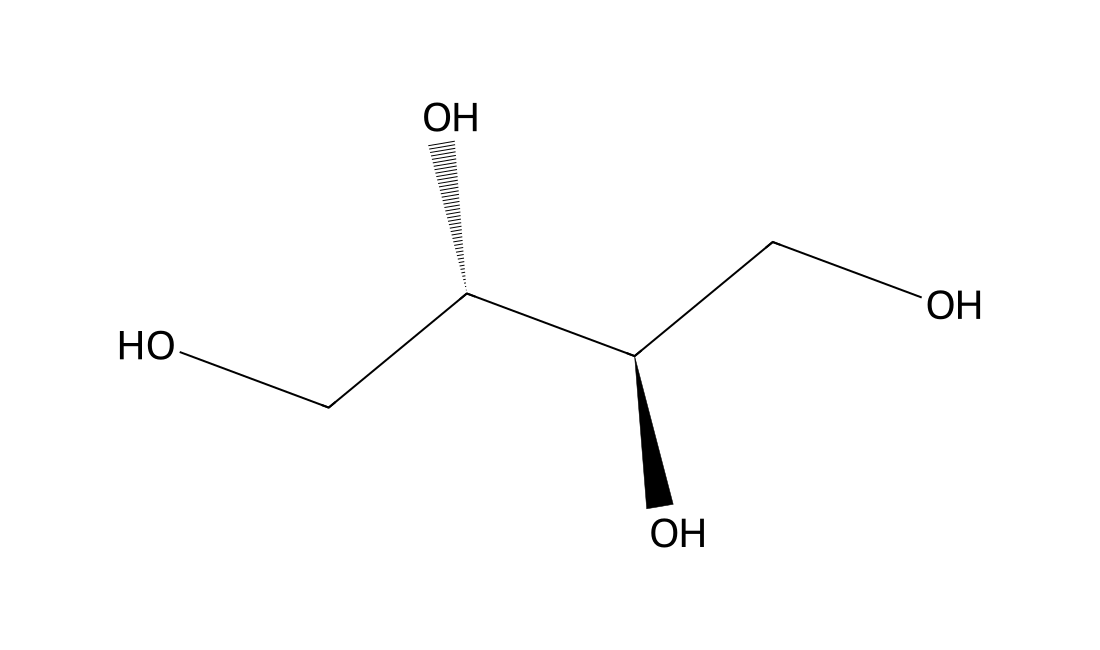
meso-Erythritol is a sugar alcohol that occurs naturally in a variety of foods (e.g., pear, watermelon), is 60-80% as sweet as sucrose, and is an approved low-calorie sweetener food additive.
No products match this search.
Page 376 of 384 · Browse all 7677 products
Jump to a product page
Featured literature product: HX1 · DCL0028
HX1 is a hydroxyzine-derived ionizable lipid with acetal-containing tails, studied in lipid nanoparticles for brain mRNA delivery and CRISPR–Cas9 delivery. It was the lead in the reported in vivo brain-delivery screen; evidence is preclinical and formulation-dependent.
Read full formulation and performance →