
Research lipid catalog
Ionizable Lipid Products
Explore 848 lipid and RNA delivery products. Search the full catalog or browse by research category.
Search covers product name, catalog number, synonyms, available CAS numbers and categories. Spaces, hyphens and common punctuation are ignored. Duplicate legacy records are consolidated under one canonical product result.
8177 products · Showing 8121–8140 · 20 per page
DC Chemicals lipid expertise
Built for ionizable-lipid discovery and RNA delivery research
DC Chemicals supports formulation and delivery research with a broad, searchable portfolio of cationic and ionizable lipids. The current directory brings together 848 unique research-use products, with product specifications, pricing, chemical structures and literature-linked formulation data added as each record is verified.
Our experience spans complex lipid synthesis, purification, analytical release and process development. For custom molecules or larger-scale requirements, our team can discuss route development, technical specifications and scale-up options for the intended research workflow.
Learn about cationic and ionizable lipids →Proprietary innovation · Co-development · GMP
From proprietary lipid design to GMP-grade custom synthesis
DC Chemicals has independently developed ionizable-lipid structures supported by company-owned intellectual property, and selected proprietary lipid programs have advanced to GMP-stage development.
We welcome joint development with customers—from molecular design and lipid synthesis through route and process development. We can also support custom synthesis of GMP-grade ionizable lipids to agreed technical specifications and quality requirements.
Discuss a co-development project →Proprietary ionizable-lipid structuresCollaborative molecular designCustom lipid synthesisProcess development and scale-upGMP-grade project support
Product quick links
Explore New ionizable lipids
Explore our five most recently added ionizable lipids, with specifications, pricing and literature-linked product information.
DCL0028HX1Brain RNA delivery researchView product →DCL0024A1I4R13C18-2Spleen-targeted RNA delivery researchView product →DCL0023A1I4R2C18-2Spleen-targeted RNA delivery researchView product →DCL0022FS01Local joint RNA delivery researchView product →DCL0020Lipid-392Lung RNA delivery and gene editing researchView product →
Cat. No.Product NameField of ApplicationChemical Structure
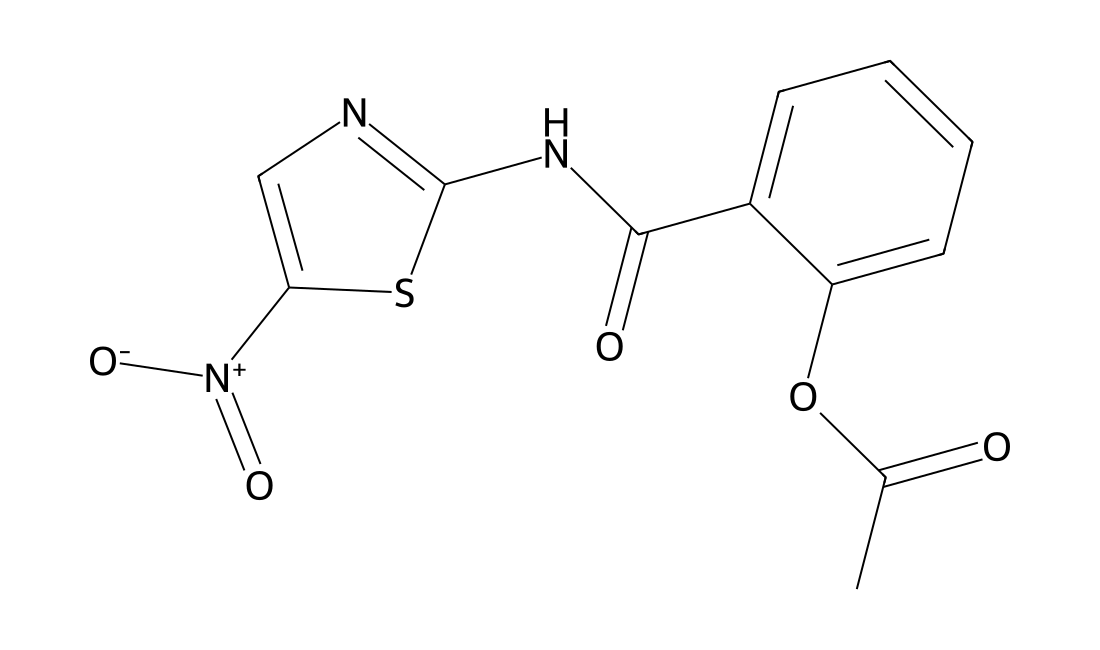
Nitazoxanide (Alinia, Annita)Featured
Nitazoxanide is a synthetic nitrothiazolyl-salicylamide derivative and an antiprotozoal agent. (IC50 for canine influenza virus ranges from 0.17 to 0.21 μM).Nitazoxanide is a synthetic nitrothiazolyl-salicylamide derivative and an antiprotozoal agent. In vitro studies demonstrated much broader activity. Dr. Rossignol co-founded Romark Laboratories, with the goal of bringing nitazoxanide to market as an anti-parasitic drug. Initial studies in the USA were conducted in collaboration with Unimed Pharmaceuticals, Inc. (Marietta, GA) and focused on development of the drug for treatment of cryptosporidiosis in AIDS.The anti-protozoal activity of nitazoxanide is believed to be due to interference with the pyruvate:ferredoxin oxidoreductase (PFOR) enzyme dependent electron transfer reaction which is essential to anaerobic energy metabolism. It has also been shown to have activity against influenza A virus in vitro. The mechanism appears to be by selectively blocking the maturation of the viral hemagglutinin at a stage preceding resistance to endoglycosidase H digestion. This impairs hemagglutinin intracellular trafficking and insertion of the protein into the host plasma membrane.
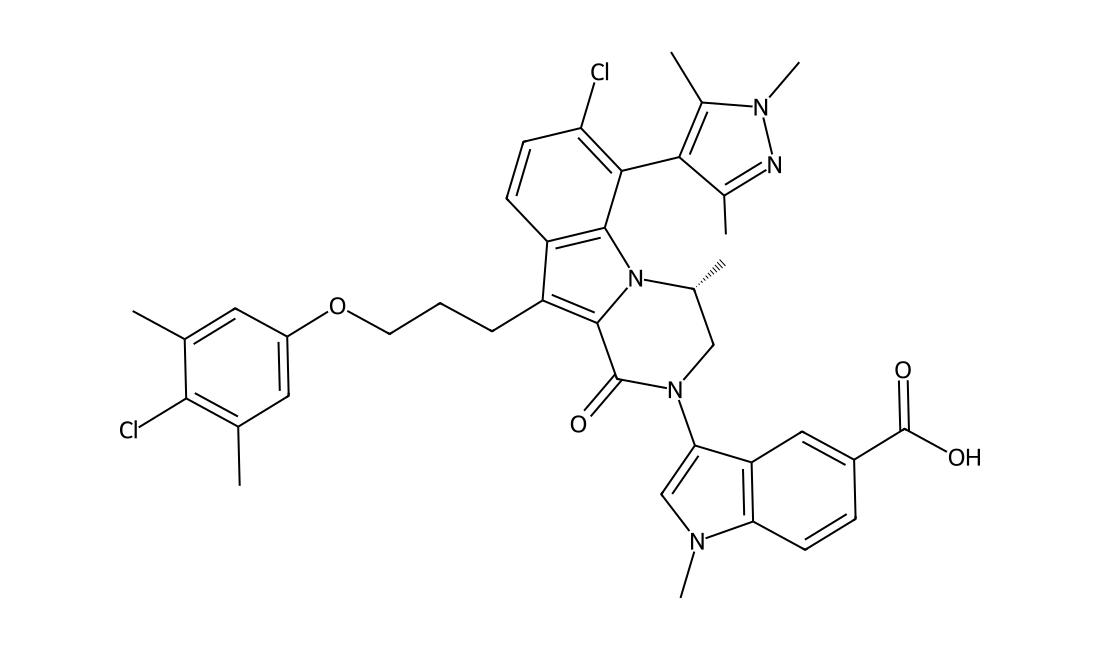
VU0661013Featured
VU661013 is a potent and selective MCL-1 inhibitor.
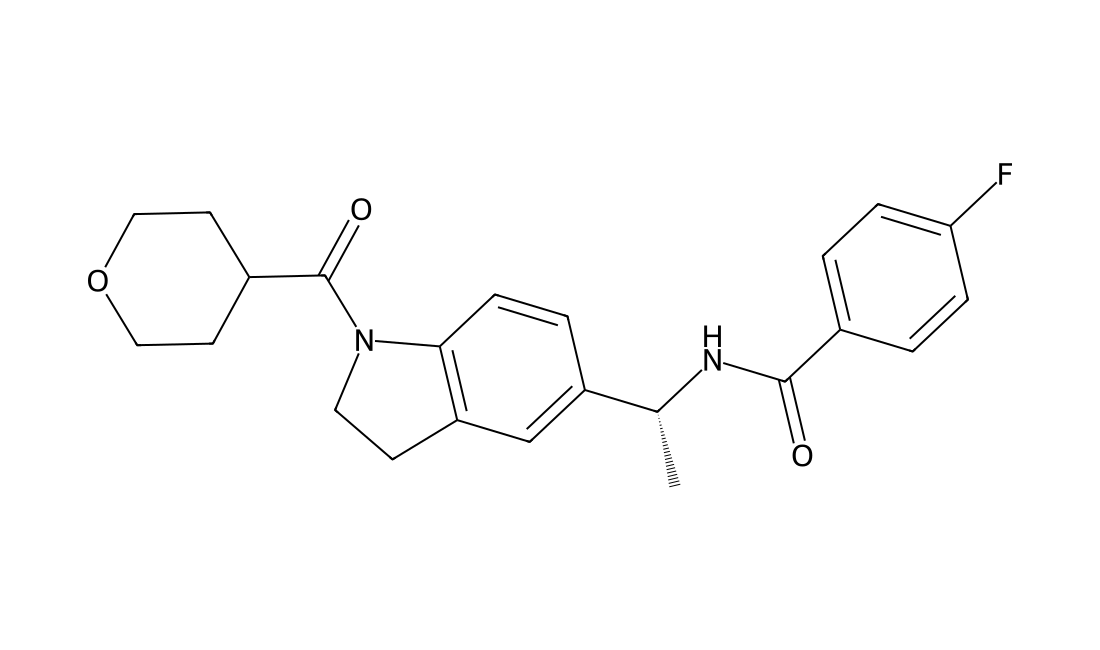
LY-3381916Featured
LY-3381916 is a potent, selective and brain penetrated inhibitor of IDO1 activity, binds to apo-IDO1 lacking heme rather than mature heme-bound IDO1[1].
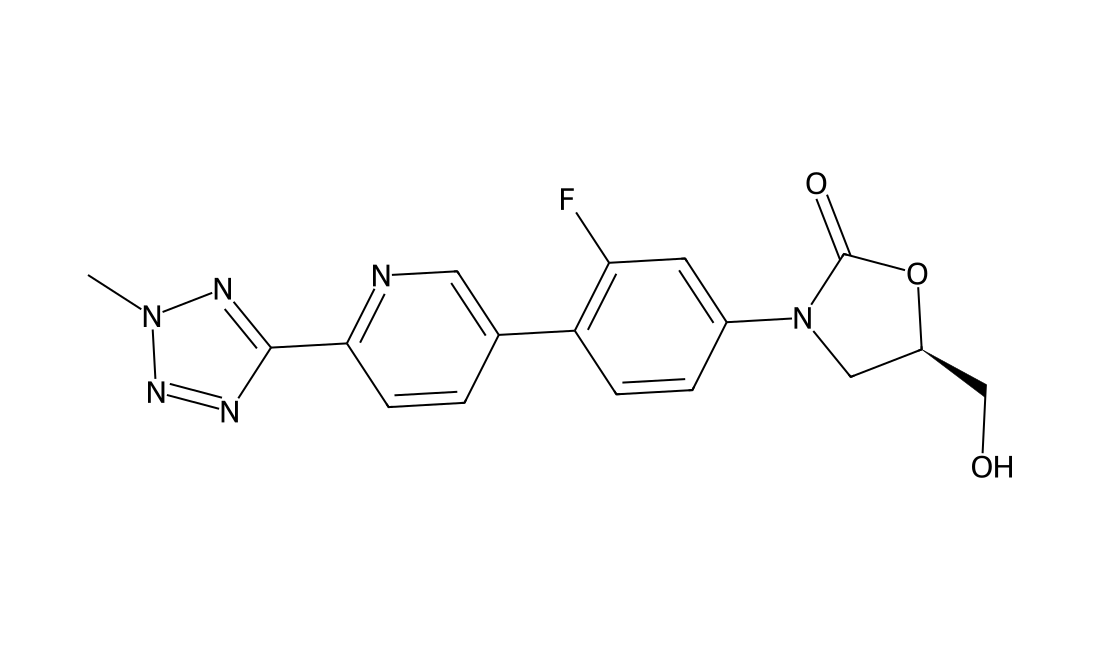
TedizolidFeatured
Tedizolid is a novel oxazolidinone, acting through inhibition of bacterial protein synthesis by binding to 23S ribosomal RNA (rRNA) of the 50S subunit of the ribosome.
Baloxavir acidFeatured
Baloxavir is an anti-influenza agent extracted from patent WO 2017104691 A1.
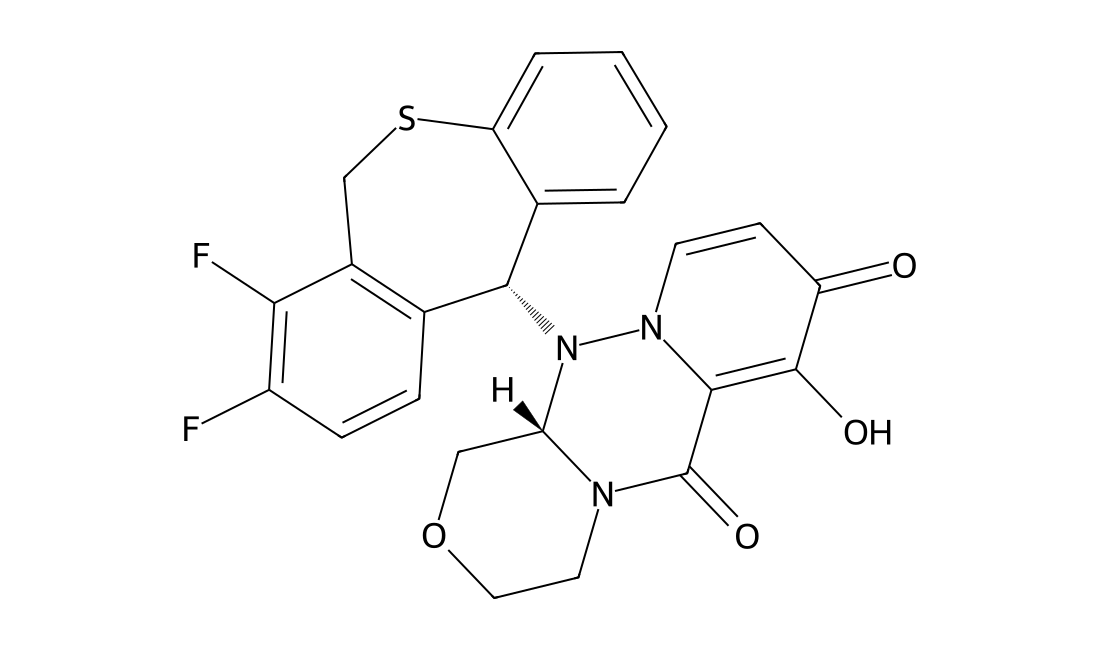
BIX 02565Featured
BIX 02565 is a potent ribosomal S6 kinase 2 (RSK2) inhibitor with IC50 of 1.1 nM.
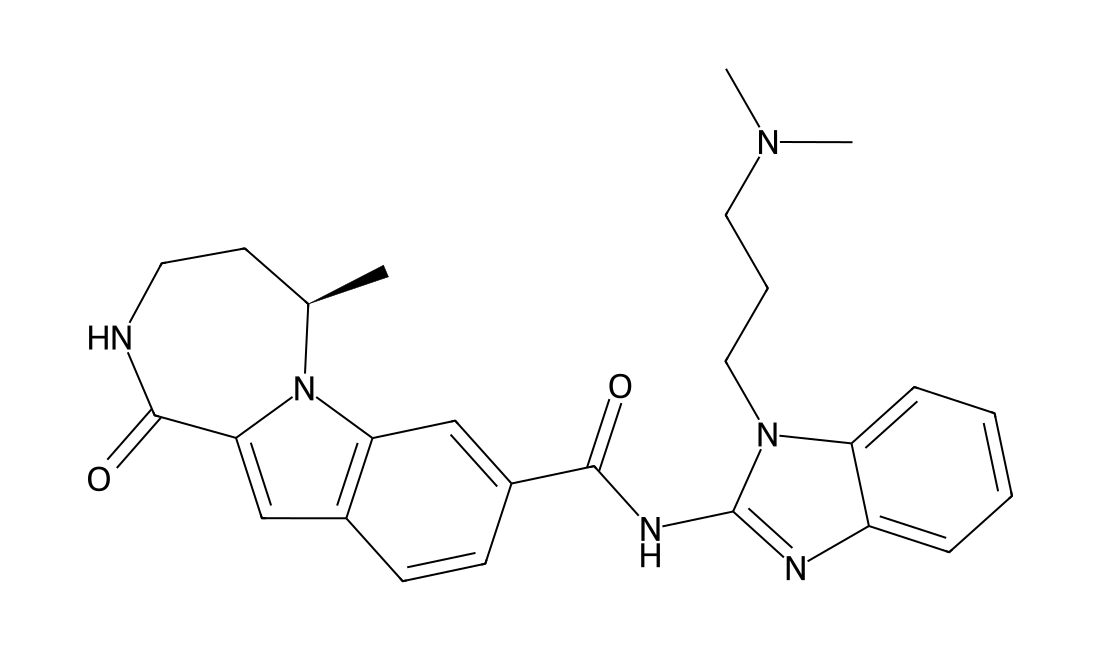
PZM21Featured
PZM21 is a potent and selective μ opioid receptor agonist with an EC50 of 1.8 nM.
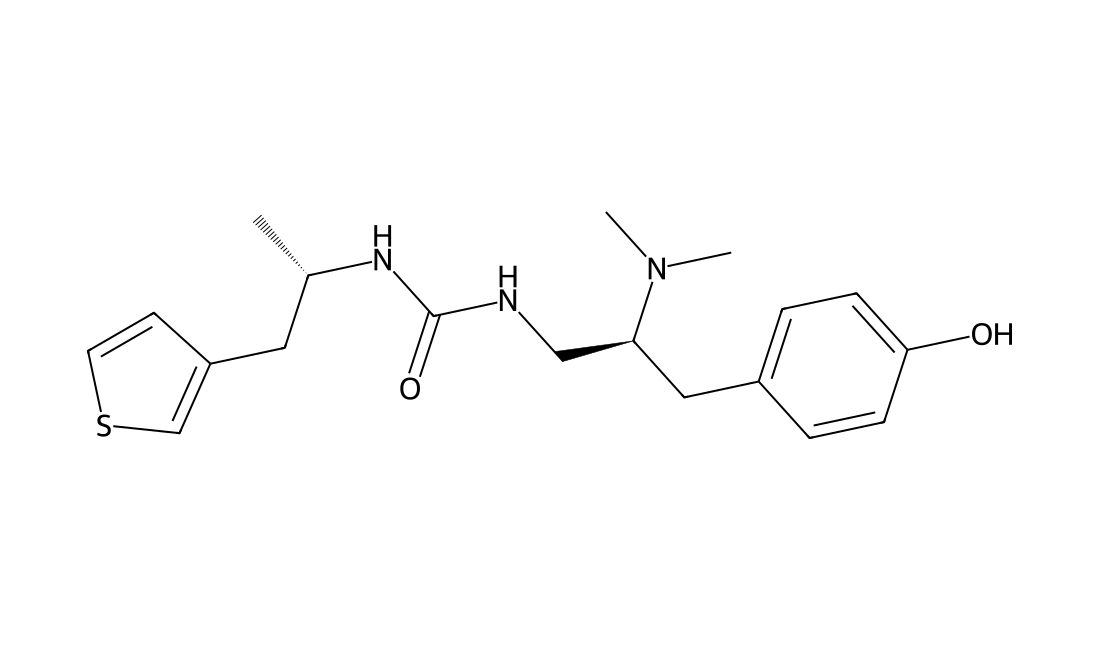
Ipragliflozin (ASP1941)Featured
Ipragliflozin (ASP1941) is a highly potent and selective SGLT2 inhibitor with IC50 of 2.8 nM; little and NO potency for SGLT1/3/4/5/6.
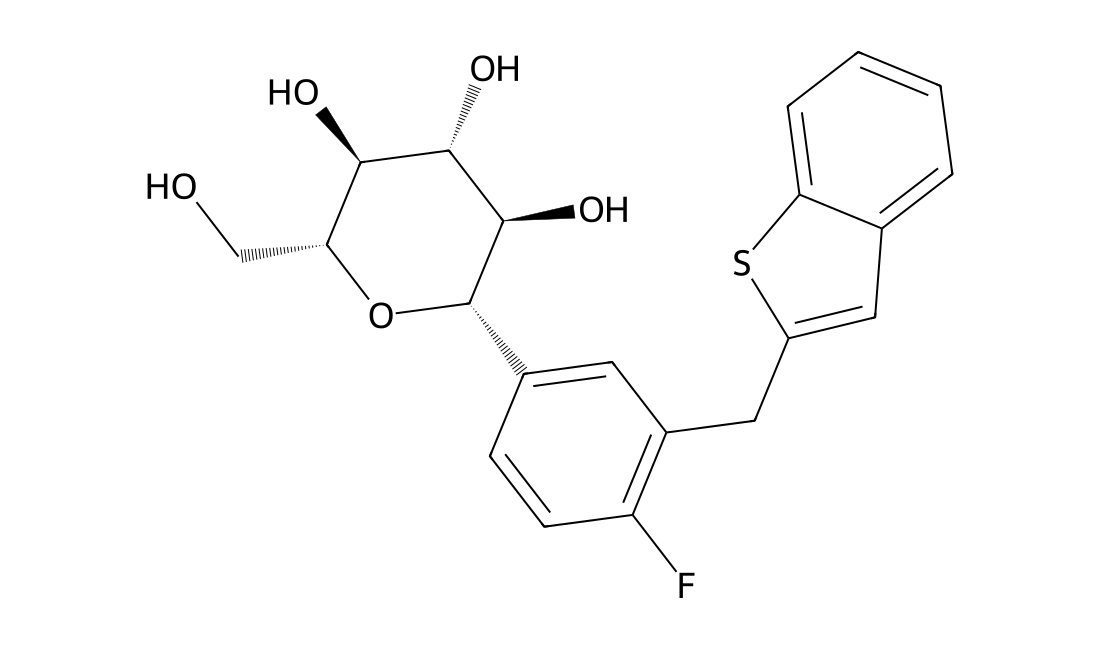
Butabindide (oxalate)Featured
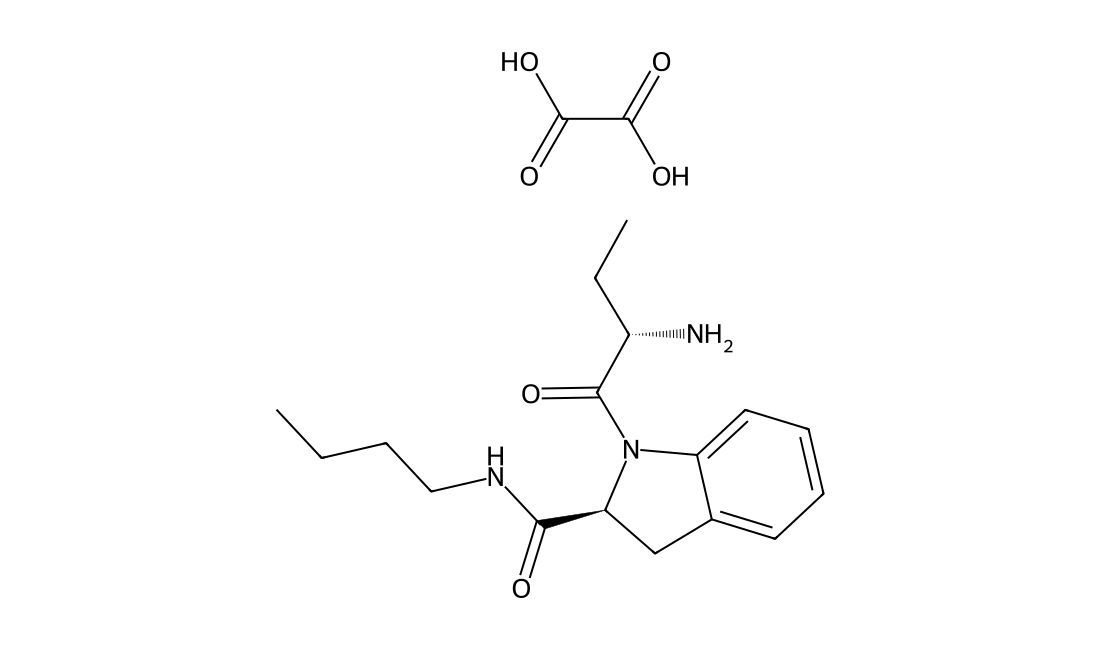
Butabindide is a potent inhibitor of cholecystokinin-inactivating peptidase/tripeptidyl peptidase 2 (CCK-inactivating peptidase/TPP-2; Ki = 7 nM).1 It is selective for CCK-inactivating peptidase/TPP-2 over a panel of serine proteases (Kis = >1 μM) as well as CCK receptors (Kis = >0.1 mM).
LLY-283Featured
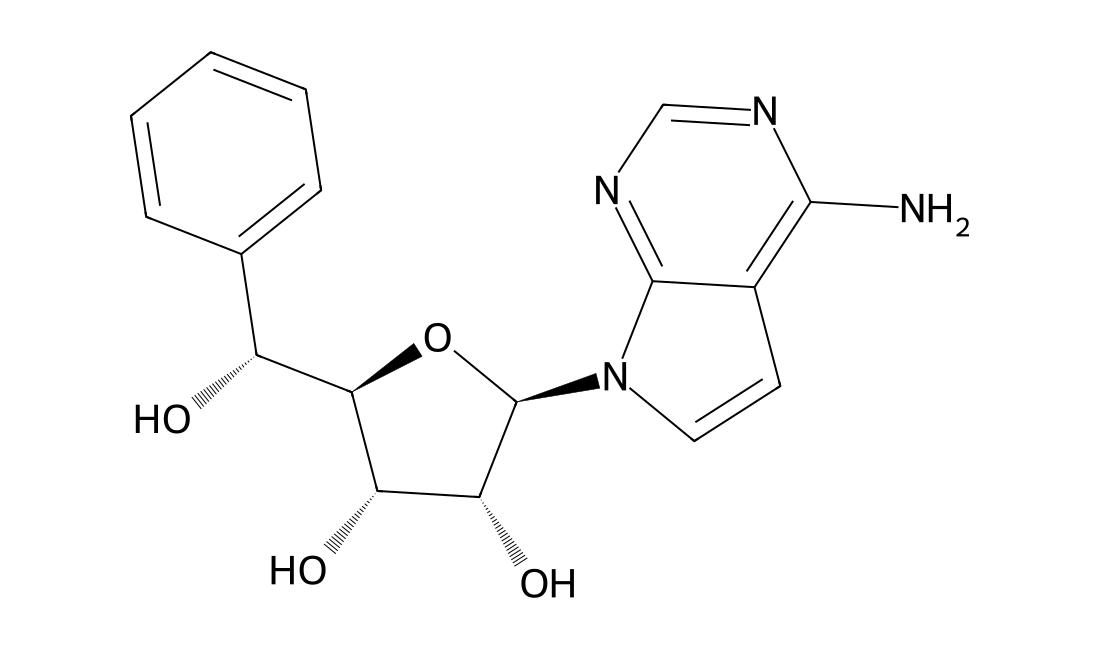
LLY-283 is a potent, selective and oral protein arginine methyltransferase 5 (PRMT5) inhibitor, with an IC50 of 22 nM and a Kd of 6 nM for PRMT5:MEP50 complex, and shows antitumor activity.
PurfalcamineFeatured
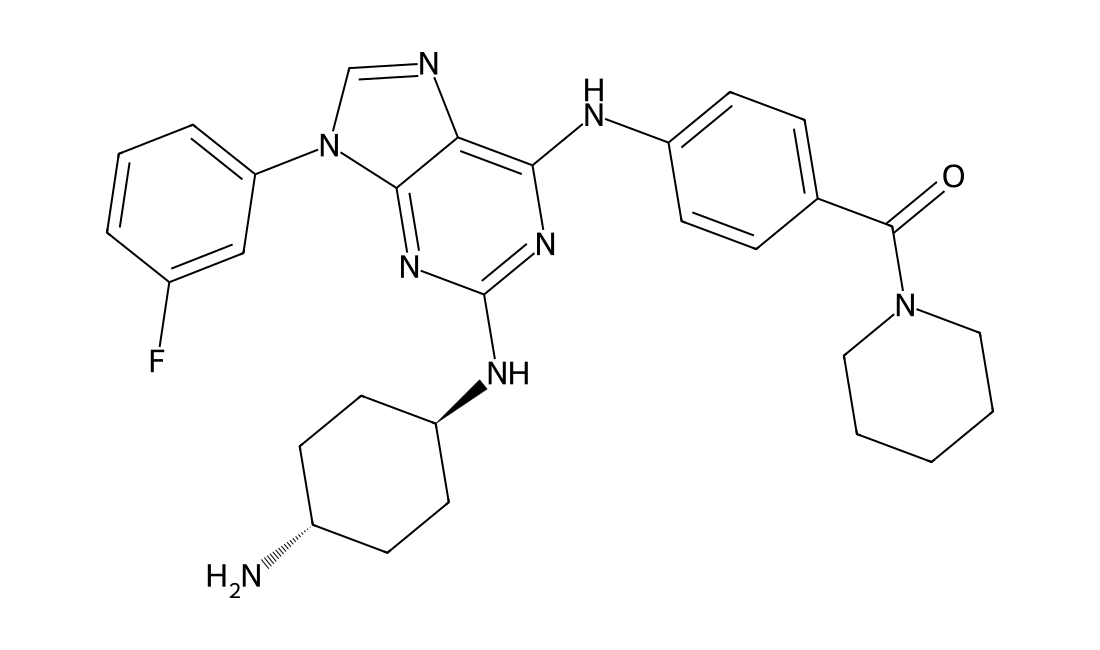
Purfalcamine is a potent, specific inhibitor of Plaasmodium falciparum calcium-dependent protein kinase 1 (PfCDPK1) with IC50 of 17 nM; inhibits proliferation of P falciparum strains (Dd2, FCB, HB3 and W2) with nanomolar EC50s of (171–259 nM); blocks microneme discharge and erythrocyte invasion by P. falciparum merozoites; an anti-malaria parasite agent.
NVP-2Featured
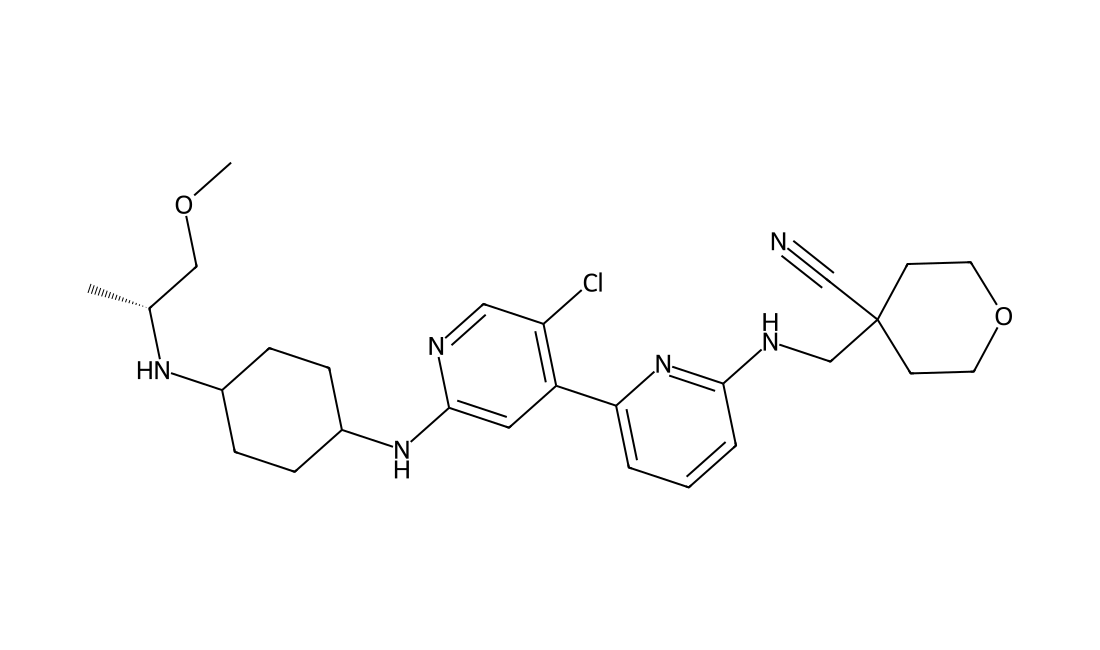
NVP-2 is a CDK9 inhibitor with an IC50 of 0.5 nM.
MN58bFeatured
MN58b is a selective choline kinase α (CHKα) inhibitor, and results in inhibition of phosphocholine synthesis. MN58b reduces cell growth through the induction of apoptosis, and also has antitumoral activity[1][2].
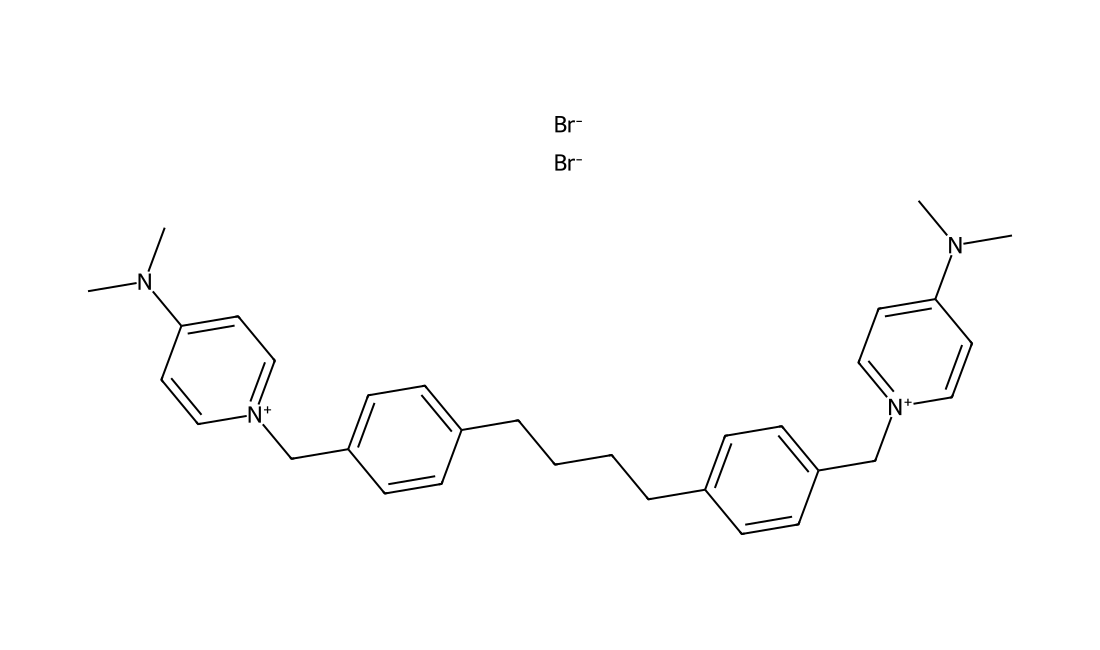
ML188Featured
ML188, a first in class probe, is a selective non-covalent SARS-CoV 3CLpro inhibitor with an IC50 of 1.5 μM. Antiviral activity[1].
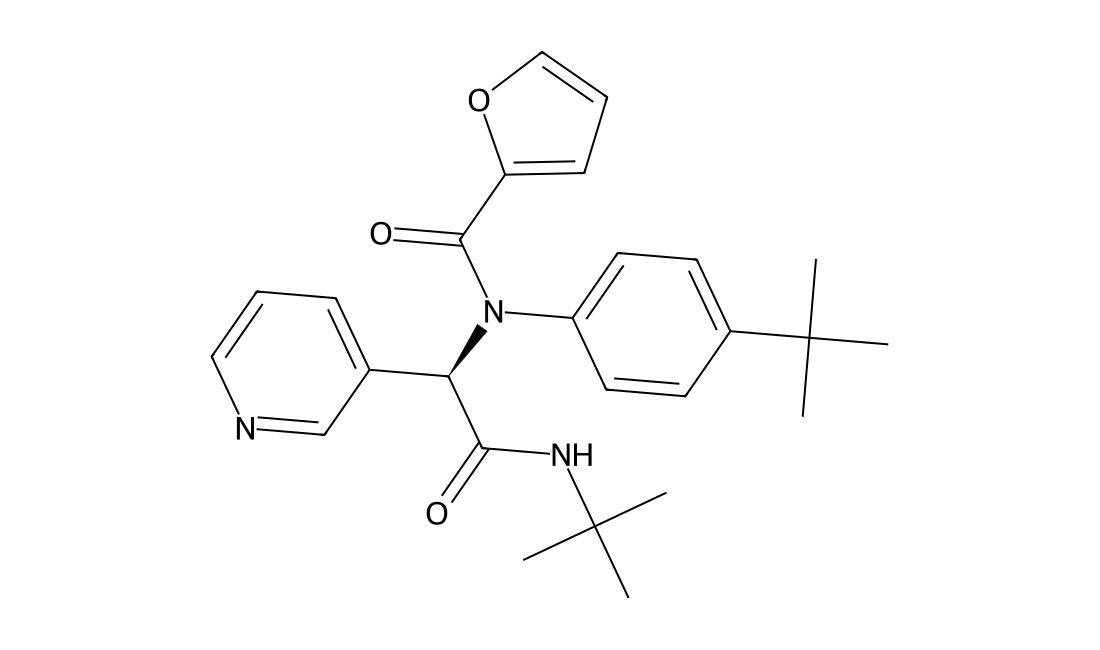
MK2-IN-1 hydrochlorideFeatured
MK2-IN-1 hydrochloride is a potent and selecitve MAPKAPK2(MK2) inhibitor(IC50=0.11 uM) with a non-ATP competitive binding mode.MK2-IN-1 was profiled for kinase selectivity by screening against a broad panel of 150 protein kinases at a concentration of 10 μM, and only CK1γ3 was significantly inhibited at greater than 50%. MK2-IN-1 inhibited pro-inflammatory cytokine secretion from the human THP1 acute monocytic leukemia cell line, causing dose-dependent inhibition of LPS-stimulated TNFα and IL6 secretion. MK2-IN-1 also dose dependently inhibited IL1β-stimulated matrixmetalloprotease (MMP)13 secretion from the SW1353 chondrosarcoma cell line and human primary chondrocyte cultures. Of note, given its high degree of selectivity, our data suggest that MK2-IN-1 may be an excellent pharmacologic tool for specifically exploring and validating MK2 biology [3].
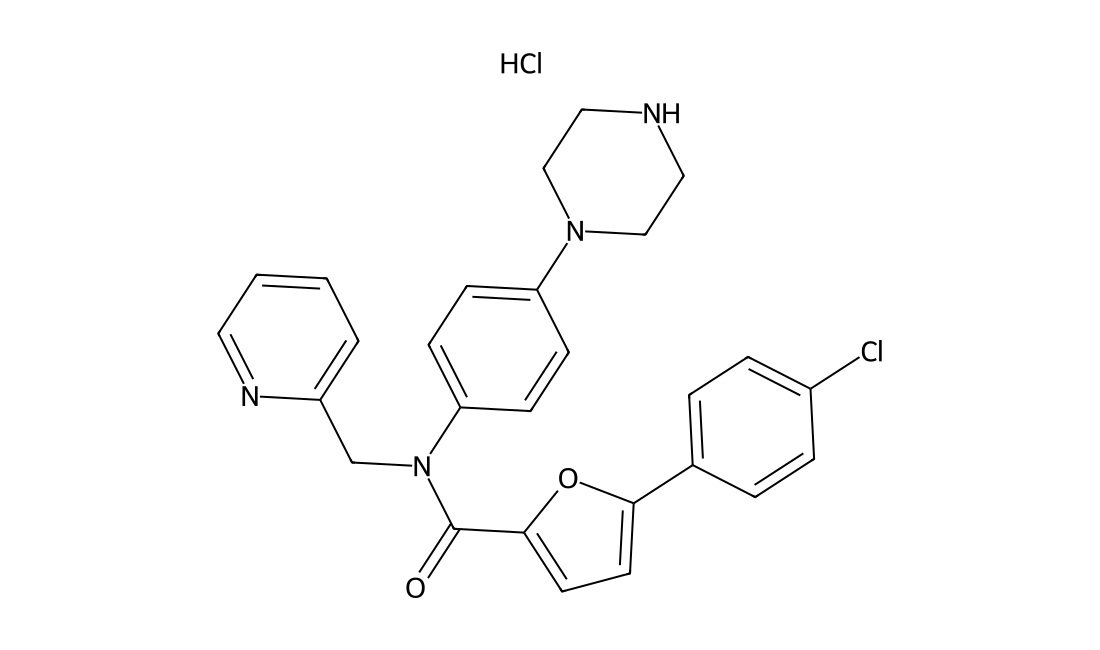
ICI118630Featured
Goserelin (ICI 118630) acetate is an injectable gonadotropin releasing hormone superagonist (GnRH agonist).Goserelin is used to treat hormone-sensitive cancers of the breast (in pre- and peri- menopausal women) and prostate, and some benign gynaecological disorders (endometriosis, uterine fibroids and endometrial thinning). In addition, goserelin is used in assisted reproduction and in the treatment of precocious puberty. It may also be used in the treatment of male-to-female transsexuals and is favoured above other anti-androgens in some countries, such as the UK. It is available as a 1-month depot and a long-acting 3-month depot. Goserelin stimulates the production of the sex hormones testosterone and estrogen in a non-pulsatile (non-physiological) manner.
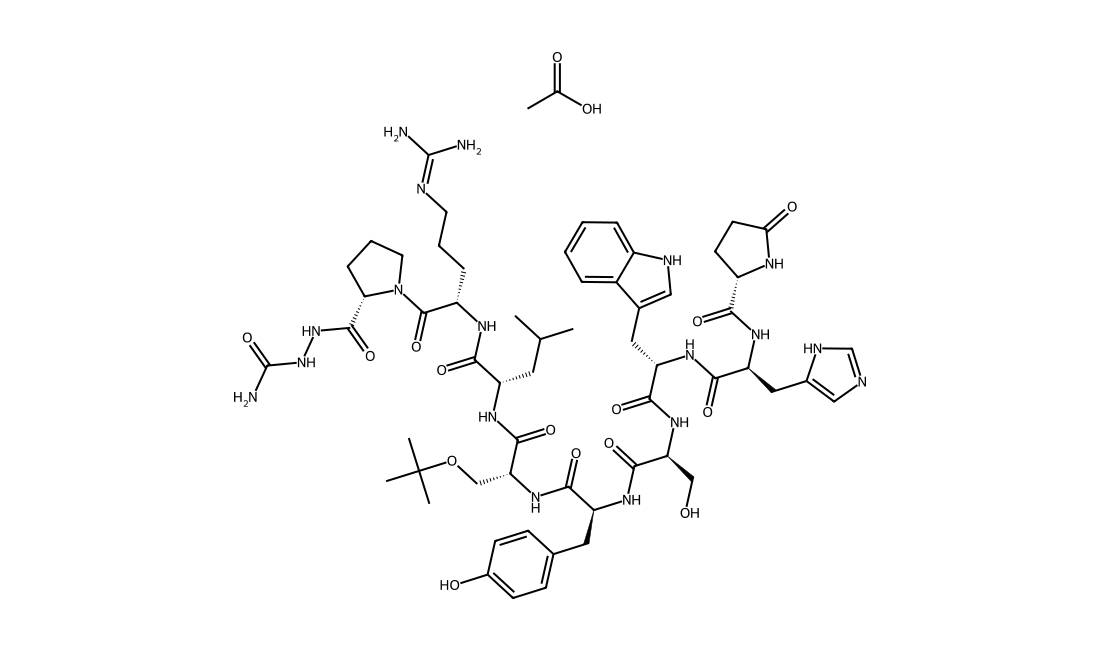
LIN28 inhibitor LI71Featured
LIN28 inhibitor LI71 is a potent and cell-permeable LIN28 inhibitor, which abolishes LIN28-mediated oligouridylation with an IC50 of 7 uM. LIN28 inhibitor LI71 directly binds the cold shock domain (CSD) to suppress LIN28’s activity against let-7 in leukemia cells and embryonic stem cells[1].
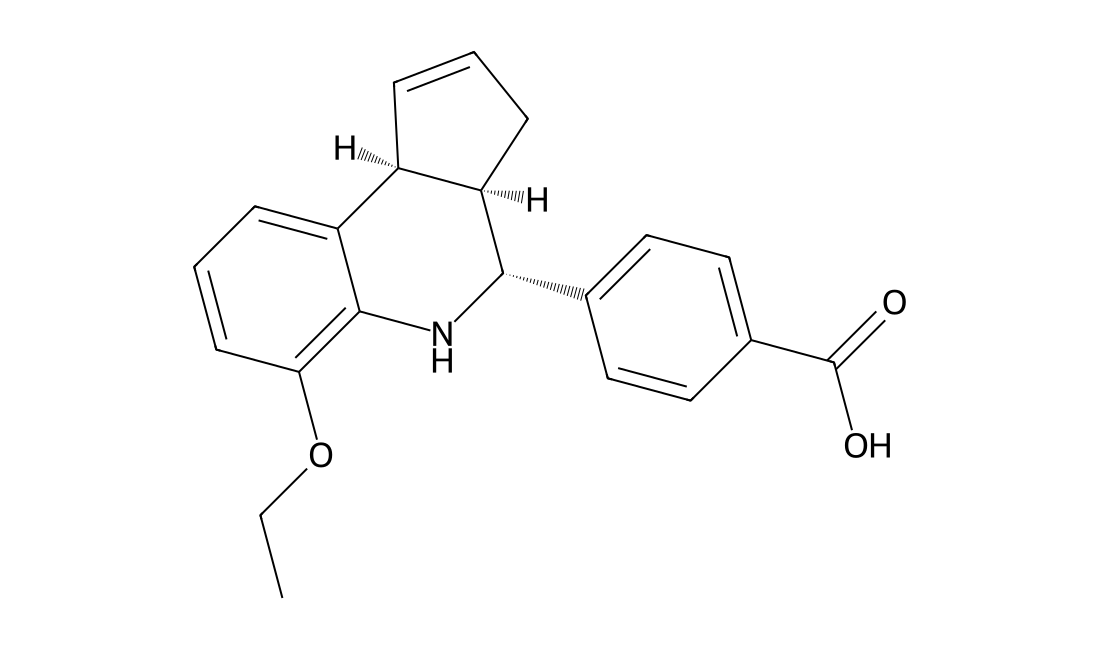
Complement factor D-IN-2Featured
Complement factor D-IN-2 is an inhibitor of complement factor D extracted from patent WO2015130838A1, compound 190. Complement factor D-IN-2 targets factor D and inhibits the complement cascade at an early and essential point in the alternative complement pathway. Complement factor D-IN-2 can be used for the research of autoimmune diseases.
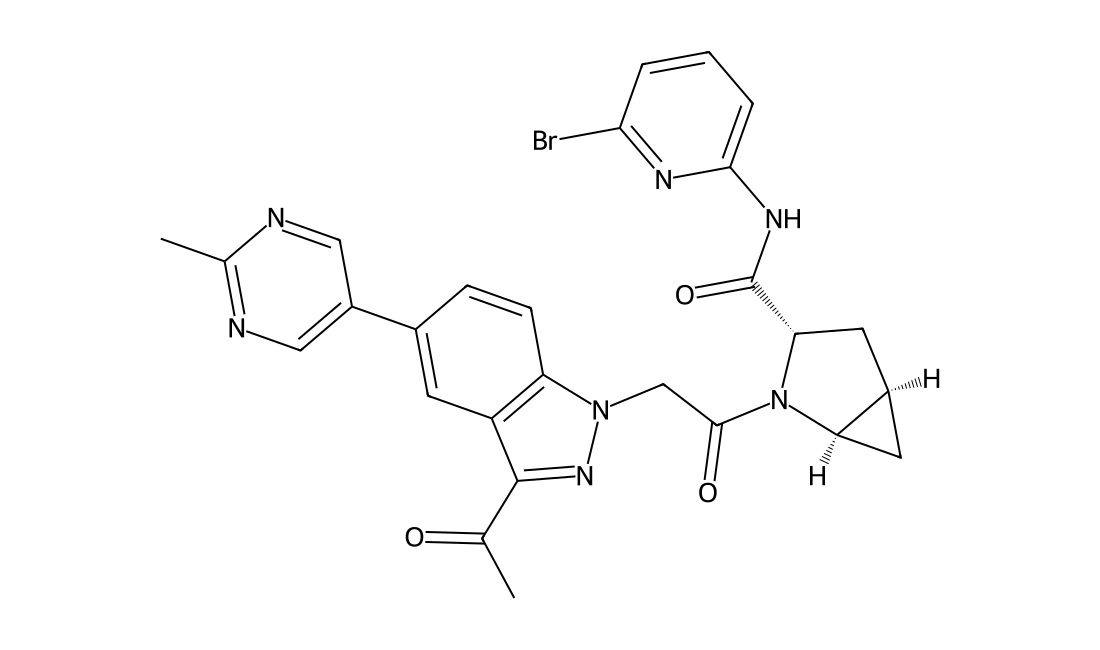
PAD4 inhibitor GSK484Featured
GSK484 is a peptidylarginine deiminase 4 (PAD4) inhibitor. GSK484 demonstrates high affinity binding to PAD4 with IC50s of 50 nM in the absence of Calcium. In the presence of 2 mM Calcium, notably lower potency (250 nM) is observed.
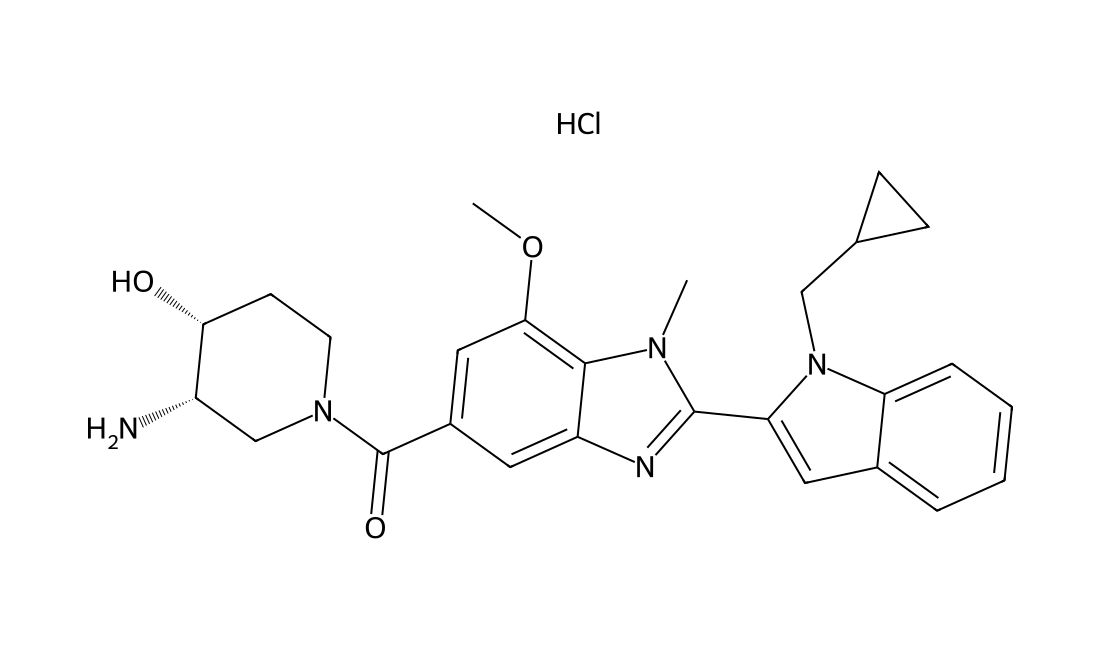
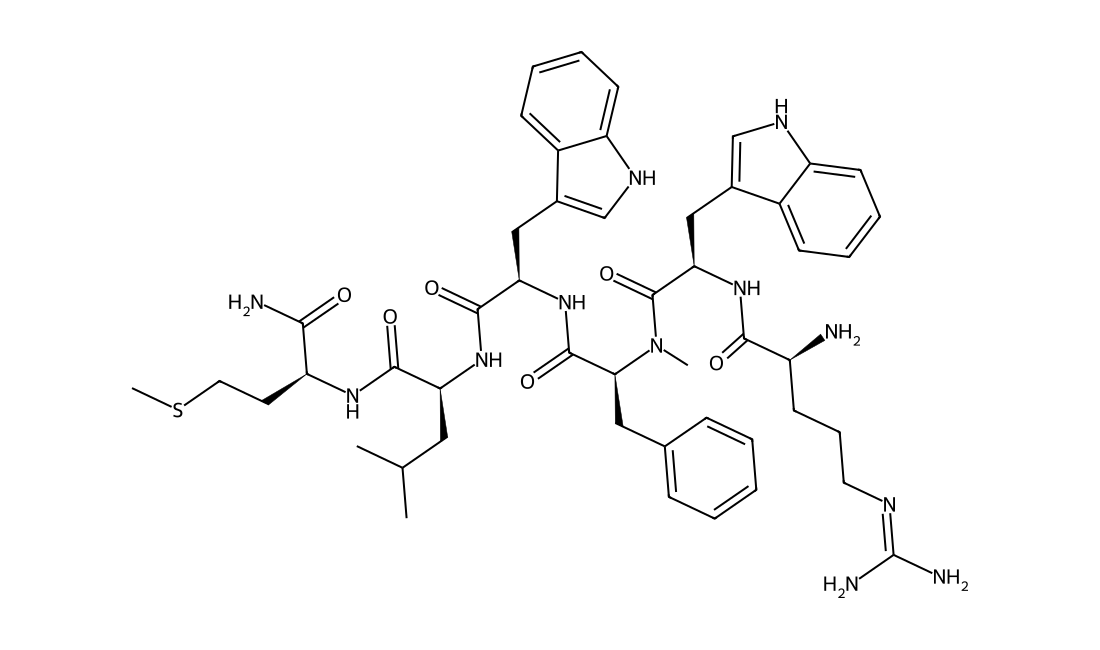
Antagonist GFeatured
Antagonist G is a potent vasopressin antagonist. Antagonist G is also a weak antagonist of GRP and Bradykinin. Antagonist G induces AP-1 transcription and sensitizes cells to chemotherapy[1][2].
No products match this search.
Page 407 of 409 · Browse all 8177 products
Jump to a product page
Featured literature product: HX1 · DCL0028
HX1 is a hydroxyzine-derived ionizable lipid with acetal-containing tails, studied in lipid nanoparticles for brain mRNA delivery and CRISPR–Cas9 delivery. It was the lead in the reported in vivo brain-delivery screen; evidence is preclinical and formulation-dependent.
Read full formulation and performance →